Best classic stovetop pick

Best classic stovetop pick
Start smaller: beans and storage
A Bialetti is already a smaller cart than an espresso machine. If a new moka is waiting, espresso-style beans and a canister still help.
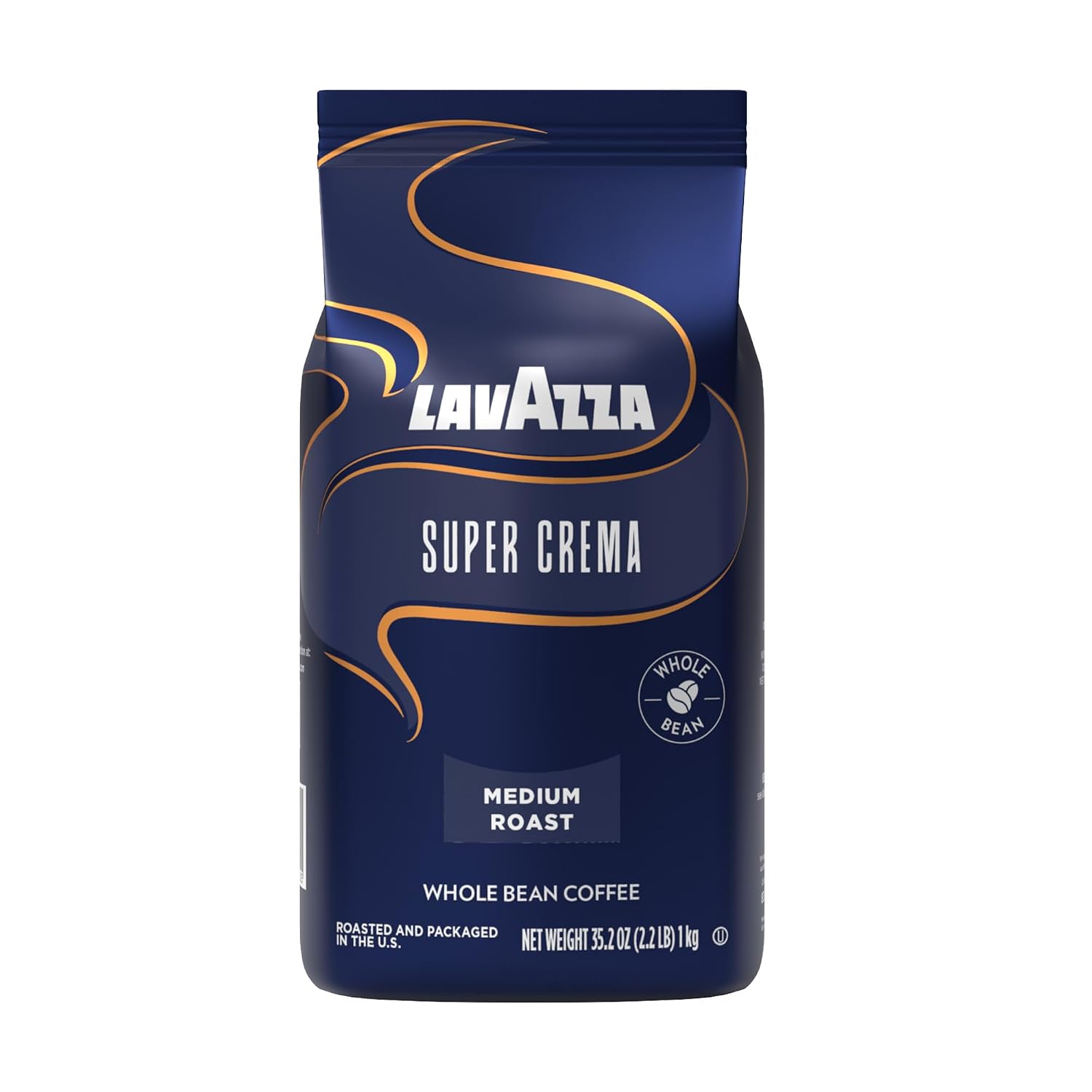
Espresso beans (~$20–$30)
Lavazza Super Crema
Medium-fine espresso beans that hold up on the stovetop in a Bialetti.
Check Super Crema on Amazon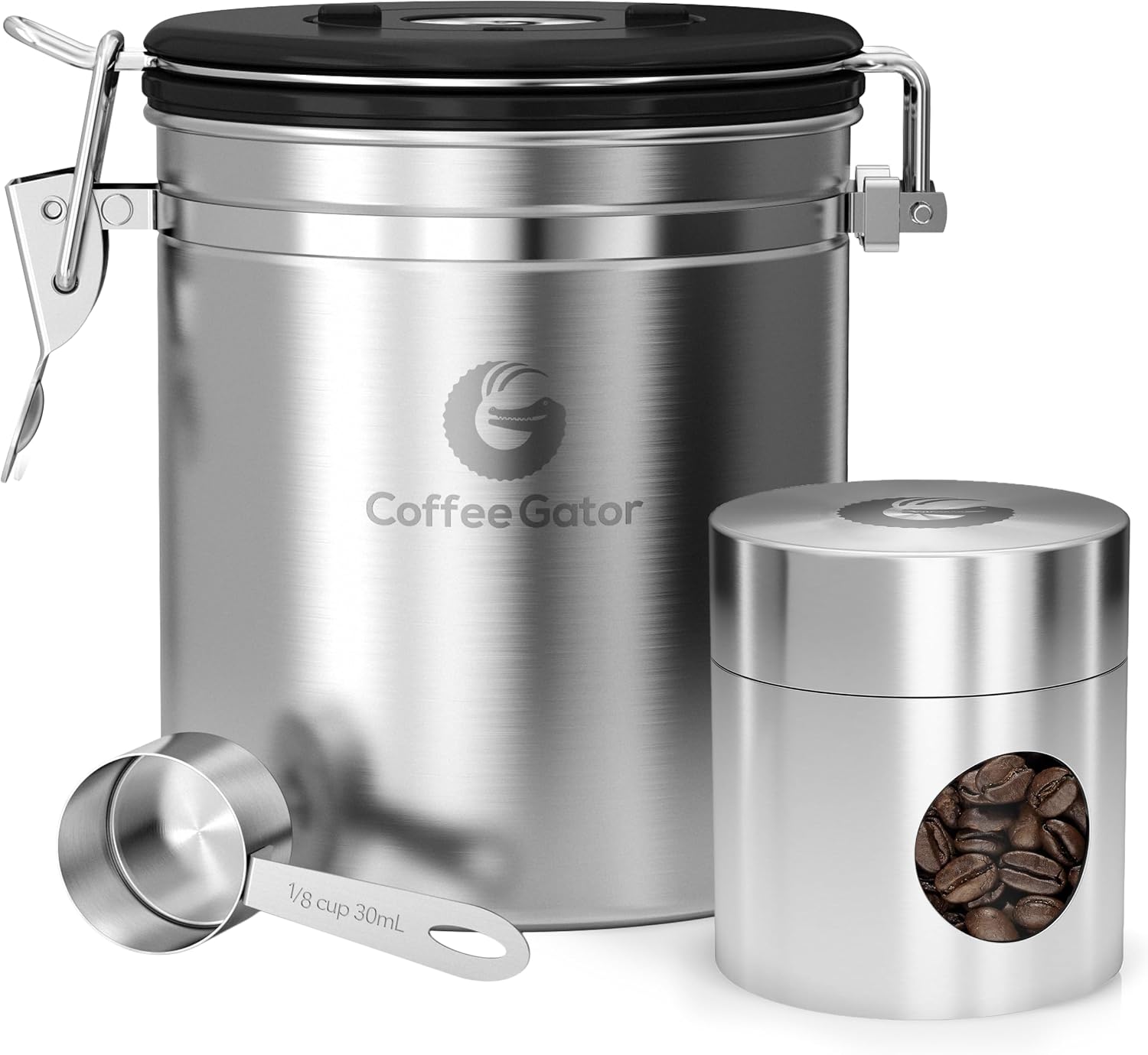
Storage (~$20–$30)
Coffee Gator canister
Moka uses a small dose. A canister keeps the rest of the bag from going stale.
Check Coffee Gator on Amazon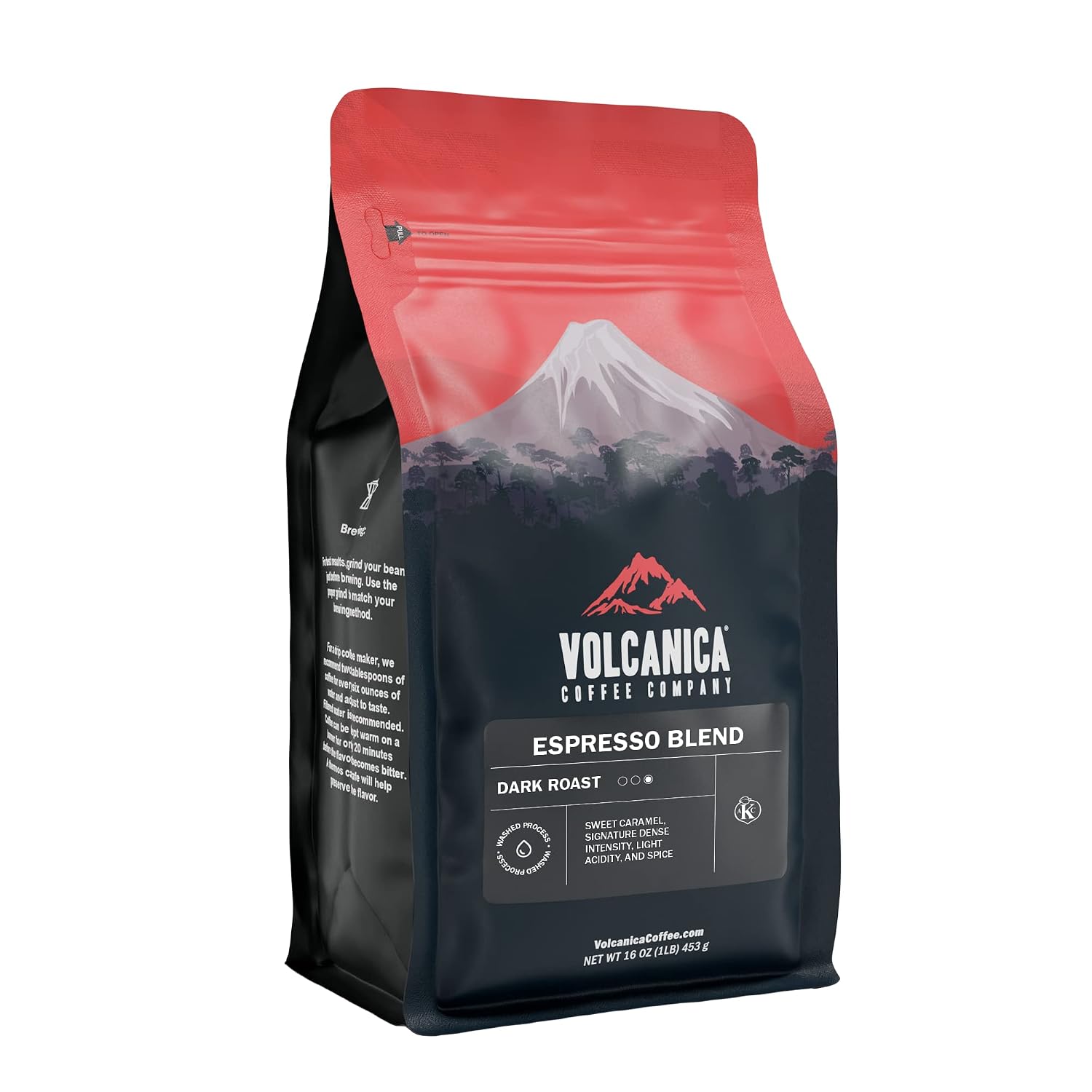
Capitol City Coffee is an independent editorial and affiliate publication. We may earn a commission from links on this page at no extra cost to you, but rankings are based on researched analysis – not payout levels. Recommendations are grounded in verified specs, expert commentary, and aggregated user feedback. Sponsors do not dictate which moka pots appear or how they are rated.
The Bialetti Moka Express is the best moka pot for most people. Its long-term market track record, broad expert praise, repairability, and high value make it the clear default for anyone new to stovetop coffee makers or upgrading from a worn-out pot. This recommendation is based on researched editorial analysis – reviews, expert tests, and cross-source consensus – rather than Capitol City Coffee’s own hands-on testing.
The Moka Express makes strong, rich moka pot coffee that works well for straight shots, diluted with hot water, or cut with milk for a latte or cappuccino – though it is not true espresso from a 9-bar espresso machine. Full details on each pick are below.
Product | Capacity | Material | Stovetop Compatibility | Typical US Price | Strengths | Key Drawbacks |
|---|---|---|---|---|---|---|
1, 3, 6, 9, 12 cup (~2–20 oz) | Cast aluminum | Gas, electric, radiant | $30–$60 | Classic flavor, low cost, easy parts | No induction, can discolor | |
1, 3, 6 cup (~2–10 oz) | Die-cast aluminum | Gas, electric, radiant | $77–$125 | Less bitterness, iconic design, drip-free spout | Premium price, no native induction | |
2, 4, 6, 10 cup (~3–19 oz) | 18/10 stainless steel | Gas, electric, induction (4-cup+) | $44–$70 | Induction-ready, durable, neutral taste | Slower brew, some usability quirks | |
3, 6, 9 cup (~5–15 oz) | Aluminum | Gas, electric, radiant | $25–$40 | Budget-friendly, classic body | Lower fit-and-finish, gasket quality varies |
Details and performance assessments come from manufacturer specs and aggregated third-party testing and reviews, not Capitol City Coffee’s lab measurements.
This guide is based on researched editorial analysis, not CCC’s own hands-on tests. No in-house tasting, measurement, or durability trials were performed for this roundup.
Sources used include:
Evaluation criteria, in order of weight:
Induction compatibility and availability of US replacement parts (gaskets, filters, handles) were weighted more heavily because they affect long-term cost. No recommendation is sponsored, and products with persistent taste or design issues in third-party reviews were de-prioritized even if widely sold.
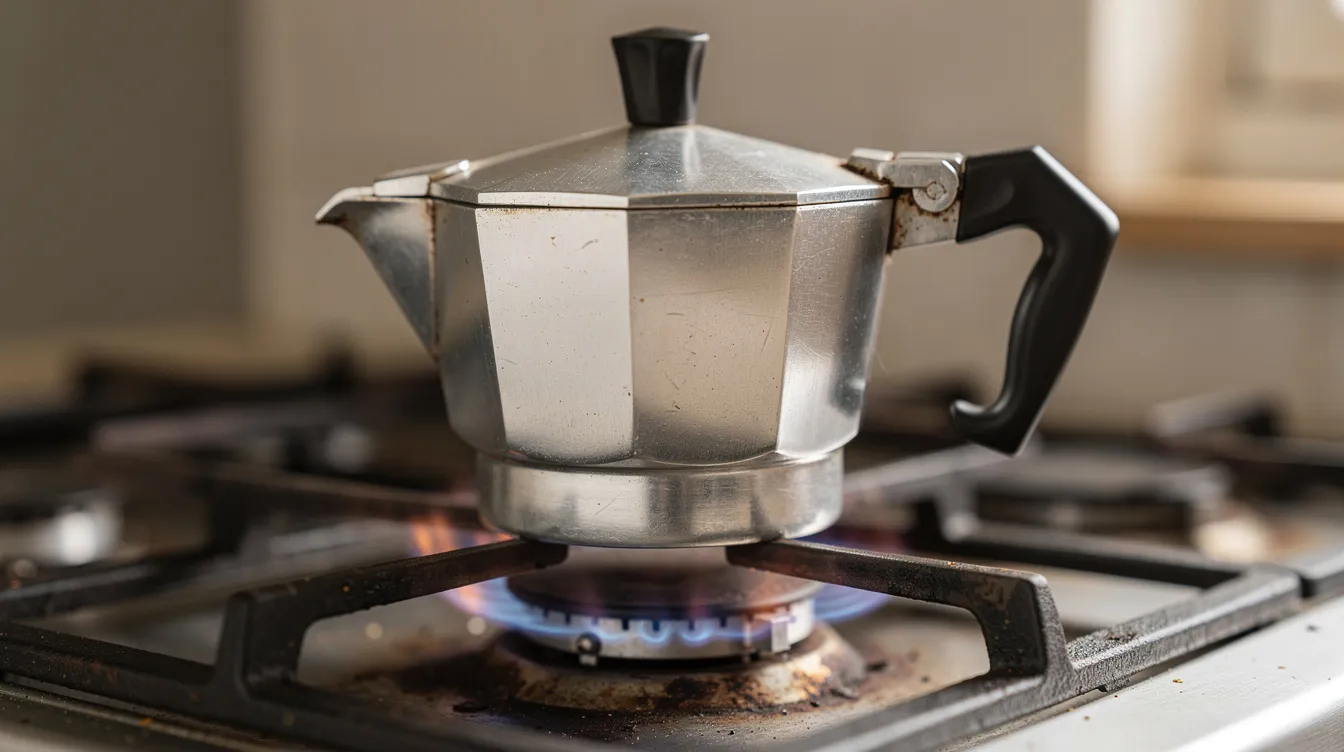
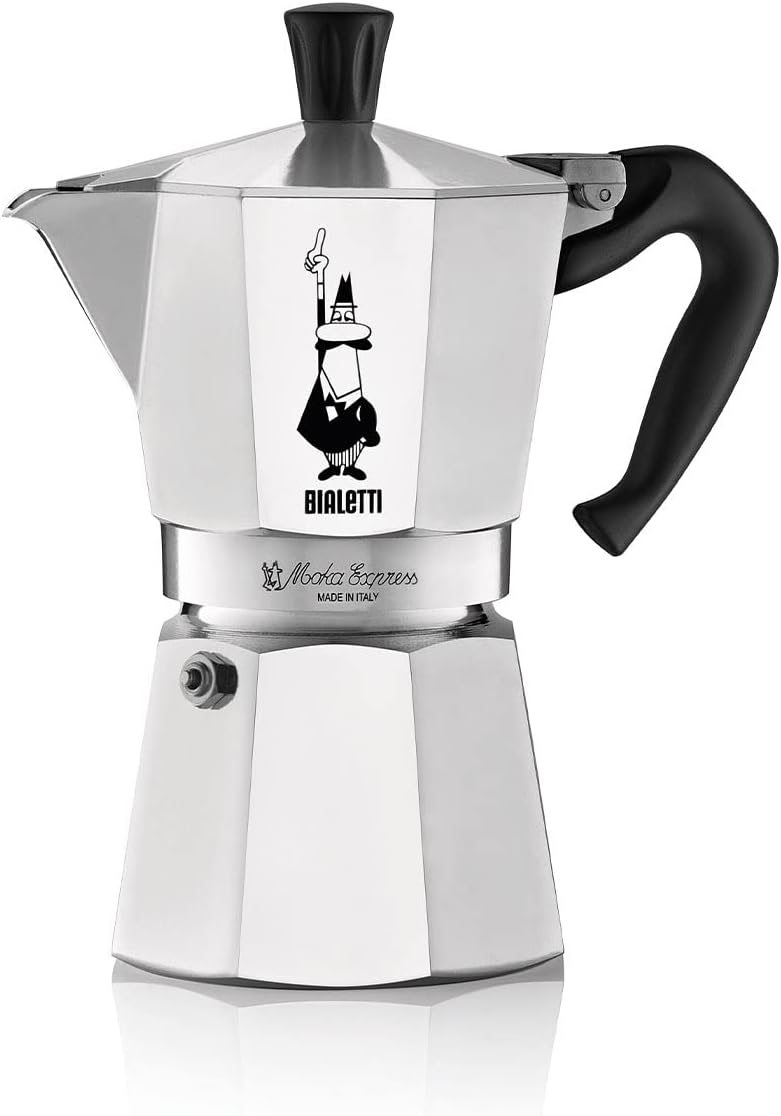
The Bialetti Moka Express is the most popular moka pot and the most recognizable moka pot today. It earns its reputation through a balance of price, flavor, and durability that most competitors cannot match.
Construction and design: Cast aluminum body with the iconic octagonal shape inspired by art deco architecture. Black heat-resistant handle and knob. Sizes commonly available in the US include 1, 3, 6, 9, and 12 cup models. Moka pots are measured in small cups of about 2 ounces each, so a 6-cup Moka Express yields roughly 8–10 fl oz of concentrated coffee – enough for a double espresso equivalent or two diluted mugs.
Cup profile: Expert and user consensus describes the result as strong, full-bodied moka pot coffee with chocolatey and nutty notes. It’s thicker than drip but less intense and crema-rich than espresso from an espresso machine. It works well for straight shots or cut with hot water or milk for a latte-style drink.
Workflow: Fill the lower chamber with water just below the safety valve, load a leveled basket of medium-fine ground coffee (coarser than espresso, no tamping), screw the upper chamber on firmly, and brew over medium heat. Active brewing takes 3–5 minutes, signaled by audible gurgling.
Cleaning and maintenance: The pot disassembles into three main parts. Rinse with warm water – avoid abrasive detergents on aluminum. Gasket and filter replacement parts are readily available from Bialetti in the US.
Limitations: Standard aluminum moka pots do not work on induction cooktops without a separate adapter. Aluminum can discolor over time. The Bialetti Moka Express has been around since the 1930s and cannot produce true 9-bar espresso.
Ideal user: Coffee drinkers who want rich, concentrated moka coffee with a minimal learning curve, on gas or electric stovetops, and who value low upfront cost plus long-term repairability. Typical US price range is $30–$60 for 3–6 cup sizes.
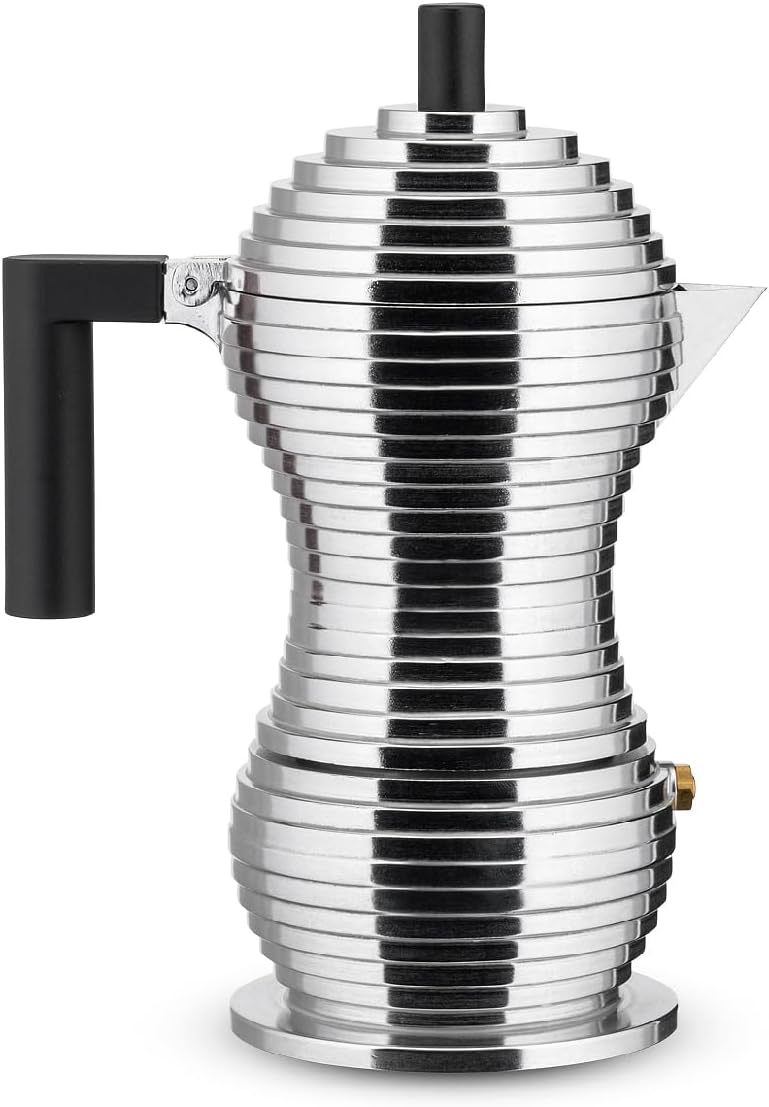
The Alessi Pulcina is the design-forward premium moka pot choice for buyers who care about aesthetics as much as coffee. It’s a collaboration between Alessi and architect Michele De Lucchi, featuring a stepped, sculptural body and a distinctively sculpted spout that reduces drips when serving.
Performance benefits: The Pulcina’s internal geometry is designed to interrupt flow before the bitter steam phase, reducing over extracted coffee compared with standard moka pots brewed carelessly. This makes it more forgiving for less experienced users.
Practical details: Available in 1, 3, and 6 cup sizes in aluminum, compatible with gas and most electric stovetops. The unusual shape can be less stable on very small burners. The spout pours cleanly, and the handle stays cool during the brewing process.
Cup profile: Still classic moka pot coffee, but expert reviews often describe it as cleaner, slightly less bitter, and more focused than very cheap aluminum alternatives.
Cleaning: Similar hand-wash care as other aluminum moka pots. Alessi replacement parts cost more and may require online ordering rather than local availability.
Limitations: Significantly higher price than the Bialetti Moka Express ($77–$125), no native induction compatibility, and a polarizing “statement” look that may not suit every kitchen.
Ideal user: Design-focused coffee fans who want a sculptural stovetop coffee maker that can sit on the counter, enjoy moka pot coffee regularly, and are comfortable paying a premium for aesthetics and brand cachet.
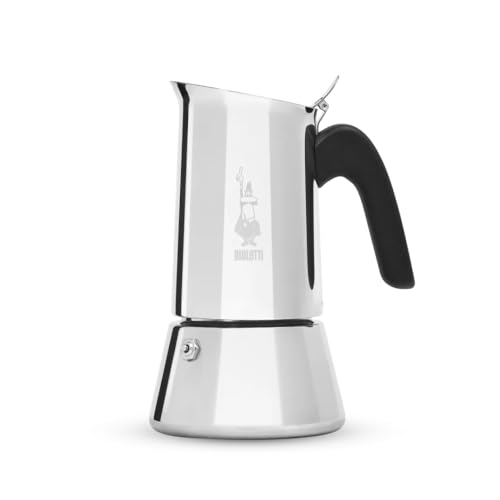
The Bialetti Venus is the go-to stainless steel moka pot for buyers who prioritize durability, induction compatibility, and a sleeker silhouette. Stainless steel moka pots work on all stovetops including induction, making the Venus a practical choice for modern kitchens.
Materials and build: 18/10 stainless steel body with a curved cylindrical form and heat-resistant handle. Newer Venus models feature magnetic bases for induction, but the 2-cup version may not trigger detection on some induction hobs. Always verify before purchasing.
Cup profile: Similar strength to traditional aluminum moka pots. Some users report a slightly cleaner, less metallic taste out of the box since stainless steel does not require the seasoning period that aluminum does. However, taste differences are smaller than what grind size and technique produce.
Workflow: The narrower base and taller body affect heat distribution and contact time, making medium heat and close attention important. The brewing process can be slightly slower than with aluminum due to stainless steel’s greater thermal mass.
Cleaning: Stainless steel tolerates gentle dish soap and slightly more aggressive scrubbing than aluminum, which many users appreciate. Still, hand-washing and fully drying the gasket area is recommended to prevent degradation. Some users report grooves or seams that trap coffee grounds.
Ideal user: People with induction cooktops or who want a more corrosion-resistant moka pot for heavy daily use, willing to accept slightly more finicky usability.
Price and value: Mid-range at roughly $44–$70 – higher than basic aluminum but below boutique design pots. The trade-off is durability versus some reported usability quirks.
Beyond the top picks, several other moka pots make sense for specific budgets, aesthetics, or stovetops. Different models of moka pots vary in materials and design features.
These are researched editorial inclusions based on spec sheets and third-party evaluations, not CCC in-house tests.
A moka pot is a stovetop coffee maker consisting of a bottom water chamber, a metal filter basket for ground coffee, and an upper chamber where brewed moka pot coffee collects.
History: The moka pot was invented in the early 1930s. Alfonso Bialetti created the Moka Express in 1933, with the design inspired by art deco architecture. Sales of the Moka Express surged in the late 1950s as Italian households adopted it widely, and over 300 million units have been sold globally since.
How it works: Water in the lower chamber heats up, creating steam pressure – roughly 1.5 bars – that pushes hot water up through the coffee grounds in the basket and into the top chamber, producing concentrated moka coffee.
Versus an espresso machine: Espresso machines require 9 bars of pressure for brewing, achieved through electric pumps or levers at controlled temperatures (~90–96°C). This higher pressure combined with a fine espresso grind yields thick, crema-topped shots. Espresso is more intense and full-bodied than moka coffee. Moka pots use lower pressure and a coarser grind, so they produce strong coffee but not true café-style espresso. The term “stovetop espresso” is common but technically misleading.
Capacity note: A “6-cup” moka pot typically yields around 8–10 fl oz of concentrated coffee, not six full American mugs. Most moka pots use small espresso-style cup measurements of about 2 ounces each.
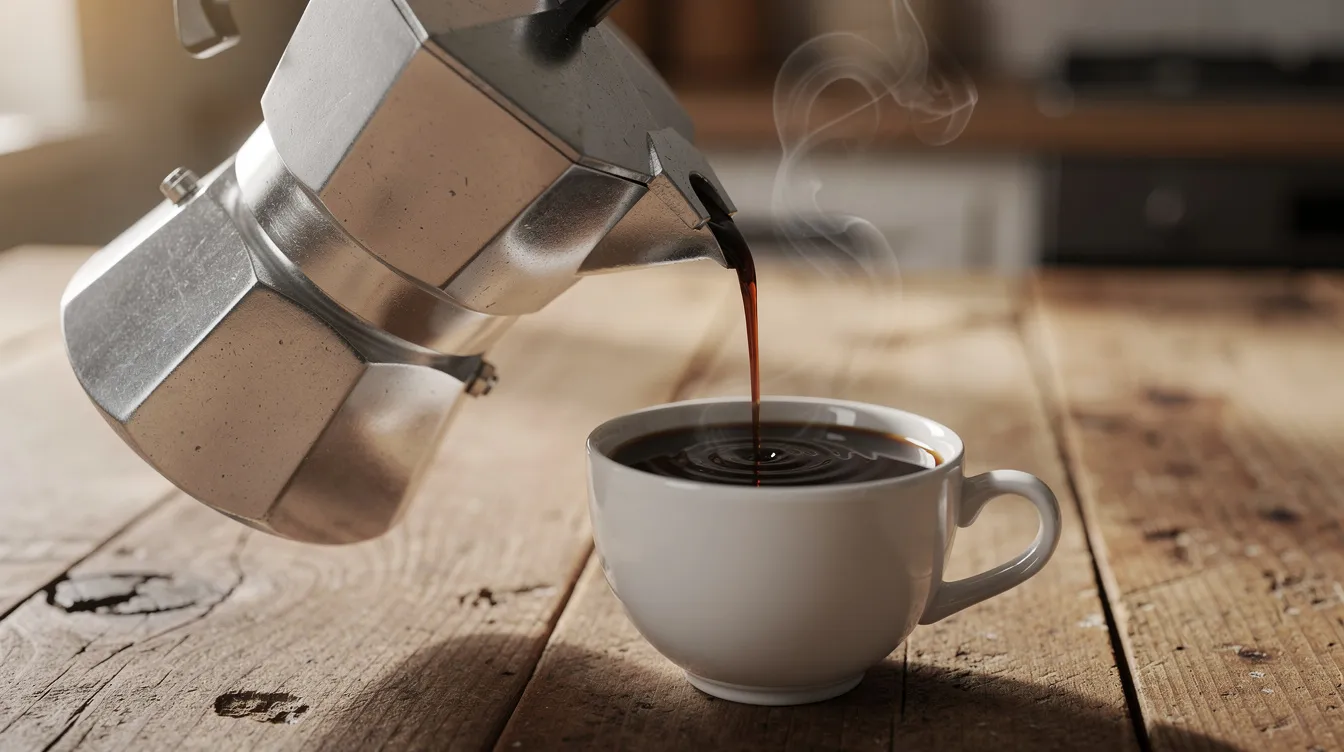
Visual and sound cues: the same cues you would watch for in a short video demonstration apply here – a continuous stream that turns to hissing and gurgling signals the chamber is emptying. Do not wait until the pot loudly sputters for an extended period – that leads to over extracted coffee.
Recipe adaptations: Dilute moka coffee with hot water for an Americano-style drink. Mix with steamed milk for a latte or cappuccino-adjacent drink. Pour over ice after cooling for iced coffee with a small amount of sweetener.
Capacity: Common sizes are 1, 3, 6, 9, and 12 cup moka pot options. You generally brew a moka pot full for best performance, so choose a size that matches your typical servings.
Materials: Aluminum moka pots heat evenly and develop a seasoned interior over time, but can discolor and are not dishwasher safe. Stainless steel is more durable, sometimes induction-friendly, heavier, and more expensive. Heavier pots with thick walls distribute heat evenly and resist warping.
Stovetop compatibility: Gas, electric coil, and radiant glass work with most moka pots. Induction cooktops require either stainless steel moka pots or aluminum models designed with steel bases. Standard aluminum moka pots do not work on induction cooktops without an adapter.
Workflow and usability: Look for heat-resistant handles for safe pouring, clear fill levels, and a well-designed pouring spout that reduces drips and spills when serving. Lid hinges affect how you pour and clean.
Cleaning: Simple interior geometry with few grooves makes rinsing easier. Availability of replacement gaskets, filters, and handles signals long-term viability. Choose a reputable brand to ensure long-term availability of replacement parts.
Durability and value: A well-maintained moka pot can last 5–10+ years. Slightly higher upfront cost often pays off if the pot is repairable with standard parts.
Cup profile: Shape and material influence heat and contact time, but grind size, ratio, and technique make the biggest difference to final taste. Look for high-quality pressure-release safety valves in moka pots for consistent brewing and safety.
Budget and value: Basic aluminum pots run under $40. Mid-range stainless or better-finished aluminum pots land at $40–$80. Design-driven or heritage pieces go higher. Spend enough for proven brands with replaceable parts rather than ultra-cheap knock-offs.
Stovetop and kitchen setup: If you have induction, choose stainless or clearly induction-ready bases, or buy a separate adapter plate. For small apartments or RVs, compact 1–3 cup moka pots with stable bases work on small burners.
How you drink coffee:
Maintenance tolerance: Prefer no-nonsense cleaning? Choose stainless with simple shapes. Willing to hand-wash carefully? Aluminum delivers the traditional moka experience.
Design and storage: The angular Moka Express or sculptural Pulcina look great on a stove. Minimalists may prefer smooth stainless cylinders like the Venus.
Match capacity and stovetop first. Then decide between classic aluminum vs stainless. Use price and design as tiebreakers.
Proper care significantly extends a moka pot’s life and preserves cup quality, making even premium models economical over time.
Routine cleaning: Rinse all parts with warm water after each use. Discard coffee grounds promptly and allow the pot to air dry fully before reassembly. For aluminum, avoid abrasive pads and strong soap – mild soap only if necessary. Silicone gaskets last longer and are easier to clean than traditional rubber gaskets.
Deep cleaning: Occasionally remove the gasket and filter to clear trapped oils and fines. Gently remove coffee oils and mineral deposits without harsh chemicals.
Gaskets and filters: Moka pot gaskets create a secure seal for brewing pressure. Expect to replace gaskets every 1–2 years with daily use. Signs of wear include leaks, cracking, and difficulty sealing. Bialetti and major brands sell affordable gasket/filter kits. Generic kits exist but may not fit as precisely.
Cost of ownership: Initial purchase plus periodic gaskets and possible handle replacements keeps long-term costs low compared to electric espresso machines or a coffee maker with electronic components. Stainless models may cost more upfront but tend to be more resistant to corrosion.
Safety and longevity: Periodically check and gently clean around the safety valve to ensure it is not blocked by scale or coffee residue. Never leave an empty moka pot on heat – it risks warping, gasket damage, and off flavors.

Moka pots do not make true espresso, but moka coffee works as a versatile base for many drinks consumed at home.
Moka “espresso” vs real espresso: Moka pots brew under lower pressure with slightly coarser grind, so there is little or no crema and a different texture. Espresso is more intense and full-bodied than moka coffee, but moka coffee substitutes well for many espresso-based drinks if you accept the difference.
Latte and cappuccino-style drinks: A latte is traditionally espresso plus steamed milk, but moka pot coffee can stand in. Use a darker roast and slightly finer medium-fine grind for a richer base, then add steamed or frothed milk in classic ratios.
Americanos and long coffees: Dilute moka pot coffee with hot water to taste. This approximates an Americano or strong drip-style cup that’s fun to sip over a longer morning.
Iced and cool drinks: Brew slightly stronger moka pot coffee, let it rest and cool, then pour over ice. Mix with milk and sweetener for an iced latte. Chill the coffee before pouring to reduce over-dilution.
Specialty uses: Café cubano – sweetened moka coffee poured over whipped sugar – is a classic regional style where moka pots are central to the home tradition.
Bitter or burnt coffee:
Weak or watery coffee:
Sputtering and spraying:
Leaks around the middle seam:
Metallic or off flavors:
Versus French press: A French press brews by immersion with metal filtration, yielding a heavier body but no pressure, while moka pots produce a smaller, more concentrated cup with more intensity. French press is more forgiving on grind, but moka pots reward precision.
Versus pour-over: Pour-over coffee makers use paper or fine metal filtration and gravity flow, creating a cleaner cup with more clarity. Moka pots deliver a dense, rich profile by comparison – less nuance, more punch.
Versus cold brew: Cold brew coffee makers use long, cool immersion for a low-acidity, smooth result. Moka coffee can be cooled and poured over ice, but the flavor is distinctly different – brighter acidity and more body from the hot, pressurized extraction.
Versus espresso machines: Espresso machines involve higher pressure, tighter grind tolerances, more expensive gear, and a steeper learning curve, but reward with café-level espresso and milk drinks if you invest in proper equipment.
You can explore more gear reviews under Capitol City Coffee’s gear section and manual brewers hub for broader coverage of stovetop coffee makers and beyond.
These answers cover practical moka pot questions not fully addressed above.
Active brewing time is typically 3–5 minutes once the moka pot is on medium heat, depending on pot size, water temperature, and stove power. Pre-heating the water in a kettle can shorten this window and reduce the time ground coffee spends over direct heat, which tends to improve flavor.
Any freshly roasted coffee can work, but medium to dark roasts are most common for moka pot coffee because they produce a richer, chocolatey cup that stands up to milk. Grind just before brewing and aim for a medium-fine grind – finer than drip, coarser than espresso. There is no need for a dedicated “moka blend,” though brands like Café Bustelo and illy are popular choices.
Traditional aluminum moka pots like the Bialetti Moka Express are not inherently induction-compatible. You can use a separate induction adapter plate between pot and burner, though this adds inefficiency. Stainless steel models such as certain sizes of the Bialetti Venus are induction-ready – always confirm compatibility in the product description, especially for smaller 2-cup models.
For most healthy adults, moderate intake of black coffee – including moka pot coffee – is widely considered safe and may correlate with certain health benefits based on large population studies. Individuals sensitive to caffeine or with specific medical conditions should consult a healthcare professional. Adding large amounts of sugar or milk changes the health profile more than the brew method itself.
Moka pot cups are small espresso-style servings, not full 8-oz mugs. A 3-cup moka pot typically makes about 4–5 fl oz, and a 6-cup makes roughly 8–10 fl oz of concentrated coffee. Choose a size based on how many small, strong servings you want at once and whether you plan to dilute with water or milk for a longer drink.
Every coffee and coffee machine we recommend is scored on the same 100-point scale, so a recommendation on one page means the same thing as a recommendation on any other. Each pick is also labeled with how we reached its score.
| What we score | Points | What we look at |
|---|---|---|
| Origin and sourcing transparency | 20 | Country, region, farm or cooperative, altitude, bean variety, and processing method are clearly disclosed. |
| Flavor evidence | 25 | Independent cupping scores, how closely the tasting notes match what the origin is known for, and our own cupping notes when hands-on tested. |
| Roast and freshness | 15 | Roast level stated, roast-date practices, whole-bean availability, and packaging with a one-way valve or resealable bag. |
| Brew versatility | 15 | How well the roast suits pour-over, drip, French press, cold brew, and espresso. |
| Value | 15 | Price per ounce compared with similar single-origin coffees or blends. |
| Buyer feedback | 10 | Volume and consistency of verified reviews, and recurring complaints about staleness, bitterness, or shipping. |
| What we score | Points | What we look at |
|---|---|---|
| Brewing performance | 25 | Water temperature in the 195–205°F range, even extraction, and SCA certification or published test data. |
| Build quality and reliability | 20 | Materials, known failure points, and long-term owner reports. |
| Ease of use and cleaning | 15 | Setup, the daily routine, descaling, and dishwasher-safe parts. |
| Fit for your kitchen | 10 | Capacity, counter footprint, and noise. |
| Useful features | 10 | Programming, grind and temperature control, and carafe type. Features that improve the cup count more than extras that do not. |
| Value | 10 | Price compared with machines that perform similarly. |
| Warranty and support | 10 | Warranty length, parts availability, and how the brand handles repairs. |
| Score | Grade | What it means |
|---|---|---|
| 90–100 | A | Exceptional. Our first recommendation for the feeling and setting described. |
| 80–89 | B | Strong. Excellent, with minor trade-offs we explain. |
| 70–79 | C | Good. Worth it for specific needs, with clear compromises. |
| Below 70 | — | Not recommended. We do not feature these as picks. |
When a pick carries the Hands-on tested label, this is the method behind it, and we note the date we tested.
We match each coffee to a mood and a moment based on its flavor profile and roast. Bright, citrusy light roasts suit energizing mornings. Chocolatey, full-bodied medium roasts suit slow or social moments. Richer roasts suit espresso and milk drinks. Each pick explains which facts led us to that match.
Every score comes only from the criteria above. No brand can pay for a pick or a higher grade. We re-check ratings when a roast, listing, or model changes, and update or remove picks that no longer earn their grade.
Some links on this page are affiliate links. As an Amazon Associate, Capitol City Coffee earns from qualifying purchases, at no extra cost to you.
Questions about a rating? Reach the Capitol City Coffee team through our contact page.