If you need a fast, one-cup-at-a-time brewer that delivers good coffee without the fuss of a full pot, a single-serve coffee maker is the simplest upgrade you can make. After researching dozens of models, cross-referencing expert lab results, and reviewing verified buyer feedback across the U.S. market, two machines consistently rise to the top for most households in 2026: a versatile pods-and-grounds brewer like the Ninja Pods & Grounds Specialty Single-Serve for everyday flexibility, and the Nespresso Essenza Mini for quick, nearly foolproof espresso-style drinks.
Best pod brewer pick
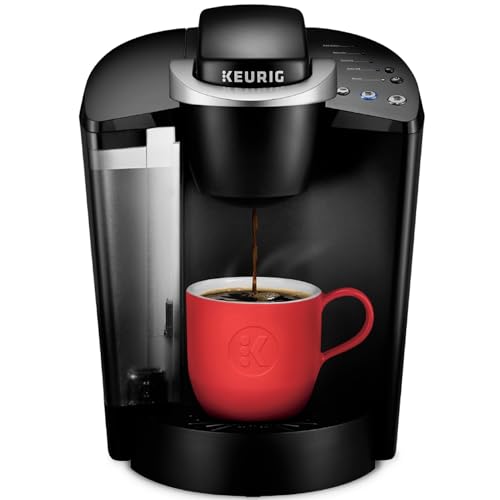
For this roundup, Keurig K-Classic is the pod brewer we recommend first—the same pick at the top of our At-a-glance cards below.
The best single serve coffee maker for most people is a versatile model that accepts both coffee pods and ground coffee, giving you flexibility on flavor and long-term cost.
These rankings are based on researched editorial analysis of verified specs, reputable expert reviews, and broad consumer consensus – not hands-on testing by Capitol City Coffee.
Your ideal pick depends on brew style (drip coffee, espresso, iced coffee, or cold brew), available counter space, ongoing consumable costs, and how much control you want over the brewing process.
Pod machines offer unmatched convenience but cost significantly more per cup over time; pod-free single-serve machines using ground coffee can cut ongoing costs by half or more.
Budget-friendly options under $100 exist that still deliver reliable, decent single-serve coffee for daily drinkers.
Affiliate Disclosure
Capitol City Coffee is an independent coffee editorial and affiliate publication. We may earn a small commission from qualifying purchases made through links on this page, at no additional cost to you. Commissions do not influence our rankings or coverage – every pick is based on researched editorial judgment.
Quick Answer & Top Single-Serve Coffee Maker Picks
There is no single “best coffee maker” for everyone, but a few models clearly stand out for most U.S. households in 2026. The right choice depends on whether you prioritize pod convenience, espresso quality, compact size, budget, or the ability to use your own coffee grounds.
Here are our top picks:
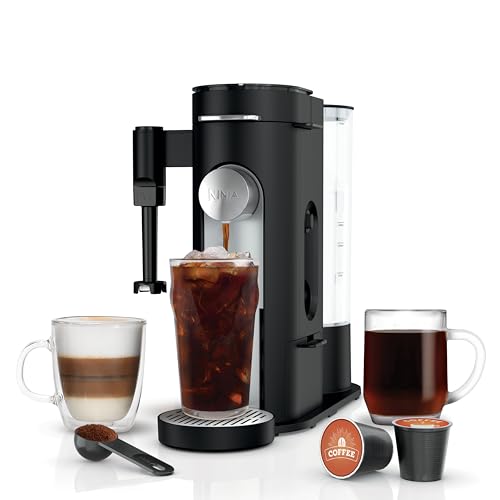
Best Overall – Ninja Pods & Grounds Specialty Single-Serve: Brews from K-Cup pods or ground coffee, 8–12 oz sizes, strong programmability, ~48 oz reservoir
Best for Pods (K-Cup) – Keurig K-Elite: Five brew sizes (4–12 oz), iced mode, ~75 oz reservoir, consistent brew temperature
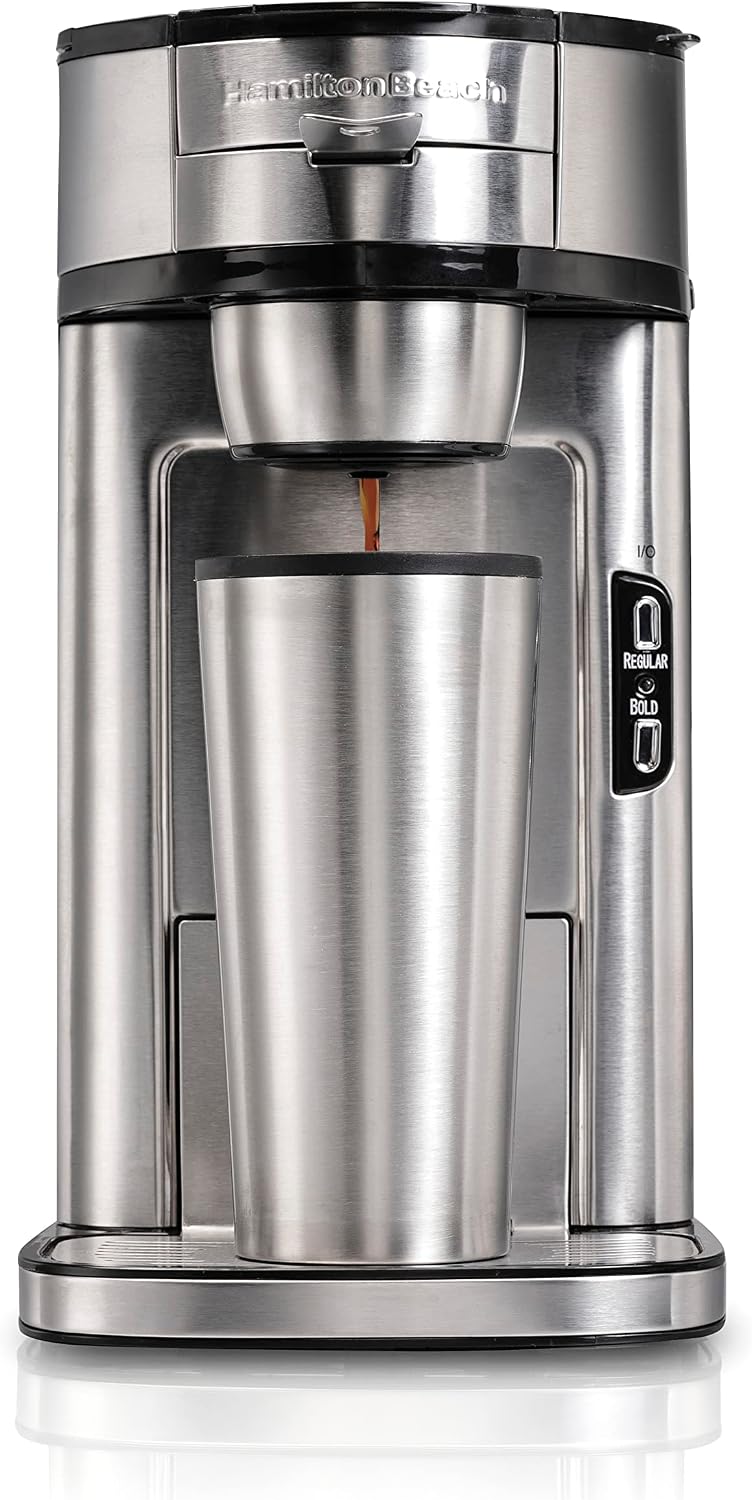
Best Pod-Free (Ground Coffee Only) – Hamilton Beach The Scoop: Uses a reusable metal filter basket, regular and bold settings, fits a travel mug, under $50
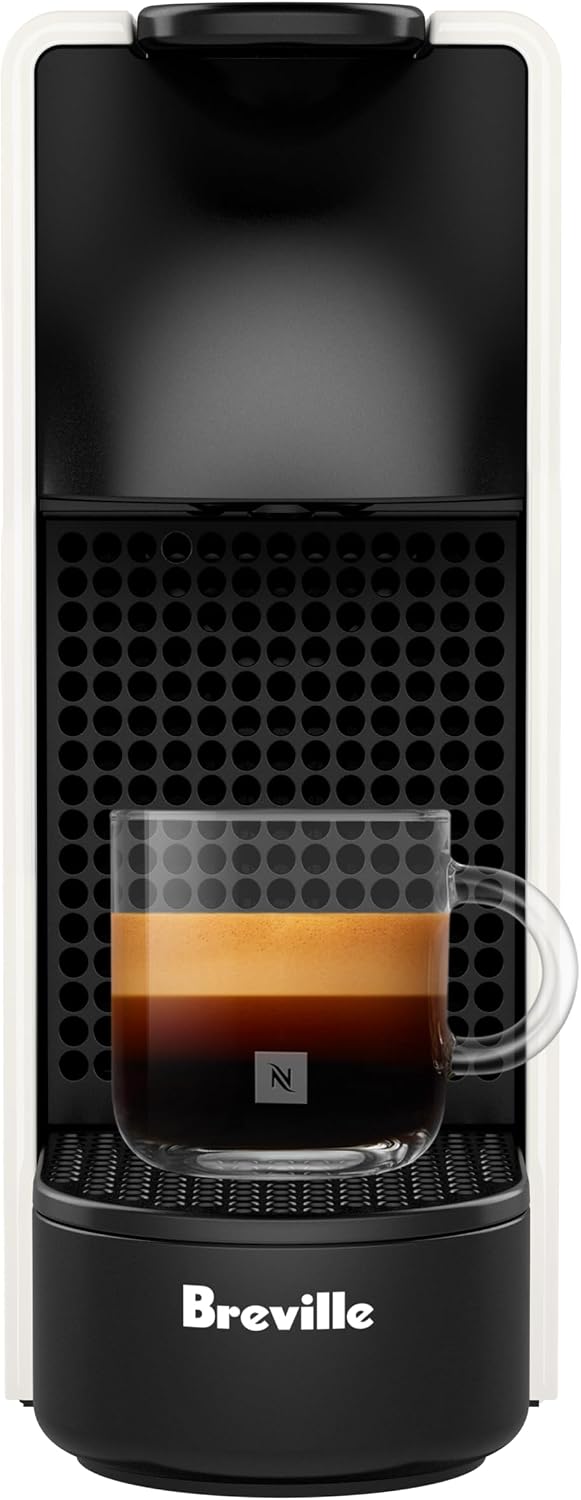
Best for Espresso – Nespresso Essenza Mini: Compact Nespresso machine, 19-bar pump, espresso and lungo shots, very small footprint
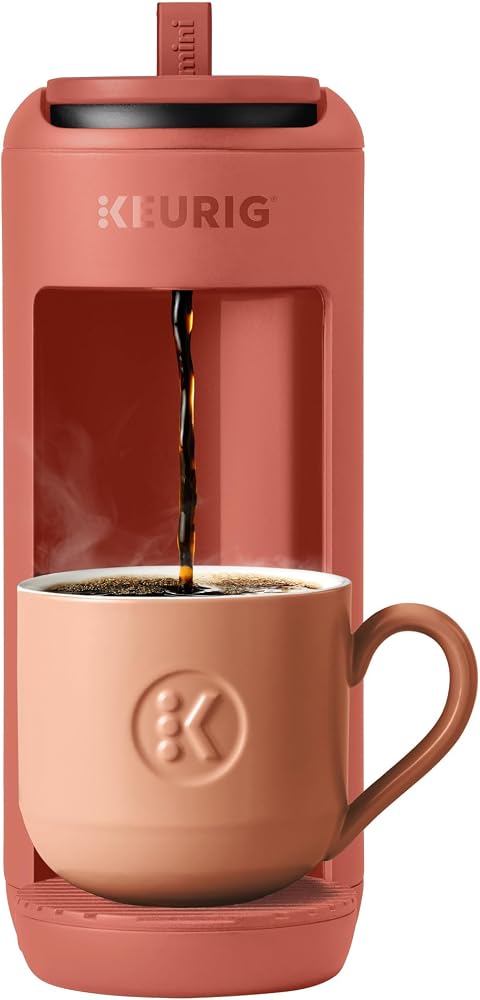
Best Compact – Keurig K-Mini Mate: Under 5 inches wide, 6–12 oz brews, fast cycle time, fits nearly any counter space
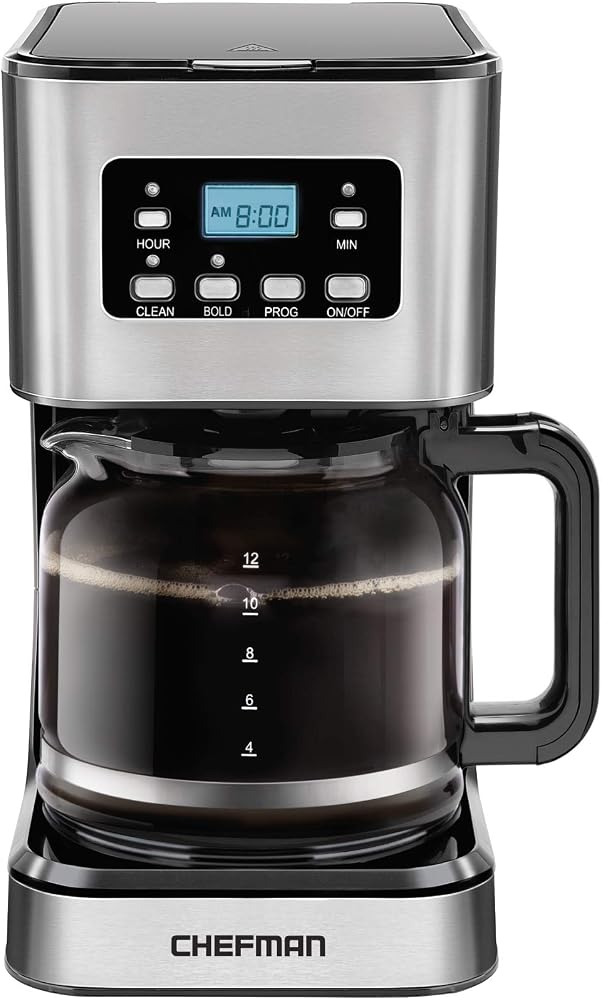
Best Budget (Under $100) – Chefman Caffeinator: 48 oz water reservoir capacity, pods and grounds compatible, affordable entry point
Best for Iced Coffee & Cold Brew – Cumulus Cold Coffee Machine: 80 oz water reservoir capacity, dedicated cold brew system, large-batch concentrate
At-a-Glance Comparison Table
This table summarizes the core specs and trade-offs for every machine in our top picks, so you can quickly compare what matters most. Where data is approximate or manufacturer-stated – particularly brew temperature and brew time – we’ve noted it. Prices fluctuate, so verify current pricing before purchasing.
A single-serve coffee maker is any machine designed to brew one cup of coffee at a time rather than a full pot or glass carafe. Single-serve coffee makers include pod and non-pod options, ranging from K-Cup brewers and Nespresso machines to compact drip coffee makers and even some cold brew devices.
Here’s how the main types break down:
Pod machines (K-Cup, Nespresso Original, Vertuo): Insert a sealed capsule, press the brew button, and get a cup in under two minutes. Convenient but locked into proprietary coffee pods.
Grounds-only single-serve brewers: Use a reusable filter basket or scoop with your own ground coffee. More manual, but far more flexibility on roast, origin, and cost.
Manual single-cup methods: Pour over and French press can each brew a single cup, but they require more hands-on effort and aren’t typically what people mean when searching for a serve coffee maker.
Hybrid/multi-format machines: Some modern drip coffee makers switch between single-serve and full-pot modes, accepting both pods and grounds. These are increasingly common and cover the widest range of needs.
Common capsule formats include K-Cup, Nespresso Original and Vertuo pods, ESE pods, and paper filters for ground coffee.
Benefits of Single-Serve Coffee Makers
The core appeal of a single-serve machine over a traditional drip coffee maker with a glass carafe is straightforward: speed, portion control, and customization for every cup.
Fast brewing: Single-serve coffee makers brew coffee in under 30 seconds to about two minutes depending on the model, meaning your morning routine doesn’t have to revolve around waiting.
Smaller footprint: They take up less counter space than traditional coffee makers, which matters in apartments, small kitchens, and shared offices.
Freshness: Single-serve machines ensure the freshest coffee possible because each mug is brewed to order. There’s no coffee sitting on a hot plate turning bitter and stale.
No measuring: They offer convenience by eliminating the need to measure coffee – especially pod systems, which pre-dose each serving.
Drink variety: Single-serve coffee makers can brew a variety of drinks, including regular coffee, espresso-style shots, iced coffee, hot chocolate, and other drinks depending on the capsule system.
Household flexibility: In shared kitchens or offices, different people can brew different roasts, strengths, or even different beverages from the same machine.
Many single-serve machines offer automated brewing features for convenience, including auto-on, auto-off, and programmable strength or size presets that make one-button operation practical for users who just want great coffee without complexity.
Drawbacks and Limitations of Single-Serve Machines
Single-serve coffee makers trade long-term cost, sustainability, and throughput for convenience. Before buying, it’s worth understanding what you’re giving up.
Higher per-cup cost: Pod machines offer convenience but can be more expensive long-term. K-Cup pods run roughly $0.35–$0.65 each, while Nespresso pods range from $0.85 to over $1.00. Ground coffee brews an equivalent cup for about $0.20–$0.36.
Waste: Single-serve coffee makers generate significant plastic waste. Keurig pods are not easily recyclable for most users, and capsule coffee machines are less ecologically sound than traditional brewing. Using reusable pods can reduce environmental impact significantly, but requires extra cleaning effort.
Throughput: You can only brew one cup at a time. Serving a group still means running back-to-back cycles, which is slower than filling a carafe.
Flavor ceiling: Many capsule systems are optimized for speed rather than precise control over brew temperature, bloom time, and extraction – which can cap maximum flavor quality compared with a well-dialed pour over, French press, or premium drip coffee maker.
Durability: Some lower-priced pod machines are essentially treated as disposable. Cheaper plastic parts, weak piercing mechanisms, and short 1-year warranties are common. Higher-end units like Technivorm’s single-serve models offer up to 5-year warranties, but at a significantly higher price.
How We Chose These Single-Serve Coffee Makers
Capitol City Coffee did not perform original lab testing or tasting for this roundup. These recommendations are researched editorial analysis based on:
Manufacturer specifications and verified product data
Selection prioritized brew quality within each category, extraction consistency, usability, cleaning ease, durability, footprint, and value for money. Models with persistent reliability or safety concerns were excluded, even if popular. We avoided simply listing Amazon best sellers.
The Ninja Pods & Grounds earned a Best Value designation from Good Housekeeping for good reason: compatibility with both pods and ground coffee allows for greater flexibility in coffee preparation, and it handles both formats well enough that most households won’t need a second machine.
Brew quality: Editors report good temperature consistency and a flavorful coffee profile for both pod and ground use. Brew strength options let you dial up intensity without switching to a darker roast.
Sizes and features: Brews 8, 10, and 12 oz cups with strength control and multiple brew styles. The ~48 oz water reservoir means less refilling for multi-cup households.
Footprint and usability: Medium footprint that fits under most cabinets. The water tank is removable for easy filling and cleaning. Controls are intuitive – select your format, size, and strength, then press the brew button.
Cleaning: Removable parts are straightforward to rinse. The removable drip tray catches overflow and pops out for quick washing. Descaling reminders appear when needed.
Durability: Standard 1-year warranty. Build quality is plastic-heavy but functional for the price class. No widespread reliability red flags in user reviews.
Best for: One or two coffee drinkers who want a simple, flexible single-serve coffee maker that works with K-Cup pods on busy mornings and ground coffee on slower days. A solid starting point for anyone who doesn’t want to commit to a single capsule ecosystem.
Best Single-Serve Coffee Maker for Pods (K-Cup & Similar)
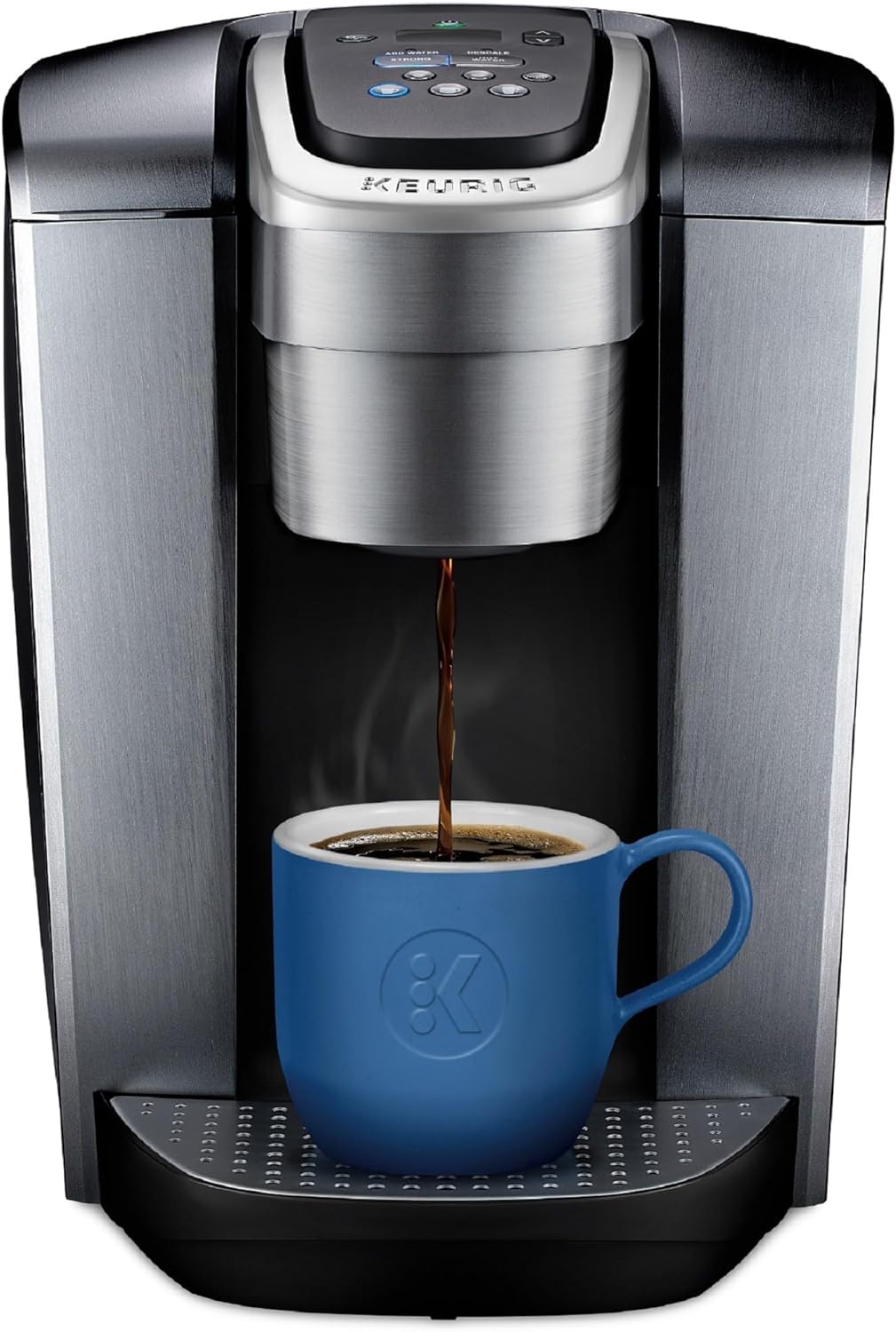
Keurig K-Elite
Keurig is a popular brand for single-serve pod machines, and the K-Elite represents one of their strongest mid-range options for coffee drinkers who want pod convenience without sacrificing brew temperature consistency.
Pod handling: Designed for K-Cup pods, with compatibility for third-party reusable filters if you want to use your own coffee grounds. Pod-compatibility ensures a machine works with preferred coffee options and can include reusable filters.
Brew sizes: Five options – 4, 6, 8, 10, and 12 oz – plus a dedicated iced coffee mode. Brew size variety allows for different cup volumes, and the adjustable drip tray accommodates a tall travel mug.
Temperature and consistency: Lab tests from independent reviewers measured average brew temperature around 181.4°F with small variation across back-to-back brews, placing it at the higher end for K-Cup machines. Temperature control settings let you push it a bit higher.
Reservoir and footprint: The ~75 oz water reservoir handles many cups between refills. Larger water reservoirs reduce the need for frequent refills in heavy use. Dimensions run about 9.9″ wide × 12.7″ deep, so it needs dedicated counter space.
Programmability: Auto-off timer, temperature adjustment, and strong brew mode for bolder flavor.
Limitations: Coffee from larger cup sizes (10–12 oz) can taste diluted since the pod dose stays the same. Environmental cost of pods remains a concern. The footprint is larger than compact alternatives.
Best for: Someone who values convenience, quick brewing, and access to hundreds of K-Cup flavors over ultimate coffee nuance, and who has enough counter space for a mid-size machine.
Best Pod-Free Single-Serve Coffee Maker (Ground Coffee Only)
Hamilton Beach The Scoop
Non-pod machines allow for using ground coffee or beans, and The Scoop is one of the simplest, most affordable ways to get there. It uses a stainless-steel mesh filter scoop – no pods, no paper filters, no waste.
Brew format: Load ground coffee into the included metal scoop, set it in the brew basket, fill water to the line, and press start. No proprietary capsules involved.
Sizes and strength: Brews 8 oz for a standard coffee mug or 14 oz for a travel mug. A “regular vs. bold” switch adjusts brew strength by controlling drip rate.
Extraction: The mesh filter allows more oils and fine particles through than paper filters, producing a slightly fuller-bodied cup closer to French press character. Grind size matters – a medium grind works best. The machine is reasonably forgiving for beginners.
Build and footprint: Compact plastic body with a small footprint. No reservoir; you fill water for each cup directly. It can brew directly into most standard mugs and taller travel tumblers.
Cleaning: Daily rinsing of the scoop takes about 10 seconds. Occasional deep cleaning and periodic descaling keep it running smoothly.
Strengths: Lower ongoing cost vs. pods, virtually no waste, and more control over which whole beans or ground coffee you use. At under $50, it’s also one of the cheapest ways to get a good cup of single serve coffee.
Best for: Daily coffee drinkers who buy ground coffee or grind fresh at home and want affordable, pod-free single serves without capsule waste.
Best Single-Serve Coffee Maker for Espresso (Nespresso & Beyond)
Nespresso Essenza Mini
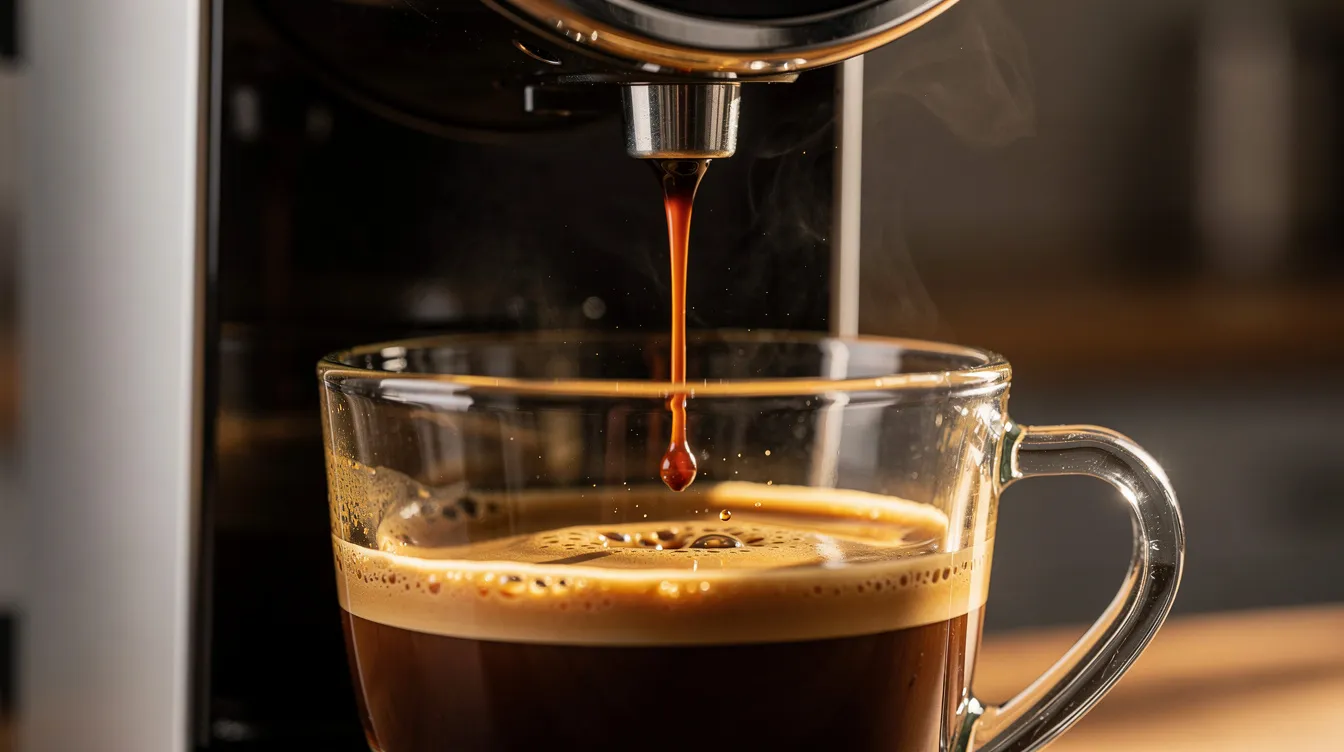
The Essenza Mini is a compact espresso-style pod machine that consistently earns high marks from reviewers for delivering a balanced brew with crema – the closest you’ll get to great espresso without a full manual setup.
Brew format: Uses Nespresso Original capsules. The 19-bar pump generates enough pressure for respectable crema and body. Nespresso Vertuo Plus brews coffee sizes from 1.35 oz to 8 oz, but the Essenza Mini focuses on two sizes: espresso (~1.35 oz) and lungo (~5 oz), which keeps it simple.
Brew time and temperature: Pulls a shot in approximately 25–30 seconds after a brief heat-up. Manufacturer-stated specs; expert reviews confirm consistent shot-to-shot results.
Flavor: Typically smoother, more consistent, and more balanced than drip-style pods. Less adjustable than a full manual espresso machine, but the flavor profile satisfies most coffee lovers who want an easy morning ritual.
Footprint: Extremely narrow at roughly 3.3 inches wide. Compact designs are ideal for small spaces while offering essential features. Works well in apartments, dorms, and office desks.
Capsule costs and recycling: Nespresso Original capsules run about $0.85–$1.10 per pod. Nespresso pods require special recycling processes, limiting convenience – aluminum capsules can be returned through Nespresso’s mail-back program, but that’s an extra step most users skip.
Limitations: No built-in milk steamer – you’ll need a separate frother for lattes, cappuccinos, or cold foam drinks. Drink size is limited. You can’t use your own coffee grounds without aftermarket accessories. Capsule costs add up.
Best for: Users who want fast, nearly foolproof espresso-like drinks and are willing to pay a premium per capsule for the quality and consistency of a Nespresso machine.
Best Compact Single-Serve Coffee Maker for Small Counter Space
Keurig K-Mini Mate
At roughly 4.5 inches wide and under 12 inches tall, the K-Mini Mate is one of the slimmest pod machines available. TechRadar’s review measured brew finish times of about 1 minute 40 seconds and sound levels around 63–65 dB – quiet enough for early mornings.
Size: Fits on a shelf, a desk, or the narrowest kitchen counter. Less space required than almost any other K-Cup machine on the market.
Brew sizes: 6 to 12 oz, covering everything from a concentrated single cup to a full coffee mug.
Compromises: No water reservoir – you fill it fresh for each cup, which means frequent refilling. Fewer buttons mean fewer customization options. Brew temperature runs slightly cooler than larger Keurig machines.
Performance for size: Despite its small footprint, reviewers report bold, rich flavors that hold up well against bigger machines.
Best for: Solo drinkers, students, RV users, or anyone with tight counter space who just needs one good cup of hot coffee quickly.
Best Budget Single-Serve Coffee Maker (Under $100)
Chefman Caffeinator
The Chefman Caffeinator has a 48 oz water reservoir capacity and typically lands between $50 and $70 – a genuine bargain for a dual-format machine that handles both pods and grounds.
Format: Works with K-Cup style pods and ground coffee via a reusable filter, giving you flexibility without locking you into expensive capsules.
Brew sizes: Multiple options for different cup sizes, from a small morning cup to a larger serving.
Build quality: More plastic than premium models, with simpler controls and a shorter warranty. Expect less temperature precision and fewer programmability features.
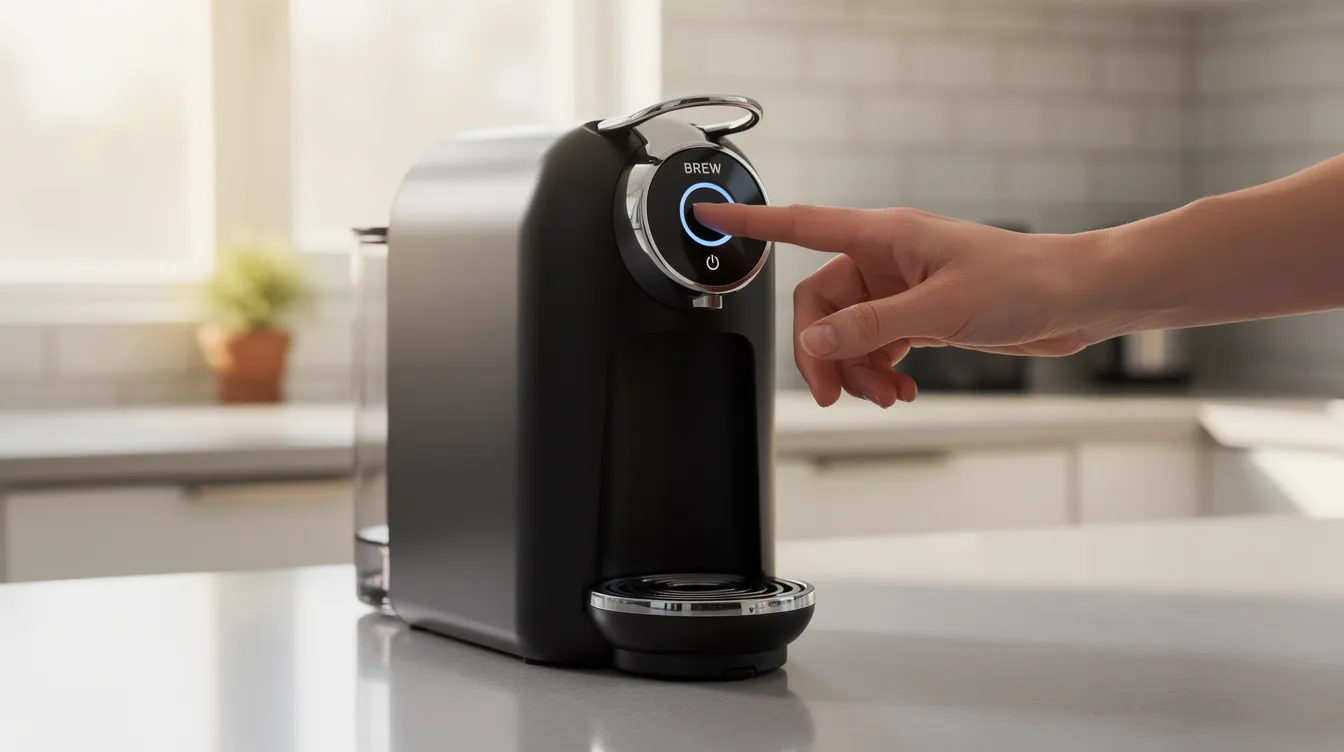
Usability: One-touch operation works well for beginners and occasional coffee drinkers. Auto-off is included.
Key compromises: Louder pump than pricier alternatives, less consistent extraction shot-to-shot, and the filter basket is functional but basic. Still, for the price, it delivers acceptable single-serve coffee for anyone who doesn’t want to spend much upfront.
Best for: Cost-conscious buyers, students, or occasional coffee makers who want quick, decent coffee without a big investment. Pair it with a bag of good deals on ground coffee and you’ll keep per-cup costs well under $0.30.
Best Single-Serve Coffee Maker for Iced Coffee and Cold Brew
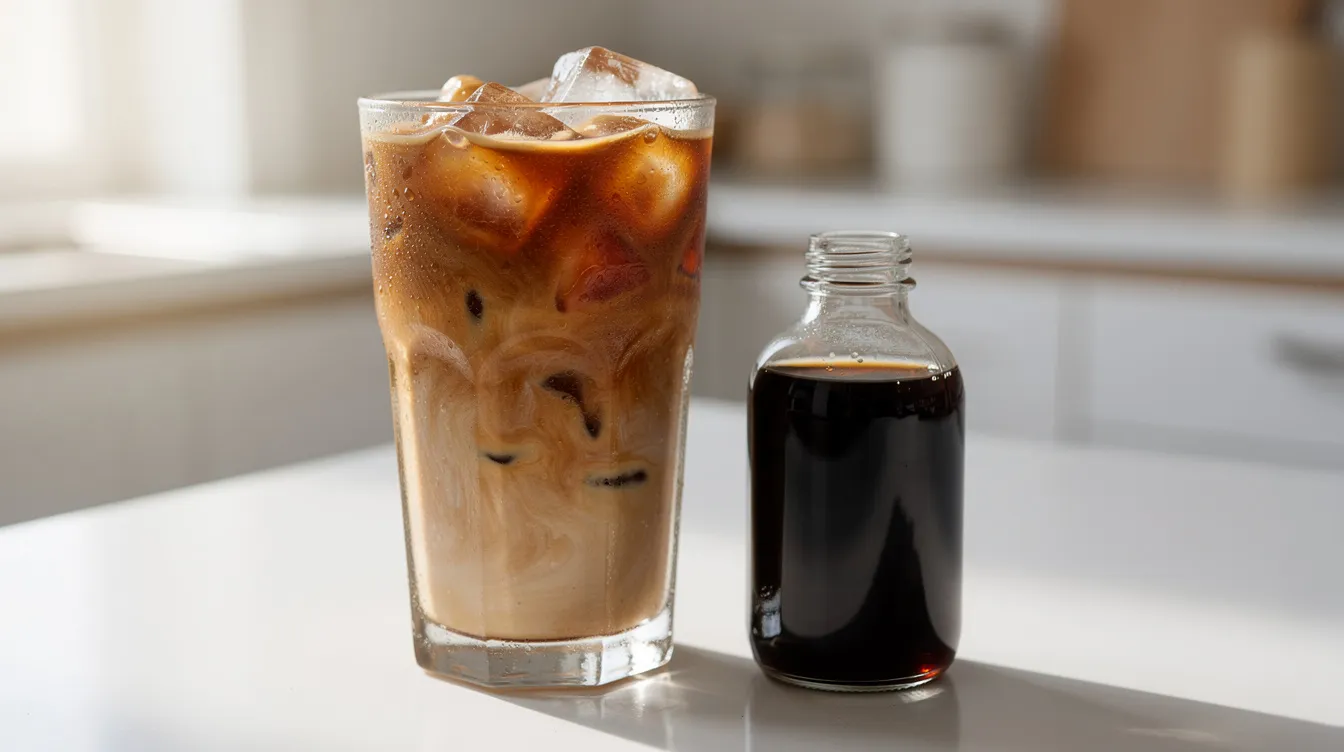
It’s important to separate two concepts here: iced coffee (hot-brewed coffee poured over ice) and true cold brew (coffee steeped in cold water for hours). They taste different, and the machines that make them differ, too.
For Iced Coffee: Several single serve machines – including the Keurig K-Elite – offer dedicated iced modes that brew a smaller, more concentrated amount of hot coffee directly over ice. Over-ice capability helps prevent iced coffee from being diluted by compensating for the melt. Look for any machine with a “brew over ice” or “iced” setting and a strong or bold mode.
For Cold Brew: The Cumulus Cold Coffee Machine has an 80 oz water reservoir capacity and is purpose-built for cold brew concentrate. It steeps coffee grounds in cold water over 12–24 hours, producing smooth, low-acidity concentrate you can dilute to taste. Cold coffee made this way is sweeter and less bitter than iced drip coffee.
Flavor differences: Cold brew is smoother and naturally sweeter; iced drip coffee retains more brightness and aromatic complexity.
Brew time: Iced coffee brews in under two minutes. True cold brew requires 12–24 hours of planning ahead.
Maintenance: Cold brew systems need thorough cleaning of concentrate reservoirs and filters to prevent buildup and off-flavors. Regular cleaning after each batch is important.
Best for: If you want cold coffee on demand, pick a machine with iced mode. If you’re a dedicated cold brew fan who plans ahead, the Cumulus or similar dedicated systems deliver superior results.
Other Notable Single-Serve Coffee Makers Worth a Look
These machines nearly made the main list and deserve consideration for specific needs:
Cuisinart Premium Single-Serve Brewer (SS-10): Top-rated by Consumer Reports for consistent volume and temperature across cup sizes. Excellent cleaning accessibility. Slightly higher price and larger footprint than our Best Overall kept it as an honorable mention.
Nespresso VertuoPlus: Reads pod barcodes to auto-adjust brew parameters. Nespresso Vertuo Plus brews coffee sizes from 1.35 oz to 8 oz – more range than the Essenza Mini. Capsule costs are higher ($1.00–$2.25 for larger sizes), narrowing its value proposition.
Cuisinart Custom Grind & Brew: Can brew up to 24 oz of coffee and includes a built-in grinder for whole beans, which is unusual in this category. Ideal for anyone who wants the freshest possible single-serve drip coffee without a separate grinder. More complex to clean than simpler machines.
Ratio Four: A premium, design-forward option. Ratio Four brews a maximum of four 5-oz cups of coffee, straddling the line between single-serve and small-batch. Beautiful build quality and SCA-caliber brew temperature accuracy, but the price tag limits its audience.
Technivorm Moccamaster Cup-One: Grounds-only, SCA-certified temperature consistency, 5-year warranty, exceptional build. Best nuanced coffee you’ll get from a single-serve drip machine. Expensive and slow compared with pod systems.
Key Features That Actually Matter in a Single-Serve Coffee Maker
Marketing specs can be misleading. Here’s what actually differentiates a good single-serve coffee machine from a mediocre one.
Brew temperature: The ideal range for drip coffee is approximately 195–205°F (90–96°C). For espresso-style pods, 190–195°F is optimal. A few degrees too low produces sour, flat coffee; too high introduces bitterness. Strength and temperature control features provide customization for flavor extraction – machines with adjustable settings or precise regulation deliver noticeably better cups.
Brew time and extraction consistency: Too-fast water flow means weak, under-extracted coffee. Slower, controlled extraction usually yields a richer, more flavorful coffee. Look for machines that maintain consistent output from the first cup to the last cup of the day.
Capacity and reservoir: Water reservoir capacity matters more than you’d think. Removable water reservoirs make it easier to fill and clean machines – look for tanks that detach fully. Larger reservoirs (48–80 oz) are better for heavy-use households, while single-fill models suit solo drinkers.
Programmability: Auto-start timers, auto-off, brew strength presets, temperature settings, and brew size selectors all shape your daily workflow. More control means more effort; fewer settings mean more simplicity. Decide which side you fall on.
Footprint: Measure your counter space before buying. Compact models can be under 5 inches wide, while full-featured machines may stretch beyond 13 inches. Check height with the lid open – many models won’t fit under upper cabinets.
Usability: Intuitive controls, readable indicators, easy pod insertion, and manageable noise levels. A machine you fight with every morning stops being convenient fast.
Cleaning: A removable drip tray, dishwasher safe parts, descaling alerts, and accessible internals all simplify maintenance. Machines that are hard to clean will eventually produce off-flavored coffee.
Durability and warranty: Premium machines with metal components and longer warranties (2–5 years) tend to outlast cheap plastic alternatives. When evaluating value, consider how long the machine will actually last, not just the sticker price.
How to Choose the Right Single-Serve Coffee Maker for You
Choosing a single-serve machine requires balancing convenience and drink preferences. Start with these questions:
What do you drink? If you mostly want regular drip coffee, a K-Cup brewer or grounds-only machine covers you. If you want espresso-style drinks, a Nespresso machine or similar pod system is the practical choice. For cold brew fans, a dedicated cold brew system is worth the investment.
Pods vs. ground coffee: Selecting a machine may depend on priorities such as pod variety or the ability to brew espresso-style drinks. Pod users get convenience and variety. Ground coffee users get dramatically lower per-cup cost and broader flavor control. If you’re unsure, pick a mixed-format machine.
How much do you drink? One cup a day? A compact pod machine works fine. Two or more? Invest in a larger water tank and consider whether pod costs – potentially $250–$460 per year at two cups daily – fit your budget. Ground coffee cuts that cost roughly in half.
Kitchen realities: Measure your available counter space, outlet placement, and cabinet height before buying. A machine that doesn’t fit won’t get used.
Budget expectations:
Under $50: Basic pod or grounds-only machines; fewer features, shorter lifespan
$50–$100: Dual-format machines, better build quality, good value for daily use
$100–$200: Premium pod machines, Nespresso options, advanced features
Existing gear: If you already own a great grinder, a grounds-only machine maximizes your investment in fresh whole beans. If you prefer pre-ground or pods, a compatible pod machine is the path of least resistance. Consider whether your favorite travel mug fits under the dispenser – brew size variety allows for different cup volumes, with some machines supporting tall mugs.
Match your answers to the picks above, and you’ll land on a machine that fits your routine rather than one you have to work around.
Maintenance and Cost of Ownership
The sticker price of a single-serve coffee maker is often the smallest part of what you’ll spend over its lifetime. Total cost of ownership includes the machine itself, coffee supplies, replacement filters, and cleaning products.
Ongoing coffee costs (approximate U.S. 2026 prices per cup):
Ground coffee (bulk): $0.20–$0.36
K-Cup pods: $0.35–$0.65
Nespresso Original capsules: $0.85–$1.10
Nespresso Vertuo capsules: $1.00–$2.25
For someone drinking two cups per day, pods can cost $250–$460+ per year. Switching to ground coffee with a reusable filter can reduce that significantly. A strong brew or rich setting improves flavor for standard single-serve coffee without requiring a premium pod.
Standard maintenance routine:
Daily: Rinse the filter basket, drip tray, and any removable parts
Weekly: Wipe down the machine exterior and water tank
Monthly: Run a cleaning cycle or rinse with diluted vinegar
Every 2–3 months (or per indicator): Descale with a manufacturer-approved solution
Descaling and maintenance features help prolong the lifespan of coffee makers. Neglecting cleaning leads to off-flavors, slower brew times from clogging, and a shorter machine lifespan.
Consumable replacements: Some machines use charcoal water filters ($5–$10 for a multi-pack, replaced every 1–2 months), reusable pod seals, or gaskets that wear over time. Factor these in.
Extending durability: Use filtered water to reduce mineral buildup. Avoid dropping or jarring plastic components. Follow manufacturer descaling schedules. And always check warranty terms – coverage ranges from 1 year on budget models to 5 years on premium machines like Technivorm.
Single-Serve vs. Other Brewing Methods
Single-serve machines aren’t the only way to make coffee for one. Here’s how they compare:
Method
Speed
Flavor Potential
Per-Cup Cost
Effort
Single-serve pod
Very fast
Moderate
High
Minimal
Single-serve grounds
Fast
Moderate-high
Low
Low
Pour over
Moderate
Very high
Low
Medium
French press
Moderate
High
Low
Medium
Drip with glass carafe
Moderate
Moderate-high
Low
Low (but brews full pot)
Manual espresso machines
Slow
Very high
Moderate
High
Single-serve wins on convenience compared with other machines. Pour over and French press win on flavor ceiling and cost. A hybrid approach often makes the most sense: a single-serve machine for weekday speed, and a manual method for slower weekends when you want to savor more nuanced coffee.
If you primarily brew for multiple people, a full-size drip coffee maker with a carafe may be more practical – check our best drip coffee makers guide for those options.
The real question isn’t which method is “best” – it’s whether a single-serve machine should be your primary brewer or a secondary, convenience-focused tool alongside gear you already enjoy using. For most coffee lovers who drink one or two cups in the morning and value speed, a dedicated single-serve machine earns its counter space as a small luxury.
Frequently Asked Questions
These questions address common concerns not fully covered above. Product features and availability can change, so checking current manufacturer information is always a good idea.
Can I Use My Own Ground Coffee in a Single-Serve Coffee Maker?
Many K-Cup style brewers accept third-party reusable filter inserts, letting you fill them with your own ground coffee. This dramatically reduces per-cup cost and waste. Nespresso and similar sealed-capsule systems have more limited options for using your own coffee grounds, though some aftermarket refillable capsules exist. For single-serve drip machines, use a medium grind – too fine and you’ll get over-extraction and bitterness; too coarse and the cup will taste thin and watery. If you grind your own coffee beans at home, you’ll get the freshest, most flavorful coffee from any format.
How Do I Make Stronger Coffee with a Single-Serve Machine?
The simplest approach: select a smaller brew size. Less water through the same amount of coffee equals higher concentration. Beyond that, use a “strong” or “bold” mode if your machine has one – these slow the water flow for better extraction. Choosing darker roasts or increasing the dose in a reusable filter also helps. Be careful pushing too far, though – over-extraction produces bitterness rather than intensity. A balanced brew comes from matching dose, grind, and brew time, not just maximizing one variable.
How Long Do Single-Serve Coffee Makers Typically Last?
Budget models ($30–$80) typically last 2–4 years with regular use. Mid-range machines ($80–$150) often reach 3–5 years. Premium models with metal components and longer warranties can last 5–7+ years. The biggest factors are regular descaling, using filtered water, and gentle handling of plastic parts and piercing mechanisms. Always check the warranty duration – 1-year coverage is standard for budget machines, while some premium brands offer up to 5 years.
Is Single-Serve Coffee More Expensive Than Drip Coffee?
Yes, significantly. Pod coffee costs roughly $0.35–$1.10+ per cup, while ground coffee for an equivalent cup runs about $0.20–$0.36. Over a year of two-cups-per-day use, the difference can be $150–$300 or more. If ongoing cost is a priority, consider a grounds-only machine or a mixed-format brewer with a reusable pod – you’ll retain the convenience of single-serve without paying the pod premium.
Does Brew Temperature Really Matter for Single-Serve Coffee?
It matters more than most buyers realize. Water that’s too cool (below roughly 190°F) under-extracts, producing sour or flat flavors. Water that’s too hot (above 205°F) over-extracts, creating bitterness. The ideal range for drip-style coffee is about 195–205°F. Many pod machines don’t offer direct temperature control, so buyers who care about this should prioritize models with adjustable settings – like the Keurig K-Elite’s temperature selector – or machines known for higher, more consistent brew temperatures in lab tests.
The right single-serve coffee maker is the one that matches your counter, your budget, and the kind of coffee you actually want to drink every day. Start by deciding whether pods, ground coffee, or a mix fits your lifestyle, then let the picks above narrow your options. And if you’re still weighing single-serve against other formats, explore our full gear guides for a broader look at what’s out there.
How Capitol City Coffee Rates Coffee and Coffee Machines
Every coffee and coffee machine we recommend is scored on the same 100-point scale, so a recommendation on one page means the same thing as a recommendation on any other. Each pick is also labeled with how we reached its score.
Research-ratedScored from the roaster or manufacturer’s published specifications, independent results such as Coffee Review blind cuppings and SCA brewer certification, and patterns across verified buyer reviews. Most of our current picks are research-rated.
Hands-on testedThe Capitol City Coffee team has brewed the coffee or used the machine ourselves, following the testing steps below. We only use this label when that testing actually happened, and we show the date we tested.
Coffee beans: 100-point scale
What we score
Points
What we look at
Origin and sourcing transparency
20
Country, region, farm or cooperative, altitude, bean variety, and processing method are clearly disclosed.
Flavor evidence
25
Independent cupping scores, how closely the tasting notes match what the origin is known for, and our own cupping notes when hands-on tested.
Roast and freshness
15
Roast level stated, roast-date practices, whole-bean availability, and packaging with a one-way valve or resealable bag.
Brew versatility
15
How well the roast suits pour-over, drip, French press, cold brew, and espresso.
Value
15
Price per ounce compared with similar single-origin coffees or blends.
Buyer feedback
10
Volume and consistency of verified reviews, and recurring complaints about staleness, bitterness, or shipping.
Coffee machines and gear: 100-point scale
What we score
Points
What we look at
Brewing performance
25
Water temperature in the 195–205°F range, even extraction, and SCA certification or published test data.
Build quality and reliability
20
Materials, known failure points, and long-term owner reports.
Ease of use and cleaning
15
Setup, the daily routine, descaling, and dishwasher-safe parts.
Fit for your kitchen
10
Capacity, counter footprint, and noise.
Useful features
10
Programming, grind and temperature control, and carafe type. Features that improve the cup count more than extras that do not.
Value
10
Price compared with machines that perform similarly.
Warranty and support
10
Warranty length, parts availability, and how the brand handles repairs.
What the grades mean
Score
Grade
What it means
90–100
A
Exceptional. Our first recommendation for the feeling and setting described.
80–89
B
Strong. Excellent, with minor trade-offs we explain.
70–79
C
Good. Worth it for specific needs, with clear compromises.
Below 70
—
Not recommended. We do not feature these as picks.
How we test hands-on
When a pick carries the Hands-on tested label, this is the method behind it, and we note the date we tested.
Coffee: brewed fresh from whole beans following Specialty Coffee Association guidelines (water between 195 and 205°F, about 1 gram of coffee to every 15 to 18 grams of water) in the brew methods the roast suits best, such as pour-over, French press, or espresso. We taste it black first, then with milk if that is how most people drink it, and each taster scores it on their own before we compare notes.
Machines: used in our everyday routine rather than a single demo. We brew both full and small batches, check the brewing temperature and brew time, and run the cleaning or descaling steps the manual calls for.
How we choose the feeling and setting
We match each coffee to a mood and a moment based on its flavor profile and roast. Bright, citrusy light roasts suit energizing mornings. Chocolatey, full-bodied medium roasts suit slow or social moments. Richer roasts suit espresso and milk drinks. Each pick explains which facts led us to that match.
Our scores stay independent
Every score comes only from the criteria above. No brand can pay for a pick or a higher grade. We re-check ratings when a roast, listing, or model changes, and update or remove picks that no longer earn their grade.
Some links on this page are affiliate links. As an Amazon Associate, Capitol City Coffee earns from qualifying purchases, at no extra cost to you.
Questions about a rating? Reach the Capitol City Coffee team through our contact page.