Best daily espresso pick
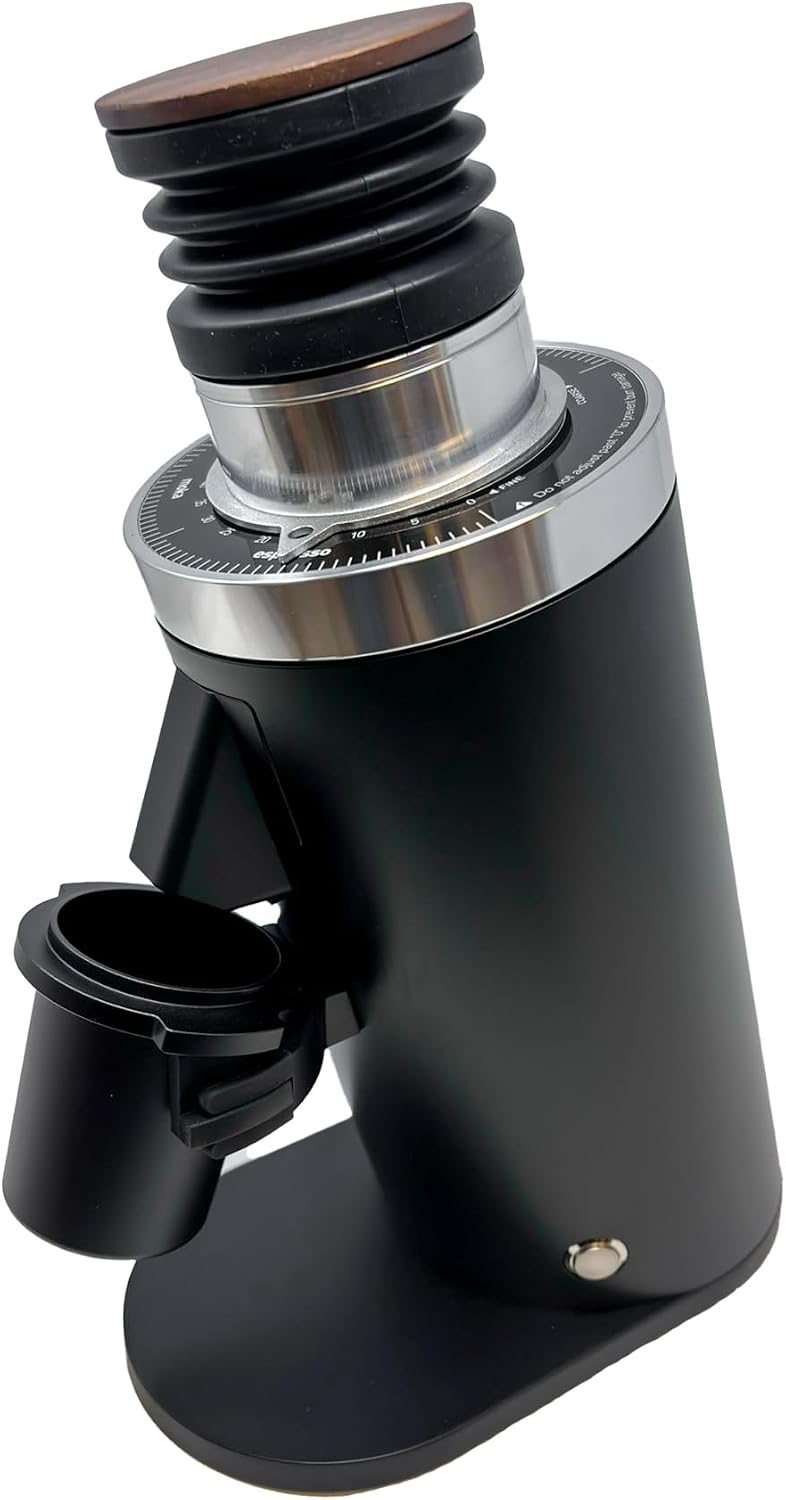
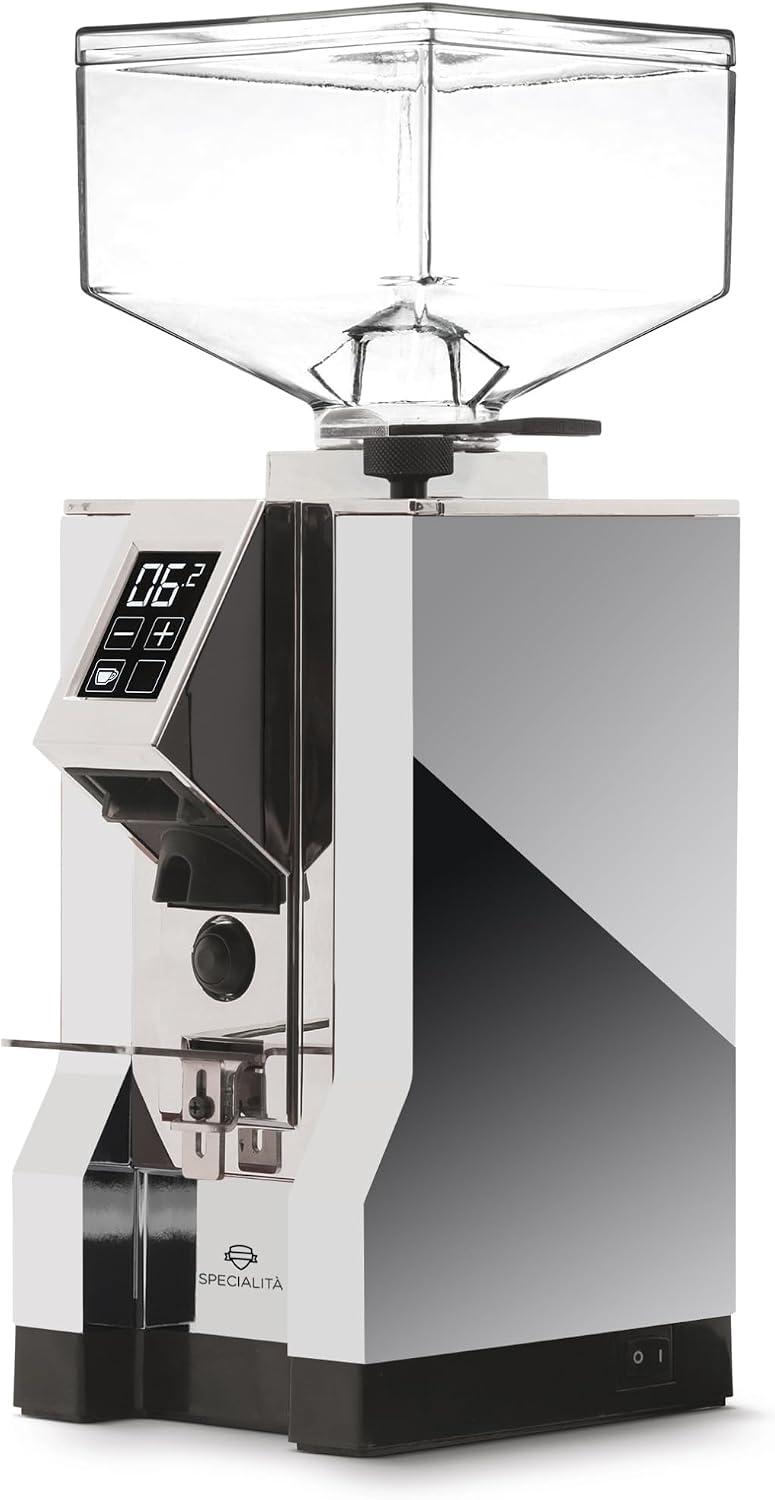
For this roundup, Eureka Mignon Specialita is the daily espresso we recommend first—the same pick at the top of our At-a-glance cards below.

Best daily espresso pick
Start smaller: beans and a tamper
Espresso grinders like the Eureka Specialita are the expensive click. These lower-cost add-ons still help the shots you pull now.
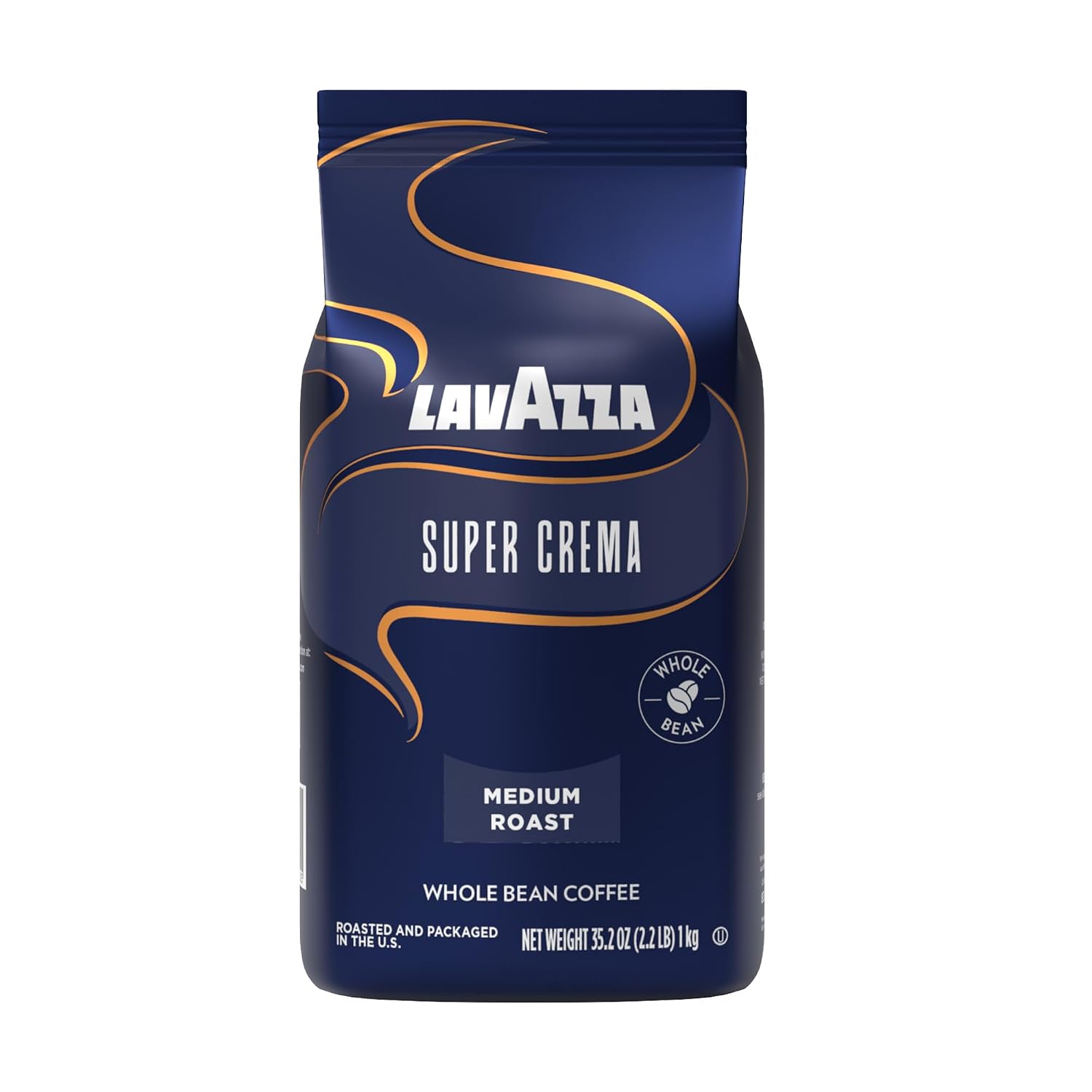
Espresso beans (~$20–$30)
Lavazza Super Crema
A $20–$30 bag to grind fine while a dedicated espresso grinder waits.
Check Super Crema on Amazon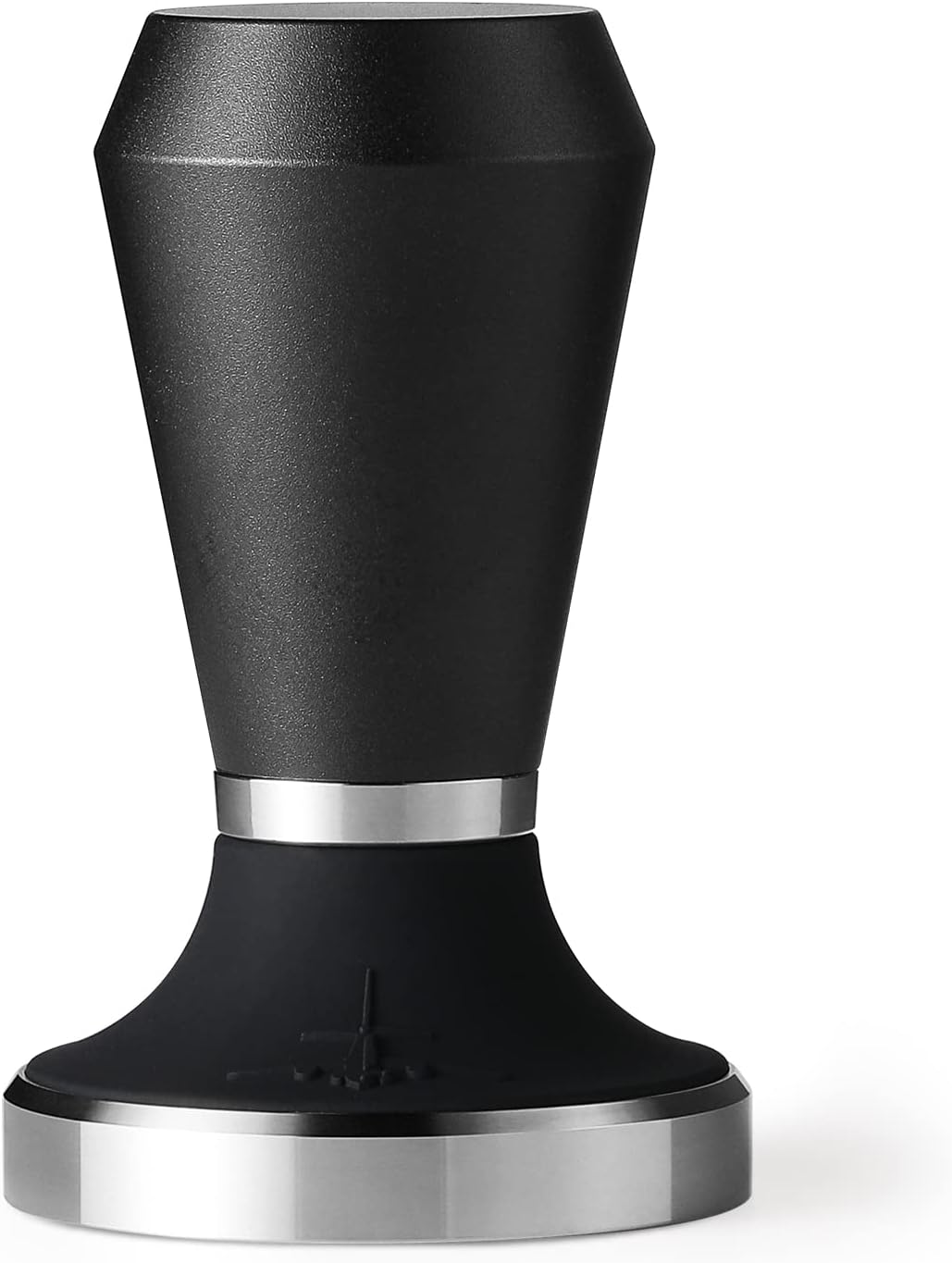
58 mm tamper (~$25–$35)
MHW-3Bomber 58 mm tamper
Even grind only helps if the puck is even. A 58 mm tamper is a smaller cart.
Check 58 mm tamper on Amazon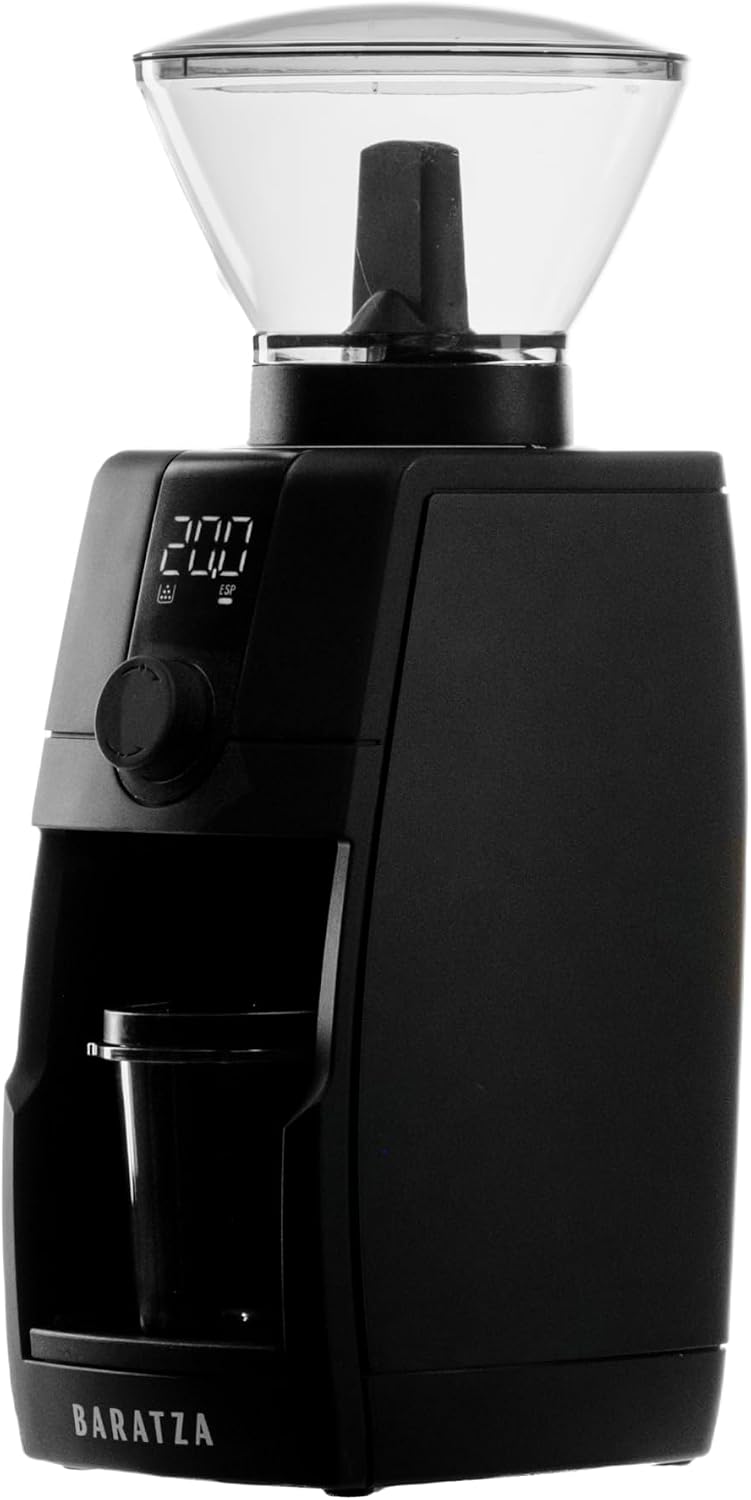
All recommendations below are based on researched editorial analysis of verified manufacturer specs, expert reviews, and user consensus from reputable coffee sources. Capitol City Coffee has not performed its own lab testing on these grinders.
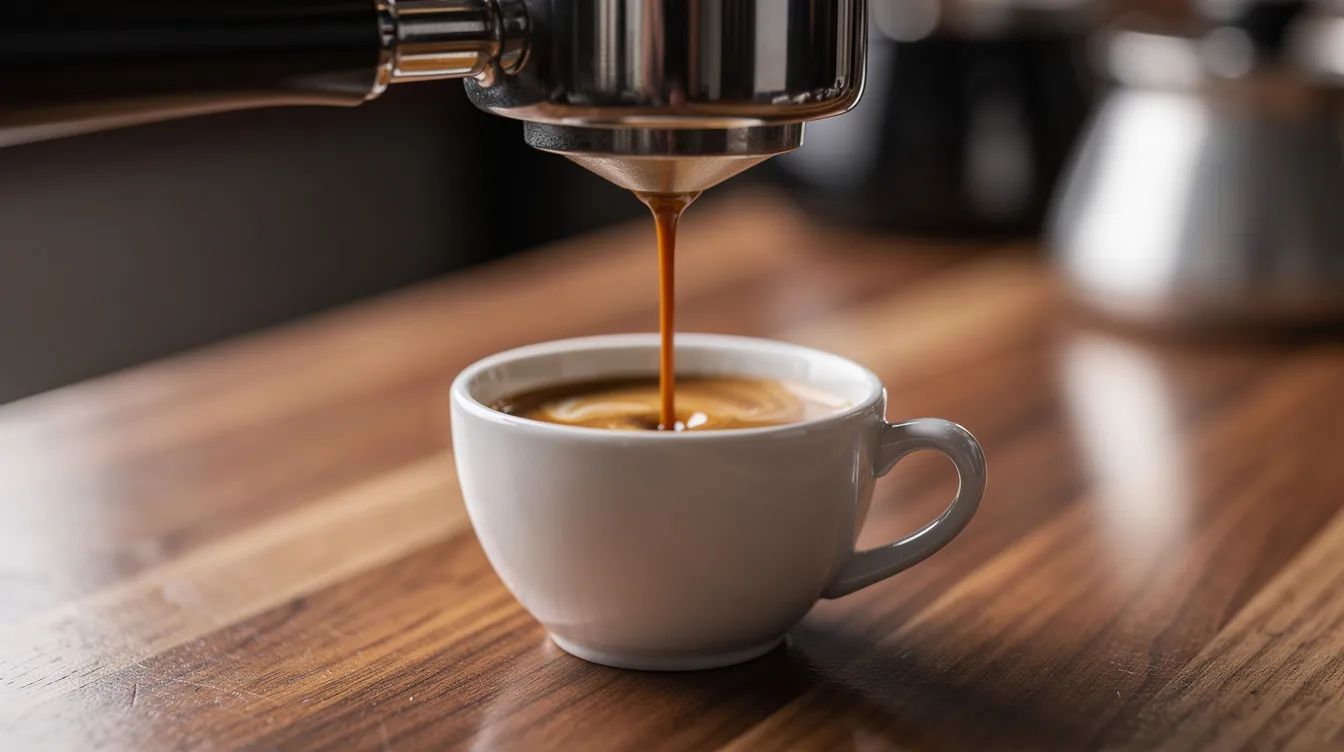
Capitol City Coffee is an independent coffee editorial and affiliate publication. If you purchase through links on this page, we may earn a small commission at no extra cost to you. Commissions do not influence which espresso grinders are included or how they are ranked. Every pick is based on researched performance, verified specs, third-party testing consensus, and value.
The best espresso grinder for most U.S. home baristas is the Eureka Mignon Specialita: quiet, precise, and built for years of daily shots. If you’re just starting out, the Baratza Encore ESP Pro delivers real espresso capability for less. Serious coffee geeks who want maximum control over particle distribution and bean rotation should look at the DF64 Gen 2 or DF64V.
Here are the top picks, segmented by buyer type:
Key trade-offs to watch: stepless grinders allow infinite adjustments for dialing in espresso but lack numbered detents to return to a saved grind setting; lower retention matters most if you rotate coffee beans frequently; and flat burrs tend to deliver more flavor clarity than conical burrs but cost more.
The table below compares the main espresso grinders featured in this guide across specs that matter most for daily espresso use.
Grinder | Burr Type & Size | Grind Range | Adjustment | Approx. Retention | Approx. Noise | U.S. Price (2026) | Best For |
|---|---|---|---|---|---|---|---|
55 mm flat, steel | Espresso + manual brews | Stepless | ~0.3 g | ~55 dB (low) | ~$449 | Best overall home espresso | |
40 mm conical, steel | Espresso + filter | Stepless | Moderate | Moderate | ~$300 | Beginner upgrade | |
64 mm flat, steel | Espresso + filter + coarse | Stepless | <0.1-0.3 g | Moderate | ~$350-$400 | Serious home barista, single-dose | |
64 mm flat, steel | Espresso + filter + coarse | Stepless | <0.1-0.3 g | Moderate | ~$400+ | Geeks wanting variable RPM | |
54 mm flat, steel | Espresso + filter | Stepless | <0.1 g (with bellows) | Moderate | ~$230 | Best value flat burr espresso | |
48 mm conical, steel | Espresso + pour over | Stepped (100 clicks/rotation) | Near zero | No motor noise | $259 | Manual espresso, travel | |
38 mm conical, steel | Espresso (limited) + filter | Stepped | Near zero | No motor noise | ~$70-$80 | Budget manual, travel | |
40 mm conical, steel | Espresso (limited) + filter + French press | Stepped (40 settings) | Moderate | Moderate-high | ~$159 | Versatile entry-level for most coffee drinkers | |
40 mm conical, steel | Espresso + filter + cold brew | Stepped (41 settings) | Low-moderate | Moderate | ~$195 | All-purpose, praised for grind consistency | |
40 mm conical, steel | Drip + pour over (espresso edge-case) | Stepped | Moderate | Moderate-high | Under $100 | Budget grinder, drip-focused |
Note: “Moderate” noise typically falls in the 70-80 dB range. Retention figures vary with bean type, dose size, and whether bellows or single-dose workflows are used.
This guide is based on researched editorial analysis. Capitol City Coffee did not conduct independent lab testing, particle-size analysis, or sound-level measurements. Instead, recommendations draw on verified manufacturer specifications, published expert reviews, and consensus from reputable third-party testers.
The following data points were prioritized when evaluating each grinder:
Budget constraints and U.S. availability influenced which grinders made the list. Affiliate payout size did not.
The Eureka Mignon Specialita, priced at roughly $449, is the best espresso grinder for most U.S. home baristas. The Eureka Mignon Specialita excels in espresso grinding with a combination of tight particle distribution, low noise, and a compact metal chassis that fits on standard kitchen counters.
The Specialita uses 55 mm flat steel burrs driven by a 260 W direct-drive motor at approximately 1,350 RPM under load. That motor speed keeps heat generation low, which helps preserve volatile aromatics in the coffee beans. Measured noise levels sit around 55 dB at 12 inches; for reference, that is quieter than a typical conversation. Most competing flat burr grinders in the same price band run 75-85 dB.
Stepless grinders allow infinite micro-adjustments to grind size, and the Specialita’s micrometric collar moves in increments of roughly 4-5 microns. That level of control lets you make tiny changes to shot time without jumping past the sweet spot. Flat burrs offer high clarity and distinct flavor separation in coffee, and the Specialita leans into that strength: lighter roasts show bright acidity and clean fruit notes, while medium roasts deliver sweetness with defined chocolate and caramel layers.
Workflow: The Specialita ships with a ~300 g bean hopper and timed dosing. Hopper grinders store beans and grind doses as needed for convenience, making this a natural fit for households that stick with one bag of whole bean coffee until it’s empty. Retention sits around 0.3 g per dose in typical use, which is low enough to be irrelevant when you’re grinding the same beans every day. Cleaning is straightforward: the top burr carrier lifts out for brushing, and the short exit chute limits buildup.
Limitations: At ~$449, the Specialita costs more than double the entry-level options below. Stepless adjustment means no numbered clicks; you’ll need to mark your preferred grind setting or rely on muscle memory. The grind range extends beyond espresso into manual-brew territory, but switching to coarse French press or cold brew is less convenient than on grinders designed for wide-range use. If you only brew drip coffee or French press, this grinder is overkill.
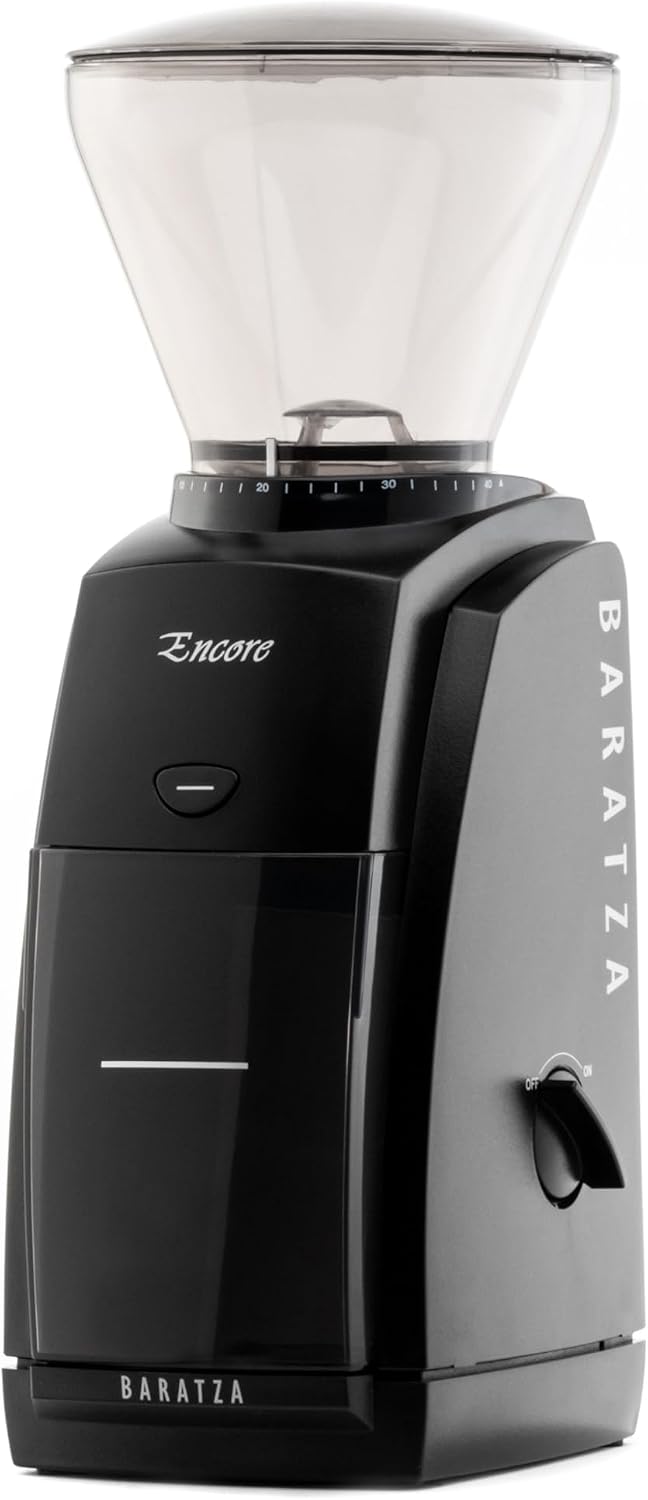
Sub-$200 electric espresso grinders require compromises, but the gap between a true burr grinder and a blade grinder at this price point is enormous. The Baratza Encore costs about $159 and is the most commonly recommended entry-level grinder for most coffee drinkers, as well as a candidate for readers seeking a great coffee grinder at an entry-level price. The Baratza Encore offers 40 grind settings spanning French press through a usable espresso range, though its stepped adjustment means you cannot micro-tune between settings the way a stepless grinder allows.
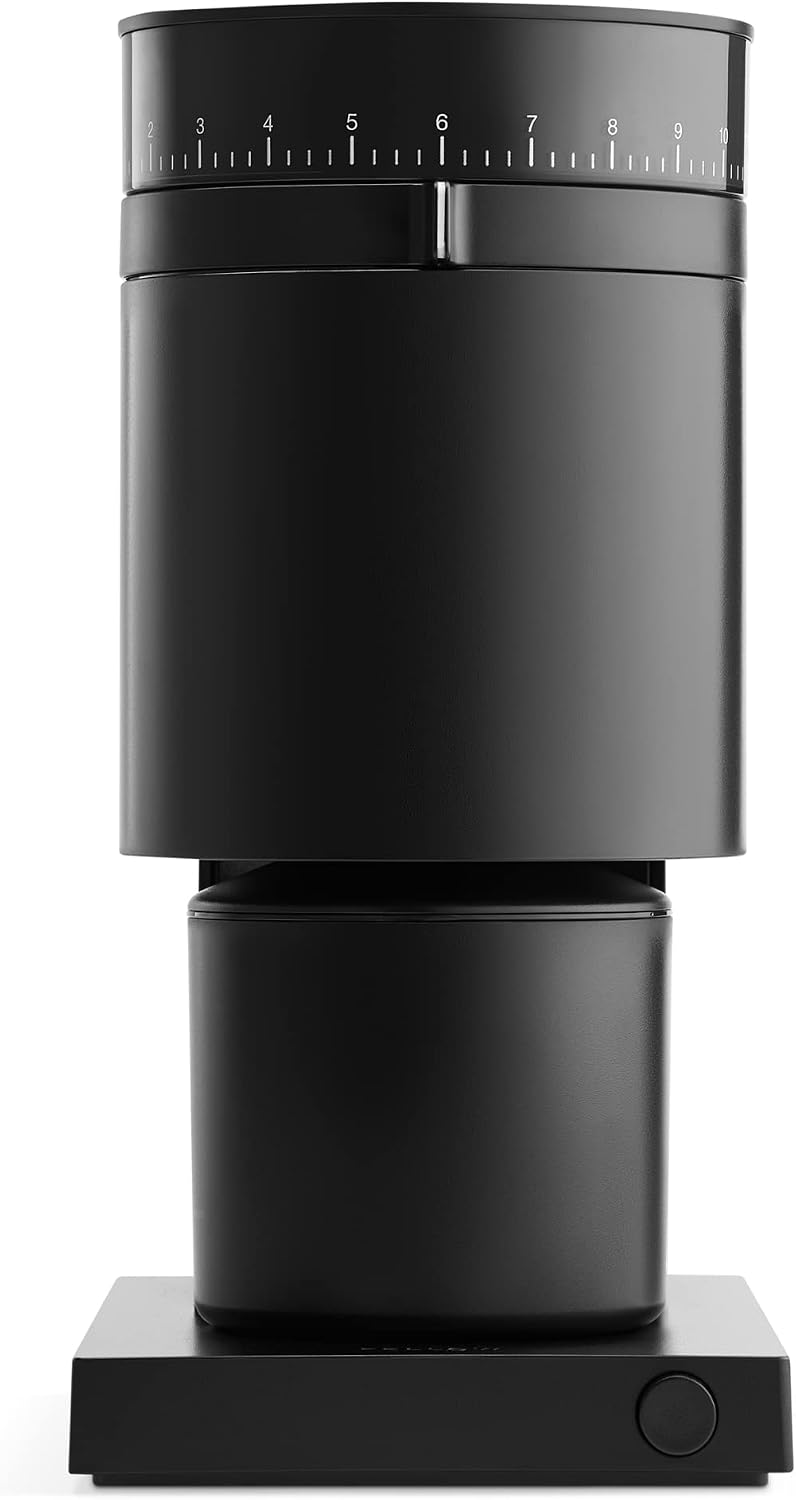
For buyers willing to stretch to $195, the Fellow Opus is praised for its grind consistency across 41 stepped settings and handles both espresso and filter coffee in a single compact body. It is not a dedicated espresso grinder in the way the Specialita is, but it grinds fine enough for pressurized baskets and many unpressurized setups.
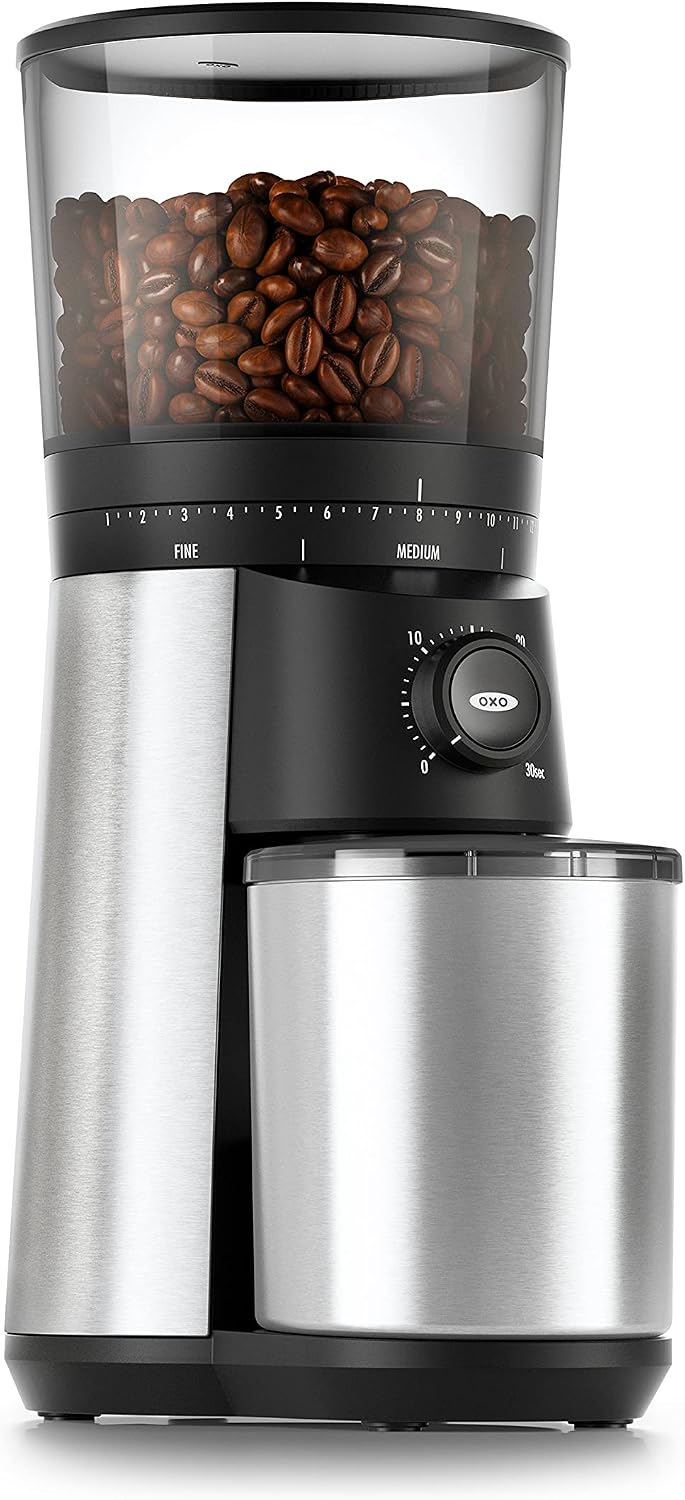
The OXO Brew grinder is under $100 and compact, making it tempting for casual coffee drinkers. It handles drip coffee and pour over capably, but its espresso performance is limited. It operates at the very edge of espresso fineness, and the stepped adjustments lack the resolution to dial in precisely. Consider the OXO grinder only if your primary brew method is drip and you want occasional espresso experiments with a pressurized portafilter.
Trade-offs at this tier: Expect more noise, more static, higher grind retention, and less precise dosing than grinders above $300. Shot-to-shot consistency will vary more, and dialing in requires patience. These are budget coffee grinder options that represent a genuine step up from blade grinders, and for first-time espresso machine owners, they deliver a delicious cup that a blade grinder simply cannot produce.
If your budget allows, the Baratza Encore ESP Pro at ~$300 sits right above this tier and offers a stepless mechanism with anti-static technology, making it a much stronger dedicated espresso grinder. Consider it a bridge between true budget territory and the mid-range.
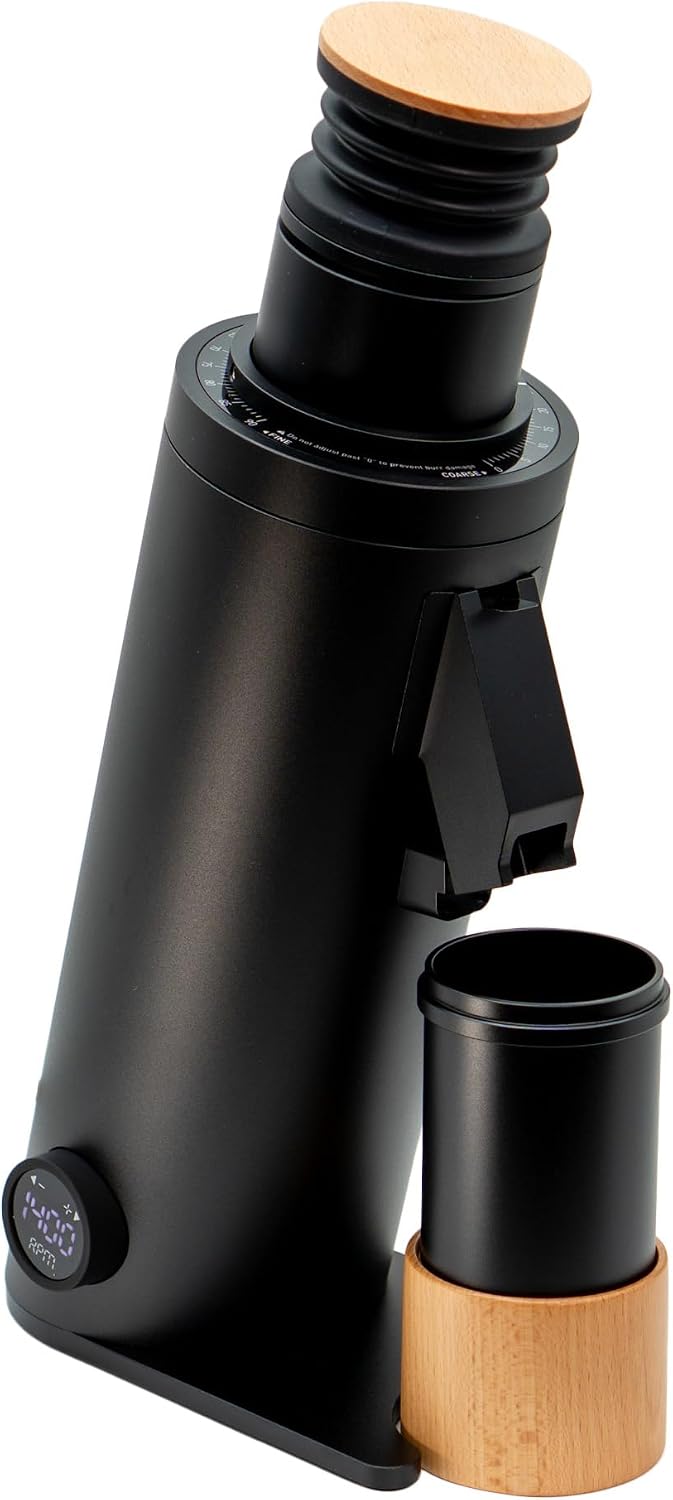
The DF64 Gen 2 (~$350-$400) is built for home baristas who want to control every variable. Its 64 mm flat burrs are large for home use, which means faster grinding, lower heat generation per dose, and a tighter particle distribution that rewards careful technique.
The DF64 Gen 2 is a single dose grinder, so it minimizes stale coffee and reduces retention; with bellows, it can deliver retention under 0.1 g. It also lets you weigh exact doses for each shot, which is the preferred workflow for anyone rotating through multiple bags of coffee beans or doing side-by-side comparisons of origins and roast levels.
The DF64V grinder features variable speed control from 600-1800 RPM. That range lets you slow the motor for lighter roasts (reducing fines and heat) or speed it up for faster grinding of dark roast beans. The ability to swap burr sets is another draw: aftermarket burrs from SSP, Italmill, and others let you tune the grinder’s flavor profile from clarity-focused to body-focused.
The Fellow Ode Gen 2 grinder is designed for single-dosing and also appears in conversations about flat burr grinders at this price tier, though its strengths lean more toward filter coffee than espresso. For espresso-first users, the DF64 line offers more resolution in the fine grinds range.
Downsides: These grinders demand more from the user. Dialing in a stepless flat burr grinder with 64 mm burrs and variable RPM means managing three or four variables at once. Counter mess can increase without careful workflow (magnetic catch cup, WDT tool, scale). The DF line’s warranty is typically one year, and parts support in the U.S. is less established than Baratza’s network. If you pull one or two shots a day and rarely change beans, this level of control is more than you need.
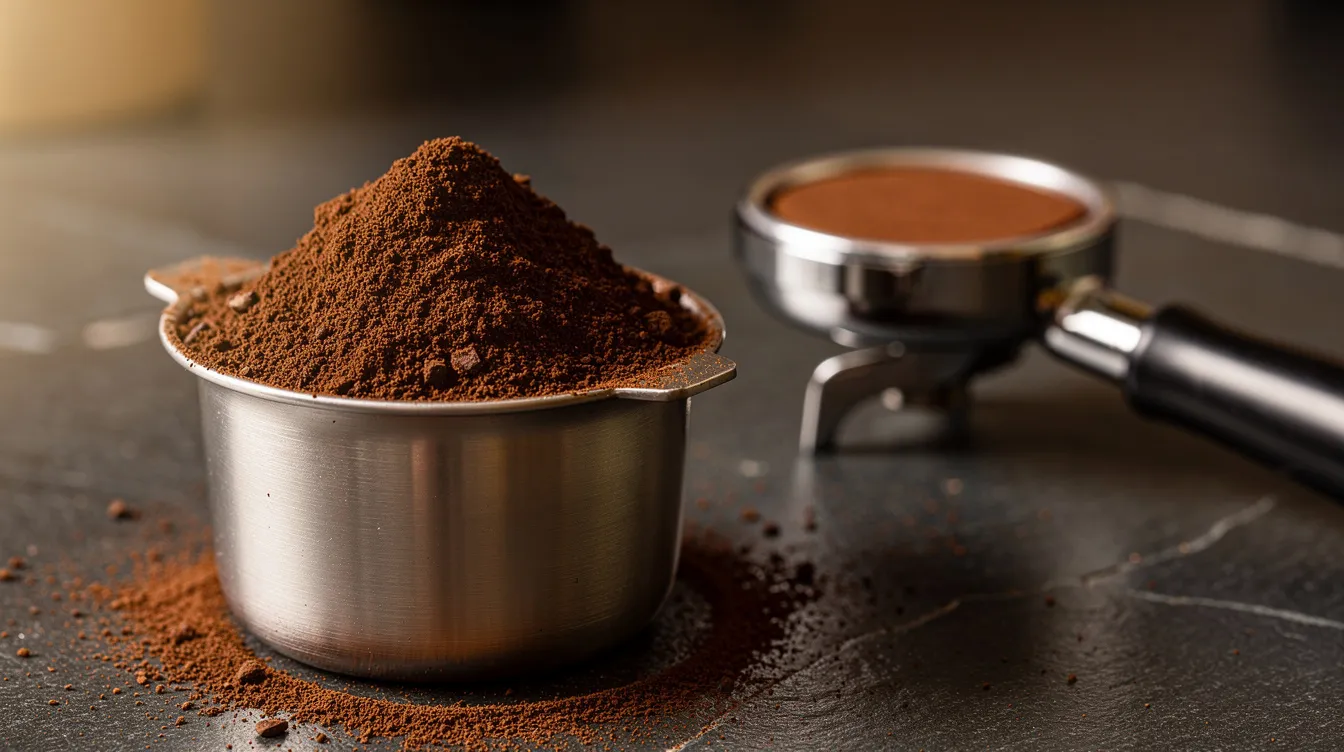
Manual grinders are a powerful option when budget is tight, silence matters, or travel is part of your coffee routine. Not all hand grinders can reach true espresso fineness, so capability varies widely by model.
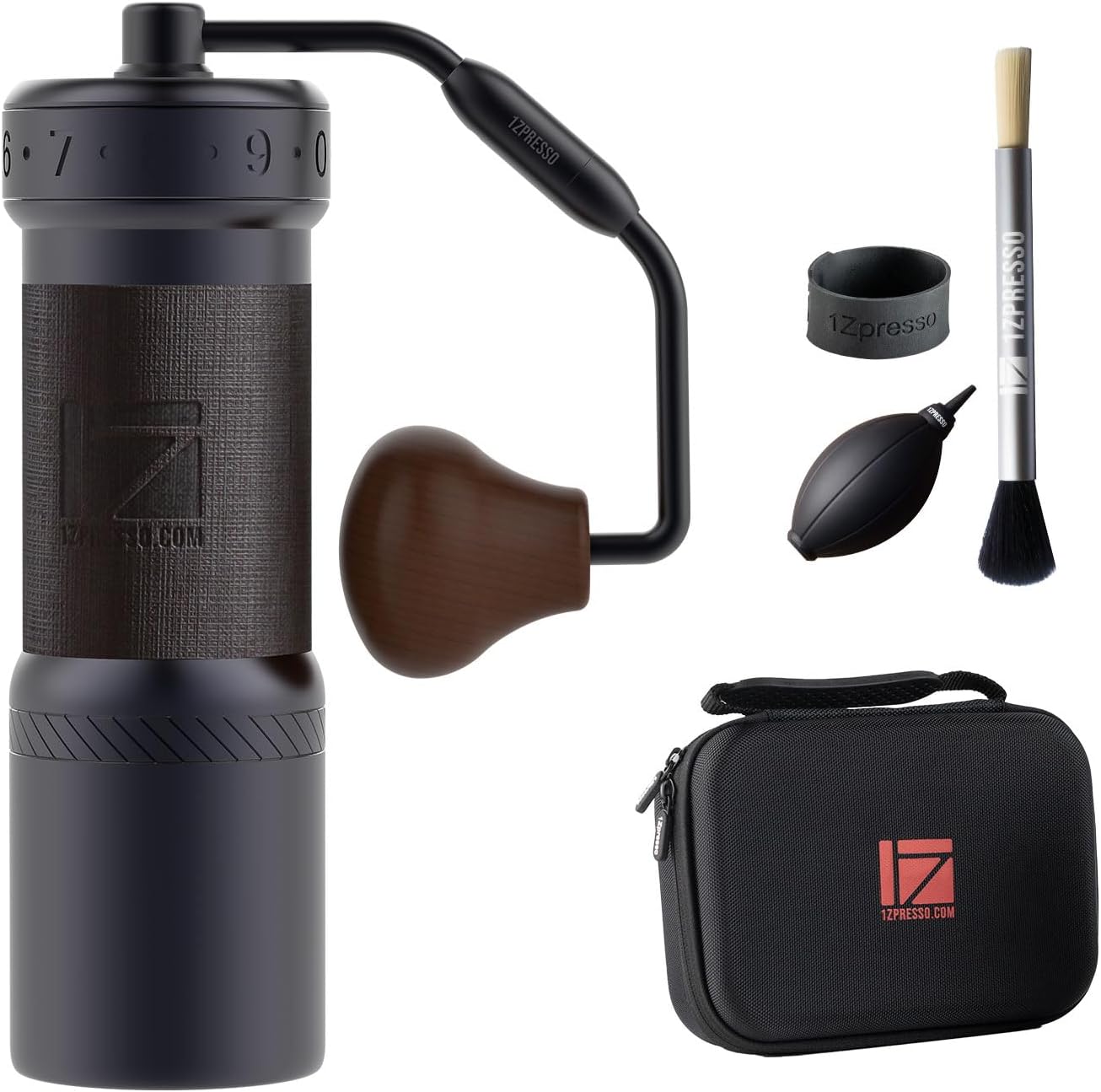
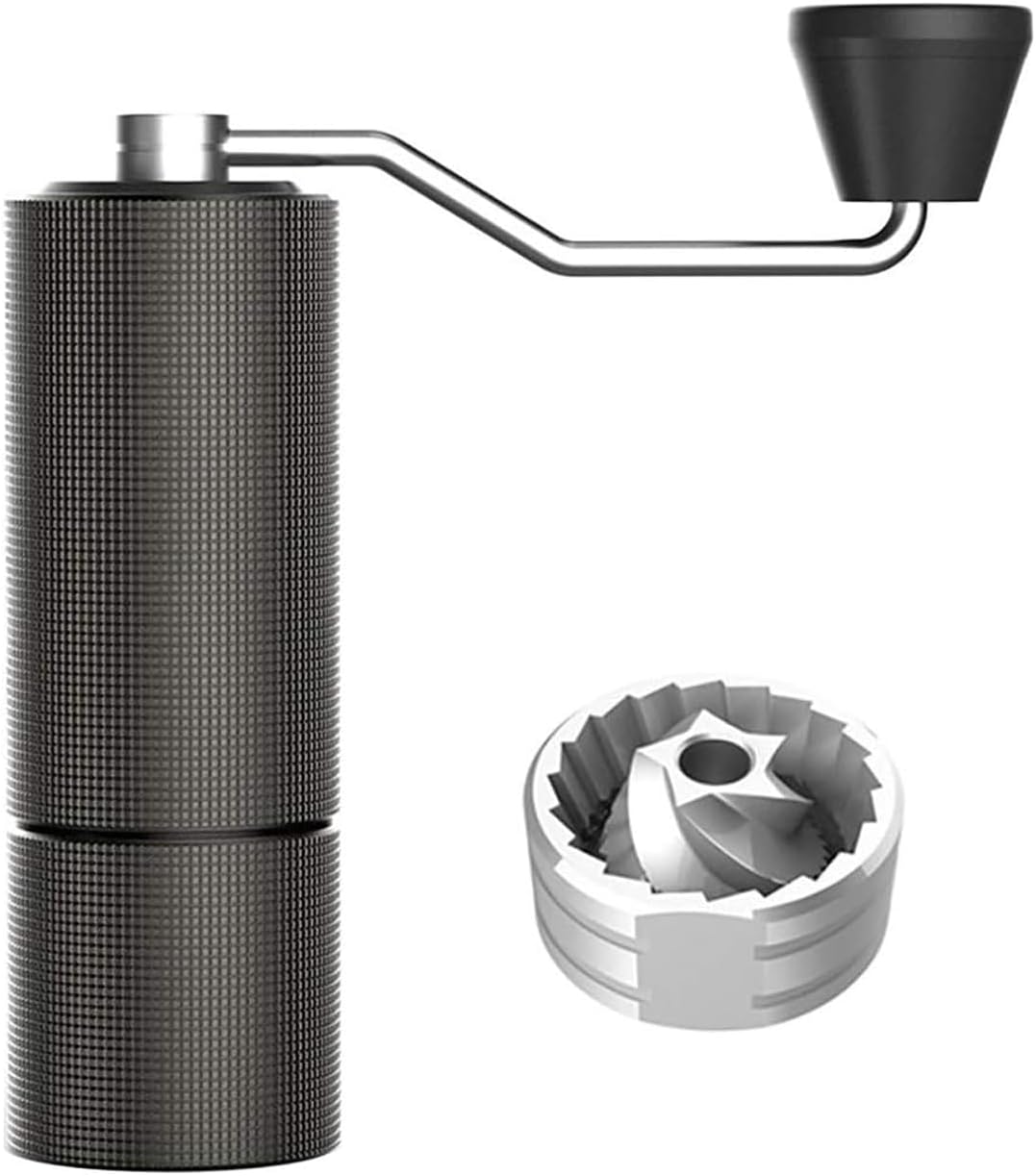
The 1Zpresso K-Ultra ($259) is one of the most frequently recommended manual coffee grinder options for espresso. Its 48 mm heptagonal conical burrs are large for a hand grinder, and the external numbered dial with 100 clicks per rotation provides repeatable adjustments of roughly 20 microns per click. Grinding 18 g for espresso takes about 45-60 seconds of steady cranking; lighter roasts are denser and require more effort. The catch cup holds 35-40 g of ground coffee.
The Timemore C2 is a solid budget manual grinder, priced under $80. The Timemore C2 grinder is compact and ideal for travel. Its smaller 38 mm burrs mean slower grinding and less precision at espresso fineness than the K-Ultra, but it still outperforms any blade grinder by a wide margin. Manual grinders like the Timemore C3 are great for travel as well, offering slight refinements over the C2.
Manual grinders provide excellent value-to-performance ratios for espresso, and manual grinders are generally cheaper than electric grinders at comparable grind quality. The trade-off is that manual grinders require physical effort and time to operate; hand grinding 18 g of a dense Ethiopian light roast through the espresso range is a genuine arm workout. For households pulling more than two or three shots per morning, an electric grinder will save time and fatigue. But for a single daily shot, a quality hand grinder like the K-Ultra produces espresso that rivals grinders costing twice as much.
Manual grinders can be quieter, making them suitable for early mornings in apartments or homes with sleeping children.
If you want one grinder to handle espresso, pour over, drip coffee, French press, and cold brew, you need a wide grind range with enough precision at both ends.
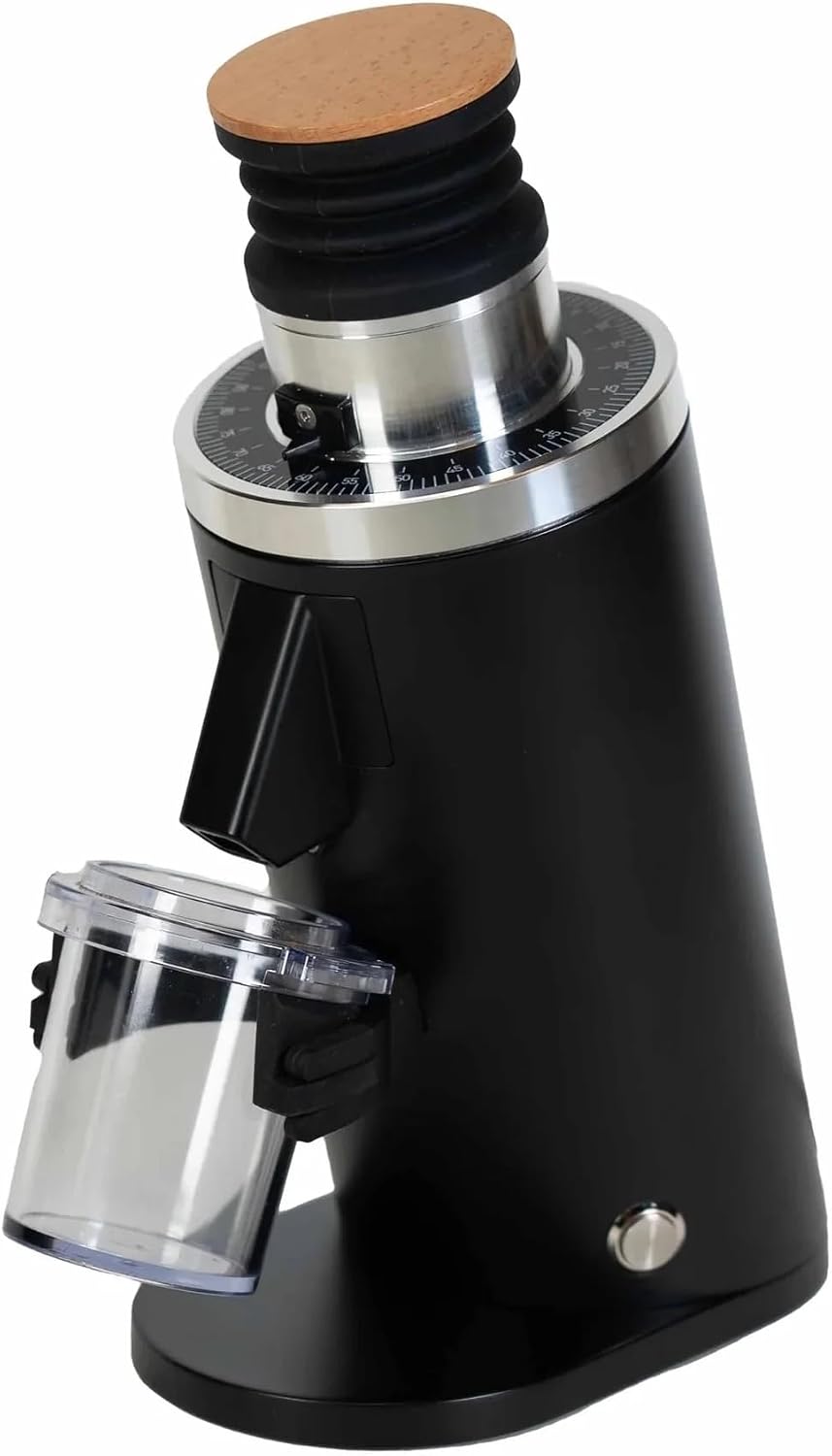
The DF54 grinder features 54 mm flat burrs for consistent grinding across a broad range. Priced at roughly $230, the DF54 is a top value pick for espresso buyers who also brew filter coffee. Its stepless micrometric dial gives fine control in the espresso range, and its grind range extends coarse enough for manual brewing methods. The DF54 grinder is priced around $230, which is less than half the cost of many competing flat burr grinders with similar burr sizes. Retention is under 0.1 g when using the bellows, making it practical for switching between espresso and filter without cross-contaminating flavors.
The Baratza Encore ESP Pro also works as a multi-purpose grinder, with its flow-control disk and stepless mechanism handling espresso while the broader range covers drip and pour over. The Baratza Encore offers 40 grind settings in its standard configuration, but the ESP Pro’s stepless upgrade removes the gaps between those settings, giving continuous resolution across the full range.
Particle consistency trade-offs: A single grinder covering espresso through coarse French press will not match a dedicated espresso grinder’s precision at the fine end or a dedicated filter grinder’s uniformity at the coarse end. For most households running multiple brewing methods and multiple brewing styles, the 5-10% gap in absolute precision is worth the counter space and cost savings.
Counter space limits many home baristas. The Eureka Mignon Specialita, despite being the best overall pick, is also among the most compact flat burr grinders at roughly 12 cm wide and 35 cm tall. It fits under standard U.S. upper cabinets and occupies less counter area than a toaster.
The DF54 is similarly compact at approximately 11.4 cm wide, 17.8 cm deep, and 30.5 cm tall, weighing about 4.5 kg (roughly 10 lbs). Its single dose hopper keeps the profile low, and the overall footprint is small enough for apartment kitchens or corner setups next to a small espresso machine.
Both grinders accept a standard 58 mm portafilter under the chute, though taller portafilters from certain machines may need a dosing cup as an intermediary. Performance at this size does not require compromise: the Specialita’s 55 dB noise and the DF54’s near-zero retention are competitive with larger grinders. If your kitchen is the constraint, either of these delivers full espresso performance without dominating the counter.
Noise matters if you pull shots at 6 AM in a shared apartment, in a home with sleeping kids, or anywhere that a 75-85 dB grinding session would cause friction.
The Eureka Mignon Specialita is the quietest electric espresso grinder commonly available in 2026. Multiple third-party reviewers have measured it at approximately 55 dB at 12 inches, which is roughly the volume of a quiet office conversation. That figure is 20-30 dB below many competing electric burr grinders, and because decibels are logarithmic, a 10 dB reduction sounds roughly half as loud.
The Specialita achieves this through a combination of its 260 W direct-drive motor, insulated metal chassis, and rubber damping. The trade-off is speed: at ~1.8-2.0 g/s for espresso doses, it is not the fastest grinder on this list. For a single 18 g dose, that means about 9-10 seconds of grinding. Most users find the wait trivial.
No electric grinder is silent. If you need true silence, a manual grinder like the 1Zpresso K-Ultra eliminates motor noise entirely, replacing it with a quiet mechanical clicking during hand grinding. The physical effort is the cost.
New espresso drinkers shopping for both a grinder and machine often allocate too much budget toward the machine. The grinder is the more critical half: a $300 grinder paired with a $200 machine will produce better espresso than a $200 grinder paired with a $300 machine, because grind consistency controls extraction more directly than machine features at this price tier.
Two practical pairings:
Both grinders support other brewing methods. The ESP Pro and DF54 can grind for Aeropress, drip, and cold brew, so you are not locked into espresso-only use on days when you want a simpler cup.
A well-built grinder can outlast one or two espresso machines. Putting more of your budget toward the grinder protects you from needing to upgrade both pieces at once as your palate develops.
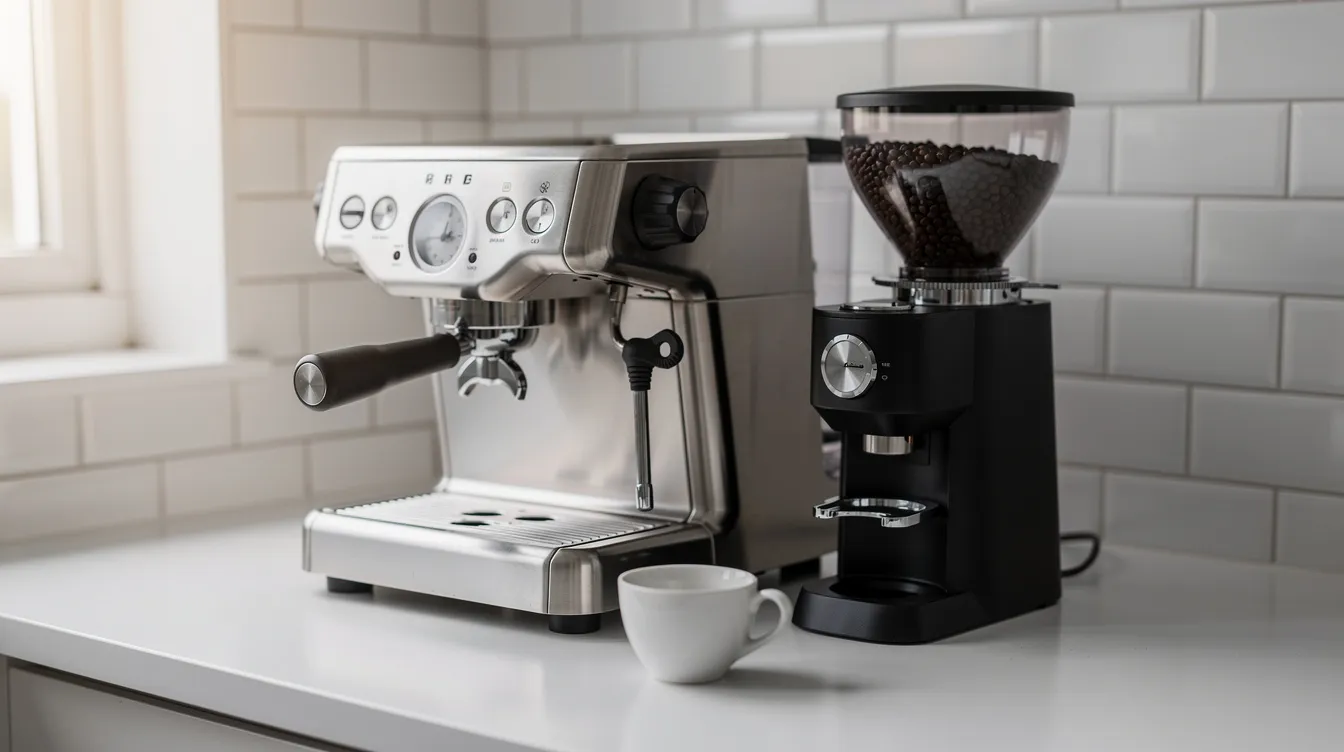
A blade grinder uses a spinning blade to chop coffee beans randomly, like a blender. A burr grinder uses two precisely machined surfaces to shear beans into particles of controlled size. The resulting ground coffee is fundamentally different.
Burr grinders create a narrow particle size distribution: most particles cluster near the target size, with relatively few fines (tiny dust-like particles) and few oversized chunks. Blade grinders produce a wide, unpredictable spread. Some particles are powder-fine; others are still coarse fragments. That randomness makes consistent espresso extraction impossible.
Fines lead to over-extraction and bitterness in coffee because they release their soluble compounds almost instantly under espresso pressure. Coarse grinds can result in under-extraction and sour flavors because water passes through them too quickly without dissolving enough. When both extremes are present in the same puck, you get a shot that tastes simultaneously bitter and sour, with no clean middle ground. Dialing in becomes guesswork.
Blade grinders can still produce serviceable ground coffee for basic drip coffee or cold brew, where the brewing method is more forgiving of uneven particles. But for anyone pursuing espresso, even a budget coffee grinder with conical burrs (like the Timemore C2 or the Baratza Encore) outperforms any blade grinder. The flavor difference is not subtle; it is the difference between a muddy, harsh shot and a balanced one.
Both conical and flat burrs can make excellent espresso. The distinction is in how they shape the ground coffee and, by extension, what ends up in your cup.
Conical burrs produce a bimodal particle distribution in coffee grounds: a cluster of target-size particles plus a secondary cluster of fines. That bimodal spread tends to produce a heavier, more traditional body in espresso. Many coffee lovers associate this mouthfeel with a classic coffee shop shot; it is rich, rounded, and forgiving of small grind setting errors. Grinders like the Baratza Encore ESP Pro and 1Zpresso K-Ultra use conical burrs.
Flat burrs produce a more unimodal distribution: particles cluster tightly around a single target size. This translates to higher flavor clarity; individual tasting notes (fruit acidity, floral aromatics, specific chocolate or caramel tones) are more distinct and separated. Flat burrs tend to reward precision and punish sloppiness; if your grind setting or dose is slightly off, a flat burr grinder will expose it. The Eureka Mignon Specialita, DF54, and DF64 Gen 2 all use flat burrs.
Practical trade-offs beyond flavor:
For most home baristas, burr quality and grinder design matter more than geometry alone. A great grinder with conical burrs will outperform a poorly made flat burr grinder. Some drinkers end up with different favored grinders depending on whether they prefer clarity or body. But if you drink lighter roasts and want the best tasting coffee with maximum flavor separation, flat burrs are the conventional path. If you prefer rich, full-bodied medium and dark roast shots, conical burrs deliver that profile naturally.
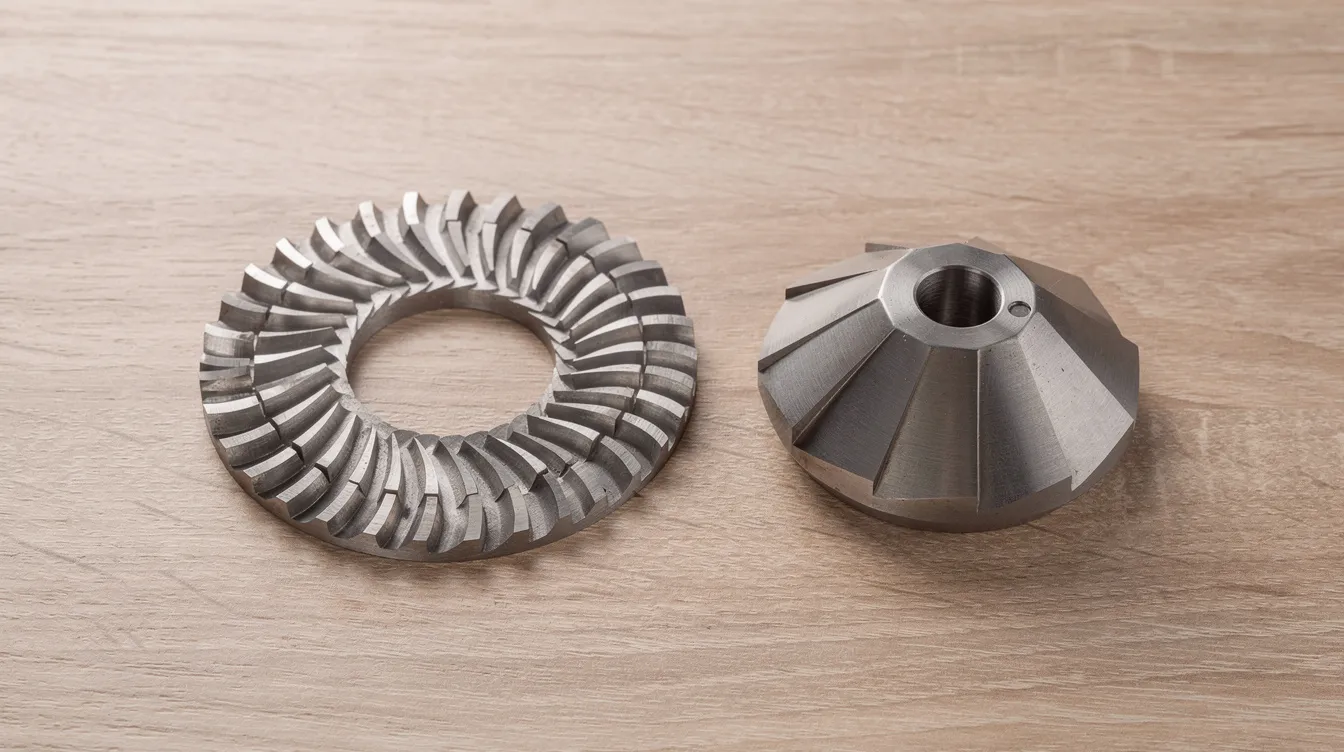
Three concepts determine how well a grinder performs for espresso:
Grind range refers to how fine and how coarse a grinder can produce. Espresso sits at the fine extreme. Ideal grind sizes vary by brewing method, from roughly 200-400 microns for espresso to 800-1,600 microns for French press and cold brew. A grinder with a wide grind range can cover multiple brewing methods; a narrow-range grinder may excel at espresso but struggle with coarse French press.
Particle consistency (also called grind consistency) describes how tightly the particles cluster around the target size. A grinder with a consistent grind produces particles that are mostly the same size. Poor grind consistency means a wide spread of sizes, leading to uneven extraction: some particles give up too much flavor (bitterness), others too little (sourness). Grind size affects coffee extraction rates, and consistent particle size is what lets you control those rates predictably.
Fines are the smallest particles in any batch of ground coffee. Some fines are unavoidable; a small percentage can actually improve body and crema. But too many fines choke the puck, slow the shot, and introduce harshness. Premium espresso grinders cost more in part because their burrs, tolerances, and adjustment mechanisms are engineered to minimize unwanted fines while keeping the target-size particles uniform.
Burr quality and size are essential for consistency in espresso grinding. Larger burrs cut more evenly per rotation, and higher-quality steel or coated burrs maintain their edge longer. Think of your grinder as a tool for repeatability: small, predictable changes to the grind setting should produce small, predictable changes in shot time and flavor. If each adjustment feels like a coin flip, the grinder lacks the precision espresso demands.
Retention is the weight of coffee grounds left inside the grinder after a dose is complete. Those leftover grounds sit in the grinding chamber and chute, growing stale. The next dose pushes some of those stale particles out alongside fresh ones, which can muddy flavor and make dialing in less reliable. Low retention is important to prevent stale coffee in single-dosing workflows, where you weigh out exactly one dose of fresh beans before each grind.
Static is the electrical charge that builds as dry coffee particles rub against burrs, chutes, and each other. Static and clumping can negatively affect coffee ground quality by causing grounds to stick to surfaces, spray outward, or clump together in the portafilter. Clumps create pockets of density in the puck, leading to uneven water flow and channeling during extraction.
Modern grinders address both problems:
Practical tips that expert communities consider safe and effective:
Some grinders trade slightly higher retention for quieter or more compact designs. If you grind the same beans daily and use a hopper, 0.3-0.5 g of retention is functionally invisible. If you switch beans often, prioritize grinders under 0.1 g.
Motor speed (RPM), torque, and burr size interact to determine how fast a grinder produces a dose, how much heat it generates, and how much noise it makes.
Higher RPM means faster grinding but can generate more heat and more static. Heat matters because it can degrade volatile aromatic compounds in the coffee, dulling flavor. The Specialita’s 1,350 RPM strikes a balance: fast enough to grind an 18 g dose in roughly 9-10 seconds, slow enough to keep temperatures low. The DF64V’s variable speed (600-1,800 RPM) lets users choose their own balance point.
Electric grinders can grind more coffee efficiently than manual ones, and electric grinders are more convenient for larger batches of coffee. If you pull four or five shots in a row for a weekend gathering, a capable electric grinder handles that in under a minute. A hand grinder would take 4-5 minutes of continuous cranking.
Noise ranges widely:
For most home espresso routines of 1-3 shots per day, minor speed differences between grinders are irrelevant. Noise level matters more if you brew before others wake up or share thin-walled spaces. Cheaper grinders tend to be louder because they use smaller burrs at higher RPM to compensate, and their housings often lack sound insulation.
An espresso grinder used daily faces real wear: burrs dull over thousands of doses, motors accumulate stress, and plastic hoppers can crack. A grinder that cannot be repaired becomes expensive waste.
Baratza grinders stand out in North America for parts availability and repair support. The company sells individual components (burrs, motors, switches, hoppers) directly to consumers and publishes repair guides. A Baratza Encore or ESP Pro with a failed switch does not become a paperweight; it becomes a $15 repair. This approach means a slightly higher upfront cost often saves money across a five-to-ten year ownership window.
Typical burr lifespans depend on material, roast level, and volume. Steel burrs in home use (1-4 doses per day) commonly last 3-5 years before grinding performance noticeably declines. Ceramic burrs can last longer but are more brittle. Darker roasts accelerate wear because of higher oil content and the physical properties of the bean. Replace burrs every 1-3 years for optimal performance if you grind multiple doses daily with oily dark roast beans.
Warranty coverage varies:
When evaluating a grinder’s price, factor in the cost of a replacement burr set ($20-$80 depending on model), the likelihood of needing motor or electronics repair, and whether the manufacturer supports those repairs or expects you to buy a new unit. Metal internals and well-aligned burr carriers hold up better under daily use than plastic equivalents, and newer serviceable models are often easier to maintain than many previous grinders that treated failed components as replace-only rather than repairable.
Start with three questions:
Quick checklist:
For readers exploring grinders beyond espresso use, the broader grinder hub at /gear/grinders/ covers all categories, and the guide at /gear/grinders/best-burr-coffee-grinders/ compares burr grinders across pour over, French press, and drip. Budget-focused roundups at /gear/grinders/best-coffee-grinders-under-100/ and /gear/grinders/best-coffee-grinders-under-200/ cover entry points for coffee drinkers whose primary need is filter coffee.
A good grinder maintained poorly will produce bad espresso. Coffee oils and fine particles accumulate around burrs and in the chute, eventually turning rancid and contaminating fresh shots.
Cleaning cadence:
Consumable and repair costs:
Long-term value: A $450 grinder that lasts 7-10 years with one burr replacement costs roughly $6-8 per month. A $150 grinder that needs replacing after 3 years costs about $4 per month but delivers lower espresso quality throughout. Premium grinders also hold resale value; a well-maintained Eureka Mignon or DF64 can sell for 50-70% of its original price on the used market.
Store beans in a cool, dry place to maintain freshness. Even the best coffee grinder cannot compensate for stale whole bean coffee. An airtight container away from heat and light extends bean life and protects your grinder from excess moisture.
This page focuses on espresso grinders, but Capitol City Coffee covers grinders across all brewing methods and budgets:
All guides follow the same independent editorial standards and researched approach used here.
These questions cover common espresso grinder concerns not fully addressed in the sections above. Answers reflect 2026 consensus from reputable coffee sources and manufacturer documentation.
Some higher-end grinders handle both espresso and filter coffee well. The DF54 and DF64 Gen 2 can switch between espresso and pour over without losing much precision at either end. Many affordable grinders, however, struggle to deliver the ultra-fine, consistent grind that espresso requires while also covering coarse brewing methods like French press.
If espresso is your main brew method, prioritize a grinder designed or proven for the espresso range, even if you occasionally brew drip or cold brew. Multi-purpose grinders require more frequent grind adjustments and careful note-keeping to switch between espresso and other methods without losing your dialed-in grind setting. A great grinder with broad range, like the DF54 or Encore ESP Pro, handles both duties, but a generic “all-purpose” cheaper grinder often does neither well.
Typical espresso grind is finer than table salt, usually in the 200-400 micron range. Exact fineness depends on your espresso machine, basket size, and the coffee beans you are using.
Use shot time and yield as your guide: for a common 1:2 ratio (e.g., 18 g of ground coffee in, ~36 g of liquid out), aim for roughly 25-30 seconds from pump start. If the shot runs too fast, grind finer. If it chokes or drips too slowly, grind coarser. Consistent timing and taste (balanced, without sourness or harsh bitterness) are better indicators than grind texture alone.
Some brew-focused burr grinders can reach espresso fineness, but many lack the ultra-fine adjustment steps needed to dial in shots with precision. Using a grinder at the very edge of its range often results in poor grind consistency, frequent clogging with darker roasts, and frustration during dialing in.
If a grinder’s documentation or reputable reviews do not confirm espresso capability, assume it is better suited to drip or cold brew. The Baratza Encore, for example, can produce fine grinds in the espresso range but lacks the stepless resolution of the ESP Pro for precise shot tuning. Specialty coffee demands more control than a general-purpose grinder typically provides.
Burr lifespan depends on material, roast level, and volume. Most home users grinding 1-4 doses per day can expect several years before noticing a decline. Replace burrs every 1-3 years for optimal performance if you grind at high volume or frequently use oily dark roast beans.
Signs burrs may be dulling: slower grinding at the same grind setting, more dust-like fines in the ground coffee, and flatter-tasting espresso even with fresh beans. Consult your manufacturer’s burr life estimates and consider replacement once grinding performance or flavor drops noticeably.
A high-quality manual grinder can produce excellent espresso, and many enthusiasts rely on them as their primary grinder. The 1Zpresso K-Ultra and similar hand grinders deliver grind quality that competes with electric grinders costing $300-$400.
Physical effort becomes more noticeable with multiple back-to-back shots or denser lighter roasts. For busy households pulling four or more shots each morning, an electric grinder is a better fit. Manual grinders shine as the sole grinder in small, low-volume households or as a secondary travel tool for coffee lovers who later upgrade to an electric espresso grinder. Even as a backup, a good hand grinder ensures you are never without a capable grinder when your electric unit is being cleaned or repaired.
Your next step: identify the grinder that matches your budget, your primary brew method, and your tolerance for tinkering. Buy fresh whole bean coffee from a local roaster, spend a weekend learning to dial in, and adjust one variable at a time. The grinder is the foundation; your technique and your beans do the rest.
Every coffee and coffee machine we recommend is scored on the same 100-point scale, so a recommendation on one page means the same thing as a recommendation on any other. Each pick is also labeled with how we reached its score.
| What we score | Points | What we look at |
|---|---|---|
| Origin and sourcing transparency | 20 | Country, region, farm or cooperative, altitude, bean variety, and processing method are clearly disclosed. |
| Flavor evidence | 25 | Independent cupping scores, how closely the tasting notes match what the origin is known for, and our own cupping notes when hands-on tested. |
| Roast and freshness | 15 | Roast level stated, roast-date practices, whole-bean availability, and packaging with a one-way valve or resealable bag. |
| Brew versatility | 15 | How well the roast suits pour-over, drip, French press, cold brew, and espresso. |
| Value | 15 | Price per ounce compared with similar single-origin coffees or blends. |
| Buyer feedback | 10 | Volume and consistency of verified reviews, and recurring complaints about staleness, bitterness, or shipping. |
| What we score | Points | What we look at |
|---|---|---|
| Brewing performance | 25 | Water temperature in the 195–205°F range, even extraction, and SCA certification or published test data. |
| Build quality and reliability | 20 | Materials, known failure points, and long-term owner reports. |
| Ease of use and cleaning | 15 | Setup, the daily routine, descaling, and dishwasher-safe parts. |
| Fit for your kitchen | 10 | Capacity, counter footprint, and noise. |
| Useful features | 10 | Programming, grind and temperature control, and carafe type. Features that improve the cup count more than extras that do not. |
| Value | 10 | Price compared with machines that perform similarly. |
| Warranty and support | 10 | Warranty length, parts availability, and how the brand handles repairs. |
| Score | Grade | What it means |
|---|---|---|
| 90–100 | A | Exceptional. Our first recommendation for the feeling and setting described. |
| 80–89 | B | Strong. Excellent, with minor trade-offs we explain. |
| 70–79 | C | Good. Worth it for specific needs, with clear compromises. |
| Below 70 | — | Not recommended. We do not feature these as picks. |
When a pick carries the Hands-on tested label, this is the method behind it, and we note the date we tested.
We match each coffee to a mood and a moment based on its flavor profile and roast. Bright, citrusy light roasts suit energizing mornings. Chocolatey, full-bodied medium roasts suit slow or social moments. Richer roasts suit espresso and milk drinks. Each pick explains which facts led us to that match.
Every score comes only from the criteria above. No brand can pay for a pick or a higher grade. We re-check ratings when a roast, listing, or model changes, and update or remove picks that no longer earn their grade.
Some links on this page are affiliate links. As an Amazon Associate, Capitol City Coffee earns from qualifying purchases, at no extra cost to you.
Questions about a rating? Reach the Capitol City Coffee team through our contact page.