

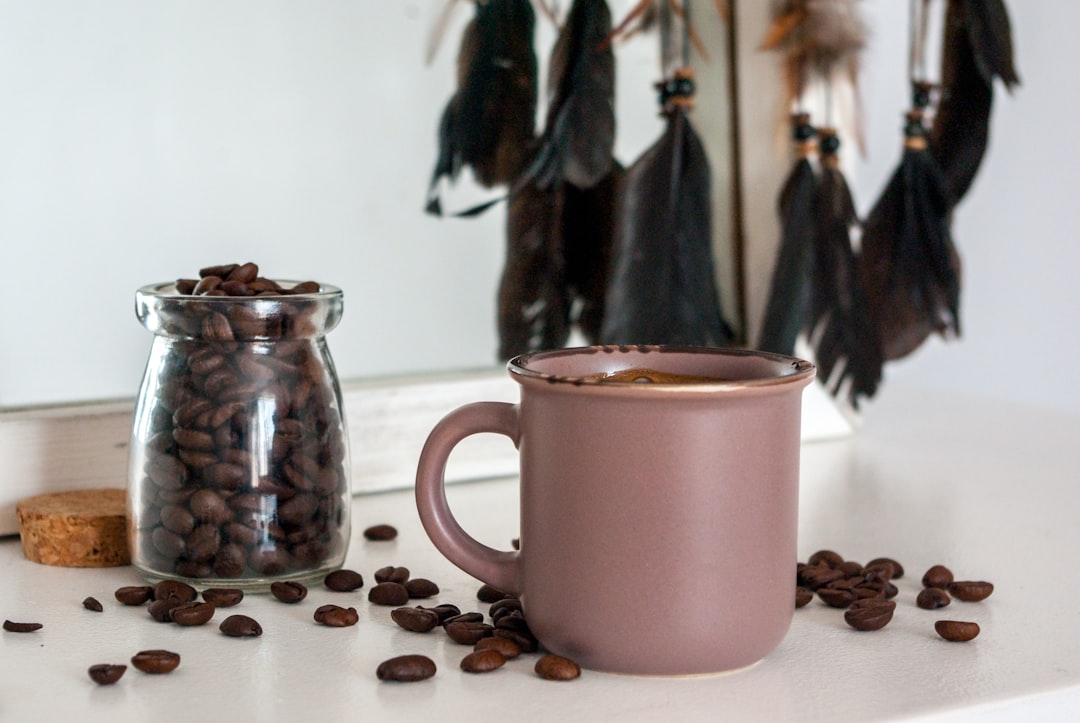
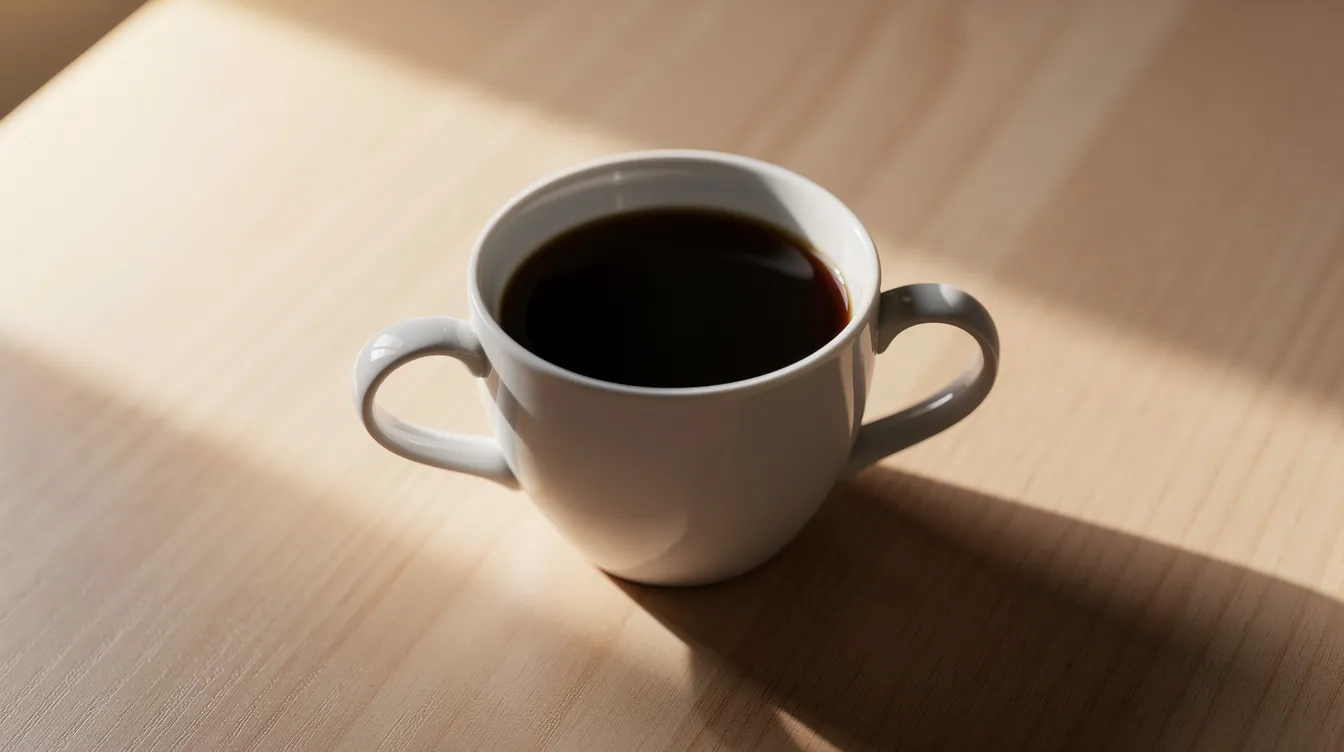
The shortest path to great black coffee is choosing beans that don’t need cream or sugar to taste good in the first place. That means fresh, specialty-grade Arabica beans, a thoughtful roast level, and a brewing method that matches. This guide breaks down exactly which coffees deliver when there’s nothing in the cup but coffee.
Key Takeaways
- The best coffee to drink black is typically a freshly roasted, specialty-grade single origin from Latin America or East Africa, roasted light to medium. Light and medium roast single-origin coffees preserve the bean’s natural fruitiness and sweetness, making them ideal for drinking without additives.
- Medium roasts with chocolate, caramel, and nutty notes offer a smooth starting point for beginners who want to start drinking black coffee without battling bitterness.
- Roast level, origin, and brewing method all shape black coffee taste. The same beans can produce a bright, tea-like pour over or a mellow, chocolatey cold brew depending on how you prepare them.
- All recommendations below are based on researched editorial analysis of third-party testing, expert reviews, and broad consensus – not on Capitol City Coffee’s own tasting. Some links below are affiliate links (see disclosure).
- This guide covers quick picks, a comparison table, detailed reviews with best-for labels, how to choose the right beans, brewing tips for different brewing methods, and FAQs about drinking coffee black.
Affiliate Disclosure
Some links in this guide are affiliate links. If you purchase through them, Capitol City Coffee may earn a small commission at no extra cost to you. Rankings and opinions reflect independent editorial analysis and are not influenced by commission size or any particular retailer. As an Amazon Associate we earn from qualifying purchases. Capitol City Coffee does not sell coffee directly – we function as an independent coffee editorial and buying-guide resource.
Quick Answer: The Best Coffee to Drink Black Right Now
The best black coffee is usually a freshly roasted, medium roast single origin with chocolatey or caramel tasting notes. Medium-roast 100% Arabica beans provide natural sweetness and balanced acidity, which means you won’t fight harsh bitterness on every sip. Arabica beans generally offer sweeter and more nuanced flavors than Robusta, and coffees with chocolate and caramel notes are consistently easier to enjoy without cream or sugar.
Here are the standout picks at a glance:
Best Overall: A Colombian medium roast single origin with chocolate, caramel, and nut notes – great for drip, pour over, and AeroPress. Smooth, approachable, widely available.
Best Fruity: An Ethiopian natural-process light roast bursting with berry and stone fruit – ideal for pour over brewing. Can taste too bright for those used to dark roasts.
Best for Cold Brew: A low-acid medium roast blend delivering cocoa and caramel sweetness when steeped in cold water for 12–18 hours. Mutes acidity beautifully.
Best Grocery Store Option: A nationally distributed medium roast from Central America or South America – forgiving, familiar, and available in whole beans or ground at most supermarkets.
Best Budget: An affordable 100% Arabica medium roast that punches above its price for daily drip coffee black. Less complex than premium picks but avoids the harshness of bitter coffee.
Each pick is evaluated on origin, roast level, flavor profiles, acidity, body, brew-method fit, and value. For deeper comparisons, see the table and detailed reviews below.
At a glance
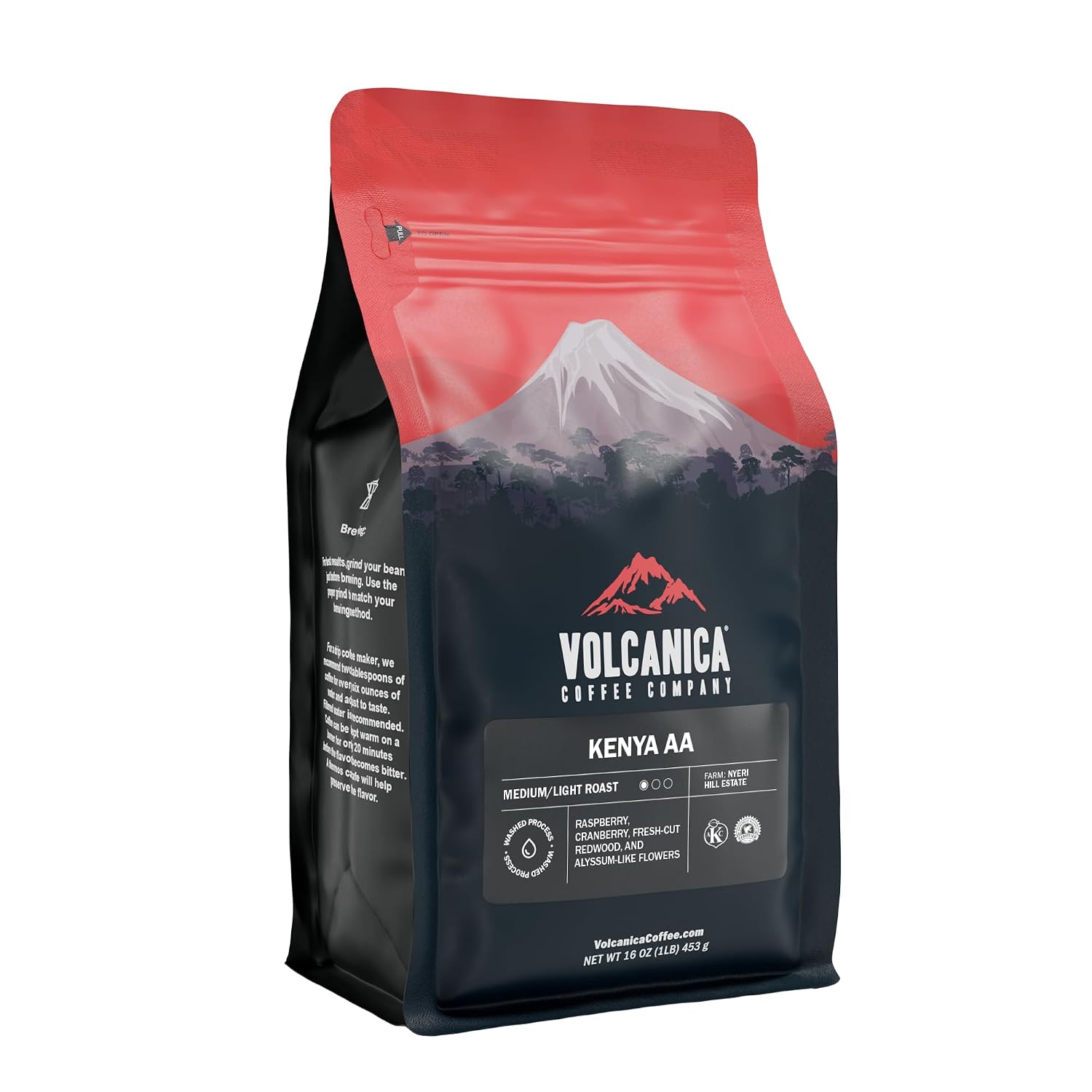
Compare Amazon-available bags that drink well black on a phone first: listing photo, roast notes, and a Check on Amazon button. Research-rated, not yet brewed by our team.
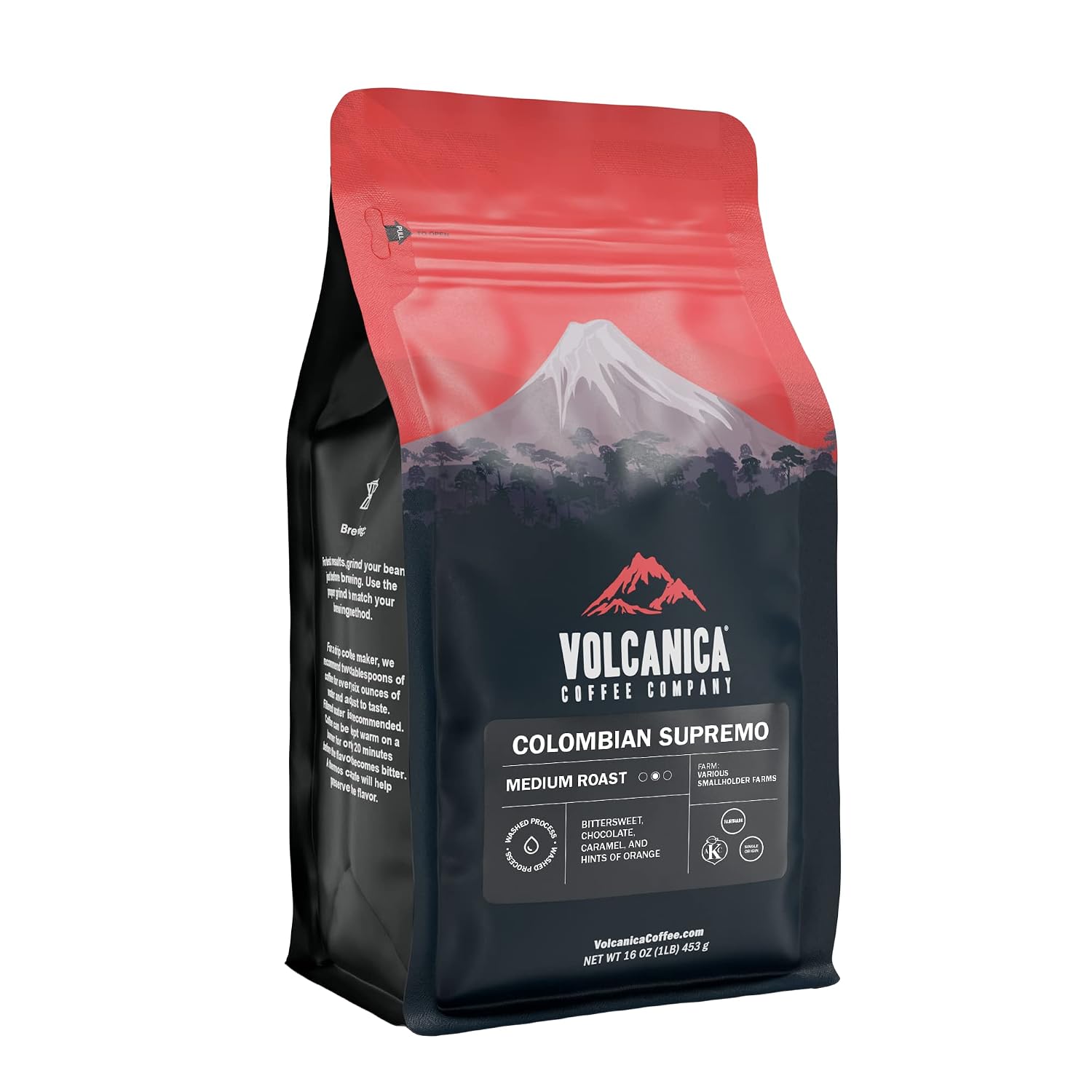
Best daily black
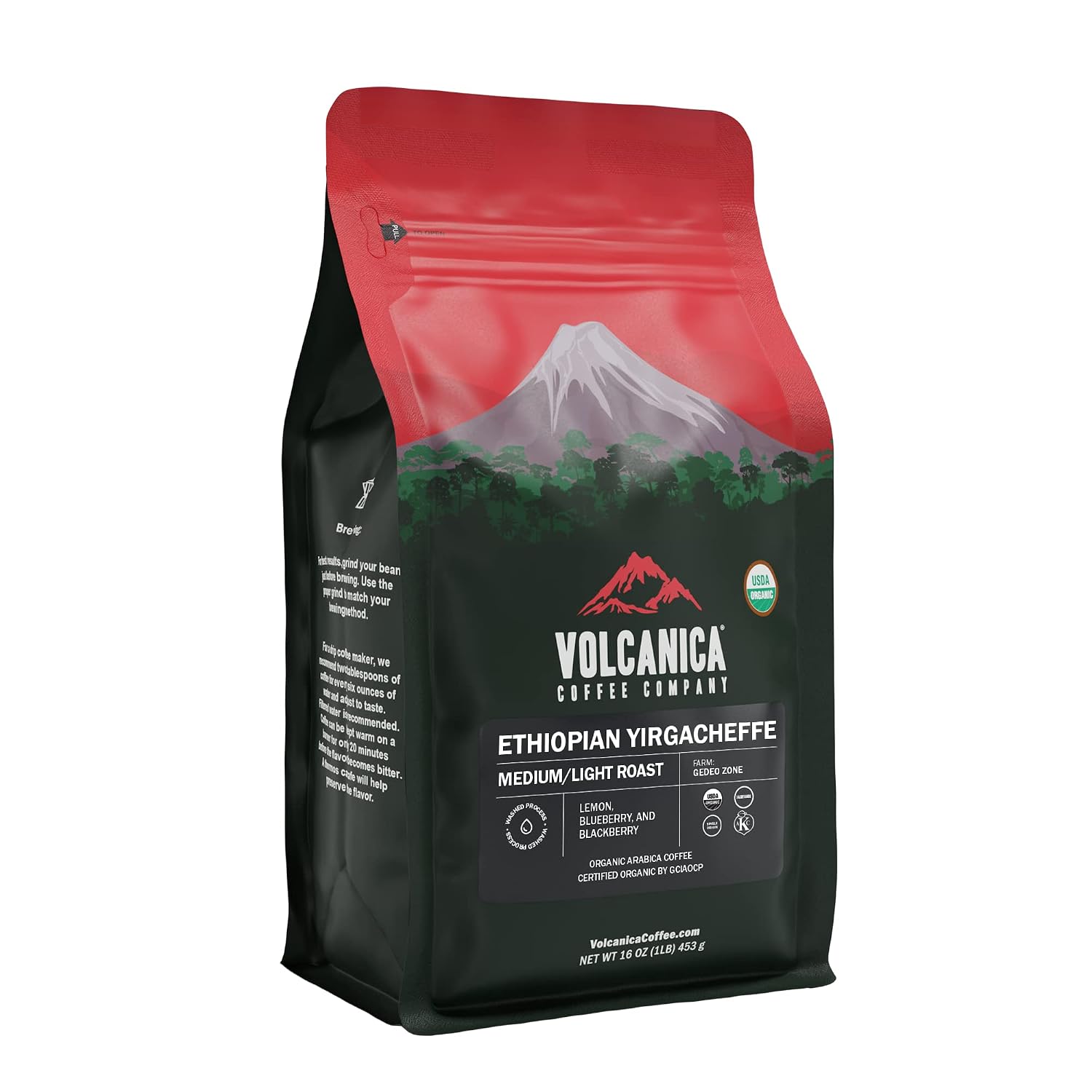
Volcanica Colombian Supremo
- RoastMedium
- BodyCaramel, chocolate
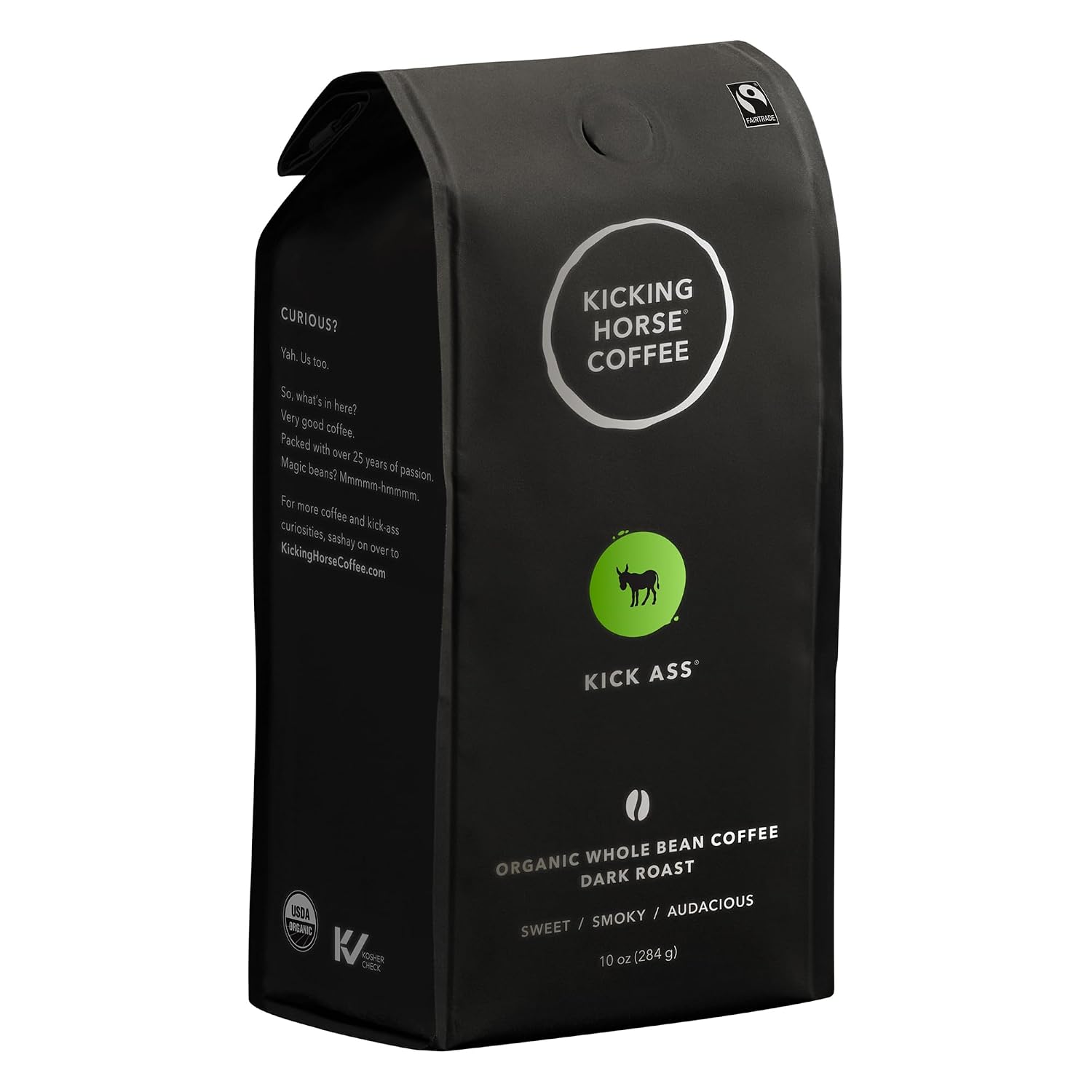
Pick | Best For | Origin / Type | Roast | Process | Flavor Notes (Black) | Acidity & Body | Best Brew Methods | ~Price/oz | U.S. Availability |
|---|---|---|---|---|---|---|---|---|---|
Colombian Medium Roast | Overall | Colombia, single origin | Medium | Washed | Chocolate, caramel, roasted nuts | Low-med acidity, med body | Drip, pour over, AeroPress | $1.40–$1.70 | Online + select retail |
Ethiopian Natural Light | Fruity | Ethiopia, single origin | Light | Natural | Blueberry, stone fruit, jasmine | Higher acidity, lighter body | V60, Kalita, pour over | $1.50–$2.00 | Specialty roasters, online |
Medium Roast Blend | Cold brew | Latin America blend | Medium | Washed/blend | Cocoa, caramel, nutty | Low acidity, med-full body | Cold brew, drip | $1.00–$1.50 | Online + grocery |
Grocery Medium Roast | Accessibility | Central/South America | Medium | Washed | Chocolate, mild fruit, nuts | Moderate acidity, med body | Drip, pour over | $0.75–$1.25 | Major supermarkets |
Budget Arabica Medium | Value | Brazil/Colombia blend | Medium | Varies | Cocoa, toasted grain, mild | Low-med acidity, med body | Auto drip, basic pour over | $0.50–$0.90 | Widely stocked |
Smooth Dark Roast | Dark roast fans | Sumatra/Latin America | Dark | Wet-hull/washed | Dark chocolate, molasses, gentle smoke | Low acidity, heavy body | French press, moka pot | $1.00–$1.60 | Online + specialty retail |
Specialty Decaf | Caffeine-sensitive | Colombia/blend | Medium | Washed, Swiss Water decaf | Chocolate, nut, clean finish | Moderate acidity, med body | Pour over, drip | $1.50–$2.20 | Online, limited retail |
Single Origin Sampler | Exploration | Multi-origin (3–5 regions) | Light–medium | Varies | Range: fruity to chocolatey | Varies | Pour over, cupping | $1.60–$2.50 | Online |
Freshness and roast date can change how any of these coffees taste black. A bag past its prime will underperform regardless of origin or roast.
How We Chose the Best Coffee to Drink Black
Every recommendation in this guide is based on researched editorial analysis – verified product data, reputable expert sources, competition cupping notes, and broad third-party consensus. Capitol City Coffee did not conduct its own tastings for these picks.
Selection criteria included origin transparency (farm, region, altitude), roast level with a preference for light to medium roasts, processing method, and flavor profile when drinking black – specifically acidity, sweetness, body, and aftertaste. Roast date and freshness practices mattered: roasters that print clear roast dates ranked higher. Value was assessed as price per ounce relative to quality. Quality specialty beans retain natural fruit acids and sugar compounds during extraction, while well-balanced specialty coffees avoid the burnt, astringent flavors common in commercial dark roasts. High-grown Arabica beans develop complex flavor profiles rather than harsh bitterness.
Coffees made the list when multiple independent sources agreed they taste good black across different brewing methods. U.S. availability – both online and in common retail channels – was a factor so most readers can actually buy these.
Flavor is subjective. This guide aims to give a strong starting point, not a one-size-fits-all ranking.
Best Coffees to Drink Black: Detailed Picks and Who They Suit
Each pick below includes a best-for label, origin details, roast level, processing, black coffee taste description, brew-method fit, value context, availability, and limitations.
Best Overall: Versatile Latin American Medium Roast for Drinking Black
A specialty-grade Colombian medium roast – from regions like Huila, Cauca, or Nariño – is the most consistently praised option for the best black coffee across expert roundups. Colombian beans offer a harmonious blend of caramel sweetness and nutty finish, with enough acidity to keep things interesting but not enough to be jarring.
True medium roast coffees hit a sweet spot: they develop chocolate undertones and roasted nuts flavor while preserving enough origin sweetness to avoid the smokiness that dark roast coffee brings. Medium roasts offer a balance of body and flavor that works for most coffee drinkers, whether they’ve been drinking coffee black for years or are just getting started.
Pour over brewing, drip machines, and AeroPress all showcase this style well. It also works as a cold brew base for anyone sensitive to acidity. Expect a smooth taste and a clean, rounded body.
Price typically falls in the $1.40–$1.70/oz range from specialty roasters. Examples like Counter Culture La Golondrina (washed, Cauca) and Stumptown Colombia El Jordan (medium roast, cherry and dark chocolate) are widely available online and in select U.S. retailers. Limitation: whole-bean availability can be spotty in smaller grocery stores.
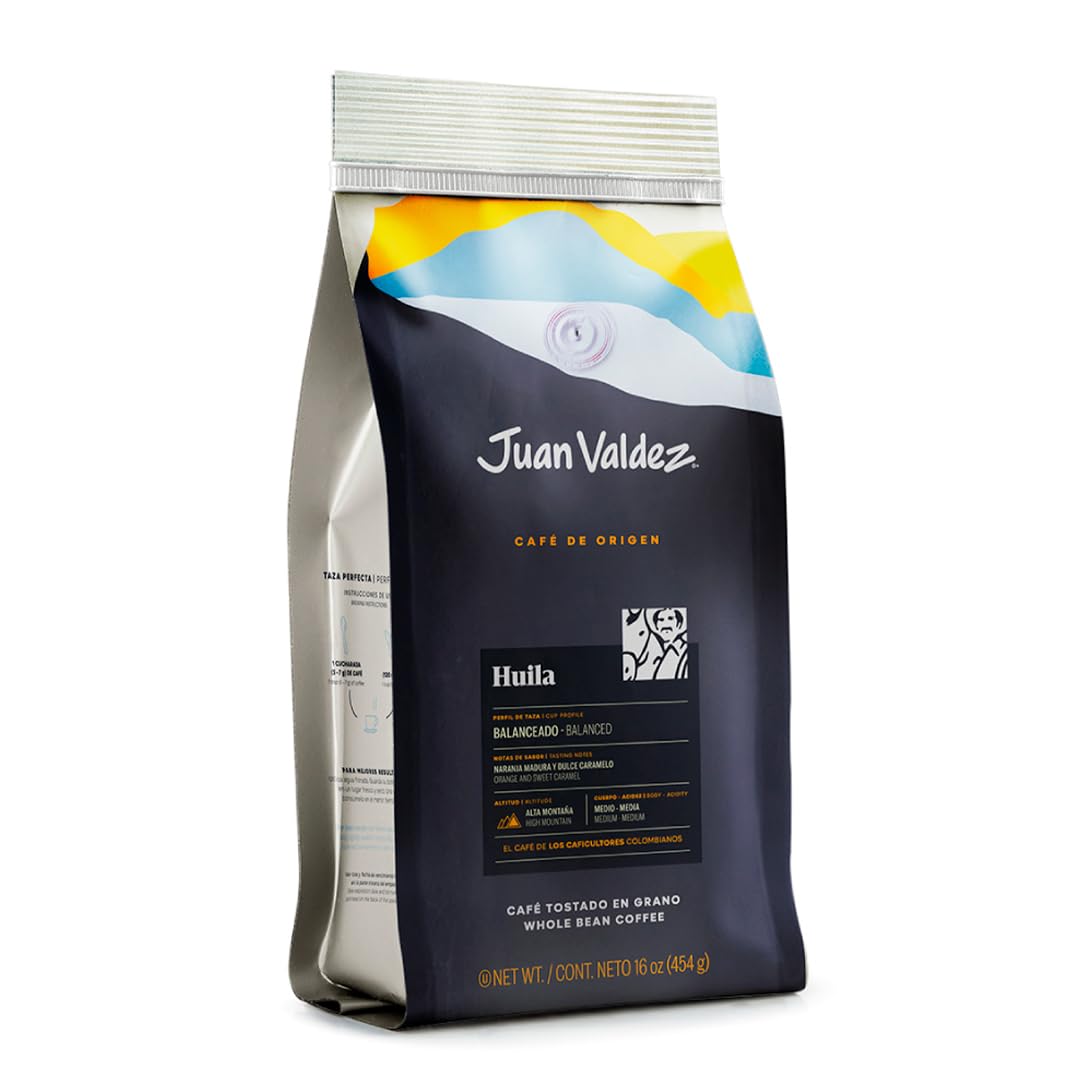
Our pick: Juan Valdez Huila Whole Bean Coffee, 16 oz. It is grown in Colombia’s Huila region, one of the regions named above, with listed notes of ripe orange and caramel and a recommendation for pour-over and automatic drip brewing. One honest note: the listing does not state a roast level, so check the bag if you specifically want a true medium roast. We matched it using the criteria in our coffee rating system. Research-rated, not yet brewed by our team.
Best Fruity Single Origin: Ethiopian Natural for Adventurous Black Coffee Drinkers
Ethiopian natural coffees often have fruity flavor profiles that can genuinely surprise anyone used to drinking coffee with cream. Natural processing means the coffee cherry dries around the bean, infusing it with berry sweetness, stone fruit, and floral complexity. Ethiopian beans are famous for their vibrant, tea-like body and sparkling acidity.
Light roast levels preserve these fruit-forward flavors and aromatic complexity – drinking coffee black enhances the distinct origin flavor of the beans, and nowhere is that more obvious than with a good Ethiopian natural. High-altitude Arabica coffee cherries yield a soft, sweet finish due to complex sugars developed during slow ripening.
Pour over brewing with a V60 or Kalita Wave showcases clarity and nuance here. This style may feel too bright or “juicy” in espresso or French press. Expect higher acidity and a lighter body that some coffee lovers describe as berry juice with a floral finish.
Availability: primarily online from specialty roasters or via subscriptions. Crop-to-crop variation is normal for single origin coffee, so flavors shift seasonally. Price: $1.50–$2.00/oz.
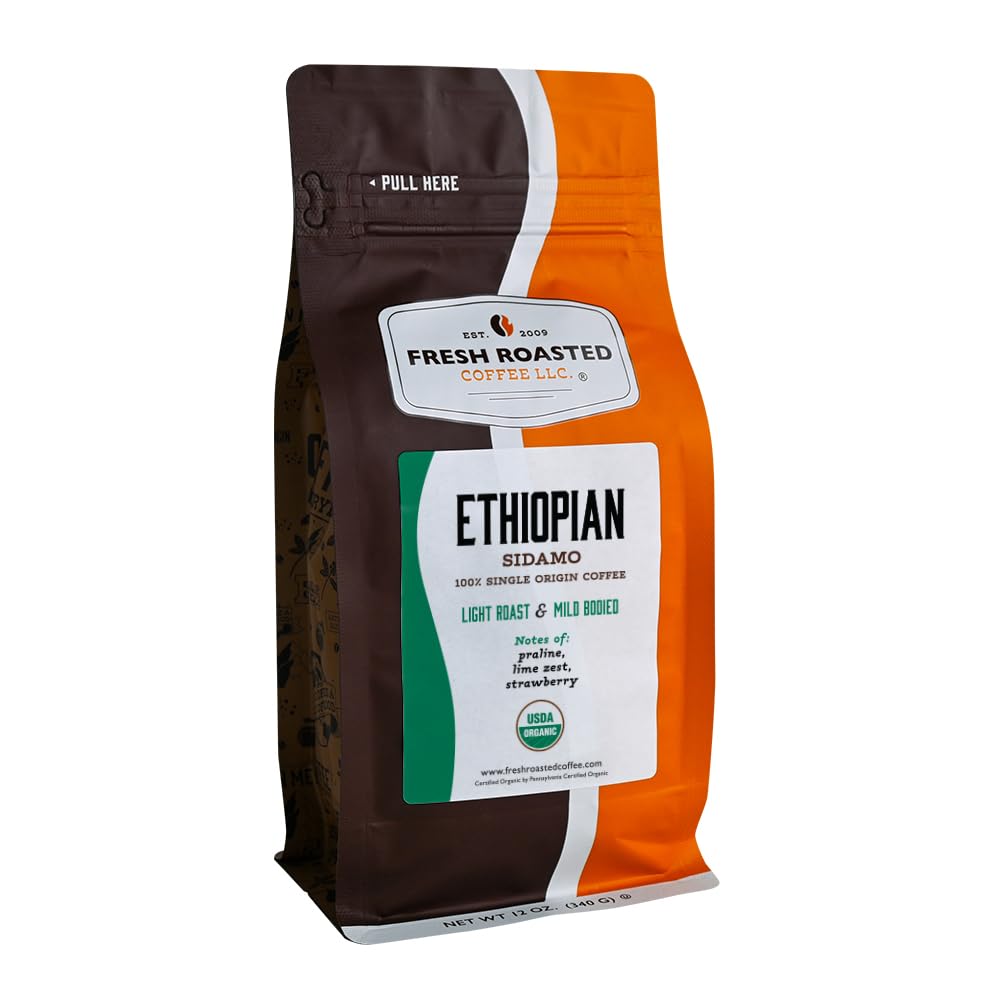
Our pick: Fresh Roasted Coffee Organic Ethiopian Natural Whole Bean, light roast, 12 oz, USDA Organic. It is a natural-process, light-roast Ethiopian single origin, the exact style this section recommends for a V60 or Kalita Wave. One honest note: the listing does not publish tasting notes or a specific washing station, and as noted above, expect some crop-to-crop variation. We matched it using the criteria in our coffee rating system. Research-rated, not yet brewed by our team.
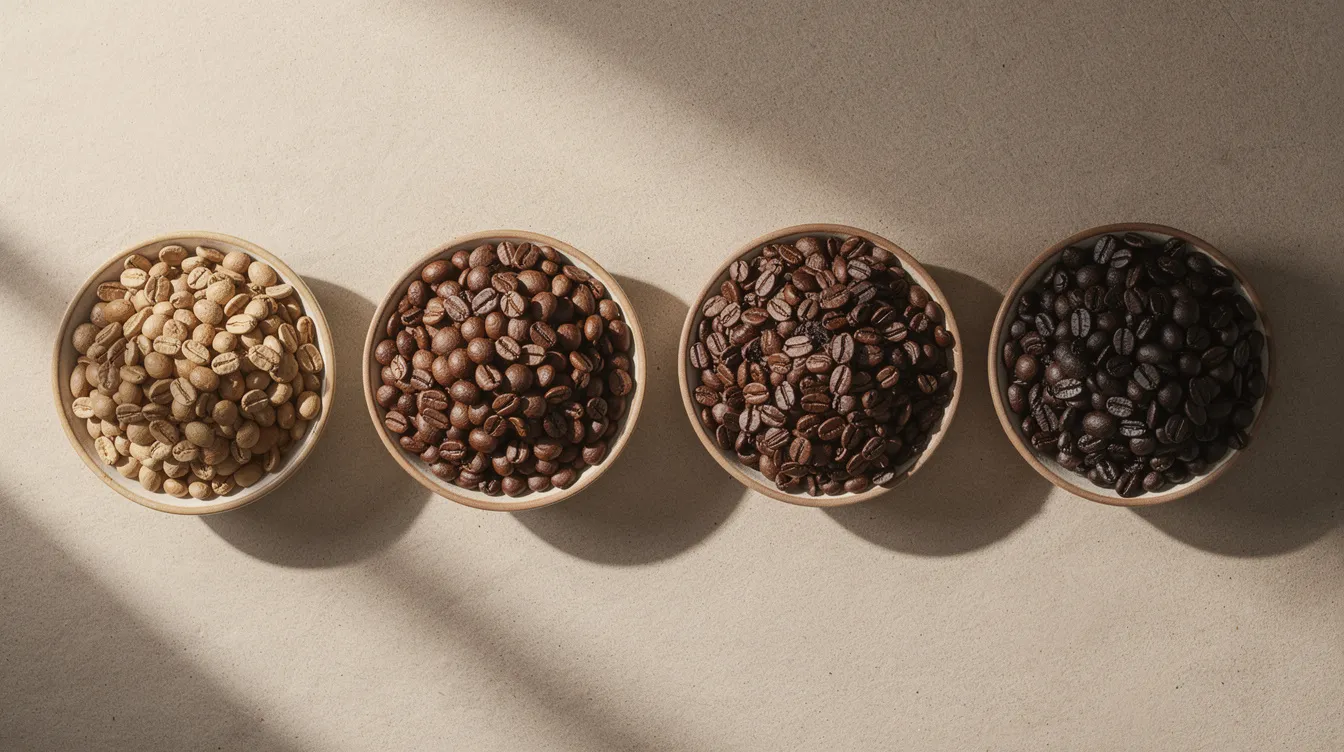
Best for Cold Brew Black: Smooth, Low-Acid Medium Roast Blend
Cold brew coffee is less acidic and smoother than hot-brewed coffee, making it an excellent entry point for anyone who finds hot black coffee too harsh. A medium roast blend built around Latin American origins – think Brazilian and Colombian beans – tends to shine here, emphasizing cocoa, caramel, and nutty sweetness while muting fruit and floral notes.
Cold brew works by steeping coarsely ground coffee in cold water for 12–18 hours. A concentrate ratio of roughly 1:4 to 1:8 coffee-to-water is typical; dilute to taste with water or ice when serving. The extended extraction at low temperature reduces perceived bitterness and produces a mellow, naturally sweet cup.
This style pairs perfectly with medium roast coffees that already lean chocolatey and smooth. Price: $1.00–$1.50/oz at most online retailers and some grocery chains. Drawback: cold brew requires patience and larger bags if you’re making batches regularly.
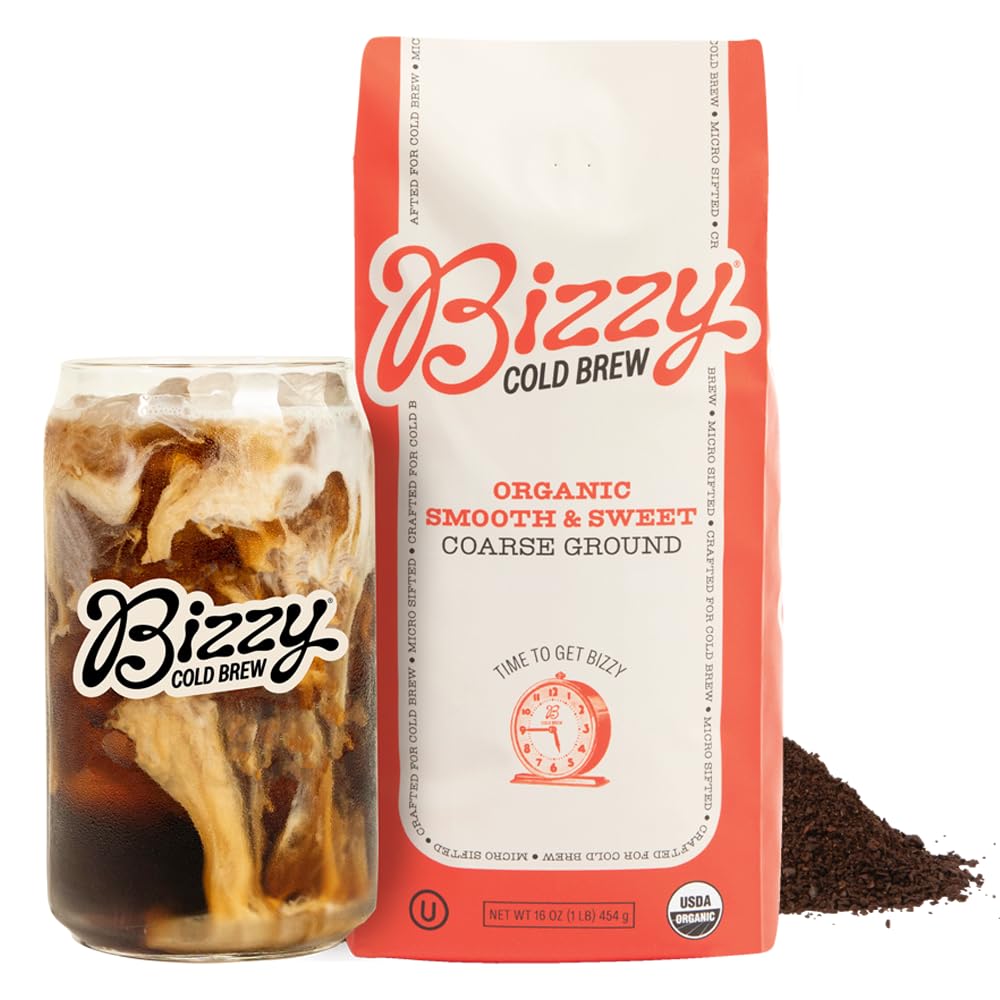
Our pick: Bizzy Organic Cold Brew Coffee, Smooth & Sweet Blend, 1 lb, coarse ground. It is a medium roast blend of organic Arabica from Central and South America with listed caramel and hazelnut notes, ground coarse specifically for cold brew. One honest note: it comes pre-ground rather than whole bean, trading a little freshness for convenience. We matched it using the criteria in our coffee rating system. Research-rated, not yet brewed by our team.
Best Grocery Store Coffee to Drink Black: Widely Available Medium Roast
Not everyone wants to order specialty coffee online, and that’s fine. A nationally distributed medium roast from a reputable coffee brand – sourced from Central America or South America – can deliver a perfectly good cup of black coffee from your local supermarket.
Look for 100% Arabica on the label, a medium roast level, and ideally a roast date rather than just a “best by” date. Flavor profile when drunk black: chocolate, roasted nuts, a hint of fruit, medium body, and moderate acidity. It won’t reveal the nuanced flavors of a premium single origin, but it’s forgiving and familiar.
Available in whole beans, ground, and K-cups. Grinding whole beans at home improves black coffee taste noticeably. Price: $0.75–$1.25/oz. Compromises include less transparent roast dates and more bag-to-bag variation compared to specialty roasters.
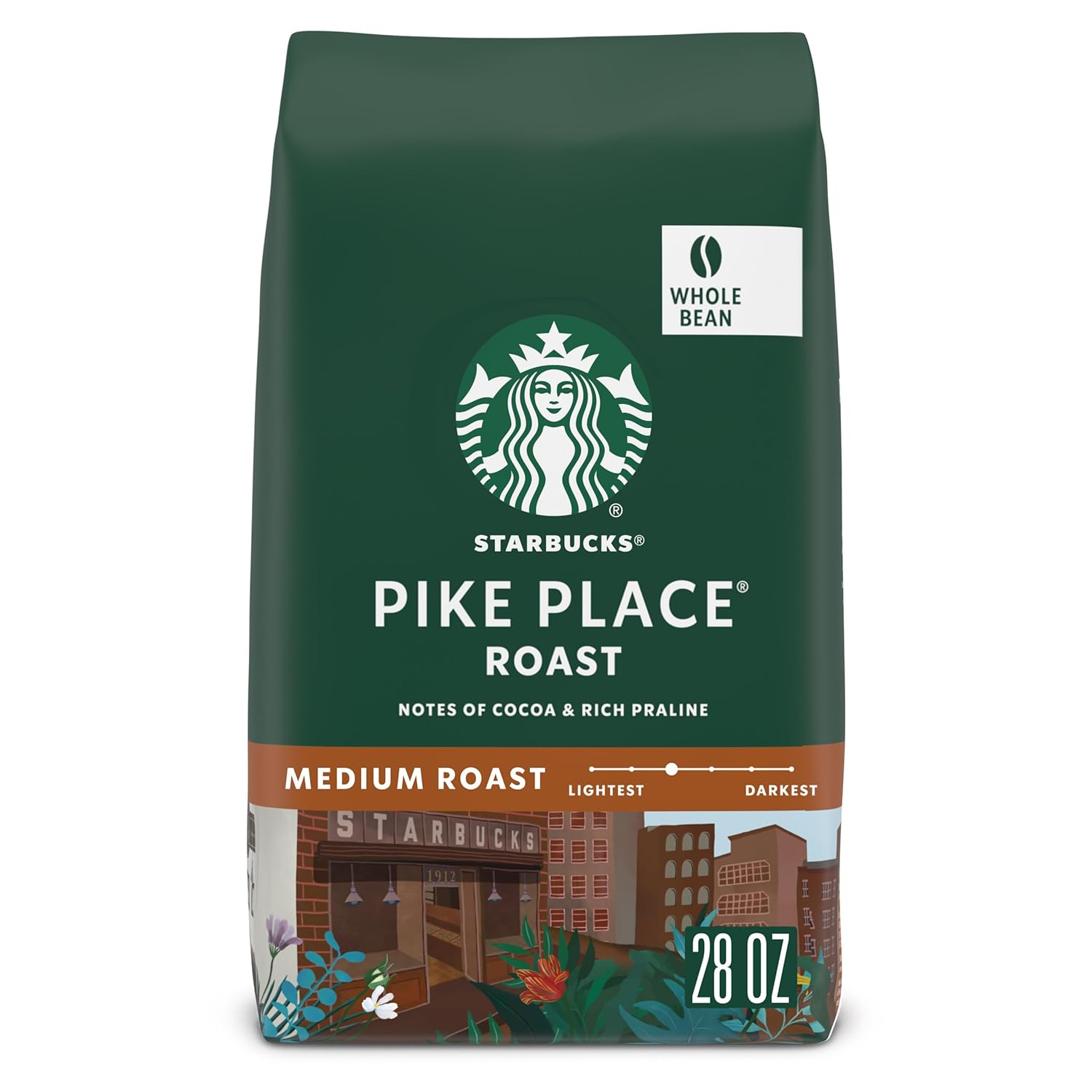
Our pick: Starbucks Pike Place Roast Whole Bean, 28 oz. It is a nationally distributed medium roast blend of Latin American coffees with listed cocoa and praline notes, sold as whole bean so you can grind at home as this section recommends. One honest note: like most supermarket coffee, the roast date is less transparent than a specialty roaster’s, so buy from a busy store or seller and use it within a few weeks of opening. We matched it using the criteria in our coffee rating system. Research-rated, not yet brewed by our team.
Best Budget Pick: Affordable 100% Arabica Medium Roast
An inexpensive 100% Arabica medium roast – often a blend of Brazilian and Colombian coffee beans – can be surprisingly good black if expectations are calibrated. This pick prioritizes price per ounce and availability while avoiding excessive bitterness. Brazilian coffees are celebrated for their low acidity and dessert-like profiles, which helps keep a budget blend smooth.
Expect mild sweetness, cocoa and toasted grain notes, medium body, and low acidity. It’s perfectly suited for automatic drip makers and basic pour over setups. Grind consistency and water quality still matter at this price point.
Limitations: possible staleness due to long shelf life, less complex flavor versus premium fresh beans, and more noticeable flaws when tasting black coffee side by side with specialty options. Price: $0.50–$0.90/oz.
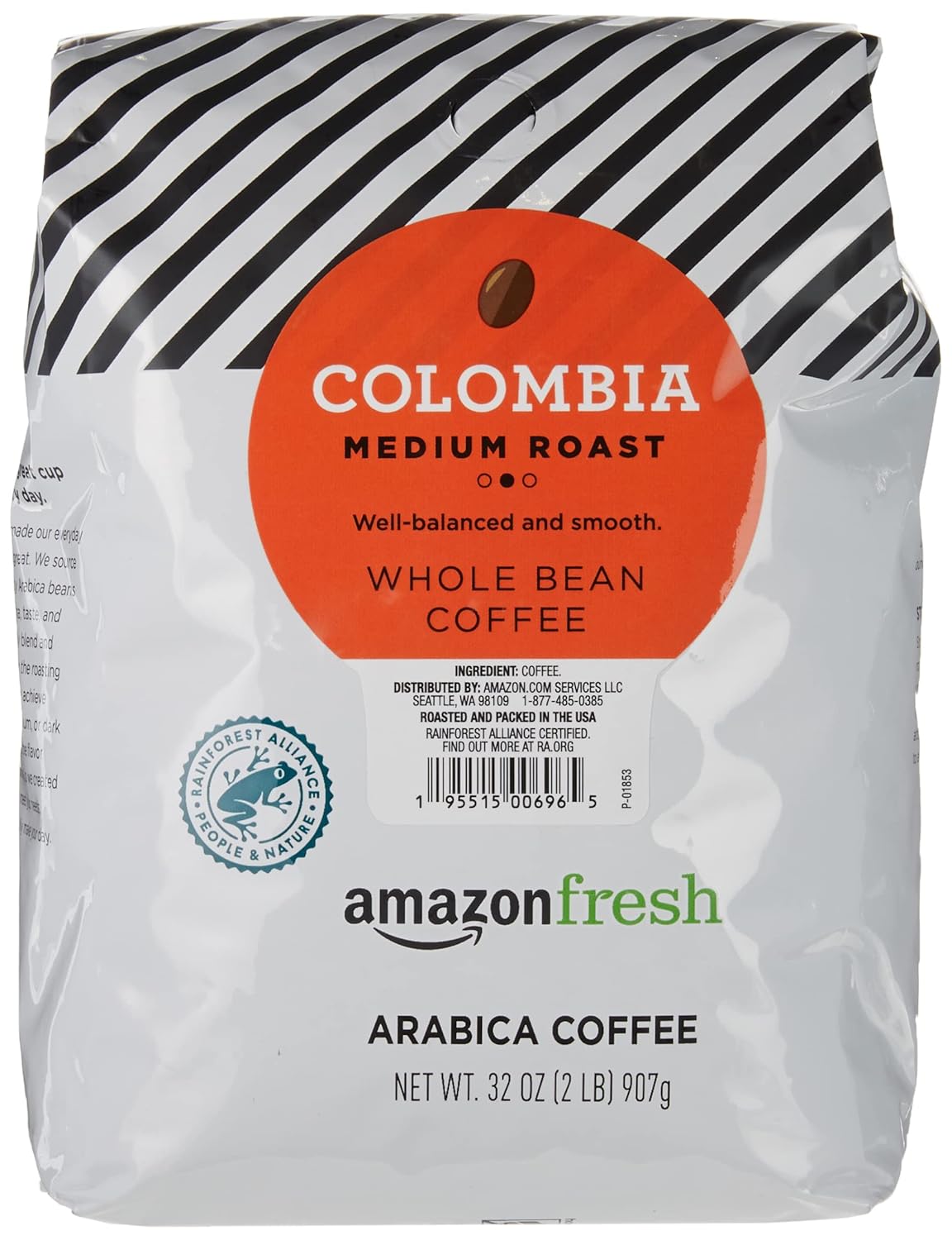
Our pick: Amazon Fresh Colombia Whole Bean Coffee, Medium Roast, 32 oz. It is 100% Arabica grown in Colombia, roasted medium for a balanced, full-bodied cup, and the 2 lb bag keeps the per-ounce cost in the budget range above. One honest note: it is Colombia-only rather than a Brazil and Colombia blend, and with any big value bag, freshness is the trade-off, so store it airtight. We matched it using the criteria in our coffee rating system. Research-rated, not yet brewed by our team.
Best Dark Roast to Drink Black: Smooth, Non-Ashy Dark Roast
Most coffee drinkers who dislike black coffee are actually reacting to poorly roasted dark roasts – the kind that taste smoky, ashy, and flat. A carefully roasted dark roast, often using Sumatran or Latin American beans, can deliver dark chocolate, molasses, and gentle smokiness without tasting acrid. Sumatran coffees feature heavy, syrupy bodies with low acidity and rich cocoa notes, making them a strong foundation for a dark roast that doesn’t punish you for skipping cream.
French press and moka pot brewing suit this style. Avoid extremely fine grinds or boiling hot water, which amplify bitterness.
Research from the University of Copenhagen confirms that roast color strongly predicts bitterness – darker roasts reliably increase bitterness while diminishing acidity and fruitiness. This pick works for drinkers coming from dark supermarket coffee who want to keep those familiar flavors but improve smoothness. Price: $1.00–$1.60/oz.
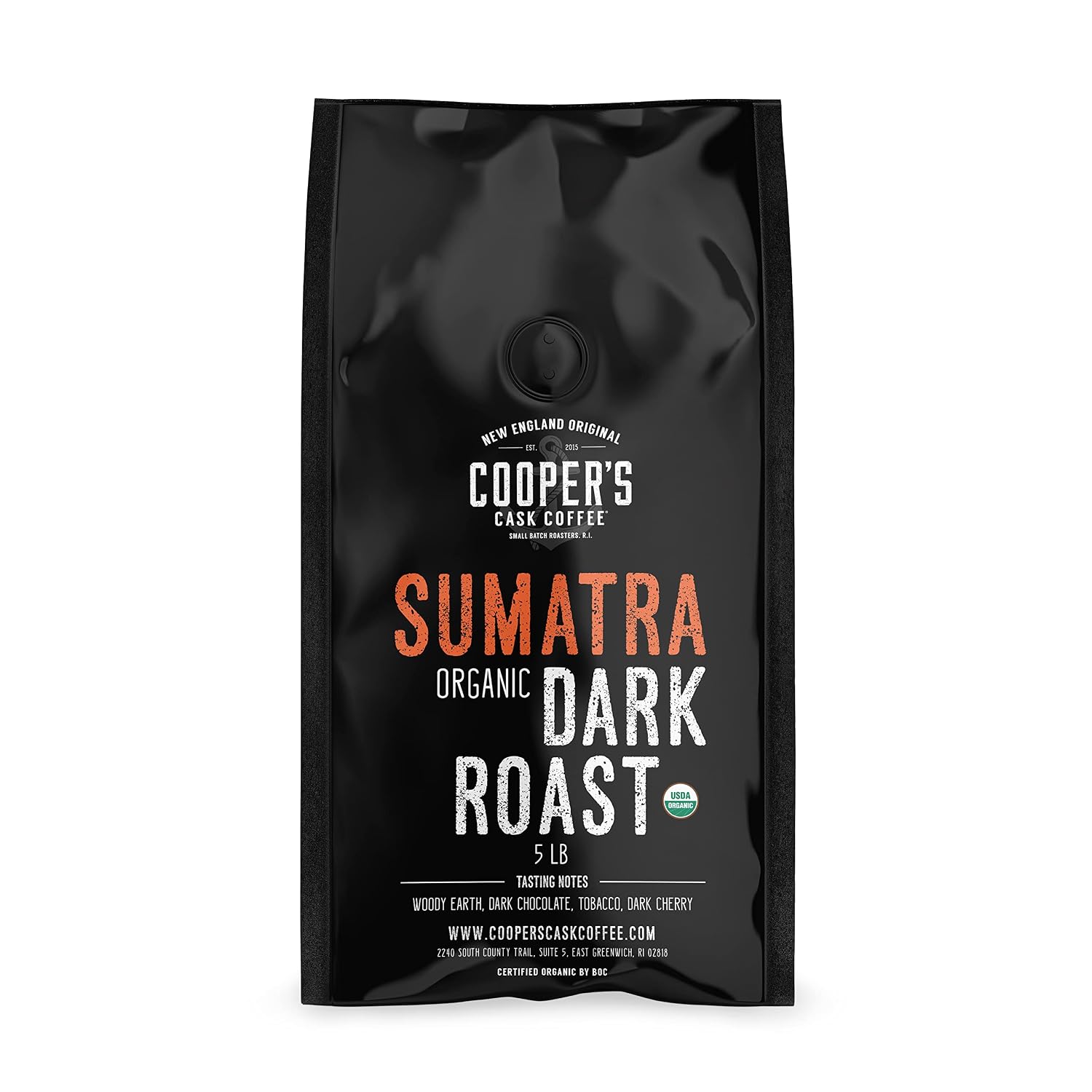
Our pick: Cooper’s Cask Organic Dark Roast Sumatra Whole Bean, 5 lb. It is a Grade 1 single-origin Sumatran dark roast with listed notes of smooth woody earth, dark chocolate, and a touch of dark cherry, the rich, non-ashy Sumatran style this section describes for French press and moka pot. One honest note: the whole-bean version is sold as a 5 lb bag on Amazon, so portion and freeze it unless you drink a lot of dark roast. We matched it using the criteria in our coffee rating system. Research-rated, not yet brewed by our team.
Best Decaf for Drinking Black: Specialty Decaf Medium Roast
Good decaf can still have distinct chocolate, nut, or fruit notes with medium body – if it’s processed well. A specialty decaf using Swiss Water or CO₂ decaffeination avoids the chemical aftertaste that plagues mass-market decaf. Look for a medium roast single origin or blend from Colombia or Latin America.
Flavor when brewed as pour over or drip: moderate acidity, gentle sweetness, no chemical aftertaste, and a clean, smooth finish. This suits night-time coffee drinkers, caffeine-sensitive individuals, and anyone who wants multiple cups of black coffee without jitteriness. Drawbacks: higher price per ounce than mass-market decaf ($1.50–$2.20/oz) and narrower physical store availability.
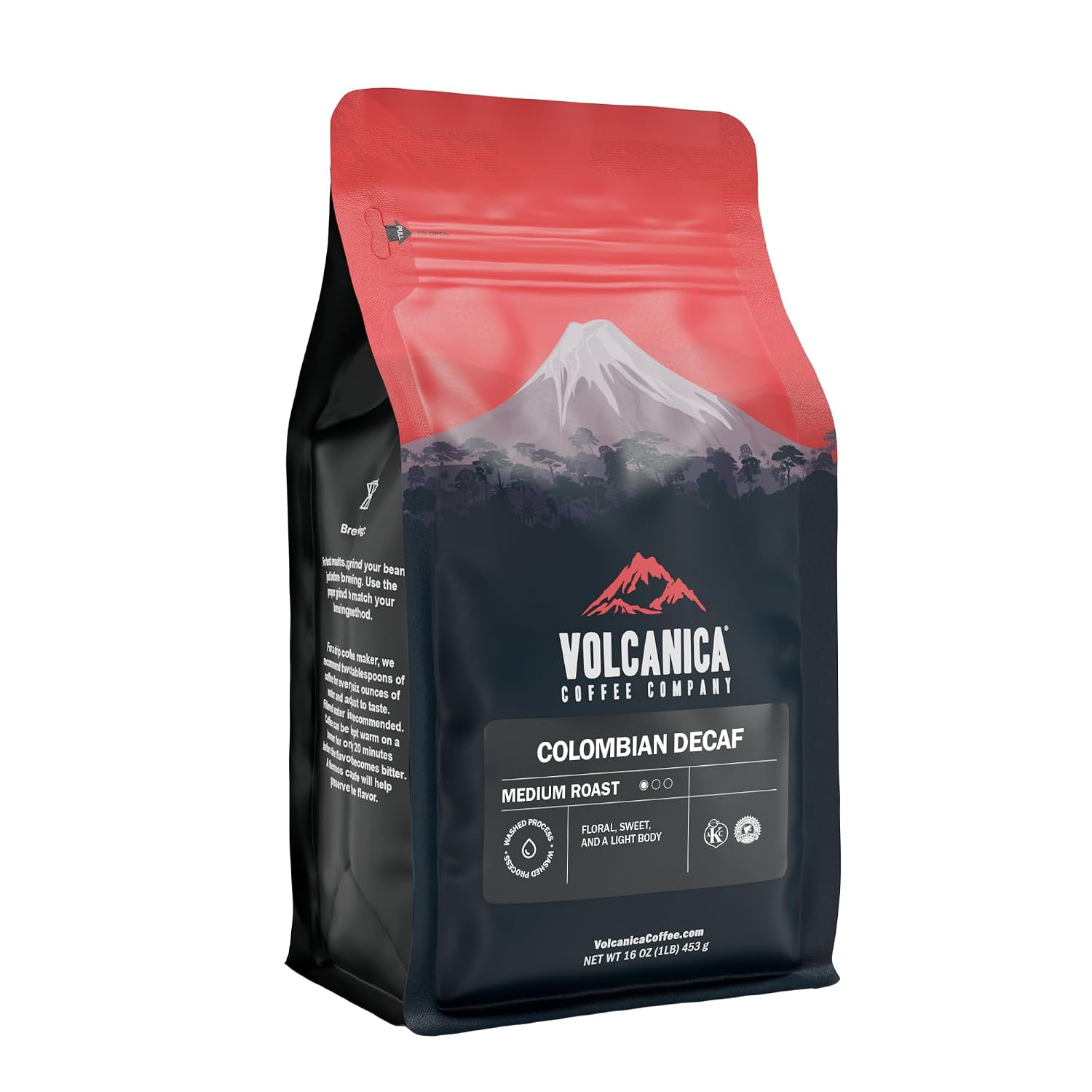
Our pick: Volcanica Colombian Supremo Decaf Whole Bean, Swiss Water Processed, 16 oz. It is a medium roast Colombian single origin, decaffeinated with the chemical-free Swiss Water Process this section recommends, and it is Fair Trade and Rainforest Alliance certified. One honest note: Swiss Water decaf beans look darker than a regular medium roast, and its review average is a bit lower than most picks in this guide. We matched it using the criteria in our coffee rating system. Research-rated, not yet brewed by our team.
Best Single Origin Sampler for Tasting Black Coffee
A curated sampler pack from a reputable roaster – covering Ethiopia, Colombia, Guatemala, Kenya, or Brazil – is one of the fastest ways to understand what different regions taste like when drinking black, and it works especially well for coffee tasting when you want to compare origins side by side. Sampling multiple origins side by side reveals your personal preferences for brightness versus sweetness, fruit versus chocolate, and light versus full body.
Brew consistently: use a simple pour over with the same ratio, grind size, and water temperature for each coffee. Take notes on what you like. Price per ounce runs higher ($1.60–$2.50) but the educational value offsets the cost. Once you discover your preference, you can commit to full-size bags with confidence.
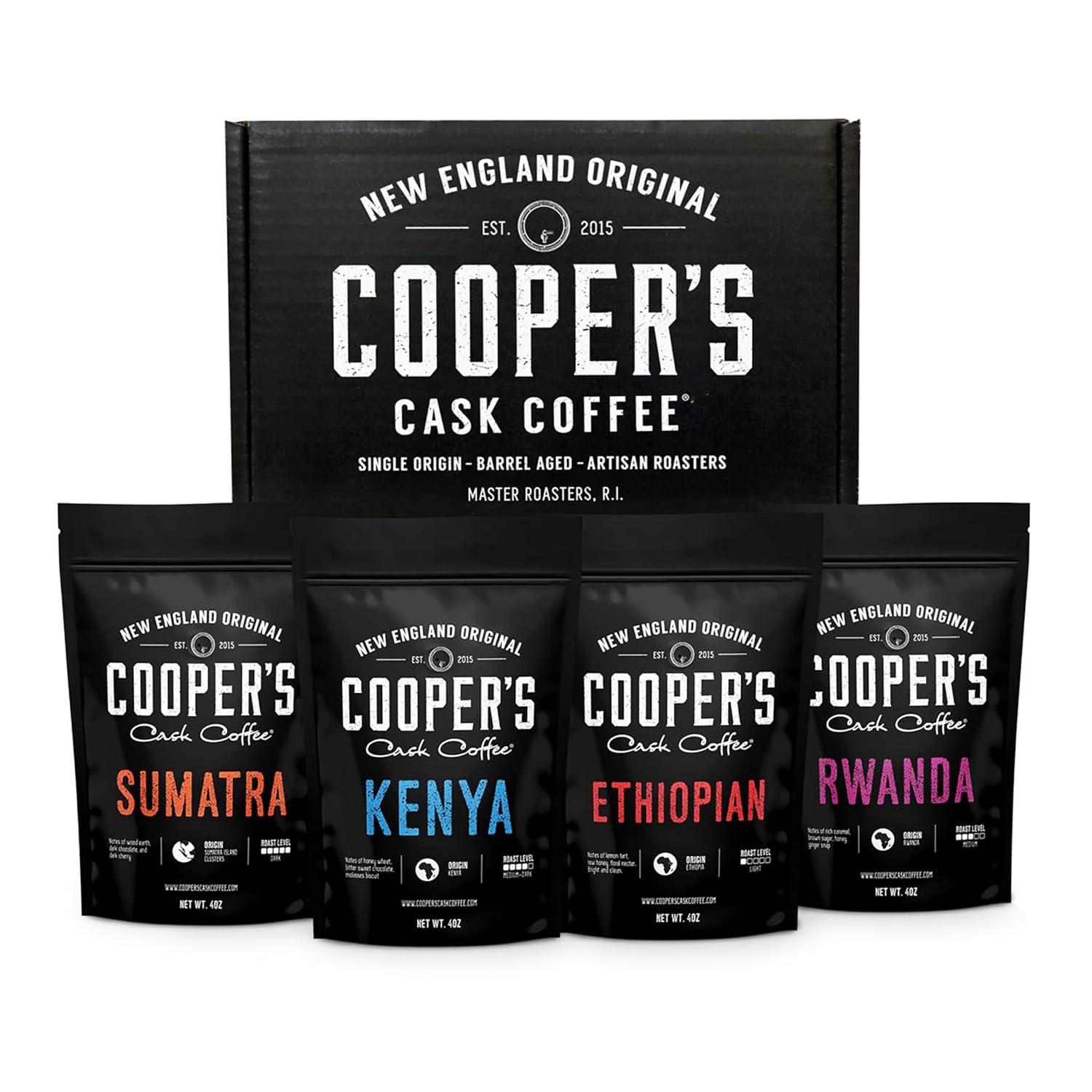
Our pick: Cooper’s Cask Gourmet Coffee Sampler Gift Box, Whole Bean, four 4 oz bags. It pairs four single origins, a natural Ethiopian light roast, a Rwanda medium, a Kenya AA medium-dark, and a Sumatra dark, so you can compare fruit against chocolate side by side as this section suggests. One honest note: it covers Africa and Indonesia rather than Colombia or Guatemala, and the roast levels differ, so brew each one the same way to keep the comparison fair. We matched it using the criteria in our coffee rating system. Research-rated, not yet brewed by our team.
How to Choose the Best Coffee to Drink Black
Picking the right beans makes more difference to black coffee taste than any add-ins or flavor syrups ever could. Drinking coffee black reveals every nuance of the beans – flaws included – so quality, freshness, and brew-method fit all matter more here than when you’re adding cream and sugar.
Think about what flavors appeal to you: chocolate and caramel, or bright fruit? Your answer points you toward specific origins and roast levels. This guidance applies whether you’re using a pour-over cone, drip machine, French press, espresso machine, or making cold brew at home.
Origin: What Different Regions Taste Like Black
Coffee grown in different regions produces distinct flavor profiles. Latin American origins (Colombia, Brazil, Costa Rica) typically deliver chocolate, nuts, caramel, and balanced acidity – the most approachable style for most coffee drinkers learning to drink coffee black. Pleasant acidity in coffee presents as refreshing fruit notes rather than sourness.
East African origins (Ethiopia, Kenya) push toward berries, citrus, florals, and higher acidity – rewarding for coffee snobs and adventurous palates. Asian-Pacific origins (Sumatra, Java) tend toward earthy, herbal, heavier body with lower brightness.
Beginners should start with Latin American single origin coffee and expand to fruity African origins once comfortable. Blends balance multiple origins for a more rounded black cup experience.
Roast Levels: Light, Medium, and Dark for Drinking Black
Light roasts are less bitter and more flavorful, retaining the most origin character – florals, fruit, liveliness. Light roasts are best for drinking black coffee if you want complexity and clarity. Natural sweetness is intact in light and medium roasts, avoiding the harsh bitterness of dark roasts. Light to medium roasts showcase floral and fruity notes more clearly than dark roasts.
Medium roasts offer a smooth starting point for beginners, bridging origin character and roast sweetness with moderate acidity and body. Dark roasts bring lower acidity and more roast-driven flavors – smokiness, caramelized sugar – but risk tasting ashy or flat when drunk black.
For drip and pour over, medium roasts generally perform best. French press and moka pot can handle slightly darker roasts. The key is matching roast level to your brewing method and palate.
Processing Method: Washed vs. Natural and How It Impacts Black Coffee Taste
Washed coffees have the fruit pulp removed early, producing cleaner, brighter cups with higher acidity. Natural-process coffees produce fruity and sweet flavors ideal for black coffee but can occasionally taste fermented or wild. Honey and anaerobic processes fall between – sweet, silky, sometimes winey.
Drinking coffee black allows aromatic compounds to be more prominent without dairy masking, so processing differences become very noticeable. A safe starting point: washed medium roast from Latin America or a gently processed natural from Ethiopia. Curious drinkers should try different methods side by side.
Whole Bean vs Ground, Roast Date, and Freshness
Freshly ground coffee beans maximize flavor clarity and aroma in black coffee. Once ground, surface area increases and oxidation degrades sweet aromatics rapidly – this matters far more when there’s no milk to hide stale flavors. Freshly roasted beans significantly enhance black coffee flavor; they taste sweeter, cleaner, and more complex.
Buy beans with a clearly printed roast date and use them within a few weeks of roasting for peak flavor. Store coffee in a cool, dark place in an airtight container. Freshly roasted beans taste sweeter and more complex than beans sitting on a shelf for months.
Upgrading to a basic burr grinder is one of the best investments for anyone who wants consistently good beans ground fresh every morning.
Price, Availability, and Finding Good Value
Realistic U.S. price bands for quality black coffee: grocery premium runs $0.75–$1.25/oz, mid-range specialty $1.25–$2.00/oz, and high-end microlots or rare varietals like Gesha can exceed $2.50/oz. You don’t need the most expensive coffee to enjoy a good cup of black coffee – look for consistent roasters, transparent origin, and recent roast dates.
Subscriptions, local roasters, and seasonal sales can lower price per ounce without sacrificing flavor. Year-round blends offer cheaper, more consistent daily options. Limited-release single origins cost more but reward exploration.
Brewing Black Coffee: Methods and Recipes That Highlight Flavor
Even the best tasting black coffee can turn harsh or flat if brewed poorly. Brewing parameters significantly alter perceived acidity and sourness in coffee, so simple technique adjustments often matter more than upgrading beans. No single “best brewing method” exists – each brings out different aspects of black coffee taste. Start by dialing in one method you already own before buying new gear.
Pour Over and Drip: Clean, Balanced Black Coffee
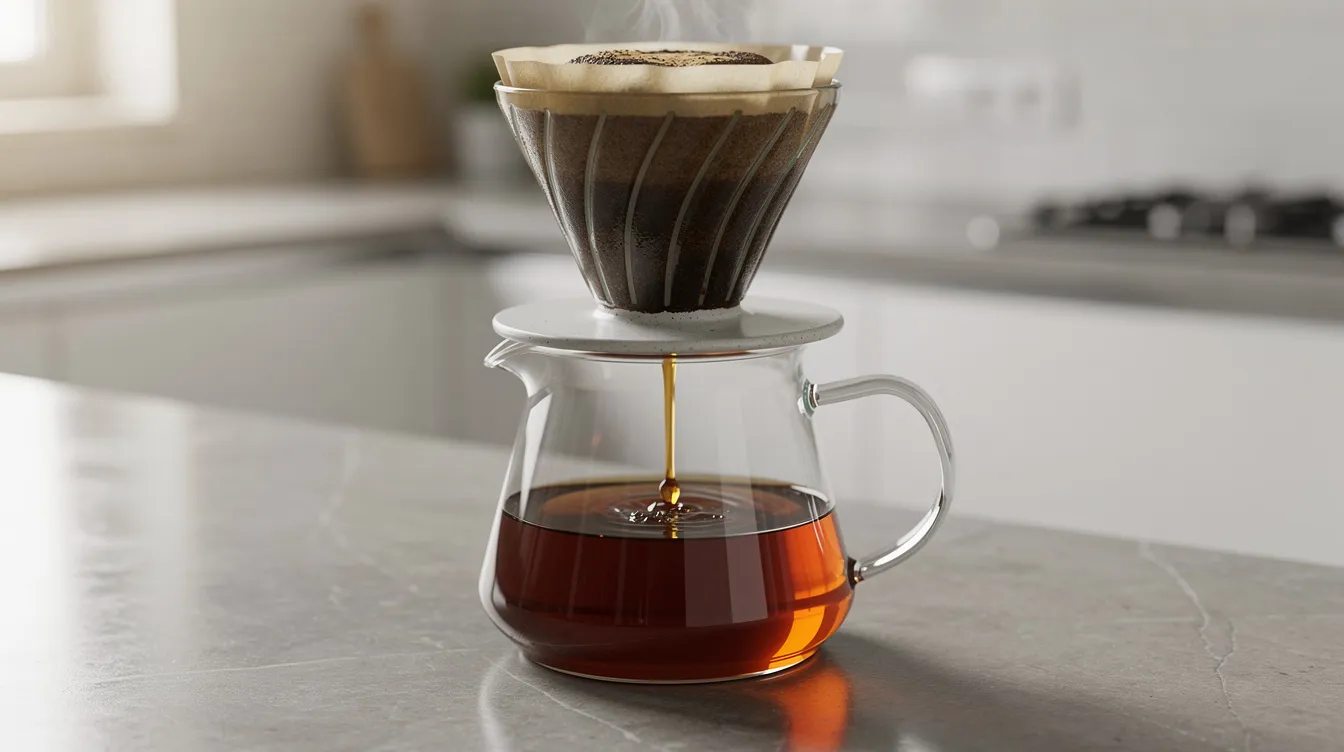
Pour-over brewing produces a clean, clear cup of coffee that shows acidity, sweetness, and subtle flavors with precision. Target a coffee-to-water ratio around 1:15 to 1:17 by weight, medium grind, and water temperature between 195–205°F (90–96°C). Adjusting coffee-to-water ratio improves flavor balance in brewing – go stronger for more body, weaker for more clarity.
Pour over shines with light to medium roasts and single origins. Filtered water often improves perceived sweetness and reduces harshness. For your morning cup, this is one of the most rewarding ways to drink black.
French Press and Immersion: Full-Bodied Black Coffee
French press highlights body and texture, producing a richer, heavier black cup. Use a coarse grind, 1:15 to 1:16 ratio, steep 4–5 minutes, and plunge gently. Decant immediately – coffee left sitting on grounds over-extracts and gets bitter.
Unfiltered oils contribute to mouthfeel, which pairs well with chocolatey Latin American medium roasts and smooth dark roasts. Delicate light roasts can get muddied in immersion. Avoid boiling hot water to keep bitterness in check.
Cold Brew: Low-Acid Black Coffee for Sensitive Stomachs
Cold brew uses cold water and long steep times to extract gentle sweetness with lower perceived acidity. Use a coarse grind, a concentrate ratio of about 1:4 to 1:8, and steep 12–18 hours in the fridge. Dilute to taste with water or ice.
Cold brewing emphasizes chocolate, caramel, and nutty notes while muting fruit and florals – medium roast blends excel here. Note that cold brew can be more caffeinated per ounce, so dilute accordingly. The same beans can taste very different as cold brew versus hot pour over.
Espresso and Americanos: Intense but Tricky Black Coffee
Espresso uses high pressure and short extraction to produce concentrated black coffee that amplifies both strengths and flaws. Medium and medium-dark roasts often work best, balancing sweetness and body. An Americano – espresso plus hot water – creates a drink similar in strength to drip but with espresso-style flavor, and it’s an approachable way to drink coffee black using espresso gear.
Espresso requires precise grind control and dosing, making it less forgiving for beginners. Those new to black coffee may find pour over, drip, or cold brew easier starting points.
Transitioning to Drinking Coffee Black (Without Forcing It)
Black coffee can taste harsh at first if you’re used to sugar, syrups, and cream. The goal is gradual adjustment – better beans and better brewing are more effective than willpower alone. Focus on the positive flavors (chocolate, berries, caramel) rather than fixating on bitterness, and try different coffees rather than forcing yourself through a bad bag.
Step-by-Step: From Creamy Drinks to Enjoying Coffee Black
Start by upgrading to higher-quality, freshly roasted medium roasts even before removing sugar and cream. The improvement in flavor will be noticeable immediately. Then gradually reduce milk and sugar to adapt your palate – cut flavored syrups first, reduce sugar next, then lighten cream over days or weeks.
Switch to naturally sweet coffees (Brazilian or Colombian medium roasts) during this transition. Alternate between slightly sweetened sips and small sips of black coffee from the same batch to compare and build familiarity. A simple tasting journal helps you track which origins and roast levels taste least bitter.
Common Mistakes When Learning to Drink Black Coffee
The most common pitfalls: starting with very dark, oily beans; using stale pre-ground coffee; brewing with boiling water; grinding too fine; and using a very high coffee-to-water ratio. Each of these increases bitterness and makes black coffee taste worse than it should.
If your coffee tastes harsh, coarsen the grind slightly and lower water temperature. Bitterness is not the same as strength – strength is about concentration, while bitterness usually signals extraction or roast issues. Stabilize one variable at a time instead of changing beans and brew method simultaneously. If your first attempts at tasting black coffee disappoint, it’s almost always the beans and the brew, not your taste buds.
FAQs About Drinking Black Coffee
These questions address practical concerns not fully covered above, especially around health advantages, fasting, and everyday coffee habits.
Is black coffee healthier than coffee with cream and sugar?
Black coffee has 2 to 4 calories per cup and no added sugar, making it far lower in calories than coffee with cream, sweeteners, or french vanilla syrups. Black coffee is rich in antioxidants that protect cells, and drinking black coffee may reduce the risk of type 2 diabetes according to observational research. Black coffee can also improve cognitive function and focus. That said, readers with specific health conditions should consult a healthcare professional for personalized guidance.
Does black coffee break a fast?
Black coffee does not break a fast due to its low calorie count. Most intermittent fasting protocols consider plain black coffee – without sugar, milk, or cream – acceptable during fasting windows. Individual regimens vary, and some stricter plans allow only water. Adding sugar, milk, or flavored syrups generally breaks most fasts. Verify with your nutritionist if fasting is part of a medical program.
Why does my black coffee taste so bitter, and how can I fix it?
Common causes: overly dark roast, stale coffee beans, too fine a grind, water that’s too hot, or brewing for too long. Practical fixes include switching to a medium roast, buying fresh roasted whole beans with a visible roast date, grinding coarser, using water around 195–205°F, and shortening brew time. A lower coffee-to-water ratio also helps if the cup feels overwhelmingly strong. Exploring different origins often reveals coffees that are naturally sweet and far less bitter.
Is cold brew less acidic than hot black coffee?
Cold brew is generally perceived as less acidic and smoother because cold water extracts acids and bitter compounds differently than hot water. Many people with sensitive stomachs find cold brew more comfortable to drink black. Bean choice still matters – medium roasts with chocolate and nutty notes tend to produce the best low-acid cold brew. Readers with digestive concerns should discuss caffeine and coffee intake with a healthcare professional.
What’s the difference between “black coffee” and “Americano”?
Black coffee is any coffee served without milk, cream, or sugar – drip, pour over, french press, cold brew, or espresso all qualify. An Americano is specifically espresso diluted with hot water, producing a drink with strength similar to drip but with espresso-style flavors. Both are ways to drink coffee black, but they can taste quite different. Those who find espresso too intense may prefer an Americano or a well-brewed drip cup instead. Kona coffee, for example, tastes markedly different as drip versus Americano due to how extraction changes flavor balance.
Related Guides and Next Steps
Readers who want to dive deeper into coffee origins and flavor profiles can explore more at /coffee/origins/. For other buying guides – best espresso beans, best coffees for cold brew, and more – browse the roundup hub at /coffee/best/. Grinder and brewer recommendations live at /coffee/buying-guides/, and the main /coffee/ page collects all Capitol City Coffee articles in one place.
Pick one coffee from this list, one brewing method you already own, and give black coffee a fair shot this week. The gap between bitter and beautiful is usually the beans and the brew – not your palate.