
If you’re searching for the best medium roast coffee in 2026, the short answer is that Stumptown Hair Bender, Onyx Coffee Lab Southern Weather, Kicking Horse Three Sisters, and Peet’s Big Bang consistently stand out for U.S. buyers based on flavor, value, and availability. Atlas Coffee Club’s rotating Ethiopian offerings and certified-organic picks like Newman’s Own Organic Special Blend round out a strong shortlist. These are researched editorial picks, not rankings driven by affiliate commissions.
Key Takeaways
- The best medium roast coffee bags in 2026 balance caramelized sweetness and moderate acidity, making them the most versatile roast level for drip, pour over, French press, cold brew coffee, and many espresso setups.
- Top picks include Stumptown Hair Bender (best overall), Kicking Horse Three Sisters (best for espresso and milk drinks), Onyx Southern Weather (best specialty single origin), Peet’s Big Bang (best budget-specialty), and Newman’s Own Organic Special Blend (best organic and fair trade coffee).
- High-quality medium roasts are recommended for both specialty and everyday coffee drinkers – look for whole beans roasted within two to four weeks of purchase and store them in an airtight container away from light, heat, and moisture.
- This guide covers quick picks, a comparison table, buying advice, brewing tips, and a FAQ to help every type of coffee drinker find the right bag. For a broader look at all roast levels, visit our coffee roasts overview, or jump to our guides on light roast coffee and dark roast coffee.
Affiliate & Independence Disclosure
Recommendations in this guide are based on researched editorial analysis of verified product information, expert sources, and consumer consensus – not on hands-on testing unless explicitly stated for a given pick. Prices and availability for U.S. readers can shift; check current listings for the most accurate details.
Why Medium Roast Coffee Beans Dominate in 2026
Medium roast sits squarely between the bright acidity of lighter roasts and the smoky intensity of dark roasts. For the majority of U.S. coffee drinkers in 2026, it hits the sweet spot – and there’s a reason it has become the default roast level for so many roasters.
- Medium roast coffee features caramelized sweetness and balanced acidity. Unlike light roast beans, which can taste sour to some palates, or dark roasts that lean heavily into bitter, roasty territory, medium roast beans deliver approachable complexity.
- The roasting process develops sugars through Maillard reactions, producing the chocolate notes, caramel sweetness, and nutty undertones that medium roasts typically showcase – without burning away the origin character of the bean.
- Medium roast coffee beans adapt well across brewing methods. A single bag can serve your morning brew in a drip machine, a weekend pour over session, a French press, or even a cold brew coffee setup without dramatic recipe changes.
- Many supermarket coffees labeled breakfast blend or house blend are effectively medium roasts, but specialty options from dedicated coffee roasters generally offer better freshness, traceability, and distinct flavors.
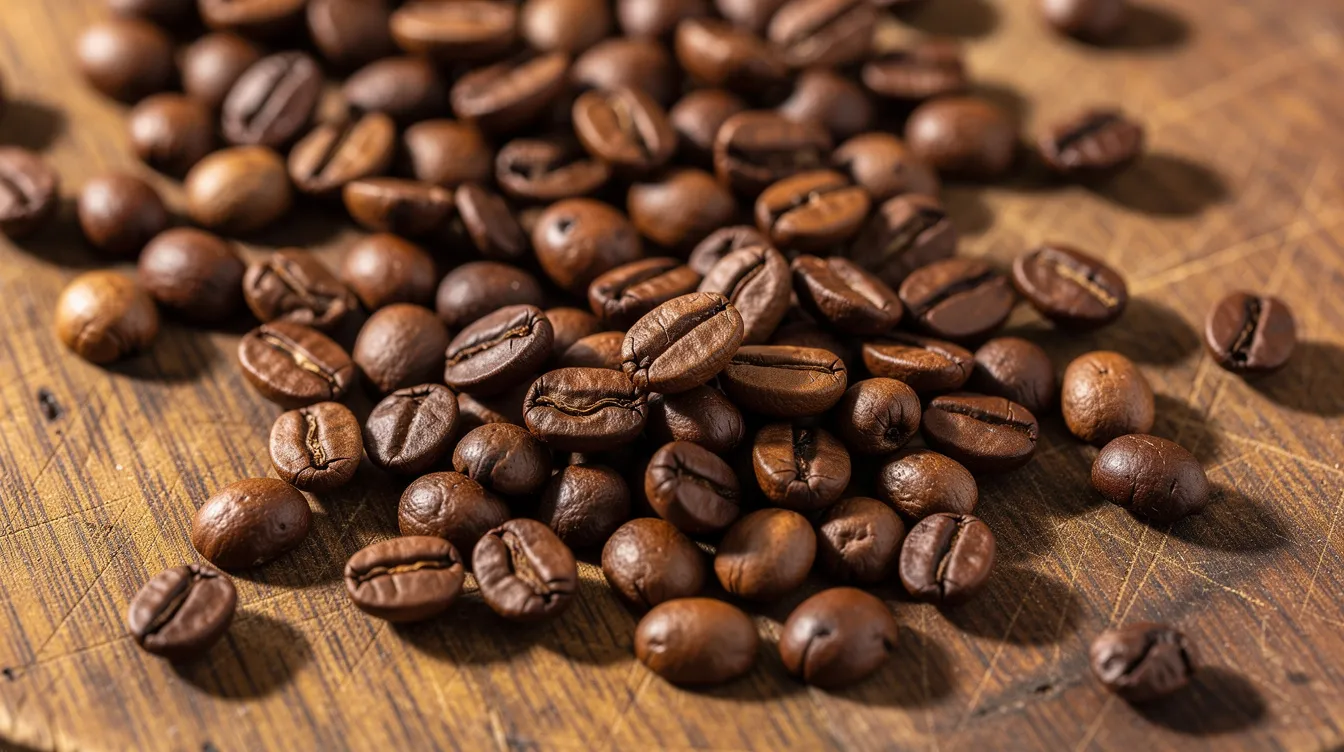
Visually, medium roast beans are rich brown with no visible oil on the surface – a quick way to confirm you’re looking at a true medium rather than a darker roast that’s been mislabeled.
Quick Answer & Top Picks for Best Medium Roast Coffee (2026)
Medium roast coffee suits anyone who wants balanced flavor – some brightness, some sweetness, enough body to feel satisfying, and nothing too smoky. The list below is organized by use-case, with each pick serving as a best coffee shortlist entry so you can jump straight to the option that matches your setup.
- Stumptown Hair Bender – Multi-origin blend, medium roast. Best overall for drip, espresso, and pour over versatility.
- Caribou Coffee Caribou Blend – Latin American blend, medium roast. Best for everyday drip and automatic brewers.
- Newman’s Own Organic Special Blend – Central American/Indonesian, medium roast. Best organic and fair trade coffee at supermarket prices.
- Peet’s Big Bang – Latin American + Ethiopian blend, medium roast. Best specialty flavor on a budget.
- Kicking Horse Coffee Three Sisters – Organic Arabica blend, medium roast. Best for espresso and milk drinks.
- Onyx Coffee Lab Southern Weather – Latin American/African blend, lighter-medium roast. Best single origin-style specialty pick for pour over.
- Atlas Coffee Club Ethiopian – Rotating single origin coffees, medium roast. Best subscription experience for coffee enthusiasts who want to explore.
- Trader Joe’s Breakfast Blend / Bolivian Blend – Grocery-shelf medium roasts. Best value from Trader Joe’s-style grocery shelves for everyday use.
Most of these are true medium roasts; a few (like Three Sisters and Newman’s Own) skew slightly toward medium-dark. Flavor profile highlights range from chocolatey notes and caramel to berry notes and stone fruit. Below, a comparison table puts the key specs side by side.
At a glance
Compare Amazon-available medium roast bags on a phone first: listing photo, roast notes, and a Check on Amazon button. Onyx Southern Weather and other D2C names stay in the write-up; the cards are bags you can open on Amazon today. Research-rated, not yet brewed by our team.
Best overall
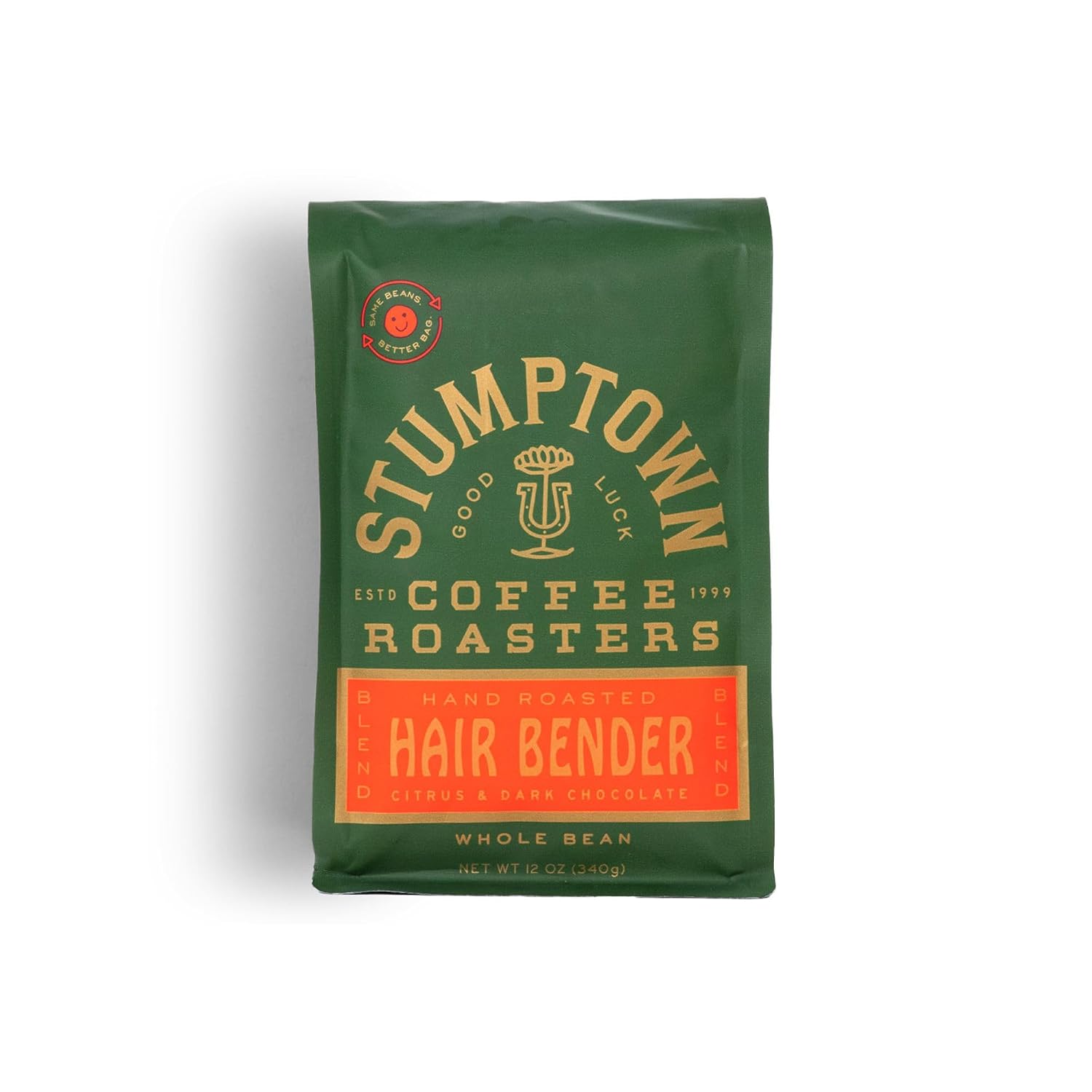
Stumptown Hair Bender
- RoastMedium
- OriginLatin America + East Africa
- FlavorChocolate, citrus, toffee
Best espresso / milk
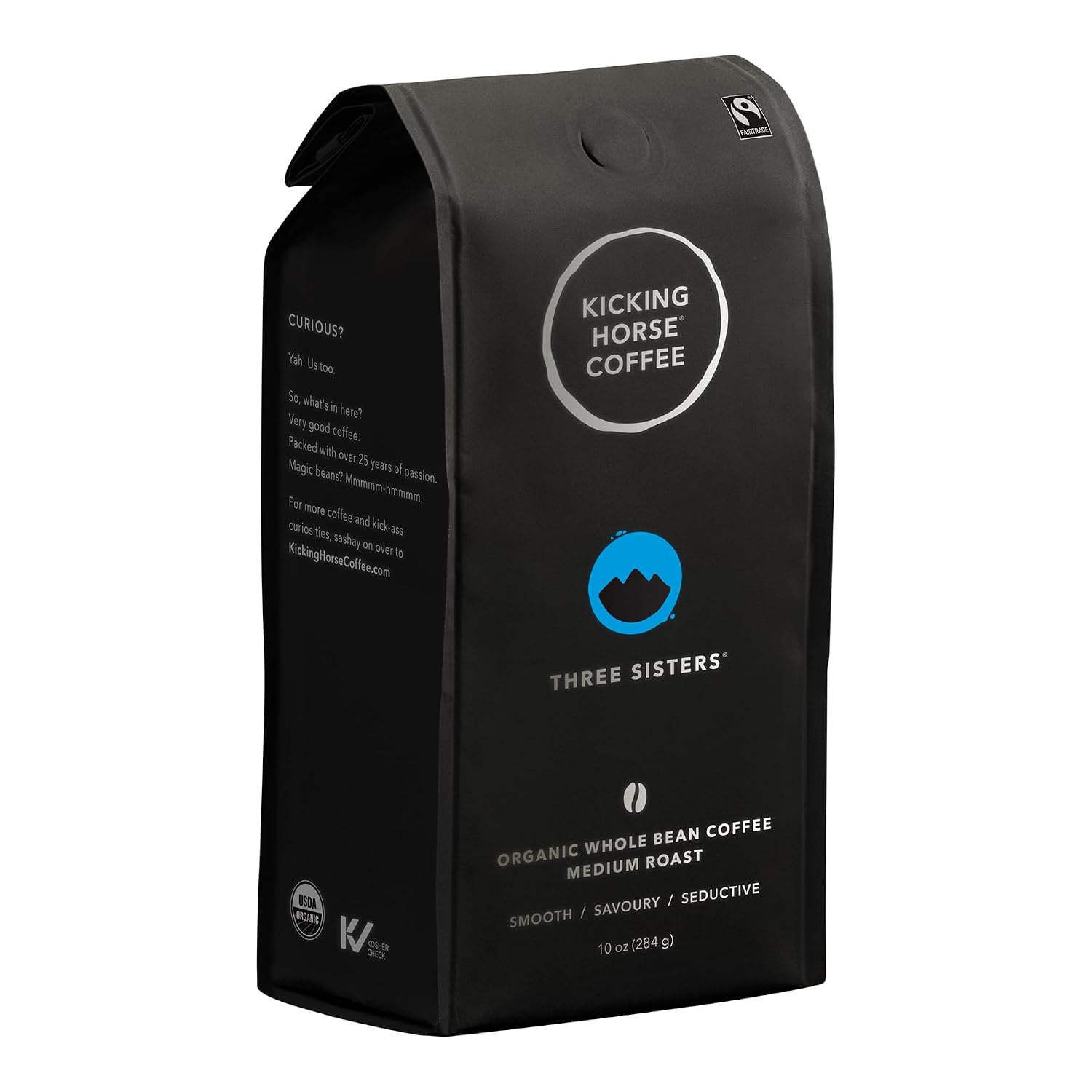
Kicking Horse Three Sisters
- RoastMedium
- OriginBlend
- FlavorBerry, chocolate, balanced
Best daily drip
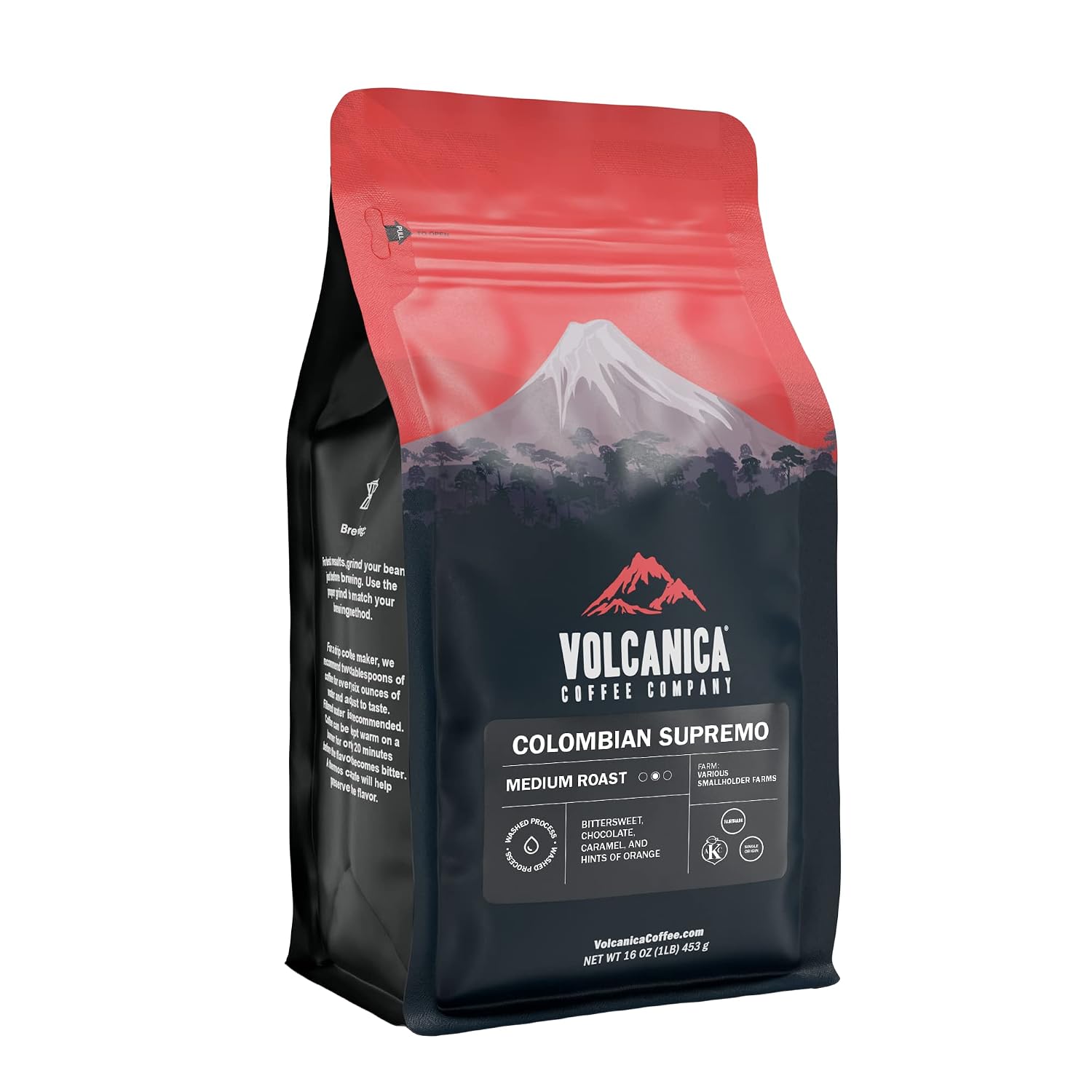
Volcanica Colombian Supremo
- RoastMedium
- OriginColombia
- FlavorCaramel, chocolate
Best espresso bag
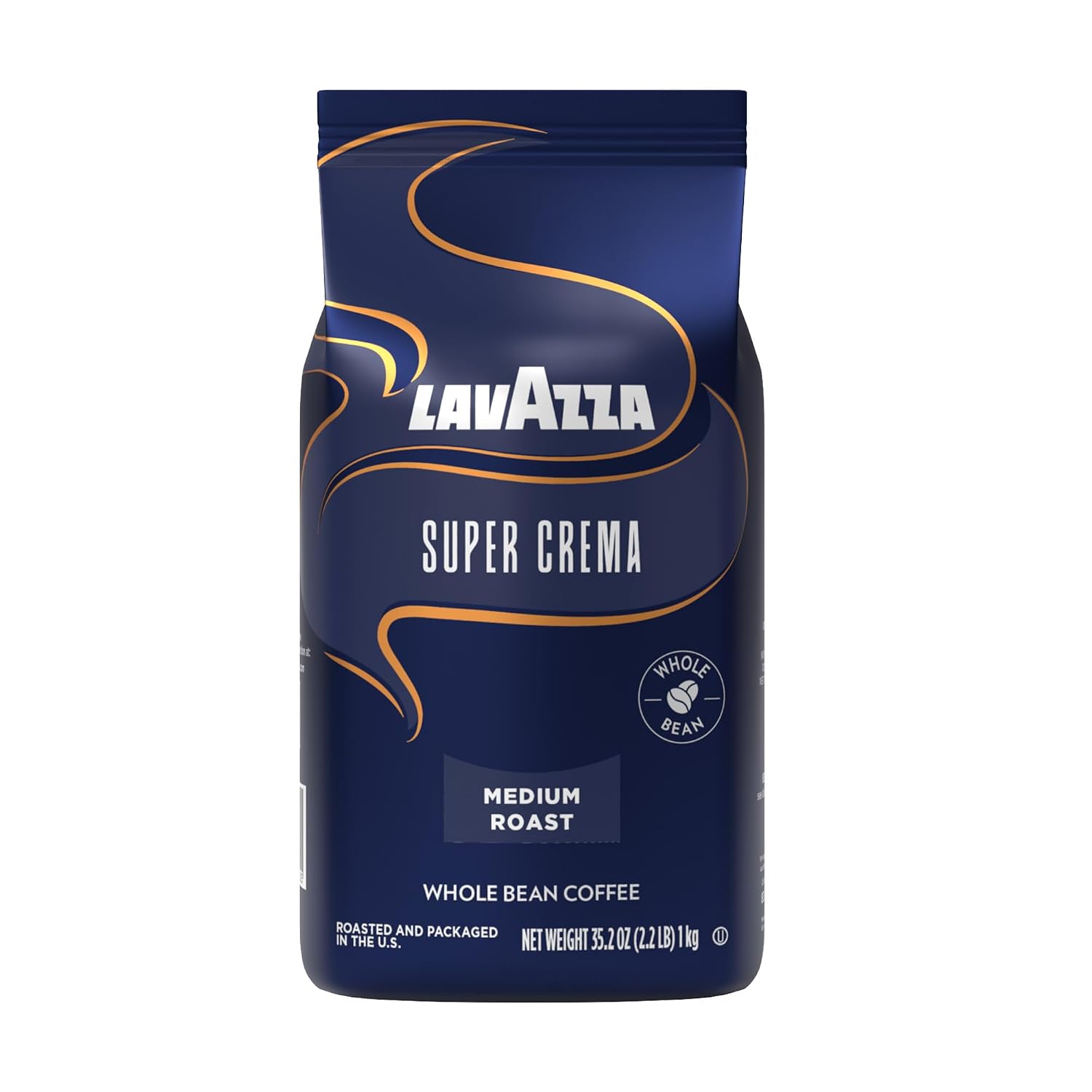
Lavazza Super Crema
- RoastMedium
- OriginArabica/Robusta blend
- FlavorCreamy, nutty, honey
Best single origin
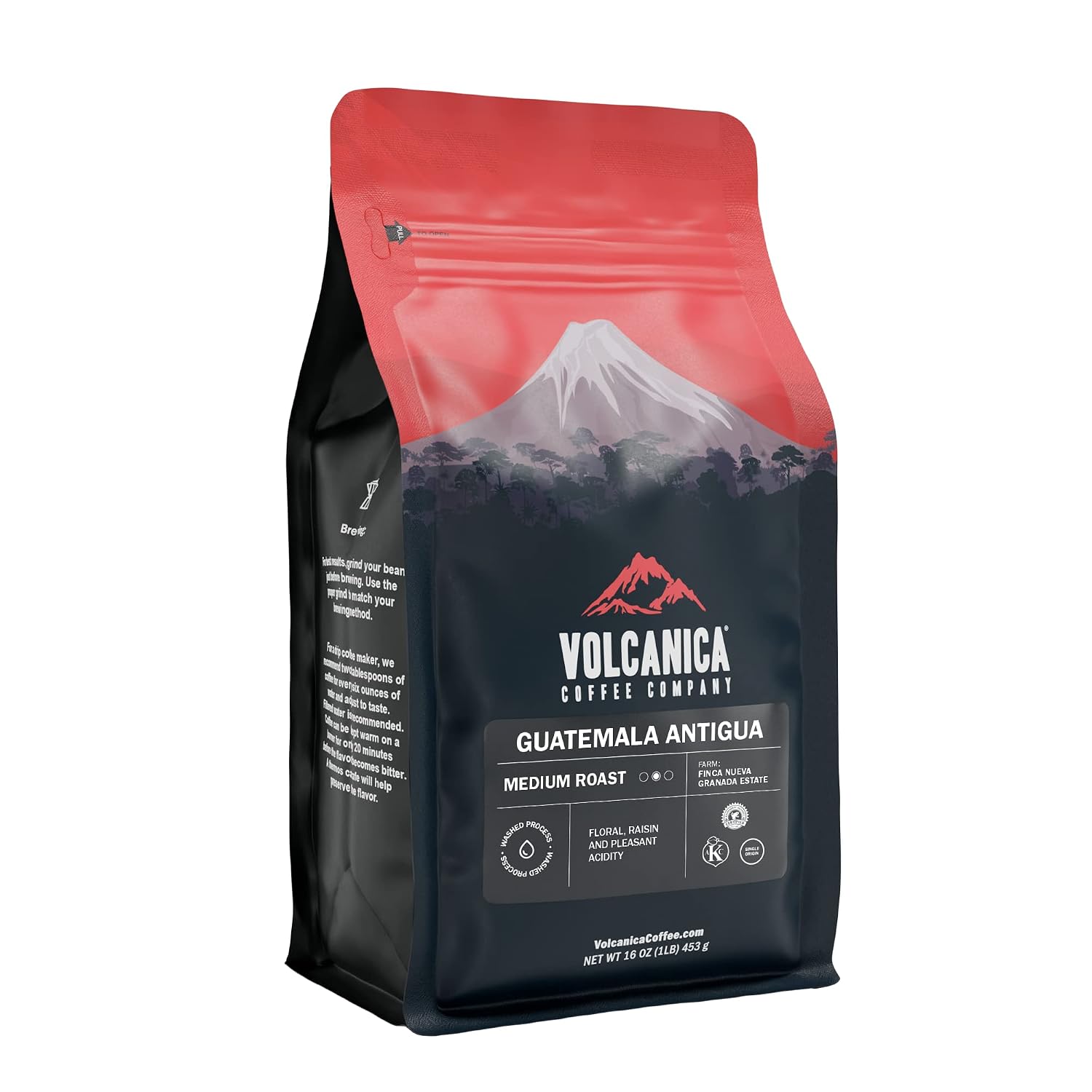
Volcanica Guatemala Antigua
- RoastMedium
- OriginAntigua
- FlavorHoney, apple, brown sugar
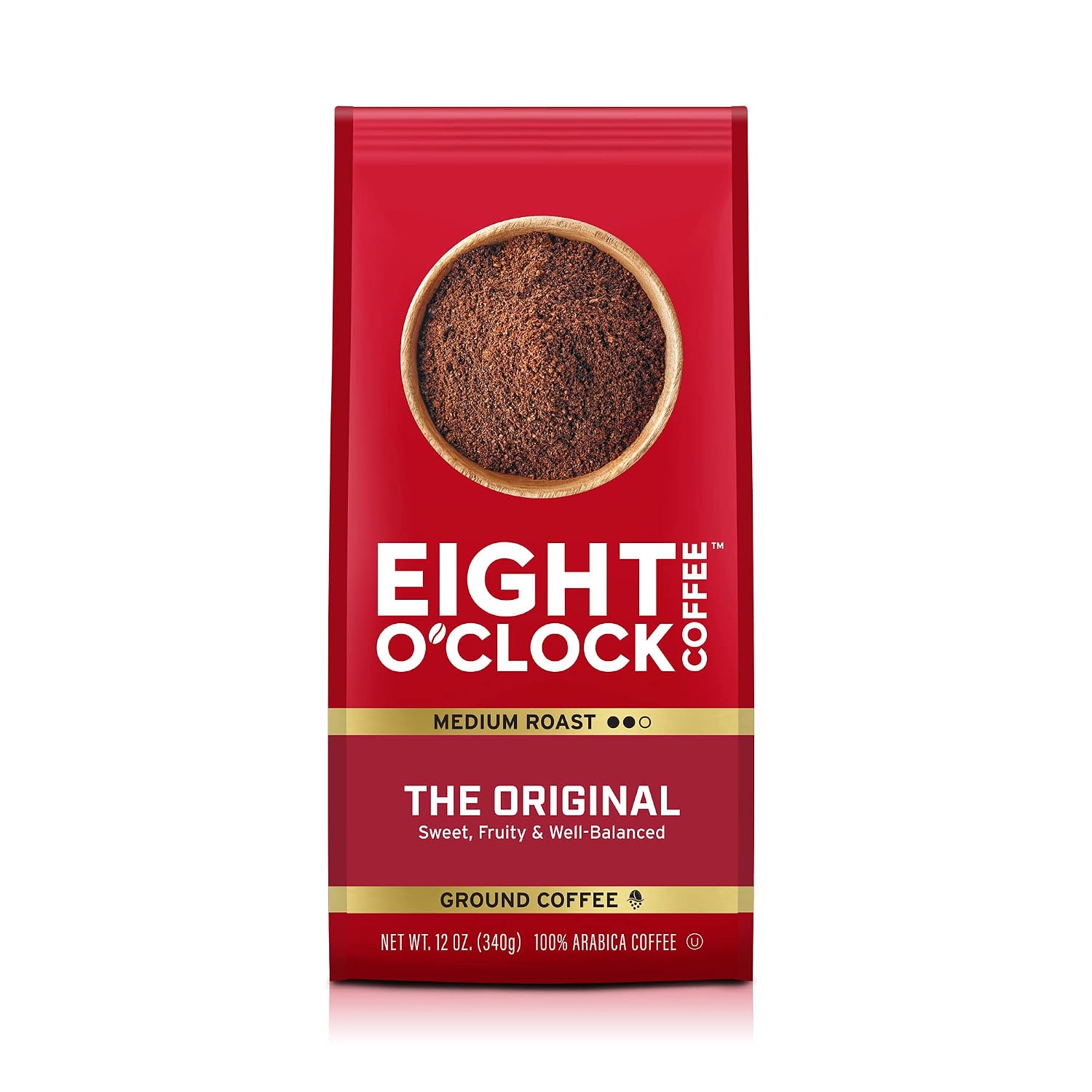
Best grocery bag
Eight O’Clock Original
- RoastMedium
- Origin100% Arabica
- FlavorSmooth, everyday
Coffee | Origin / Type | Roast Level | Flavor Notes | Best For | Format | ~Price/oz | Certifications |
|---|---|---|---|---|---|---|---|
Stumptown Hair Bender | Multi-origin blend (Latin America, E. Africa) | Medium | Chocolate, citrus, toffee | Espresso, drip, pour over | Whole bean, ground | $1.50–$1.70 | Specialty sourced |
Caribou Blend | Brazil, Colombia, Guatemala blend | Medium | Caramel, graham, mild sweetness | Drip, automatic brewers | Whole bean, ground | $1.10–$1.40 | Rainforest Alliance |
Newman’s Own Organic Special Blend | Central America, Indonesia | Medium (leans med-dark) | Milk chocolate, caramel, smooth | Drip, pour over, French press | Whole bean, ground, K-Cup | $0.90–$1.20 | USDA Organic, Fair Trade |
Peet’s Big Bang | Americas + Ethiopia | Medium | Fruit tart, milk chocolate, citrus | Drip, pour over | Whole bean, ground, K-Cup | $1.20–$1.40 | – |
Kicking Horse Three Sisters | Americas (organic Arabica) | Medium (blended levels) | Stone fruit, cocoa, toasted coconut | Espresso, French press, cold brew | Whole bean, ground | $1.40–$1.70 | Organic, Fair Trade |
Onyx Southern Weather | Colombia + Ethiopia blend | Lighter-medium | Milk chocolate, plum, candied walnut | Pour over, drip, bright espresso | Whole bean only | $1.70–$2.30 | B Corp, direct-trace |
Atlas Coffee Club Ethiopian | Ethiopia (rotating lots) | Medium | Berry, chocolate, floral | Pour over, Chemex, drip | Whole bean | $1.50–$2.00 | Varies by lot |
Trader Joe’s Breakfast Blend | Multi-origin | Medium | Floral, sweet caramel | Drip, automatic brewers | Whole bean, ground | $0.60–$0.80 | Often organic/FT |
Trader Joe’s Bolivian Blend | Bolivia | Medium-dark | Earthy, nutty, mild bitterness | French press, drip, black coffee | Whole bean | $0.60–$0.80 | Fair Trade Organic |
How We Chose the Best Medium Roast Coffee Bags
Every recommendation in this guide is based on researched editorial analysis – roasting data, published tasting notes, third-party reviews, and expert consensus from specialty retailers and Q-graders. Capitol City Coffee did not conduct lab testing or long-term home use for these picks.
Key selection criteria:
- Clearly labeled medium roast level with roast profiles consistent across batches.
- Recent or frequent roasting cycles and visible roast dates on packaging.
- Traceable origin and processing information – the best medium roast beans are typically 100% Arabica varieties with clear sourcing.
- Balanced flavor profile: chocolate, caramel, and fruit notes; moderate acidity; pleasant sweetness; medium body.
- Packaging with one-way valve and sealed bag to maintain freshness.
- Brew-method versatility across drip, pour over, espresso, and immersion.
- Reasonable price per ounce for U.S. buyers with broad availability (nationwide retail or stable online shipping).
- Consistent, strong ratings from reputable specialty retailers and high-volume verified buyer reviews, prioritized over hard-to-find micro-lots.
No brand paid to be included. Affiliate partnerships, where present, did not influence rankings.
Best Overall Medium Roast Coffee: Stumptown Hair Bender
Stumptown Hair Bender has been a specialty staple for years, and in 2026 it remains one of the most reliable medium roast blends with broad U.S. availability. It’s the kind of bag that works for almost everyone.
The blend pulls from Latin America and East Africa, with occasional Indonesian components. Stumptown labels it as a medium roast designed to perform equally well as espresso and filter coffee – a rare claim that mostly holds up in practice.
The flavor profile lands on a medium body with a chocolate and cocoa base, hints of citrus or stone fruit, toffee sweetness, and a clean finish. For many drinkers, this is what great coffee tastes like on a Tuesday morning – no drama, just a consistently good cup.
Brew-method fit is where Hair Bender earns its reputation. It pulls balanced espresso shots with good crema and milk-drink compatibility, performs cleanly in pour over and drip, and makes acceptable French press and cold brew coffee for people who like a chocolate-forward cold brew.
A typical 12 oz bag runs around $19–$20 (roughly $1.50–$1.70 per ounce). You’ll find it in grocery chains, specialty shops, and direct online. It’s usually sold as whole bean coffee beans with some pre ground coffee formats available.
Drawbacks: it’s pricier than generic supermarket breakfast blends, the flavor profile may feel too busy for those who want ultra-simple chocolatey notes only, and it won’t satisfy fans of deep, smoky French roast profiles.
Hair Bender suits the everyday coffee drinker who wants one bag that works for almost everything.
Best Medium Roast for Drip & Everyday Drinking: Caribou Blend
Caribou Coffee’s Caribou Blend is a widely available U.S. medium roast built for approachable drip and home coffeemaker use. It’s the kind of house blend that doesn’t demand attention but reliably delivers a pleasant cup.
The blend draws from origins like Brazil, Colombia, and Guatemala, and carries Rainforest Alliance certification – a reasonable signal for consumers who care about more responsible sourcing without paying full specialty premiums.
Flavor profile: medium body, mellow sweetness, caramel and toasty graham-cracker notes, mild acidity, and very little bitterness. It’s ideal for people who take cream or sugar but still want some character in their morning brew.
This blend shines in drip machines and automatic brewers. It’s forgiving on extraction, holds flavor reasonably well when sitting in a carafe, and tastes good both black and with milk. That consistency is what makes it a reliable house blend.
Available in both whole bean and pre ground coffee formats, with a price per ounce that makes it attractive as an everyday option versus smaller specialty coffee roasters.
Drawbacks: less complex than top-tier specialty roasters, limited farm-level traceability, and it may taste a bit flat to coffee enthusiasts accustomed to premium single origin Ethiopian coffee or micro-lots with unique flavors.
Best Organic & Fair Trade Medium Roast: Newman’s Own Organic Special Blend
Newman’s Own Organic Special Blend fills a specific niche: medium roast coffee that prioritizes organic and fair trade certifications while staying on supermarket shelves at accessible prices.
The blend uses Central American and Indonesian arabica beans, all 100% Arabica, USDA Organic certified, and fair trade labeled. For shoppers who want their buying decisions to align with ethical sourcing standards, these credentials are baked into every bag.
Flavor profile: milk chocolate and caramel notes, mild acidity, a clean aftertaste, and a smooth, accessible cup. It leans slightly toward medium-dark, giving it enough body to stand up to cream without losing its overall flavor.
Brew-method fit: best in drip and pour over; works in French press for those who want more body; acceptable as espresso in machines tolerant of slightly lighter profiles. It’s a crowd-pleaser rather than a showpiece.
Value here includes Newman’s Own charitable donations, which can matter to ethically minded shoppers. The price per ounce falls well below specialty roasters, often under $1.20/oz.
Trade-offs: limited transparency beyond origin regions, modest complexity compared to higher-priced specialty medium roast coffees, and pre ground coffee versions will sacrifice some aromatics versus buying whole beans.
Best Medium Roast for Specialty Flavor on a Budget: Peet’s Big Bang
Peet’s Big Bang nudges into specialty flavor territory while staying budget-friendly in most U.S. chains. It’s the pick for drinkers transitioning from dark roasts into more nuanced coffees without jumping to $25-per-bag specialty prices.
Origins combine Latin America with Ethiopian coffee components, and those Ethiopian lots (sometimes processed as “Super Natural”) contribute bright citrus and subtle berry notes over a chocolate base.
Flavor profile: medium-light body for a medium roast, bright yet smooth acidity, mild sweetness, and low bitterness. Tasting notes from Peet’s reference “fruit tart, milk chocolate, and graham crust,” which tracks with what consumer reviews consistently describe.
Ideal brewing methods: drip and pour over, including single-serve K-Cup formats. Be aware that heavy cream or sugar can overpower its more delicate citrus brightness – this coffee rewards drinking black or with just a hint of milk.
Value: a pound bag (16 oz) typically runs around $21.95 direct, with grocery prices sometimes lower. That’s roughly $1.20–$1.40 per ounce – strong for the flavor-to-price ratio.
Limitations: may feel too bright for those accustomed to French roast or heavy dark roasts, and packaging dates in grocery channels can sometimes be several months old. Look for a recent roast date or “best by” date before you buy coffee from the shelf.
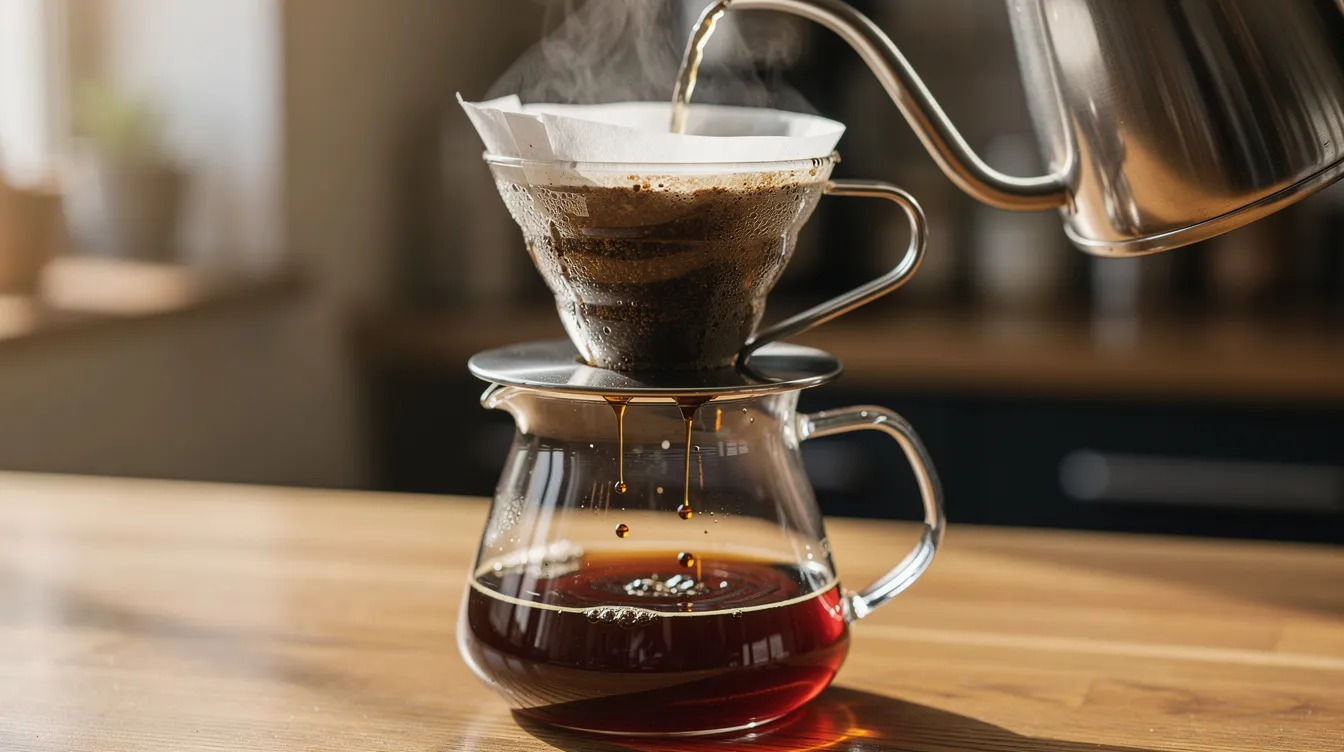
Best Medium Roast for Espresso & Milk Drinks: Kicking Horse Coffee Three Sisters
Kicking Horse Three Sisters blends light, medium, and dark roast components into a single bag that drinks like a well-balanced medium roast. In 2026, it remains one of the strongest picks for espresso and milk-based drinks at home.
The blend uses organic Arabica from the Americas, certified both organic and fair trade. For drinkers who want their espresso to carry ethical sourcing credentials, Three Sisters delivers.
Flavor profile: notes of stone fruit, chocolate, and gentle nuttiness. Medium to full body, moderate sweetness, and low harsh bitterness – making it ideal for lattes, cappuccinos, and flat whites where those chocolatey notes carry through steamed milk.
Brew-method fit: particularly strong as espresso or moka pot coffee, but also enjoyable in drip or French press where its darker components add depth. It doubles as a cold brew base for those who like richer, chocolate-forward cold coffee.
A 10 oz bag runs about $16.99 direct; bulk sizes (2.2 lb) bring the cost down meaningfully. Availability is solid in U.S. grocery chains, especially stores with dedicated organic sections.
Downsides: it can seem too bold for drinkers who prefer delicate, tea-like lighter roasted coffees, and the blended-roast approach means the flavor profile is less transparent about origin compared with single origin offerings.
Best Medium Roast Single-Origin: Onyx Coffee Lab Southern Weather
Onyx Coffee Lab’s Southern Weather appeals to coffee enthusiasts who care about detailed origin, processing, and traceability. It sits on the lighter side of medium roast – what many in the specialty coffee world call a “modern medium.”
Southern Weather is typically a blend of washed coffees from Latin America and Africa, with full transparency on sourcing and processing published on the roaster’s site. Onyx holds B Corp status and practices direct-trace sourcing.
Flavor profile in concise terms: milk chocolate base, candied walnut sweetness, plum and stone fruit notes, and a touch of citrus brightness. Moderate acidity with a silky mouthfeel – this is amazing coffee when brewed with care.
Brew-method fit: performs very well as pour over and drip, revealing complex flavors and bright acidity. It also works as a layered, bright espresso for those who enjoy more acidity in their shots. It may be too light in body for traditional dark-espresso fans.
Price sits at the higher end: roughly $1.70–$2.30 per ounce for 10–12 oz bags. It’s limited to specialty shops and online ordering, and typically sold only as whole beans to preserve freshness.
Drawbacks: the cost, the need for a good grinder to get full value from fresh beans, and limited availability in brick-and-mortar stores outside major metro areas. But for those willing to invest, it’s one of the most rewarding medium roast beans on the market.
Best Medium Roast Subscription Experience: Atlas Coffee Club Ethiopian or Yirgacheffe
Atlas Coffee Club sends rotating single origin coffees from around the world, and their medium roast Ethiopian offerings – often from Yirgacheffe or Sidamo regions – are a standout way to explore the coffee world without hunting each bag individually.
Ethiopian coffee is famous for good reason: high-grown, often washed or natural processed, with bright fruit and floral notes over a light-to-medium body. For fruitier cups, medium roasts from Ethiopia or Kenya are the go-to origins, and East African medium roasts can surprise with approachable berry notes that taste buds don’t easily forget.
A typical Atlas medium Ethiopian delivers raspberry and blueberry notes over chocolate sweetness, moderate acidity, and a clean finish that shines in pour over. Floral notes and citrus brightness emerge more clearly with lighter extraction methods.
Brew-method fit: best for pour over, Chemex, and drip. It can make an interesting medium roast espresso for those who like fruity shots. Less ideal for French press drinkers who prefer heavy body.
Value in subscription context: Atlas pricing lands around $1.50–$2.00 per ounce depending on plan, with shipping built in. For U.S. drinkers, it removes the friction of sourcing single origin beans from unfamiliar roasters.
Limitations: flavors and exact lots change month to month, making it harder to rebuy the identical coffee. The subscription format may not suit those who want a single dependable favorite roast year-round.
Best Medium Roast from Trader-Style Grocery Shelves: Breakfast Blend & Bolivian Blend
Many U.S. readers buy coffee from grocers like Trader Joe’s and want the best medium roast coffee in that environment without overpaying. Two standouts from Trader Joe’s coffee shelves deserve attention.
Breakfast Blend: A medium roast whole bean coffee with floral notes and sweet caramel undertones. Often certified organic and fair trade, it works as a mellow, balanced morning coffee – the kind of breakfast blend that pairs well with automatic machines for a consistent cup. It’s smooth, friendly with milk, and never offensive. A solid entry point for anyone exploring roast coffee beyond generic drip bags.
Bolivian Blend: A medium-dark whole bean coffee with earthy and nutty tones, aimed at black coffee drinkers who enjoy just a hint of bitterness and more robust body. It’s frequently Fair Trade Organic, making it a strong pick for shoppers prioritizing certified fair trade coffee on a grocery budget. This Bolivian blend delivers more acidity and depth than the Breakfast Blend.
Both are reliable in drip and pour over. The Bolivian Blend also suits French press, while the Breakfast Blend pairs better with automatic machines for a consistent first sip each morning.
Trade-offs: limited transparency about specific farms and processing, roast dates can be less clear than specialty roasters, and pre ground coffee versions won’t match the aromatic punch of freshly ground whole beans. But at roughly $0.60–$0.80 per ounce, the value is hard to beat for casual drinkers looking to buy coffee they can trust.
Medium Roast vs. Dark Roast (and Light Roast): What’s the Real Difference?
Choosing between light and dark roasts and medium roast comes down to what you want in the cup. Here’s a practical comparison:
- Light roast: Emphasizes acidity, fruit, and floral notes. Origin character is most prominent. Can taste sour or “tea-like” to some palates. Best for pour over and filter methods.
- Medium roast: Balances acidity with caramelized sweetness and origin character. Chocolate, caramel, and nut notes develop while fruit notes remain. Works across nearly every brewing method. The perfect balance for most drinkers.
- Dark roast: Pushes toward smoky, bitter, and roasty notes. Less origin detail survives. Bold body. Best for French press, moka pot, and fans of intense espresso or French roast cups.
Roast level changes body, perceived sweetness, and bitterness in meaningful ways. Light roast beans retain more of their origin acidity, while roasted coffee beans taken further into dark territory develop oils on the surface and heavier, more carbonized flavors.
If you’re curious about brighter, fruitier cups, explore our best light roast coffee guide. For heavier, smoky profiles, see our best dark roast coffee recommendations.
Brewing Methods: Where Medium Roast Coffee Beans Excel
Medium roast coffee beans excel across all brewing methods, which is a large part of why they dominate home kitchens. Here’s where each method brings out different strengths.
Drip and automatic brewers: Medium roast is ideal here. Drip machines work well with medium roasts, forgiving grind inconsistencies and delivering balanced cups even when water distribution isn’t perfect. This is the most common setup for U.S. households, and medium roast was practically designed for it. Use filtered water for the cleanest results.
Pour over (V60, Chemex, Kalita): Pour-over brewing highlights medium roast’s origin complexity and brightness. Use a slightly lower water temperature for pour over medium roasts – around 195–200°F rather than a full boil – to avoid extracting too much acidity and pulling bitterness.
French press and immersion: These methods emphasize the body and chocolate/caramel notes in medium roast, making the same coffee taste richer than in drip. The longer contact time extracts more sweetness without the harsh bitterness you’d get from dark roasts. Adjust grind size to coarse for clean immersion brews.
Cold brew coffee: Medium roasts produce smoother, sweeter concentrates than many lighter roasted coffees, with less bitterness than dark roasts. Aim for chocolate and nutty flavors rather than aggressive smokiness – a coarse grind steeped 12–18 hours works well.
Espresso: Medium roast can work beautifully for both straight shots and milk drinks, covered in detail below.
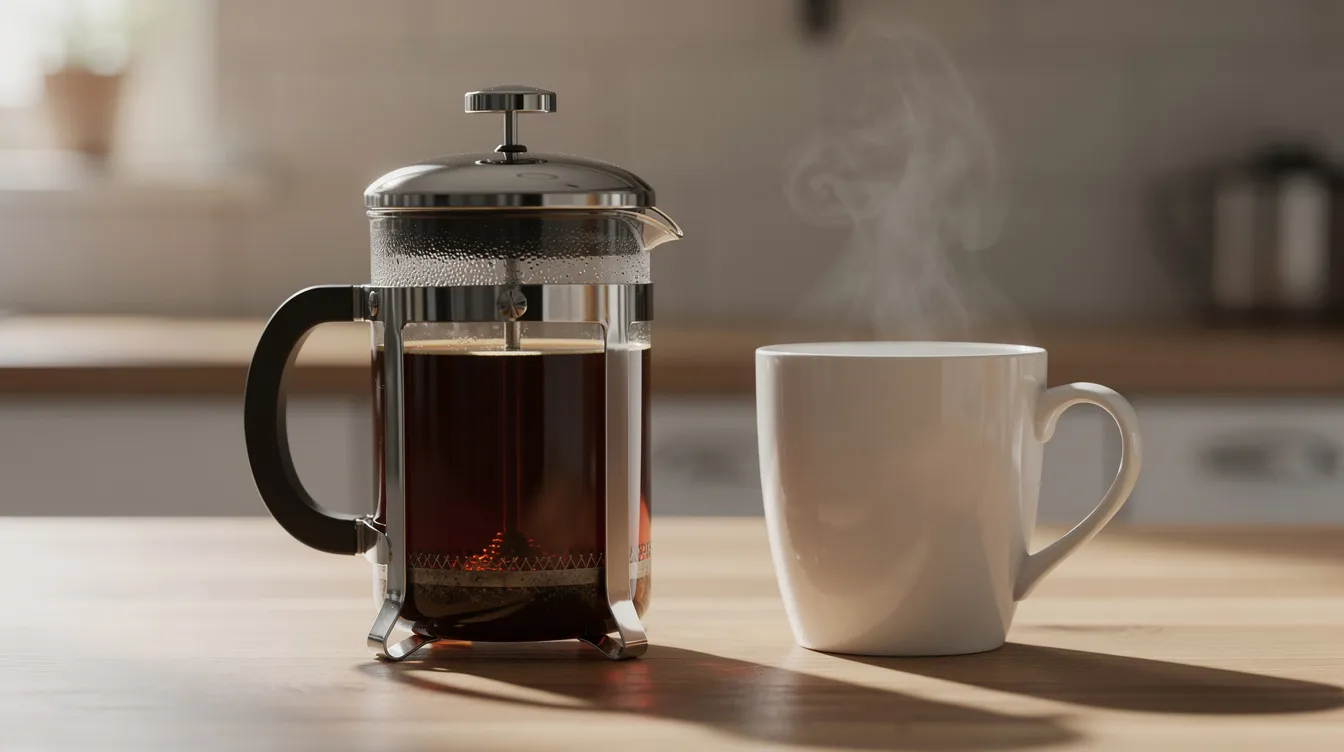
Espresso and Medium Roast Compatibility
Many specialty cafés in 2026 use medium or medium-dark espresso blends rather than very dark roasts. The reason is straightforward: better sweetness, more origin clarity, and less burnt bitterness in the cup. If you’re pulling shots at home, medium roast is worth exploring.
A good medium roast espresso shot shows caramel-colored crema, balanced acidity, chocolate or caramel sweetness, and possibly fruit or nut notes depending on origin. It shouldn’t taste ashy or hollow.
Practical guidance: medium roast espresso requires a slightly finer grind than dark roasts due to less cellular breakdown during roasting. A typical starting point is a 1:2 ratio (18 g in, ~36 g out) with shot times around 25–30 seconds. Lengthening the shot slightly can pull more sweetness. Water temperature matters – aim for 200–204°F for medium roasts.
From this guide, the best espresso candidates are Kicking Horse Three Sisters and Stumptown Hair Bender for balanced, crowd-pleasing shots, and Onyx Southern Weather for brighter, more fruit-forward espresso. Lighter medium roasts like Southern Weather may require more precise grinders and temperature control, while darker-leaning mediums like Three Sisters are easier for beginners to dial in.
Coffees like Peet’s Big Bang and Caribou Blend are better reserved for filter brewing, where their gentler body and brightness shine without the pressure demands of espresso.
How to Choose the Best Medium Roast Coffee for You
Finding the right bag depends on three things: what flavors you enjoy, how you brew, and what you’re willing to spend.
Origin and flavor profile:
- Colombia, Guatemala, Brazil, and Ethiopia are good sources for medium roast profiles. For chocolate and nut flavors, consider beans from Brazil, Colombia, Guatemala, and Peru. Colombian medium roasts often have caramel sweetness and a silky mouthfeel. Central American medium roasts typically exhibit nutty and cocoa flavors.
- For fruitier cups, choose medium roasts from Ethiopia or Kenya. East African medium roasts can deliver approachable berry notes and floral brightness.
- Blends like a breakfast blend or house blend offer a balanced, crowd-pleasing cup. Single origin coffees reveal more of a specific region’s character.
Acidity, sweetness, and body:
- Read tasting notes on the bag or roaster’s website. Terms like “bright,” “citrus,” or “berry” signal higher acidity. “Smooth,” “chocolate,” and “nutty” suggest a mellower, fuller cup.
- Medium roast alone isn’t enough information – elevation, processing, and origin matter too. A medium roast Ethiopian coffee and a medium roast Brazilian coffee will taste very different.
Brewing method:
- Choose more chocolatey, fuller-bodied mediums for French press and cold brew. Pick brighter, fruit-forward mediums for pour over. Well-developed blends work best for espresso and drip.
Certifications and ethics:
- Fair trade, organic, and Rainforest Alliance labels signal baseline standards for pricing, farming practices, and chemical use. They don’t guarantee better flavor, but they may matter to your values. Robusta beans occasionally appear in cheaper blends – stick with 100% Arabica for cleaner cup quality.
Budget:
- Supermarket medium roast coffee can be perfectly good for casual drinkers. Specialty bags often justify higher prices with freshness, clarity of flavor, and traceability. Price per ounce is a more useful metric than bag price alone – check the bag size before comparing.
Freshness, Roast Date & Storage: Getting the Best from Medium Roast Beans
Freshness significantly impacts coffee flavor. Even the best coffees taste flat when stale, and medium roasts can lose their aromatic top notes faster than very dark coffees because the cell structure is more exposed after caramelization.
What to look for on the bag: A clear roast date is preferable to a vague “best by” date. Look for a roast date rather than a vague best by date – it tells you exactly how old the coffee is. Medium roasts typically reach flavor peak one to three weeks post-roast, with most coffees tasting their best between about four days and six weeks after roasting. Look for medium roast beans roasted within two to four weeks of purchase.
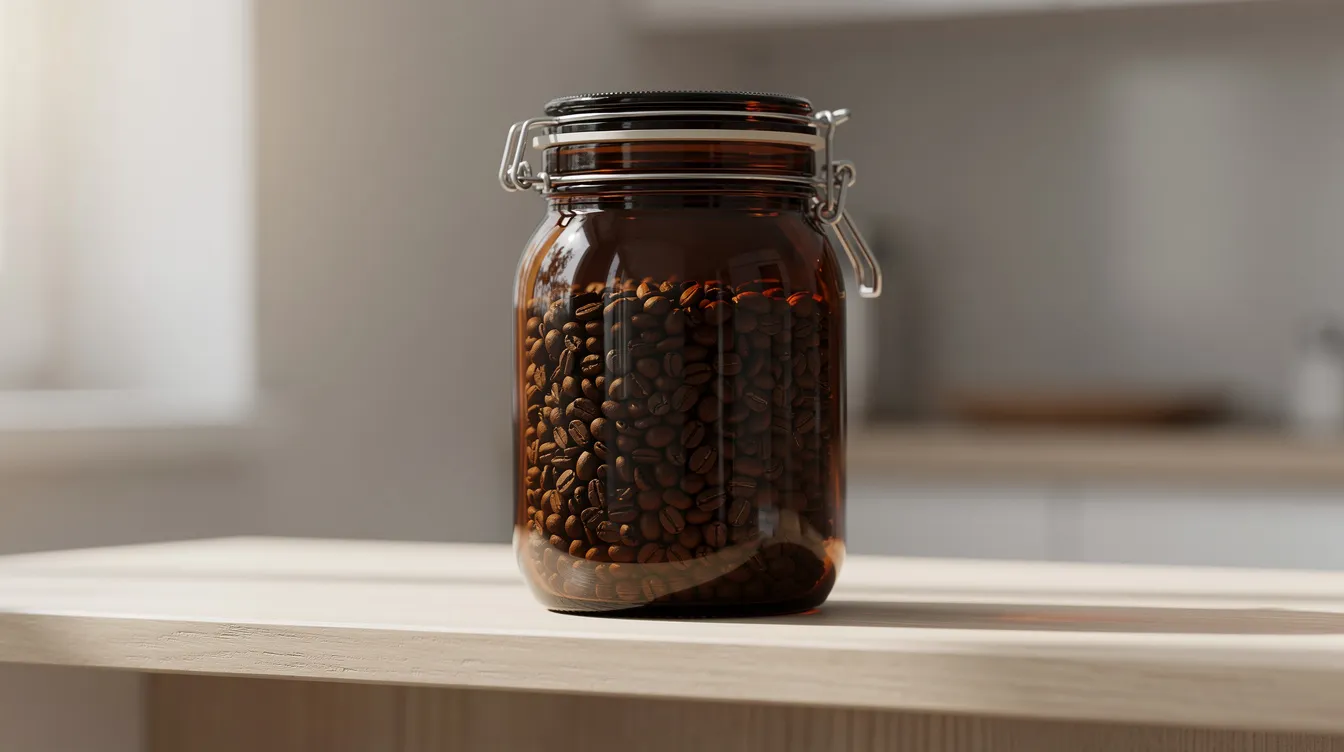
Storage: Store medium roast coffee in airtight containers. Keep coffee away from light, heat, and moisture – a cool, dark pantry shelf at room temperature is ideal. Avoid storing near the stove, in direct sunlight, or in humid environments. For maximum freshness, consider using single-dose storage tubes that limit air exposure each time you open the container.
Freezing: Avoid refrigerating or freezing coffee beans as a general rule. The temperature swings and moisture exposure degrade flavor. The only exception: if you’ve bought multiple bags and want to freeze one unopened, use an airtight container and don’t repeatedly thaw and refreeze.
Pre-ground vs. whole bean: Medium roast coffee beans should have no visible oil on their surface – if they do, it’s likely a darker roast than labeled. Whole bean coffee holds its aromatics far longer than ground coffee. Pre ground coffee can be reasonable for convenience if consumed within a week or two of opening, but expect some loss of complexity.
Whole Bean vs. Ground: Which Should You Buy?
The trade-off is simple: whole beans maximize freshness and flavor control, while ground coffee maximizes convenience.
Benefits of whole bean coffee:
- Grind size control for different brewing methods – coarse for French press, medium for drip, fine for espresso.
- Better retention of aromatics, since volatile compounds escape within hours of grinding.
- The ability to fine-tune strength and extraction over time with a decent burr grinder.
When pre-ground makes sense:
- For people without a grinder, office environments, or those using pod-style systems.
- Choose reputable brands and smaller bag sizes to minimize staling.
- Grind only what you need before brewing is the ideal practice, but pre-ground is better than no coffee at all.
Medium roast pre ground coffee is usually optimized for drip or filter. Readers using French press, espresso, or cold brew will get better results grinding fresh for the appropriate particle size.
If you’ve discovered a favorite roast and want to unlock more of its sweetness and complex flavors, investing in an entry-level burr grinder is one of the highest-impact upgrades a home coffee drinker can make. It doesn’t need to be expensive – even a $50–$70 burr grinder will outperform any blade grinder.
Related Guides & Next Steps
Once you’ve dialed in your preferred medium roast coffee, it’s worth exploring the lighter and darker ends of the spectrum for comparison. You might discover that your taste buds lean toward brighter light roasts or bolder dark roasts – or confirm that medium is your sweet spot.
- Coffee hub – our main resource covering bean coffee types, gear, and guides.
- Coffee roasts overview – understand roast level differences across the spectrum.
- Best light roast coffee – for brighter, fruitier, and more origin-forward cups.
- Best dark roast coffee – for heavier, smokier, and bolder profiles.
A practical next step: pick one “safe” crowd-pleasing medium roast from this list (like Hair Bender or Caribou Blend) plus one more adventurous single origin (like an Atlas Coffee Club Ethiopian or Onyx Southern Weather) and compare them side by side using your usual brewing method. That single experiment will teach you more about your preferences than any guide can.
Our Medium Roast Coffee Pick
We matched one medium roast to the daily-driver mug this guide describes. Tap the image or the coffee name. Research-rated, not yet brewed by our team.
Feeling balanced: a Colombian medium
Our pick: Volcanica Coffee Colombian Supremo, medium roast, Fair Trade, whole bean, 16 oz. Caramel-chocolate medium roast for drip or pour-over. Research-rated, not yet brewed by our team.
Frequently Asked Questions about Medium Roast Coffee (2026)
Is medium roast coffee stronger than dark roast?
“Strength” usually refers to flavor intensity rather than caffeine. Medium roast often tastes less smoky and bitter than dark roast while having similar caffeine content per gram of coffee beans. Perceived strength in the cup depends mostly on brew ratio, grind size, and water temperature – not just roast level. A concentrated medium roast brewed with a higher dose will taste “stronger” than a diluted dark roast.
What’s the best brewing method for medium roast coffee?
There’s no single best method – that’s one of medium roast’s great advantages. It works particularly well with drip and pour over for balanced cups, French press for more body, and many home espresso machines for sweeter shots. Start with whatever brewer you already own and adjust grind and dose from there. Medium roast coffee excels in virtually all brewing methods, which is why it’s the default recommendation for most home setups.
How long does medium roast coffee stay fresh after opening?
Under typical home storage in a sealed bag or airtight container at room temperature, whole-bean medium roast tastes best within about two to four weeks of opening. Pre-ground coffee may noticeably fade in flavor within one to two weeks. The practical takeaway: buy bag sizes that match how quickly your household drinks coffee, and don’t stock up on more than you’ll use within a month.
Can I use medium roast coffee for cold brew?
Yes. Medium roast coffee beans make excellent cold brew coffee with smoother chocolate and nut notes and less aggressive bitterness than many dark roasts. Use a coarse grind and steep for 12–18 hours in cold or room-temperature filtered water. Adjust dilution to taste – cold brew concentrate from medium roast beans is naturally sweeter and less harsh than from darker roasts, so you may need less water than you expect.
Is fair trade or organic certification worth paying extra for?
Fair trade and organic labels signal certain baseline standards for pricing, farming practices, and chemical use, but they don’t guarantee better flavor by themselves. Readers who value environmental or social assurances may find these certifications worthwhile, especially from brands like Kicking Horse or Newman’s Own that carry both. Those on tight budgets can still find great coffee from reputable coffee roasters who practice responsible sourcing without formal labels – free coffee from ethical shortcuts doesn’t exist, but transparency and direct-trade relationships can be just as meaningful as a certification seal.