
Key Takeaways
- For most people in 2026, the best instant coffee balances flavor, convenience, and value – specialty freeze-dried packets from brands like Swift Coffee and Blue Bottle deliver café-quality flavor, while budget jars like Mount Hagen and Café Bustelo cover everyday drinking at a fraction of the cost.
- This is a researched editorial roundup, not a hands-on taste test. Picks are based on verified product data, expert reviews, and broad consumer consensus across jars and packets available in the United States.
- Instant coffee has evolved to include specialty and premium options that get surprisingly close to freshly brewed coffee, though coffee snobs who prioritize aroma and complexity may still prefer whole bean for daily home use.
- Recommendations span best tasting instant coffee, high caffeine (Death Wish at 300 mg per serving), decaf instant coffee, flavored varieties, and cold brew instant coffee – covering busy mornings, hotel room mugs, backpacking trips, and everything in between.
- You will also find guidance on how to choose, how to brew instant for better flavor, and links to related Capitol City Coffee guides on organic coffee, fair trade coffee, and decaf coffee.
Affiliate & Editorial Disclosure
Quick Answer: The Best Instant Coffee in 2026
If you want a single, direct answer: Swift Coffee (rated 4.9 out of 5 for overall quality) and Blue Bottle instant coffee (with tasting notes of blueberry and lemon zest) are the best instant coffees you can buy right now for flavor. For budget drinkers, Mount Hagen organic instant at about $0.48 per serving delivers a solid cup that beats most legacy brands. And if caffeine is what you need, Death Wish Instant Coffee contains 300 mg of caffeine per serving.
Here are the headline winners by category:
- Best overall instant coffee: Swift Coffee – premium freeze-dried, nuanced flavor profile, 110 mg caffeine per serving
- Best budget instant coffee (jar): Mount Hagen Organic – fair-trade Arabica, medium roast, widely available
- Best grocery / mass-market jar: Nescafé Taster’s Choice – smooth, reliable, around $0.26 per serving
- Best instant espresso / Latin-style: Café Bustelo – deep roasty notes, $0.25 per serving, excellent for lattes
- Best high-caffeine instant: Death Wish Instant Coffee – 300 mg caffeine, dark roast, bold intensity
- Best decaf instant coffee: Mount Hagen Decaf – CO₂ processed, >99.99% caffeine removed
Later sections go deeper into tasting notes, roast level, processing method, and who each option suits.
At-a-Glance comparison
Tap a photo or the Amazon button to check that jar or packet. These are Amazon listing photos. Research-rated from each brand’s published details, not yet brewed by our team.
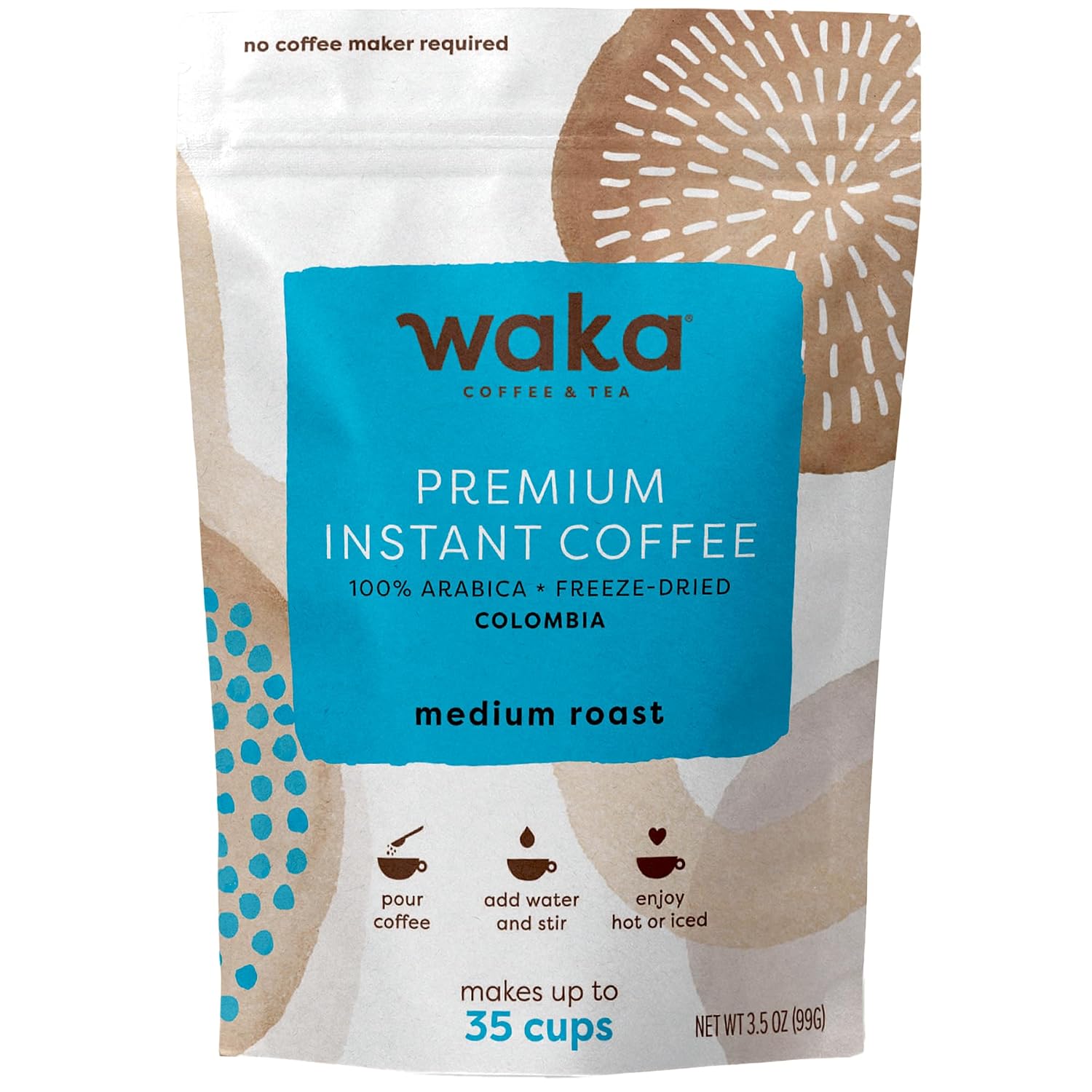
Specialty freeze-dried
Waka Coffee Instant
- FormatPackets
- RoastMedium
- OriginColombian / Indian blend
Grocery premium
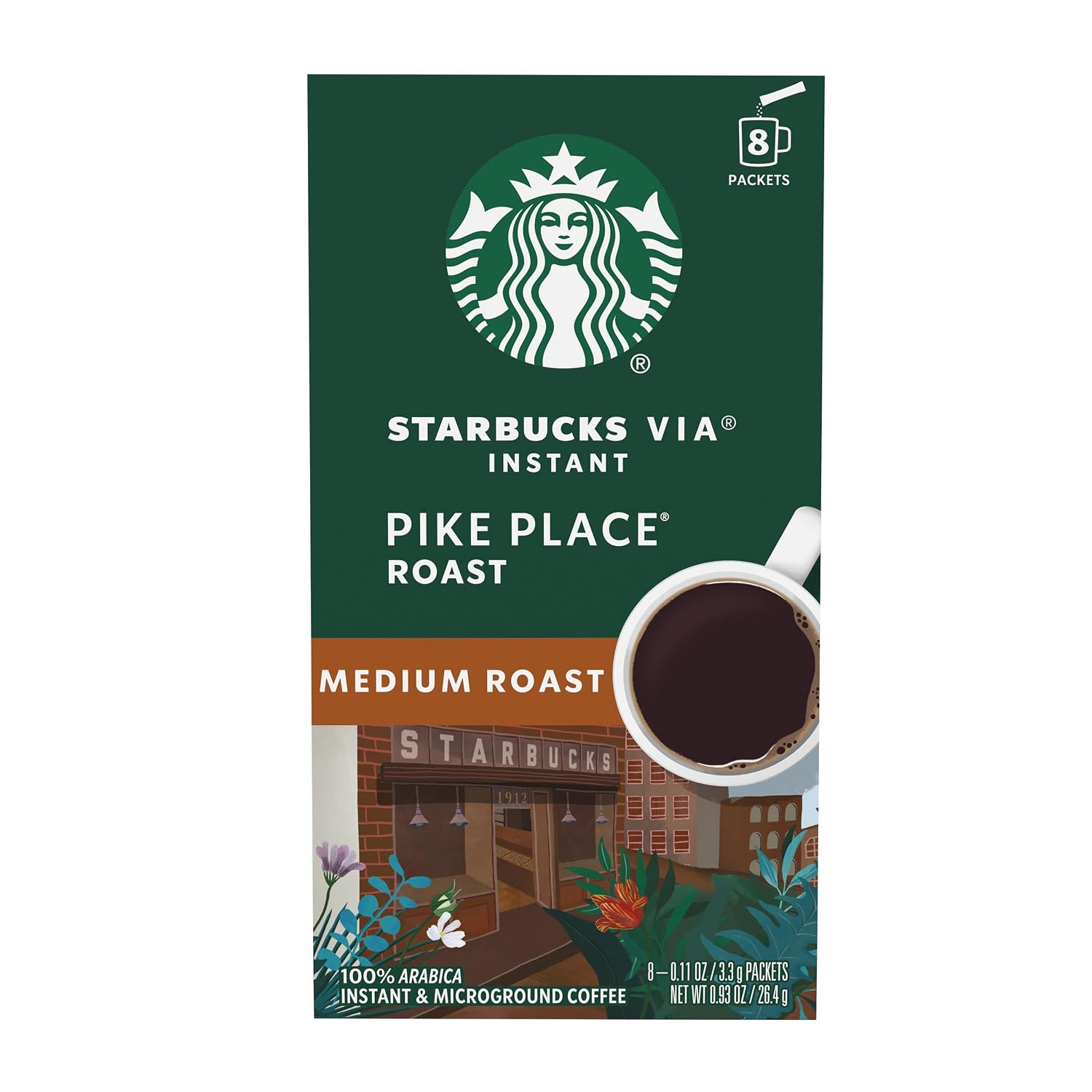
Starbucks VIA Pike Place
- FormatPackets
- RoastMedium
- OriginColombia, Peru
Budget organic
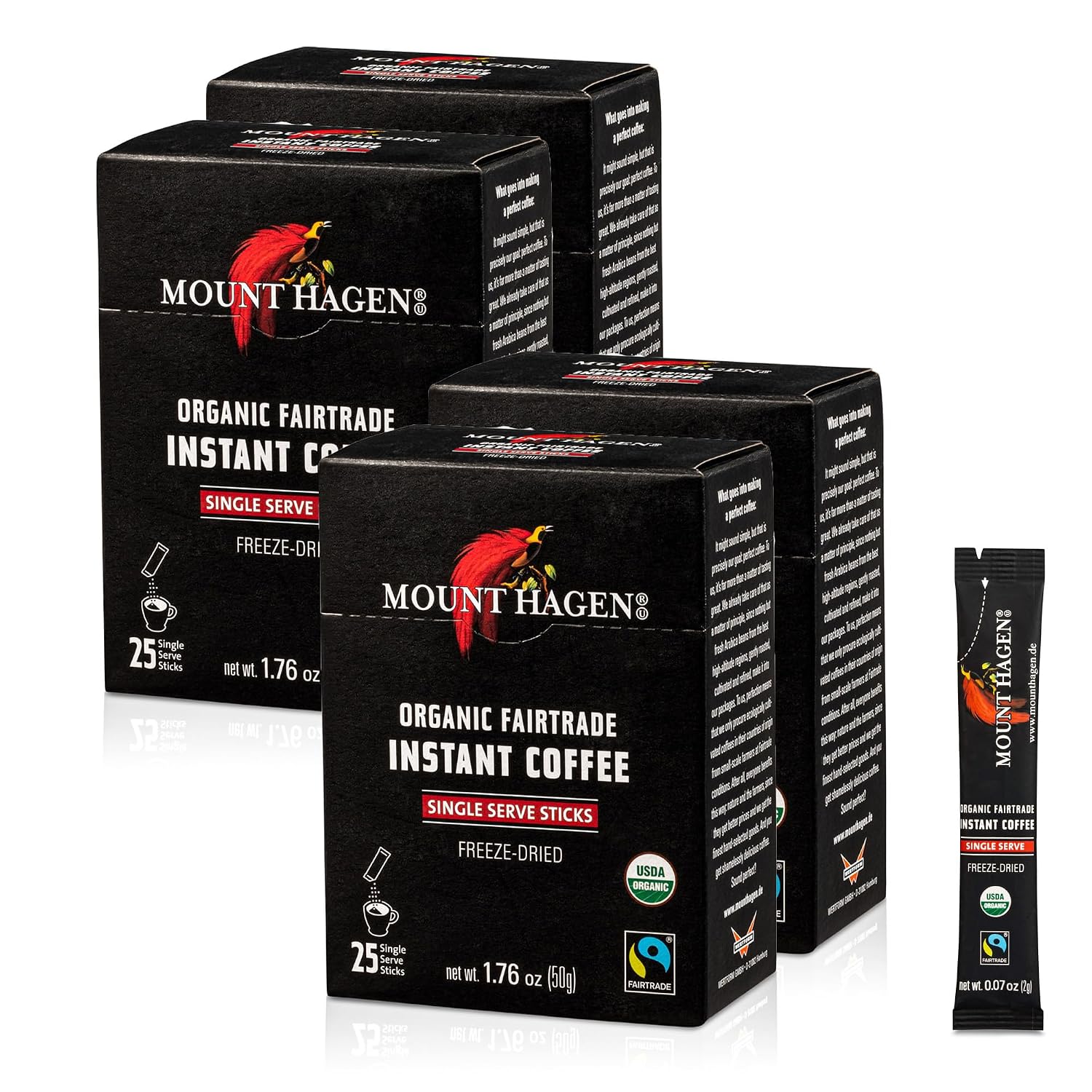
Mount Hagen Organic Instant
- FormatJar and sticks
- RoastMedium
- OriginPapua New Guinea, Peru, Honduras
Latin-style espresso
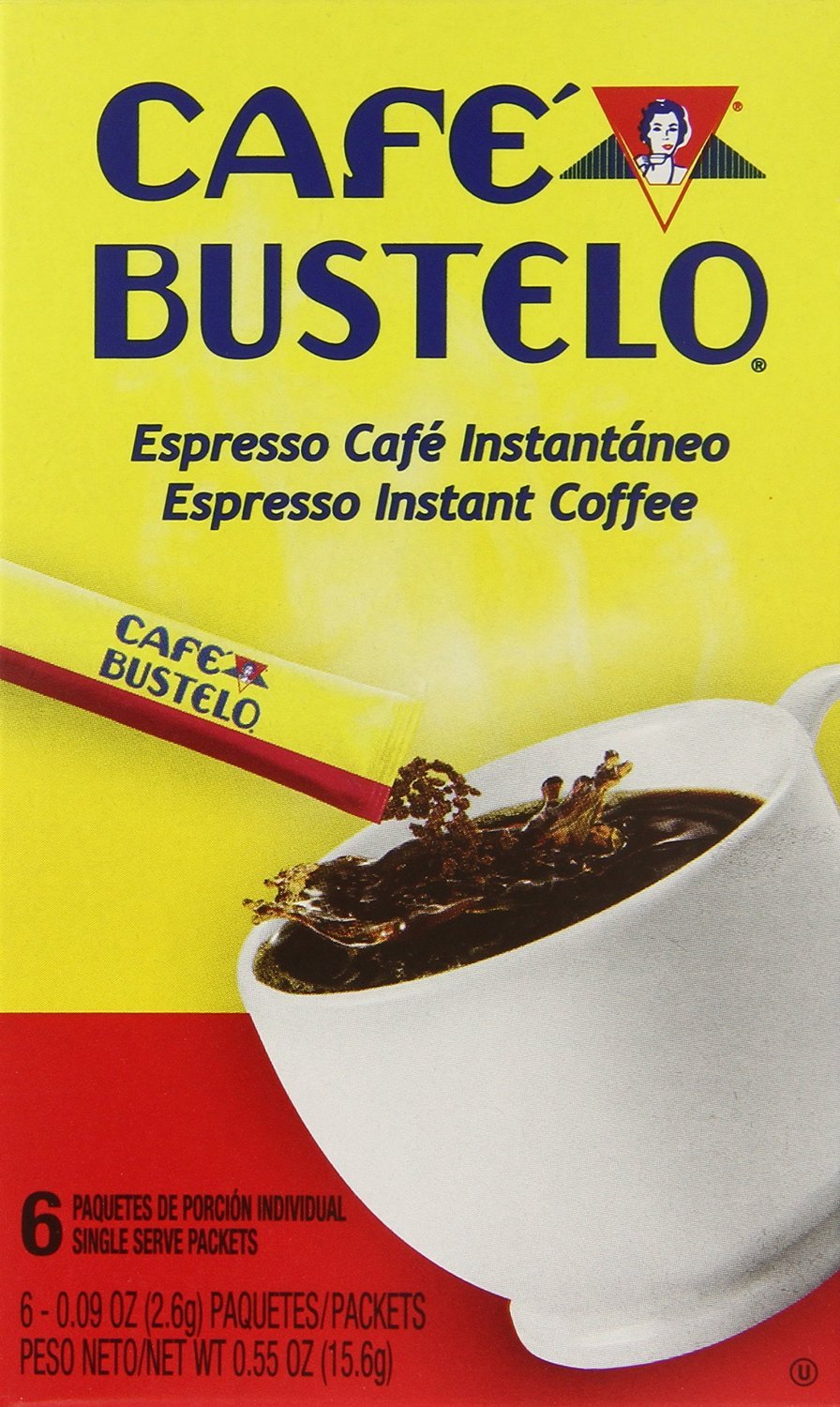
Café Bustelo Instant Espresso
- FormatJar and packets
- RoastDark
- OriginLatin American blend
Mass-market everyday
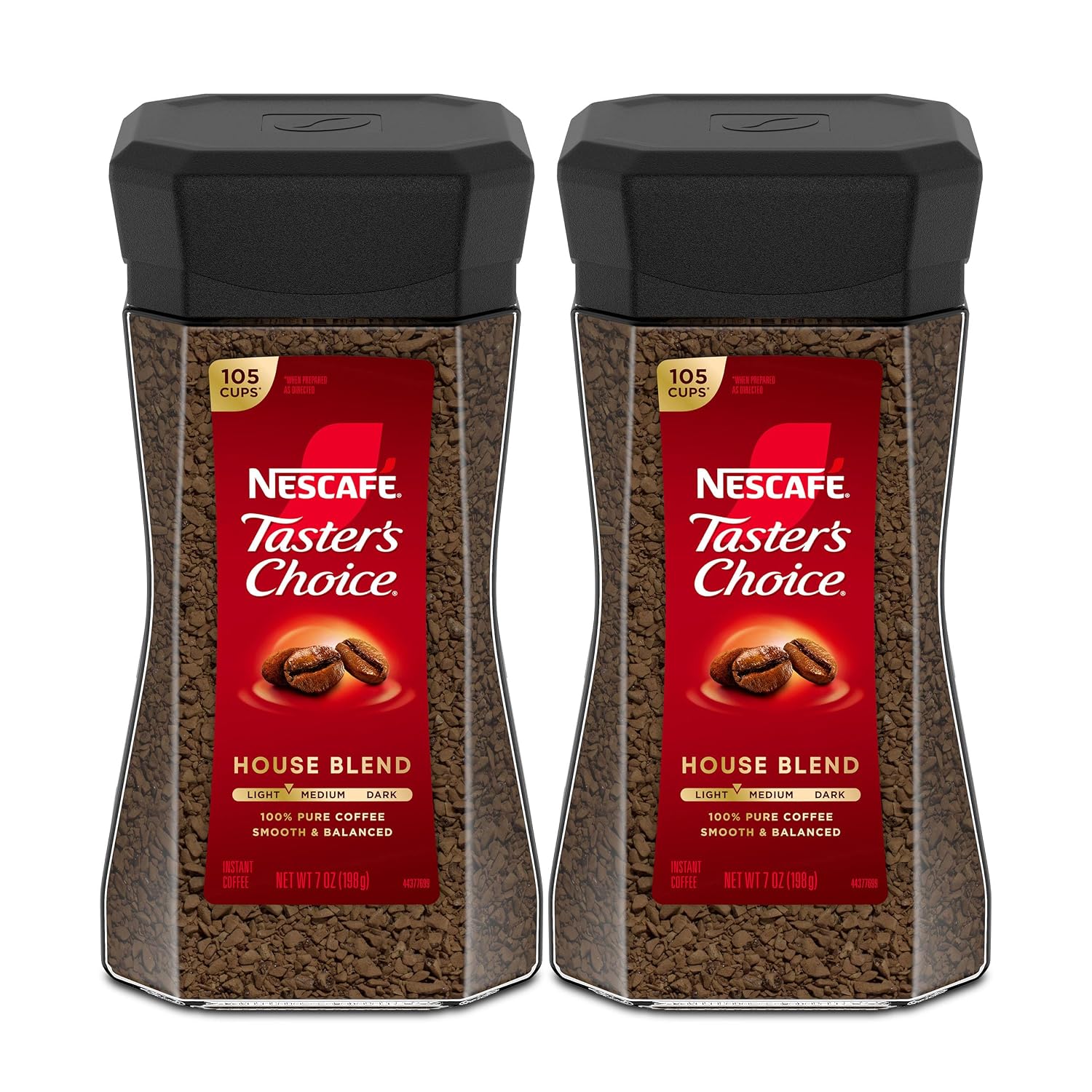
Nescafé Taster’s Choice House Blend
- FormatJar
- RoastMedium
- OriginBrazil, Colombia blend
Maximum caffeine
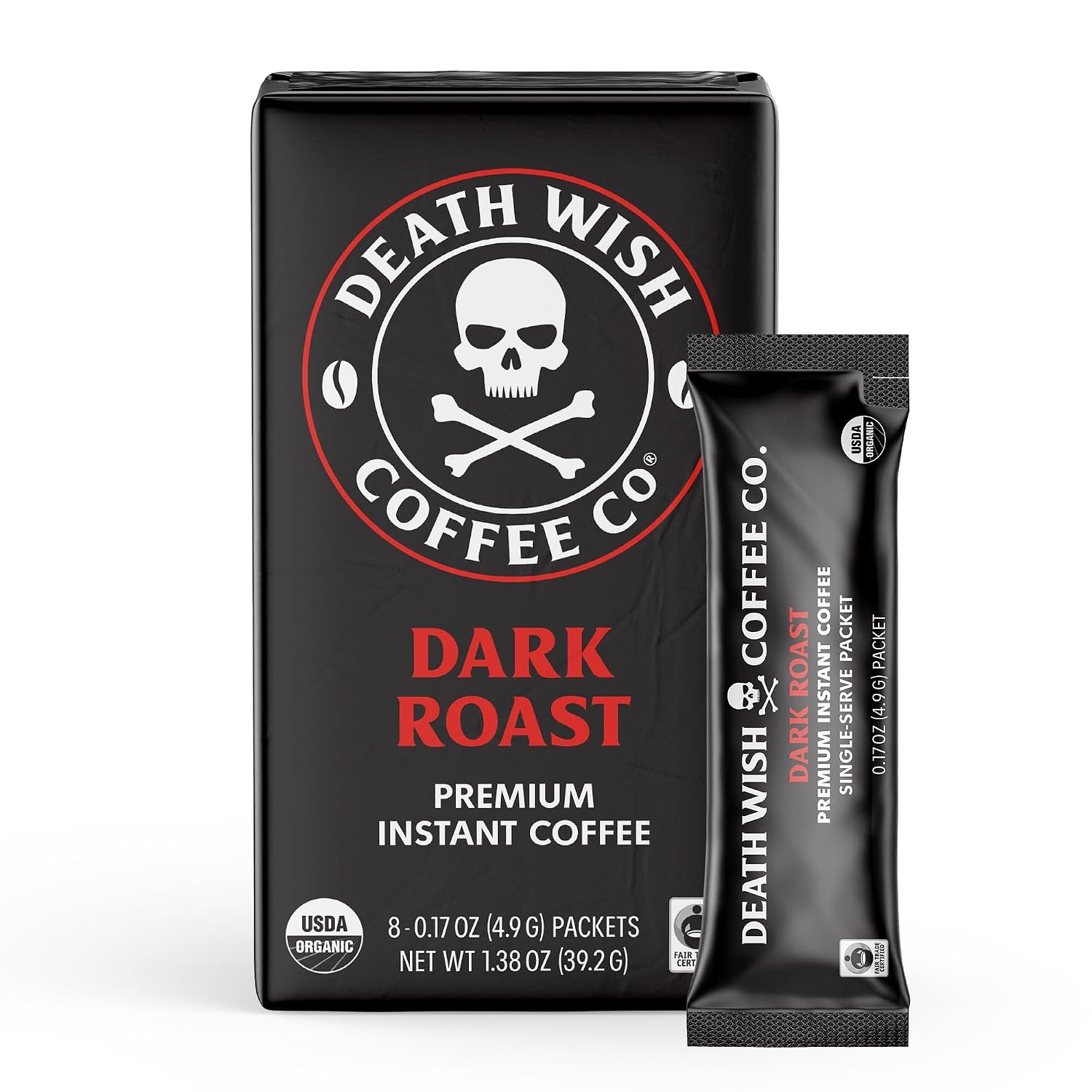
Death Wish Instant
- FormatPackets
- RoastDark
- OriginArabica plus robusta
Coffee | Format | Best For | Roast | Origin / Region | Processing | Flavor Notes | Caffeine (per serving) | Price (per serving) | Availability |
|---|---|---|---|---|---|---|---|---|---|
Swift Coffee | Packets | Overall quality | Medium | Rotating single-origin | Freeze-dried | Chocolate, citrus, caramel | ~110 mg | ~$2.00 | Online, select specialty grocers |
Blue Bottle Instant | Packets | Coffee snobs | Light-medium | Ethiopian / Latin American blend | Freeze-dried | Blueberry, lemon zest | ~100 mg | ~$2.50 | Online, Whole Foods |
Mount Hagen Organic | Jar & sticks | Budget organic | Medium | Papua New Guinea, Peru, Honduras | Freeze-dried | Cocoa, toasted grain, nutty | ~60 mg | ~$0.48 | Most grocery stores, online |
Café Bustelo Instant Espresso | Jar & packets | Latin-style espresso, lattes | Dark | Latin American blend | Spray-dried | Dark chocolate, fudgy, bold | ~60 mg | ~$0.25 | Most grocery chains |
Starbucks VIA | Packets | Grocery premium | Medium-dark | Colombia, Peru | Freeze-dried / micro-ground | Smoky, toasted nuts, chocolate | ~130 mg | ~$1.25 | Grocery, Starbucks stores |
Nescafé Taster’s Choice | Jar | Mass-market everyday | Medium | Brazil, Colombia blend | Freeze-dried | Mild, clean, light body | ~49 mg | ~$0.26 | All major supermarkets |
Death Wish Instant | Packets | Maximum caffeine | Dark | Blend (Arabica plus robusta beans) | Spray-dried | Bold, roasty, heavy body | ~300 mg | ~$2.50 | Online, some grocery |
Verve Instant | Packets | Specialty / craft | Light-medium | Seasonal single-origin | Freeze-dried | Stone fruit, caramel, bright | ~100 mg | ~$2.50 | Online, select retailers |
Waka Coffee | Packets | Flavored instant | Medium | Colombian / Indian blend | Freeze-dried | Varies (vanilla, pumpkin spice) | ~70 mg | ~$1.00 | Online, Amazon |
Cameron’s Instant | Jar | Cold brew-style | Medium | Central/South American | Freeze-dried | Smooth, low-acid, clean | ~105 mg | ~$0.40 | Grocery, online |
Trader Joe’s Instant | Jar | Ultra-budget | Medium | Blend | Freeze-dried | Simple, mild, slightly nutty | ~50 mg | ~$0.28 | Trader Joe’s only |
Folgers Instant | Jar | Emergency / recipes | Medium-dark | Blend | Spray-dried | Classic instant, mild roast | ~57 mg | ~$0.21 | Every major grocery chain |
How We Chose the Best Instant Coffees
Rankings in this guide are based on researched editorial analysis in 2026, drawing from roaster-published product data, ingredient labelling, expert reviews from outlets like The Guardian and The Kitchn, and broad consumer sentiment across verified purchase reviews.
Here are the main evaluation criteria:
- Flavor and aroma: Balance, absence of harsh bitterness, how closely the cup resembles freshly brewed coffee. We weighted tasting instant coffee against the baseline of typical instant, not a carefully dialed-in specialty pour over.
- Roast level and origin: How light, medium, or dark profiles and origins (Latin America, Africa, Asia) influence flavor notes and acidity.
- Processing method: Freeze-dried coffee generally preserves more aroma and complexity than spray-dried coffee. We favored freeze-dried options when flavor was comparable.
- Mixability and texture: How quickly coffee dissolves in hot and cold water, and how much sediment or coffee sludge it leaves behind.
- Value: Price per serving for jars vs packets, and whether the quality justifies the premium.
- Availability: How easy it is for U.S. shoppers to find the product – in store at major chains, on Amazon, or direct from roaster websites.
Any mention of “best instant coffee” here is relative to typical instant baselines, not to specialty whole-bean brewed coffee.
Best Instant Coffee Overall
For most U.S. coffee lovers who want café-like flavor without a coffee maker, a premium freeze-dried packet is the move. It costs more than a grocery jar but still far less than a daily coffee shop habit.
Swift Coffee earns the top spot. Swift Coffee is rated 4.9/5 for outstanding taste profiles across aggregated reviews, and it consistently punches above the typical instant coffee world. Each packet contains around 110 mg of caffeine – enough for a strong cup without the jittery overkill.
Swift Coffee is a medium roast built from single-origin beans that rotate seasonally. Expect flavor notes of chocolate, citrus, and caramel with a medium body and balanced flavor that doesn’t collapse into bitterness. Today’s premium instant coffees use freeze-dried Arabica beans, and Swift is a textbook example of careful processing translating into a pleasant cup you can actually sip black.
This pick suits coffee drinkers who usually enjoy good coffee from a pour over or drip brewer but need something packable for travel, offices, or hotel rooms where brew gear isn’t available. It also works well as an iced latte base when dissolved in a splash of hot water first.
Drawbacks and trade-offs:
- Higher price per serving (around $2.00 per packet)
- Mostly sold online – rarely found on the coffee aisle at mainstream grocery stores
- Best flavor comes when you follow brewing instructions carefully rather than dumping a packet into a giant mug of water
Best Budget Instant Coffee (Jar)
This section is for people who drink instant daily and want a jar that tastes genuinely good without draining their wallet on busy mornings.
Mount Hagen Organic Instant Coffee is the standout here. It uses 100% Arabica beans sourced from Papua New Guinea, Peru, and Honduras, and it carries both organic and fair-trade certifications. Quality instant coffee often comes with ethical or organic sourcing, emphasizing fair-trade practices, and Mount Hagen delivers on that front.
The flavor profile sits at a comfortable medium roast: cocoa and toasted grain notes, balanced bitterness, low acidity, and a medium body that doesn’t feel thin. Mount Hagen instant coffee costs about 48 cents per serving – considerably less than specialty packets – and it’s available at most grocery stores in the U.S. as well as online.
Why does this beat legacy brands like Maxwell House or Folgers for most palates? It’s less acrid, the finish is smoother, and the cup tastes cleaner. The freeze drying process Mount Hagen uses retains more aroma than the spray-dried approach many budget brands rely on.
Limitations: Mount Hagen instant coffee can leave grit at the bottom of the cup if you don’t stir thoroughly. A decaf version is available, but it’s often easier to find in larger or bulk formats than casual buyers may want. Roast options are limited (mostly medium), and it dissolves more slowly in cold water than some competitors. The flavor, while solid, is more rustic than what you get from a $2+ specialty packet.
Best Tasting Instant Coffee for Coffee Snobs
If you usually grind single origin beans for a morning pour over, you already know that most instant coffee tastes flat by comparison. But the best options in 2026 have narrowed the gap in ways that would have seemed impossible a decade ago.
Blue Bottle Instant Coffee features tasting notes of blueberry and lemon zest – the kind of nuanced flavor profile you’d expect from a light-roast Ethiopian at a specialty café, not from a packet. It uses high quality beans, freeze-dried to preserve the volatile aromatics that spray-dried methods destroy.
Verve Instant Coffee is another top-tier pick, with seasonal single-origin lots that highlight stone fruit, caramel, and bright acidity. Verve coffee costs about $2.50 per serving – steep, but comparable to a single drip coffee at most shops. Specialty instant coffee is transformed from single-origin or house blends into microground packets that dissolve cleanly and deliver complexity you can actually taste.
Swift Coffee also fits here, with its 4.9/5 rating and rotating origins that keep flavor interesting month to month.
Trade-offs: Very high price per serving, mostly online-only purchase, shorter availability windows as lots rotate, and smaller packet counts per order. These are not everyday jars – they’re for coffee lovers who refuse to compromise on flavor even when a brewer isn’t available.
Best Grocery Store Instant Coffee (Widely Available)
For shoppers who want something better than “emergency only” coffee but need to grab it at Walmart, Target, or a regional supermarket, two names dominate the coffee aisle.
Starbucks VIA is the most widely available instant coffee in premium packet form. It delivers 100 to 130 mg of caffeine per serving, with a stronger, darker profile featuring smoky, slightly deep roasty notes and a chocolatey sweetness; some tasters found it tasted burnt when brewed too strong, while others read that note as smoky intensity. Starbucks VIA dissolves effortlessly without leaving sediment behind – a real advantage when you’re making a single cup in a hotel room kettle. VIA packets suit people who already enjoy the Starbucks café flavor and want consistent taste and portability.
Nescafé Taster’s Choice takes a different approach: lighter-bodied, simpler, with classic “instant” flavor but decent smoothness. Nescafé Taster’s Choice costs around $0.26 per serving, making it one of the cheapest drinkable options available. Nescafé dissolves with minimal effort in hot water, and Nescafé Gold offers a smooth, creamy texture with a rich aroma if you want to step up within the Nescafé line. Nescafé Clásico Dark Roast is known as a reliable option in instant coffee for those who prefer a bolder roast. Nescafé is easily found in many supermarkets throughout the US.
Limitations: VIA costs more per cup than jars. Both brands offer less transparency around bean origin and roast date than specialty options. Starbucks VIA can taste a bit astringent if brewed in an oversized mug with too much water.
Best Instant Espresso & Latin-Style Coffee (Café Bustelo)
Standard instant coffee and Latin-style instant espresso powders serve different purposes. Instant espresso is darker, more concentrated, and designed for smaller, punchier cups – cortaditos, café con leche, and baking applications where rich flavor matters.
Cafe Bustelo instant espresso is the go-to pick. It delivers a deep, dark roast profile with fudgy dark chocolate notes and a bright, slightly acidic edge. Café Bustelo is priced at $0.25 per serving, making it one of the most affordable instants on this list. Café Bustelo is commonly found in most grocery chains across the US – you likely walked past it last time you were in store.
This is the instant coffee that works as a base for sweetened milk drinks, iced lattes, and dessert recipes. It is beloved for its nostalgic flavor and punchy intensity.
Trade-offs: Cafe Bustelo can taste bitter or vegetal if brewed too strong or with too much water. Sourcing transparency is limited, and some drinkers find the flavor one-dimensional for black sipping. It’s best treated as a concentrated base, not a stand-alone American-style cup.
Most Caffeinated Instant Coffee (Death Wish)
A clear caution up front: this section focuses on extremely high caffeine instant coffee. It is not suitable for everyone, and you should know your tolerance before trying it.
Death Wish Instant Coffee contains 300 mg of caffeine per serving – roughly equivalent to three standard cups of brewed coffee or two large energy drinks. The profile is a dark roast with heavy body, bold roastiness, and low sweetness. This is truly instant coffee designed for power, not nuance.
Death Wish suits shift workers, long-haul drivers, backpackers who need one packet to replace multiple cups, and coffee drinkers who already tolerate strong cold brew or high-caffeine products. It delivers on the “strongest” promise without pretending to be subtle.
Drawbacks and warnings:
- Not appropriate for caffeine-sensitive people, those with heart or sleep issues, or late-day drinking instant
- Limited flavor range – primarily dark roast, so don’t expect the balanced flavor of medium roast options
- Some sediment in the cup, and a moderately high per-packet cost (~$2.50)
- Highly rated instant coffee brands combine rich flavors with quick preparation, but Death Wish prioritizes strength above all else
Best Decaffeinated Instant Coffee
Decaf instant coffee matters for evening mugs, caffeine-sensitive drinkers, and anyone who wants the ritual of a morning cup without the stimulant. No health claims here – just options that taste better than the papery, flat decafs of the past.
Mount Hagen Decaf Instant uses a CO₂/water decaffeination process that removes over 99.99% of caffeine while preserving more flavor than chemical solvent methods. The result is a medium-bodied cup with cocoa and nut notes, minimal “flat” decaf taste, and a clean finish. It carries the same organic and fair-trade certifications as the regular version.
Waka Decaf is another solid option with a slightly brighter profile and easy online availability.
Use-cases: nighttime lattes, mixing into desserts, or splitting half-caf by combining one decaf packet with a regular instant packet for a customized caffeine level.
Limitations: Fewer roast choices in decaffeinated coffee, sometimes only available online or in bulk jars, and slightly higher prices than equivalent regular instant.
For a deeper dive into decaf across all brew methods, see our guide to the best decaf coffee.
Best Flavored Instant Coffee
Flavored instant coffee is polarizing – some coffee lovers dismiss it, while others appreciate the variety it brings without needing separate syrups.
Waka Instant Coffee offers flavored options like Pumpkin Spice, vanilla, and mocha, built on a medium roast base. The better flavored brands use natural or plant-based flavorings to avoid the harsh artificial aftertaste that plagues cheaper options.
Flavored instant works well for quick iced lattes at home, office treats, or travel mugs where cream and sugar are expected anyway. It’s not trying to be a nuanced single-origin experience – it’s comfort coffee, and it does that job.
Downsides: Flavor rotation and limited runs mean your favorite might disappear for a season. Not ideal for pure coffee snobs. Ingredient lists may include sweeteners or natural flavors that some readers prefer to avoid.
Best Instant Coffee for Iced & Cold Brew-Style Drinks
Iced coffee and cold brew instant coffee have surged in popularity, and not every instant dissolves well in cold water or cold milk.
Cameron’s Instant Coffee is best for cold brew. Cameron’s instant coffee dissolves effortlessly in hot or cold water – no clumping, no gritty residue. It delivers a smooth, low-acid profile that works especially well poured over ice in a tall glass. Cameron’s Instant Coffee offers 105 mg of caffeine per serving, putting it in the moderate-strong range for an iced drink.
Starbucks VIA also works well over ice, though you may want to dissolve the packet in a splash of hot water first before adding cold water and ice to prevent any stubborn granules from lingering.
Practical guidance:
- Use less water for a more concentrated flavor before pouring over ice – ice dilutes everything
- For stubborn granules, bloom with 2 tablespoons of hot water, stir, then top with cold water or milk
- Cold brew instant coffee tends to have lower perceived acidity, making it gentler on the stomach
Limitations: Fewer roast choices in the cold-dissolving category, some brands lack decaf iced options, and these products cost a bit more than regular jarred instant coffee.
Best Instant Coffee Packets for Travel & Backpacking
Best instant coffees for travel come in convenient single-serve packets – lightweight, flat, durable, and easy to open without scissors. Whether you’re on a trail, in an airport, or making coffee in a hotel room with nothing but a kettle, packets are the format that travels.
Here are three tiers worth considering:
- Specialty freeze-dried packets (Swift, Verve, Blue Bottle): for coffee snobs willing to pay $2–$2.50 per sachet for a cup that rivals brewed coffee. Swift Coffee contains 110 mg of caffeine per serving. Alpine Start Instant Coffee provides 120 mg of caffeine per serving – another strong contender for backpacking.
- Mid-priced options (Starbucks VIA, Alpine Start): balance of quality, caffeine, and availability. Starbucks VIA Instant Coffee has 130 mg of caffeine per serving and is easy to find before any trip.
- Budget packets (Café Bustelo single-serves, Nescafé 3-in-1): convenience with cream and sugar already included, ideal when weight and simplicity matter more than flavor purity.
Key traits to evaluate: portability (thin, flat packets fit in pockets), ease of opening at altitude with cold hands, resistance to bursting in a packed bag, and mixability in lukewarm camp-pot water.
Environmental note: single-serve packets generate more waste than jars. If you’re outdoors, pack out all empty sachets. For home and office use, jars are the more sustainable choice.
Best Jarred Instant Coffee for Everyday Home Use
If you mainly drink instant at home and prioritize cost per cup over single-serve convenience, jars make more sense. Instant coffee can be available in jars and individual packets, but jars let you control dosing and stretch your budget further.
Three jar tiers worth knowing:
- Premium jars (Mount Hagen, Nescafé Gold): smoother taste, better balance, and slightly higher cost. Mount Hagen is priced at approximately $0.48 per serving.
- Mid-range jars (Trader Joe’s, 365 by Whole Foods): decent complexity at competitive prices. Trader Joe’s instant coffee is about $0.28 per serving – strong value for a freeze-dried option.
- Legacy jars (Folgers, Maxwell House): ultra-budget options best reserved for recipes or emergencies. Folgers instant coffee costs approximately $0.21 per serving. Folgers instant coffee is available in every major grocery store chain. Folgers instant coffee leaves behind very little sludge or grit, which is a genuine advantage for a jar at this price point.
How to read labels: Look for “freeze-dried” on the front (better flavor), any mention of bean origin (even vague country references are better than nothing), and roast level. Instant coffee can feature various flavor profiles such as light, medium, or dark roasts – the label should tell you which.
Jars allow flexible dosing, make sense for households with multiple coffee drinkers, and are usually cheaper than packets over time.
How to Choose the Best Instant Coffee for You
This section is a buyer’s guide to help match coffee to your preferences, not just a ranking.
Flavor preferences:
- Chocolatey and nutty → medium or dark roast blends (Mount Hagen, Café Bustelo, Nescafé Taster’s Choice)
- Fruity and bright → light or light-medium single origin beans (Blue Bottle, Verve)
- Smooth and mellow → freeze-dried medium roasts with low acidity
- Bold and smoky → dark roast packets or espresso-style jars
Roast level: Light roast preserves bean origin character and acidity. Medium roast is the crowd-pleaser. Dark roast delivers bold, roasty intensity but sacrifices origin nuance.
Origin and blends: Latin American coffees (Colombia, Peru, Honduras) often bring chocolate and nut notes. African origins (Ethiopia, Kenya) tend toward fruit and floral. Blends balance multiple characteristics for consistency.
Caffeine needs:
- Standard: 50–130 mg per serving (most jars and packets)
- Extra-strong: Death Wish at 300 mg per serving
- Decaf: Mount Hagen or Waka decaf versions
- Half-caf hack: combine one decaf packet with one regular for a custom caffeine level
Budget guidance:
- $0.20–$0.40 per serving: legacy brands (Folgers, Maxwell House, Trader Joe’s) – functional, not exciting
- $0.40–$1.00 per serving: better jars and mid-tier packets (Mount Hagen, Waka, Cameron’s) – noticeably improved flavor
- $1.00–$3.00+ per serving: craft instant with specialty-grade beans (Swift, Blue Bottle, Verve) – closest to freshly brewed
Shopping context: the grocery coffee aisle covers most instant coffee brands in the mid and budget range. Specialty brands are found mainly via roaster websites and Amazon, with occasional appearances at Whole Foods or specialty grocery stores. Instant coffee options include both everyday value brands and specialty craft varieties – there is no single “best” format, just the best fit for your habits.
Instant Coffee vs Freshly Brewed: What You’re Really Trading Off
Even the best instant coffee rarely beats freshly ground, freshly brewed coffee made with good gear. That’s worth stating plainly.
Major trade-offs:
- Freshness and aroma: Whole bean coffee ground just before brewing retains volatile aromatics that pre-dehydrated crystals cannot fully replicate. Real brewed coffee simply smells better.
- Complexity and sweetness: Instant tends to compress flavor into a narrower band – you get the broad strokes of chocolate or roast, but subtle fruit acidity and finish often flatten out.
- Consistency and convenience: Instant wins decisively for speed, travel, and environments with no brewers, no grinders, and no time. A single cup of drinkable coffee in 30 seconds is an unbeatable value proposition on busy mornings.
Modern freeze-dried specialty instant narrows the gap significantly, especially for medium and dark roasts. But serious home baristas – the kind who weigh doses and time extractions – will still prefer whole bean for daily use. If that’s you, check out our guides on best organic coffee and best fair trade coffee for sourcing great beans.
Brewing & Freshness Tips for Better Instant Coffee
Even instant coffee improves noticeably with a few small tweaks to water, ratio, and storage.
Water quality: Use filtered or spring water over heavily chlorinated tap. Chlorine mutes flavor and adds off-notes that are more noticeable in instant than in brewed coffee because there’s less complexity to mask them.
Water temperature: Use just-off-boil hot water (around 195–205°F / 90–96°C) for hot drinks. Boiling water can scorch instant granules and amplify bitterness. For iced coffee, dissolve in a splash of hot water first, then top with cold water and ice.
Ratio: Start with package instructions, then adjust strength by adding 10–20% more or less coffee until flavor and body feel right. Most instant coffee is forgiving here – a quarter teaspoon more or less makes a noticeable difference.
Storage for jars and packets:
- Keep jars tightly sealed, away from light, heat, and moisture
- Use an opened jar within 2–3 months for best aroma, even if shelf life is technically longer
- Store packets in a cool, dry place and avoid crushing ultra-fine granules that may clump
Simple upgrades:
- Add a pinch of salt to tame harsh bitterness in darker instants
- Mix instant coffee into heated milk for a café-au-lait feel that smooths out rough edges
- Combine instant with a small shot of real brewed coffee for extra aroma when a coffee maker is handy
Price, Value & Availability: What to Expect in 2026
Instant coffee prices in 2026 vary widely – from under $0.21 per cup in bulk jars to over $2.50 per specialty packet. Understanding what drives the difference helps you spend smarter.
Value factors:
- Price per serving vs price per ounce: Packets always cost more per serving than jars because you’re paying for individual packaging, portioning, and often better beans. Jars reward volume buyers.
- Processing and origin: Freeze drying costs more than spray drying. Single origin Arabica beans cost more than commodity blends. These inputs directly affect shelf price.
- Brand positioning: Craft brands like Verve (about $2.50 per cup) and Swift invest in sourcing, small-lot processing, and packaging design. Legacy brands like Folgers ($0.21) optimize for scale.
Availability trends for U.S. readers:
- Grocery shelves: dominated by Nescafé, Folgers, Maxwell House, Café Bustelo, and Mount Hagen in some chains
- Premium packets: mainly sold via roaster websites, Amazon, and occasional Whole Foods or specialty grocery placement
- Starbucks VIA: uniquely strong in-store presence across grocery and Starbucks locations
For many coffee lovers, a hybrid strategy – budget jar at home plus premium packets for travel or special mornings – gives the best balance of cost and enjoyment. You don’t have to choose one format. Drinking instant coffee daily doesn’t mean settling for bad coffee; it means choosing the right product for the right moment.
Related Capitol City Coffee Guides
Capitol City Coffee covers far more than instant – here are guides that complement this roundup:
- Coffee hub: The main starting point for all of our coffee education, buying advice, and brewing guides.
- Coffee types overview: Browse recommendations across every major coffee style, from whole bean to cold brew to espresso.
- Best organic coffee: If Mount Hagen’s organic certification caught your eye, this guide covers organic whole-bean and ground options in depth.
- Best fair trade coffee: For readers who prioritize ethical sourcing, farmer pay, and supply chain transparency beyond what instant labels typically show.
- Best decaf coffee: A deeper dive into decaffeinated coffee across all brew methods – not just instant – including Swiss Water and CO₂ process picks.
Our Instant Coffee Picks
We matched one coffee to each mood below. Tap the image or the coffee name to see it on Amazon. Research-rated, not yet brewed by our team.
Feeling familiar: a packet of VIA
Our pick: Starbucks VIA Pike Place instant packets. A widely available medium roast for the office or travel mug this article covers. Research-rated, not yet brewed by our team.
Feeling freeze-dried: a jar of Waka
Our pick: Waka Coffee Instant, freeze-dried. A specialty-leaning jar for people who want instant without a grocery tin. Research-rated, not yet brewed by our team.
FAQs about Instant Coffee
Below are answers to common questions that weren’t fully covered in the sections above.
Is instant coffee as healthy as brewed coffee?
Instant coffee is made from real coffee and contains similar antioxidants and caffeine, though caffeine per cup is often slightly lower (around 49–60 mg for most jars versus 95+ mg for typical brewed coffee). Instant typically contains slightly more acrylamide due to processing, but levels found in commercial brands are generally considered safe for typical consumption according to public health authorities like the FDA. Note that 3-in-1 mixes add sugar, powdered creamer, and extra calories – black instant or unsweetened variants are nutritionally closer to a standard cup of coffee brewed at home.
How long does instant coffee last once opened?
Unopened jars and packets can remain safe and drinkable for years. However, flavor gradually degrades after opening because volatile aromatic compounds escape and moisture creeps in. For best aroma and taste, use an opened jar within 2–3 months and keep the lid tightly closed in a cool, dry pantry. “Best by” dates relate to quality, not safety – stale instant coffee tends to taste flat or papery rather than harmful. Juan Valdez instant coffee, Trader Joe’s instant coffee, and most other jarred options follow the same shelf-life pattern.
Can I use instant coffee in baking and cooking?
Absolutely. Instant coffee works well in brownies, tiramisu, coffee buttercream, and marinades because it dissolves easily and adds concentrated flavor without extra liquid. Use stronger, darker instant (like Café Bustelo or a small amount of Death Wish) when cooking, since other ingredients will mute bitterness. Start with 1–2 teaspoons dissolved in a small amount of hot water, then adjust to taste. Instant espresso powder is especially useful here – it intensifies chocolate and caramel flavors without making desserts taste overtly “coffee-like.”
Is there a difference between instant coffee and instant espresso?
Instant espresso is typically a darker, more concentrated version of instant coffee, designed for smaller serving sizes and intense flavor for drinks like cappuccinos and for baking. Many “espresso” instants – including Café Bustelo – are technically just very dark, finely milled instant coffee, not true pressure-brewed espresso. The label “espresso” refers to roast intensity and grind fineness, not brewing method. Use less instant espresso powder than regular instant in recipes or beverages to avoid overpowering bitterness. If you want a strong cup without the concentrated bitterness, K cups or a traditional coffee maker with dark-roast grounds will get you closer to genuine espresso character.
Does instant coffee work with alternative milks?
If you love coffee but use alternative milks, instant coffee still dissolves well in most plant-based options when you mix the granules with a little hot water first to fully dissolve them before adding cold milk. Oat, soy, or almond milks with some fat content produce better texture and soften the harsher edges that some instant coffees carry. Test a small cup first – some non-dairy milks can curdle slightly in very acidic or very hot drinks. For an iced latte with alternative milk, dissolve your instant packet in 2–3 tablespoons of hot water, stir until clear, add your milk of choice, then pour over ice.