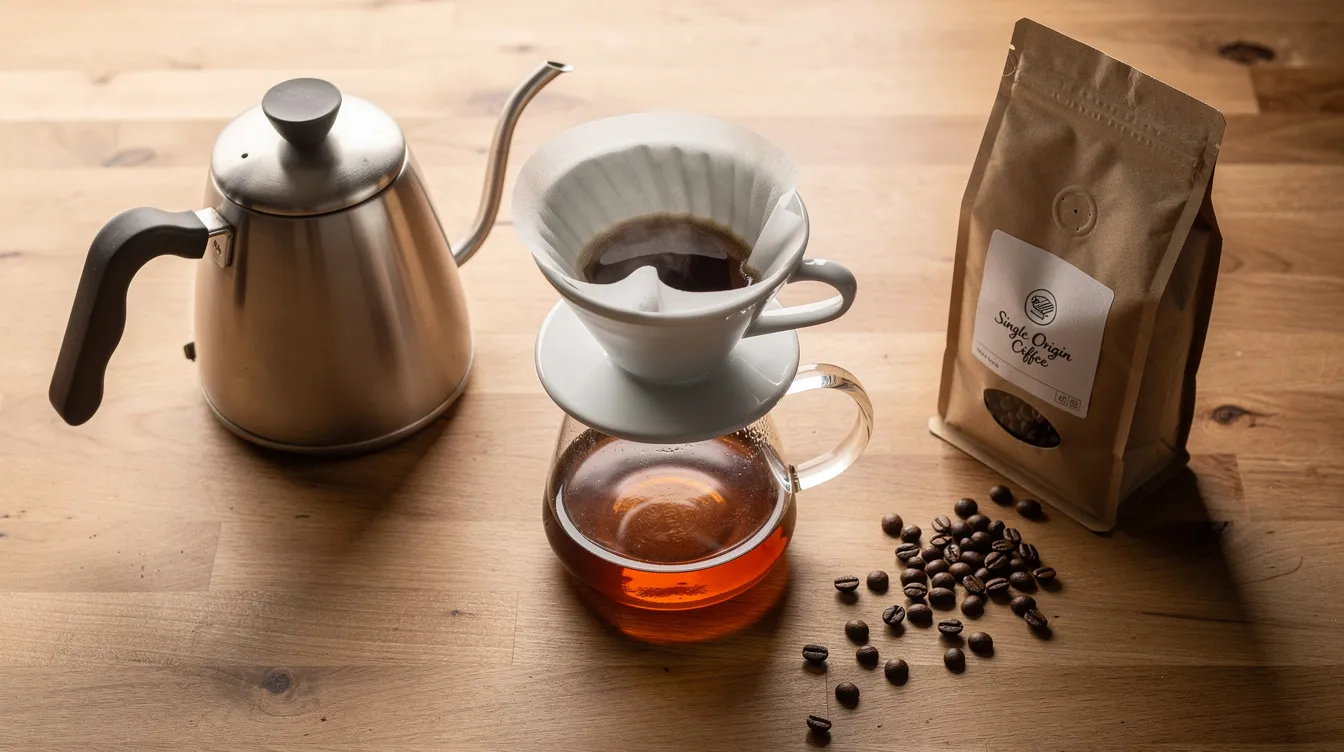
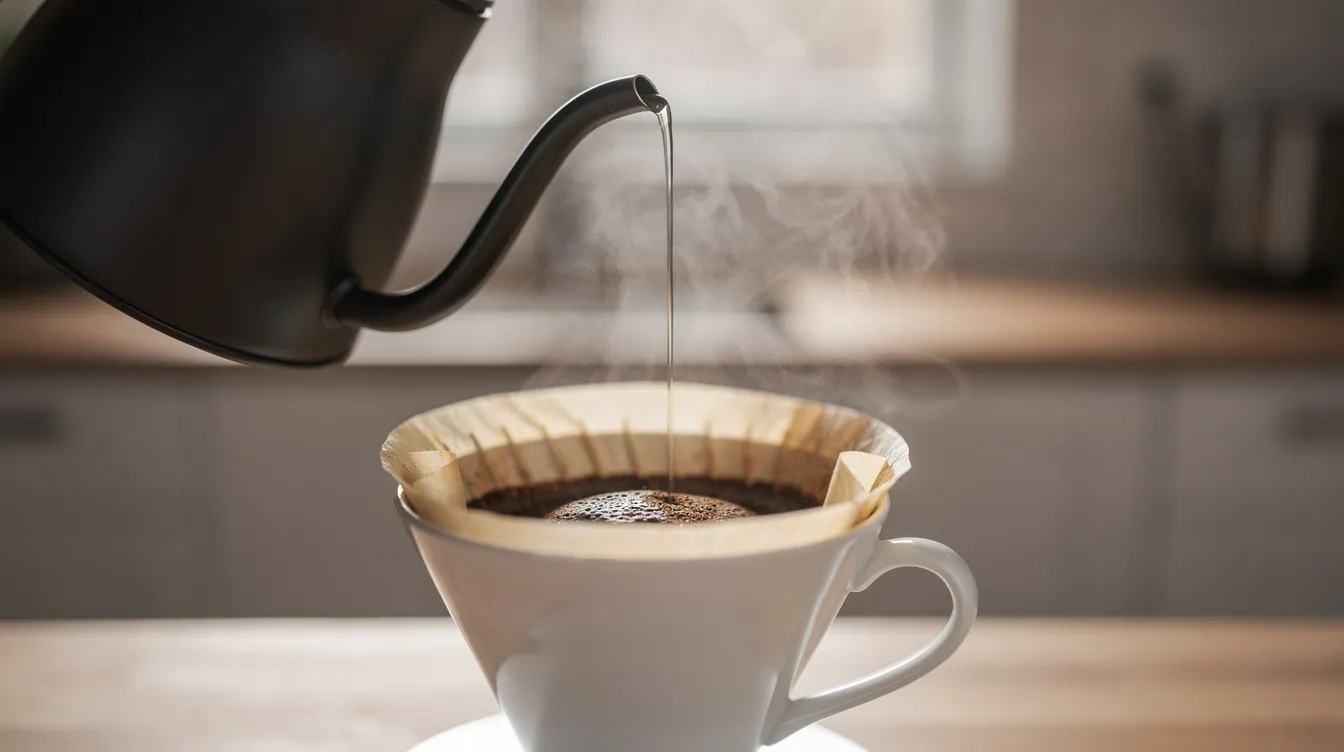
Manual pour over brewing gives you direct control over every variable that shapes flavor – water temperature, flow rate, contact time, and saturation pattern. The trade-off is that some drippers demand more skill than others. This guide breaks down the best pour over coffee makers available in the U.S., explains who each one suits, and helps you pick the right setup for your morning routine without wasting money on new equipment you’ll outgrow or underuse.
Best most forgiving pick
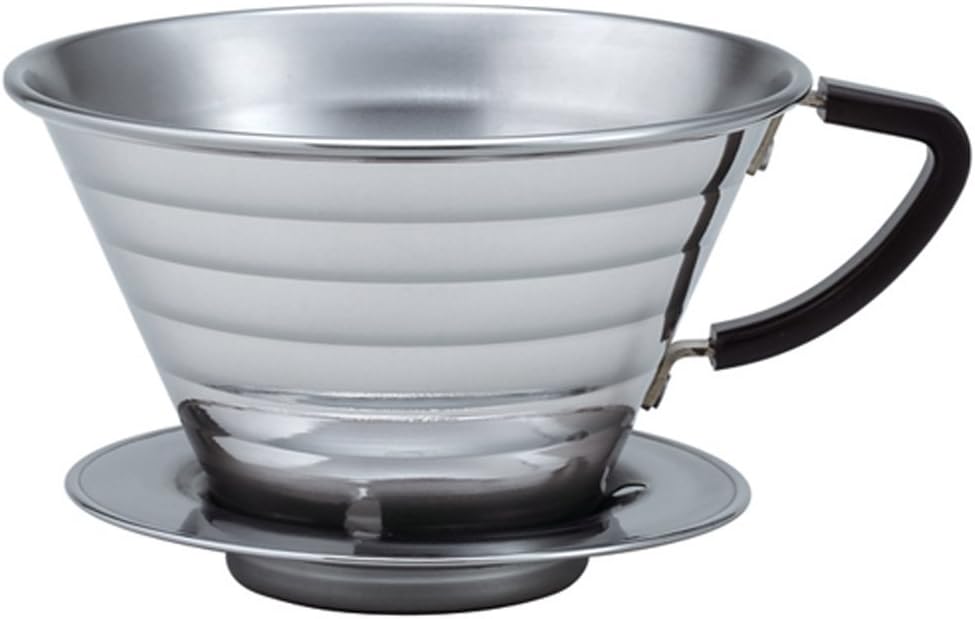
For this roundup, Kalita Wave 185 is the most forgiving we recommend first—the same pick at the top of our At-a-glance cards below.
For most home brewers, the Kalita Wave 185 is the best overall pour over coffee maker – its flat bottom design delivers consistent, balanced cups with minimal effort and a forgiving workflow.
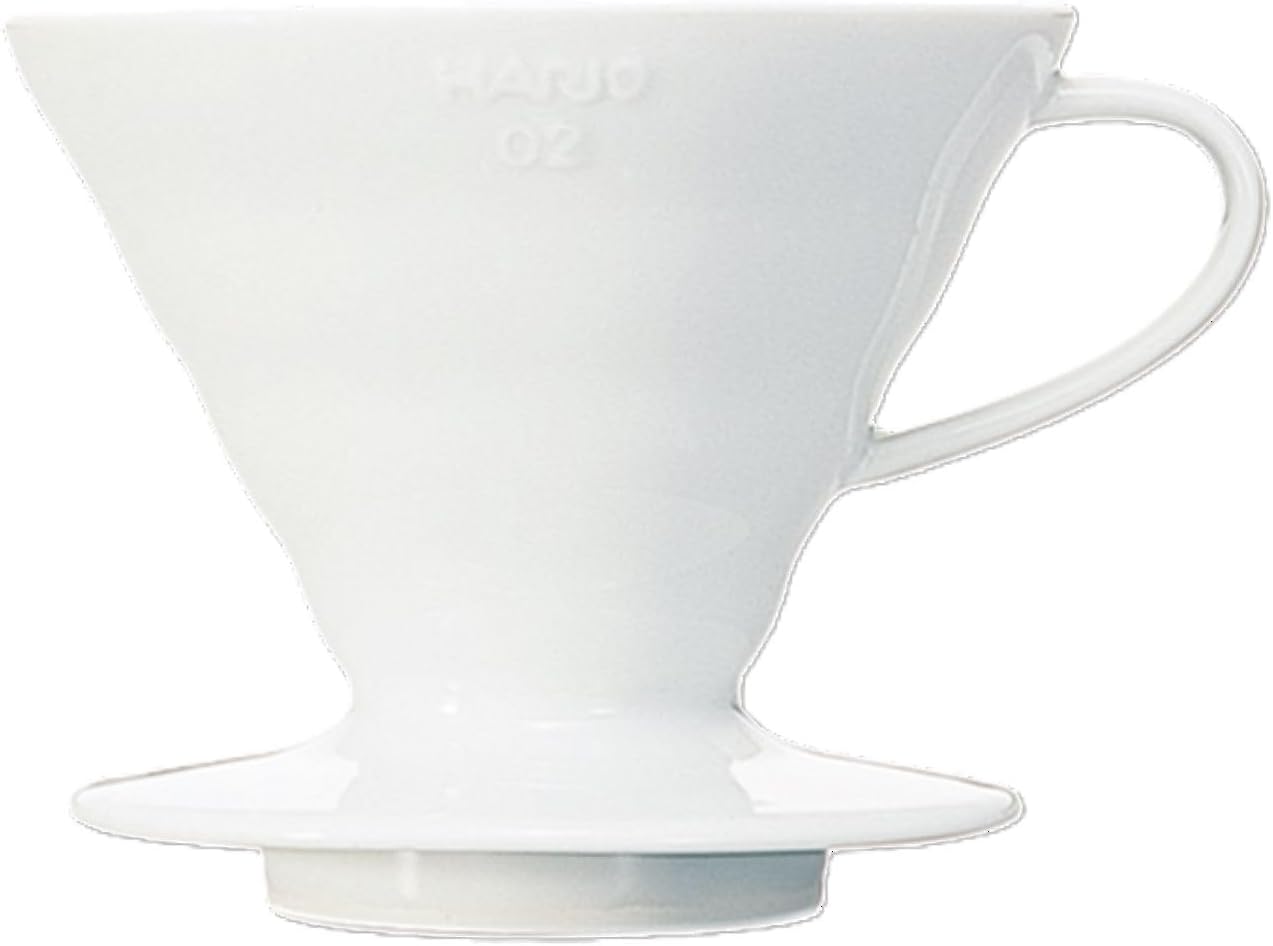
The Hario V60 02 is the top pick for enthusiasts chasing bright, complex cups from lighter roasts, though it comes with a steeper learning curve and requires precise pouring.
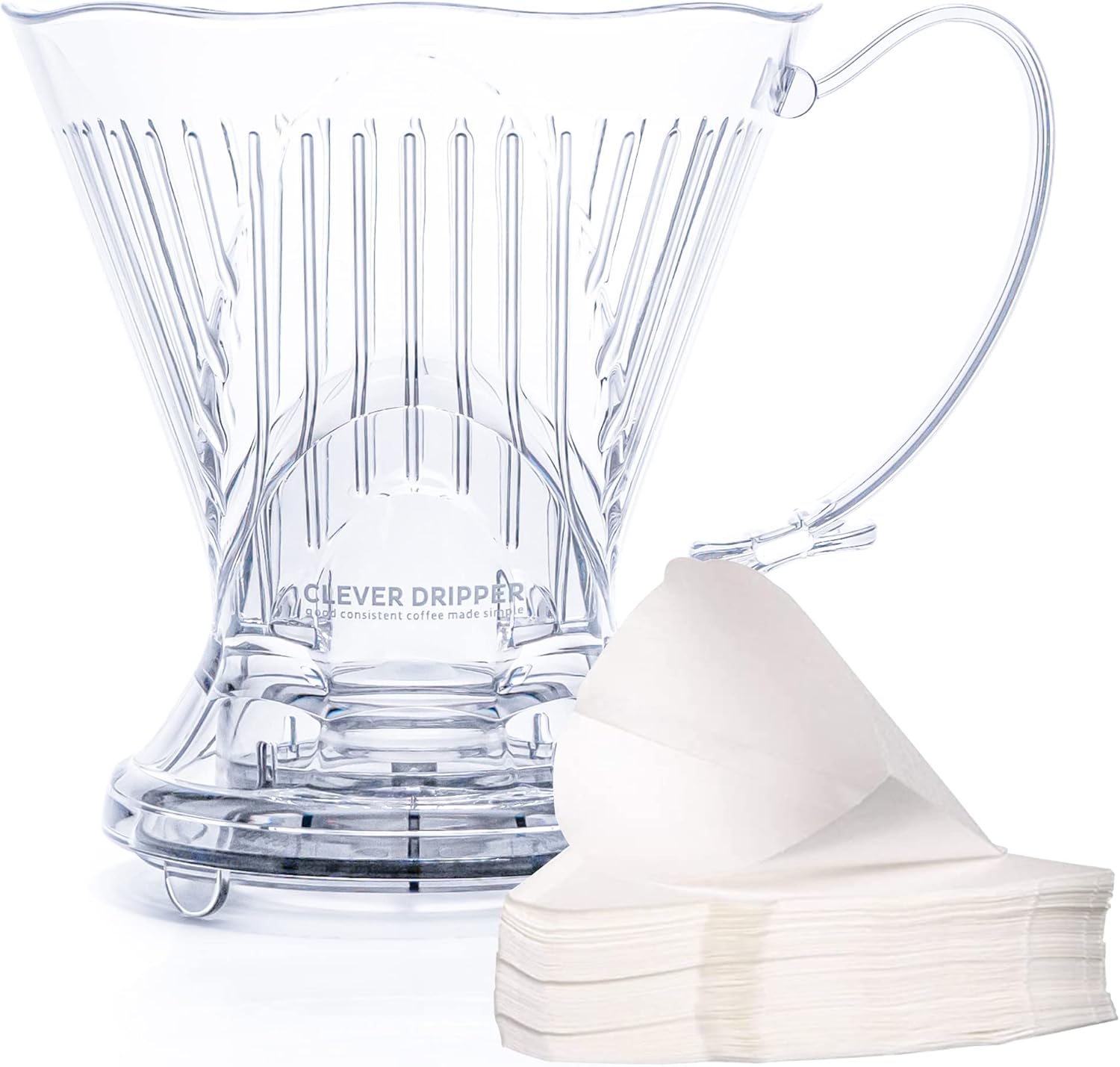
Beginners and anyone who dislikes fussy technique should consider the Clever Dripper, a hybrid immersion brewer that produces a clean cup without demanding a perfect pour.
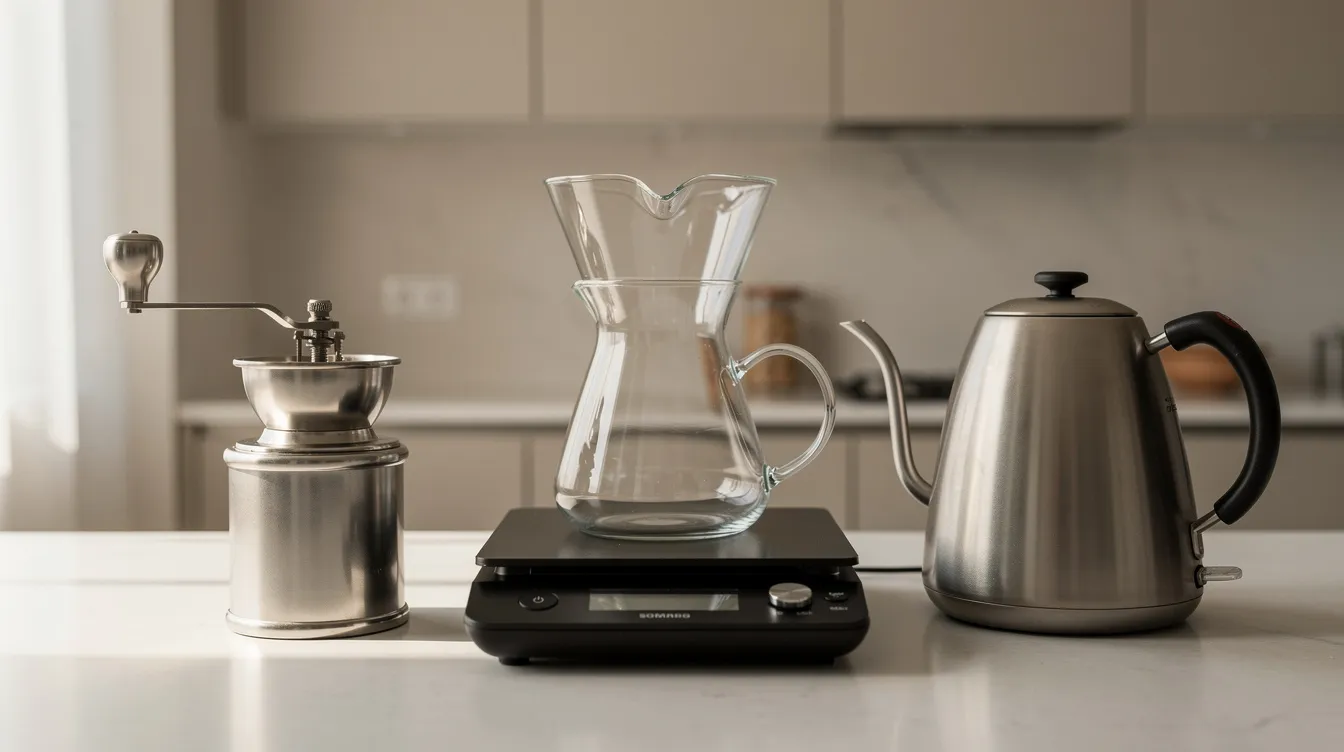
A quality burr grinder, gooseneck kettle, and digital scale matter more than which dripper you buy – grind size, water temperature (195–205°F), and a 1:15 to 1:17 brew ratio are the real levers that shape extraction consistency.
Flat bottom brewers and immersion hybrids can deliver coffee shop quality at home even if you’ve never practiced pour over technique, while cone drippers reward those willing to invest time in dialing things in.
Quick Answer: The Best Pour Over Coffee Maker for Most People
If you’re looking for the single best pour over coffee maker and don’t want to read 3,000 words to find out, here it is: the Kalita Wave 185. Its flat bottom geometry and three small drain holes moderate water flow, which means your cup quality stays consistent even when your pouring technique isn’t textbook. It hits a sweet spot of value, usability, and flavor balance that works for beginners and experienced brewers alike.
Two strong alternatives deserve mention. The Hario V60 02 is the go-to for enthusiasts who want maximum control over extraction and prefer brighter, more nuanced coffee from light and medium roasts. The Clever Dripper suits anyone who wants a dead-simple manual brewer – steep, place on mug, drain – with a clean cup that sits between pour over clarity and French press body.
These recommendations are based on researched editorial analysis of expert reviews, broad consensus among specialty coffee professionals, and verified product specifications – not on our own hands-on testing.
Quick recap:
Best overall: Kalita Wave 185 (flat bottom, forgiving, balanced flavor)
Best for enthusiasts: Hario V60 02 (cone, bright cups, high control)
Easiest for beginners: Clever Dripper (immersion hybrid, minimal technique)
Affiliate Disclosure
Capitol City Coffee is an independent coffee editorial and affiliate publication. Some links on this page may earn us a small commission at no extra cost to you. This never affects our rankings – picks are based on value, usability, and cup quality, not commission size or brand relationships.
Best Pour-Over Coffee Makers: Top Picks
The brewers below represent an editorially curated selection spanning five categories: best overall, best for enthusiasts, best for beginners, best for larger batches, and best for travel. Each one fills a distinct role depending on your skill level, how many cups you typically brew, and whether you prioritize flavor clarity, body, or convenience.
Most manual drippers generally brew 1 to 2 cups at a time, so capacity matters if you’re making coffee for a household.
If you regularly brew more than six cups at a time, a quality automatic drip coffee maker with Specialty Coffee Association certification may be a more practical daily driver – the carafe capacity and programmability save real time on busy mornings.
How We Evaluated and Chose These Coffee Makers
Every pick on this list is the result of researched editorial analysis, not hands-on lab testing or claims of extensive experience. We synthesized data from credible third-party reviews, expert opinions from specialty coffee professionals, and long-term owner feedback across forums and retailer sites. We did not conduct our own lab tests.
We prioritized these criteria:
Extraction consistency – How evenly the brewer saturates the coffee bed across slight variations in grind or pour.
Realistic home usability – Whether a brewer works well outside a competition stage, with normal kitchens and normal mornings.
Brew temperature stability – How well materials hold heat during the brewing process.
Forgiving grind size window – Whether small grind inconsistencies ruin the cup or barely register.
Filter availability – Can you find filters in grocery stores, or are they proprietary and online-only?
Value for money – Dripper cost plus ongoing filter expense relative to cup quality.
Footprint and cleaning – Counter space, parts count, and daily cleanup effort.
We deliberately included cone and flat bottom drippers plus immersion-leaning options to cover different preferences. Any numeric specs (capacity, dimensions, warranty) are pulled from manufacturers and cross-checked with reputable retailer listings as of 2026.
Kalita Wave 185: Best Overall Pour Over Coffee Maker
The Kalita Wave 185 is a flat bottomed brewer with three small drain holes at the base and proprietary wavy filters featuring twenty crimps that keep paper off the walls. This geometry does the heavy lifting for you – the Kalita Wave 185 is beginner-friendly and forgiving, moderating flow so that even an imperfect pour still produces balanced cups.
Ideal user: Beginners to intermediate brewers who want repeatable results without obsessing over pour over technique.
Price: Typically $35–$45 for stainless steel or glass versions.
Filters: Proprietary wave-style filters, available mainly from specialty shops and online retailers. Harder to find in grocery stores, and slightly more expensive per sheet than generic cone filters.
Materials: Stainless steel (durable, travel-ready), glass (attractive, fragile), ceramic version (better heat retention, but heavier and easier to break).
Flavor profile: The Kalita Wave delivers a sweet, rounded acidity with medium body. Flat-bottomed drippers like Kalita produce sweeter, rounder cups than their cone-shaped counterparts because the shallow bed and restricted drain holes promote even extraction across the entire coffee bed. You’ll get good coffee from blends and medium roasts without chasing a perfect extraction every time.
Workflow: Grind medium to medium-coarse, target a brew time of roughly 3–4 minutes, and use a 1:15 to 1:17 coffee-to-water ratio; stable brew water temperature also helps the Kalita stay consistent. A gooseneck kettle helps but isn’t mandatory – the flat bottom design compensates for less precise pours.
Downsides: Proprietary filters are an ongoing expense and aren’t stocked everywhere. Capacity tops out around two cups per brew. The slower drawdown compared with cone drippers means slightly longer total brew times.
Hario V60 02: Best for Enthusiasts and Bright, Complex Cups
The Hario V60 dripper is cone-shaped with a 60-degree angle, internal spiral ribs, and a single large drain hole that gives you – and demands from you – maximum control. The Hario V60 requires precise pouring for optimal results, which is exactly why experienced brewers love it.
Ideal user: Hobbyists who enjoy experimenting with grind size, pour patterns, and brew temperature to extract the best pour over coffee from single-origin lighter roasts.
Capacity: 1–2 large mugs (size 02 is standard).
Materials: Plastic (~$15–$25), ceramic, glass, or metal. Plastic versions often maintain better slurry temperature because the thin walls don’t absorb as much heat during brewing.
Filters: Standard #02 cone filters, widely available in grocery stores and online at low cost.
Flavor profile: Brighter, more acidity-forward cups with clear separation of tasting notes – floral, fruity, tea-like qualities emerge from light and medium roasts. Conical drippers emphasize bright, acidic flavors in coffee, producing less body but more “sparkle” and clarity than flat bottom or immersion methods. This is how you get truly nuanced coffee at home.
Drawbacks: The V60 offers more control but requires precise pouring – small errors in grind consistency or pour rate lead to uneven extraction, and cups can end up under extracted or bitter. A burr grinder and scale are essentially non-negotiable here. The learning curve is real, but the ceiling for cup quality is higher than nearly any other single-cup dripper.
The Clever Dripper sits between pour over and French press. It’s a full immersion brewer with a valve at the bottom – the Clever Dripper uses a valve for easy brewing without technique. Add a paper filter, add coffee grounds, pour hot water, wait, then set the whole thing on your mug. Gravity and the valve do the rest.
Ideal user: Beginners who want manual brewing without mastering pouring technique, French press users who want a cleaner cup, and office brewers who value minimal effort.
Capacity: 500 ml (~16.9 oz), which Tom’s Guide notes can feel awkward – slightly too big for a single cup, slightly small for two cups.
Material: BPA-free Eastman Tritan plastic. Durable, heat resistant, hard to break.
Price: About $25 direct.
Workflow: Add filter and coffee, pour water once (no careful spiral pour required), steep for about 2:30, place on mug to drain. That’s it.
Cup character: Heavier body than classic pour over but cleaner than French press. Paper filters remove oils and sediments for a clean cup of coffee, catching the fines and most oils that a metal French press screen lets through. Flavor is solid and approachable, though some coffee experts and hobbyists find it less dynamic than a well-dialed V60 or Wave.
Advantages: Uses widely available Melitta-style #4 flat bottom filters. Forgiving grind size window. Simple cleaning. Consistent results brew after brew.
Chemex Six-Cup Classic: Best for Serving a Crowd
The Chemex is an hourglass shape icon – a single piece of borosilicate glass with a wooden collar and leather tie, designed in 1941 by Peter Schlumbohm. The Chemex coffee maker is included in the Museum of Modern Art collection, and its clean lines look as much like modern art as they do a coffee maker. But it’s not just aesthetics – it brews up to 30 ounces (~5–6 standard cups) at once, doubling as both brewer and serving carafe.
Capacity: ~30 fl oz (roughly 3–4 large mugs).
Price: ~$49.50. Chemex filters cost about $11 per 100 for the bonded paper type.
Filter type: Thick proprietary bonded paper. Chemex filters are thicker and require more rinsing than others – pre-rinsing filters removes papery taste and warms the dripper, which is especially important here given the filter density.
Flavor profile: Very clean cups with high clarity, lighter body, and almost zero sediment. The dense Chemex filters alter flow rates and brew time compared with standard pour over filters, removing more oils for a delicate, bright cup.
Workflow: A gooseneck kettle is strongly recommended for evenly saturating the larger coffee bed. Pour in pulses, target a brew time of 3–4 minutes total for a full batch. Pre-rinse the filter thoroughly.
Trade-offs: Proprietary filters aren’t cheap and aren’t easily substituted. The borosilicate glass is beautiful but fragile. Cleaning is trickier than small drippers, especially around the wooden collar. And the larger footprint means this isn’t an ideal single cup brewer – you’re committing to a batch.
Origami Air S: Best Lightweight and Versatile Travel Brewer
The Origami Air S is a compact dripper made from AS resin – impact-resistant, shatter-proof, and weighing just 64 grams. Its 20 vertical ribs promote airflow and keep the filter off the walls, and it accepts both cone-shaped (V60-style) and flat bottom (Kalita-style) filters, making it one of the most versatile drippers on the market.
Ideal user: Travelers, small-kitchen dwellers, and experimenters who want two brewers in one.
Dimensions: φ118 mm × H70 mm, with a 25 mm bottom hole.
Material: AS resin. Plastic and stainless steel are durable and travel-friendly materials, and the Origami Air leans fully into that philosophy.
Flavor and flexibility: Use a cone filter for brighter, quicker-draining cups; switch to a wave-style flat filter for a slower drawdown that emphasizes sweetness and balance. One brewer, two flavor profiles.
Limitations: Wave-style filters don’t seat quite as perfectly as in a true Kalita Wave, so good technique still matters. The plastic version lacks the premium heft of the Origami Air’s ceramic counterpart, but it wins decisively on durability. Mid-range pricing makes it a solid value for anyone who likes experimenting with both cone and flat bottom pour over approaches.
Other Notable Pour-Over Coffee Makers
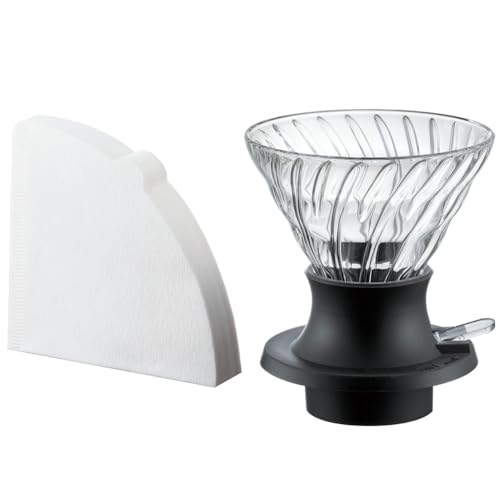
Hario Switch – A ceramic immersion/pour over hybrid with a stainless steel ball valve. Close the valve to steep like a Clever Dripper; open it to drain through a standard V60 02 filter. Great for people who want body and clarity in one brewer, but the ~$50–$80 price, 530-gram weight, and extra valve cleaning make it more niche than the main picks.
Melitta-style plastic cones – The budget king at under $15. Virtually indestructible, uses cheap grocery store cone filters. Flavor is perfectly drinkable but less dynamic than a V60 or Kalita Wave. A great tool for anyone who just wants a good cup without investing heavily.
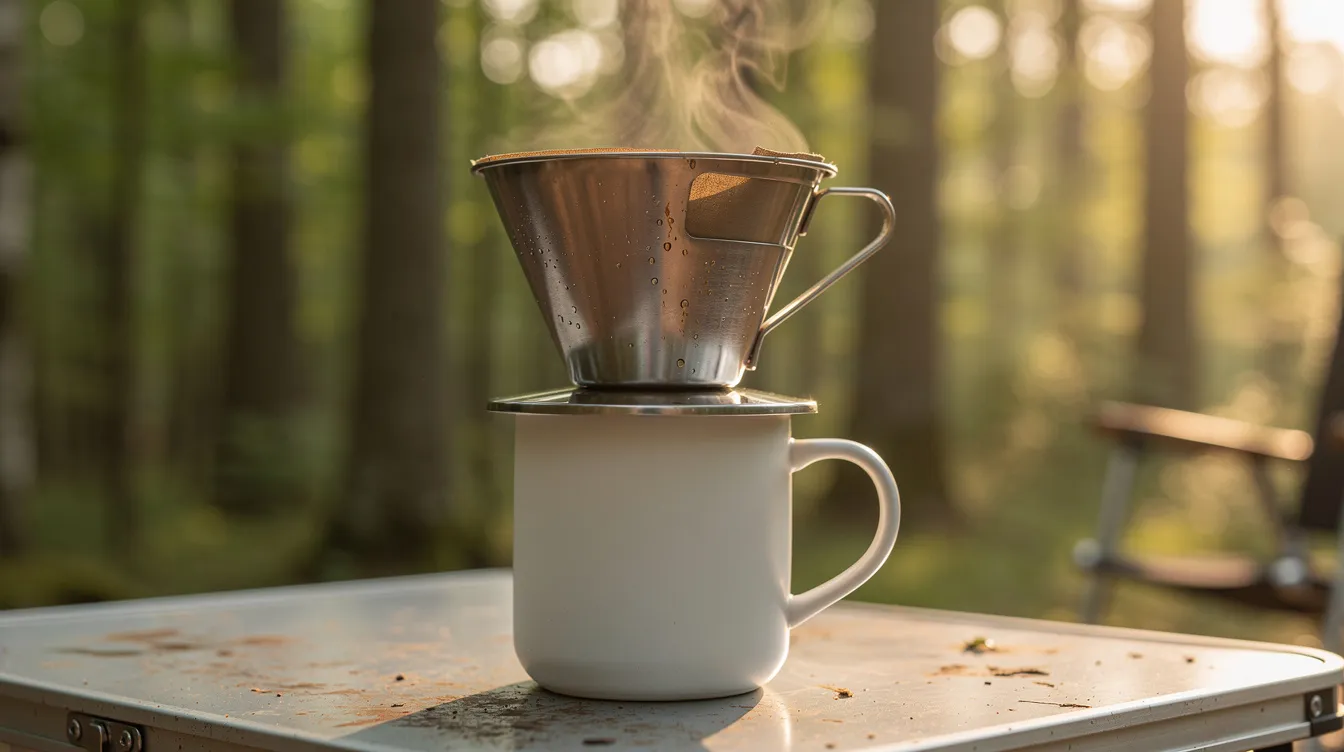
Stainless steel camp drippers – Rugged and filter-free (if using a built-in metal mesh), but metal filters allow oils and fines through, reducing clarity. Best for outdoor use where breakage risk is high and you’re not chasing nuanced coffee.
For readers who prefer immersion brewing and don’t mind sediment, a French press is a great alternative – our dedicated guide covers the best options.
Key Features That Actually Matter in a Pour Over Coffee Maker
Most pour over marketing focuses on color options and influencer endorsements. For real-world performance, these features make a huge difference:
Dripper geometry: Cone vs flat bottom is the single biggest design choice. It determines how water flows through the coffee bed, how fast drawdown happens, and how forgiving the brewer is. Manual drippers provide complete control over pour speed and technique, but geometry dictates how much that control matters.
Drain hole design: A single large hole (V60) lets water escape fast – great for control, punishing for sloppy pours. Multiple small holes (Kalita Wave) moderate flow and reduce channeling, helping you evenly saturate the grounds more easily.
Material and thermal mass: Ceramic and glass materials retain heat well but can break. Ceramic brewers need to be preheated to retain heat effectively during brewing. Plastic and resin versions (like the Origami Air) hold temperature without preheating and survive drops.
Usability: Can you see the coffee bed while pouring? Does the dripper sit stably on your mug or carafe? How intuitive is the first brew for someone who’s never used the brewer before?
Filter availability and cost: Filters can be an ongoing expense and affect coffee flavor. Generic cone filters are cheap and found everywhere. Proprietary filters (Kalita Wave, Chemex) cost more and may require online ordering.
Durability: Simple drippers with no moving parts – just plastic, ceramic, or glass – have almost nothing that can break mechanically. Valve-based brewers (Clever, Switch) add complexity. Most drippers carry minimal warranties, but the cheap ones are easily replaced.
Cone vs Flat Bottom vs Immersion: Which Style Is Right for You?
Dripper shape directly controls how water flows through the coffee bed, which determines flavor balance and how demanding the brewer feels in daily use.
Cone drippers (Hario V60, Origami with cone filter): Deeper bed, fast drainage through a single hole, and high sensitivity to pour over technique. They produce brighter, more acidity-driven cups with clear flavor separation. Some manual cone drippers require precise pouring techniques to avoid channeling and uneven extraction.
Flat bottom drippers (Kalita Wave): Shallower bed with multiple small holes that slow flow and promote even extraction. Flat-bottom brewers are easier to use consistently for everyday coffee. The result is a sweeter, rounder cup with less edge – great for blends and medium roasts.
Immersion and hybrid brewers (Clever Dripper, Hario Switch): Coffee steeps fully before draining, which produces heavier body and good consistency even with sloppy pours. The trade-off is slightly less “sparkle” and clarity, especially on lighter roasts. These are the lowest-technique path to a great cup.
The short version: Choose a cone if you enjoy experimentation and lighter roasts. Go flat bottom for easy sweetness and repeatability. Pick immersion if you want the simplest route to reliable, good body cups without practicing your pouring technique.
How to Choose the Best Pour Over Coffee Maker for Your Setup
A great pour-over coffee maker matches the brewer’s design to the user’s style – not the other way around, so buy only what fits your brewing habits and gear needs. Instead of chasing marginal taste differences between two brewers, focus on lifestyle fit:
How many cups do you brew? If it’s always just one, a V60 01 or Kalita 155 keeps things tight. Brewing for two cups regularly? The “02” or 185 sizes handle that well. Three or more people? A Chemex or carafe setup saves time.
Do you already own a gooseneck kettle and burr grinder? If yes, you can extract great results from any dripper on this list. If not, start with a forgiving brewer (Clever, Kalita Wave) and budget for the grinder first.
How much counter space do you have? A Chemex and server take real estate. A V60 or Origami Air tucks into a cabinet.
What’s your tolerance for learning? Manual pour-over requires more skill and time than automatic brewing. If that sounds like a chore rather than a ritual, an immersion hybrid or a quality SCA-certified auto brewer may suit your life better.
Budget guidance: Under $25 gets you a plastic cone or Clever Dripper. $25–$50 covers most midrange drippers including the Kalita Wave and V60 sets. $50+ enters Chemex and premium territory. In nearly every case, spending more on your grinder yields a bigger improvement than spending more on the dripper.
If cold coffee is more your thing, a dedicated cold brew maker gives better results than trying to hack pour over into iced coffee every day.
Essential Gear for Better Pour Over Coffee
The brewer is only one piece of the puzzle. Grind size, water quality, and kettle control all shape whether you end up with great coffee or a disappointing mug.
Burr grinder (most important purchase): A burr grinder produces uniform coffee particles for better extraction – this matters more than which dripper you use. Manual hand grinders start around $40–$60; decent electric burr grinders run $100–$200. Even a modest burr grinder outperforms any blade grinder for pour over brewing.
Gooseneck kettle: A gooseneck kettle provides better control for pouring water, allowing you to direct flow rates precisely and evenly saturate the coffee bed. This is especially critical for cone drippers like the V60 and Kalita Wave. A gooseneck kettle helps control water flow for even saturation. For immersion brewers like the Clever Dripper, a standard kettle works fine. Stovetop gooseneck models start around $20–$30.
Digital scale: Using a scale ensures accurate coffee-to-water ratios for brewing. Measuring by weight instead of scoops removes a major source of inconsistency. A basic kitchen scale with 0.1g resolution costs under $20 and pays for itself in consistent results.
Fresh coffee beans and roast choice: Medium and light roasts tend to shine in pour over because the method highlights origin characteristics – fruit, floral, caramel notes. Buy from a local coffee shop roaster when possible, and grind just before brewing. Pre-ground coffee loses aromatics rapidly, and the right grind size makes a huge difference in extraction.
Brew Basics: Grind Size, Brew Time, and Brew Temperature
Dialing in three variables – grind size, brew time, and water temperature – will do more for your coffee brewed at home than endlessly switching between brewers.
Grind size guidelines:
Grind coffee beans to a medium-coarse size for best results with flat bottom brewers and immersion methods.
Cone drippers (V60, Origami) perform best at medium to medium-fine. Finer grinds slow flow and increase extraction; coarser grinds speed flow and produce a weaker, potentially under extracted cup.
Adjusting grind is the single fastest way to fix a bad-tasting brew.
Brew time targets:
Pour-over coffee typically takes 3.5 to 4 minutes to brew for most methods, including bloom time.
If your brew finishes under 2:30, grind finer. Over 4:30? Grind coarser.
Water temperature:
Water temperature should be between 195°F and 205°F for optimal extraction. Lighter roasts benefit from the higher end; darker roasts from the lower end.
Variable-temperature electric kettles make this easy, but a standard kettle pulled 30–45 seconds off boil lands in the right range.
Troubleshooting:
Coffee tastes sour, thin, or watery → grind finer, increase brew temperature, extend contact time. You’re likely dealing with under extraction.
Coffee tastes bitter, harsh, or astringent → grind coarser, use slightly cooler water, pour more slowly to avoid channeling and ensure even extraction. That’s over extraction territory.
Use a coffee-to-water ratio of 1:15 to 1:17 as your starting point, then adjust to taste. Pour slowly and deliberately to avoid channeling – this one habit separates a good cup from a great cup.
Maintenance and Cost of Ownership
Manual pour over brewers are low-maintenance by design, but filter costs and cleaning habits still affect long-term value and taste.
Daily cleaning: Discard the used paper filter and spent coffee grounds, rinse the dripper with hot water, and let it air dry. An occasional wash with mild detergent keeps oils from building up. Avoid abrasive pads on glass and ceramic surfaces.
Filter costs by type: Proprietary filters (Kalita Wave, Chemex) run higher per sheet and are mainly available online or at specialty retailers. Generic cone filters for the V60 and Melitta-style drippers are cheap and stocked at most grocery stores. Buying in bulk online can cut costs by 20–30% for daily brewers.
Long-term durability: Plastic and Tritan drippers (Clever, Origami Air) are nearly indestructible but may stain over time. Glass and ceramic look great but chip and crack – one fumbled morning and you’re buying a replacement. Stainless steel versions split the difference on ruggedness. Most simple drippers have minimal warranties, but replacement cost is low.
Kettle and grinder upkeep: Descale your kettle every few months (white vinegar works). Brush grinder burrs periodically to clear stuck fines. These small habits maintain consistent brew temperature and grind quality – the two factors that most affect extraction over time.
Manual Pour Over vs Drip Machines and Other Brewers
Many readers are weighing manual pour over against automatic drip makers, French press, moka pots, or cold brew setups. Here’s how they stack up:
Pour over vs automatic drip: Manual methods offer finer control over brew time, bloom, and water distribution, which can produce better flavor. Automatic pour-over machines mimic manual techniques for better flavor but save time on busy mornings thanks to programmability and hands-off operation. If convenience is king, a certified auto brewer is hard to beat.
Pour over vs French press: French press is full immersion with a metal filter – heavier body, more oils, more sediment, less clarity. Pour over with a paper filter gives you a clean cup with brighter flavors and less body. If you’re drawn to that richer profile, our French press guide covers the best options.
Pour over vs moka pot: Moka pots use stove-top pressure to create a strong, espresso-like concentrate that works well with milk. It’s a completely different brewing method – less about clarity and origin notes, more about intensity. Our moka pot guide covers that territory.
Pour over vs cold brew: Cold brew is brewed at room or fridge temperature over many hours, producing smooth, low-acidity iced coffee. It’s a separate category entirely. If fridge-ready coffee is your main goal, a dedicated cold brew maker built for long steep times and larger capacity will serve you better.
FAQs
These FAQs address common practical questions about making coffee with a pour over setup that aren’t fully covered in the sections above.
Do I really need a gooseneck kettle for pour over coffee?
A gooseneck kettle is not strictly required, but it’s strongly recommended for cone and flat bottom pour over brewers because it dramatically improves pour precision, extraction consistency, and control over brew time. Immersion-style brewers like the Clever Dripper or Hario Switch are more forgiving – you can pour hot water from a standard spout kettle and still get a good cup, though you should aim for slow, steady pours to avoid splashing the coffee grounds around. For budget setups, an inexpensive stovetop gooseneck ($20–$30) delivers most of the control benefits without the cost of high-end variable-temperature models.
What size pour over coffee maker should I buy?
Single-cup drippers (Kalita Wave 155, V60 01) are ideal if you only ever brew for yourself. The popular “02” or 185 sizes handle 1–2 large mugs comfortably and are the most versatile for daily use. If you frequently brew for 3–4 people, a larger carafe-style brewer like the Chemex 6-Cup – or pairing a standard dripper with a 600–800 ml server – is far more practical than running multiple brews back to back. Consider your usual mug size in ounces and how many rounds of making coffee you’re willing to do each morning.
Can I use pre-ground coffee for pour over?
Pre-ground coffee will work, but it usually yields less vibrant flavor and inconsistent extraction because grind size and freshness are harder to control. If a grinder isn’t in the budget yet, having coffee beans ground specifically for pour over at a local roaster right before purchase is significantly better than buying generic supermarket pre-ground. More forgiving brewers like the Clever Dripper and flat bottom drippers handle small grind inconsistencies better than highly sensitive cone drippers like the V60.
Is pour over coffee healthier than other brewing methods?
From a nutrition standpoint, paper-filtered methods like pour over generally remove more oils (specifically cafestol and kahweol) than unfiltered methods like French press, which some research suggests may influence cholesterol levels. That said, no specific health claim should replace medical advice, and differences between brewing methods are likely modest for most people who drink coffee in moderation. Focus on taste and control rather than expecting major health benefits from choosing one specific brewing method over another.
Can I make iced coffee or cold brew with a pour over coffee maker?
You can make Japanese-style iced coffee by brewing hot pour over directly over ice, using a stronger brew ratio (around 1:12 or 1:13) to account for dilution. This technique works well with the V60, Kalita Wave, or Origami Air and produces bright, aromatic iced coffee brewed in minutes rather than hours. True cold brew – steeped at room or fridge temperature for 12–24 hours – is better made in a dedicated cold brew maker or even a French press, since pour over drippers aren’t designed for extended steep times or the larger capacity cold brew demands.
How Capitol City Coffee Rates Coffee and Coffee Machines
Every coffee and coffee machine we recommend is scored on the same 100-point scale, so a recommendation on one page means the same thing as a recommendation on any other. Each pick is also labeled with how we reached its score.
Research-ratedScored from the roaster or manufacturer’s published specifications, independent results such as Coffee Review blind cuppings and SCA brewer certification, and patterns across verified buyer reviews. Most of our current picks are research-rated.
Hands-on testedThe Capitol City Coffee team has brewed the coffee or used the machine ourselves, following the testing steps below. We only use this label when that testing actually happened, and we show the date we tested.
Coffee beans: 100-point scale
What we score
Points
What we look at
Origin and sourcing transparency
20
Country, region, farm or cooperative, altitude, bean variety, and processing method are clearly disclosed.
Flavor evidence
25
Independent cupping scores, how closely the tasting notes match what the origin is known for, and our own cupping notes when hands-on tested.
Roast and freshness
15
Roast level stated, roast-date practices, whole-bean availability, and packaging with a one-way valve or resealable bag.
Brew versatility
15
How well the roast suits pour-over, drip, French press, cold brew, and espresso.
Value
15
Price per ounce compared with similar single-origin coffees or blends.
Buyer feedback
10
Volume and consistency of verified reviews, and recurring complaints about staleness, bitterness, or shipping.
Coffee machines and gear: 100-point scale
What we score
Points
What we look at
Brewing performance
25
Water temperature in the 195–205°F range, even extraction, and SCA certification or published test data.
Build quality and reliability
20
Materials, known failure points, and long-term owner reports.
Ease of use and cleaning
15
Setup, the daily routine, descaling, and dishwasher-safe parts.
Fit for your kitchen
10
Capacity, counter footprint, and noise.
Useful features
10
Programming, grind and temperature control, and carafe type. Features that improve the cup count more than extras that do not.
Value
10
Price compared with machines that perform similarly.
Warranty and support
10
Warranty length, parts availability, and how the brand handles repairs.
What the grades mean
Score
Grade
What it means
90–100
A
Exceptional. Our first recommendation for the feeling and setting described.
80–89
B
Strong. Excellent, with minor trade-offs we explain.
70–79
C
Good. Worth it for specific needs, with clear compromises.
Below 70
—
Not recommended. We do not feature these as picks.
How we test hands-on
When a pick carries the Hands-on tested label, this is the method behind it, and we note the date we tested.
Coffee: brewed fresh from whole beans following Specialty Coffee Association guidelines (water between 195 and 205°F, about 1 gram of coffee to every 15 to 18 grams of water) in the brew methods the roast suits best, such as pour-over, French press, or espresso. We taste it black first, then with milk if that is how most people drink it, and each taster scores it on their own before we compare notes.
Machines: used in our everyday routine rather than a single demo. We brew both full and small batches, check the brewing temperature and brew time, and run the cleaning or descaling steps the manual calls for.
How we choose the feeling and setting
We match each coffee to a mood and a moment based on its flavor profile and roast. Bright, citrusy light roasts suit energizing mornings. Chocolatey, full-bodied medium roasts suit slow or social moments. Richer roasts suit espresso and milk drinks. Each pick explains which facts led us to that match.
Our scores stay independent
Every score comes only from the criteria above. No brand can pay for a pick or a higher grade. We re-check ratings when a roast, listing, or model changes, and update or remove picks that no longer earn their grade.
Some links on this page are affiliate links. As an Amazon Associate, Capitol City Coffee earns from qualifying purchases, at no extra cost to you.
Questions about a rating? Reach the Capitol City Coffee team through our contact page.