

Coffee makers worth buying
- Everyday drip Fellow Aiden
- SCA drip OXO 12-Cup
- Tight budget Braun BrewSense
- All-in-one Ninja Luxe Pro
- Espresso / lattes Bambino Plus
- Travel AeroPress Go
Best everyday drip
Fellow Aiden
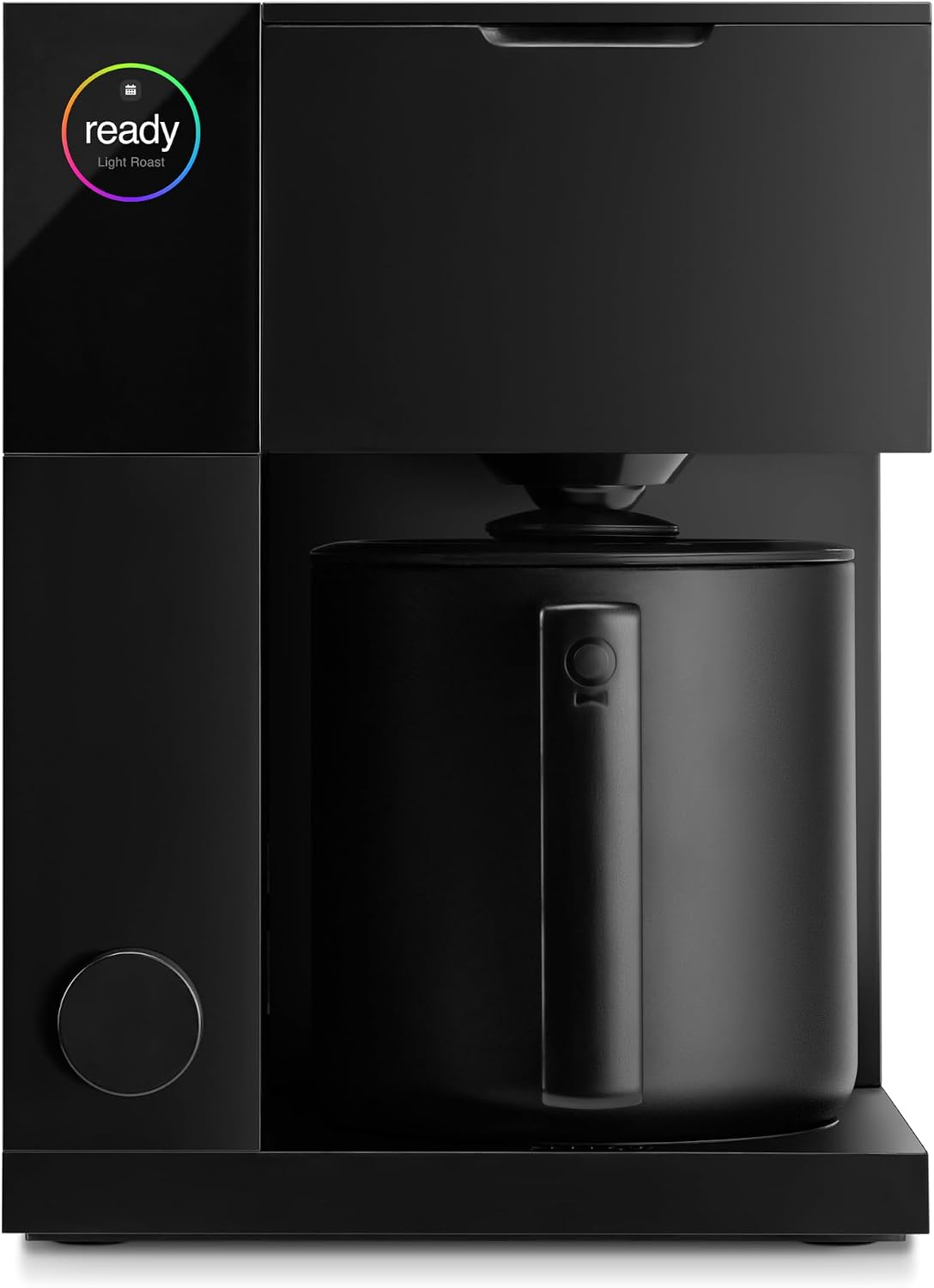
Pour-over-style drip from one cup to a thermal carafe, with roast presets.
Check Fellow Aiden on AmazonSCA-minded drip
OXO Brew 12-Cup
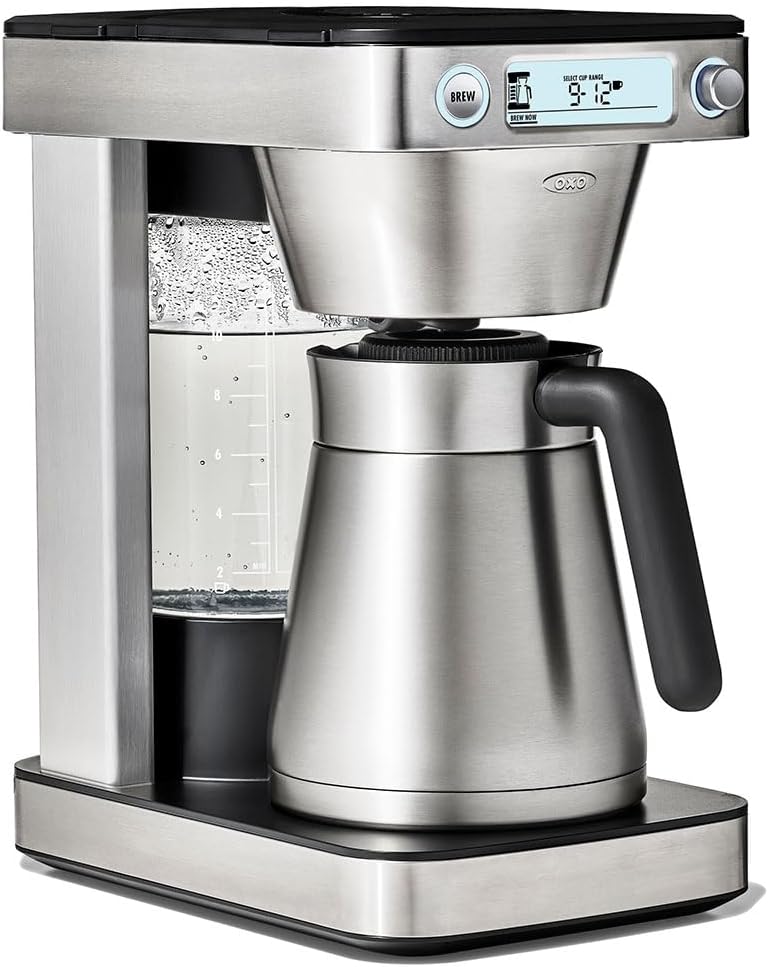
Even showerhead and a thermal carafe. A simpler daily pot than the Aiden.
Check OXO 12-Cup on AmazonBest tight budget
Braun BrewSense 12-Cup
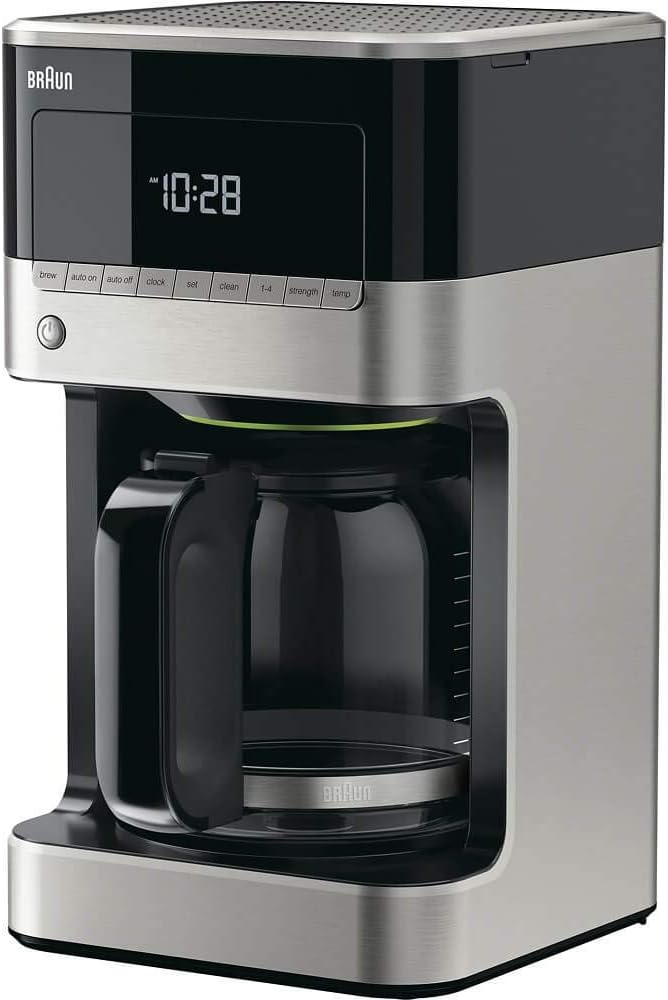
Programmable 12-cup drip with a 1–4 cup setting and a 24-hour timer.
Check Braun BrewSense on AmazonEspresso, drip, cold brew
Ninja Luxe Café Pro
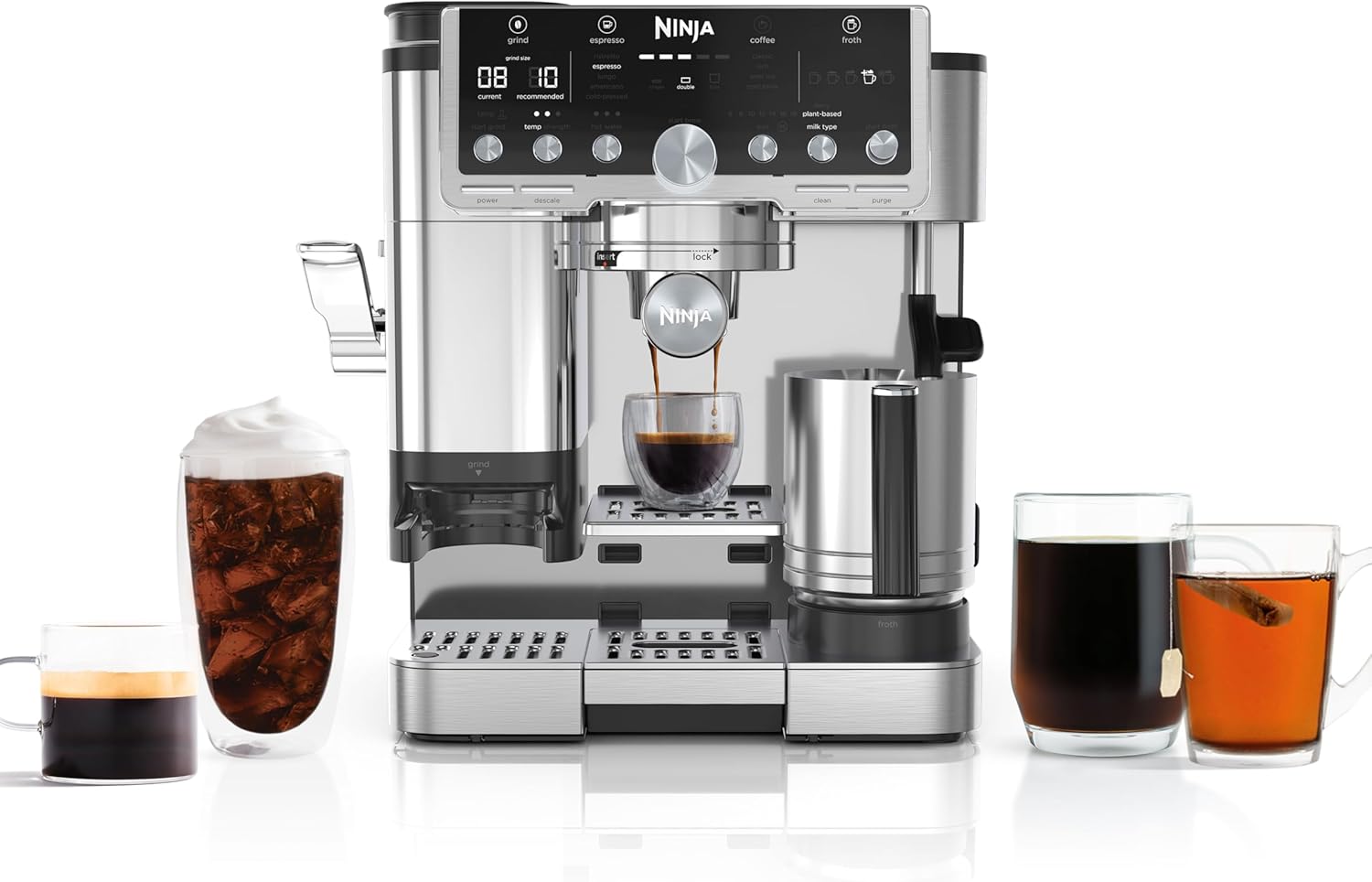
Built-in grinder and scale if you want one machine to cover most drinks.
Check Ninja Luxe Pro on AmazonEspresso and milk drinks
Breville Bambino Plus
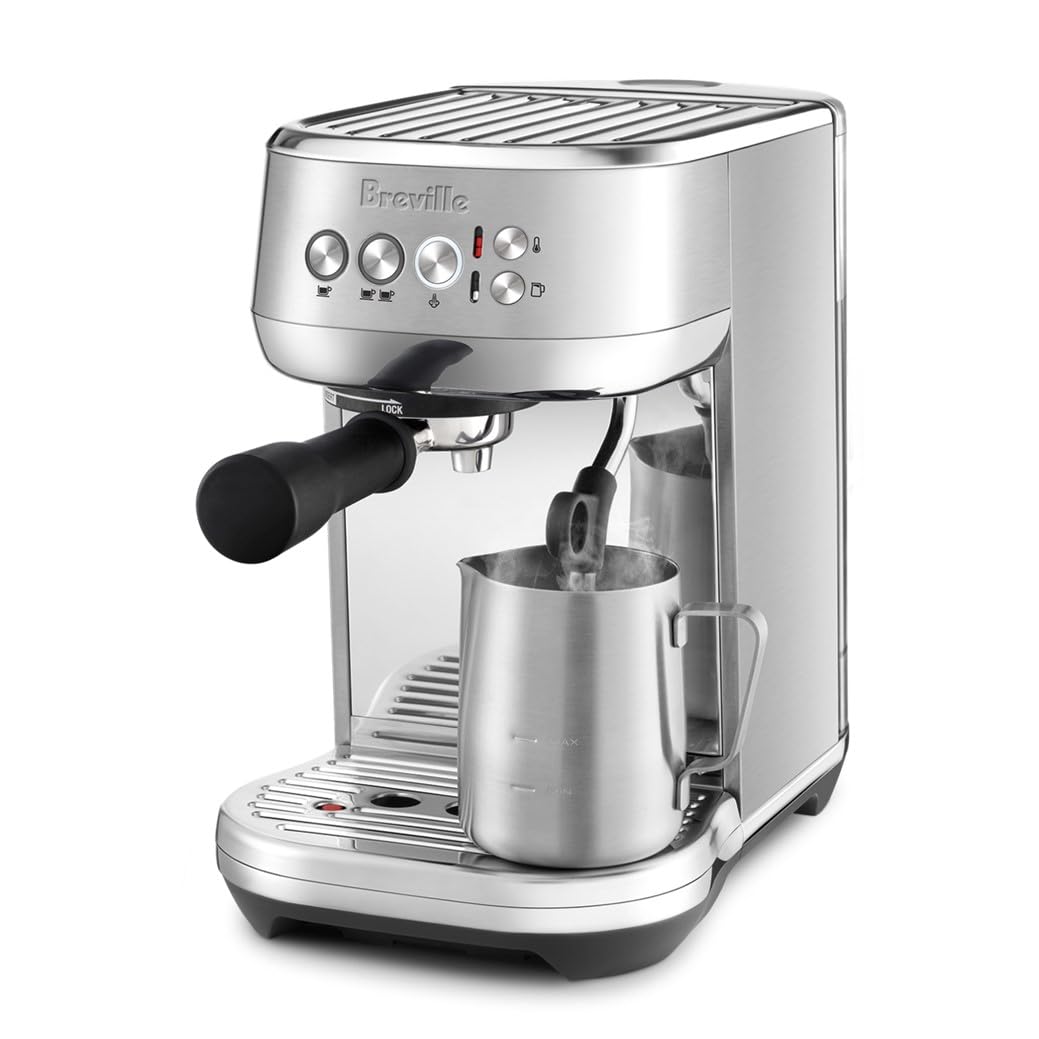
Compact PID espresso with an automatic steam wand. Pair with a burr grinder.
Check Bambino Plus on AmazonTravel and small kitchens
AeroPress Go
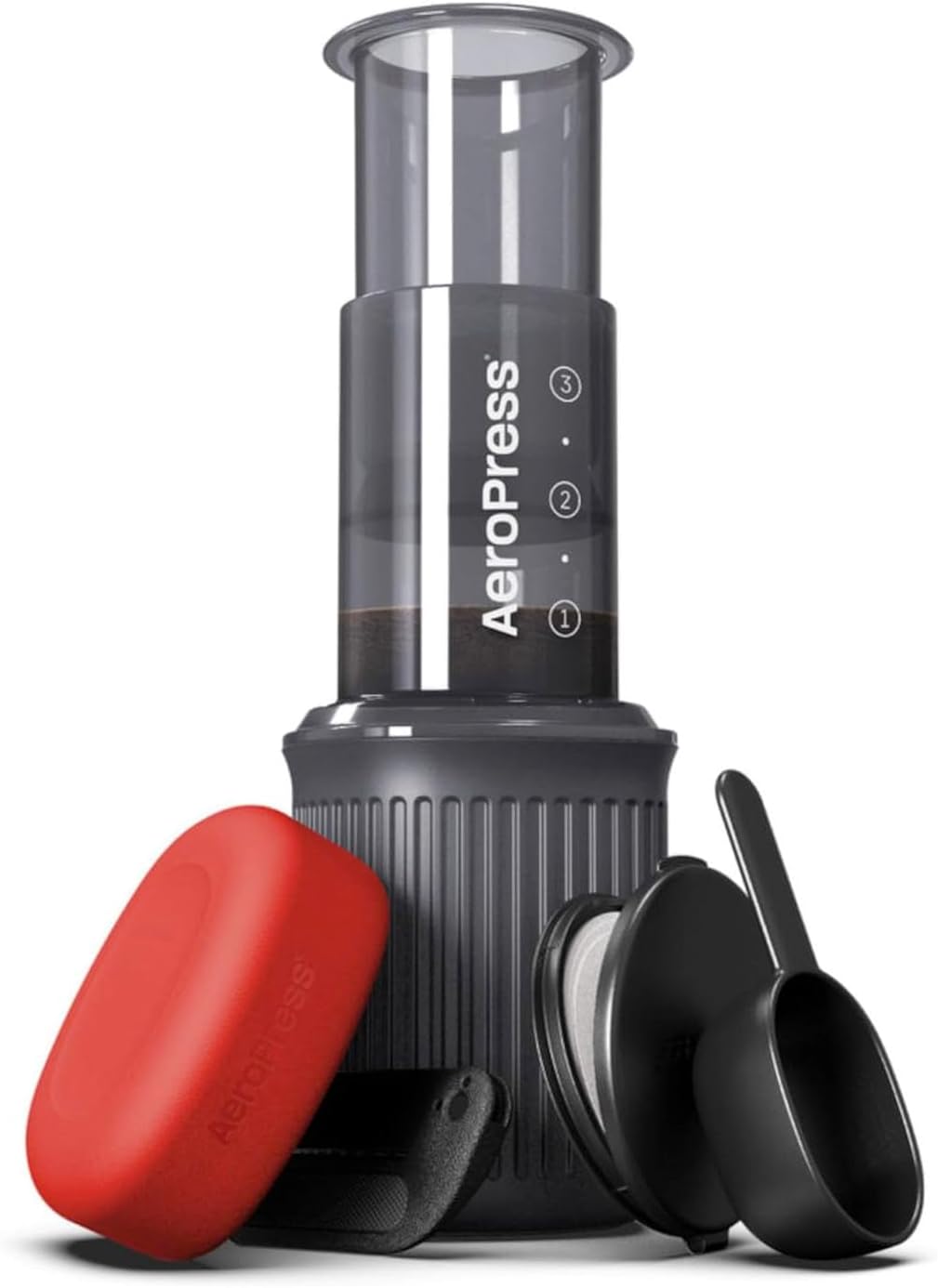
Immersion brew that packs into its own mug. Fast cleanup, no machine.
Check AeroPress Go on AmazonHow Capitol City Coffee Rates Coffee and Coffee Machines
Every recommendation uses the same 100-point scale. Most machine picks here are research-rated. Hands-on tested is used only when our team used the machine and we show the date.
- Machines: brewing 25, build 20, cleaning 15, kitchen fit 10, features 10, value 10, warranty 10.
- Grades: 90+ A, 80s B, 70s C, below 70 not featured. Brands cannot pay for a pick.
Some links on this page are affiliate links. As an Amazon Associate, Capitol City Coffee earns from qualifying purchases, at no extra cost to you.
Type-by-type reviews, carafe notes, and this hub’s FAQs continue below.
This is Capitol City Coffee’s hub for independent coffee maker reviews. Every recommendation on this page is built from researched editorial analysis, verified specs, and third-party expert consensus rather than in-house lab testing. Whether you need a daily drip brewer, a manual pour over setup, or a cold brew coffee maker for summer pitchers, start here. Below, you can jump to featured recommendations, browse reviews by type or use case, and link out to related buying guides.
Key Takeaways
- This page is a reviews index that routes you to individual coffee maker reviews and buying guides, not a single mega-roundup. It covers drip coffee makers, manual coffee makers, cold brew makers, pod coffee makers, and grind-and-brew machines.
- We evaluate every coffee maker against specific criteria: brew quality, consistency, usability, capacity, programmability, cleaning, including whether key removable parts are dishwasher safe when relevant, durability, warranty, and value. Each review explains who the machine suits and where it falls short.
- Featured recommendations include the OXO Brew 8-Cup Coffee Maker (SCA Golden Cup certified, thermal carafe, simple controls), the Technivorm Moccamaster (the first coffee maker to receive SCA certification, five-year warranty), and several cold brew and manual options.
- All recommendations are researched editorial analysis. We rely on verified product facts, reputable expert sources, and clearly attributed third-party expert consensus, with flavor claims drawn from published taste tests when available. We do not claim hands-on testing unless documented testing notes are supplied.
- The page is written for U.S.-based home coffee drinkers comparing options, with links to related buying guides and gear roundups for deeper research.
Category Overview: What Our Coffee Maker Reviews Cover
Capitol City Coffee’s coffee maker reviews page serves as a central directory, not a single “best of” list. The goal is to connect you with the specific review or guide that matches what you are looking for, whether that is a premium drip brewer, a budget-friendly coffee pot, or a dedicated cold brew system.
We cover five main categories: automatic drip coffee makers, manual coffee makers (pour over, French press, Chemex), single serve coffee makers and pod coffee makers, grind-and-brew machines with a built in grinder, and cold brew coffee makers. Individual reviews live under /reviews/coffee-makers/, and each one breaks down a single machine’s performance, usability, and limitations.
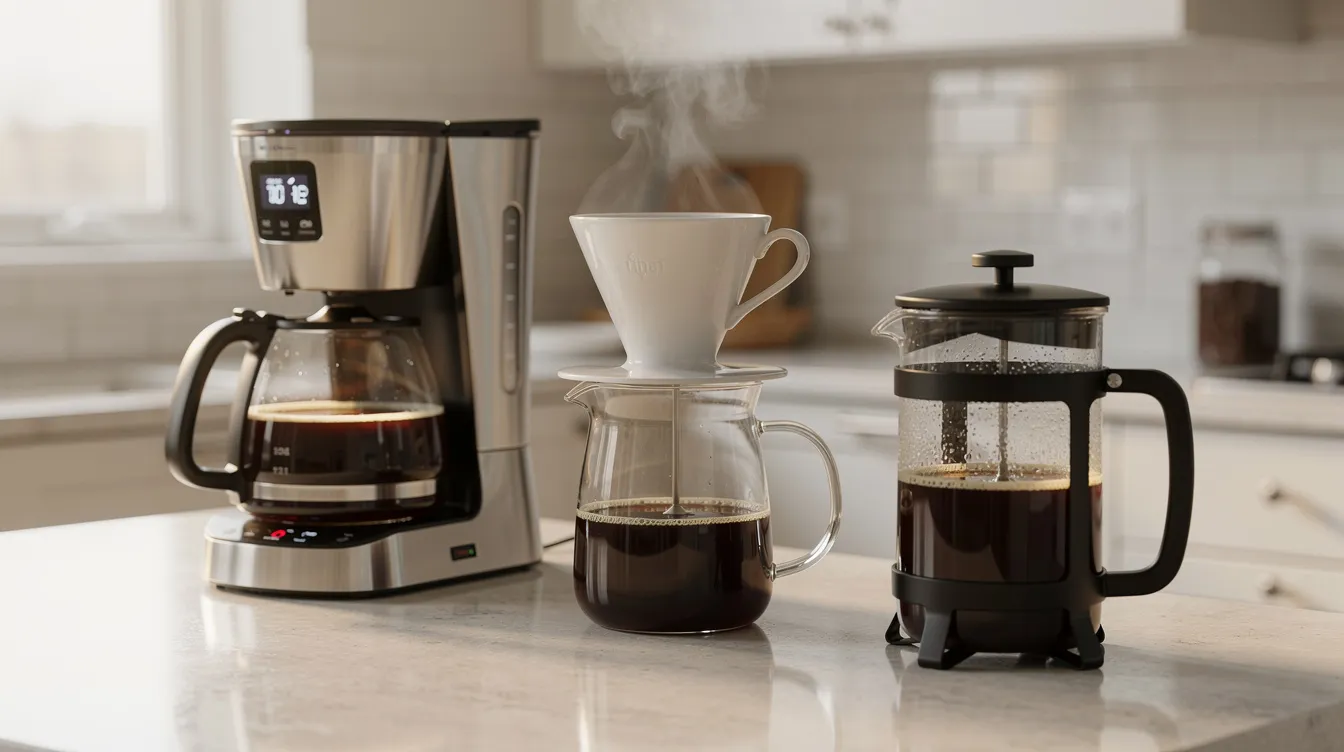
Models that appear frequently across our coverage include the OXO Brew 8-Cup Coffee Maker, the OXO Brew 9-Cup, the Technivorm Moccamaster, the Ninja 12-Cup Programmable, and the OXO Good Grips Cold Brew. You will also find coverage of budget picks, specialty machines, and accessories like coffee grinders.
Capitol City Coffee is an independent editorial and affiliate publication. We are not a coffee seller. Commission rates do not determine rankings, and we separate informational content from commercial recommendations.
Affiliate Disclosure
Some links on this page and in our individual reviews are affiliate links. If you purchase a coffee maker or accessory through one of these links, Capitol City Coffee may earn a small commission at no extra cost to you. Our recommendations are based on researched editorial analysis, third-party expert consensus, and verified product specifications. Brand sponsorships and payout amounts do not influence which machines we recommend or how we rank them. When an article is purely informational with no commercial links, we note that as well.
Key Concepts: How to Read Coffee Maker Reviews
A few core concepts make comparing coffee maker reviews faster and more productive. Here is what to look for.
Brew quality and consistency. The best coffee maker delivers even saturation of ground coffee with hot water at the right temperature for the right amount of time. The Specialty Coffee Association defines the Golden Cup Standard: brew water should contact coffee grounds at 194°F to 205°F, with a brew time of four to eight minutes for full carafes, targeting 18% to 22% extraction yield. SCA certification is the benchmark for performance in drip brewing, and certified machines are tested across three separate units with five consecutive brew cycles each.
Usability. Controls range from a single on/off switch to digital interfaces with programmable timers and brew strength control. The Ratio Six coffee maker has a one-button operation for brewing. The Fellow Aiden offers a simple dial and clear LCD screen. The Braun BrewSense has a straightforward interface for easy use. Drip coffee makers come with varying features including programmable timers and brew strength control, so reviews will always note how intuitive it feels to make coffee before work.
Capacity. An 8 cup coffee maker typically produces about 40 ounces (a “cup” is usually five to six fluid ounces, not a full mug). Larger machines brew 10 to 14 cups. Match capacity to your household; a single cup drinker does not need a 12-cup carafe.
Cleaning and maintenance. Users prioritize ease of cleaning when evaluating coffee makers, and user experiences often highlight issues with cleaning and maintenance in coffee maker reviews. Removable parts (filter basket, removable water tank, drip tray) simplify daily cleanup, and reviews also note when those parts are dishwasher safe. Descaling every one to three months prevents mineral buildup that reduces brewing temperature and flow rate.
Durability and warranty. Build quality separates machines that last five-plus years from ones that need replacing after 18 months. Technivorm backs its Moccamaster brewers with a five-year warranty. The Ratio Six coffee maker also has a five-year warranty. Longer coverage from the manufacturer typically signals confidence in the product’s lifespan.
Automatic Drip vs Manual Coffee Makers
The split between an automatic drip coffee maker and a manual coffee maker comes down to how you want to spend your morning.
Automatic drip brewers handle water heating, flow rate, and timing for you. Press a button, walk away, and come back to a full pot. Many models add programmability: auto-start timers, adjustable brew settings, and temperature settings that let you schedule your morning coffee the night before. They are the best drip coffee maker option for households serving multiple people at once.
Manual systems (pour over coffee drippers, Chemex brewers, and the best French press options) put you in control of every variable. You choose water temperature, pour rate, bloom time, and extraction length. This often produces a better cup with more nuanced flavor, especially with light roast specialty beans where temperature sensitivity is higher. Pour over setups can deliver cafe-level brew quality for under $80 when paired with a gooseneck kettle and a decent burr grinder.
Who should choose which:
- Busy weekday drinkers who want coffee ready when they walk into the kitchen: automatic drip brewer.
- Weekend hobby brewers who enjoy the ritual of hands-on brewing: pour over setup or French press.
- Small apartments with limited counter space: a compact manual coffee maker (a pour over cone and kettle take up less room than most drip machines).
- Larger households with guests: a 10 to 12 cup drip machine with a thermal carafe.
Our best drip coffee makers guide focuses on finding the top automatic option, while this hub covers broader categories including manual and cold brew.
Understanding Brew Temperature and Extraction
Brew temperature should ideally be between 195°F and 205°F to avoid sour coffee. Water below 195°F tends to under-extract, producing flat or sour flavors; water above 205°F risks over-extraction and bitterness. The Specialty Coffee Association codifies this range in its certification requirements for home brewers.
Budget coffee makers often fail to reach optimal brewing temperatures. Independent lab testing of the OXO Brew 8-Cup, for example, measured an average brew temperature of about 193.6°F, slightly below the SCA minimum but still within a range that produces consistent results. Higher-end machines like SCA-certified drip brewers aim for stable temperatures and even saturation through showerhead designs and pre-infusion cycles, both of which improve overall coffee brew quality in programmable drip machines.
The Fellow Aiden brews at temperatures between 122°F and 210°F, giving users the widest adjustable range of any home brewer in current expert roundups. That flexibility lets you experiment with lower-temperature blooms or dial in precise temperature settings for specific beans.
For stronger or more nuanced coffee, grind size, dose, and the coffee to water ratio matter as much as the machine itself. The SCA Golden Cup target is roughly 55 grams of ground coffee per liter of water. Adjusting that ratio up or down shifts strength and body, regardless of which drip brewer or pour over setup you use.
Carafes, Capacity, and Counter Space
The “best coffee maker” means different things depending on your kitchen layout and how many cups you brew each morning.
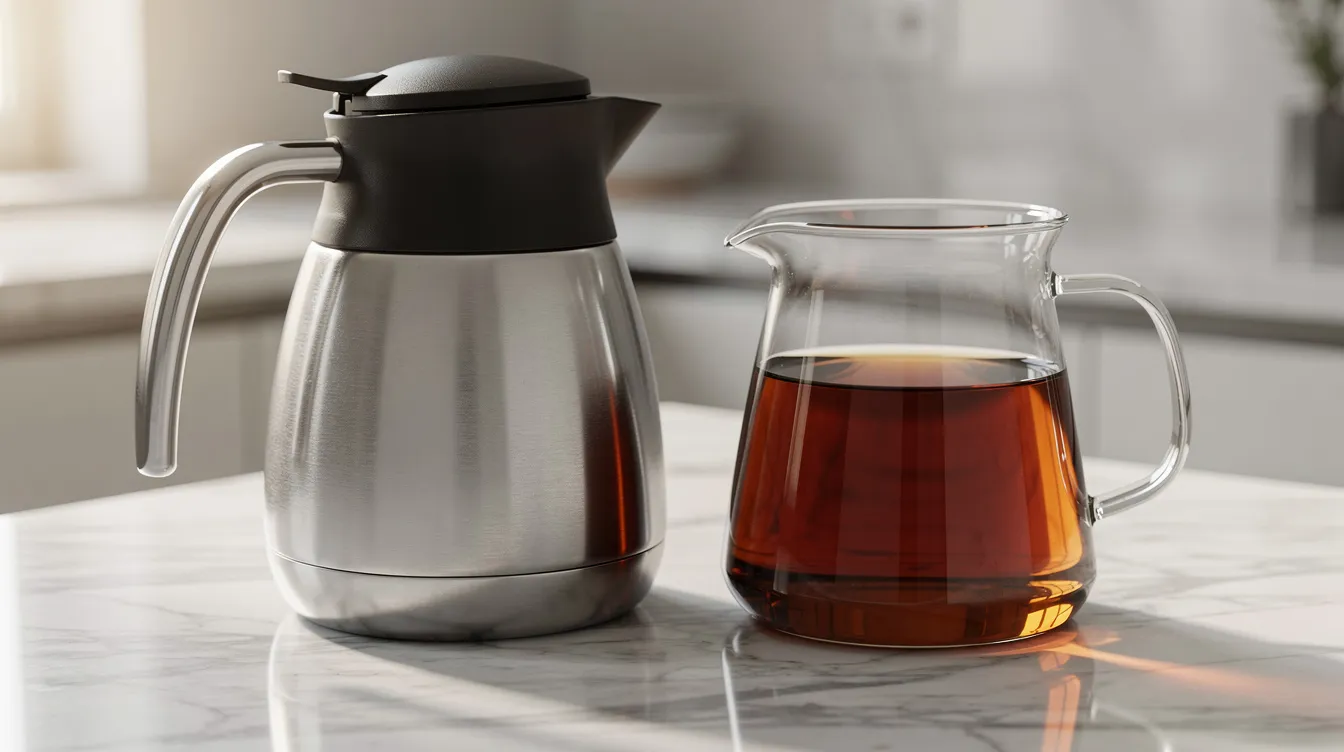
Thermal vs glass carafe. Thermal carafes (insulated stainless steel carafe construction) keep coffee hot longer without continuously heating it. The Technivorm Moccamaster KBT keeps coffee hot for six hours. The OXO Brew 9-Cup retains heat for hours after brewing. The OXO 8-Cup coffee maker keeps coffee warm for hours as well. The Ratio Six keeps coffee hot for over two hours, and the Fellow Aiden maintains coffee temperature for around two hours.
Glass carafes are cheaper, easier to see into for fill level, and simpler to clean. The trade-off: glass carafes may develop a burnt flavor if coffee sits too long due to heating plates. A warming plate keeps a glass carafe at temperature but gradually scorches the brew, so finish the coffee pot within 30 to 45 minutes for best results.
Capacity choices. An 8 cup coffee maker like the OXO Brew 8-Cup produces about 40 ounces. A 12-cup machine yields 60 ounces, enough for a family or a small gathering. Single coffee drinkers or couples often find a compact brewer or single cup option more practical than filling and cleaning a large carafe daily.
Counter space and footprint. Counter space requirements and footprint are important considerations when choosing a coffee maker. Tall machines with raised lids or showerhead assemblies may not fit under standard 18- to 20-inch cabinet clearance. Check the dimensions listed in our individual reviews before buying.
Key Coffee Maker Types We Review
This section maps the main categories of coffee makers covered across our reviews.
- Drip brewers. The everyday countertop drip machine. Criteria in reviews: brew quality, consistency, programmability, carafe design, and ease of cleaning. Ranges from budget models under $30 to SCA-certified machines above $200.
- Manual coffee makers. Pour over drippers (Kalita Wave, V60-style), Chemex, French press, and moka pots. Reviews focus on control, ritual, and flavor clarity. A pour over setup paired with freshly ground beans and a gooseneck kettle produces great tasting coffee for a low equipment cost.
- Pod and single serve coffee makers. K-Cup, Nespresso, and similar systems. Convenience-first: fast brew times, minimal cleanup, no measuring. Trade-offs include higher per-serving cost, more waste, and less control over the brewing process.
- Grind-and-brew machines. A built in grinder adds the convenience of freshly ground coffee without a separate appliance. Watch for noise, grinder consistency, and cleaning complexity. These machines have more moving parts, which can affect long-term reliability.
- Cold brew coffee makers. Dedicated systems for immersion-style cold brew coffee. Coarse coffee grounds steep in cold or room-temperature water for 12 to 24 hours, producing a smooth, low-acidity concentrate stored in a glass carafe for fridge use.
Browse Coffee Maker Reviews by Type
If you already know the brew method you want, start here.
Drip Coffee Makers are our largest review category. These range from the Mr. Coffee Simple Brew (a no fuss machine under $30) to SCA-certified models like the OXO Brew 8-Cup and the Technivorm Moccamaster. Our gear hub and reviews archive cover options at every price point.
Manual and Pour Over Coffee reviews examine pour over drippers, Chemex, and French press models. These pages detail technique, recommended grind size, and which manual coffee maker suits beginners vs experienced brewers looking for a better cup.
Cold Brew Makers get their own dedicated reviews because the brewing process (long immersion, coarse grounds, cold water) differs from every other method. If you drink iced coffee regularly, these reviews are your starting point for better iced coffee at home.
Single Serve and Pod Brewers reviews cover machines from Keurig, Nespresso, and similar brands. We evaluate pod cost per cup, brew quality relative to drip, and environmental trade-offs.
Browse Coffee Maker Reviews by Use Case
You can also browse reviews based on how you live, not just how you brew.
Best for small apartments. Compact drip brewers and manual setups with minimal footprint. A pour over cone, a kettle, and a small burr grinder can replace a full-size drip machine entirely.
Best for families and frequent hosts. Large-capacity programmable machines (10 to 14 cups) with auto-start timers and robust carafes. The Calphalon Programmable Coffee Maker can brew 14 cups and has a timer, making it a strong option for households that go through a full pot each morning.
Best for budget buyers. Drip brewers and manual options under $100 that still produce a rich cup. We highlight which budget models clear the temperature and consistency bar and which ones fall short.
Best for design-focused kitchens. Machines like the Ratio Six (one-button operation, clean industrial design) or the Technivorm Moccamaster (available in over a dozen colors) that look as good as they brew.
Best for cold brew lovers. Dedicated cold brew systems for people who batch-brew concentrate for the week. Our best drip coffee makers guide is ideal for readers who want hot coffee daily but still want a cold brew option on the side.
Featured Recommendation: OXO Brew 8-Cup Coffee Maker
The OXO Brew 8-Cup Coffee Maker appears frequently in expert roundups as a strong all-around drip brewer for U.S. households. It is SCA Golden Cup certified, which means it met the Association’s requirements for brew temperature, contact time, and extraction uniformity across multiple test units and cycles.
Third-party testing praises the “rainmaker” showerhead, which distributes hot water across the full bed of coffee grounds for even extraction. TechGearLab measured a brew time of roughly 5 minutes 22 seconds for a full 40-ounce carafe, well within the SCA’s four-to-eight-minute window, and quick enough to deliver a strong coffee brew. The OXO Brew 8-Cup Coffee Maker is easy to fill and operate; it uses a simple switch rather than nested digital menus.
The thermal carafe (insulated stainless steel) keeps coffee hot for hours without a hot plate, which helps avoid the scorched flavor common in glass carafe models left on warming plates. The OXO 8-Cup coffee maker keeps coffee warm for hours.
Trade-offs worth noting: the OXO Brew 8-Cup lacks a programmable timer, auto-start scheduling, and adjustable brew strength settings. Buyers who care about flavor nuance should compare published taste tests alongside specs. Buyers who want to wake up to a fresh pot may want to compare the OXO Brew 9-Cup or other coffee makers with programmable features. The 8-Cup also costs more than basic budget drip machines, placing it in the $150 to $180 range depending on retailer.
Read our researched editorial on the OXO Brew 9-Cup Coffee Maker for a side-by-side look at how the 8-cup and 9-cup families compare.
Featured Recommendation: Technivorm Moccamaster
The Technivorm Moccamaster is a long-standing benchmark for high-end drip coffee makers. It was the first coffee maker to receive SCA certification, and the KBGV Select model earned its own SCA certification in October 2023, confirming brew temperature stability and extraction uniformity under lab conditions.
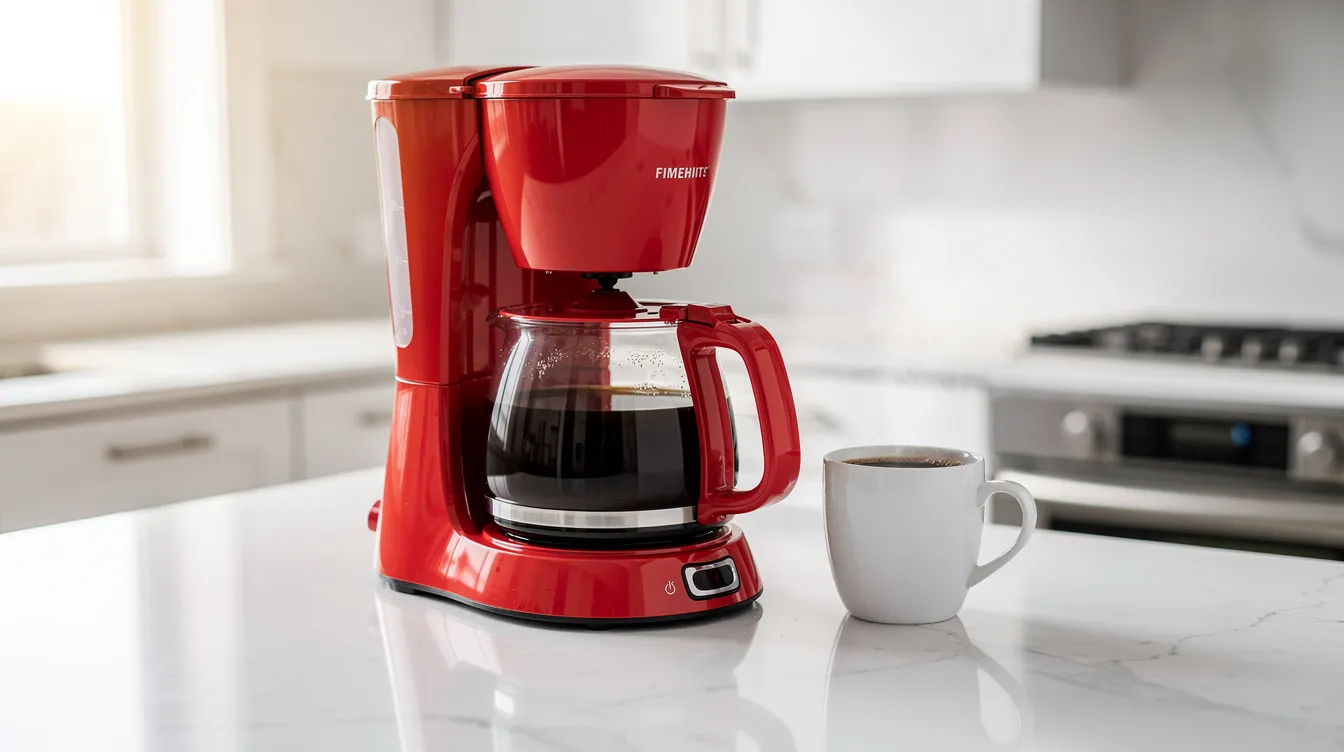
The Moccamaster KBT (thermal carafe version) brews a full carafe in about 7 minutes and keeps coffee hot for six hours without a warming plate. The KBGV Select model adds a selector switch for half or full carafe, adjusting saturation and hot plate behavior accordingly. Brew times for the KBGV Select range from 4 to 6 minutes for 16 to 40 ounces.
Design and durability set the Moccamaster apart from most other coffee makers. The chassis uses metal construction with modular, replaceable parts. Technivorm backs new brewers with a five-year warranty (excluding the carafe and consumable parts). That warranty requires owners to maintain the machine, including regular descaling.
Real-world considerations: the Moccamaster has a larger footprint than compact brewers. Prices start around $230 and climb above $300 for certain configurations. Controls are manual (no digital timer, no app connectivity), so this is a luxe brewer for coffee drinkers who prioritize brew quality and longevity over programmability.
Read our full Technivorm Moccamaster review for a deeper breakdown of each model variant.
Featured Recommendation: OXO Brew 9-Cup and Other OXO Drip Brewers
OXO Brew drip brewers appear frequently in expert roundups because they balance performance with a price point below premium European machines, even though most coffee makers in this tier still trade premium materials or longevity for lower cost.
The OXO Brew 9-Cup Coffee Maker builds on the 8-Cup’s strengths by adding a larger capacity, a programmable wake-up brew function, and strong temperature control. The OXO Brew 9-Cup retains heat for hours after brewing, thanks to its insulated stainless steel carafe. For households that want hot coffee waiting when they come downstairs, the 9-Cup’s auto-start timer fills a gap the 8-Cup leaves open.
The OXO 12-Cup Coffee Maker features an intuitive digital interface and can brew up to 12 cups without sacrificing flavor. The OXO 12-Cup Coffee Maker has a programmable timer, making it the largest option in OXO’s drip lineup.
Comparing the three: the 8-Cup suits couples or small households who value simplicity. The 9-Cup adds programmability for early risers. The 12-Cup serves larger families or offices that need a full pot of coffee to start the day.
See our detailed OXO Brew coffee maker review for specs, cleaning notes, and head-to-head comparisons.
Featured Recommendation: Cold Brew Coffee Makers
Dedicated cold brew coffee makers simplify the process for iced coffee fans, especially during warmer months when hot coffee loses its appeal.
The typical design places coarse coffee grounds in an upper brew chamber, submerges them in cold or room-temperature water for 12 to 24 hours, then drains the concentrate into a lower glass carafe. The result is smooth, low-acidity cold brew coffee that you dilute to taste and store in the fridge for up to two weeks.
The OXO Good Grips Cold Brew Coffee Maker is a well-known example. Third-party reviews cite its balanced extraction, easy-drain stopper, and compact footprint as strong points. The glass carafe fits neatly into a refrigerator door.
Cold brew systems suit people who prefer lower-acidity coffee, batch-brew concentrate for the week, and want better iced coffee without watering down hot-brewed drip coffee with ice cubes.
Trade-offs: cold brew is not instant. You need to plan 12 to 24 hours ahead. The system requires fridge space, and the brewing process produces a different flavor profile (less bright acidity, more chocolate and nut notes) than hot-brewed drip or pour over coffee.
Featured Recommendation: Simple Manual Coffee Makers
Manual coffee makers strip brewing down to the essentials: hot water, ground coffee, gravity or immersion, and your own timing.
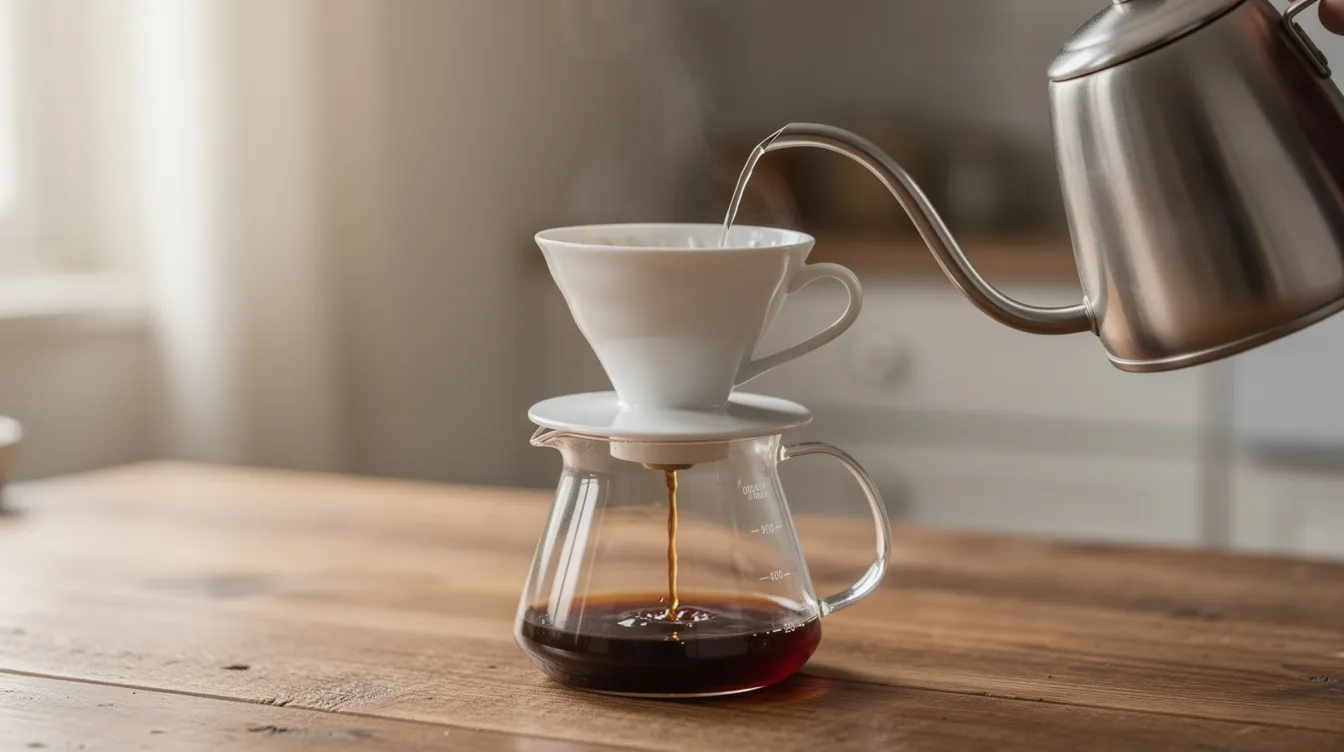
Pour over coffee drippers like the Kalita Wave or Hario V60 can deliver delicious coffee with minimal equipment once you dial in your technique. Pair one with a gooseneck kettle and a quality burr grinder, and you have a setup capable of producing the best tasting coffee in your home for a total investment of $60 to $120. A pour over setup rewards patience; expect three to five minutes of active pour time per single cup.
The best French press models appeal to coffee drinkers who prefer a heavier body and fuller mouthfeel. Immersion brewing (steeping grounds in hot water for four minutes, then pressing a metal filter) requires no electricity and produces strong coffee with minimal cleanup. Use a bottle brush to clean the plunger screen between uses.
Manual brewers cost less than most premium drip machines and pair well with any grinder. For coffee drinkers who want to experiment with espresso based drinks later, owning a good manual brewer alongside a drip machine or espresso machine provides the most flexibility.
Browse manual brewer reviews within /reviews/coffee-makers/ if hands-on brewing rituals appeal to you.
Featured Recommendation: Programmable Family Drip Brewers
Many readers want a straightforward programmable drip brewer that makes a flavorful pot of great coffee for the household every morning, without requiring a barista’s attention.
The Ninja 12-Cup Programmable Coffee Brewer often sells for less than $70 and allows scheduling brews a day ahead, so your morning coffee is ready before you are. The Braun BrewSense costs around $80, brews good coffee, and features a programmable timer and adjustable brew strength. The Braun BrewSense has a straightforward interface for easy use. The Ninja 12-Cup Programmable Coffee Maker lets you fine-tune strength and schedule, which puts it among the most convenient features in this price range.
For those who need even more capacity, the Calphalon Programmable Coffee Maker can brew 14 cups and has a timer for pre-scheduled morning brewing.
The Zojirushi Zutto produces flavorful coffee for under $100 and takes up less counter space than most 12-cup machines, making it a solid pick for kitchens where every inch matters.
Compromises in this category: most coffee makers in the programmable budget segment prioritize convenience first, with less precise temperature control and shorter warranties than premium brewers, plus more plastic construction and carafes that may not retain heat as long as premium thermal options. But for price-conscious buyers who want a reliable daily-driver drip machine, these models deliver good value.
Compare these options against premium brewers in our buying guides to decide whether stepping up to an SCA-certified machine is worth the extra cost.
How Our Coffee Maker Reviews Are Researched
Capitol City Coffee reviews are based on researched editorial analysis. Unless an individual article states otherwise, we have not conducted in-house lab testing on the machines we cover.
Our process for reviewing coffee makers:
- Gather verified product specs. We pull capacity, dimensions, materials, warranty terms, and feature lists from manufacturer documentation.
- Cross-reference expert reviews. Recent expert reviews focus on coffee maker temperature accuracy, extraction consistency, and build quality. We synthesize findings from sources like Consumer Reports, TechGearLab, Tom’s Guide, and specialty coffee publications, and we also consider published taste tests when sources include them.
- Analyze user feedback at scale. Evaluating multiple reviews helps identify patterns in durability issues and performance. High ratings should be based on a large volume of user reviews to indicate reliability; a machine with 4.5 stars from 3,000 buyers tells a different story than one rated 5 stars from 12 buyers.
- Attribute performance claims. When we reference brew time, temperature stability, or SCA compliance, we cite the third-party source or published standard. Any brew-quality statements about the coffee brew are also attributed to those sources, not presented as our own measurements.
We weigh criteria in this order: brew quality and consistency first, then usability, cleaning, durability, warranty, and value. Recommendations are updated as models are discontinued, warranties change, or new machines outperform older designs.
How We Compare Value, Durability, and Warranty
The best coffee maker is not always the most expensive one. Value depends on how long the machine lasts, how well the brand supports repairs, and how much it costs to operate over several years, and most coffee makers have limited warranties, so repair support varies sharply by brand.
Warranty as a reliability signal. Technivorm’s five-year warranty and the Ratio Six coffee maker’s five-year warranty suggest these brands expect their machines to last well beyond the typical two-year coverage offered by budget brands. The Fellow Aiden costs approximately $369 and includes Wi-Fi connectivity with a programmable 24-hour timer; its price reflects build quality and software features, but buyers should confirm warranty terms match the investment.
Build materials. Stainless steel and metal chassis resist heat degradation and corrosion better than thin plastics. Thermal carafes made from an insulated stainless steel carafe last longer than glass (which chips and cracks), but replacement glass carafes are cheaper.
Total cost of ownership. Factor in the purchase price, paper or metal filters, descaling solution every one to three months, electricity from a hot plate or warming plate, and potential repair costs. A $70 drip machine that needs replacing every two years costs more over five years than a $250 machine that runs the full duration of its warranty.
We do not automatically recommend the most expensive machine. The Mr. Coffee Simple Brew is a no fuss machine under $30 that makes an acceptable cup of coffee for light drinkers. For someone who finishes one mug and moves on, spending $300 on a premium drip brewer is hard to justify. Value is judged on performance, reliability, and support per dollar spent.
Choosing a Coffee Maker for Better Coffee at Home
A new coffee maker is one piece of the puzzle. To brew coffee that consistently tastes great, pair the machine with fresh whole beans, a burr grinder (even a decent entry-level model), and water that tastes clean on its own.
Match the machine to your routine:
- One-touch hot coffee before work: an automatic drip coffee maker with a programmable timer.
- Nuanced single cups on weekends: a pour over setup with a gooseneck kettle.
- Smooth cold brew for the week: a dedicated cold brew coffee maker.
- Sheer convenience, minimal cleanup: a pod or single serve coffee maker.
The Fellow Aiden brews at temperatures between 122°F and 210°F, which lets advanced users experiment with different temperature settings for light vs dark roasts. The OXO 12-Cup Coffee Maker has a programmable timer and intuitive controls for families who just want a flavorful pot waiting at 6 a.m.
Bookmark /reviews/coffee-makers/ as you research. Preferences evolve as you taste more coffee, try different brew methods, and figure out what kind of cup makes your morning better.
Related Buying Guides and Gear Roundups
Individual coffee maker reviews are useful for deep dives. Buying guides synthesize those reviews into curated shortlists organized by budget and use case.
Our main coffee gear hub at /gear/coffee-makers/ covers all coffee makers and accessories in one place. For readers focused on finding the best drip coffee maker for everyday brewing, the /gear/coffee-makers/best-drip-coffee-makers/ guide ranks top options by price tier and performance.
Other linked guides cover manual brewers, cold brew gear, coffee grinders, and starter coffee bar setups. These help you build a complete at-home station without overspending on redundant equipment.
Each guide consolidates findings from multiple individual reviews into practical recommendations sorted by budget and skill level.
How to Use This Coffee Maker Reviews Hub
Think of this page as a navigation tool, not a single article to read top to bottom.
New buyers: Start with the Key Concepts and Automatic Drip vs Manual sections to orient yourself. Then jump to the Featured Recommendations that match your budget and household size.
Experienced coffee drinkers: Skip straight to Browse by Type or Browse by Use Case. Use the internal links to dive into specific reviews for machines you are considering.
Comparison shoppers: Keep multiple tabs open. Pull up an individual review, the best drip coffee makers guide, and perhaps a manual brewer page to compare workflows side by side.
Our recommendations are updated as new machines enter the market and older models are discontinued. Bookmarking /reviews/coffee-makers/ will surface new reviews and updated picks as they are published throughout the year.
FAQs
How do I decide between a thermal and a glass carafe?
Thermal carafes keep coffee hot for hours without a warming plate. The Technivorm Moccamaster KBT holds temperature for about six hours; the Ratio Six maintains heat for over two hours. A glass carafe lets you see the fill level and costs less to replace, but glass carafes may develop a burnt flavor if coffee sits too long on a hot plate. Households that sip coffee over a long morning or dislike the taste of reheated brew generally prefer thermal. If you finish the full pot in under 30 minutes, glass works fine and saves money.
Is it worth upgrading from a basic budget drip coffee maker?
Budget drip machines (under $50) often struggle with stable brewing temperature and even water distribution over the coffee grounds, which can produce flat or bitter results. Moving to a midrange SCA-certified drip brewer in the $150 to $250 range typically improves temperature accuracy, extraction consistency, and build quality. If you already use good beans and a decent grinder but still find your coffee underwhelming, a better coffee maker is the next logical upgrade. The difference between a $30 machine that brews at 185°F and a certified machine that hits 198°F shows up clearly in the cup.
Can one coffee maker handle both hot coffee and cold brew?
Some multi-function machines offer “brew over ice” modes, but dedicated cold brew coffee makers still tend to produce the best cold brew results. Traditional drip brewers are optimized for hot extraction (195°F to 205°F), which is the opposite of what cold brew requires (cold or room-temperature water for 12 to 24 hours). Quick “cold brew” settings on hot brewers tend to under-chill or dilute the flavor. Heavy iced coffee drinkers get better results from a separate cold brew maker alongside a daily drip brewer.
Do I need a separate grinder, or is a grind-and-brew machine enough?
A grind-and-brew machine reduces counter clutter and grinds freshly ground coffee right before the brewing process starts. The trade-off: built-in grinders tend to be less consistent than standalone burr grinders, harder to clean, and more expensive to replace if they fail. Standalone coffee grinders also work across multiple brew methods (espresso machine, pour over, French press), which a grind-and-brew’s fixed grinder cannot do. Serious coffee drinkers or anyone planning to experiment with different brew styles usually get more flexibility from a separate grinder plus a dedicated brew coffee maker.
How often should I clean and descale my coffee maker?
Rinse removable parts (filter basket, drip tray, carafe lid; dishwasher safe on applicable models) after every use. Deep-clean the carafe at least once a week with warm soapy water or a bottle brush for thermal models. Descale the machine every one to three months, depending on water hardness and daily usage. Mineral buildup reduces brewing temperature and slows water flow, which directly hurts both flavor and machine lifespan. Most manufacturers void the warranty if descaling is neglected, so follow the cleaning schedule in your machine’s manual. Individual reviews on /reviews/coffee-makers/ include model-specific cleaning guidance where relevant.