

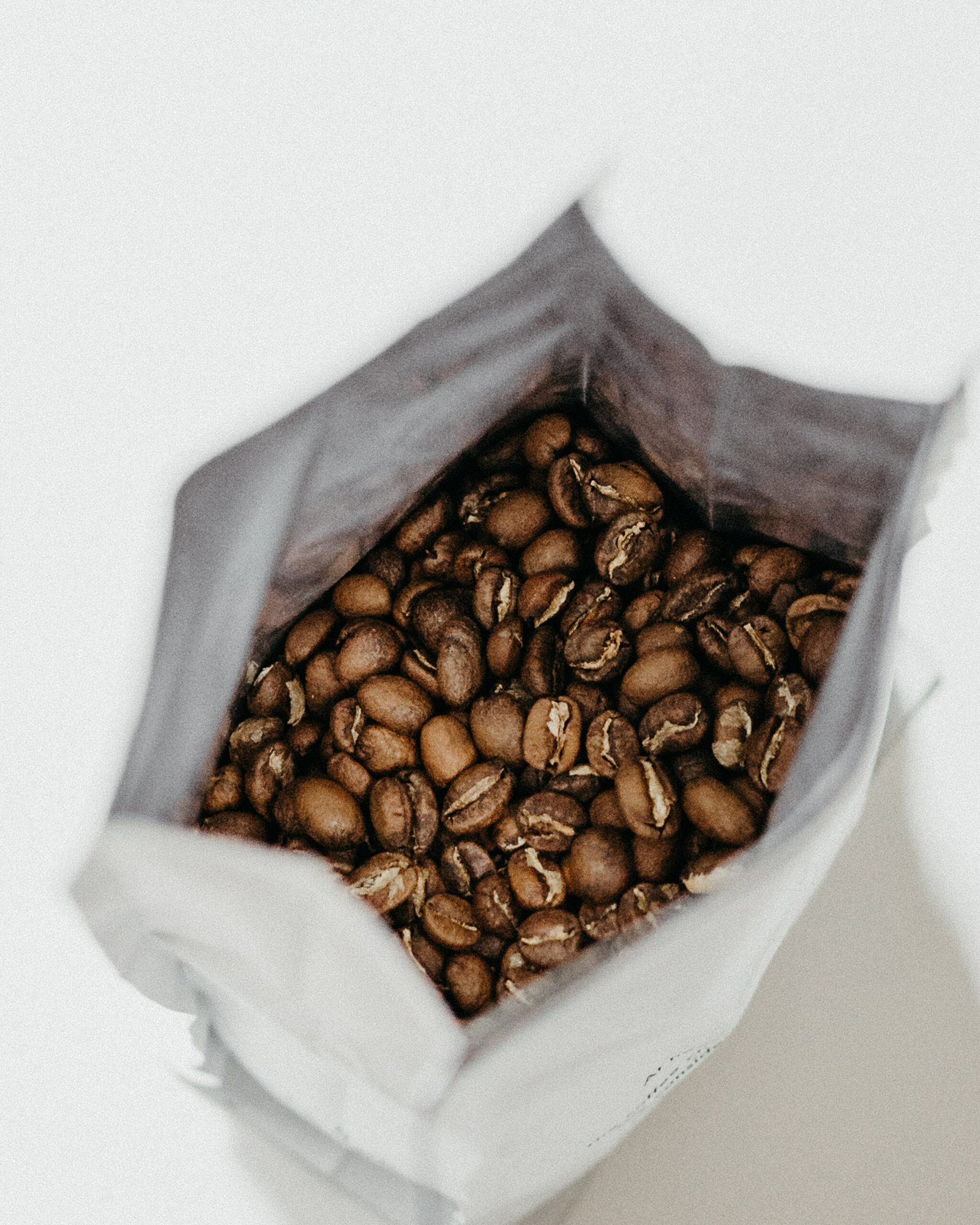
For most buyers, the best Guatemalan coffee is a medium-roast Antigua that delivers balanced chocolate and caramel notes with enough sweetness and body to work across brew methods. If you prefer something livelier, a single-origin Huehuetenango light roast brings bright acidity, stone fruit, and floral notes ideal for pour-over. And if you want a full-bodied cup for espresso or cold brew, a medium-dark roast from Cobán or Nuevo Oriente keeps things smooth without sharpness. This guide breaks down regions, roast levels, and specific picks available in the U.S. as of 2026.
Key Takeaways
- A medium-roast Guatemala Antigua coffee is the most versatile starting point for daily brewing, offering milk chocolate, caramel sweetness, and balanced acidity that suits drip, French press, and espresso.
- Huehuetenango coffee delivers the brightest, most complex cups with fruity notes and high acidity, making it the go-to for pour-over and AeroPress enthusiasts.
- Cobán and Nuevo Oriente coffees are the smoothest options for drinkers sensitive to acidity, with a full body and chocolate flavors that shine in immersion brewing and cold brew.
- Guatemala produces about 3.4 million 60-kilogram bags of coffee annually, and Guatemalan coffee is globally celebrated for its complexity, vibrant acidity, and rich body across eight distinct coffee-growing regions.
- All recommendations in this guide are based on researched editorial analysis of U.S.-available coffees in 2026, not hands-on tasting, and rely on verified product data and third-party expert consensus.
Affiliate Disclosure
Capitol City Coffee is an independent coffee editorial and affiliate publication. Purchases made through links in this guide may earn us a commission at no extra cost to you. Commissions never influence our rankings. All picks are based on researched editorial analysis, verified product facts, and consensus from credible expert sources.
Best Guatemalan Coffee: Quick Answer & Top Picks
Here are the top Guatemala coffee beans we recommend by use case, selected from current 2026-available options:
- Best Overall – Volcanica Guatemala Antigua (Finca Nueva Granada Estate): A medium-roast, washed Antigua with honey, apple, and brown sugar flavor notes. Balanced acidity, medium body, and works beautifully in drip and pour-over. Mid-premium pricing (~$23/16 oz).
- Best for Pour-Over – Fresh Roasted Coffee Guatemala Huehuetenango: A light-to-medium roast with cherry, chocolate, and baking spice tasting notes. Bright acidity and crisp clarity make it a standout in V60 and Chemex. Budget-friendly for a named single origin.
- Best Dark Roast – Volcanica Guatemala Huehuetenango (Dark Roast): Full-bodied with smoky chocolate, molasses depth, and muted acidity. Suits espresso machines and French press drinkers who want bold flavors without sharpness.
- Best Espresso Beans – S&W Craft Roasting Guatemala Primos Unidos: Grown at 1,700–1,850 m with 36-hour fermentation; medium roast with brown sugar, yellow plum, and star anise. Versatile enough for both filter and espresso. Mid-premium.
- Best for French Press – A Cobán or Nuevo Oriente medium roast: Seek out lots described as smooth, cocoa-forward, and full bodied with gentle fruit notes. Coarse grind and 4-minute steep highlight the rich flavor.
- Best for Cold Brew – Medium-dark Guatemalan blend with chocolate and caramel notes: Look for Antigua-based blends optimized for cold extraction, emphasizing sweetness over acidity.
- Best Decaf – Swiss Water Process Guatemala Antigua: Prioritize chemical-free decaf with chocolate and nutty notes. Downeast Coffee Roasters’ WP Decaf Guatemala is one current option worth checking.
At a glance
Compare Amazon-available Guatemalan bags on a phone first: listing photo, roast notes, and a Check on Amazon button. Research-rated, not yet brewed by our team.
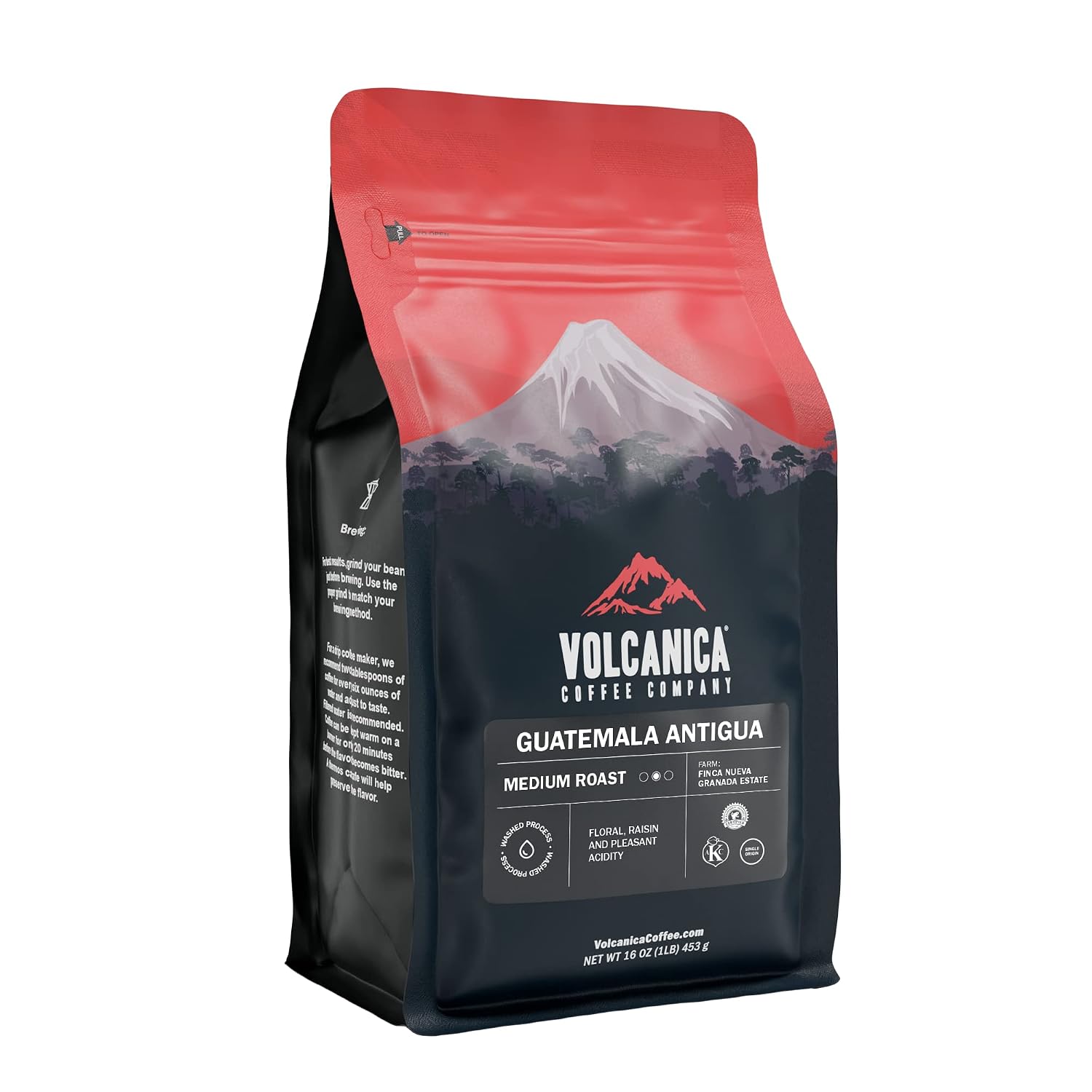
Best overall Guatemala
Volcanica Guatemala Antigua
- RoastMedium
- FlavorHoney, apple, brown sugar
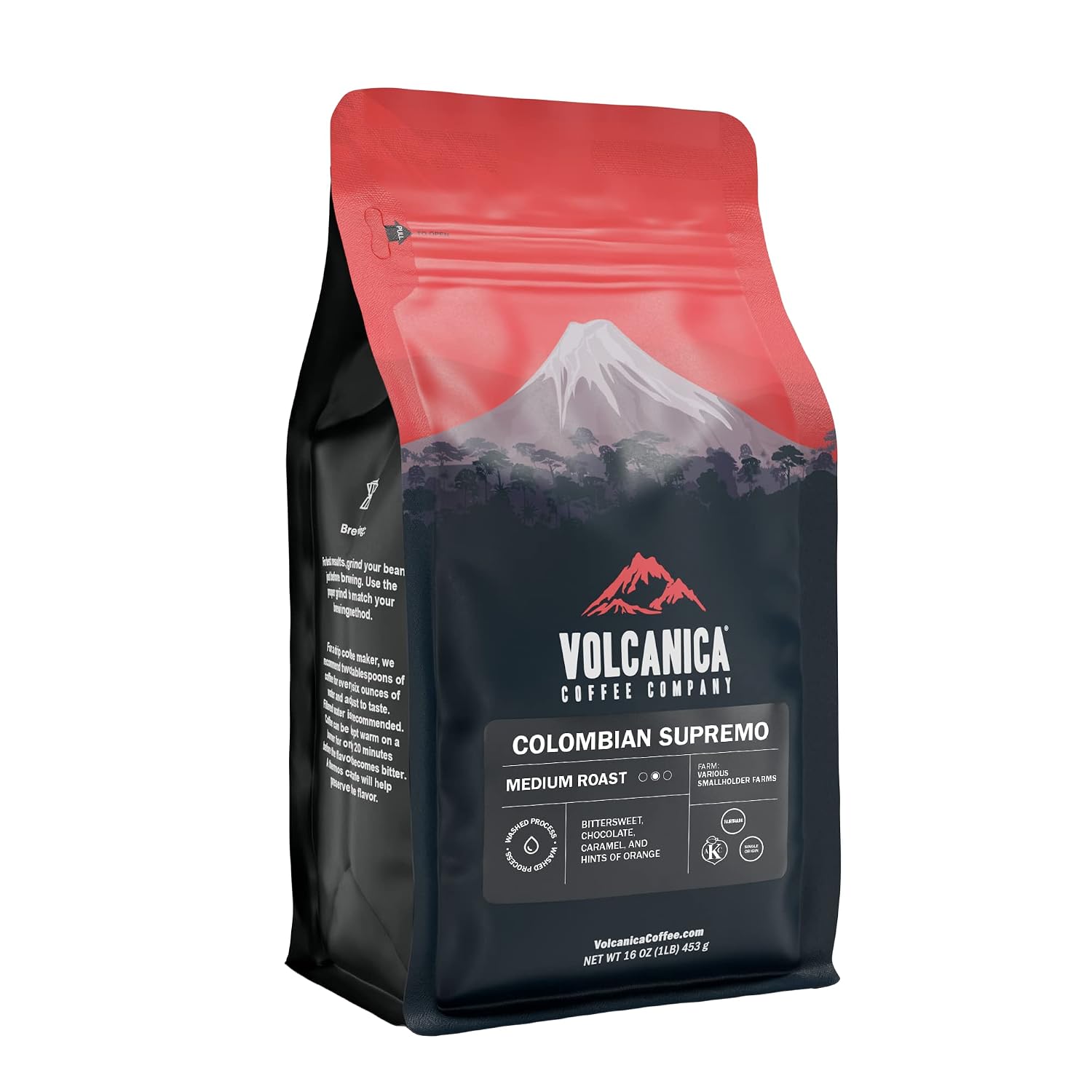
Latin America companion
Volcanica Colombian Supremo
- RoastMedium
- FlavorCaramel, chocolate
Coffee | Region | Altitude | Roast | Process | Key Flavor Notes | Best Brew Methods | Price Tier |
|---|---|---|---|---|---|---|---|
Volcanica Guatemala Antigua | Antigua | ~1,500–1,700 m | Medium | Washed | Honey, apple, brown sugar | Drip, pour-over | Mid-premium |
Volcanica Guatemala Huehuetenango | Huehuetenango | 1,500–2,000 m | Medium | Washed | Honeysuckle, apricot, molasses | Pour-over, espresso | Mid-premium |
Fresh Roasted Coffee Huehuetenango | Huehuetenango | 1,524–1,830 m | Light–medium | Washed | Cherry, dark chocolate, baking spice | Pour-over, AeroPress | Budget |
S&W Craft Guatemala Primos Unidos | Hoja Blanca/Agua Dulce | 1,700–1,850 m | Medium | Washed (extended ferment) | Brown sugar, yellow plum, star anise | Filter, espresso | Mid-premium |
Cobán Regional Lot (various roasters) | Cobán | ~1,300–1,500 m | Medium | Washed | Cocoa, mild fruit, herbal | French press, drip | Mid-range |
Nuevo Oriente Lot (various roasters) | Nuevo Oriente | ~1,300–1,600 m | Medium | Washed | Toasted nuts, chocolate, full body | Drip, cold brew | Budget–mid |
WP Decaf Guatemala (Downeast) | Antigua-based | Varies | Medium | Swiss Water Decaf | Chocolate, nutty, low acid | Drip, French press | Mid-range |
How We Selected & Evaluated the Best Guatemalan Coffee
All picks in this guide are based on researched editorial analysis, not direct cupping or lab testing. We used up-to-date information as of 2026 and cross-referenced multiple credible sources. No roaster paid for placement.
Our core criteria:
- Origin transparency: Clear region identification (Antigua, Huehuetenango, Atitlán), altitude info, varietal, and 100% Arabica coffee beans.
- Roast freshness: Recent roast dates, roasted-to-order availability, packaging with one-way valve bags.
- Flavor profile and balance: Clarity of chocolate, fruit, and citrus flavor notes; harmony of acidity, sweetness, and body.
- Brew-method fit: Verified performance across espresso, French press, drip, cold brew, and pour-over based on roaster notes and consumer feedback.
- Sourcing and ethics: Direct trade relationships, organic farming certifications, or shade-grown claims where verified.
- Value for money: Price relative to quality tier, not just lowest cost.
- Third-party consensus: Rankings from specialty coffee roasters, international coffee awards results, and aggregated consumer reviews.
- U.S. availability: Online purchase options and current stock required for inclusion.
Detailed Picks: Best Guatemalan Coffees for Different Needs
Each pick below includes origin details, flavor profile, ideal brew methods, target drinker, and honest limitations.
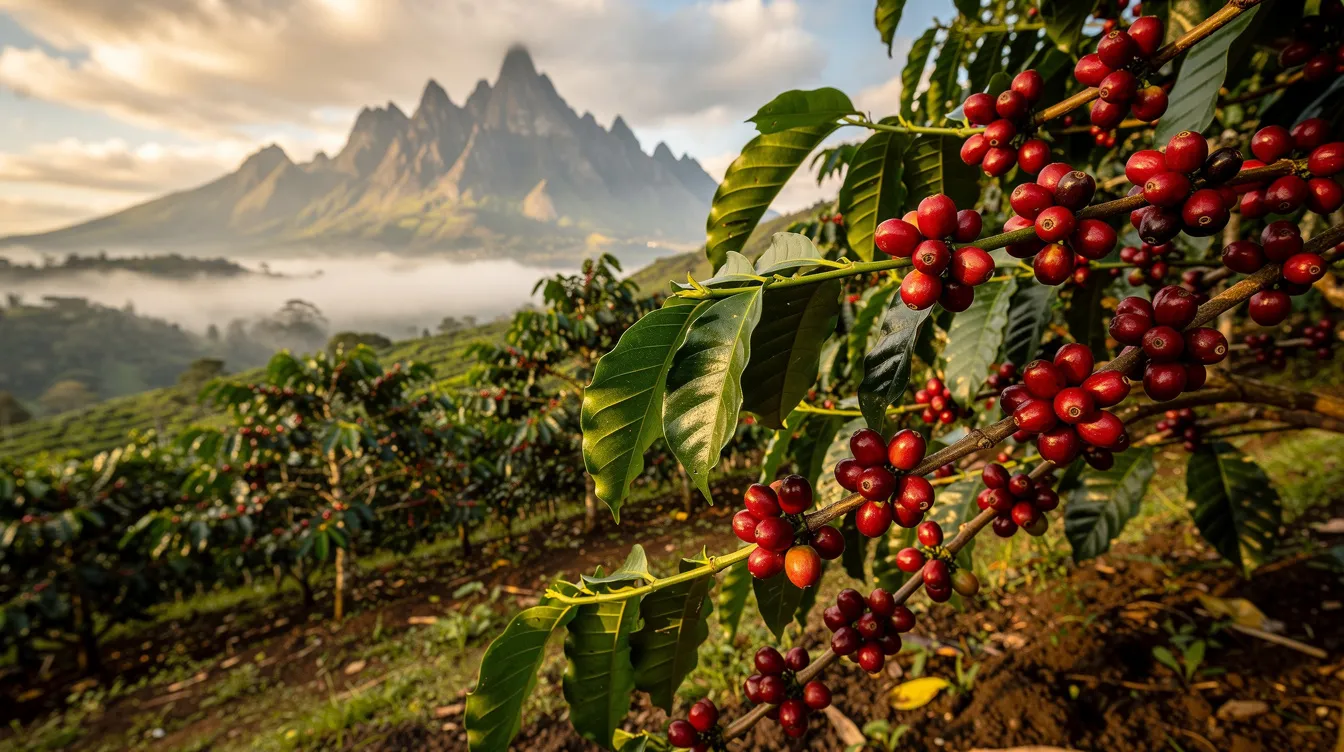
Volcanica Guatemala Antigua (Finca Nueva Granada Estate) – Best Overall. Sourced from the Antigua region at roughly 1,500–1,700 m, this washed, sun-dried medium roast delivers honey, apple, tea, and floral brown sugar notes. The body is medium with balanced acidity that never overwhelms. Volcanica Coffee sources beans from Antigua and Huehuetenango regions, and this particular estate lot offers reliable consistency batch to batch. It suits drip, pour-over, and French press equally well, making it an ideal daily driver. At ~$23 for 16 oz, it sits in the mid-premium range. The limitation: it won’t satisfy drinkers seeking extremely bright or fruity cups, and availability of this specific estate lot can fluctuate seasonally.
Fresh Roasted Coffee Guatemala Huehuetenango – Best for Pour-Over. This light-to-medium roast from the western highlands of Huehuetenango features cherry, dark chocolate, and baking spice tasting notes. Crisp acidity and clean finish make it exceptional in V60, Chemex, and AeroPress. It’s one of the more affordable named Huehuetenango single origins on the market, offering strong value for complexity. Ideal for drinkers who enjoy aromatic coffees with lively acidity and fruit notes. Drawback: the brightness may feel sharp to those accustomed to low-acid, dark roast profiles, and pre-ground coffee options may be limited.
Volcanica Guatemala Huehuetenango (USDA Organic) – Best Dark Roast. When roasted darker, this organic, Kosher-certified Huehuetenango delivers smoky chocolate, molasses, and baking spice with muted acidity. The full body holds up well in espresso and French press. It’s a strong pick for drinkers who want bold flavors and the depth of a dark roast without losing all origin character. Price is comparable to the Antigua counterpart. Trade-off: the darker roast sacrifices some of the floral notes and vibrant flavor that make Huehuetenango famous at lighter roast levels.
S&W Craft Roasting Guatemala Primos Unidos – Best Espresso Beans. Grown at 1,700–1,850 m in the Hoja Blanca and Agua Dulce areas, this washed lot undergoes 36-hour fermentation and 14-day patio drying. Roasted in early 2026, the cup shows brown sugar, yellow plum, berry, and star anise with tea-like clarity. It pulls excellent espresso shots with thick crema and caramel sweetness, but also shines as a filter coffee. Best for experienced home baristas who value traceability and experimental processing. Limitation: smaller-batch production means it may sell out, and the flavor profile leans complex rather than straightforward.
Cobán or Nuevo Oriente Medium Roast – Best for French Press. Look for named Cobán lots from specialty coffee roasters. Cobán coffee is noted for its milder taste with fruity and herbal complexities, medium body, and a smooth finish that avoids sharp acidity. Nuevo Oriente, with its older, non volcanic regions and lower mountains, produces full-bodied cups with chocolate notes and toasted nuts. Both are excellent in French press and automatic drip. Budget to mid-range pricing. The trade-off: these regions are less widely marketed than Antigua or Huehuetenango, so finding specific named lots may require searching smaller roasters.
Swiss Water Decaf Guatemala Antigua – Best Decaf. For caffeine-sensitive drinkers, seek out a Swiss Water Process decaf sourced from the Antigua region. The chemical-free decaf process preserves more of the chocolate and nutty base that makes Antigua coffee approachable. Best in drip and French press. Limitation: decaf Guatemala beans are less common than caffeinated options, flavor complexity is somewhat reduced compared to full-caffeine counterparts, and freshness can be harder to verify.
Guatemala’s Coffee Regions & What They Taste Like
Guatemala has eight distinct coffee-growing regions and Guatemalan coffee regions feature diverse microclimates, making it one of the most flavor-diverse single origins in Central America. Coffee was brought to Guatemala in the mid-1700s, and Guatemala’s coffee industry began in the mid-1800s. By 1890, 90% of Guatemalan exports were coffee. Today, Guatemala has 37 volcanoes contributing to mineral rich soil, and guatemalan coffee taste is shaped by each region’s microclimates and soils.
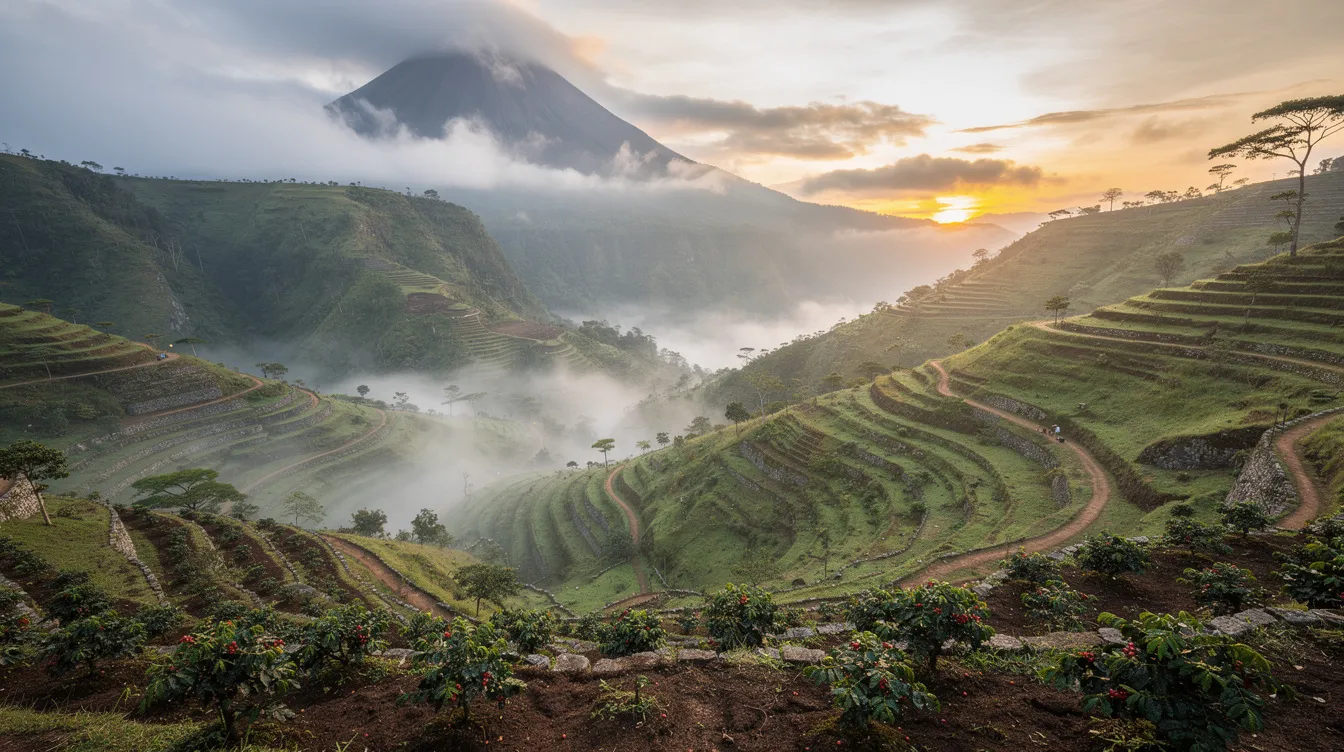
- Antigua: A volcanic basin ringed by three volcanoes at ~1,500–1,700 m. Antigua coffee is known for its deep chocolate notes and mild citrus acidity, with milk chocolate, toffee, and gentle spice. The volcanic soil and stable microclimate make it ideal for balanced espresso, drip, and French press.
- Huehuetenango: A coffee region known for high altitudes, reaching above 2,000 m in the remote region of the western highlands. Warm winds from Mexico protect farms from frost while cooler temperatures slow cherry ripening. Coffees from Huehuetenango have bright acidity and floral notes with stone fruit, citrus, and wine-like complexity. Exceptional for pour-over.
- Atitlán: Lake Atitlán coffee features bright citrus acidity and floral aromas, with cocoa, brown sugar, and floral spice layered in. The lake-influenced climate and volcanic soil create unique flavors suited to both pour-over and French press.
- Cobán: A misty, humid rainforest region at ~1,300–1,500 m. Medium acidity, fruit-and-cocoa mix, smooth finish. Approachable for drinkers who dislike sharp brightness.
- Acatenango Valley: Benefits from volcanic ashfall from Fuego Volcano, producing citrus, floral, and brown sugar notes with clean structure. Ideal for filter coffee.
- Fraijanes Plateau: Near Guatemala City on the slopes of Pacaya volcano, 1,400–1,800 m. Bold, high-acidity cups with dark chocolate and caramel notes. Good for intense French press or espresso.
- San Marcos: Warm and rainy with an earlier harvest. Floral notes, bright citrus, lighter body. Suits light roast pour-overs.
- Nuevo Oriente: Older volcanic soils in non volcanic regions east of the highlands. Lower acidity, nutty and chocolatey with full body. Excellent for easy-drinking drip, cold brew, and blends. Guatemalan coffee blends typically use beans from these other regions to balance acidity and depth.
Understanding these regional differences helps match buyers to the great coffee that fits their taste preferences and brewing method.
Guatemalan Coffee Basics: Altitude, Varieties, and Processing
Most specialty coffee in Guatemala is grown above 1,300 meters, and coffee grows best at elevations between 1,200 and 2,000 meters. Guatemala’s coffee farms sit between 4,000 and 6,500 feet. Over 130,000 coffee farmers work in Guatemala today, and in 1960, the Guatemalan National Coffee Association (Anacafé) was formed to support the industry. Guatemala produces about 3.4 million bags of coffee annually.
Altitude and density:
- High altitude slows coffee cherry ripening, enhancing flavor complexity. Denser Guatemala beans show clearer separation between chocolate, fruit, and nut notes.
- The Strictly Hard Bean classification refers to coffee grown at high elevations, making beans dense – a quality marker across the industry. Cooler temperatures at elevation force the coffee plant to develop sugars more slowly, concentrating sweetness.
Varieties:
- Common Arabica varieties include Bourbon, Typica, Caturra, and Catuai. Bourbon and Typica bring classic chocolate and nut notes. Gesha and Maracaturra appear in premium microlots, pushing floral and tea-like profiles.
- Guatemala peaberry coffee, where a single rounded bean develops instead of the usual flat pair, makes up only 5% of the total coffee crop. Peaberry coffee is prized for its concentrated, sometimes more intense flavor profile.
Processing:
- The washed processing method is commonly used in Guatemalan coffee production, delivering clean, structured cups with clear acidity. Natural and honey processing (less common but growing) add berry-like fruitiness and extra body. Washed lots excel in pour-over for clarity; natural and honey processed lots bring heavier body suited to French press and espresso.
Roast Level: How Light, Medium, and Dark Affect Guatemalan Coffee
Guatemalan coffee generally shines from light to medium roast, but specific taste preferences and brew methods may call for something darker.
- Light roast: Highlights fruit notes, floral aromatics, and higher acidity. Best for pour-over and AeroPress fans who enjoy detailed flavor notes. Huehuetenango coffee at light roast delivers vibrant flavor with stone fruit and jasmine-like florals.
- Medium roast: The sweetspot that balances chocolate and caramel notes with fruit, medium body, and approachable sweetness. Guatemala Antigua coffee at medium roast is the classic example – cocoa, toffee, mild citrus. Ideal all-rounder for drip, French press, and many espresso setups.
- Medium-dark and dark roast: Emphasize chocolate, caramelized sugar, and smoky notes while muting origin-specific acidity. Suited to traditional espresso and robust French press or cold brew applications. Guatemalan coffee typically has a full body and moderate acidity at these roast levels.
Very oily dark roasts can hide regional character entirely. If your goal is to taste true Guatemalan terroir – the volcanic soil, the altitude, the careful cultivation behind each lot – a medium or lighter roast will reveal more.
How to Choose the Best Guatemalan Coffee for You
The best coffee depends on your desired flavor profile, brewing method, and budget rather than a single universal winner.
By flavor preference:
- Chocolatey, dessert-like cups → Antigua or Nuevo Oriente medium roasts with chocolate, caramel, and nuts
- Bright, fruity coffee → Huehuetenango or Atitlán coffee with tasting notes like berry, stone fruit, citrus, or jasmine
- Acidity-sensitive → Cobán or Nuevo Oriente coffees described as smooth or low-acid
By brew method:
- For espresso beans → medium-dark Guatemala blends or single origins from Antigua or Huehuetenango at 1,500 m+ altitude
- For French press → medium roasts with full body and cocoa notes from Cobán, Antigua, or Nuevo Oriente
- For cold brew → medium to dark roast with chocolate flavors; avoid very light roasts
- For your standard coffee maker → balanced medium roasts from Antigua or Cobán
Reading labels:
- Look for a recent roast date; avoid bags without any date
- Prefer clearly named regions (e.g., “Guatemala Antigua” with farm or altitude data) over generic “Guatemala” labels – Antigua in particular has a counterfeiting problem where bags claim the region without sourcing from it
- Check for altitude, varietal, and processing info as signals of transparency and quality
Microlots and Gesha varieties command higher prices per ounce. Everyday drinkers may find more satisfaction with consistent, mid-priced regional coffees from established Guatemalan coffee brands.
Brewing Guatemalan Coffee: Method-by-Method Guidance
Guatemalan coffee beans are versatile but reward matching region and roast to your brewing method.
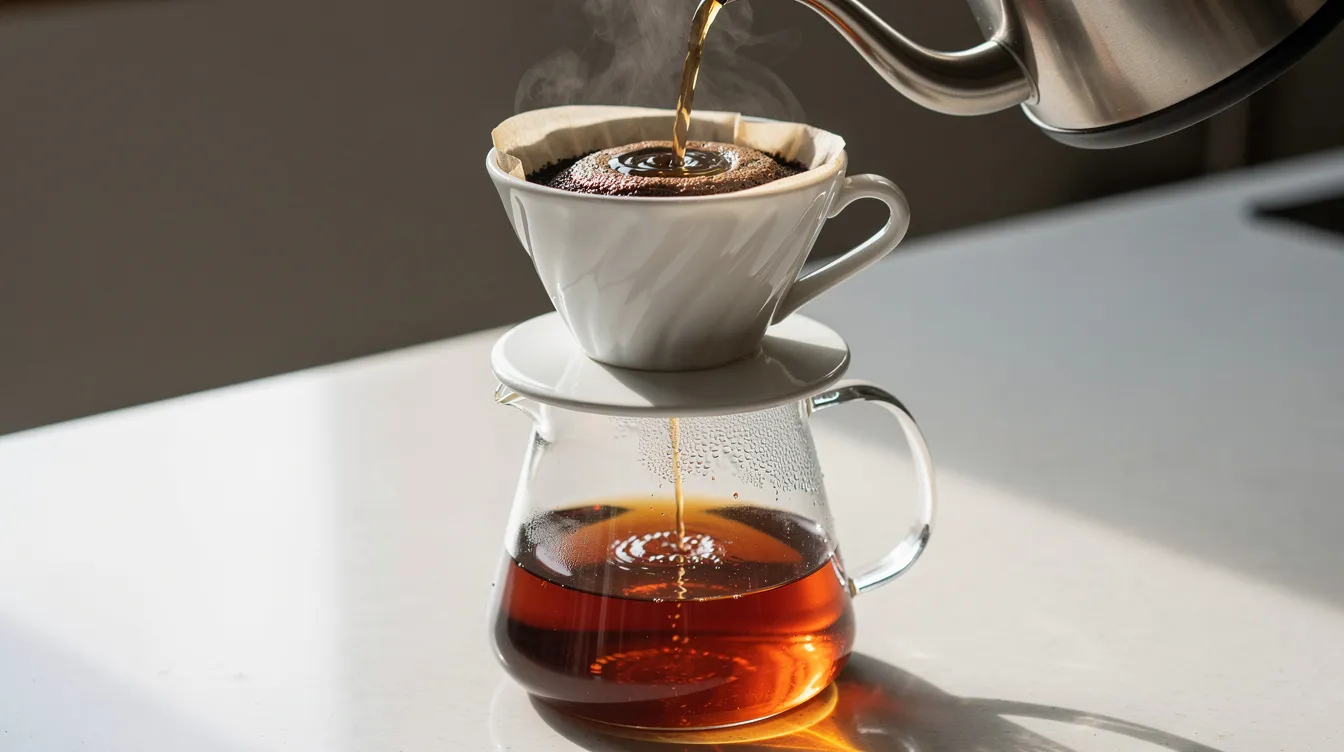
- French Press: Medium to medium-dark roasts from Antigua, Cobán, or Nuevo Oriente. Coarse grind, ~4-minute steep, 200°F water. This method highlights body and chocolatey notes. Avoid too-fine grinds which create sludge and bitterness.
- Pour-Over (V60, Chemex, Kalita): Light to medium roasts from Huehuetenango, Atitlán, or Acatenango. Medium-fine grind, 200°F water, 2.5–3.5 minute total brew time. This method showcases clarity and bright acidity. Guatemalan coffee typically exhibits bright acidity, cocoa, and caramel notes when brewed this way.
- Espresso: Medium-dark roasts or espresso-specific blends from high-altitude regions. Fine grind, 25–30 second shots. Guatemala beans give thick crema and chocolate-forward sweetness that pairs well with milk.
- Cold Brew: Medium to dark roast with cocoa and caramel notes. Coarse grind, 12–24-hour steep, dilute to taste. Delivers smooth, low-acid coffee grown in regions like Antigua or Cobán. Too-light roasts lack body and sweetness when cold-extracted.
- Automatic Drip: Balanced medium roasts from Antigua or Cobán. Medium grind. The most forgiving method for daily drinkers who want the rich flavor and convenience of great coffee at home.
Freshness, Storage, and Getting the Most from Your Beans
Guatemala’s nuanced flavor profile – the floral notes, the fruity notes, the caramel sweetness – fades quickly once beans go stale. Freshness is everything with aromatic coffees like these.
- Aim for coffee roasted within the last 2–4 weeks for peak flavor.
- Prefer whole bean over ground coffee, especially for espresso and pour-over. Grinding just before brewing with a burr grinder is the single easiest upgrade you can make.
- Look for packaging with one-way valves and clear roast dates (not just “best by”).
- Store beans in a cool, dark place in an airtight container. Avoid frequent opening.
- Skip refrigerating daily-use beans – condensation damages flavor. Freezing only works for sealed, longer-term storage of unopened bags.
How Guatemalan Coffee Compares to Other Origins
Many buyers consider Guatemalan coffee alongside other favorites when searching for the best coffee from a single origin.
- Versus Ethiopian coffee: Guatemala tends to be more chocolate-and-caramel driven with structured acidity, while many Ethiopian coffees are more floral and tea-like with brighter, higher acidity. If you want more floral and citrus-forward cups, explore our guide to the best Ethiopian coffee beans.
- Versus Colombian coffee: Guatemalan coffee often shows bolder chocolate and more distinct regional contrasts; Colombia can be slightly lighter-bodied and fruit/nut balanced. See our best Colombian coffee beans guide for comparison.
- Versus Costa Rican coffee: Both offer high-altitude, washed coffees, but Guatemala’s volcanic regions (Antigua, Acatenango) yield richer cocoa notes, while Costa Rica leans toward crisp, clean citrus and nutty sweetness. Our best Costa Rican coffee guide covers the differences.
For more origin comparisons and brewing guides, visit our coffee origins hub or browse the full coffee guide.
Our Guatemalan Coffee Picks
We matched two Guatemalan bags to the moods below. Tap the image or the coffee name. Research-rated, not yet brewed by our team. As an Amazon Associate we earn from qualifying purchases.
Feeling balanced: an Antigua cup
Our pick: Volcanica Coffee Guatemala Antigua, whole bean. Chocolate and cocoa the way this origin guide describes Antigua. Research-rated, not yet brewed by our team.
Feeling bold: a dark Guatemalan
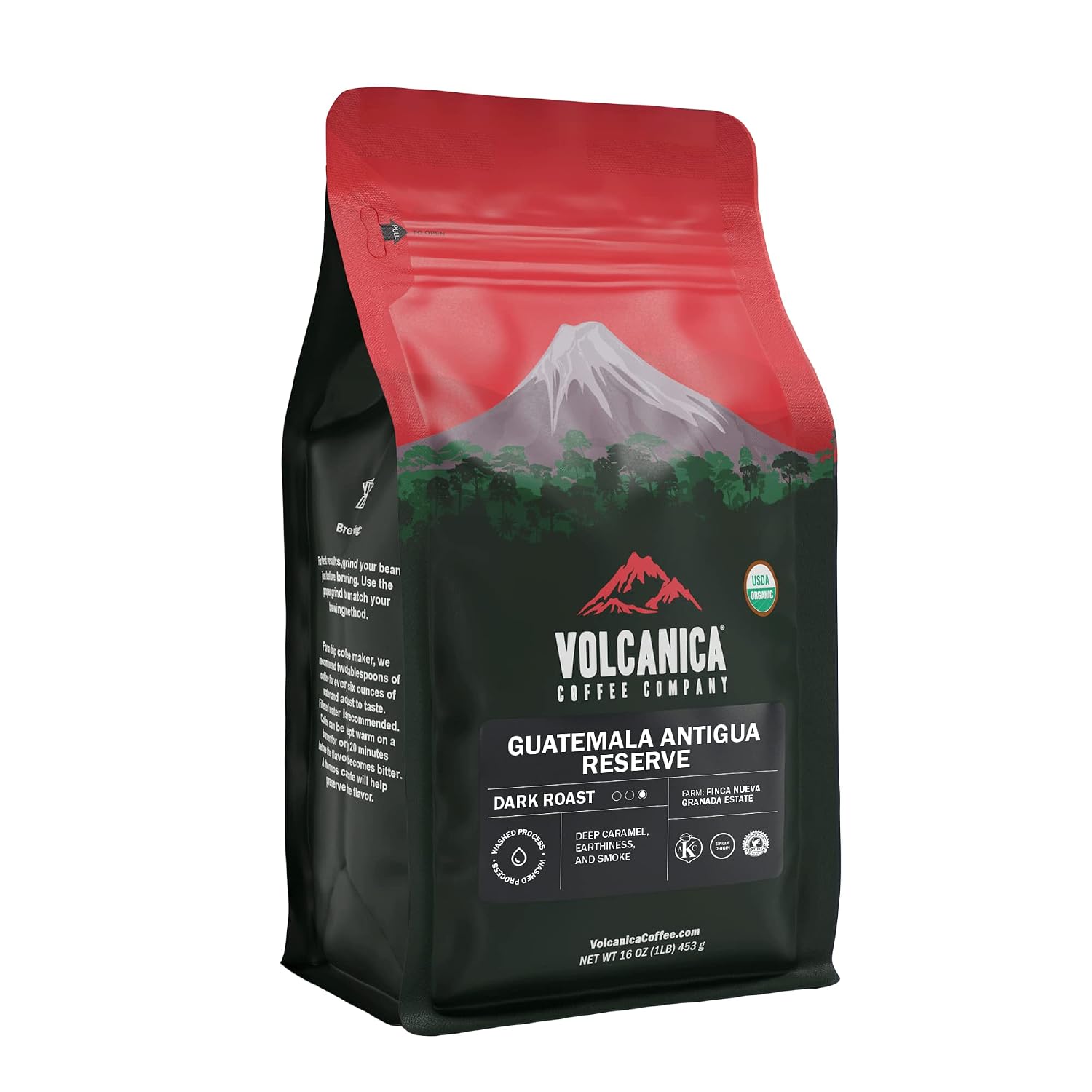
Our pick: A dark-roast Guatemalan bag, whole bean. Roast-forward for the darker side of this origin guide. Research-rated, not yet brewed by our team.
FAQs: Guatemalan Coffee
These answers cover common questions not fully addressed above.
Is Guatemalan coffee more acidic than other coffees?
Many Guatemalan coffees have medium to bright acidity, especially from high-altitude regions like Huehuetenango and Atitlán, where lively acidity is a defining trait. However, this acidity tastes lively and fruity – not sour – when brewed correctly. If you’re sensitive, look for Cobán or Nuevo Oriente coffees described as smooth or low-acid, and opt for medium to medium-dark roast levels paired with immersion methods like French press or cold brew, which naturally soften perceived sharpness.
What makes Guatemala Antigua coffee special?
The Antigua region sits in a historic volcanic valley with high elevation (roughly 1,500–1,700 m) and well-draining, mineral-rich soil from three surrounding volcanoes. This combination produces coffees that are famously balanced with deep chocolate notes, caramel, and gentle citrus acidity. Guatemalan coffee thrives in mineral-rich volcanic soils, and Antigua’s stable microclimate makes it one of the most consistent and polished origins. It’s a safe starting point for drip, espresso, and French press drinkers.
Is Guatemalan coffee usually organic or shade-grown?
Not all Guatemalan coffee is certified organic, but many farms – especially cooperatives in Huehuetenango, Atitlán, and other regions – follow organic farming and shade-grown practices. Some carry USDA Organic, Rainforest Alliance, or Fair Trade seals. Check packaging for certification logos and descriptions of shade-grown, bird-friendly, or forest-preserving practices if sustainability matters to you. Careful cultivation and traditional growing coffee practices are common even among uncertified smallholders.
What grind size should I use for Guatemalan coffee?
Use coarse grind for French press and cold brew, medium for automatic drip, medium-fine for pour-over, and fine for espresso – regardless of whether beans are from Antigua, Huehuetenango, or elsewhere. If your cup tastes weak or thin, go slightly finer. If it’s bitter or over-extracted, go coarser. Lighter roasts sometimes benefit from a slightly finer grind to extract enough sweetness and body.
Is Guatemalan coffee good for beginners?
For most buyers, the best Guatemalan coffee is a medium-roast Antigua that delivers balanced chocolate and caramel notes with enough sweetness and body to work across brew methods. If you prefer something livelier, a single-origin Huehuetenango light roast brings bright acidity, stone fruit, and floral notes ideal for pour-over. And if you want a full-bodied cup for espresso or cold brew, a medium-dark roast from Cobán or Nuevo Oriente keeps things smooth without sharpness. This guide breaks down regions, roast levels, and specific picks available in the U.S. as of 2026.
Key Takeaways
- A medium-roast Guatemala Antigua coffee is the most versatile starting point for daily brewing, offering milk chocolate, caramel sweetness, and balanced acidity that suits drip, French press, and espresso.
- Huehuetenango coffee delivers the brightest, most complex cups with fruity notes and high acidity, making it the go-to for pour-over and AeroPress enthusiasts.
- Cobán and Nuevo Oriente coffees are the smoothest options for drinkers sensitive to acidity, with a full body and chocolate flavors that shine in immersion brewing and cold brew.
- Guatemala produces about 3.4 million 60-kilogram bags of coffee annually, and Guatemalan coffee is globally celebrated for its complexity, vibrant acidity, and rich body across eight distinct coffee-growing regions.
- All recommendations in this guide are based on researched editorial analysis of U.S.-available coffees in 2026, not hands-on tasting, and rely on verified product data and third-party expert consensus.
Affiliate Disclosure
Capitol City Coffee is an independent coffee editorial and affiliate publication. Purchases made through links in this guide may earn us a commission at no extra cost to you. Commissions never influence our rankings. All picks are based on researched editorial analysis, verified product facts, and consensus from credible expert sources.
Best Guatemalan Coffee: Quick Answer & Top Picks
Here are the top Guatemala coffee beans we recommend by use case, selected from current 2026-available options:
- Best Overall – Volcanica Guatemala Antigua (Finca Nueva Granada Estate): A medium-roast, washed Antigua with honey, apple, and brown sugar flavor notes. Balanced acidity, medium body, and works beautifully in drip and pour-over. Mid-premium pricing (~$23/16 oz).
- Best for Pour-Over – Fresh Roasted Coffee Guatemala Huehuetenango: A light-to-medium roast with cherry, chocolate, and baking spice tasting notes. Bright acidity and crisp clarity make it a standout in V60 and Chemex. Budget-friendly for a named single origin.
- Best Dark Roast – Volcanica Guatemala Huehuetenango (Dark Roast): Full-bodied with smoky chocolate, molasses depth, and muted acidity. Suits espresso machines and French press drinkers who want bold flavors without sharpness.
- Best Espresso Beans – S&W Craft Roasting Guatemala Primos Unidos: Grown at 1,700–1,850 m with 36-hour fermentation; medium roast with brown sugar, yellow plum, and star anise. Versatile enough for both filter and espresso. Mid-premium.
- Best for French Press – A Cobán or Nuevo Oriente medium roast: Seek out lots described as smooth, cocoa-forward, and full bodied with gentle fruit notes. Coarse grind and 4-minute steep highlight the rich flavor.
- Best for Cold Brew – Medium-dark Guatemalan blend with chocolate and caramel notes: Look for Antigua-based blends optimized for cold extraction, emphasizing sweetness over acidity.
- Best Decaf – Swiss Water Process Guatemala Antigua: Prioritize chemical-free decaf with chocolate and nutty notes. Downeast Coffee Roasters’ WP Decaf Guatemala is one current option worth checking.
At a glance
Compare Amazon-available Guatemalan bags on a phone first: listing photo, roast notes, and a Check on Amazon button. Research-rated, not yet brewed by our team.
Best overall Guatemala
Volcanica Guatemala Antigua
- RoastMedium
- FlavorHoney, apple, brown sugar
Latin America companion
Volcanica Colombian Supremo
- RoastMedium
- FlavorCaramel, chocolate
Coffee | Region | Altitude | Roast | Process | Key Flavor Notes | Best Brew Methods | Price Tier |
|---|---|---|---|---|---|---|---|
Volcanica Guatemala Antigua | Antigua | ~1,500–1,700 m | Medium | Washed | Honey, apple, brown sugar | Drip, pour-over | Mid-premium |
Volcanica Guatemala Huehuetenango | Huehuetenango | 1,500–2,000 m | Medium | Washed | Honeysuckle, apricot, molasses | Pour-over, espresso | Mid-premium |
Fresh Roasted Coffee Huehuetenango | Huehuetenango | 1,524–1,830 m | Light–medium | Washed | Cherry, dark chocolate, baking spice | Pour-over, AeroPress | Budget |
S&W Craft Guatemala Primos Unidos | Hoja Blanca/Agua Dulce | 1,700–1,850 m | Medium | Washed (extended ferment) | Brown sugar, yellow plum, star anise | Filter, espresso | Mid-premium |
Cobán Regional Lot (various roasters) | Cobán | ~1,300–1,500 m | Medium | Washed | Cocoa, mild fruit, herbal | French press, drip | Mid-range |
Nuevo Oriente Lot (various roasters) | Nuevo Oriente | ~1,300–1,600 m | Medium | Washed | Toasted nuts, chocolate, full body | Drip, cold brew | Budget–mid |
WP Decaf Guatemala (Downeast) | Antigua-based | Varies | Medium | Swiss Water Decaf | Chocolate, nutty, low acid | Drip, French press | Mid-range |
How We Selected & Evaluated the Best Guatemalan Coffee
All picks in this guide are based on researched editorial analysis, not direct cupping or lab testing. We used up-to-date information as of 2026 and cross-referenced multiple credible sources. No roaster paid for placement.
Our core criteria:
- Origin transparency: Clear region identification (Antigua, Huehuetenango, Atitlán), altitude info, varietal, and 100% Arabica coffee beans.
- Roast freshness: Recent roast dates, roasted-to-order availability, packaging with one-way valve bags.
- Flavor profile and balance: Clarity of chocolate, fruit, and citrus flavor notes; harmony of acidity, sweetness, and body.
- Brew-method fit: Verified performance across espresso, French press, drip, cold brew, and pour-over based on roaster notes and consumer feedback.
- Sourcing and ethics: Direct trade relationships, organic farming certifications, or shade-grown claims where verified.
- Value for money: Price relative to quality tier, not just lowest cost.
- Third-party consensus: Rankings from specialty coffee roasters, international coffee awards results, and aggregated consumer reviews.
- U.S. availability: Online purchase options and current stock required for inclusion.
Detailed Picks: Best Guatemalan Coffees for Different Needs
Each pick below includes origin details, flavor profile, ideal brew methods, target drinker, and honest limitations.
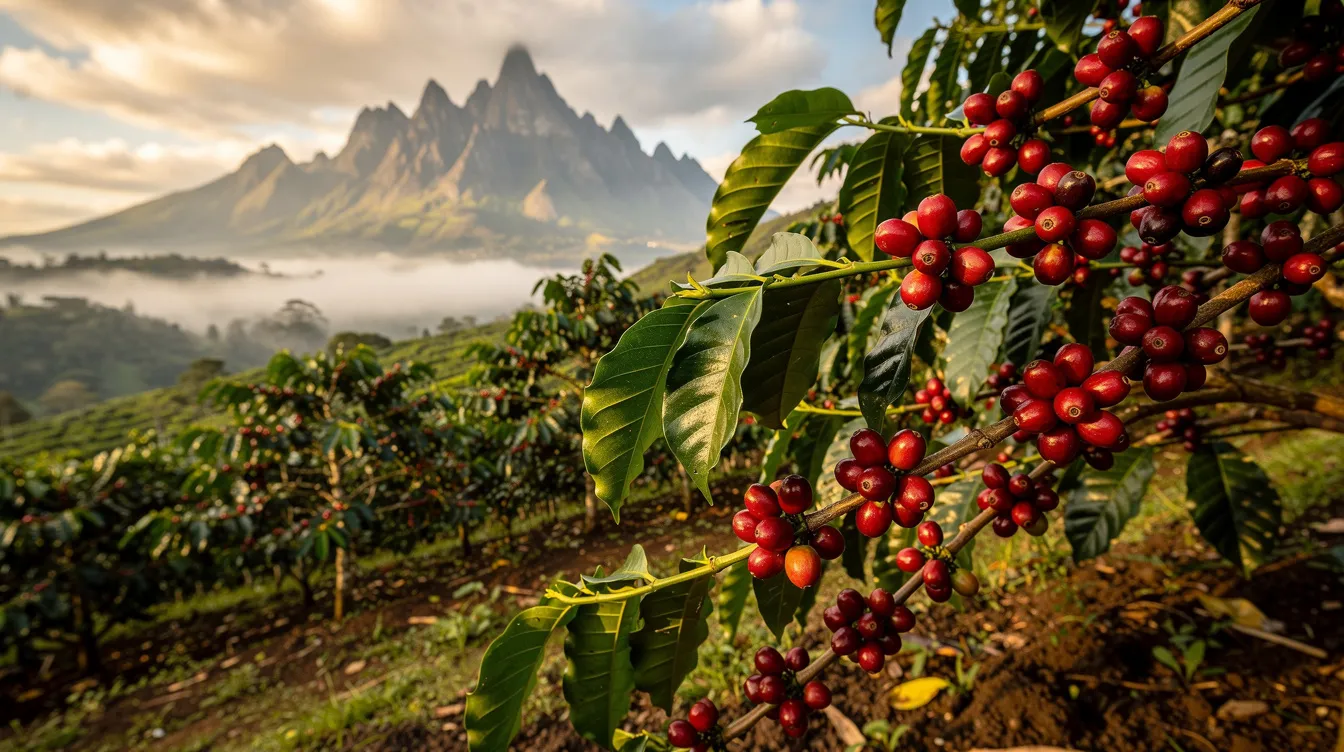
Volcanica Guatemala Antigua (Finca Nueva Granada Estate) – Best Overall. Sourced from the Antigua region at roughly 1,500–1,700 m, this washed, sun-dried medium roast delivers honey, apple, tea, and floral brown sugar notes. The body is medium with balanced acidity that never overwhelms. Volcanica Coffee sources beans from Antigua and Huehuetenango regions, and this particular estate lot offers reliable consistency batch to batch. It suits drip, pour-over, and French press equally well, making it an ideal daily driver. At ~$23 for 16 oz, it sits in the mid-premium range. The limitation: it won’t satisfy drinkers seeking extremely bright or fruity cups, and availability of this specific estate lot can fluctuate seasonally.
Fresh Roasted Coffee Guatemala Huehuetenango – Best for Pour-Over. This light-to-medium roast from the western highlands of Huehuetenango features cherry, dark chocolate, and baking spice tasting notes. Crisp acidity and clean finish make it exceptional in V60, Chemex, and AeroPress. It’s one of the more affordable named Huehuetenango single origins on the market, offering strong value for complexity. Ideal for drinkers who enjoy aromatic coffees with lively acidity and fruit notes. Drawback: the brightness may feel sharp to those accustomed to low-acid, dark roast profiles, and pre-ground coffee options may be limited.
Volcanica Guatemala Huehuetenango (USDA Organic) – Best Dark Roast. When roasted darker, this organic, Kosher-certified Huehuetenango delivers smoky chocolate, molasses, and baking spice with muted acidity. The full body holds up well in espresso and French press. It’s a strong pick for drinkers who want bold flavors and the depth of a dark roast without losing all origin character. Price is comparable to the Antigua counterpart. Trade-off: the darker roast sacrifices some of the floral notes and vibrant flavor that make Huehuetenango famous at lighter roast levels.
S&W Craft Roasting Guatemala Primos Unidos – Best Espresso Beans. Grown at 1,700–1,850 m in the Hoja Blanca and Agua Dulce areas, this washed lot undergoes 36-hour fermentation and 14-day patio drying. Roasted in early 2026, the cup shows brown sugar, yellow plum, berry, and star anise with tea-like clarity. It pulls excellent espresso shots with thick crema and caramel sweetness, but also shines as a filter coffee. Best for experienced home baristas who value traceability and experimental processing. Limitation: smaller-batch production means it may sell out, and the flavor profile leans complex rather than straightforward.
Cobán or Nuevo Oriente Medium Roast – Best for French Press. Look for named Cobán lots from specialty coffee roasters. Cobán coffee is noted for its milder taste with fruity and herbal complexities, medium body, and a smooth finish that avoids sharp acidity. Nuevo Oriente, with its older, non volcanic regions and lower mountains, produces full-bodied cups with chocolate notes and toasted nuts. Both are excellent in French press and automatic drip. Budget to mid-range pricing. The trade-off: these regions are less widely marketed than Antigua or Huehuetenango, so finding specific named lots may require searching smaller roasters.
Swiss Water Decaf Guatemala Antigua – Best Decaf. For caffeine-sensitive drinkers, seek out a Swiss Water Process decaf sourced from the Antigua region. The chemical-free decaf process preserves more of the chocolate and nutty base that makes Antigua coffee approachable. Best in drip and French press. Limitation: decaf Guatemala beans are less common than caffeinated options, flavor complexity is somewhat reduced compared to full-caffeine counterparts, and freshness can be harder to verify.
Guatemala’s Coffee Regions & What They Taste Like
Guatemala has eight distinct coffee-growing regions and Guatemalan coffee regions feature diverse microclimates, making it one of the most flavor-diverse single origins in Central America. Coffee was brought to Guatemala in the mid-1700s, and Guatemala’s coffee industry began in the mid-1800s. By 1890, 90% of Guatemalan exports were coffee. Today, Guatemala has 37 volcanoes contributing to mineral rich soil, and guatemalan coffee taste is shaped by the country’s regional microclimates and soils.
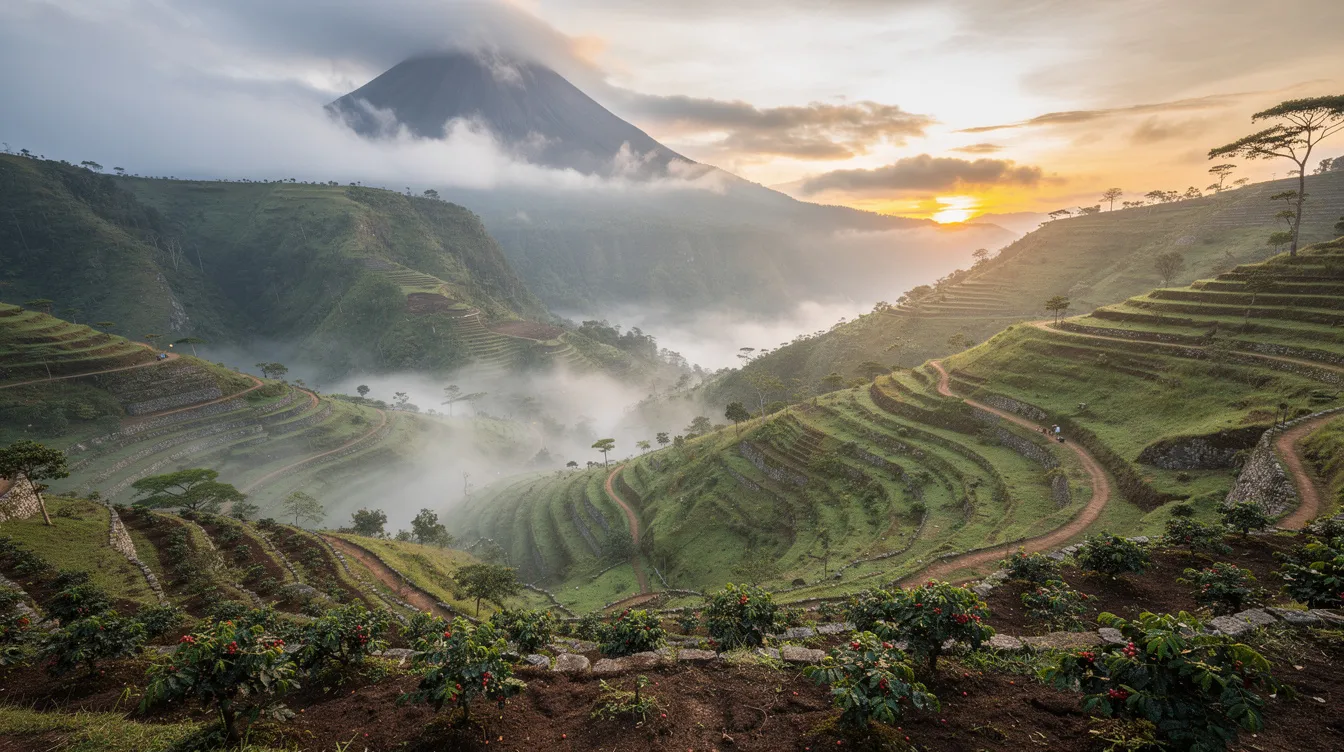
- Antigua: A volcanic basin ringed by three volcanoes at ~1,500–1,700 m. Antigua coffee is known for its deep chocolate notes and mild citrus acidity, with milk chocolate, toffee, and gentle spice. The volcanic soil and stable microclimate make it ideal for balanced espresso, drip, and French press.
- Huehuetenango: The highest coffee-growing region in Guatemala, reaching above 2,000 m in the remote region of the western highlands, with high altitudes contributing to its quality. Warm winds from Mexico protect farms from frost while cooler temperatures slow cherry ripening. Coffees from Huehuetenango have bright acidity and floral notes with stone fruit, citrus, and wine-like complexity. Exceptional for pour-over.
- Atitlán: Lake Atitlán coffee features bright citrus acidity and floral aromas, with cocoa, brown sugar, and floral spice layered in. The lake-influenced climate and volcanic soil create unique flavors suited to both pour-over and French press.
- Cobán: A misty, humid rainforest region at ~1,300–1,500 m. Medium acidity, fruit-and-cocoa mix, smooth finish. Approachable for drinkers who dislike sharp brightness.
- Acatenango Valley: Benefits from volcanic ashfall from Fuego Volcano, producing citrus, floral, and brown sugar notes with clean structure. Ideal for filter coffee.
- Fraijanes Plateau: Near Guatemala City on the slopes of Pacaya volcano, 1,400–1,800 m. Bold, high-acidity cups with dark chocolate and caramel notes. Good for intense French press or espresso.
- San Marcos: Warm and rainy with an earlier harvest. Floral notes, bright citrus, lighter body. Suits light roast pour-overs.
- Nuevo Oriente: Older volcanic soils in non volcanic regions east of the highlands. Lower acidity, nutty and chocolatey with full body. Excellent for easy-drinking drip, cold brew, and blends. Guatemalan coffee blends typically use beans from these other regions to balance acidity and depth.
Understanding these regional differences helps match buyers to the great coffee that fits their taste preferences and brewing method.
Guatemalan Coffee Basics: Altitude, Varieties, and Processing
Most specialty coffee in Guatemala is grown above 1,300 meters, and coffee grows best at elevations between 1,200 and 2,000 meters. Guatemala’s coffee farms sit between 4,000 and 6,500 feet. Over 130,000 coffee farmers work in Guatemala today, and in 1960, the Guatemalan National Coffee Association (Anacafé) was formed to support the industry. Guatemala produces about 3.4 million bags of coffee annually.
Altitude and density:
- High altitude slows coffee cherry ripening, enhancing flavor complexity. Denser Guatemala beans show clearer separation between chocolate, fruit, and nut notes.
- The Strictly Hard Bean classification refers to coffee grown at high elevations, making beans dense – a quality marker across the industry. Cooler temperatures at elevation force the coffee plant to develop sugars more slowly, concentrating sweetness.
Varieties:
- Common Arabica varieties include Bourbon, Typica, Caturra, and Catuai. Bourbon and Typica bring classic chocolate and nut notes. Gesha and Maracaturra appear in premium microlots, pushing floral and tea-like profiles.
- Guatemala peaberry coffee, where a single rounded bean develops instead of the usual flat pair, makes up only 5% of the total coffee crop. Peaberry coffee is prized for its concentrated, sometimes more intense flavor profile.
Processing:
- The washed processing method is commonly used in Guatemalan coffee production, delivering clean, structured cups with clear acidity. Natural and honey processing (less common but growing) add berry-like fruitiness and extra body. Washed lots excel in pour-over for clarity; natural and honey processed lots bring heavier body suited to French press and espresso.
Roast Level: How Light, Medium, and Dark Affect Guatemalan Coffee
Guatemalan coffee generally shines from light to medium roast, but specific taste preferences and brew methods may call for something darker.
- Light roast: Highlights fruit notes, floral aromatics, and higher acidity. Best for pour-over and AeroPress fans who enjoy detailed flavor notes. Huehuetenango coffee at light roast delivers vibrant flavor with stone fruit and jasmine-like florals.
- Medium roast: The sweetspot that balances chocolate and caramel notes with fruit, medium body, and approachable sweetness. Guatemala Antigua coffee at medium roast is the classic example – cocoa, toffee, mild citrus. Ideal all-rounder for drip, French press, and many espresso setups.
- Medium-dark and dark roast: Emphasize chocolate, caramelized sugar, and smoky notes while muting origin-specific acidity. Suited to traditional espresso and robust French press or cold brew applications. Guatemalan coffee typically has a full body and moderate acidity at these roast levels.
Very oily dark roasts can hide regional character entirely. If your goal is to taste true Guatemalan terroir – the volcanic soil, the altitude, the careful cultivation behind each lot – a medium or lighter roast will reveal more.
How to Choose the Best Guatemalan Coffee for You
The best coffee depends on your desired flavor profile, brewing method, and budget rather than a single universal winner.
By flavor preference:
- Chocolatey, dessert-like cups → Antigua or Nuevo Oriente medium roasts with chocolate, caramel, and nuts
- Bright, fruity coffee → Huehuetenango or Atitlán coffee with tasting notes like berry, stone fruit, citrus, or jasmine
- Acidity-sensitive → Cobán or Nuevo Oriente coffees described as smooth or low-acid
By brew method:
- For espresso beans → medium-dark Guatemala blends or single origins from Antigua or Huehuetenango at 1,500 m+ altitude
- For French press → medium roasts with full body and cocoa notes from Cobán, Antigua, or Nuevo Oriente
- For cold brew → medium to dark roast with chocolate flavors; avoid very light roasts
- For your standard coffee maker → balanced medium roasts from Antigua or Cobán
Reading labels:
- Look for a recent roast date; avoid bags without any date
- Prefer clearly named regions (e.g., “Guatemala Antigua” with farm or altitude data) over generic “Guatemala” labels – Antigua in particular has a counterfeiting problem where bags claim the region without sourcing from it
- Check for altitude, varietal, and processing info as signals of transparency and quality
Microlots and Gesha varieties command higher prices per ounce. Everyday drinkers may find more satisfaction with consistent, mid-priced regional coffees from established Guatemalan coffee brands.
Brewing Guatemalan Coffee: Method-by-Method Guidance
Guatemalan coffee beans are versatile but reward matching region and roast to your brewing method.
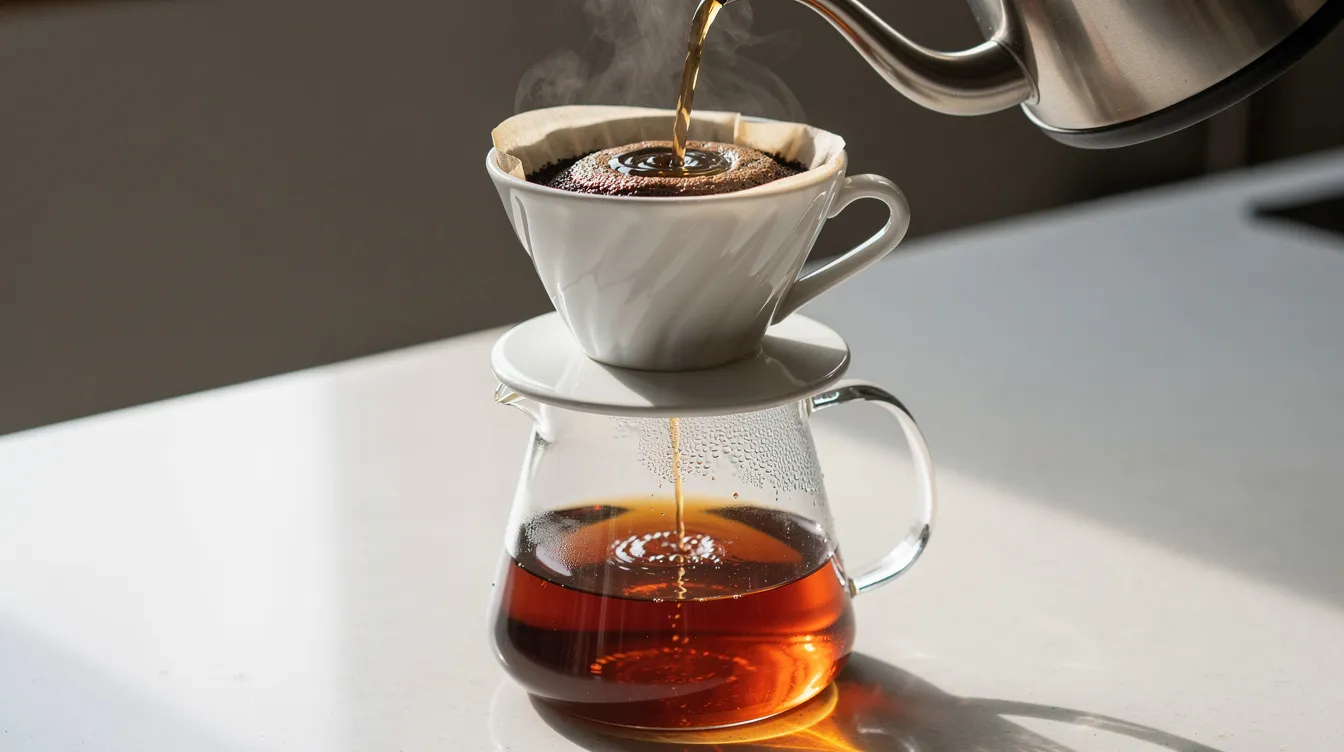
- French Press: Medium to medium-dark roasts from Antigua, Cobán, or Nuevo Oriente. Coarse grind, ~4-minute steep, 200°F water. This method highlights body and chocolatey notes. Avoid too-fine grinds which create sludge and bitterness.
- Pour-Over (V60, Chemex, Kalita): Light to medium roasts from Huehuetenango, Atitlán, or Acatenango. Medium-fine grind, 200°F water, 2.5–3.5 minute total brew time. This method showcases clarity and bright acidity. Guatemalan coffee typically exhibits bright acidity, cocoa, and caramel notes when brewed this way.
- Espresso: Medium-dark roasts or espresso-specific blends from high-altitude regions. Fine grind, 25–30 second shots. Guatemala beans give thick crema and chocolate-forward sweetness that pairs well with milk.
- Cold Brew: Medium to dark roast with cocoa and caramel notes. Coarse grind, 12–24-hour steep, dilute to taste. Delivers smooth, low-acid coffee grown in regions like Antigua or Cobán. Too-light roasts lack body and sweetness when cold-extracted.
- Automatic Drip: Balanced medium roasts from Antigua or Cobán. Medium grind. The most forgiving method for daily drinkers who want the rich flavor and convenience of great coffee at home.
Freshness, Storage, and Getting the Most from Your Beans
Guatemala’s nuanced flavor profile – the floral notes, the fruity notes, the caramel sweetness – fades quickly once beans go stale. Freshness is everything with aromatic coffees like these.
- Aim for coffee roasted within the last 2–4 weeks for peak flavor.
- Prefer whole bean over ground coffee, especially for espresso and pour-over. Grinding just before brewing with a burr grinder is the single easiest upgrade you can make.
- Look for packaging with one-way valves and clear roast dates (not just “best by”).
- Store beans in a cool, dark place in an airtight container. Avoid frequent opening.
- Skip refrigerating daily-use beans – condensation damages flavor. Freezing only works for sealed, longer-term storage of unopened bags.
How Guatemalan Coffee Compares to Other Origins
Many buyers consider Guatemalan coffee alongside other favorites when searching for the best coffee from a single origin.
- Versus Ethiopian coffee: Guatemala tends to be more chocolate-and-caramel driven with structured acidity, while many Ethiopian coffees are more floral and tea-like with brighter, higher acidity. If you want more floral and citrus-forward cups, explore our guide to the best Ethiopian coffee beans.
- Versus Colombian coffee: Guatemalan coffee often shows bolder chocolate and more distinct regional contrasts; Colombia can be slightly lighter-bodied and fruit/nut balanced. See our best Colombian coffee beans guide for comparison.
- Versus Costa Rican coffee: Both offer high-altitude, washed coffees, but Guatemala’s volcanic regions (Antigua, Acatenango) yield richer cocoa notes, while Costa Rica leans toward crisp, clean citrus and nutty sweetness. Our best Costa Rican coffee guide covers the differences.
For more origin comparisons and brewing guides, visit our coffee origins hub or browse the full coffee guide.
Our Guatemalan Coffee Picks
We matched two Guatemalan bags to the moods below. Tap the image or the coffee name. Research-rated, not yet brewed by our team. As an Amazon Associate we earn from qualifying purchases.
Feeling balanced: an Antigua cup
Our pick: Volcanica Coffee Guatemala Antigua, whole bean. Chocolate and cocoa the way this origin guide describes Antigua. Research-rated, not yet brewed by our team.
Feeling bold: a dark Guatemalan
Our pick: A dark-roast Guatemalan bag, whole bean. Roast-forward for the darker side of this origin guide. Research-rated, not yet brewed by our team.
FAQs: Guatemalan Coffee
These answers cover common questions not fully addressed above.
Is Guatemalan coffee more acidic than other coffees?
Many Guatemalan coffees have medium to bright acidity, especially from high-altitude regions like Huehuetenango and Atitlán, where lively acidity is a defining trait. However, this acidity tastes lively and fruity – not sour – when brewed correctly. If you’re sensitive, look for Cobán or Nuevo Oriente coffees described as smooth or low-acid, and opt for medium to medium-dark roast levels paired with immersion methods like French press or cold brew, which naturally soften perceived sharpness.
What makes Guatemala Antigua coffee special?
The Antigua region sits in a historic volcanic valley with high elevation (roughly 1,500–1,700 m) and well-draining, mineral-rich soil from three surrounding volcanoes. This combination produces coffees that are famously balanced with deep chocolate notes, caramel, and gentle citrus acidity. Guatemalan coffee thrives in mineral-rich volcanic soils, and Antigua’s stable microclimate makes it one of the most consistent and polished origins. It’s a safe starting point for drip, espresso, and French press drinkers.
Is Guatemalan coffee usually organic or shade-grown?
Not all Guatemalan coffee is certified organic, but many farms – especially cooperatives in Huehuetenango, Atitlán, and other regions – follow organic farming and shade-grown practices. Some carry USDA Organic, Rainforest Alliance, or Fair Trade seals. Check packaging for certification logos and descriptions of shade-grown, bird-friendly, or forest-preserving practices if sustainability matters to you. Careful cultivation and traditional growing coffee practices are common even among uncertified smallholders.
What grind size should I use for Guatemalan coffee?
Use coarse grind for French press and cold brew, medium for automatic drip, medium-fine for pour-over, and fine for espresso – regardless of whether beans are from Antigua, Huehuetenango, or elsewhere. If your cup tastes weak or thin, go slightly finer. If it’s bitter or over-extracted, go coarser. Lighter roasts sometimes benefit from a slightly finer grind to extract enough sweetness and body.
Is Guatemalan coffee good for beginners?
Guatemalan coffee is often recommended for newcomers because of its natural sweetness, chocolatey base, and approachable acidity. Medium-roast Antigua and Cobán coffees in particular deliver a comfortable, rich flavor without overwhelming complexity. Start with a medium-roast, chocolate-forward Guatemala Antigua coffee in a simple brewing method like drip or French press. Once you’re comfortable, branching into a brighter Huehuetenango or an experimental honey-processed lot will reveal just how much range this origin offers.