
Key Takeaways
- “Types of coffee” spans four layers: bean species (Arabica vs. Robusta), farming method (organic vs. conventional), certifications (fair trade, shade-grown), and roast or brew style. Organic coffee is grown without synthetic fertilizers, pesticides, or herbicides and must be certified under USDA organic standards. Fair trade certification sets a minimum price and social premium for farmers. Caffeine content depends more on species and roast than on organic or conventional status. This page helps you match the right coffee type to your taste, budget, and values.
- Organic coffee avoids synthetic chemical residues during cultivation and processing, and some research indicates organic coffee contains higher levels of beneficial polyphenols like quercetin compared to conventional beans.
- Fair trade coffee is produced in 24 countries across Latin America, Africa, and Asia. Fair trade practices aim to improve farmers’ incomes and community development, though outcomes vary by cooperative.
- Capitol City Coffee is an independent editorial and affiliate publication, not a roaster. Recommendations on this page and in linked guides rely on researched editorial analysis, verified product facts, and expert consensus rather than hands-on tasting.
- Dedicated guides cover the best organic coffee, best fair trade coffee, best decaf coffee, and best low-acid coffee under the /coffee/types/ hub.
At a glance
Category Overview: What “Types of Coffee” Really Means
“Types of coffee” in the U.S. usually refers to four overlapping layers: what species the coffee beans come from, how they are grown and traded, how they are processed and roasted, and how they are brewed and served. Most shoppers encounter these layers simultaneously on a single bag label.
- Bean types: Arabica vs. Robusta, with differences in flavor, caffeine content, and common uses (specialty vs. instant or espresso blends).
- Farming and ethics: organic coffee, conventional coffee, fair trade and Fair Trade USA certification, shade-grown cultivation, and small-scale farming cooperatives.
- Processing and roast: washed vs. natural vs. honey process; light, medium, and dark roasts, each affecting flavor and polyphenol retention.
- Drink styles: espresso-based drinks, drip, pour-over, cold brew, instant, and ready-to-drink formats.
The rest of this page works as a commercial investigation hub. You will find high-level explanations here, then links to specialized guides with researched recommendations for each major coffee type.
Key Concepts: Bean Species and Origins
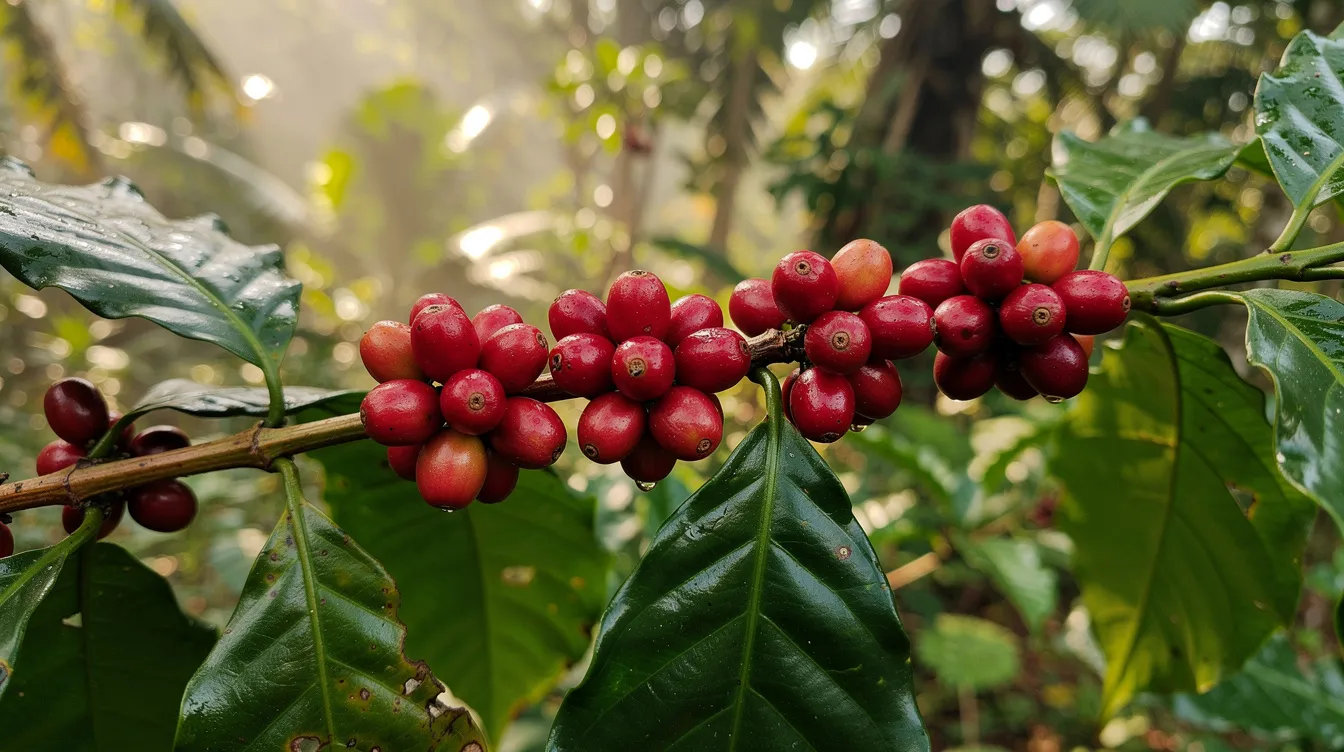
Bean species form the foundation for all types of coffee. The main types of coffee beans are Arabica and Robusta, which can be grown organically or conventionally.
Coffea arabica accounts for roughly 60 to 75% of world coffee production. It typically delivers smoother, more complex flavors with lower bitterness. Arabica has lower caffeine content than Robusta, usually between 0.8 and 1.5% by dry weight. It grows at higher elevations in Latin America, East Africa, and parts of Asia. Arabica dominates specialty and organic coffee beans.
Coffea canephora (Robusta) makes up about 25 to 40% of global production. Robusta beans contain roughly 2.2 to 2.7% caffeine by dry weight, about double that of Arabica. They carry more bitterness along with chocolate and nutty notes, and the coffee plant itself is more disease-resistant. Robusta is widely used in instant coffee and espresso blends where crema and body matter.
Less common species like Liberica and Excelsa exist but represent a small fraction of international trade. They remain niche options for adventurous drinkers rather than everyday purchases.
Coffee is primarily grown in the coffee bean belt, a band roughly between the Tropics of Cancer and Capricorn. The three largest coffee-producing countries are Brazil, Vietnam, and Colombia. Origin influences polyphenol and flavor profiles; Ethiopian coffee beans have the highest caffeine content among commonly traded origins. Still, the roasting process and brew method shape what you taste in the cup at least as much as where the beans were grown.
Key Concepts: How Coffee Is Grown; Organic vs. Conventional
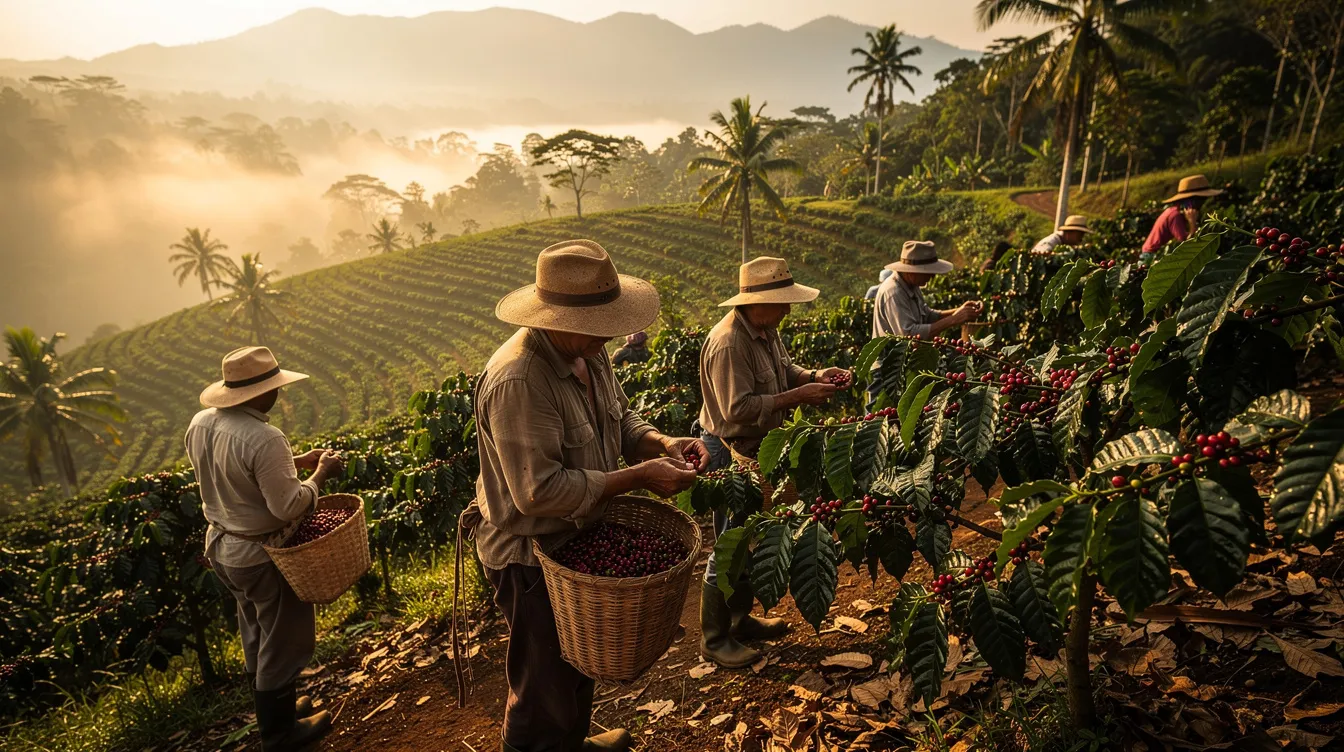
The distinction between organic coffee and conventional coffee comes down to farming practices and inputs. Organic farming uses natural compost, crop rotation, and biological pest control. Conventional coffee production commonly uses synthetic fertilizers, pesticides, and herbicides to manage yield and plant stress.
What organic coffee means
Organic coffee is grown without synthetic fertilizers, pesticides, or herbicides. Farms rely on organic fertilizers like coffee pulp and animal manures, plus shade cover and natural pest management. Organic coffee must be certified under USDA organic standards, which require strict adherence to defined agricultural practices for at least three years before a farm can carry the certified organic label. Annual inspections, detailed record-keeping, and an Organic System Plan are mandatory. That certification process adds cost and paperwork, placing a heavier burden on small-scale coffee farmers.
Organic coffee can be produced under shade-grown cultivation to preserve ecosystems. Shade-grown organic coffee helps maintain biodiversity and protect wildlife habitats, including insect-eating birds that serve as natural pest control. Healthier ecosystems are supported by organic farming practices, which reduce chemical exposure for farmworkers and surrounding communities. Organic farming emphasizes maintaining soil health and preventing erosion, and organic coffee farming practices can lead to environmental benefits such as reduced chemical runoff into waterways. Similar sustainability concerns also apply to the cocoa tree in fair trade and organic agriculture discussions.
Flavor profiles of organic coffee can reflect more complex and authentic notes due to natural growing methods, though roast and processing remain dominant factors in what you actually taste.
What conventional coffee means
Conventional coffee commonly uses synthetic inputs to boost yield and reduce plant stress. Glyphosate is commonly used in coffee farming practices for weed control around coffee plantations. Conventional coffee is typically cheaper at the shelf because higher yields and lower labor costs per pound translate to lower retail prices.
Conventional coffee samples had more chlorogenic acid than organic in some comparative studies, and conventional coffee beans showed greater antioxidant activity than organic in certain lab tests. The picture is not one-sided.
Environmental trade-offs
Organic can improve soil structure and long-term fertility, but plants may grow more slowly, and yields are often lower. Conventional can maximize yield per acre but increases risk of chemical runoff and reduced on-farm biodiversity if not managed with care. Soil erosion is another factor; organic systems that maintain ground cover and shade trees tend to lose less topsoil over time.
Capitol City Coffee’s dedicated organic coffee guide compares performance, price, and value across certified organic coffee beans from multiple origins.
Key Concepts: Fair Trade and Ethical Certifications
Many U.S. consumers pair organic coffee with ethical labels like fair trade, but each certification covers different issues and sets different standards.
What fair trade means
Fair trade aims to guarantee a minimum price for producers, plus a social premium for community projects like schools, clean water, and health clinics. The minimum Fair Trade price for high-grade coffee is $1.40 per pound. On top of that, a fairtrade premium paid to cooperatives funds environmental initiatives, infrastructure, and sustainable development programs. Fair trade practices focus on improved labor conditions, long-term buyer-producer relationships, human rights protections, and more transparent supply chains.
Fair trade coffee sales grew nearly 50% per year in some countries during the movement’s expansion period. In 2002, 16,000 tons of Fairtrade coffee were purchased in 17 countries. By 2006, Starbucks was the world’s largest purchaser of fair trade coffee. Fair trade coffee is produced in 24 countries across Latin America, Africa, and Asia.
Fairtrade International vs. Fair Trade USA
Fairtrade International sets global fairtrade standards and manages the Fairtrade Mark used in most countries around the world. Fair Trade USA is the main certifier in the United States, using the Fair Trade Certified label on coffee and other food products. Both certify fairtrade products, but they operate independently with somewhat different audit structures.
What fair trade certification can and cannot guarantee
Fair trade certification can set audited minimum price and fairtrade premium structures. The fairtrade system is designed so that the minimum price acts as a floor when market prices drop, giving coffee farmers more purchasing power and stability.
Fair trade certification cannot fully insulate farmers from all market swings or eliminate all supply chain inequities. Some critics point to inefficient cooperatives, weak enforcement in certain regions, and a limited share of premiums reaching individual producers. Real outcomes depend on many factors: cooperative governance, local costs of living, farm yields, and whether the country has supportive agricultural practices and policies.
Ethical sourcing language used by large brands without credible, independent fairtrade certification is harder to verify and carries higher risk of greenwashing. Consumers who are aware of these distinctions can make more informed choices about ethical products.
Capitol City Coffee’s fair trade coffee guide evaluates fair trade certified options for readers prioritizing certified ethical sourcing.
Key Concepts: Roast Levels and Flavor Profiles
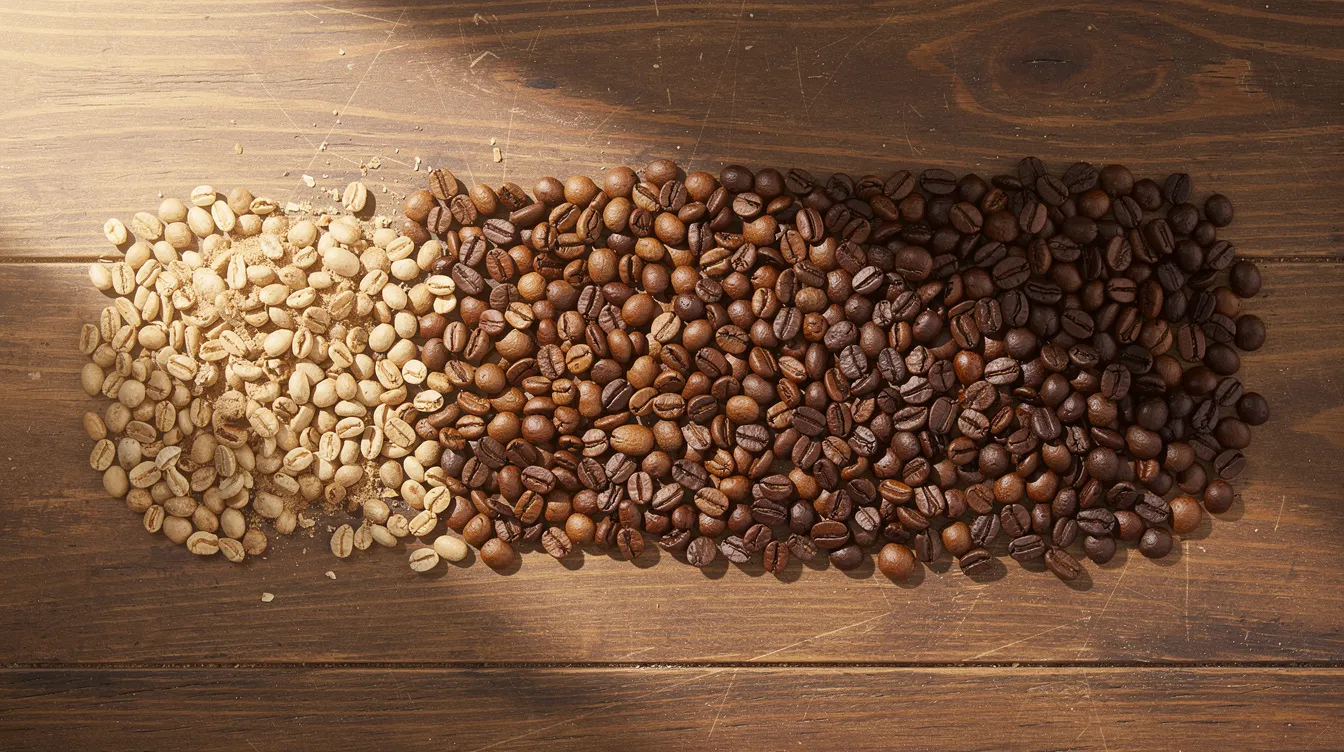
Roast level is the “type” distinction most shoppers actually notice when scanning a grocery shelf or café menu. The roasting process transforms green beans into the brown, aromatic coffee beans you grind and brew.
Light roast (sometimes called City or Light City) preserves more origin character. Expect lighter body, higher acidity, and floral or fruity notes common in Ethiopian or Central American coffees. Light roasts retain slightly more caffeine per volume than dark roasts because the beans lose less mass during shorter roast times.
Medium roast balances brightness, sweetness, and body. Labels like “House Blend” or “Breakfast Blend” usually indicate medium roast. This range is common in U.S. drip coffee and organic supermarket coffee products.
Dark roast (French, Italian, Espresso) produces bold, smoky, or chocolatey flavors. Perceived acidity drops, and body increases. Dark roasts are popular in espresso blends and some conventional coffee lines. Over-roasting can burn off nuanced flavors and reduce polyphenol content further.
Trade-offs are straightforward: lighter roasts let you taste origin and preserve more bioactive compounds but can taste sour to palates accustomed to bold coffee. Darker roasts are more forgiving across brew methods and pair well with milk, but they mask subtle origin notes and reduce certain antioxidants.
Key Concepts: Caffeine Content Across Coffee Types
Caffeine content matters for performance, sleep quality, and how many cups fit your daily budget before you feel jittery.
Caffeine varies by several factors:
- Species: Robusta delivers roughly 22 to 27 mg of caffeine per gram of beans, while Arabica delivers about 10 to 15 mg per gram.
- Roast: Light roasts contain slightly more caffeine per scoop because the beans are denser; dark roast beans weigh less per scoop after losing moisture. By weight, differences are small.
- Brew method: An 8 oz drip cup typically contains 80 to 120 mg of caffeine; a single espresso shot holds about 63 mg in a 1 oz serving; cold brew concentrate can reach 150 to 200 mg per 8 oz depending on ratio and brewing time.
- Origin: Ethiopian coffee beans have the highest caffeine content among commonly sourced Arabica origins. Caffeine content varies by coffee origin and processing method.
Organic coffee beans generally contain higher caffeine than conventional beans in some comparative analyses. One study measuring beans from Ethiopia, Peru, and Sumatra found organic samples averaging about 368.70 mg/g of caffeine versus 357.75 mg/g for conventional, though the difference was not statistically significant in all comparisons. However, conventional coffee brews may have more caffeine than organic brews, depending on grind size and extraction variables.
Decaf coffee still contains a small amount of caffeine, typically 2 to 15 mg per 8 oz cup, which can affect very sensitive drinkers.
Capitol City Coffee’s decaf guide and low-acid guide cover options for people managing caffeine intake or stomach sensitivity.
Key Concepts: Organic Coffee, Polyphenols, and Antioxidants
Coffee ranks among the largest dietary sources of polyphenols for many U.S. adults. The difference between organic and conventional on this front is nuanced, not absolute.
Both organic and conventional coffee beans contain bioactive polyphenols such as chlorogenic acids, caffeic acid, and quercetin. Organic coffee contains higher levels of quercetin than conventional beans, according to comparative analyses across multiple origins. Conventional coffee samples had more chlorogenic acid than organic in some of the same studies. And conventional coffee beans showed greater antioxidant activity than organic in certain bean-state tests.
The picture shifts once you brew: antioxidant activity in the cup can favor either type depending on origin, roast, and extraction time, not just organic status. Coffee from Sumatra has the highest antioxidant activity among tested origins, while Peruvian coffee has the lowest polyphenol content among origins studied.
Organic coffee may provide higher antioxidant levels compared to conventional coffee in some comparisons, but published research makes clear that roast level and brewing time are often larger variables than farming method alone.
Roasting and brewing effects
The roasting process tends to reduce certain polyphenols, especially chlorogenic acids. Light roasts preserve more of these compounds than dark roasts. Shorter brewing times can better preserve some bioactive compounds but may under-extract flavor; there is a performance trade-off. One study from Peru found that a medium roast with about 3 minutes of brewing time optimized both flavor and bioactive compound extraction.
Health context
Coffee consumption is linked to lower risk of premature death across several large observational studies. Drinking coffee may reduce type 2 diabetes risk by 6 to 11%. Moderate coffee intake may decrease heart-related issues risk, including some forms of cardiovascular disease. Coffee may also help reduce depression and anxiety symptoms, though mechanisms are still under study. These findings apply to caffeinated coffee broadly, not to organic or conventional specifically, and this page is not a substitute for medical advice.
Key Concepts: Pricing, Value, and Availability by Coffee Type
Different types of coffee line up on price and perceived value based on certification, farming costs, and supply dynamics. Here is how each category stacks up in the U.S. market as of mid-2020s.
Why organic coffee costs more
Certification fees, annual audits, and detailed record-keeping add overhead. Organic farming practices require more labor-intensive weed control and pest management without synthetic shortcuts. The U.S. organic coffee market generated approximately $1.66 billion in revenue in 2024 and is projected to reach about $2.80 billion by 2030, representing a compound annual growth rate of roughly 9%. Demand from North America, Western Europe, and Japan often outpaces supply of certified organic green beans, pushing premiums higher.
Why fair trade coffee may cost more
Fairtrade certification adds its own costs, guarantees the minimum price of $1.40 per pound, and layers a social premium on top. Large companies sometimes buy small fair trade volumes alongside conventional lots, while specialty roasters may offer fully Fair Trade USA certified lines.
Conventional coffee pricing
Conventional coffee is typically lowest per ounce due to higher yields and economies of scale. It is widely available in grocery stores, warehouse clubs, and instant or pod formats. The average U.S. price per pound of ground coffee reached about $9.14 in September 2025, an increase of roughly 41% from the prior year, driven by inflation and supply disruptions.
Matching budget to values
- Prioritize organic when you are concerned about synthetic pesticide use and its positive impact on the environment.
- Prioritize fair trade certification when farmer income and labor protections are your top concern.
- Consider conventional options when budget and everyday convenience matter most; some conventional brands participate in sustainability programs even without full certification.
Browse Guides: Main Coffee-Type Categories Under Capitol City Coffee
Capitol City Coffee organizes in-depth coffee types into dedicated editorial guides under the /coffee/ hub. Each guide solves a specific shopping problem.
- Best Organic Coffee: Compares certified organic coffee beans across origins, farming practices, taste profiles, and price. For readers prioritizing environmental benefits and clean-label sourcing.
- Best Fair Trade Coffee: Evaluates fair trade certification, Fair Trade USA labels, and fairtrade products by flavor, value, and transparency. For consumers who want to support producers directly.
- Best Decaf Coffee: Reviews decaffeination methods (Swiss Water, CO₂, solvent-based), flavor retention, and residual caffeine content. For sensitive drinkers or anyone cutting caffeine without giving up coffee.
- Best Low-Acid Coffee: Covers options designed for gentler impact on stomach and teeth, including specific origins, dark roasts, and cold brew approaches. For drinkers with reflux or acid sensitivity.
Each guide includes price ranges, availability notes, and an honest look at drawbacks.
Browse Guides: Brewing Styles and Drink Types
Bean and farming type only matter if the coffee works in your cup. Here is how the most popular beverages in the U.S. connect to what you buy.
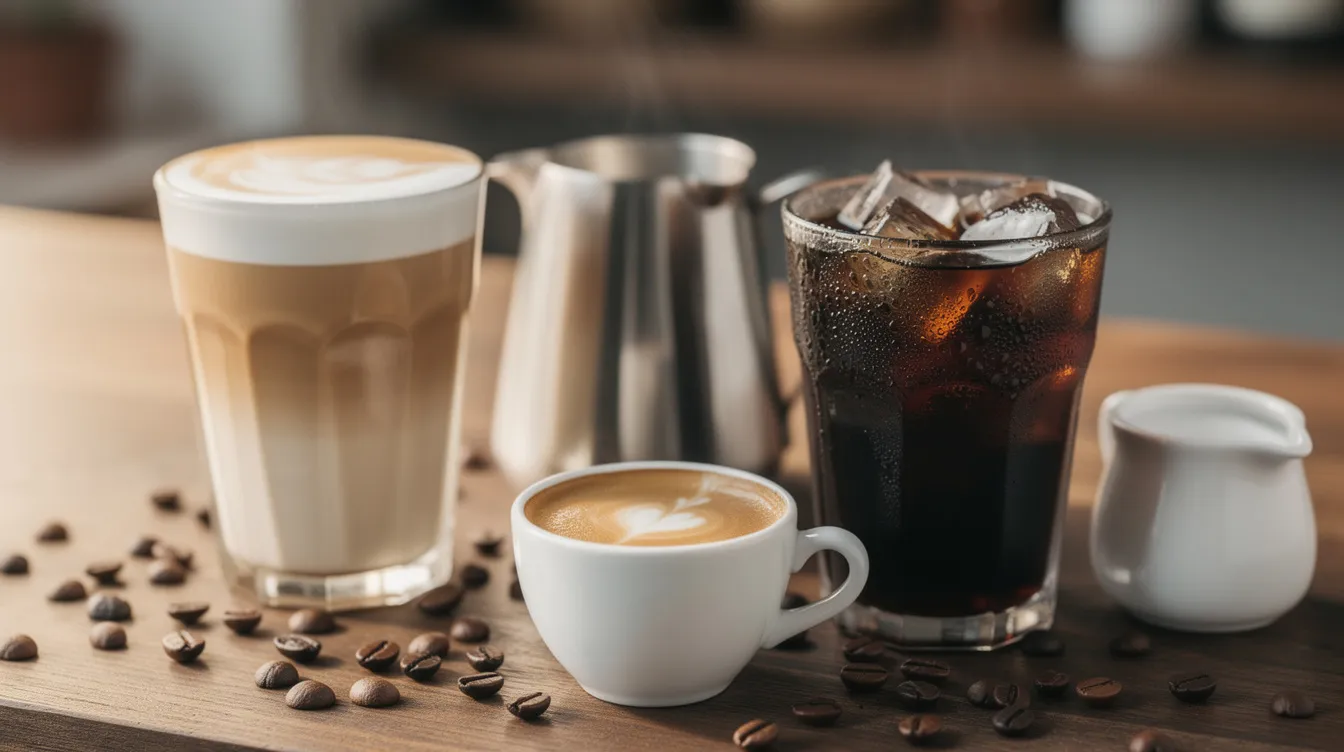
Espresso-based drinks (shots, Americanos, cappuccinos, lattes, flat whites) use concentrated extraction under pressure. Darker roasts and blends with some Robusta produce better crema and stand up to milk. Fair trade and organic espresso blends exist across multiple price tiers.
Drip and pour-over are the most common home and office brewing types. Medium-roast blends work well in auto-drip machines. Single-origin organic coffee shines in pour-over, where clarity and nuance in the cup reward careful brewing.
Cold brew and iced coffee are high-caffeine, warm-weather formats. Cold brew’s long steeping (12 to 24 hours) reduces perceived acidity, making it a good match for low-acid coffees and sensitive stomachs.
Instant coffee and pods prioritize convenience. Quality varies; some organic and fair trade options now come in pod format, though environmental trade-offs from single-use packaging remain a factor for consumers who are aware of waste issues.
Featured Recommendations: Editorial Approach and Disclosure
Recommendations below are based on researched editorial analysis. We draw on manufacturer data, third-party lab testing where available, roaster transparency, expert reviews, and broad consumer consensus. We do not claim hands-on tasting or internal lab measurements unless documented testing notes are supplied.
Featured Recommendations by Coffee Type
Certified organic single-origin for pour-over
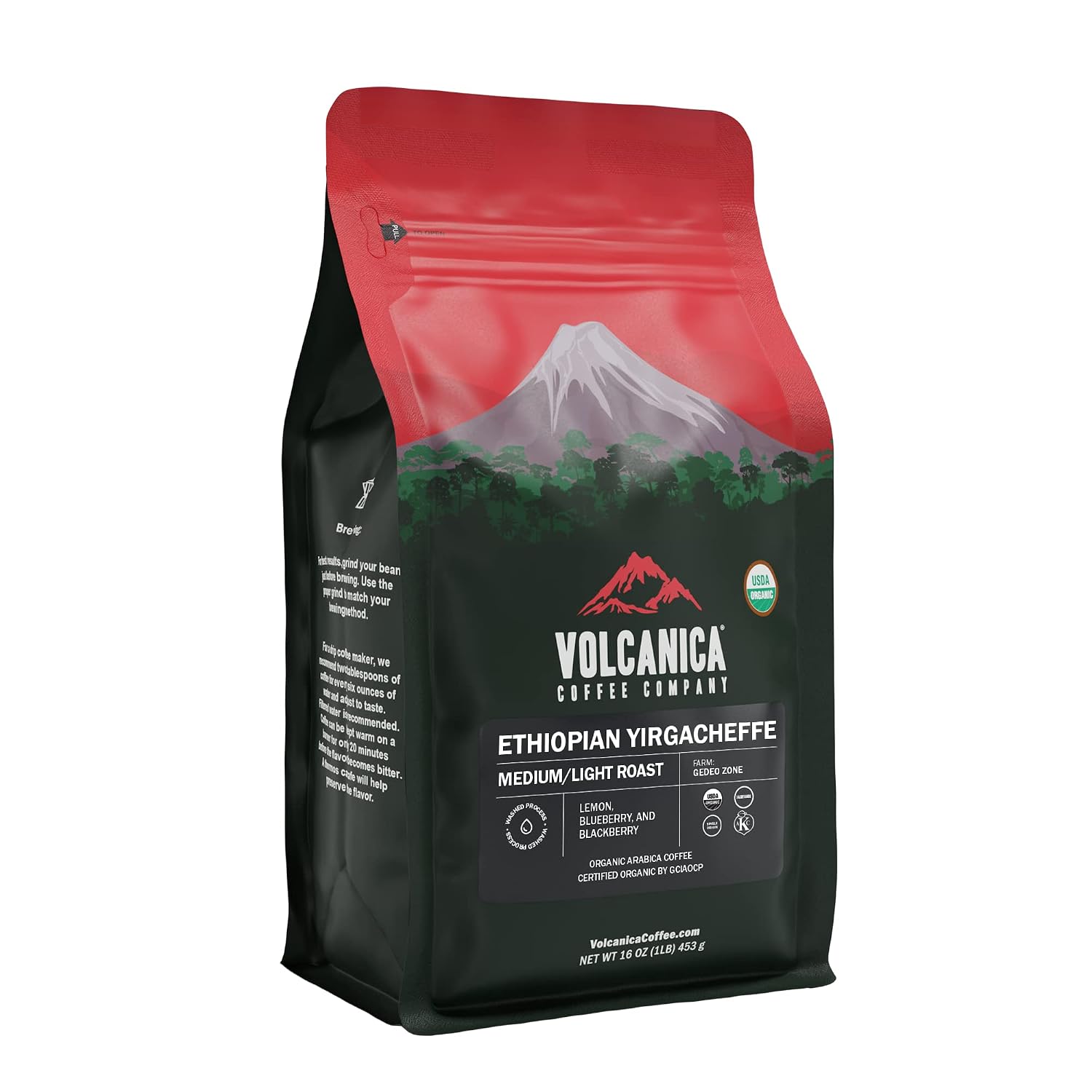
Look for a medium-roast, washed-process Ethiopian or Colombian Arabica with USDA organic certification. Expect floral and citrus notes with clean acidity. These beans showcase origin character best in pour-over or drip. Price band: mid-range to premium ($14 to $20 per 12 oz bag). Availability leans toward online specialty retailers and subscriptions. Drawbacks: often whole-bean only, smaller bag sizes, and seasonal availability as harvest lots rotate.
Fair Trade USA certified blend for everyday drip
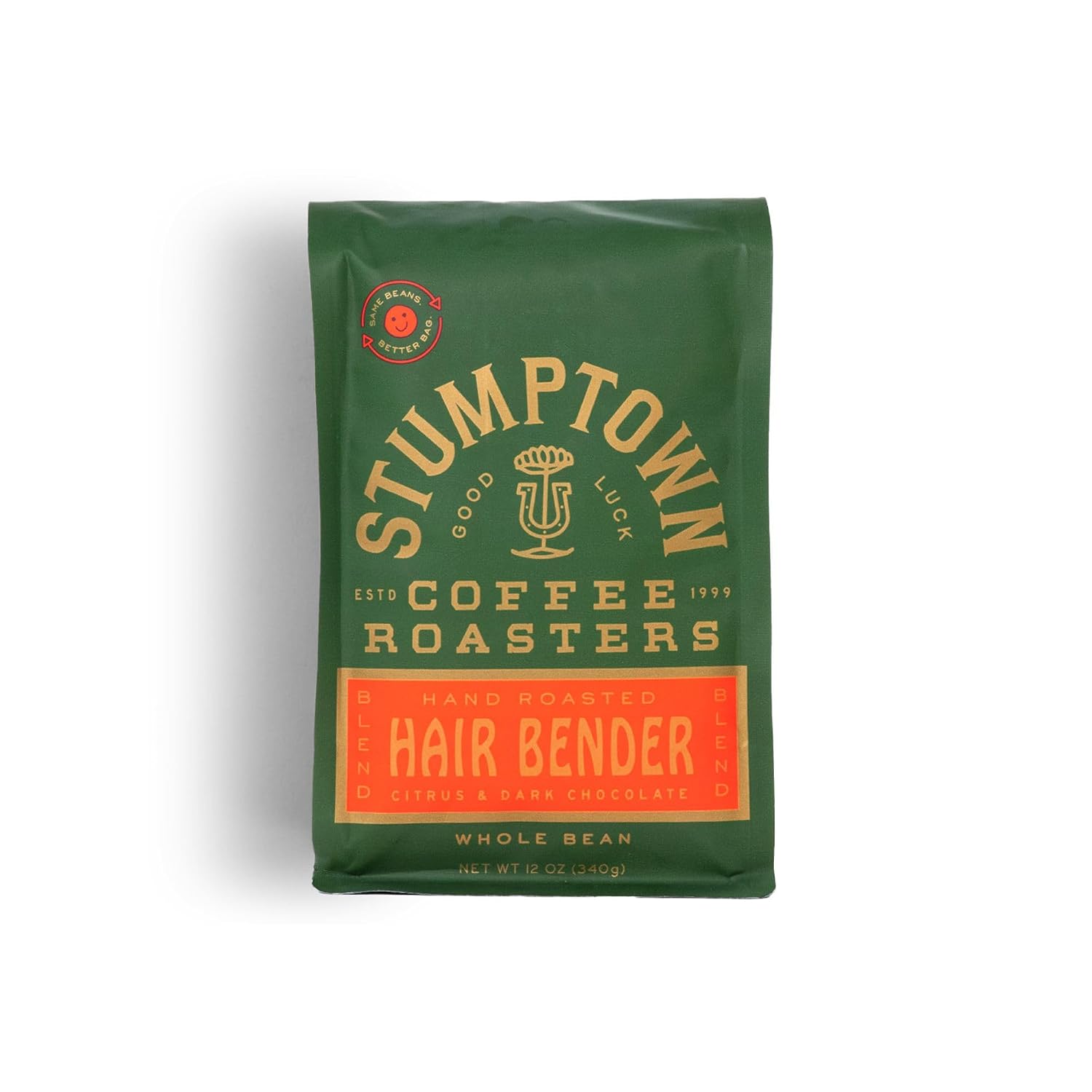
A Fair Trade Certified medium-roast blend combining Latin American and East African beans offers balanced chocolate and berry notes that hold up in auto-drip machines. Value is the strength here: reliable flavor at a reasonable price ($10 to $15 per 12 oz). Available in major grocery chains and online. Limitations: blends sacrifice single-origin specificity, and flavor consistency can shift slightly between lot changes.
Swiss Water decaf for chemical-free decaffeination
Swiss Water Process decaf preserves more origin flavor than solvent-based methods. A good pick is a medium-roast Arabica (Colombian or Mexican origin) certified organic and decaffeinated via Swiss Water. Expect mellow chocolate and nutty notes without harsh bitterness. Price: mid-range ($13 to $18 per 12 oz). Found online and in natural-foods grocery stores. Drawback: Swiss Water decaf can taste slightly muted compared to caffeinated versions of the same origin, and not all grind formats are available.
Low-acid option for sensitive stomachs
Low-acid coffees use specific bean selection (Indonesian origins like Sumatra or naturally low-acid Brazilian varieties), darker roast profiles, or proprietary slow-roast methods to reduce perceived acidity. Expect earthy, smoky, or chocolatey flavor with rounded body. Well-suited for cold brew or French press. Price: mid-range ($12 to $17 per 12 oz). Available online and in some health-focused retail channels. Limitation: limited single-origin variety, and darker roasts may not appeal to drinkers who prefer bright, fruity coffee.
Featured Recommendations: Organic vs. Conventional Trade-Offs
Shoppers comparing organic and conventional coffee can weigh performance and value across a few clear dimensions.
When organic makes sense
Certified organic and ideally shade-grown coffee production appeals to readers prioritizing environmental benefits: healthier soil, reduced synthetic inputs, potential positive effect on carbon sequestration, and habitats for wildlife. Different types of organic coffee include Bird Friendly and Fair Trade Organic certifications, each layering additional environmental or social standards. The trade-off is premium pricing and sometimes smaller-scale availability. Organic products in the coffee category are growing faster than the overall market, and more options appear each year.
When conventional makes sense
Conventional coffee offers consistent flavor, larger-format packaging, and lower cost per ounce. It fits offices, busy households, or anyone with high daily coffee consumption. Some conventional brands run sustainability programs or source from farms with good agricultural practices even without formal organic certification. Plants on these farms may still use integrated pest management, though buyers lack the third-party audit trail that organic certification provides.
Choosing based on your priorities
Criterion | Organic | Conventional |
|---|---|---|
Taste | Often more complex origin notes | Consistent, familiar profiles |
Environment | Lower chemical runoff, shade-grown options | Higher yields, variable environmental record |
Price per oz | Higher | Lower |
Availability | Growing; best online or specialty | Ubiquitous |
Transparency | USDA-audited supply chain | Varies by brand |
How Capitol City Coffee Researches Coffee Types
Capitol City Coffee serves as an independent editorial resource for consumers exploring different types of coffee. Here is how we build our guides.
Literature and data review: We review current academic and industry literature on coffee farming (organic vs. conventional), fair trade certification, caffeine content, contaminants, and health associations. Sources include peer-reviewed journals, USDA reports, and trade association data.
Roaster and brand analysis: We prioritize roasters and brands with transparent reporting on sourcing, certifications, roast profiles, and lab testing. Marketing claims without third-party verification carry less weight.
Third-party consensus: Verified expert cupping notes and aggregated consumer reviews supplement our analysis. These are clearly labeled as third-party observations.
Evidence standards: We avoid unverified health claims. When discussing antioxidants, contaminants, or caffeine effects, we rely on well-established findings and distinguish between lab results, regulatory limits, and marketing statements.
Update cadence: Guides are revisited periodically to reflect changes in availability, pricing, and newly certified fair trade or organic coffees. Readers should expect that coffee products, availability, and prices shift seasonally and with harvest cycles.
Performance and Usability: Matching Coffee Types to Brew Methods
Different coffee types perform differently depending on your brewing setup. Matching the two saves money and frustration.
- Light-roast organic single-origins work best in pour-over or AeroPress, where water flow and temperature are controlled. Clarity and nuance matter here, and the beans reward precision.
- Medium-roast blends (organic, conventional, or fair trade) are forgiving in drip machines and French press. These are the “set it and forget it” options for busy mornings.
- Dark-roast blends with some Robusta shine in espresso machines and moka pots. Their heavier body and lower acidity produce crema and stand up to steamed milk.
Grind format affects usability. Whole-bean coffee delivers the freshest flavor but requires a grinder and a few extra minutes. Pre-ground coffee is more convenient for drip, but grind consistency matters for espresso. Pods and capsules add convenience at the cost of freshness and generate more packaging waste.
Capitol City Coffee’s type guides factor in usability and workflow alongside flavor and ethics.
Price and Value: When to Spend More on Specialty Types
Not every cup needs to be a premium single-origin. Here is when spending more makes sense, and when it does not.
Worth the premium:
- Daily home brew for flavor-focused drinkers, where quality organic or fair trade beans change the experience per cup.
- Gifting, where unique origin, organic certification, or fair trade labels add perceived and real value.
- Sensitive drinkers who require low-acid or chemical-free decaf processes to feel good drinking coffee.
Budget or conventional is reasonable:
- Office pots where volume and convenience matter most and nuanced flavor disappears into a communal carafe.
- Recipes where coffee is one of many ingredients, like baking or cocktails.
Compare cost per cup, not bag price. A $16 bag of organic beans yielding 40 cups costs $0.40 per cup. A $9 bag of conventional yielding 35 cups costs about $0.26 per cup. The gap narrows further if you account for the nutritional value and environmental benefits of certified organic products.
Alternatives and Adjacent Beverages
Some readers exploring coffee types may also consider alternatives for health or lifestyle reasons.
- Chicory-based blends and roasted barley drinks replace coffee entirely for those avoiding all caffeine. Chicory root produces a bitter, dark brew that mimics coffee’s body without any coffee beans or caffeine.
- Mushroom or herbal coffee substitutes combine adaptogenic mushrooms or roasted grains with cocoa beans or carob to approximate coffee flavor.
- Tea and matcha offer lower but still meaningful caffeine content with different antioxidant profiles. Matcha delivers about 70 mg of caffeine per serving along with L-theanine, which may moderate the stimulant effect.
These alternatives sit outside Capitol City Coffee’s primary coverage but may suit readers reducing caffeine content while still wanting a warm, bitter drink.
Contaminants, Clean Labels, and Safety Considerations
Some U.S. consumers now evaluate coffee types by contaminant levels as well as flavor or ethics. Here is what current testing has found.
Key contaminant categories
- Acrylamide: Formed during the roasting process at high temperatures. Acrylamide was found in 100% of coffee samples tested in published analyses.
- Heavy metals: Lead, cadmium, and arsenic depend on soil content at origin. Heavy metals were found in 100% of coffee products tested, though levels vary by origin and typically fall within regulatory safety ranges.
- Pesticide residues and glyphosate byproducts: Glyphosate is banned for organic products, but 100% of organic coffees tested contained Aminomethylphosphonic acid (AMPA), a glyphosate breakdown product, likely from environmental drift or legacy soil contamination.
- Phthalates: Potentially introduced via packaging and processing equipment. Phthalates were detected in 70% of coffee samples tested.
Regulatory context
California has no contaminant regulations specifically for coffee, though Proposition 65 requires warnings for substances like acrylamide above certain thresholds. No comprehensive federal contaminant limits target coffee specifically in the U.S. EU limits are sometimes used as comparative benchmarks in academic studies.
What consumers can do
Look for roasters that share independent lab testing data, work with recognized certifications, or use inert packaging materials. Organic or Fair Trade USA certifications serve as partial signals of environmental and social standards, though they do not guarantee contaminant-free coffee. Natural resources and soil conditions at origin play an important role, and no certification can control for every variable.
The tone here is informational, not alarmist. Most tested contaminant levels fall within ranges that regulatory bodies consider acceptable for human health, but transparency from producers helps consumers make informed decisions.
Best Use Cases: Matching Coffee Types to People and Situations
Different people get different value from different types. Here is a quick matching guide.
Drinker Profile | Best Coffee Type | Why |
|---|---|---|
Flavor-focused home barista | Specialty single-origin organic, light to medium roast | Origin clarity, complexity, pairs with manual brewing |
Ethically minded shopper | Fair trade and Fair Trade USA certified, possibly also organic | Supports farmer income, audited supply chain |
Budget-conscious household | Reliable conventional coffee in bulk | Low cost per cup, widely available, forgiving in drip |
Sensitive stomach or reflux-prone | Low-acid coffee, darker roasts, cold brew | Reduced acidity, gentler on digestion |
Caffeine-sensitive or late-night drinker | Swiss Water decaf | Near-zero caffeine, no solvent residues, decent flavor retention |
Different types of organic coffee include Bird Friendly and Fair Trade Organic certifications. Readers who want to layer environmental and social standards can look for beans carrying both.
Capitol City Coffee’s specialized type guides help each group navigate brands and blends with more precision.
Current Availability and Market Trends in the U.S.
The U.S. coffee market as of 2024 through 2026 shows several clear patterns.
Organic coffee and fairtrade products are growing faster than overall coffee consumption. Organic beverage sales in the U.S. grew about 8.9% in 2025, with total organic food sales reaching roughly $71.6 billion. The organic coffee market’s projected 9% compound annual growth rate through 2030 outpaces the broader food market.
Fair trade certification and Fair Trade USA labels have gained increased visibility in large retailers. Arabica still dominates both global and U.S. organic coffee revenue, though Robusta is growing faster among organic types.
More types of coffee are available in mainstream grocery aisles: organic, fair trade, single-origin, flavored, and low-acid. Online specialty retailers and subscriptions have made micro-lot, organic, and fair trade coffees from smaller cooperatives accessible to consumers who previously had limited options.
Availability varies by region and season. Certain origins or certified lots may sell out or rotate annually based on harvest cycles and market demand. Coffee production globally faces pressure from climate change, logistics costs, and inflation, all of which affect pricing for both organic and conventional options.
FAQs
Common questions about coffee types, organic certification, fair trade, and caffeine, focusing on details not fully covered above.
Is organic coffee always better than conventional coffee?
“Better” depends on your criteria. Organic coffee reduces synthetic pesticide and fertilizer use and often supports more diverse farm ecosystems. Conventional coffee can offer lower prices, wider availability, and in some cases similar sensory quality. Lab studies show mixed results on which has more antioxidants or polyphenols; differences often reflect roast, origin, and brewing rather than certification alone. Choose based on your top priority: environmental impact and farming practices vs. budget and everyday convenience.
Does fair trade certification guarantee farmers a living income?
Fair trade and Fair Trade USA set minimum prices and social premiums designed to improve stability and community investment. The fairtrade premium funds projects that can have a positive impact on local infrastructure and services. But fair trade does not automatically guarantee a full living income for every producer. Real outcomes vary by cooperative efficiency, local costs of living, yields, and market demand. Fair trade is one useful tool among many, including direct trade relationships, cooperative governance, and national policy, for improving farmer livelihoods.
Are all types of decaf coffee processed without chemicals?
Not all decaf is chemical-free. Swiss Water and supercritical CO₂ processes rely on water, filtration, or pressurized carbon dioxide. Other methods use approved solvents such as ethyl acetate or methylene chloride, which are removed to levels well below regulatory limits before sale. Labels or roaster descriptions usually indicate the decaffeination method, so shoppers can choose according to their comfort level. Capitol City Coffee’s decaf guide covers methods and flavor differences in detail.
Does organic or fair trade coffee have more caffeine?
Certification itself does not directly determine caffeine content. Species (Arabica vs. Robusta), variety, roast level, and brew ratio matter more. Some studies have measured slightly higher caffeine in certain organic beans, but brewed-cup differences are usually small compared with variation from grind size and brewing time. Anyone needing to tightly manage caffeine intake should look at decaf or half-caf blends rather than rely on organic vs. conventional labels.
Can I be sure organic coffee is free of pesticide residues?
Organic standards prohibit synthetic pesticide applications on certified farms. But environmental drift from neighboring conventional fields and legacy contamination in soil can lead to trace residues. Some studies have found glyphosate breakdown products like AMPA even in organic coffee samples. Certification bodies and regulators set strict rules to minimize risk, but zero is difficult to guarantee in real-world environments. Readers who are highly concerned should look for brands that share independent lab testing results in addition to organic certification.
Start with the guide that matches your top priority. Explore our organic, fair trade, decaf, and low-acid coffee guides under the Capitol City Coffee hub to narrow your search. We update these guides periodically to reflect new harvests, certifications, and pricing shifts.