
As an Amazon Associate I earn from qualifying purchases. This page contains affiliate links; we may earn a commission if you buy through them.
Best amazon sampler pick
As an Amazon Associate I earn from qualifying purchases. This page contains affiliate links; we may earn a commission if you buy through them.
Best amazon sampler pick
Subscription
Trade Coffee
Capitol City Coffee is an independent coffee editorial and affiliate publication, not a coffee seller. Recommendations in this guide are based on researched editorial analysis, expert sources, and broad third-party consensus-not personal ownership or tasting. Commissions do not influence rankings or verdicts between Trade Coffee and Atlas Coffee Club.
For most U.S. coffee lovers, Trade Coffee is the better coffee subscription. It connects you with over 50 independent U.S. roasters, lets you fine-tune flavor notes and roast level through a personalization quiz, and delivers freshly roasted coffee at a competitive price point. Trade Coffee is ideal for consumers who prefer specific flavor profiles and customization.
Atlas Coffee Club wins if your goal is a curated world tour of single origin beans-one new country per shipment, complete with postcards and tasting notes-without having to make many decisions.
Both services ship freshly roasted beans within days of roasting and prioritize specialty coffee quality. Trade bags start around $16.99 for 10–12 oz; Atlas runs roughly $17 for a 12 oz bag plus shipping. Here is a quick decision snapshot:
The table below captures the core differences at a glance. All figures are approximate as of 2026 and may change.
Feature | Trade Coffee | Atlas Coffee Club |
|---|---|---|
Roast date & freshness | Roasted to order by partner roasters; shipped within ~1 day of roast; roast date printed on bag | Whole bean and ground coffee roasted same day as shipping; roast date on bag |
Roaster variety | 55+ independent roasters, 500+ coffees | Single roaster (Atlas roasts in-house) |
Personalization | Deep quiz covering brew method, roast level, flavor notes, milk usage; swap and rate coffees | Choose roast level (light/medium/dark) and grind type; Atlas picks the origin |
Delivery frequency | Every 1, 2, 3, 4, or 6 weeks | Every 2 or 4 weeks |
Bag size options | ~10–12 oz standard; 2 lb option available | 6 oz half bag; 12 oz standard |
Grind options | Whole bean, drip, French press, pour over, espresso, cold brew | Whole bean, ground, K-Cup compatible pods |
Price per bag | Classic ~$16.99; Premium ~$21.99 (10–12 oz) | ~$11 (6 oz) to ~$17 (12 oz) + ~$4.95 shipping |
Shipping (U.S.) | Free on prepaid bundles and 2 lb subs; small fee otherwise | Flat ~$4–$7 per shipment |
Cancellation | Pause, skip, or cancel online anytime | Pause, skip, or cancel via online portal |
Gifting | 3, 6, or 12-month gift plans with flexible schedule | 3, 6, or 12-month gift plans with postcards and country cards |
Best for | Personalization, variety, espresso, daily drinkers | Global exploration, gifts, beginners, minimal decision-making |
Trade Coffee operates as a customizable marketplace rather than a single roaster. It partners with over 55 independent roasters across the United States and offers more than 500 coffee options spanning every roast level and origin you can think of.
Signing up starts with a taste quiz. Trade Coffee’s quiz includes questions about brew method and flavor notes-whether you lean toward fruity brightness or dark chocolate richness, whether you add milk, and what brewing equipment you use. Based on your answers, Trade recommends specific coffees, but you can override those picks and browse the full catalog anytime.
The Trade Coffee subscription comes in tiers. The Classic tier runs around $16.99 per 10–12 oz bag and covers approachable blends and popular single origins. The Premium tier, at roughly $21.99 per bag, unlocks rarer lots, experimental processing, and a wider selection of decaf coffees. There is also a 2 lb bag option for heavier drinkers.
Trade Coffee emphasizes freshness by roasting beans to order and shipping them directly from each partner roaster. Coffee is typically shipped within one business day of roasting, so your coffee arrives with a recent roast date-often just 3–7 days old. Trade does not roast its own beans; its role is to connect coffee lovers with independent, often award-winning roasters nationwide, then handle logistics so you get fresh beans at your door.
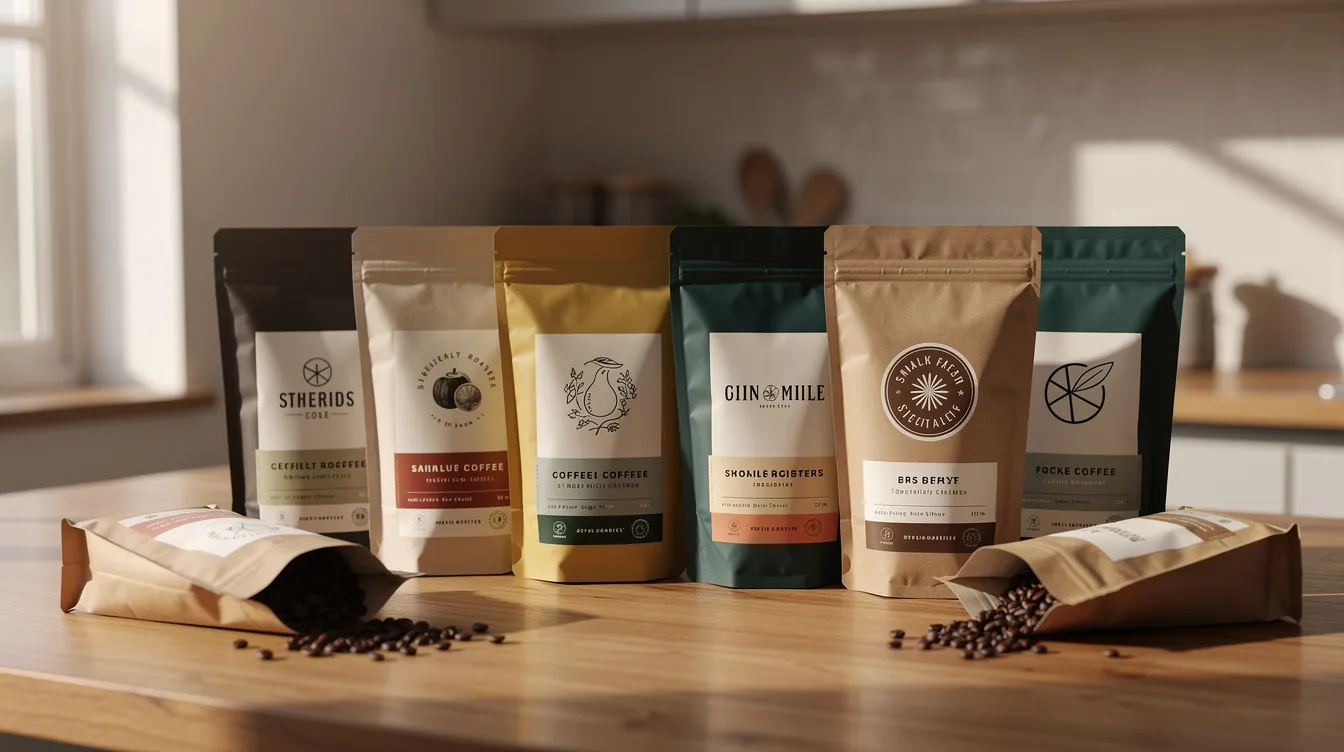
Trade Coffee consistently appears on lists of best coffee subscription services from major publications, largely because the multi-roaster model creates a depth of quality that a single roaster simply cannot match. Subscribers access a wide variety of specialty roasters, from names well known in the specialty coffee world to smaller regional gems.
Trade Coffee’s offerings include diverse flavor profiles from light to dark. You can find bright, fruit-forward Ethiopian naturals with passion fruit and berry notes alongside milk chocolate and nutty Colombian blends or smoky, full-bodied dark roasts from Sumatra. The range covers single origin coffee, blends, espresso-specific roasts, and decaf coffees.
Trade Coffee ships freshly roasted beans within days of roasting, and the roast date is printed clearly on every bag. According to customer reports and third-party reviews, most bags arrive within 3–7 days of roast-well inside the optimal freshness window for specialty coffee.
Limitations do exist. Some users report that the quiz initially leans toward lighter, washed coffees, which may not suit dark roast loyalists until they manually adjust preferences. Because coffee comes from different beans and different roasters, there can also be flavor variation between shipments, which is a feature for explorers but a drawback for anyone who wants the same blend every time.
The depth of Trade’s onboarding quiz sets it apart from most coffee subscription services. Beyond brew method and roast level, the quiz maps flavor preferences-chocolatey vs. fruity, bold vs. delicate-and factors in whether you drink coffee black or with milk. You can choose from five roast levels in Trade Coffee, ranging from very light through very dark.
After your first bag, a feedback loop kicks in. You rate each coffee, and the algorithm refines future picks. You can also swap upcoming coffees, browse the catalog, and select specific bags from specific roasters. This makes the Trade coffee subscription feel less like a blind box and more like a curated shop that learns your personal taste.
Trade Coffee allows delivery every week, biweekly, or monthly-with additional options at 3-week and 6-week intervals. You can pause, skip, or cancel Trade Coffee shipments easily through your online dashboard, with no phone calls required.
Grind options are broad: whole bean coffee, plus pre-ground for drip, French press, pour over, espresso, and cold brew. Trade does not currently offer K-Cup or Nespresso pods, which matters if your only brewing equipment is a pod machine.
Trade’s customer service has a solid reputation. The company runs a satisfaction policy where if your first bag misses the mark, they will send a replacement. Multiple review sources confirm that Trade’s customer service is responsive and willing to make things right.
Here is a summary of approximate 2026 pricing:
A standard 10–12 oz bag yields roughly 8–12 cups depending on brew strength and method. At $16.99 per bag, that works out to roughly $1.40–$2.10 per cup-far below the $4–$7 you would pay at most coffee shops.
Shipping is free on prepaid bundles and 2 lb subscriptions. Single-bag orders may carry a small fee, typically around $2. Promotions like first-bag discounts appear regularly, but specific codes change frequently, so check Trade’s site for current offers. On those numbers, Trade makes coffee subscriptions worth the money for daily drinkers, especially when free shipping and the low per-cup cost stack up against café prices.
The 2 lb option is particularly smart for heavy drinkers who go through one bag per week or more, since the per-ounce cost drops noticeably at that volume.
Trade Coffee is not the right fit for everyone:
Atlas Coffee Club is a single-roaster coffee club built around exploring different producing countries. Atlas handles roasting in-house at its U.S. facility and curates each month’s selection from a specific origin-countries like Ethiopia, Colombia, Guatemala, Thailand, and Peru all rotate through the lineup.
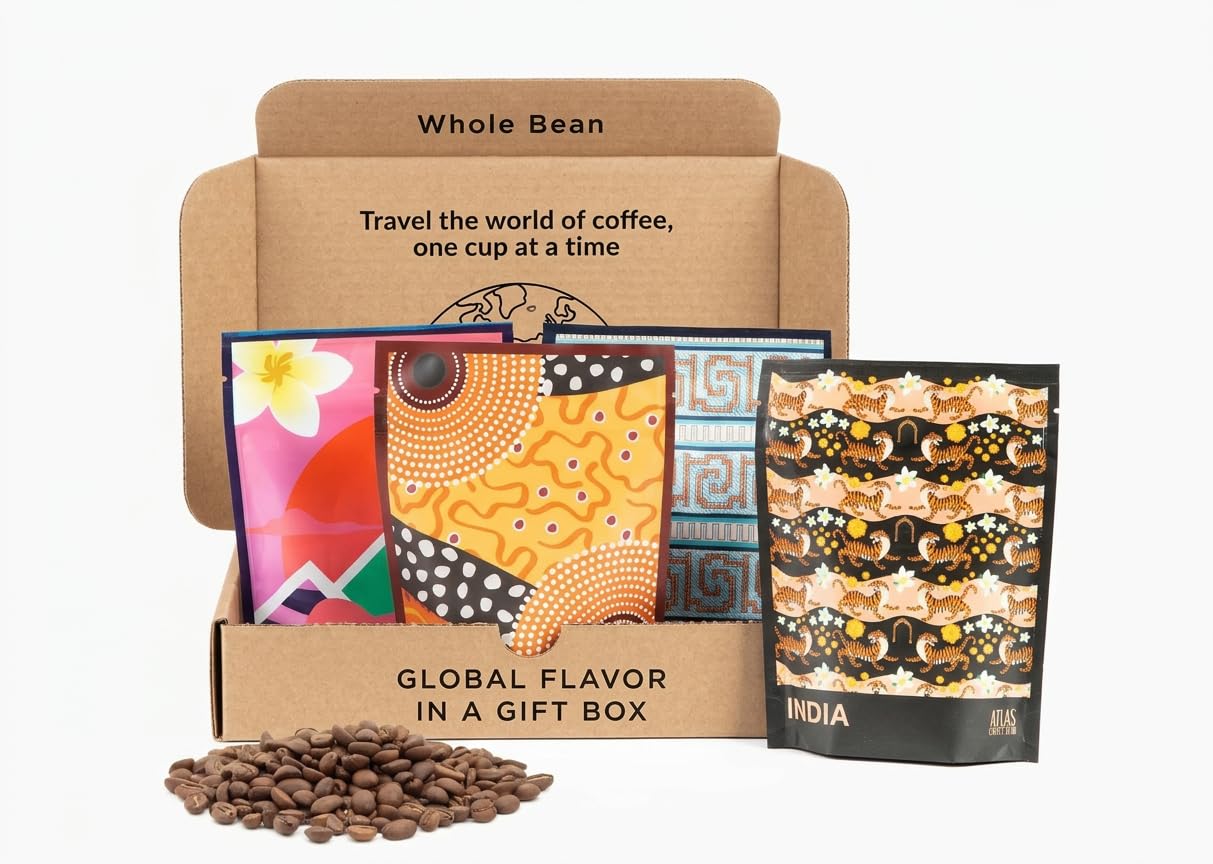
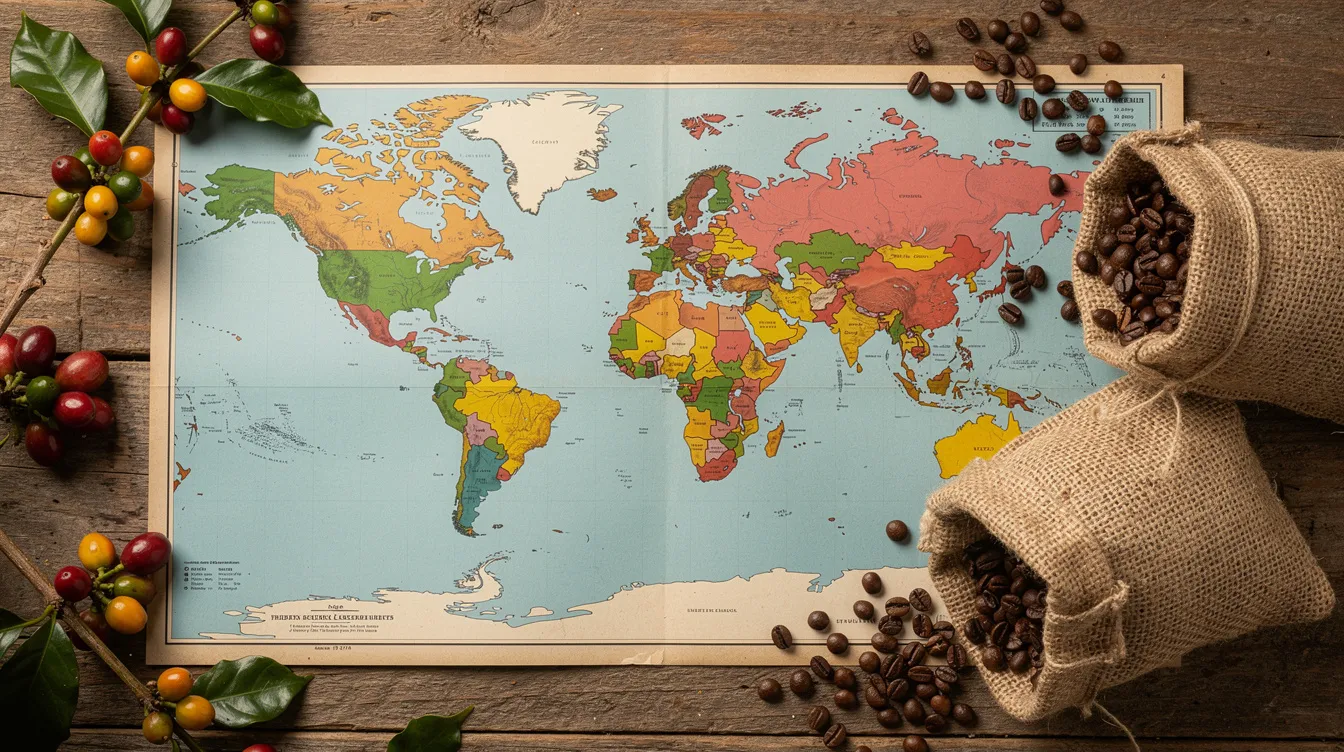
Atlas Coffee Club delivers single origin coffee from different countries monthly. Each shipment features a new country with postcards, origin stories, and an ID card with tasting notes and sourcing info, turning each delivery into a mini geography lesson.
At signup, you choose your roast level (light roast, medium roast, or dark roast), grind type (whole bean, ground beans, or pods), bag size (6 oz half bag or 12 oz standard), and how many bags per shipment. Atlas Coffee Club offers flexible delivery options every two or four weeks.
Unlike Trade, you do not pick specific farms or lots. Atlas curates the specific coffee for you-offering less customization at the bag level and more of a guided tasting journey through the coffee world.
Atlas Coffee Club emphasizes single origin coffee sourced from global farmers, and it pays above fair-trade prices to support sustainable farming practices. The coffee is specialty-grade, and reviews from outlets like Roastworthy describe the quality as consistently good-fresh, clean, and true to each origin’s character.
Atlas roasts whole bean and ground coffee the same day it ships, with the roast date clearly indicated on packaging. Pods are roasted slightly earlier to allow for degassing.
Typical flavor profiles span a wide range thanks to the rotating origin model: fruit-forward Africans with notes of berry and passion fruit, chocolatey and nutty Latin American selections with hints of dark chocolate and milk chocolate, and occasional earthy or spicy profiles from Asian and Pacific origins. The subscription features coffees from countries like Thailand and Peru, which adds variety that most local shops cannot match.
Atlas focuses less on extreme experimental processing and more on accessible, educational single origins designed for burgeoning coffee lovers. Some critics note that the coffee is good but not always at the very top tier for the price, and consistency can vary when the roaster works with so many origins.
The travel theme is what makes Atlas stand out. Each shipment includes cultural information, postcards, and brewing suggestions that make the experience feel like a guided coffee world tour. Atlas Coffee Club provides an educational experience with cultural information in each box, covering coffee history, regional growing practices, and the story behind each farm.
After your initial choices, Atlas requires very little user input. The company chooses the country and coffee each cycle, which is appealing if you do not want to micro-manage your orders or scroll through hundreds of options.
Atlas Coffee Club offers a travel-themed coffee experience appealing to adventurous drinkers who want to discover new origins without researching them personally. Delivery scheduling is simple: every 2 or 4 weeks, with the ability to pause, skip, or cancel through the website.
Gifting is where Atlas truly shines. The attractive packaging, consistent monthly surprises, and educational materials make it one of the favorite coffee subscriptions for gifting. Gift recipients can choose between whole or ground beans and pods, which helps ensure the coffee fits their brewing setup regardless of skill level.
Approximate 2026 pricing for Atlas:
Atlas Coffee Club’s bags are 12 ounces, larger than most competitors’ standard subscription bags. The 6 oz half bag option is convenient for light drinkers or those sampling, but the per-ounce cost is higher.
Shipping within the continental U.S. runs a flat $4–$7 per shipment, which adds meaningfully to the total. A 12 oz bag at $17 plus $4.95 shipping brings the effective cost to roughly $21.95 per bag-higher than Trade’s Classic tier with free shipping.
Atlas occasionally runs promotions like a first bag free deal. These offers change, so check the Atlas website for current pricing. The value proposition here is partly the coffee itself and partly the curation, storytelling, and country rotation, which justify the premium for many subscribers.
Atlas is not the right match for several types of coffee drinkers:
Both services prioritize roast date transparency, and coffee subscriptions typically ship within 1–2 days of roast date.
Trade Coffee ships from individual partner roasters, each on their own roasting schedule. Once a batch is roasted, it ships within roughly one business day. Customers generally report bags arriving 3–7 days after roast. Because Trade works with 55+ roasters, there can be slight variation-some roasters have more frequent schedules than others.
Atlas roasts in-house and ships whole bean and ground coffee the same day it’s roasted. This tight window means Atlas bags often arrive with very recent roast dates as well, though transit time (3–6 business days within the continental U.S.) determines the final freshness at your door.
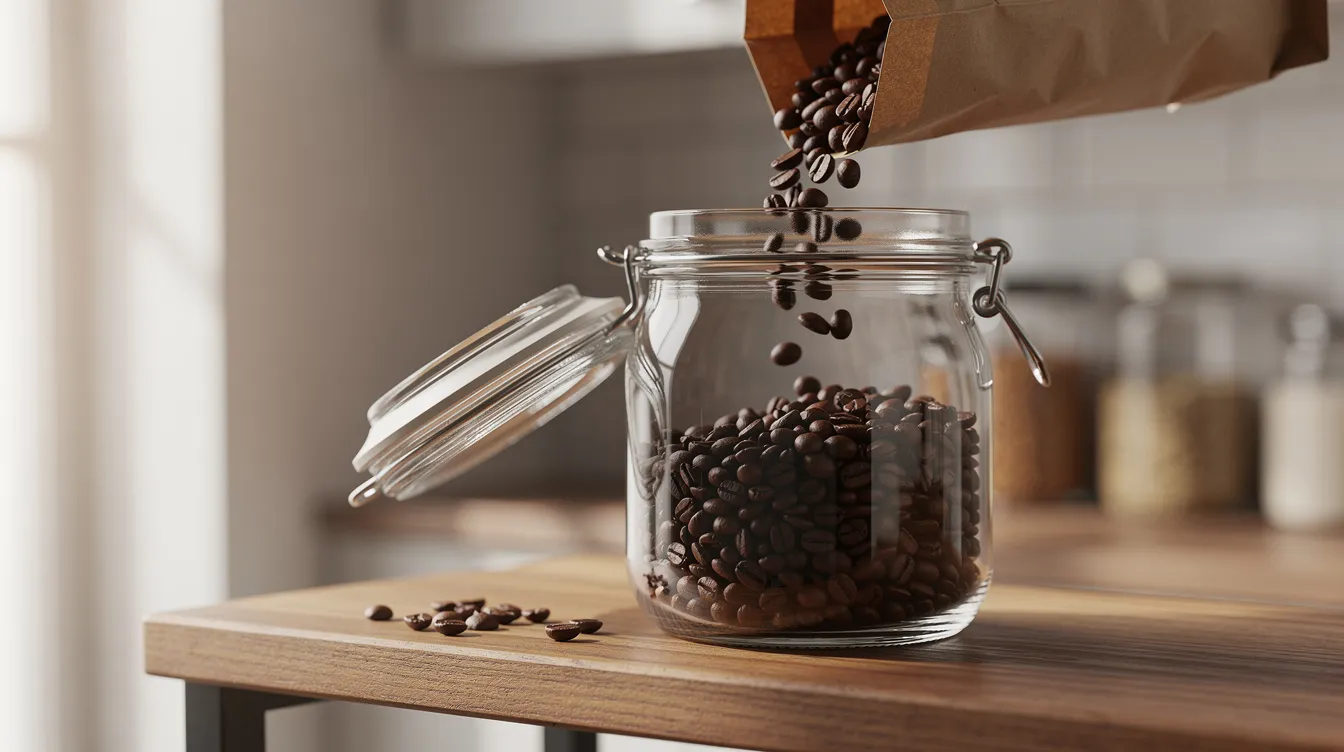
Coffee subscriptions deliver freshly roasted beans within days of roasting as a general rule, and both Trade and Atlas honor that standard. For peak flavor, plan to brew through each bag within 2–4 weeks of the roast date. Store fresh beans in an airtight canister in a cool, dark spot-not the freezer, not next to the stove.
The practical difference: Trade’s larger 10–12 oz bags give you a wider window to enjoy the coffee before it fades, while Atlas’s 6 oz half bag option means you will finish faster but may need more frequent shipments.
This is where the two services diverge most sharply.
Trade Coffee connects with over 50 independent U.S. roasters and offers over 500 coffees from 55+ roasters. That catalog spans all the coffees you could want: light roast Kenyans, medium roast Guatemalans, dark roast Indonesian blends, espresso-specific offerings, and seasonal limited releases. Coffee subscriptions often include personalized recommendations based on preferences, and Trade does this better than almost any competitor. You rate, swap, and steer. The algorithm learns.
Atlas Coffee Club features unique single origin coffees each month. You pick your roast level and grind, and Atlas handles the rest. You might get a washed Ethiopian one month and a natural Brazilian the next. The surprise is the point. This approach works beautifully for people who want to drink coffee from around the globe without researching farms and processing methods.
Both services support small coffee businesses, but differently. Trade supports U.S. independent roasters by connecting them with a national audience. Atlas supports growers directly through above-fair-trade sourcing relationships and roasts all the coffees in-house.
For the adventurous coffee drinker who wants maximum variety across roasters and origins, Trade wins. For the person who wants to sit back and let someone else plan a delicious coffee journey, Atlas wins.
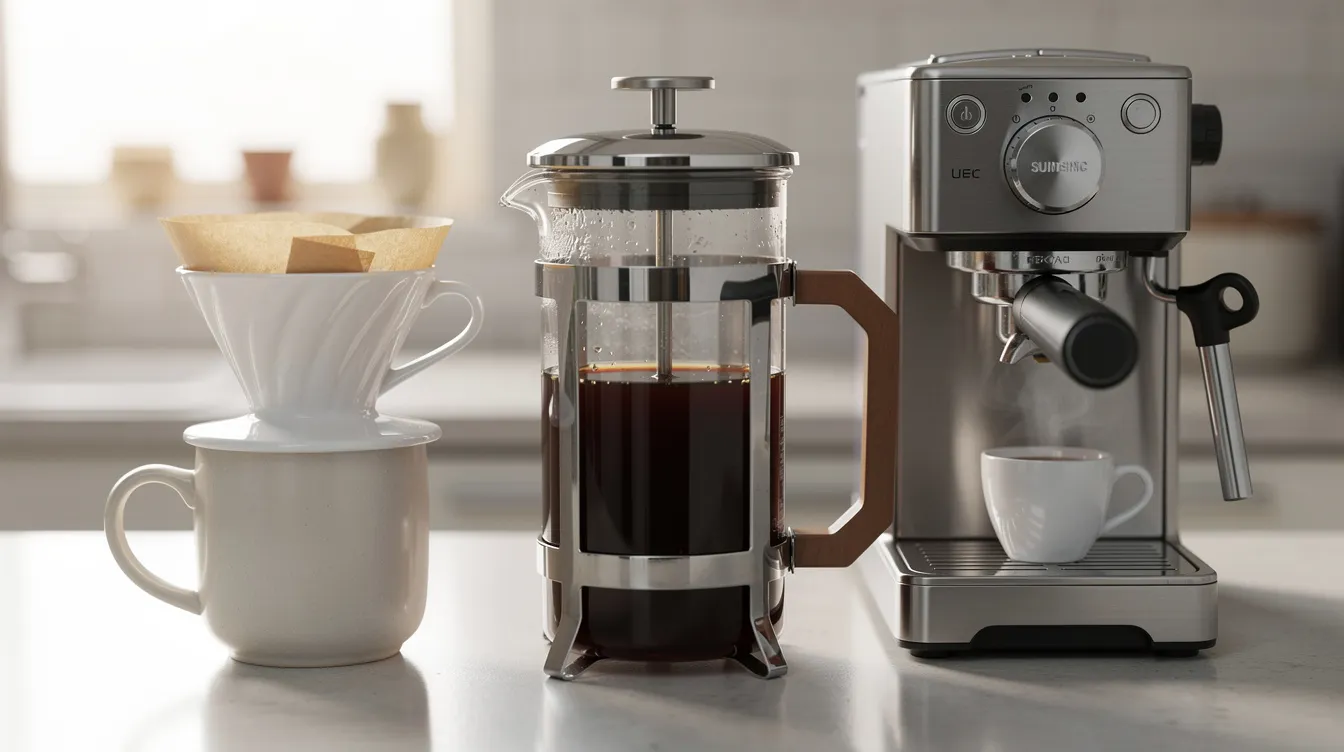
Grind compatibility matters more than most people realize. Brewing with the wrong grind size is one of the fastest ways to ruin excellent coffee.
Trade Coffee offers whole bean plus pre-ground options for drip, pour over, French press, espresso, and cold brew. That breadth covers virtually every popular brewing method. However, Trade does not ship K-Cup pods or Nespresso capsules.
Atlas Coffee Club offers whole bean, ground coffee, and K-Cup compatible pods. If your primary brewing equipment is a Keurig, Atlas is the only service in this comparison that can deliver pods filled with freshly roasted, single origin beans rather than the stale instant coffee you find in grocery store pods.
For espresso enthusiasts, Trade is the stronger choice. It lets you filter specifically for espresso blends and espresso-friendly single origins from roasters who specialize in that profile. Atlas can work for espresso-its medium roast and dark roast selections can pull decent shots-but the service is more geared toward drip and pour over exploration.
If you own a grinder, choosing whole bean coffee from either service will give you the best freshness and flavor. Pre-ground convenience comes at a small cost to cup quality, though both Trade and Atlas grind to appropriate specs for their listed brew methods.
Here is how the numbers stack up in one place:
Trade Coffee (Classic) | Atlas Coffee Club (12 oz) | |
|---|---|---|
Price per bag | ~$16.99 | ~$17.00 |
Shipping | Free on bundles/2 lb | ~$4.95 flat |
Effective cost per bag | ~$16.99–$18.99 | ~$21.95 |
Approximate cost per cup | ~$1.40–$2.10 | ~$1.80–$2.75 |
Many subscriptions offer flexible delivery options to suit user needs, and both Trade and Atlas let you adjust frequency. But the math shifts depending on volume. A heavy drinker ordering two Trade Classic bags per month spends roughly $34. Two Atlas 12 oz bags plus shipping runs about $39 or more.
Subscription services can be more cost-effective than buying at retail or at coffee shops, where a single cup runs $4–$7. Both Trade and Atlas beat that handily. Compared to grocery store options like Blue Bottle on shelves-which may carry older roast dates-a subscription delivers fresher coffee at a comparable or only slightly higher price.
For strictly budget-driven buyers, there are cheaper options. The Alternatives section below covers services that may better fit tight budgets.
Best overall for most U.S. coffee lovers: Trade Coffee. The combination of 500+ coffees, 55+ roasters, deep personalization, and competitive pricing makes it the stronger everyday great coffee subscription.
Best for beginners and burgeoning coffee enthusiasts: Atlas Coffee Club. The minimal decision-making, educational materials, and country rotation provide a gentle on-ramp into the specialty coffee world without overwhelming new drinkers.
Best for a “travel the world by coffee” experience: Atlas Coffee Club. The postcards, coffee history, and origin stories are designed specifically for this purpose. No other major subscription services deliver this kind of structured world tour.
Best for high-volume daily drinkers: Trade Coffee. The 2 lb bag option and free shipping on larger plans keep costs manageable for households that go through how much coffee a heavy drinker consumes-sometimes a bag per week or more.
Best for Keurig or pod users: Atlas Coffee Club. It is currently the only service in this comparison offering K-Cup compatible pods with freshly roasted, single origin beans.
Best for gifting: Atlas Coffee Club. The packaging, postcards, and discovery theme make it a more exciting gift than a utilitarian bag of beans, even if the recipient has never heard of either service.
Best for espresso at home: Trade Coffee. More espresso-specific blends, more roasters who specialize in espresso profiles, and finer grind options than Atlas.
Decaf-only households or ultra-budget shoppers: Neither is ideal. See the Alternatives section.
There is no single best coffee subscription for everyone. Ask yourself these questions:
Choose Trade Coffee if you:
Choose Atlas Coffee Club if you:
If you are still undecided, start with whichever aligns with your main goal-control or exploration-and adjust later. Both services allow cancellation, so the risk is low. For another useful comparison, readers might also explore how Trade stacks up against other multi-roaster clubs like Bean Box.
Sometimes neither Trade nor Atlas is the right call. If you need ultra-cheap beans, a hyper-specialized single roaster experience, or exclusively decaf or organic coffee, consider these:
Bean Box is a multi-roaster coffee club based in Seattle that offers strong variety and gifting options. It works with specialty roasters in the Pacific Northwest and ships sampler boxes alongside full-size bags-a good fit for people who want to taste several coffees side by side. You can find more detail in our broader coffee subscription comparisons.
Blue Bottle Coffee runs a single-roaster subscription known for consistent, balanced flavor and premium packaging. Blue Bottle is based in Oakland (originally San Francisco) and roasts its own beans. If you want a reliable flavor lane from one excellent roaster without the variety overload of Trade, Blue Bottle is worth a look.
MistoBox features nearly 600 coffees from 60 different roasters, making it comparable to Trade in scale. MistoBox offers delivery frequency options from one to four weeks and uses a similar quiz-based personalization model. It is another strong pick for personalization-focused drinkers who want access to award winning roasters.
Podium Coffee Club sources coffee only from award-winning roasters, which narrows the selection but raises the quality floor. It is a niche option for enthusiasts who want every bag to carry competition-level pedigree.
Trade and Atlas remain strong choices among the best coffee subscriptions overall, but these alternatives fill gaps that neither covers perfectly.
Capitol City Coffee used publicly available information, current pricing as of 2026, and consensus from reputable coffee and consumer publications including CafeGrade, Roastworthy, and aggregated customer reviews on Trustpilot.
No proprietary lab testing, cupping sessions, or hands-on long-term use was performed for this specific article. Criteria applied across both services included: roast date and freshness, roaster variety, personalization, delivery frequency, bag size, grind options, shipping, cancellation, gifting, price per bag, and overall value.
Offerings and prices change. We recommend confirming details on the Trade Coffee and Atlas Coffee Club websites before subscribing.
These FAQs address common questions not fully covered above. Answers are based on researched editorial analysis and current information as of 2026, not personal experience.
For most drinkers, yes. A biweekly Trade Classic subscription (10–12 oz bags) runs roughly $16.99 × 26 shipments = ~$442 per year with free shipping on bundles. A biweekly Atlas 12 oz subscription costs roughly $17 + $4.95 shipping per shipment × 26 = ~$571 per year. Heavy drinkers often find Trade more economical per ounce, especially with the 2 lb bag option. Light drinkers using the 6 oz Atlas half bag may see smaller individual bills but higher per-ounce costs. Promotions on either side can shift the math, so calculate based on your own usage and current prices.
Trade Coffee is the better choice for most home espresso users. It offers dedicated espresso blends from multiple specialty roasters, lets you filter specifically for espresso-friendly roasts, and provides fine espresso grind options. Atlas can work for espresso-its medium roast and dark roast selections can produce decent shots-but the service is designed more around drip and pour over exploration than dialing in espresso. If espresso is your primary brew method, Trade gives you more control and more options.
Yes. Both services allow pausing, skipping, and canceling through online dashboards without calling customer support. Trade lets you adjust frequency, swap coffees, and pause or cancel from your account page. Atlas offers similar controls through its customer portal. This flexible cancellation model is a key reason coffee subscriptions like these have replaced older coffee club contracts that locked subscribers in. Always check each service’s current policy page for any billing cycle details before making changes.
Neither can guarantee personal taste, but Trade is known for a generous satisfaction policy. If your first bag does not match your coffee preferences, Trade will send a replacement at no extra cost. After that, rating each bag helps the algorithm improve future recommendations. Atlas focuses on discovery, so some coffees may land outside your comfort zone by design-that is part of the appeal. If you consistently find mismatches, adjusting your roast level preference (from light to medium, for example) typically reduces misses over time with either service.
It depends on your local shop. A great local shop run by specialty roasters can offer extremely fresh beans, personal advice, and the ability to taste before buying-advantages no subscription can fully replicate. But most people do not live near a top-tier roaster. Subscriptions shine for consistent access to amazing coffee, national roaster variety, and home delivery convenience. They also let you explore far beyond what any single local shop can stock. If you already have a favorite at your local shop, keep supporting them-and use a subscription for variety and discovery alongside your go-to bag.
Every coffee and coffee machine we recommend is scored on the same 100-point scale, so a recommendation on one page means the same thing as a recommendation on any other. Each pick is also labeled with how we reached its score.
| What we score | Points | What we look at |
|---|---|---|
| Origin and sourcing transparency | 20 | Country, region, farm or cooperative, altitude, bean variety, and processing method are clearly disclosed. |
| Flavor evidence | 25 | Independent cupping scores, how closely the tasting notes match what the origin is known for, and our own cupping notes when hands-on tested. |
| Roast and freshness | 15 | Roast level stated, roast-date practices, whole-bean availability, and packaging with a one-way valve or resealable bag. |
| Brew versatility | 15 | How well the roast suits pour-over, drip, French press, cold brew, and espresso. |
| Value | 15 | Price per ounce compared with similar single-origin coffees or blends. |
| Buyer feedback | 10 | Volume and consistency of verified reviews, and recurring complaints about staleness, bitterness, or shipping. |
| What we score | Points | What we look at |
|---|---|---|
| Brewing performance | 25 | Water temperature in the 195–205°F range, even extraction, and SCA certification or published test data. |
| Build quality and reliability | 20 | Materials, known failure points, and long-term owner reports. |
| Ease of use and cleaning | 15 | Setup, the daily routine, descaling, and dishwasher-safe parts. |
| Fit for your kitchen | 10 | Capacity, counter footprint, and noise. |
| Useful features | 10 | Programming, grind and temperature control, and carafe type. Features that improve the cup count more than extras that do not. |
| Value | 10 | Price compared with machines that perform similarly. |
| Warranty and support | 10 | Warranty length, parts availability, and how the brand handles repairs. |
| Score | Grade | What it means |
|---|---|---|
| 90–100 | A | Exceptional. Our first recommendation for the feeling and setting described. |
| 80–89 | B | Strong. Excellent, with minor trade-offs we explain. |
| 70–79 | C | Good. Worth it for specific needs, with clear compromises. |
| Below 70 | — | Not recommended. We do not feature these as picks. |
When a pick carries the Hands-on tested label, this is the method behind it, and we note the date we tested.
We match each coffee to a mood and a moment based on its flavor profile and roast. Bright, citrusy light roasts suit energizing mornings. Chocolatey, full-bodied medium roasts suit slow or social moments. Richer roasts suit espresso and milk drinks. Each pick explains which facts led us to that match.
Every score comes only from the criteria above. No brand can pay for a pick or a higher grade. We re-check ratings when a roast, listing, or model changes, and update or remove picks that no longer earn their grade.
Some links on this page are affiliate links. As an Amazon Associate, Capitol City Coffee earns from qualifying purchases, at no extra cost to you.
Questions about a rating? Reach the Capitol City Coffee team through our contact page.