
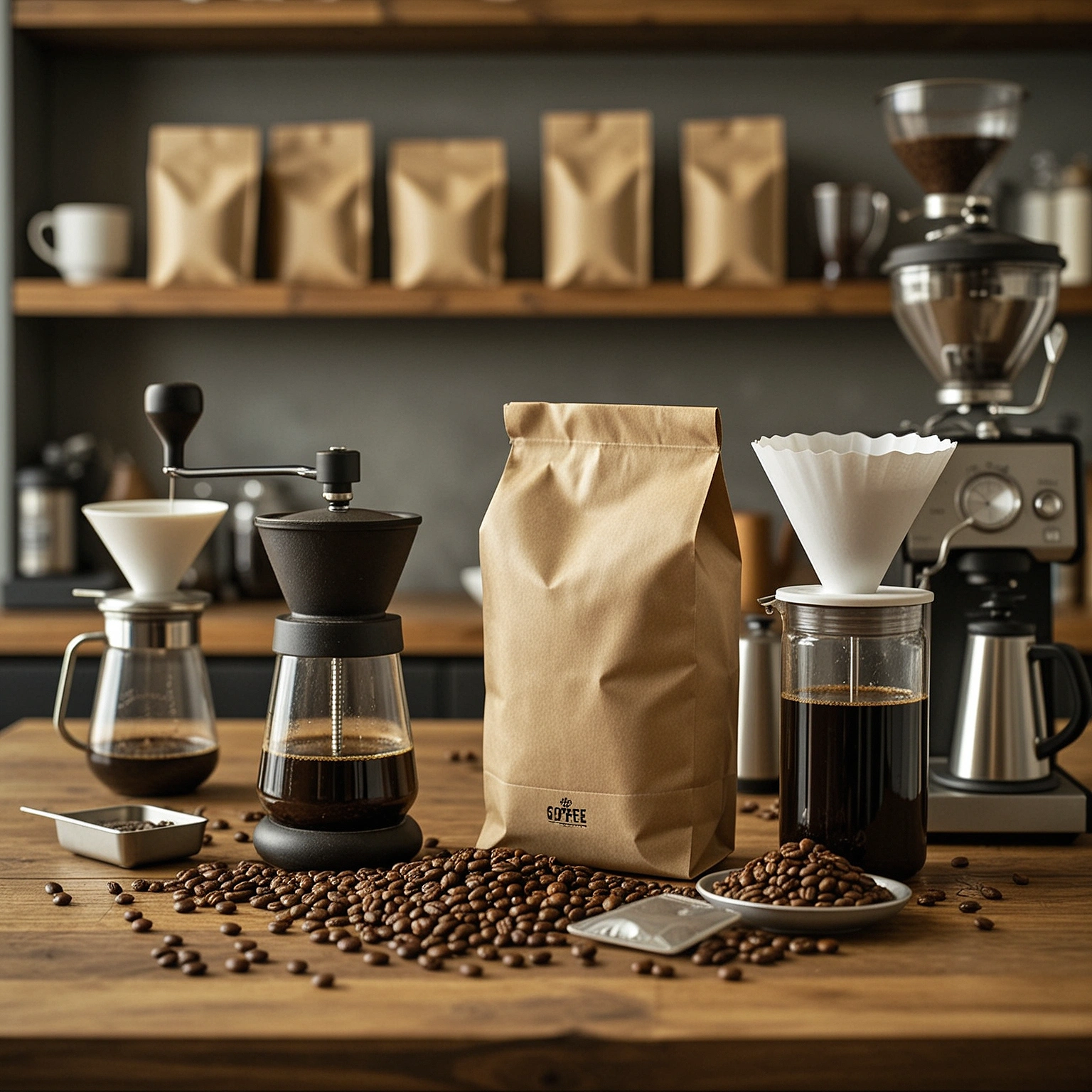
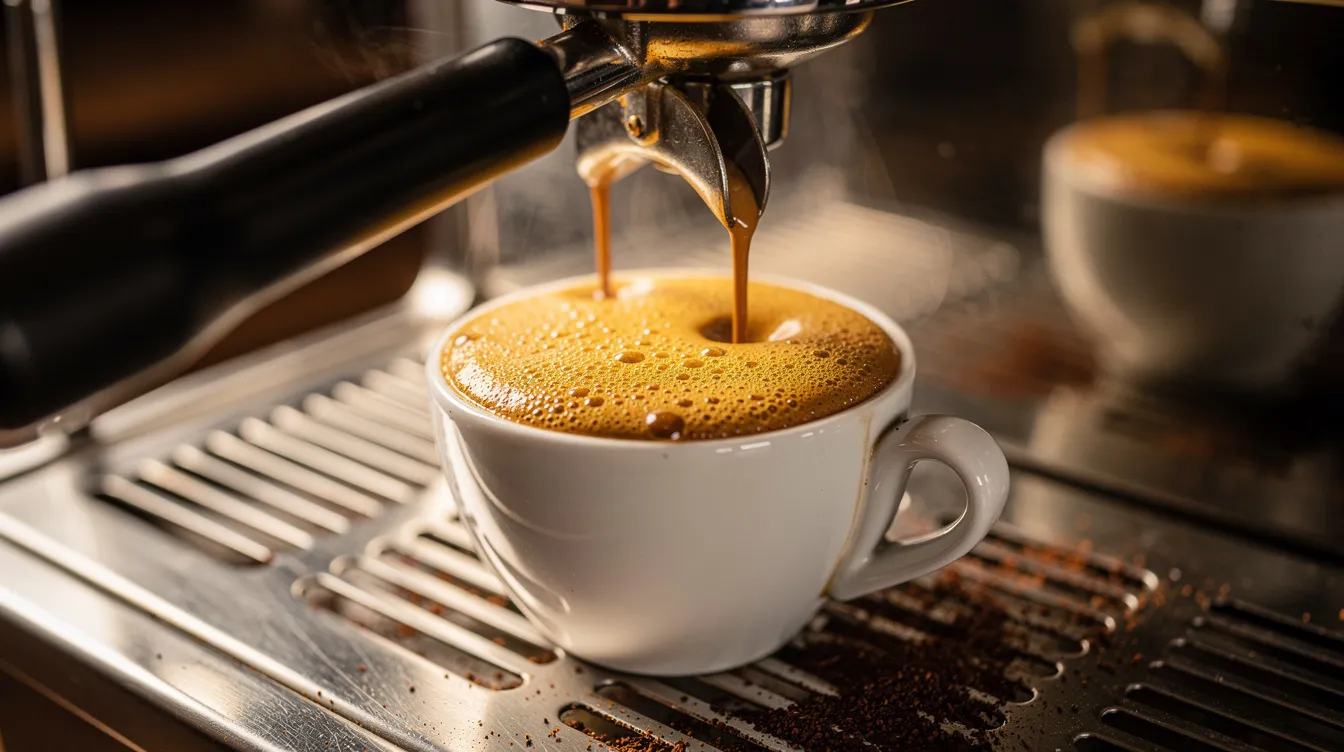
Finding the right coffee beans for espresso can feel overwhelming when dozens of roasters claim to have the best bag. The truth is simpler than most marketing suggests: freshness, roast level, and flavor balance matter far more than any single brand name. The best espresso beans in 2026 are freshly roasted, whole bean, and tuned to deliver sweetness and body under the pressure of an espresso machine. Below, you’ll find our researched picks, honest trade-offs, and practical guidance to help you land on bags actually worth buying.
Key Takeaways
- The best coffee beans for espresso in 2026 include Partners Coffee Bedford (best overall), Counter Culture Big Trouble (best comfort blend), Onyx Coffee Lab Geometry (best modern/light), Lavazza Espresso Barista Gran Crema (best classic dark roast), Blue Bottle Hayes Valley Espresso (best for milk drinks), and Olympia Coffee Monkey Bite Espresso (best adventurous pick).
- All recommendations are based on researched editorial analysis, not hands-on tasting. We relied on verified roaster data, expert reviews, and customer consensus to evaluate roast level, flavor notes, and brew method fit.
- Freshness matters more than brand loyalty. Look for a roast date printed on the bag and aim to use beans within 7 to 21 days of roasting for peak flavor and crema.
- Always buy whole bean espresso and grind just before brewing. A quality burr grinder makes a bigger difference than upgrading your machine.
Affiliate Disclosure
Best Coffee Beans for Espresso: Our Top Picks for 2026
These are the espresso beans worth buying right now. Each pick earns its spot based on flavor balance, value, and how well it performs across common espresso drinks.
- Best Overall – Partners Coffee Bedford: Medium roast blend (Colombia + Ethiopia). Brown sugar, stone fruit, chocolate notes. Excellent straight or with steamed milk.
- Best Classic Dark Roast – Lavazza Espresso Barista Gran Crema: Medium-dark Arabica/Robusta blend. Biscotti, cocoa, toasted nuts. Traditional Italian-style espresso and strong lattes.
- Best Medium-Dark Comfort Blend – Counter Culture Big Trouble: Medium-dark roast (Latin America). Caramel, bittersweet chocolate, nutty finish. Reliable house espresso for daily drinkers.
- Best Light-to-Medium Modern Espresso – Onyx Coffee Lab Geometry: Light roast (Ethiopia + Colombia). Citrus notes, florals, layered sweetness. Best for experienced baristas pulling straight shots.
- Best for Milk Drinks – Blue Bottle Hayes Valley Espresso: Dark roast (Americas). Dark chocolate, orange zest, thick crema. Punches through milk in lattes, cappuccinos, and flat whites.
- Best Budget Pick – San Francisco Bay Coffee Espresso Roast: Medium-dark roast. Roasty chocolate, mild herbal notes. Large bags, low price per ounce, widely available on Amazon.
- Best Single-Origin Espresso – Colombia Del Campo (Broadcast Coffee or similar): Medium roast Colombian. Cherry, marzipan, soft chocolate. Great for flavor exploration in straight shots.
- Best for New Home Baristas – Partners Coffee Bedford or Counter Culture Big Trouble: Forgiving extraction window, chocolate and caramel forward, easy to dial in.
- Best Decaf Espresso – Swiss Water Process Decaf Blend (such as Partners Ghost Town or comparable): Medium roast. Milk chocolate, baking spices, smooth body. Evening cappuccinos without the caffeine.
At-a-Glance comparison
Tap a photo or the Amazon button to check that bag. These are Amazon listing photos. Research-rated from each brand’s published details, not yet brewed by our team.
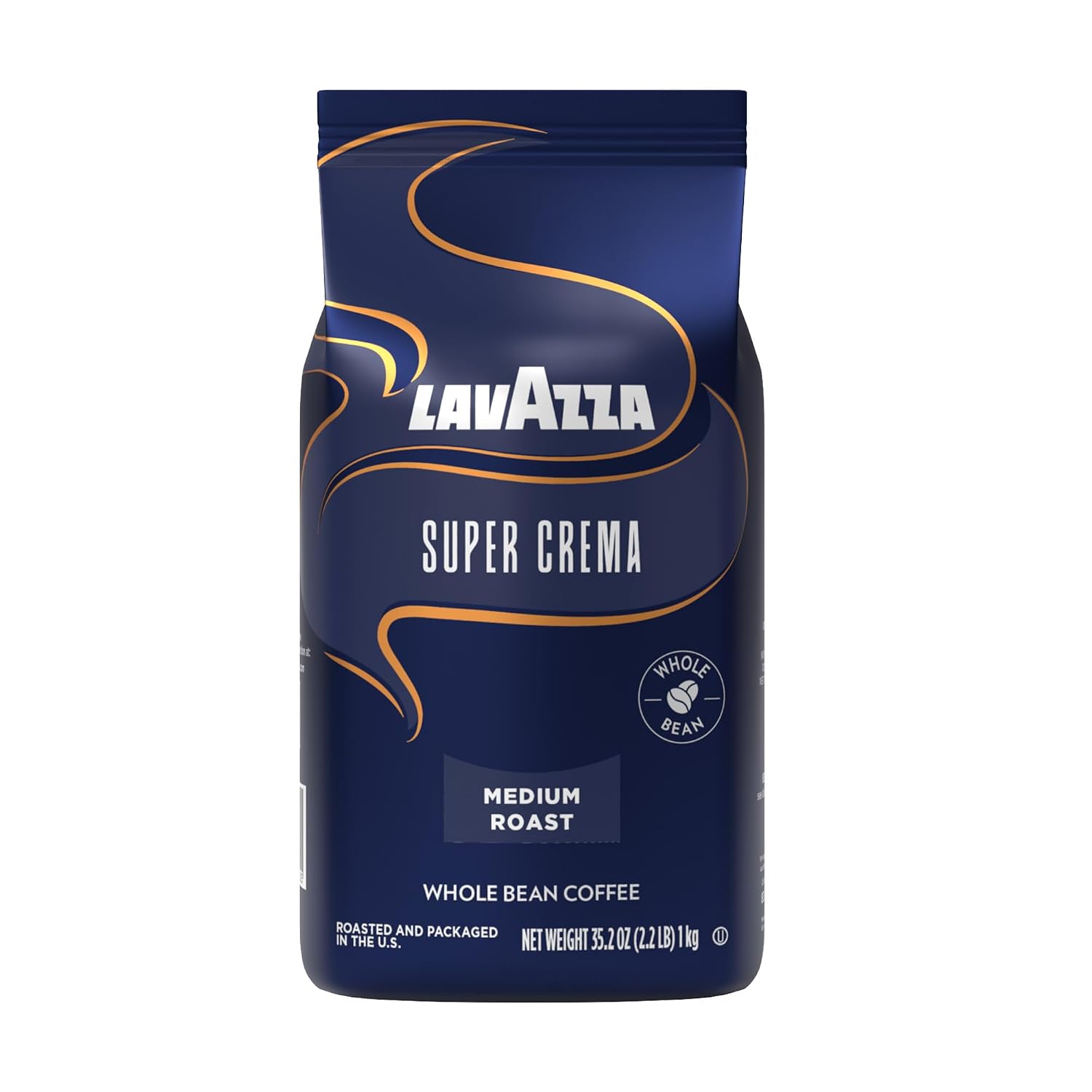
Espresso blend
Lavazza Super Crema
- RoastMedium
- FormatWhole bean, 2.2 lb
- Best forCrema-forward shots
Dark espresso roast
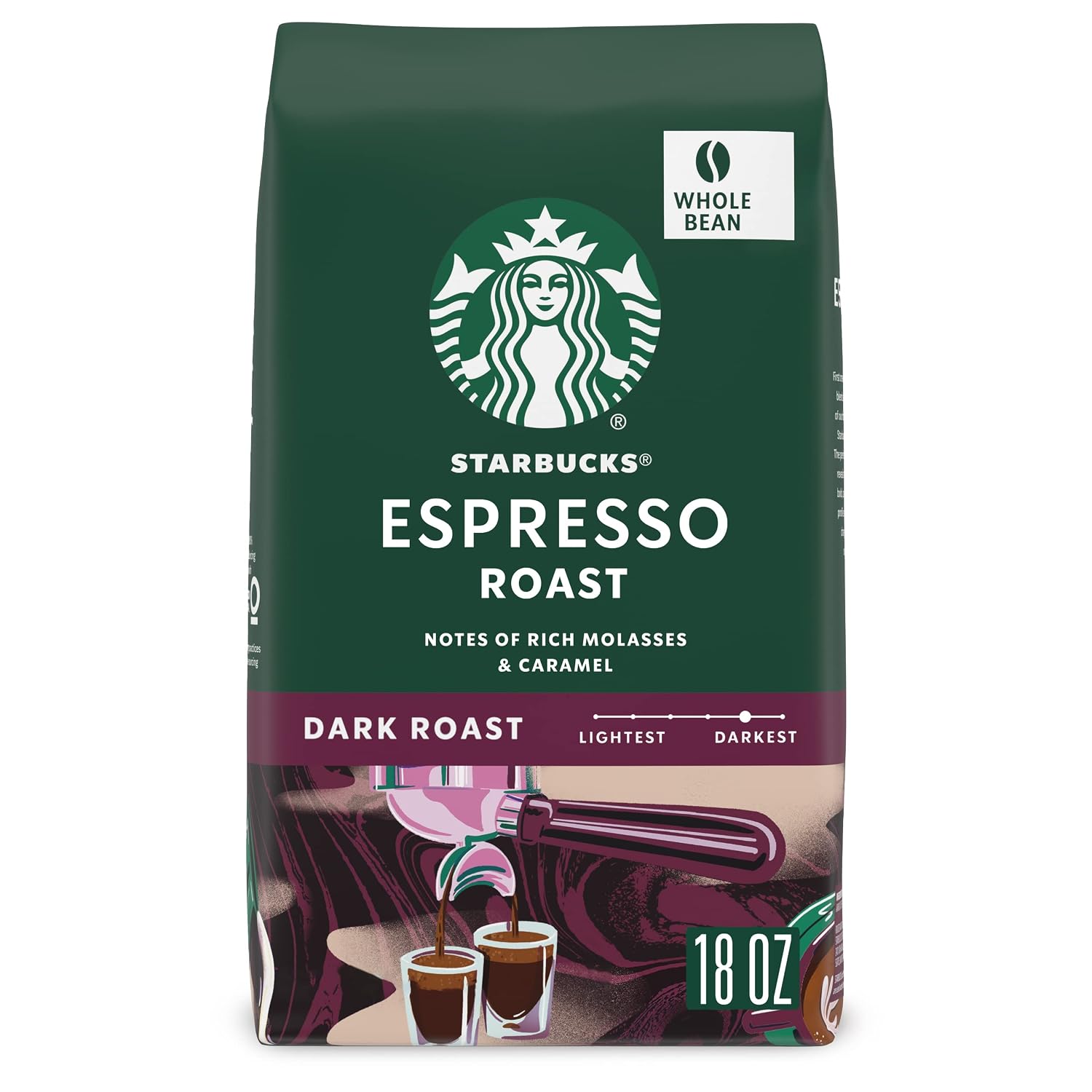
Starbucks Espresso Roast
- RoastDark
- FormatWhole bean
- Best forMilk drinks
Brand & Bag | Origin | Roast Level | Processing | Key Flavor Notes | Best For | Bag Size / ~Price per Oz | Whole Bean? | Where to Buy |
|---|---|---|---|---|---|---|---|---|
Partners Coffee Bedford | Colombia + Ethiopia | Medium | Washed dominant | Brown sugar, stone fruit, dark chocolate | Espresso + milk drinks | 12 oz / ~$1.92/oz | Yes | Roaster direct, online retailers |
Lavazza Gran Crema | Multi-region (Africa, Central and South America, Asia) | Medium-dark | Blend (Arabica + Robusta) | Biscotti, cocoa, toasted nuts | Traditional espresso, lattes | 2.2 lb / ~$1.03/oz | Yes | Amazon, Walmart, grocery stores |
Counter Culture Big Trouble | Latin America | Medium-dark | Washed | Caramel, bittersweet chocolate, nuts | House espresso, drip coffee | 12 oz / ~$1.50/oz | Yes | Grocery stores, roaster direct |
Onyx Geometry | Ethiopia + Colombia | Light | Washed | Citrus, stone fruit, florals | Straight espresso, Americanos | 10 oz / ~$2.00/oz | Yes | Roaster direct, specialty retailers |
Blue Bottle Hayes Valley | Americas | Dark | Washed | Baking chocolate, orange zest, brown sugar | Milk drinks, comfort espresso | 12 oz / ~$1.83/oz | Yes | Blue Bottle cafes, online, select grocery |
SF Bay Coffee Espresso Roast | Central America (typical) | Medium-dark | Blend | Roasty chocolate, herbal, moderate body | Budget daily espresso | 2 lb+ / ~$0.75/oz | Yes + ground | Amazon, supermarkets |
Colombia Del Campo | Colombia | Medium | Washed | Cherry, marzipan, soft chocolate | Single-origin espresso exploration | 12 oz / ~$1.75/oz | Yes | Roaster direct |
Swiss Water Decaf Blend | Varies | Medium | Swiss Water Process | Milk chocolate, baking spices | Evening espresso, low-caffeine | 12 oz / ~$1.80/oz | Yes | Specialty retailers, online |
How We Chose the Best Coffee Beans for Espresso
Every recommendation in this guide is based on researched editorial analysis. Capitol City Coffee did not conduct hands-on lab testing or blind tasting for these picks. Instead, we evaluated each coffee using verified product data from roasters, professional coffee reviewers, large-sample customer reviews, and barista community consensus.
Here are the criteria that shaped our selections:
- Roast level tuned for espresso – medium to medium-dark in most cases, with well-executed exceptions for light roast
- Specialty or high-quality commercial grade (specialty coffee scores 80 or higher on a 100-point scale)
- Clear roast date and transparent freshness practices
- Flavor balance: natural sweetness, full body, and controlled acidity that doesn’t veer overly acidic
- Consistency across shots, based on expert and customer reports
- Price per ounce and overall value
- Availability for US buyers through roasters, online retailers, or grocery stores
We included both traditional espresso blends and modern single-origin options to cover different beans, different tastes, and different gear levels.
Best Overall Espresso Beans: Partners Coffee Bedford
Partners Coffee Bedford is a medium roast espresso blend that has quietly become one of the most reliable bags for US home baristas. Sourced from Colombia (Cauca, Huila) and Ethiopia (Guji, Shakiso), it blends washed Arabica beans from elevations around 1,500–2,200 meters, with varieties including Caturra, Castillo, and Wolisho.
The tasting notes land squarely in comfort territory: brown sugar, maple syrup, and dark chocolate up front, with stone fruit and citrus brightness adding dimension. The body is syrupy without being heavy, and acidity is present but controlled – enough to keep a balanced shot interesting without making it overly acidic.
What makes Bedford stand out as best overall is its forgiving extraction window. Even when your grind or dose is slightly off, shots still taste decent. It produces good crema, works beautifully with steamed milk in lattes and cappuccinos, and holds its own as black espresso. Community reviews hover around 4.9 out of 5, with users consistently noting the balanced flavor and velvety body.
At roughly $23 for 12 ounces (~$1.92 per ounce), it sits in the mid-range of specialty pricing. Whole bean is the way to go. It ships direct from the roaster with a roast date printed on the bag.
Limitations: if you want ultra-dark, smoky “Italian-style” espresso, Bedford will feel too bright. And if you’re chasing extremely light, fruit-forward shots, it’s not quite modern enough. It lives in the sweet spot between those poles – which is exactly why it works for most people.
Best Classic Dark Roast Espresso: Lavazza Espresso Barista Gran Crema
Lavazza Gran Crema is a name most US coffee drinkers recognize, and for good reason. This medium-dark blend of Arabica and Robusta beans, sourced from Africa, Central and South America, and Southeast Asia, delivers the thick crema and heavy body that fans of traditional blends expect.
The intensity rating sits around 7 out of 10. Tasting notes lean into baked biscotti, honey, roasted cereal, and chocolate notes with subtle smokiness. Acidity is low, which is characteristic of darker roasts that have been roasted longer to develop body over brightness. Darker roasts are traditionally used for espresso due to their body and lower acidity, and Gran Crema leans into that tradition.
Where Gran Crema excels is value and accessibility. The 2.2-pound bag runs about $22.95, bringing the price per ounce down to roughly $1.03 – less than half the cost of many specialty bags. It’s available at Walmart, Amazon, and most grocery stores across the US, making it a practical daily driver.
Trade-offs are real: less transparency on specific farms and processing, more roast-driven flavor than origin character, and the Robusta component can add a slightly bitter edge that brighter-palate drinkers notice. But within its style, it delivers consistent quality and exceptional value.
Best Medium-Dark Comfort Blend: Counter Culture Big Trouble
Counter Culture Coffee has built its reputation on sourcing transparency and consistent quality. Big Trouble, their medium-dark espresso blend, has become a staple for home brewers who want reliable chocolate and caramel flavors without fuss.
The blend draws from Latin American arabica beans, primarily washed process, and roasts into a profile that emphasizes sweetness, round body, and balanced bitterness. Expect tasting notes of caramel, bittersweet chocolate, and a nutty finish with mild acidity. It reads like a genuinely good cup every time you pull a shot.
Big Trouble works as a strong house espresso choice because it’s easy to dial in, performs well across different machines, and translates beautifully into milk based drinks. It also crosses over nicely into drip coffee and pour over when you want versatility from a single bag. You can find it in many grocery stores and direct from the roaster, and Counter Culture’s distribution tends to move fast, which helps with freshness.
Downsides: this isn’t the bag for someone who wants vivid fruit-forward or floral notes. It’s comfort food in espresso form – wonderful at what it does, but deliberately mellow. If you enjoy bright, complex shots, you’ll want to look at Onyx Geometry instead.
Best Light-to-Medium Modern Espresso: Onyx Coffee Lab Geometry
Onyx Coffee Lab Geometry is built for drinkers who enjoy bright, nuanced espresso and want to taste origin character in every sip. This is a light roast espresso blend – a concept that would have confused people a decade ago but now represents the leading edge of specialty espresso.
Geometry rotates its component coffees every two to three months to maintain a consistent flavor profile despite seasonal harvest changes. Origins typically include Ethiopia and Colombia, washed process, with elevation around 1,950 meters. Onyx publishes detailed roast data, including an Agtron score of approximately 130, confirming the light roast level.
The flavor is layered: citrus notes, stone fruit, honeysuckle, and tea-like florals with chocolate undertones in the finish. Modern espresso beans like Geometry feature fruit-forward and complex flavor profiles that reward careful extraction.
This bean suits experienced home baristas with good grinders and machines. Light roast espresso is less forgiving – grind and temperature errors get amplified quickly. You’ll get the best results pulling straight espresso shots and Americanos where brightness and complexity can shine. Smaller milk drinks like cortados work too, but heavy lattes will mute the nuance.
At specialty pricing (roughly $2.00 per ounce for a 10-ounce bag), Geometry is an investment. And the narrower appeal and steeper learning curve when dialing in are genuine trade-offs. But for those who want to enjoy bright, origin-forward espresso at home, it’s one of the best bags available.
Best Espresso for Milk Drinks: Blue Bottle Hayes Valley Espresso
Blue Bottle’s Hayes Valley Espresso was designed to punch through steamed milk and still taste like coffee. It’s a dark roast blend of organic coffees from the Americas, roasted low and slow to the edge of darkness without tipping into char.
Flavor notes center on baking chocolate, orange zest, and brown sugar, with a thick, syrupy body that produces voluptuous crema. The sweetness holds up remarkably well in 6- to 12-ounce milk drinks – lattes, cappuccinos, and flat whites all benefit from that chocolate-forward richness.
Espresso beans typically exude flavors of chocolate, caramel, and nuts or fruits depending on the blend, and Hayes Valley leans heavily into the chocolate and caramel side. That makes it ideal for anyone whose daily drink involves milk. Blends with chocolate and nutty profiles work well for milk-based drinks because those flavors resist being diluted.
At around $22 for 12 ounces (~$1.83 per ounce), it’s priced comparably to other specialty espresso blends. Available through Blue Bottle cafes, their online store, and select grocery partners.
If you only drink straight, very bright espresso, Hayes Valley will feel too dark and roasty. But for milk drink lovers, it’s one of the most satisfying espresso blends on the market.
Best Budget Espresso Beans (Amazon-Friendly): San Francisco Bay Coffee Espresso Roast
San Francisco Bay Coffee’s Espresso Roast is a budget-conscious, medium-dark option that ships in large bags through Amazon and sits on shelves in US supermarkets. It won’t wow specialty coffee purists, but it delivers a solid, familiar espresso roast at a fraction of the price.
The flavor profile leans roasty: chocolate dominates with a bit of citrus and herbal undertone, plus moderate body. It handles both espresso brews and drip coffee reasonably well, making it practical for households with different coffee habits.
Origin details are general – mostly arabica beans, often from Central America – and processing transparency is limited compared to smaller roasters. The biggest risk is staleness: large-format bags that sit in Amazon warehouses can lose brightness. Beans older than 28 days lose brightness and taste flat, so check the roast date when the bag arrives and prioritize sellers with high turnover.
At roughly $0.75 per ounce, the value is hard to beat. For beginners, households that go through a lot of espresso, or anyone who wants a decent everyday bean without specialty pricing, this is a practical pick.
Best Single-Origin Espresso for Flavor Exploration: Colombia Del Campo (Broadcast Coffee or Similar)
Single-origin espresso comes from one specific region or farm, which means each bag tells a particular story about terroir, variety, and processing. That’s what makes it exciting – and occasionally unpredictable.
A Colombian single-origin espresso like Colombia Del Campo showcases what makes South America such a reliable starting point for origin exploration: medium body, balanced acidity, and strong sweetness. Expect sweet cherry, marzipan, and soft chocolate notes that translate well into a balanced shot. Single-origin coffees showcase unique terroir characteristics, and Colombian lots often hit the sweet spot between accessible and interesting.
This pick suits intermediate home baristas with a good grinder who enjoy straight shots and Americanos and are curious about how origin shapes flavor. Colombian coffees from high-elevation farms tend to carry enough body and sweetness to work in small milk drinks too.
Limitations: single-origin espresso is more sensitive to extraction errors than comfort blends, and seasonal availability may shift lots and flavor slightly over time. That variability is part of the appeal for explorers but can frustrate drinkers who want identical shots every morning.
Best Espresso Beans for New Home Baristas
If you’re just getting started with home espresso, the single most helpful decision you can make is choosing a forgiving espresso blend. Look for medium or medium-dark roast beans with tasting notes that lean toward chocolate, caramel, and nuts rather than bright fruit or floral notes.
Three beginner-friendly recommendations:
- Partners Coffee Bedford – syrupy body, balanced fruit and chocolate, wide dial-in window
- Counter Culture Big Trouble – caramel and bittersweet chocolate, easy to extract well, widely available
- Tony’s Coffee house espresso blends – full bodied, nutty sweetness, approachable pricing
These beans have wider dial-in windows, meaning your espresso shot still tastes decent even when grind, dose, or temperature aren’t perfect. Medium to medium-dark roasts are often the best choice for espresso because they balance sweetness and body without demanding surgical precision.
Practical advice for beginners: buy whole bean in smaller bags (10–12 oz), consume within two to three weeks, and resist the urge to start with ultra-light, experimental roasts. These blends work across home espresso machines, manual lever setups, and even moka pots.
Best Espresso Beans for Strong, Dark Profiles
For readers who love bold, dark roast espresso with heavy body and very low acidity, these bags deliver:
- Lavazza Gran Crema – thick crema, cocoa, toasted nuts, classic Italian profile
- Peet’s Espresso Forte – deep, smoky, molasses undertones with baking spices
- Death Wish Espresso Roast – extremely bold, high-caffeine, dark chocolate and spice
Darker espresso beans perform well in milk-heavy drinks, espresso martinis, and iced lattes where a robust coffee presence needs to cut through dilution. Traditional espresso beans often have low acidity and chocolatey notes that stand up to sugar, syrups, and ice.
Trade-offs with dark roasts: more roast bitterness, less origin character, and potentially oily beans that can clog some grinders or super-automatic machines. Even dark roasts benefit from freshness – watch for a clear roast date and don’t assume that darker means longer shelf life.
Best Decaf Espresso Beans
Decaf espresso deserves its own callout because the processing required to remove caffeine can flatten flavor if done poorly. Choosing specialty-grade decaf with a clean process makes the difference between something enjoyable and something that tastes like cardboard.
Look for Swiss Water Process, Mountain Water, or CO₂ decaf methods. These avoid chemical solvents and tend to preserve more sweetness and complexity. A good option is Partners Coffee Ghost Town Decaf or a comparable medium roast decaf blend from a respected roaster.
Flavor expectations for quality decaf espresso: milk chocolate, baking spices, mild fruit or nut notes, and a smooth body with reduced bitterness. The clean cup quality of Swiss Water Process decafs tends to be noticeably better than conventional decaf.
Ideal uses: evening cappuccinos, lower-caffeine Americanos, and mixed households where not everyone wants full caffeine but still wants a genuinely good cup.
How to Choose the Best Coffee Beans for Espresso
Selecting coffee beans for espresso requires consideration of origin and roast level, but the “best” bag ultimately depends on your personal taste, brew method, and budget.
Here’s a framework:
- Roast level: medium to medium-dark is the most forgiving for espresso. Dark roast adds body and roast character. Light roast adds complexity but demands precision.
- Flavor preferences: prefer chocolatey, nutty, caramel? Go with Latin American blends. Want bright, fruity, floral? Look to African origins.
- Brew method fit: pump espresso machines, manual levers, and moka pots each interact differently with bean profiles.
- Arabica vs. blends with Robusta: 100% arabica beans are standard in specialty espresso for their sweetness and complexity. Some traditional blends add Robusta for extra crema and bite. Arabica beans make up about 60% of the world’s coffee supply, and they’re preferred for espresso due to their sweetness and complexity.
Espresso beans are not a distinct species – they’re regular coffee beans roasted and often blended with espresso extraction in mind. Blends are crafted to achieve a consistent flavor profile by combining beans to balance acidity and sweetness. Start with blends if you’re new to dialing in, and keep notes on what you enjoy. Over time, patterns will emerge: origin regions you prefer, roast levels that suit your palate, and the sweetness-to-acidity ratio that hits your sweet spot.
Key Factors: Origin, Roast Level, Processing, and Flavor Profile
These four specs shape how espresso beans taste more than almost anything else:
- Origin regions: Africa (bright, fruity, floral notes), Latin America including Central America (chocolate, nuts, caramel), and Asia-Pacific (earthy, spicy, heavy body). Finding the right beans for espresso involves flavor profile preferences that often trace back to origin.
- Roast level influences the flavors in espresso drinks. Light roast preserves acidity and complexity but requires careful technique. Medium roast balances sweetness and body. Dark roast emphasizes bold, roasty character with low acidity. Roast level is one of the most impactful variables in the roasting process.
- Processing: washed processing yields a clean cup with bright acidity. Natural processing creates fruit-forward, heavier body. Honey and hybrid processes fall in between, often adding sweetness.
- How these elements translate in a 25–30 second espresso shot is different from drip or pour over. Espresso amplifies everything – good and bad – because it concentrates dissolved solids. Espresso requires beans with a TDS (total dissolved solids) of 8 to 12%, compared to roughly 1.2–1.5% in drip coffee.
For most US home baristas, medium or medium-dark washed or mixed-process blends with chocolate and caramel notes are the safest starting point for espresso. High-quality espresso beans should be prioritized for their sweetness and extraction ability under pressure.
Freshness and Roast Date: Why They Matter More for Espresso
Espresso intensifies both the best and worst traits of any bean, which makes freshness critical. A bag that tastes fine as drip coffee can taste papery and lifeless as espresso.
The ideal peak flavor window for espresso beans runs roughly 7 to 21 days after roasting. Fresh beans need a few days of degassing after roast – freshly roasted beans release carbon dioxide for optimal extraction, and that CO₂ contributes to crema formation and resistance in the espresso puck. Before about day 7, excess gas can cause uneven extraction. After about day 21 (or up to 4–6 weeks for darker roasts stored well), flavors flatten and crema weakens.
Well-roasted espresso beans should have a clear roast date for freshness. Look for “Roasted On” rather than “Best By” dates. A “Best By” date 12 months out tells you almost nothing about when the coffee was actually roasted. Espresso beans should have a slight sheen from natural oils when fresh – that’s a visual cue that the beans still have life in them.
Signs of stale beans: flat or papery aroma, weak crema, dull flavor, and channeling or watery shots.
Practical advice: buy smaller amounts more often – one or two bags at a time. Avoid bulk bins at the store and very old warehouse stock. Fresh coffee beans should be used within 7 to 21 days of roasting for best results, and buying from roasters who ship shortly after roasting makes a measurable difference.
Whole Bean vs Pre-Ground Espresso Beans
Whole bean almost always produces better espresso than pre-ground coffee. This isn’t snobbery – it’s chemistry.
Coffee beans lose flavor rapidly once ground due to oxidation. Within minutes of grinding, volatile aromatics start escaping and CO₂ dissipates. That CO₂ is what helps build crema and maintain puck resistance during extraction. Oxygen exposure is detrimental to coffee bean freshness, and grinding dramatically increases surface area exposed to air.
Espresso requires a precise, uniform grind for optimal extraction. You’re aiming for particles roughly the size of table salt, produced consistently by a burr grinder. Blade grinders create uneven chunks and dust that lead to simultaneous over- and under-extraction – sour and bitter in the same shot.
Pre-ground “espresso” can work in a pinch for some machines, but you lose the ability to adjust grind day by day as beans age and conditions change. Espresso beans should be ground just before brewing for optimal flavor.
If you’re serious about home espresso, prioritize a good burr grinder – often before upgrading the machine itself. The grinder is where extraction quality is truly decided.
Matching Espresso Beans to Your Brew Method
Espresso beans can be used across multiple brew methods, but some beans suit certain methods better than others.
- Traditional pump espresso machines: best with espresso blends roasted medium to medium-dark. Forgiving and consistent.
- Manual lever and prosumer machines: can showcase both blends and nuanced single-origin espresso. Higher control means lighter roasts become viable. Espresso requires about nine bars of pressure for brewing, and prosumer machines deliver that consistently.
- Moka pot and stovetop espresso makers: often do well with medium-dark or dark roast beans with clear chocolate and nut notes. The lower pressure of a moka pot favors bolder profiles.
- Crossover use: some espresso blends also shine as rich, full-bodied French press coffee or clarity-focused pour-over brews. If you want one bag to do double duty, medium roast blends are usually the most versatile.
If you also make a lot of cold brew, you might want a separate bag optimized for cold immersion brewing, since cold brew favors different beans and coarser grinds.
Brewing Tips: Getting the Best from Your Espresso Beans
Even the best coffee beans for espresso can taste wrong with poor technique or equipment setup. Here are high-level recommendations that work across most home machines:
- Use filtered water to reduce off flavors and mineral scale build-up. Water is 90%+ of your espresso shot – it matters.
- Start with a standard recipe: 1:2 brew ratio (e.g., 18 grams in, 36 grams out) in 25–30 seconds. Light roast beans may need higher temperature or longer contact time; dark roast usually needs less.
- Adjust one variable at a time when dialing in. Changing grind, dose, and yield simultaneously makes it impossible to identify what improved (or ruined) the shot.
- Purge your grinder between different beans and keep baskets, portafilters, and groupheads clean. Stale grounds trapped in the grinder taint fresh beans.
- Blends with fruity and floral notes are preferred for straight espresso, while richer, darker profiles shine when pulled as the base for milk drinks. Match your recipe to your first sip preference.
Storing Espresso Beans for Maximum Freshness
Proper storage extends the life of your beans meaningfully.
- Store beans in a cool, dark place in an airtight container. The roaster’s original bag with a one-way valve works well, as does a dedicated coffee canister with a CO₂ vent.
- Avoid the fridge or freezer for daily-use bags. Condensation and odor absorption degrade flavor. If you must freeze for long-term storage, portion beans into single-use amounts in airtight bags and thaw only once.
- Consume beans within 2–4 weeks of opening for best espresso results, especially medium and darker roasts.
- Buy from roasters that package shortly after roasting and ship promptly to US addresses. A roast date printed on every bag is the single best indicator of quality commitment.
Related Guides from Capitol City Coffee
Looking for beans optimized for other brew methods? These guides can help:
- Best coffee for cold brew – choosing beans that thrive in long, cold immersion
- Best coffee for French press – rich, full-bodied recommendations for press brewing
- Best coffee for pour over – clarity-focused coffees for manual drip methods
- All brew method guides – our hub for picking beans by how you brew
- Capitol City Coffee main resource center – the starting point for all our coffee coverage
Our Espresso Bean Pick
We matched one espresso blend to the short, creamy shot this guide describes. Tap the image or the coffee name. Research-rated, not yet brewed by our team.
Feeling crema: an Italian-style blend
Our pick: Lavazza Super Crema, espresso blend, whole bean, 2.2 lb. Built for a short shot with crema, not a giant filter mug. Research-rated, not yet brewed by our team.
Frequently Asked Questions About Espresso Beans
These questions address details that go beyond the main recommendations above.
Can I use any coffee beans for espresso?
Espresso is a brew method, not a bean type, so technically any coffee bean can be used. However, beans roasted and blended specifically for espresso are easier to dial in and typically yield more balanced shots. Regular coffee beans – meaning any roasted coffee – will extract under pressure, but espresso-optimized roasts account for the intensity and speed of the extraction. A light roast single origin from Kenya can make stunning espresso in skilled hands, but a medium roast espresso blend will be far more forgiving for most home brewing setups. The best espresso beans in 2026 feature balanced blends from top roasters who design their profiles to work under nine bars of pressure.
Is dark roast better for espresso than light roast?
Dark roast isn’t automatically better – it’s just more traditional. Darker roasts are traditionally used for espresso due to lower acidity and heavier body, which produces the bold, chocolatey shots many people associate with espresso. But medium and even light roasts can make excellent espresso when brewed with care. Modern espresso culture has shifted toward medium roast as the default recommendation because it preserves more origin character while still offering the body and sweetness espresso demands. Personal taste is the deciding factor here – not a rule.
How long do espresso beans stay fresh?
Most beans taste best for espresso between about 7 and 30 days after roasting, with the peak flavor window sitting in that 7-to-21-day range. Fresh coffee beans should be used within 7 to 21 days post-roast for optimal crema, aroma, and flavor. After about four weeks, expect gradual decline: flatter taste, weaker crema, and less aromatic complexity. Darker roasts may hold up slightly longer (up to 4–6 weeks) because their denser roast structure slows staling. Storage matters too – beans kept in a sealed, one-way valve bag in a cool, dark spot last longer than beans left open on the counter.
Do espresso beans have more caffeine?
Espresso beans are not a different species of coffee plant. They have similar caffeine content per gram as any other coffee bean. The confusion comes from concentration: a single espresso shot packs more caffeine per ounce than most drip coffee servings, but drip coffee cups are much larger. A typical 8-ounce cup of drip coffee actually contains more total caffeine than a 1-ounce espresso shot. Roast level has a negligible effect on caffeine per gram – darker roasts lose some mass to moisture evaporation, so by weight, they have marginally more caffeine per gram, but the difference is trivial in practice.
What’s the difference between an espresso blend and single-origin espresso?
Blends combine beans from multiple origins to achieve a consistent, balanced flavor profile. Roasters adjust the ratio of components season by season to maintain the same chocolate, caramel, or fruit character year-round. Single-origin espresso showcases the specific character of one region or farm, often with more distinctive but less forgiving profiles. Single-origin espresso is popular for its distinct flavor notes – you might taste blueberry from Ethiopia or caramel from Colombia – but the flavors can shift as seasonal lots change. For most home baristas, blends offer reliability, while single origins offer exploration. Both are legitimate choices; the right one depends on whether you prioritize consistency or discovery in your morning cup.
Conclusion: Finding Your Best Coffee Beans for Espresso
The best espresso beans for you come down to roast preference, flavor goals, and how forgiving your gear and technique need the coffee to be. But across every preference, one principle holds: choosing freshly roasted, whole-bean, specialty or high-quality coffee roasted for espresso is the most important step you can take.
Start with one or two blends from the picks above – Partners Bedford for balanced versatility or Counter Culture Big Trouble for chocolate-forward comfort – and pull a few shots. Take simple notes on what you like and what falls flat. Over time, those notes will guide you toward the origins, roast levels, and flavor notes that define your personal taste.
If you’re curious about how different beans perform across other brew methods, explore our brew method guides for side-by-side comparisons. Or try a small at-home tasting: buy two different espresso beans, brew them back to back, and see which one makes you reach for a second shot.