

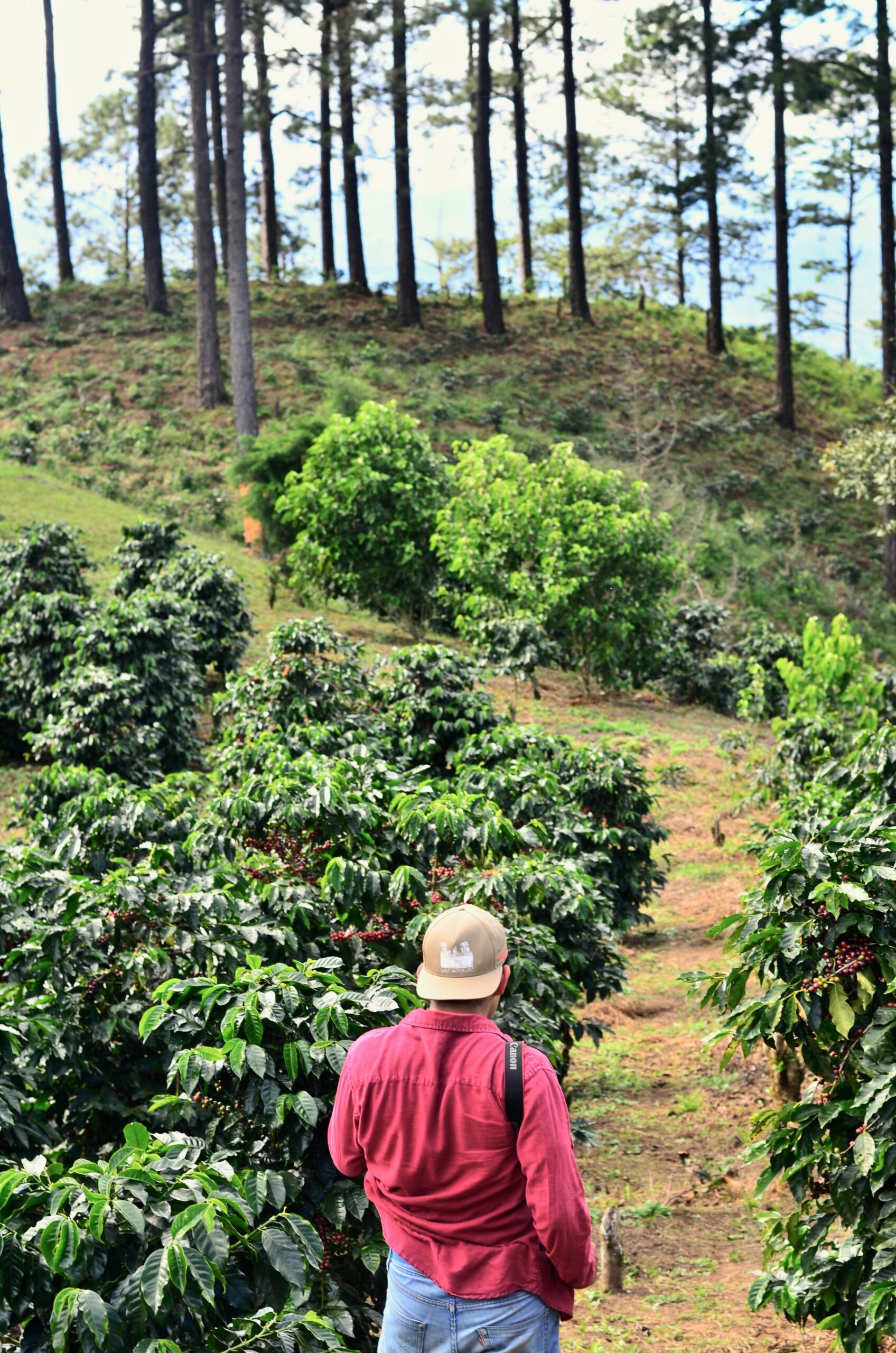
Colombia produces about 12% of the world’s coffee supply, and the country’s reputation for balanced, sweet, and approachable arabica beans is well earned. Whether you want a bright single origin for pour-over or a smooth espresso roast for your morning latte, Colombian coffee delivers across nearly every brewing method. This guide breaks down the best Colombian coffee beans available in the U.S. right now, organized by use case, flavor profile, and value.
Key Takeaways
- The best Colombian coffee beans come from regions like Huila, Nariño, and Cauca, where high altitudes concentrate sugars in coffee cherries, producing bright acidity, caramel sweetness, and chocolate notes that suit most brew methods.
- Rankings in this guide are based on researched editorial analysis of expert reviews, roaster data, and third-party consensus – not hands-on tasting by Capitol City Coffee editors.
- Colombian coffees are known for their smooth and easy-drinking profile, but the range extends from mild supermarket blends to exceptional experimental microlots with tropical fruit and winey complexity.
- You’ll find a quick comparison table, detailed flavor profile breakdowns by use case, guidance on choosing beans by roast and brewing method, and links to related origin guides covering Ethiopian, Guatemalan, and Costa Rican coffees.
- An affiliate disclosure appears before the first product recommendation. Rankings prioritize taste, value, and suitability – not commission.
Quick Answer & Top Picks for the Best Colombian Coffee Beans
If you want the fastest answer, here are the top picks for best colombian coffee beans based on expert cupping scores, roaster transparency, and verified buyer feedback.
Capitol City Coffee is an independent editorial and affiliate publication. We may earn a small commission when you purchase through links on this page, at no extra cost to you. Commission potential does not influence our rankings or recommendations.
Best Overall: Heart Coffee Roasters – Luis Alberto Jojoa (Huila, washed, medium roast). A classic Colombian flavor profile with caramel, citrus, and milk chocolate. Excellent for drip and pour-over. Mid-range price (~$22/13 oz).
Best for Espresso: A medium-dark Colombian blend sourced from Antioquia or the central regions, delivering syrupy body, dark chocolate, and hazelnut. Low acidity pairs well with milk drinks. Budget to mid-range pricing in larger bags.
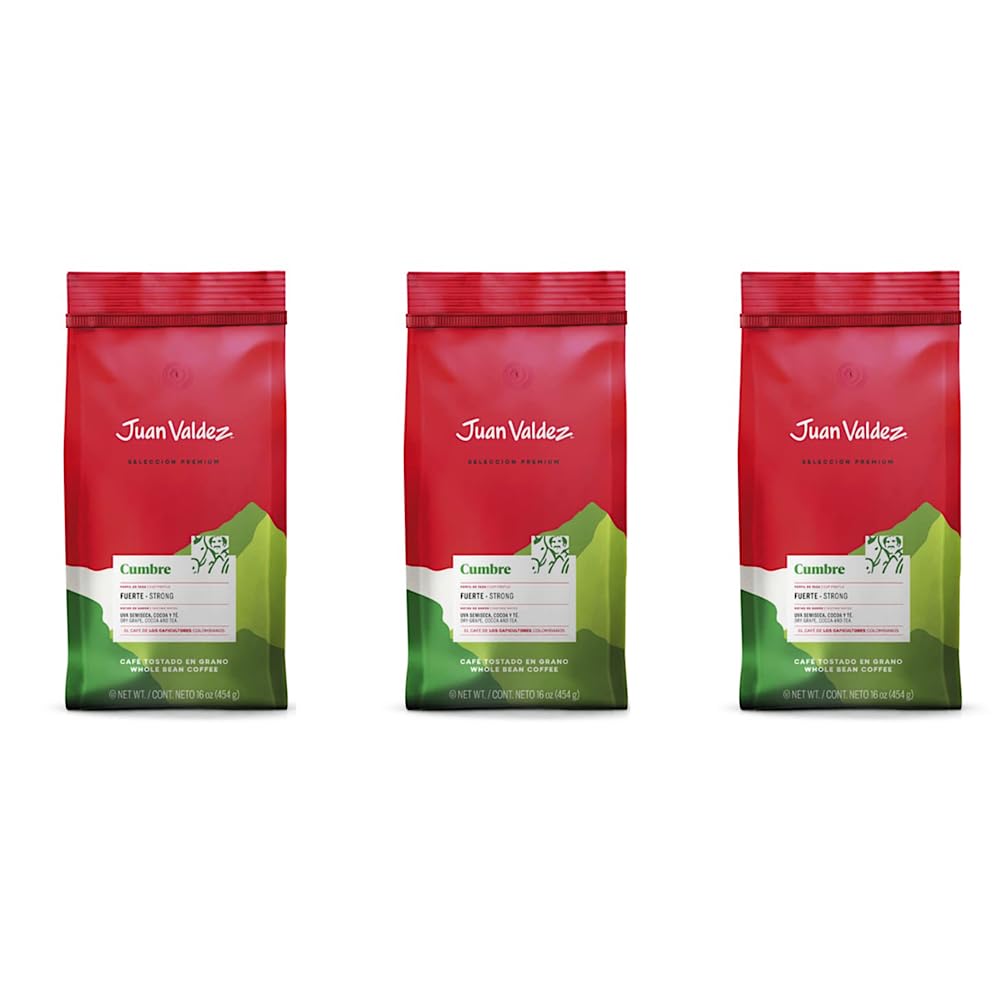
Best Budget-Friendly: Juan Valdez Cumbre or Sello Rojo – widely available 100% Colombian arabica at supermarkets across the country. Smooth, mild, and consistent for everyday drip brewing. Budget price tier.
Best Specialty (Experimental Processing): Verve – Amparo Maya (Nariño, natural process). Fruity, wine-like acidity with tropical fruit notes. Premium pricing (~$28/12 oz), best for pour-over and Aeropress.
Best Decaf: Union Place Coffee Roasters – Swiss Water Process Colombian Decaf. Medium roast, chocolate and caramel sweetness, balanced body. Good for evening French press or drip. Mid-range price.
Best for Cold Brew: A medium-dark roast from Santander or Sierra Nevada with lower acidity, full body, and deep chocolate and brown sugar flavors. Coarsely ground and steeped 12–18 hours for a delicious, smooth result.
At a glance
Compare Amazon-available Colombian bags on a phone first: listing photo, roast notes, and a Check on Amazon button. Research-rated, not yet brewed by our team.
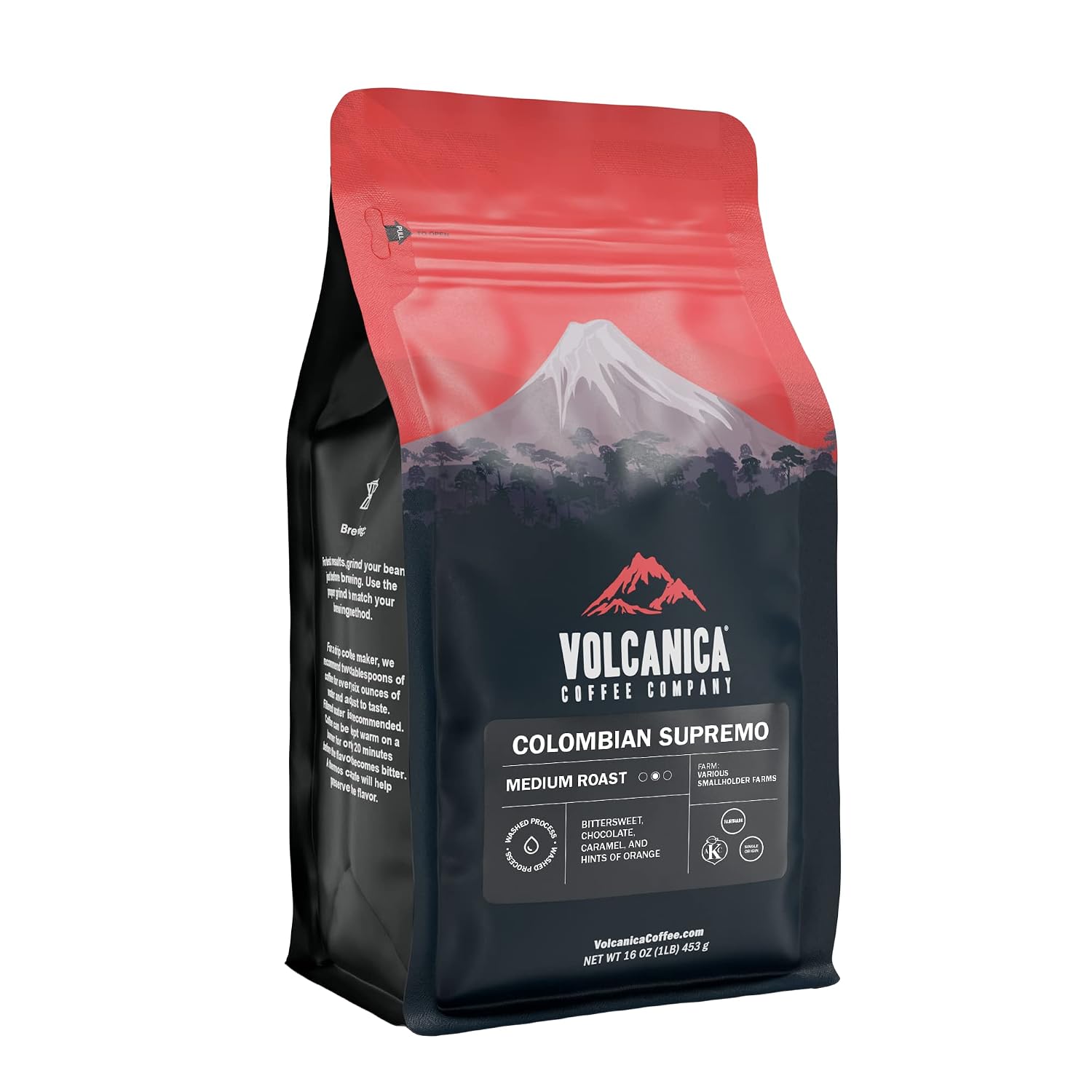
Best overall Colombia
Volcanica Colombian Supremo
- RoastMedium
- FlavorCaramel, chocolate
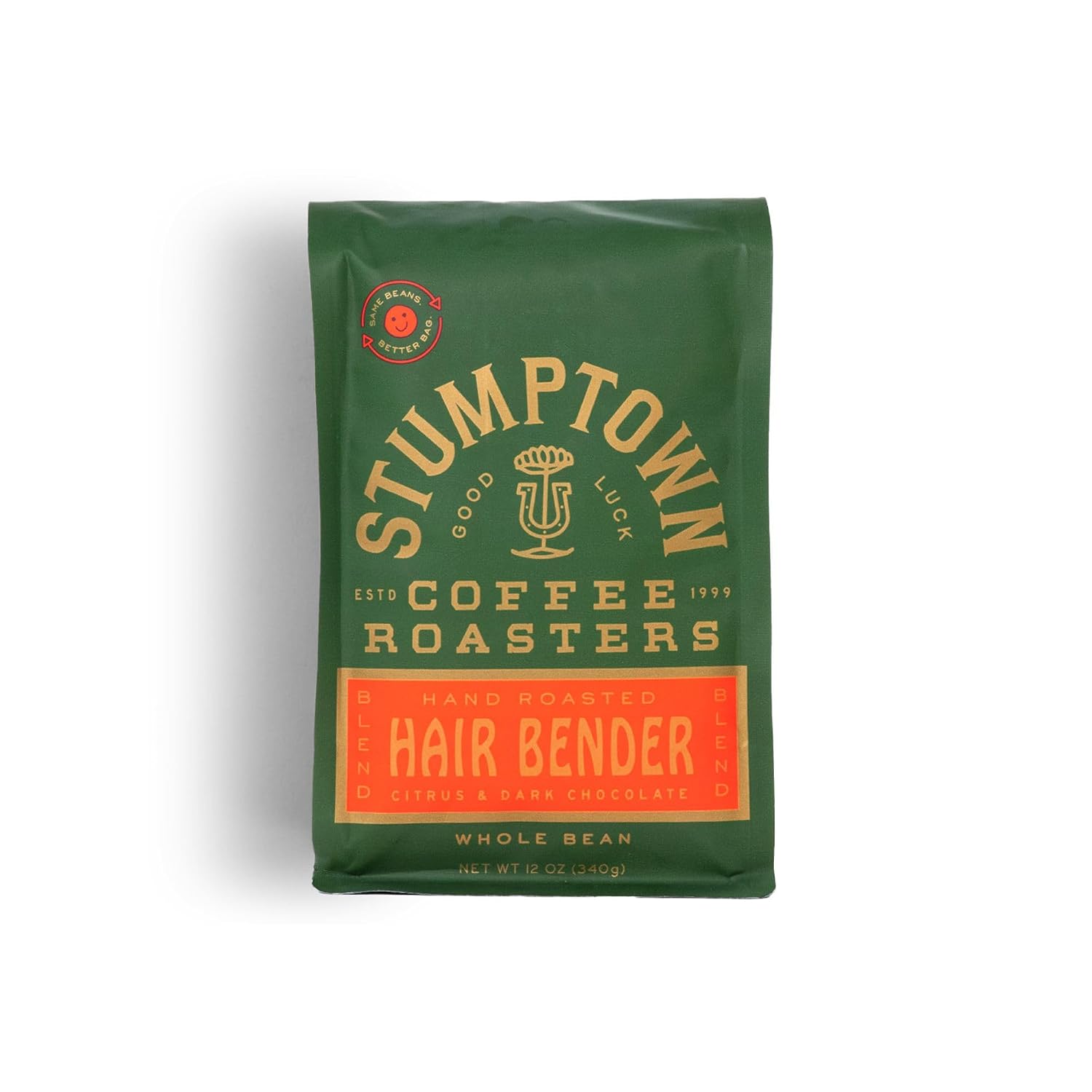
Latin America blend
Stumptown Hair Bender
- RoastMedium
- FlavorChocolate, citrus, toffee
Coffee & Roaster | Region | Varietals | Processing | Roast | Flavor Highlights | Best Brew Methods | Price Tier | Format |
|---|---|---|---|---|---|---|---|---|
Heart – Luis Alberto Jojoa | Huila | Caturra, Castillo | Washed | Medium | Caramel, citrus, milk chocolate; bright acidity, medium body | Pour-over, drip, French press | Mid-range (~$22/13 oz) | Whole bean |
Counter Culture – La Golondrina | Cauca | Castillo, Caturra | Washed | Medium | Orange zest, panela, floral sweetness; silky body | Drip, pour-over, espresso | Mid-range (~$17/12 oz) | Whole bean |
Antioquia-style espresso blend | Antioquia | Castillo, Colombia | Washed | Medium-dark | Dark chocolate, hazelnut, caramel; low acidity, full body | Espresso, moka pot, latte | Budget–mid | Whole bean, ground |
Central regions | Mixed Arabica | Washed | Medium | Chocolate, nuts, mild caramel; smooth, mild | Drip, auto-brewer | Budget | Whole bean, ground coffee, instant coffee | |
Verve – Amparo Maya | Nariño | Caturra, Typica | Natural | Light-medium | Tropical fruit, red berries, winey acidity; aroma-forward | Pour-over, Aeropress, Chemex | Premium (~$28/12 oz) | Whole bean |
Union Place – SWP Colombian Decaf | Huila/Antioquia | Castillo, Caturra | Washed (SWP decaf) | Medium | Chocolate, caramel, medium body; muted acidity | Drip, French press, espresso | Mid-range | Whole bean, ground |
Cold brew pick (Santander/Sierra Nevada style) | Santander / Sierra Nevada | Castillo, local cultivars | Washed | Medium-dark | Cocoa, brown sugar, subtle berry; full body, lower acidity | Cold brew, iced coffee | Budget–mid | Whole bean, ground |
Prices and availability change; links may point to roasters, coffee club services, or major retailers.
How We Selected and Evaluated These Colombian Coffees
Capitol City Coffee is an independent editorial and affiliate publication – we don’t roast, sell, or ship coffee beans. This guide is built on researched editorial analysis, not lab testing or personal cupping.
We cross-referenced expert third-party reviews from specialty coffee publications and competition results, focusing on 100% arabica beans with clear origin data. Each coffee was evaluated on its region, altitude range (typically 1,200–2,100 meters), processing method, and the clarity of its flavor profile – balancing acidity, sweetness, body, and aroma. We also weighed value for money, freshness options like roast-to-order and subscription or coffee club availability, and ease of U.S. shipping.
Unless otherwise noted, we have not performed hands-on tasting for these products. We rely on roaster data, published cupping notes, and aggregated customer feedback. Sourcing ethics and transparency – Fair Trade, organic, direct trade, support for small farm cooperatives – served as tie-breakers when quality and value were comparable. Commission potential does not influence rankings.
Detailed Picks: Best Colombian Coffee Beans by Use Case
Each recommendation below includes who it’s best for, tasting notes, brew-method fit, and meaningful trade-offs.
Best Overall Colombian Coffee Bean
Heart Coffee Roasters’ Luis Alberto Jojoa is a washed single origin from Huila, Colombia’s benchmark specialty region. Grown at roughly 1,600–1,900 meters on a family farm, predominantly Caturra and Castillo varietals, this medium roast delivers the classic Colombian flavor profile: caramel sweetness, gentle citrus acidity, and a milk chocolate finish.
It works well for drip and pour-over, where the bright acidity and clean cup shine. It also has enough medium body to perform in a French press or as a balanced espresso shot. Roasted fresh to order with dates printed on the bag, it sits comfortably in the mid-range price tier at around $22 for 13 oz.
If you’re chasing wilder, more experimental flavors, this may taste too classic. Seasonal crop turnover can also shift the flavor profile slightly year to year. But as an everyday bean coffee that rewards careful brewing without demanding it, this is a strong starting point.
Best Colombian Coffee for Espresso
For espresso, you want lower acidity, substantial body, and flavors that hold up under pressure and in milk. A medium-dark espresso roast sourced from Antioquia or Colombia’s central coffee axis – think Medellín, Armenia, and Manizales – checks every box.
Beans from these slightly lower altitudes (around 1,200–1,600 meters) develop heavier body and chocolate-forward flavors. The darker roasting pushes tasting notes toward dark chocolate, hazelnut, and caramel, producing thick crema and a sweet, smooth shot. Colombian coffee is ideal for single-origin espresso, and these blends also craft an amazing latte or cappuccino.
Available in larger bags (often 2 lb), these are good value for daily espresso drinkers. They’re compatible with traditional machines, stovetop moka pots, and super-automatics. Light-roast fans will find them too roasty, and the origin nuance is muted compared with brighter single origins – but that’s the point for this use case.
Best Budget-Friendly Colombian Coffee
Juan Valdez and Sello Rojo represent the best beans for cost-conscious households. Both are nationally distributed 100% Colombian arabica blends at a budget price, delivering smooth, mild flavors – chocolate, nuts, light caramel – designed for drip machines and basic home brewing.
These won’t match top specialty coffees in complexity or freshness. Shelf-stable packaging trades peak flavor for convenience, and the taste is more uniform than distinctive. Buying smaller quantities more often helps, since whole bean coffee retains flavor for three to four weeks in a sealed bag. For office coffee stations, high-volume brewing, or anyone who simply wants a reliable Colombian cup delivered to their door, these get the job done without breaking the budget.
Best Specialty Colombian Coffee (Experimental Processing)
Verve’s Amparo Maya is a natural-processed microlot from Nariño, where coffee trees grow at elevations exceeding 2,000 meters above sea level. The natural process – drying the cherry whole – creates pronounced tropical fruit, red berries, and winey acidity that will surprise anyone expecting mild Colombian flavors.
Brew it via pour-over, Chemex, or Aeropress to showcase the clarity and fruity aroma. As espresso, it can be polarizing – the ferment-forward character and bright acidity aren’t for every palate. This is craft coffee for adventurous drinkers already familiar with specialty coffees, not an everyday crowd-pleaser.
At roughly $28 per 12 oz with limited seasonal availability, the premium price reflects small-lot production and exceptional processing. If you prefer the traditional mellow Colombian profile, skip this one.
Best Colombian Decaf Coffee
Union Place Coffee Roasters’ Swiss Water Process Colombian Decaf preserves much of what makes Colombian coffee delicious – caramel sweetness, cocoa notes, and medium body – with muted but still pleasant acidity. The Swiss Water method uses no chemical solvents, making it a trusted choice for health-conscious drinkers.
It works across drip, French press, and espresso. For decaf espresso, a slightly finer grind and higher dose help compensate for the body that decaffeination can strip. Subscription options and coffee club explore pages from several roasters make restocking easy, and the price sits in the mid-range tier – a small premium over regular beans due to the extra processing step.
Extremely nuanced fruit notes are less pronounced than in the caffeinated version, which is the inherent trade-off with any decaf. But for an evening cup that still tastes like real Colombian coffee, this is as good as it gets.
Best Colombian Coffee for Cold Brew and Iced Coffee
Medium-dark roasts from Santander or Sierra Nevada, where altitudes are lower and the body is heavier, are ideal cold brew candidates. These regions produce beans with lower acidity and deep chocolate, brown sugar, and subtle berry undertones that actually improve when brewed cold.
Coarsely ground and steeped 12–18 hours in cold water, the result is a smooth, sweet concentrate you can dilute over ice. Buying larger bags stretches cost per cup, since concentrated cold brew goes further than hot-brewed coffee. Lighter, citrus-forward beans from Huila or Nariño can taste too sharp or tea-like when cold-brewed – save those for your V60.
What Makes Colombian Coffee Different?
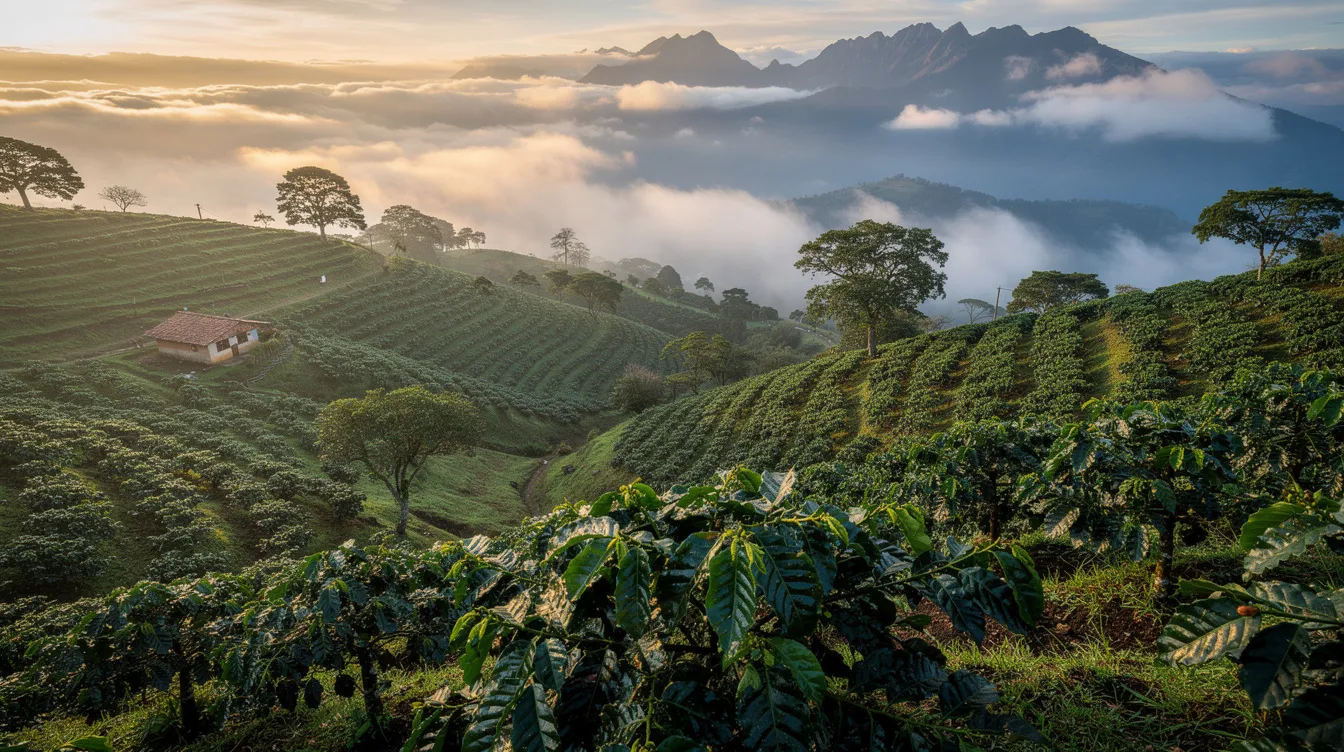
Colombia is the world’s third-largest coffee producer, behind Brazil and Vietnam, and accounts for about 12% of global coffee production. The country is celebrated for rich volcanic soil, high altitude, and diverse microclimates that together create perfect growing conditions for arabica beans.
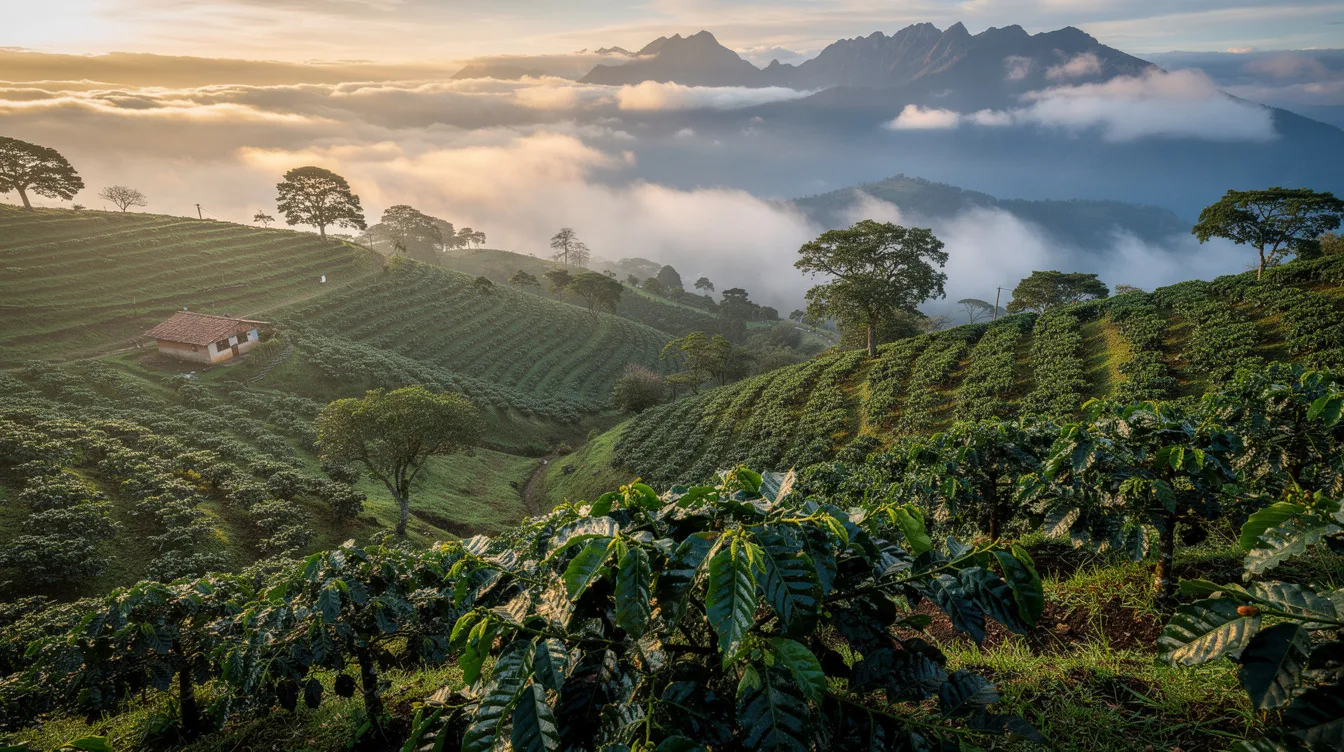
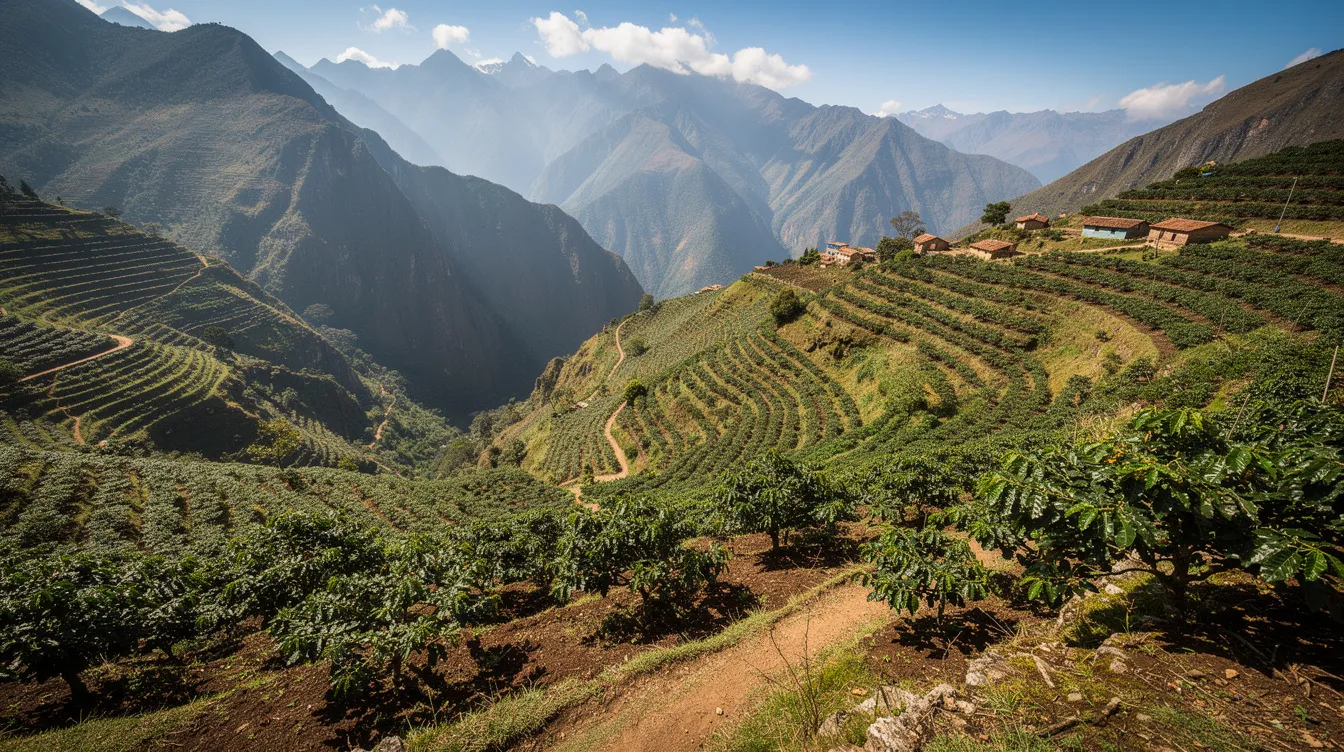
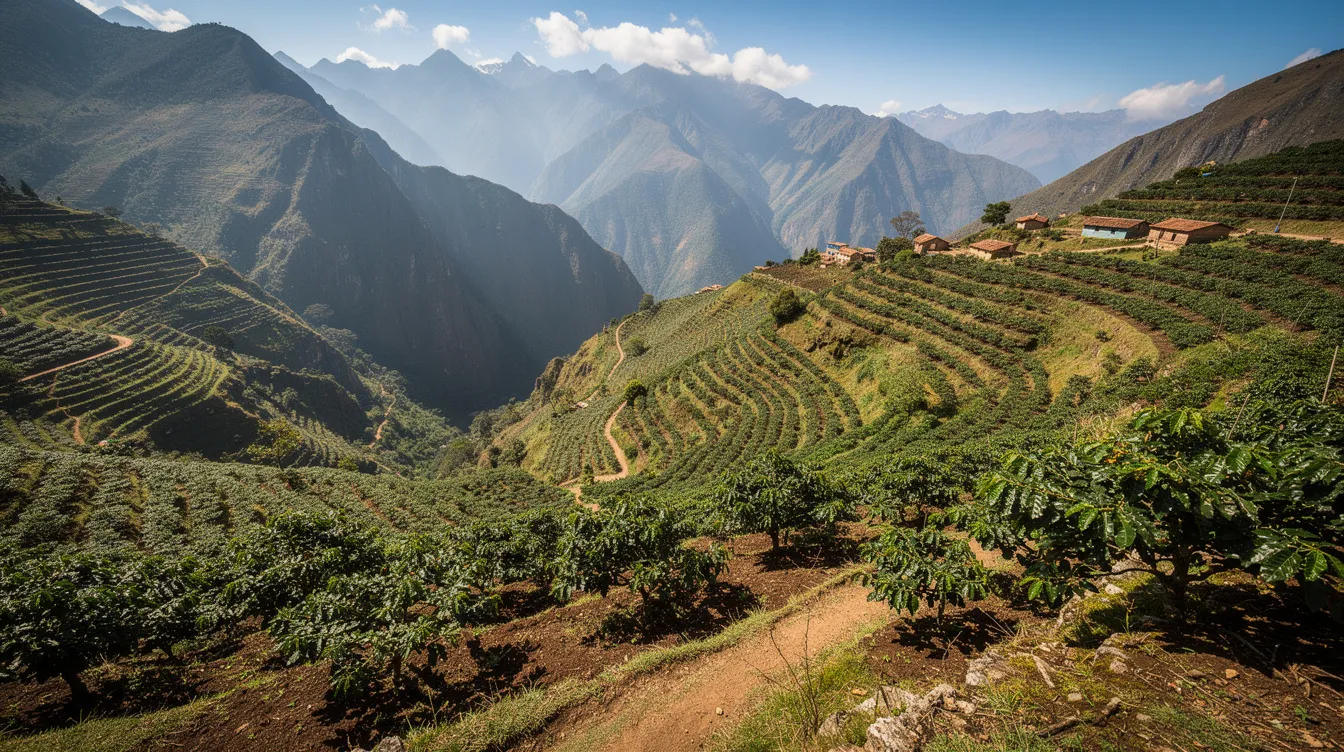
Three Andean mountain ranges provide volcanic ash that delivers vital minerals to coffee trees growing at elevations from 1,200 to over 2,000 meters above sea level. High altitudes concentrate sugars in coffee cherries, enhancing acidity and flavor depth. Colombian coffee is often characterized by sweet, chocolatey flavors, and the classic flavor profile includes caramel sweetness and bright acidity.
Over 540,000 smallholder families, often farming just a few hectares each, produce Colombia’s coffee. The National Federation of Coffee Growers (FNC) – the organization behind Juan Valdez branding – provides quality-support programs that maintain consistent export standards. Hand-picking ensures only ripe cherries are harvested, a labor-intensive practice that elevates cup quality.
Colombian coffee is often harvested between September and January, but diverse microclimates mean coffee can be harvested almost year-round, supporting a constant supply of fresh green coffee. Certifications like organic, Fair Trade, and Rainforest Alliance are common on Colombian labels, reflecting the country’s sustainability commitments.
Main Colombian Growing Regions and Their Flavor Profiles
Colombia is known for the diverse flavor profiles of its coffees depending on the region. Choosing by geography is one of the most practical ways to target the taste you prefer.
Northern regions – Santander and Sierra Nevada: Generally lower acidity, heavier body, and flavor notes of dark chocolate, nuts, and light spice. Sierra Nevada coffees, often grown by indigenous communities, carry earthy warmth. These pair well with cold brew, French press, and espresso where smoother cups are preferred.
Central regions – Antioquia, Caldas, Quindío, Risaralda (the MAM triangle: Medellín, Armenia, and Manizales): The classic “best Colombian” profile lives here – medium body, caramel sweetness, gentle citrus or apple-like acidity. These versatile beans are widely used in blends and even instant coffee, and they form the backbone of Colombian coffee produced for export.
Southwest regions – Huila, Cauca, and Nariño: Higher altitudes (often 1,600–2,100 meters) yield denser beans with vibrant acidity. Huila coffees tend toward caramel and chocolate flavors. Cauca, with about 95,000 hectares of coffee farms, produces beans recognized for their silky body and floral sweetness. Nariño coffees are noted for their bright, citrus-forward notes, producing some of the most exceptional cups in the country.
Emerging microlots in other regions – and experimental processing in the southwest – push flavors toward tropical fruit and winey territory that specialty coffees drinkers prize.
Traditional vs. Experimental: Two Faces of Colombian Specialty Coffee
Colombian coffee now spans from the familiar smooth profile to cutting-edge lots that taste nothing like your grandmother’s Colombian drip.
The traditional Colombian profile is built on washed processing and medium roast: caramel, brown sugar, milk chocolate, and citrus. Medium body, clean finish, and crowd-pleasing balance make it well suited to most home brew methods. Washed processing is a common method in Colombian coffee production, and it’s the reason the country earned its reputation for clean, bright cups.
Experimental processing – natural, honey, anaerobic fermentation – has surged in Huila, Cauca, and Nariño. These techniques create pronounced tropical fruit, winey acidity, cinnamon, and boozy or jammy characteristics that push Colombian coffee into territory once dominated by Ethiopian naturals.
The trade-offs matter. Experimental coffees cost more, vary between harvests, and can be polarizing. Traditional washed Colombians are more affordable, reliable, and better for daily drinking. If you’re new to specialty coffee, start with a traditional washed profile. As your palate develops, branch into microlots and experimental processes – the range is amazing.
How to Choose the Best Colombian Coffee Beans for You
Matching beans to your taste, gear, and budget is what separates a good cup from a great one.
Roast level: Light roast preserves origin character – bright citrus, red berries, florals – and is recommended for pour-over and drip. Medium roast balances sweetness and body with moderate acidity, ideal for most users. Medium-dark and dark roasts push flavors toward dark chocolate and smoke, with heavier body better suited for espresso and French press.
Sensory factors: High-altitude Colombian beans have bright citrus acidity, while beans from northern and some central regions offer lower acidity and a more mellow, chocolate-forward cup. Sweeter cups (caramel, panela, brown sugar) are usually preferred for black coffee. Body – light versus full – determines whether a bean works better in a latte or as a black pour-over.
Form and convenience: Whole bean coffee retains flavor longest and is best for quality-conscious buyers. Ground coffee is convenient but stales faster. Colombian instant coffee leverages the country’s smooth profile at the cost of complexity. Green coffee is unroasted and suitable only if you have a home-roasting setup. Supremo grading in Colombia refers to larger bean sizes, generally producing a smoother flavor, but specialty scoring is more relevant to cup quality.
Budget guidance: Everyday blends from central regions run under $15–18 per 12 oz. Mid-range single origins from Huila or Cauca land at $18–25. Rare microlots and experimental lots push above $25. Start with a solid mid-range single origin, then explore premium options once you know your preferred flavor profile. Direct trade is recommended for buying authentic Colombian coffee online, as it ensures better traceability and supports the producer directly.
For broader origin comparisons, explore our guides on Ethiopian coffee beans, Guatemalan coffee, and Costa Rican coffee, or browse the full coffee origins section and our main coffee hub.
Brewing & Freshness Tips for Colombian Coffee
Even the best beans won’t shine without proper brewing and freshness practices. Colombian coffee works well across almost every brewing method, but dialing in a few details makes a real difference.
Freshness: Colombian coffee is best ordered fresh within a week of roasting for peak flavor. Ordering whole bean coffee retains flavor for three to four weeks when stored in a one-way valve bag in a cool, dark place. Avoid refrigerator storage for frequently opened bags – condensation and odor absorption degrade quality fast.
By brewing method:
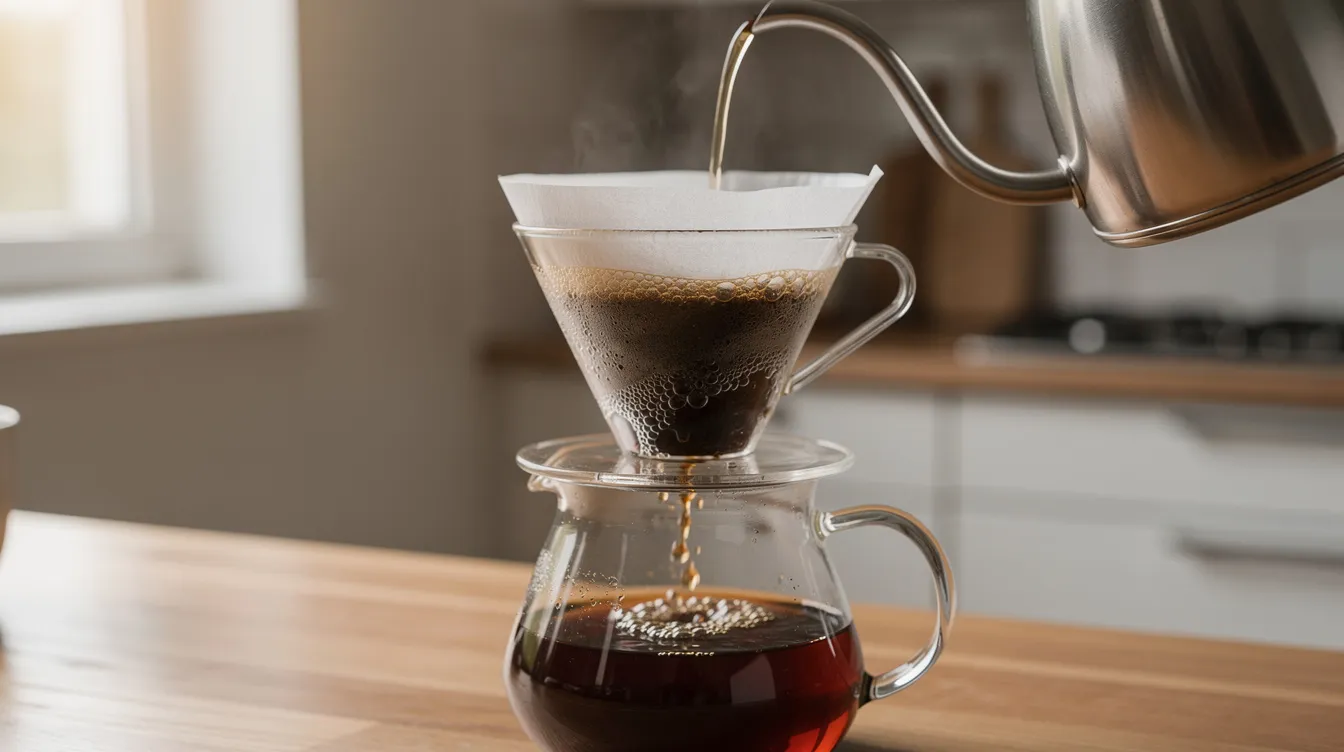
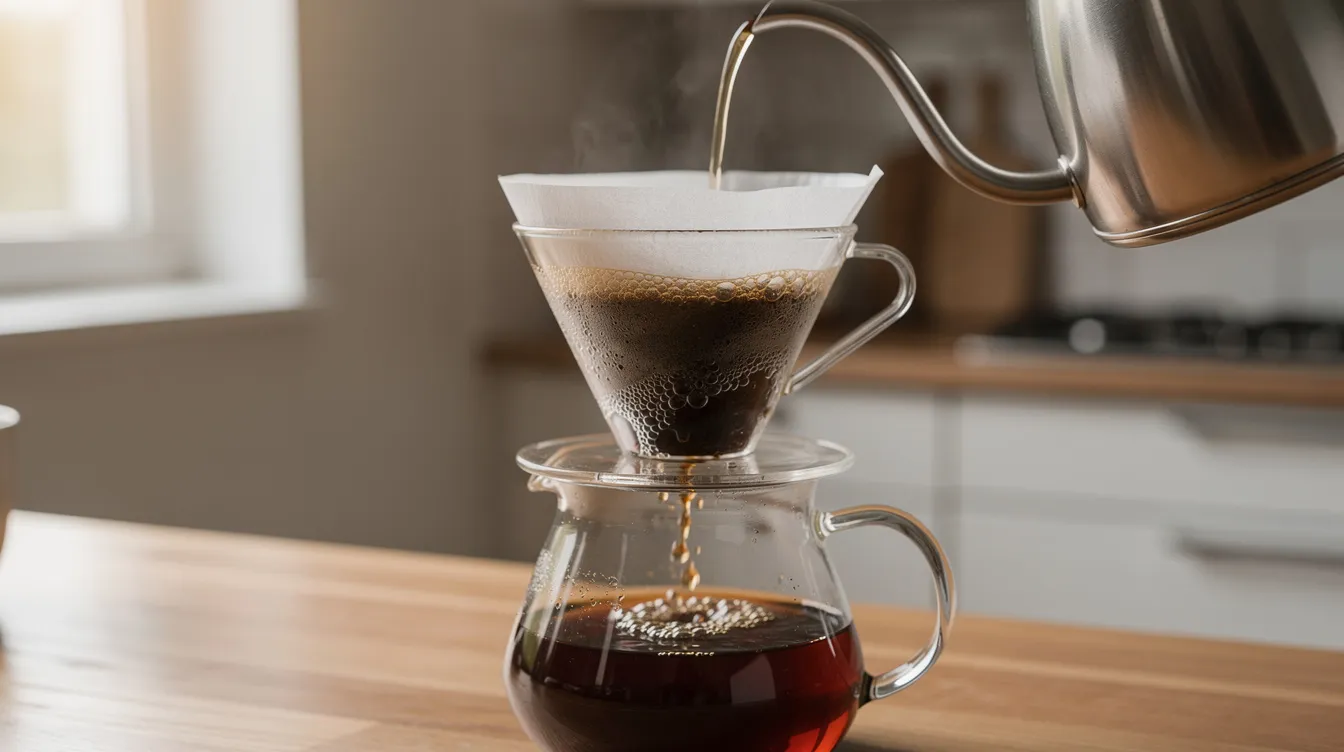
- Pour-over (V60, Chemex, Kalita): Medium grind, 1:15–1:17 ratio. Drip and pour-over methods highlight Colombian coffee’s clean acidity. Use water around 195–200°F for lighter roasts to avoid harshness.
- Drip machine: Medium grind, slightly higher dose for light roasts, filtered water for clarity.
- French press: Coarse grind, 4-minute steep. French press brewing enhances the heavier body and chocolate notes, making Antioquia or Santander beans particularly suited here.
- Espresso: Fine grind, calibrate dose and extraction time. Colombian blends’ sweetness and medium body make dialing in forgiving – no matter your skill level.
- Cold brew: Coarse grind, 12–18 hours in cold water. Low-acid, chocolatey Colombian beans from Santander or Sierra Nevada are ideal.
Water quality: Use filtered water with moderate mineral content. Brew temperatures of 195–205°F (90–96°C) work for most methods, with slightly cooler water for delicate light roasts.
Storage: Keep beans in opaque, airtight containers away from light and heat. Buy quantities you’ll use within a month. Experiment with dose and grind size to balance acidity, sweetness, and body – Colombian coffee’s forgiving nature makes it a great testbed for refining your skills.
Our Colombian Coffee Picks
We matched this Colombian bag to the everyday cup this guide describes. Tap the image or the coffee name. Research-rated, not yet brewed by our team. As an Amazon Associate we earn from qualifying purchases.
Feeling balanced: a Supremo cup
Our pick: Volcanica Coffee Colombian Supremo, medium roast, Fair Trade, whole bean, 16 oz. Caramel and cocoa the way this origin guide describes. Research-rated, not yet brewed by our team.
Frequently Asked Questions About Colombian Coffee
These questions cover practical details not fully addressed above.
Is Colombian coffee always 100% Arabica?
Colombia’s commercial coffee production is effectively all arabica, supported by national agricultural policy and the country’s high-altitude growing conditions. Packages labeled “Colombian coffee” or “100% Colombian” almost always mean arabica beans. However, blended supermarket coffees produced in other countries may mix Colombian arabica with robusta from places like Brazil or Vietnam. Check labels for “100% Arabica” if that distinction matters to your palate.
What is the typical flavor profile of the best Colombian coffee beans?
The classic profile is medium body, caramel or brown sugar sweetness, and bright but not sour acidity often reminiscent of orange, red apple, or gentle citrus. Many of the best beans add milk chocolate, almond, or hazelnut notes. In higher-altitude or experimental lots from Huila, Nariño, or Cauca, expect flavors like red berries, stone fruit, and florals – producing cups that are fruity and aromatic alongside the traditional sweet and chocolatey baseline.
Are Colombian coffee beans good for espresso and milk drinks?
Yes. Colombian coffee is widely used in espresso blends because its natural sweetness, moderate acidity, and solid body produce smooth shots that taste delicious both straight and with milk. Medium to medium-dark Colombian roasts from Antioquia and the central regions are particularly popular for lattes, cappuccinos, and flat whites.
What’s the difference between Colombian single-origin and Colombian blends?
Single-origin Colombian coffees come from a specific region, cooperative, or farm – like a Huila single origin – and showcase that area’s distinct flavor profile. Blends combine beans from multiple Colombian regions, or from Colombia plus other countries, to create consistent flavor, body, and price. Blends are often used for espresso or house coffees where reliability matters more than terroir expression.
How does Colombian coffee compare to Ethiopian or Central American coffees?
Colombian coffee tends to be more balanced and chocolate-caramel driven than many Ethiopian coffees, which often highlight floral, tea-like, and fruity notes. Compared with Guatemalan or Costa Rican beans, Colombian coffees can range from similarly bright and fruity (in Huila and Nariño) to more rounded and mellow (in Antioquia or Santander). For deeper comparisons, explore our guides on Ethiopian coffee, Guatemalan coffee, and Costa Rican coffee.
Colombia produces about 12% of the world’s coffee supply, and the country’s reputation for balanced, sweet, and approachable arabica beans is well earned. Whether you want a bright single origin for pour-over or a smooth espresso roast for your morning latte, Colombian coffee delivers across nearly every brewing method. This guide breaks down the best Colombian coffee beans available in the U.S. right now, organized by use case, flavor profile, and value.
Key Takeaways
- The best Colombian coffee beans come from regions like Huila, Nariño, and Cauca, where high altitudes concentrate sugars in coffee cherries, producing bright acidity, caramel sweetness, and chocolate notes that suit most brew methods.
- Rankings in this guide are based on researched editorial analysis of expert reviews, roaster data, and third-party consensus – not hands-on tasting by Capitol City Coffee editors.
- Colombian coffees are known for their smooth and easy-drinking profile, but the range extends from mild supermarket blends to exceptional experimental microlots with tropical fruit and winey complexity.
- You’ll find a quick comparison table, detailed flavor profile breakdowns by use case, guidance on choosing beans by roast and brewing method, and links to related origin guides covering Ethiopian, Guatemalan, and Costa Rican coffees.
- An affiliate disclosure appears before the first product recommendation. Rankings prioritize taste, value, and suitability – not commission.
Quick Answer & Top Picks for the Best Colombian Coffee Beans
If you want the fastest answer, here are the top picks for best colombian coffee beans based on expert cupping scores, roaster transparency, and verified buyer feedback.
Capitol City Coffee is an independent editorial and affiliate publication. We may earn a small commission when you purchase through links on this page, at no extra cost to you. Commission potential does not influence our rankings or recommendations.
Best Overall: Heart Coffee Roasters – Luis Alberto Jojoa (Huila, washed, medium roast). A classic Colombian flavor profile with caramel, citrus, and milk chocolate. Excellent for drip and pour-over. Mid-range price (~$22/13 oz).
Best for Espresso: A medium-dark Colombian blend sourced from Antioquia or the central regions, delivering syrupy body, dark chocolate, and hazelnut. Low acidity pairs well with milk drinks. Budget to mid-range pricing in larger bags.
Best Budget-Friendly: Juan Valdez Cumbre or Sello Rojo – widely available 100% Colombian arabica at supermarkets across the country. Smooth, mild, and consistent for everyday drip brewing. Budget price tier.
Best Specialty (Experimental Processing): Verve – Amparo Maya (Nariño, natural process). Fruity, wine-like acidity with tropical fruit notes. Premium pricing (~$28/12 oz), best for pour-over and Aeropress.
Best Decaf: Union Place Coffee Roasters – Swiss Water Process Colombian Decaf. Medium roast, chocolate and caramel sweetness, balanced body. Good for evening French press or drip. Mid-range price.
Best for Cold Brew: A medium-dark roast from Santander or Sierra Nevada with lower acidity, full body, and deep chocolate and brown sugar flavors. Coarsely ground and steeped 12–18 hours for a delicious, smooth result.
At a glance
Compare Amazon-available Colombian bags on a phone first: listing photo, roast notes, and a Check on Amazon button. Research-rated, not yet brewed by our team.
Best overall Colombia
Volcanica Colombian Supremo
- RoastMedium
- FlavorCaramel, chocolate
Latin America blend
Stumptown Hair Bender
- RoastMedium
- FlavorChocolate, citrus, toffee
Coffee & Roaster | Region | Varietals | Processing | Roast | Flavor Highlights | Best Brew Methods | Price Tier | Format |
|---|---|---|---|---|---|---|---|---|
Heart – Luis Alberto Jojoa | Huila | Caturra, Castillo | Washed | Medium | Caramel, citrus, milk chocolate; bright acidity, medium body | Pour-over, drip, French press | Mid-range (~$22/13 oz) | Whole bean |
Counter Culture – La Golondrina | Cauca | Castillo, Caturra | Washed | Medium | Orange zest, panela, floral sweetness; silky body | Drip, pour-over, espresso | Mid-range (~$17/12 oz) | Whole bean |
Antioquia-style espresso blend | Antioquia | Castillo, Colombia | Washed | Medium-dark | Dark chocolate, hazelnut, caramel; low acidity, full body | Espresso, moka pot, latte | Budget–mid | Whole bean, ground |
Central regions | Mixed Arabica | Washed | Medium | Chocolate, nuts, mild caramel; smooth, mild | Drip, auto-brewer | Budget | Whole bean, ground coffee, instant coffee | |
Verve – Amparo Maya | Nariño | Caturra, Typica | Natural | Light-medium | Tropical fruit, red berries, winey acidity; aroma-forward | Pour-over, Aeropress, Chemex | Premium (~$28/12 oz) | Whole bean |
Union Place – SWP Colombian Decaf | Huila/Antioquia | Castillo, Caturra | Washed (SWP decaf) | Medium | Chocolate, caramel, medium body; muted acidity | Drip, French press, espresso | Mid-range | Whole bean, ground |
Cold brew pick (Santander/Sierra Nevada style) | Santander / Sierra Nevada | Castillo, local cultivars | Washed | Medium-dark | Cocoa, brown sugar, subtle berry; full body, lower acidity | Cold brew, iced coffee | Budget–mid | Whole bean, ground |
Prices and availability change; links may point to roasters, coffee club services, or major retailers.
How We Selected and Evaluated These Colombian Coffees
Capitol City Coffee is an independent editorial and affiliate publication – we don’t roast, sell, or ship coffee beans. This guide is built on researched editorial analysis, not lab testing or personal cupping.
We cross-referenced expert third-party reviews from specialty coffee publications and competition results, focusing on 100% arabica beans with clear origin data. Each coffee was evaluated on its region, altitude range (typically 1,200–2,100 meters), processing method, and the clarity of its flavor profile – balancing acidity, sweetness, body, and aroma. We also weighed value for money, freshness options like roast-to-order and subscription or coffee club availability, and ease of U.S. shipping.
Unless otherwise noted, we have not performed hands-on tasting for these products. We rely on roaster data, published cupping notes, and aggregated customer feedback. Sourcing ethics and transparency – Fair Trade, organic, direct trade, support for small farm cooperatives – served as tie-breakers when quality and value were comparable. Commission potential does not influence rankings.
Detailed Picks: Best Colombian Coffee Beans by Use Case
Each recommendation below includes who it’s best for, tasting notes, brew-method fit, and meaningful trade-offs.
Best Overall Colombian Coffee Bean
Heart Coffee Roasters’ Luis Alberto Jojoa is a washed single origin from Huila, Colombia’s benchmark specialty region. Grown at roughly 1,600–1,900 meters on a family farm, predominantly Caturra and Castillo varietals, this medium roast delivers the classic Colombian flavor profile: caramel sweetness, gentle citrus acidity, and a milk chocolate finish.
It works well for drip and pour-over, where the bright acidity and clean cup shine. It also has enough medium body to perform in a French press or as a balanced espresso shot. Roasted fresh to order with dates printed on the bag, it sits comfortably in the mid-range price tier at around $22 for 13 oz.
If you’re chasing wilder, more experimental flavors, this may taste too classic. Seasonal crop turnover can also shift the flavor profile slightly year to year. But as an everyday bean coffee that rewards careful brewing without demanding it, this is a strong starting point.
Best Colombian Coffee for Espresso
For espresso, you want lower acidity, substantial body, and flavors that hold up under pressure and in milk. A medium-dark espresso roast sourced from Antioquia or Colombia’s central coffee axis – think Medellín, Armenia, and Manizales – checks every box.
Beans from these slightly lower altitudes (around 1,200–1,600 meters) develop heavier body and chocolate-forward flavors. The darker roasting pushes tasting notes toward dark chocolate, hazelnut, and caramel, producing thick crema and a sweet, smooth shot. Colombian coffee is ideal for single-origin espresso, and these blends also craft an amazing latte or cappuccino.
Available in larger bags (often 2 lb), these are good value for daily espresso drinkers. They’re compatible with traditional machines, stovetop moka pots, and super-automatics. Light-roast fans will find them too roasty, and the origin nuance is muted compared with brighter single origins – but that’s the point for this use case.
Best Budget-Friendly Colombian Coffee
Juan Valdez and Sello Rojo represent the best beans for cost-conscious households. Both are nationally distributed 100% Colombian arabica blends at a budget price, delivering smooth, mild flavors – chocolate, nuts, light caramel – designed for drip machines and basic home brewing.
These won’t match top specialty coffees in complexity or freshness. Shelf-stable packaging trades peak flavor for convenience, and the taste is more uniform than distinctive. Buying smaller quantities more often helps, since whole bean coffee retains flavor for three to four weeks in a sealed bag. For office coffee stations, high-volume brewing, or anyone who simply wants a reliable Colombian cup delivered to their door, these get the job done without breaking the budget.
Best Specialty Colombian Coffee (Experimental Processing)
Verve’s Amparo Maya is a natural-processed microlot from Nariño, where coffee trees grow at elevations exceeding 2,000 meters above sea level. The natural process – drying the cherry whole – creates pronounced tropical fruit, red berries, and winey acidity that will surprise anyone expecting mild Colombian flavors.
Brew it via pour-over, Chemex, or Aeropress to showcase the clarity and fruity aroma. As espresso, it can be polarizing – the ferment-forward character and bright acidity aren’t for every palate. This is craft coffee for adventurous drinkers already familiar with specialty coffees, not an everyday crowd-pleaser.
At roughly $28 per 12 oz with limited seasonal availability, the premium price reflects small-lot production and exceptional processing. If you prefer the traditional mellow Colombian profile, skip this one.
Best Colombian Decaf Coffee
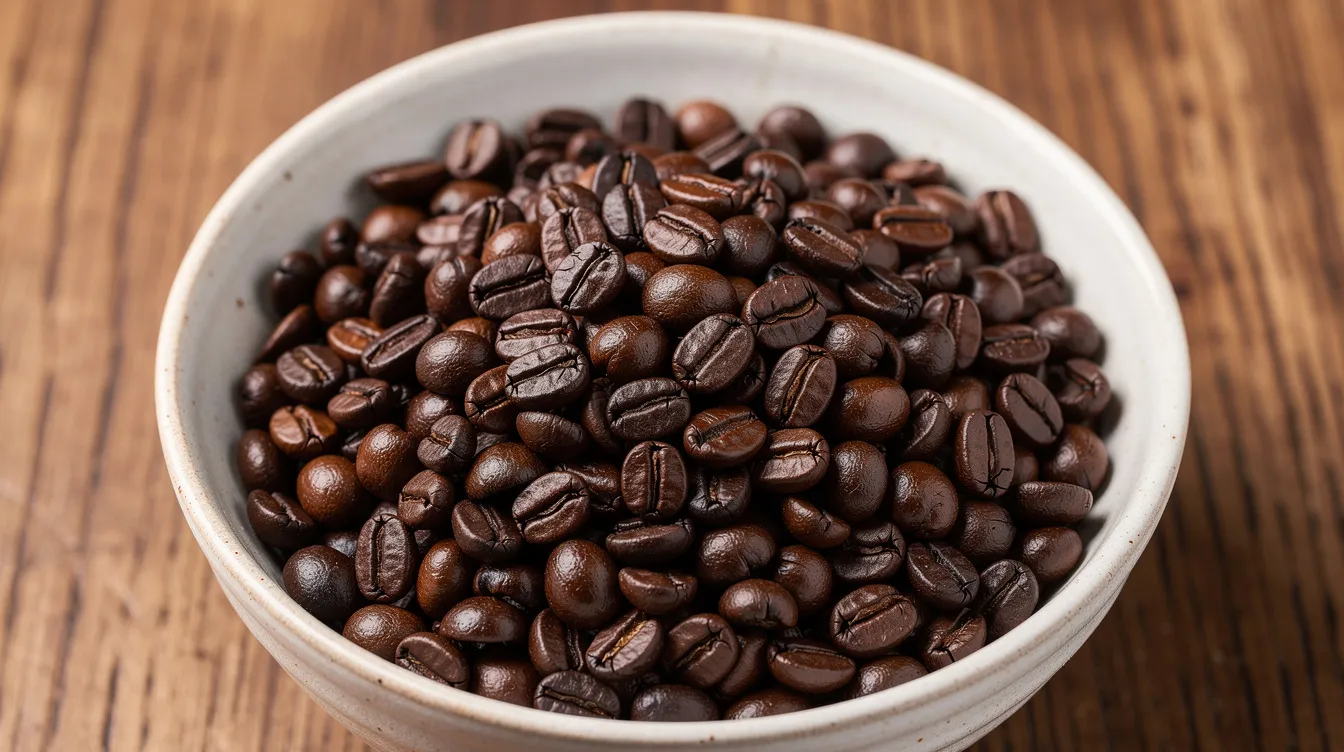
Union Place Coffee Roasters’ Swiss Water Process Colombian Decaf preserves much of what makes Colombian coffee delicious – caramel sweetness, cocoa notes, and medium body – with muted but still pleasant acidity. The Swiss Water method uses no chemical solvents, making it a trusted choice for health-conscious drinkers.
It works across drip, French press, and espresso. For decaf espresso, a slightly finer grind and higher dose help compensate for the body that decaffeination can strip. Subscription options and coffee club explore pages from several roasters make restocking easy, and the price sits in the mid-range tier – a small premium over regular beans due to the extra processing step.
Extremely nuanced fruit notes are less pronounced than in the caffeinated version, which is the inherent trade-off with any decaf. But for an evening cup that still tastes like real Colombian coffee, this is as good as it gets.
Best Colombian Coffee for Cold Brew and Iced Coffee
Medium-dark roasts from Santander or Sierra Nevada, where altitudes are lower and the body is heavier, are ideal cold brew candidates. These regions produce beans with lower acidity and deep chocolate, brown sugar, and subtle berry undertones that actually improve when brewed cold.
Coarsely ground and steeped 12–18 hours in cold water, the result is a smooth, sweet concentrate you can dilute over ice. Buying larger bags stretches cost per cup, since concentrated cold brew goes further than hot-brewed coffee. Lighter, citrus-forward beans from Huila or Nariño can taste too sharp or tea-like when cold-brewed – save those for your V60.
What Makes Colombian Coffee Different?
Colombia is the world’s third-largest coffee producer, behind Brazil and Vietnam, and accounts for about 12% of global coffee production. The country is celebrated for rich volcanic soil, high altitude, and diverse microclimates that together create perfect growing conditions for arabica beans.
Three Andean mountain ranges provide volcanic ash that delivers vital minerals to coffee trees growing at elevations from 1,200 to over 2,000 meters above sea level. High altitudes concentrate sugars in coffee cherries, enhancing acidity and flavor depth. Colombian coffee is often characterized by sweet, chocolatey flavors, and the classic flavor profile includes caramel sweetness and bright acidity.
Over 540,000 smallholder families, often farming just a few hectares each, produce Colombia’s coffee. The National Federation of Coffee Growers (FNC) – the organization behind Juan Valdez branding – provides quality-support programs that maintain consistent export standards. Hand-picking ensures only ripe cherries are harvested, a labor-intensive practice that elevates cup quality.
Colombian coffee is often harvested between September and January, but diverse microclimates mean coffee can be harvested almost year-round, supporting a constant supply of fresh green coffee. Certifications like organic, Fair Trade, and Rainforest Alliance are common on Colombian labels, reflecting the country’s sustainability commitments.
Main Colombian Growing Regions and Their Flavor Profiles
Colombia is known for the diverse flavor profiles of its coffees depending on the region. Choosing by geography is one of the most practical ways to target the taste you prefer.
Northern regions – Santander and Sierra Nevada: Generally lower acidity, heavier body, and flavor notes of dark chocolate, nuts, and light spice. Sierra Nevada coffees, often grown by indigenous communities, carry earthy warmth. These pair well with cold brew, French press, and espresso where smoother cups are preferred.
Central regions – Antioquia, Caldas, Quindío, Risaralda (the MAM triangle: Medellín, Armenia, and Manizales): The classic “best Colombian” profile lives here – medium body, caramel sweetness, gentle citrus or apple-like acidity. These versatile beans are widely used in blends and even instant coffee, and they form the backbone of Colombian coffee produced for export.
Southwest regions – Huila, Cauca, and Nariño: Higher altitudes (often 1,600–2,100 meters) yield denser beans with vibrant acidity. Huila coffees tend toward caramel and chocolate flavors. Cauca, with about 95,000 hectares of coffee farms, produces beans recognized for their silky body and floral sweetness. Nariño coffees are noted for their bright, citrus-forward notes, producing some of the most exceptional cups in the country.
Emerging microlots in other regions – and experimental processing in the southwest – push flavors toward tropical fruit and winey territory that specialty coffees drinkers prize.
Traditional vs. Experimental: Two Faces of Colombian Specialty Coffee
Colombian coffee now spans from the familiar smooth profile to cutting-edge lots that taste nothing like your grandmother’s Colombian drip.
The traditional Colombian profile is built on washed processing and medium roast: caramel, brown sugar, milk chocolate, and citrus. Medium body, clean finish, and crowd-pleasing balance make it well suited to most home brew methods. Washed processing is a common method in Colombian coffee production, and it’s the reason the country earned its reputation for clean, bright cups.
Experimental processing – natural, honey, anaerobic fermentation – has surged in Huila, Cauca, and Nariño. These techniques create pronounced tropical fruit, winey acidity, cinnamon, and boozy or jammy characteristics that push Colombian coffee into territory once dominated by Ethiopian naturals.
The trade-offs matter. Experimental coffees cost more, vary between harvests, and can be polarizing. Traditional washed Colombians are more affordable, reliable, and better for daily drinking. If you’re new to specialty coffee, start with a traditional washed profile. As your palate develops, branch into microlots and experimental processes – the range is amazing.
How to Choose the Best Colombian Coffee Beans for You
Matching beans to your taste, gear, and budget is what separates a good cup from a great one.
Roast level: Light roast preserves origin character – bright citrus, red berries, florals – and is recommended for pour-over and drip. Medium roast balances sweetness and body with moderate acidity, ideal for most users. Medium-dark and dark roasts push flavors toward dark chocolate and smoke, with heavier body better suited for espresso and French press.
Sensory factors: High-altitude Colombian beans have bright citrus acidity, while beans from northern and some central regions offer lower acidity and a more mellow, chocolate-forward cup. Sweeter cups (caramel, panela, brown sugar) are usually preferred for black coffee. Body – light versus full – determines whether a bean works better in a latte or as a black pour-over.
Form and convenience: Whole bean coffee retains flavor longest and is best for quality-conscious buyers. Ground coffee is convenient but stales faster. Colombian instant coffee leverages the country’s smooth profile at the cost of complexity. Green coffee is unroasted and suitable only if you have a home-roasting setup. Supremo grading in Colombia refers to larger bean sizes, generally producing a smoother flavor, but specialty scoring is more relevant to cup quality.
Budget guidance: Everyday blends from central regions run under $15–18 per 12 oz. Mid-range single origins from Huila or Cauca land at $18–25. Rare microlots and experimental lots push above $25. Start with a solid mid-range single origin, then explore premium options once you know your preferred flavor profile. Direct trade is recommended for buying authentic Colombian coffee online, as it ensures better traceability and supports the producer directly.
For broader origin comparisons, explore our guides on Ethiopian coffee beans, Guatemalan coffee, and Costa Rican coffee, or browse the full coffee origins section and our main coffee hub.
Brewing & Freshness Tips for Colombian Coffee
Even the best beans won’t shine without proper brewing and freshness practices. Colombian coffee works well across almost every brewing method, but dialing in a few details makes a real difference.
Freshness: Colombian coffee is best ordered fresh within a week of roasting for peak flavor. Ordering whole bean coffee retains flavor for three to four weeks when stored in a one-way valve bag in a cool, dark place. Avoid refrigerator storage for frequently opened bags – condensation and odor absorption degrade quality fast.
By brewing method:
- Pour-over (V60, Chemex, Kalita): Medium grind, 1:15–1:17 ratio. Drip and pour-over methods highlight Colombian coffee’s clean acidity. Use water around 195–200°F for lighter roasts to avoid harshness.
- Drip machine: Medium grind, slightly higher dose for light roasts, filtered water for clarity.
- French press: Coarse grind, 4-minute steep. French press brewing enhances the heavier body and chocolate notes, making Antioquia or Santander beans particularly suited here.
- Espresso: Fine grind, calibrate dose and extraction time. Colombian blends’ sweetness and medium body make dialing in forgiving – no matter your skill level.
- Cold brew: Coarse grind, 12–18 hours in cold water. Low-acid, chocolatey Colombian beans from Santander or Sierra Nevada are ideal.
Water quality: Use filtered water with moderate mineral content. Brew temperatures of 195–205°F (90–96°C) work for most methods, with slightly cooler water for delicate light roasts.
Storage: Keep beans in opaque, airtight containers away from light and heat. Buy quantities you’ll use within a month. Experiment with dose and grind size to balance acidity, sweetness, and body – Colombian coffee’s forgiving nature makes it a great testbed for refining your skills.
Our Colombian Coffee Picks
We matched this Colombian bag to the everyday cup this guide describes. Tap the image or the coffee name. Research-rated, not yet brewed by our team. As an Amazon Associate we earn from qualifying purchases.
Feeling balanced: a Supremo cup
Our pick: Volcanica Coffee Colombian Supremo, medium roast, Fair Trade, whole bean, 16 oz. Caramel and cocoa the way this origin guide describes. Research-rated, not yet brewed by our team.
Frequently Asked Questions About Colombian Coffee
These questions cover practical details not fully addressed above.
Is Colombian coffee always 100% Arabica?
Colombia’s commercial coffee production is effectively all arabica, supported by national agricultural policy and the country’s high-altitude growing conditions. Packages labeled “Colombian coffee” or “100% Colombian” almost always mean arabica beans. However, blended supermarket coffees produced in other countries may mix Colombian arabica with robusta from places like Brazil or Vietnam. Check labels for “100% Arabica” if that distinction matters to your palate.
What is the typical flavor profile of the best Colombian coffee beans?
The classic profile is medium body, caramel or brown sugar sweetness, and bright but not sour acidity often reminiscent of orange, red apple, or gentle citrus. Many of the best beans add milk chocolate, almond, or hazelnut notes. In higher-altitude or experimental lots from Huila, Nariño, or Cauca, expect flavors like red berries, stone fruit, and florals – producing cups that are fruity and aromatic alongside the traditional sweet and chocolatey baseline.
Are Colombian coffee beans good for espresso and milk drinks?
Yes. Colombian coffee is widely used in espresso blends because its natural sweetness, moderate acidity, and solid body produce smooth shots that taste delicious both straight and with milk. Medium to medium-dark Colombian roasts from Antioquia and the central regions are particularly popular for lattes, cappuccinos, and flat whites.
What’s the difference between Colombian single-origin and Colombian blends?
Single-origin Colombian coffees come from a specific region, cooperative, or farm – like a Huila single origin – and showcase that area’s distinct flavor profile. Blends combine beans from multiple Colombian regions, or from Colombia plus other countries, to create consistent flavor, body, and price. Blends are often used for espresso or house coffees where reliability matters more than terroir expression.
How does Colombian coffee compare to Ethiopian or Central American coffees?
Colombian coffee tends to be more balanced and chocolate-caramel driven than many Ethiopian coffees, which often highlight floral, tea-like, and fruity notes. Compared with Guatemalan or Costa Rican beans, Colombian coffees can range from similarly bright and fruity (in Huila and Nariño) to more rounded and mellow (in Antioquia or Santander). For deeper comparisons, explore our guides on Ethiopian coffee, Guatemalan coffee, and Costa Rican coffee.
The best next step is simple: pick one bean from this guide that matches your brewing method and flavor preferences, order a fresh bag, and taste it side by side with whatever you’re drinking now. That single comparison will teach you more about your palate than any article can.