

As an Amazon Associate I earn from qualifying purchases. This page contains affiliate links; we may earn a commission if you buy through them.
For most U.S. home brewers, the best grinder for pour over is the Baratza Encore if you want reliable electric convenience at a fair price, or the Fellow Ode Gen 2 if you’re a pour over purist chasing maximum flavor clarity with flat burr precision. Both deliver the grind consistency that pour over coffee demands – uniform particles in the medium-fine to medium range – which is far more important than flashy features or a sky-high setting count. A burr grinder is essential for consistent pour over results, and the right pick depends on your budget, preferred brewing methods, and how deep you are into the hobby.
Best grinder for pour-over clarity
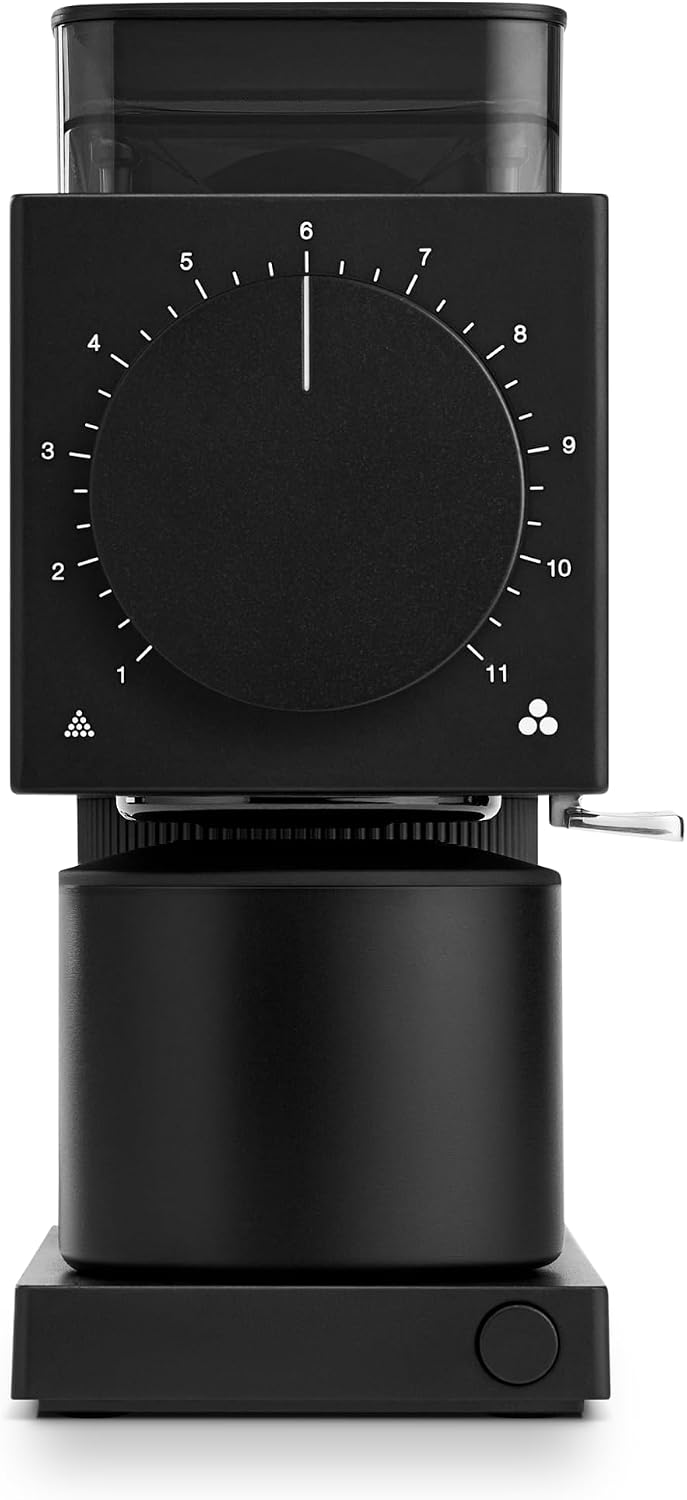
Start smaller: beans and pour-over gear
The Fellow Ode is the expensive click here. If that grinder is waiting, these cheaper add-ons still get a pour-over on the table.
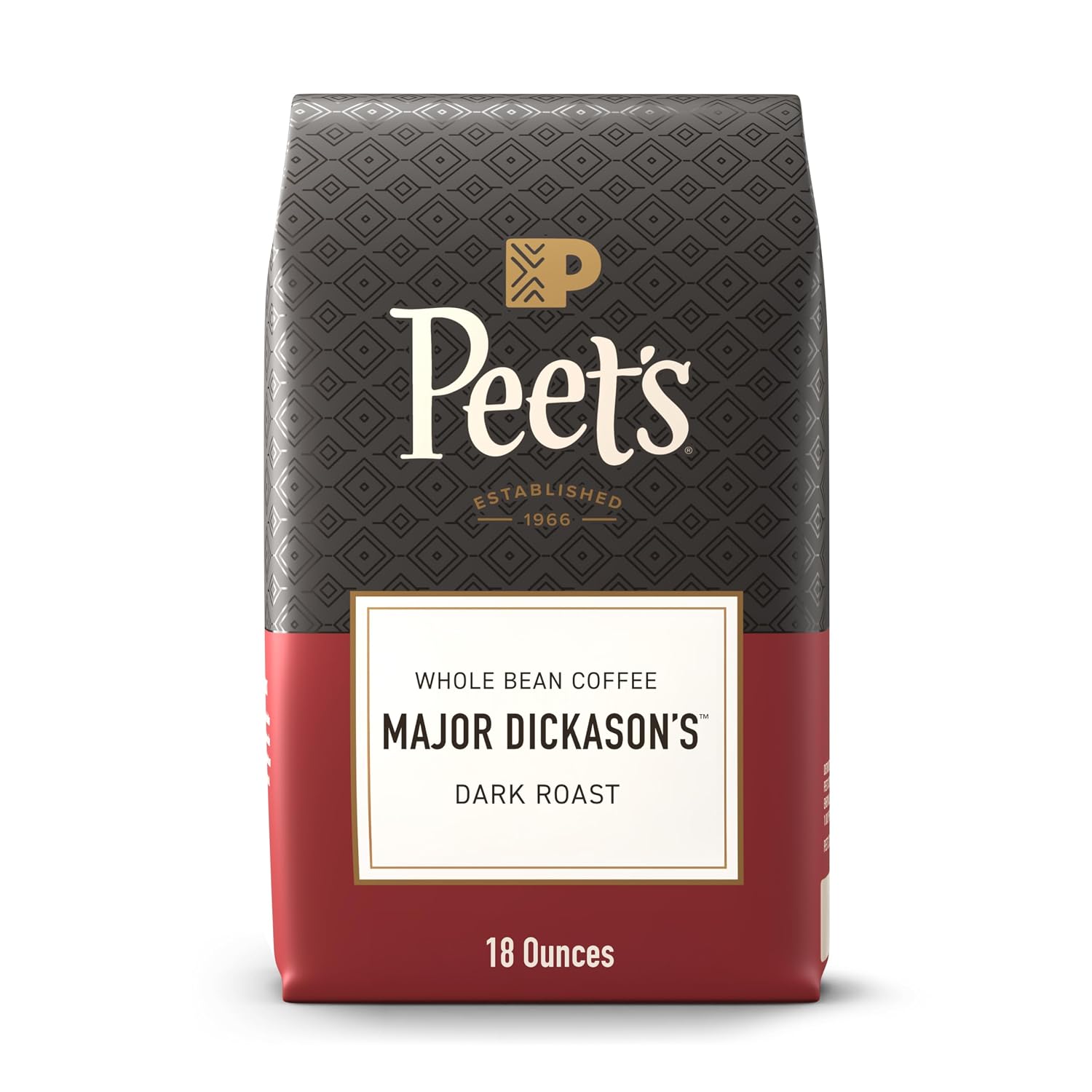
Whole beans
Peet’s Major Dickason’s
Easy whole beans to grind for drip or pour-over while you wait on a nicer grinder.
Check Major Dickason’s on Amazon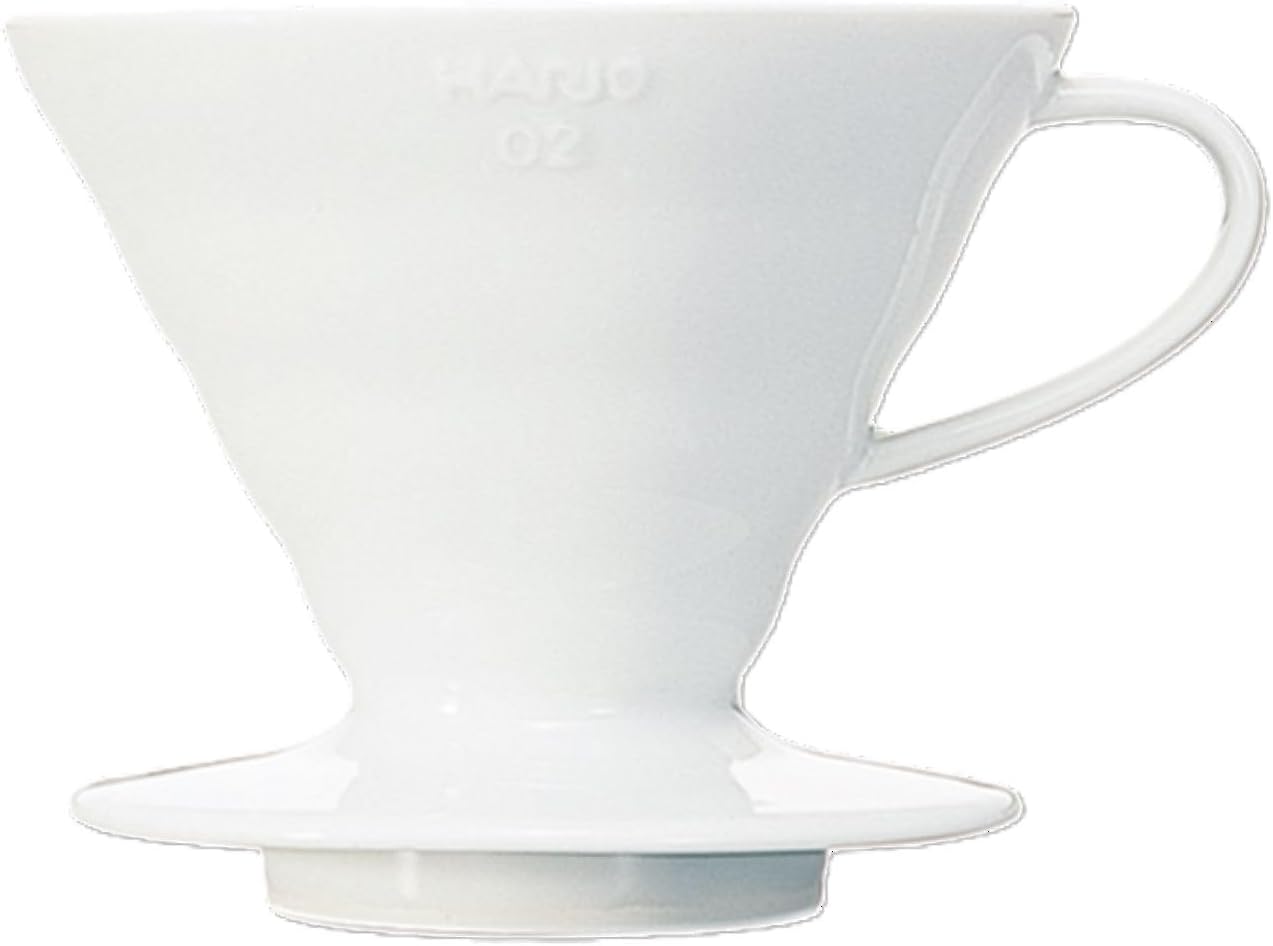
Pour-over dripper
Hario V60
The brew method this grinder is for. A V60 is a much smaller cart than the Ode Gen 2.
Check V60 on Amazon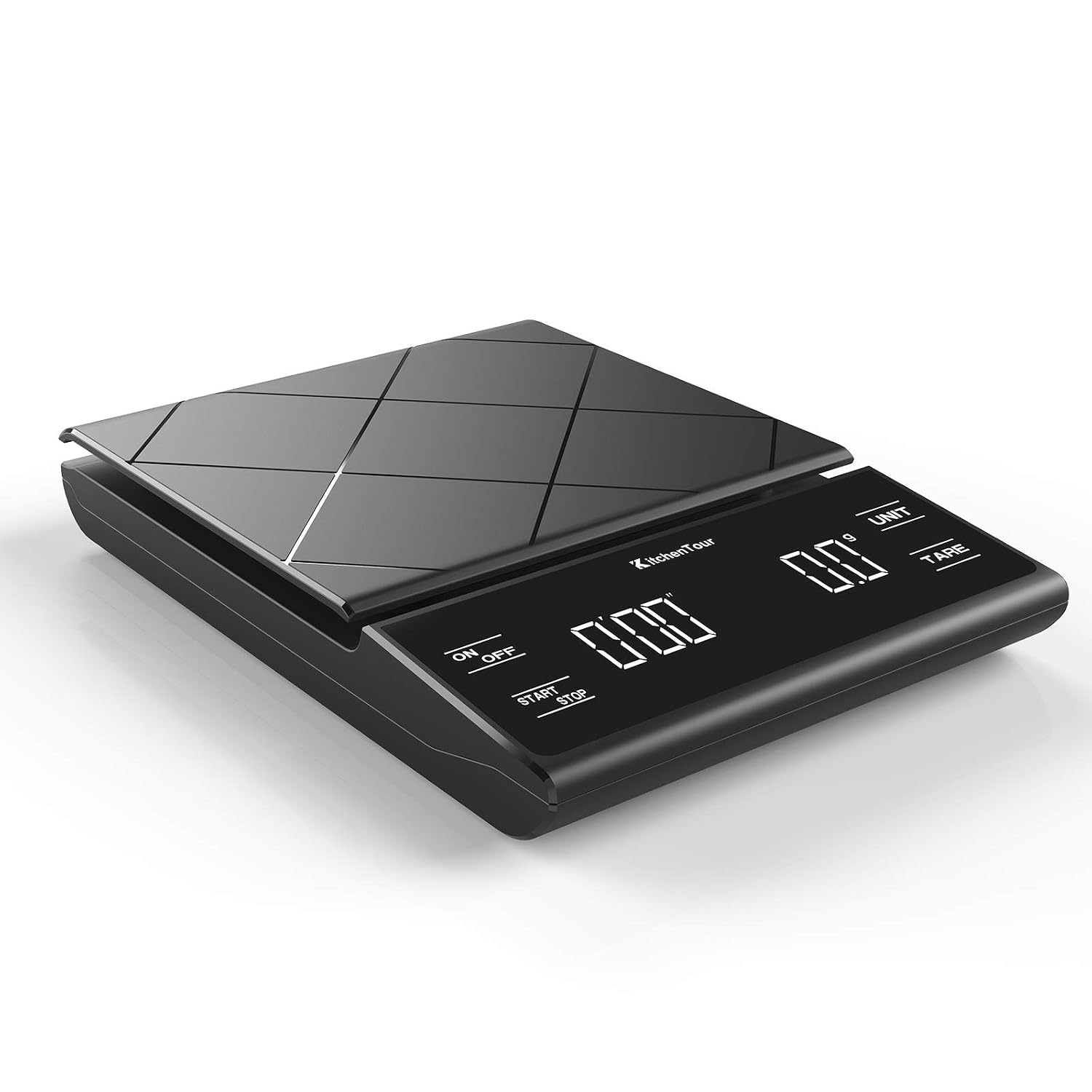
Scale
KitchenTour coffee scale
Weigh dose and water for pour-over. Works with a V60 today and an Ode later.
Check scale on Amazon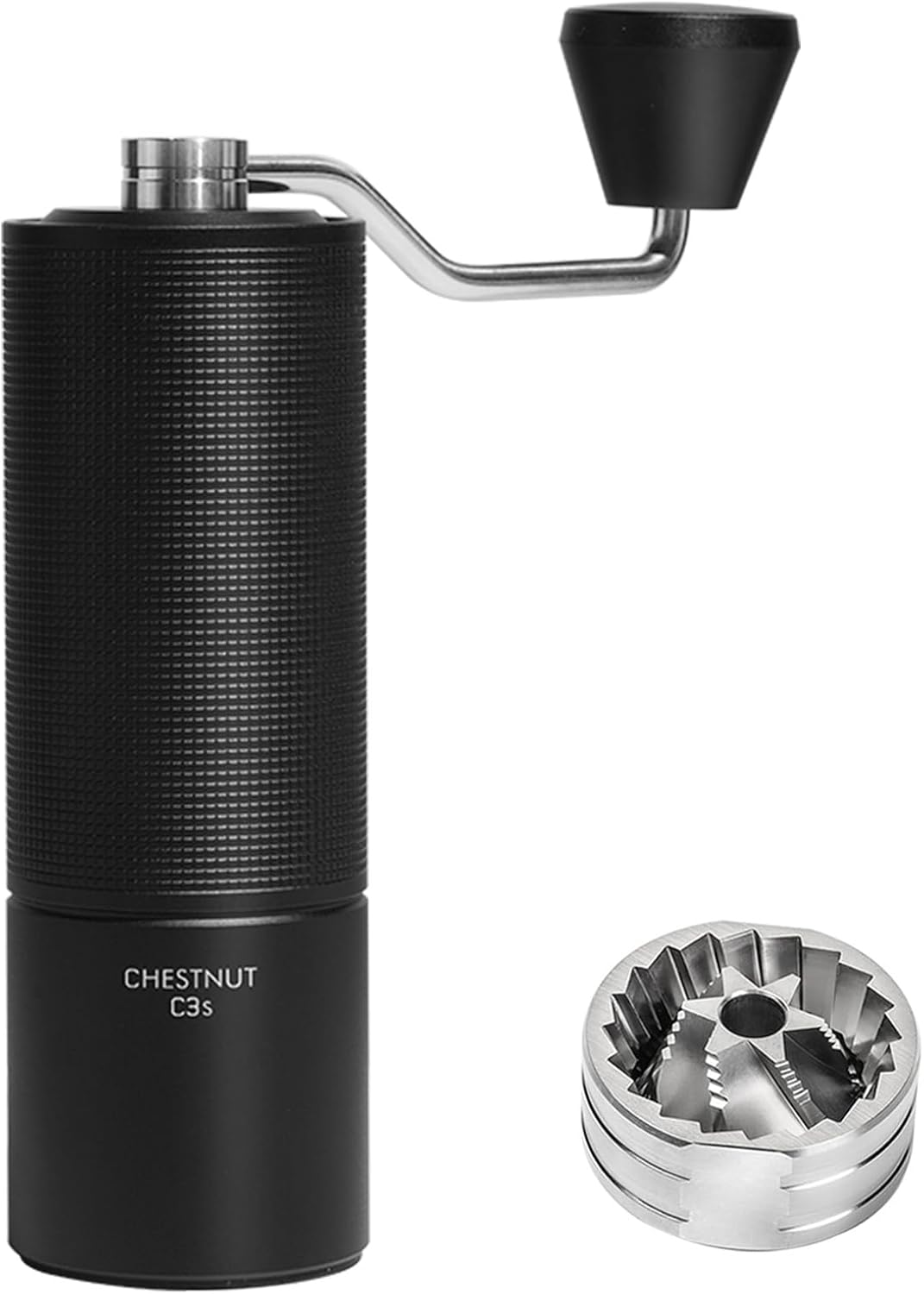
Budget burr
TIMEMORE Chestnut C3S
Manual burr if the Ode still feels like too much. Fine for pour-over at home or travel.
Check C3S on AmazonKey Takeaways
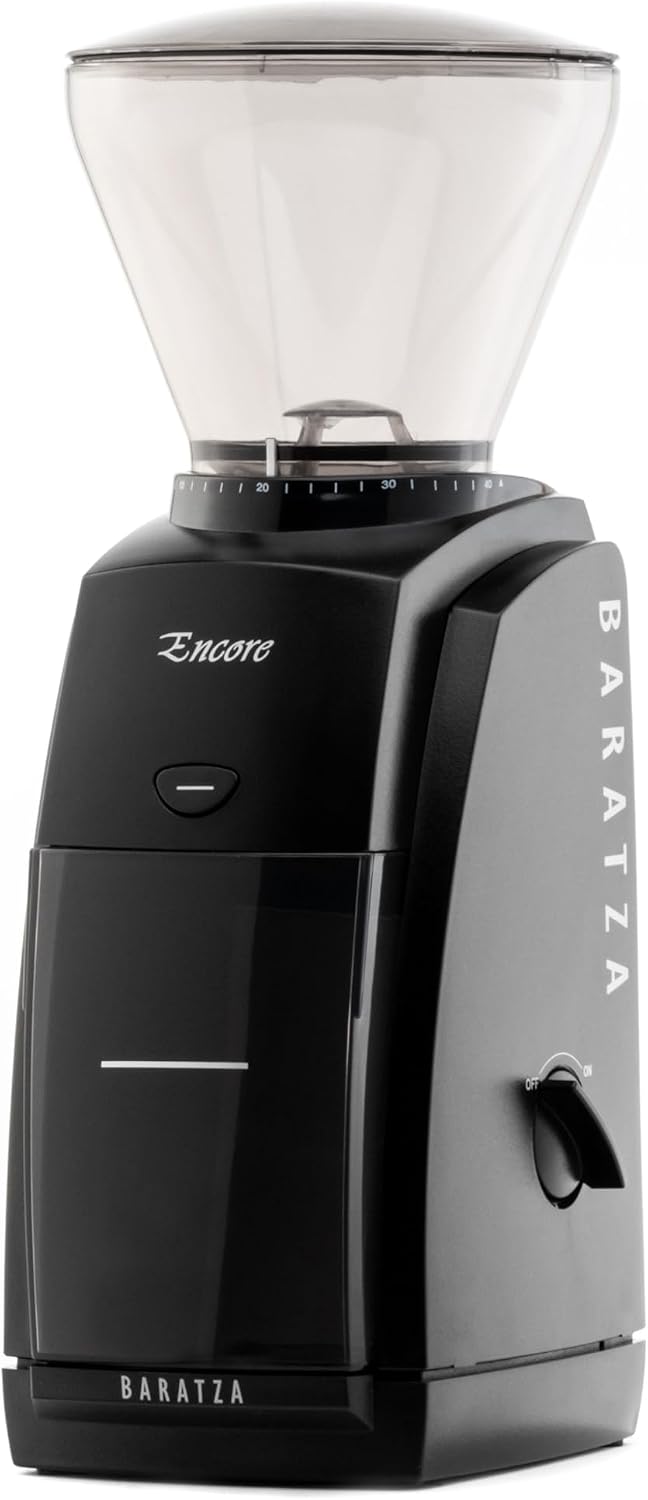
- The primary goal of pour over coffee is consistent grind size. The Baratza Encore is recommended for most home brewers as the safest first electric grinder, while the Fellow Ode Gen 2 is ideal for pour over coffee enthusiasts who prioritize clarity and clean flavor.
- Burr grinders (flat or conical burr) outperform blade grinders in every meaningful way for pour over. Grind consistency is crucial for optimal extraction – fines can cause bitterness while boulders lead to sourness.
- The main categories of pour over grinders are manual burr and electric burr grinders. Manual coffee grinder options like the 1Zpresso K-Ultra offer the best grind quality per dollar, while electric grinders trade convenience for a higher price tag.
- Grind quality is crucial for achieving maximum flavor clarity. Flat burrs produce exceptionally uniform particle distribution, which benefits light roast pour over in particular, while conical burrs provide good value and versatility in most electric grinders.
- If you also pull espresso shots, consider a hybrid or a prosumer single-doser like the DF54. But pour over purists are usually better served by a dedicated filter-focused grinder rather than an espresso grinder pressed into brew duty.
Quick Answer: The Best Grinder for Pour Over Right Now
If you’re scanning for a fast recommendation, here it is: the Baratza Encore is the best coffee grinder for the majority of pour over drinkers who want to spend under $200 and get a quality grinder that just works. For serious coffee geeks willing to invest more, the Fellow Ode Gen 2 with its 64 mm flat burr set delivers noticeably higher clarity, especially with light roast beans where separation and sweetness matter.
These top choices are based on cross-referenced expert reviews, third-party test data, and broad user consensus rather than our own hands-on testing. Pour over coffee needs a great grinder because the brew method relies on gravity and controlled flow through a paper filter. That means you need a consistent medium to medium-fine grind with minimal fines, a predictable flow rate, and good flavor clarity – all things a quality burr grinder delivers and a blade grinder cannot.
The rest of this article compares alternatives across manual grinders, higher-end electrics, and budget options, and explains how to choose based on brew style and budget.
Affiliate & Independence Disclosure
Capitol City Coffee is an independent editorial and affiliate publication. We may earn a commission if you purchase through outbound links on this page, but commissions never influence our rankings or recommendations. All picks are chosen using researched editorial analysis, verified specs, and expert consensus – not sponsorships or paid placements. We are not a coffee roaster or grinder manufacturer. Our role is to curate and interpret the gear landscape so you can make better decisions.
Top Picks: Best Grinders for Pour Over in 2026
This is a curated list for U.S. home users brewing V60, Chemex, Kalita Wave, Origami, or other pour over devices. Here are our top picks at a glance:
- Baratza Encore – Best overall value electric grinder for most pour over drinkers.
- Fellow Ode Gen 2 – Best electric grinder for pour over purists chasing clarity.
- 1Zpresso K-Ultra – Top-tier manual grinder for serious coffee geeks who travel or single dose.
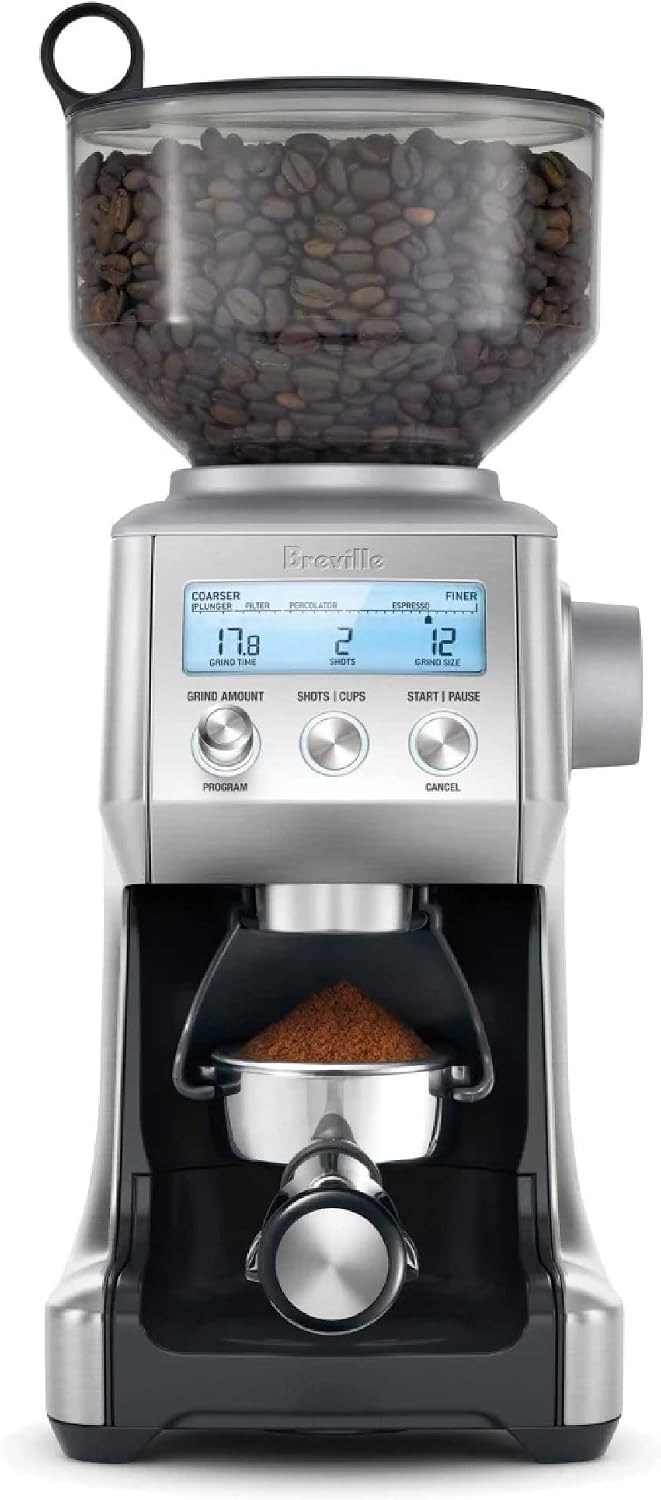
- Breville Smart Grinder Pro – Best workflow-friendly hybrid for pour over plus occasional espresso.
- Timemore Chestnut C2 – Budget-friendly manual grinder for beginners exploring whole bean coffee.
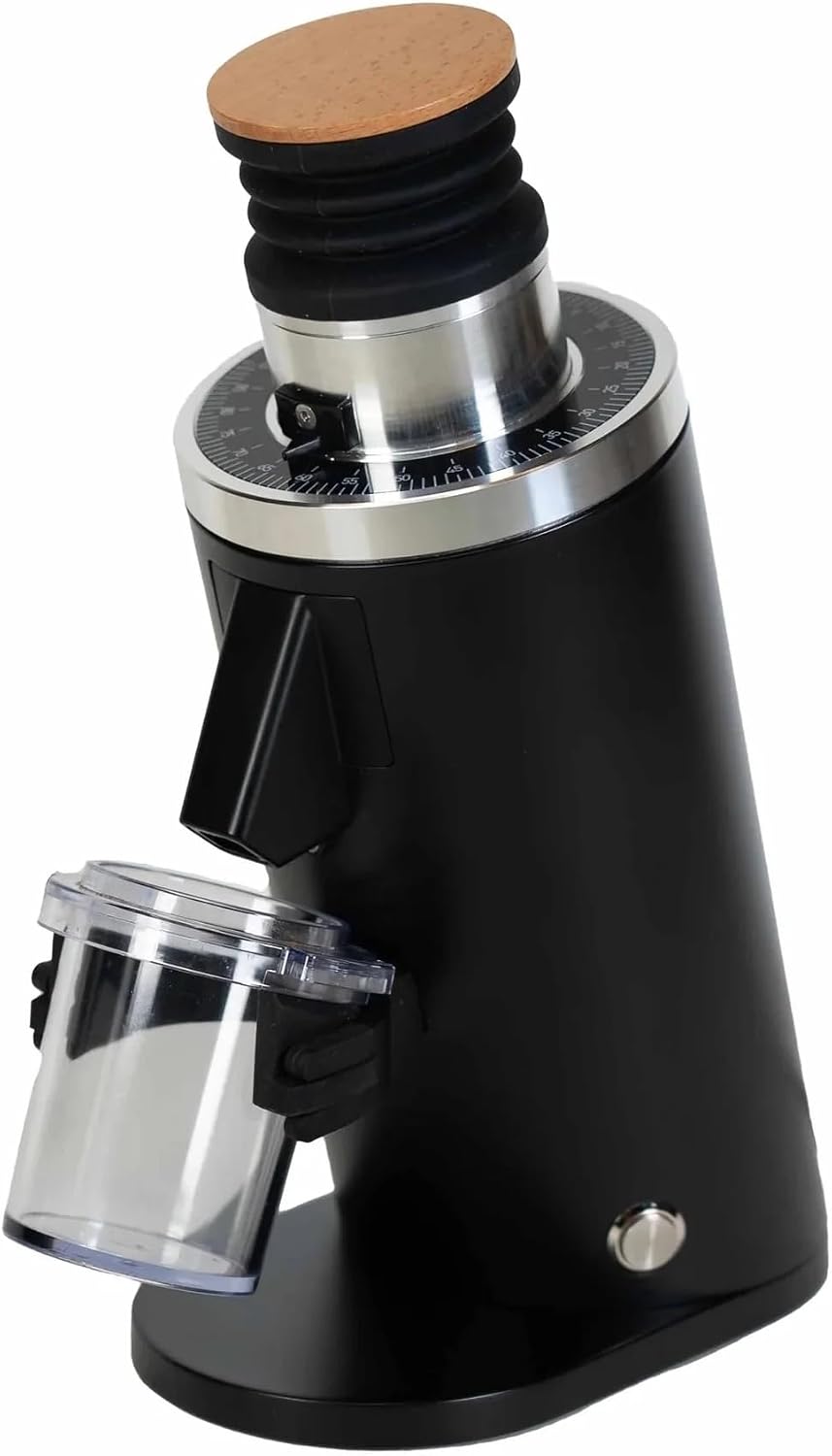
- DF54 (or comparable 54–64 mm flat-burr single-doser) – Prosumer step-up for filter and espresso.
Each pick gets a detailed section below with pros, limitations, and an ideal user profile. We deliberately exclude basic blade grinders and cheap “false-burr” units because they don’t deliver the particle consistency pour over needs.
At-a-Glance Comparison Table
The table below summarizes core specs for each recommended grinder. Prices reflect approximate 2026 U.S. street pricing and may vary by retailer.
Grinder | Type | Burr Type | Grind Range | Best For | Noise / Speed | U.S. Price (approx.) | Notable Limitation |
|---|---|---|---|---|---|---|---|
Electric | 40 mm conical steel | Drip–French press | Most pour over drinkers | Moderate noise, fast | $150–$180 | No true espresso range | |
Electric | 64 mm flat steel | Pour over–French press | Clarity-focused filter coffee | Moderate noise, fast | $399–$599 | No espresso range (stock burrs) | |
Manual | 48 mm conical steel | Espresso–French press | Travel, single dose, all brewing styles | Quiet, 25-35 sec/dose | ~$259 | Manual effort, slow for large batches | |
Manual | 38 mm conical steel | Drip–French press | Budget beginners | Quiet, 30-35 sec/dose | $60–$80 | Small capacity, limited fine adjustment | |
Electric | Conical steel | Espresso–cold brew | Hybrid pour over + espresso | Louder, fast | ~$250–$300 | Plastic build, less clarity than flat burrs | |
Electric | 54 mm flat steel | Espresso–French press | Prosumer filter + espresso | Moderate, fast | $300–$500+ | Alignment-sensitive, steeper learning curve |
Bottom line: The Baratza Encore wins for value, the Fellow Ode Gen 2 wins for clarity, and the 1Zpresso K-Ultra wins as the best travel grinder and all-around manual option.
How We Picked These Grinders
This is researched editorial analysis based on verified specs, reputable expert sources (barista educators, independent testers like those at Tom’s Guide and CoffeeGearZone), and widely reported user experiences – not Capitol City Coffee’s own lab measurements.
Core evaluation factors included:
- Burr type and size relative to pour over grind ranges
- Grind range precision in the medium to medium-fine band
- Particle consistency and fines control
- Retention and static management
- Workflow and ergonomics (hopper vs. single dose, adjustment ease)
- Ease of cleaning and burr access
- Durability and warranty support in the U.S.
- Value for money at the grinder’s price tier
We prioritized grinders that perform reliably for pour over coffee, are realistically available to U.S. buyers in 2026, and have track records for support and spare parts. Many “Amazon-only” no-name electric grinders and basic blade grinders were excluded due to inconsistent grinds, poor build quality, and unclear long-term support.
Best Overall Electric Grinder for Pour Over: Baratza Encore
The Baratza Encore is the default recommendation for most coffee drinkers who want a great coffee grinder without overspending. It handles V60, Chemex, Kalita Wave, and automatic drip with predictable results.
Key specs: 40 stepped grind settings, 40 mm conical steel burrs, gear-reduced DC motor that keeps burr speed low and limits heat buildup. It’s a hopper-fed design with a simple front switch and pulse button.
Grind quality for pour over: The Encore delivers good particle consistency in the medium range. According to third-party testing, particle distribution at brew settings sits around 600 to 800 microns – which falls squarely in the ideal grind size range for pour over – with a modest fines tail. It produces a balanced cup with clean flavor on medium and medium-dark roasts. It’s less ideal for ultra-light roasts where you want razor-thin clarity, but it’s strong across the broad middle ground where most coffee drinkers live.
The Baratza Encore ESP variant extends the fine end slightly and, in blind tests, produced pour over brews with dissolved solids indistinguishable from a Niche Zero. The ESP averaged about 1.2 g retained per dose. The Baratza Encore ESP is a good budget option for users who want to explore both espresso and pour over.
Workflow and cleaning: Removable hopper and upper burr make weekly brushing straightforward. Some static clings coffee grounds to the catch cup, but it’s predictable. Baratza is well-known for repairability and widely available spare parts in North America – a huge advantage that many grinders in this price bracket can’t match.
Typical price range: $150–$180 depending on variant.
- Best for: Budget-conscious pour over drinkers, families brewing drip coffee, anyone wanting a reliable daily grinder with strong long-term support.
- Not ideal for: Espresso-focused users, extreme light roast fans who want maximum clarity, or coffee people who need ultra-fine adjustment.
Best Electric Grinder for Pour Over Purists: Fellow Ode Gen 2
The Fellow Ode Gen 2 is a premium electric grinder designed around brew coffee. Its 64 mm flat steel burrs are tuned for clarity, making it the best electric grinder for pour over purists who primarily drink light roast and light-medium single origins.
Burr type and flavor profile: Flat burrs produce exceptionally uniform particle distribution with fewer boulders than typical conical burr designs. This translates to higher clarity – cups described consistently by reviewers as “crisp” and “clean,” with distinct origin flavors separating rather than blending into a generic “coffee” taste. The Fellow Ode Gen 2 excels in clarity for pour over coffee, especially with delicate washed coffees and fruity naturals.
Grind range: Optimized for pour over, AeroPress, and French press. The stock burrs do not reach traditional pump espresso fineness. An optional SSP “Red Speed” burr upgrade pushes clarity even further but raises the price to roughly $599.
Workflow: The Ode Gen 2 features a single dose hopper, anti-static technology, a magnetic catch cup, a built-in knocker to reduce retention, and auto shut-off. Users report very low retention – typically under 0.5 g per dose. For a morning routine, you weigh beans, dump them in, press a button, and receive grounds in a static-controlled cup. It’s one of the smoothest workflows in this category.
Downsides: Higher upfront cost ($399 for stock burrs), no true espresso range without aftermarket modifications, and occasional static quirks with very oily dark roasts. Deeper cleaning is required more often than with simpler conical burr grinders. The footprint and weight (roughly 10 lbs) make it a countertop-only appliance.
Ideal for: Serious coffee geeks drinking primarily pour over and other filter methods. If you’re a coffee enthusiast or coffee nerd who obsesses over flavor clarity and sweetness in lighter roasts, this is one of the top tier grinders available without going commercial.
Best Manual Grinder for Pour Over Enthusiasts: 1Zpresso K-Ultra
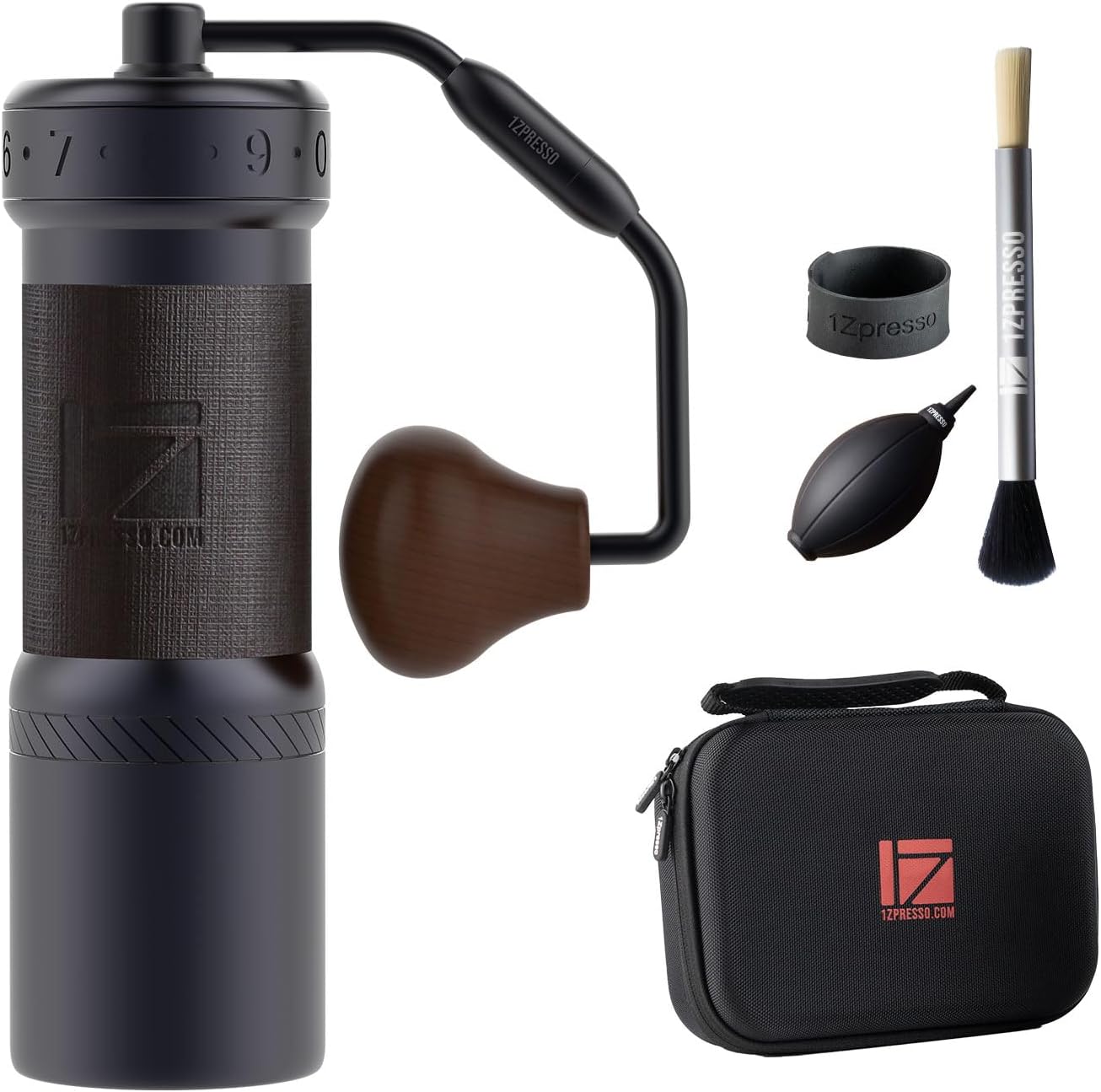
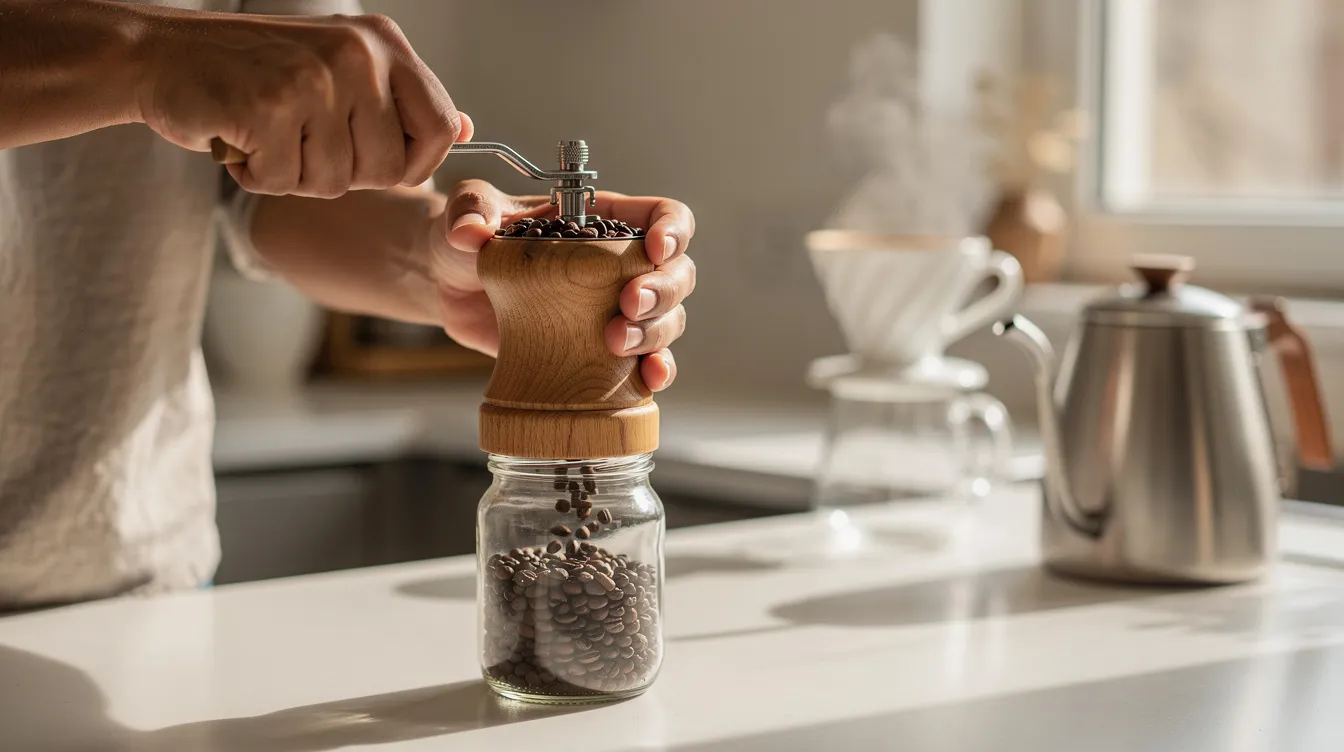
The 1Zpresso K-Ultra is a flagship manual grinder that’s earned a loyal following among hobbyists who value portability and excellent grind quality for pour over.
Key specs: 48 mm stainless steel conical burrs with a heptagonal geometry, external click-adjustment collar with 100 clicks per rotation (each click roughly 20 microns of movement), and a robust metal body. It covers grind sizes from espresso through French press but shines in the pour over range.
Grind quality and taste: In Kruve Sifter testing, approximately 70–72% of ground mass fell in the ideal target range for filter coffee, with V60 extraction yields around 20.5–22%. That’s competitive with many electric grinders under $300. The 1Zpresso K-Ultra is a top manual grinder for pour over, delivering cups with low fines and clear flavor separation. Retention averaged about 0.3–0.8 g per dose depending on grind setting.
Workflow: Single-dose only, with typical grind time around 25–35 seconds for a 20 g pour over dose. It’s quiet – ideal for apartments, early mornings, or travel. Manual grinders are portable and ideal for travel, and the K-Ultra doubles as a capable travel grinder when packed in its carrying case.
Durability and value: Premium build with simple disassembly for cleaning, no electronics to fail, and a burr set that should last years of daily home use. At roughly $259, it’s pricier than entry level grinders but potentially cheaper than cycling through multiple budget electrics.
Ideal for: Coffee lovers who brew 1–2 cups at a time, enjoy the tactile ritual of hand grinding, and would rather invest in a great grinder than accept compromises from a cheaper electric option.
Best Budget Manual Grinder for Pour Over Beginners: Timemore Chestnut C2
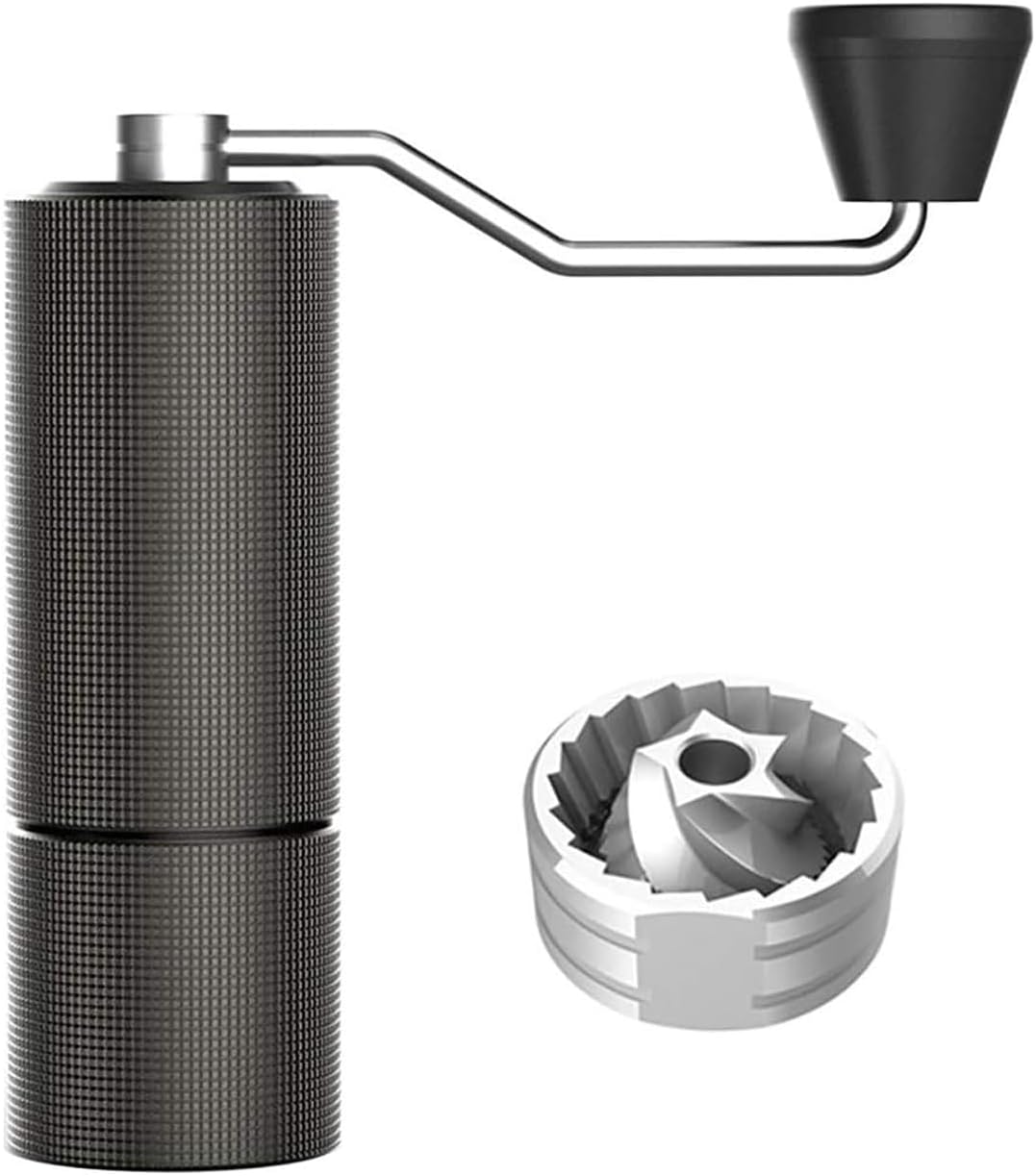
The Timemore Chestnut C2 is the go-to recommendation for first-time manual grinder buyers who want a massive step up from generic hand mills without spending much.
Features: Compact aluminum body weighing about 430 g, 38 mm CNC-machined stainless steel conical burrs (S2C geometry), stepped internal adjustment with roughly 36 total clicks, and a hopper capacity of 20–30 g whole beans.
Pour over performance: At settings around click 18–22, a 15–20 g dose grinds in roughly 30–35 seconds. Grind consistency in the medium range is good – clean enough for everyday V60 or Kalita brews with medium or medium-light roasts. It won’t match the clarity of the K-Ultra or an Ode Gen 2, but the improvement over blade grinders and cheap ceramic-burr hand grinders is dramatic.
Limitations: Small capacity makes larger Chemex brews a two-batch affair. Fine-end adjustments are too coarse for proper espresso, and the stepped mechanism doesn’t allow the micro-adjustments that serious coffee geeks demand. The C2 variant has some plastic internals; the C2s upgrades to more metal parts.
Why it’s still a great grinder at this price: At $60–$80, it’s an excellent entry point before deciding whether to upgrade to a premium manual or electric grinder later. Manual grinders are often cheaper than electric grinders, and the Chestnut C2 delivers grind quality that punches well above its price class. It’s also a solid travel grinder for coffee lovers who want decent results on the road.
Best Hybrid for Pour Over Plus Espresso: Breville Smart Grinder Pro
The Breville Smart Grinder Pro is a versatile electric grinder for households that split time between pour over coffee and home espresso but don’t want two dedicated grinders.
Key attributes: Conical steel burrs, 60+ grind settings with digital increment adjustments, an LCD screen with brew method hints, and timed dosing that helps newer users get consistent amounts. It covers the full grind range from espresso through cold brew.
Pour over performance: Capable medium and medium-fine grinds with reasonable fines control. Most coffee drinkers find the cup clean and balanced, though clarity is a step below specialized flat burr models. Conical burrs provide good value and versatility here, handling different brewing methods without needing to swap burr sets.
Espresso capability: Can grind fine enough for entry-level pump machines with pressurized baskets and some non-pressurized setups. That said, serious espresso geeks will eventually want a dedicated espresso grinder – the Breville’s conical burr set lacks the precision and consistency of purpose-built espresso machines’ companion grinders.
Workflow and cleaning: Hopper-based design suited to daily use, easy-to-remove upper burr for cleaning, and a digital interface that reduces guesswork. Some static and retention are present but manageable.
Tradeoffs: Not the quietest, plastic-heavy build compared to prosumer grinders, and brewed-coffee clarity trails the Fellow Ode Gen 2. But for a household that makes pour over in the morning and pulls shots on weekends, it’s a practical single-grinder solution.
Best Prosumer Single-Dose Option for Pour Over and Espresso: DF54 / 64 mm-Class Flat Burr Grinders
Grinders like the DF54 and other 54–64 mm flat-burr single-dosers are popular among hobbyists who want one grinder for espresso and filter without going commercial. The DF54 grinder excels in both espresso and pour over, making it a favorite among coffee people who refuse to compromise on either brewing style.
Core design: Large flat steel burrs, stepless adjustment collar, single dose hopper with bellows, low-retention chute, and solid metal construction. Single-dose designs help minimize retention in grinders, keeping flavors fresh and dosing accurate across different coffee types.
Grind quality: Tight particle distributions deliver strong clarity for pour over coffee and very capable performance in the espresso range. The DF54 grinder is praised for its performance in pour over brewing by multiple reviewers. Aftermarket SSP burrs can further tailor the flavor profile toward either higher clarity (brew burrs) or more body.
Workflow pros and cons: Single dosing makes switching between espresso and pour over easy – no purging stale grounds from a hopper. But bellows use, alignment concerns, and more involved cleaning may not suit beginners. These are not entry level grinders.
Value equation: More expensive than mass-market grinders ($300–$500+) but far cheaper than true commercial espresso grinders. Attractive to readers already deep into the hobby who are upgrading from a Baratza Encore or similar sub-$200 machine.
Why Burr Type and Particle Consistency Matter for Pour Over
A burr grinder is essential for consistent pour over results. Burr grinders – whether flat or conical – crush coffee beans between two abrasive surfaces set at a precise distance, producing relatively uniform particles. This uniformity is the foundation of even extraction and predictable flow through a paper filter.
Here’s the vocabulary that matters:
- Particle consistency: How tightly grouped the grind sizes cluster around your target. Better consistency means more even extraction and a cleaner, more balanced cup.
- Fines: Ultra-small particles that massively increase surface area for faster extraction. Minimizing fines is important in pour over coffee to avoid over-extraction, bitterness, and filter clogging.
- Boulders: Large chunks that under-extract due to limited surface area, contributing sour or woody notes.
Grind consistency affects extraction and flavor clarity directly. Too many fines produce bitter, silty, muddy cups. Too many boulders create sharp, hollow flavors. A good grinder balances both by keeping the particle distribution tight.
Flat vs. conical burrs for pour over:
- Flat burrs often produce cleaner separation and clarity, especially for light roast beans where you want to taste distinct origin characteristics. They tend to generate a narrower particle spread in the filter grind range.
- Conical burrs are more forgiving, often quieter, and common in home electric grinder models like the Encore and many manual grinders. They may produce a longer tail of fines but still perform well for pour over when the burr geometry is good.
Ceramic vs. steel burrs: Ceramic appears in cheaper grinders and some travel models. Steel burrs are preferred for longevity and sharper cutting edges in most serious home grinders. Ceramic can be brittle and degrades if mishandled.
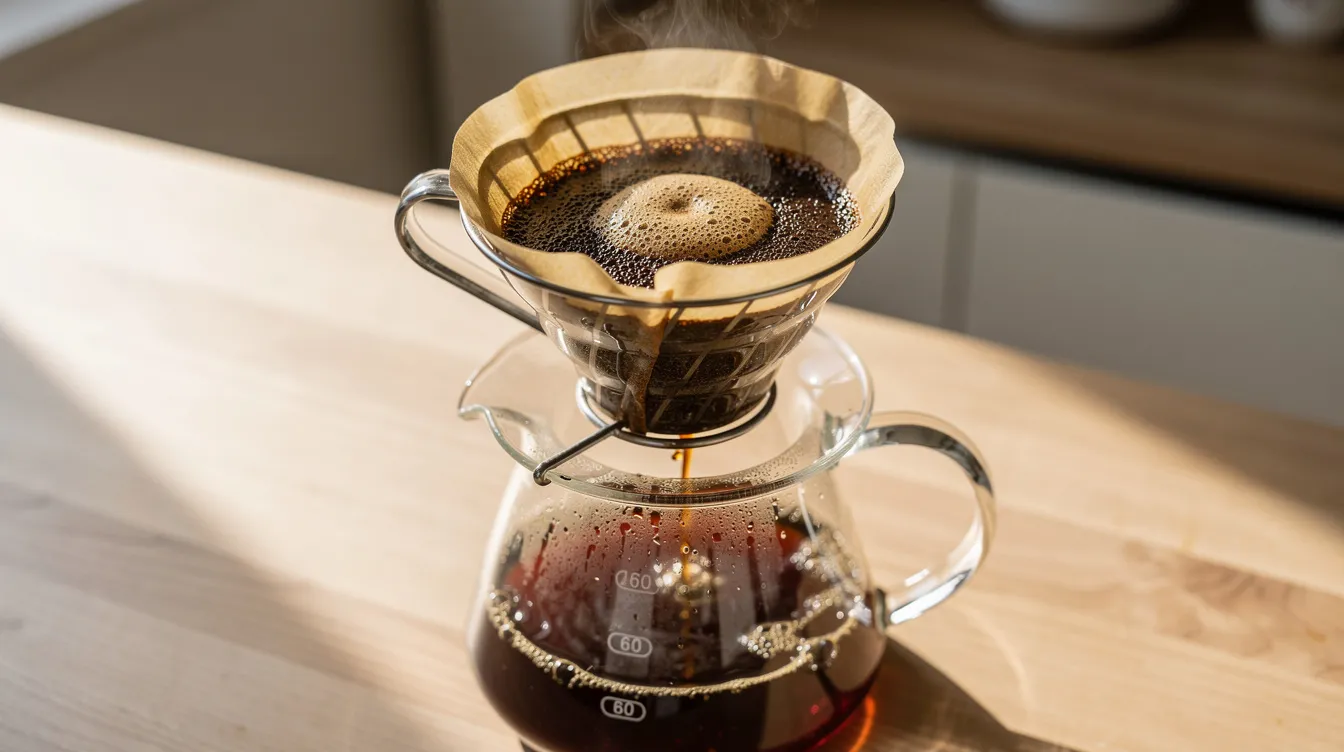
Manual vs Electric Grinder: Which Is Better for Your Pour Over Routine?
Both hand grinders and electric grinders can make excellent pour over coffee. The main categories of pour over grinders are manual burr and electric burr grinders, and the choice comes down to your routine, volume, and budget.
Manual grinder pros:
- Manual burr grinders offer the best performance-to-price ratio for pour over coffee – manual grinders excel in grind quality per dollar spent
- Portable, quiet, and ideal for 1–2 cups
- No electronics to fail, simpler long-term maintenance
- Favorite grinders for students, travelers, renters, and anyone who values the ritual of hand grinding
Manual grinder cons:
- Physical effort required – grinding coffee for a large Chemex batch is a workout
- Slower for multiple cups
- Less convenient for groggy mornings
Electric grinder pros:
- Electric grinders are faster and require less effort
- Electric grinders can grind larger quantities of coffee efficiently – great for households with multiple cups to brew
- Easier to integrate into daily workflow
- Often more consistent at coarser grind settings due to motor-driven speed
Electric grinder cons:
- More expensive for similar grind quality
- Larger countertop footprint
- More parts to fail, louder noise
Who should lean manual: Students, apartment dwellers, travelers, and coffee lovers brewing a single cup who want the right grinder without spending $300+.
Who should lean electric: Families, daily multi-cup brewers, and those who also pull espresso shots or make drip coffee for a crowd.
Key Features That Actually Matter for Pour Over Grinders
Many grinders market themselves with long spec sheets and flashy features. For pour over, a few core factors genuinely shape cup quality:
- Grind range: Reliable adjustment in the medium to medium-fine band matters more than having 60+ settings. Ideal grind sizes for pour over range from 600 to 800 microns. A slightly finer grind for V60 or a coarser grind for Chemex should both be accessible and repeatable.
- Particle consistency and fines control: This is where excellent grind quality separates top tier grinders from cheaper grinders. Inconsistent grind leads to uneven extraction and flavor issues – the hallmark of poor grind consistency.
- Retention and static: Low retention in grinders reduces old grounds remaining inside, keeping flavors fresh and dosing accurate. Static causes coffee grounds to cling to surfaces. Anti-static materials, magnetic catch cups, or the Ross Droplet Technique can help.
- Speed and noise: Faster isn’t always better if it overheats the grounds or is unbearably loud at 6 AM. Manual grinders are slow but quiet. Electric grinders are faster but louder – flat burr models especially.
- Workflow and ergonomics: Hopper-fed designs suit daily multi-cup use. Single-dose hoppers suit weighing-and-dosing routines. Digital timers reduce guesswork; simple switches reduce complexity.
- Cleaning and maintenance: Ease of burr access matters. Many grinders require only a brush and occasional vacuum. Others need tools and 20 minutes of disassembly.
- Durability and warranty: Long-term support, especially in the U.S., matters more than a short-term discount. Baratza’s documented parts and repair guides are the gold standard here.
How to Choose the Best Grinder for Your Pour Over Setup
Choosing the best coffee grinder doesn’t need to be overwhelming. Here’s a simple decision flow:
Step 1 – Identify your main brewing methods. Pure pour over? Pour over plus espresso? An all-rounder for pour over, French press, cold brew, and beyond? A filter-focused grinder is the right pick if you don’t own or plan to own an espresso machine.
Step 2 – Set a budget bracket. Under $100 gets you a strong manual grinder like the Timemore Chestnut C2. Between $100–$200, the Baratza Encore is hard to beat. Between $200–$400, you can reach the 1Zpresso K-Ultra or Breville Smart Grinder Pro. Above $400 opens the door to the Fellow Ode Gen 2 and prosumer flat-burr single-dosers.
Step 3 – Decide manual vs. electric based on volume and routine. If you brew more than two cups per session or serve a household, electric grinders win on convenience. If you brew solo and value grind quality per dollar, go manual.
Step 4 – Prioritize burr type and consistency over cosmetic features. A grinder with excellent burr geometry and a plain body will make better coffee than a stylish grinder with poor internals. Specialty coffee demands substance over aesthetics.
Future-proofing tip: Buying slightly above your current needs can be cheaper than upgrading in a year. But don’t overbuy an espresso grinder if you don’t own an espresso machine – that money is better spent on a quality grinder designed for filter coffee.
Blade Grinders vs Burr Grinders: Why Blade Isn’t Worth It
For pour over coffee, blade grinders are rarely a good idea. A spinning blade “chops” coffee beans randomly, producing a mix of dust-like fines and large boulders with no precise control over grind size. Uneven grind sizes lead to inconsistent extraction and flavor – the exact opposite of what pour over demands.
Specific pour over problems caused by blade grinders include:
- Clogged filters from excess fines
- Inconsistent drawdown times
- Muddy, muddled cups without clarity
- Inability to repeat a recipe from one brew to the next
Burr grinders produce more uniform particles than blade grinders. Even an entry-level burr coffee grinder gives you defined settings and the ability to tweak grind by small increments to dial in taste. Burr grinders are preferred over blade grinders for their even particle size, and the gap in cup quality is noticeable from the very first brew.
Blade grinders still work for spices and nuts. But for great coffee – especially pour over – they should be avoided.
Dialing In Grind Size for Common Pour Over Brewers
Even with an excellent grinder, you need a starting point and a framework for adjusting by taste. Grind size affects extraction speed in coffee brewing: finer grinds increase surface area for faster extraction, while coarser grinds allow faster water flow in pour over methods. A grind size adjustment is necessary for achieving the desired extraction speed with any dripper.
Starting points by brewer:
- Hario V60: Medium-fine (slightly finer than table salt). Aim for roughly 2.5–3.5 minutes total brew time. The V60’s large drain hole means a finer grind helps control flow.
- Kalita Wave: Medium, about table-salt-like. The flat bed and restricted drain create a more even extraction, so you don’t need to go as fine.
- Chemex: Medium-coarse, between sea salt and rough sand. Chemex’s thick filters already slow flow significantly, so a coarser grind prevents stalling.
- Flat-bottom plastic brewers and other drippers: Generally medium, adjusting for drawdown speed and taste preference.
Adjust by taste:
- Sour, thin, drains too fast → grind finer
- Bitter, harsh, drains too slowly → grind coarser
- Muddy or flat even when timing looks right → check for excess fines or consider upgrading your grinder
The ideal grind size for pour over is medium-fine to medium, but the exact setting varies by bean, water, and brewer. Better grinders make these adjustments more predictable, because each click or dial change corresponds to a repeatable particle shift – the hallmark of a consistent grind.
Maintenance and Cost of Ownership
A grinder is a long-term tool. Routine care preserves coffee flavor and extends the machine’s life by years.
Recommended cleaning practices:
- Daily or weekly: Light brushing of burrs and grinding chamber depending on use volume. This removes stuck coffee grounds and prevents rancid oil buildup.
- Monthly or quarterly: Deeper cleaning for electric grinders – unplug, remove hopper and upper burr, vacuum loose grounds, wipe surfaces.
- Occasionally: Use grinder cleaning pellets only if the manufacturer approves. Not all brands recommend them.
Retention and rancid oils: Old grounds stuck inside the grinding chamber dull flavors and contaminate fresh doses. This is why low-retention designs and single-dose workflows have become so popular among coffee geeks.
Cost-of-ownership factors:
- Burr lifespan: Home users grinding 20–40 g daily may go 3–5+ years before needing replacement, depending on burr material and bean type. Dark roasts and oily bean coffee wear burrs faster.
- Replacement parts: Baratza leads the industry in parts availability and documentation. Fellow, 1Zpresso, and Timemore also offer replacement burrs. Cheaper grinders from unknown brands often lack any parts support.
- Warranty: Check U.S. warranty coverage for motors, electronics, and structural issues. A 1-year warranty is standard; some brands offer more.
A $150–$300 grinder used daily for 3–5 years costs pennies per cup. Think of it as a multi-year investment rather than a disposable appliance.
Value and When to Upgrade Your Pour Over Grinder
Many readers already own a basic grinder and wonder whether upgrading will meaningfully improve their pour over coffee. Here are clear signs that upgrading makes sense:
- You can’t hit the right grind setting for your dripper without clogging or under-extraction
- Excess sludge or visible dust in the filter bed
- Inconsistent flavor cup-to-cup even with the same coffee beans and recipe
- Mechanical issues – seized burrs, failing motors, or stripped adjustment mechanisms
Typical upgrade paths:
- From blade to entry-level burr: The single biggest leap in cup quality. Even a Timemore C2 at $60 will transform your pour over.
- From entry-level burr to a “great grinder”: Moving to a Baratza Encore, Fellow Ode Gen 2, or a high-end manual grinder like the K-Ultra. This is where you start tasting the nuance in specialty coffee.
- From generalist burr grinder to a prosumer flat-burr single-doser: For readers getting into espresso and ultra-light roasts who want both capabilities from one machine without compromise.
The best upgrade is the one that solves a problem you’re actually experiencing. Don’t chase diminishing returns if your current grinder and your palate are both happy.
FAQs
These questions address common pour over grinder concerns not fully covered above.
Can I get good pour over coffee using pre-ground beans?
Pre-ground coffee stales quickly. Whole bean coffee begins losing aromatics within minutes of grinding, and even the best coffee grinders at a local café can’t fix the staleness once grounds sit on a shelf for days. If pre-ground is your only option, buy from a local roaster, ask them to grind for your specific dripper (e.g., “medium-fine for V60”), and use the coffee within a week. But grinding fresh whole bean coffee at home remains the single most impactful thing you can do for better pour over.
How loud are electric grinders, and can I make them quieter?
Most electric grinders produce noise similar to a blender, though the duration is shorter (typically 10–20 seconds for a single dose). Manual grinders are nearly silent by comparison. Among electrics, some flat-burr single-dosers and premium grinders run quieter than entry-level models due to better motor dampening. Simple tips: grind in a closed kitchen, place a small rubber mat under the grinder to absorb vibration, and avoid grinding coffee at 5 AM if you share thin walls with light sleepers.
Is an espresso grinder overkill if I only brew pour over?
Yes, a dedicated espresso grinder is usually unnecessary and sometimes counterproductive for pour over. An espresso grinder’s burr geometry and grind range are optimized for extremely fine grinding, not for medium clarity. Many espresso-focused burr sets produce more fines in the filter range than a filter-focused grinder would. Pour over-only drinkers should focus on a brew-oriented grinder. Only choose an espresso-capable model if you already own or concretely plan to own an espresso machine.
How often should I replace the burrs in my grinder?
For typical home use (20–40 g per day), steel burrs can last 3–5 years or more before performance noticeably declines. Signs that burrs need attention include slower grinding, more heat during grinding, and noticeably duller or flatter flavor in your cup. Check your manufacturer’s guidance – Baratza, for example, publishes recommended replacement intervals. Always factor burr availability into your purchase decision; a grinder with no replacement burrs on the market becomes a paperweight once the edges dull.
What’s the next piece of gear to upgrade after my grinder?
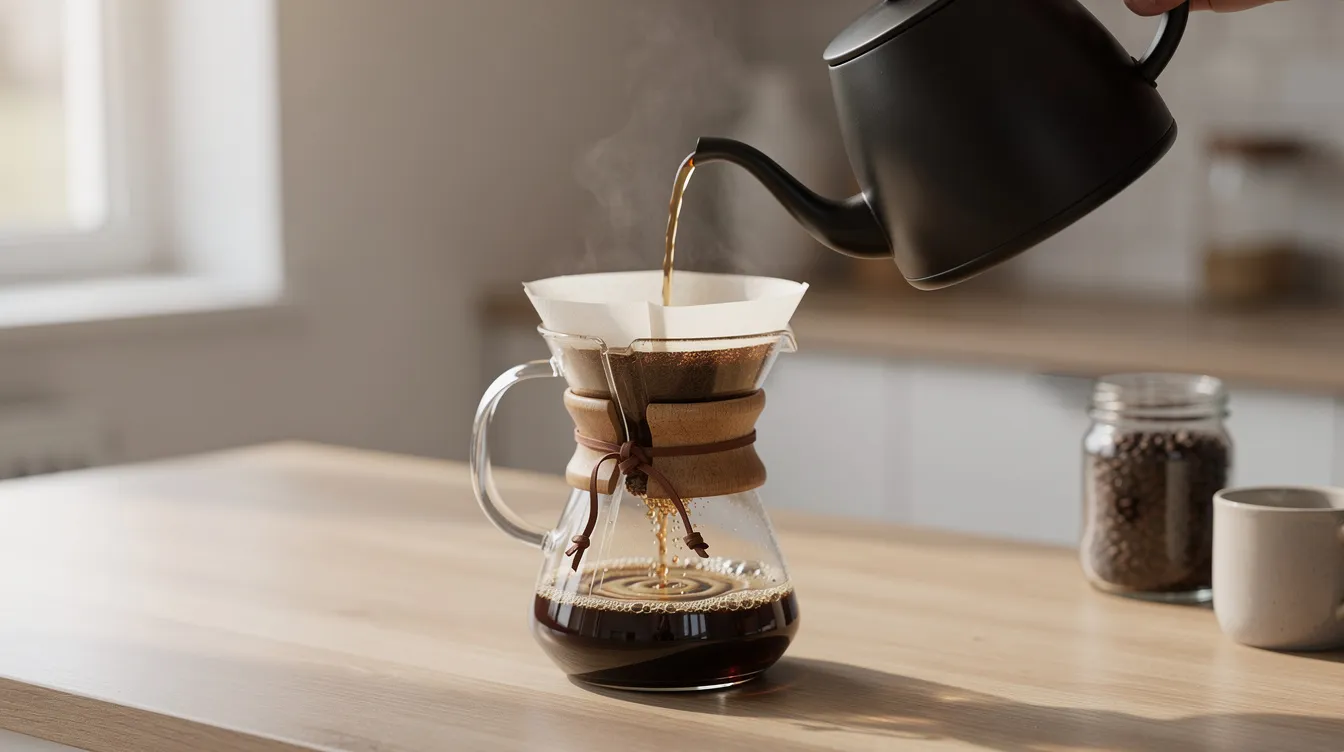
A precise gooseneck pour kettle, an accurate scale (0.1 g resolution), and quality paper filters are the most impactful next steps. Grind and pour technique work together – an inconsistent pour undermines even excellent grind quality. A scale ensures repeatable recipes, and high-quality filters reduce papery taste while maintaining proper flow. From there, fresh specialty coffee beans and good water round out the equation for great coffee at home.