To make French press coffee, grind 32 g of whole beans coarse like kosher salt, pour in 480 g of water just off the boil at about 200°F, steep for 4 minutes, then press slowly and pour right away. French press coffee is one of the simplest and most rewarding ways to brew at home, taking about five minutes, requiring minimal gear, and producing a rich, full-bodied cup with more natural oils than drip machines and pod brewers can match.
Whether you’re new to home brewing or trying to improve your setup and results, this guide walks you through the gear, brew ratio, grind size, water temperature, and contact time that shape the cup, along with step-by-step instructions, fixes for bad taste, and recommendations for beans and equipment.
Best french press pick
For this roundup, Bodum Chambord is the french press we recommend first—the same pick at the top of our At-a-glance cards below.
Use a 1:15 brew ratio (about 32 g coffee to 480 g water), a coarse grind, water heated to around 200°F, a 4-minute steep, and then press and decant immediately.
French press is a full-immersion brewing method: ground coffee sits in hot water for several minutes, then a metal mesh filter separates the liquid from the grounds, allowing natural oils through for a heavier, richer cup.
A burr grinder is the single most important upgrade-it produces a consistent coarse grind that reduces sediment and prevents the coffee from tasting bitter or muddy.
This guide covers gear selection, grind size, brew ratio, step-by-step instructions, troubleshooting bad coffee taste, and recommended beans and gear based on researched editorial analysis.
You can adjust brew ratio, grind size, and contact time to fine-tune your cup profile while keeping the French press workflow simple and repeatable.
Direct Answer: The Short Version
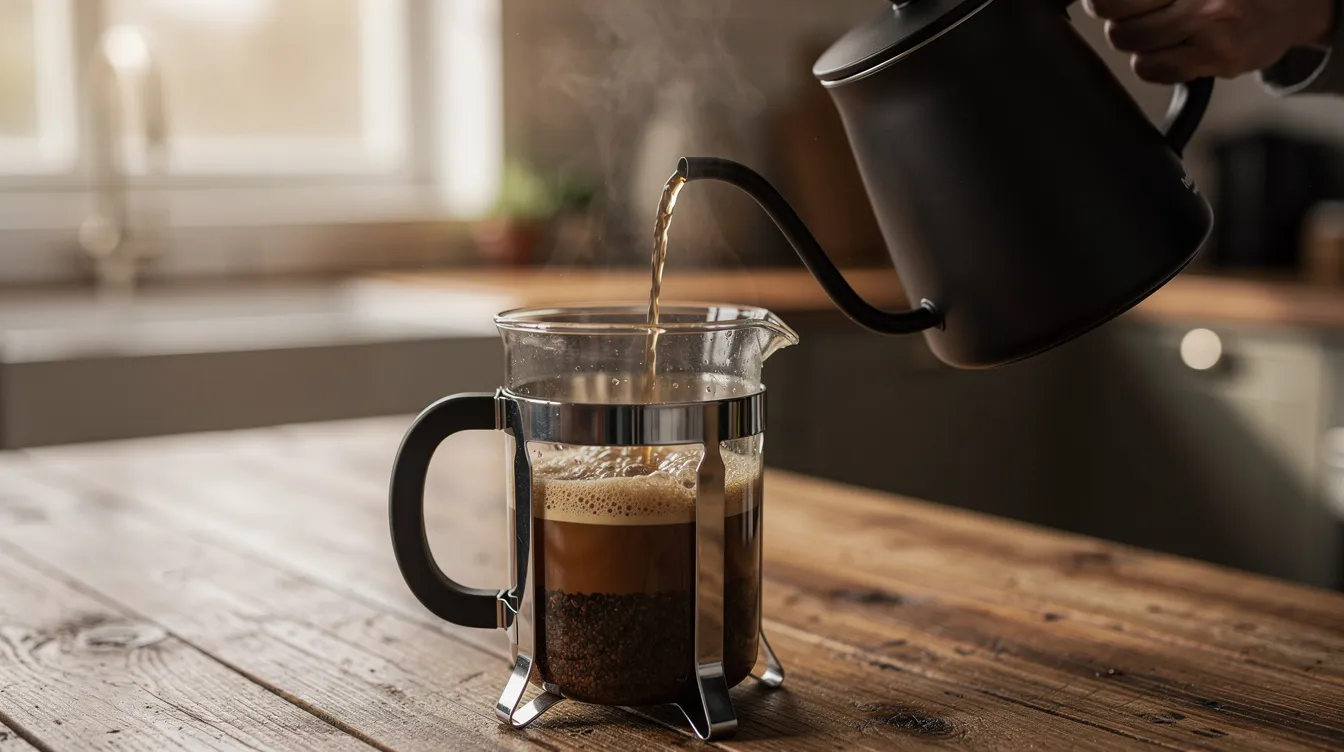
To make French press coffee, weigh 32 g of whole beans, grind them coarse (like kosher salt), heat water to about 200°F, pour 480 g of hot water over the grounds in your press, let it steep for 4 minutes, then slowly push the plunger down and pour off all the brewed coffee immediately. That’s it.
French press coffee is made by full-immersion brewing in a coffee press-the grounds and water stay in contact for several minutes before a metal mesh filter separates them.
This method produces rich, full-bodied coffee with more oils and a heavier mouthfeel than paper-filter methods, which is ideal if you love a bold coffee taste.
The rest of this article expands on gear, brew ratio, grind size, troubleshooting, and recommendations for beans and equipment. If you’re curious about other coffee brewing methods like pour-over or cold brew, we cover those in separate guides as well.
What You Need for French Press Coffee
Having the right equipment makes French press brewing more consistent and easier to repeat, even though the method itself is simple. You don’t need an expensive kitchen setup, but a few targeted upgrades pay off fast.
Must-haves: French press (coffee press), fresh whole coffee beans, a way to grind them, a kettle to heat water, and a mug.
Strong recommendations: Burr grinder, digital scale, timer.
Nice-to-haves: Variable-temperature kettle, wooden spoon or long stirrer, insulated serving carafe, thermometer.
A digital scale helps measure coffee and water accurately, which makes the difference between a perfect cup and a mediocre one. Volume measures like tablespoons work in a pinch, but weight-based dosing is far more reliable.
Choosing a French Press (Capacity, Materials, Heat Retention)
French presses come in different sizes and materials, and each choice affects capacity, heat retention, durability, and the final cup profile.
Common capacities include roughly 12 oz (single serving), 24 oz (two cups), and 34 oz or larger for multiple servings. Pick a size that matches how much you actually drink per session-brewing too much means the last cup sits on cooling grounds and turns bitter.
Material
Heat Retention
Durability
Visibility
Best For
Borosilicate glass
Low
Fragile
Full
Budget starters, classic look
Double-wall stainless steel
High
Excellent
None
Daily home use, travel
BPA-free plastic
Medium
Good
Partial
Camping, lightweight needs
Double-wall designs hold brewing temperature better across the 4–8 minute brewing and serving window. And regardless of material, consider how easy the filter assembly is to disassemble and clean-trapped coffee oils cause future brews to taste stale if neglected.
Burr Grinder, Kettle, Scale, and Other Helpful Tools
A burr grinder is the single most impactful accessory for better French press coffee. It produces a more consistent coffee grind than a blade grinder, which chops beans unevenly and creates excess fine particles that slip through the metal filter and muddy the flavor.
For kettles, a basic stovetop or electric model works fine. A variable-temperature electric kettle makes it easier to hit the target 195–205°F range without guesswork, which improves workflow for this and other brewing methods.
Optional extras worth considering: a timer (your phone works), a long-handled wooden spoon for stirring, and a separate insulated carafe to decant coffee if your press doesn’t retain heat well.
Coffee, Water, and Grind Parameters
French press coffee is very sensitive to brew ratio, grind size, water quality, and contact time. Small adjustments can radically change coffee taste-for better or worse.
Brew ratio: Start at 1:15 (1 g coffee to 15 g water). A common coffee-to-water ratio for French press coffee ranges from about 1:15 to 1:17 by weight, or roughly 15.5:1 water-to-coffee. In volume terms, use about 2 tablespoons of coffee for every 6 ounces of water, or 1 tablespoon of coffee per 4 ounces. Concrete examples: 30 g coffee to 450 g water, or 50 g coffee to 750 g water for a larger press.
Grind size: Use a coarse grind, similar in texture to kosher salt or breadcrumbs. The ideal grind size affects coffee flavor extraction significantly-too fine leads to over-extraction, bitterness, and a plunger that’s nearly impossible to push. Too coarse and you get weak, sour, under-extracted coffee. Grind size should match brewing time for optimal flavor.
Water temperature: The ideal water temperature for brewing is 195–205°F (about 90–96°C). Boil your kettle, then let the water rest for 30–45 seconds. Use clean, filtered water-mineral content and chlorine heavily influence flavor and clarity.
Contact time: A 4-minute brew time is the baseline. The acceptable range is roughly 3–5 minutes depending on grind size, roast level, and preference.
Adjusting Brew Ratio and Contact Time to Taste
Brew ratio is the easiest variable to tweak for customizing strength and body without changing gear.
More coffee or less water (e.g., 1:14) yields a stronger, heavier-bodied cup.
Less coffee or more water (e.g., 1:17) creates a lighter, cleaner profile.
When pairing ratio and contact time: with a slightly finer coarse grind, keep brew time shorter (3–3.5 minutes) to avoid bitterness. With an extra-coarse grind, lengthen steep time to 4.5–5 minutes to prevent under-extraction.
Stronger ratios and longer steeps highlight cocoa, nuts, and heavier sweetness but can increase bitterness. Lighter ratios and shorter steeps can emphasize acidity and fruit but may taste thin if pushed too far. Track your changes-ratio, time, grind-in a notebook or phone to gradually dial in your ideal French press recipe.
Step-by-Step: How to Make French Press Coffee
This is the core workflow. Follow these steps and you’ll have a complete, well-extracted cup of coffee in under six minutes.
Step 1 – Preheat. Rinse the entire French press and your mugs with hot water. Preheating the French press helps maintain brewing temperature during extraction, preventing the glass or steel from absorbing heat that should go into the brew. Discard the rinse water.
Step 2 – Dose and grind. Weigh your beans (e.g., 32 g for a 500 ml brew). Grind them coarse using a burr grinder right before brewing. Using fresh, whole beans and grinding just before brewing preserves flavor and aroma far better than pre-ground coffee.
Step 3 – Heat water. Bring your kettle to a boil, then let the water rest 30–45 seconds to reach about 200°F. Add the freshly ground coffee to the warm, empty carafe.
Step 4 – Bloom. Start your timer and pour enough hot water to fully saturate the grounds-roughly double the coffee weight (e.g., 64 g of water onto 32 g of coffee). Pouring a small amount of hot water to wet the coffee grounds before steeping, known as blooming, enhances flavor extraction. Stir gently with a spoon to break up dry clumps.
Step 5 – Pour and steep. Pour in the remaining water up to your target volume. Place the lid on with the plunger pulled all the way up. Let the coffee steep undisturbed. Wait until the timer reaches 4 minutes. Let coffee steep for 3-4 minutes before pressing down.
Step 6 – Break the crust. At the end of the steep, gently breaking the surface crust of brewing coffee and letting the grounds settle can reduce bitterness and improve clarity. Use a spoon to skim off foam and floating particles if desired.
Step 7 – Press and pour. Press the plunger down slowly and evenly, taking about 15–30 seconds. Avoid forcing it. Pour brewed coffee immediately into cups or an insulated carafe to prevent it from continuing to extract and turning bitter. Don’t let the coffee sit on the grounds.
If the plunger is very hard to push, your grind is too fine. If it drops with zero resistance, your grind is too coarse. Adjust grind size accordingly for your next brew.
Cleaning Your French Press After Brewing
Proper cleaning preserves flavor and prevents rancid oils from making future brews taste bitter or stale. It’s a simple step that many people skip-don’t.
Let the press cool slightly, then scoop or discard the coffee grounds into trash or compost. Rinsing grounds down the drain risks clogging pipes.
Rinse the carafe and plunger under warm water.
Periodically disassemble the filter assembly-metal mesh, spiral plate, cross plate-and wash each piece in warm soapy water. Dry fully before reassembly.
Check manufacturer instructions for dishwasher safety. Hand-washing generally extends the life of rubber and plastic components.
Regular cleaning supports a more consistent cup profile and can eliminate recurring complaints about muddy or off-tasting coffee.
What Good French Press Coffee Should Look and Coffee Taste Like
Well-brewed French press coffee is full-bodied, aromatic, and flavorful, with noticeably more oils than a paper-filtered drip cup and a small amount of fine sediment at the bottom-completely normal.
Visually, expect a deep brown color with a light sheen of oils on the surface. Balanced flavor means sweetness and body stand out first, acidity is present but smooth, and bitterness stays restrained. Common tasting notes from a well-dialed French press include chocolate, caramel, nuts, and earth, depending on the beans.
Mouthfeel should be heavier and more textured than drip or pour-over, but not overwhelmingly silty or chalky. If your cup tastes drastically different from this description, the troubleshooting section below will help you identify what to change.
Troubleshooting: Fixing Bitter, Weak, or Gritty French Press Coffee
Most French press problems come down to five variables: grind size, brew ratio, contact time, water temperature, or leaving brewed coffee sitting on grounds too long. Adjust grind size if coffee tastes weak or bitter-it’s usually the fastest fix.
Problem
Likely Causes
Fixes
Coffee tastes bitter or harsh
Grind too fine, steep too long, water too hot
Coarsen grind, shorten brew time to 3:30, lower temp slightly, decant immediately
Coffee tastes sour, weak, or thin
Grind too coarse, steep too short, too little coffee, water too cool
Use a slightly finer coarse grind, add 30–60 seconds, increase dose to 1:15, check temp
Too much sludge or grit
Uneven grind, plunging too fast, pouring every last drop
Use a burr grinder, plunge slowly, leave the final half inch in the press
Plunger hard or impossible to push
Grind too fine, too much coffee
Coarsen grind, reduce dose, apply steady even pressure
Coffee cools too quickly
Glass press, no preheat
Preheat press and mugs, use double-walled brewer, decant into insulated carafe
Recommended Beans for French Press (Editorial Picks)
Some links in this section may earn Capitol City Coffee an affiliate commission. Our recommendations are based on researched editorial analysis, not personal testing or commission size.
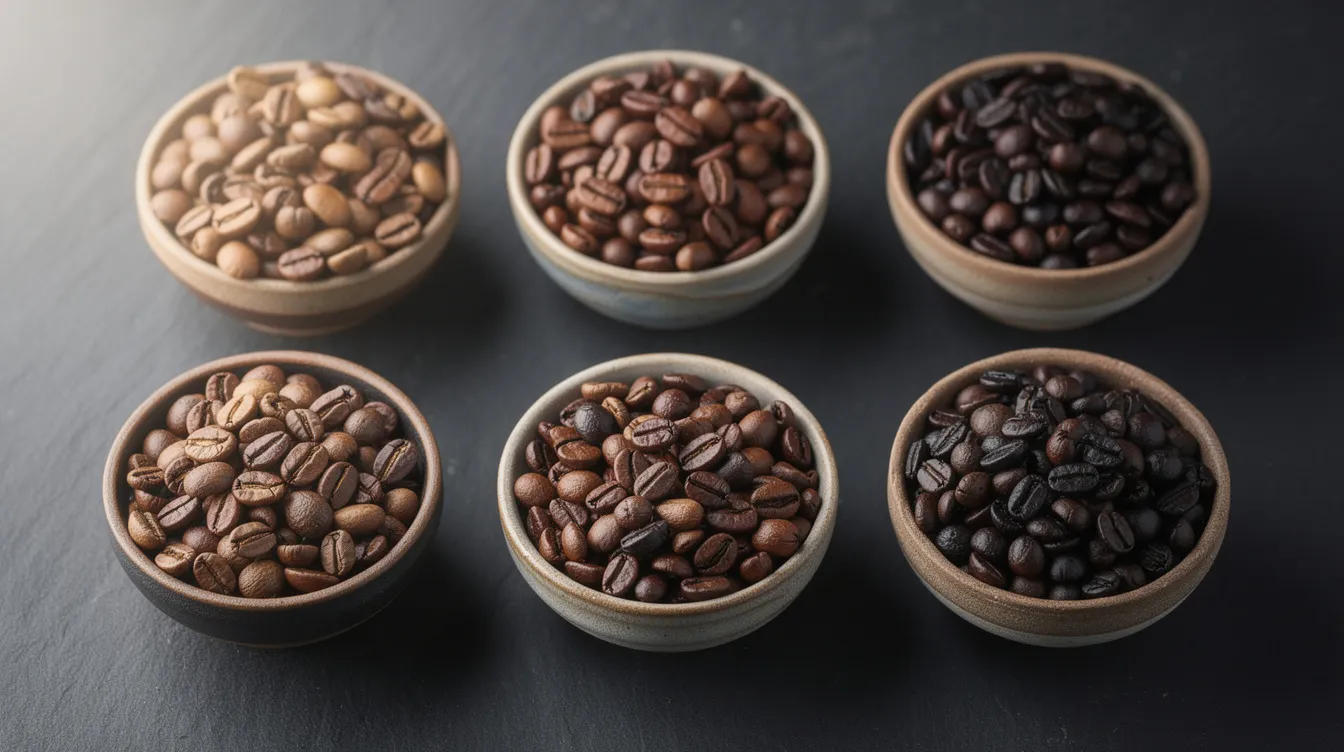
French press rewards beans with good body and sweetness. Medium to medium-dark roasts generally perform best in this brewer, though lighter roasts can shine with adjusted parameters.
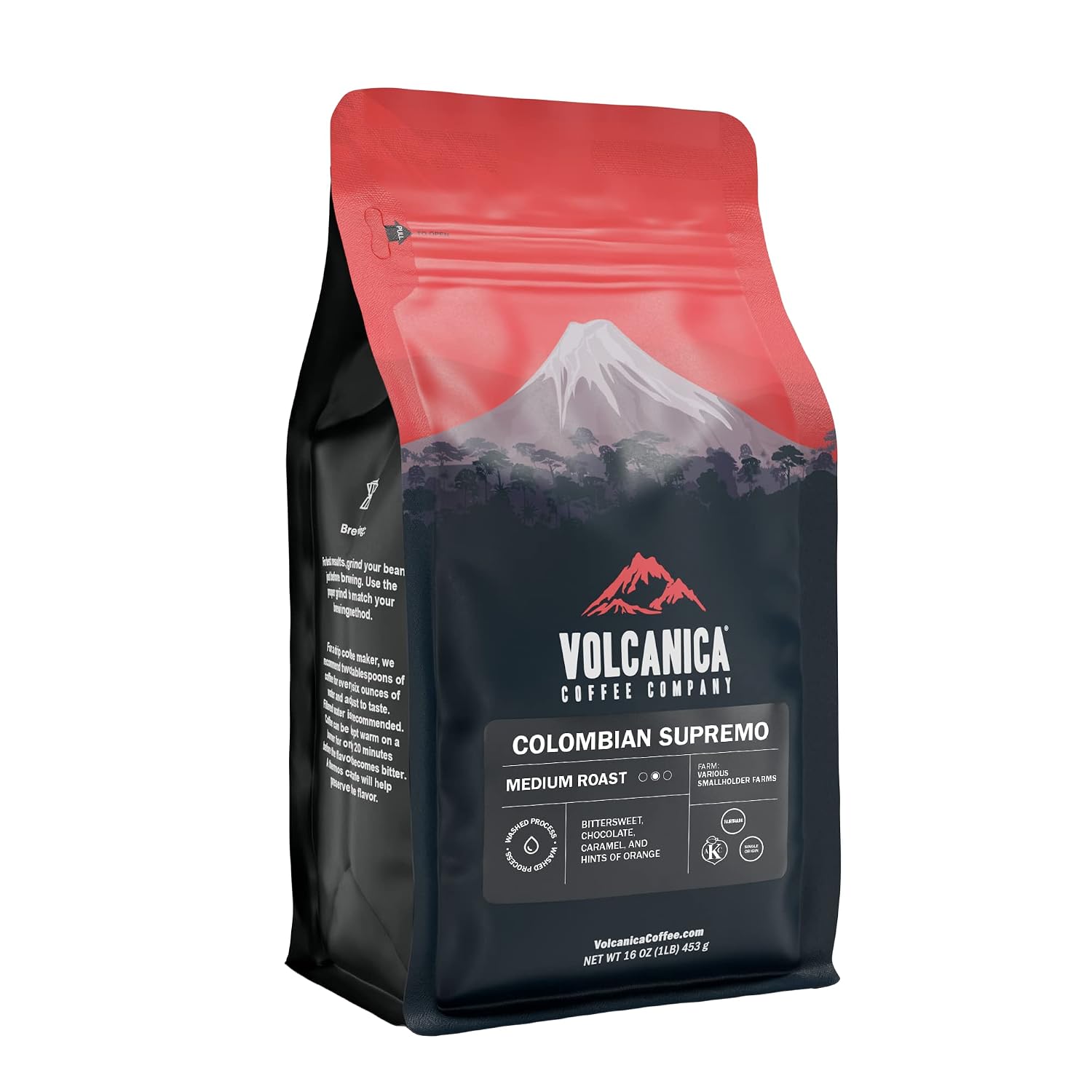
Latin American medium roast (e.g., a Guatemala Antigua or Colombia single-origin): Expect balanced notes of cocoa, toasted nuts, and mild citrus. Medium roasts suit full-immersion brewing because they offer enough body to fill the cup without tipping into harshness. Widely available at both grocery and specialty shops, typically $10–16 per 12 oz bag. Drawback: can taste one-dimensional if beans aren’t fresh.
Medium-dark blend (e.g., Stumptown Hair Bender): A rounder, chocolatey, layered cup. French press highlights its body and sweetness. Caution: darker roasts can turn bitter quickly if you over-extract, so keep steep time at 4 minutes or slightly under. Around $15–18 per 12 oz.
Lighter African single-origin (e.g., a washed Ethiopian with berry or citrus notes): Adjust brew ratio toward 1:16 and grind slightly finer to preserve acidity without making the coffee taste overly sharp. Requires more attention to parameters but rewards with complex, fruity flavors. Best from specialty roasters; typically $16–22 per 12 oz.
For all styles, buying whole beans roasted within the last 2–3 weeks yields the best results. Store beans in an opaque, airtight container at room temperature.
Recommended Gear for Better French Press Brewing
This section is researched editorial guidance for readers looking to upgrade their setup. Recommendations focus on performance, workflow, cleaning, durability, and value.
Entry-level burr grinder: Look for a conical burr model with a dedicated coarse setting and at least 15+ grind steps. Expect adequate particle consistency for French press at the $50–80 price range. Trade-off: lower-end burrs may still produce some fines, and plastic housing can feel less durable over years of daily use.
Mid-range burr grinder: Stepping up to the $100–180 range gets you better grind consistency across the full range from fine espresso to extra-coarse, fewer fines, and more precise adjustment. This matters if you brew with multiple methods-pour-over one day, French press the next.
Double-walled stainless steel French press: Look for models with a 34 oz capacity, a tight-sealing plunger, and an easy-to-disassemble filter stack. Heat retention is noticeably better than glass, and they’re nearly impossible to break. Clean the filter assembly weekly.
Basic glass French press: A perfectly good starting point-affordable (often under $25), lets you see the brew, and widely available in different sizes. Just handle it with care and accept slightly faster heat loss.
Kettle: A basic electric kettle gets the job done. A variable-temperature electric kettle (typically $35–60) lets you dial in exact temperature for different methods, which improves both safety and precision.
FAQs
Here are answers to common follow-up questions not fully covered above.
Can I use pre-ground coffee in a French press?
Pre-ground coffee sold for drip machines is usually too fine for a French press, which often causes over-extraction and a muddy, bitter cup. If you must use pre-ground coffee, shorten brew time to about 2.5–3 minutes, use a slightly lower brew ratio, and expect more sediment. Switching to whole beans and a burr grinder is the single best upgrade you can make.
Is French press coffee stronger than drip or pour-over?
“Stronger” can mean higher concentration or heavier mouthfeel. French press often tastes stronger because of the full body and oils that pass through the metal filter, even at similar caffeine levels to drip when the brew ratio is matched. Caffeine content depends more on dose and ratio than on the brewing method itself-you can make French press milder or bolder by adjusting your coffee-to-water ratio and contact time.
Can I make cold brew in a French press?
Yes. Add very coarse grounds to your press, use a higher coffee-to-water ratio (around 1:7 by weight), steep 12–18 hours in the fridge, then press and dilute the concentrate to taste. It’s an easy way to enjoy cold brew without buying separate equipment.
How does French press compare to pour-over coffee?
French press uses metal filtration and immersion, producing a fuller, oilier cup with more sediment. Pour-over uses paper filtration and percolation for a cleaner, lighter-bodied profile. Neither is objectively better-it comes down to whether you prefer body and richness or clarity and brightness in your day-to-day cup.
What is the best way to store beans for French press?
Keep whole beans in an opaque, airtight container at room temperature, away from light, heat, and moisture. Avoid storing beans in the refrigerator or freezer for daily use-condensation degrades flavor. Grind only what you need right before brewing to maximize freshness.
Start with the baseline recipe-32 g of coffee, 480 g of water, coarse grind, 4 minutes-and adjust one variable at a time. Within a few brews, you’ll have a French press recipe dialed in to exactly how you like it. If you enjoy experimenting with different cup profiles, exploring pour-over or cold brew can give you a broader sense of what your favorite beans can do.
How Capitol City Coffee Rates Coffee and Coffee Machines
Every coffee and coffee machine we recommend is scored on the same 100-point scale, so a recommendation on one page means the same thing as a recommendation on any other. Each pick is also labeled with how we reached its score.
Research-ratedScored from the roaster or manufacturer’s published specifications, independent results such as Coffee Review blind cuppings and SCA brewer certification, and patterns across verified buyer reviews. Most of our current picks are research-rated.
Hands-on testedThe Capitol City Coffee team has brewed the coffee or used the machine ourselves, following the testing steps below. We only use this label when that testing actually happened, and we show the date we tested.
Coffee beans: 100-point scale
What we score
Points
What we look at
Origin and sourcing transparency
20
Country, region, farm or cooperative, altitude, bean variety, and processing method are clearly disclosed.
Flavor evidence
25
Independent cupping scores, how closely the tasting notes match what the origin is known for, and our own cupping notes when hands-on tested.
Roast and freshness
15
Roast level stated, roast-date practices, whole-bean availability, and packaging with a one-way valve or resealable bag.
Brew versatility
15
How well the roast suits pour-over, drip, French press, cold brew, and espresso.
Value
15
Price per ounce compared with similar single-origin coffees or blends.
Buyer feedback
10
Volume and consistency of verified reviews, and recurring complaints about staleness, bitterness, or shipping.
Coffee machines and gear: 100-point scale
What we score
Points
What we look at
Brewing performance
25
Water temperature in the 195–205°F range, even extraction, and SCA certification or published test data.
Build quality and reliability
20
Materials, known failure points, and long-term owner reports.
Ease of use and cleaning
15
Setup, the daily routine, descaling, and dishwasher-safe parts.
Fit for your kitchen
10
Capacity, counter footprint, and noise.
Useful features
10
Programming, grind and temperature control, and carafe type. Features that improve the cup count more than extras that do not.
Value
10
Price compared with machines that perform similarly.
Warranty and support
10
Warranty length, parts availability, and how the brand handles repairs.
What the grades mean
Score
Grade
What it means
90–100
A
Exceptional. Our first recommendation for the feeling and setting described.
80–89
B
Strong. Excellent, with minor trade-offs we explain.
70–79
C
Good. Worth it for specific needs, with clear compromises.
Below 70
—
Not recommended. We do not feature these as picks.
How we test hands-on
When a pick carries the Hands-on tested label, this is the method behind it, and we note the date we tested.
Coffee: brewed fresh from whole beans following Specialty Coffee Association guidelines (water between 195 and 205°F, about 1 gram of coffee to every 15 to 18 grams of water) in the brew methods the roast suits best, such as pour-over, French press, or espresso. We taste it black first, then with milk if that is how most people drink it, and each taster scores it on their own before we compare notes.
Machines: used in our everyday routine rather than a single demo. We brew both full and small batches, check the brewing temperature and brew time, and run the cleaning or descaling steps the manual calls for.
How we choose the feeling and setting
We match each coffee to a mood and a moment based on its flavor profile and roast. Bright, citrusy light roasts suit energizing mornings. Chocolatey, full-bodied medium roasts suit slow or social moments. Richer roasts suit espresso and milk drinks. Each pick explains which facts led us to that match.
Our scores stay independent
Every score comes only from the criteria above. No brand can pay for a pick or a higher grade. We re-check ratings when a roast, listing, or model changes, and update or remove picks that no longer earn their grade.
Some links on this page are affiliate links. As an Amazon Associate, Capitol City Coffee earns from qualifying purchases, at no extra cost to you.
Questions about a rating? Reach the Capitol City Coffee team through our contact page.