
Coffee Origins

Coffee cherries, roasted beans, and a world map illustrating coffee origins around the globe.

Key Takeaways Direct Overview: Where Did Coffee Originate and Why It Matters Now? Coffee originated in the ancient coffee forests of southwestern Ethiopia, where wild coffee plants still grow today, and the brewed drink we recognize took shape on the Arabian Peninsula, especially in Yemen, by the 15th century. From these two regions-separated by the … Read more

How Capitol City Coffee Rates Coffee and Coffee Machines

Every coffee and coffee machine we recommend is scored on the same 100-point scale, so a recommendation on one page means the same thing as a recommendation on any other. Each pick is also labeled with how we reached its score.

Research-ratedScored from the roaster or manufacturer’s published specifications, independent results such as Coffee Review blind cuppings and SCA brewer certification, and patterns across verified buyer reviews. Most of our current picks are research-rated.
Hands-on testedThe Capitol City Coffee team has brewed the coffee or used the machine ourselves, following the testing steps below. We only use this label when that testing actually happened, and we show the date we tested.

Coffee beans: 100-point scale

What we scorePointsWhat we look at
Origin and sourcing transparency20Country, region, farm or cooperative, altitude, bean variety, and processing method are clearly disclosed.
Flavor evidence25Independent cupping scores, how closely the tasting notes match what the origin is known for, and our own cupping notes when hands-on tested.
Roast and freshness15Roast level stated, roast-date practices, whole-bean availability, and packaging with a one-way valve or resealable bag.
Brew versatility15How well the roast suits pour-over, drip, French press, cold brew, and espresso.
Value15Price per ounce compared with similar single-origin coffees or blends.
Buyer feedback10Volume and consistency of verified reviews, and recurring complaints about staleness, bitterness, or shipping.

Coffee machines and gear: 100-point scale

What we scorePointsWhat we look at
Brewing performance25Water temperature in the 195–205°F range, even extraction, and SCA certification or published test data.
Build quality and reliability20Materials, known failure points, and long-term owner reports.
Ease of use and cleaning15Setup, the daily routine, descaling, and dishwasher-safe parts.
Fit for your kitchen10Capacity, counter footprint, and noise.
Useful features10Programming, grind and temperature control, and carafe type. Features that improve the cup count more than extras that do not.
Value10Price compared with machines that perform similarly.
Warranty and support10Warranty length, parts availability, and how the brand handles repairs.

What the grades mean

ScoreGradeWhat it means
90–100AExceptional. Our first recommendation for the feeling and setting described.
80–89BStrong. Excellent, with minor trade-offs we explain.
70–79CGood. Worth it for specific needs, with clear compromises.
Below 70—Not recommended. We do not feature these as picks.

How we test hands-on

When a pick carries the Hands-on tested label, this is the method behind it, and we note the date we tested.

  1. Coffee: brewed fresh from whole beans following Specialty Coffee Association guidelines (water between 195 and 205°F, about 1 gram of coffee to every 15 to 18 grams of water) in the brew methods the roast suits best, such as pour-over, French press, or espresso. We taste it black first, then with milk if that is how most people drink it, and each taster scores it on their own before we compare notes.
  2. Machines: used in our everyday routine rather than a single demo. We brew both full and small batches, check the brewing temperature and brew time, and run the cleaning or descaling steps the manual calls for.

How we choose the feeling and setting

We match each coffee to a mood and a moment based on its flavor profile and roast. Bright, citrusy light roasts suit energizing mornings. Chocolatey, full-bodied medium roasts suit slow or social moments. Richer roasts suit espresso and milk drinks. Each pick explains which facts led us to that match.

Our scores stay independent

Every score comes only from the criteria above. No brand can pay for a pick or a higher grade. We re-check ratings when a roast, listing, or model changes, and update or remove picks that no longer earn their grade.

Some links on this page are affiliate links. As an Amazon Associate, Capitol City Coffee earns from qualifying purchases, at no extra cost to you.

Questions about a rating? Reach the Capitol City Coffee team through our contact page.

Kenya Coffee

kenya coffee beans

Kenya coffee is world-renowned, and for good reason. Traditional cultivation and complex flavors make Kenyan coffee beans like nonother.  Many consider Kenya coffee one of the best coffees in the world. It is known as a ‘clean cup’ to several coffee connoisseurs. This reflects Kenya coffee’s finesse and unadulterated flavor. Sumatra coffee flavor profile comparisons … Read more

How Capitol City Coffee Rates Coffee and Coffee Machines

Every coffee and coffee machine we recommend is scored on the same 100-point scale, so a recommendation on one page means the same thing as a recommendation on any other. Each pick is also labeled with how we reached its score.

Research-ratedScored from the roaster or manufacturer’s published specifications, independent results such as Coffee Review blind cuppings and SCA brewer certification, and patterns across verified buyer reviews. Most of our current picks are research-rated.
Hands-on testedThe Capitol City Coffee team has brewed the coffee or used the machine ourselves, following the testing steps below. We only use this label when that testing actually happened, and we show the date we tested.

Coffee beans: 100-point scale

What we scorePointsWhat we look at
Origin and sourcing transparency20Country, region, farm or cooperative, altitude, bean variety, and processing method are clearly disclosed.
Flavor evidence25Independent cupping scores, how closely the tasting notes match what the origin is known for, and our own cupping notes when hands-on tested.
Roast and freshness15Roast level stated, roast-date practices, whole-bean availability, and packaging with a one-way valve or resealable bag.
Brew versatility15How well the roast suits pour-over, drip, French press, cold brew, and espresso.
Value15Price per ounce compared with similar single-origin coffees or blends.
Buyer feedback10Volume and consistency of verified reviews, and recurring complaints about staleness, bitterness, or shipping.

Coffee machines and gear: 100-point scale

What we scorePointsWhat we look at
Brewing performance25Water temperature in the 195–205°F range, even extraction, and SCA certification or published test data.
Build quality and reliability20Materials, known failure points, and long-term owner reports.
Ease of use and cleaning15Setup, the daily routine, descaling, and dishwasher-safe parts.
Fit for your kitchen10Capacity, counter footprint, and noise.
Useful features10Programming, grind and temperature control, and carafe type. Features that improve the cup count more than extras that do not.
Value10Price compared with machines that perform similarly.
Warranty and support10Warranty length, parts availability, and how the brand handles repairs.

What the grades mean

ScoreGradeWhat it means
90–100AExceptional. Our first recommendation for the feeling and setting described.
80–89BStrong. Excellent, with minor trade-offs we explain.
70–79CGood. Worth it for specific needs, with clear compromises.
Below 70—Not recommended. We do not feature these as picks.

How we test hands-on

When a pick carries the Hands-on tested label, this is the method behind it, and we note the date we tested.

  1. Coffee: brewed fresh from whole beans following Specialty Coffee Association guidelines (water between 195 and 205°F, about 1 gram of coffee to every 15 to 18 grams of water) in the brew methods the roast suits best, such as pour-over, French press, or espresso. We taste it black first, then with milk if that is how most people drink it, and each taster scores it on their own before we compare notes.
  2. Machines: used in our everyday routine rather than a single demo. We brew both full and small batches, check the brewing temperature and brew time, and run the cleaning or descaling steps the manual calls for.

How we choose the feeling and setting

We match each coffee to a mood and a moment based on its flavor profile and roast. Bright, citrusy light roasts suit energizing mornings. Chocolatey, full-bodied medium roasts suit slow or social moments. Richer roasts suit espresso and milk drinks. Each pick explains which facts led us to that match.

Our scores stay independent

Every score comes only from the criteria above. No brand can pay for a pick or a higher grade. We re-check ratings when a roast, listing, or model changes, and update or remove picks that no longer earn their grade.

Some links on this page are affiliate links. As an Amazon Associate, Capitol City Coffee earns from qualifying purchases, at no extra cost to you.

Questions about a rating? Reach the Capitol City Coffee team through our contact page.

Ethiopian Harrar Coffee

ethiopian coffee ceremony

Ethiopian Harrar Coffee is like nonother. It is bold and ancient. It is perhaps the oldest coffee variety in Ethiopia! Harrar coffee’s striking berry flavors and spice tones make for a fabulous cup of coffee.  A sip of Ethiopian coffee takes you on a journey through the origins of coffee. We are starting your adventure … Read more

How Capitol City Coffee Rates Coffee and Coffee Machines

Every coffee and coffee machine we recommend is scored on the same 100-point scale, so a recommendation on one page means the same thing as a recommendation on any other. Each pick is also labeled with how we reached its score.

Research-ratedScored from the roaster or manufacturer’s published specifications, independent results such as Coffee Review blind cuppings and SCA brewer certification, and patterns across verified buyer reviews. Most of our current picks are research-rated.
Hands-on testedThe Capitol City Coffee team has brewed the coffee or used the machine ourselves, following the testing steps below. We only use this label when that testing actually happened, and we show the date we tested.

Coffee beans: 100-point scale

What we scorePointsWhat we look at
Origin and sourcing transparency20Country, region, farm or cooperative, altitude, bean variety, and processing method are clearly disclosed.
Flavor evidence25Independent cupping scores, how closely the tasting notes match what the origin is known for, and our own cupping notes when hands-on tested.
Roast and freshness15Roast level stated, roast-date practices, whole-bean availability, and packaging with a one-way valve or resealable bag.
Brew versatility15How well the roast suits pour-over, drip, French press, cold brew, and espresso.
Value15Price per ounce compared with similar single-origin coffees or blends.
Buyer feedback10Volume and consistency of verified reviews, and recurring complaints about staleness, bitterness, or shipping.

Coffee machines and gear: 100-point scale

What we scorePointsWhat we look at
Brewing performance25Water temperature in the 195–205°F range, even extraction, and SCA certification or published test data.
Build quality and reliability20Materials, known failure points, and long-term owner reports.
Ease of use and cleaning15Setup, the daily routine, descaling, and dishwasher-safe parts.
Fit for your kitchen10Capacity, counter footprint, and noise.
Useful features10Programming, grind and temperature control, and carafe type. Features that improve the cup count more than extras that do not.
Value10Price compared with machines that perform similarly.
Warranty and support10Warranty length, parts availability, and how the brand handles repairs.

What the grades mean

ScoreGradeWhat it means
90–100AExceptional. Our first recommendation for the feeling and setting described.
80–89BStrong. Excellent, with minor trade-offs we explain.
70–79CGood. Worth it for specific needs, with clear compromises.
Below 70—Not recommended. We do not feature these as picks.

How we test hands-on

When a pick carries the Hands-on tested label, this is the method behind it, and we note the date we tested.

  1. Coffee: brewed fresh from whole beans following Specialty Coffee Association guidelines (water between 195 and 205°F, about 1 gram of coffee to every 15 to 18 grams of water) in the brew methods the roast suits best, such as pour-over, French press, or espresso. We taste it black first, then with milk if that is how most people drink it, and each taster scores it on their own before we compare notes.
  2. Machines: used in our everyday routine rather than a single demo. We brew both full and small batches, check the brewing temperature and brew time, and run the cleaning or descaling steps the manual calls for.

How we choose the feeling and setting

We match each coffee to a mood and a moment based on its flavor profile and roast. Bright, citrusy light roasts suit energizing mornings. Chocolatey, full-bodied medium roasts suit slow or social moments. Richer roasts suit espresso and milk drinks. Each pick explains which facts led us to that match.

Our scores stay independent

Every score comes only from the criteria above. No brand can pay for a pick or a higher grade. We re-check ratings when a roast, listing, or model changes, and update or remove picks that no longer earn their grade.

Some links on this page are affiliate links. As an Amazon Associate, Capitol City Coffee earns from qualifying purchases, at no extra cost to you.

Questions about a rating? Reach the Capitol City Coffee team through our contact page.

Tanzania Coffee

Tanzania coffee plant

Tanzania is a beautiful country found on the Eastern coast of Africa. It happens to produce some of the world’s most exceptional coffee. Tanzania is a hidden gem. It is also a nation with a brilliant cultural history. It is prized for its high altitude coffee production and its rare Peaberry coffee. This may sound … Read more

How Capitol City Coffee Rates Coffee and Coffee Machines

Every coffee and coffee machine we recommend is scored on the same 100-point scale, so a recommendation on one page means the same thing as a recommendation on any other. Each pick is also labeled with how we reached its score.

Research-ratedScored from the roaster or manufacturer’s published specifications, independent results such as Coffee Review blind cuppings and SCA brewer certification, and patterns across verified buyer reviews. Most of our current picks are research-rated.
Hands-on testedThe Capitol City Coffee team has brewed the coffee or used the machine ourselves, following the testing steps below. We only use this label when that testing actually happened, and we show the date we tested.

Coffee beans: 100-point scale

What we scorePointsWhat we look at
Origin and sourcing transparency20Country, region, farm or cooperative, altitude, bean variety, and processing method are clearly disclosed.
Flavor evidence25Independent cupping scores, how closely the tasting notes match what the origin is known for, and our own cupping notes when hands-on tested.
Roast and freshness15Roast level stated, roast-date practices, whole-bean availability, and packaging with a one-way valve or resealable bag.
Brew versatility15How well the roast suits pour-over, drip, French press, cold brew, and espresso.
Value15Price per ounce compared with similar single-origin coffees or blends.
Buyer feedback10Volume and consistency of verified reviews, and recurring complaints about staleness, bitterness, or shipping.

Coffee machines and gear: 100-point scale

What we scorePointsWhat we look at
Brewing performance25Water temperature in the 195–205°F range, even extraction, and SCA certification or published test data.
Build quality and reliability20Materials, known failure points, and long-term owner reports.
Ease of use and cleaning15Setup, the daily routine, descaling, and dishwasher-safe parts.
Fit for your kitchen10Capacity, counter footprint, and noise.
Useful features10Programming, grind and temperature control, and carafe type. Features that improve the cup count more than extras that do not.
Value10Price compared with machines that perform similarly.
Warranty and support10Warranty length, parts availability, and how the brand handles repairs.

What the grades mean

ScoreGradeWhat it means
90–100AExceptional. Our first recommendation for the feeling and setting described.
80–89BStrong. Excellent, with minor trade-offs we explain.
70–79CGood. Worth it for specific needs, with clear compromises.
Below 70—Not recommended. We do not feature these as picks.

How we test hands-on

When a pick carries the Hands-on tested label, this is the method behind it, and we note the date we tested.

  1. Coffee: brewed fresh from whole beans following Specialty Coffee Association guidelines (water between 195 and 205°F, about 1 gram of coffee to every 15 to 18 grams of water) in the brew methods the roast suits best, such as pour-over, French press, or espresso. We taste it black first, then with milk if that is how most people drink it, and each taster scores it on their own before we compare notes.
  2. Machines: used in our everyday routine rather than a single demo. We brew both full and small batches, check the brewing temperature and brew time, and run the cleaning or descaling steps the manual calls for.

How we choose the feeling and setting

We match each coffee to a mood and a moment based on its flavor profile and roast. Bright, citrusy light roasts suit energizing mornings. Chocolatey, full-bodied medium roasts suit slow or social moments. Richer roasts suit espresso and milk drinks. Each pick explains which facts led us to that match.

Our scores stay independent

Every score comes only from the criteria above. No brand can pay for a pick or a higher grade. We re-check ratings when a roast, listing, or model changes, and update or remove picks that no longer earn their grade.

Some links on this page are affiliate links. As an Amazon Associate, Capitol City Coffee earns from qualifying purchases, at no extra cost to you.

Questions about a rating? Reach the Capitol City Coffee team through our contact page.

Sumatra Coffee

coffee beans

Sumatra coffee is arguably one of the most well-known coffees worldwide. Many adore it for its richness and smooth body. Others may not be a fan of its earthiness. Either way, Sumatra coffee has made an appearance in any coffee lover’s life! This coffee also has a pretty epic history. Sumatra remains one of the … Read more

How Capitol City Coffee Rates Coffee and Coffee Machines

Every coffee and coffee machine we recommend is scored on the same 100-point scale, so a recommendation on one page means the same thing as a recommendation on any other. Each pick is also labeled with how we reached its score.

Research-ratedScored from the roaster or manufacturer’s published specifications, independent results such as Coffee Review blind cuppings and SCA brewer certification, and patterns across verified buyer reviews. Most of our current picks are research-rated.
Hands-on testedThe Capitol City Coffee team has brewed the coffee or used the machine ourselves, following the testing steps below. We only use this label when that testing actually happened, and we show the date we tested.

Coffee beans: 100-point scale

What we scorePointsWhat we look at
Origin and sourcing transparency20Country, region, farm or cooperative, altitude, bean variety, and processing method are clearly disclosed.
Flavor evidence25Independent cupping scores, how closely the tasting notes match what the origin is known for, and our own cupping notes when hands-on tested.
Roast and freshness15Roast level stated, roast-date practices, whole-bean availability, and packaging with a one-way valve or resealable bag.
Brew versatility15How well the roast suits pour-over, drip, French press, cold brew, and espresso.
Value15Price per ounce compared with similar single-origin coffees or blends.
Buyer feedback10Volume and consistency of verified reviews, and recurring complaints about staleness, bitterness, or shipping.

Coffee machines and gear: 100-point scale

What we scorePointsWhat we look at
Brewing performance25Water temperature in the 195–205°F range, even extraction, and SCA certification or published test data.
Build quality and reliability20Materials, known failure points, and long-term owner reports.
Ease of use and cleaning15Setup, the daily routine, descaling, and dishwasher-safe parts.
Fit for your kitchen10Capacity, counter footprint, and noise.
Useful features10Programming, grind and temperature control, and carafe type. Features that improve the cup count more than extras that do not.
Value10Price compared with machines that perform similarly.
Warranty and support10Warranty length, parts availability, and how the brand handles repairs.

What the grades mean

ScoreGradeWhat it means
90–100AExceptional. Our first recommendation for the feeling and setting described.
80–89BStrong. Excellent, with minor trade-offs we explain.
70–79CGood. Worth it for specific needs, with clear compromises.
Below 70—Not recommended. We do not feature these as picks.

How we test hands-on

When a pick carries the Hands-on tested label, this is the method behind it, and we note the date we tested.

  1. Coffee: brewed fresh from whole beans following Specialty Coffee Association guidelines (water between 195 and 205°F, about 1 gram of coffee to every 15 to 18 grams of water) in the brew methods the roast suits best, such as pour-over, French press, or espresso. We taste it black first, then with milk if that is how most people drink it, and each taster scores it on their own before we compare notes.
  2. Machines: used in our everyday routine rather than a single demo. We brew both full and small batches, check the brewing temperature and brew time, and run the cleaning or descaling steps the manual calls for.

How we choose the feeling and setting

We match each coffee to a mood and a moment based on its flavor profile and roast. Bright, citrusy light roasts suit energizing mornings. Chocolatey, full-bodied medium roasts suit slow or social moments. Richer roasts suit espresso and milk drinks. Each pick explains which facts led us to that match.

Our scores stay independent

Every score comes only from the criteria above. No brand can pay for a pick or a higher grade. We re-check ratings when a roast, listing, or model changes, and update or remove picks that no longer earn their grade.

Some links on this page are affiliate links. As an Amazon Associate, Capitol City Coffee earns from qualifying purchases, at no extra cost to you.

Questions about a rating? Reach the Capitol City Coffee team through our contact page.

Peruvian Coffee

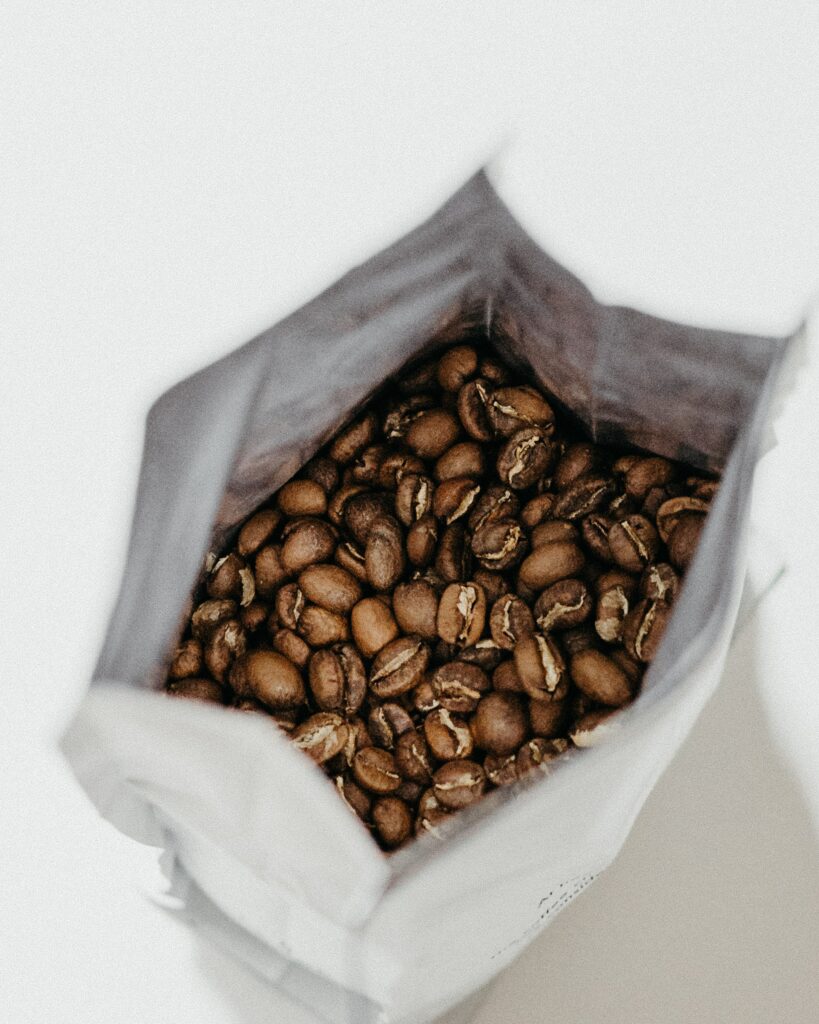
Whole roasted coffee beans for home brewing.

South America is full of delicious coffee. In particular, Peru boasts some excellent small scale produced beans. The country has evolved into one of the world’s biggest coffee exporters. Currently, it is the 15th largest coffee exporter in the world. The unique characteristics of Peruvian coffee are driving their demand. It actually is one of … Read more

How Capitol City Coffee Rates Coffee and Coffee Machines

Every coffee and coffee machine we recommend is scored on the same 100-point scale, so a recommendation on one page means the same thing as a recommendation on any other. Each pick is also labeled with how we reached its score.

Research-ratedScored from the roaster or manufacturer’s published specifications, independent results such as Coffee Review blind cuppings and SCA brewer certification, and patterns across verified buyer reviews. Most of our current picks are research-rated.
Hands-on testedThe Capitol City Coffee team has brewed the coffee or used the machine ourselves, following the testing steps below. We only use this label when that testing actually happened, and we show the date we tested.

Coffee beans: 100-point scale

What we scorePointsWhat we look at
Origin and sourcing transparency20Country, region, farm or cooperative, altitude, bean variety, and processing method are clearly disclosed.
Flavor evidence25Independent cupping scores, how closely the tasting notes match what the origin is known for, and our own cupping notes when hands-on tested.
Roast and freshness15Roast level stated, roast-date practices, whole-bean availability, and packaging with a one-way valve or resealable bag.
Brew versatility15How well the roast suits pour-over, drip, French press, cold brew, and espresso.
Value15Price per ounce compared with similar single-origin coffees or blends.
Buyer feedback10Volume and consistency of verified reviews, and recurring complaints about staleness, bitterness, or shipping.

Coffee machines and gear: 100-point scale

What we scorePointsWhat we look at
Brewing performance25Water temperature in the 195–205°F range, even extraction, and SCA certification or published test data.
Build quality and reliability20Materials, known failure points, and long-term owner reports.
Ease of use and cleaning15Setup, the daily routine, descaling, and dishwasher-safe parts.
Fit for your kitchen10Capacity, counter footprint, and noise.
Useful features10Programming, grind and temperature control, and carafe type. Features that improve the cup count more than extras that do not.
Value10Price compared with machines that perform similarly.
Warranty and support10Warranty length, parts availability, and how the brand handles repairs.

What the grades mean

ScoreGradeWhat it means
90–100AExceptional. Our first recommendation for the feeling and setting described.
80–89BStrong. Excellent, with minor trade-offs we explain.
70–79CGood. Worth it for specific needs, with clear compromises.
Below 70—Not recommended. We do not feature these as picks.

How we test hands-on

When a pick carries the Hands-on tested label, this is the method behind it, and we note the date we tested.

  1. Coffee: brewed fresh from whole beans following Specialty Coffee Association guidelines (water between 195 and 205°F, about 1 gram of coffee to every 15 to 18 grams of water) in the brew methods the roast suits best, such as pour-over, French press, or espresso. We taste it black first, then with milk if that is how most people drink it, and each taster scores it on their own before we compare notes.
  2. Machines: used in our everyday routine rather than a single demo. We brew both full and small batches, check the brewing temperature and brew time, and run the cleaning or descaling steps the manual calls for.

How we choose the feeling and setting

We match each coffee to a mood and a moment based on its flavor profile and roast. Bright, citrusy light roasts suit energizing mornings. Chocolatey, full-bodied medium roasts suit slow or social moments. Richer roasts suit espresso and milk drinks. Each pick explains which facts led us to that match.

Our scores stay independent

Every score comes only from the criteria above. No brand can pay for a pick or a higher grade. We re-check ratings when a roast, listing, or model changes, and update or remove picks that no longer earn their grade.

Some links on this page are affiliate links. As an Amazon Associate, Capitol City Coffee earns from qualifying purchases, at no extra cost to you.

Questions about a rating? Reach the Capitol City Coffee team through our contact page.

Honduran Coffee: Everything You Need to Know

honduran coffee

Have you ever tried Honduran coffee? It’s a full-body, sweet-tasting coffee that is famous for its flavor profile. It makes the perfect morning brew, an ideal afternoon iced coffee, or a yummy post-dinner treat. For many years, coffee beans from Honduras were simply part of a bean blend from other well-known countries of origin. It … Read more

How Capitol City Coffee Rates Coffee and Coffee Machines

Every coffee and coffee machine we recommend is scored on the same 100-point scale, so a recommendation on one page means the same thing as a recommendation on any other. Each pick is also labeled with how we reached its score.

Research-ratedScored from the roaster or manufacturer’s published specifications, independent results such as Coffee Review blind cuppings and SCA brewer certification, and patterns across verified buyer reviews. Most of our current picks are research-rated.
Hands-on testedThe Capitol City Coffee team has brewed the coffee or used the machine ourselves, following the testing steps below. We only use this label when that testing actually happened, and we show the date we tested.

Coffee beans: 100-point scale

What we scorePointsWhat we look at
Origin and sourcing transparency20Country, region, farm or cooperative, altitude, bean variety, and processing method are clearly disclosed.
Flavor evidence25Independent cupping scores, how closely the tasting notes match what the origin is known for, and our own cupping notes when hands-on tested.
Roast and freshness15Roast level stated, roast-date practices, whole-bean availability, and packaging with a one-way valve or resealable bag.
Brew versatility15How well the roast suits pour-over, drip, French press, cold brew, and espresso.
Value15Price per ounce compared with similar single-origin coffees or blends.
Buyer feedback10Volume and consistency of verified reviews, and recurring complaints about staleness, bitterness, or shipping.

Coffee machines and gear: 100-point scale

What we scorePointsWhat we look at
Brewing performance25Water temperature in the 195–205°F range, even extraction, and SCA certification or published test data.
Build quality and reliability20Materials, known failure points, and long-term owner reports.
Ease of use and cleaning15Setup, the daily routine, descaling, and dishwasher-safe parts.
Fit for your kitchen10Capacity, counter footprint, and noise.
Useful features10Programming, grind and temperature control, and carafe type. Features that improve the cup count more than extras that do not.
Value10Price compared with machines that perform similarly.
Warranty and support10Warranty length, parts availability, and how the brand handles repairs.

What the grades mean

ScoreGradeWhat it means
90–100AExceptional. Our first recommendation for the feeling and setting described.
80–89BStrong. Excellent, with minor trade-offs we explain.
70–79CGood. Worth it for specific needs, with clear compromises.
Below 70—Not recommended. We do not feature these as picks.

How we test hands-on

When a pick carries the Hands-on tested label, this is the method behind it, and we note the date we tested.

  1. Coffee: brewed fresh from whole beans following Specialty Coffee Association guidelines (water between 195 and 205°F, about 1 gram of coffee to every 15 to 18 grams of water) in the brew methods the roast suits best, such as pour-over, French press, or espresso. We taste it black first, then with milk if that is how most people drink it, and each taster scores it on their own before we compare notes.
  2. Machines: used in our everyday routine rather than a single demo. We brew both full and small batches, check the brewing temperature and brew time, and run the cleaning or descaling steps the manual calls for.

How we choose the feeling and setting

We match each coffee to a mood and a moment based on its flavor profile and roast. Bright, citrusy light roasts suit energizing mornings. Chocolatey, full-bodied medium roasts suit slow or social moments. Richer roasts suit espresso and milk drinks. Each pick explains which facts led us to that match.

Our scores stay independent

Every score comes only from the criteria above. No brand can pay for a pick or a higher grade. We re-check ratings when a roast, listing, or model changes, and update or remove picks that no longer earn their grade.

Some links on this page are affiliate links. As an Amazon Associate, Capitol City Coffee earns from qualifying purchases, at no extra cost to you.

Questions about a rating? Reach the Capitol City Coffee team through our contact page.

Nicaraguan Coffee: Everything You Need to Know

Nicaraguan Coffee:

Nicaraguan Coffee offers rich yet delicate flavors. If you haven’t tried brewing your own cup of Nicaraguan coffee now might be the time to give it a try! Guatemalan coffee growing regions are known for their unique altitude and climate, which contribute to the beans’ distinct flavor profiles. Exploring these regions can offer coffee enthusiasts … Read more

How Capitol City Coffee Rates Coffee and Coffee Machines

Every coffee and coffee machine we recommend is scored on the same 100-point scale, so a recommendation on one page means the same thing as a recommendation on any other. Each pick is also labeled with how we reached its score.

Research-ratedScored from the roaster or manufacturer’s published specifications, independent results such as Coffee Review blind cuppings and SCA brewer certification, and patterns across verified buyer reviews. Most of our current picks are research-rated.
Hands-on testedThe Capitol City Coffee team has brewed the coffee or used the machine ourselves, following the testing steps below. We only use this label when that testing actually happened, and we show the date we tested.

Coffee beans: 100-point scale

What we scorePointsWhat we look at
Origin and sourcing transparency20Country, region, farm or cooperative, altitude, bean variety, and processing method are clearly disclosed.
Flavor evidence25Independent cupping scores, how closely the tasting notes match what the origin is known for, and our own cupping notes when hands-on tested.
Roast and freshness15Roast level stated, roast-date practices, whole-bean availability, and packaging with a one-way valve or resealable bag.
Brew versatility15How well the roast suits pour-over, drip, French press, cold brew, and espresso.
Value15Price per ounce compared with similar single-origin coffees or blends.
Buyer feedback10Volume and consistency of verified reviews, and recurring complaints about staleness, bitterness, or shipping.

Coffee machines and gear: 100-point scale

What we scorePointsWhat we look at
Brewing performance25Water temperature in the 195–205°F range, even extraction, and SCA certification or published test data.
Build quality and reliability20Materials, known failure points, and long-term owner reports.
Ease of use and cleaning15Setup, the daily routine, descaling, and dishwasher-safe parts.
Fit for your kitchen10Capacity, counter footprint, and noise.
Useful features10Programming, grind and temperature control, and carafe type. Features that improve the cup count more than extras that do not.
Value10Price compared with machines that perform similarly.
Warranty and support10Warranty length, parts availability, and how the brand handles repairs.

What the grades mean

ScoreGradeWhat it means
90–100AExceptional. Our first recommendation for the feeling and setting described.
80–89BStrong. Excellent, with minor trade-offs we explain.
70–79CGood. Worth it for specific needs, with clear compromises.
Below 70—Not recommended. We do not feature these as picks.

How we test hands-on

When a pick carries the Hands-on tested label, this is the method behind it, and we note the date we tested.

  1. Coffee: brewed fresh from whole beans following Specialty Coffee Association guidelines (water between 195 and 205°F, about 1 gram of coffee to every 15 to 18 grams of water) in the brew methods the roast suits best, such as pour-over, French press, or espresso. We taste it black first, then with milk if that is how most people drink it, and each taster scores it on their own before we compare notes.
  2. Machines: used in our everyday routine rather than a single demo. We brew both full and small batches, check the brewing temperature and brew time, and run the cleaning or descaling steps the manual calls for.

How we choose the feeling and setting

We match each coffee to a mood and a moment based on its flavor profile and roast. Bright, citrusy light roasts suit energizing mornings. Chocolatey, full-bodied medium roasts suit slow or social moments. Richer roasts suit espresso and milk drinks. Each pick explains which facts led us to that match.

Our scores stay independent

Every score comes only from the criteria above. No brand can pay for a pick or a higher grade. We re-check ratings when a roast, listing, or model changes, and update or remove picks that no longer earn their grade.

Some links on this page are affiliate links. As an Amazon Associate, Capitol City Coffee earns from qualifying purchases, at no extra cost to you.

Questions about a rating? Reach the Capitol City Coffee team through our contact page.
Guatemalan Coffee: Everything You Need to Know

guatemalan coffee

Guatemala is a diverse and beautiful country. Despite its relatively small size compared to other Central and South American countries, Guatemala is extremely diverse in numerous ways. For instance, Guatemala has one of the most diverse climates not only in Central America or even the whole Americas but in the whole world! But there’s more … Read more

How Capitol City Coffee Rates Coffee and Coffee Machines

Every coffee and coffee machine we recommend is scored on the same 100-point scale, so a recommendation on one page means the same thing as a recommendation on any other. Each pick is also labeled with how we reached its score.

Research-ratedScored from the roaster or manufacturer’s published specifications, independent results such as Coffee Review blind cuppings and SCA brewer certification, and patterns across verified buyer reviews. Most of our current picks are research-rated.
Hands-on testedThe Capitol City Coffee team has brewed the coffee or used the machine ourselves, following the testing steps below. We only use this label when that testing actually happened, and we show the date we tested.

Coffee beans: 100-point scale

What we scorePointsWhat we look at
Origin and sourcing transparency20Country, region, farm or cooperative, altitude, bean variety, and processing method are clearly disclosed.
Flavor evidence25Independent cupping scores, how closely the tasting notes match what the origin is known for, and our own cupping notes when hands-on tested.
Roast and freshness15Roast level stated, roast-date practices, whole-bean availability, and packaging with a one-way valve or resealable bag.
Brew versatility15How well the roast suits pour-over, drip, French press, cold brew, and espresso.
Value15Price per ounce compared with similar single-origin coffees or blends.
Buyer feedback10Volume and consistency of verified reviews, and recurring complaints about staleness, bitterness, or shipping.

Coffee machines and gear: 100-point scale

What we scorePointsWhat we look at
Brewing performance25Water temperature in the 195–205°F range, even extraction, and SCA certification or published test data.
Build quality and reliability20Materials, known failure points, and long-term owner reports.
Ease of use and cleaning15Setup, the daily routine, descaling, and dishwasher-safe parts.
Fit for your kitchen10Capacity, counter footprint, and noise.
Useful features10Programming, grind and temperature control, and carafe type. Features that improve the cup count more than extras that do not.
Value10Price compared with machines that perform similarly.
Warranty and support10Warranty length, parts availability, and how the brand handles repairs.

What the grades mean

ScoreGradeWhat it means
90–100AExceptional. Our first recommendation for the feeling and setting described.
80–89BStrong. Excellent, with minor trade-offs we explain.
70–79CGood. Worth it for specific needs, with clear compromises.
Below 70—Not recommended. We do not feature these as picks.

How we test hands-on

When a pick carries the Hands-on tested label, this is the method behind it, and we note the date we tested.

  1. Coffee: brewed fresh from whole beans following Specialty Coffee Association guidelines (water between 195 and 205°F, about 1 gram of coffee to every 15 to 18 grams of water) in the brew methods the roast suits best, such as pour-over, French press, or espresso. We taste it black first, then with milk if that is how most people drink it, and each taster scores it on their own before we compare notes.
  2. Machines: used in our everyday routine rather than a single demo. We brew both full and small batches, check the brewing temperature and brew time, and run the cleaning or descaling steps the manual calls for.

How we choose the feeling and setting

We match each coffee to a mood and a moment based on its flavor profile and roast. Bright, citrusy light roasts suit energizing mornings. Chocolatey, full-bodied medium roasts suit slow or social moments. Richer roasts suit espresso and milk drinks. Each pick explains which facts led us to that match.

Our scores stay independent

Every score comes only from the criteria above. No brand can pay for a pick or a higher grade. We re-check ratings when a roast, listing, or model changes, and update or remove picks that no longer earn their grade.

Some links on this page are affiliate links. As an Amazon Associate, Capitol City Coffee earns from qualifying purchases, at no extra cost to you.

Questions about a rating? Reach the Capitol City Coffee team through our contact page.

Papua New Guinea Coffee

Papua Trees

Coffee is grown all over the world. From mountains to islands, there are stunning places that grow some of the best beans around. Papua New Guinea coffee is a prime example. Located just north of Australia, Papua New Guinea is an island nation boasting a rich coffee culture. It is often hidden in the general … Read more

How Capitol City Coffee Rates Coffee and Coffee Machines

Every coffee and coffee machine we recommend is scored on the same 100-point scale, so a recommendation on one page means the same thing as a recommendation on any other. Each pick is also labeled with how we reached its score.

Research-ratedScored from the roaster or manufacturer’s published specifications, independent results such as Coffee Review blind cuppings and SCA brewer certification, and patterns across verified buyer reviews. Most of our current picks are research-rated.
Hands-on testedThe Capitol City Coffee team has brewed the coffee or used the machine ourselves, following the testing steps below. We only use this label when that testing actually happened, and we show the date we tested.

Coffee beans: 100-point scale

What we scorePointsWhat we look at
Origin and sourcing transparency20Country, region, farm or cooperative, altitude, bean variety, and processing method are clearly disclosed.
Flavor evidence25Independent cupping scores, how closely the tasting notes match what the origin is known for, and our own cupping notes when hands-on tested.
Roast and freshness15Roast level stated, roast-date practices, whole-bean availability, and packaging with a one-way valve or resealable bag.
Brew versatility15How well the roast suits pour-over, drip, French press, cold brew, and espresso.
Value15Price per ounce compared with similar single-origin coffees or blends.
Buyer feedback10Volume and consistency of verified reviews, and recurring complaints about staleness, bitterness, or shipping.

Coffee machines and gear: 100-point scale

What we scorePointsWhat we look at
Brewing performance25Water temperature in the 195–205°F range, even extraction, and SCA certification or published test data.
Build quality and reliability20Materials, known failure points, and long-term owner reports.
Ease of use and cleaning15Setup, the daily routine, descaling, and dishwasher-safe parts.
Fit for your kitchen10Capacity, counter footprint, and noise.
Useful features10Programming, grind and temperature control, and carafe type. Features that improve the cup count more than extras that do not.
Value10Price compared with machines that perform similarly.
Warranty and support10Warranty length, parts availability, and how the brand handles repairs.

What the grades mean

ScoreGradeWhat it means
90–100AExceptional. Our first recommendation for the feeling and setting described.
80–89BStrong. Excellent, with minor trade-offs we explain.
70–79CGood. Worth it for specific needs, with clear compromises.
Below 70—Not recommended. We do not feature these as picks.

How we test hands-on

When a pick carries the Hands-on tested label, this is the method behind it, and we note the date we tested.

  1. Coffee: brewed fresh from whole beans following Specialty Coffee Association guidelines (water between 195 and 205°F, about 1 gram of coffee to every 15 to 18 grams of water) in the brew methods the roast suits best, such as pour-over, French press, or espresso. We taste it black first, then with milk if that is how most people drink it, and each taster scores it on their own before we compare notes.
  2. Machines: used in our everyday routine rather than a single demo. We brew both full and small batches, check the brewing temperature and brew time, and run the cleaning or descaling steps the manual calls for.

How we choose the feeling and setting

We match each coffee to a mood and a moment based on its flavor profile and roast. Bright, citrusy light roasts suit energizing mornings. Chocolatey, full-bodied medium roasts suit slow or social moments. Richer roasts suit espresso and milk drinks. Each pick explains which facts led us to that match.

Our scores stay independent

Every score comes only from the criteria above. No brand can pay for a pick or a higher grade. We re-check ratings when a roast, listing, or model changes, and update or remove picks that no longer earn their grade.

Some links on this page are affiliate links. As an Amazon Associate, Capitol City Coffee earns from qualifying purchases, at no extra cost to you.

Questions about a rating? Reach the Capitol City Coffee team through our contact page.