

The best dark roast coffee in 2026 delivers bold, chocolatey flavor and a full body without tasting like the inside of a chimney. After extensive editorial research across dozens of options available to U.S. buyers, the dark roast coffee beans worth buying right now include Kicking Horse Kick Ass, Death Wish Dark Roast, Lifeboost Embolden, Stone Street Dark Roast, and Bones Coffee Dragon’s Lair. Each bag offers a genuinely dark roast profile – developed at or past second crack – with enough sweetness and depth to stand up as black coffee, espresso, or with milk.
Key Takeaways
- A real dark roast stops at or just past second crack, producing deep chocolate and caramel notes rather than ashy bitterness. A well-made dark roast tastes like brownie, not bonfire.
- High-quality dark roasts can be bold without tasting scorched. The five picks in this guide range from $1.19 to $2.50 per ounce and cover different priorities: caffeine, low acid, everyday value, smoky intensity, and origin character.
- Dark roast coffee is perceived as lower in acidity than lighter roasts, making it a go-to for drinkers who find light roast cups too sharp or stomach-unsettling.
- Freshness, whole bean format, and brew-method fit matter more than branding. This guide compares origin, roast level, flavor profile, body, acidity, sweetness, and price per ounce across dark roast beans from trusted coffee roasters.
- If you prefer brighter, fruitier cups, explore our guides on the best light roast coffee for bright, fruity cups or best medium roast coffee beans if you prefer balance over boldness.
Affiliate & Editorial Disclosure
Quick Answer: The Best Dark Roast Coffee Bags Worth Buying in 2026
If you want the short version: the best dark roast coffee bags in 2026 balance roast intensity with sweetness, body, and clean sourcing, which is what many shoppers look for in the best coffee. These are the easiest to recommend to most U.S. coffee drinkers based on our editorial research:
- Death Wish Coffee Dark Roast – best high-caffeine real dark roast for strong black coffee
- Kicking Horse Coffee Kick Ass – best organic dark roast beans for everyday drinking
- Stone Street Dark Roast – best value dark roast whole bean for drip and French press
- Lifeboost Embolden Dark Roast – best low-acid dark roast for sensitive stomachs
- Bones Coffee Dragon’s Lair – best small-batch smoky, chocolatey dark roast
- PT’s Coffee Ad Astra (or similar) – best specialty dark roast with origin character
Below, the article compares these and several other dark roast coffees by origin, roast level, flavor profile, whole bean vs ground format, brew-method fit, and price per ounce. If you mostly drink black coffee, lean toward Lifeboost or PT’s for cleaner flavor. If you add milk or cream, bolder blends like Kick Ass, Death Wish, or Dragon’s Lair will cut through dairy without losing their identity.
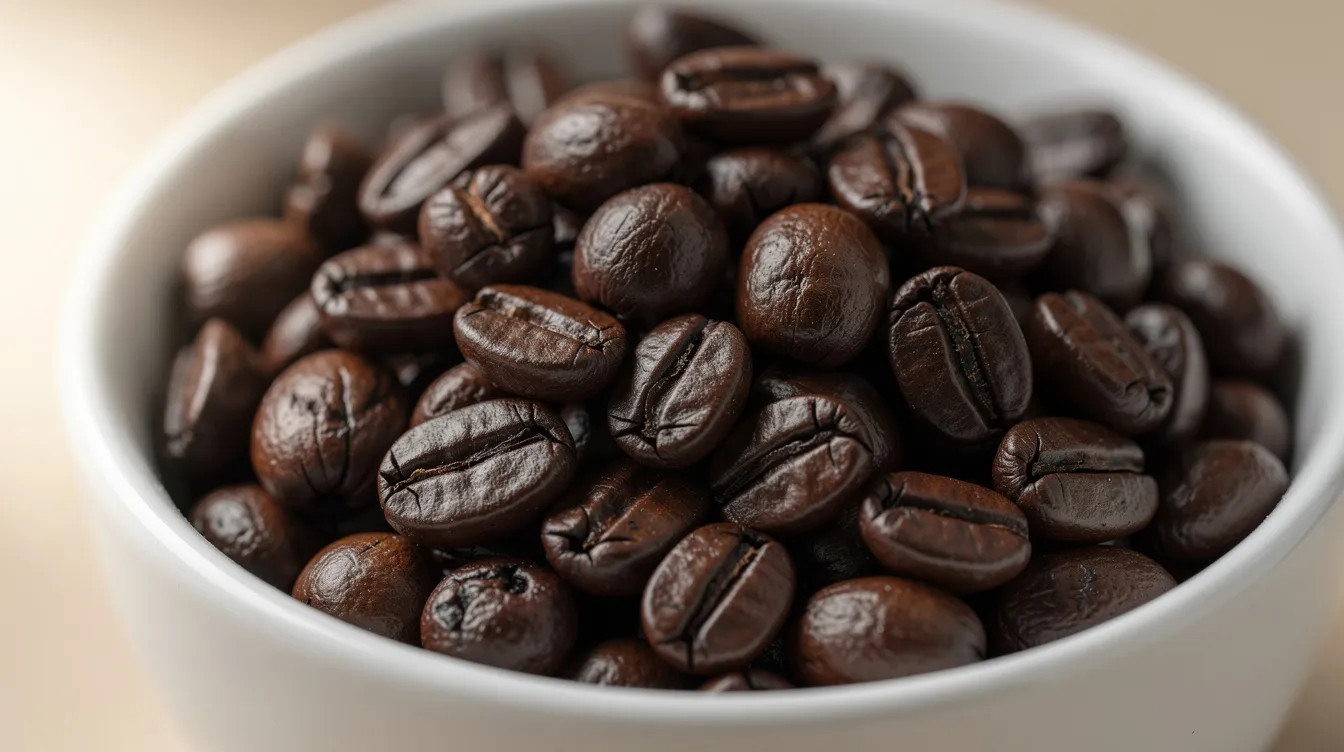
At a glance
Compare Amazon-available dark roast bags on a phone first: listing photo, roast notes, and a Check on Amazon button. Death Wish, Lifeboost, and Bones Coffee stay in the write-up as specialty names; the cards are bags you can open on Amazon today. Research-rated, not yet brewed by our team.
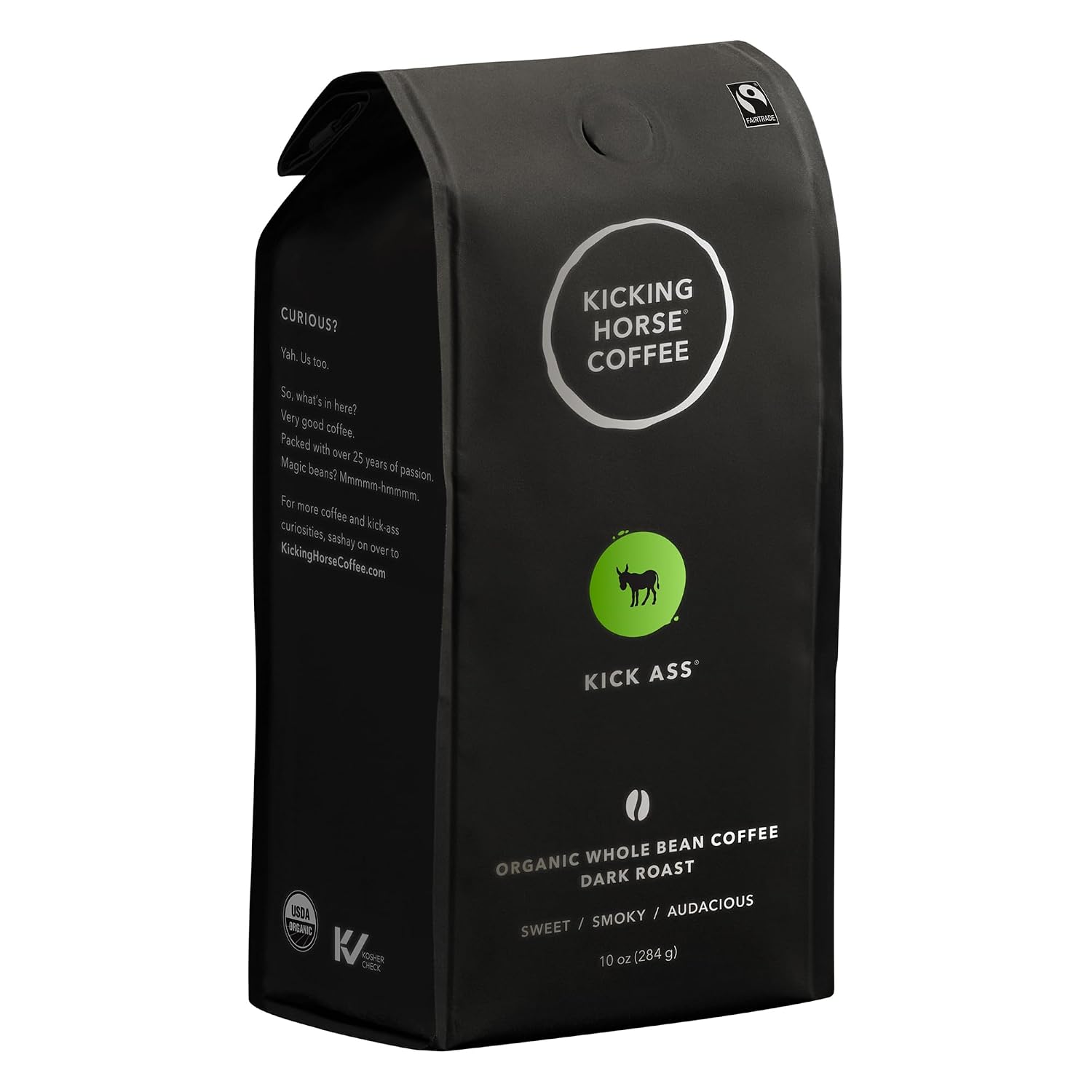
Best overall dark
Kicking Horse Kick Ass
- RoastDark
- OriginBlend
- FlavorChocolate, molasses
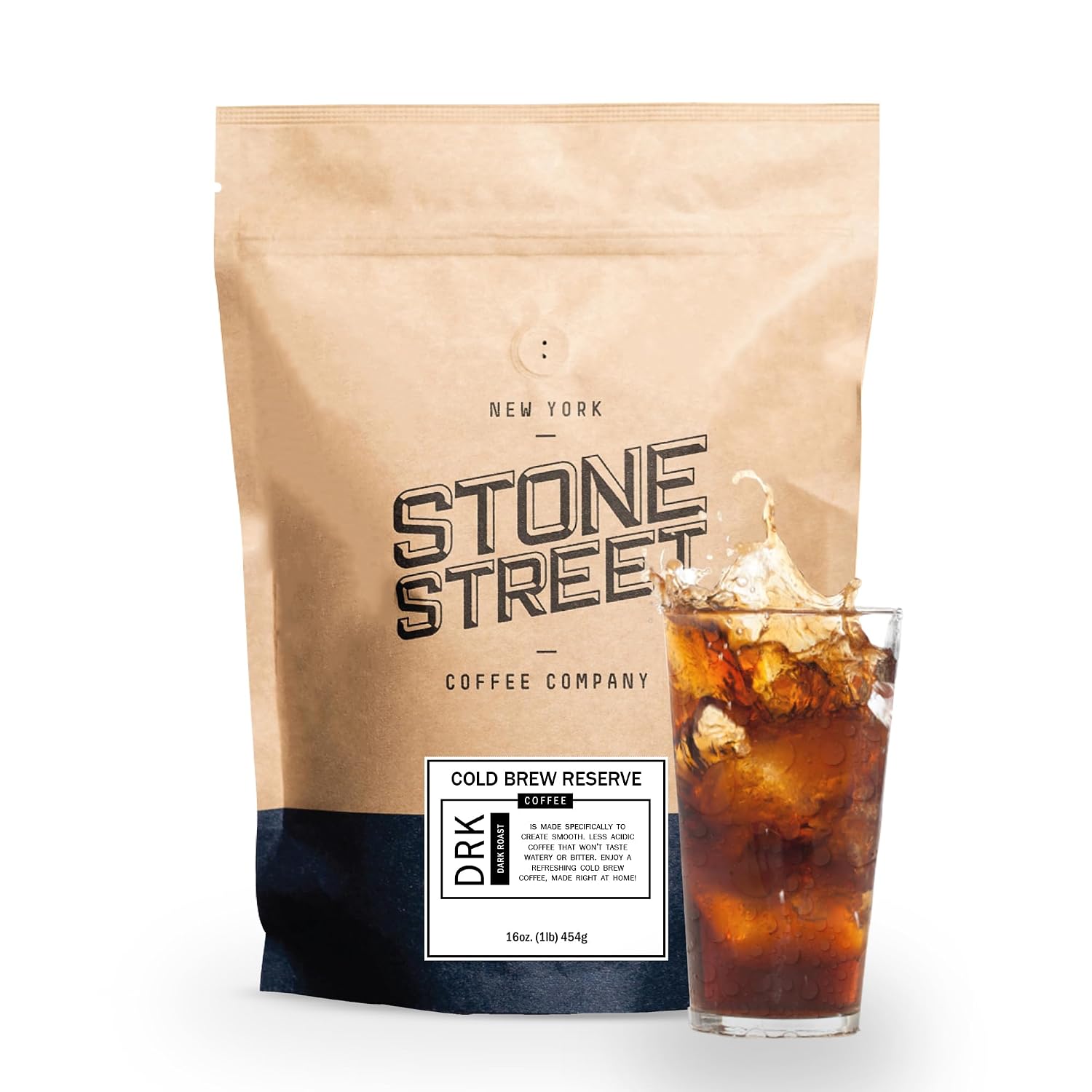
Best cold brew dark
Stone Street Dark Roast
- RoastDark
- OriginBlend
- FlavorBold, chocolate, low acid
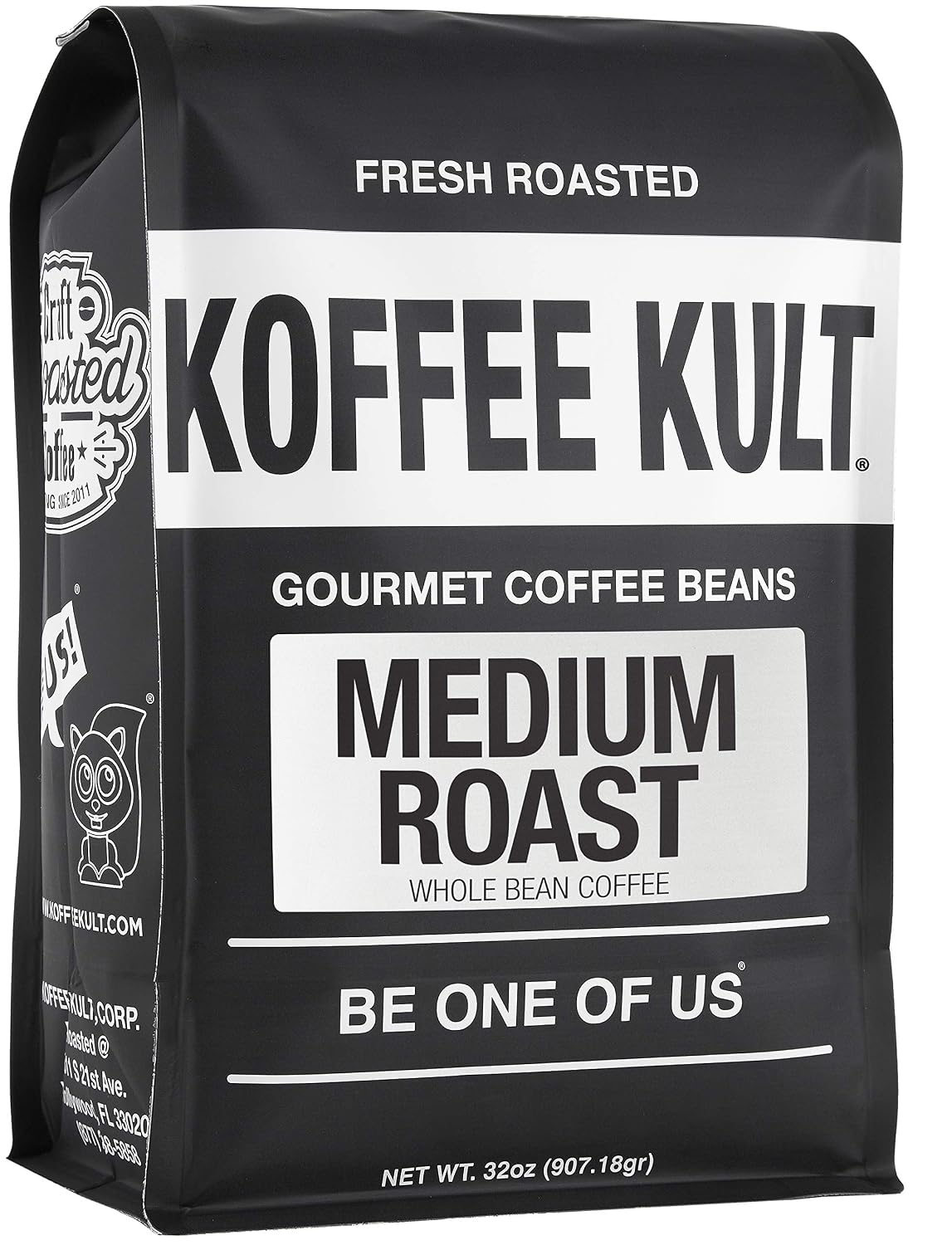
Best intense dark
Koffee Kult Dark Roast
- RoastDark
- OriginCentral/South America
- FlavorBold, chocolate, smoky
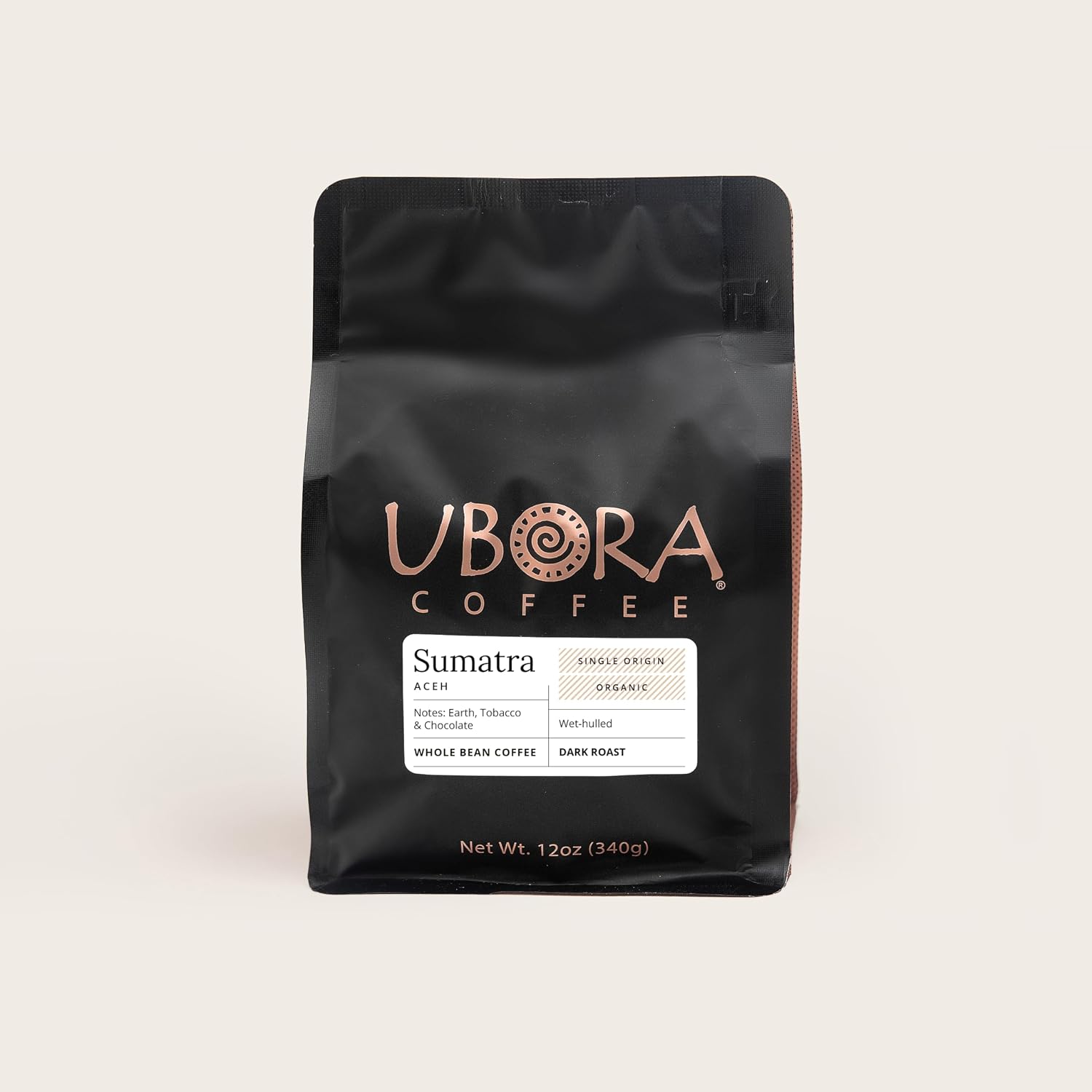
Best origin dark
Ubora Aceh Sumatra
- RoastDark-leaning
- OriginSumatra
- FlavorEarthy, cedar, cocoa
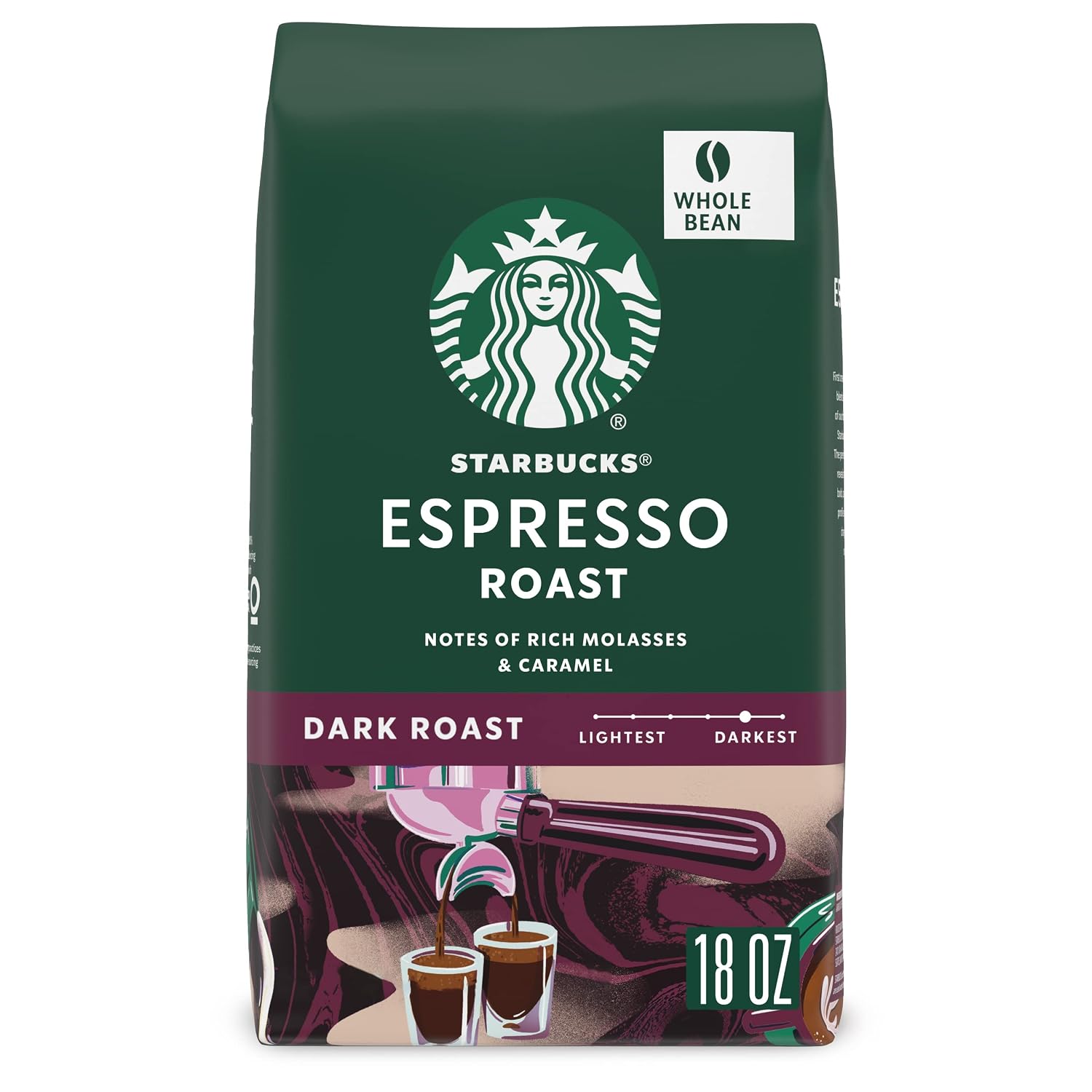
Best grocery espresso
Starbucks Espresso Roast
- RoastDark
- OriginBlend
- FlavorMolasses, caramel, rich
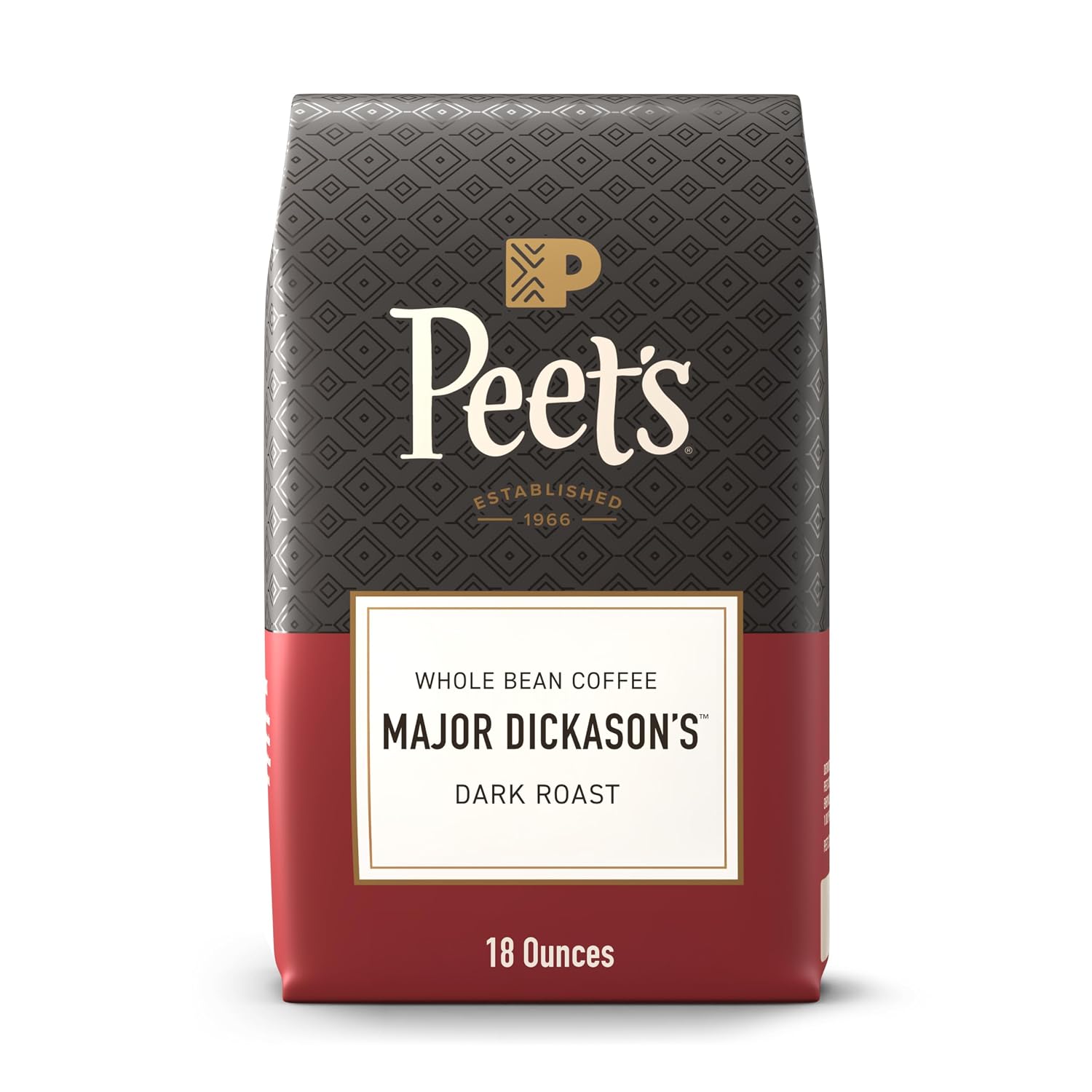
Best classic dark blend
Peet’s Major Dickason’s
- RoastDark
- OriginMulti-origin blend
- FlavorSpice, earth, chocolate
Coffee & Roaster | Roast Level | Origin / Blend | Flavor Notes | Form & Size | Best For | Approx. Price/Oz | Availability |
|---|---|---|---|---|---|---|---|
Kicking Horse Kick Ass | Dark | Indonesia + Central & South America | Chocolate malt, molasses, licorice, smoky finish | Whole bean/ground; 10 oz, 2.2 lb | Drip, press, cold brew, milk drinks | $1.25–$1.70 | Grocery + online |
Death Wish Dark Roast | Dark (Arabica + Robusta) | South America, Africa, Indonesia | Baker’s chocolate, cherry, heavy body | Whole bean/ground; 1 lb | Strong black, cold brew | ~$1.25 | Online + retail |
Lifeboost Embolden | Dark | Single-origin Nicaragua | Dark chocolate, roasted nuts, low acid | Whole bean/ground; 12 oz–bulk | Black coffee, sensitive stomachs | $2.40–$2.50 (small bag) | Online only |
Stone Street Dark Roast | Dark | Indonesia + South America | Silky chocolate, mild earth, clean finish | Whole bean/ground; 1–5 lb | Daily drip, press, cold brew | ~$1.19 | Online |
Bones Coffee Dragon’s Lair | Dark | South/Central America + Indonesia | Smoky, cacao, caramelized sugar | Whole bean/ground; 12 oz | French press, immersion, cold brew | ~$1.50 | Online, limited retail |
How We Chose the Best Dark Roast Coffees
Every pick in this guide was selected through researched editorial analysis of widely available U.S. dark roast beans in 2026. No roaster paid for placement, and commission size played no role in rankings. Consistency in roast level and flavor profile is important for selection – we filtered for coffees that deliver the same cup week after week.
Here’s what we evaluated:
- Verified dark roast level: clearly labeled dark roast, not a mislabeled medium dark. Dark roast coffee should avoid excessive bitterness and harshness – the goal is deep caramelization, not char.
- Freshness and transparency: clear roast date or rapid turnover, preferably whole bean over pre ground coffee; freshness is one of the clearest ways to distinguish high quality coffee from lower-grade options.
- Origin and processing transparency: single-origin or thoughtful blends with disclosed countries and processing (washed, natural, wet-hulled). Worth noting: only 7 out of 74 dark roasts surveyed in a recent editorial roundup were single-origin, making well-made blends the norm.
- Flavor profile: tasting notes anchored in dark chocolate, cocoa, caramelized sugar, spice, nuts, and dried fruit – the desirable hallmarks of quality dark roast coffee. Specialty blends achieve deep caramelization without burnt flavors.
- Brew-method fit: how well each coffee performs for drip, espresso, French press, cold brew, and black coffee.
- Value: price per ounce contextualized by bean grade, certifications, and quality. Availability and value for money are crucial when choosing coffee bags.
- U.S. availability: sold through reliable retailers or roasters, not ultra-limited drops.
Where third-party lab testing (e.g., mycotoxin screening) or expert cupping scores are cited, those sources are named – nothing is implied as Capitol City Coffee’s own testing.
Best Overall Dark Roast for Most People: Kicking Horse Coffee Kick Ass
Kick Ass earns the top spot as the best dark roast for most U.S. drinkers because it nails the fundamentals: it’s certified organic, widely stocked, consistently roasted, and versatile enough for drip coffee, French press, and cold brew. If you want a great dark roast that just works every morning, this is where to start.
Roast and origin: This is a blend of Indonesian and Central and South America Arabica beans roasted to a true dark level – darker than a medium dark, but pulled before it crosses into heavily charred French roast territory. Kicking Horse Coffee Kick Ass has notes of chocolate malt and molasses, along with subtle licorice and a smoky finish. It’s earthy in the way that Indonesian beans tend to be, but the South American component adds enough caramelized sweetness to keep the cup balanced.
Body, acidity, sweetness: Heavy body with low perceived acidity. The smooth finish makes it approachable for anyone switching from a medium roast. There’s natural sweetness here – more brown sugar and molasses than bright fruit – which is exactly what most dark roast drinkers are after.
Brew-method fit: Excellent as black coffee and holds up well with milk or cream. Recommended for drip machines, French press, and cold brew. It works for espresso, though it won’t produce the bright, fruity shots that a light roast would.
Value and availability: A 10 oz bag runs about $1.70 per ounce; the 2.2 lb bag drops to roughly $1.25 per ounce. Certified USDA Organic, made with Fair Trade beans, and Kosher. Available online and in many grocery stores, making it easy to restock.
Drawbacks: Not the best choice if you crave vibrant stone fruit notes or single-origin nuance – roast dominates here. Oilier beans may challenge super automatic machines over time. For pure origin character, look at the PT’s pick below.
Best High-Caffeine Dark Roast: Death Wish Coffee Dark Roast
Death Wish Coffee is known for its high caffeine content, and it delivers that punch while still tasting like roast coffee rather than an energy supplement. If you want a real dark roast that hits hard without sacrificing flavor, this blend is built for you.
Composition and roast: A blend of Arabica and robusta beans sourced from South America, Africa, and Indonesia. The robusta beans are what push caffeine levels well above the average cup. Roast level is dark, with noticeable surface oils and a bold flavor that leans into bittersweet chocolate territory. It carries USDA Organic and Fair Trade certifications.
Flavor profile: Tasting notes center on baker’s chocolate, cherry, and smoke, with a heavy, smooth body and low perceived acidity. The aftertaste drifts toward dark chocolate rather than ash. The robusta component adds thickness and a slightly grainier texture than pure Arabica dark roasts, which some drinkers love and others find rough.
Brew-method fit: Shines in drip coffee, French press, and cold brew where the heavy body and caffeine have room to express. As espresso, it pulls thick crema and intense flavor – great for milk drinks, potentially too aggressive for delicate straight shots.
Value: A 1 lb bag is about $19.99, working out to roughly $1.25 per ounce. Widely available online and through many retail channels – one of the easiest dark roast coffees to find.
Limitations: The high caffeine may not suit every coffee drinker, especially those sensitive to jitters. Some drinkers find the smoky flavor more intense than smoother alternatives like Kick Ass or Stone Street. Oily beans can cause grinder buildup, particularly in fully automatic machines.
Best Low-Acid Dark Roast: Lifeboost Embolden Dark Roast
Lifeboost Embolden Dark Roast is low-acid and USDA Organic, designed for drinkers who want a real dark roast experience without the stomach discomfort that sometimes accompanies bold coffee. It’s a premium pick, and the price reflects that.
Origin and processing: Single-origin Arabica beans grown at high elevation in Nicaragua – shade-grown, spring-water washed, and sun-dried. High-elevation single-origin beans enhance flavor complexity, and Lifeboost leans into that advantage. Single-origin dark roasts can deliver complex flavor profiles with low acidity, and this one does exactly that.
Quality and safety: Beyond USDA Organic certification, Lifeboost markets third-party contaminant testing. That’s external lab data, not our own testing – but it’s more transparency than most coffee roasters offer.
Flavor and sensory profile: Full bodied with a smooth finish, chocolate notes of dark chocolate and roasted nuts, mild caramel notes, and subtle smokiness. Independent reviewers have measured the brewed pH at around 6, which is relatively high (lower acidity). The rich notes here are more nuanced than many blends – you can taste origin through the roast.
Ideal use cases: Outstanding as black coffee for drinkers avoiding heartburn from bright light roast or high-acid medium roast coffee beans. Works beautifully in drip, pour over, and French press. Cold brew extracts even less acidity, making it a strong candidate for that brew method.
Price and drawbacks: The premium stings – roughly $2.40 to $2.50 per ounce for small bags, with bulk purchases bringing the cost down somewhat. Available only online through the roaster. If you have no acidity sensitivity and just want budget-friendly dark roast beans, Stone Street or Kick Ass will serve you better at half the price.
Best Value Dark Roast for Everyday Brewing: Stone Street Dark Roast
Stone Street offers a quality dark roast blend at a price point that makes sense for daily consumption. If you go through coffee quickly and want something that tastes great without a premium surcharge, this is the bag to grab.
Origin and roast: A blend of Indonesian and South American Arabica beans roasted to a dark level that’s intense without being ultra-oily. Stone Street describes it as “strong, silky, smooth, and ever-so-slightly chocolatey” – a fair characterization based on broad consensus.
Flavor profile: Cocoa and dark cocoa anchored with subtle caramel and a touch of smokiness. Medium-heavy body, low to medium acidity, and moderate sweetness. It won’t dazzle you with complexity, but it produces a clean, reliable cup of bean coffee day after day.
Brew-method fit: Especially good in drip coffee makers and French press. Works well for cold brew thanks to its chocolate-forward character. Reasonable as a darker espresso base for lattes and cappuccinos, though it isn’t marketed as a dedicated espresso roast.
Value and availability: A 1 lb bag runs about $1.19 per ounce, making it the most affordable pick in this guide. Stone Street also offers 2 lb and 5 lb bags that drive the per-ounce cost even lower – ideal for a household that goes through whole bean coffee quickly.
Trade-offs: Less complex than higher-priced specialty roasters. Limited origin transparency compared with single-origin offerings. Larger bulk bags demand faster turnover to retain freshness, so buy the 5 lb bag only if you’re confident you’ll use it within a few weeks.
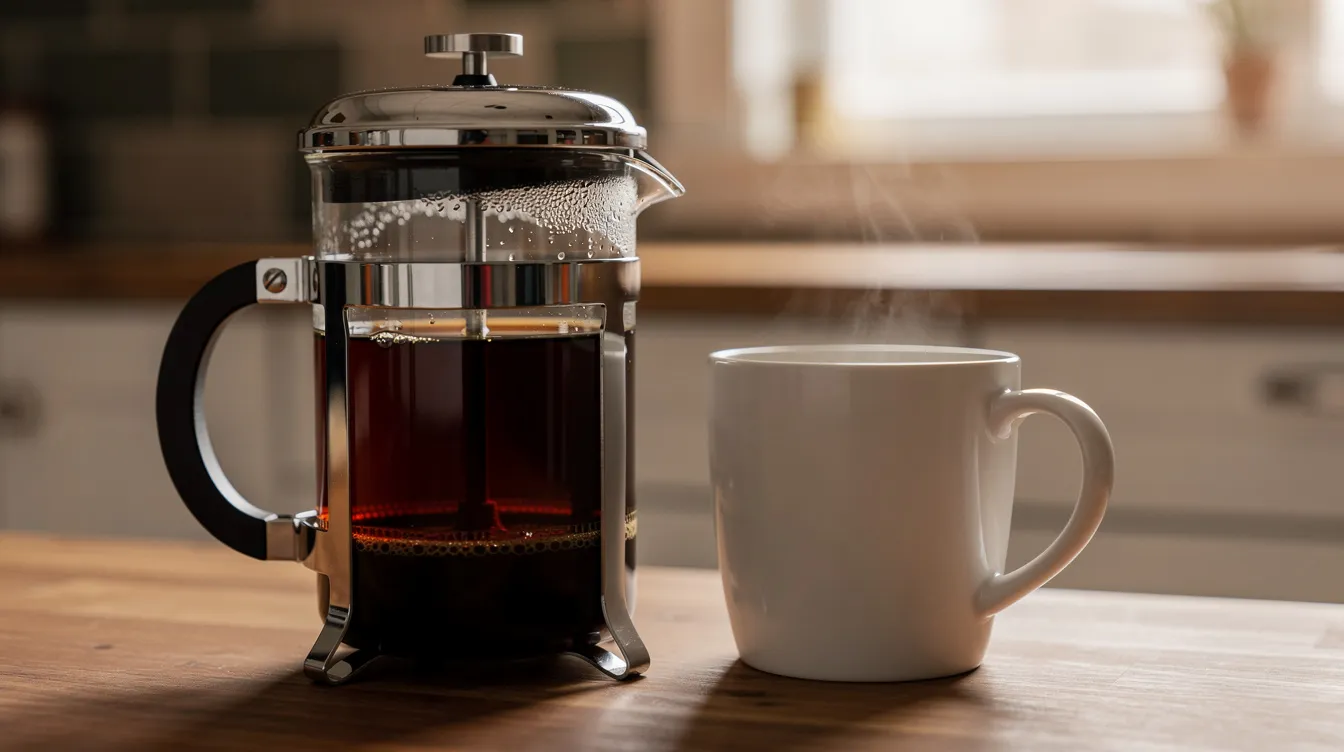
Best Small-Batch Dark Roast: Bones Coffee Company Dragon’s Lair
Dragon’s Lair is for the coffee drinker who wants a campfire in a cup – smoky, intense, and unapologetically bold. If subtle isn’t your style, this small-batch blend leans into its roast-forward identity.
Origin and blend: South and Central America and Indonesian beans, processed through a mix of washed, sun-dried, and wet-hulled methods. These origins were chosen specifically for how they respond to aggressive dark roasting – earthy, full, and rich.
Flavor and sensory notes: Smoky flavor leads the profile, followed by cacao, toasted nuts, caramelized sugar sweetness, and a subtle graham cracker impression. Full bodied with low to medium acidity. The aroma alone is a selling point – roasty, warm, and inviting. Think bold flavor turned up a notch.
Brew-method fit: Dragon’s Lair has a strong showing in French press and immersion methods that highlight body and sweetness. Also a good candidate for cold brew, where the smokiness softens and chocolate notes come forward. Drip works fine; delicate pour over methods may amplify the roast intensity more than some prefer.
Value and availability: A 12 oz bag runs about $1.50 per ounce. Larger bag options aren’t commonly advertised, which limits bulk savings. Available online from the roaster and through major marketplaces, but limited in physical retail.
Limitations: Smaller bags mean higher effective cost for heavy consumption. The smoky, intense profile is polarizing – coffee enthusiasts who prefer nuanced, tea-like cups will find it overpowering. Fewer certifications or public lab testing compared with Lifeboost or Kicking Horse.
Best Specialty Dark Roast with Origin Character: PT’s Coffee Ad Astra (or Similar)
This pick is for the drinker who loves dark roast but refuses to give up origin character. PT’s Coffee, a respected third-wave roaster in the mold of Stumptown Coffee Roasters, known for direct trade relationships and high cupping scores, offers Ad Astra as a darker roast that still respects the beans inside the bag.
Flavor profile: Dark chocolate, cola, brown sugar, and subtle fruit or spice – with a heavy body but a relatively clean finish. The caramelized sweetness here is more nuanced than commodity dark roast blends, offering rich notes you’d expect from a specialty roaster. Quality dark roasts retain some origin characteristics despite roasting, and Ad Astra demonstrates this well.
Roast and origin: Dark roast level approaching but not surpassing French roast, maintaining structure and avoiding heavy char. Typical origin components include Central America and South America with touches of Indonesian beans for depth.
Brewing and use: Works well across drip, espresso, and moka pot, making it a flexible house coffee. It’s suited to drinkers stepping up from supermarket dark roasts into specialty dark roast coffees – the kind of coffee that tastes great at every time of day.
Price and trade-offs: Higher per-ounce price than mass-market brands, plus shipping from the roaster for some buyers. This complexity is best appreciated when drinking black coffee; if you add lots of cream and sugar, the nuance that justifies the premium price gets buried.
Other Notable Dark Roast Coffees in 2026
Several other coffees deserve mention for drinkers with specific priorities:
- Coffee Bros. Dark Roast – A specialty, NYC-based roaster offering dark roast beans with preserved terroir, chocolate notes, and cherry undertones. Good for espresso and black coffee drinkers who want a fresh-roasted option.
- Blue Bottle dark espresso blend – A fuller-bodied dark roast espresso blend with some fruity sweetness intact. If you’re a huge fan of milk-based drinks, this one cuts through steamed milk without losing its identity.
- Diablo Dark Roast from Ladro Roasting – A Pacific Northwest roaster whose Diablo has dark chocolate notes and a roast profile that balances intensity with drinkability.
- Kaffico Molten Caramel Coffee – Features natural caramel flavor alongside dark roast intensity. Worth a look if you want caramel notes without artificial flavoring.
- Peet’s Major Dickason’s Blend – A longstanding benchmark for full bodied dark roast, widely stocked and reliably roasted, though with fewer certifications than some premium picks.
- Volcanica Sumatra Mandheling Reserve Dark – A single-origin dark roast with deep brown sugar depth, priced at about $1.92 per ounce. Suited for those seeking origin distinctiveness at a darker roast level.
While these didn’t claim top spots, they’re strong contenders depending on whether you prioritize certifications, smoky sweetness, or a particular brew method. Use the “How to Choose” framework below to find your match.
What Makes a Great Dark Roast? Roast Levels, Origin, and Flavor
Dark roast isn’t just about bean color – it’s about how roast level, origin, and processing interact to produce flavor, body, and sweetness. Deep roasting can enhance flavor complexity if done correctly, but push too far and you get ashtray rather than brownie.
Roast levels explained:
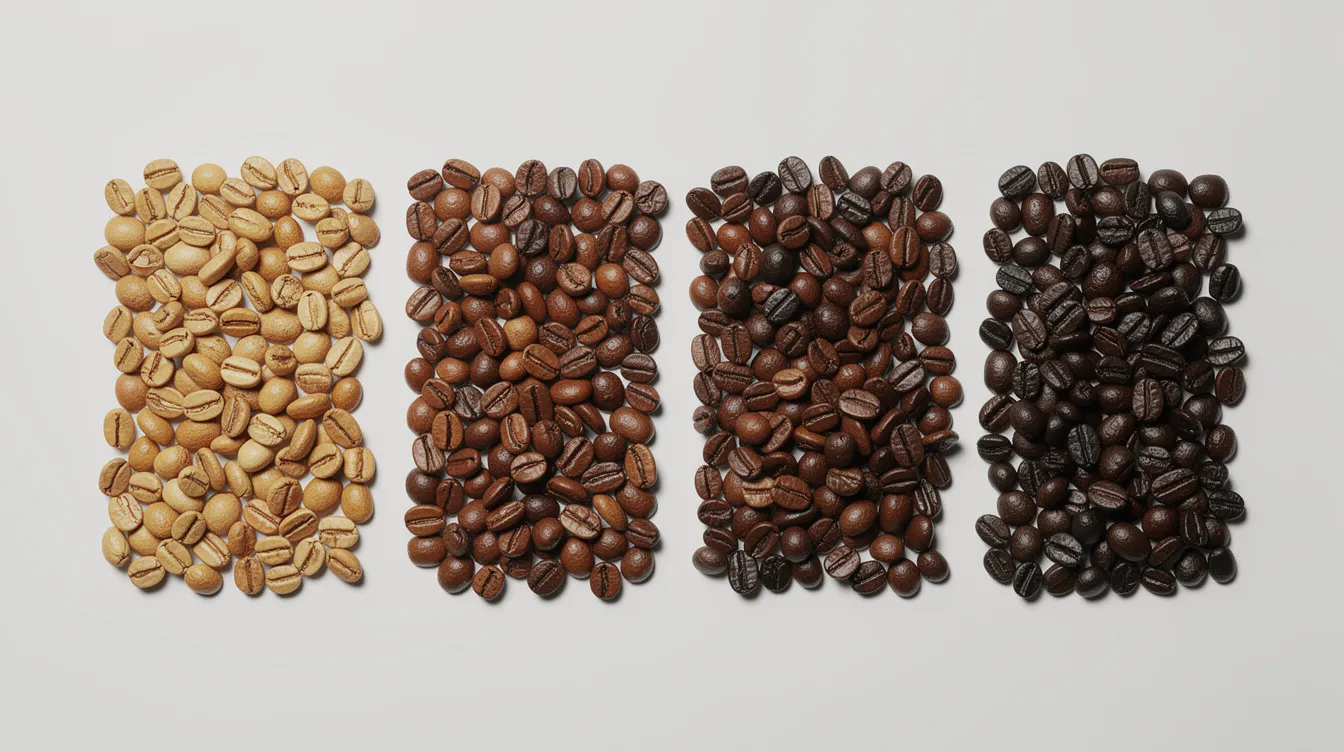
- A light roast stops shortly after first crack, preserving bright acidity, fruit, and floral origin character. Body is lighter.
- A medium roast develops further, adding caramelized sweetness and body while keeping some brightness. Many everyday “house” coffees sit here.
- A dark roast stops at or just past second crack. Flavor shifts toward roast-driven profiling: chocolate, caramelized sugar, smoky notes, toasted almond, and natural sugars that have transformed into toffee and cocoa. A developed dark roast has low perceived acidity and rich body.
- French roast is a darker subset of dark roast, pushed further past second crack. French roast typically has a smokier flavor profile and less remaining origin character. A developed dark roast retains more origin character than French roast.
The “real dark roast” standard: A well-made dark roast maintains complexity rather than overwhelming flavor. The sweet spot for many is a full dark roast that retains sweetness – 85% of well-made dark roasts have sweet notes like chocolate, caramel, or bittersweet chocolate. Good dark roasts break down harsh chlorogenic acids during roasting, which is why dark roast coffee is perceived as lower in acidity.
Origin matters: Dark roast flavor profiles vary significantly by origin. Brazilian beans bring nuttiness and natural sweetness. Sumatran beans contribute earthy spice and heavy body. Central America origins like Guatemala offer cocoa and warm spice. South America often adds clean chocolate depth. Only 7 out of 74 dark roasts are single-origin, so most quality options are blends designed to combine these strengths.
Processing: Washed coffees tend to produce cleaner profiles even under dark roast. Natural or wet-hulled processing can yield dark fruit undertones or earthier, heavier character.
Roast-level naming varies by roaster, so rely on tasting notes, bean color, and third-party descriptions to gauge how dark a coffee dark roast really is.
How to Choose the Best Dark Roast Coffee for You
Whether you’re shopping online, at a café, or in a grocery aisle, these decision factors will narrow your options fast:
- Taste preference: Do you want smooth chocolate and caramel, or smoky and intense? Do you want any fruity notes, or strictly “coffee-tasting” coffee? Not all dark roasts taste the same – a Sumatran-based blend will taste different from a Central American single-origin.
- Roast level preference: Medium dark offers a bridge between brightness and boldness. Deep dark delivers maximum body and roast character. French roast pushes into heavier smoke and char. The sweet spot for many is a full dark roast that retains sweetness rather than crossing into ash.
- Origin: Choosing between Brazilian, Colombian, Sumatran, or Central American beans means choosing between nutty, clean, earthy, or cocoa-forward cups. Blends combine these, while single-origin dark roasts spotlight one.
- Grind format: Whole bean coffee is strongly recommended over pre ground coffee for freshness and flavor, particularly for dark roast coffees where volatile oils degrade fast.
- Brew method: Suitability for brewing method affects coffee choice. French press and cold brew favor coarser grinds and highlight body. Espresso needs adjusted grind and dose. Drip coffee is the most forgiving. Pour over can reveal both strengths and flaws.
- Price per ounce and budget: Divide the bag price by total ounces. In this guide, options range from $1.19 to $2.50 per ounce. Buying larger bags reduces cost, but only if you’ll consume them before they go stale.
- Certifications and ethics: Look for ethical sourcing certifications when choosing coffee. USDA Organic, Fair Trade, and similar labels matter to environmentally conscious consumers. Ethically sourced coffees often appeal to environmentally conscious consumers – but don’t overpay for stamps that aren’t important to you personally.
If you currently drink medium roast coffee beans and want to explore darker options, a medium dark roast makes a good bridge before committing to very dark. And always buy smaller bags when trying a new dark roast to avoid waste if the roast profile doesn’t suit your taste.
Brewing Dark Roast Coffee: Getting the Best from Your Beans
Dark roast beans are more soluble and porous than light roast coffee beans. That means they extract faster – and they can easily taste bitter if you brew dark roast the same way you’d brew a lighter coffee.
Core brew adjustments:
- Water temperature: Dark roast beans should be brewed at 188 to 194°F (87–90°C), slightly lower than the 200–205°F range used for light roast. This reduces bitterness while maintaining full extraction.
- Grind size: Use a slightly coarser grind than you would for the same brew method with a lighter roast. This is especially true for immersion brewing like French press and cold brew.
- Brew ratio: Start at 1:15 to 1:17 coffee-to-water and adjust. Very strong dark roast coffee can overwhelm at high concentrations.
By brew method:
- Drip coffee makers: Use a fresh, medium-coarse grind. Don’t overfill baskets. Consider reusable metal filters for more body in the cup.
- French press: A coarser grind with a 4–5 minute steep and a gentle plunge minimizes sediment and bitterness. Ideal for dark roasts with chocolate and caramel notes.
- Espresso: Many dark roast coffees are blended specifically to cut through milk in lattes and cappuccinos. Be cautious with ultra-oily French roast beans in super automatic machines – they can gum up grinders and require more frequent cleaning.
- Cold brew: Dark roast beans produce smooth, low-acid cold brew. Use a coarser grind and steep for 12–18 hours in the fridge.
Common mistakes: Over-extraction from too fine a grind or too long a brew creates bitterness that gets blamed on the roast level. Using very stale beans and assuming the roast is the problem is equally common.
Freshness, Storage, and Whole Bean vs Ground
Freshness matters even more for dark roasts because surface oils and aromatics degrade quickly once exposed to oxygen. Dark beans lose carbon dioxide and go stale quickly after roasting, making proper storage and purchase habits essential.
Roast date and shelf life: Look for a roasted-on date instead of a generic expiration date. Fresh roast dates are important for maintaining aroma and flavor. Plan to use dark roast beans within 2–4 weeks of opening for peak flavor, and ideally within a few months of the roast date.
Whole bean vs ground: Whole-bean bags preserve aroma longer than pre-ground coffee. Grinding right before brewing captures the volatile aromatics that make a fresh cup smell and taste alive. Pre ground coffee is convenient but stales in days rather than weeks – a significant difference for black coffee drinkers who notice every nuance.
Storage best practices:
- Use an opaque, airtight container at room temperature
- Keep beans away from light, heat, and moisture
- Avoid repeatedly freezing and thawing; if you must freeze, use well-sealed small portions to minimize condensation
Dark roast specifics: Surface oils on dark roast beans are normal but can go rancid over time. Buying smaller amounts and storing them properly keeps quality high. Those oils also gum up grinders, especially built-in models in super automatic machines – clean your grinder more frequently when using dark roast beans.
Dark Roast vs Light and Medium Roast: Which Roast Level is Right for You?
Understanding what you gain and lose at each roast level helps you pick the right coffee – or confirm that dark roast is exactly where you belong.
Dark roast vs light roast: Light roast preserves brighter acidity, more origin character, and fruit or floral notes. Body is lighter and the cup can feel tea-like. Many specialty coffee enthusiasts prefer light roast for pour over and black coffee. Dark roast trades that brightness for deeper chocolate, caramel, and smoky sweetness with heavier body and lower perceived acidity – the “classic coffee” flavor that has defined American diners and Italian espresso bars for decades.
Dark roast vs medium roast coffee beans: Medium roast sits between the two worlds, retaining some brightness while adding caramelized sweetness and body. Many everyday house coffees are medium roast, making them a safe starting point before committing to very dark. If you find medium roast too mild and light roast too sharp, dark roast is likely your lane.
The caffeine question: Contrary to popular belief, caffeine differences between light and dark roasts are small. Per gram of coffee, caffeine content is nearly identical. Per scoop, dark roast beans may contain slightly less caffeine because they’re less dense and larger after roasting. Blends with robusta beans (like Death Wish) genuinely contain more caffeine than 100% Arabica dark roasts – that’s a bean-type difference, not a roast-level difference.
Choosing your path: Pick dark roast coffees if you want rich, full bodied cups with natural sweetness from caramelized sugar and low acidity. Choose a light roast if you crave stone fruit, floral notes, and clarity. Medium roast offers the middle ground. For deeper dives, check out our best light roast coffee picks or explore our favorite medium roast coffee beans.
Related Capitol City Coffee Guides
- Explore more coffee roast levels – our hub for different roast levels and styles
- Best light roast coffee for bright, fruity cups
- Best medium roast coffee beans if you prefer balance over boldness
- Broader coffee content – brewing methods, gear, and other roast coffee recommendations
All related guides follow the same independent editorial and affiliate standards as this dark roast roundup.
Our Dark Roast Coffee Pick
We matched one dark roast to the bold mug this guide describes. Tap the image or the coffee name. Research-rated, not yet brewed by our team.
Feeling bold: a dark Canadian roast
Our pick: Kicking Horse Kick Ass, dark roast, whole bean. A chocolatey dark roast for drip or moka. Research-rated, not yet brewed by our team.
Frequently Asked Questions About Dark Roast Coffee
These questions go beyond the main recommendations to address common uncertainties about dark roast coffee.
Does dark roast coffee have more caffeine than light roast?
Per gram of coffee, caffeine is similar across roast levels. Per scoop, dark roast beans may have slightly less caffeine because they expand during roasting and become less dense – so a scoop of dark roast contains fewer grams of coffee than the same scoop of light roast. The practical difference is small, and most drinkers won’t notice a major caffeine change by switching roast levels. Blends containing robusta beans (like Death Wish) genuinely have more caffeine than 100% Arabica dark roasts, but that’s because of the bean species, not the roasting process.
Why do some dark roast beans look oily, and is that bad?
Oil on the surface of dark roast beans is normal. Once beans are roasted past second crack, lipids migrate to the surface, giving them that characteristic sheen. Fresh oily beans can taste rich and full of smoky sweetness. Over time, however, those oils oxidize and go rancid, leading to stale, flat-tasting coffee. That’s why freshness and storage matter so much. Very oily beans also present a practical challenge: they can leave residue in burr grinders and super automatic machines, requiring more frequent cleaning.
Can I use dark roast beans for espresso?
Yes – many espresso blends are specifically medium dark to dark roasts, designed to produce syrupy, heavy-bodied shots that cut through steamed milk. For manual espresso machines, dark roasts work well, but you’ll need to adjust grind and dose because dark roast beans are more soluble and extract faster. Ultra-dark, very oily French roast beans can cause trouble in some home super automatic espresso machines, so a slightly less oily dark roast is often a safer choice for those setups.
Is dark roast coffee better for sensitive stomachs?
Dark roast coffees are often perceived as gentler on the stomach because the extended roasting process breaks down many of the harsh chlorogenic acids that cause discomfort. That said, individual tolerance varies – origin, brew strength, and personal health factors play a role alongside roast level. Low-acid dark roast options like Lifeboost Embolden are specifically marketed to people with sensitivity, but this is lifestyle guidance, not medical advice. If acidity is a concern, cold brew with dark roast beans reduces perceived acidity even further.
How long does dark roast coffee stay fresh after opening?
For the best flavor, use opened bags of dark roast whole bean coffee within about 2–4 weeks when stored in an airtight container at room temperature away from light. Pre ground coffee stales much faster – often in days rather than weeks. Buy bag sizes that match your consumption rate so you’re consistently drinking fresh, aromatic coffee rather than flat, stale cups. If you want to stock up, buy whole bean in sealed bags and open them only as needed. The roast date on the bag matters more than any “best by” stamp.