
As an Amazon Associate I earn from qualifying purchases. This page contains affiliate links; we may earn a commission if you buy through them.
Buying coffee can be intimidating – with all of the choices out there, how can you know how to buy the best coffee online?
You may have the skills of an excellent barista, you may even have the best coffee tools at home, but if you don’t have quality coffee beans, all of these things will only go so far. – While the skills and preparation techniques are important, if your coffee beans aren’t stellar quality, the beverage can only turn out so good.
We suggest a coffee for two of the origins below. Tap the image or the coffee name to see it on Amazon. We chose these from each roaster’s published details rather than from brewing them ourselves yet, so they are labeled research-rated. As an Amazon Associate we earn from qualifying purchases.
In this article, we are going to guide you on how to buy the best coffee online. While we are specifically addressing online brands, these tips are also applicable to buying coffee in-store as well. The guidelines used in buying local are pretty much the same as buying online. At the end of the day, it all boils down to learning how to spot good quality coffee versus bad quality coffee.
When you are trying to find the best coffee online, you must look at the bean’s country of origin, roaster identity, and roast date. On the opposite side, consumers must make sure to look for red flags like ground coffee, bulk serving, and a “100% pure coffee” label. You should also consider the availability of certified organic coffee options available, as this can indicate higher quality and sustainable sourcing. Many consumers prefer organic choices for their health benefits and environmental impact. Additionally, exploring local roasters can enhance your experience with unique flavors and community support.
How to Buy the Best Coffee Online

Finding the best coffee is similar to finding the best produce, bread, or cheese in your local supermarket. What do you do when choosing those goods? You inspect them, check their label, and so on. The same applies to finding the best coffee beans. Fair trade coffee benefits for consumers by ensuring that farmers receive fair compensation for their labor. This not only supports sustainable farming practices but also improves the quality of life for those in coffee-producing regions. As a result, consumers can enjoy ethically sourced coffee knowing they are making a positive impact with their purchase.
However, when you’re buying beans online, you can’t physically touch and inspect the product, which means you have to implore a few other means of inspection. One of the best tools coffee brands provide consumers with is their label. The label on a coffee bag says a lot about the product. When looking at the label, you can examine four specific things: the bean’s country of origin, the grind, roaster identity, and the roast date.
Country of Origin
An origin’s climate, soil type, altitude, and sunshine level all contribute to the quality of a coffee bean’s flavor. This explains why there’s an important distinction between Indonesian coffee, African coffee, and South American coffee — because they all come from very different climates.
While many countries produce coffee, there are a few specific countries that are known for their incredible blends.
Brazil: Due to the countries varying altitudes, Brazilian coffee is known for its wide variety of palette flavors. Typical Brazilian coffees are associated with peanut flavors and a heavy body, making it a great choice for espresso coffee. Peruvian coffee cultivation techniques focus on sustainable practices that enhance the quality and flavor profile of the beans. By utilizing shade-grown methods, farmers can protect biodiversity while producing rich and aromatic coffees. This dedication to environmental stewardship results in unique flavors that set Peruvian coffee apart on the global stage.
Indonesia: If you know Java coffee and like it, you have already had a taste of Indonesian coffee. Another type of coffee from Indonesia is Sumatran coffee. Indonesian coffee is known for having lower acidity and a deeper body.
Hawaii: If Kona coffee is your favorite, then you have Hawaii to thank for. While Hawaii is the only non-country on this list, it’s certainly not least. Due to Hawaii’s relatively frequent rain showers and intense sunlight, Hawaiian coffee tends to have a rich flavor and moderate floral aromatics.
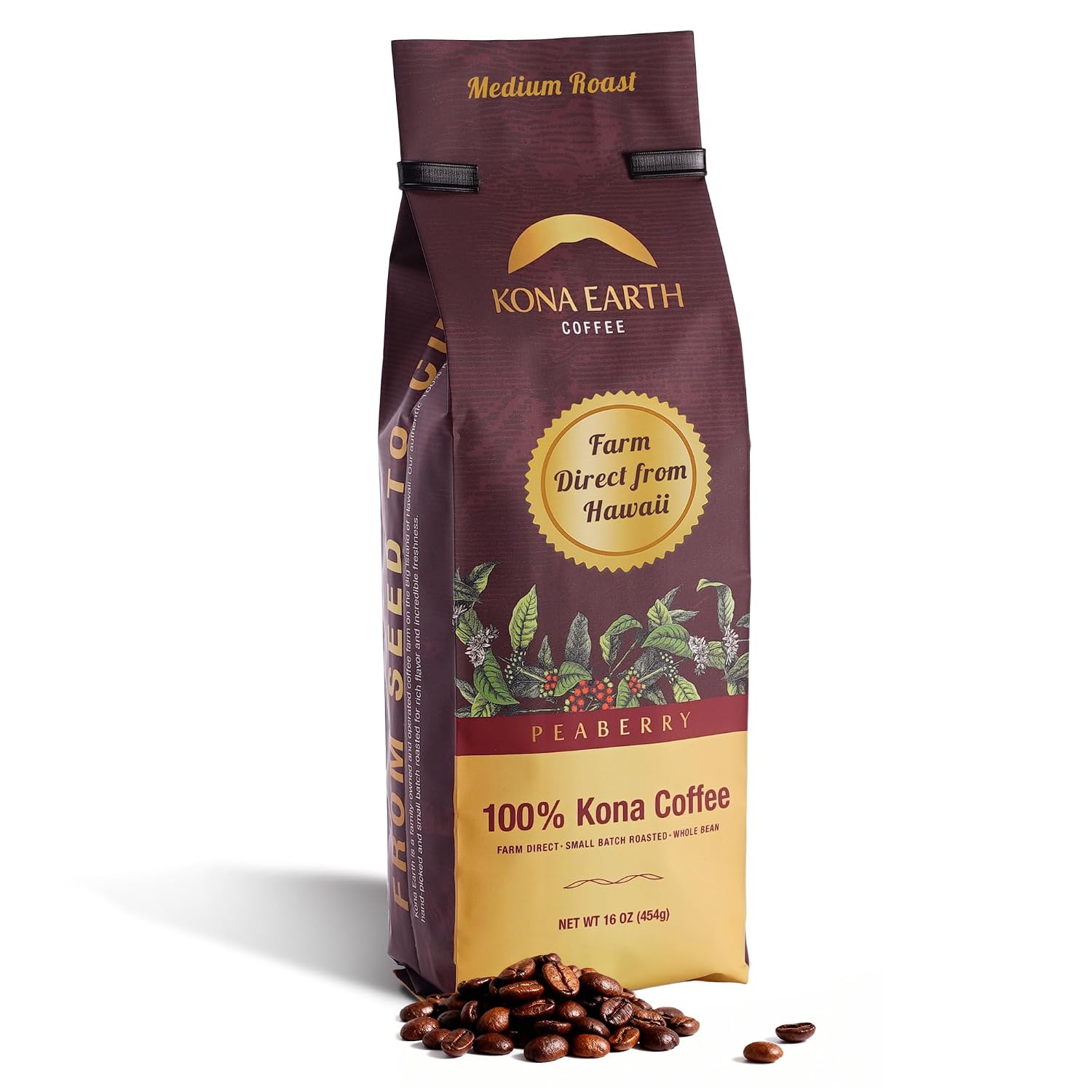
Our pick: Kona Earth 100% Kona Peaberry Coffee, Medium Roast, Whole Bean, 1 lb. Farm-direct 100% Kona rather than a Kona blend, in the rarer peaberry form. One honest note: the listing has only a handful of reviews so far, and 100% Kona carries a premium price. Research-rated, not yet brewed by our team.
Colombia: Thanks to small Colombian family farmers, Colombian coffee’s characteristics consistently consist of caramel sweetness, well-balanced acidity, and sometimes some notes of nuttiness. Mexican coffee varieties and flavors often bring a unique twist to the experience, featuring bold profiles and vibrant tastes. The interplay of different regions in Mexico contributes to a rich diversity, appealing to various palates around the world. Coffee enthusiasts delight in discovering the distinct notes and aromas that each Mexican region has to offer.
Ethiopia: Ethiopia has a variety of coffee biodiversity. The countries coffee has a variety of types, ranging from wine-like to tea-like coffees.
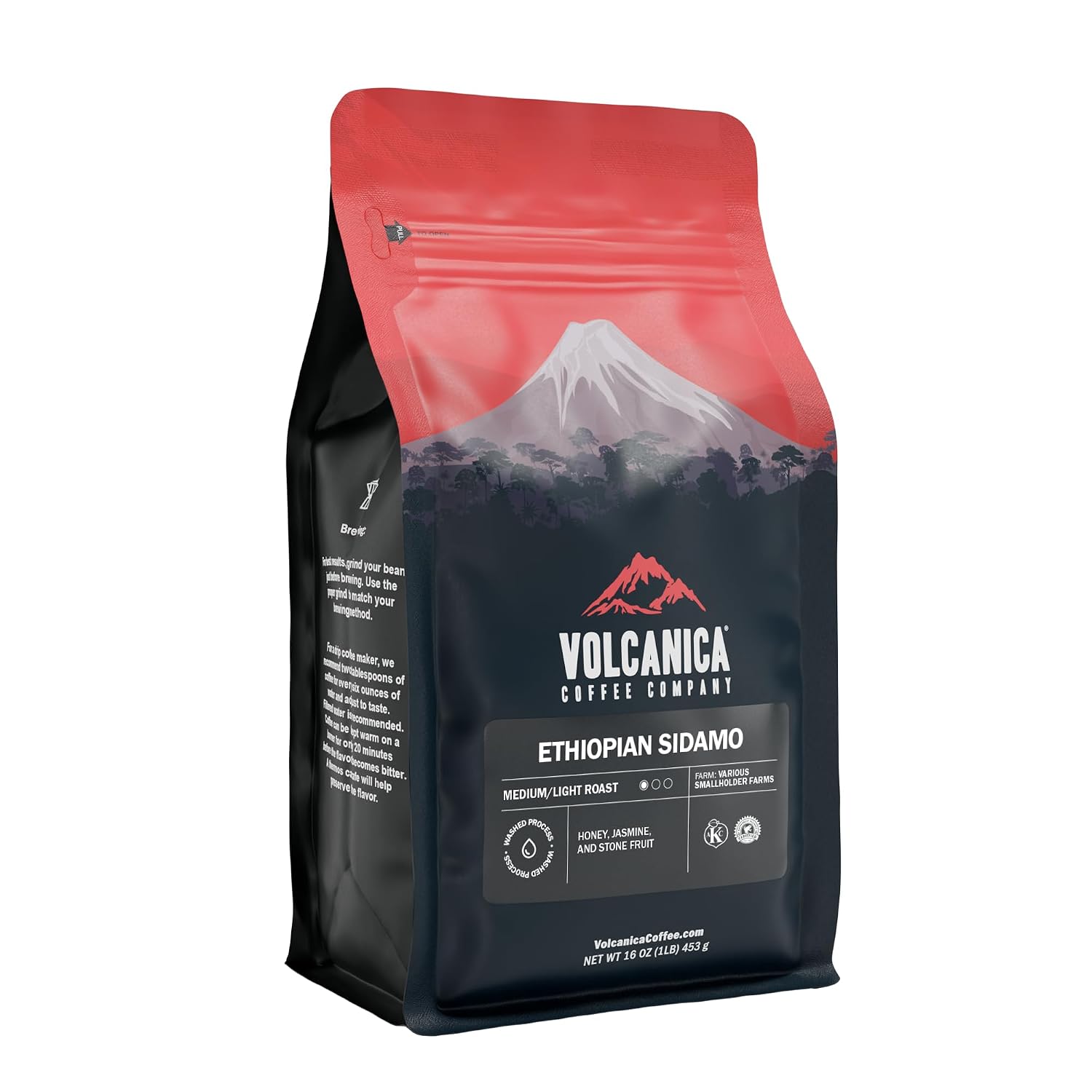
Our pick: Ethiopian Coffee, Sidamo, Whole Bean, Fresh Roasted, 16 oz. Sidamo is one of Ethiopia’s best-known growing regions, and a good way to taste the wine-like to tea-like range described above. Read the listing’s flavor notes to see where this lot falls. Research-rated, not yet brewed by our team.
Kenya: Kenyan coffees are quite different from other countries. Most Kenyan coffees are grown without shade and they are processed using a fermentation soak. This gives Kenyan coffees a savory-sweet flavor like those of tomato and black currant.
Of course, different countries may mean different coffee quality. While certain countries tend to produce more favorable coffee, you never know what will surprise you. If you have a favorite country of origin, you may want to occasionally explore other countries.
Whole Beans
Rule #2: always buy whole beans. If you want the best coffee, it’s non-negotiable.
Once the beans are cracked open, oxidation will mute the could-be flavorful coffee. The only way to keep that freshness is by grinding your beans just before you brew it. That way, you’ll be able to keep most, if not all, of the fullness of the coffee’s flavor.
Of course, this takes time to do, but if you want to get the best out of your coffee, then make sure to buy it in whole beans.
Roaster Identity
If possible, look or try to find the original business that roasted the coffee beans. Great roasters often make a name for themselves in the coffee community, so you’ll know right away who the greats in the field are.
Of course, great roasters mostly mean great beans. So check it out on the label – if there is one, the roaster is usually highlighted in the label.
Roast Date
While it is important to purchase whole beans because they are fresher than ground beans, it is also important to check the roast. While cracking the bean and its eventual oxidation is an important factor that can affect your coffee’s freshness, and hence, flavor, the roast date also plays a large role as well.
Even though coffee beans seem to have an eternal shelf life, older coffee does not hold the same flavor that newer coffee does. It might seem like you can brew coffee beans that are relatively old and still get a good cup of coffee, however, when it comes to flavor, an old roast does not taste as fresh and bold as a new one.
Why? Because of the process of degassing.
Degassing is the chemical process that happens to the coffee beans once it is released from its roasting environment. It will begin releasing carbon dioxide which came from the roasting process. As the beans de-gas, their oils will begin to oxidize, which in turn mutes the freshness and fullness of your coffee bean’s flavor.
Now, the freshness of coffee beans is subjective, but the general rule is to wait a few days before using your coffee. It also depends on how you brew.
For example, if you like to make pour-over coffees, the standard rule is brewing the beans the first week after its first date. However, if you prefer espresso, you may want to wait for around 7-9 days for the beans to reach peak flavor.
There’s no hard rule on the date as long as it does not sit for too long. If you don’t plan on using it shortly, keep your bags in the freezer, where the cold temperatures will help preserve the flavor. As for the waiting period of your brew, it’s up to you to experiment which will work best for you.
Red Flags to Avoid When Buying Coffee Online

Now that you know how to buy the best coffee online, it’s important to know which coffee beans and/or what label should you avoid – or at least, raise red flag warning signals when buying. There are three warning signs to look for when buying coffee online including, pre-ground coffee, bulk servings, and labels that read “100% pure coffee.”
Ground Coffee
If you want to get the fullness of your coffee’s flavor and freshness, the words “ground coffee” and even “pre-ground coffee” should cease to exist from your vocabulary starting today.
As mentioned under the “things to look for,” you should always shop for whole coffee beans over ground coffee beans. When you buy coffee grounds instead of whole beans your coffee will lose the fullness of flavor due to early oxidation. If the customer is looking for full-flavor and full-body coffee purchasing whole bean coffee is always the right move.
While it might seem easier to buy beans already ground, you will miss out on the potential flavor that your coffee could bring. If you don’t have a coffee grinder at home, don’t worry, there’s plenty of coffee grinders available out there!
Bulk Serving
You might wonder, “What’s wrong with buying in bulk?” After all, it’s typically a bang for your buck, and saving money is something to appreciate.
The problem with buying bulk coffee is that you will not be able to finish the bag at the appropriate time. While beans don’t necessarily go bad, they do lose their max flavor after a few weeks.
So, unless you own a coffee shop or you are throwing a party, don’t buy in bulk serving. If the seller does not offer individual or smaller packs, just find a different retailer.
“100% Pure Coffee” Label
This is not a big deal, but it’s important to be cautious with brands that label their coffee as “100% pure coffee.”
First of all, if your coffee bag is composed of just pure coffee, why put a label on it? There’s no need to put a label that a bag of coffee is “100% Pure Coffee” because there should be no other ingredients inside of it. This label, aside from being unnecessary makes the consumer question whether or not the products are authentic.
While these are the basics of finding the best quality coffee, online or offline, it’s also always great to buy from a brand you trust. We have laid out the basic guidelines, but it all boils down to doing some little research for the coffee brand you’re planning to buy from.
Here at Capitol City Coffee, we pride ourselves on providing great-quality coffee beans from all over the world for our customers. Our dedication to roasting expertise, unrivaled freshness and modern convenience allows us to bring you the best coffee imaginable. You can shop for all of our coffee here.
At-Home Honey Cinnamon Latte Recipe

Now that you know what goes into choosing a good quality coffee brand online, here is a delicious and nutritious coffee recipe for you to enjoy at home. One of the best coffee regions in Jamaica is Blue Mountain, known for its smooth and mild flavor profile. Coffee lovers often seek out beans from this area for their unique taste and quality. Exploring different roasters can lead you to exceptional blends that highlight the rich heritage of Jamaican coffee.
This honey cinnamon iced latte is the perfect afternoon treat, especially on a warm spring day.
Ingredients →
- 1 cup of cold-brewed coffee depending on the brew strength you prefer
- 1/2 cup coconut milk
- 1 tsp honey
- 2 teaspoons cinnamon powder
How to make it →
- Brew a cup of your favorite coffee and pour it into your favorite mug.
- Stir in the coconut milk, honey, and cinnamon.
- Enjoy!
We hope this article helped teach you how to buy the best coffee online. For more help choosing beans and gear, read our guide to buying coffee and supplies.