
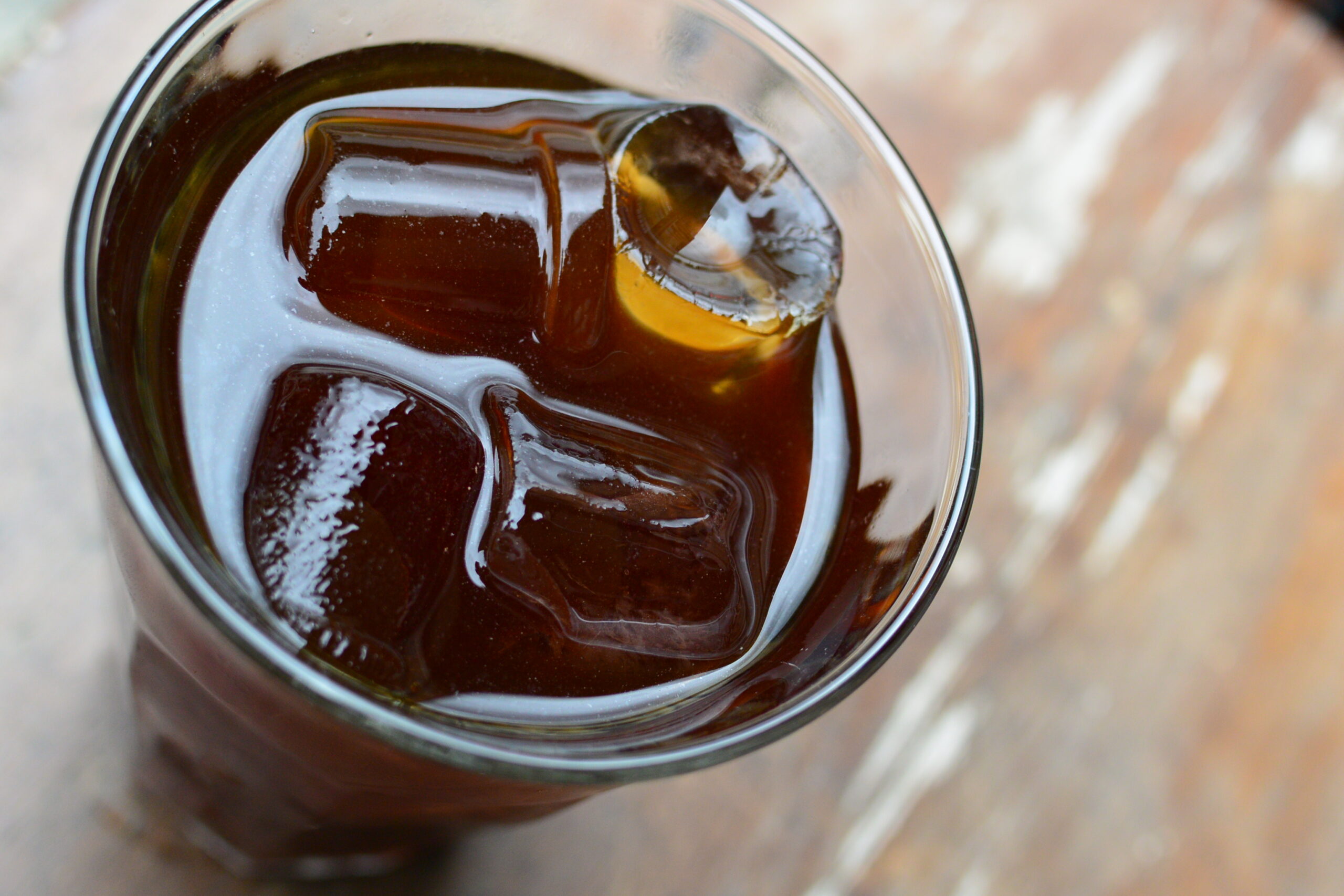
The best coffee for iced coffee in 2026 is a freshly roasted, specialty-grade medium to medium-dark roast with chocolate, caramel, and nutty flavor notes, brewed strong enough to hold up over ice. Beans from Latin American origins like Brazil and Colombia consistently deliver the sweetness, body, and low bitterness that iced drinks demand. This independent editorial guide covers the whole-bean bags worth buying this year, with the focus on coffee brewed hot and poured over ice, including Japanese-style flash brew. For steeped cold brew concentrate, see our best coffee for cold brew guide.
Key Takeaways
- Medium to medium-dark roasts with chocolatey, caramel, and nutty profiles are the safest starting point for iced coffee and cold brew coffee. They retain sweetness and body once chilled, unlike light roasts, which often taste thin or sour when iced.
- Freshness matters more than brand hype. Look for a roast date on the bag, not just a best-by date. Beans more than four to six weeks past roasting lose the aromatics and sweetness that make iced coffee worth drinking.
- Grind size and brew method should guide your bean choice. Use a coarse grind and long steep for cold brew; use a medium grind and stronger ratio for hot-brewed iced coffee. Matching these variables to your roast level is how you get a good cup every time.
- This guide is a researched editorial roundup for U.S. shoppers, not a coffee seller’s catalog. You will find at-a-glance comparisons, detailed bag reviews with real trade-offs, brewing tips, and FAQs below.
- An affiliate disclosure appears before the first product recommendation. Commissions do not influence rankings.
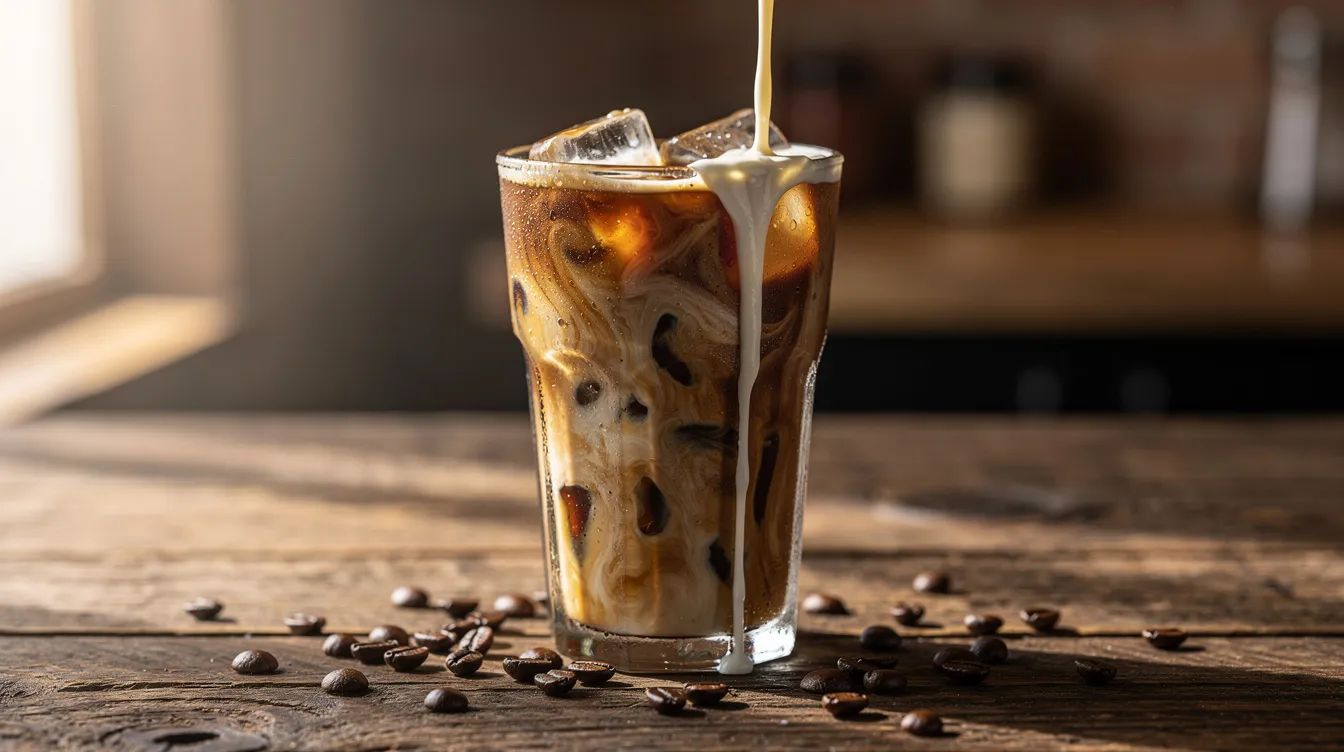
Quick Answer: The Best Coffee for Iced Coffee in 2026
If you want the short version, here are the bags worth buying for iced coffee and cold brew right now, each chosen for a different priority so you can find the best iced coffee for your taste and brew style:
- Best overall for iced coffee: Counter Culture Hologram – medium roast blend, chocolate and fruit notes, works across flash-brew and cold brew. Midrange price (~$20/12 oz).
- Best budget grocery option: Puroast Cold Brew Blend – medium roast, smooth, low acidity, available in larger bags at grocery stores. Budget-friendly per ounce.
- Best for cold brew concentrate: Onyx Coffee Lab Cold Brew Blend – medium-light roast, cocoa, dates, and brown sugar notes, designed for long steep immersion. Premium price.
- Best dark roast for strong iced coffee: Stone Street Strong & Smooth Blend – dark roast, bold, nutty, full body that cuts through milk and ice. Midrange price.
- Best single-origin for bright iced coffee: Flip Coffee Colombian Supremo – medium roast, organic coffee option, slightly sweet, balanced. Premium per ounce.
- Best low-acid iced coffee: Puroast Cold Brew Blend or Kaffico Chocolate Bold Coffee – both crafted for sensitive stomachs with gentle acidity. Midrange to premium.
- Best pre-ground for convenience: Love Grown Cold Brew Easy Brew Bags – pre-measured, coarse ground, chocolatey, consistent. Affordable per serving.
More detail on flavor, processing, origin, acidity, and brew ratios appears in the Detailed Picks section below.
Affiliate Disclosure
At a glance
Compare Amazon-available iced and cold brew bags on a phone first: listing photo, roast notes, and a Check on Amazon button. Research-rated, not yet brewed by our team.
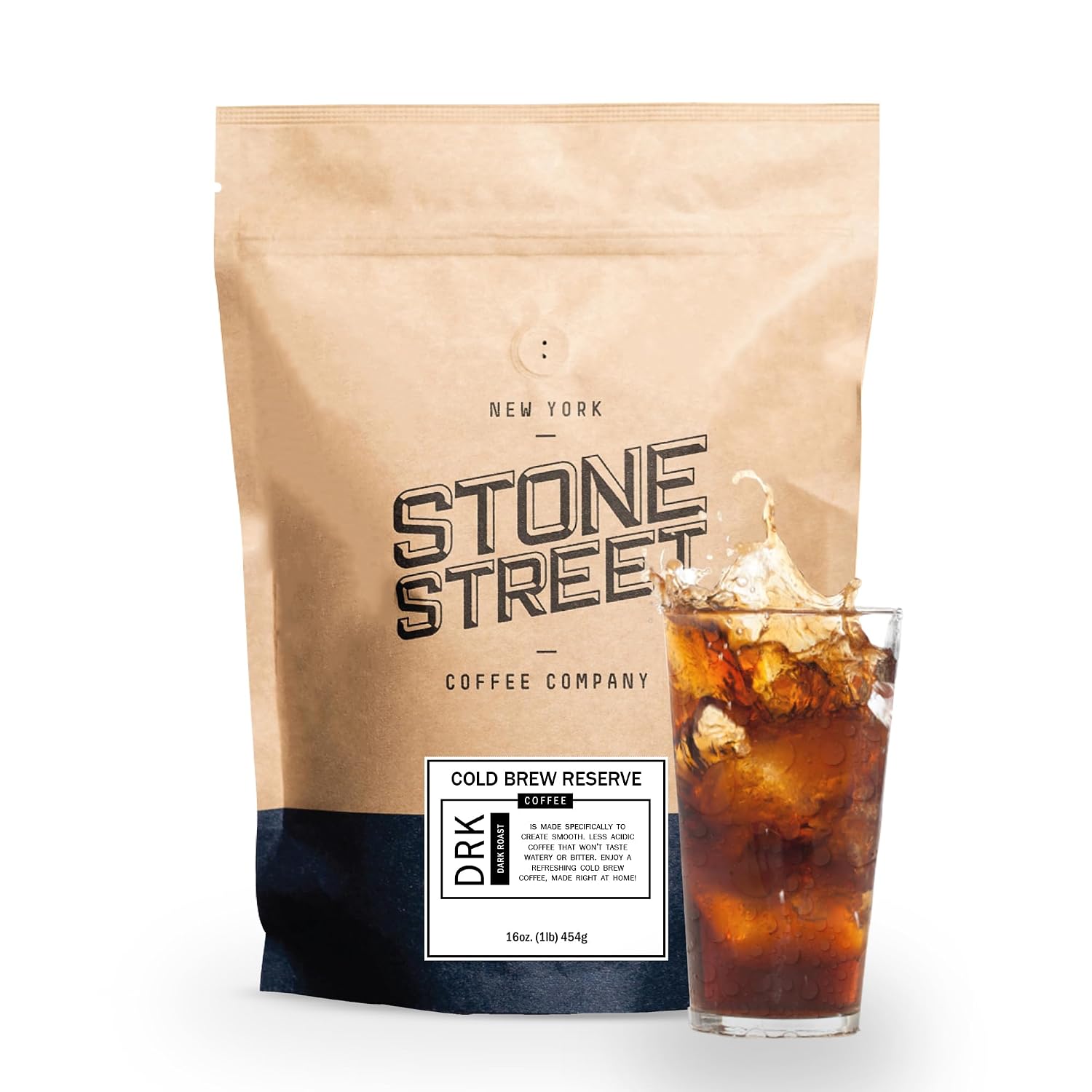
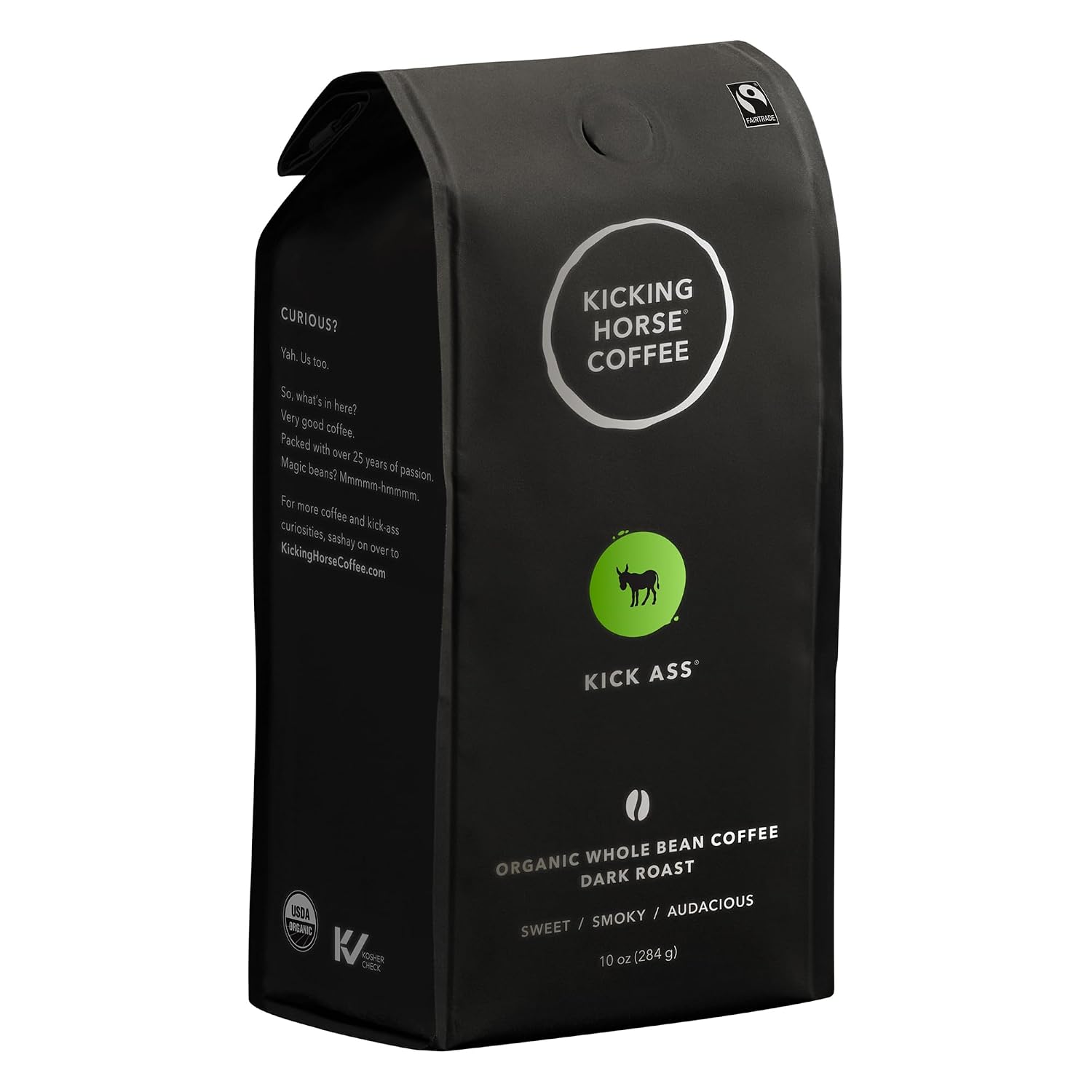
Best dedicated cold brew
Stone Street Cold Brew
- RoastDark
- Best forImmersion iced
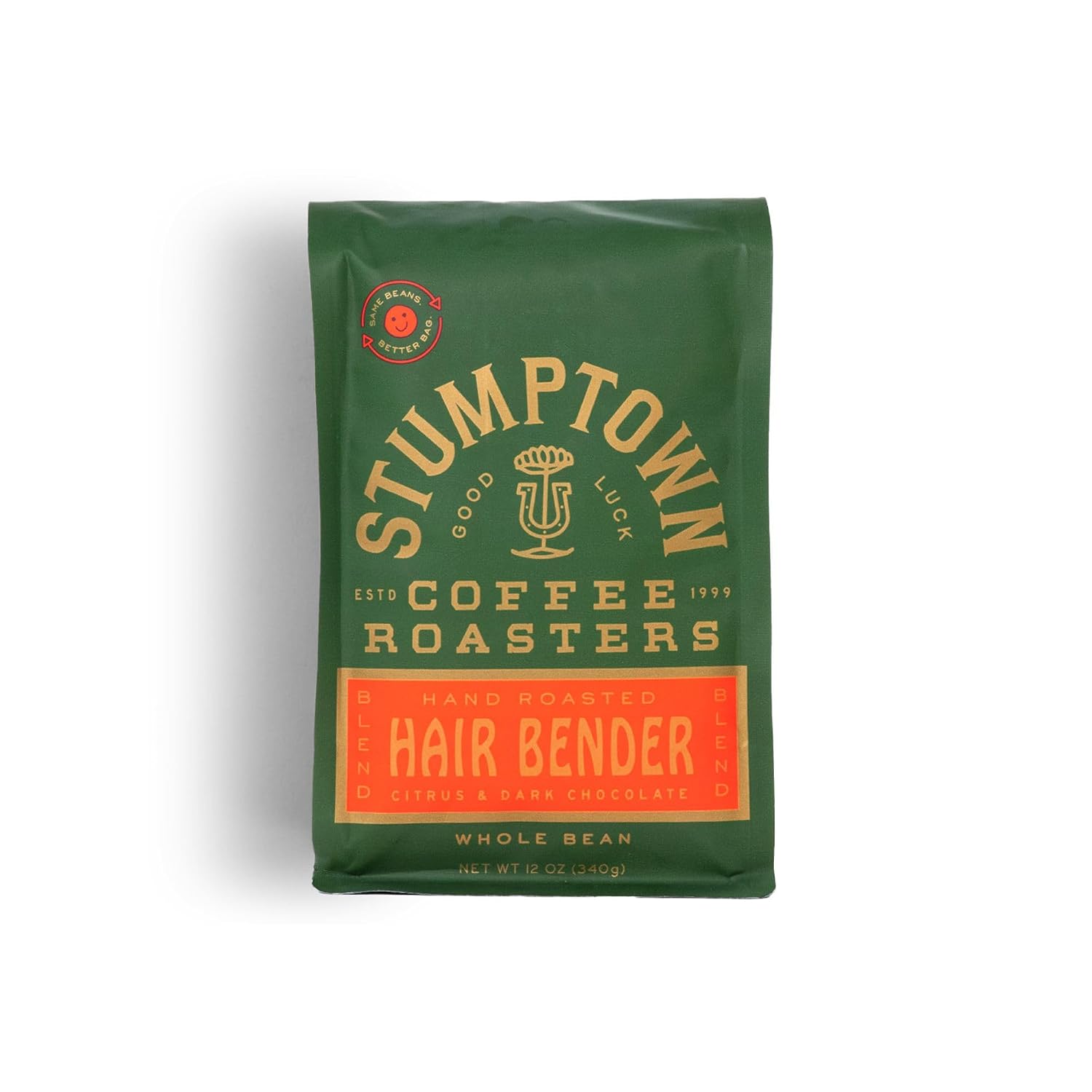
Best balanced iced
Stumptown Hair Bender
- RoastMedium
- Best forFlash brew or cold
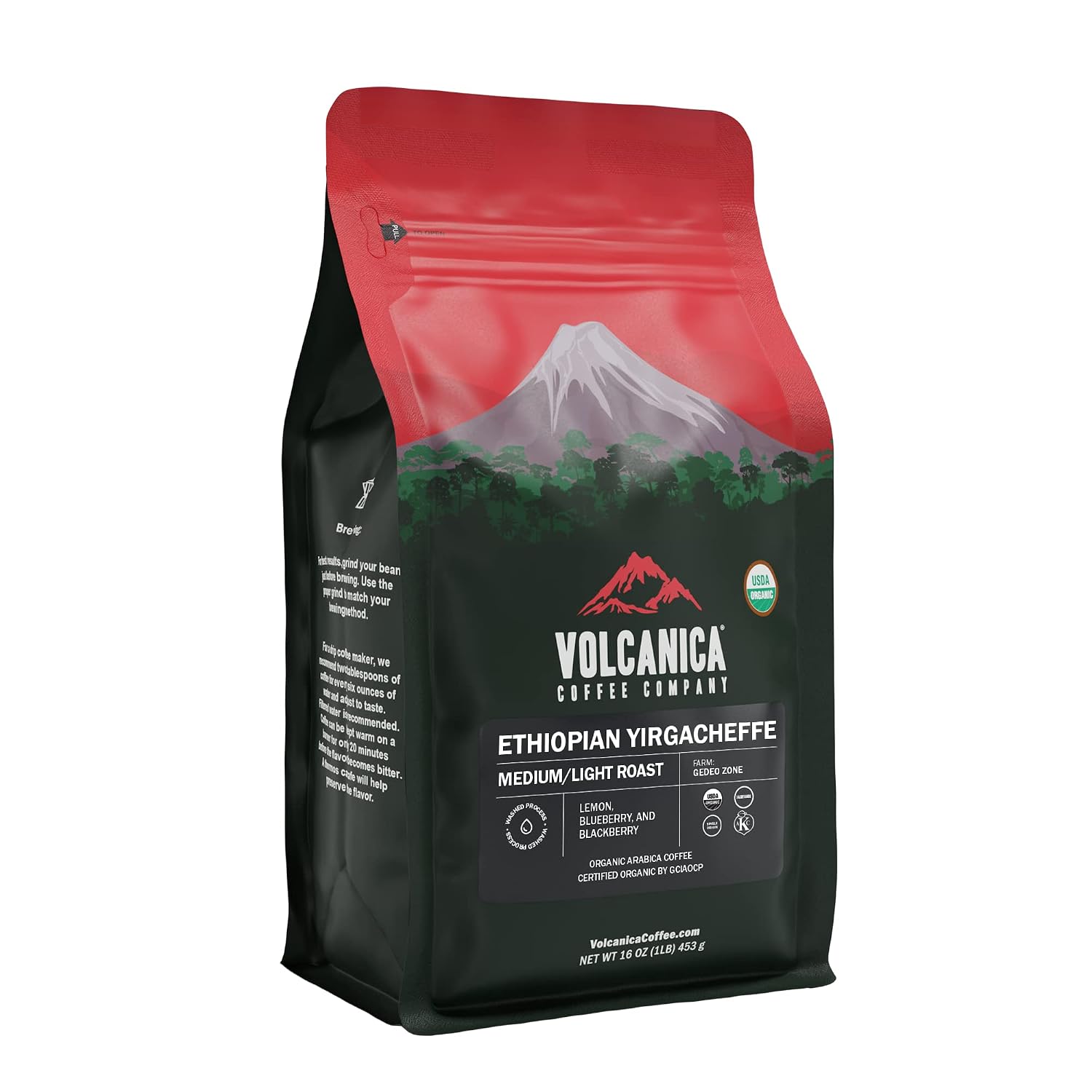
Coffee & Roaster | Origin | Roast Level | Processing | Flavor Profile | Best For | Acidity | Body | ~Price/oz | Availability |
|---|---|---|---|---|---|---|---|---|---|
Counter Culture Hologram | Latin America & Africa blend | Medium | Washed + Natural | Chocolate, fruit, syrupy | Iced pour-over, cold brew, iced latte | Medium | Medium-full | ~$1.67 | Online, Whole Foods |
Puroast Cold Brew Blend | Latin America blend | Medium | Washed | Dark chocolate, nuts, smooth | Cold brew, batch iced coffee | Low | Medium | ~$1.48 | Online, grocery stores |
Onyx Cold Brew Blend | Ethiopia & Colombia blend | Medium-light | Washed + Natural | Cocoa, dates, brown sugar, creamy | Cold brew concentrate | Low-medium | Full | ~$2.00+ | Whole Foods, online |
Stone Street Strong & Smooth | Colombia | Dark | Washed | Nutty, bold, dark chocolate | Strong iced coffee, iced latte | Low | Full | ~$1.50 | Online, Amazon |
Flip Coffee Colombian Supremo | Colombia (single origin) | Medium | Washed | Slightly sweet, balanced, bold | Cold brew, iced pour-over | Low-medium | Medium | ~$2.00 | Direct from roaster |
Love Grown Easy Brew Bags | Blend | Medium-dark | Washed | Baker’s chocolate, smooth | Convenient cold brew | Low | Medium | ~$1.50/serving | Online, retail |
Readers who want tasting detail, trade-offs, and brew method guidance for each bag can jump to the Detailed Picks section below.
How We Selected the Best Coffee for Iced Coffee
This is a researched editorial roundup, not a lab test. Selection criteria matter especially for iced coffee because cold extraction, dilution from melting ice, and chilled serving temperatures all expose flaws that hot coffee can hide.
- Confirmed 100% Arabica or quality-focused blends. Arabica beans make up about 60% of the world’s coffee supply and are the standard for specialty iced coffee.
- Clear origin and roast level disclosure from the roaster.
- Recent roast date availability, not just best-by dates.
- Whole bean options prioritized; pre-ground included only when coarse grind, value, or mainstream availability justified it.
- Popularity and consensus from trusted coffee communities, including aggregated 2026 iced coffee rankings and expert reviews from Complete Homebarista.
- Coffees were evaluated on flavor notes, acidity, body, and sweetness when chilled, across both Japanese-style iced coffee and cold brew coffee methods, using secondary sources and verified product data.
- Primarily Robusta-based commodity blends were excluded unless there was a clear flavor or value reason for inclusion.
Best Coffee for Iced Coffee: Detailed Picks & Who They Suit
This section expands on the quick answer above, giving you flavor detail, roast info, ideal brew methods, and honest drawbacks for each recommended bag.
Best Overall Coffee for Iced Coffee
Counter Culture Hologram is a year-round blend built from Latin American and African lots, typically Guatemala, Honduras, and Ethiopia. It is a medium roast with washed and natural processed components.
- Flavor notes land on milk chocolate, fruit sweetness, and a syrupy body that stays present when poured over ice or stirred into milk.
- Specialty-grade Arabica, with roast dates printed on every bag. Whole bean is the standard format, priced around $20 for 12 oz at Counter Culture’s site and at retailers like Whole Foods.
- Its forgiving nature makes it versatile: excellent in drip brewers for batch iced coffee, rewarding as Japanese-style iced coffee brewed hot directly over ice, and solid as cold brew concentrate at roughly a 1:8 ratio.
- Limitations: not ideal for fans of very dark, smoky espresso-style iced drinks or drinkers who want extremely bright, fruit-forward cups. The blend shifts seasonally, so flavor can vary slightly.
Best Budget Grocery Coffee for Iced Coffee
Puroast Cold Brew Blend delivers dependable medium-roast flavor at a lower price per ounce than most specialty bags. Available in 20 oz bags for about $29.50, the unit cost comes to roughly $1.48 per ounce.
- Origin blend from Latin America, 100% Arabica, with flavor notes of dark chocolate, nuts, and mild caramel richness.
- Low to medium acidity and moderate body when chilled. It works well for batch-brewed iced coffee in large pitchers, cold brew mixed with oat milk or flavored syrups, and drinkers transitioning from drive-thru iced drinks to a more coffee-forward cup at home.
- Available at grocery stores and online, making it easy to grab without a subscription.
- Drawbacks: uses best-by dates rather than roast dates, less aromatic than small-roaster offerings, and lacks the nuance that straight black iced coffee drinkers might want. It’s a workhorse, not a showpiece.
Best Coffee Beans for Cold Brew Concentrate
Onyx Coffee Lab’s Cold Brew Blend is a contender for the best cold brew and is specifically roasted for immersion cold brew. It combines washed Ethiopian beans (contributing stone fruit sweetness) with Colombian lots that bring cocoa and dates. The result is a naturally sweet cold brew with a creamy, velvety body.
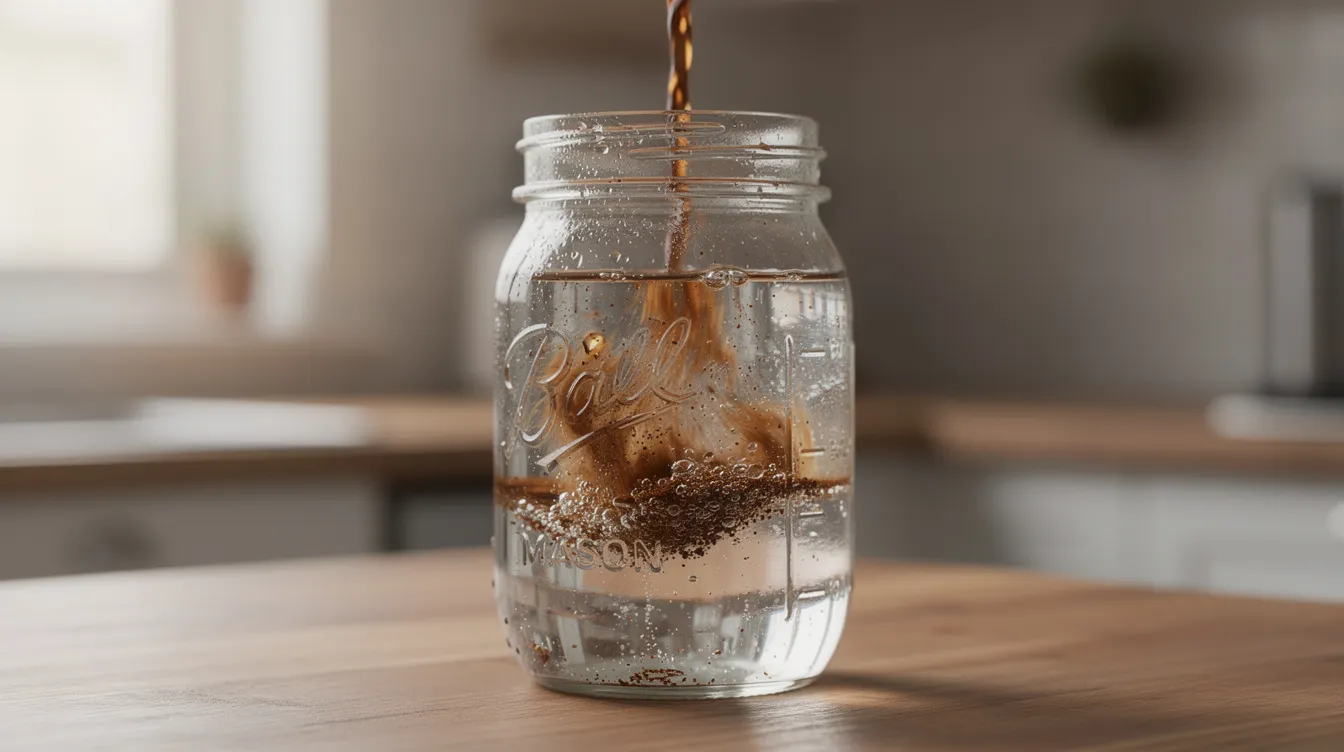
- Designed for coarse grind and a long steep of 12 to 24 hours. The resulting cold brew concentrate stays smooth and sweet when diluted 1:1 over ice or with milk.
- Kaffico’s Chocolate Bold Coffee is another strong contender in this category, designed for cold brew with low acidity and rich cocoa notes that appeal to dessert-forward palates.
- Onyx bags are available at Whole Foods and online; expect premium pricing typical of specialty-grade roasters.
- Limitations: the medium-to-light roast may need extra steep time to avoid weak flavor, and the subtle brightness can get lost in cream-heavy iced lattes.
Best Dark Roast for Strong Iced Coffee
Stone Street’s Strong & Smooth Blend earned a 9.3 out of 10 on BrewRank’s 2026 iced coffee list. It is a dark roast Colombian coffee with nutty, bold, dark chocolate notes and low acidity.
- Full body that cuts through ice, cream, and sweetener without fading. Excellent for brewing a concentrated hot coffee for iced Americanos and iced lattes, or for immersion cold brew with shorter steep times.
- Dark roasts produce richer cold brew with less steep time than lighter roasts, making this a practical daily choice.
- La Colombe’s cold brew offerings are also worth noting here for their bold, fruity flavor that adds complexity beyond typical dark-roast territory.
- Wandering Bear’s cold brew is praised for its café-level quality and stands out as a ready to drink coffee option for people who want bold cold brew at home.
- Caveats: can overwhelm subtle flavor palates, may taste too roasty for fans of delicate floral or citrus iced coffee, and masks single origin nuances.
Best Single-Origin Coffee for Bright Iced Coffee
Flip Coffee’s Colombian Supremo is a medium roast, organic, single origin coffee from Colombia. Extra-large Supremo-grade beans deliver a slightly sweet, well-balanced, bold cup with low acidity.
- Best brewed as Japanese-style iced pour-over or AeroPress over ice, where the hot water extracts bright aromatics and the ice locks them in. Iced coffee retains the bright character of hot extraction when brewed this way.
- Ideal for drinkers who enjoy tea-like clarity, want to taste origin character, and take iced coffee with minimal sweetener or milk.
- Priced around $24 for 12 oz, sold direct from the roaster. Available as coarse ground for cold brew, though whole bean gives more flexibility.
- Drawbacks: higher price per ounce, more sensitive to grind and recipe precision, and less suited for people who load iced coffee with heavy cream and raw sugar. Light roasts often taste thin or sour when iced, so stick with the medium roast profile here.
Best Low-Acid Coffee for Iced Coffee
Puroast reappears in this category because its entire lineup is built around reduced acidity, appealing to people with acid reflux or sensitive stomachs who still want to drink coffee cold. Low acidity beans are more palatable when iced, and cold brew coffee is naturally lower in acidity than hot coffee, so combining low-acid beans with cold brew is a double win for comfort.
- Purity Coffee is highly recommended for organic cold brew and shares this low-acid, stomach-friendly positioning with a focus on ethically sourced organic beans.
- Flavor stays smooth, chocolate-and-nut-focused, with gentle sweetness and minimal slight bitterness. Start with a coarse grind and a 14–18-hour steep to balance smoothness and flavor.
- Available as whole bean; check for decaf options if you want late-day iced coffee without the caffeine.
- Limitations: low acidity can also mean less complexity or sparkle. Some low-acid brands price at a premium, so compare cost per ounce before committing.
Best Pre-Ground Coffee for Iced Coffee Convenience
Love Grown Cold Brew Easy Brew Bags solve the no-grinder problem with pre-measured, coarse-ground specialty beans sealed in brew bags. Drop a bag into cold water, steep overnight, and you have smooth cold brew by morning.
- Flavor profile leans toward baker’s chocolate with a clean finish, medium acidity, and enough body to hold up when diluted with ice or milk.
- Clean Label Project certified, gluten free, and plant-based. Per-serving price sits around $1.50 for a 32 oz batch, which is competitive with bottled cold brew from coffee shops.
- Chamberlain Coffee offers USDA-certified organic cold brew options in a similar convenient format for shoppers who want organic certification.
- Trade-offs: lower aroma and complexity versus whole bean, less control over extraction, and potential staling if bags sit on shelves too long. Buy in smaller quantities and store sealed, away from light and heat. Pre ground coffee works best when used within a week or two of opening.
What Makes Coffee Great for Iced Coffee and Cold Brew?
The best coffee for iced coffee balances sweetness, body, and aromatics so flavor comes through even after dilution from melting ice and chilling. Cold brew emphasizes sweetness and body more than delicate aromas, while iced coffee brewed hot and then chilled preserves more brightness and acidity.
- Origin and processing: chocolatey Brazilian beans or balanced Colombian lots (washed) suit cold brew and milk-based iced drinks. Natural-processed Ethiopian beans add fruitiness for flash-brewed iced coffee.
- Roast level: medium-to-dark roasts are ideal for iced coffee. They deliver sweetness and full body without sharp acidity. Chocolate and caramel profiles complement milk and sweeteners especially well.
- Specialty-grade coffee beans offer clearer flavors because they score 80 or higher on a 100-point scale, meaning fewer defects and more inherent sweetness.
- Full body and high density prevent flavor loss when coffee is iced. Beans should retain sweetness and body once chilled, or the drink will taste watery and flat.
- Cold brew coffee has a smoother and sweeter flavor profile than hot-brewed iced coffee because cold water extraction pulls fewer bitter compounds and acids.
- Freshness: iced coffee exposes stale flavors quickly. Fresher beans yield better flavor and aroma in iced coffee.
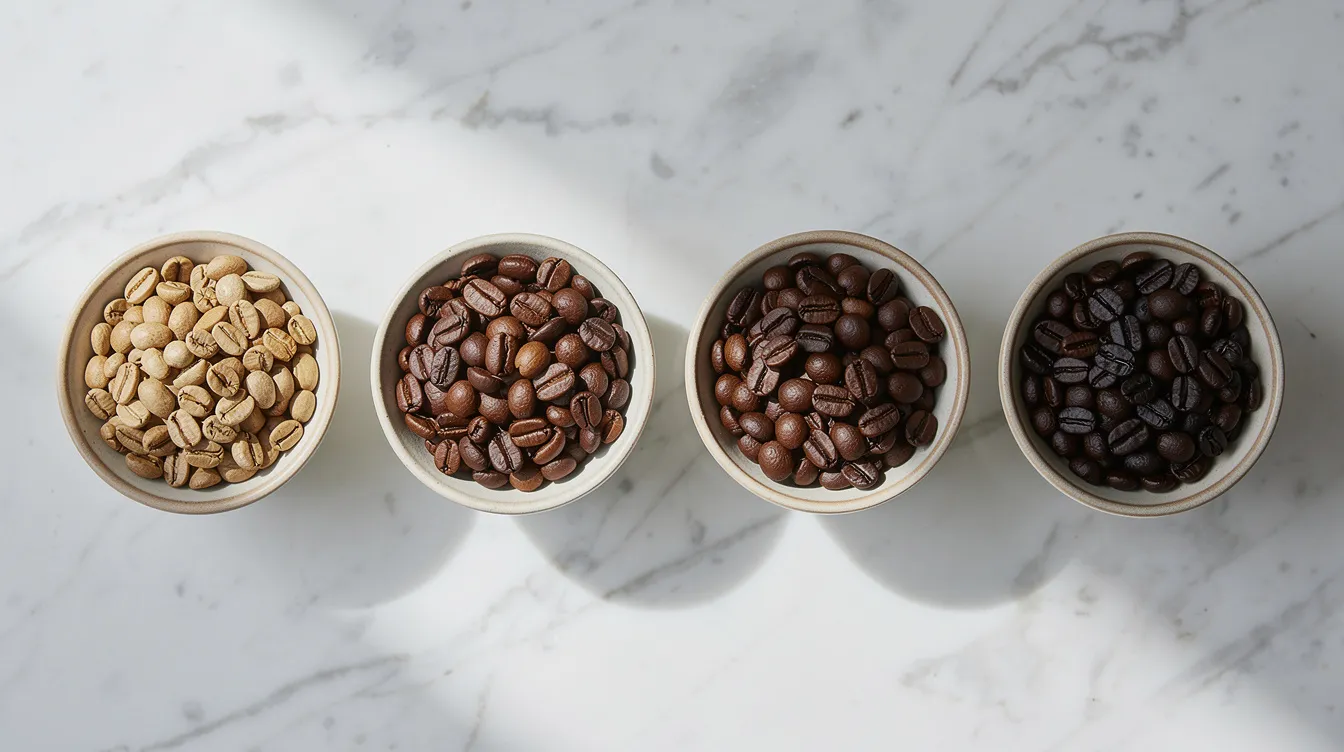
Roast Level & Grind: Matching Beans to Your Iced Coffee Brew
Choosing the right roast level and grind size is as important as choosing the right bag, especially when you drink cold brew or iced coffee daily.
- Light roasts emphasize acidity and fruit notes. They can be stunning in a precise iced pour-over but often taste thin or sour when iced without careful technique.
- Medium to medium-dark roasts are best for cold brew coffee. They balance sweetness, clarity, and enough roast development to survive dilution.
- Dark roasts deliver bold, chocolatey, low acidity cups. Dark roasts produce richer cold brew with less steep time, but risk bitterness if over-extracted.
- Coarse grind matters for cold brew: particles roughly the size of raw sugar prevent over-extraction during steeping, keeping the cup smooth and free of harsh bitter compounds.
- For Japanese-style iced coffee or batch-brew iced coffee, use a medium grind and a slightly higher coffee-to-water ratio (around 1:15 to 1:17, with part of the water replaced by ice).
- Common cold brew starting ratio: a 1:8 coffee-to-water ratio is recommended for cold brew concentrate, then diluted 1:1 with water, milk, or ice to taste.
Whole Bean vs Ground Coffee for Iced Coffee
Whole bean coffee is generally better for iced coffee and cold brew. Slower oxidation means more aromatic oils are retained, and you can dial in the exact coarse grind cold brew needs or the medium grind flash-brewed iced coffee requires.
- Whole bean advantages: freshness, grind control, better expression of cocoa, caramel, and nutty notes-especially in cold brew concentrate. Drawbacks: requires a grinder, slightly higher upfront cost.
- Ground coffee pros: convenience, lower barrier to entry, accessible at grocery stores. Cons: faster flavor loss, risk of mismatched grind for cold brew, and a more generic, flat taste when chilled.
- Practical compromises: buy from roasters who grind to a specified coarse grind for cold brew, use pre ground coffee within a week or two of opening, and always prioritize bags with recent roast dates.
- For people who regularly drink cold brew at home, a basic burr grinder pays for itself in noticeably better iced coffee within a single bag of beans.
How to Brew Better Iced Coffee with Your Chosen Beans
Once you have the right beans, these two pathways cover most home iced coffee situations.
- Japanese-style iced coffee: brew hot water through a medium grind directly onto ice. Use a ratio of roughly 1:15 to 1:17 (total water plus ice weight). The hot extraction preserves bright aromatics, and the ice locks them in instantly. This is how iced coffee retains the complex character that hot coffee is known for.
- Cold brew coffee: steep coarsely ground coffee in cold water (or room temperature water) for 12 to 24 hours. Cold brew coffee is steeped for 12 to 24 hours in cold water, but steeping for 16 to 18 hours yields optimal flavor for most medium-to-dark roasts. Use filtered water for cleaner results.
- Adjust for taste: increase coffee dose or steep time for stronger cold brew concentrate; tweak grind slightly coarser if your brew turns bitter. A French press works well as a simple immersion cold brew vessel.
- Storage: cold brew concentrate keeps best for 7 to 10 days in the refrigerator in a sealed container. Ready to drink diluted iced coffee is best within 2 to 4 days. Use airtight glass or BPA-free containers.
Buying Tips: How to Choose Coffee Beans for Iced Coffee
Don’t overthink this. A few practical checks will steer you away from disappointing iced coffee beans and toward bags that are actually worth buying.
- Look for roast dates, not just best-by dates. Transparent roast dates correlate with higher satisfaction across evaluated blends.
- Read the label: single origin coffee means one traceable source, which gives more distinct flavor. Blends combine origins for balance and consistency. Both can be excellent for iced coffee.
- Check for the flavor notes that matter to you: chocolate, caramel, nuts, and fruit are useful descriptors. Vague terms like “strong” or “bold” without specifics are less helpful.
- Ethically sourced organic beans should be preferred when possible. Look for fair trade, organic, or direct-trade certifications if those values matter to you, but know that certification alone doesn’t guarantee taste.
- Price per ounce rough tiers: budget (under $1.50/oz), midrange ($1.50–$2.00/oz), premium ($2.00+/oz). Paying more tends to show up in the cup when it reflects fresher roasting and better sourcing rather than just packaging.
- Start with one or two bags before locking into a subscription. Many roasters ship lactose free and gluten free options if dietary restrictions apply.
Related Iced Coffee & Espresso Drink Guides from Capitol City Coffee
If you enjoy exploring specific drinks, these other Capitol City Coffee guides dig into roast and bean choices for different preparations:
- Explore more brew-specific coffee guides for recommendations organized by how you actually make your morning cup.
- Best coffee for lattes covers roasts and beans that shine in milk-heavy espresso drinks.
- Best coffee for cappuccinos focuses on espresso blends that balance richness and crema with steamed milk.
- Browse all coffee coverage for gear reviews, brewing guides, and more bean roundups.
Our Iced Coffee Pick
We matched one coffee to the iced-concentrate mug this guide describes. Tap the image or the coffee name. Research-rated, not yet brewed by our team.
Feeling over ice: a cold-brew blend
Our pick: Stone Street Coffee Cold Brew Blend, coarse grind, dark roast. Made for concentrate over ice. Research-rated, not yet brewed by our team.
FAQs: Best Coffee for Iced Coffee
These FAQs address common questions not fully covered in the main sections, focusing on practical, everyday decisions for home brewers.
Can I Use Any Coffee Beans for Iced Coffee, or Do I Need “Cold Brew” Beans?
Most reasonably fresh, quality coffee beans can work for iced coffee. Beans marketed for cold brew coffee are typically roasted and blended to emphasize chocolatey sweetness, low acidity, and a flavor profile that stays balanced when diluted, but there is no special bean species involved.
The main differences are roast level and flavor profile. Medium to medium-dark roasts with cocoa and caramel notes are the safest starting point for iced drinks. You do not need a special label-just prioritize freshness, a suitable roast level, and the right grind and recipe for your chosen brewing method.
Is Cold Brew Stronger Than Iced Coffee?
Cold brew coffee is usually brewed as a concentrated cold brew with a higher coffee-to-water ratio and a long steep time, so before dilution it is stronger in both flavor and caffeine than standard hot coffee poured over ice.
Final strength in the cup depends on how much you dilute cold brew concentrate and how strong you brew hot coffee for iced drinks. Caffeine-sensitive drinkers should start with shorter steep times or higher dilution. The commonly cited 400 mg per day caffeine guideline is a reasonable ceiling for total daily intake across all sources.
What Coffee-to-Water Ratio Is Best for Iced Coffee at Home?
For Japanese-style iced coffee, brew at about 1:15 total weight, replacing roughly 40% of the water with ice. For cold brew concentrate, a 1:8 coffee-to-water ratio is recommended, then dilute 1:1 with water, ice, or milk to taste.
Darker roasts often work with slightly lower ratios, while medium roasts may benefit from a bit more coffee or a longer steep time to avoid a cup that could taste thin when served cold. Experiment in small batches and keep simple notes so you find your personal house ratio quickly.
Does Iced Coffee Have Less Acidity Than Hot Coffee?
Iced coffee brewed hot and then cooled retains roughly the same acidity level as hot coffee-it just arrives cold. Cold brew coffee, however, is typically lower in acidity than iced coffee because cold extraction pulls fewer acidic compounds from the grounds.
Perceived acidity also depends on bean origin, roast level, and brew strength. A low-acid dark roast from Brazil will feel gentler than a light roast Kenyan whether served hot or iced. People seeking the least sharp, most stomach-friendly option should focus on cold brew made from lower-acid beans.
How Long Can I Keep Cold Brew or Iced Coffee in the Fridge?
Properly stored cold brew concentrate in a sealed container usually tastes best for 7 to 10 days in the refrigerator. Cold brew can last up to 7 days at peak flavor, though it remains safe a bit longer if kept sealed and cold. Ready to drink diluted cold brew or iced coffee is best consumed within 2 to 4 days.
Flavor flattens beyond these windows, and oxidized notes become more noticeable when coffee is served chilled. Brew in manageable batch sizes and store in airtight glass containers to preserve aromas as long as possible. Your first sip from a fresh batch should tell you exactly how much to make next time.