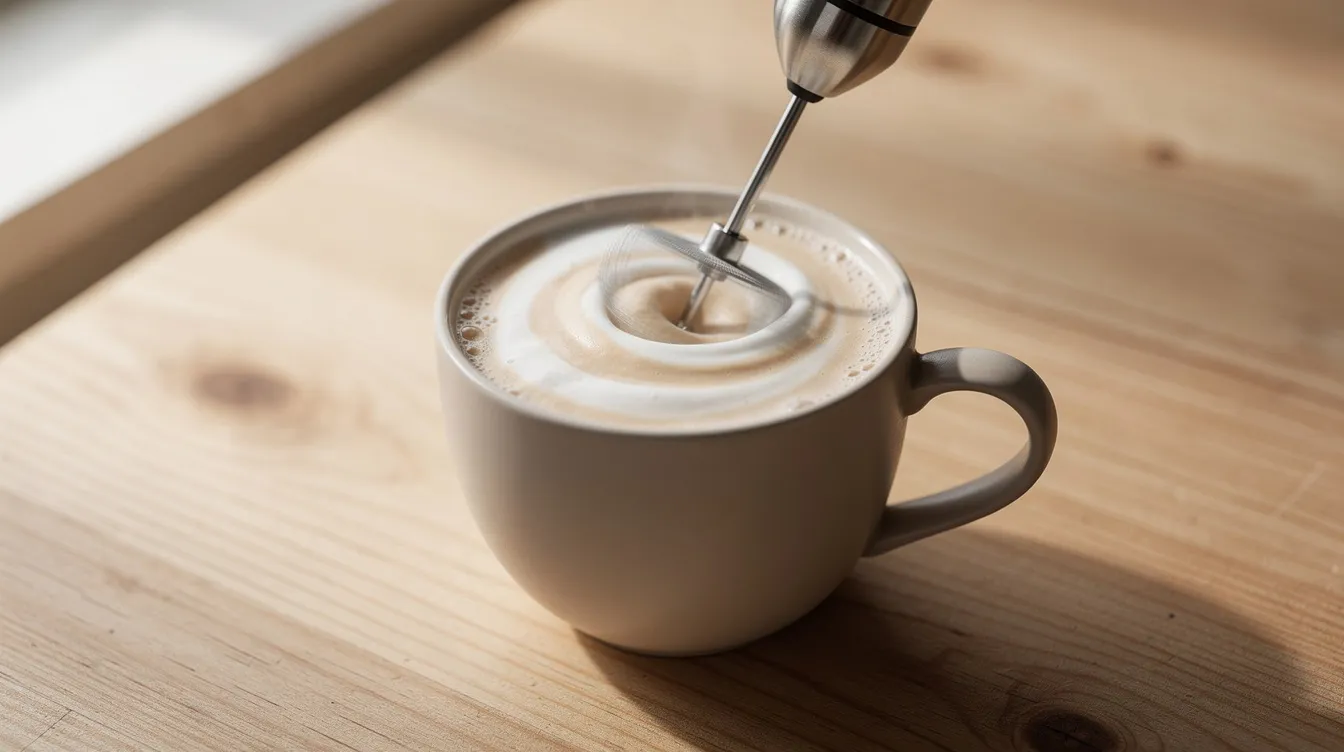
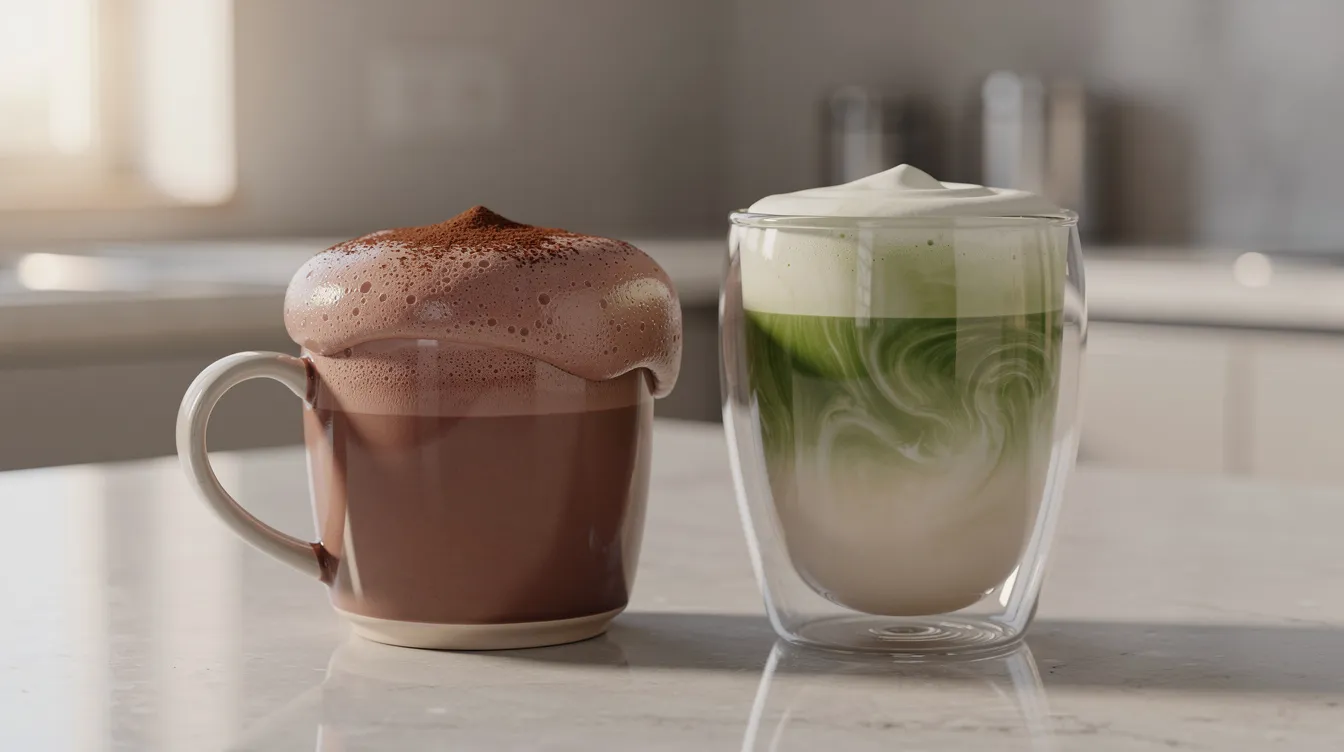
The best milk frother for most people is a pitcher-style model like the Instant MagicFroth 9-in-1, which handles everyday lattes and hot chocolate with minimal effort. If latte art is your main priority, the Subminimal NanoFoamer Lithium is a handheld milk frother that produces barista-quality microfoam rivaling a steam wand. A good milk frother elevates coffee, matcha, and hot chocolate at home without requiring barista training.
This guide is researched editorial analysis based on verified specs, third-party testing, and expert consensus-not hands-on testing by Capitol City Coffee.
Choose a countertop or pitcher-style frother if you want hands-free operation, simultaneous heating, and enough capacity for a family. Choose a handheld milk frother if you want control over foam texture, portability, and a lower price of entry.
All recommended milk frothers can produce hot foam for cappuccinos and lattes; several also make cold foam for iced drinks. Trade-offs come down to materials, cleaning effort, durability, and how much counter space you can spare.
Below, you’ll find specific product picks, a comparison table, and detailed sections to help you land on the right frother for your setup.
Affiliate Disclosure
Capitol City Coffee is an independent coffee editorial and affiliate publication. We may earn a commission from qualifying purchases made through links in this guide, at no extra cost to you. Commissions do not influence our rankings or which milk frothers are included-recommendations are based on researched editorial analysis and third-party performance data.
Quick Answer: Our Picks for the Best Milk Frothers
If you simply prefer a quick answer, here are the milk frothers that stood out across our research for U.S. home users, organized by use case:
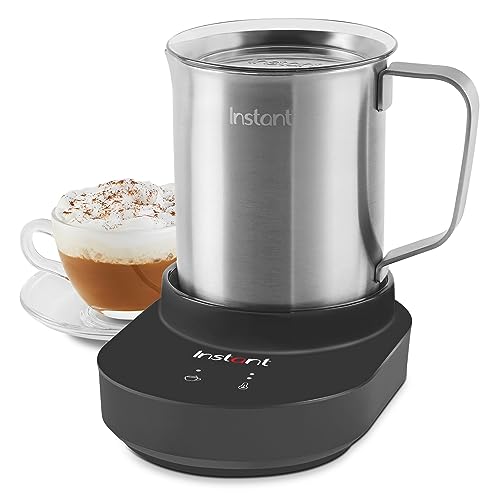
Best overall pitcher-style frother for most people: Instant MagicFroth 9-in-1 – nine heat and foam combinations, stainless steel body, enough capacity for two lattes.
Best budget handheld frother: IKEA Produkt – under $5, runs on two AA batteries, froths milk in about 15–20 seconds for basic cappuccino-style foam.
Best large-capacity countertop frother: Breville The Milk Café – adjustable temperature dial, multiple foam discs, large stainless steel jug for batch drinks.
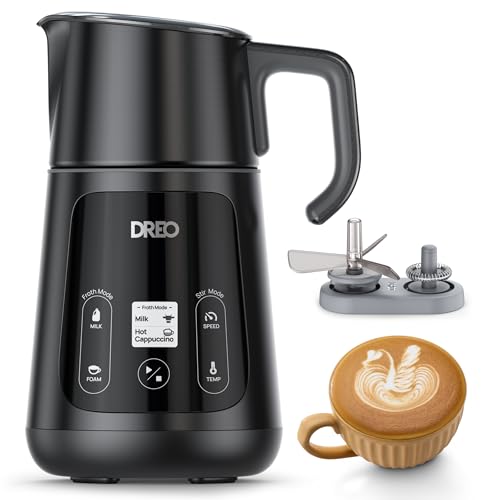
Best multipurpose device for coffee and hot chocolate: Dreo BaristaMaker – 600W heating, 30+ foam presets, dual frothing tips, large 27 oz jug.
Scroll down for the full comparison table, detailed pros and cons, and guidance on choosing the right frother for your kitchen.
At-a-Glance Comparison Table
The following table summarizes the top researched milk frothers side by side. Use it to compare specs quickly, then scroll below for deeper analysis of each model.
Detailed pros, cons, and ideal user profiles for each model follow below.
How We Chose These Milk Frothers
This roundup is researched editorial analysis, not in-house hands-on testing. Capitol City Coffee does not have documented lab notes for these devices, so we relied on the following sources:
Manufacturer specs and product documentation
Reputable expert reviews from outlets like Tom’s Guide and TechRadar
Verified buyer consensus from major U.S. retailers
Barista and latte art community feedback on Reddit and specialty coffee forums
We evaluated the tested milk frothers in this roundup against these factors:
Foam quality and consistency – microfoam versus thick froth, and suitability for latte art or traditional cappuccino drinks
Accuracy and performance of heating – target temps around 130–150 °F for sweet, safe hot milk
Capacity and speed – single mug versus multiple drinks, typical cycle times
Usability and workflow – controls, noise, comfort in handheld frothers
Durability and materials – stainless steel versus coated interiors, build quality
Footprint and compatibility – space near espresso machines, use with manual espresso setups like Flair or Robot
Warranty coverage, support, and overall value in the U.S. market
Where multiple models performed similarly on paper, tie-breakers included reliability history, availability in the U.S., and clear documentation of temperature and foam modes. This list will be updated as notable new milk frothers enter the market or existing models change.
Best Overall Pitcher-Style Milk Frother
The Instant MagicFroth 9-in-1 is the pitcher-style frother we’d point most people toward. It balances capacity, reliable heating, multiple foam settings, and a stainless steel build at a reasonable price – the kind of appliance you press a button on and walk away from.
Its nine functions come from crossing three temperature settings (cold, warm, hot) with three froth levels (stir, foam, extra foam). That range covers everything from cold foam for iced lattes to dense, frothy warm milk for hot chocolate. Pitcher frothers like this can heat and froth milk simultaneously, producing hot milk and milk foam in one cycle, which eliminates the separate heating step that handheld frothers demand.
Performance: Produces dense, silky foam that works well for lattes and cappuccinos, though the texture isn’t fine enough for Instagram-worthy foam or latte art patterns. Consistent results across whole milk and popular plant-based milks like oat and soy, with solid performance on broader nondairy milk options, though almond milk can be thinner. Pitcher frothers often produce denser, creamier foam than handhelds.
Heating accuracy: The hot setting reaches temperatures suitable for comfortable sipping without scalding. The warm setting stays in a lower range that preserves sweetness – useful for kids’ drinks.
Capacity and workflow: The Instant MagicFroth 9-in-1 can froth up to 500 mL of milk total, with a realistic frothing capacity of about 8.5 oz. That’s enough for one to two mugs of latte. Cycle times run approximately 3–5 minutes depending on mode.
Usability: Super straightforward button controls, magnetic whisk attachment, indicator beeps when the cycle finishes, and a lid designed for easy pouring.
Materials and durability: Stainless steel exterior with a non-stick coating interior. The non-stick coating eases cleanup, particularly after hot chocolate, but avoid metal utensils to prevent scratching over time.
Cleaning: The pitcher, lid, and whisk are all dishwasher safe. Residue from cocoa powder or flavored drinks may require a quick pre-rinse.
Footprint: Medium countertop presence – comparable to a small kettle. Fits next to drip coffee makers or espresso machines in most U.S. kitchens without crowding.
Ideal user: Someone who wants one-button lattes and hot chocolate every morning without worrying about latte art or technique. Main trade-offs: limited capacity for more than two drinks at once, and the non-stick interior will eventually show wear with heavy use.
Best Handheld Milk Frother for Latte Art
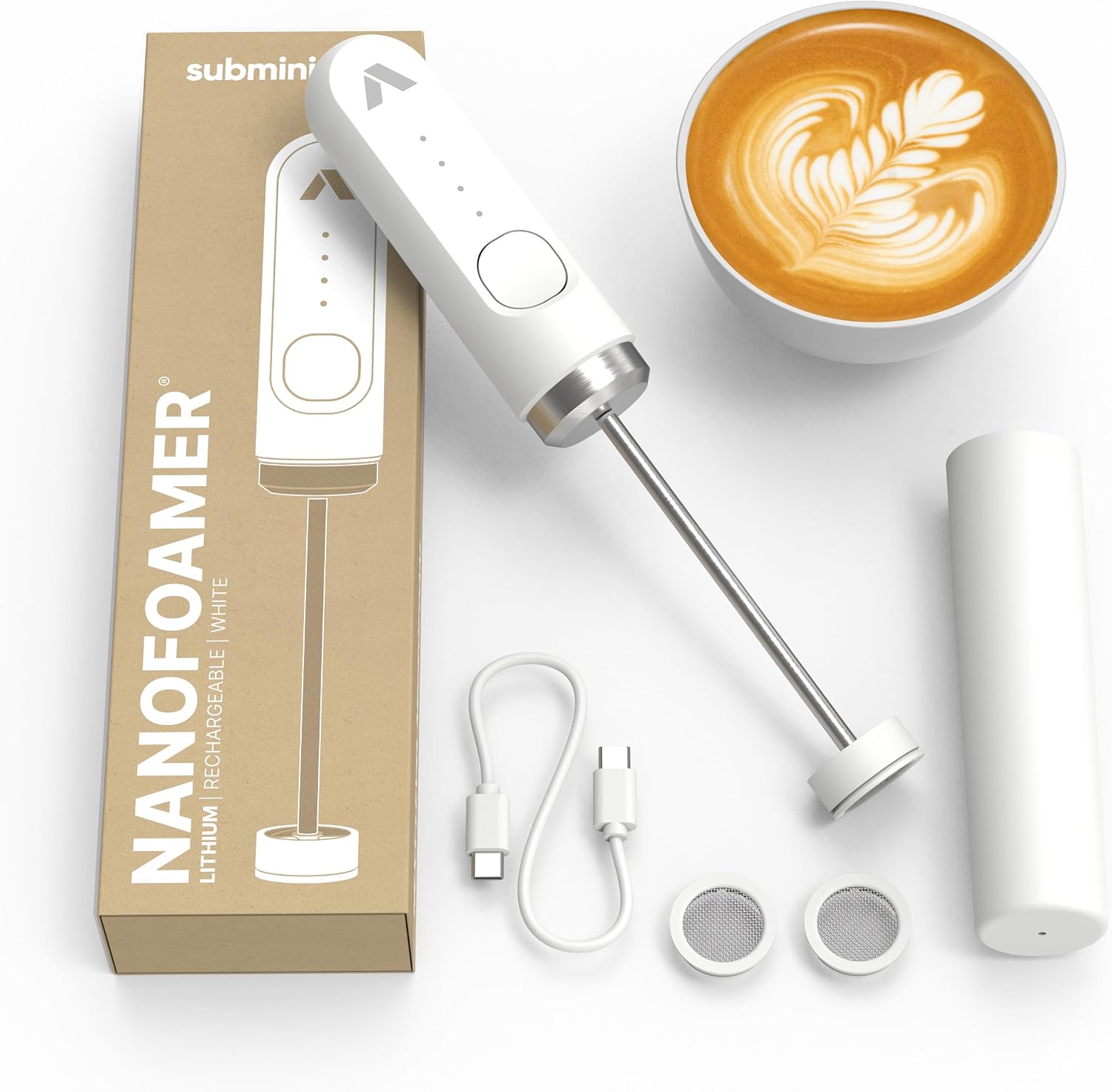
The Subminimal NanoFoamer Lithium is not your typical handheld frother. Where most handheld wand frothers spin a simple whisk to whip air into milk, the NanoFoamer uses interchangeable mesh screens – “fine” and “superfine” – paired with a higher-torque motor running at roughly 3,500 RPM to create microfoam that’s pourable and glossy with tiny bubbles. The result approaches what you’d get from a steam wand, minus the wand.
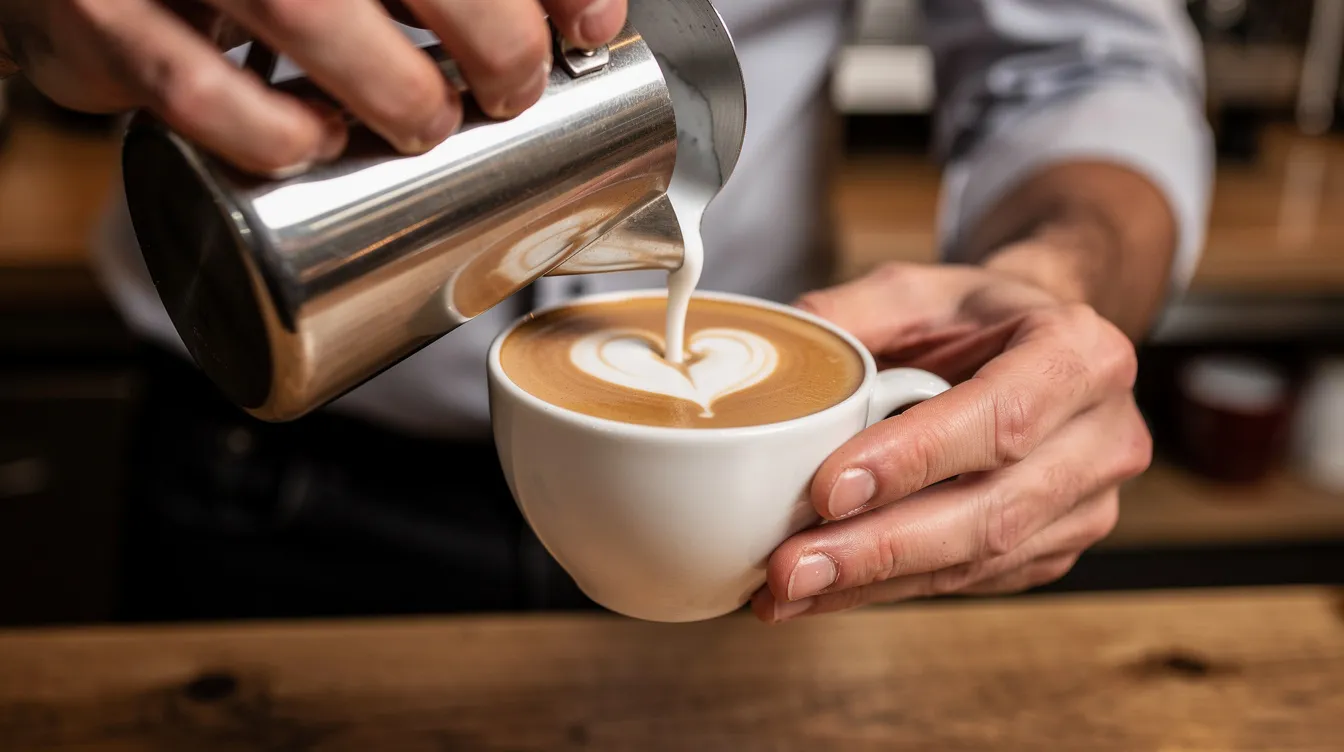
Performance with dairy milks: With whole milk, it excels. The Subminimal NanoFoamer produces barista-quality microfoam that holds latte art patterns – hearts, tulips, and rosettas – when technique is dialed in. Whole milk is best for creating stable microfoam due to its fat content and protein structure. The NanoFoamer excels at creating microfoam with whole milk specifically.
Performance with plant milks: Results are more variable. Oat milk in barista editions works reasonably well; standard almond milk or thinner soy formulas may produce less stable foam. Expert reviews note that non-dairy performance lags behind dairy consistently.
Power and modes: Two speeds controlled via a button on the body. USB-C rechargeable with approximately 30 minutes of runtime per charge. Compact enough to tuck in a drawer.
Learning curve: This is where the NanoFoamer asks more of you. Handheld wand frothers require manual heating of milk – you need to pre-heat milk separately (microwave, stovetop, or kettle) before frothing. Then you control depth, angle, and timing to create a vortex that integrates air into the liquid. Mistakes produce bubbly, dry foam rather than the velvety foam you’re after. Online tutorials from Subminimal and the latte art community help, but expect a week or two of practice.
Materials and build: Plastic body with a steel shaft. The mesh screens are the wear point – they can bend or clog over time. Some users on Reddit report battery issues after 11–24 months of daily use, plus occasional chipping of plastic propeller parts.
Cleaning: Rinse the whisk and screen immediately after use – dried milk on the mesh degrades foam quality fast. Not dishwasher safe; IPX-4 splash resistance only. Handheld frothers require pre-heated milk for optimal results, so you’ll also have a separate vessel to clean.
Best for: Home baristas practicing latte art on espresso machines or manual setups like Flair or Robot that lack a steam wand entirely.
When other frothers are better: If you want dense foam for cappuccinos, hands-off hot chocolate, or batch frothing for a family, a pitcher-style or countertop frother is the smarter choice.
Best Budget Handheld Milk Frother
Budget handheld frothers like the IKEA Produkt and the Zulay Kitchen Handheld Milk Frother strip frothing milk down to essentials: a battery-powered motor, a stainless steel whisk, and an on/off button. Handheld frothers are typically more portable and budget-friendly than any other category. The Zulay Kitchen Handheld Milk Frother costs under $10, and the IKEA Produkt runs about $4.
Performance: These create thick, bubbly, airy foam – fine for a traditional cappuccino or a frothy cup of hot chocolate, but not fine enough for latte art. The foam tends toward larger bubbles that dissipate faster than microfoam. Handheld frothers can produce rich foam with both dairy and nondairy milks, though results are coarser than premium devices.
Power and controls: Single on/off button (hold to run on IKEA Produkt). The Produkt runs on two AA batteries; the Zulay is similar. No speed settings, no temperature control. Handheld frothers can struggle with larger volumes of milk – stick to about 3–5 oz per session for decent results.
Usability: The IKEA Produkt’s battery compartment can be tight to open. Grip comfort is basic. Noise is minimal but the plastic housing feels lightweight.
Materials: Stainless steel whisk, plastic body. No reported rust issues on the whisk itself, though long-term motor reliability varies.
Best use cases: Whipping cream, mixing matcha or protein powder, quick foam on drip coffee, or a frothy cup of hot chocolate. These work as starter frothers or travel companions.
Long-term value: Ongoing AA batteries cost adds up compared to a one-time investment in a rechargeable handheld like the NanoFoamer. If you froth daily, upgrading to a battery-powered milk frother with USB-C charging saves money over a year.
Best Large-Capacity Countertop Frother
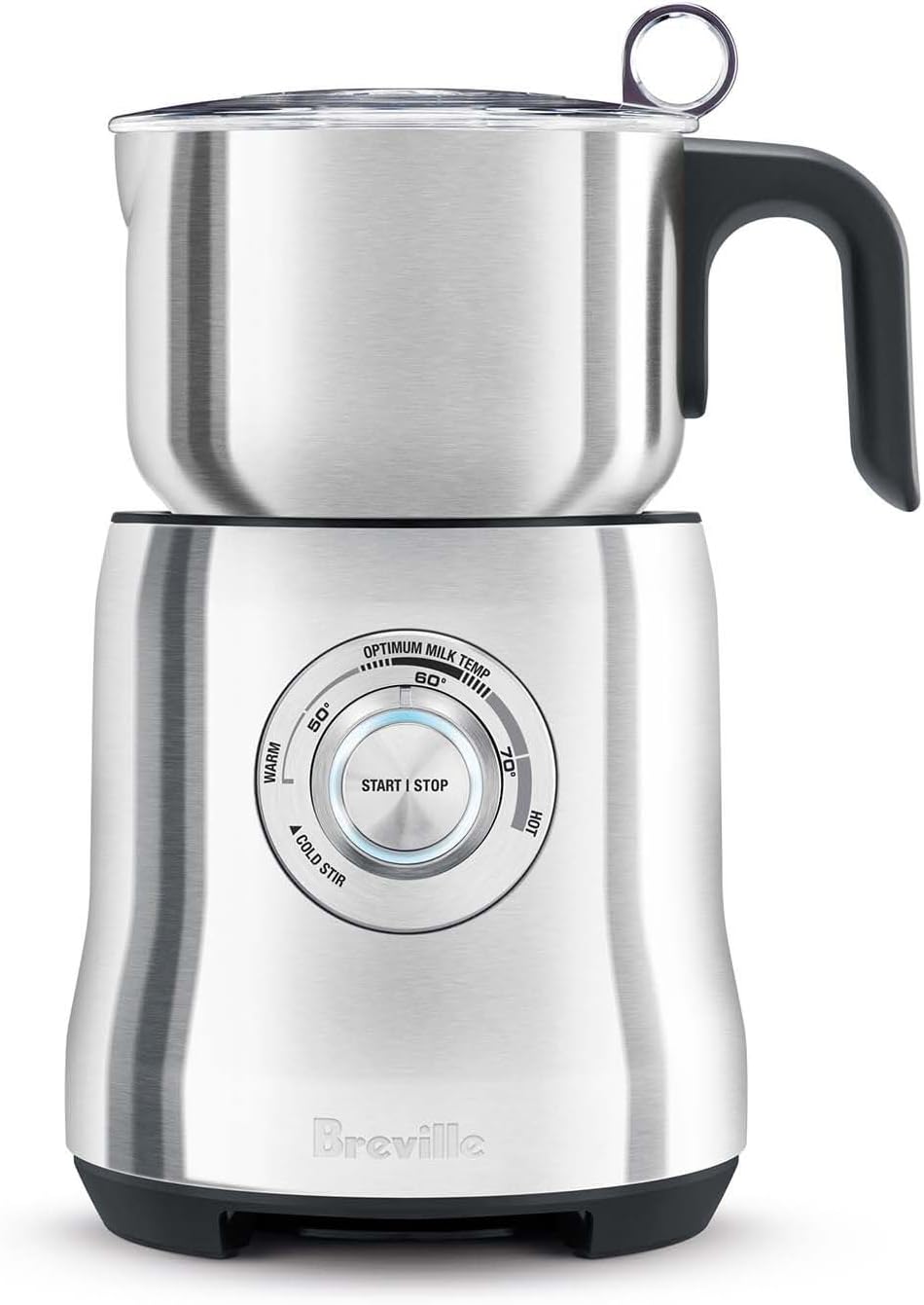
The Breville The Milk Café (BMF600XL) is built for households that regularly make multiple cappuccinos, lattes, and hot chocolate at once. It’s the go-to for entertaining or families that want café-style steamed milk in batches rather than one mug at a time. Larger frothing capacities are convenient for multiple servings, and the Breville delivers here.
Capacity: The Breville Milk Café can froth 500 mL of milk – enough for two to three lattes or several small cappuccinos in a single cycle.
Temperature control: A manual dial surrounds the start/stop button with preset marks for 120 °F, 140 °F, 160 °F, Warm, and Cold Stir. This precise temperature control lets you keep kids’ drinks cooler or heat milk hotter for adults who want a warmer cup. Temperature control in frothers helps avoid overheating milk, which can flatten flavor above 160 °F.
Foam modes: Interchangeable discs produce different textures – one for cappuccino-style thick foam, another for smoother latte foam. Consistency across both dairy milks and plant-based milks is solid, though barista-edition oat and soy perform best.
Materials: Stainless steel jug on a solid power base. Build quality feels durable and substantially heavier than smaller pitcher-style milk frothers. Some older units use a non-stick interior coating – check current production runs if this matters to you.
Cleaning and storage: The jug detaches for hand washing. Cord storage is built into the base. Footprint is medium-large – expect it to occupy real counter space, similar to a stand mixer’s footprint.
Ideal user: Families, frequent entertainers, or anyone making three or more milk drinks at a stretch. Main drawbacks: higher price ($120–150), larger footprint, and overkill for single-cup households.
Best Frother for Hot Chocolate and Kids’ Drinks
The Dreo BaristaMaker stands out for hot chocolate, chai, and other non-coffee drinks because of its ability to both heat milk and mix in cocoa powder, chocolate, or spices through dedicated stirring and frothing modes. Its 600W heating element and dual-sensor temperature system bring milk to the right zone without scorching.
Performance with hot chocolate: The disc frothing tip physically stirs powders into hot milk, helping dissolve cocoa and avoid grainy residue at the bottom. The impeller tip then creates a dense, fluffy foam layer on top – more suited to kid-friendly drinks and traditional cappuccino foam than fine microfoam for latte art.
Foam style: Thick, smooth, and stable foam that sits on top of the drink. Many modern electric models offer hot and cold foam modes, and the Dreo is no exception – it handles cold foam for iced drinks alongside its warm and hot settings (130–170 °F range).
Safety and usability: Auto shut-off when cycles complete. Controls are intuitive enough for multitasking parents – select a preset, press start, walk away. The 27 oz jug handles up to about 15 oz in stir mode for batch hot chocolate.
Cleaning: Nonstick interior coatings prevent baked-on milk residue in the electric jug, which matters a lot when chocolate is involved. The jug and frothing tips are dishwasher safe. Some users have reported minor rust traces on the heating plate under the jug from steam condensation, so towel-drying the base after washing is worth the habit.
When to choose this over other milk frothers: If your household runs through hot chocolate, chai lattes, and flavored steamers regularly, the Dreo’s mixing and heating versatility is hard to beat. Trade-offs include its large footprint, higher energy use, and limited fine-texture control for latte art.
What About Using a French Press as a Milk Frother?
Many readers already own a french press and wonder whether it can replace a dedicated frother. The short answer: it works, but with limits.
Method: Heat milk separately (microwave, stovetop, or kettle), pour it into the french press, and pump the plunger vigorously for 30–60 seconds. The mesh screen incorporates air into the liquid.
Foam quality: You’ll get looser, larger-bubble foam – fine for cappuccino-style drinks but notoriously difficult to shape for latte art. The texture doesn’t approach the consistency of electric frothers or NanoFoamer-style handhelds.
Effort and consistency: More physical work than pressing a button, and results vary from batch to batch. You also need more milk volume because the plunger displaces liquid.
Cleaning: Extra parts to wash, and residual coffee oils from previous brews can affect milk flavor if you don’t clean the press thoroughly with dish soap between uses.
When it makes sense: Occasional milk drinks, limited budget, travel, or “I just want to try frothing before buying a dedicated device.” For daily use, upgrading to even a budget handheld frother like the IKEA Produkt is a meaningful step up.
Key Features That Actually Matter in a Milk Frother
Not every feature on milk frothers is equally important. These are the specs that genuinely affect foam quality, durability, and daily usability.
Foam texture and control: The ability to create true microfoam for latte art versus thick, airy foam for cappuccinos and hot chocolate. Devices with multiple texture settings or interchangeable whisks (like the Dreo’s dual tips or the NanoFoamer’s screens) offer more range. Standard countertop units froth roughly 4 oz of milk at a time in basic modes – check actual frothing capacity, not total jug volume.
Heating accuracy and performance: Target temperature range of around 130–150 °F produces sweet, comfortable-to-sip milk. Many modern frothers also offer hot and cold foam modes. Cold foam retains a lower temperature than hot foam and works for iced lattes and cold brew toppings.
Capacity: Match frother volume to your mug size and household. A single-serve handheld covers one cup; pitcher-style and countertop models handle two to four drinks per cycle.
Usability: Button layout, ergonomics for handheld frothers, noise levels, and whether you can walk away during the cycle. Pitcher-style models win on convenience; handhelds win on control.
Cleaning and materials: Dishwasher-safe stainless steel versus non-stick interiors – the non-stick coating ages with use and can scratch. Removable whisks are easier to clean thoroughly. Frothers should accommodate different milk types to ensure foam stability, which means easy cleanup between dairy and plant milks.
Footprint and compatibility: Countertop units occupy real estate next to your espresso machine or coffee makers. Handheld frothers tuck into a drawer.
Durability and warranty: Typical 1–2 year warranties cover motor and electrical failures. Look for availability of replacement screens, tips, and whisks – they extend the useful life of any frother.
Value: A $4 handheld and a $150 countertop frother serve different purposes. Whole milk produces the best microfoam quality regardless of device, so start there if you’re evaluating foam performance.
How to Choose the Best Milk Frother for Your Setup
Think of this as a decision tree rather than a ranking. The right frother depends on how you actually drink, not which model has the longest feature list.
What drinks do you make? Cappuccinos with thick foam, flat whites and lattes with thin microfoam, iced drinks with cold foam, or hot chocolate and chai? Cappuccinos have denser, frothier foam than lattes – matching your frother’s foam style to your cup matters.
How many servings at once? One to two cups points toward handheld frothers or smaller pitcher-style units. A family or regular entertaining calls for something like the Breville or Dreo.
What equipment do you already own? An espresso machine with a steam wand may already cover your frothing needs. A manual espresso setup without steam (Flair, Robot) pairs well with a NanoFoamer-style handheld. A drip brewer or pour-over setup benefits from a pitcher-style frother that handles heating.
How much counter space do you have? Handheld frothers fit in drawers. Pitcher-style units sit next to your machine. Large countertop models demand dedicated real estate.
Budget tiers:
Under ~$20: Basic handheld frothers (IKEA Produkt, Zulay) and a french press as a stopgap
~$30–$80: Mid-range pitcher-style frothers and rechargeable handhelds like the NanoFoamer Lithium
$100+: Premium countertop units like the Breville The Milk Café or the Dreo BaristaMaker
Quick profile mapping:
Latte art hobbyist with espresso machine → NanoFoamer Lithium
Busy family who loves hot chocolate → Dreo BaristaMaker or Instant MagicFroth 9-in-1
Entertainer making batch drinks → Breville The Milk Café
Care, Cleaning, and Cost of Ownership
Ongoing maintenance affects both taste and the total cost of owning a milk frother. Skipping cleanup even once lets proteins dry into a film that degrades foam quality.
Daily cleaning habits: Clean frothers immediately to prevent milk residue buildup. For handheld wands, a spin in soapy warm water right after use is usually enough. For pitcher-style and countertop models, use hot water and dish soap before residue sets. Removable whisks are easier to clean thoroughly – pull them off and rinse separately.
Dishwasher vs. hand washing: Dishwasher-safe parts significantly ease post-coffee cleanup and simplify the cleaning process. Pitchers, lids, and whisks that survive the dishwasher (like those on the Instant MagicFroth) save time. Hand washing extends non-stick coating life when present.
Non-stick vs. stainless steel interiors: Non-stick coatings prevent baked-on milk residue and make chocolate drinks easier to clean, but they can scratch and wear over time. Buyers concerned about PFAS may prefer bare stainless steel interiors. Stainless steel is more durable but can develop hard-water scale if not dried.
Descaling: Electric bases can accumulate mineral buildup over months. Follow manufacturer guidelines for descaling – it’s usually a vinegar-water cycle.
Cost of ownership: AA batteries for budget handheld frothers cost $5–10 per year with daily use. USB-rechargeable models eliminate that cost. Expected lifespan for handheld motors is roughly 1–3 years depending on build quality; battery failures in rechargeable handhelds (like the NanoFoamer) have been reported at 11–24 months by some users. Pitcher-style and countertop units typically last longer but cost more upfront.
Storage tips: Unplug electric bases before cleaning and never submerge them. Store handheld frothers vertically or in cases to avoid bent whisks.
Using a Milk Frother for Different Drinks
Milk frothers are versatile tools that extend well beyond lattes and cappuccinos.
Coffee drinks: Dense, frothy foam for cappuccinos; thin, pourable microfoam for lattes and flat whites; a dollop of cold foam on iced lattes or cold brew. Cappuccinos have denser, frothier foam than lattes – use “extra foam” or cappuccino presets where available.
Non-coffee options: Hot chocolate (use stir or mix modes to dissolve cocoa into hot milk), matcha lattes (the NanoFoamer without its screen works well for mixing matcha powder without lumps), chai lattes, flavored steamers, and drinks with protein powder. The MatchaBar Electric Whisk can froth milk in under a minute, making it another option for quick powder-based drinks.
Plant milk notes: Most modern frothers handle plant-based milk alternatives effectively, but results depend heavily on the brand and formulation. Oat milk is tricky to froth but can achieve creaminess when using barista editions with higher protein. Almond milk is difficult to froth due to low protein and fat – expect thinner, less stable foam.
Mixing beyond foam: Handheld frothers double as quick mixers for protein powder, collagen, and cream into any liquid – even when foam isn’t the goal.
Where Milk Frothers Fit in a Home Coffee Bar
A milk frother is one piece of a complete home coffee setup – it complements your brewer, grinder, and accessories rather than replacing any of them.
Placement: Position your frother near your espresso machine or manual brewer, within reach of an outlet for countertop models. Consider cord length relative to your counter layout.
Workflow: Grind and brew your espresso or coffee first, then heat and froth milk while the shot pulls or coffee drips. Pour and serve. This parallel workflow saves time, especially with pitcher-style frothers that handle the milk hands-free.
Pairing with other gear: A quality grinder and a reliable scale improve the coffee side of your drink; the frother handles the milk side. Fresh coffee beans affect perceived sweetness alongside properly steamed or frothed milk – both matter for a balanced cup.
Big picture: A milk frother can improve drink texture dramatically, but it works best as part of a balanced gear lineup. If your coffee itself tastes flat, a frother won’t fix it. Start with good beans and sound brewing, then let the frother elevate the final product.
FAQ
These questions address common concerns not fully covered in the sections above.
Do I need a milk frother if my espresso machine has a steam wand?
A good steam wand can replace standalone milk frothers for latte art and traditional drinks. But standalone frothers, including an Instant Pot milk frother, are still useful if you find wands hard to master, want to make hot chocolate or cold foam more easily, or use a manual espresso setup like a Flair or Robot that lacks steam entirely. Manual frothers and pitcher-style units also avoid the water-vapor dilution that some steam wands introduce, sometimes yielding richer milk texture.
Can I froth non-dairy milk as well as dairy milk?
Most modern milk frothers work with oat, soy, and almond milk, though performance varies. Experts recommend barista versions of plant milks for better foam stability – these formulations have higher protein and fat content that help create stable foam. Devices like the NanoFoamer excel with dairy microfoam but may struggle with certain plant milks, particularly standard almond milk. You can froth almond milk, but expect thinner, faster-collapsing foam compared to whole milk.
What temperature should I heat milk to for the best taste?
Many baristas aim for around 130–150 °F (54–66 °C) for sweet, comfortable-to-sip milk. Above roughly 160 °F, milk can taste flat or scorched because the sugars break down and proteins denature differently. Some countertop frothers like the Breville The Milk Café allow precise temperature control via a dial, while others use preset ranges labeled “hot” or “warm.” If you’re working with a handheld frother, use a kitchen thermometer to check your pre-heated milk before frothing.
Is a handheld frother or a pitcher-style frother better for small kitchens?
Handheld frothers and a french press have the smallest footprint – they tuck into drawers or utensil crocks. Pitcher-style frothers take more counter space but can replace a separate milk pitcher, thermometer, and sometimes a hot chocolate tool. Both options work in small kitchens depending on how often you froth milk. If it’s daily, the convenience of a pitcher-style unit may justify the counter space. If it’s occasional, a handheld is the practical choice.
Can I make latte art with any milk frother?
No. Most basic handheld frothers and many automatic pitcher-style models create foam that’s too dry or bubbly for precise latte art. The foam needs to be smooth, glossy, and pourable – what baristas call microfoam – with bubbles smaller than 100 microns. Devices specifically designed to produce fine microfoam, like steam wands and the NanoFoamer Lithium with its superfine screen, are much better suited to achieving latte art patterns. Even with the right tool, expect a learning curve – depth control, timing, and pitcher technique all affect whether you pour a heart or a blob.
Your next step: decide whether foam texture or hands-free convenience is your main priority, then match that to the right category above. If you’re still unsure, a mid-range pitcher-style frother like the Instant MagicFroth covers the widest range of drinks with the least effort – and you can always add a handheld later when latte art ambitions strike.
How Capitol City Coffee Rates Coffee and Coffee Machines
Every coffee and coffee machine we recommend is scored on the same 100-point scale, so a recommendation on one page means the same thing as a recommendation on any other. Each pick is also labeled with how we reached its score.
Research-ratedScored from the roaster or manufacturer’s published specifications, independent results such as Coffee Review blind cuppings and SCA brewer certification, and patterns across verified buyer reviews. Most of our current picks are research-rated.
Hands-on testedThe Capitol City Coffee team has brewed the coffee or used the machine ourselves, following the testing steps below. We only use this label when that testing actually happened, and we show the date we tested.
Coffee beans: 100-point scale
What we score
Points
What we look at
Origin and sourcing transparency
20
Country, region, farm or cooperative, altitude, bean variety, and processing method are clearly disclosed.
Flavor evidence
25
Independent cupping scores, how closely the tasting notes match what the origin is known for, and our own cupping notes when hands-on tested.
Roast and freshness
15
Roast level stated, roast-date practices, whole-bean availability, and packaging with a one-way valve or resealable bag.
Brew versatility
15
How well the roast suits pour-over, drip, French press, cold brew, and espresso.
Value
15
Price per ounce compared with similar single-origin coffees or blends.
Buyer feedback
10
Volume and consistency of verified reviews, and recurring complaints about staleness, bitterness, or shipping.
Coffee machines and gear: 100-point scale
What we score
Points
What we look at
Brewing performance
25
Water temperature in the 195–205°F range, even extraction, and SCA certification or published test data.
Build quality and reliability
20
Materials, known failure points, and long-term owner reports.
Ease of use and cleaning
15
Setup, the daily routine, descaling, and dishwasher-safe parts.
Fit for your kitchen
10
Capacity, counter footprint, and noise.
Useful features
10
Programming, grind and temperature control, and carafe type. Features that improve the cup count more than extras that do not.
Value
10
Price compared with machines that perform similarly.
Warranty and support
10
Warranty length, parts availability, and how the brand handles repairs.
What the grades mean
Score
Grade
What it means
90–100
A
Exceptional. Our first recommendation for the feeling and setting described.
80–89
B
Strong. Excellent, with minor trade-offs we explain.
70–79
C
Good. Worth it for specific needs, with clear compromises.
Below 70
—
Not recommended. We do not feature these as picks.
How we test hands-on
When a pick carries the Hands-on tested label, this is the method behind it, and we note the date we tested.
Coffee: brewed fresh from whole beans following Specialty Coffee Association guidelines (water between 195 and 205°F, about 1 gram of coffee to every 15 to 18 grams of water) in the brew methods the roast suits best, such as pour-over, French press, or espresso. We taste it black first, then with milk if that is how most people drink it, and each taster scores it on their own before we compare notes.
Machines: used in our everyday routine rather than a single demo. We brew both full and small batches, check the brewing temperature and brew time, and run the cleaning or descaling steps the manual calls for.
How we choose the feeling and setting
We match each coffee to a mood and a moment based on its flavor profile and roast. Bright, citrusy light roasts suit energizing mornings. Chocolatey, full-bodied medium roasts suit slow or social moments. Richer roasts suit espresso and milk drinks. Each pick explains which facts led us to that match.
Our scores stay independent
Every score comes only from the criteria above. No brand can pay for a pick or a higher grade. We re-check ratings when a roast, listing, or model changes, and update or remove picks that no longer earn their grade.
Some links on this page are affiliate links. As an Amazon Associate, Capitol City Coffee earns from qualifying purchases, at no extra cost to you.
Questions about a rating? Reach the Capitol City Coffee team through our contact page.