

Key Takeaways
- The best coffee accessories give home baristas more control over dose, time, temperature, and workflow-variables that matter more than minor machine upgrades for improving cup quality.
- This is an independent editorial guide from Capitol City Coffee, built on researched analysis rather than selling. It links to deeper buying guides and reviews for specific product picks.
- Must-have coffee gear for most coffee lovers: a precise scale, a quality kettle, reliable filters, a good tamper and distribution tool, smart storage canisters, and basic cleaning tools.
- The right espresso accessories-tampers, WDT tools, portafilter funnels, knock boxes, milk pitchers, and thermometers-can quickly upgrade results even with entry-level espresso machines and coffee grinders.
- This page is organized as a hub: overview, key concepts, browse-by-accessory sections, links to deeper guides, Capitol City Coffee’s research process, and a FAQ covering practical questions.
Category Overview: What Coffee Accessories Actually Do
Coffee accessories are the tools that surround your primary brewing equipment-your espresso machine, pour-over dripper, French press, or any other maker-and help you control the variables that determine whether a cup tastes great or mediocre. We are talking about dose, grind distribution, water temperature, brew time, and cleanliness, and the right accessories help you adjust those variables for better results. Investing in the right accessories can improve coffee consistency and flavor clarity more efficiently than chasing the next machine upgrade alone.
For home baristas pulling espresso, a fraction of a gram in dose or a couple of degrees in water temperature can shift a shot from balanced to bitter. For pour-over and manual brew fans, controlling your pour speed and water temperature is the difference between a muddy extraction and a clean, bright cup. Affordable upgrades in the accessory category can greatly improve the quality of home-brewed coffee without replacing your core equipment.
This guide is aimed at coffee lovers in the United States brewing at home, not café buyers. It covers scales, kettles, filters, tampers and distribution tools, storage canisters, cups and servers, steam wand and milk tools, and cleaning gear. Jump to whichever accessory type you need most, or read through for a complete picture of what matters and why.
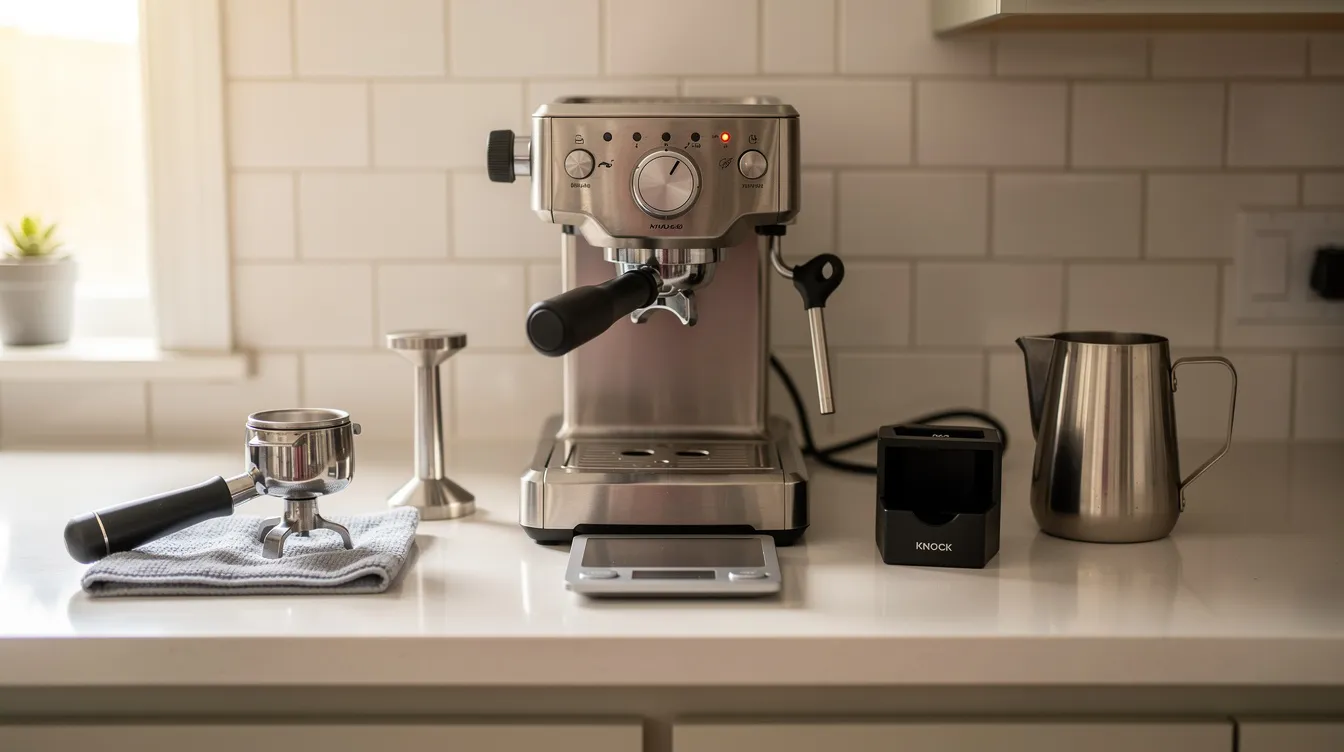
At a glance
Affiliate & Independence Disclosure
Capitol City Coffee is an independent editorial and affiliate publication. We may earn a commission when you buy through certain links on our site, but commissions never determine which products we feature or how we rank them. Unless a specific review notes hands-on testing, recommendations here are based on researched editorial analysis, manufacturer specifications, and verifiable third-party expert consensus.
Key Concepts: How Accessories Improve Your Coffee Workflow
Workflow, for our purposes, means the repeatable steps from grinding through brewing to cleaning-whether you are pulling espresso runs or pouring a slow V60. A consistent workflow makes it easier to diagnose problems. When a shot tastes sour or a pour-over comes out thin, you can isolate the variable that shifted rather than guessing blindly.
Controlling variables like dose, brew ratio, time, grind consistency, and milk temperature leads to better flavor and easier troubleshooting. Brewing coffee with precise ratios enhances flavor and extraction quality. Here is how specific accessory categories map to those variables:
- Scales and shot glasses → dose and yield (how much coffee in, how much liquid out)
- Kettles and thermometers → water and milk temperature
- Tampers and WDT tools → puck preparation and even extraction
- Cleaning tools → machine durability and flavor purity
Accessories can be prioritized in tiers. Must-have for almost everyone: a scale, a properly sized tamper, and a basic cleaning kit. Great upgrades once basics are covered: a gooseneck kettle, frothing pitchers, and storage canisters. Niche tools for advanced espresso gear setups: calibrated tampers, precision distributors, and practice latte art cups.
Durability and ease of cleaning are as important as raw performance. Tools you use daily-pitchers, knock boxes, brushes-get hit with moisture, heat, and constant handling. Cheap finishes degrade, and poorly maintained accessories create more problems than they solve.
Browse Accessory Types: Scales & Shot Measuring Tools
A coffee scale is often the single most impactful accessory a home barista can own. Precision scales ensure consistent espresso brewing ratios by removing the guesswork that scoops and eyeballing introduce. Bean density varies with roast level, freshness, and origin, which means a tablespoon of one coffee can weigh noticeably different from another.
For pour-over and batch brew, a standard digital kitchen scale with 0.1 g resolution works fine. For espresso, you want a compact, fast-refresh scale designed to fit on a drip tray and track both dose and yield in real time. Most baristas target a brew ratio of about 1:2-18 g of grounds yielding roughly 36 g of liquid-and coffee scales help eliminate guesswork in shot timing. A precision scale ensures consistent espresso by measuring dose and yield with every shot.
Key features to look for: 0.1 g resolution, water resistance or at least spill protection, auto-tare (digital coffee scales often include auto-tare features for quick workflow), timer integration, and a high-contrast readout visible under an espresso machine group head.
A triple-spout catch cup or shot glass also belongs in this category. These tools help measure and split shots cleanly when dialing in or pulling for multiple drinks, letting you see flow speed and color in real time.
Browse Accessory Types: Kettles for Pour-Over & Manual Brewing
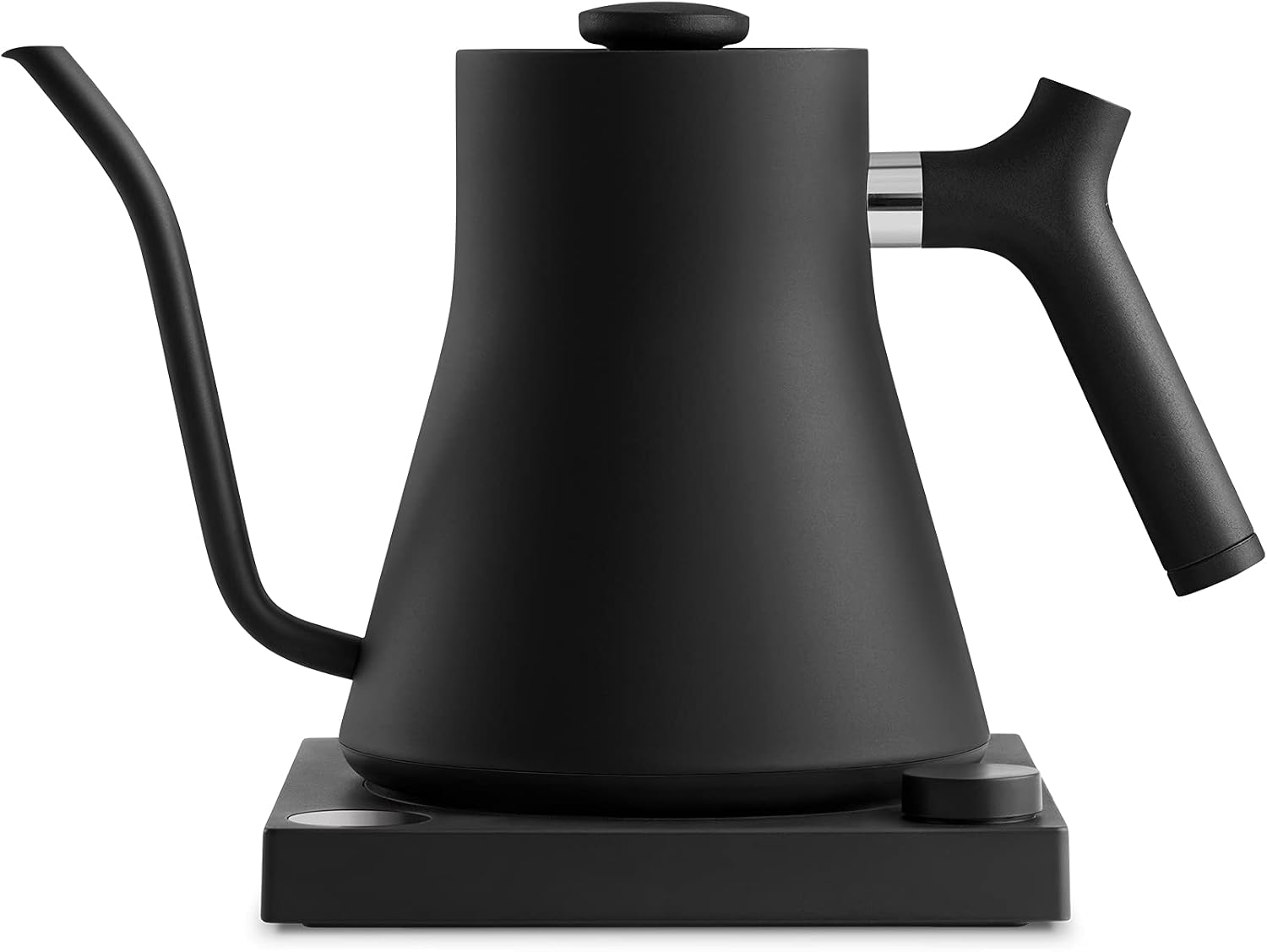
Feeling a controlled pour
Our pick: Fellow Stagg EKG Electric Gooseneck Kettle. Temperature-controlled gooseneck for pour-over. Research-rated, not yet used in our kitchen.
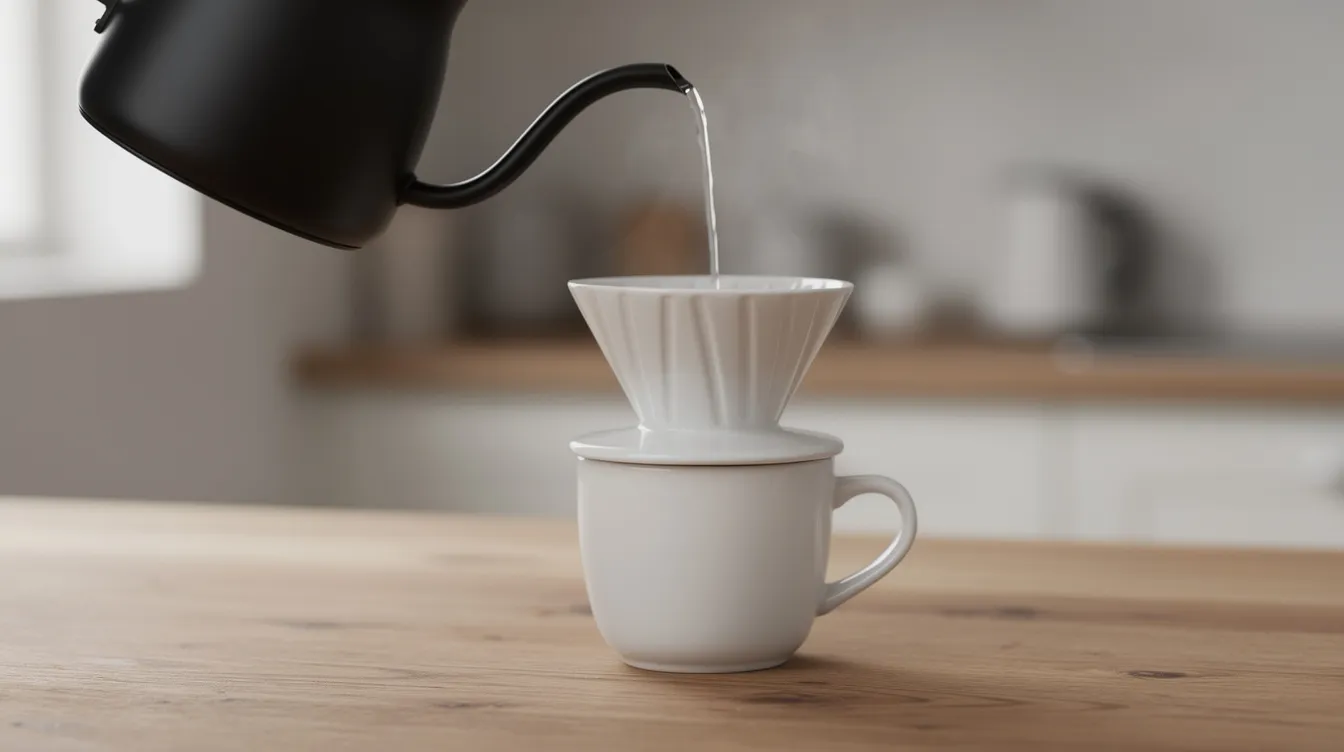
Dedicated coffee kettles, especially gooseneck models, are valuable for anyone brewing pour-over, Chemex, or other manual methods. A gooseneck kettle provides controlled pouring for manual brewing, enabling precise, slow pours that saturate the coffee bed evenly-something a wide-mouth kitchen kettle simply cannot do.
Electric vs. stovetop: Electric variable-temperature kettles cost more upfront (typically $60–$120 for quality models) but offer temperature precision, hold modes, and speed. As of 2026, electric variable-temperature gooseneck models represent roughly 50–55% of retail value in the U.S. gooseneck kettle market. Stovetop models are cheaper and simpler but require an external thermometer to hit target temperatures and adjust water temperature more precisely.
Temperature control during brewing is crucial for optimal flavor extraction. The sweet spot for most coffee sits between 195–205°F. Features that matter most: adjustable temperature presets, quick heat-up times (90–120 seconds in good electric models), hold temperature modes, comfortable handles, and rust-resistant stainless steel construction.
Even if you are espresso-centric, an advanced kettle makes sense for Americanos that need hot water at a controlled temperature, for tea, or for the occasional pour-over when you want something lighter than a shot.
Browse Accessory Types: Filters & Filter Holders
Filters are a quiet but critical part of coffee gear that directly affects clarity, body, and overall flavor. Coffee is roughly 98% water, and its quality significantly affects the brew’s flavor, but the filter is the gatekeeper of what else ends up in your cup.
- Paper filters deliver very high clarity, removing oils and sediment for a clean cup. Rinse them before brewing to reduce any papery taste.
- Metal filters allow more oils through for a richer mouthfeel and fuller body, but they require careful cleaning and can deform over time.
- Cloth filters offer a unique texture between the two but need frequent replacement and thorough sanitation.
Practical points: match filter size and shape to your dripper-wrong fit leads to overflow or an uneven bed. Using filtered water dramatically improves coffee quality and protects machine internals. Inline filters or pitcher filters reduce mineral buildup, cutting descaling frequency and extending the life of your espresso machine.
On sustainability: paper filters are single-use but compostable (especially unbleached). Metal and cloth options are reusable but carry a higher upfront cost and require more maintenance. The trade-off is convenience versus waste.
Browse Espresso Accessories: Tampers, Distribution Tools & Portafilter Funnels
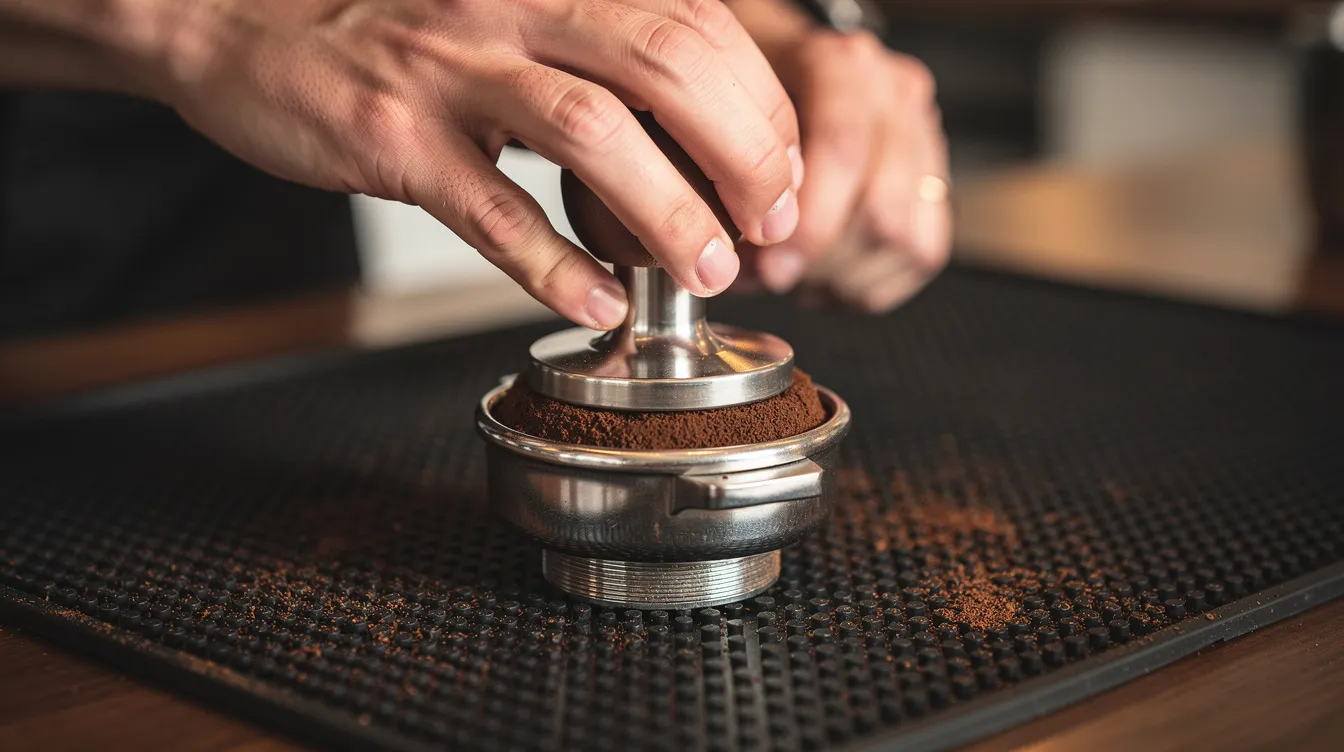
Espresso puck preparation directly influences extraction and crema. A stainless steel tamper compresses grounds evenly for better extraction, and distribution tools ensure water flows through the puck uniformly rather than finding a path of least resistance.
Tamper sizing matters. A 51 mm tamper fits flush against the portafilter basket on compact home machines like many De’Longhi models. Breville and Sage commonly use approximately 53.3–54 mm baskets, while prosumer and commercial equipment from brands like La Marzocco standardize on 58 mm. Even a 0.5 mm gap between tamper and basket wall can cause channeling-water rushing through the edges rather than extracting evenly. Before buying, measure your basket’s internal diameter rather than assuming a brand equals a size.
Even tamping prevents sour espresso by ensuring uniform water flow across the puck. A tamper should apply about 15 pounds of pressure for consistency. Calibrated tampers like the Normcore V4.1 use a spring-loaded base for even tamping, clicking at a set pressure so beginners can adjust technique more consistently from shot to shot without guessing.
WDT tools (Weiss Distribution Technique) are now standard in specialty espresso workflows. The Weiss Distribution Technique was created in 2004 by John Weiss as a method of using thin needles to break up clumps in ground coffee before tamping. WDT tools help eliminate channeling and enhance espresso extraction, and they are especially handy with smaller coffee grinders or machines with a built-in grinder that tend to produce static-heavy, clumpy output. Uneven distribution causes channeling in espresso extraction, and a WDT tool breaks up clumps for even coffee puck distribution before the tamper ever touches the grounds. Expert consensus holds that distribution is often more influential than tamp pressure itself in achieving the perfect shot.
Portafilter funnels that magnetically attach or clamp onto the basket keep grounds contained during dosing. They are a simple, inexpensive way to reduce mess on the counter, especially when grinding directly into the portafilter.
Browse Accessory Types: Knock Boxes, Mats & Workspace Protection
A dedicated espresso corner benefits from workspace protection. Heavy espresso machines, constant tamping, and daily puck disposal can scratch countertops and create a cluttered, noisy process.
Knock boxes safely and neatly dispose of spent pucks. Look for rubber knock bars that absorb portafilter impact, anti-slip bases, and a box size suited to your household. A single-person setup can get by with a compact model; a household pulling several espresso shots daily will want more capacity.
Tamping mats and silicone station mats protect counters from portafilter impacts, catch stray grounds, and wipe clean in seconds. Heat resistance is a useful bonus. Organization accessories like magnetic portafilter holders or tool rails keep other tools-tampers, WDT needles, brushes-within reach and off the counter surface. The goal is a clean, intentional workspace rather than a cluttered kitchen corner.
Browse Accessory Types: Milk, Steam Wand & Latte Art Tools
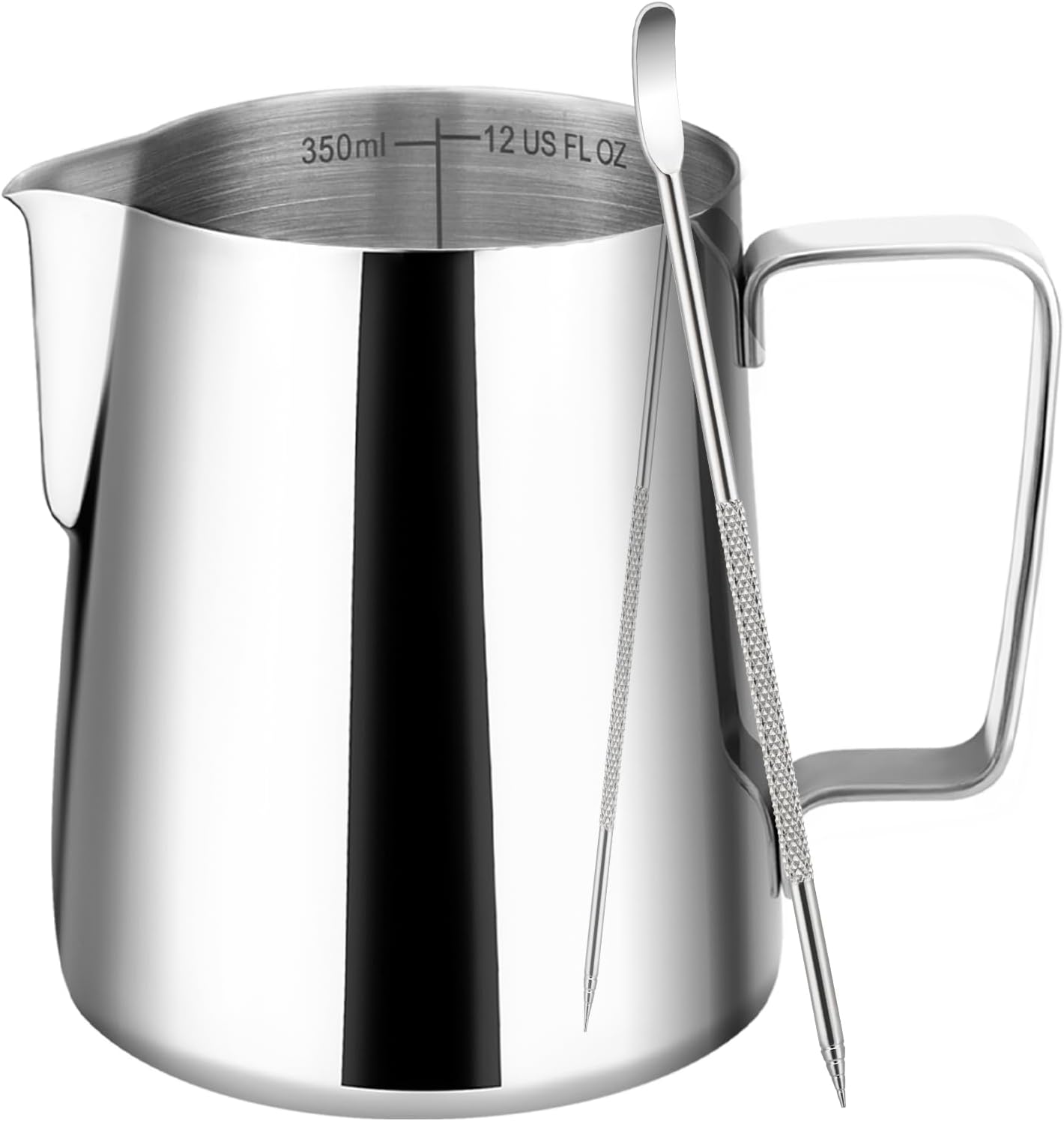
Feeling a cleaner milk pour
Our pick: Amrules Milk Frothing Pitcher, 12 oz. A marked stainless pitcher for latte pours. Research-rated, not yet used in our kitchen.
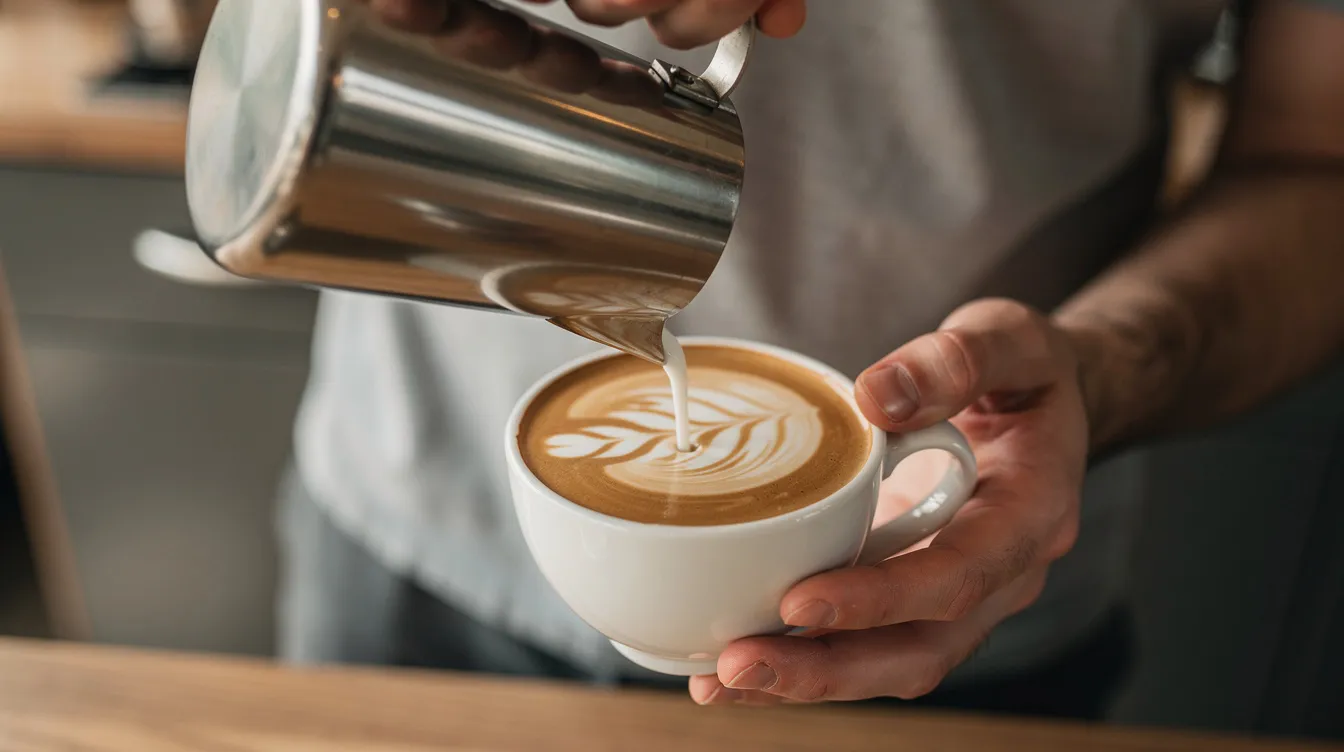
Even if your machine has a built-in steam wand, the right pitchers, thermometers, and cleaning brushes improve texture, safety, and control. Stainless steel pitchers are standard for specialty coffee with good reason: they are durable, easy to sanitize, and provide tactile feedback on milk temperature during steaming.
Common sizes for milk pitchers are 12 oz, 20 oz, and 32 oz. A 24 oz pitcher can steam between 5 and 12 ounces of milk comfortably, making it a versatile choice for one or two drinks. Pitcher shape affects milk texture and latte art control-a tapered spout pitcher helps create microfoam for latte art, while a broader spout is easier for general frothing. A tapered spout frothing pitcher helps create microfoam for latte art pours, giving baristas the precise stream they need.
Milk thermometers or digital probes help you nail the right temperature and adjust steaming before milk overheats. The typical steaming window is 130–150°F; going above 160°F kills sweetness and scorches proteins. For those focused on latte art, practice cups and pitchers with built-in pour guides exist as optional extras, but mastering a standard stainless steel pitcher will get you further.
Steam wand maintenance is non-negotiable. Use microfiber cloths to clean steam wand residue immediately after every use-milk proteins build up quickly and can block the wand tip. Small brushes or pins clear internal blockages and keep flow consistent.
Browse Accessory Types: Storage Canisters & Coffee Freshness
A good storage canister is one of the simplest upgrades that extends the enjoyable flavor window for fresh coffee beans after roasting. Airtight storage containers keep coffee beans fresh by limiting oxygen exposure-the primary driver of staling alongside light, moisture, and heat.
Freshly roasted beans continue releasing CO₂ for 24–72 hours post-roast. A one-way degassing valve lets gases escape without allowing oxygen back in. Modern canisters designed for coffee feature airtight seals, opaque bodies that block light, one-way valves, and sizes scaled to typical 12 oz or 1 lb bags.
When is the original roasting bag sufficient? If the bag has a one-way valve and a resealable zip, it works fine for the first week or two. A dedicated canister adds value when you buy multiple beans at once and want to minimize headspace as you work through them.
Store canisters in cool, dark cabinets away from stoves and windows. Freezer storage is possible if you portion beans into sealed bags, freeze them, and thaw before opening-but repeated freeze-thaw cycles degrade flavor, so this only works for long-term storage of spare bags.
Browse Accessory Types: Cleaning Tools & Machine Care
Cleaning accessories keep espresso machines functioning well and tasting right. Regular cleaning of coffee gear prevents stale oils from altering flavor-even the freshest beans taste off through a dirty group head or clogged basket.
Main cleaning accessories to have on hand:
- Group head brushes for daily scrubbing of the shower screen
- Backflush blind baskets for weekly detergent cleaning on machines with three-way valves
- Espresso machine detergents (food-safe, free-rinsing formulas like Cafetto Espresso Clean)
- Steam wand brushes and tip pins for clearing milk buildup
- Grinder brushes for sweeping retained grounds from burr chambers
Rinse the portafilter and basket after every use. Brush the group head daily. Backflush with detergent weekly. Descale every two to three months in hard water areas, and use a descaling solution matched to your machine type. Following manufacturer guidance is critical for maintaining warranties on espresso machines and coffee grinders.
A quality burr grinder also needs periodic attention-clean the chute and burrs monthly to prevent rancid oil buildup from grinding sessions.
Browse Accessory Types: Cups, Glasses & Servers
The vessel you drink from connects sensory experience to heat retention. A thick porcelain demitasse keeps an espresso shot warm longer than a thin glass. Double-walled borosilicate glasses insulate without burning fingers, and tall latte glasses showcase layered milk drinks.
Material choices affect more than style. Tempered glass and double-walled borosilicate hold temperature well while letting you see the drink. Stainless steel travel mugs sacrifice visual appeal for portability. Thick porcelain cups, the standard in specialty cafés, retain warmth and feel substantial in hand.
Servers and carafes for pour-over setups should have ergonomic handles, clear volume markings, and compatibility with your dripper. Match form with function: cozy mugs for drip, angular glasses for tasting flights, and sturdy ceramics for daily espresso shots.
Featured Buying Guides & Reviews from Capitol City Coffee
This hub is your starting point. For deeper research into specific categories, Capitol City Coffee maintains long-form guides and reviews organized to help you compare products on value, durability, and workflow impact.
If you are shopping for a grinder, our grinder-focused guide under the gear section covers research-backed espresso grinder picks and manual grinding options at various price points. For manual brewers like pour-over drippers and immersion setups, the manual brewer guides for pour-over and immersion compare workflow and cup profiles across popular models. Individual product roundups and comparisons in the reviews section show how specific accessories stack up against alternatives.
We do not fabricate product links or recommend items we have not researched. When we highlight specific gear, we point you toward the relevant hub page rather than a single retailer.
How Capitol City Coffee Researches Coffee Accessories
Capitol City Coffee’s mission is to help readers choose gear with clear, practical information rather than hype. We are an independent editorial outlet, not a retailer.
Our research process follows consistent steps: collecting manufacturer specifications, reading professional barista opinions and reputable third-party tests, and comparing long-term owner feedback from multiple sources. Unless a specific review indicates otherwise, the editorial team does not claim hands-on testing or ownership-we rely on documented, verifiable data and expert consensus.
Ranking criteria for coffee accessories:
Criterion | What We Evaluate |
|---|---|
Performance | Accuracy, consistency, measurable precision |
Workflow | Speed, ergonomics, ease of integration |
Durability | Materials, construction, resistance to wear |
Value | Price relative to quality and alternatives |
Commission size does not determine rankings. Some excellent accessories may not be affiliate-linked at all if they still serve readers best.
How to Choose the Right Accessories for Your Setup
Start by identifying your primary brewing style. Espresso-focused users should prioritize tampers, a scale, WDT tools, and cleaning gear. Manual-brew focused users get the most from a good kettle, scale, and quality filters. Balanced coffee lovers benefit from investing across both categories in stages.
A few typical scenarios:
- New espresso machine owner on a budget: Start with a properly sized tamper, a 0.1 g scale, and a basic cleaning kit. These three tools help you adjust dose and extraction more precisely than any other purchase at this price range.
- Pour-over fan upgrading from pre-ground: Invest in a burr grinder first, then add a gooseneck kettle and scale. The grinder is the biggest leap in quality.
- Small apartment with limited counter space: Prioritize compact, multi-function tools-a scale with a built-in timer, a slim knock box, a magnetic tool holder.
A handy rule of thumb: invest more money in a grinder and a few smart accessories rather than chasing frequent espresso machine upgrades. The moment you have a solid grinder and a set of well-chosen accessories, your machine will perform closer to its ceiling.
Bookmark this hub and revisit as your setup evolves. The range of coffee accessories grows with your skills, and what felt like a spare luxury six months ago may become the next thing that clicks your workflow into place.
Frequently Asked Questions
These FAQs cover practical questions not fully addressed in the main body, focused on real-world home use.
What coffee accessories should I buy first if I’m on a budget?
The most impactful starter trio for most home baristas is a reliable digital scale (0.1 g resolution), a properly sized tamper for your portafilter basket, and a basic cleaning kit with a group head brush and machine-safe cleaner. These three tools improve shot consistency, make it easier to learn what is happening in the cup, and help protect the espresso machine or manual brewer you already own-all without spending serious money.
Do I need a special scale just for espresso?
A standard kitchen scale works fine for pour-over or French press batches where you are measuring 20–40 g of coffee. However, espresso machines benefit from smaller, faster-refresh scales that fit on the drip tray and respond quickly enough to stop a shot at a precise yield. If you pull espresso daily, an espresso-focused scale with a built-in timer will feel more accurate and convenient over time.
How often should I replace coffee accessories like filters and brushes?
Paper filters are single-use. Metal filters can last years if the mesh is not bent or corroded. Cloth filters often need replacing every few months depending on how well they are rinsed and dried between uses. Espresso brushes and towels should be cleaned frequently and replaced when bristles deform, lose stiffness, or towels hold odors after washing. Replacement parts for these items are inexpensive-do not let worn tools undermine your process.
Is it better to upgrade my grinder or buy more accessories first?
If your grinder produces very uneven particles or only offers a narrow range of adjustment, upgrading to a better grinder that lets you adjust grind size with more precision typically brings a bigger jump in cup quality than collecting extra accessories. A quality burr grinder produces consistent grounds for better extraction, and no tamper or distribution tool can fully compensate for poor grinding. Once you have a solid burr grinder, accessories like tampers, WDT tools, and scales help unlock its full potential.
Can I get good results from a basic espresso machine with the right accessories?
Yes. Many home baristas dramatically improve entry-level espresso machines-like a Breville Bambino or a compact De’Longhi-by pairing them with a capable grinder, a properly sized tamper, a WDT tool, and a scale. Even modest equipment can produce a satisfying drink when paired with fresh beans and a few thoughtfully chosen espresso accessories. The machine sets the ceiling, but accessories determine how close you get to it.