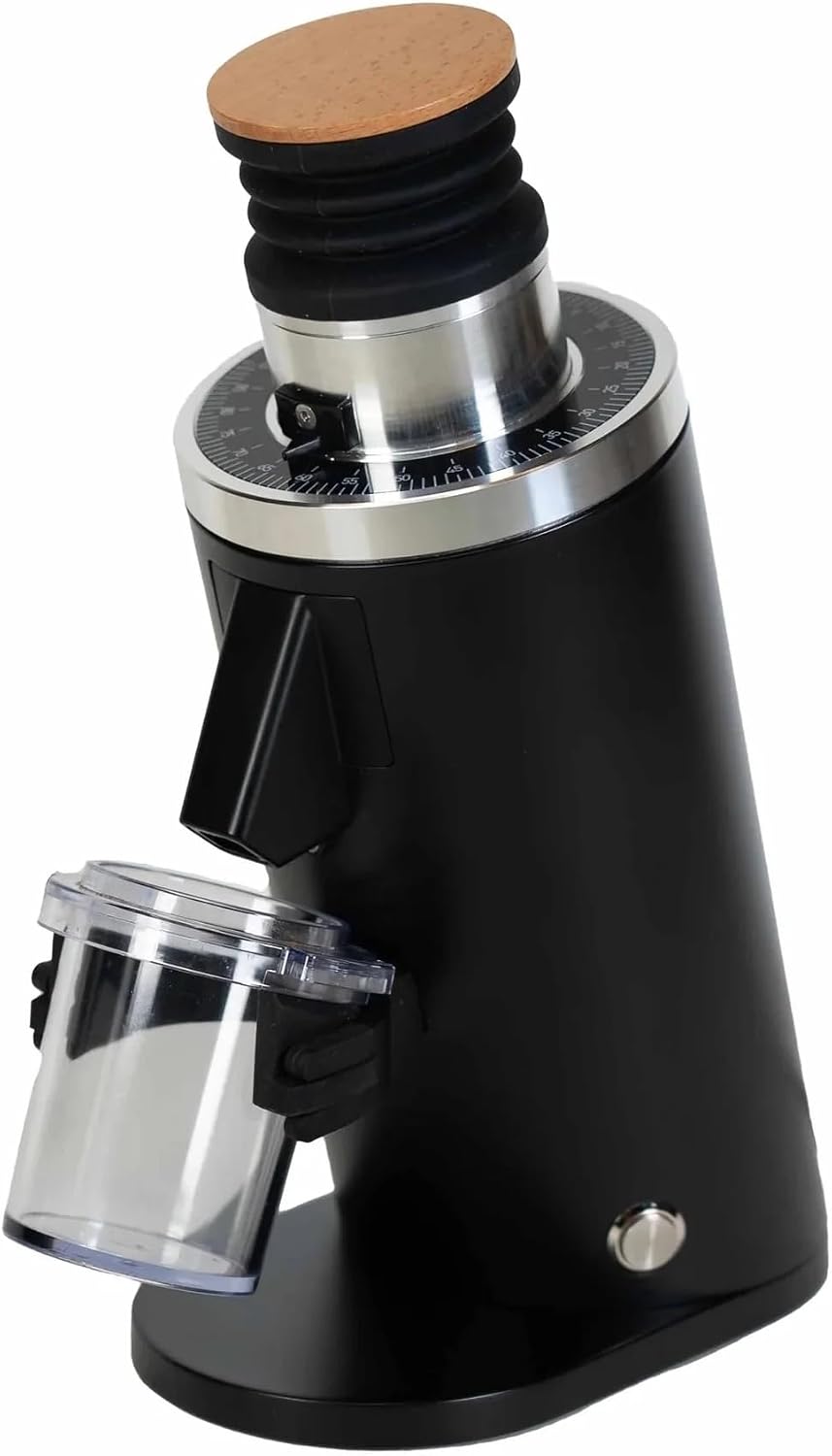
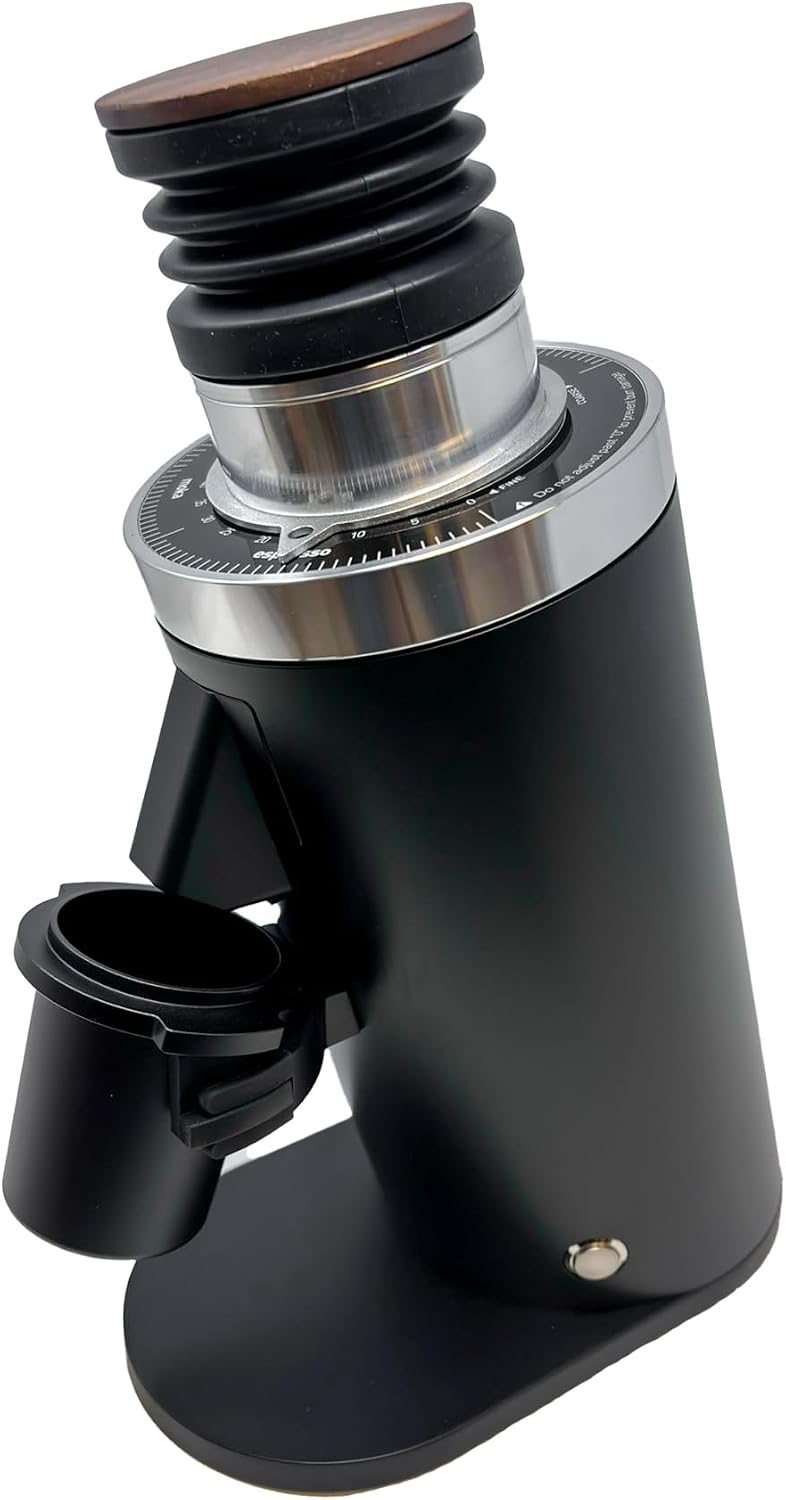
Best budget burr pick
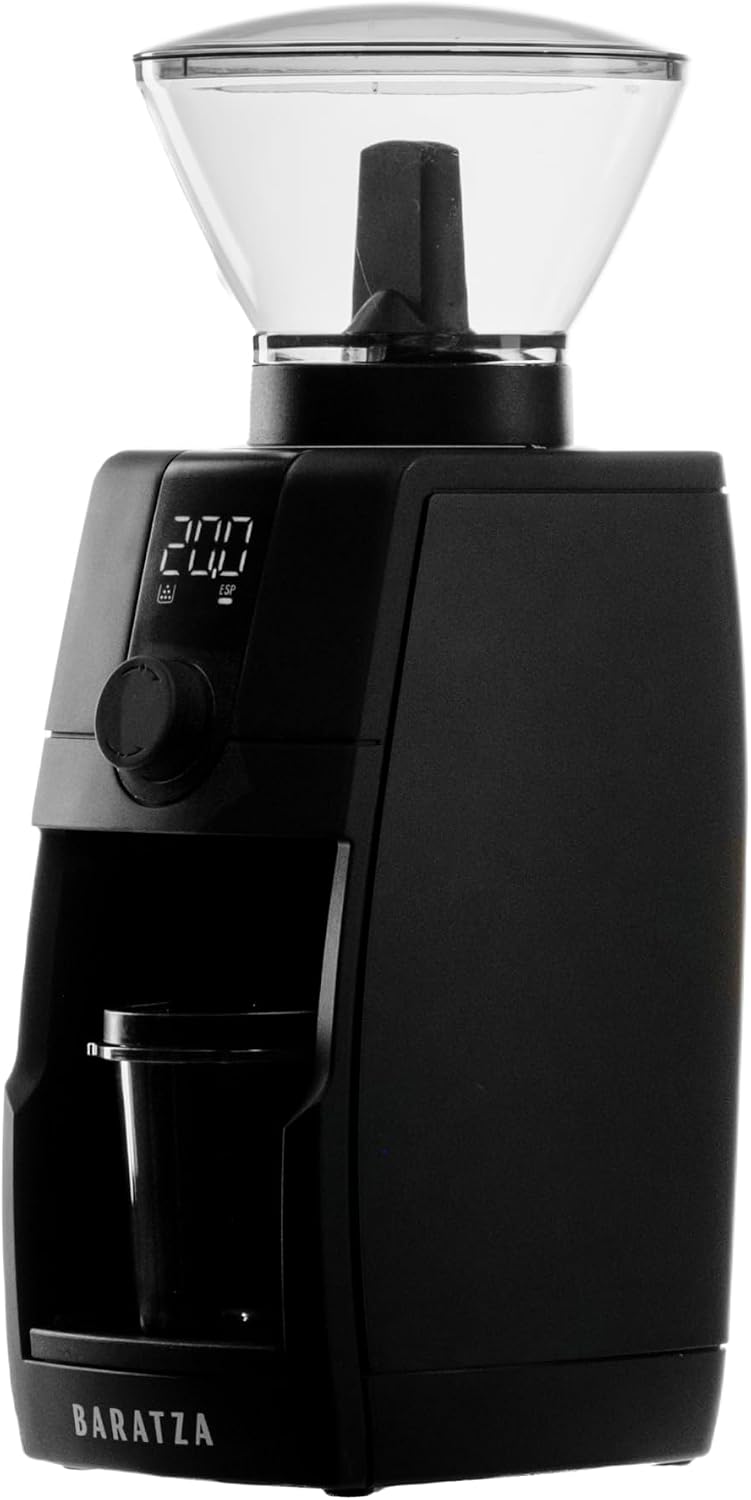
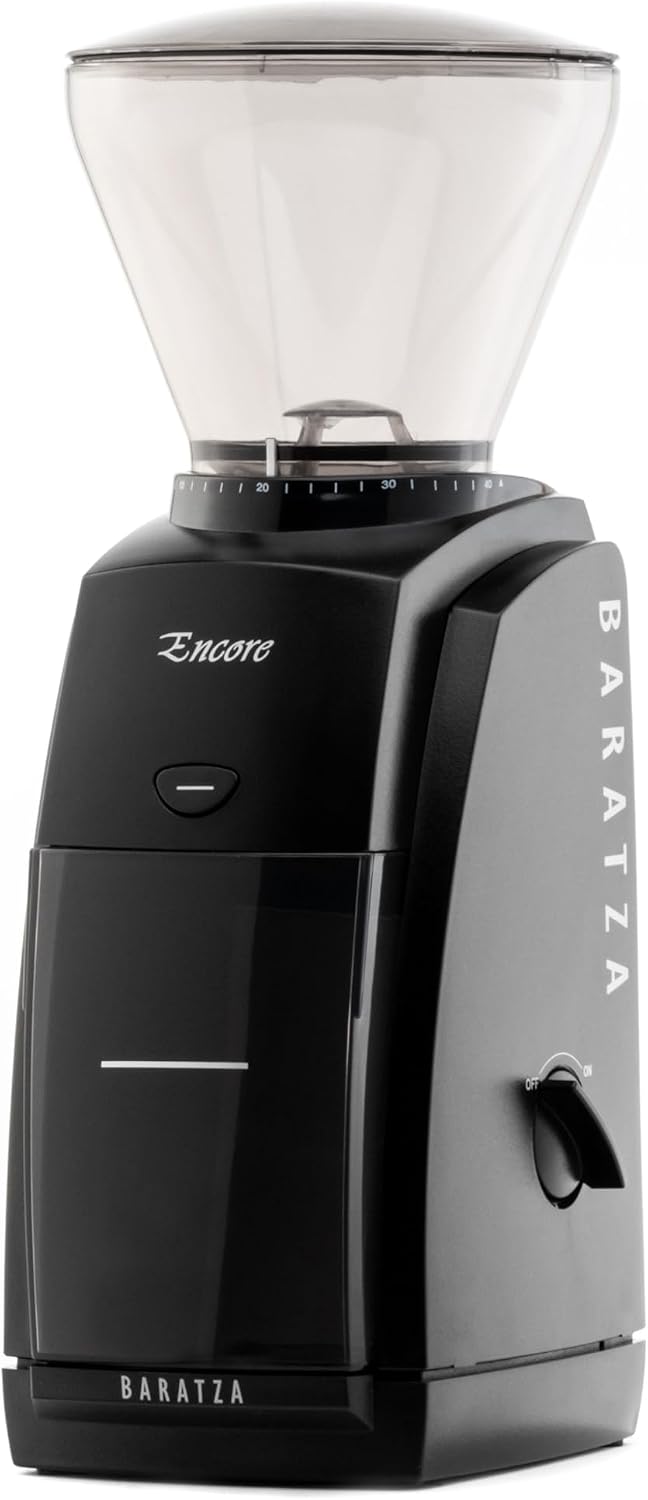
For this roundup, Baratza Encore is the budget burr we recommend first—the same pick at the top of our At-a-glance cards below.

Best budget burr pick
Start smaller: beans and accessories
Burr grinders are the expensive click on this page. If the Encore (or another pick) is waiting, these are the lower-cost add-ons that still improve the cup.
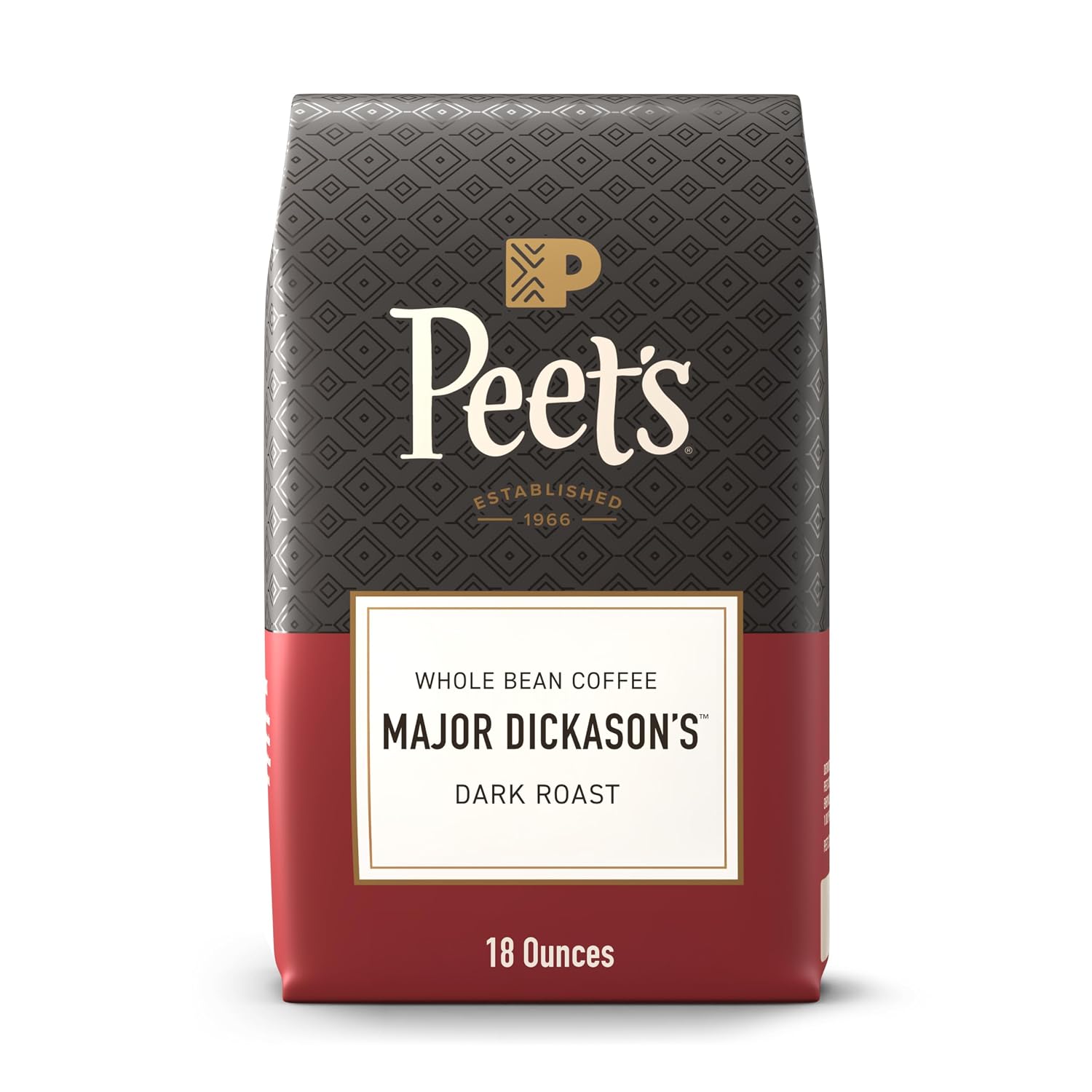
Whole beans (~$15–$25)
Peet’s Major Dickason’s
A forgiving dark blend to grind on the Baratza Encore or any burr below. Fresh beans convert more often than a new grinder.
Check Major Dickason’s on Amazon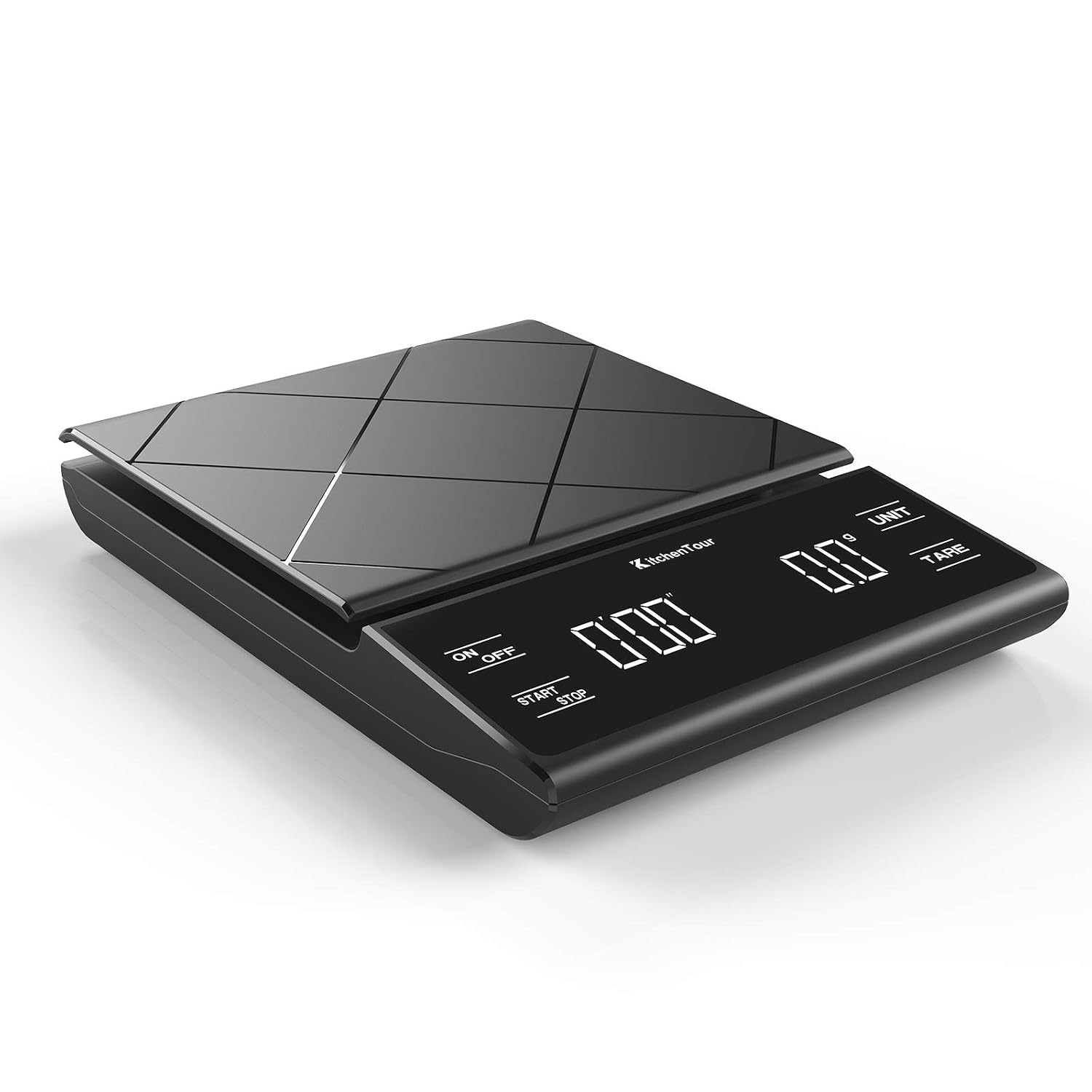
Scale (~$15–$25)
KitchenTour coffee scale
Weigh beans before you grind. Useful with any burr on this list and cheaper than upgrading the grinder.
Check scale on Amazon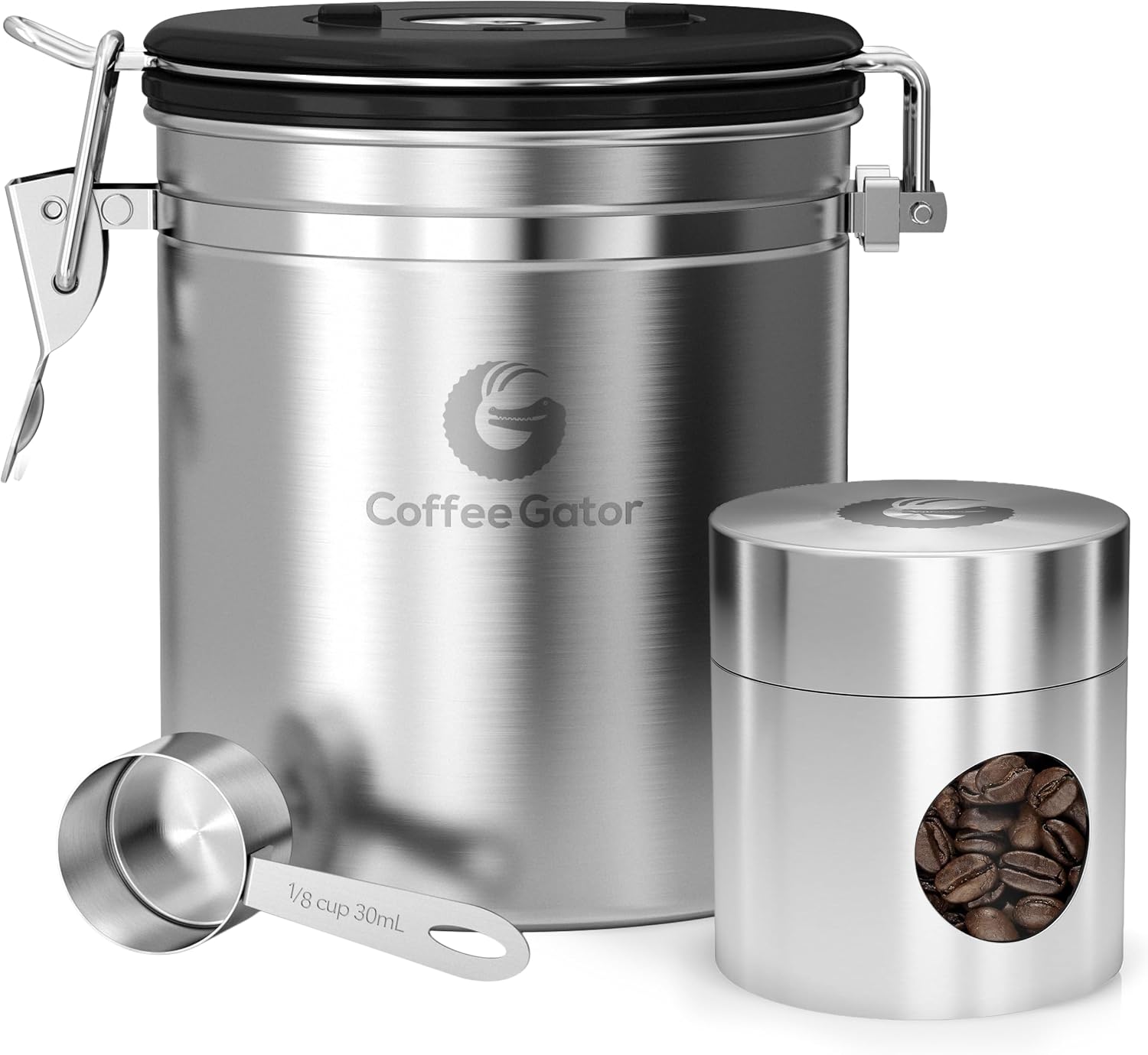
Storage (~$15–$25)
Coffee Gator canister
Keeps whole beans fresh after you grind a dose. Pairs with every pick on this page.
Check canister on Amazon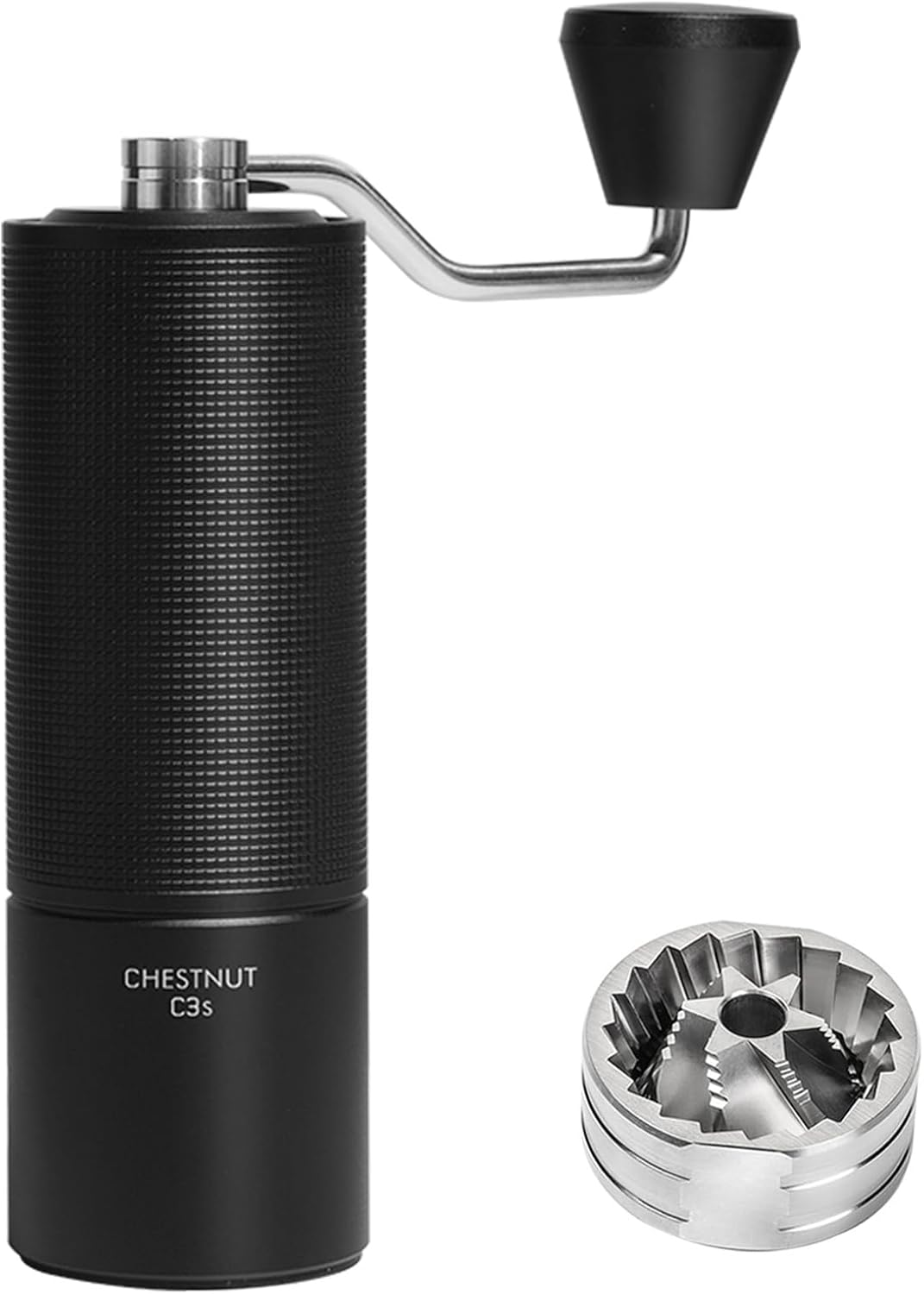
Budget burr (~$50–$80)
TIMEMORE Chestnut C3S
If the Encore still feels like too much this week, this is the cheaper burr we point people to for travel and small batches.
Check C3S on Amazon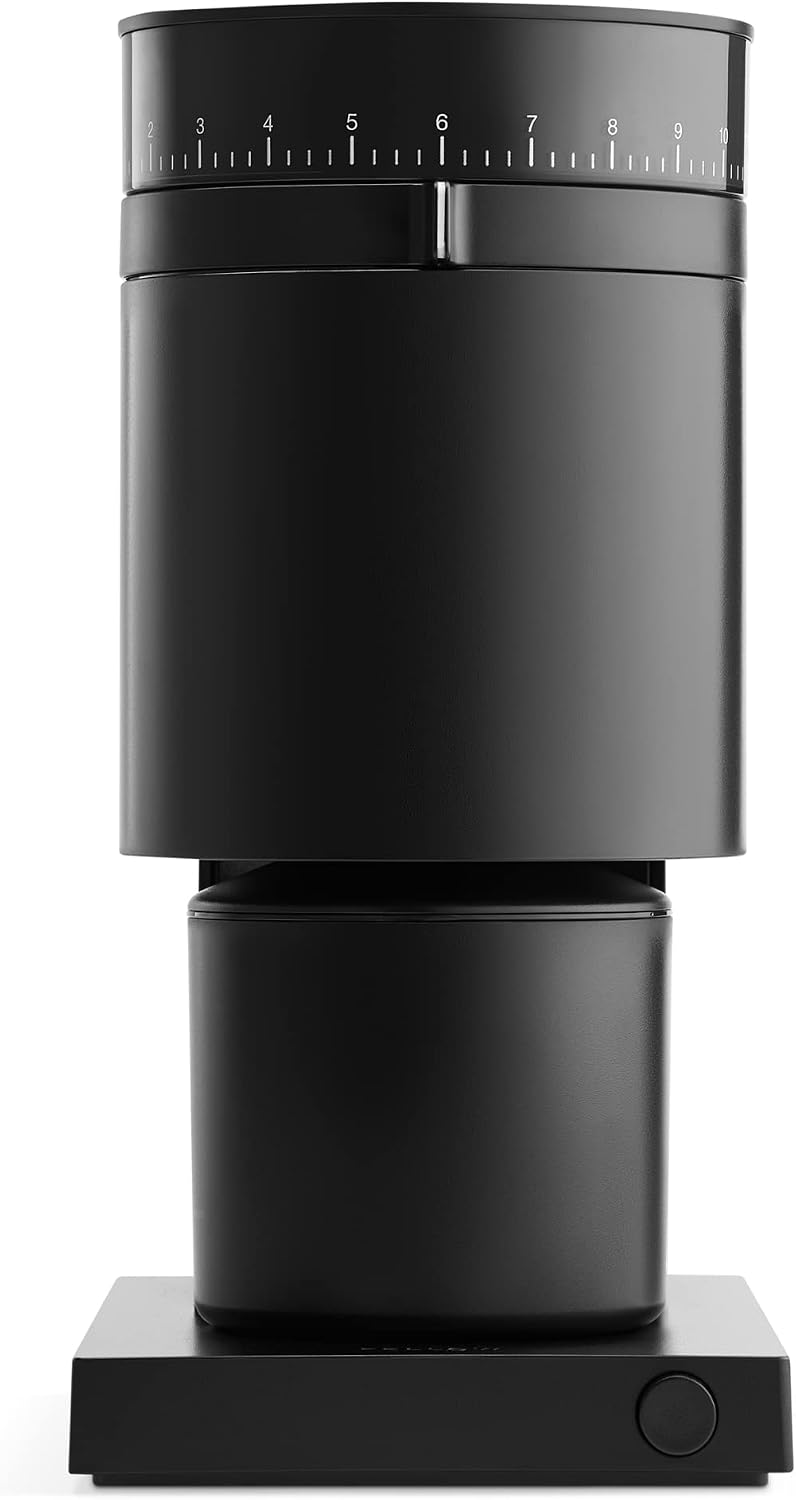
If you’re short on time, here are the picks that consistently surface across independent expert reviews and verified performance data.
Capitol City Coffee may earn a small commission from links in this article, but rankings are editorially independent and never influenced by commission rates.
The table below compares these grinders side by side on the specs and real-world traits that actually affect your cup. All data is drawn from manufacturer specs and independent third-party reviews.
Grinder | Burr Type & Size | Grind Range | Retention & Static | Speed & Noise | Workflow | Cleaning | US Price |
|---|---|---|---|---|---|---|---|
48mm conical steel | Espresso → cold brew | Near-zero (<0.1g); anti-static | Moderate speed; quieter than most conicals | Stepless dial; single-dose; auto-stop | Tool-free burr access | ~$195 | |
40mm conical steel | Medium-fine → coarse (limited espresso) | ~0.5–1.0g; moderate static | ~1.5 g/sec; moderate noise | 40 stepped settings; hopper-fed | Easy burr removal; brush included | ~$159 | |
40mm conical steel (M2) | Espresso → cold brew | ~0.3–0.6g; ion anti-static | ~1.3–2.2 g/sec; ~86 dB | Stepless; timer + single-dose modes | Tool-less burr removal | ~$299 | |
64mm flat steel | Filter only (no espresso) | <0.2g; low static | ~1 g/sec; ~65 dB (quiet) | 31 stepped settings; single-dose; magnetic catch | Accessible burrs; knocker system | ~$400 | |
48mm conical steel | Espresso → coarse | Minimal (manual, short path) | Manual; ~45 sec per 20g dose | External dial; portable; no power needed | Simple disassembly | ~$200 | |
54mm flat steel | Espresso + filter | Sub-0.1g; low static | ~24 sec for 14g fine | Stepless micrometric collar; single-dose | Metal body; accessible burrs | ~$230 | |
64mm flat steel | Espresso + filter | Sub-0.1g (with bellows) | ~15 sec for 14g fine | Stepless; single-dose; SSP burr compatible | Metal body; DIY-friendly | ~$400+ |
Pricing and availability shift-especially for models being updated like the Fellow Opus line or certain espresso grinders that cycle through generations. Always confirm current listings before purchasing.
This is researched editorial analysis. We did not conduct our own instrumented lab tests, sieve analyses, or sound-level measurements. Instead, we evaluated grinders based on:
Grinders widely criticized as “false burrs” or glorified blade grinders-including some cheap models from Cuisinart and Capresso that are technically marketed as “burr mills”-were excluded regardless of popularity. Value, in our assessment, means taste and usability per dollar, not lowest price or highest spec count. We cross-checked multiple expert sources, specialty coffee forums, and aggregated user feedback to avoid leaning on any single reviewer’s opinion.
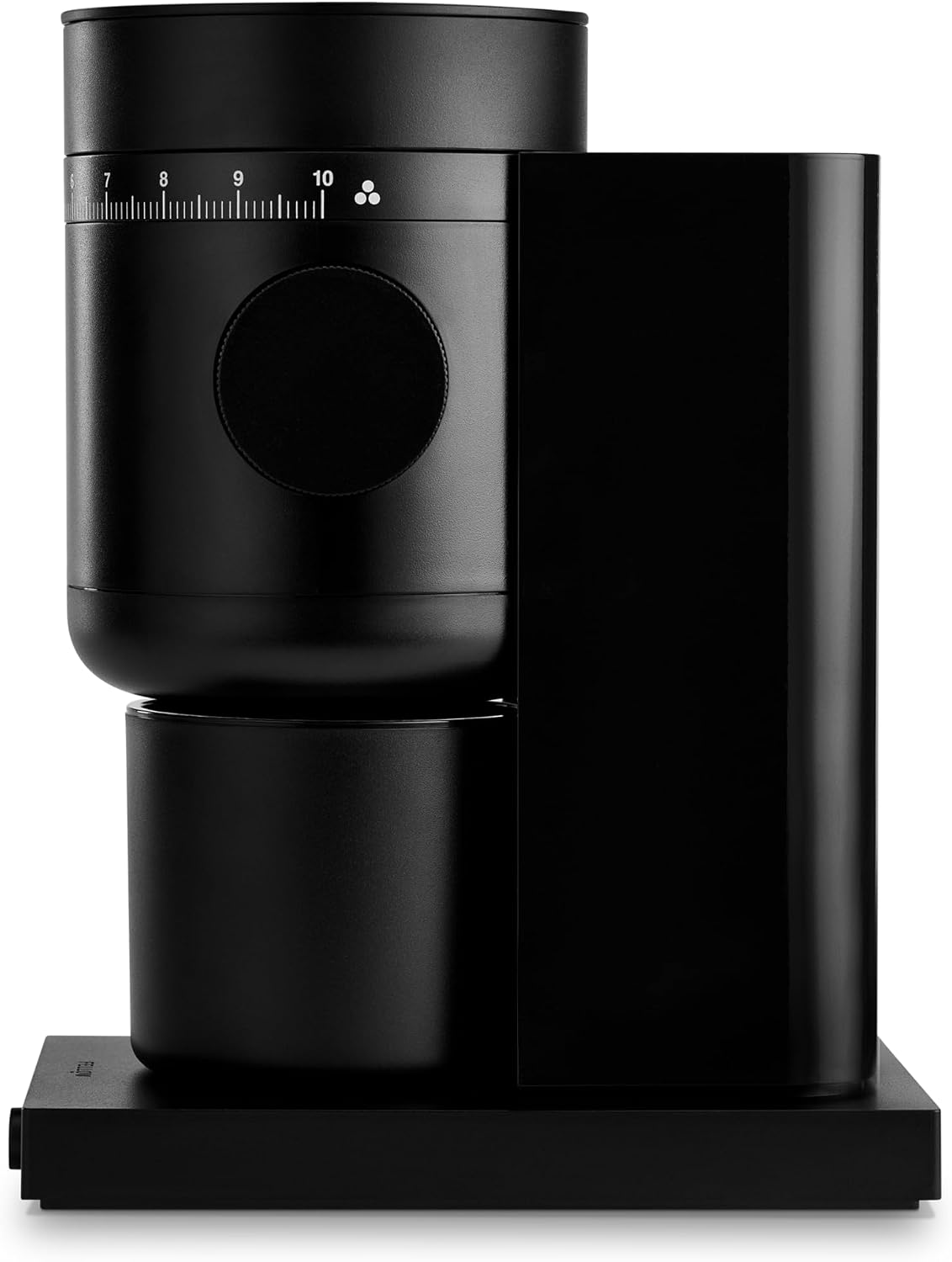
The Fellow Opus 2 wins this spot because it covers the widest practical grind range at a price that doesn’t require justification to anyone sharing your bank account. At roughly $195, the Fellow Opus offers excellent grind quality and can grind coffee beans for espresso, pour over, drip, AeroPress, French press, and cold brew from a single stepless side dial.
The 48mm stainless steel conical burrs (upgraded from 40mm in the original Opus) grind faster and produce more consistent coffee particles across settings. Fellow claims near-zero grind retention, and independent reviewers have confirmed less than 0.1g left behind at fine, medium, and coarse settings-meaning low grind retention in this grinder prevents stale coffee from affecting fresh brews effectively.
The stepless adjustment lets you make micro adjustments to dial in espresso shots without being locked to fixed clicks. The single-dose load bin holds about 100g, and the auto-stop feature means you load your weighed beans, press the button, and walk away. An espresso dosing cup is included alongside the standard catch cup.
For cleaning, the burrs are accessible without tools, and a cleaning brush is included. Static is well-controlled in most conditions.
The trade-offs are real: the body is plastic-heavy compared to all-metal grinders at higher price points, and the stepless dial requires more trial and error than stepped designs when you want to return to an exact setting. Long-term durability is less proven than Baratza’s track record. And while the Opus 2 handles espresso grinding capably, it won’t match the precision of a dedicated flat burr grinder in the espresso range.
Who it suits: Most coffee drinkers who want one electric grinder for everything. Households that brew drip or pour over daily and pull occasional espresso shots. People upgrading from pre-ground or a blade grinder should start with a good grinder rather than a cheap stopgap if they want a great coffee grinder without spending $400+.
When to look elsewhere: If espresso is your primary drink and you want the tightest possible particle distribution, consider a dedicated espresso grinder. If you only brew filter coffee, the Fellow Ode Gen 2 will deliver noticeably more clarity.
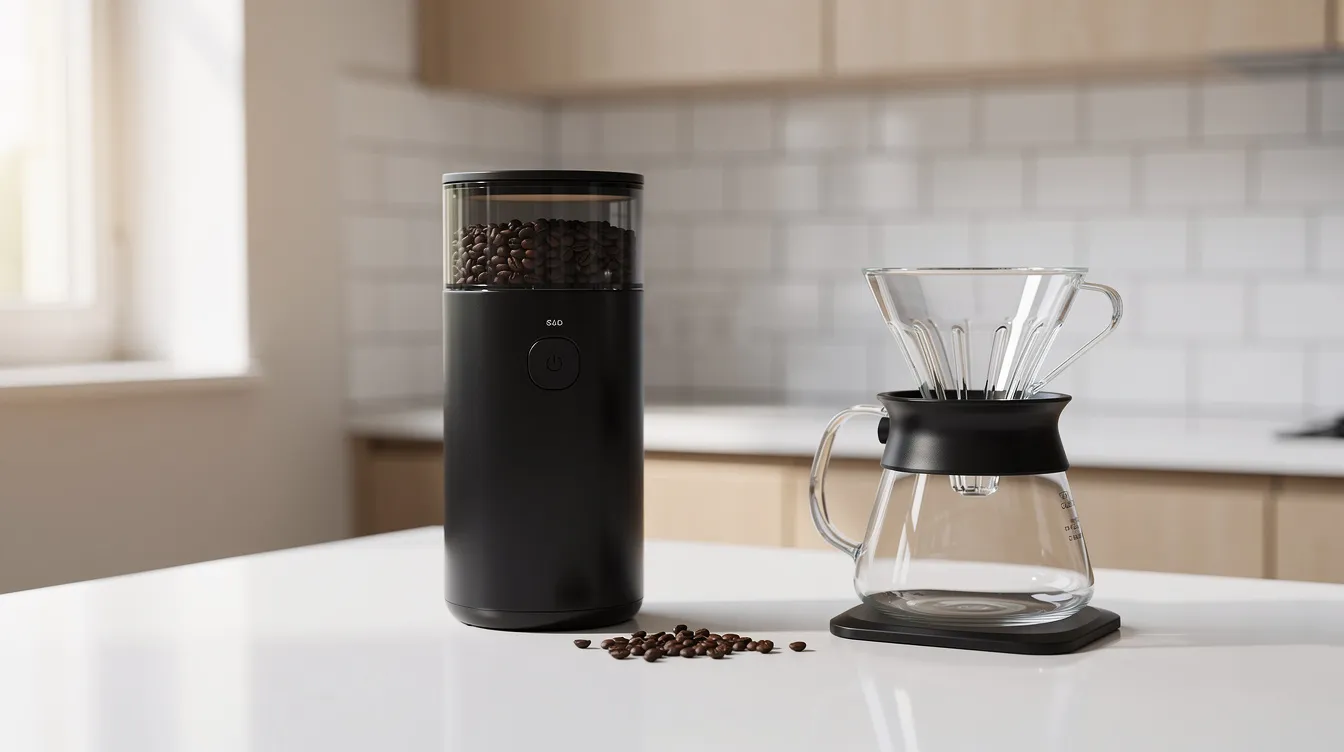
Set expectations clearly: in this price band, you’re getting a real burr grinder-a genuine upgrade over blade grinders-but with compromises in fines control, noise, build quality, and fine grind settings. Budget burr grinders typically range from $79 to $230 in price, and the sweet spot for a first real grinder sits around $100–$160.
The OXO Brew Conical Burr grinder is one of the most widely available budget options in the US. It uses small conical burrs driven by a lower-speed motor, which reduces heat but extends grind time. For daily drip coffee, auto-drip, pour over, French press, and cold brew, it delivers acceptable particle consistency-a clear step above the $20–$30 blade grinders that chop beans into a random spread of dust and boulders.
The grind range covers medium grind through coarse French press settings competently. Fine grind settings reach moka-pot territory and reasonably strong drip, but it’s borderline for true espresso grinders-don’t expect to pull balanced 9-bar shots with this. Third-party tests show some boulders at the coarse end and excess fines at the fine end, which is typical of cheaper grinders in this class.
Workflow is simple: a dial-based grind setting adjustment, on/off switch (no timer), and a modest bean hopper. Static and retention are noticeable-coffee grounds cling to the grinding chamber and catch cup-but practical tips like the “Ross Droplet Technique” (a single drop of water on beans before grinding) help significantly.
The Baratza Encore, priced around $159, is the perennial comparison here. It offers 40 grind settings for versatility, a wider grind range, slightly better consistency, and-critically-Baratza’s parts ecosystem and customer support. If you can stretch your budget to $159, the Encore is worth the difference. A good burr grinder starts around $100 for decent quality, but $150+ is where meaningful flavor improvements begin.
Who it’s for: Someone upgrading from a blade grinder who wants better daily drip or pour over without spending more than $100. Coffee lovers who are just starting to care about grind quality and want to test the waters before committing more.
Who should save up: Anyone planning to buy an espresso machine, or anyone brewing lighter roasts where fines and particle consistency matter most.
Espresso demands what other brew methods don’t: an extremely tight particle range (roughly 300–400 microns), sensitivity to tiny adjustments, and minimal retention so yesterday’s stale grounds don’t contaminate today’s shot. Espresso requires a grinder with fine grind settings that most all-purpose grinders simply can’t deliver with enough precision. Burr grinders are preferred for espresso due to grind consistency-blade grinders aren’t even in the conversation here.
The Baratza Encore ESP Pro is designed for espresso grinding while retaining enough range for pour over, drip, and cold brew. Its 40mm stainless steel M2 conical burrs with stepless adjustment offer continuous grind control from positions 0 through 60 on the digital display, with roughly positions 0–40 covering the espresso range.
Grinders with micro-adjustments allow for precise control over grind size, and the ESP Pro delivers this well. The stepless grind adjustment lets you nudge the setting by fractions rather than jumping between fixed clicks, which matters when dialing in espresso shots where a single number can mean the difference between a balanced pull and a gusher.
The ESP Pro offers two dosing modes: timed grinding and single-dose. For espresso workflow, you can weigh 18–20g of whole bean coffee into the hopper (or remove the hopper entirely for single-dose use with up to ~45g capacity), grind directly into a portafilter or included dosing cup, and rely on the ion-generation anti-static technology to reduce static cling and mess. Independent testing from Tom’s Guide measured retention at roughly 0.3–0.6g on a 20g dose (~2–3%), which is acceptable for daily espresso but requires a brief purge if you switch beans often.
Noise hits around 86 dB in some tests-not quiet, but typical for this class. Grind speed runs 1.3–2.2 g/sec depending on the setting, meaning a standard espresso dose finishes in roughly 10–15 seconds.
Cleaning is straightforward: tool-less burr removal, a clear path to brush out fines and chaff, and Baratza’s well-documented parts ecosystem means replacement burrs and internal components are readily available in the US.
For those ready to spend more, the Eureka Mignon Specialita and DF64 Gen 2 offer flatter burrs, lower retention, and quieter operation-check our dedicated espresso grinder coverage for deeper comparisons. The question is whether espresso is your daily ritual or an occasional indulgence. If it’s daily, the ESP Pro is a strong entry point. If it’s occasional, a more flexible grinder like the Fellow Opus may serve you better.
Many home brewers never pull espresso and shouldn’t pay for capabilities they won’t use. If your morning routine involves a V60, Chemex, batch brewer, AeroPress, or coarse French press, you want a grinder that excels at clarity and consistency in the medium to coarse range-not one that’s been compromised to also hit espresso-fine.
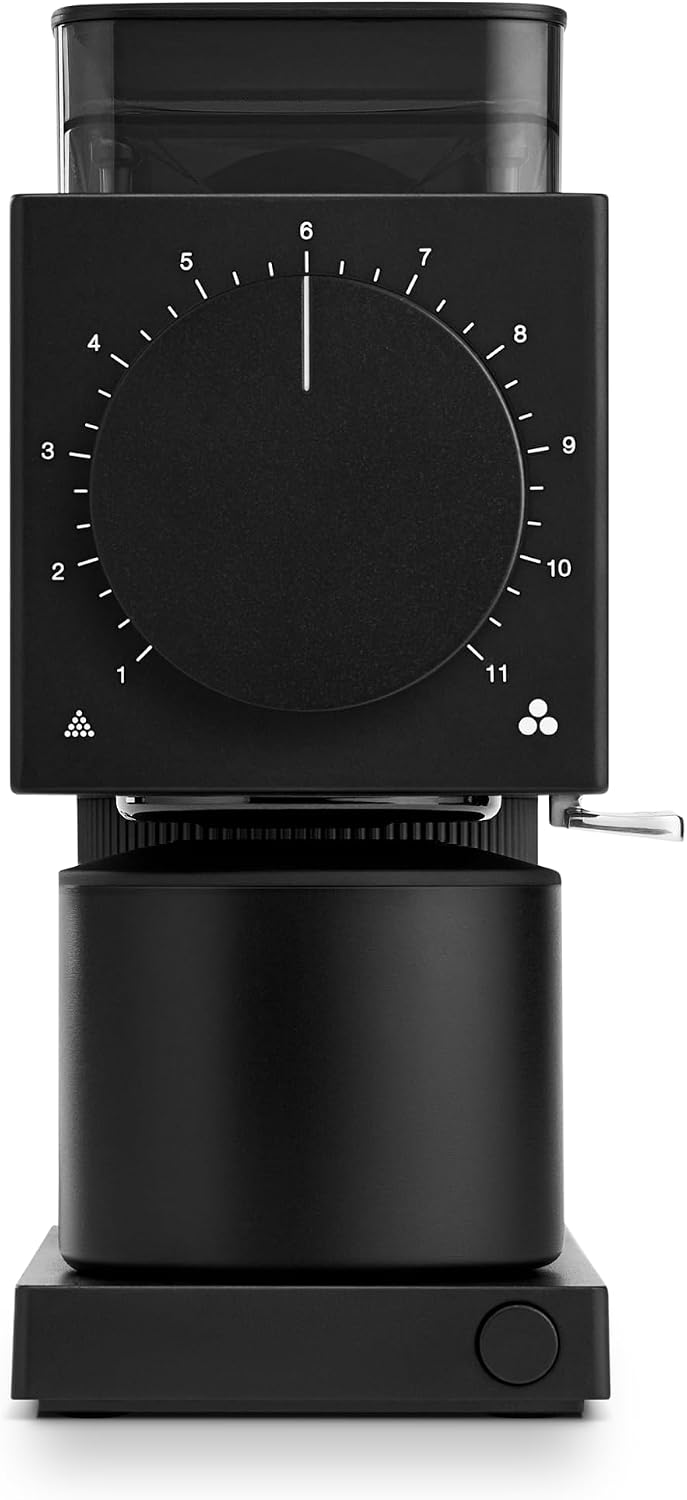
The Fellow Ode Gen 2 uses 64mm flat steel burrs-the kind of burr size that used to be reserved for commercial espresso grinders-to produce remarkably uniform coffee grounds across filter settings. The Fellow Ode Gen 2 is designed for single-dosing coffee, with a 100g load bin, magnetic catch jar, and auto shut-off that stops when beans run out.
The grind range covers pour over, auto-drip, AeroPress, French press, and cold brew across 31 stepped settings. Let’s be direct: the Fellow Ode Gen 2 is not suitable for espresso grinding. The fine end simply doesn’t go fine enough for 9-bar extraction, and that’s by design-Fellow optimized this grinder for what filter coffee drinkers actually need.
What you get instead is outstanding particle consistency at medium grind and coarser settings, with especially strong coarse grind performance for French press and cold brew. Third-party tests report low boulders, well-controlled fines, and improved clarity and sweetness-especially on lighter roasts where muddiness from excess fines ruins the cup. Retention lands under 0.2g per dose thanks to the “POP & STOP” knocker system and improved static control in the Gen 2 version.
Noise is where this grinder really distinguishes itself: roughly 65 dB at 12 inches, which makes it one of the quietest electric grinders you can buy. For early-morning grinding in a shared apartment, that matters.
The 31 stepped settings are easy to return to and repeat-you don’t need to memorize a dial position. Icons on the front panel suggest brew method ranges, though you should treat those as starting points, not gospel.
Cleaning involves accessing the burrs (straightforward) and dealing with minor chaff buildup. The magnetic catch cup alignment could be better in some units, but it’s a small complaint for this level of performance. The main limitation is price: ~$400 for a grinder that explicitly can’t do espresso is a lot to ask unless filter coffee is genuinely your focus.
Who should choose this: Filter-first households, manual brew enthusiasts, and people who care more about cup clarity than grind range versatility.
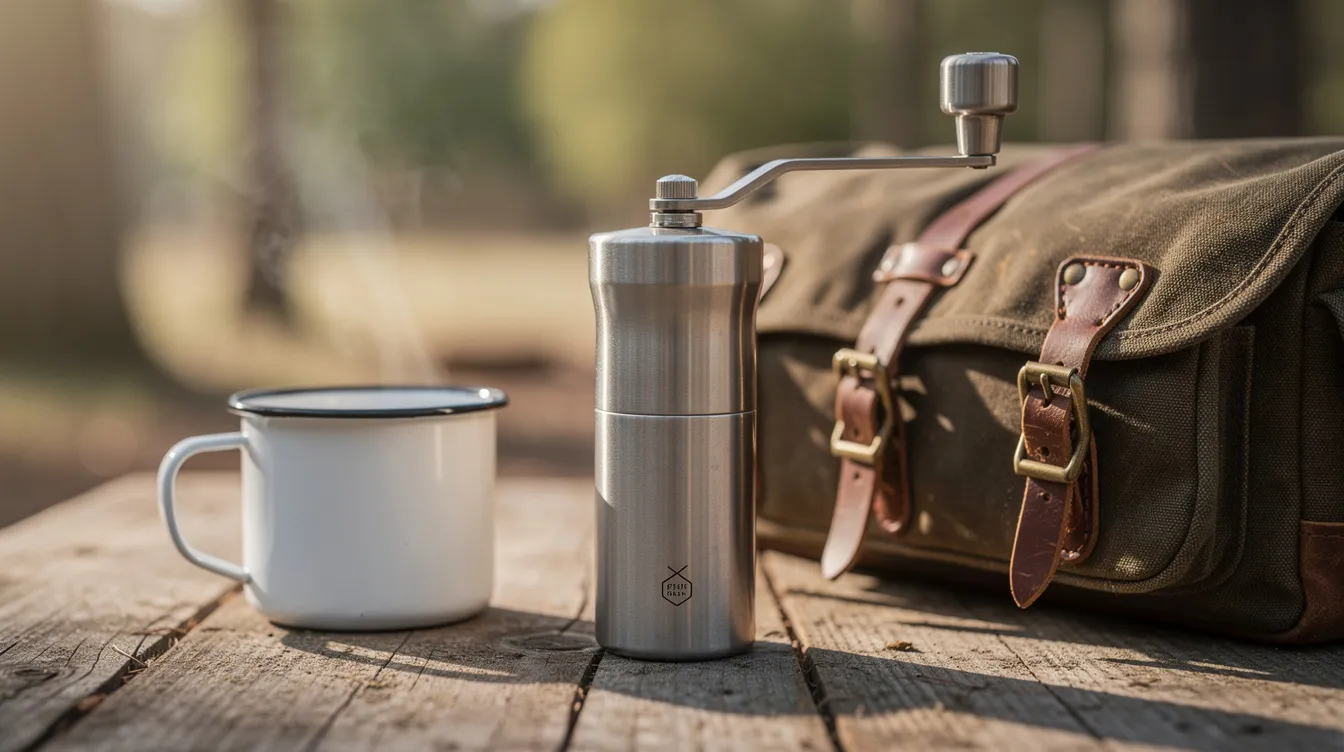
A manual coffee grinder can be a surprisingly great choice: compact, quiet, durable, and often using steel conical burrs that rival electric grinders costing twice as much. Manual grinders can be a budget-friendly option for coffee enthusiasts who don’t need the convenience of electric motors. The trade-off is effort and time-you’re doing the work.
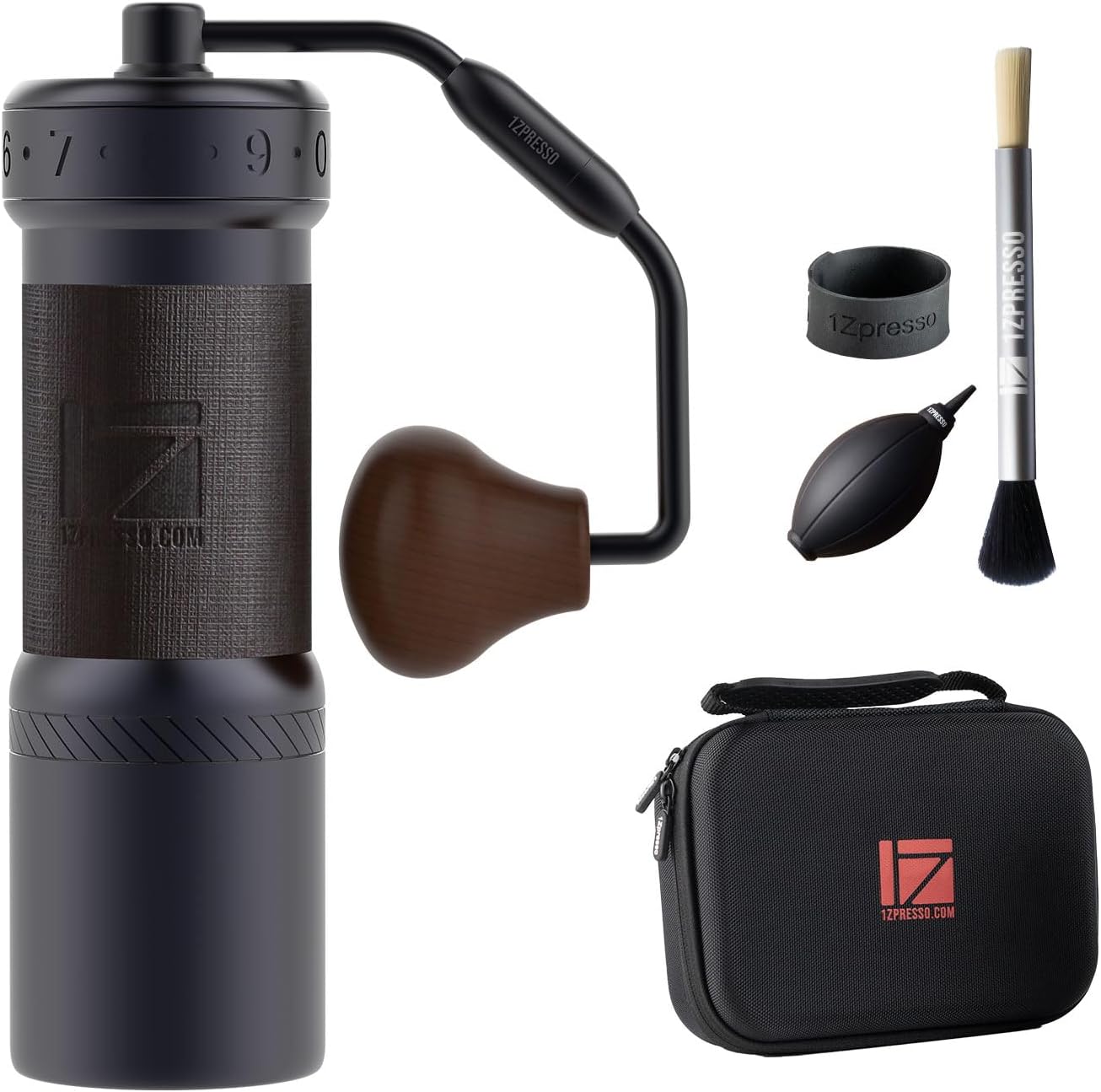
The 1Zpresso K-Max uses 48mm stainless steel conical burrs with an external adjustment dial offering many clicks per rotation, giving you a usable grind range from espresso through pour over and French press. The 1Zpresso K-Max is excellent for espresso and pour-over, delivering grind consistency that competes with electric grinders in the $200–$300 range.
For a typical 20g dose, expect roughly 30–45 seconds of hand grinding-physically noticeable but not exhausting for daily single-cup use. The CNC-machined aluminum body and metal catch cup keep static and retention minimal. No electricity means true portability: toss it in a bag for travel, office use, or camping without any compromises.
Durability is excellent thanks to metal construction, and 1Zpresso offers spare parts including replacement burrs. Long-term burr wear in home use is slow with quality steel.
For a more budget-friendly hand grinder, the Timemore Chestnut C3 starts at about $79 and handles pour over and French press well, but lacks the precision and speed for serious espresso grinding. The C3 uses ceramic burrs that are slower to cut and less sharp-a fine entry point for filter-only manual grinding.
Who should buy a manual grinder: AeroPress or pour over travelers, apartment dwellers who want quiet morning grinding, people who enjoy the ritual of hand grinding, and anyone who wants high grind quality without counter clutter. Anyone pulling multiple espresso shots back-to-back should stick with an electric espresso grinder for workflow sanity.
This section is for serious coffee geeks who obsess over particle consistency, fines control, and near-zero retention-often pursuing both espresso and filter at the highest level their budget allows.
The DF54 grinder excels in both espresso and filter coffee, using 54mm flat steel burrs and a stepless micrometric collar that allows infinite grind adjustment. At around $230, the DF54 grinder is known for its impressive grind consistency and sub-0.1g retention without needing bellows-a remarkable value proposition.
The DF64 Gen 2 steps up to 64mm flat burrs, offering more grinding surface, faster throughput (roughly 14g in ~15 seconds versus ~24 seconds on the DF54), and wider aftermarket burr availability. SSP and other aftermarket burr sets can be swapped in to change cup profile-from espresso-focused to multi-purpose to filter-optimized. This upgradability is the DF platform’s superpower: you’re not locked into one burr geometry forever.
Both grinders are true single dose grinder designs with small hoppers and short bean paths. The DF64 Gen 2 sometimes needs bellows to clear the last fraction of a gram, while the DF54 tends to self-clear more reliably. Variable-speed motors on some DF64 variants let you control RPM-slower for cooler, quieter grinding; faster when you need speed.
Build quality is metal-heavy and DIY-friendly. Alignment checks, declumper upgrades, and burr swaps are all accessible for handy home users. Community support for these platforms is strong.
The DF54 is the better value entry point. The DF64 Gen 2 is for enthusiasts who want the fastest, most flexible flat-burr platform under $500. Neither is necessary for casual drip or pod coffee drinkers-these are tools for people who enjoy the process as much as the cup.
Blade grinders use spinning blades to chop coffee beans randomly. Burr grinders crush coffee beans between two precisely spaced revolving surfaces-either flat or conical-producing uniform coffee particle sizes that blade grinders simply cannot match.
Here’s why that matters in your cup:
Consider the practical difference: a cheap blade grinder used for French press produces a mix of fine dust and large boulders. The dust over-extracts and turns bitter, while the boulders under-extract and taste sour-you get both in one sip. A budget conical burr coffee grinder on the same setting produces far more uniform coffee grounds, resulting in a cleaner, sweeter cup with noticeably less sediment.
A word of caution: some machines marketed as “burr mills” at bargain prices use pseudo-burr designs that perform closer to blade grinders than real burr grinders. If the price seems impossibly low and the burrs look like shallow stamped-metal discs, approach with skepticism and check independent reviews.
Burr grinders cost more upfront, but they outlast multiple cheap blade grinders and reduce waste by delivering repeatable results. Switching from pre-ground to freshly ground whole bean coffee through a real burr grinder is widely considered the single biggest upgrade most coffee drinkers can make.
Burr type influences flavor profile, noise, and workflow-but it’s not the only factor that matters. Design execution and burr alignment often matter more than whether the burrs are flat or conical.
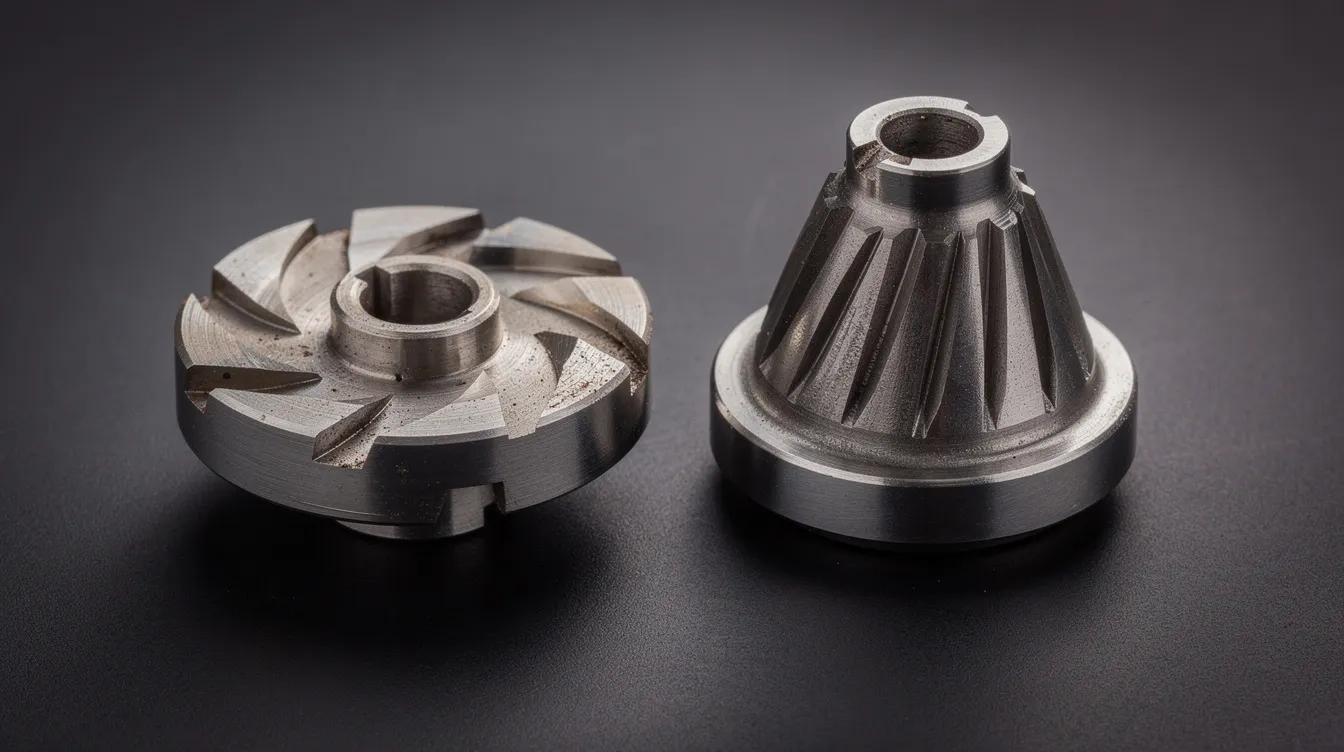
Conical burrs use a cone-shaped inner burr sitting inside a ring-shaped outer burr. They require less motor power, tend to run quieter, and are common in home espresso grinders and manual grinders. Conical burrs produce a bimodal grind distribution-two peaks of particle sizes-which some brewers find beneficial for flavor complexity and body, especially in espresso.
Flat burrs use two parallel disc-shaped burrs facing each other. Flat burrs provide a uniform particle size ideal for clarity in coffee, which is why they’re favored in café espresso grinders and by serious coffee geeks focused on pour over coffee. They tend to be louder and require more powerful motors, but the tighter distribution means fewer rogue fines and boulders. Flat burr grinders are often preferred for espresso due to consistency, and they deliver noticeably cleaner cups in filter brewing-especially with lighter roasts.
The key point: a well-aligned, well-made conical burr grinder will outperform a poorly made flat burr grinder every time. Don’t over-index on geometry at the expense of build quality.
Ceramic burrs are relatively cheap and common in older budget manual grinders. They’re harder than steel but brittle-prone to chipping if a stray pebble gets through-and slower to cut. They stay sharp for a long time in theory, but practical performance degrades faster than steel in many real-world comparisons.
Steel burrs are the current standard for performance in any grinder worth recommending. Sharper edges, faster grinding, better longevity if kept dry and clean. Quality burr grinders typically utilize steel or ceramic burrs for durability, but every grinder in this guide uses hardened steel for good reason. Burr grinders also minimize heat generation during grinding, particularly at lower RPMs, preserving volatile aromatic compounds that heat can destroy.
Think of this as a buyer’s checklist-features that affect your daily cups and workflow, not marketing buzzwords.
Durability, warranty, and parts availability can be more important long-term than an extra 10 grind settings or a slick LCD screen. A pricier grinder with available replacement parts beats a cheaper grinder headed for a landfill in two years.
Forget the spec sheet for a moment. Start with these questions:
Matching grinders to needs:
On budget: spending a bit more on a grinder often improves taste more than spending the same amount on a flashier coffee maker. A $300 grinder paired with a $25 pour-over dripper will produce better coffee than a $30 blade grinder paired with a $300 brewer. If you’re not ready to buy yet, a local coffee shop can grind whole beans for you, but a home burr grinder gives you better freshness and flexibility. When a budget coffee grinder makes sense: if you’re testing whether fresh-ground coffee matters to you, start around $100–$160 and upgrade later if the answer is yes.
For a broader look at grinder categories, see our grinder coverage for more specific roundups.
Neither is inherently better. The right choice depends on your volume, convenience needs, and brewing styles.
Electric burr grinders:
Manual grinders:
The Fellow Opus 2 and 1Zpresso K-Max illustrate this trade-off clearly. The Opus does everything faster and more conveniently with a motor. The K-Max matches or beats it in grind quality at a similar price, but requires your arm to do the work. Many enthusiasts eventually own both: an electric espresso grinder at home plus a manual grinder for trips.
Owning the best coffee grinder is only half the equation. You must also adjust grind size correctly for your brew method.
Brew Method | Target Grind Size | Notes |
|---|---|---|
Espresso | Fine (~300–400 microns) | Needs narrow, repeatable steps; espresso grinders shine here |
Pour over / drip | Medium (~600–800 microns) | Balanced extraction; aim for clarity without bitterness |
French press | Coarse (~1,000+ microns) | Larger particles limit sediment; avoid excess fines |
Cold brew | Very coarse | Some grinders struggle at the extreme coarse end |
How to interpret your results:
Start with your grinder’s manual recommendations, then adjust one notch at a time while keeping dose, water temperature, and ratio constant. Some grinders-like the Breville Smart Grinder Pro and Baratza models-have brew-style labels on the dial. Treat those as starting points, not rules; every coffee and every setup is slightly different.
Keeping burrs clean is critical for flavor and grinder longevity-and it’s part of the real cost of ownership that many buyers overlook.
A practical maintenance schedule:
What happens when you don’t clean:
Expected burr lifespan in home use: most quality steel burrs last several years-hundreds of pounds of coffee beans before noticeably dulling. Replacement costs vary: Baratza burr sets run $25–$50, and installation is a straightforward DIY task. For enthusiast grinders like the DF series, aftermarket burr options (SSP, etc.) cost more but offer performance upgrades. Grinders designed to be serviced-not discarded-are always the better long-term investment.
These traits connect directly to practical reality: early-morning grinding, sleeping roommates, and whether you’re willing to wait 30 seconds for your dose or need it done in 10.
High-RPM motors grind faster but generate more heat (which can theoretically affect volatile flavor compounds) and significantly more noise. Low-RPM motors are quieter and cooler but slower. Most mid-range electric grinders aim for a balance: fast enough for convenience, slow enough to keep noise and heat manageable.
Workflow elements that affect daily use:
Where your grinder sits matters. Open-plan kitchens amplify noise; a dedicated coffee corner with some distance helps. If noise is your top concern, the Ode Gen 2 or a manual grinder are your best options.
The best coffee grinders justify their price by working reliably for many years-not just by tasting good out of the box.
Build materials matter: plastic housings with metal internals (Fellow Opus, Baratza Encore) are lighter and more affordable but less robust than full metal bodies (DF series, 1Zpresso). Weight often correlates with durability, though it’s not a perfect proxy.
Brand reputation for parts and support:
Common warranty terms:
Paying a bit more for a grinder with readily available replacement parts is almost always smarter than saving $50 on a no-name brand that becomes a paperweight when the burrs dull or the motor fails.
Here’s a concise summary of where your money goes at common budget levels.
Under $100–$150: Functional conical burr options like the OXO Brew Conical Burr grinder or the Baratza Encore (at $159, just above this band). Clear upgrade from blade grinders, but expect compromises in particle consistency, noise, and retention. Best budget coffee grinder territory-good for daily drip and pour over, limited for espresso.
$150–$300: The sweet spot for most people. The Fellow Opus at $195 delivers outstanding all-round performance. The Baratza Encore ESP Pro at $299 adds serious espresso capability. The DF54 at roughly $230 offers flat-burr enthusiast performance at a near-budget price. Improvements you gain: noticeably better particle consistency, lower retention, stepless adjustment, and better build quality.
$300–$600+: Enthusiast territory. The Fellow Ode Gen 2 at ~$400 gives filter-coffee drinkers flat-burr clarity. The DF64 Gen 2 at ~$400+ offers SSP-upgradable flat-burr performance for both espresso and filter. You gain top-tier consistency, very low retention, quieter operation, and better materials.
Spending more only makes sense if it matches your brew habits. A $500 espresso grinder is wasted on someone making one coarse French press every weekend. Match the tool to the task.
Avoiding a few pitfalls can save real money and frustration.
The correction for all of these: check grind range claims and retention numbers against independent reviews, plan for long-term ownership costs, and prioritize performance over aesthetics.
Many people outgrow their first grinder as their skills and preferences evolve. That’s normal-and not something to feel pressured about.
Signs it may be time:
Practical triggers:
Logical upgrade paths:
A well-maintained entry grinder can still be good enough for many coffee drinkers. Don’t upgrade because the internet told you to. Upgrade because your palate and your workflow genuinely demand it.
Capitol City Coffee sometimes uses affiliate links and may earn a commission if you buy through those links. Commissions never influence which grinders are recommended or how they are ranked-all recommendations are based on researched editorial analysis.
This publication does not sell coffee gear directly. Our goal is to surface honest pros, cons, and trade-offs so you can make a better decision-not to push you toward the highest-margin product. Prices and availability shift frequently, especially for models like the Fellow Opus or certain espresso grinders that cycle through updates. Compare prices across multiple retailers and confirm current listings before you buy.
Many mid-range burr grinders-like the Fellow Opus 2 or Baratza Encore ESP Pro-handle both espresso and filter coffee reasonably well. But dedicated espresso grinders offer finer control, tighter particle distribution, and easier dialing-in for consistent espresso shots. If espresso is your main drink, a purpose-built espresso grinder is worth the investment. If you mainly brew drip or pour over with occasional espresso, a flexible all-round burr grinder may be sufficient. Many serious coffee geeks eventually keep a separate espresso grinder plus a flat-burr filter grinder for maximum control over both brewing styles.
In the US, around $100–$200 typically buys a solid entry-level conical burr coffee grinder that beats any blade grinder-the Baratza Encore at around $159 or the Fellow Opus at approximately $195 are strong starting points. Spending $250–$400 opens up high-consistency options suitable for espresso and serious pour over. Someone upgrading from pre-ground drip coffee can start in the lower range, while new espresso machine owners should budget more for a capable grinder. Prioritize grind quality and long-term support over cosmetic features.
No. Different beans, roast levels, and brewing methods usually require small grind adjustments, even on the same grinder and machine. Lighter roasts are denser and often need a slightly finer grind (and sometimes higher water temperature), while darker roasts are more brittle and may need slightly coarser settings to avoid over-extraction and bitterness. Keeping a simple notebook or phone note tracking which grind setting works for each coffee on your specific grinder saves time and frustration as you rotate through bags.
In home use, quality steel burrs often last several years-hundreds of pounds of ground coffee-before noticeably dulling, depending on bean hardness, roast level, and daily volume. Watch for signs like slower grinding, increased fines and dust, or flatter-tasting coffee despite fresh beans and good technique. Brands like Baratza sell replacement burrs with basic instructions, making burr changes a realistic DIY task. Enthusiast platforms like the DF series offer both OEM and aftermarket options (SSP, etc.) for upgrading performance, not just replacing worn parts.
Single-dosing-weighing each dose of whole bean coffee and leaving the bean hopper empty-helps minimize grind retention, keeps beans fresher by reducing exposure to air, and makes it easy to switch between different coffees without purging stale grounds. Hopper-based workflows are more convenient if you drink the same specialty coffee daily and don’t mind a small amount of retained coffee grounds between doses. Some grinders (like the Fellow Ode Gen 2 and DF54) are optimized for single-dosing with short chutes, bellows, and small hoppers, while others are designed primarily as hopper-fed grinders. Choose based on how you actually brew-not based on what looks best on a counter.
Every coffee and coffee machine we recommend is scored on the same 100-point scale, so a recommendation on one page means the same thing as a recommendation on any other. Each pick is also labeled with how we reached its score.
| What we score | Points | What we look at |
|---|---|---|
| Origin and sourcing transparency | 20 | Country, region, farm or cooperative, altitude, bean variety, and processing method are clearly disclosed. |
| Flavor evidence | 25 | Independent cupping scores, how closely the tasting notes match what the origin is known for, and our own cupping notes when hands-on tested. |
| Roast and freshness | 15 | Roast level stated, roast-date practices, whole-bean availability, and packaging with a one-way valve or resealable bag. |
| Brew versatility | 15 | How well the roast suits pour-over, drip, French press, cold brew, and espresso. |
| Value | 15 | Price per ounce compared with similar single-origin coffees or blends. |
| Buyer feedback | 10 | Volume and consistency of verified reviews, and recurring complaints about staleness, bitterness, or shipping. |
| What we score | Points | What we look at |
|---|---|---|
| Brewing performance | 25 | Water temperature in the 195–205°F range, even extraction, and SCA certification or published test data. |
| Build quality and reliability | 20 | Materials, known failure points, and long-term owner reports. |
| Ease of use and cleaning | 15 | Setup, the daily routine, descaling, and dishwasher-safe parts. |
| Fit for your kitchen | 10 | Capacity, counter footprint, and noise. |
| Useful features | 10 | Programming, grind and temperature control, and carafe type. Features that improve the cup count more than extras that do not. |
| Value | 10 | Price compared with machines that perform similarly. |
| Warranty and support | 10 | Warranty length, parts availability, and how the brand handles repairs. |
| Score | Grade | What it means |
|---|---|---|
| 90–100 | A | Exceptional. Our first recommendation for the feeling and setting described. |
| 80–89 | B | Strong. Excellent, with minor trade-offs we explain. |
| 70–79 | C | Good. Worth it for specific needs, with clear compromises. |
| Below 70 | — | Not recommended. We do not feature these as picks. |
When a pick carries the Hands-on tested label, this is the method behind it, and we note the date we tested.
We match each coffee to a mood and a moment based on its flavor profile and roast. Bright, citrusy light roasts suit energizing mornings. Chocolatey, full-bodied medium roasts suit slow or social moments. Richer roasts suit espresso and milk drinks. Each pick explains which facts led us to that match.
Every score comes only from the criteria above. No brand can pay for a pick or a higher grade. We re-check ratings when a roast, listing, or model changes, and update or remove picks that no longer earn their grade.
Some links on this page are affiliate links. As an Amazon Associate, Capitol City Coffee earns from qualifying purchases, at no extra cost to you.
Questions about a rating? Reach the Capitol City Coffee team through our contact page.