
If you want great cold brew at home, start with medium-dark, freshly roasted Arabica coffee beans ground to a coarse setting and steeped at a 1:8 brew ratio. That combination handles 90% of the work. The rest comes down to matching beans to your taste, budget, and setup. This guide compares the top coffees for cold brew across flavor profiles, price points, and convenience so you can pick with confidence, not guesswork.
Key Takeaways
- A coarse grind, cool filtered water, and a 1:8 coffee-to-water ratio for concentrate are the most reliable starting points for smooth cold brew at home. Equipment matters far less than these fundamentals.
- There is no single “best” bean. The best coffee beans for cold brew depend on whether you want chocolatey notes, fruity brightness, low acid, or budget-friendly simplicity. This guide compares several options across those needs.
- Choosing the right beans is crucial for making exceptional cold brew. Cold brew coffee is smoother and sweeter than regular hot coffee, so bean quality and freshness show up clearly in the cup.
- Buying whole beans and grinding just before brewing dramatically improves flavor and aroma versus pre ground coffee, though coarse ground convenience options exist.
- This is an independent, researched editorial comparison, not a roaster selling its own products. The guide also covers brew ratio, grind size, contact time, and storage so beginners can brew confidently.
Affiliate & Independence Disclosure
Quick Answer: What Is the Best Coffee for Cold Brew Right Now?
For most people, a Brazilian-Colombian medium dark blend with cocoa and caramel notes is the best overall coffee for cold brew. It’s forgiving, naturally sweet, and works whether you drink it black or with oat milk. On a budget, a widely available 100% Colombian medium roast from grocery stores delivers balanced flavor without breaking $12 per pound. For adventurous palates, an Ethiopian or Kenyan single origin with berry and floral notes makes a bright, complex cold brew that stands out over ice.
All three picks assume a coarse grind and a 1:8 brew ratio as a starting point for immersion cold brew concentrate. Adjust steep time and dilution to personal preference from there.
At a glance
Compare Amazon-available cold brew bags on a phone first: listing photo, roast notes, and a Check on Amazon button. Research-rated, not yet brewed by our team.
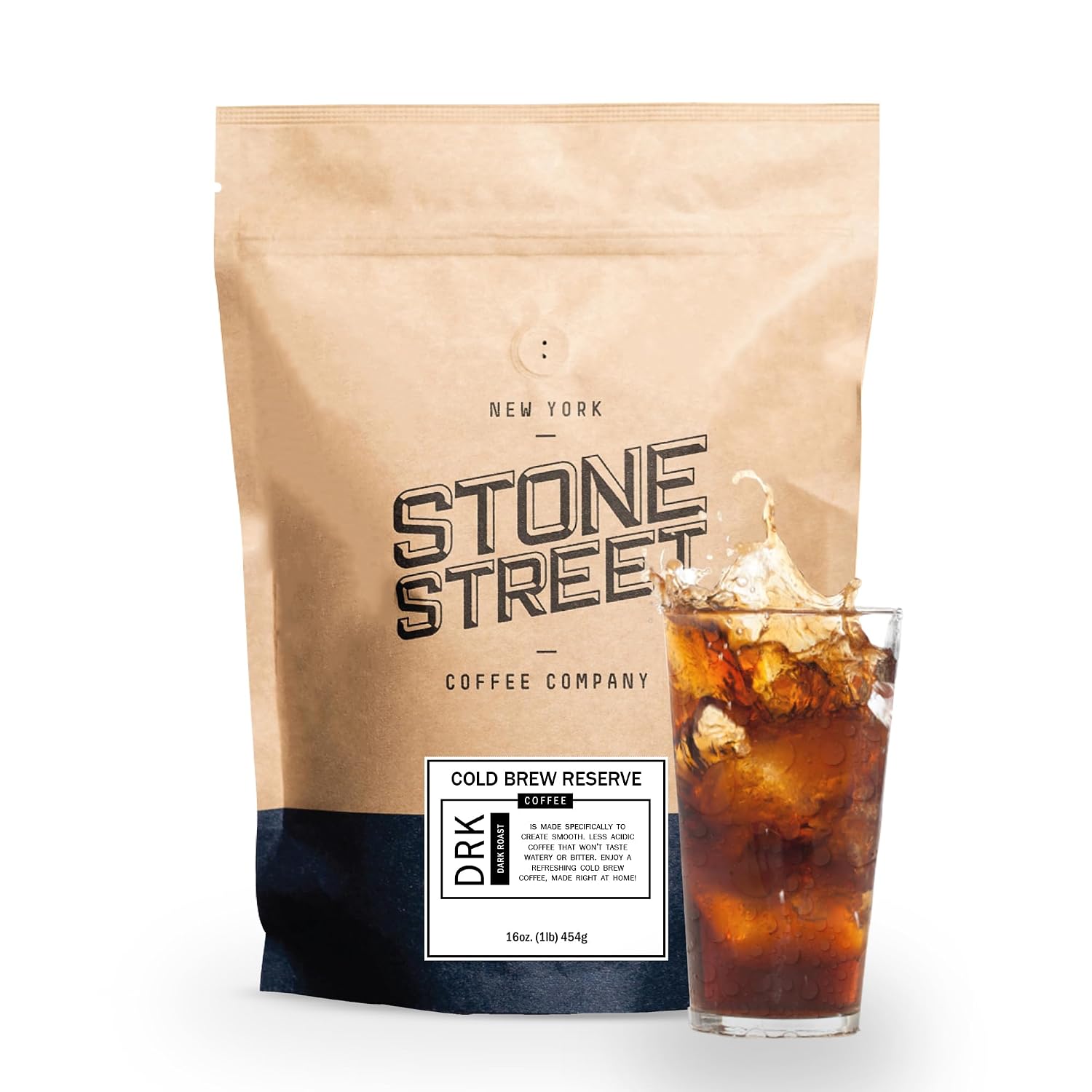
Best dedicated cold brew
Stone Street Cold Brew
- RoastDark
- Best forImmersion cold brew
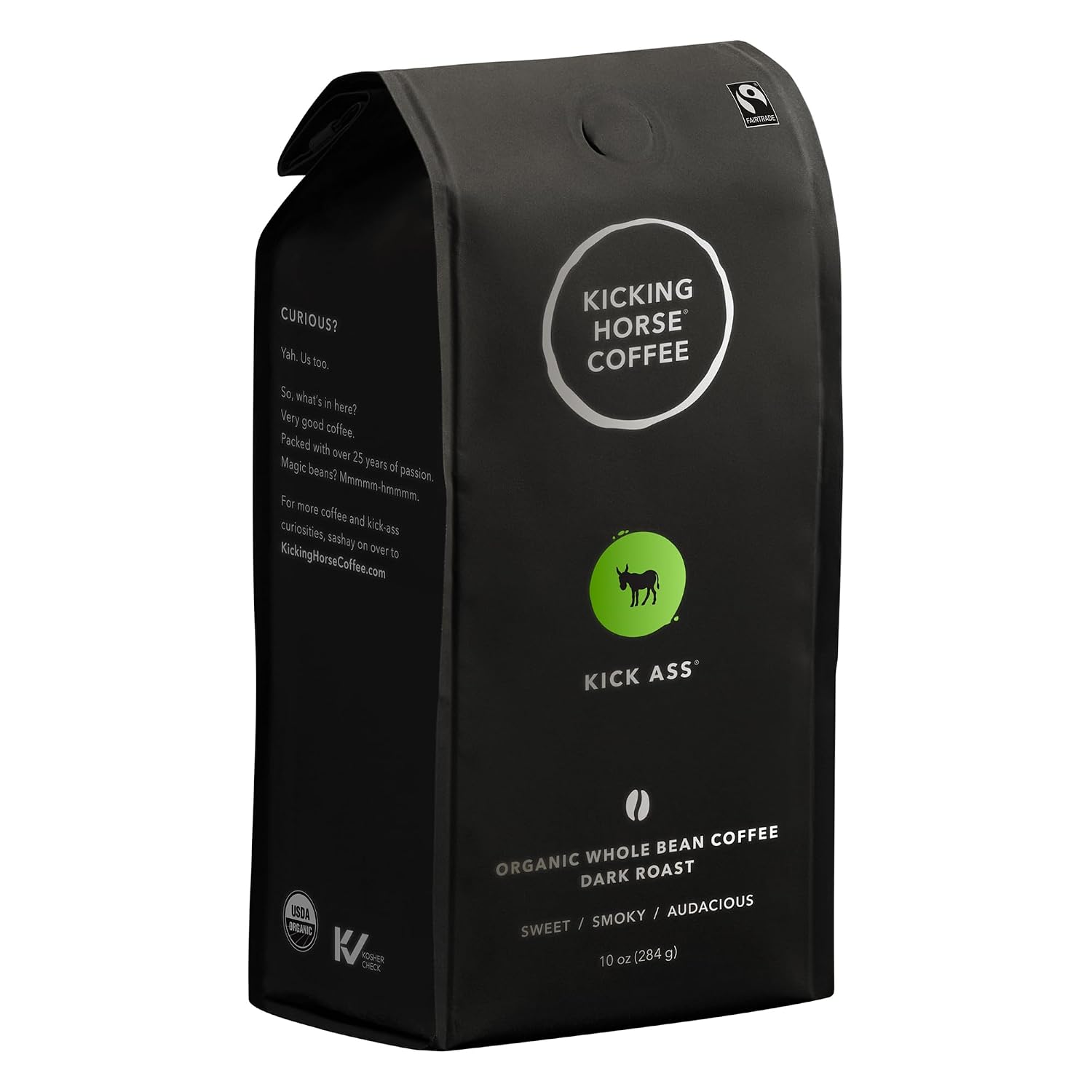
Best bold concentrate
Kicking Horse Kick Ass
- RoastDark
- Best forIced and milk drinks
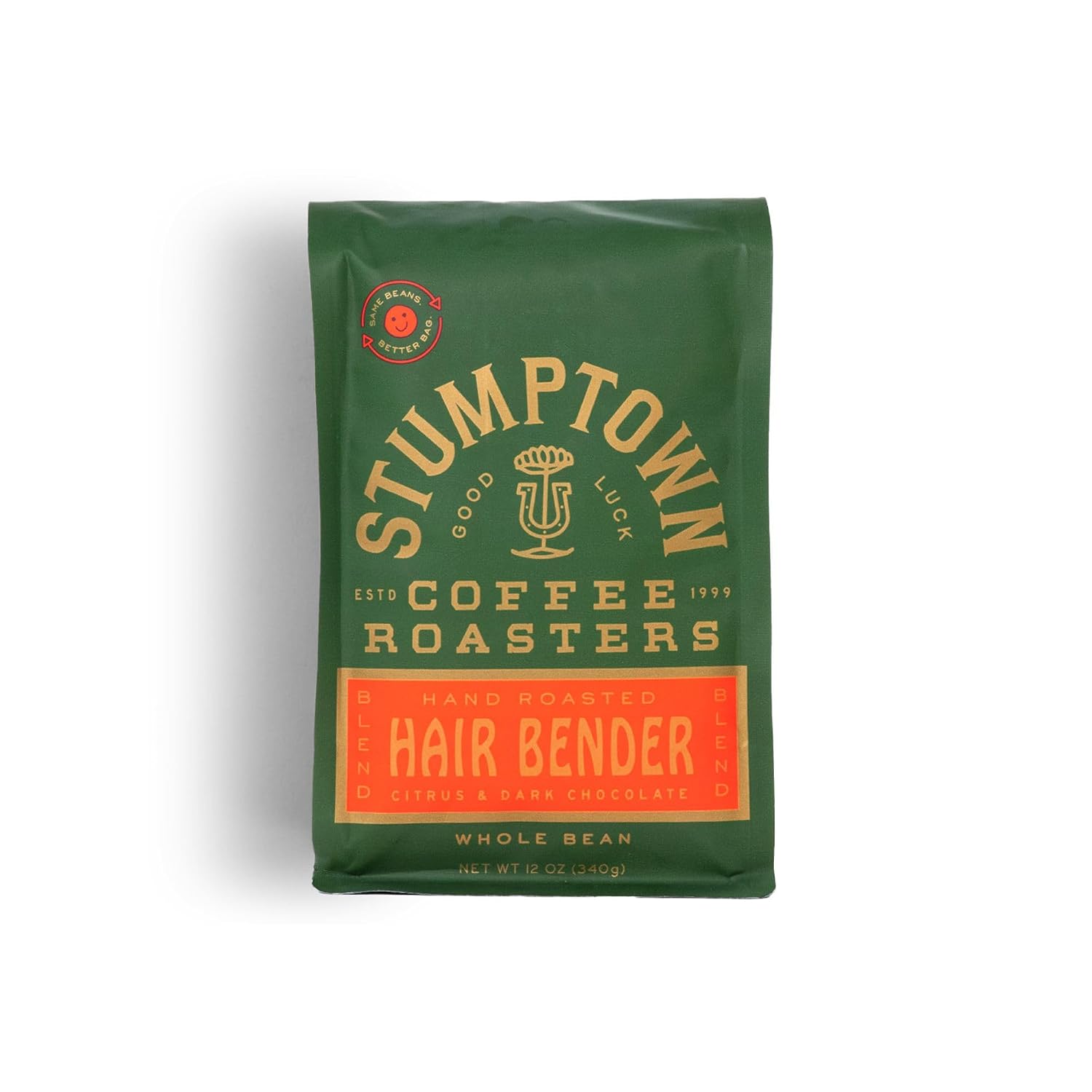
Best balanced cold brew
Stumptown Hair Bender
- RoastMedium
- Best forFruit-forward iced
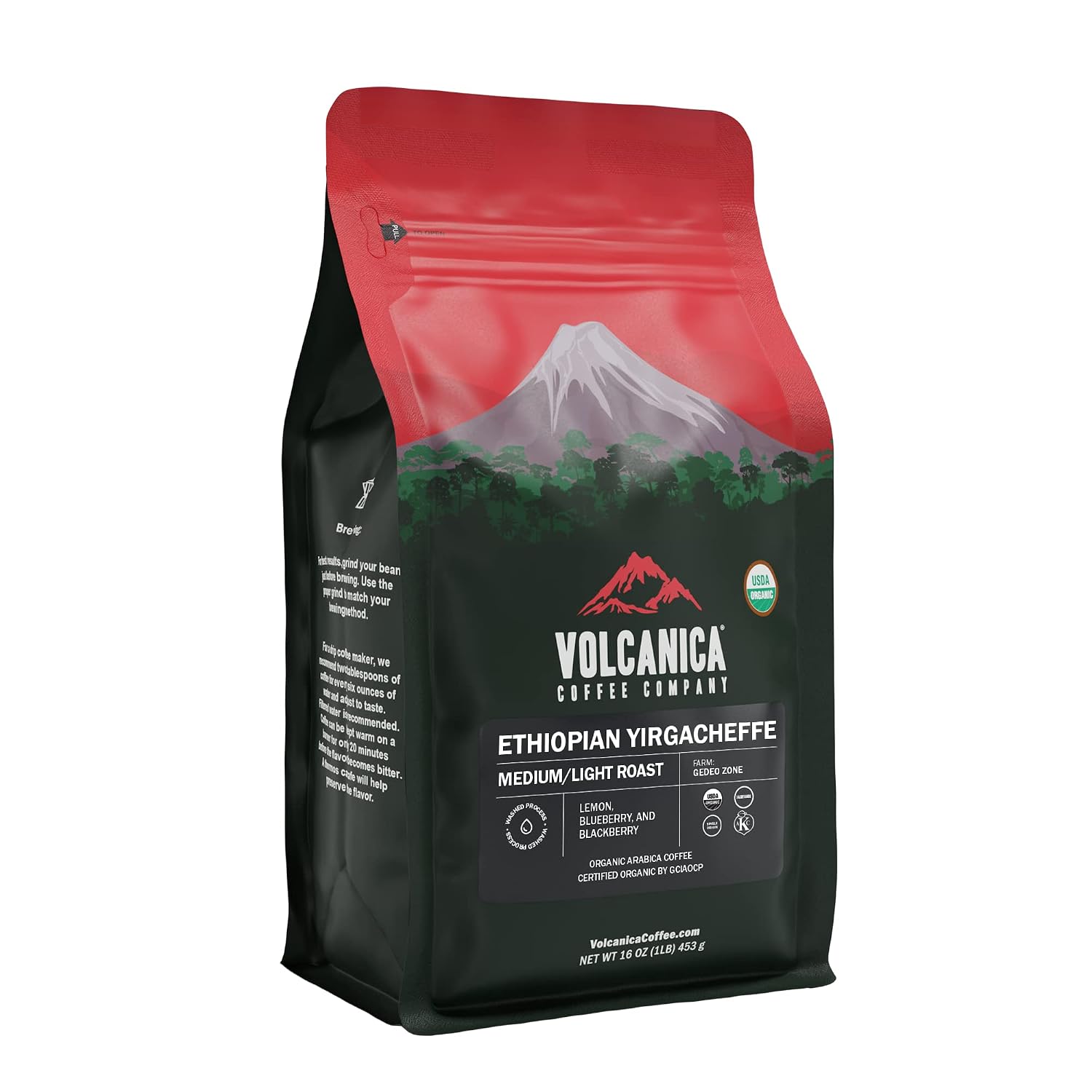
Best light cold brew
Volcanica Yirgacheffe
- RoastLight
- Best forFloral iced cups
Coffee Style | Roast Level | Origin(s) | Flavor Profile | Form | Price (per lb) | Best For |
|---|---|---|---|---|---|---|
Brazilian-Colombian Blend | Medium-dark | Brazil, Colombia | Chocolate, caramel, nut | Whole bean | $13–$16 | Best overall |
100% Colombian Supremo | Medium | Colombia | Caramel, mild fruit, balanced | Whole bean / coarse ground | $8–$12 | Budget / beginners |
Ethiopian Yirgacheffe Natural | Light-medium | Ethiopia | Berry, jasmine, citrus | Whole bean | $20–$25 | Bright single origin |
Sumatra Mandheling | Medium-dark to dark | Indonesia | Earthy, syrupy, dark chocolate | Whole bean | $15–$18 | Bold body, milk drinks |
Organic Central American Blend | Medium-dark | Honduras, Guatemala | Brown sugar, nut, mild fruit | Coarse ground or whole bean | $14–$18 | Organic / ethical |
Low-Acid Specialty Whole Bean | Medium | Single origin (varies) | Mild, smooth, low bitterness | Whole bean | $18–$22 | Sensitive stomachs |
Dark Roast Latin Blend | Dark | Latin America | Molasses, cocoa, smoky | Whole bean | $13–$16 | Bold concentrate |
Pre-Ground Coarse Cold Brew | Medium-dark | Blend (Latin America) | Chocolate, nut | Coarse ground | $10–$14 | No grinder needed |
How We Selected and Evaluated Cold Brew Coffees
This is researched editorial analysis, not hands-on lab testing. Selections draw on publicly available data, expert reviews, and buyer consensus from 2023–2026.
- Arabica-first. All picks are 100% Arabica or Arabica-dominant blends. Arabica beans are often preferred for their smoother flavor profiles. Robusta-heavy blends were excluded unless they clearly contributed body and value.
- Freshness practices. Priority went to coffees sold with visible roast dates and whole bean formats, since fresh beans lose flavor rapidly after grinding.
- Bean quality. Specialty-grade options (scoring 80+ on Specialty Coffee Association scales) were favored, alongside accessible mid-tier beans that perform well when brewed cold.
- US availability. Coffees needed to be reasonably accessible via online retailers or grocery stores.
- Cold-brew-branded vs regular beans. Coffees marketed specifically as coffee for cold brew were compared against “normal” beans that expert consensus confirms work well cold, to avoid marketing-driven bias.
- Value. Cost per ounce, consistency of flavor reports across sources, and suitability for common immersion setups like mason jar, French press, or dedicated cold brew makers all factored in.
Best Coffee for Cold Brew: Detailed Picks & Who They Suit
Each recommendation below includes a “best for” label, cup profile, suggested parameters, and honest trade-offs. Cold brew coffee beans can come from the same plant as regular coffee beans; what matters is how origin, roast, and freshness interact with long cold extraction.
Brazilian-Colombian Medium-Dark Blend
- Best for: best overall cold brew
- Roast/origin: medium dark blend of Brazilian and Colombian beans
- Cup profile: milk chocolate, toasted hazelnut, caramel notes with full body
- Brew suggestion: 1:8 concentrate, coarse grind, 16–18 hours in the fridge
- Value: typically $13–$16/lb, widely available online
- Limitations: less exciting for drinkers who want bright, fruity notes; flavor profile leans safe rather than adventurous
100% Colombian Supremo
- Best for: budget and beginners
- Roast/origin: medium roast, Colombia
- Cup profile: gentle caramel, balanced sweetness, mild citrus finish
- Brew suggestion: 1:8 concentrate or 1:15 ready-to-drink, coarse grind, 16–20 hours
- Value: $8–$12/lb at most grocery stores; also available coarse ground
- Limitations: less complexity than specialty-grade single origin coffee; can taste a bit flat if beans are older than 5 weeks post-roast
Ethiopian Yirgacheffe Natural
- Best for: bright, fruity single origin cold brew
- Roast/origin: light-medium, Ethiopia, natural process
- Cup profile: blueberry, jasmine, citrus with floral notes
- Brew suggestion: 1:8 ratio, coarse grind, 20–24 hours for adequate sweetness extraction
- Value: $20–$25/lb; premium but distinctive
- Limitations: requires tighter brew control; can taste sour or tea-like if under-extracted; lighter body than darker roasts
Sumatra Mandheling
- Best for: heavy body, bold black or with milk
- Roast/origin: medium-dark to dark roast, Indonesia
- Cup profile: earthy, syrupy, dark chocolate, herbal
- Brew suggestion: 1:8 concentrate, coarse grind, 12–14 hours at room temperature
- Value: $15–$18/lb
- Limitations: earthiness can be polarizing; may overwhelm drinkers who prefer clean, bright cups
Organic Central American Blend
- Best for: organic coffee seekers, balanced everyday brew
- Roast/origin: medium-dark, Honduras and Guatemala, organic certified
- Cup profile: brown sugar, nut, mild fruit, chocolatey notes
- Brew suggestion: 1:8 concentrate, coarse grind, 16–18 hours
- Value: $14–$18/lb
- Limitations: organic certification adds cost; flavor profile is pleasant but rarely distinctive
Low-Acid Specialty Whole Bean
- Best for: sensitive stomachs, low acid concentrate
- Roast/origin: medium roast, single origin (varies by roaster)
- Cup profile: mild, smooth, low bitterness, gentle sweetness
- Brew suggestion: 1:8, coarse grind, 16–18 hours in the fridge
- Value: $18–$22/lb; premium pricing
- Limitations: higher cost; “low acid” claims vary by brand; less intensity for those who want stronger coffee
Dark Roast Latin Blend
- Best for: bold concentrate that cuts through milk and ice
- Roast/origin: dark roast, Latin American origins
- Cup profile: molasses, cocoa, smoky, full body
- Brew suggestion: 1:9 or 1:10 ratio, coarse grind, 12–14 hours to avoid ashy finish
- Value: $13–$16/lb
- Limitations: darker roasts dissolve more readily in cold water, so watch steep time; over-extraction yields bitterness
Pre-Ground Coarse Cold Brew Blend
- Best for: no-grinder convenience
- Roast/origin: medium-dark, Latin American blend, sold as coarsely ground coffee beans
- Cup profile: chocolate, nut, smooth
- Brew suggestion: 1:8, 16–18 hours in the fridge
- Value: $10–$14/lb
- Limitations: whole beans still yield better cold brew due to preserved aromatics; use within 1–2 weeks of opening
What Makes Great Coffee Beans for Cold Brew?
While any coffee beans can technically brew cold, certain traits consistently produce better cold brew. Cold brew extracts flavors differently than hot brewing. The long contact time, lower extraction temperature, and cold extraction process emphasize body, sweetness, and lower acidity compared to hot coffee.
- Roast level. Medium to medium dark roasts offer the sweet spot for most cold brew drinkers. Medium roasts offer sweetness and complexity, while dark roasts extract richer flavors and create bold concentrate. Light roasts are less common for cold brew because they can produce a sour taste unless brewed carefully.
- Low to moderate acidity. Brewing with cold water pulls out less acidity than brewing with hot water. Cold brew typically has lower acidity than hot coffee, and beans naturally low in acid amplify this advantage. A 2023 study on immersion cold brew confirmed higher pH and lower titratable acidity compared to hot French press.
- Bean quality. Specialty-grade beans should score 80+ on the Coffee Quality Institute scale. Higher quality means fewer defects and more nuanced flavor in a method that has nowhere to hide flaws.
- Flavor profiles that hold up. Cold brewing typically emphasizes heavy flavors like chocolate and sweetness. Notes of milk chocolate, caramel, and nut survive dilution over ice or with milk better than delicate florals.
- Freshness. Coffee for cold brew should be roasted within 2–6 weeks of brewing. Stale beans produce flat, woody concentrate regardless of method. Blends formulated specifically as beans for cold brew often emphasize chocolatey and nutty flavors that are forgiving for beginners.
Cold brew variations in flavor result from the bean’s origin and roast level, so understanding those variables is the next step.
Roast Level, Origin & Blend Type: Matching Beans to Your Taste
This section helps you choose between medium vs dark, single origin vs blend, and different origins to dial in either richer or brighter cold brew.
The degree of roast affects coffee flavor in cold brew differently than in hot coffee. Dark roasts extract efficiently, creating a bold cold brew flavor with chocolate, cocoa, and smoky intensity that cuts through milk and sweeteners. Medium roasts often yield a better balance of sweetness and complexity. Light roasts can work but need tighter control of coarse grind and longer extraction time to avoid thin, tea-like results. Lighter roasts are better suited to experienced home brewers.
Origin tendencies:
- Single-origin beans from Latin America-Brazil and Colombia especially-are excellent for cold brew, delivering nutty, chocolatey bases with consistent quality.
- Central American beans (Guatemala, Honduras) lean toward caramel notes and gentle fruit.
- East African coffees from Kenya or Ethiopia bring berry, citrus, and fruity notes for a brighter flavour profile.
Single origin vs blends: Single-origin coffee highlights flavors tied to specific regions and preserves floral and fruity notes in cold brew. Single-origin coffees are recommended for those with discerning palates. However, blends create a more balanced and consistent flavor profile and are more forgiving of brew mistakes. Blending is more common in espresso to balance acidity and sweetness, but it works equally well for building a reliable cold brew house recipe.
Grind Size, Brew Ratio & Contact Time for Better Cold Brew
Grind size affects cold brew flavor and quality significantly-sometimes more than bean choice. A coarse grind is recommended for cold brew extraction because it allows slow extraction over 12–24 hours without releasing harsh compounds. Fine grinds can lead to bitter cold brew and produce sludgy sediment.
A coarse grind size is best for cold brew coffee. In practical terms, aim for a texture like raw sugar or coarse sea salt-a bit coarser than a typical French press setting. A burr grinder delivers the most even particle size. Optimization research found that a grind of approximately 0.71 mm with a 1:14 ready-to-drink ratio at 4°C for 24 hours maximized caffeine and volatile compound extraction.
Standard brew ratio starting points:
- 1:8 coffee-to-water by weight for cold brew concentrate (dilute before serving)
- 1:15 to 1:17 for ready-to-drink cold brew
Adjust ratio based on whether you prefer stronger coffee or a lighter, more refreshing cup.
Contact time ranges:
- Dark roast: 12–14 hours at room temperature is usually enough. Room-temperature brewing shortens extraction to 12–16 hours.
- Medium roast: 16–20 hours in the fridge for balanced sweetness.
- Lighter coffees: steep cold brew for 18 to 24 hours to pull adequate sweetness and avoid sourness.
- Cold brew typically requires a steep time of 12 to 24 hours overall.
Filtration matters too. Paper filters yield cleaner, brighter cups. Metal mesh (as in a French press) or cloth filters keep more oils and produce a heavier mouthfeel, which many cold brew drinkers prefer.
Whole Bean vs Pre-Ground: Freshness, Convenience & Bean Quality
Many “coffee for cold brew” products ship pre ground, but whole beans almost always mean better flavor.
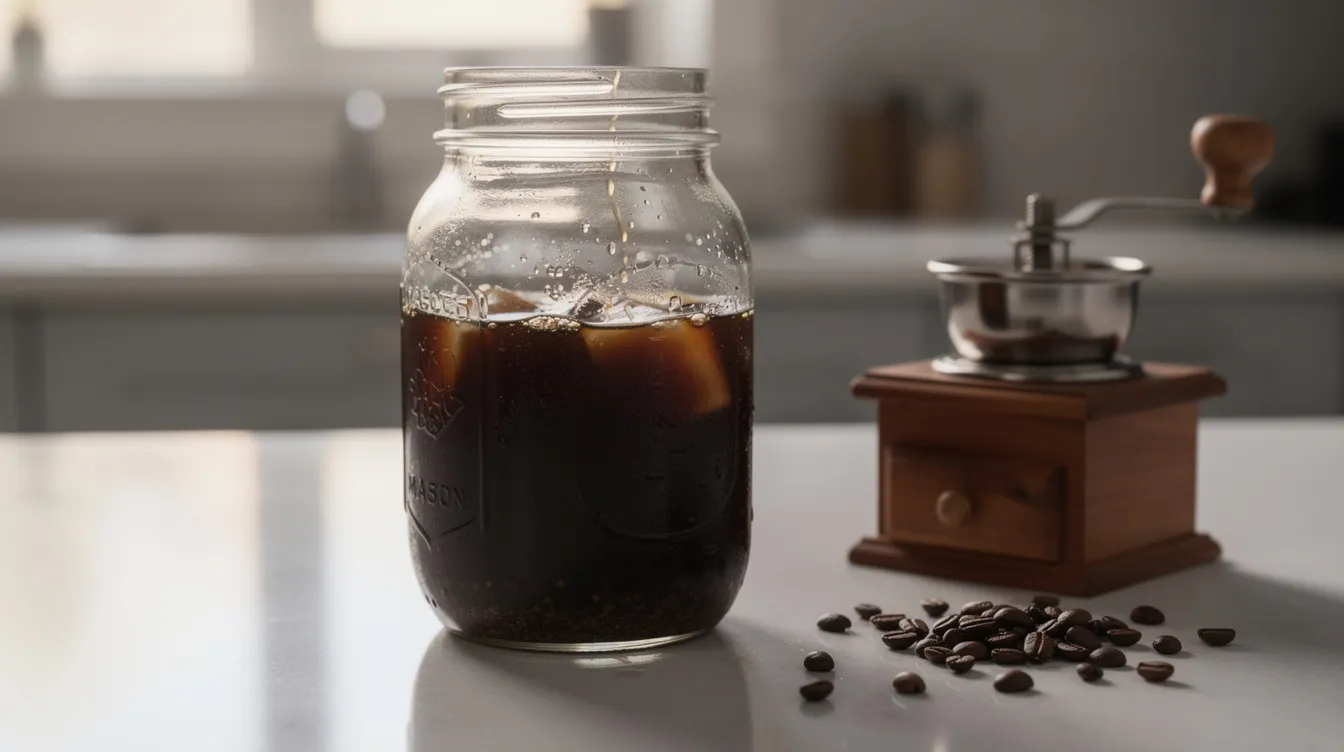
Grinding fresh just before brewing preserves the aromatics that contribute to sweetness and complexity in the final brew. Flavor notes of coffee include chocolate, caramel, nuts, and floral descriptions-all of which fade quickly once beans are ground and exposed to air. Pre ground coffee can be a reasonable trade-off for convenience, but loses best flavor more rapidly. Use it within 1–2 weeks of opening and store in an airtight, opaque container away from heat.
Serious cold brew drinkers should invest in a burr grinder. It gives control over grind size across all brewing methods-from coarse ground coffee for cold brew to finer settings for espresso or pour-over.
Buy local when possible. Local roasters often list roast dates clearly and can recommend their right beans for cold brew on-site. You’ll get higher bean quality and freshness compared to bags that sat on a warehouse shelf for weeks.
How to Choose the Best Coffee Beans for Your Cold Brew Setup
Here’s how to move from theory to a single bag that matches your equipment, budget, and taste as a home brewer.
- Mason jar or French press: A medium dark whole bean blend is the simplest entry point. Grind coarse, use a 1:8 brew ratio, and steep 16–18 hours in the fridge. Budget $10–$16/lb.
- Dedicated cold brew maker (Toddy, OXO, etc.): These systems handle larger volumes. Consider buying a full-body dark or medium-dark blend in a larger bag for cost efficiency. Coarse ground options work if you don’t own a grinder.
- Weekly batch brewer: If you make cold brew every week, consistency matters most. Stick with a blend you enjoy, buy whole beans in 12 oz to 2 lb bags, and grind each batch fresh. Adding milk or cream is common for enhancing the flavor of cold brew, so pick beans with chocolate notes that complement dairy or oat milk.
Start with a forgiving medium dark blend featuring caramel and chocolate notes before exploring brighter single origins or very dark roasts. Check packaging for roast date, storage recommendations, and certifications (organic coffee, Fair Trade, Rainforest Alliance) that matter to you. Home brewing is about personal preference-there’s no wrong choice, only better information.
Brewing & Freshness: Getting the Most from Your Cold Brew Beans
Even the best beans taste flat if brewed or stored poorly. The extraction method for cold brew requires cold or room-temperature water, never hot water.
Basic immersion recipe:
- Use a 1:8 coffee-to-water ratio for cold brew concentrate.
- Grind coarse (sea salt texture).
- Combine coffee grounds and cold water in your vessel.
- Steep 16–18 hours in the fridge.
- Strain through your filter of choice.
- Dilute concentrate 1:1 with water or milk before serving over ice.
Scaling: Whether you use a 32 oz mason jar or a 2-quart pitcher, keep the brew ratio consistent for repeatable results. For a single jar, that’s roughly 4 oz (113 g) of coffee to 32 oz of water.
Freshness guidelines:
- Cold brew coffee can last 7 to 14 days in the fridge when stored as sealed concentrate.
- Ready-to-drink diluted cold brew stays fresh 3–5 days, with flavor gradually declining after that.
- Cold brew develops deeper flavor in the first 24–48 hours of refrigeration, then slowly flattens.
Cleaning habits: Rinse filters after each use. Avoid soap residues on mesh or cloth filters-plain hot water and occasional vinegar rinses keep things neutral. Arabica beans provide a smoother and sweeter coffee experience compared to Robusta beans, and that smoothness shows best in a clean brewing vessel.
Our Cold Brew Coffee Picks
We matched one coffee to each mood below. Tap the image or the coffee name to see it on Amazon. These Amazon bags match the Brazilian-Colombian blend and grocery Colombian styles in the Quick Answer; they are research-rated, not yet brewed by our team.
Feeling smooth: concentrate over ice
Our pick: Stone Street Coffee Cold Brew Blend, coarse grind, dark roast. Built for immersion concentrate, with cocoa-caramel notes this article wants in a Brazilian-Colombian style. Research-rated, not yet brewed by our team.
Feeling everyday: a grocery Colombian
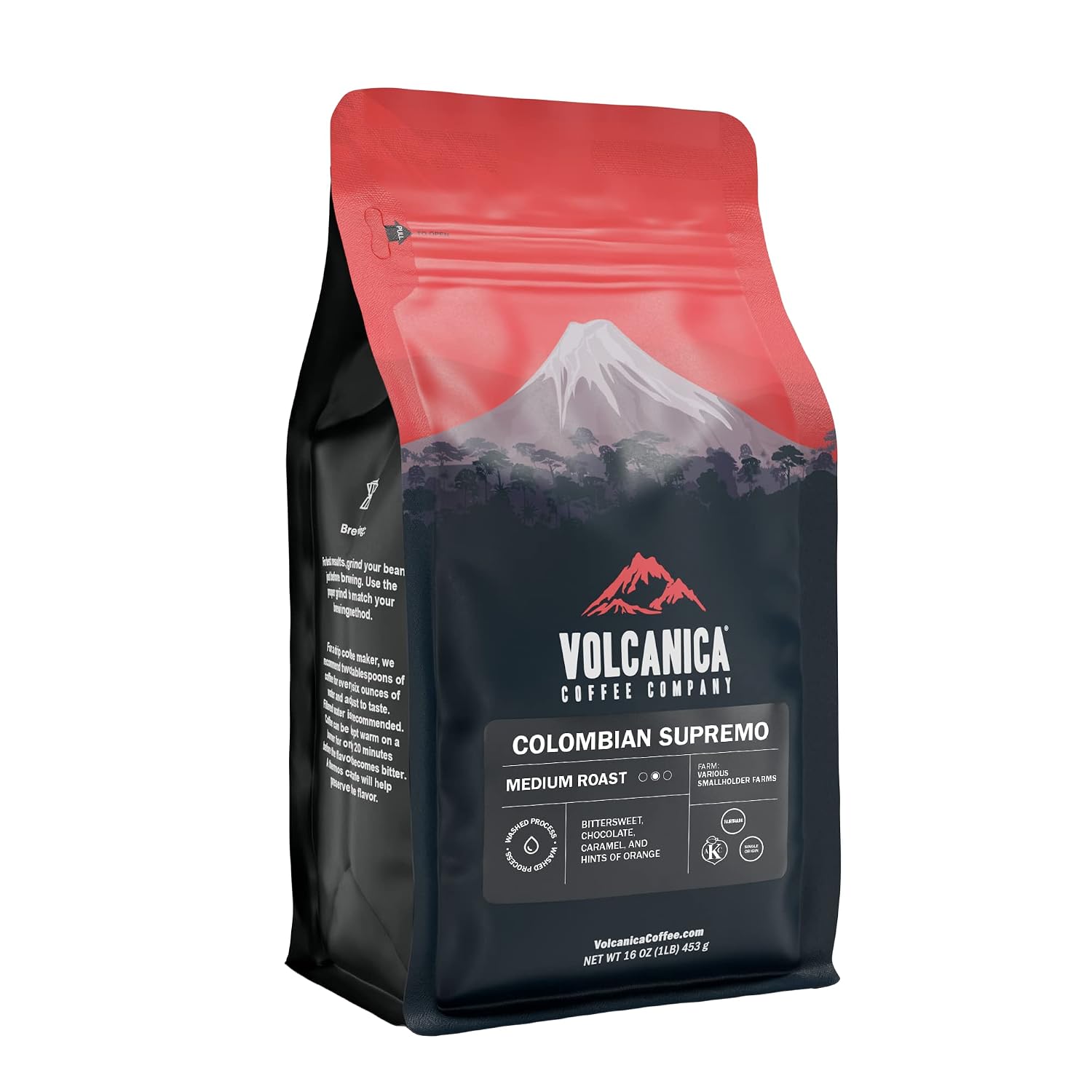
Our pick: Volcanica Coffee Colombian Supremo, medium roast, Fair Trade, whole bean, 16 oz. Grind coarse for the 1:8 immersion starting point above. Research-rated, not yet brewed by our team.
Related Cold Brew & Coffee Guides from Capitol City Coffee
Ready to explore beyond cold brew? These guides can help you find the right beans for every method:
- Browse coffees by brew method for a complete overview of how different beans perform across setups.
- Best coffee beans for espresso covers espresso blends and single origins built for pressure extraction.
- Best coffee for French press shares picks that overlap heavily with cold brew preferences.
- Best coffee for pour-over highlights lighter, more nuanced beans that shine with hot water methods.
- Explore all coffee guides for gear reviews, bean comparisons, and brewing tips.
FAQs: Coffee Beans & Techniques for Cold Brew
These FAQs cover practical questions not fully addressed above, especially for beginners getting started with cold brew.
Can I use any coffee beans for cold brew, or do I need special “cold brew” beans?
Any 100% coffee beans can technically be used for cold brew. You don’t need beans labeled “cold brew” on the bag. That said, medium to medium-dark roasts with chocolate, caramel, and nut flavors usually produce the best cold brew for most people. “Cold brew” labeled coffees are often blends optimized for coarse grind and long contact time, but they aren’t mandatory. Quality, freshness, and proper grind size matter more than marketing labels. High quality beans with a clear roast date will outperform a stale “cold brew blend” every time.
Is it worth paying more for specialty-grade beans for cold brew?
Specialty coffee (scoring 80+ on SCA scales) delivers more nuance-fruit, floral, and complex sweetness-that still shows up in cold brew, especially when drinking it black. If you mainly add lots of milk, cream, or enjoy adding syrup, mid-priced beans or blends may offer better value because fine flavor distinctions get muted by additives. For black cold brew or lightly diluted concentrate, specialty-grade beans are worth the premium.
How does brew ratio affect caffeine and strength in cold brew?
Stronger brew ratios like 1:4 or 1:6 produce more concentrated caffeine per ounce, but most people dilute these concentrates before drinking. A 1:8 concentrate diluted 1:1 with water ends up similar in caffeine to a strong cup of regular coffee. Adjust ratio and dilution gradually to find your comfortable balance. The difference between iced coffee (hot brewed, then chilled) and cold brew concentrate is significant-cold brew concentrate is much denser in dissolved compounds.
Should I keep cold brew beans in the fridge or freezer?
Store unopened bags at room temperature in a cool, dark, dry place away from sunlight and strong odors. Freezing whole beans in an airtight bag can extend shelf life if done once without repeated opening and closing. Everyday storage in the fridge is discouraged because condensation and odor absorption degrade the beans. Once opened, use fresh beans within 2–4 weeks and keep them sealed between uses.
Can I brew cold brew coffee with espresso blends or dark Italian roasts?
Espresso blends and darker Italian-style roasts can work well for cold brew if you prefer bold, intense, slightly bitter profiles that hold up with milk and ice. Dark roasts extract efficiently in cold water, so start with a slightly lower brew ratio (1:9 or 1:10) and shorter contact time (12–14 hours) to avoid overly smoky or ashy flavors in the final brew. Taste after the first batch and adjust from there. Many coffee business professionals use their espresso blends interchangeably for cold brew with excellent results.