


As an Amazon Associate I earn from qualifying purchases. This page contains affiliate links; we may earn a commission if you buy through them.
Coffee gear is everything that shapes what ends up in your cup-espresso machines, grinders, manual brewers, kettles, scales, storage canisters, and the small accessories that tie a brewing workflow together. This page is Capitol City Coffee’s central hub for researched recommendations across every major equipment category. Whether you’re shopping for your first French press and burr grinder or evaluating prosumer espresso machines, you’ll find practical guidance on performance, price, and the trade-offs that actually matter below.
Jump straight to curated picks for espresso machines, grinders, pour-over gear (including the Kalita Wave), or travel kits in the sections that follow. Or drill down into our dedicated category pages for grinders and coffee makers for even deeper research.
Key Takeaways
- Coffee gear spans espresso machines, grinders, brewers, kettles, scales, storage, and accessories-and choosing well across these categories matters more than overspending in any single one.
- A quality conical burr grinder is almost always the highest-impact first purchase; it improves flavor for espresso, French press, and pour-over alike.
- Entry-level espresso machines in the $300–$700 range paired with a capable grinder can produce genuinely great coffee at home, while prosumer setups above $1,000 add workflow speed and steam performance.
- Scales, temperature-controlled kettles, and proper storage are low-cost upgrades that deliver outsized improvements in consistency and taste.
- All recommendations on this page are based on researched editorial analysis-Capitol City Coffee is an independent publication, not a gear retailer.
Category Overview: Coffee Gear at Capitol City Coffee
This is Capitol City Coffee’s central hub for coffee gear: espresso machines, manual brewers, grinders, kettles, and the accessories that help you make better coffee at home or in a small office. Everything here is organized to help you understand what equipment exists, how to evaluate it, and where to go for deeper buying guides and reviews.
Capitol City Coffee does not sell gear. We’re an independent coffee editorial and affiliate publication. When we link to a product, it’s because we believe it deserves attention based on performance, quality, and value, including products from well-regarded brands when they earn coverage on those merits rather than through any partnership arrangement.
Major categories covered on this page include espresso machines, drip and batch coffee makers, manual brewers like the French press and Kalita Wave, grinders (with emphasis on burr designs), kettles with temperature control, scales, storage, cleaning tools, and travel gear. This page is built for readers in the U.S. looking for practical guidance on what equipment they actually need, how to choose it, and where to find more detailed research. All product references reflect current availability as of 2026, but always verify live pricing and stock before making a purchase.
Affiliate Disclosure & How We Make Recommendations
Capitol City Coffee may earn a commission when you purchase through links on this page, at no extra cost to you. These commissions never dictate what we recommend or how products are ranked. As an Amazon Associate we earn from qualifying purchases.
Our editorial decisions are based on performance, quality, usability, value, and expert consensus. When hands-on test data is not available, the team relies on verified product specifications, manufacturer documentation, and reputable expert sources-including competition results, long-running industry benchmarks, and established barista educators. We label recommendations as researched editorial analysis whenever we haven’t conducted our own testing.
This independence is what allows us to have candid trade-off discussions rather than repackaging marketing copy. Less commercially lucrative products still earn recommendations when they offer better value or performance for a given use case.
How to Choose Coffee Gear That Matches Your Routine
Choosing the right coffee gear starts with three honest questions: How do you like your coffee? How much effort do you enjoy putting into the brewing process? And what’s your realistic budget?
The answers steer you toward very different setups. Someone who wants a smooth, full-bodied cup with minimal fuss needs different equipment than someone chasing the perfect espresso shot with latte art on weekends. Here are the main decision factors worth weighing:
- Performance: Brew quality, temperature stability, grind consistency, and extraction control. These determine how your coffee actually tastes.
- Usability: Workflow speed, intuitive controls, how easy gear is to clean, and how much counter space it demands.
- Durability: Build materials (stainless steel internals vs. plastic-heavy construction), serviceability, and whether replacement parts are readily available.
- Value: How much measurable quality you get per dollar spent-not just the sticker price but what the gear delivers over years of daily use.
One of the most consistent findings across expert sources is that grinder quality often matters more than upgrading to a more expensive espresso machine or coffee maker. A conical burr grinder producing uniform particles will do more for your cup than a $200 machine upgrade on the espresso side. Grinders must match brewing methods for optimal results-fine grind is necessary for espresso preparation, while coarse settings suit immersion methods.
Here are simple starting paths for common reader types:
User Type | Core Gear | Approx. Entry Budget |
|---|---|---|
Minimalist manual brewer | French press + burr grinder + basic scale | $300–$400 |
Pour-over enthusiast | Gooseneck kettle + Kalita Wave or V60 + burr grinder + scale | $400–$700 |
Espresso-curious home barista | Entry-level single-boiler machine + espresso-capable burr grinder + scale + accessories | $800–$1,200 |
Prosumer setup | Dual-boiler or heat-exchanger machine + high-end grinder + full accessory kit | $2,000–$4,000+ |
If you already know which path you’re on, scroll down to the relevant category or jump straight to the buying guides and reviews later on this page.
Major Coffee Gear Categories
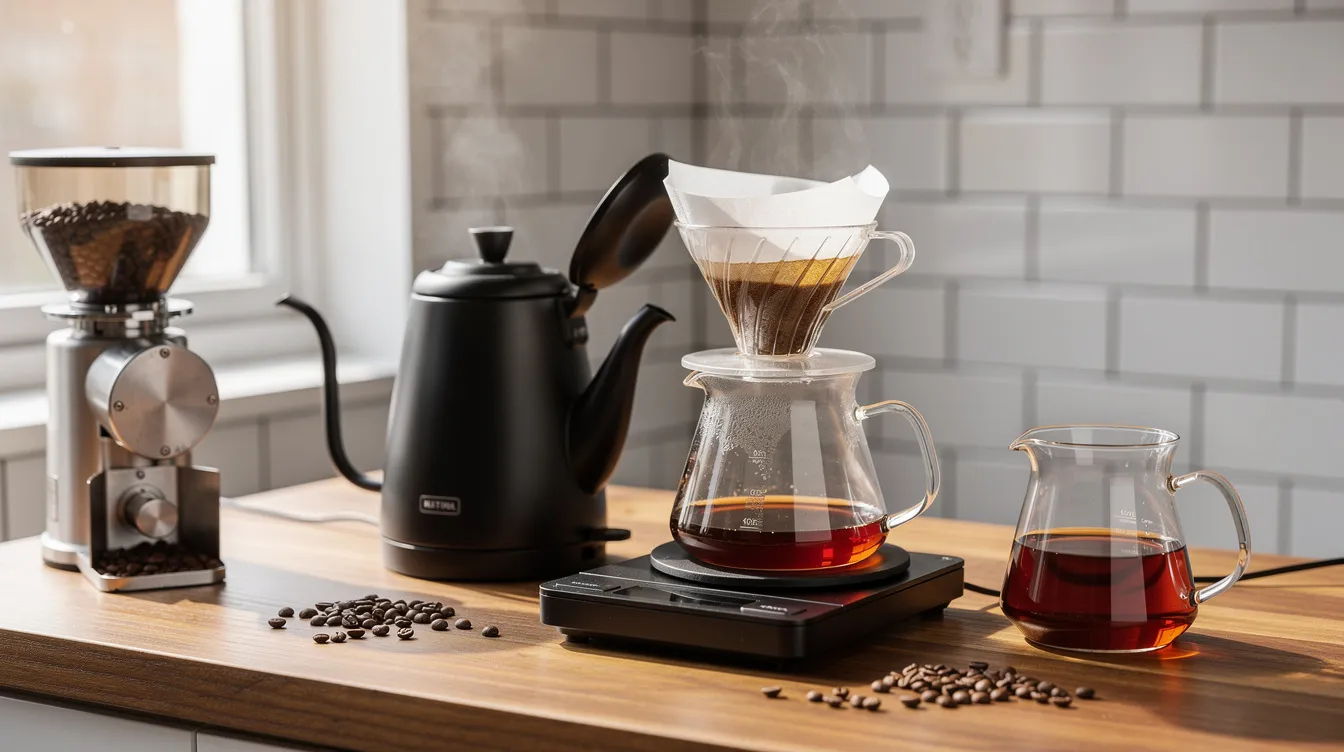
Most home setups revolve around a few core equipment categories: brewing devices, grinders, water and temperature tools, scales, storage, and cleaning gear. Getting the balance right across these categories matters more than maxing out spending in any single one.
The sections below cover each major category in detail:
- Espresso machines
- Drip and automatic coffee makers
- Manual brewers (French press, Kalita Wave, other pour-over drippers)
- Grinders (with emphasis on conical burr grinders)
- Kettles and temperature control tools
- Scales and measurement tools
- Storage canisters and freshness management
- Everyday and espresso-specific accessories
- Travel and outdoor gear
- Cleaning and maintenance equipment
Each section highlights who the category is best for, the performance metrics that matter, typical 2026 price ranges, and representative product types. Full reviews live in our dedicated review collection.
Espresso Machines: From First Shot to Prosumer Setups
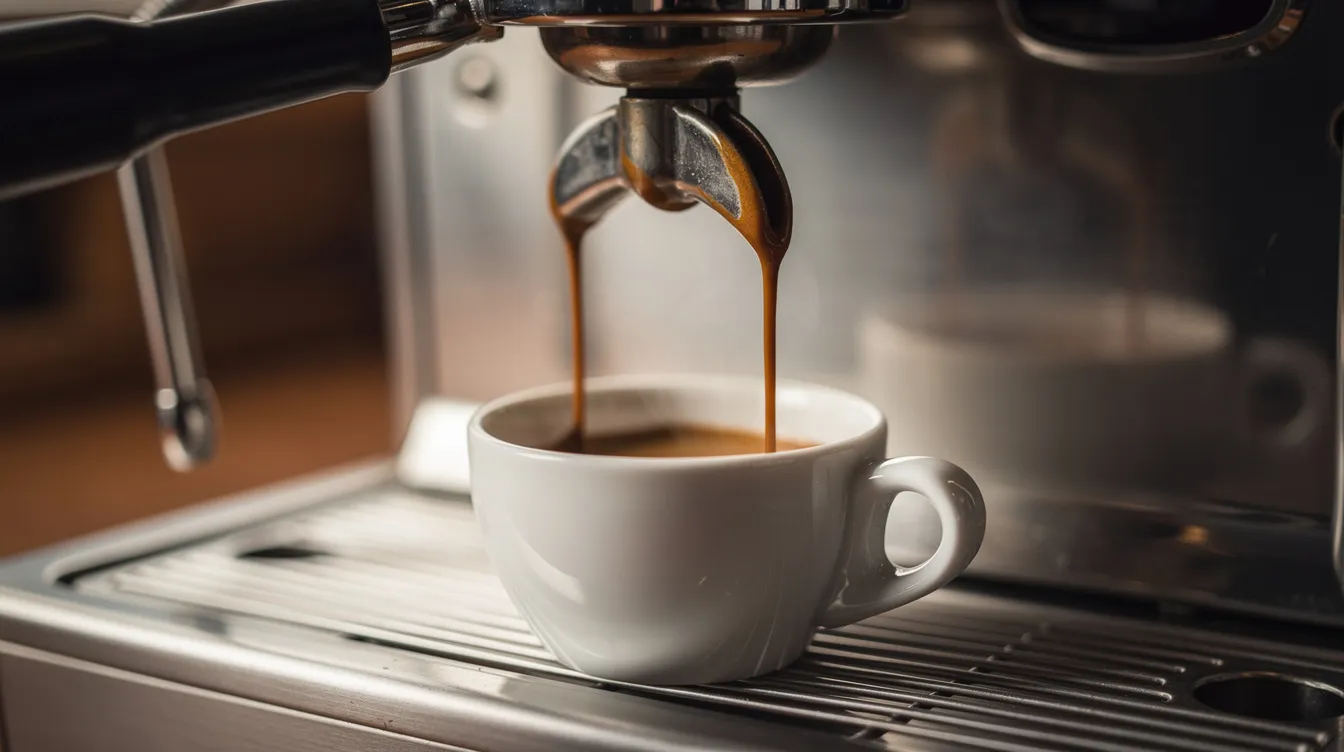
An espresso machine forces hot water-typically at around 9 bars of pressure and between 195–205°F-through finely ground, tamped coffee to produce a concentrated, aromatic shot. Machine build quality and thermal stability directly influence whether that shot is balanced and sweet or bitter and thin.
The main subtypes worth understanding:
- Entry-level single-boiler machines ($300–$700): Models like the Breville Bambino Plus use thermojet or thermocoil heating for faster warm-up and a smaller footprint. They’re enough to learn espresso workflow, but steam power is limited and you typically can’t brew and steam milk simultaneously.
- Heat-exchanger machines ($800–$2,000+): These allow simultaneous brewing and steaming, with more thermal mass and stronger steam. The Rocket Appartamento 2.0, for example, is listed around $2,149 in 2026. Expect a steeper learning curve and more involved maintenance.
- Dual-boiler prosumer machines ($1,000–$3,000+): The most stable temperature and pressure control, commercial-style 58mm portafilters, and robust materials. La Marzocco’s Linea Micra, released in late 2023, brought a compact prosumer option from a respected commercial brand into home kitchens.
- Compact and travel espresso devices: Portable lever machines and devices like the MHW-3BOMBER X-Press58-which features 9-bar extraction pressure in a handheld form factor-sacrifice some stability for remarkable portability.
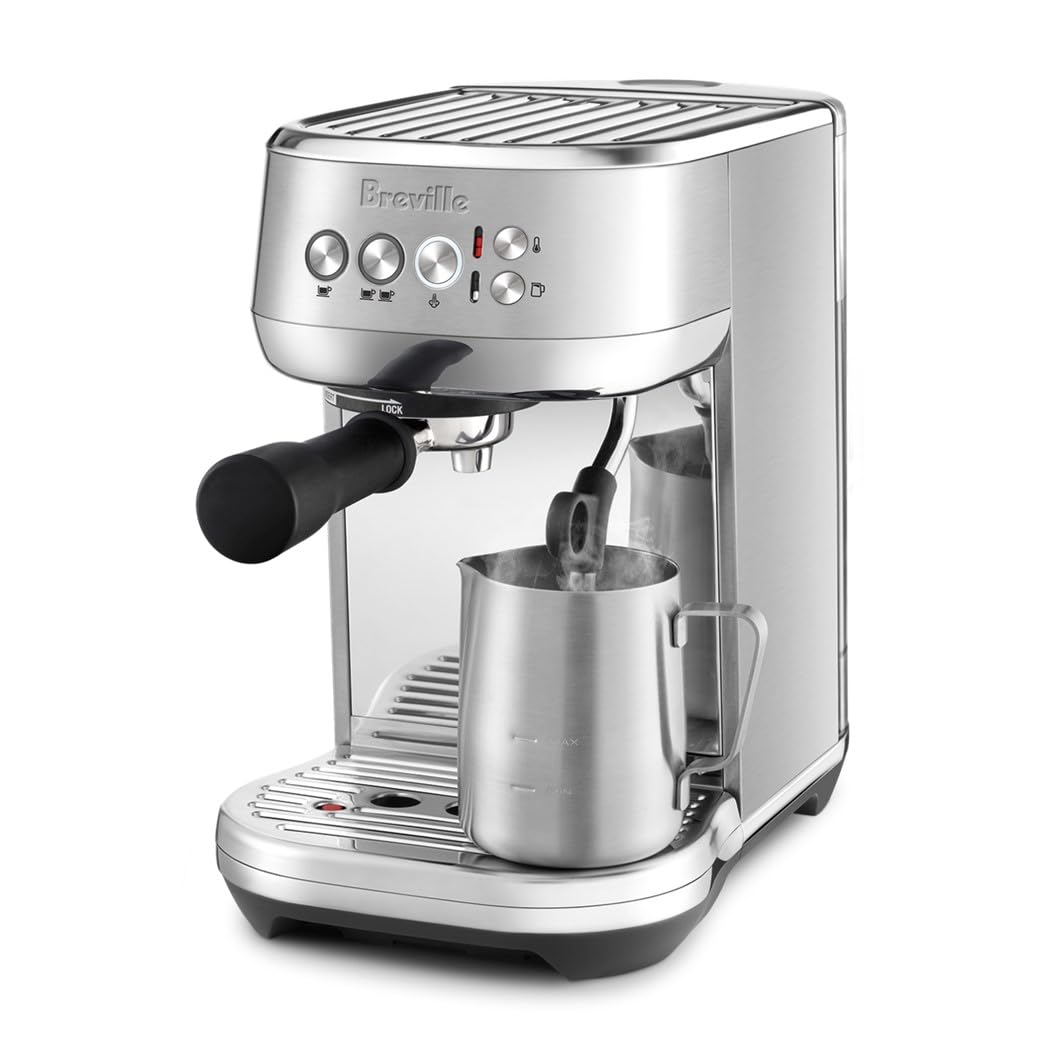
Our pick: Breville Bambino Plus Espresso Machine (BES500BSS), brushed stainless steel. Breville lists a ThermoJet heating system that reaches extraction temperature in 3 seconds, digital PID temperature control, low-pressure pre-infusion, a 54mm portafilter and an automatic steam wand with adjustable milk temperature and texture. One honest note: it uses a 54mm portafilter rather than the 58mm standard mentioned below, so some aftermarket baskets and tampers won’t fit. Research-rated, not yet tested by our team.
Key features to evaluate before buying: boiler type, PID temperature control, portafilter diameter (58mm standard vs. proprietary sizes), steam wand power, and internal materials. Machines with stainless steel boilers and groupheads tend to last longer and hold value better than plastic-heavy builds.
One critical trade-off: no espresso machine will compensate for a poor grinder. Budget for both, or prioritize the grinder first. In-depth espresso machine comparisons live in our coffee makers and reviews sections.
Drip Coffee Makers and Batch Brewers
Automatic drip coffee makers are the “set-and-forget” option for households and small offices where convenience matters as much as cup quality. They’re also among the most extensively reviewed categories in the coffee industry, which makes comparison shopping relatively straightforward.
What defines good performance in a drip machine:
- Consistent brew temperature (ideally hitting the 195–205°F window throughout the cycle)
- Even water dispersion across the coffee bed
- Accurate brew ratio and reasonable total brew time
- Certification against SCA-style brewing standards, where available
Ratio Six and OXO are top-rated coffee makers that consistently appear in expert recommendations for their brewing performance and build quality. Best coffee makers in this category typically cost around $200 or more-budget models under $100 exist, but they frequently fall short on temperature consistency or water distribution.
Typical 2026 price tiers:
Tier | Price Range | What You Get |
|---|---|---|
Budget | Under $100 | Basic brewing, plastic carafe, limited temp control |
Midrange | $150–$250 | Better heating elements, thermal carafes, programmability |
Premium | $250+ | SCA-certified performance, stainless steel components, bloom settings |
Usability factors worth comparing: programmable timers, bloom or pre-infusion settings, ease of filling the reservoir and cleaning the basket, filter compatibility (flat-bottom basket vs. cone), and how much counter space the brewer occupies. Automatic drip coffee makers are extensively reviewed for quality in our dedicated coffee maker guides and reviews.
French Press and Immersion Brewers
The French press is classic immersion brewing: coarse grounds steeped in hot water for several minutes, then separated by pressing a metal mesh plunger. The result is a full-bodied, rich cup with more oils and texture than paper-filtered methods-a style many coffee lovers find deeply satisfying.
French press is forgiving, affordable, and a natural “first serious” brewing method. It requires only hot water, a press, and a burr grinder capable of producing a consistent coarse grind. A coarse grind is ideal for French press coffee because finer particles will slip through the mesh filter, creating silt and over-extraction.
When comparing French presses, these features matter most:
- Capacity: Common sizes range from 12 to 34 oz, covering single serving through multi-cup batches.
- Heat retention: Double-wall stainless steel models hold temperature far better than single-wall glass and are significantly more durable, though you lose the ability to see the brew level.
- Filtration quality: Multi-layer mesh filters reduce sediment without paper’s flavor-stripping effect.
- Cleaning ease: Disassembly matters-models with removable filter screens are much easier to clean thoroughly.
Alternative immersion options like hybrid steepers offer some of the same body and convenience. For more detail on immersion brewing equipment, check the brewer buying guides in our coffee makers section.
Pour-Over Gear: Kalita Wave, Cones, and Flat-Bed Brewers
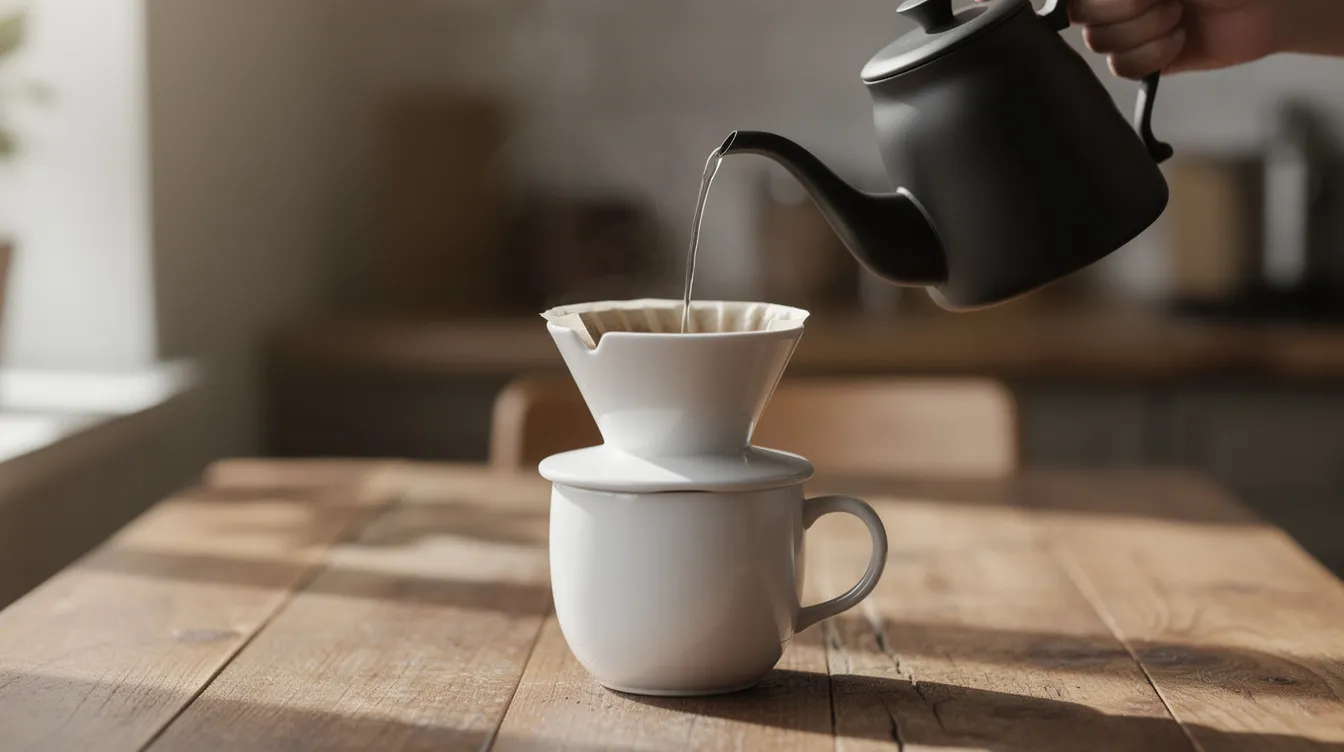
Pour-over is a more hands-on, precise brewing style where water is poured manually over coffee grounds in a filter. It gives you direct control over flow rate, water distribution, and extraction time-a level of engagement that rewards attention with clarity and nuance in the cup. A manual brewer like a pour-over dripper allows for control over extraction time and temperature that automatic machines simply can’t replicate.
The Kalita Wave uses a flat-bottom bed with three small drain holes and distinctive wave-shaped filters. This design promotes even extraction and is more forgiving of pouring technique compared to conical drippers like the Hario V60, which responds more dramatically to flow rate changes. The V60 rewards precision; the Kalita Wave rewards patience.
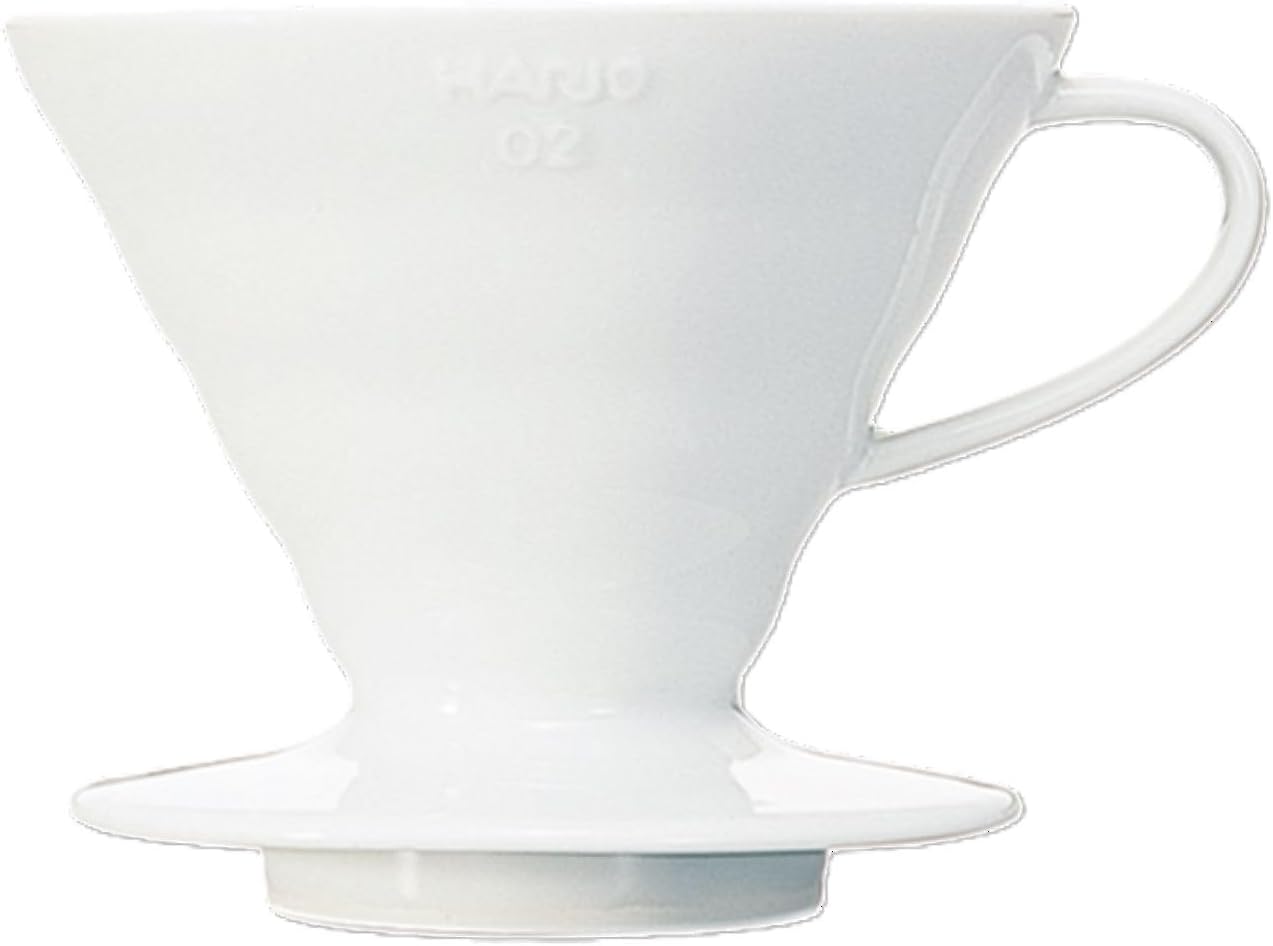
Our pick: Hario V60 Dripper, size 02, white. This is the conical dripper this section compares against the Kalita Wave, and it holds a 4.8-star Amazon rating from more than 12,000 shoppers. One honest note: the listing we checked gives almost no specifications, and the V60 needs its own cone-shaped filters. Research-rated, not yet tested by our team.
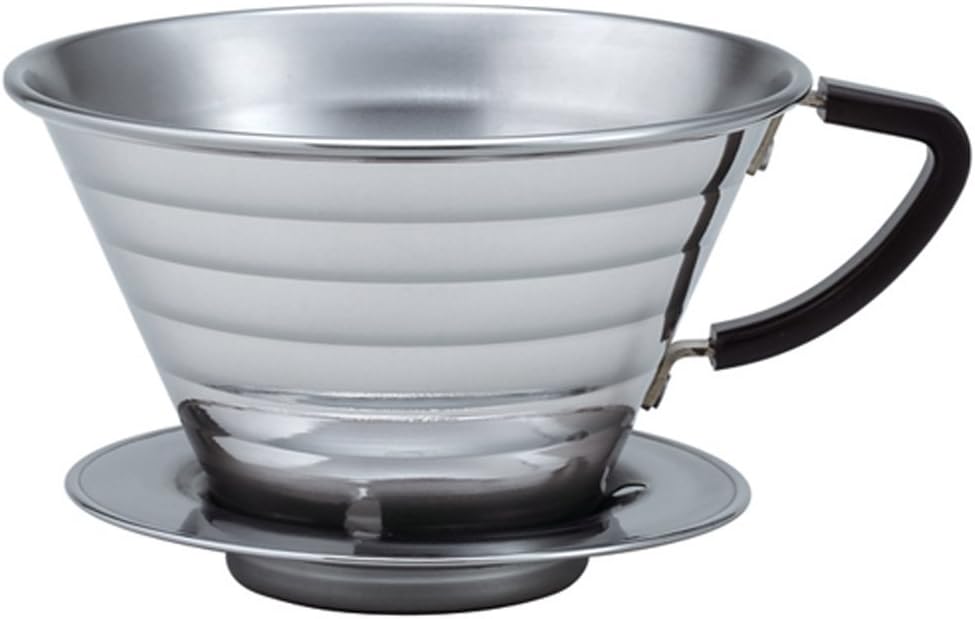
Our pick: Kalita Wave 185 Dripper, stainless steel. Kalita lists the patented wave design for more balanced extraction, a flat-bottomed coffee bed that fits almost all cups and carafes, and polished stainless steel that heats faster than ceramic or glass and stays hot through the brew. One honest note: it only works with Kalita’s wave filters in the 185 size, so buy those with it. Research-rated, not yet tested by our team.
The Dwell Dripper is another notable option-it brews coffee in just three minutes, bridging the gap between immersion and pour-over for users who want speed without sacrificing control.
What to consider when buying pour-over gear:
- Material: Glass, ceramic, and stainless steel each affect heat retention and aesthetics. Ceramic drippers retain heat well but are heavier and breakable.
- Size: Match the dripper to your typical batch-most come in 1–2 cup and 2–4 cup versions.
- Filter availability: Kalita Wave filters and V60 filters are widely stocked, but some niche drippers use proprietary filters that can be harder to find.
- Pairing: Pour-over works best with a gooseneck kettle for controlled pouring and a scale for repeatable recipes.
Pour-over gear is best for people who enjoy engaging with the brewing process, experimenting with recipes, and chasing clarity and flavor complexity in their coffee. Dedicated pour-over brewing guides-including grind size, water temperature, and timing tips-appear in our educational section below.
Coffee Grinders: Why Burrs Matter More Than Machines
The grinder is often the single most important piece of coffee gear you’ll own. Grind consistency-how uniform the particle size is-heavily influences extraction, flavor, and repeatability whether you’re pulling espresso, steeping a French press, or pouring through a Kalita Wave.
Blade grinders chop beans irregularly, producing a wide spread of particle sizes. The result: over-extraction of tiny fines and under-extraction of larger chunks, leading to bitterness layered with weak, underdeveloped flavors. Burr grinders crush beans between two precisely machined surfaces, delivering far more uniform particles. The recommendation is clear-if you care about taste, a burr grinder is the minimum standard.
Manual and electric grinders each have unique advantages. Manual grinders are quieter, more portable, and often deliver excellent grind quality at lower price points. Electric models offer convenience and speed, especially for daily use.
A conical burr grinder is the most common home design: quieter operation, relatively compact form factor, and good performance across a range of grind sizes from espresso-fine to French press-coarse. Flat burr grinders often achieve slightly more uniform particle distribution at a given price but tend to be noisier and costlier.
Key specs to evaluate:
- Step vs. stepless adjustment: Stepless gives infinite micro-adjustment, important for dialing in espresso. Stepped grinders are simpler but less precise.
- Grind range: Can it go fine enough for espresso and coarse enough for French press?
- Retention and static: Coffee grounds stuck in the grinder between uses or scattered by static electricity affect dose accuracy and freshness.
Expert consensus is consistent: upgrading the grinder often yields more perceptible cup improvements than upgrading the espresso machine, especially at entry and midrange price points.
Highlight: Entry-Level All-Rounder Grinder (e.g., Baratza Encore)
Within the world of conical burr grinders, certain entry-level models are recommended so frequently by baristas, educators, and reviewers that they’ve become reference points. The Baratza Encore is the most prominent example-a grinder that has earned its reputation through years of consistent, reliable performance.
Performance characteristics:
- Solid grind consistency from medium-fine through coarse, making it well-suited for drip, French press, and many pour-over methods
- Limitations for very fine espresso grinds-it can get into espresso territory, but dedicated espresso grinders with stepless adjustment offer more control
- Adequate for someone exploring multiple brew methods before committing to a specialized setup
Usability highlights include intuitive stepped grind settings, a clear and simple control layout, reasonable hopper capacity, and moderate noise. Burrs are replaceable, which extends the grinder’s useful life significantly-an important durability and value consideration.
The Baratza Encore typically falls in the $150–$200 range in 2026, positioning it well above blade grinders (which cost $20–$50 but produce inconsistent results) and below multi-purpose flat-burr grinders that can run $400 or more. The Comandante grinder is known for excellent grind quality in the manual space and sits at a similar or slightly higher price point, offering a portable alternative with remarkable precision.
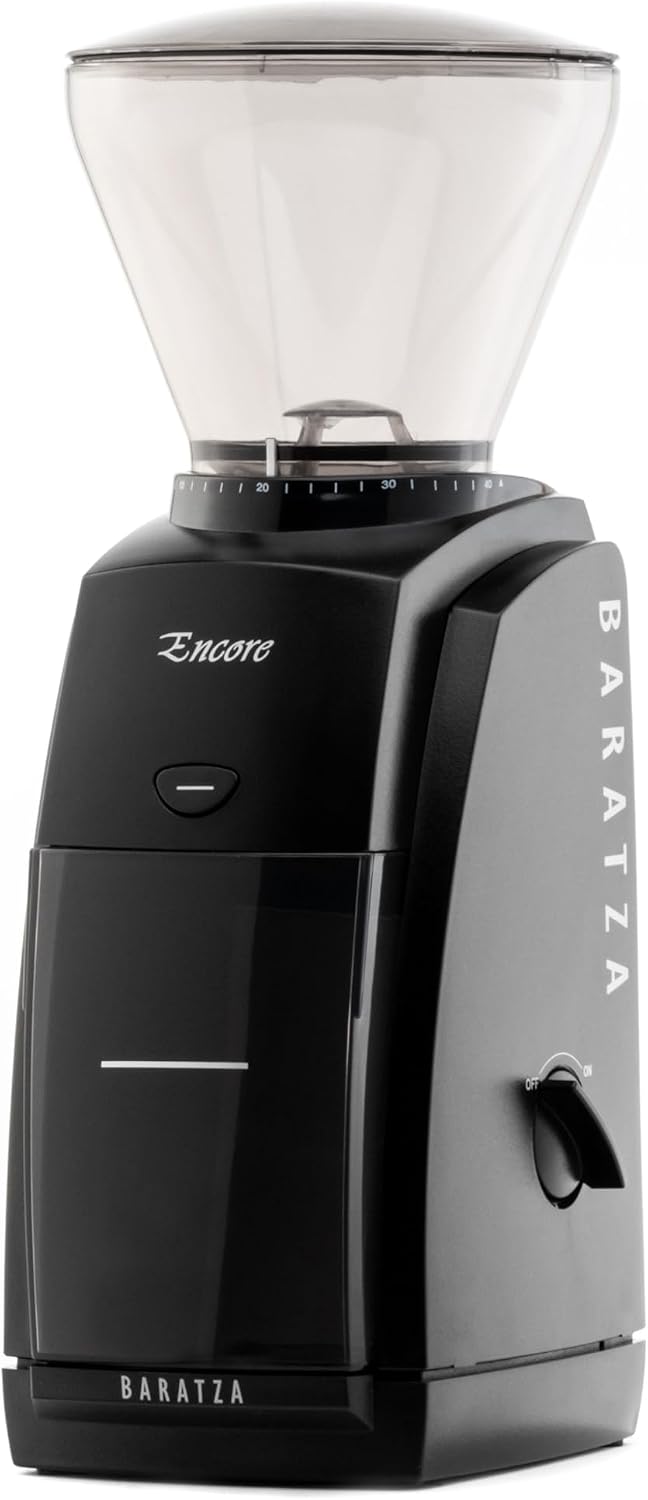
Our pick: Baratza Encore Conical Burr Grinder (ZCG485BLK), black. Baratza lists 40 grind settings on 40mm commercial-grade conical burrs, a front-mounted pulse button with a simple on/off switch, and hardened alloy steel burrs made in Liechtenstein. One honest note: as this section says, it can reach espresso territory, but a dedicated espresso grinder gives you finer control. Research-rated, not yet tested by our team.
These recommendations are based on researched editorial analysis and broad third-party consensus, not Capitol City Coffee’s own hands-on testing.
Kettles, Water, and Temperature Control
Kettles are critical but often overlooked coffee gear, especially for manual brewing methods where precise, repeatable pouring and temperature control directly shape extraction.
A gooseneck kettle provides control over water flow during brewing-the narrow, curved spout lets you direct a thin, steady stream exactly where you want it over a pour-over bed. This precision is the reason gooseneck designs are preferred for Kalita Wave and V60 brews. Gooseneck kettles provide precise pouring control for brewing that standard wide-spout kettles simply can’t match.
Electric gooseneck kettles with temperature control have become a growing segment of the market. Many now allow setting temperatures in 1–5°F steps, which matters when you’re optimizing for different roasts or brew methods. Premium models like the Fellow Stagg EKG offer hold-temperature functionality, fast boil times, and durable stainless steel construction, typically in the $130–$200 range.
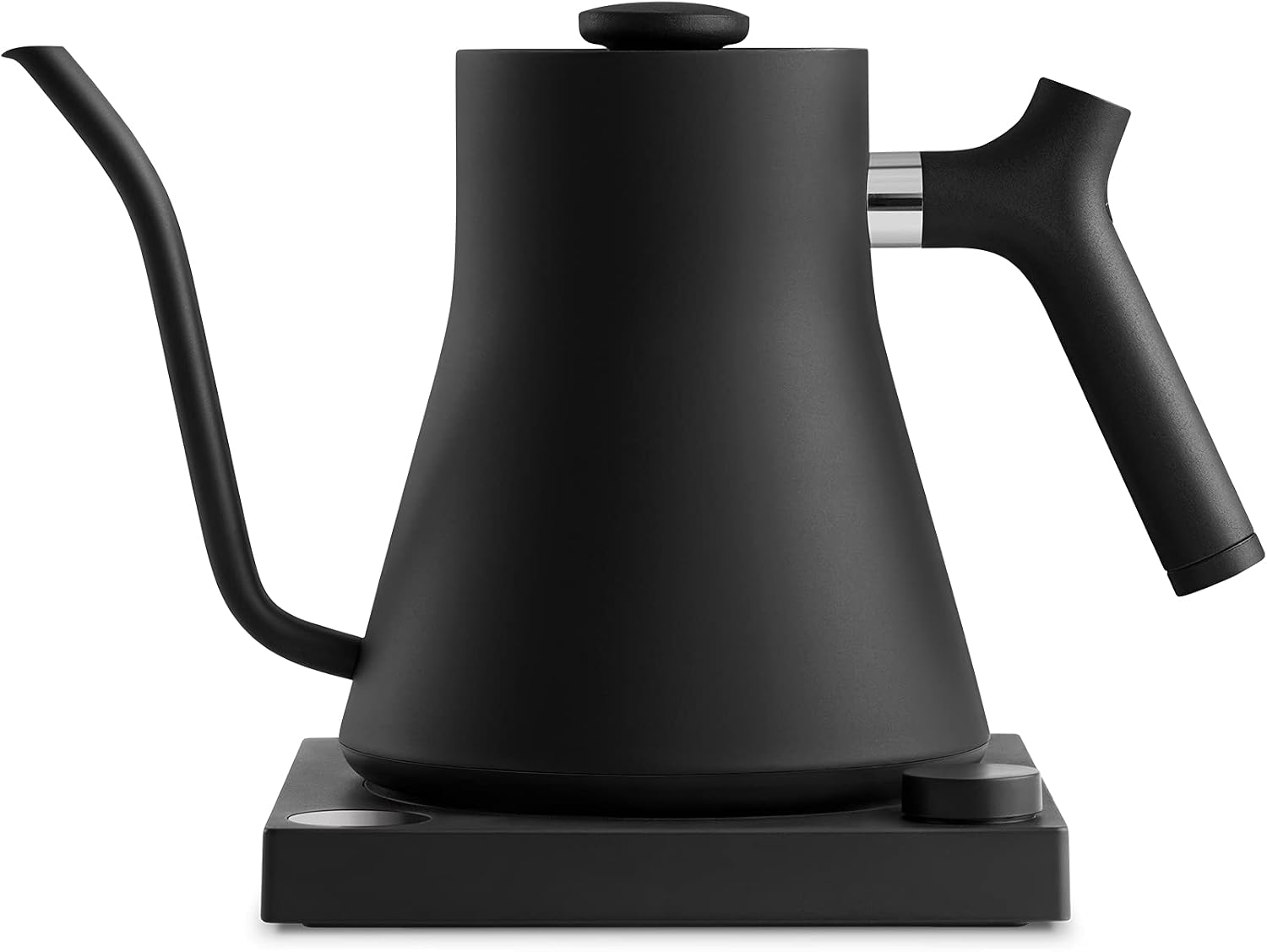
Our pick: Fellow Stagg EKG Electric Gooseneck Kettle, 0.9 L, matte black. Fellow lists a 1200-watt quick-heating element, to-the-degree temperature control, a built-in brew stopwatch, and a hold toggle that keeps water hot for up to 60 minutes. One honest note: its 0.9-liter capacity is right for pour-over but a little small if you also want it to fill a large French press in one go. Research-rated, not yet tested by our team.
Build quality and durability factors to consider:
- Stainless steel interior (resists mineral buildup better than exposed heating elements)
- Insulated handles and safe lid designs
- Ease of descaling and long-term maintenance
- Wattage and boil speed
If you mostly use a drip machine or French press, a simpler, less expensive kettle will serve you fine. Dedicated pour-over users benefit substantially from investing in precise temperature control and a gooseneck spout.
Scales, Timers, and Measurement Tools
A coffee scale is one of the highest-impact, lowest-cost upgrades for consistency across espresso and filter brewing. A coffee scale ensures accurate measurement for brewing, and using a scale helps achieve exceptional levels of consistency that volume-based methods can’t match. A coffee scale can improve your coffee game significantly-it’s often the difference between good coffee and great coffee.
What good performance means for a coffee scale:
- Resolution: High-precision coffee scales can measure to 0.1g accuracy, which is considered standard for serious espresso dosing. On a typical 18g espresso dose, even a 0.5g error represents roughly 2.8% variation-enough to noticeably affect extraction.
- Response speed: A lagging display or slow refresh makes real-time yield tracking frustrating, especially when timing espresso shots.
- Stability: Resistance to vibration from grinders and machines running nearby.
Coffee scales ensure accurate measurement for brewing consistency across every method. Many modern scales include built-in timers, and premium models like the Acaia Pearl S offer flow rate monitoring and app connectivity. Budget options like the Timemore Black Mirror Basic 3 deliver core essentials-0.1g resolution, timer, and a clean design-at a fraction of the premium price.
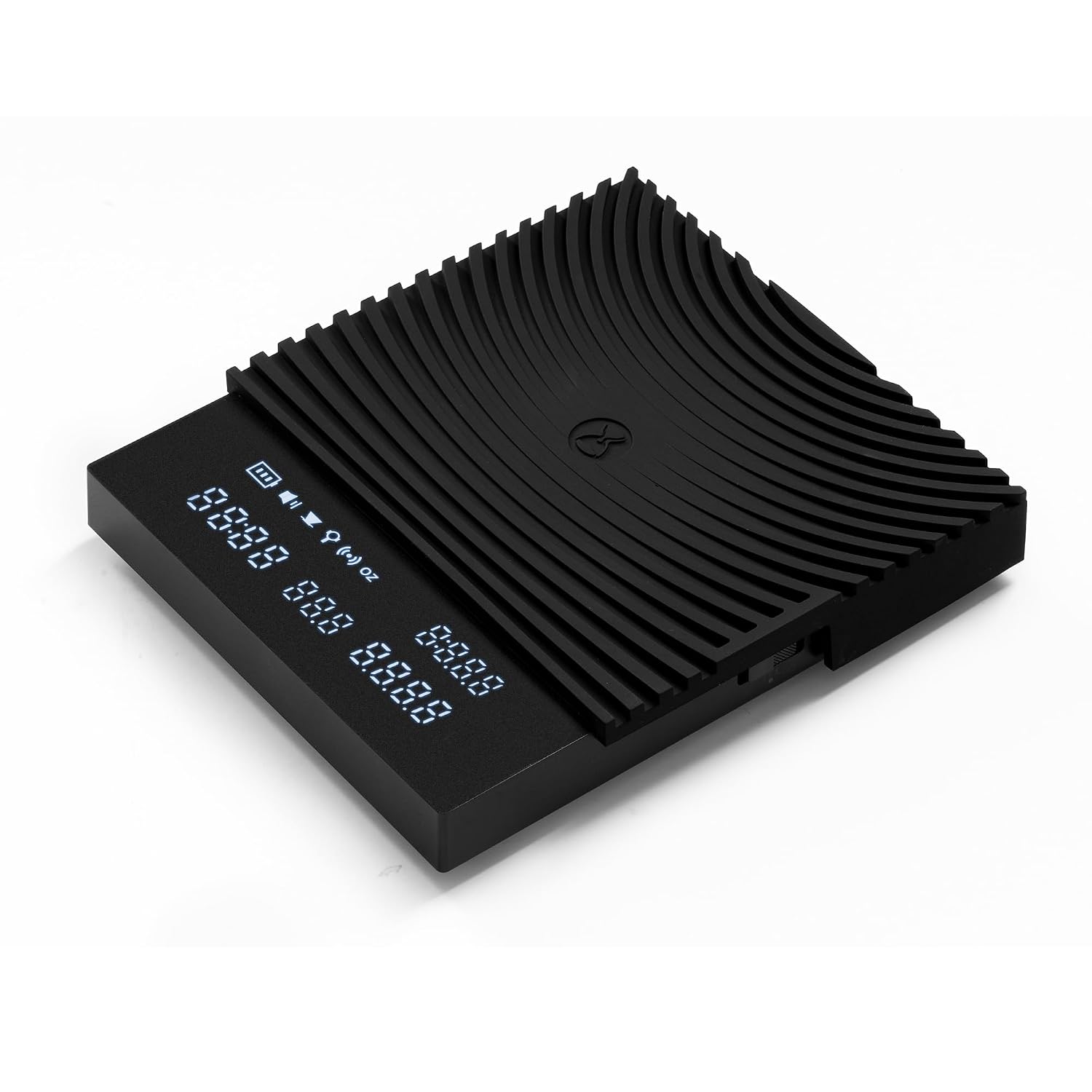
Our pick: TIMEMORE Black Mirror Basic 3.0 Coffee Scale, black. Timemore lists 0.1g precision from 0.2g up to 2,000g, dedicated pour-over and espresso modes with auto-tare, timer and flow rate, a slim 20mm body that fits under most espresso machines, and USB-C charging. One honest note: this is the newer 3.0 version, and it has only a few dozen Amazon ratings so far. Research-rated, not yet tested by our team.
Usability factors worth comparing: water resistance (essential for use under espresso group heads), surface size, auto-off behavior, and how the scale fits on your machine’s drip tray.
While a scale is ideal, some users still prefer scoops and volume-based methods, particularly for casual brewing-those tools are covered in the accessories section below.
Coffee Storage: Canisters, Freezers, and Freshness
Storage is legitimately part of your coffee gear because even the best espresso machine or French press will underperform if your beans are stale. Fresh coffee beans should be stored in airtight containers to preserve flavor-oxygen, moisture, light, and heat are the primary enemies.
Coffee canisters prevent degradation of coffee beans by minimizing exposure to these elements. The main styles:
- Airtight containers with one-way valves: Let CO₂ escape (freshly roasted beans off-gas) without letting oxygen in.
- Vacuum-style canisters: Actively remove air with a pump mechanism for tighter seals.
- Simple sealed jars: Functional but less effective at blocking oxygen exchange over time.
Stainless steel canisters are a durable, light-blocking option that protects beans effectively. Glass canisters look attractive but allow light exposure, and plastic options, while affordable, can absorb odors over time.
Whole beans typically stay at peak flavor for about 2–4 weeks after roasting when stored properly at room temperature. For bulk purchases, freezing beans in airtight bags-portioned into weekly amounts-can extend freshness for several months.
Label stored coffee with roast dates and note which beans work best for espresso vs. pour-over. This small effort pays off in more enjoyable and consistent results, especially if you keep multiple roasts in rotation.
Everyday Accessories: Scoops, Filters, and Small Tools
Small pieces of coffee gear-filters, scoops, stirrers, distribution tools-shape both flavor and daily workflow more than most people expect.
Coffee scoops help measure coffee without a scale and remain a traditional, serviceable tool for casual brewing. Higher-quality metal scoops with consistent volume are more reliable than cheap plastic versions, though a scale will always be more precise.
Filter choices have a direct impact on what ends up in your cup:
- Paper filters produce clean, bright cups by absorbing oils and trapping fine particles. Available for Kalita Wave, Chemex, V60, and standard basket drip makers.
- Metal filters allow more oils and body through, closer to a French press style. They’re reusable, making them more environmentally friendly.
- Cloth filters fall somewhere between paper and metal in body and clarity, but require more careful cleaning.
Sustainability is increasingly important to customers in the coffee industry-reusable metal filters and compostable paper options both address this concern while offering different taste profiles.
Other accessories worth considering: milk frothers create foam without an espresso machine, making cappuccinos and lattes accessible for any brewer setup. Cleaning brushes for grinders help maintain grind consistency, and dosing funnels reduce mess during espresso preparation.
Espresso Accessories: Tampers, Baskets, and Workflow Helpers
Espresso is exceptionally sensitive to how coffee is distributed and compressed in the basket, so accessories matter as much as the machine itself for pulling a consistent, balanced shot. Think of these tools as the bridge between good beans and a good espresso bar experience at home.
Key accessories to evaluate:
- Precision baskets: Aftermarket baskets with laser-cut holes improve flow consistency and extraction evenness compared to stock baskets.
- Tampers: Standard and calibrated models. Size must match the basket diameter exactly. Calibrated tampers apply consistent pressure with each use, reducing one variable in your workflow.
- Distribution tools: Spin-style distributors level the coffee bed before tamping, reducing channeling-where water finds paths of least resistance and creates uneven extraction.
- Tamping mats: Protect countertops and provide a stable, non-slip surface for tamping.
- Knock boxes: Durable stainless steel knock boxes with solid rubber inserts make disposing of spent pucks quick and clean.
Ergonomics matter for gear you’ll use every single day. A comfortable tamper grip and a distribution tool that fits your basket reduce fatigue and make the whole process more enjoyable. Detailed espresso accessory roundups live in our gear subcategory and individual product reviews.
Travel and Outdoor Coffee Gear
Travel coffee gear is a growing segment of the coffee industry aimed at making good coffee possible in hotels, offices, and outdoors without compromising too much on quality. Portable coffee makers allow brewing anywhere, even outdoors-and the best ones can deliver café-quality espresso quickly.
Common portable solutions:
- Compact espresso devices: The Wacaco Minipress is a compact espresso maker that uses manual pressure to produce surprisingly concentrated shots without electricity.
- Collapsible pour-over drippers: Silicone or stainless steel drippers that fold flat for packing.
- Mini grinders: Manual coffee grinders are essential for fresh coffee on the go-pre-ground coffee loses aroma and flavor rapidly.
- Insulated tumblers: Double-wall stainless steel keeps coffee hot for hours during commutes or hikes.
The performance trade-off between portability and cup quality is real. Immersion methods like a travel French press tend to deliver the most consistent results on the road because they’re less sensitive to pouring technique. For espresso, portable devices sacrifice some of the pressure stability and thermal mass of full-size machines, but the convenience factor is hard to beat.
Prioritize gear that nests together, uses standard or no filters, and is easy to rinse clean without special tools. Stainless steel and silicone hold up best to the rigors of travel bags and outdoor use.
Cleaning, Descaling, and Maintenance Gear
Maintenance gear-brushes, backflush detergents, descaling solutions-directly impacts flavor and machine lifespan. Coffee oils go rancid, mineral deposits restrict water flow, and neglected gaskets eventually leak. This isn’t optional effort if you want your equipment to last.
Understanding the difference:
- Descaling removes mineral deposits (limescale) from boilers, heating elements, and internal plumbing. Frequency depends on water hardness-harder water means more frequent descaling.
- Cleaning removes coffee oils and residue from group heads, carafes, brew baskets, and French press mesh filters.
Typical cleaning frequencies for home users:
Task | Frequency |
|---|---|
Rinse portafilter, wipe steam wand | After every use |
Backflush espresso machine | Weekly |
Deep-clean brew group and carafe | Weekly to biweekly |
Descale machine and kettle | Every 1–3 months (varies by water hardness) |
Purge grinder of retained grounds | Every few days to weekly |
Look for food-safe cleaning formulations compatible with stainless steel and machine gaskets. Follow manufacturer guidance for your specific machine-using the wrong product can void warranties or damage seals.
Simple maintenance habits that compound over time: wipe steam wands immediately after each use (dried milk is far harder to remove), purge your grinder occasionally to clear stale retained grounds, and replace water filters on the recommended schedule.
Price, Value, and Where to Spend First
You don’t need to buy everything at once. Smart sequencing-starting with a good grinder and one reliable brewer-often delivers the best value per dollar spent.
Rough 2026 price bands for major categories:
Category | Entry | Midrange | Premium |
|---|---|---|---|
Burr grinder | $100–$200 | $200–$400 | $400–$800+ |
French press | $20–$40 | $40–$80 | $80–$120 |
Pour-over dripper + filters | $20–$40 | $40–$80 | $80–$150 |
Espresso machine | $300–$500 | $500–$1,000 | $1,000–$3,000+ |
Electric gooseneck kettle | $40–$80 | $80–$150 | $150–$200+ |
Coffee scale | $20–$40 | $50–$100 | $100–$200+ |
Where spending more makes the most difference: grinders (particle uniformity directly affects extraction), espresso machines (better temp stability and steam), and durable stainless steel kettles that last for years. Where midrange often suffices: scoops, basic scales, storage jars, and many accessories.
Value over time is worth considering. A Baratza Encore with replaceable burrs can serve you for a decade. Machines with accessible parts and established service networks retain longer useful life than closed-system designs. Match your spending to how many hours per week you spend brewing and what kind of coffee most excites you, rather than chasing the most expensive gear on the market.
Featured Buying Guides on Capitol City Coffee
This section points you to the most useful buying guides within our gear hub, helping you go from this overview to focused research in one click:
- Main gear index: Start on the /gear/ page for a complete category index of all coffee equipment topics.
- Espresso machine guide: Our coffee makers section covers how to choose between single boiler, heat exchanger, and dual boiler designs for home use, including current prices and trade-offs.
- Grinder buying guide: The grinders hub focuses on conical burr grinders for drip, French press, and light espresso duty-covering step vs. stepless adjustment, retention, and value tiers.
- Manual brewing starter kits: Guides under the coffee makers section help you build a complete setup around French press or pour-over as a single brewing style, from first purchase through accessories.
Featured Reviews and Comparisons
Capitol City Coffee maintains an evolving collection of researched editorial reviews and side-by-side comparisons accessible via our reviews section.
Types of reviews you’ll find:
- Espresso machine comparisons (entry-level vs. midrange, single boiler vs. dual boiler)
- Grinder comparisons (e.g., Baratza Encore vs. other home grinders at similar price points)
- Manual brewer matchups (Kalita Wave vs. V60 vs. flat-bed alternatives)
Each comparison breaks down performance, usability, cleaning, durability, and price, and clearly spells out which user each product best suits. We avoid copying manufacturer marketing language and instead synthesize multiple trusted sources and community feedback from established coffee forums.
If you already have a short list of products and need help deciding between them, the reviews section is the best place to start. Bookmark it and return when you’re ready to narrow your choices.
Featured Brewing and Educational Guides
Using coffee equipment well is as important as buying the right product. Our brewing guides bridge the gap between gear and technique.
Available resources include:
- Step-by-step brewing guides for French press, Kalita Wave, and other pour-over methods, with recommended grind sizes, brew ratios, water temperatures, and timing
- Espresso theory articles covering what pressure, yield, and shot time mean; how to dial in grind size; and how different baskets and tampers affect extraction
- Gear-to-method guides explaining how to get the most from a conical burr grinder when switching between espresso and drip settings
If you’re new to specialty coffee, pair any new gear purchase with the relevant brewing guide. Understanding the basics of the brewing experience-water temperature, grind size, ratio, and time-lets you realize the full performance potential of your equipment rather than relying on guesswork.
How Capitol City Coffee Researches Coffee Gear
Our editorial process focuses on verified specs, long-term reliability signals, and broad expert consensus. When recommendations are based on researched analysis rather than our own hands-on testing, we say so explicitly.
Research inputs include:
- Manufacturer technical sheets and documented product specifications
- Independent lab tests and certifications (e.g., SCA brewing standards) where available
- Competition and award results from recognized coffee events
- Established coffee forums, barista educator content, and long-running community feedback
Products are filtered by prioritizing consistent performance, build quality (including whether stainless steel or durable materials are used in critical components), serviceability, and user-friendly design-not hype or aesthetics alone.
Affiliate relationships are kept entirely separate from editorial decisions. Guides are revisited regularly to reflect new entrants to the coffee gear market and changing availability in the U.S., especially when popular models are discontinued or replaced by updated versions.
Where to Explore More Coffee Gear on Capitol City Coffee
Here’s how to navigate from this overview to the specific research you need:
- Start on /gear/ for the full category overview and index of all equipment topics
- Drill down to /gear/grinders/ for grinder-specific buying guides
- Visit /gear/coffee-makers/ for espresso machines, drip brewers, and manual brewer guides
- Use /reviews/ for in-depth product reviews and head-to-head comparisons
Beginners might start with brewing guides, then move to buying guides once they know their preferred method. More experienced users can skip straight to reviews and comparisons.
Think of your coffee gear as an evolving kit you refine over time. You might start with a French press and a Baratza Encore, then add a Kalita Wave when you’re curious about pour-over, then upgrade your storage once you start buying beans in larger bags. Each addition builds on what you already have.
Your next step: visit the grinder hub or espresso machine guide to choose your first major gear upgrade. That single decision will shape every cup you make going forward.
FAQs about Coffee Gear
These questions address topics not fully covered in the sections above. If you have a specific gear question, our reviews and buying guides go deeper on individual products and categories.
What is the minimum coffee gear I need to start brewing better coffee at home?
Most beginners can dramatically improve results with just three items: freshly roasted whole-bean coffee (look for a roast date on the bag rather than a vague “best by” date), a reliable conical burr grinder, and one brewer such as a French press or basic pour-over dripper, plus access to hot water. That’s genuinely enough to produce coffee that tastes better than the ordinary cup from a pre-ground, blade-grinder setup. A simple digital scale is the next most impactful upgrade for consistency, followed by an airtight canister if you’re buying beans in larger quantities.
Should I upgrade my grinder or my espresso machine first?
In most cases, upgrading from a basic or inconsistent grinder to a quality burr grinder delivers a larger improvement in both espresso and filter coffee than replacing an entry-level espresso machine. The grinder controls particle uniformity, which is the single biggest variable in extraction quality. Once your grind is solid and repeatable, upgrading the espresso machine can then improve temperature stability, steaming performance for cappuccinos and lattes, and overall workflow speed. Think of the grinder as in first place on the priority list.
Is stainless steel always better than glass or plastic for coffee gear?
Stainless steel often wins on durability, heat retention, and long-term appearance, which is why it’s common in kettles, French presses, and espresso machines. But glass can be preferable when you want to see the brew level, prefer a lighter brewer, or simply enjoy the style of a glass carafe. High-quality, BPA-free plastics also have a legitimate place in coffee gear-especially for travel setups or budget-friendly options-as long as they’re heat-safe and easy to clean. The best material depends on your priorities: if you value longevity and don’t mind the weight, stainless steel is hard to beat. If portability or aesthetics matter more, glass or quality plastic may be the smarter purchase.
How often should I replace my coffee gear?
Well-maintained grinders and espresso machines can last many years-often a decade or more with proper care and occasional parts replacement. Consumable items like paper filters, machine gaskets, water filters, and grinder burrs require more frequent replacement according to manufacturer schedules. Consider replacement or upgrades when gear becomes difficult to clean, parts are no longer available, or its limitations clearly hold back the quality of coffee you’re aiming for. A good moment to reassess is when you notice declining performance despite fresh beans and correct technique.
Do I need different gear for espresso and French press or pour-over?
Espresso and filter brewing share some gear-scales, kettles, and storage work across all methods. But the core requirements differ significantly. Espresso requires a pressure-capable machine and an espresso-capable grinder that can produce a fine grind with precision. French press and pour-over mainly need a burr grinder with good medium-to-coarse performance and an appropriate brewer. If you’re just starting out, focus on one primary brewing style and gradually add specialized gear for other methods as your interest and budget allow. Many coffee lovers find that building out from a single method keeps the process enjoyable rather than overwhelming, and lets each piece of gear earn its space on the counter.