

Key Takeaways
This page is Capitol City Coffee’s central hub for independent coffee reviews. Here you will find researched editorial analysis of coffee beans, coffee roasters, brewing gear, and subscriptions, all organized so everyday coffee lovers can find what they need without wading through marketing noise.
Capitol City Coffee is an editorial and affiliate publication, not a coffee seller. The reviews on this site combine verifiable product data, expert consensus, and aggregated consumer feedback. Unless documented testing notes are supplied, no review claims hands-on tasting or personal ownership.
From this page, you can jump to guides covering the best coffee brands, dark roast and house blend picks, coffee subscriptions, and essential gear like grinders, coffee makers, and espresso machines. Every recommendation weighs flavor, quality, usability, price, and value against real trade-offs.
Guides are refreshed at least annually to reflect current availability. Affiliate links appear only inside featured recommendations, and commissions never influence rankings or editorial opinions.
At a glance
Category Overview: What Our Coffee Reviews Cover
Coffee reviews help consumers make informed purchasing decisions by cutting through vague labels and surfacing the details that matter: flavor, quality, and sourcing practices. Capitol City Coffee operates as an independent editorial and affiliate publication. The goal is to give regular coffee drinkers (not just professional cuppers) the clarity they need before buying.
Reviews here fall into five main categories:
- Whole coffee beans and single-origin lots from regions like Costa Rica, Ethiopia, and Colombia
- Coffee brands and roasters, from supermarket staples to small-batch specialty roasters
- Dark roasts, house blends, and roast-level comparisons
- Coffee subscriptions and curated delivery services
- Brewing gear: coffee makers, espresso machines, and grinders
Every review emphasizes taste (acidity, sweetness, body, aroma, finish), usability (brew-method fit, grind friendliness), and value (price relative to quality and freshness). Sourcing refers to how coffee is grown and traded, and third-wave coffee culture has pushed transparency in sourcing practices to the forefront. Coverage here spans affordable everyday bags through specialty lots. Use this page as a jumping-off point to explore in-depth collections for each product type.
Key Concepts in Coffee Reviews (Flavor, Roast, and Value)
This section decodes common review terms so you can understand what “great coffee” actually describes.
Flavor attributes
Coffee reviews refer to a handful of core characteristics:
Attribute | What it means | Example notes |
|---|---|---|
Sweetness | Sugar-like quality from caramelization during roasting | Honey, salted caramel, molasses, brown sugar |
Acidity | Bright, crisp liveliness (not sourness) | Pink grapefruit, citrus, berry, raspberry |
Bitterness | Roast-driven depth; balanced bitterness complements other flavors | Dark chocolate, cocoa, smoke |
Body | Weight and texture in the mouth | Light/tea-like, creamy, syrupy |
Aroma | Smell before and during brewing | Floral notes, lavender, blueberry, caramel |
Finish | Flavors lingering after swallowing | Sweet, clean, or drying |
Natural coffee processing can lead to intense berry or tropical fruit flavors. Washed coffees tend to present a bean’s underlying origin more clearly and are often crisp. Understanding these distinctions helps you read reviews with precision rather than guessing.
Roast profiles
Light roast beans retain the most original character of the bean’s origin, preserving delicate flavors like floral and fruity notes. Medium roast beans balance natural bean flavor with sweet sugar browning, which is why a 2022 U.S. consumer survey found medium roast to be the most preferred among respondents. Dark roast beans feature a shiny surface of natural oils and trade origin nuance for roast-driven notes like smoke, cocoa, and toasted nuts.
Bean types
Arabica beans are preferred for their natural sweetness; arabica coffee is sweeter and smoother than robusta. Arabica grows at higher elevations and is more delicate in cultivation. Robusta coffee is generally more bitter than arabica and is often used in Italian espresso blends for its body and crema. Arabica beans are generally more expensive than robusta, and prices can reflect the complexity of flavor profiles a given bean offers.
Single-origin vs. house blend
Single-origin coffees highlight specific growing regions. Ethiopia, Honduras, and Guatemala are known for high-quality beans with distinct character. A house blend is designed for balance, reliability, and versatility across brew methods, making it a forgiving daily drinker.
Value concepts
Coffee prices vary based on sourcing and quality. Some brands charge more for ethical sourcing practices, and in some cases buyers may also see that a purchase supports a good cause; labels like “fair trade” indicate one such approach, while direct trade sourcing supports coffee farmers directly and ethically. When evaluating value, reviews consider price per ounce, roast date freshness (flavor peaks within two to six weeks after roasting), and whether a premium price is justified by a limited microlot or rare variety.
How to Use Coffee Reviews to Find Great Coffee
Matching your preferences to review language takes just a few steps.
Start with flavor. If you like chocolatey, low-acid brews, look for medium or dark roast coffees from Latin American origins. If you want bright, fruity acidity, seek out light roast Ethiopian or Costa Rica lots described with notes of citrus, berry, or floral.
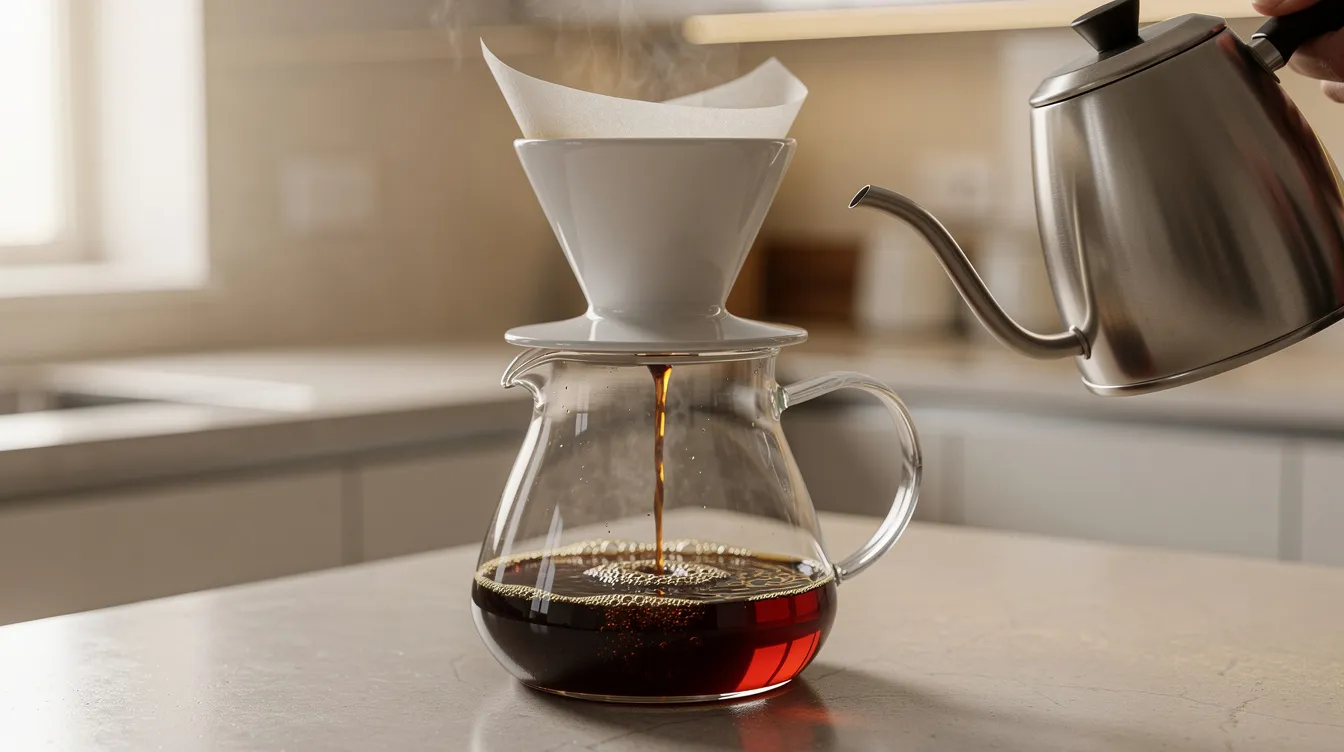
Filter by brew method. Different brewing methods create unique flavor profiles depending on extraction. Pour-over emphasizes clarity and highlights floral and fruit notes. French press produces a heavier mouthfeel by allowing coffee oils to remain in the drink. Cold brew coffee is steeped cold for many hours, usually resulting in a mellow, smooth flavor. Espresso is a brewing method where finely ground coffee is extracted under high pressure, making roast level and grind size especially critical. A delicious cup depends on matching the right beans to the right method.
Weigh convenience against peak quality. Pre-ground coffee and pods deliver speed, but whole beans ground fresh preserve aroma and delicate flavors that fade quickly after grinding. Brewing coffee at home is more budget-friendly than cafes, and even a modest upgrade in beans or grind consistency can improve your cup.
Use reviews as guidance, not gospel. Keep notes on what you taste and enjoy, and future reviews will become easier to interpret.
Browse Our Coffee Bean & Coffee Brand Guides
This section is your starting point if you want beans first and gear second. The linked guides provide deeper, brand-by-brand breakdowns.
Head to our in-depth coffee brand reviews for a side-by-side comparison of major and niche coffee brands by flavor, sourcing, and value. You will find coverage of the best coffee brands for different tastes: smooth house blends, bold dark roasts, and bright single-origins from Costa Rica, Ethiopia, and Colombia.
Bean-focused guides help you choose between supermarket staples, independent coffee roasters, and mail-order specialty brands, with clear pros and cons for each. Every guide highlights freshness, roast level, grind options, and best brewing methods so readers can buy with confidence. Whether you are after one coffee to drink daily or a wide selection of origins to rotate through, the brand guides narrow the field.
Browse Coffee Gear Reviews (Makers, Espresso, Grinders)
Great coffee depends as much on equipment as on beans. This section points you toward gear reviews that prioritize usability and long-term value over flashy features.
- Coffee makers: Our coffee maker reviews compare drip machines, manual brewers, and all-in-one systems for home and office use. Coverage includes brew temperature accuracy, capacity, and ease of cleaning.
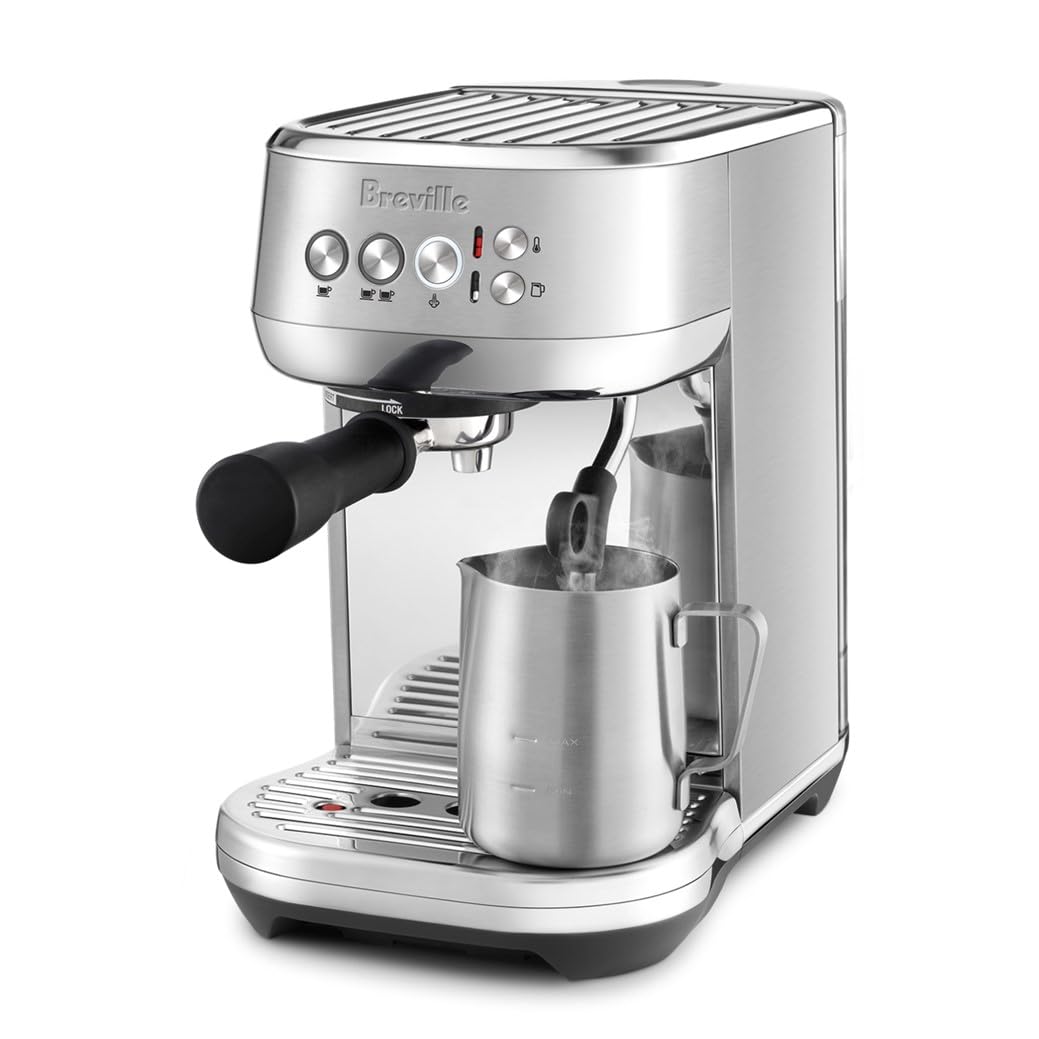
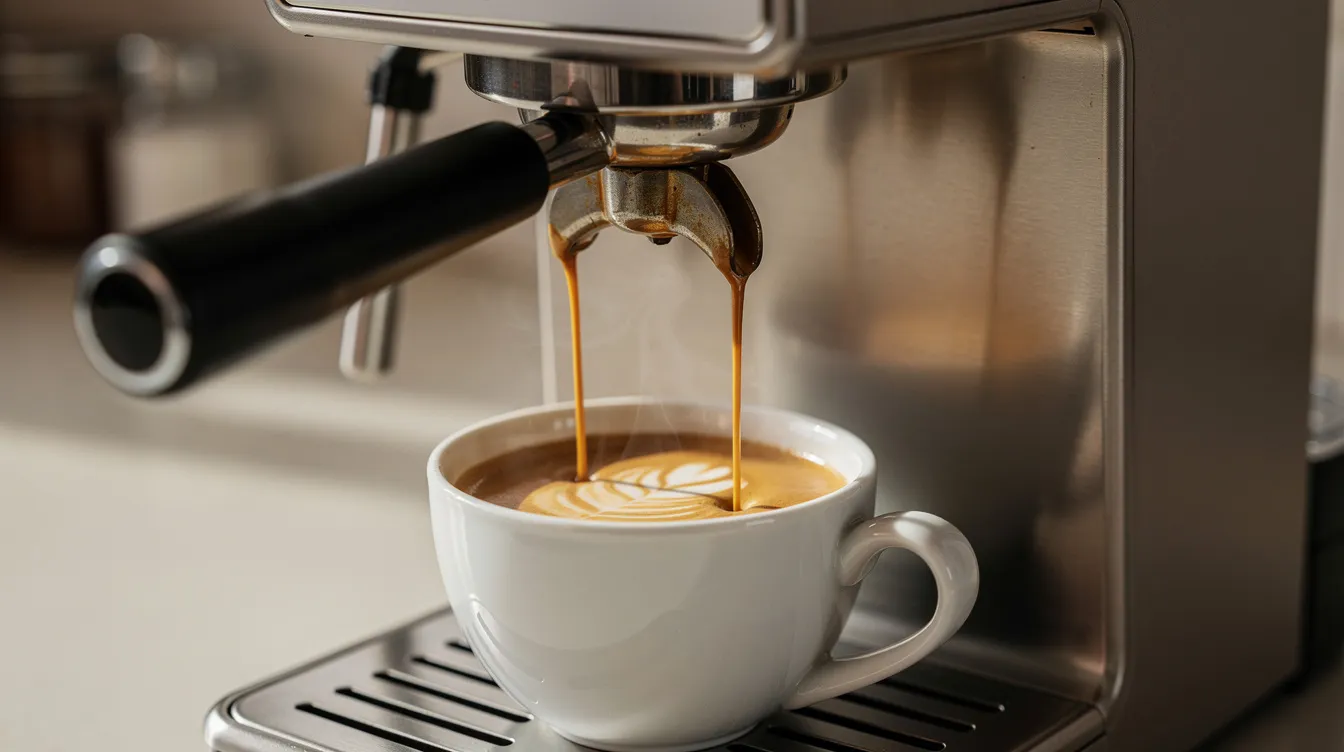
- Espresso machines: The espresso machine review hub breaks down performance, workflow, steaming power, and cleaning ease for beginner to advanced home baristas. A good machine paired with a rich espresso blend and the right grind can deliver cafe-quality results at home.
- Grinders: Our grinder reviews explain why consistent grinding impacts flavor and compare burr vs. blade grinders across price ranges. Grind uniformity, retention, and durability are evaluated.
Gear reviews focus on reliability, cleaning and maintenance, and total cost of ownership, not just brand prestige or marketing claims.
Coffee Subscriptions and Ongoing Delivery Options
Coffee lovers who want always-fresh beans without repeat shopping trips should consider a subscription. Curated selections from multiple coffee roasters, potential per-bag savings, and automatic delivery make subscriptions practical for daily drinkers.
Our subscription reviews compare services by roast variety, origin range, price, shipping frequency, and flexibility. You will find three main models:
- Roaster-specific subscriptions tied to a single coffee company
- Multi-roaster discovery boxes that rotate origins and roasters each shipment
- Niche plans focused on dark roast, single-origin, or organic coffees
Some brands rotate seasonal blends regularly, which keeps the experience fresh but reduces control over exactly what arrives. Trade-offs include recurring cost vs. one-time purchases, and how shipping frequency affects freshness. Match your subscription to your brew habits (daily drinker vs. weekend brewer) and preferred roast levels and regions. A reader who wants a Costa Rica-heavy lineup has different needs than someone who prefers rotating global origins.
Featured Coffee Recommendations (Editorial Picks)
Affiliate disclosure: Capitol City Coffee may earn a commission from links in this section. Commissions do not affect rankings or opinions. All picks are selected for editorial reasons.
These picks are researched editorial analysis based on verifiable product specs, expert reviews, and aggregated consumer consensus. No hands-on tasting is claimed unless documented testing notes are supplied.
Balanced house blend for daily drinking
A well-constructed house blend from a mid-size roaster offering a medium roast with notes of milk chocolate, caramel, and nuts delivers a smooth, forgiving cup that works black or with milk. Look for a roast date within the past three weeks and a price between $12 and $16 per 12 oz bag. Medium roast is often the safest recommendation for high-quality coffee that works black or with milk.
Drawback: House blends sacrifice the distinctive origin character that single-origin fans look for.
Standout dark roast
Lavazza Intenso Coffee is based on darkly roasted robusta beans, delivering a dense, dark chocolate and smoke profile suited to espresso and moka pot brewing. Robusta beans are often used in Italian espresso blends for their body and caffeine kick. Expect to pay around $8 to $10 for a standard bag.
Drawback: Robusta-forward blends can be more bitter and less nuanced than arabica-based dark roasts.
Bright single-origin
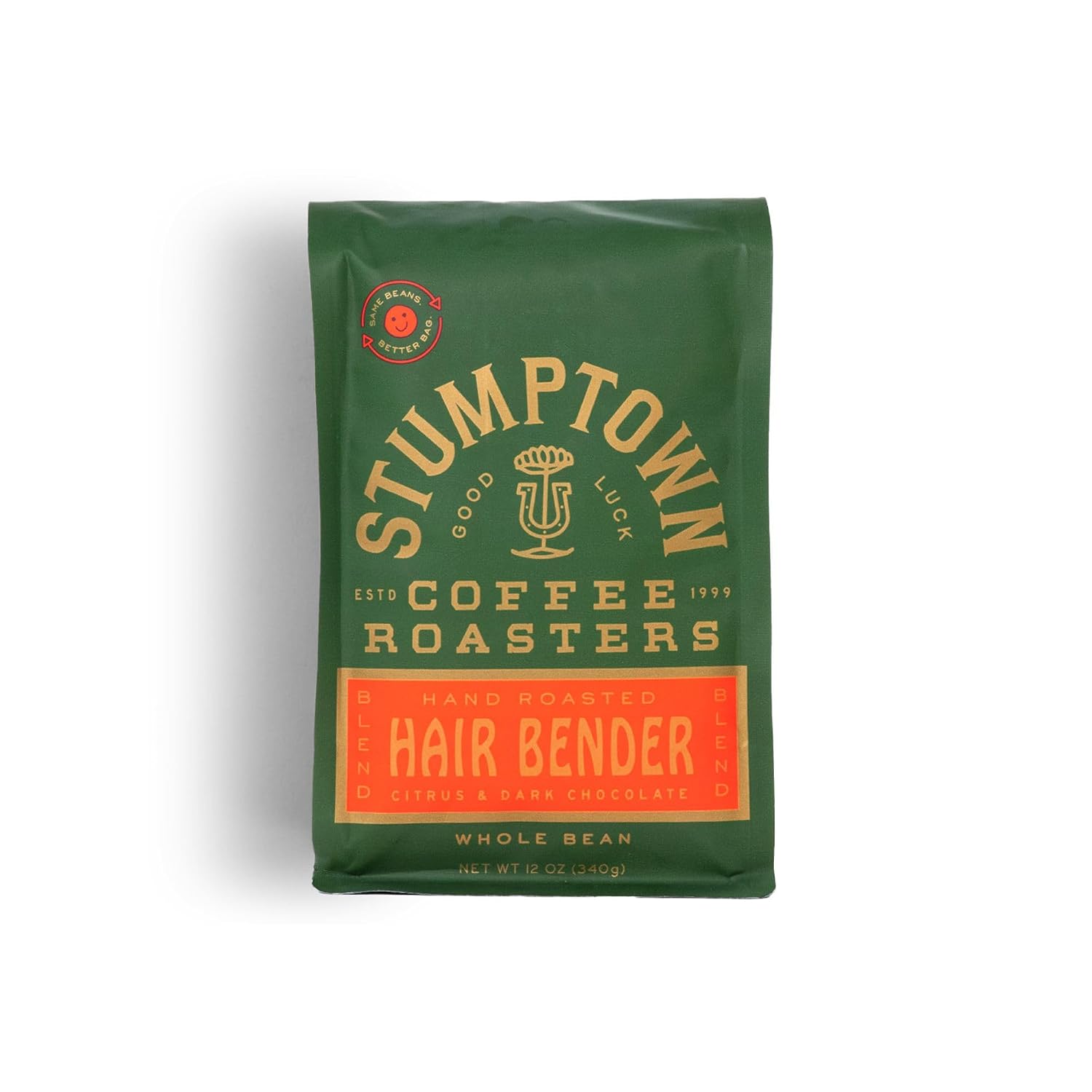
A washed Ethiopia Yirgacheffe or a honey-processed Costa Rica from a roaster like Stumptown Coffee Roasters is noted for quality and accessibility. Expect floral notes, bright citrus, blueberry or raspberry sweetness, and a clean finish. Specialty single-origins typically run $16 to $22 per 12 oz bag of whole beans.
Drawback: Higher price, limited grind options at some roasters, and seasonal availability can make restocking unpredictable.
Value supermarket option
A food-aisle organic medium roast featuring arabica beans from Guatemala or Honduras can deliver a pleasant cup with natural sweetness, light cocoa, and a creamy body at $8 to $10 per bag. A good entry point for new coffee lovers.
Drawback: Roast dates are often missing from supermarket bags, and flavor complexity is modest compared to specialty brands.
How Capitol City Coffee Researches Coffee Reviews
Capitol City Coffee operates as an independent editorial and affiliate site, not as a roaster or retailer. Objectivity and clarity come first.
The research process involves gathering roaster-provided data (origin, varietal, processing, roast date), seeking expert tasting notes from publications like CoffeeReview.com, and aggregating large-sample consumer feedback from reputable sources. Unless documented testing notes are supplied, the publication does not claim hands-on tasting and instead relies on cross-checked, transparent sources and consensus.
Performance, quality, usability, and value are evaluated for both coffee beans and gear. That includes price, long-term reliability, freshness, current availability, and the coffee industry standards set by organizations like the SCA. Affiliate commissions never determine rankings. Sponsored placements are disclosed when applicable. Guides are reviewed at least annually, with internal links refreshed sooner when new cluster content goes live.
Comparing Coffee Styles, Roasts, and Use Cases
This section helps you compare different types of coffee reviews side by side for real-world situations.
Everyday breakfast brew: A medium roast house blend provides consistency and pairs well with food. It forgives minor brewing variables.
Weekend pour-over project: A light roast single-origin from Ethiopia or Costa Rica rewards careful technique with delicate flavors, fruity acidity, and floral aroma. The kettle, water temperature, and grind all matter here.
Espresso-focused beans: Dark roast blends with cocoa, molasses, and sweet caramel notes hold up under high-pressure extraction. An Italian-style combination of arabica and robusta delivers thick crema and a rich drink.
Cold brew: Medium or dark roast beans with chocolate and nuts produce a mellow, smooth cold brew. Avoid light roasts unless you enjoy pronounced acidity in a cold cup.
Gift-worthy specialty: A limited-release natural-process lot with intense berry, lavender, or tropical fruit character makes a memorable gift for any coffee lover who wants to shop beyond the ordinary.
Key trade-offs: dark roast consistency vs. lighter-roasted nuance; big coffee brands vs. the uniqueness of small-batch coffee roasters; and budget vs. the life of a bag (specialty beans often taste delicious longer because of careful roasting and packaging). Weigh your personal tolerance for acidity and bitterness, preferred brewing method, and budget when using comparison reviews.
Tips for Reading Coffee Reviews Like a Pro
This section translates reviewer language into something any coffee lover can use at the grocery shelf or online checkout.
Look beyond marketing terms like “premium” or “artisan.” Focus on concrete details: origin country, processing method, roast date, and specific flavor notes. If a review says “bright acidity with raspberry and pink grapefruit,” you know what to expect. If a review says “smooth and delicious” with no further detail, that is a red flag.
Red flags in reviews include: no information on sourcing or roast date, vague descriptions without specifics about flavor or brew recommendations, and reliance on buzzwords. Sites like Coffee Judge review coffees rated out of ten by users, which can be helpful but should be combined with expert analysis for a fuller picture.
Quick rules of thumb:
- Start with a medium roast house blend from a reputable roaster
- Step into dark roasts for stronger, smokier flavor
- Try single-origin coffees (like an Ethiopia Yirgacheffe or a washed Costa Rica) when ready to explore nuance
- Combine professional reviews, user ratings, price, and freshness rather than relying on a single score when judging the best coffee
FAQs: Coffee Reviews and Choosing the Best Coffee
These questions cover practical concerns not fully addressed above.
What is the most important thing to look for in a coffee review?
Flavor description and freshness details are usually more helpful than a single numerical score. A review that names specific tasting notes (citrus, dark chocolate, berry) and lists the roast date gives you a clearer picture of what to expect in the cup than a generic “4.5 stars.” For new coffee drinkers especially, concrete flavor language beats abstract ratings.
Are dark roasts always stronger than light roasts?
“Stronger” usually refers to perceived bitterness and roast intensity, not higher caffeine. Robusta coffee contains more caffeine than arabica, so a robusta-heavy dark roast may have more caffeine than a light roast arabica, but the same coffee brewed at a higher ratio will taste “stronger” regardless of roast. Brew ratio matters as much as roast level.
How do I choose between a house blend and a single-origin coffee?
House blends are designed to be balanced, versatile, and forgiving across brew methods. Single-origins highlight distinctive regional character, making them the better choice when you want to taste a specific origin like Costa Rica or Ethiopia. If you drink the same coffee every morning and value consistency, start with a blend. If variety and exploration matter, rotate through single-origins.
Do I really need a grinder if I’m buying good coffee beans?
Grinding fresh usually improves aroma and flavor because volatile compounds begin escaping the moment beans are ground. That said, high-quality pre-ground coffee matched to your brew method is a valid choice if convenience is a priority. Check our grinder reviews for comparisons across price ranges to decide whether the upgrade fits your routine.
How often should I check back for updated coffee reviews?
Revisit this hub every few months. New coffee brands, seasonal releases, and gear models appear regularly. Capitol City Coffee refreshes guides and internal links at least annually, with updates pushed sooner when new reviews publish. Bookmarking this page keeps you connected to the latest picks without searching from scratch.