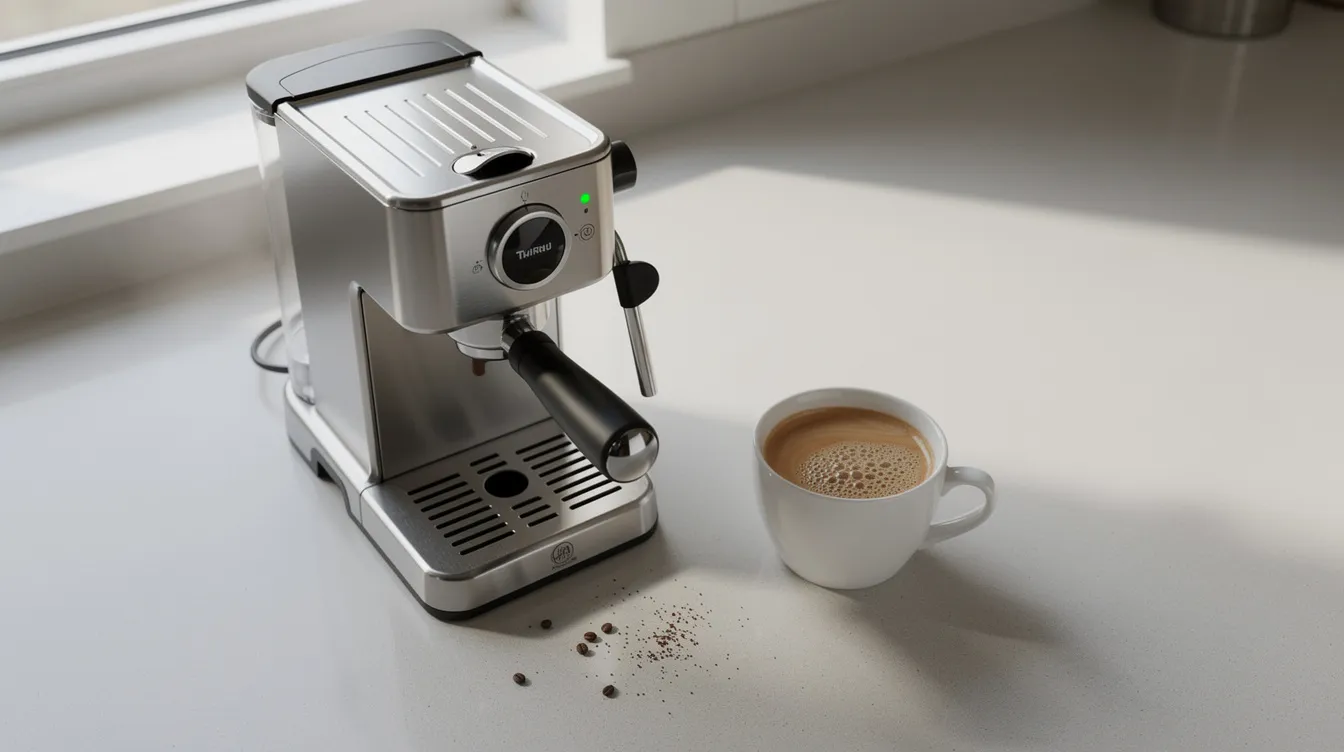
If you are shopping for your first espresso machine, the sheer number of options can feel paralyzing. The good news: a few machines consistently rise above the rest for new home baristas. After analyzing manufacturer specs, expert reviews, and broad owner consensus, the best espresso machine for beginners in 2026 is the Breville Bambino Plus for its near-instant warm-up and forgiving workflow. The Breville Barista Express Impress is the top pick if you want a built-in grinder, and the Gaggia Classic Pro is the one to buy if you plan to grow into a serious espresso hobbyist.
Best espresso machine for beginners
For this roundup, Breville Bambino Plus is the compact espresso we recommend first—the same pick at the top of our At-a-glance cards below.
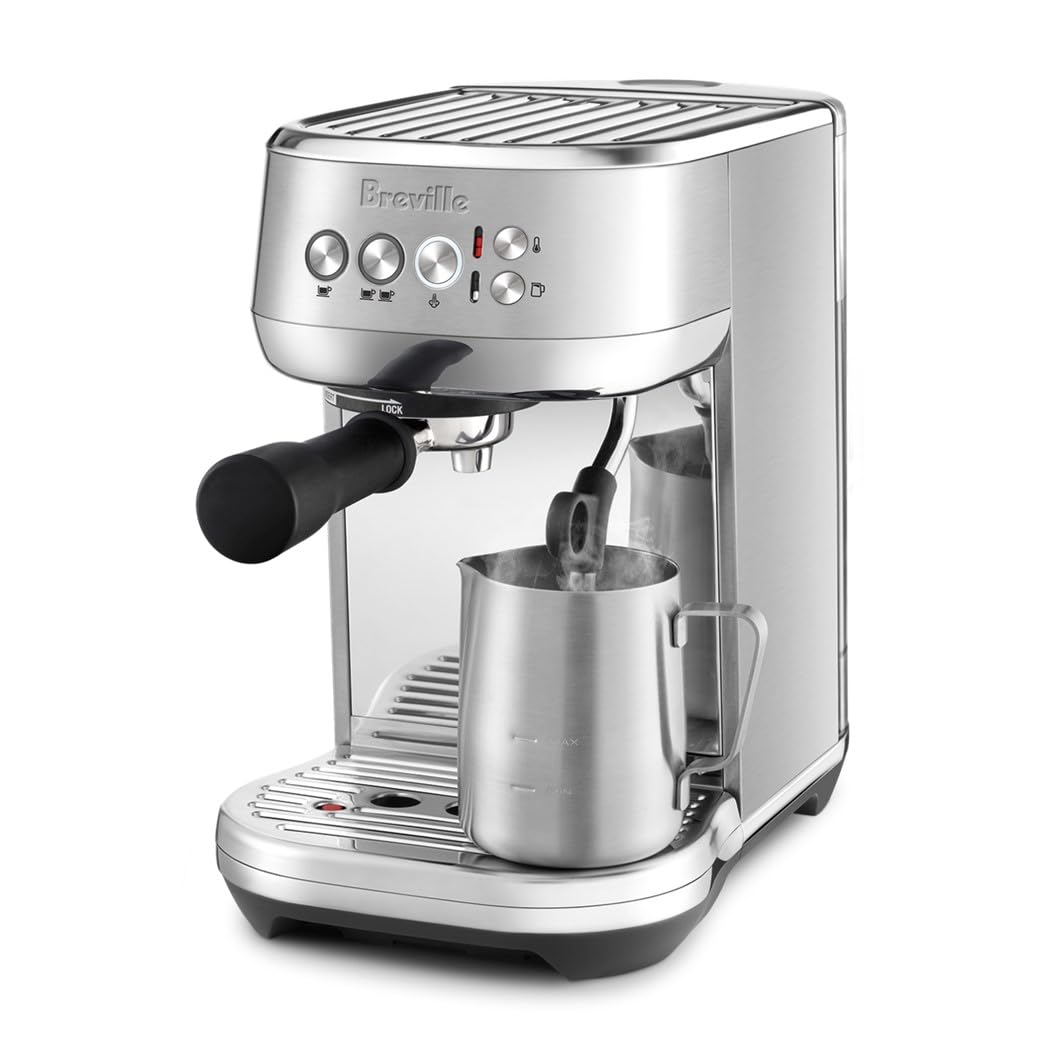
The Breville Bambino Plus is the best overall beginner espresso machine, heating up in just three seconds and delivering consistent shots with minimal fuss.
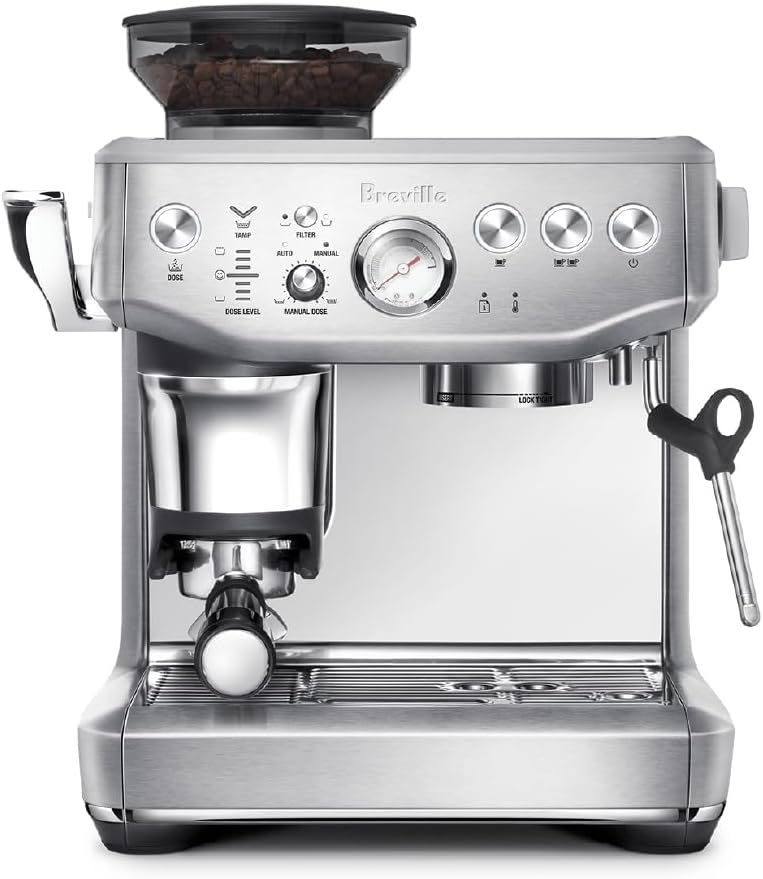
If you want everything in one box, the Breville Barista Express Impress pairs an intelligent dosing system with an integrated conical burr grinder to flatten the learning curve.
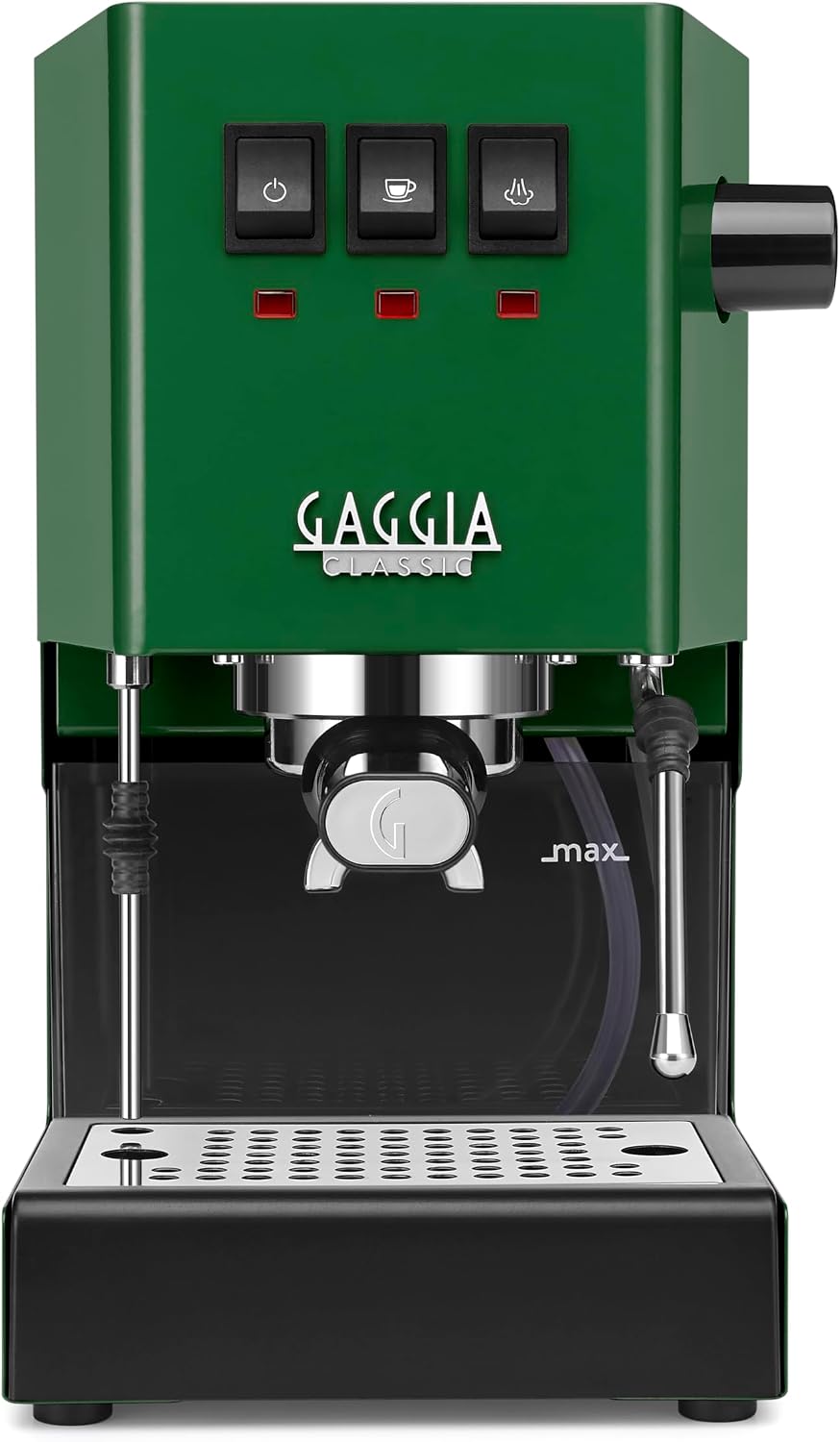
The Gaggia Classic Pro is the best upgrade-worthy pick for beginners willing to learn technique-its 58 mm commercial portafilter and sturdy build quality reward skill development.
A dual boiler like the Breville Dual Boiler makes sense only if you are committed to making multiple milk drinks daily and want simultaneous brewing and steaming from day one.
Recommendations in this guide are based on researched editorial analysis-drawing on verified product specs, reputable expert sources, and owner feedback-not on Capitol City Coffee’s own hands-on testing.
The features that matter most for a first espresso machine are temperature stability, shot consistency, steam power, workflow simplicity, and manageable cleaning and maintenance.
Affiliate Disclosure
Capitol City Coffee is an independent coffee editorial and affiliate publication. Links to espresso machines, grinders, and accessories on this page may earn a commission at no extra cost to you. Rankings and recommendations are determined by performance, value, and verified information-never by commission size.
Quick Answer: The Best Espresso Machines for Beginners
Looking for a fast answer to “what is the best espresso machine for beginners?” Here are our researched picks, organized by what matters most to you:
Breville Bambino Plus – Semi-automatic · ~$350–$500 · Best overall. Three-second ThermoJet warm-up, automatic milk texturing, and PID temperature control make this the easiest path to quality espresso at home.
Breville Barista Express Impress – Semi-automatic with built-in grinder · ~$750–$900 · Best all-in-one. Assisted tamping and intelligent dosing cut common beginner errors dramatically.
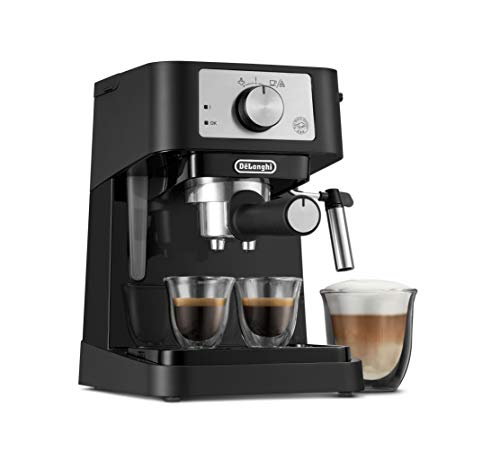
De’Longhi Stilosa – Semi-automatic · Under $100 · Best budget espresso machine. A genuine entry point for the espresso-curious, with clear trade-offs in build and consistency.
Gaggia Classic Pro – Semi-automatic · ~$400–$500 · Best for future enthusiasts. Commercial-size portafilter, metal body, and huge aftermarket mod support.
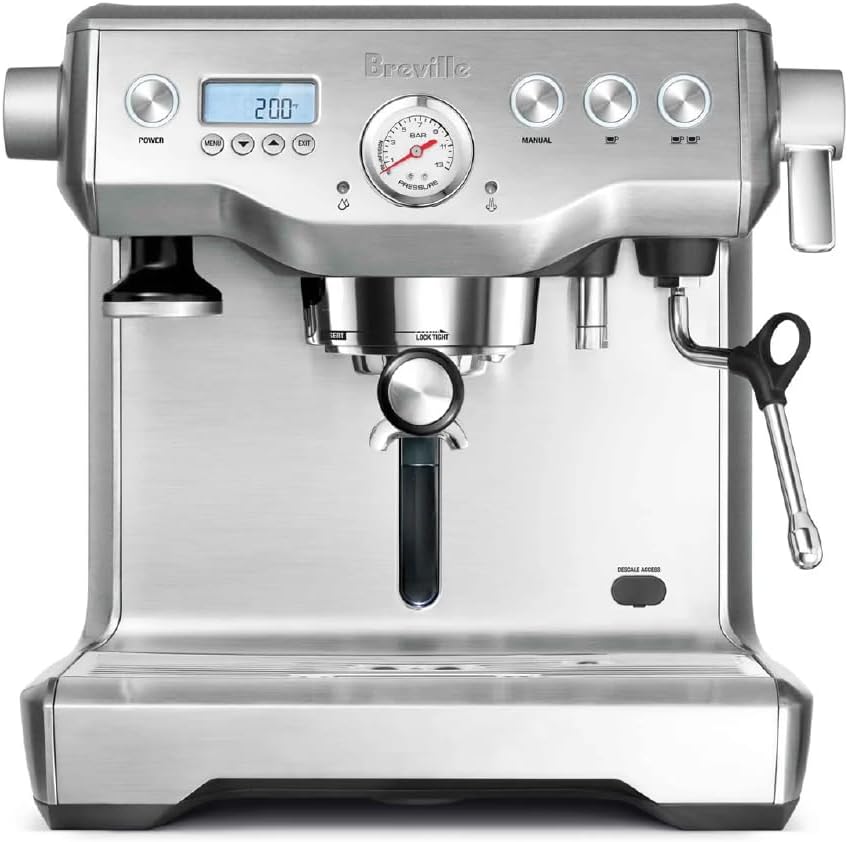
Breville Dual Boiler (BES920XL) – Semi-automatic dual boiler · ~$1,300–$1,600 · Best step-up for dedicated milk drinkers. Separate brew and steam boilers with PID control on both.
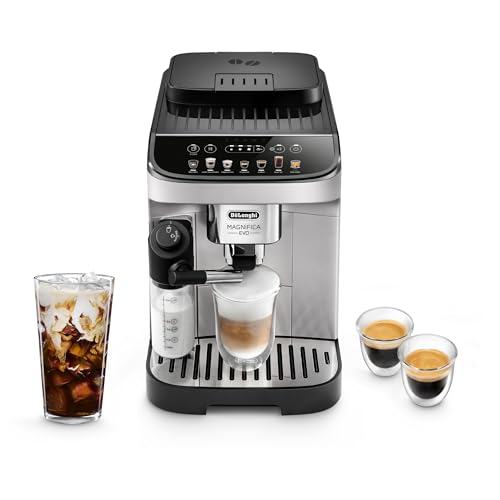
De’Longhi Magnifica series – Super-automatic · ~$500–$800 · Best hands-off option. Bean-to-cup convenience with automatic cleaning cycles and minimal daily effort.
Machines best for milk-based espresso drinks (lattes, cappuccinos, flat whites): Breville Bambino Plus, Breville Dual Boiler, and the De’Longhi Magnifica. For straight espresso and Americanos, the Bambino Plus and Gaggia Classic Pro excel.
At-a-Glance Comparison Table
The table below puts the key specs side by side so you can scan differences at a glance. Warm-up time and temperature stability are highlighted because they are the two biggest daily-use differentiators for beginners.
Every pick on this list was selected through researched editorial analysis. We cross-referenced manufacturer specifications, expert reviews from publications like Tom’s Guide and TechGearLab, and aggregated owner feedback across major US retailers. Capitol City Coffee did not conduct its own lab testing for this guide.
Our selection criteria, in order of weight:
Reliability and build quality – materials, construction, and long-term owner reports.
Temperature stability – PID control, boiler design, and how they affect flavor.
Pressure and shot consistency – stable 9-bar extraction and quality pre-infusion.
Steam power and milk texture – wand type, steam volume, and microfoam capability.
Cleaning and maintenance – how much effort it takes to keep the machine performing well.
Warranty and US support – parts availability and authorized service access.
Value – performance relative to price, including long-term cost of ownership.
All machines listed are widely available in the United States. We prioritized espresso machines that are forgiving enough for a first-timer but worth keeping as skills develop, specifically to reduce upgrade regret.
Best Overall Beginner Espresso Machine: Breville Bambino (ThermoJet Series)
The Breville Bambino Plus is our favorite espresso machine for someone buying their first serious home espresso setup. Its headline feature is the ThermoJet heating system, which reaches extraction temperature in approximately three seconds-not minutes. The Breville Bambino Plus heats up in just three seconds, and that speed alone removes a massive friction point for daily use. Paired with PID-based temperature control and low-pressure pre-infusion before a full 9-bar extraction, it delivers surprisingly consistent shots for a machine at this price.
The workflow is deliberately simple. One- and two-cup preset buttons handle shot volumes automatically, though you can override them manually. The pressurized baskets that ship with the Bambino are forgiving of less-than-perfect grind consistency, which matters if you are still figuring out your grinder. The Bambino Plus version adds automatic milk texturing on the steam wand-place the jug, press a button, and the machine stops when the milk hits the right steaming temperature. The standard Breville Bambino has a manual steam wand instead, which is better for learning hands-on milk frothing but requires more practice to get silky microfoam for latte art.
Cleaning and maintenance are straightforward. Daily tasks include wiping and purging the steam wand after every use and rinsing the portafilter. The drip tray and removable water tank pull out easily for cleaning. Because flash-heating designs hold less standing water than traditional boilers, descaling is less frequent but still necessary based on your water hardness-typically every one to three months.
This machine is ideal for first-time espresso buyers who want café-style coffee drinks without heavy tinkering. The main limitation is the lack of a built-in grinder-you will need a separate quality burr grinder for the best results. Steam power is adequate for one or two milk drinks at a time but not powerful enough for rapid back-to-back steaming. Price typically falls in the mid-$300s to mid-$500s depending on whether you choose the base Bambino or the Bambino Plus.
Best Beginner Espresso Machine With Built‑In Grinder: Breville Barista Express / Barista Express Impress
The Breville Barista Express Impress is the strongest all-in-one beginner option. It pairs a semi-automatic espresso maker with an integrated conical burr grinder, eliminating the need to buy and store a separate grinder. The built-in grinder offers 25 grind settings optimized for espresso, and the broader Barista Express platform (like the Breville Barista Pro, which has 30 grind settings for customization) has proven itself over years as a reliable starting point for home espresso brewing.
What sets the Impress model apart is the Impress Puck System. The Breville Barista Express Impress has an intelligent dosing system that adjusts the next dose based on whether the previous one was over or under target. An assisted tamping lever delivers roughly 22 pounds of force with a finishing twist, removing two of the biggest sources of beginner inconsistency. According to third-party reviews, channeling defect rates in novice shots dropped from approximately 20% to around 4% when using the assisted tamp and dosing feedback.
The machine uses a thermocoil heating system with PID temperature control, delivering stable brew temperature around 200°F after a brief warm-up of 30 to 60 seconds. Low-pressure pre-infusion leads into 9-bar extraction through a 54 mm portafilter. Standard portafilters are typically 54 mm or 58 mm for broader accessory compatibility, and the 54 mm size used here has plenty of aftermarket options. The manual steam wand produces enough steam pressure for microfoam suitable for latte art with practice, though it is slower for large quantities.
Trade-offs to consider: cleaning is more involved because you need to clear the grinder chute and clean the burrs periodically. If the built-in grinder eventually fails or you outgrow its range, repair or replacement adds cost. And the integrated grinder, while convenient, has a lower performance ceiling than standalone grinders in the same total price range. Price sits around $750 to $900 depending on retailer.
This pick is best for beginners who value a compact, near-one-box espresso setup and who want guided features to reduce early mistakes-especially around dosing and tamping.
Best Budget Espresso Machine for Beginners: De’Longhi Stilosa or Similar Entry-Level Semi‑Auto
Not everyone wants to spend $400 or more on a first espresso machine, and that is perfectly reasonable. The De’Longhi Stilosa is the cheapest recommended espresso machine in this roundup, typically priced under $100. It is designed for the espresso-curious-someone who wants to try pulling shots at home without a significant financial commitment.
What to expect at this price point:
Thermoblock heating with a warm-up time of roughly 30 to 45 seconds.
A 15-bar pump paired with pressurized baskets that do most of the work regulating extraction.
A simple dial interface-turn to brew, turn to steam.
Temperature stability that is adequate but less consistent than PID-controlled machines, leading to occasional sour or bitter shots.
Shot quality from the Stilosa can produce decent crema and enjoyable espresso, but expect less nuance and less repeatability than mid-range options. Espresso quality depends heavily on the grind size and consistency, and that rule holds even with pressurized baskets. A basic steam wand (pannarello style) can heat and froth milk for cappuccinos, but the foam tends to be bubblier and less silky than what more powerful machines produce.
Build quality leans toward plastic, and some owners report rattling during the brewing process. Expected lifespan is shorter than metal-bodied machines. But for the price, the Stilosa is an honest starting point. If you discover that making espresso is something you love, upgrading later is a natural next step. If espresso turns out not to be your thing, you have not spent much finding that out.
Best Beginner “Enthusiast” Machine: Gaggia Classic Pro
The Gaggia Classic Pro is known for its sturdy build quality and its status as a gateway drug for the home espresso hobby. Where the Bambino is designed to be simple, the Gaggia Classic Pro is designed to be capable-it rewards technique and invites tinkering.
Key specs: a commercial-style 58 mm portafilter (the same size used in many coffee shop machines), a single boiler machine with a solenoid valve, basic rocker switches, and a metal body that feels reassuringly solid. The 58 mm portafilter gives you access to a huge range of aftermarket baskets, distribution tools, and tampers. That setup also helps it feel closer to commercial machines than most entry-level options.
Performance-wise, the Gaggia pulls rich, full-bodied shots when paired with a quality burr grinder and freshly roasted coffee beans. But there is no PID controller from the factory, which means brew temperature swings between cycles. Experienced owners manage this through “temperature surfing”-flushing water through the group head before pulling a shot to stabilize the water temperature. It works, but it demands attention.
The steam wand is capable of producing latte-art-quality microfoam, though single boiler machines switch between brewing and steaming modes, so you need to wait between pulling espresso and frothing milk. That transition adds time, especially if you are making multiple milk drinks. Many owners eventually install aftermarket PID kits and adjust the over-pressure valve, turning the Gaggia into a genuinely capable semi-automatic machine-though modifications can affect the warranty.
The ideal user here is a beginner who is serious about their espresso journey, enjoys the process of learning and manual control, and wants a durable machine that will still feel relevant years from now. It is not the friendliest first espresso machine, but it may be the most rewarding one.
Best Step‑Up Dual Boiler for Ambitious Beginners: Breville Dual Boiler
A dual boiler espresso machine has separate boilers-one dedicated to maintaining brew temperature, another for generating steam. This means you can pull an espresso shot and steam milk simultaneously, with no waiting and no temperature compromises. For anyone who drinks multiple milk-based drinks every day, a dual boiler eliminates the single biggest workflow bottleneck in cheaper machines.
The Breville Dual Boiler (BES920XL) is widely considered the most accessible true dual boiler on the market. It features a 58 mm portafilter, PID temperature control on both boilers (achieving approximately ±1°F stability shot-to-shot), a pressure gauge, a built-in shot timer, programmable pre-infusion profiles, and a dedicated hot water spout for Americanos. Dual boiler machines allow simultaneous brewing and steaming, which makes back-to-back lattes feel effortless compared to a single boiler machine.
Workflow advantages go beyond speed. Repeatable shot recipes are easier when temperature is one less variable to worry about. The front-access removable water tank and built-in tool storage keep the countertop organized. Steam power is genuinely strong-enough for rapid, fine microfoam even with oat milk or other plant-based alternatives.
The downsides are real: price runs $1,300 to $1,600, the footprint is larger than compact thermoblock machines, and you still need a separate quality burr grinder. Owner reports from EspressoMachineLab note that O-ring and solenoid seal wear can emerge over time, so budget for occasional maintenance parts. This is a commitment purchase, not a toe-dip-best for beginners who already know they want to make daily espresso and milk drinks at a high level and are comfortable investing accordingly. For context, even more advanced prosumer options like the Oracle Dual Boiler push well past $2,000.
Best Beginner Super‑Automatic Espresso Machine
Super-automatic espresso machines handle grinding, tamping, brewing, and often milk steaming with minimal user input. They are bean-to-cup devices that prioritize convenience above all else.
The De’Longhi Magnifica series is a representative, widely available super-automatic machine that beginners can realistically consider. It grinds coffee beans internally, tamps automatically, brews at the press of a button, and offers presets for drinks like espresso, Americano, and cappuccino. Strength, volume, and sometimes temperature can be adjusted through a simple button or dial interface.
Performance expectations should be calibrated: shots are consistent thanks to automated dosing, but flavor nuance is limited compared to a well-dialed semi-automatic machine. The milk system produces adequate foam for lattes and cappuccinos but tends toward thicker, less silky texture than what a skilled barista achieves with a traditional steam wand. Super-automatic machines prioritize ease-of-use over advanced customization, and that is the fundamental trade-off.
Built-in rinsing programs and automatic cleaning cycles simplify daily upkeep. The brew group is removable for periodic washing, and the machine prompts you when descaling is due. Still, the milk system needs regular cleaning to prevent buildup and performance fade.
This path suits beginners who want automatic espresso at the push of a button-people who value convenience, make hot drinks for a household, or simply are not interested in learning barista technique. If dialing in grind, dose, and tamp sounds like a chore rather than a hobby, a super-automatic machine is a legitimate choice.
Key Features That Matter in a Beginner Espresso Machine
Spec sheets can be overwhelming. This section breaks down the features that actually change how an espresso machine feels to use day after day, so you can evaluate any beginner espresso machine-not just the ones listed above.
Temperature Stability. Brew water needs to sit in the 195–205°F range for balanced extraction. Drift more than a few degrees and you get sourness (too cool) or bitterness (too hot). PID controllers hold temperature steady by making constant micro-adjustments. Machines without PID-like the stock Gaggia Classic Pro-rely on simple thermostats that cycle on and off, creating larger swings. Dual boiler machines and some thermoblock systems with PID (such as the Miicoffee Apex V2, which features adjustable PID temperature control) offer the tightest control. The tighter your temperature control, the more repeatable your shots.
Pressure and Shot Consistency. Espresso extraction is generally performed around 9 bar pressure. Many home espresso machines use 15-bar pumps with over-pressure valves or pressurized baskets to bring effective pressure down to that target. Low-pressure pre-infusion-where the machine gently wets the coffee grounds before ramping to full pressure-reduces channeling and helps beginners get more even extractions without perfect puck prep.
Warm-Up Time. Traditional single boiler machines can need 10 to 20 minutes to fully heat-soak. Thermoblock heating systems allow quick heat-up times of 30 to 60 seconds. Flash heaters like ThermoJet cut that to seconds-the Breville Bambino Plus heats up in just three seconds. Fast heat-up time is essential for convenient daily use of espresso machines; if a machine takes too long, it often stays turned off.
Steam Power and Milk Texture. Boiler size, wattage, and steam tip design determine how quickly and finely you can texture milk. Stronger steam means shorter steaming times and finer microfoam-important for latte lovers making cappuccinos and flat whites. Good beginner machines have texturing steam wands or automatic milk frothers to ease the learning curve.
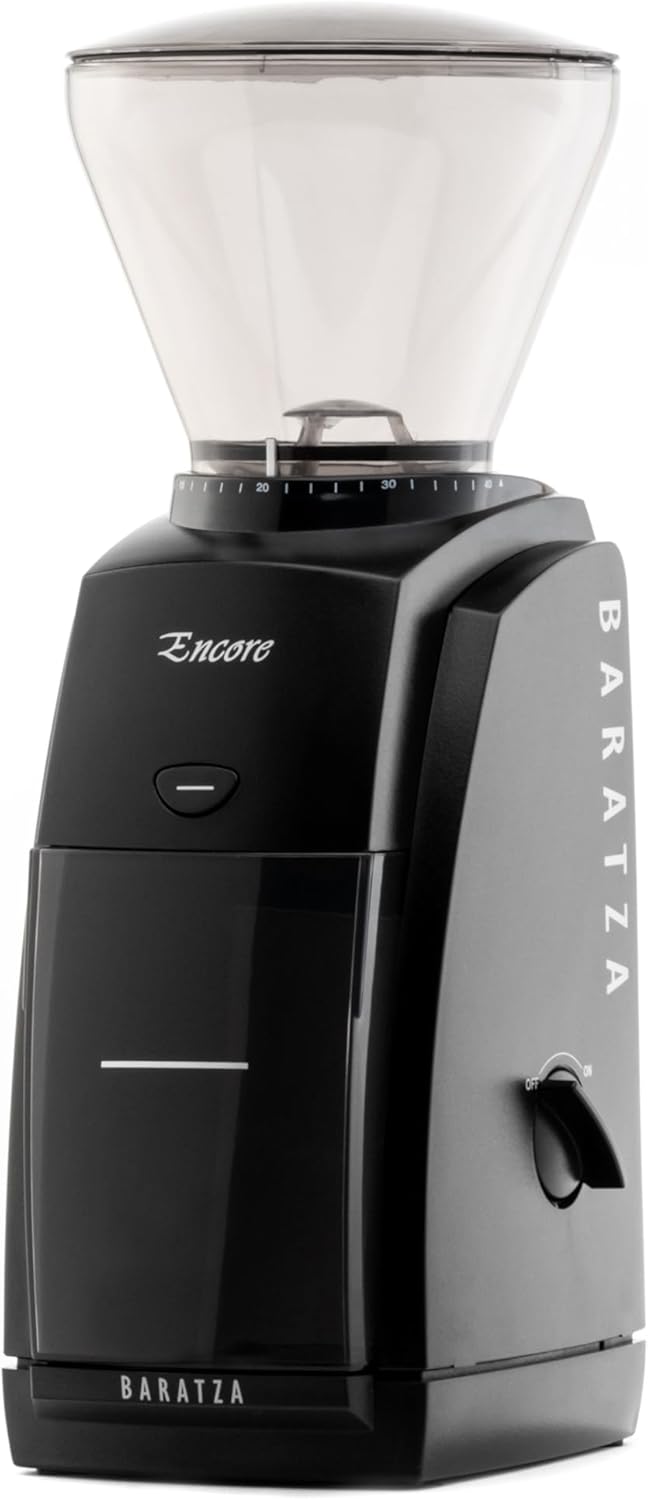
Grinder Pairing. A quality grinder is as important as the espresso machine itself. Even the best beginner espresso machine will produce mediocre shots if fed inconsistent ground coffee. Built-in grinders add convenience; standalone grinders offer more adjustability and a higher ceiling. Either way, investing in a good burr grinder ensures consistent, fine grounds that let you actually taste the difference between coffees.
Workflow and Interface. User-friendly controls help reduce the learning curve associated with espresso machines. Clear buttons, shot timers, and simple mode switches matter more for daily satisfaction than peak specifications. Beginner espresso machines prioritize ease-of-use over advanced customization, and that is the right call for most first-time buyers.
Cleaning and Maintenance. Machines with easy-access drip trays, removable water tanks, and backflush programs lower the barrier to consistent upkeep. Some automatic espresso machines and super-automatic models include automatic cleaning cycles that run rinsing water through the system at startup and shutdown.
Beginner‑Friendly vs Enthusiast‑Oriented Espresso Machines
Not all beginner espresso machines are built with the same philosophy. Some are intentionally forgiving and automated. Others lean toward the “enthusiast” end-more manual, more demanding, but ultimately more capable.
Beginner-friendly machines typically feature:
Pressurized portafilter baskets that compensate for grind inconsistency
Automated shot volumes and simplified steam wands
Compact thermoblock systems with fast warm-up
Minimal settings to adjust
Enthusiast entry-level machines (like the Gaggia Classic Pro) offer:
Larger 58 mm portafilters and non-pressurized baskets
Manual shot control and no auto-stop
Need for temperature surfing or aftermarket PID tuning
More demanding grinder requirements
If you want quick, repeatable results with minimal tinkering, lean beginner-friendly. If you enjoy tweaking variables and upgrading components over time, consider an enthusiast-leaning beginner espresso machine.
Capitol City Coffee’s picks deliberately include both styles so you can match a machine to your personality, not just your budget.
Automatic vs Semi‑Automatic vs Super‑Automatic for Beginners
These labels describe how much control-and how much responsibility-you have over grinding, dosing, and pulling shots. Espresso machines are categorized into semi-automatic, automatic, and super-automatic types:
Semi-automatic machines require user control over shot pulling. You grind, dose, and tamp the coffee grounds yourself, then start and stop the shot. Most of the machines in this guide are semi-automatic. They offer the most learning and the most control.
Automatic espresso machines are similar to semi-automatics but add volumetric controls that stop the shot at a preset volume. This gives beginners one fewer variable to manage during brewing espresso.
Super-automatic espresso machines handle grinding, tamping, and brewing automatically-and often milk steaming too. They offer the least learning curve but the least flexibility.
Factor
Semi-Auto
Automatic
Super-Auto
Learning curve
Steepest
Moderate
Minimal
Shot consistency (skill-dependent)
High ceiling
High ceiling
Consistent, lower ceiling
Maintenance complexity
Moderate
Moderate
Higher (more internal parts)
Long-term flexibility
Highest
High
Lowest
Boiler Types Explained: Single, Thermoblock, and Dual Boiler
Boiler design drives three things that affect your daily experience: temperature stability, warm-up time, and the ability to steam milk while brewing espresso.
Single boiler machines use one boiler that alternates between brew and steam temperatures. Single boiler machines switch between brewing and steaming modes, which means you wait-sometimes a minute or more-between pulling a shot and frothing milk. The trade-off is simplicity and lower cost, but back-to-back milk drinks take patience.
Thermoblock or thermocoil systems heat water on demand by passing it through a heated metal block. They warm up quickly (thermoblock heating systems allow quick heat-up times of 30 to 60 seconds, and flash variants like ThermoJet are even faster) and keep the machine compact. The trade-off is slightly less thermal stability under heavy, continuous use compared to a large traditional boiler.
Dual boiler machines have separate brew and steam boilers, both typically PID-controlled. Dual boiler machines allow simultaneous brewing and steaming, which is a game-changer for anyone making multiple lattes each morning. They are more expensive, physically larger, and require more maintenance-but they remove the temperature-transition variable entirely.
For a first espresso machine on a budget, thermoblock is the most practical choice. If you are primarily a straight espresso drinker, a single boiler is fine. If you are a daily latte drinker willing to invest, a dual boiler pays dividends in speed and consistency.
Pressurized vs Non‑Pressurized Baskets for Your First Espresso Machine
The portafilter basket is the small metal cup that holds your coffee grounds during extraction. Its design shapes how water flows through the puck-and how forgiving the machine is of your mistakes.
Pressurized (double-wall) baskets have a single small exit hole that creates back-pressure artificially. Pressurized baskets can forgive minor errors in grind size and tamping, making them ideal for beginners who are still dialing in. They also work reasonably well with pre-ground coffee. Beginner machines often feature pressurized portafilter baskets, and pressurized portafilter baskets help beginners achieve better extraction even without a high-end grinder.
Non-pressurized (single-wall) baskets rely entirely on the quality of your grind and puck prep to create resistance. The espresso they produce is more nuanced and flavorful, but they demand a proper burr grinder and consistent technique. A bad grind through a non-pressurized basket produces watery, under-extracted shots.
Most beginner espresso machines ship with pressurized baskets. As your skills and grinder improve, switching to non-pressurized baskets is one of the most impactful upgrades you can make-often for under $20.
Steam Power and Milk Texture: Choosing a Machine for Lattes and Cappuccinos
Many beginners care about milk-based drinks more than straight espresso. If lattes, cappuccinos, and flat whites are your goal, steam power should be near the top of your priority list.
Steam strength is determined by boiler size, wattage, and tip design. Stronger steam produces finer microfoam faster-the silky, glossy milk that makes latte art possible. Weaker steam creates larger bubbles and requires more time, often overheating the milk before the texture is right.
Pannarello-style wands (found on budget machines like the Stilosa) use an outer sleeve to mix air automatically. They are easier for total beginners but produce bubblier, less refined foam.
Traditional multi-hole steam wands (Gaggia Classic Pro, Breville Dual Boiler) give you full control over angle and air incorporation. Steeper learning curve, but café-level microfoam when mastered. Automatic steam wands simplify milk frothing for beginners who want good results without manual technique.
For latte lovers, the Breville Bambino Plus (with its auto-texturing wand), the Breville Dual Boiler, and high-end espresso machines with dedicated steam boilers are the strongest choices. Automatic milk texturing simplifies crafting lattes and cappuccinos for beginners.
A quick note on alternatives: true cold brew and cold foam are brewed and prepared differently from espresso. Some machines offer cold foam attachments, but espresso machines are fundamentally designed for hot extraction. For iced espresso drinks, simply pull a shot over ice.
Grinder Pairing: Getting the Most from a Beginner Espresso Machine
Here is an uncomfortable truth that every coffee nerd will confirm: a grinder allows for precise adjustments to improve shot quality, and without a capable grinder, even expensive machines produce mediocre espresso. Burr grinders are important for achieving consistent espresso quality because espresso demands a very fine, uniform grind and precise step-wise adjustments that blade grinders and most general-purpose burr grinders simply cannot deliver.
Use a quality burr grinder for consistent espresso grounds. When shopping, look for:
Stepless or many-step adjustment – espresso grind adjustments are tiny. A grinder with broad steps may not let you land on the right setting.
Burr material and size – larger burrs (40 mm+) generally produce more consistent particles.
Retention – lower retention means less stale ground coffee stuck inside the grinder between uses.
Built-in grinders (like on Breville machines) trade some adjustability and ceiling for convenience and a smaller footprint. Standalone grinders are easier to upgrade independently and typically last longer, but they add cost and counter space.
Budget advice: reserve at least one-third of your total espresso setup budget for the grinder. A $400 machine paired with a $200 espresso-capable grinder will outperform a $600 machine paired with a $50 blade grinder every time.
Workflow, Interface, and Learning Curve
The “feel” of daily use-button layout, shot feedback, and ergonomics-can matter more to beginners than specifications that look impressive on paper.
Key workflow elements to evaluate:
Warm-up routine – Does the machine need 3 seconds or 15 minutes before you can pull a shot? This determines whether you use it every day or only on weekends.
Portafilter handling – How easy is it to insert, lock, and remove? Heavy, well-machined portafilters feel better but can be awkward at first.
Shot controls – One-button presets, manual start/stop, or volumetric auto-stop each suit different users.
Water tank access – Front-loading or top-loading? Can you refill without moving the machine?
Drip tray capacity – Small trays overflow quickly if you make multiple espresso drinks back-to-back.
Shot timers, a pressure gauge, and PID displays help new users connect grind changes to visible outcomes. When your shot runs in 18 seconds instead of 25, you can see that and know to grind fine enough to slow it down. Even if you do not fully understand every number yet, the feedback loop shortens the learning curve.
Some super-automatic machines and automatic espresso machines use icons or touchscreens with drink pictures, which lowers the intimidation factor for someone who has never operated anything more complex than a drip coffee maker or a coffee maker with a carafe.
Consider how many coffee drinks you make per day. If the answer is one quick espresso before work, a streamlined semi-automatic machine is perfect. If you are hosting weekend brunch and making six lattes, workflow speed and steam recovery matter a lot more.
Cleaning, Maintenance, and Cost of Ownership
Even the best espresso machine for beginners needs regular attention. Basic maintenance and cleaning are necessary, but user-friendly machines minimize these tasks significantly. Neglect cleaning, and you will taste rancid oils, see reduced steam power, and eventually face expensive repairs.
Daily tasks:
Clean the steam wand after each use to prevent milk buildup-a quick wipe and purge takes ten seconds.
Flush the group head with a short burst of water before and after pulling shots.
Rinse the portafilter and baskets.
Weekly or biweekly:
Empty and wash the drip tray.
Wipe down exterior surfaces.
Run cleaning tablets or a detergent backflush on machines that support it (most semi-automatics with three-way solenoid valves).
Periodic:
Descale your espresso machine at least twice a year, or more often if your water is hard. Using filtered or softened water extends the interval and protects boiler components.
Replace gaskets, screens, and baskets as they wear-typically every 6 to 12 months for the group head gasket.
Follow the manufacturer’s instructions for machine maintenance, as procedures differ between brands.
Regular cleaning ensures optimal performance of espresso machines and preserves flavor quality over time. Machines with automatic cleaning cycles-common in super-automatic machines and some Breville models-handle rinsing at startup and shutdown without manual intervention.
Ongoing costs to budget for: descaling solution, cleaning powder, water filters, eventual gasket and screen replacements, and of course coffee beans themselves.
How Much Should You Spend on Your First Espresso Machine?
A realistic budget for a first serious beginner espresso setup in the US-machine, grinder, and basic accessories-breaks down roughly as follows:
Tier
Machine Budget
What to Expect
Budget
Under ~$300 total
More plastic, weaker steam, wider temperature swings. Good for experimenting. Beginner machines typically range from $150 to $500 for the machine alone.
Mid-range sweet spot
~$400–$800 for machine
Better temperature stability, more robust steam wands, durable builds. Most recommended first machines live here.
Committed daily user
$1,000+ for machine
Dual boiler or high-end single boiler territory. Best for people who know they will use the machine daily for years.
The single most common mistake is spending the entire budget on the espresso machine and then pairing it with a cheap grinder or stale supermarket ground coffee. Skimping on the grinder hurts more than scaling back slightly on the machine. Think in terms of total system cost: machine + grinder + fresh beans.
Building a Beginner Espresso Setup: Beyond the Machine
A satisfying beginner espresso setup includes a few essential accessories and fresh coffee, not just the espresso maker itself.
Essential accessories:
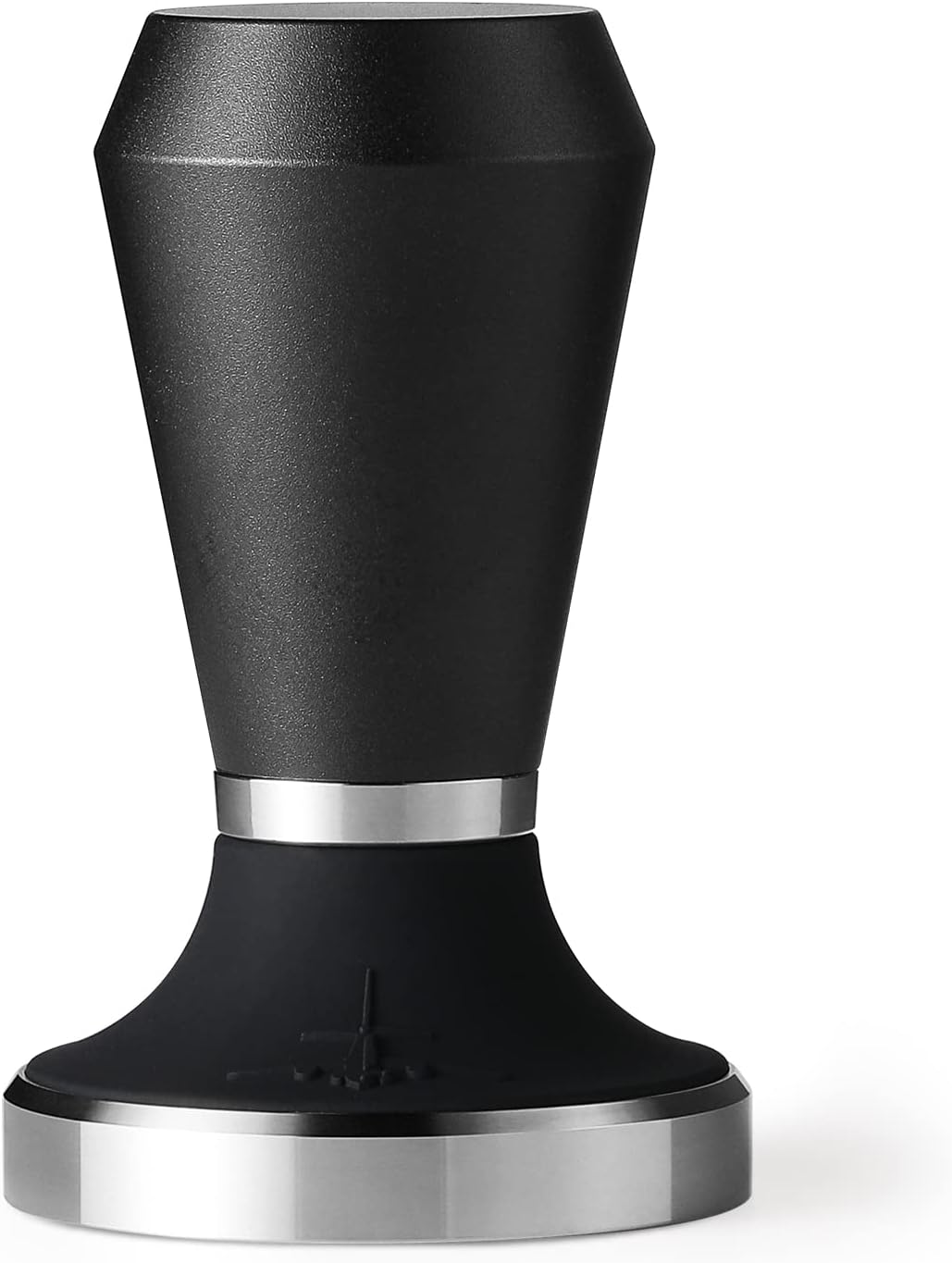
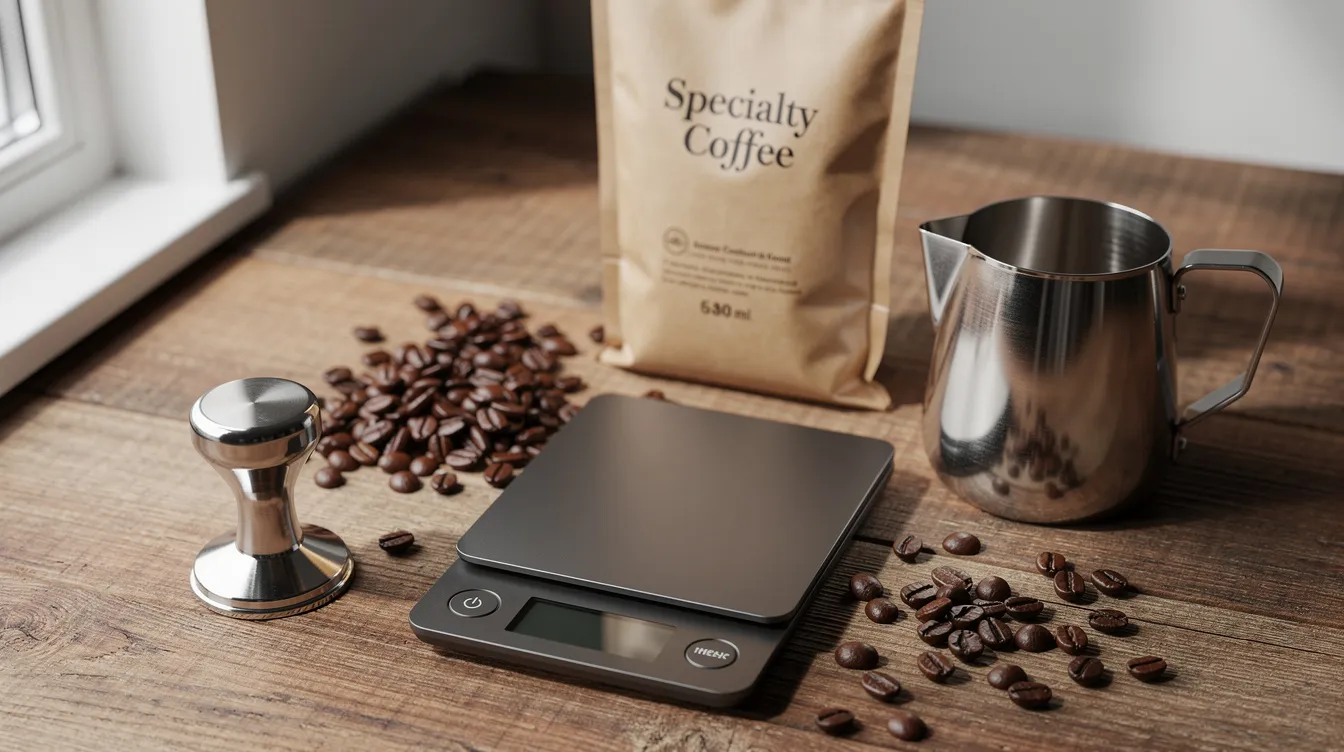
Tamper – sized to match your portafilter (54 mm for Breville Bambino and Barista Express, 58 mm for Gaggia and Breville Dual Boiler).
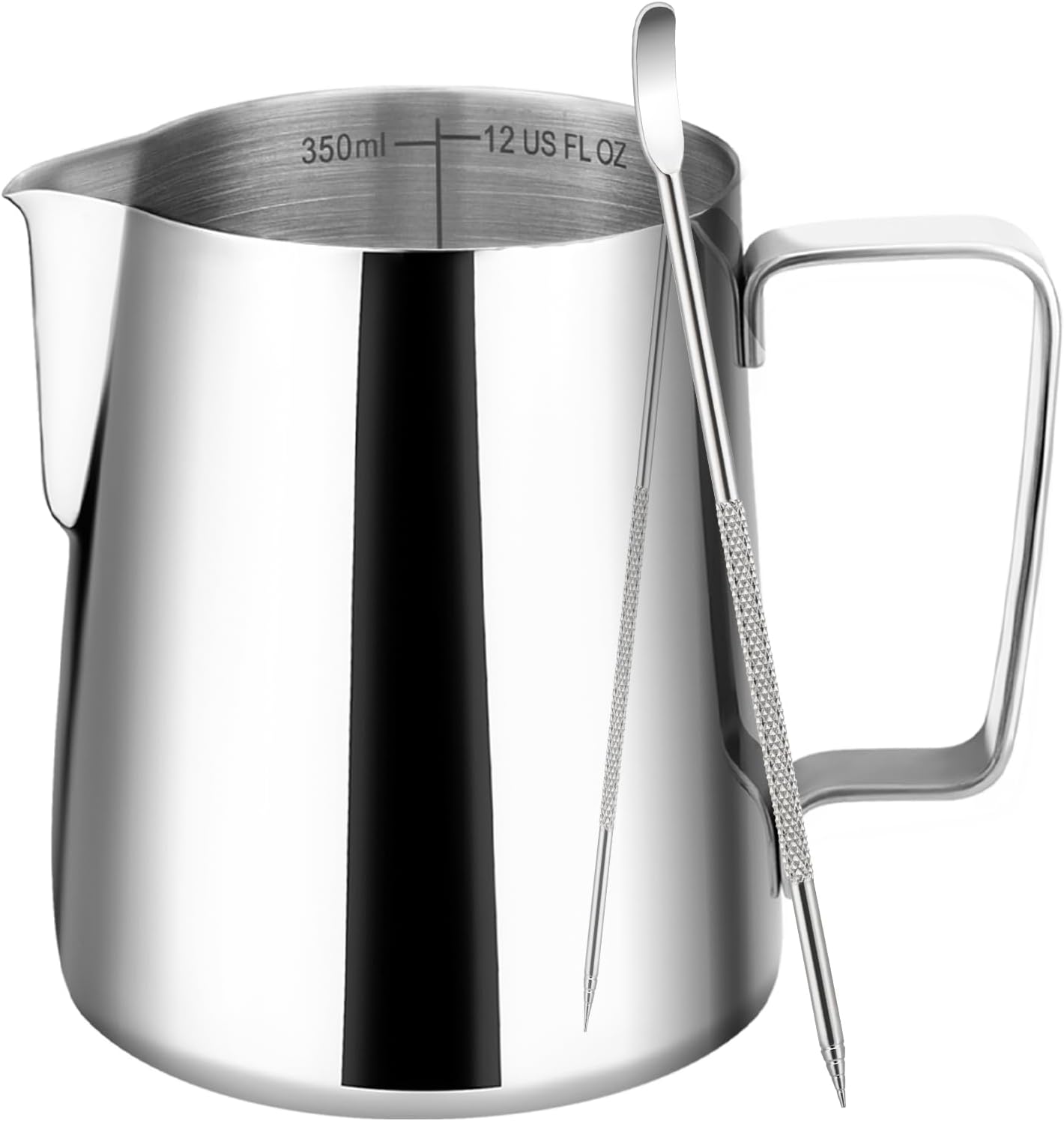
Milk jug – a 12 oz or 20 oz stainless steel pitcher for steaming.
Scale – a simple 0.1 g kitchen scale for weighing dose (in) and yield (out). This alone dramatically improves shot consistency.
Knock box – for cleanly disposing of used coffee grounds.
Cleaning brushes – for the group head and grinder.
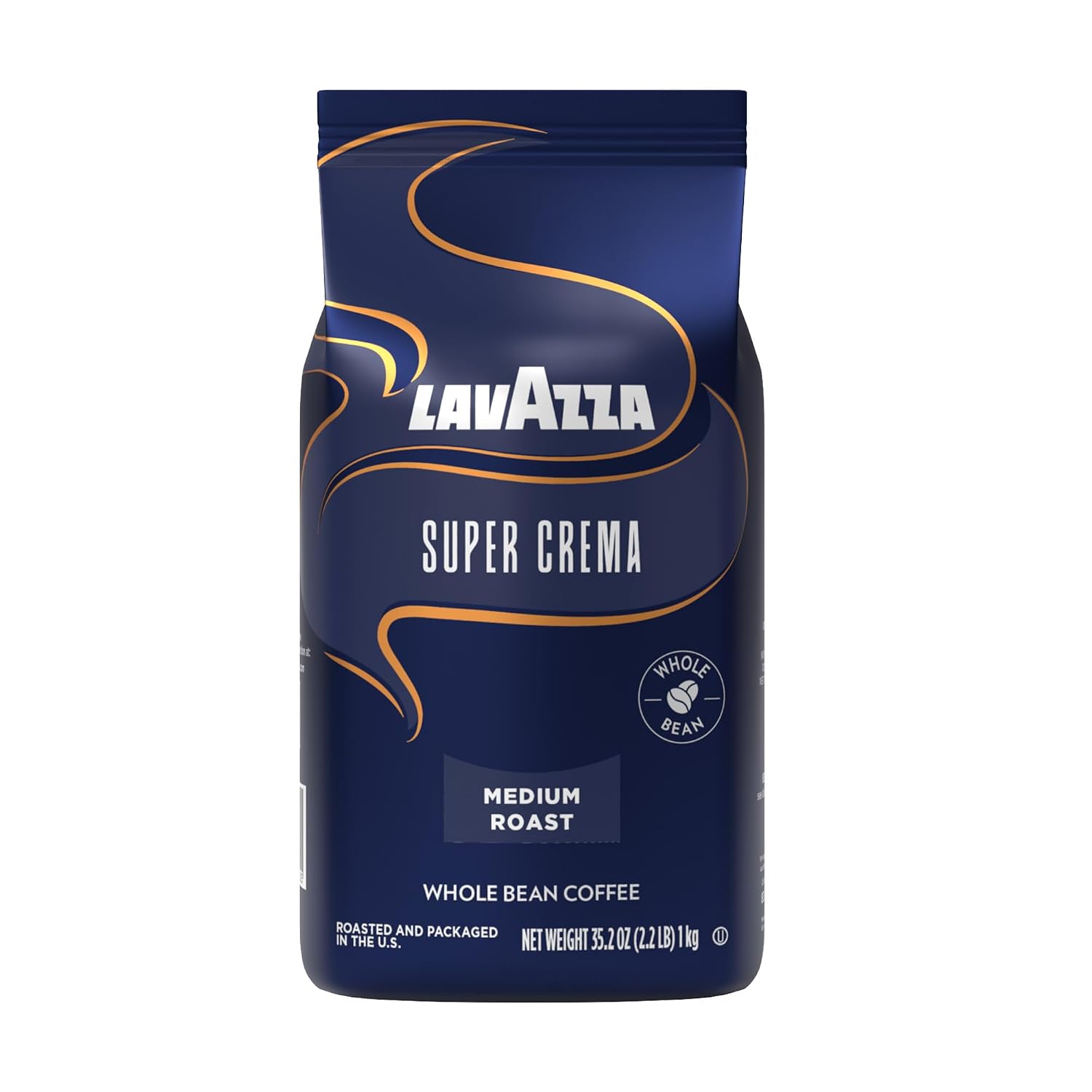
Coffee choice matters. Start with freshly roasted coffee beans-ideally roasted within the last two to four weeks. Espresso blends (often medium to medium-dark) are easier to dial in for beginners and tend to produce rich crema and a balanced, forgiving flavor profile. Single-origin coffees can be more exciting but often require tighter technique. Either way, fresh beans make more difference than any accessory.
Note: while some machines can dispense hot water for Americanos and other hot drinks, they are not designed to make true cold brew, which is brewed at room temperature over many hours. For drip coffee, a separate coffee maker or pour-over setup is still the better tool.
Start simple-one or two coffees you enjoy and a few reliable recipes-before diving into more experimental espresso styles.
Choosing the Best Beginner Espresso Machine for Your Lifestyle
Matching a machine to how you actually live matters more than chasing the highest-reviewed option.
Busy weekday latte drinker – You need fast warm-up, strong steam, and minimal cleanup. The Breville Bambino Plus or a super-automatic machine like the De’Longhi Magnifica will keep your mornings on schedule.
Weekend espresso purist – You have time to enjoy the brewing process and prefer flavorful espresso without milk. The Gaggia Classic Pro or even a manual espresso machine (lever machine) rewards patience and curiosity.
Tech-averse beginner – You want delicious espresso without learning barista jargon. A super-automatic machine with one-touch presets is your shortest path to great espresso shots.
Future espresso hobbyist – You know you will want to upgrade, mod, and experiment. Start with the Gaggia Classic Pro or invest in the Breville Dual Boiler and a quality standalone grinder.
Kitchen space matters. Compact thermoblock machines like the Bambino fit comfortably on small counters. The Breville Dual Boiler and other prosumer options need more depth and height clearance. Measure before you buy.
Noise is worth considering for apartment dwellers or early-morning brewers. All pump-driven home espresso machines make some noise, but grinder noise often matters more-some burr grinders are significantly louder than others.
Finally, check warranty length and local service availability. A machine that sees daily use for years will eventually need a gasket, seal, or part replacement. Brands like Breville and Gaggia have established US warranty and service networks; smaller brands may not.
Beginner Mistakes to Avoid With Your First Espresso Machine
Even a great beginner espresso machine can give disappointing results if you fall into a few common traps.
Gear mistakes:
Buying an expensive machine but pairing it with a weak grinder. A grinder allows for precise adjustments to improve shot quality-it is not optional for good espresso.
Relying on stale supermarket pre-ground coffee. Pre-ground loses aromatics within days; fresh-roasted beans make a dramatic difference.
Technique mistakes:
Skipping warm-up and prep, especially on single boiler machines that need heat-soak time.
Ignoring cleaning routines until flavor degrades or the machine malfunctions.
Inconsistent tamping-apply even, level pressure every time.
Not adjusting grind when shots run too fast (under-extracted, sour) or too slow (over-extracted, bitter). Grind fine enough to hit a 25–30 second shot window for a standard double.
Steaming milk to scalding temperatures. Aim for roughly 130–150°F for sweet, velvety milk texture, not boiling.
Process tip: Change one variable at a time-grind size, dose, or yield-when improving shot consistency. Adjusting everything at once makes it impossible to know what helped.
Consider keeping a simple espresso log at the beginning: dose weight, grind setting, shot time, and a one-word taste note. Even a few weeks of this shortens the learning curve dramatically. Daily practice of 2 to 4 weeks helps beginners achieve consistent results.
How This Beginner Guide Fits Into Capitol City Coffee’s Espresso Coverage
This page focuses specifically on the best espresso machine for beginners. Capitol City Coffee’s broader gear coverage explores more advanced picks, budget-specific options, and the full spectrum of other espresso machines for different experience levels.
For a wider view, visit our complete guide to the best espresso machines overall.
Readers shopping strictly by price will find focused picks in our best espresso machines under $500 roundup and our best espresso machines under $1,000 guide.
Browse all of our coffee gear reviews and buying guides in the gear hub.
Frequently Asked Questions
These questions cover common beginner concerns that were not fully addressed in the main sections above. Each answer is designed to be direct and actionable.
Is a manual espresso maker a good choice for beginners?
A manual espresso machine (often called a lever machine) requires users to generate pressure for brewing by pulling a lever or pressing a piston, rather than relying on an electric pump. Machines like the Flair or Robot can produce excellent shots, but they demand precise technique-consistent pressure application, accurate grind, and careful timing-with no electronic assistance. For most beginners, a pump-driven semi-automatic machine is more forgiving and practical. However, if you enjoy hands-on brewing rituals (similar to pour-over or French press) and are comfortable with a steeper learning curve, a manual espresso maker can be a rewarding and space-efficient choice. Just know that these machines typically cannot steam milk, so you will need a separate solution for milk drinks.
Can I use pre‑ground coffee in my beginner espresso machine?
Many beginner espresso machines with pressurized baskets can physically accept pre-ground coffee, and you will get drinkable results. However, flavor and shot consistency will almost always be worse than with freshly ground beans. Ground coffee begins losing volatile aromatics within minutes of grinding-by the time a pre-ground bag has been open for a few days, much of what makes espresso taste vibrant is gone. Use pre-ground as a temporary solution while you shop for a grinder, but invest in an espresso-capable burr grinder as soon as your budget allows. Even a modest dedicated espresso grinder will make a noticeable difference.
How long does it take to learn to pull good espresso shots at home?
With a forgiving beginner espresso machine, fresh coffee beans, and a capable grinder, most people can pull consistently decent shots within 2 to 4 weeks of daily practice. The key is systematic adjustment: change one variable (grind size, dose, or yield) at a time and note the result. Milk texturing for latte art typically takes longer-months of practice for clean rosettas-but acceptable frothed milk for lattes and cappuccinos is achievable within that same initial timeframe. Patience and small adjustments beat big, random changes every time.
Do I really need a machine with a PID controller as a beginner?
A PID (Proportional-Integral-Derivative) controller is a digital system that continuously adjusts heating to hold brew temperature stable, typically within ±1–2°F. It directly improves shot repeatability-when water temperature stays consistent, your coffee taste stays consistent too. A PID is helpful but not strictly mandatory on a budget espresso machine, especially if the machine uses pressurized baskets that are somewhat forgiving. That said, if your budget allows, a beginner espresso machine with PID (like the Breville Bambino Plus or Barista Express Impress) will generally be easier to live with and more upgrade-proof over the long term.
Can one espresso machine handle both espresso and regular coffee?
Traditional espresso machines are optimized for pulling espresso shots and making Americanos (espresso diluted with hot water). They are not designed for full-pot drip coffee or true cold brew. Some multi-function machines promise espresso, drip, and cold brew in one unit, but they often compromise on espresso quality to accommodate those other formats. If you drink both espresso and drip coffee regularly, the most practical approach is to use a dedicated espresso machine for shots and Americanos and a separate method-pour-over, French press, or a simple drip coffee maker-for regular coffee. Each tool does its job better when it is not trying to do everything.
How Capitol City Coffee Rates Coffee and Coffee Machines
Every coffee and coffee machine we recommend is scored on the same 100-point scale, so a recommendation on one page means the same thing as a recommendation on any other. Each pick is also labeled with how we reached its score.
Research-ratedScored from the roaster or manufacturer’s published specifications, independent results such as Coffee Review blind cuppings and SCA brewer certification, and patterns across verified buyer reviews. Most of our current picks are research-rated.
Hands-on testedThe Capitol City Coffee team has brewed the coffee or used the machine ourselves, following the testing steps below. We only use this label when that testing actually happened, and we show the date we tested.
Coffee beans: 100-point scale
What we score
Points
What we look at
Origin and sourcing transparency
20
Country, region, farm or cooperative, altitude, bean variety, and processing method are clearly disclosed.
Flavor evidence
25
Independent cupping scores, how closely the tasting notes match what the origin is known for, and our own cupping notes when hands-on tested.
Roast and freshness
15
Roast level stated, roast-date practices, whole-bean availability, and packaging with a one-way valve or resealable bag.
Brew versatility
15
How well the roast suits pour-over, drip, French press, cold brew, and espresso.
Value
15
Price per ounce compared with similar single-origin coffees or blends.
Buyer feedback
10
Volume and consistency of verified reviews, and recurring complaints about staleness, bitterness, or shipping.
Coffee machines and gear: 100-point scale
What we score
Points
What we look at
Brewing performance
25
Water temperature in the 195–205°F range, even extraction, and SCA certification or published test data.
Build quality and reliability
20
Materials, known failure points, and long-term owner reports.
Ease of use and cleaning
15
Setup, the daily routine, descaling, and dishwasher-safe parts.
Fit for your kitchen
10
Capacity, counter footprint, and noise.
Useful features
10
Programming, grind and temperature control, and carafe type. Features that improve the cup count more than extras that do not.
Value
10
Price compared with machines that perform similarly.
Warranty and support
10
Warranty length, parts availability, and how the brand handles repairs.
What the grades mean
Score
Grade
What it means
90–100
A
Exceptional. Our first recommendation for the feeling and setting described.
80–89
B
Strong. Excellent, with minor trade-offs we explain.
70–79
C
Good. Worth it for specific needs, with clear compromises.
Below 70
—
Not recommended. We do not feature these as picks.
How we test hands-on
When a pick carries the Hands-on tested label, this is the method behind it, and we note the date we tested.
Coffee: brewed fresh from whole beans following Specialty Coffee Association guidelines (water between 195 and 205°F, about 1 gram of coffee to every 15 to 18 grams of water) in the brew methods the roast suits best, such as pour-over, French press, or espresso. We taste it black first, then with milk if that is how most people drink it, and each taster scores it on their own before we compare notes.
Machines: used in our everyday routine rather than a single demo. We brew both full and small batches, check the brewing temperature and brew time, and run the cleaning or descaling steps the manual calls for.
How we choose the feeling and setting
We match each coffee to a mood and a moment based on its flavor profile and roast. Bright, citrusy light roasts suit energizing mornings. Chocolatey, full-bodied medium roasts suit slow or social moments. Richer roasts suit espresso and milk drinks. Each pick explains which facts led us to that match.
Our scores stay independent
Every score comes only from the criteria above. No brand can pay for a pick or a higher grade. We re-check ratings when a roast, listing, or model changes, and update or remove picks that no longer earn their grade.
Some links on this page are affiliate links. As an Amazon Associate, Capitol City Coffee earns from qualifying purchases, at no extra cost to you.
Questions about a rating? Reach the Capitol City Coffee team through our contact page.