
Volcanica coffee beans are specialty-grade, roasted-to-order coffees sourced largely from volcanic regions around the world, with a huge lineup of more than 150 options spanning single-origin beans, blends, decaf, low-acid, and flavored coffees. If you’re a home coffee drinker who cares about good specialty coffee, likes trying different origins, needs decaf or gentler low-acid options, or is shopping for a gift, this researched editorial Volcanica coffee review breaks down how the brand actually performs on flavor, freshness, sourcing transparency, pricing, shipping, and overall value. The point is to help you decide whether Volcanica’s broad selection and fair mid-range pricing—typically around $19.99 to $29.99 per 16 oz bag—translate into coffee worth buying, especially if you want fresh, distinctive beans without giving up variety or ethical sourcing.
Key Takeaways
- Volcanica Coffee offers over 150 different coffee varieties, making it one of the broadest gourmet coffee catalogs available from a single U.S. roaster. Quality is generally solid, though flavor consistency and origin transparency vary by product line.
- This is an independent, research-based editorial review for Capitol City Coffee – not a seller page. We may earn affiliate commissions from links on this page, but commissions never influence rankings.
- Standout coffees tend to be single-origin offerings from volcanic regions like Costa Rica Tarrazu, Ethiopia Yirgacheffe, and Tanzania Peaberry, especially when purchased as whole beans.
- Key pros include broad selection (covering decaf, low-acid, and flavored coffees), generally fresh roasting, and accessible prices compared with ultra-premium roasters.
- Key cons include an overwhelming catalog, some flavored coffees signaling a more second-wave approach, and steep prices on rare items like Jamaica Blue Mountain that may not justify their premium for most people drinking coffee daily.
At a glance
Affiliate Disclosure
Verdict
For most home coffee drinkers who brew drip, pour-over, or French press, Volcanica delivers good coffee at fair prices, with a freshness commitment ensuring reliable day-to-day results that beat grocery-shelf alternatives. The brand is strongest when you stick to its core single-origin volcanic offerings in the $19.99–$29.99 range, where the combination of origin diversity and roast-to-order practices creates genuine value.
At a glance:
- Overall quality: Very good for the price tier – not ultra-elite micro-lot level, but consistently above average specialty coffee
- Best for: Variety-seekers, single-origin fans, decaf and low-acid drinkers, gift shoppers
- Not ideal for: Ultra-light roast purists, buyers who demand farm-level traceability on every bag, people who prefer a curated, minimal catalog
- Typical price range: ~$19.99–$29.99 for 16 oz bags (as of 2026); premium origins like Jamaica Blue Mountain exceed $100 per bag
This Volcanica coffee review is based on researched editorial analysis of public product information, expert opinions, and consensus customer feedback rather than hands-on cupping by Capitol City Coffee.
To see if Volcanica fits your daily brew, it helps to understand who they are and what they actually sell.
Gourmet Coffee Brand Overview
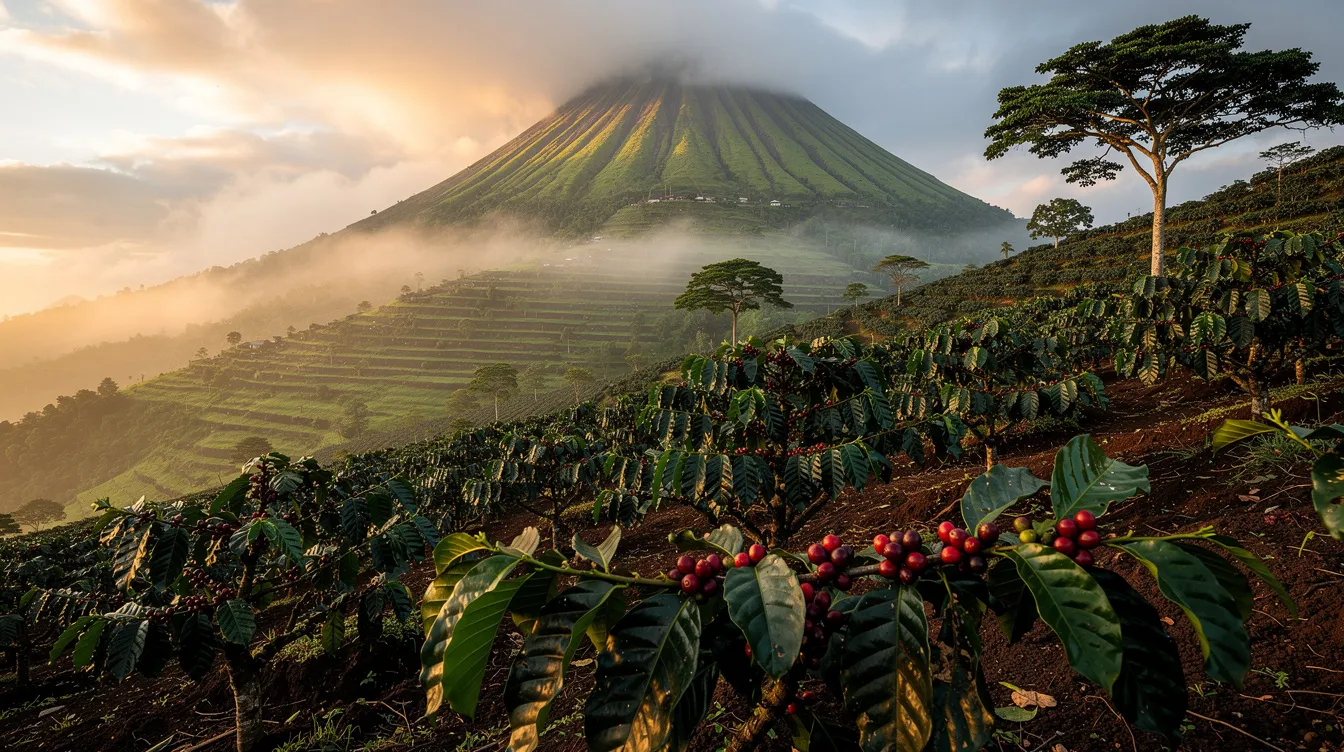
Volcanica Coffee is a family-owned specialty roaster based in Suwanee, Georgia, near Atlanta. The company was founded in 2004 by Maurice Contreras, whose family has Costa Rica coffee-growing roots stretching back generations. Contreras built the brand around a simple idea: source beans from volcanic regions worldwide – places where mineral-rich soil and high altitude produce coffees with greater aromatic complexity and brighter acidity.
Today, Volcanica offers over 150 different coffee varieties, including single-origin and blend options, plus decaf, low-acid, peaberry, flavored, and estate-level coffees. Sourcing spans Costa Rica, Guatemala, Ethiopia, Kenya, Tanzania, Jamaica, Hawaii, Papua New Guinea, and Brazil, among other origins. The company focuses on specialty-grade coffee rather than mass-market blends, roasting to order in their Atlanta facility and typically shipping within one business day. Volcanica Coffee has received 5-star reviews on Amazon and has become a significant independent seller in Amazon’s coffee category – Maurice Contreras appeared at Amazon Accelerate 2025 to underscore the brand’s growth.
Where does Volcanica fit in the broader coffee landscape? It sits between second-wave accessibility (broad flavored coffees, dessert profiles) and third-wave values (single-origin traceability, certifications, origin-specific flavor notes). Compared with boutique micro-roasters like George Howell or Intelligentsia – which emphasize micro-lot detail and lighter profiles – Volcanica casts a wider net. Compared with budget-forward roasters like Happy Mug, Volcanica offers more rare and certified origins but at slightly higher prices.
Coffees Evaluated
For this review, we focus on representative categories from Volcanica’s catalog rather than every SKU: single origin, blends, decaf and low-acid, flavored, and premium rare coffees.
Flagship single origins and blends:
- Costa Rica Tarrazu (Medium Roast, ~$19.99/16 oz): A crowd favorite with bright acidity, citrus, and tropical fruit notes. Costa Rican coffees may display bright acidity with citrus and tropical fruit notes, and this one delivers clean balance.
- Tanzania Peaberry (~$19.99/16 oz): Concentrated sweetness, stone fruit, milk chocolate. Peaberry coffee from Volcanica is known for its natural sweetness, and reviewers frequently call this one of the best values in the catalog.
- Ethiopia Sidamo: Features a floral aroma and fruity notes – berry and citrus with a light to medium body.
- Ethiopian Yirgacheffe Organic (~$22.99/16 oz): Complex florals, lemon, blueberry, blackberry. Ethiopian coffees are often floral and fruity with bright citrus notes, and this lot is a standout among organic offerings.
- Kenya AA (~$26.99/16 oz): High acidity, winy and berry-forward, complex finish.
- El Salvador Peaberry: Well-balanced and silky smooth, often praised for easy drinking across brewing methods.
Flavored coffees:
- Lines like Chocolate Creme Brulee, Butterscotch Toffee, and French Vanilla (including decaf) target people who prefer dessert-like, smooth profiles. These are medium roast with added flavoring – enjoyable for coffee lovers who favor sweetness, though they lean away from pure terroir expression.
Premium and giftable options:
- Jamaica Blue Mountain gift boxes run around $539.99 for four 16 oz bags. Volcanica Jamaican Blue Mountain coffee is known for its rich flavor and refined taste, and is highly sought after. Hawaiian Kona bundles sit near $239.99, exotic peaberry gift boxes range $109.99–$245.99, and world traveler samplers hit around $219.99. These target collectors and gift buyers rather than everyday budget-conscious drinkers.
- Flavors of Brazilian coffees in the catalog often include chocolate, nut, and gentle sweetness.
- Indonesian coffees, like those from Sumatra, tend to have heavy bodies and earthy flavors.
Formats: Most coffees come in 16 oz bags as whole bean or drip grind. Some 5 lb bulk options exist (e.g., Costa Rica Tarrazu Decaf 5 lb at ~$142.45, French Vanilla Decaf 5 lb at ~$142.45). Small sample packs (~$14.99 for 4-sample sets) appear when in stock. Note that product availability fluctuates – many items across marketplace listings show as out of stock, so always check current inventory before ordering.
Flavor and Freshness Results
Flavor impressions here are drawn from aggregated customer reviews, third-party tasting notes, and expert commentary rather than direct cupping by Capitol City Coffee. Across more than 8,500 Trustpilot reviews averaging 4.8–5.0 stars, the consensus is that Volcanica’s coffees are described as having greater aromatic complexity and brighter acidity than typical grocery-shelf beans.
Roast style: Generally medium to medium-dark on core offerings. Some coffees skew darker for traditional palates (e.g., Costa Rican Dark Roast Reserve), while lighter African origins preserve fruity, floral characteristics. This places the brand between second and third-wave roast philosophies – not as light as many specialty micro-roasters, but not over-roasted either.
Consensus flavor characteristics for key single origins:
Coffee | Roast | Key Flavor Notes | Body |
|---|---|---|---|
Costa Rica Tarrazu | Medium | Bright acidity, citrus, apricot, tropical fruit | Medium body |
Ethiopia Sidamo | Medium | Floral aroma, berry, citrus | Light-medium |
Ethiopia Yirgacheffe Organic | Medium | Lemon, blueberry, blackberry, sweet citrus | Light-medium |
Tanzania Peaberry | Medium | Stone fruit, milk chocolate, concentrated sweetness | Medium |
Volcanica’s product offerings emphasize unique flavor profiles based on origin characteristics, and the blends follow suit. The Espresso Dark Roast and house Dark Roast Blend deliver rich crema, chocolate and caramel notes, mild smokiness, and good suitability for espresso-based drinks like lattes and cappuccinos. The Volcanica Blend works beautifully across all brewing methods, from drip to French press.
Flavored coffees like Chocolate Creme Brulee, Butterscotch Toffee, and French Vanilla are reviewed as smooth and dessert-forward. They serve a different purpose than single-origin cups – a trade-off serious specialty buyers should weigh.
Freshness practices: Volcanica’s coffee is roasted weekly to ensure freshness, and they claim nothing ships with a roast date older than two weeks. Fresh-roasted coffee enhances flavor and aroma compared to stored beans, and many customers confirm receiving bags roasted just days before delivery. For freshly ground coffee orders, shipping delays 1–2 business days to allow degassing.
Practical guidance:
- Buy whole beans over pre-ground for maximum freshness
- Store in an airtight container away from light, heat, and moisture
- Aim to use beans within 2–4 weeks of roast for best flavor
- Volcanica Coffee can be brewed using various brewing methods – experiment with what suits each origin
Range, Sourcing, and Transparency
Volcanica’s main selling point is its enormous catalog. With over 150 coffees spanning single origin, blends, decaf, low-acid, flavored, peaberry, and premium micro-regions, few online roasters match this breadth under one shop.
Geographic breadth: Volcanica Coffee sources beans from volcanic regions worldwide – Costa Rica, Guatemala, Ethiopia (Yirgacheffe, Sidamo), Kenya, Tanzania (including Peaberry), Papua New Guinea, El Salvador (Peaberry), Brazil, Hawaii, and Jamaica Blue Mountain. Coffee grown at high altitudes in these areas matures slowly, concentrating natural sugars. Mineral-rich volcanic soils enhance the flavor profiles of coffee cherries, contributing to distinct taste characteristics and lower acidity.
Volcanica emphasizes single-origin traceability in its coffee sourcing. Many coffees are marketed by country and region (e.g., Costa Rica Tarrazu, Guatemala Antigua), which appeals to specialty drinkers. However, some critics note inconsistent depth of farm-level detail versus top-tier micro-lot roasters who publish roast curves and score sheets.
Certifications: Volcanica Coffee is Fair Trade Certified and Rainforest Alliance Certified on select products. Other lots carry USDA Organic or Shade Grown designations. Always verify each label on individual product pages – not every coffee carries every certification.
Sourcing ethics: Per brand communications, Volcanica claims direct sourcing from remote farms with a commitment to quality and environmental responsibility, using eco-friendly, freshness-preserving packaging.
The trade-off between breadth and transparency is real. The sheer number of SKUs means origin notes can feel high-level for some coffees, and shoppers who want extremely detailed lot information may prefer niche micro-roasters.
Pricing and Value
Volcanica sits in the mid-to-upper price tier for online gourmet coffee: more expensive than big-box grocery beans but often cheaper per ounce than ultra-boutique roasters for similar origins. Per-ounce cost for standard 16 oz single-origin bags ranges from approximately $1.25–$1.69.
Standard pricing examples (16 oz bags):
Coffee | Price |
|---|---|
Costa Rica Tarrazu | ~$19.99 |
Tanzania Peaberry | ~$19.99 |
Ethiopia Yirgacheffe Organic | ~$22.99 |
Kenya AA | ~$26.99 |
Low Acid Coffee (drip grind) | ~$19.99 |
Flavored/Decaf options | ~$19.99–$29.99 |
Bulk pricing: 5 lb bags like Costa Rica Tarrazu Decaf (~$142.45), French Vanilla Decaf (~$142.45), and Costa Rican Dark Roast Reserve 5 lb (~$104.45) offer around 5% savings versus single-bag purchases.
Premium tier: Jamaica Blue Mountain gift boxes at ~$539.99 and Kona bundles around ~$239.99 represent a different value proposition entirely – more about exclusivity, perfection in presentation, and gifting than daily value. Most people won’t taste eight times more delight from a $120 bag compared with a $20 one.
Who gets best value:
- Variety lovers exploring global single origins
- Decaf and low-acid drinkers who need specific options without sacrificing quality
- Gift shoppers who want curated boxes without hunting multiple roasters
Shipping and Availability
Volcanica sells through its own store and third-party marketplaces like Amazon. This affects shipping time, freshness, and stock levels.
Many items across marketplace listings show as out of stock – including some Chocolate Creme Brulee, Brazil Decaf, and multiple gift boxes. Always check current availability before deciding. Availability is usually best directly from Volcanica’s own website for niche single origins.
For U.S. customers ordering roasted-to-order coffee, expect several business days from roast to doorstep. Free shipping applies to orders over $60; orders below that threshold incur a flat $6.95 fee. Volcanica’s Coffee subscription service launched on 5/25/21, offering around 10–20% off with easy recurring delivery – a convenient option for continuing your favorite order without reordering each time.
International shipping is possible through Amazon Global and partners like Ubuy, with delivery windows and customs duties varying by country. Shipping costs on heavy 5 lb bags or large gift boxes can impact overall value, so factor those in at checkout.
What Volcanica Coffee Does Well
Here’s where the brand earns the heart of its reputation, based on aggregated evidence:
- Product range: Over 150 coffees covering single origin, blends, flavored, peaberry, decaf, and low-acid lines. Most preferences are served under one roof, which is a great convenience few competitors match.
- Accessibility: Medium and dark roast profiles suit mainstream palates, while adventurous origins like Ethiopia Yirgacheffe and Tanzania Peaberry satisfy enthusiasts. This makes Volcanica a bridge between bad coffee from grocery shelves and high-end specialty roasters.
- Freshness: The roasted-to-order model and protective valve-equipped packaging receive frequent positive remarks from customers. People who have enjoyed Volcanica regularly cite freshness as a primary reason they love the brand and look forward to each bag.
- Specific bright spots: Consistent praise for Costa Rica Tarrazu, Tanzania Peaberry, Ethiopia Sidamo and Yirgacheffe, and El Salvador Peaberry for balanced, rich, enjoyable cups across multiple brewing methods.
- Gifting and convenience: Curated sample packs, world-traveler gift boxes, and flavored or decaf bundles make it easy to discover new regions or find presents without deep research.
Limitations and Trade-offs
No coffee brand hits perfection across the board, and Volcanica involves meaningful trade-offs you should view honestly before buying.
- Flavor focus questions: The large number of flavored coffees (Chocolate Creme Brulee, Butterscotch Toffee, French Vanilla, and more) can signal that not all resources go toward ultra-refined single-origin roasting. Serious specialty buyers may find this kind of catalog dilution off-putting.
- Transparency gaps: Beyond origin region names like “Yirgacheffe” or “Antigua,” farm-level detail, processing specifics, and roast curves are less exhaustive than what top-tier third-wave roasters publish. If you want to learn every detail about a lot before you sign off on a purchase, you may be left wanting.
- Consistency variability: Most bags land in the “solid to very good” range, but occasional reports of underwhelming batches or roast inconsistency appear across aggregated reviews – not unusual for catalogs this large, but worth noting.
- Catalog overwhelm: New buyers may struggle to choose between many similar-sounding single origins, decafs, and bundles. Taking time to narrow your preferences before browsing helps.
- Rare-item pricing pressure: Jamaica Blue Mountain and Kona offerings can feel like luxury collectibles. Incremental flavor gains over strong everyday origins may not convince most drinkers that the steep premium is justified for their budget.
Best Volcanica Coffee Alternatives
Some readers may want a different balance of price, origin transparency, or roast style. Here’s how Volcanica compares with notable alternatives.
Value-focused alternatives: S&W Roasting and Happy Mug are smaller specialty roasters known for quality single origins at budget-friendlier prices. They offer less catalog breadth and fewer flavored options, but for drip drinkers on a budget who favor clean, straightforward single-origin bags, they can deliver excellent experience per dollar.
Premium third-wave alternatives: George Howell and Intelligentsia offer deeper origin detail, micro-lot selection, and lighter roast approaches. If you’re proud of your palate and want to taste farm-specific terroir, these roasters cater to that end of the spectrum – though you’ll pay accordingly and find far fewer flavored or decaf options.
Health-conscious alternative: Lifeboost Coffee targets buyers who prioritize low-acid, organic beans with a simpler product lineup. If stomach comfort and clean sourcing are your top priorities, it’s worth a look. Read our Lifeboost Coffee review for a detailed comparison.
For readers interested in exploring a wider range of independent coffee brands, browse our coffee brand review hub or the full reviews index.
Quick decision guide:
- Choose Volcanica for variety, gift sets, and sourced volcanic-region exploration
- Choose value roasters (Happy Mug, S&W) for budget-friendly single-origin drip brewing
- Choose micro-roasters (George Howell, Intelligentsia) for serious cuppers chasing nuanced, farm-specific lots
- Choose Lifeboost if low-acid and organic simplicity matter most
Our Volcanica Coffee Picks
These are two bags from the catalog this review evaluates. Tap the image or the coffee name to see them on Amazon. Research-rated, not yet brewed by our team.
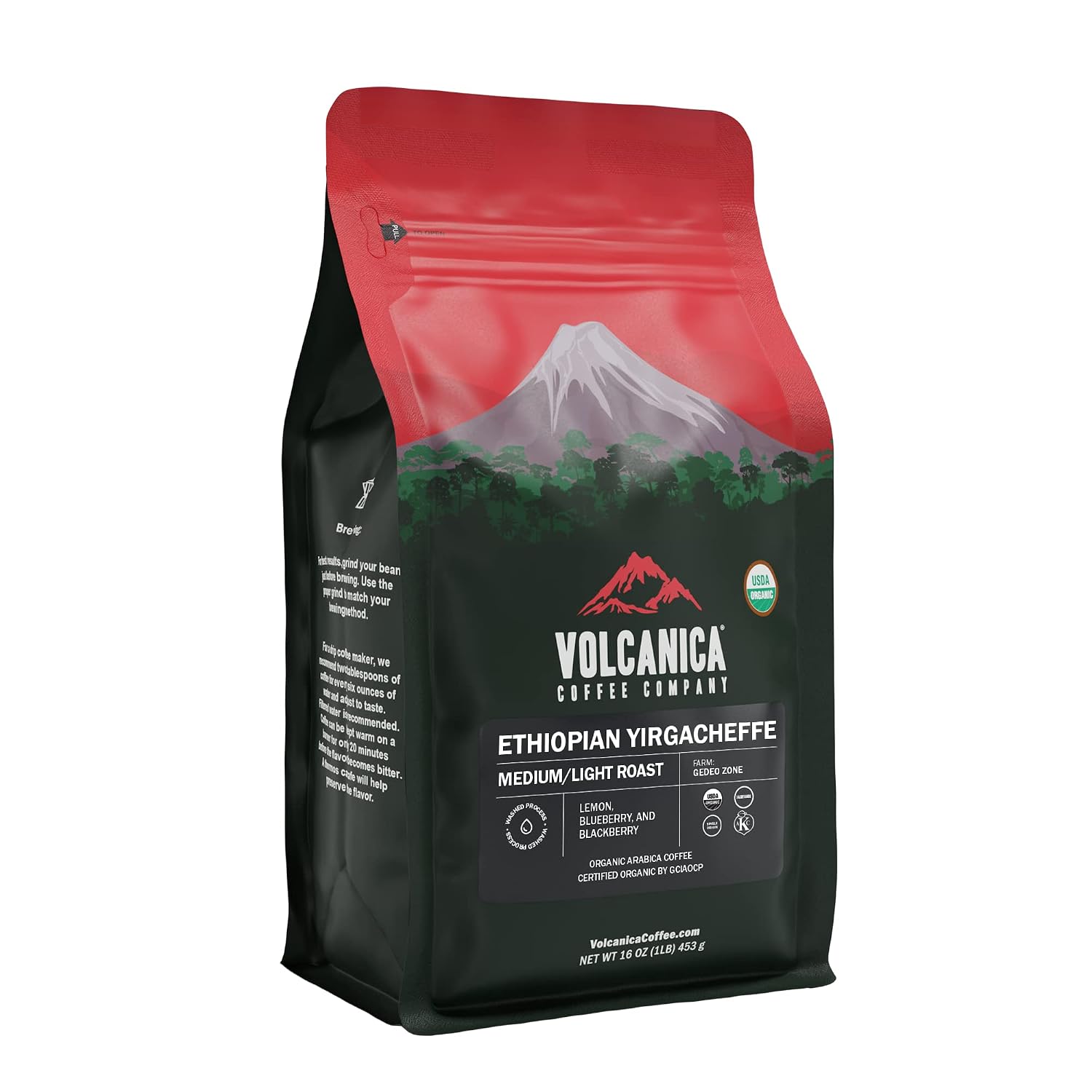
Feeling floral: organic Yirgacheffe
Our pick: Volcanica Coffee Ethiopian Yirgacheffe, USDA Organic, medium-light roast, whole bean, 16 oz. The floral lemon-berry lot listed under Coffees Evaluated. Research-rated, not yet brewed by our team.
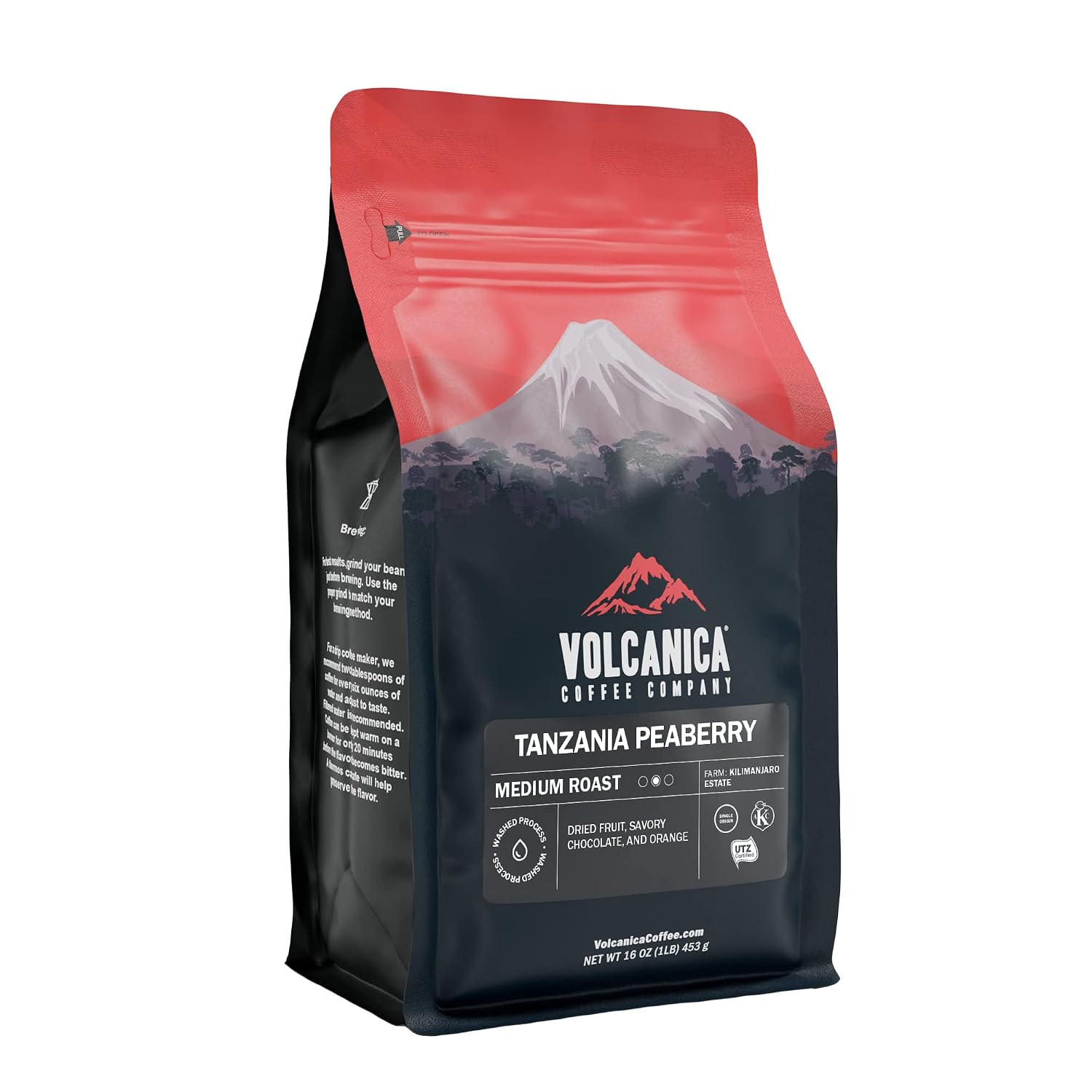
Feeling sweet: Tanzania Peaberry
Our pick: Volcanica Coffee Tanzania Peaberry, whole bean, 16 oz. The stone-fruit and milk-chocolate peaberry this review calls out as a catalog value. Research-rated, not yet brewed by our team.
FAQs
Below are common Volcanica Coffee questions not fully addressed above, with concise answers.
Is Volcanica Coffee actually grown on volcanoes?
Volcanica sources many beans from volcanic regions – Costa Rica Tarrazu, Guatemala Antigua, Ethiopia Yirgacheffe, Papua New Guinea, Hawaii, and Jamaica – where volcanic soil is rich in nutrients contributing to distinct flavor profiles and lower acidity. However, not every coffee grows on the literal slopes of an active volcano. The term refers to the broader geographic zones where volcanic soil influences the taste of the cherry and the final cup.
Are Volcanica Coffee beans suitable for espresso machines?
Yes. Espresso machines can be used to brew Volcanica Coffee effectively, particularly the Espresso Blend, Dark Roast Blend, and medium-dark single origins from Costa Rica or Brazil. Buy whole beans and dial in grind size and dose for your machine. Lighter African single origins can also shine in espresso for those who agree that bright, fruity shots are worth exploring. Pour-over brewing highlights different flavor notes in coffee as well, so experiment across methods.
Does Volcanica offer low-acid or stomach-friendly options?
Volcanica sells specific low-acid coffees (e.g., Low Acid Coffee 16 oz drip grind around $19.99) and naturally mellower origins grown in volcanic soil. They also carry decaf and flavored decafs, which many sensitive drinkers report as gentler on the stomach. If you have persistent reflux issues, consult a medical professional alongside adjusting your coffee choice.
Is it better to buy Volcanica whole beans or pre-ground coffee?
Whole beans are the better choice for anyone with a grinder. Grinding just before you brew – ideally with a burr grinder – preserves aroma and flavor far more effectively than pre-ground coffee, which is more convenient but prone to staling during shipping and storage. French press brewing is suitable for Volcanica Coffee and pairs especially well with a coarser whole-bean grind done fresh.
How should I store Volcanica Coffee after it arrives?
Keep your beans in their original valve bag or transfer them to an opaque, airtight canister. Store at room temperature away from light, heat, and moisture. Avoid refrigeration or freezing for short-term use. Aim to finish a 16 oz bag within a few weeks of the roast date for the best experience – after that window, flavor and aroma begin to fade noticeably.