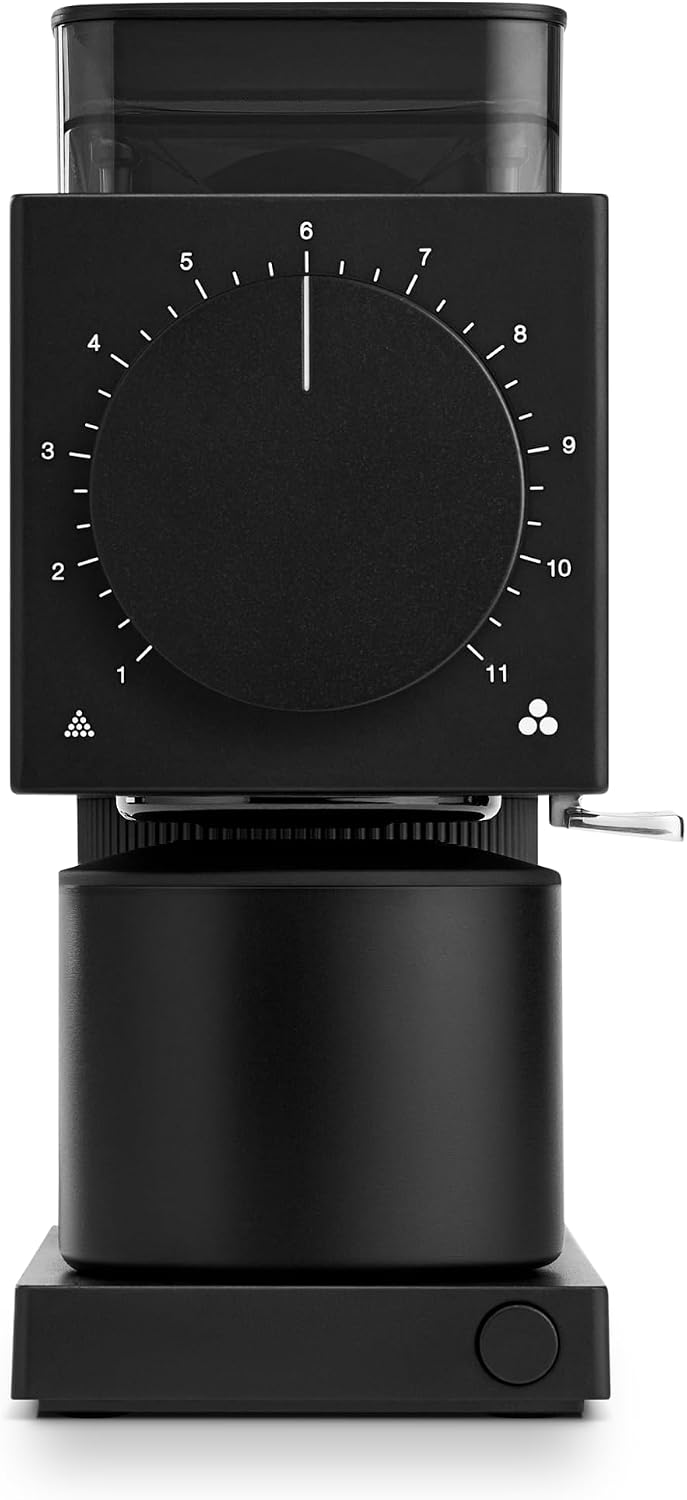
The Fellow Ode vs Baratza Encore matchup is one of the most common grinder decisions facing U.S. home brewers, and the answer depends almost entirely on how you brew. The Fellow Ode Gen 2 Brew Grinder dominates pour over clarity and single dosing workflow, while the Baratza Encore remains the better value all-rounder for beginners who want a solid grinder across different brew methods without spending premium money.
Best brew grinder pick
For this roundup, Fellow Ode Gen 2 is the brew grinder we recommend first—the same pick at the top of our At-a-glance cards below.
The Fellow Ode Gen 2 uses 64mm flat burrs that produce a more uniform grind for clarity, making it the stronger pick for dedicated pour over and filter coffee.
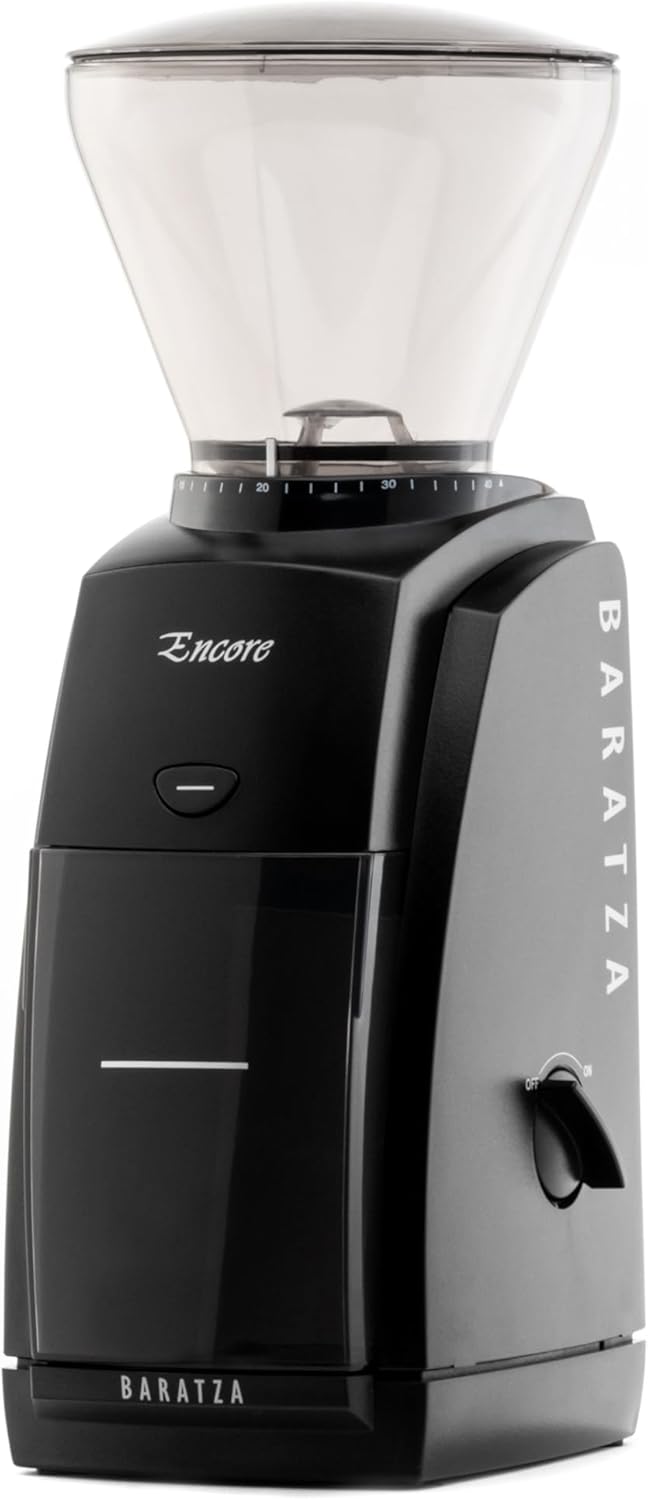
The Baratza Encore uses 40mm conical burrs across 40 grind settings, offering a broader brewing range including drip coffee, French press, and moka pot at a much lower price.
Neither Fellow Ode nor Baratza Encore can grind fine enough for true espresso with non-pressurized baskets.
The Fellow Ode costs approximately $150 more than the Baratza Encore, and both grinders are under $500, appealing to budget-conscious buyers.
Choose the Ode for filter-focused clarity; choose the Encore for versatility and value.
Affiliate & Editorial Disclosure
Capitol City Coffee is an independent coffee editorial and affiliate publication. Links to grinders and coffee beans may earn a small commission at no extra cost to you – commission size does not influence our rankings. This guide is based on researched editorial analysis, manufacturer data, and third-party expert consensus, not on direct hands-on testing by Capitol City Coffee.
Quick Verdict: Fellow Ode vs Baratza Encore
If your morning routine centers on pour over or batch drip and you want maximum flavor clarity from light and medium roasts, the Fellow Ode Brew Grinder is usually the better choice. Its 64mm flat burrs and single-dose workflow produce a clean, transparent cup that conical burr grinders struggle to match at this price.
If you want an affordable, flexible grinder that handles everything from AeroPress to French press to cold brew without fuss, the Baratza Encore wins on value. It offers a forgiving cup profile with good balance across brew methods, and its proven reliability is also worth mention, which has made it a staple in the specialty coffee community.
Both grinders perform well for pour-over and French press. Both grinders can handle a range from espresso-adjacent to cold brew, though neither is optimized as a primary espresso grinder. This article focuses on the Fellow Ode Gen 2 burr set that most U.S. shoppers will encounter in 2024–2026. Readers chasing true espresso capability should jump to the alternatives section covering the Baratza Encore ESP and Fellow Opus.
Disclosure: This page contains affiliate links. As an Amazon Associate I earn from qualifying purchases.
The Fellow Ode is designed as a compact, single-dose flat burr grinder tuned exclusively for filter coffee. It is optimized for filter coffee methods like pour over, AeroPress, automatic drip, and cold brew – and Fellow explicitly states it is not suitable for espresso.
The Fellow Ode Gen 2 has 64mm flat burrs that produce a uniform grind with a narrow particle distribution. According to third-party sieve analysis, the Gen 2 produces roughly 30% fewer sub-300-micron fines than the original Ode, translating to cleaner, more transparent cups. The Fellow Ode Gen 2 excels in grind uniformity and clarity, making it a standout for light roast single origins.
The grind range runs from medium-fine (V60, Chemex) through coarse (French press, cold brew). The Fellow Ode Gen 2 excels in pour-over brewing, but it cannot reach true espresso territory – its finest setting bottoms out around 250–300 microns.
Workflow is where the Ode feels modern. The Fellow Ode is designed for single dosing: weigh your beans, dump them in, grind, and collect from the magnetic dosing cup. The Fellow Ode has minimal retention due to its single-dose design – roughly 0.3–0.5 g per 20 g dose – which matters if you are switching coffee beans often. The Fellow Ode’s anti-static technology reduces static cling, though a quick mist via the Ross Droplet Technique still helps in dry climates.
The grind time for a 20 g pour over dose is about 12–15 seconds at a noise level around 65 dB. The Fellow Ode is notably quieter than many grinders, making it ideal for early morning use without waking the rest of the household. The machine features a sleek, minimalist design with a compact footprint and clean lines that look sharp on any countertop.
For cleaning, top burr access allows basic brush-outs, but the Ode is less user-serviceable than Baratza machines overall. Fellow offers a 2-year warranty (3 years with registration).
Limitations: No true espresso range, a premium price tag, and a niche focus on filter methods that may feel limiting if you brew with a portafilter or want versatility across machines.
Mini-verdict: The Fellow Ode is the grinder for filter-first home baristas chasing clarity and sweetness from high-quality light to medium roasts.
Baratza Encore Overview: Performance, Benefits & Limitations
The Baratza Encore is a long-standing, entry-level conical burr grinder that has earned its reputation across U.S. kitchens for simplicity, reliability, and value. The Baratza Encore is built for reliability and ease of repair, with a user-serviceable design backed by one of the best parts catalogs in the industry.
Its 40mm conical burrs across 40 grind settings produce a bit more fines and a broader particle distribution than flat burr grinders. The result is a rounder, fuller-bodied cup rather than the razor-sharp clarity of the Ode. The Baratza Encore has a larger hopper capacity of 8 oz, and its hopper-style or batch dosing workflow suits households that stick with one bag of beans and brew on autopilot – flip the switch or tap the pulse button and go.
The grind range covers fine enough for pressurized espresso baskets and moka pots through medium and coarse for pour over, drip, and French press. The Baratza Encore is suitable for a broader brewing range including drip coffee. For true espresso, Baratza recommends the Encore ESP or dedicated espresso-grade machines.
Retention is higher than the Ode, and static can cause grounds to cling in dry climates. A quick RDT mist or purging a gram of beans before your dose helps. Noise is noticeably louder than the Fellow Ode, especially at finer settings, though acceptable for most kitchens.
Baratza’s parts support and repair-friendly design are game changers for long-term ownership. Burr replacement is straightforward, with estimated burr life around 500–750 lbs of coffee beans. Many owners report 7–10+ years of daily use. Warranty is 1 year limited in the U.S.
Limitations: Plastic-heavy build, greater retention, stepped grind settings that lack micro adjustment precision at the fine end, and less flavor clarity than premium flat burr grinders.
Mini-verdict: Best suited to budget-focused or new coffee drinkers who want one grinder to handle everything from drip to French press. Baratza Encore offers exceptional value in the specialty coffee community.
Head-to-Head: Burrs, Flavor, Workflow & Noise
This section directly compares the two grinders on the aspects that shape your daily cup.
Burr type and flavor: The Ode’s 64mm flat burrs shear beans between two parallel faces, producing tighter particle consistency and fewer extremes. The result is clarity – you taste distinct acidity, sweetness, and origin character. The Encore’s conical burrs create a broader distribution with more fines, yielding heavier body and a more blended flavor. If your daily routine is V60 or Chemex with light roasts, the Ode wins. If your household uses everything from a drip machine to a French press, the Encore’s fuller profile is more forgiving. The Fellow Ode Gen 2 produces a more uniform grind for clarity that is hard to beat at this price.
Retention and static: The Ode’s single-dose architecture keeps retention below half a gram. The Encore retains more in its chute and burr chamber. For anyone switching between a bag of Ethiopian and a bag of Colombian throughout the week, low retention matters.
Workflow: The Ode demands weighing each dose – a ritual some love and others find tedious. The Encore’s traditional hopper lets you fill, dial your grind size, and press on/off. Neither approach is wrong; they suit different personalities.
Noise and speed: The Ode grinds 20 g in about 12–15 seconds at roughly 65 dB. The Encore is a bit slower and considerably louder, especially on finer settings.
Repairability: The Encore is easier and cheaper to self-service. The Ode relies more on its warranty and professional support.
Recap: Ode wins for filter-focused flavor clarity, low retention, and quiet operation. Encore wins on versatility, ease of repair, and affordability.
Winner by Use Case
There is no single “best” grinder here – only clear winners for specific kitchens and habits.
Best for pour over and drip only: Fellow Ode. Its flat burrs and low retention deliver the cleanest cups from light and medium roasts, and the quiet motor suits early morning pouring sessions.
Best for mixed brew methods on a budget: Baratza Encore. It covers drip, French press, AeroPress, moka, and cold brew at a fraction of the Ode’s price, producing great coffee across the board.
Best for small apartments and quiet grinding: Fellow Ode. At ~65 dB, it is slightly more discreet than the Encore’s louder motor and plastic body resonance.
Best for tinkerers who want repairability: Baratza Encore. Decades of community knowledge, cheap parts, and tool-light disassembly make it nearly identical in spirit to a repairable appliance.
Best if you might upgrade to espresso later: Neither – but the Encore ESP offers macro and micro adjustments for espresso with micro steps in its fine range. The Fellow Opus covers espresso through cold brew with conical burrs and a dosing cup. Both are worth exploring if espresso is on your radar.
Cost & Value: Is the Upgrade Worth It?
The Baratza Encore is priced around $199.95, making it budget-friendly and accessible. The Fellow Ode Gen 2 retails near $399. That means the Fellow Ode costs approximately $150 more than the Baratza Encore, and the Fellow Ode’s total investment can exceed $300 with upgrades like SSP burrs. Both grinders are under $500, appealing to budget-conscious buyers who do not want to cross into prosumer territory.
What does the extra money buy? Larger flat burrs, a quieter motor, modern design and build quality, single-dosing workflow, and improved particle consistency for high-end pour over.
Where does the Encore still shine? Long-term ownership costs are low – replacement burrs run $40–60, plastic parts are inexpensive, and the platform is proven to last a decade with basic maintenance. Keeping a grinder repairable often beats replacing a cheaper, disposable unit.
For many U.S. home brewers stepping up from a blade grinder, the Encore is the best first step. For those already invested in manual pour over gear and specialty beans, it may be worth skipping directly to the Fellow Ode.
Which Should You Choose?
Walk through these questions:
What do you brew? Filter only → Ode. Multiple methods → Encore.
What is your budget? Under $250 → Encore. Comfortable near $400 → Ode.
Do you care about noise? Quiet mornings → Ode. Not a dealbreaker → Encore.
Do you like tinkering and repairing? Yes → Encore. Prefer set-and-forget → Ode.
Do you switch beans often? Yes → Ode’s low retention matters. No → Encore’s hopper is convenient.
Choose the Fellow Ode if you brew pour over or drip daily, value flavor clarity over body, want a quiet countertop grinder, and are willing to pay a premium for performance.
Choose the Baratza Encore if you want a versatile, budget-friendly grinder that handles different brew methods well, you appreciate repairability, and you prefer a simpler workflow with a hopper.
Both are solid choices when used within their strengths. Understanding the difference between conical vs flat burr grinders and what separates burr grinders from blade models will help you feel confident in either pick.
Alternatives to Fellow Ode and Baratza Encore
If neither grinder fits your needs perfectly, consider these options.
Baratza Encore ESP: A sibling to the classic Encore tuned for espresso and filter. It uses sharper M2 burrs and a dual-range collar with dedicated espresso micro steps (settings 1–20) and filter range (21–40). Worth a close look if you want one grinder for both espresso and drip.
Fellow Opus: Fellow’s conical burr alternative that covers espresso through cold brew. It includes a dosing cup, a wider grind range, and similar aesthetics to the Ode. A good pick if you want Fellow’s modern design with more versatility.
Baratza Virtuoso+: A step above the Encore, the Baratza Virtuoso+ uses 40mm conical burrs with 40 grind settings and adds a digital timer. It is slightly louder than the Fellow Ode and produces a bimodal particle distribution – fuller body but less clarity. The Baratza Virtuoso+ retains a gram or two of grounds between uses. The Baratza Virtuoso+ is not designed for true espresso, but handles filter methods well. It sits between the Encore and the Ode in price and performance.
Decide on brew methods first, then budget, then preferences like single dosing vs hopper – and the right grinder will be obvious.
FAQs: Fellow Ode vs Baratza Encore
These FAQs address common questions based on current U.S. product information as of 2026.
Can the Fellow Ode or Baratza Encore grind for true espresso?
Neither grinder is ideal as a primary espresso grinder for non-pressurized baskets. The Baratza Encore can reach finer settings suitable for moka pots and pressurized portafilter baskets. The Fellow Ode Gen 2 can approach espresso-adjacent territory for strong AeroPress or manual lever experiments, but it is not marketed as an espresso grinder. For daily espresso, look at the Baratza Encore ESP or Fellow Opus.
Which grinder is better for pour over specifically?
For pour over methods like V60, Kalita Wave, and Chemex, most expert reviews and user reports favor the Fellow Ode Gen 2 due to its flat burrs and tighter particle consistency. The Baratza Encore still makes a good cup of pour over with a slightly fuller-bodied taste that some drinkers prefer.
Is the Fellow Ode Gen 2 worth it over the original Fellow Ode?
Yes. The Gen 2 burrs extend the fine grind range and improve consistency, addressing early complaints about limited range in the Gen 1. New buyers should generally choose the Gen 2 version. Some Gen 1 owners can upgrade burrs rather than buying a new grinder.
How long do the burrs last on each grinder?
Baratza estimates Encore burrs last roughly 500–750 lbs of coffee. At typical home use of 20–30 g per day, that can mean 5–10 years before replacement. Fellow Ode burr life is less publicly quantified but replacement sets cost around $80. Watch for slower grinding, more dust, and flatter-tasting coffee as signs of wear.
What if I’m upgrading from a blade grinder?
Moving from a blade grinder to either of these two grinders will be a dramatic improvement in consistency and flavor. The Baratza Encore is the safer first pick – lower cost, broader grind range, forgiving workflow. If you are already committed to pour over and willing to admit that a higher upfront price pays off in clarity, jumping straight to the Fellow Ode Brew Grinder is a smart long-term move.
How Capitol City Coffee Rates Coffee and Coffee Machines
Every coffee and coffee machine we recommend is scored on the same 100-point scale, so a recommendation on one page means the same thing as a recommendation on any other. Each pick is also labeled with how we reached its score.
Research-ratedScored from the roaster or manufacturer’s published specifications, independent results such as Coffee Review blind cuppings and SCA brewer certification, and patterns across verified buyer reviews. Most of our current picks are research-rated.
Hands-on testedThe Capitol City Coffee team has brewed the coffee or used the machine ourselves, following the testing steps below. We only use this label when that testing actually happened, and we show the date we tested.
Coffee beans: 100-point scale
What we score
Points
What we look at
Origin and sourcing transparency
20
Country, region, farm or cooperative, altitude, bean variety, and processing method are clearly disclosed.
Flavor evidence
25
Independent cupping scores, how closely the tasting notes match what the origin is known for, and our own cupping notes when hands-on tested.
Roast and freshness
15
Roast level stated, roast-date practices, whole-bean availability, and packaging with a one-way valve or resealable bag.
Brew versatility
15
How well the roast suits pour-over, drip, French press, cold brew, and espresso.
Value
15
Price per ounce compared with similar single-origin coffees or blends.
Buyer feedback
10
Volume and consistency of verified reviews, and recurring complaints about staleness, bitterness, or shipping.
Coffee machines and gear: 100-point scale
What we score
Points
What we look at
Brewing performance
25
Water temperature in the 195–205°F range, even extraction, and SCA certification or published test data.
Build quality and reliability
20
Materials, known failure points, and long-term owner reports.
Ease of use and cleaning
15
Setup, the daily routine, descaling, and dishwasher-safe parts.
Fit for your kitchen
10
Capacity, counter footprint, and noise.
Useful features
10
Programming, grind and temperature control, and carafe type. Features that improve the cup count more than extras that do not.
Value
10
Price compared with machines that perform similarly.
Warranty and support
10
Warranty length, parts availability, and how the brand handles repairs.
What the grades mean
Score
Grade
What it means
90–100
A
Exceptional. Our first recommendation for the feeling and setting described.
80–89
B
Strong. Excellent, with minor trade-offs we explain.
70–79
C
Good. Worth it for specific needs, with clear compromises.
Below 70
—
Not recommended. We do not feature these as picks.
How we test hands-on
When a pick carries the Hands-on tested label, this is the method behind it, and we note the date we tested.
Coffee: brewed fresh from whole beans following Specialty Coffee Association guidelines (water between 195 and 205°F, about 1 gram of coffee to every 15 to 18 grams of water) in the brew methods the roast suits best, such as pour-over, French press, or espresso. We taste it black first, then with milk if that is how most people drink it, and each taster scores it on their own before we compare notes.
Machines: used in our everyday routine rather than a single demo. We brew both full and small batches, check the brewing temperature and brew time, and run the cleaning or descaling steps the manual calls for.
How we choose the feeling and setting
We match each coffee to a mood and a moment based on its flavor profile and roast. Bright, citrusy light roasts suit energizing mornings. Chocolatey, full-bodied medium roasts suit slow or social moments. Richer roasts suit espresso and milk drinks. Each pick explains which facts led us to that match.
Our scores stay independent
Every score comes only from the criteria above. No brand can pay for a pick or a higher grade. We re-check ratings when a roast, listing, or model changes, and update or remove picks that no longer earn their grade.
Some links on this page are affiliate links. As an Amazon Associate, Capitol City Coffee earns from qualifying purchases, at no extra cost to you.
Questions about a rating? Reach the Capitol City Coffee team through our contact page.