Sumatra coffee is typically fuller-bodied, lower in acidity, and earthier, while Bali coffee is cleaner, brighter, and more citrusy. If you want a heavy, chocolatey cup for french press or espresso, Sumatra is the better fit. If you prefer a lighter, aromatic pour-over or cold brew, Bali wins. This guide is a researched editorial analysis based on verified product facts, expert consensus, and reputable third-party sources; no hands-on tasting was conducted for this comparison.
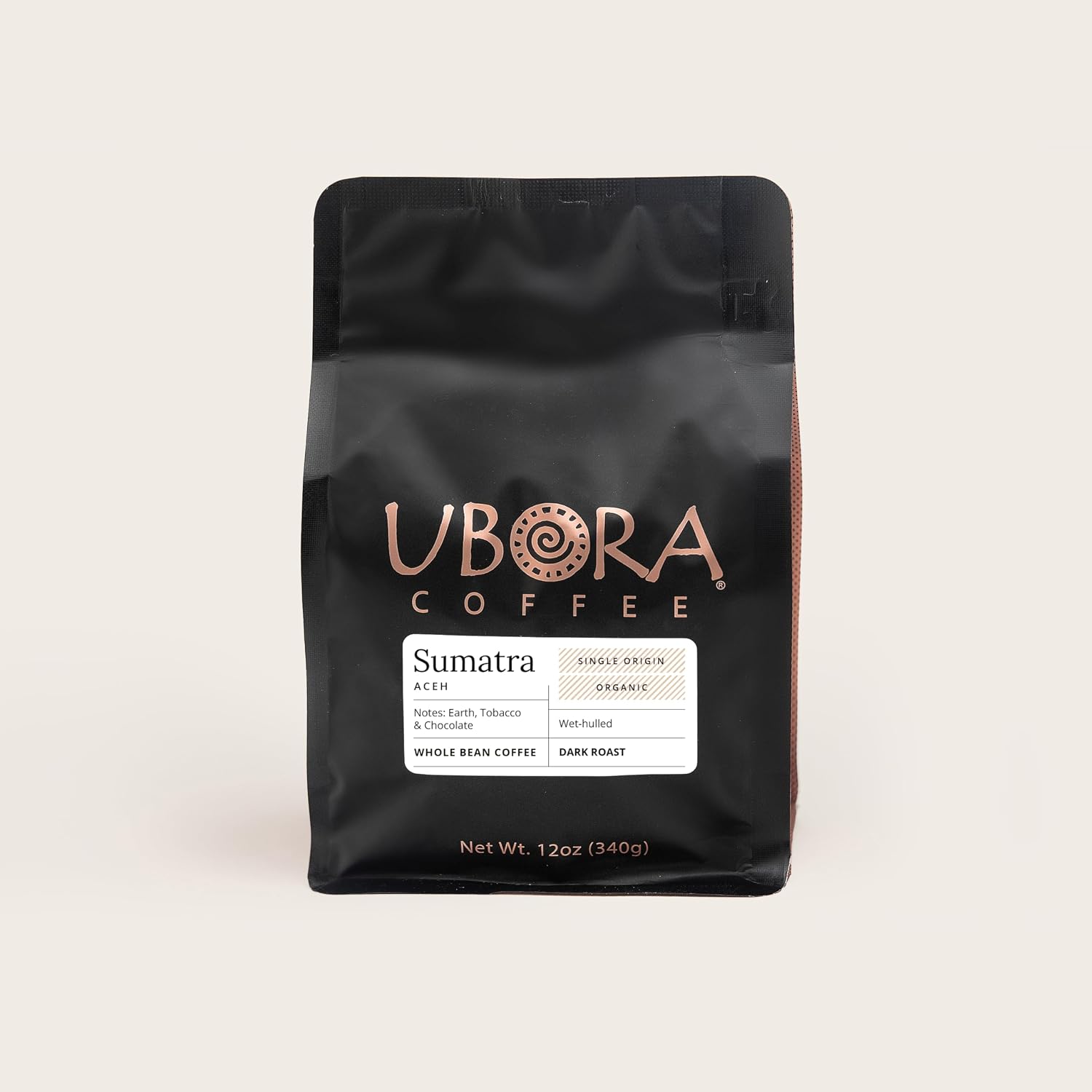
Best sumatra pick
For this roundup, Ubora Aceh Sumatra is the sumatra we recommend first—the same pick at the top of our At-a-glance cards below.
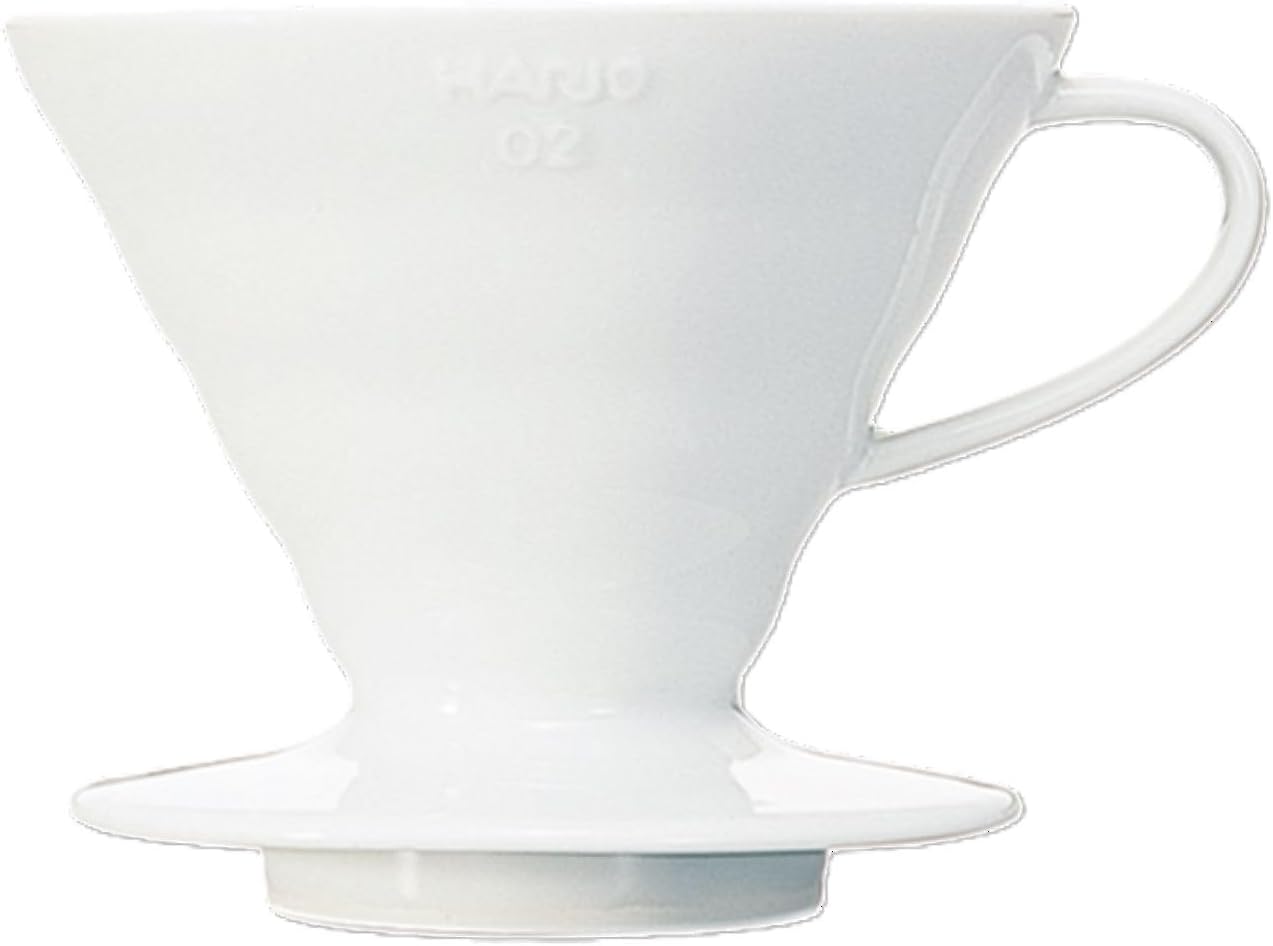
Origin bags are the main pick. If that bag is waiting, a canister and a cheap V60 still help the beans you already have—without swapping in grocery beans that undercut the origin.
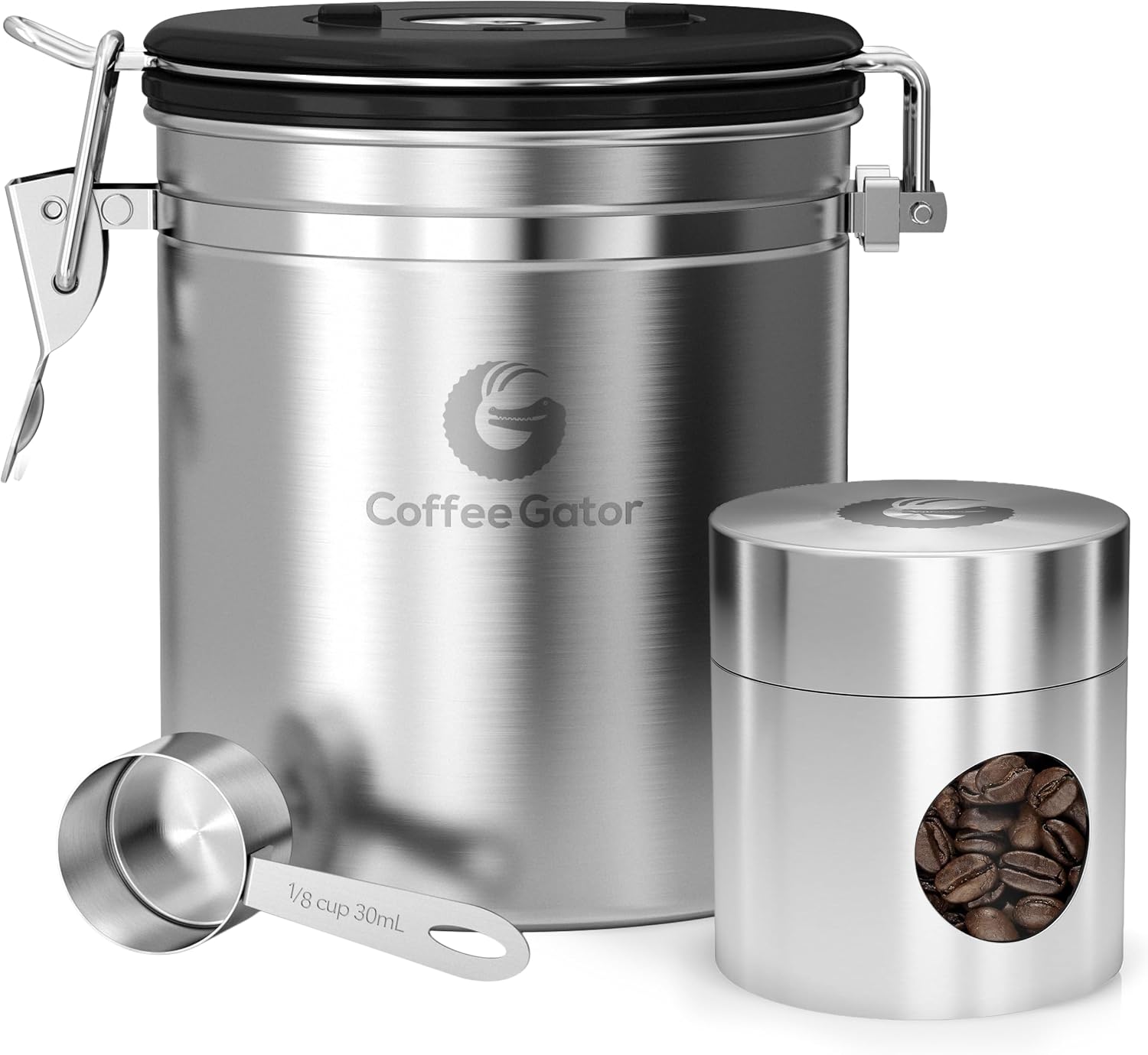
Storage (~$20–$35)
Coffee Gator canister
Keeps the origin bag fresh after you open it. Cheaper than waiting on another bag.
Sumatra coffee has a heavy body and low acidity, with tasting notes of dark chocolate, cedar, tobacco, and wet earth. It pairs well with french press, espresso, and milk-based drinks.
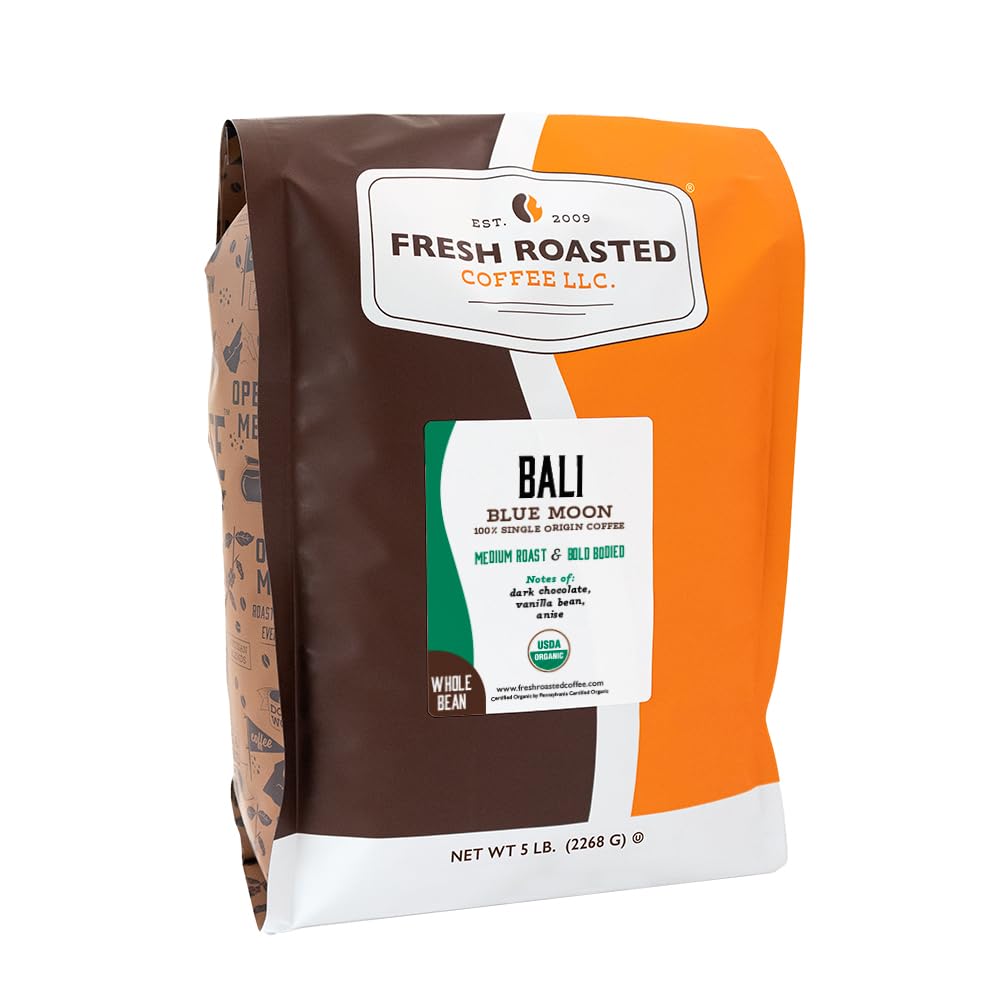
Bali coffee typically has a medium body and brighter acidity, featuring citrus, florals, vanilla, and a balanced, clean finish. It shines in pour-over, drip, and cold brew.
Both origins are grown in Indonesia’s volcanic soil, but processing is the key differentiator: Sumatra relies on giling basah (wet hulling), while Bali uses the washed process more often for specialty lots.
Roast level and freshness matter as much as island of origin. Buying fresh roasted, whole coffee beans with a named region and processing method on the label protects the flavor differences you’re paying for.
Neither origin is objectively “better.” The right choice depends on your palate, your brew method, and whether you lean toward earthy depth or bright fruit.
Quick Verdict: Sumatra vs Bali Coffee
For readers who want the short answer: choose Sumatra (Mandheling, Gayo, or Lintong) if you like a rich, syrupy body with chocolate, spice, and earthy notes. Choose Bali, especially Kintamani arabica coffee, if you prefer a bright, clean, aromatic cup with citrus and gentle sweetness. Both regions produce some of the best indonesian coffees when matched to the right brew method and roast level. The rest of this guide breaks down flavor profile, coffee processing, growing conditions, and cost so you can refine that choice.
Affiliate & Independence Disclosure
Capitol City Coffee is an independent coffee editorial and affiliate publication. Any recommended coffee beans, gear, or specialty roasters mentioned below may include affiliate links that earn a small commission at no extra cost to you. Rankings and opinions are based on researched editorial analysis from reputable third-party sources and expert consensus, not on commission size. This site is not a coffee seller. No hands-on tasting was conducted for this guide unless explicitly noted.
Key Differences at a Glance (Sumatra vs Bali Coffee Table)
The table below summarizes the core contrasts between Sumatra and Bali coffee across the features that matter most when buying single origin beans.
Feature
Sumatra (Gayo / Mandheling / Lintong)
Bali (Kintamani)
Island / Country
Sumatra, Indonesia
Bali, Indonesia
Altitude (Arabica lots)
~1,000–1,700 m
~900–1,700 m (GI zone above 900 m)
Common Varieties
Typica, Catimor, S795, Bourbon, TimTim
Typica, S795, Bourbon, Catimor
Primary Processing
Giling basah (wet hulling); some washed lots
Fully washed; some honey, natural, wet-hulled
Body
Heavy to very heavy; syrupy mouthfeel
Medium body
Acidity
Low to very low
Medium to medium-high
Flavor Notes
Dark chocolate, cedar, tobacco, wet earth, herbal spice
Lemon, orange, florals, vanilla, milk chocolate
Sweetness
Brown sugar, caramel, molasses
Honey, fruit sweetness, sugar cane
Aroma
Cedar, tobacco, forest floor
Citrus zest, orange blossom, tea-like
Best Brew Methods
French press, espresso, moka pot, AeroPress
Pour-over (V60, Chemex), drip, cold brew
U.S. Price Range (roasted)
~$18–$25 / 12 oz for classic lots
Slight premium; often $22–$30+ / 12 oz for GI/washed lots
Individual lots deviate based on roast level and processing method. Treat this as a general guide, not a strict rule.
How Sumatra and Bali Fit into Indonesian Coffee
Both Sumatra and Bali belong to the broader world of Indonesia coffee, with origins spread across the Indonesian islands, including Java, Sulawesi, Flores, and Papua. Indonesia sits in southeast Asia, and its volcanic geography, equatorial climate, and high-altitude terrain make it one of the world’s most productive arabica coffee regions.
A few landmarks in the history of indonesian coffee production:
Coffee was introduced to Indonesia in the late 17th century. The Dutch East India Company first planted coffee on Java, establishing the first coffee plantations in the Dutch East Indies.
In 1711, Indonesia began exporting coffee under Dutch control, feeding a growing European coffee trade.
By the 19th century, coffee farming spread from Java to Sumatra and, eventually, to Bali and other indonesian islands. West Java remained a center of production while northern Sumatra developed its own distinct arabica coffee plants.
By the mid-20th century, coffee production shifted to small farmers, and today most indonesian beans come from smallholder farms on volcanic soil, often intercropped with fruit trees, spices, and shade plants.
Indonesia was the third largest coffee exporter in 2020, reflecting the scale of the indonesian coffee sector across both domestic market sales and exports.
Indonesian coffee often uses wet hulling for processing, a technique born from the humid climate that makes prolonged drying difficult. Bali’s Kintamani region took a different path, adopting the washed process through its Subak Abian cooperative system and earning a Geographic Indication (GI) certification in 2008.
Sumatra Coffee: Origin, Growing Conditions, and Processing
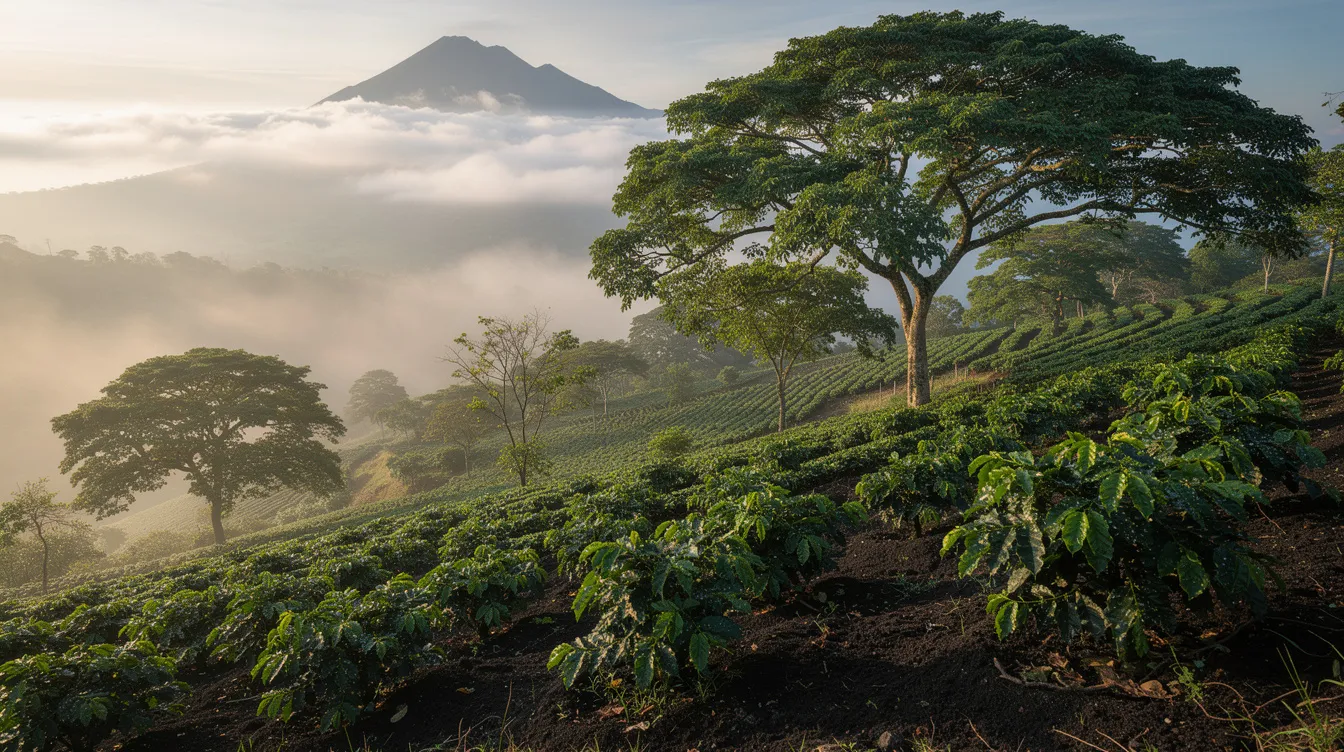
Sumatra is the largest Indonesian coffee-producing island. The primary arabica coffee growing regions are Aceh (Gayo), North Sumatra (Lintong and Lake Toba), and the area marketed as Mandheling. Sumatra coffee is grown in highland areas with high humidity and rainfall, at altitudes roughly between 1,000 and 1,700 meters above sea level.
Gayo coffee from Sumatra is known for its complex flavors. Coffee trees at these elevations mature slowly, producing denser coffee seeds with more concentrated sugars. Common varieties include Typica (historical lines brought during colonial-era planting), Catimor, S795, TimTim, and local disease-resistant hybrids. Coffee farmers in northern Sumatra also grow robusta at lower altitudes, but specialty lots are almost always arabica.
The defining processing method for sumatran coffees is giling basah, the Indonesian term for wet hulling. Here is how it works:
Coffee cherries are depulped the same day they are picked.
Beans ferment briefly with mucilage still attached.
Parchment is partially dried to roughly 30–40% moisture content.
The parchment layer is removed while beans are still moist (the “wet hulling” step).
Green coffee beans finish drying exposed to humid air.
Wet hulling produces earthy and herbal flavors in coffee. It also reduces acidity and increases body, giving Sumatra its trademark syrupy body and muted brightness. Sumatra Mandheling coffee processed this way is a staple in dark roasts and espresso blends worldwide.
Some specialty producers in Gayo and Lintong now offer fully washed lots that deliver more clarity, red fruit, and citrus lift while retaining a creamy body. These represent a small but growing share of indonesian coffee production.
Bali Coffee: Origin, Growing Conditions, and Processing
Bali’s coffee production is smaller than Sumatra’s but punches above its weight in quality. The primary growing area is the Kintamani Highlands, a volcanic plateau between Mount Batur and Mount Agung. Bali coffee is cultivated in the cooler Kintamani highlands with volcanic soil, at elevations roughly between 900 and 1,700 meters.
The Subak Abian cooperative system organizes balinese coffee farming along traditional Balinese Hindu principles of shared water and land management. This approach supports organic coffee production, intercropping, and low-chemical inputs. Bali coffee is often intercropped with fruit trees, especially citrus, which some experts believe contributes to the origin’s characteristic citrus-forward flavor profile.
Bali coffee is primarily processed using fully washed methods. Washed processing creates a cleaner cup with brighter acidity, which is a major reason Bali tastes different from most indonesian coffees processed through giling basah. Some producers also use honey and natural methods to create sweeter, fruitier lots. Wet-hulled Bali lots exist but are less common in specialty exports.
While Bali grows robusta at lower elevations for the domestic market (and for kopi luwak production, where civet coffee is made from coffee cherries eaten and excreted by Asian palm civets), the “Bali coffee” discussed in specialty circles almost always refers to Kintamani Arabica. Kopi luwak coffee remains a niche curiosity; most serious buyers focus on conventionally processed arabica.
Flavor Profile: Sumatra vs Bali in the Cup
Flavor profiles vary by farm, lot, roast, and harvest year. That said, distinct patterns show up consistently when comparing Sumatra and Bali coffee.
Sumatra in the cup. Sumatran coffee is known for earthy and chocolatey flavors. Expect low acidity, a syrupy body, and woody notes alongside dark chocolate, cocoa, cedar, tobacco, and wet earth. Spicy notes like clove or black pepper appear in darker roasts. A washed Gayo lot, by contrast, can introduce red fruit and brown sugar sweetness while keeping a heavy mouthfeel. The complex flavor profile of Gayo lots, with nutty undertones and baking spice, represents the higher end of what Sumatra offers. Sumatran coffees are often full-bodied with a syrupy texture that lingers.
Bali in the cup. Bali coffee has a sweeter profile with chocolate and citrus notes. Balinese coffee features bright acidity and fruity notes of lemon, orange, and sometimes green apple. Florals, vanilla, and gentle spice round out the cup. The milk chocolate taste in well-processed Bali lots sits alongside a clean, balanced finish. In honey or natural lots, expect more stone fruit and honeyed sweetness. Bali coffee is noted for its balanced and clean finish, which sets it apart from the murkier profiles of wet-hulled indonesian beans.
A concrete example: Sumatra Mandheling “Double Picked” lots from cooperatives in the Gayo area carry tasting notes of dark chocolate, syrupy body, and a lingering cocoa finish. Meanwhile, Bali Kintamani Grade 1 lots from producers growing at 1,300–1,600 m have been described by specialty roasters as offering candied grapefruit, cedar, and milk chocolate with a tea-like aroma.
Roast Level, Freshness, and Brew-Method Fit
Roast level and freshness reshape how both origins taste and how they perform in different brew setups.
Sumatra roast and brew guidance. Medium to dark roasts emphasize Sumatra’s body, sweetness, and chocolate/earth notes. Dark roasts make it a natural fit for french press, espresso, and moka pot, where oils and sediment add texture. A light medium roast can spotlight subtle herbal and fruit complexity, though it risks over-accentuating wet-hull defects in lower-grade lots.
Bali roast and brew guidance. Light to medium roasts showcase Bali’s bright acidity and citrus/floral character. These roast levels pair well with pour-over (V60, Chemex), automatic drip, and cold brew. Making coffee with Bali beans in a Chemex, for example, highlights florals that dark roasts would flatten.
Freshness for both. Buy fresh roasted beans in small quantities. Check roast dates on the bag and use beans within two to four weeks for peak aroma. Grind right before brewing. Bali’s volatile citrus and floral aromatics degrade faster than Sumatra’s earthy tones, but both benefit from freshness. A local roaster who lists the roast date is a better bet than a bag with only a “best by” stamp.
Grind size also matters: coarser for french press, finer for pour-over. Giling basah coffees sometimes benefit from slightly coarser grinds to prevent over-extraction of earthy compounds.
Option A: Sumatra Coffee; Performance, Benefits, and Limitations
Sumatra is a go-to for drinkers who want bold, velvety cups and roasters who need depth in blends.
Performance. In french press and AeroPress, Sumatra delivers full, creamy mouthfeel. In espresso, it contributes stable crema and a chocolate-forward base that many blend designers rely on. Drip and batch brewing also work when the roast is medium-dark or darker.
Benefits. The heavy body and concentrated sweetness are forgiving during extraction; even a slightly under-extracted shot avoids sourness. Sumatra performs well in milk drinks and flavored lattes because its caramel and cocoa base holds up against milk and sugar. Many Sumatran lots carry Fair Trade, organic, or cooperative certifications, especially from Gayo and Lintong, giving buyers traceability and ethical sourcing options. The wide availability of Sumatra on the U.S. market means you can find it from large retailers to specialty roasters.
Limitations. Drinkers used to bright, fruit-driven cups from Africa or Central America may find classic wet-hulled Sumatra “muddy” or monotone. Dark roasts can mask origin differences between farms. And while specialty washed Sumatra lots exist, they are less common and harder to source than standard wet-hulled coffee.
Option B: Bali Coffee; Performance, Benefits, and Limitations
Bali is a strong choice for drinkers who like bright, aromatic, and balanced cups that feel approachable without sacrificing complexity.
Performance. Bali Kintamani washed lots excel in pour-over, drip, and cold brew. Clarity, citrus, and floral notes come through cleanly, and the medium body avoids the thin, tea-like quality that some lighter indonesian coffee beans can show. Cold brew from Bali offers refreshing brightness without bitterness.
Benefits. Bali’s profile bridges the gap for drinkers transitioning from African or Central American coffee origins who want something distinctively Indonesian. It shines black, without milk or sugar, making it ideal for people who want to taste origin character directly. The Subak Abian cooperative model, GI certification, and organic-leaning practices give Bali strong sustainability credentials.
Limitations. Bali’s higher acidity and citrusy profile may feel too sharp for those who prefer ultra-smooth, low-acid cups. In milk drinks, Bali’s delicate flavor can be overwhelmed. Availability in the U.S. is more seasonal and limited than Sumatra; smaller production volumes mean Bali lots sell out faster at specialty roasters. Processing quality control matters: poorly dried washed or natural lots lose the clarity that makes Bali worth the premium.
Winner by Use Case (Which Origin Fits Your Routine?)
There is no single winner. The better origin depends on how you brew and what you like in the cup.
For french press and immersion brewers: Sumatra. Its dense body, cocoa, and spice complement the oils and fine sediment that immersion methods leave in the cup.
For pour-over clarity and fruity profiles: Bali. Washed Kintamani lots deliver citrus, florals, and a cleaner finish that filter methods showcase.
For espresso and milk drinks: Sumatra as a base for rich, chocolate-forward shots. Some specialty roasters also pull excellent Bali espresso for bright, modern profiles, but Sumatra is the safer default for lattes and cappuccinos.
For cold brew: Both work. Sumatra yields deep, chocolatey, low-acid cold brew. Bali cold brew tastes like iced citrus-chocolate with refreshing acidity. Choose based on whether you want smooth depth or bright refreshment.
Cost and Value: How Sumatra and Bali Compare in the U.S.
Both are considered specialty coffee origins, and prices reflect altitude, certifications, and export volume.
Sumatra arabica is widely exported and appears at a broad range of price points. Classic wet-hulled Mandheling or Lintong lots from specialty roasters often sell for around $18–$25 per 12-ounce bag. Washed micro-lots from Gayo command more.
Bali Kintamani arabica often carries a slight premium due to smaller production, GI protections, and organic practices. Expect $22–$30 or more per 12-ounce bag for traceable, high-grade lots.
Focus on freshness, transparency of origin (named region, cooperative, or processing method), and roast level rather than price per pound alone. Budget-conscious buyers who like bold coffee will find Sumatra a better value. Drinkers willing to pay more for nuanced acidity and aromatics may see better value in Bali lots, provided those lots are fresh and properly roasted.
Which Should You Choose: Sumatra or Bali?
There is no single “best Indonesian coffee,” only better fits for particular palates and brew habits.
If you prefer low-acid, chocolatey, and earthy cups, especially with milk or sugar, Sumatra is the likely match.
If you enjoy brighter, fruitier, or tea-like coffees and usually drink them black, Bali is more likely to satisfy.
Try both origins side by side in the same brew method to understand how processing (giling basah vs. washed) and altitude shape flavor profile. Kopi Indonesia spans dozens of islands and hundreds of micro-climates; Sumatra and Bali are two starting points, not the whole map.
For broader context, explore other origin comparisons like Ethiopian vs Kenyan coffee or Colombian vs Guatemalan coffee to see how Indonesian origins stack up against African and Latin American counterparts. A comparison of Brazilian vs Colombian coffee can also help round out your tasting framework.
Alternatives: Other Indonesian Coffees to Consider
If neither Sumatra nor Bali feels exactly right, other indonesian coffees offer intermediate profiles.
Java coffee. Java coffee is characterized by smooth, mellow body and mild acidity. Java coffee is primarily grown at altitudes of 3,000 to 5,900 feet. Historically, Java is the base of mocha java blends (mocha java coffee pairs Yemeni or Ethiopian beans with wet processed Java for a balanced, spice-and-fruit combination). West Java remains a center for arabica, and many lots feature notes of molasses, figs, and gentle spice.
Sulawesi (Toraja, Kalosi). Sulawesi coffee has nutty and warm spice notes. Toraja coffee delivers structure without excessive earthiness: cocoa, cardamom-like spice, and a smoother finish than Sumatra. Sulawesi’s coffee is a natural middle ground between Sumatra’s weight and Bali’s brightness. Sulawesi coffee is known for its nutty and spicy notes that appeal to drinkers who find Sumatra too heavy and Bali too bright.
Flores Bajawa. A chocolate-citrus hybrid with syrupy body and a cleaner profile. Flores sits between Sumatra’s heft and Bali’s clarity, and lots from Bajawa often show cacao and orange peel.
Many other indonesian coffees, from Papua to Sumbawa, are entering the specialty market. Readers who enjoy this kind of commercial investigation guide can check other origin matchups in the comparisons section to build a broader tasting map.
How to Buy and Store Sumatra or Bali Coffee Beans
Good buying and storage habits protect the flavor differences that make these coffee origins worthwhile.
Buying tips:
Look for the roast date on the bag, not just “best by.”
Choose whole coffee beans over pre-ground whenever possible.
Prioritize roasters that specify region (Gayo, Kintamani), processing method (giling basah, washed, natural), and variety.
Indonesian farmers and cooperatives that produce arabica with traceability tend to yield more consistent cups than generic “Indonesian blend” bags.
Freshness:
Use beans within two to four weeks of roast date for peak aroma.
Grind right before brewing. Pre-ground coffee loses volatile compounds within days.
Storage:
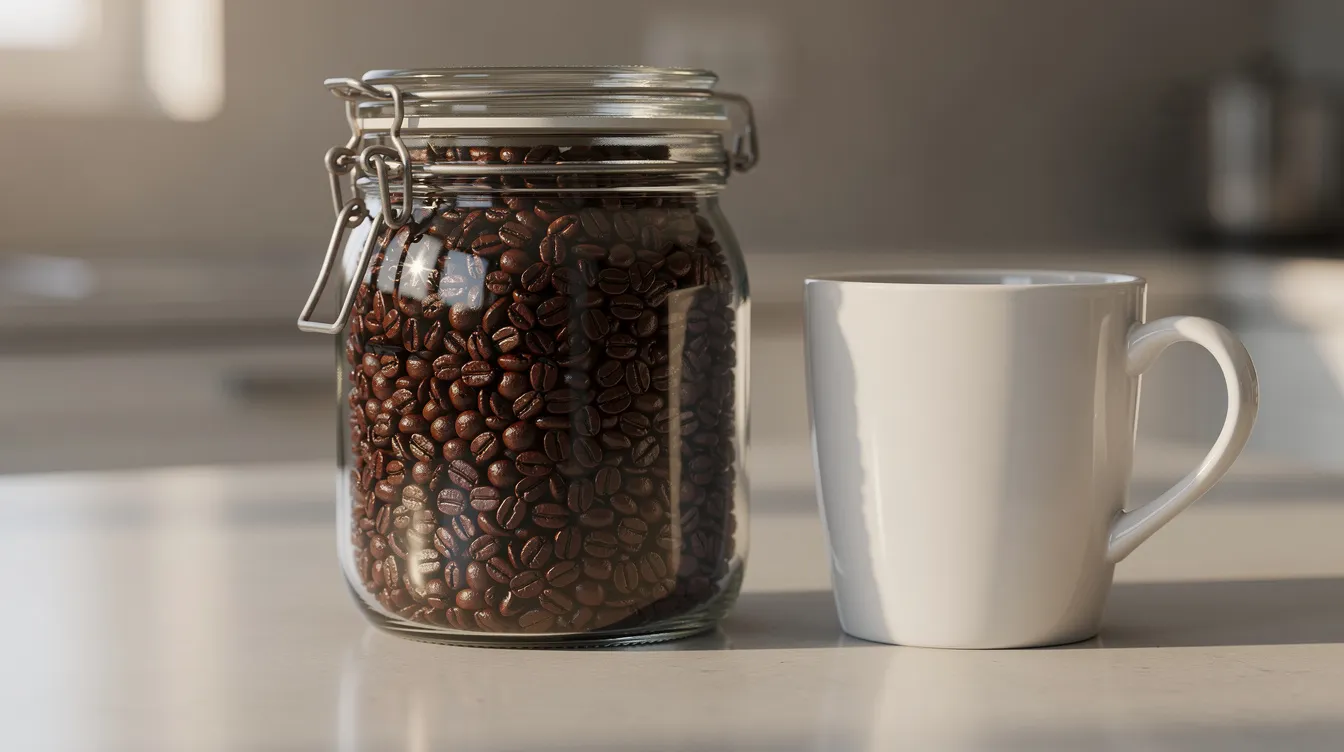
Keep beans in an opaque, airtight container at room temperature.
Avoid light, heat, and moisture. Skip the fridge or freezer for daily-use coffee.
Both Sumatra’s earthy spice aromatics and Bali’s citrus and floral volatiles fade faster in stale or improperly stored coffee. Proper storage is what keeps these two origins tasting like different coffees rather than the same flat, generic cup.
FAQs: Sumatra vs Bali Coffee
Is Sumatra coffee stronger than Bali coffee?
“Stronger” usually refers to perceived intensity and body, not caffeine content. Most arabica coffee contains roughly similar caffeine per gram regardless of origin. Sumatra often tastes “stronger” because of its heavy body, low acidity, and concentrated chocolate/earth flavors, while Bali feels lighter and brighter at the same brew ratio. Actual caffeine depends more on dose, grind size, and brew time than on whether beans are from Sumatra or Bali. Growing coffee at higher altitudes produces denser coffee seeds, but the caffeine difference between these two origins is negligible.
Which is better for sensitive stomachs: Sumatra or Bali?
Many drinkers with acid sensitivity report preferring low-acidity origins like Sumatra, especially in medium-dark roasts. Bali’s brighter acidity is more noticeable, though not inherently problematic for everyone. This is not medical advice; individual tolerance varies. If you experience persistent issues, consult a healthcare professional. Choosing a darker roast of either origin will lower perceived acidity in the cup.
Are all Sumatra and Bali coffees processed with giling basah?
No. Giling basah (wet hulling) is the dominant processing method for Sumatra and is used in parts of Bali, but it is not universal. An increasing number of specialty producers in both regions use fully washed or natural processing to highlight cleaner, fruitier profiles. Check bag labels for terms like “wet-hulled,” “washed,” or “natural.” The wet hulling process shapes flavor more than island alone; a washed Sumatra lot can taste closer to a washed Bali lot than to a wet-hulled Sumatra.
Can I use Bali coffee in espresso and Sumatra coffee in pour-over?
Yes. Both origins work in almost any brew method if roasted and dialed in appropriately. Bali can make a bright, modern espresso with citrus and floral notes. Sumatra can produce unexpectedly complex pour-overs when lightly roasted and carefully extracted. Beginners should start with the typical pairings (Sumatra in french press or espresso, Bali in pour-over or drip) and then experiment. Coffee plants from both islands yield beans flexible enough for any brewing setup; the key is matching roast level and grind to the method.
How do Sumatra and Bali compare to non-Indonesian origins?
Sumatra often appeals to fans of deep, chocolatey Latin American coffees but adds more earth, spice, and body. Bali sometimes reminds people of brighter African or Central American coffees with an Indonesian twist. Readers who want to explore these contrasts can read guides like Ethiopian vs Kenyan coffee or Colombian vs Guatemalan coffee for broader context. Tasting across multiple coffee origins is the best way to understand where Sumatra and Bali fit in a personal flavor map. Neither origin tastes like kopi luwak, civet coffee, or other novelty indonesian coffee beans; they stand on their own merits as straightforward, high-quality arabica.
How Capitol City Coffee Rates Coffee and Coffee Machines
Every coffee and coffee machine we recommend is scored on the same 100-point scale, so a recommendation on one page means the same thing as a recommendation on any other. Each pick is also labeled with how we reached its score.
Research-ratedScored from the roaster or manufacturer’s published specifications, independent results such as Coffee Review blind cuppings and SCA brewer certification, and patterns across verified buyer reviews. Most of our current picks are research-rated.
Hands-on testedThe Capitol City Coffee team has brewed the coffee or used the machine ourselves, following the testing steps below. We only use this label when that testing actually happened, and we show the date we tested.
Coffee beans: 100-point scale
What we score
Points
What we look at
Origin and sourcing transparency
20
Country, region, farm or cooperative, altitude, bean variety, and processing method are clearly disclosed.
Flavor evidence
25
Independent cupping scores, how closely the tasting notes match what the origin is known for, and our own cupping notes when hands-on tested.
Roast and freshness
15
Roast level stated, roast-date practices, whole-bean availability, and packaging with a one-way valve or resealable bag.
Brew versatility
15
How well the roast suits pour-over, drip, French press, cold brew, and espresso.
Value
15
Price per ounce compared with similar single-origin coffees or blends.
Buyer feedback
10
Volume and consistency of verified reviews, and recurring complaints about staleness, bitterness, or shipping.
Coffee machines and gear: 100-point scale
What we score
Points
What we look at
Brewing performance
25
Water temperature in the 195–205°F range, even extraction, and SCA certification or published test data.
Build quality and reliability
20
Materials, known failure points, and long-term owner reports.
Ease of use and cleaning
15
Setup, the daily routine, descaling, and dishwasher-safe parts.
Fit for your kitchen
10
Capacity, counter footprint, and noise.
Useful features
10
Programming, grind and temperature control, and carafe type. Features that improve the cup count more than extras that do not.
Value
10
Price compared with machines that perform similarly.
Warranty and support
10
Warranty length, parts availability, and how the brand handles repairs.
What the grades mean
Score
Grade
What it means
90–100
A
Exceptional. Our first recommendation for the feeling and setting described.
80–89
B
Strong. Excellent, with minor trade-offs we explain.
70–79
C
Good. Worth it for specific needs, with clear compromises.
Below 70
—
Not recommended. We do not feature these as picks.
How we test hands-on
When a pick carries the Hands-on tested label, this is the method behind it, and we note the date we tested.
Coffee: brewed fresh from whole beans following Specialty Coffee Association guidelines (water between 195 and 205°F, about 1 gram of coffee to every 15 to 18 grams of water) in the brew methods the roast suits best, such as pour-over, French press, or espresso. We taste it black first, then with milk if that is how most people drink it, and each taster scores it on their own before we compare notes.
Machines: used in our everyday routine rather than a single demo. We brew both full and small batches, check the brewing temperature and brew time, and run the cleaning or descaling steps the manual calls for.
How we choose the feeling and setting
We match each coffee to a mood and a moment based on its flavor profile and roast. Bright, citrusy light roasts suit energizing mornings. Chocolatey, full-bodied medium roasts suit slow or social moments. Richer roasts suit espresso and milk drinks. Each pick explains which facts led us to that match.
Our scores stay independent
Every score comes only from the criteria above. No brand can pay for a pick or a higher grade. We re-check ratings when a roast, listing, or model changes, and update or remove picks that no longer earn their grade.
Some links on this page are affiliate links. As an Amazon Associate, Capitol City Coffee earns from qualifying purchases, at no extra cost to you.
Questions about a rating? Reach the Capitol City Coffee team through our contact page.