

This is Capitol City Coffee’s central hub for coffee buying guides. Whether you need help choosing beans, finding the right brewing gear, or picking a drink style that fits your taste, budget, and preferred brewing method, start here. Below you’ll find a practical decision framework, organized subcategories, curated guide recommendations, and educational resources-all in one place.
Key Takeaways
- Capitol City Coffee is an independent editorial and affiliate publication, not a coffee seller. Every recommendation on this page and across the site is based on researched editorial analysis of quality, value, and current availability.
- Readers can jump directly to the section that matters most: how to choose coffee (beans and gear), major subcategories (by type, roast, brew method, and drink), or curated featured guides, reviews, and educational resources.
- The page addresses real trade-offs-flavor vs. strength, convenience vs. control, price vs. longevity-so you can narrow options quickly without reading every guide first.
- Common myths are addressed directly, including the misunderstanding that dark roasts contain more caffeine and the assumption that expensive beans always taste better.
- This hub is updated regularly to reflect new coffee releases, shifting availability, and newly published guides across Capitol City Coffee.
At a glance
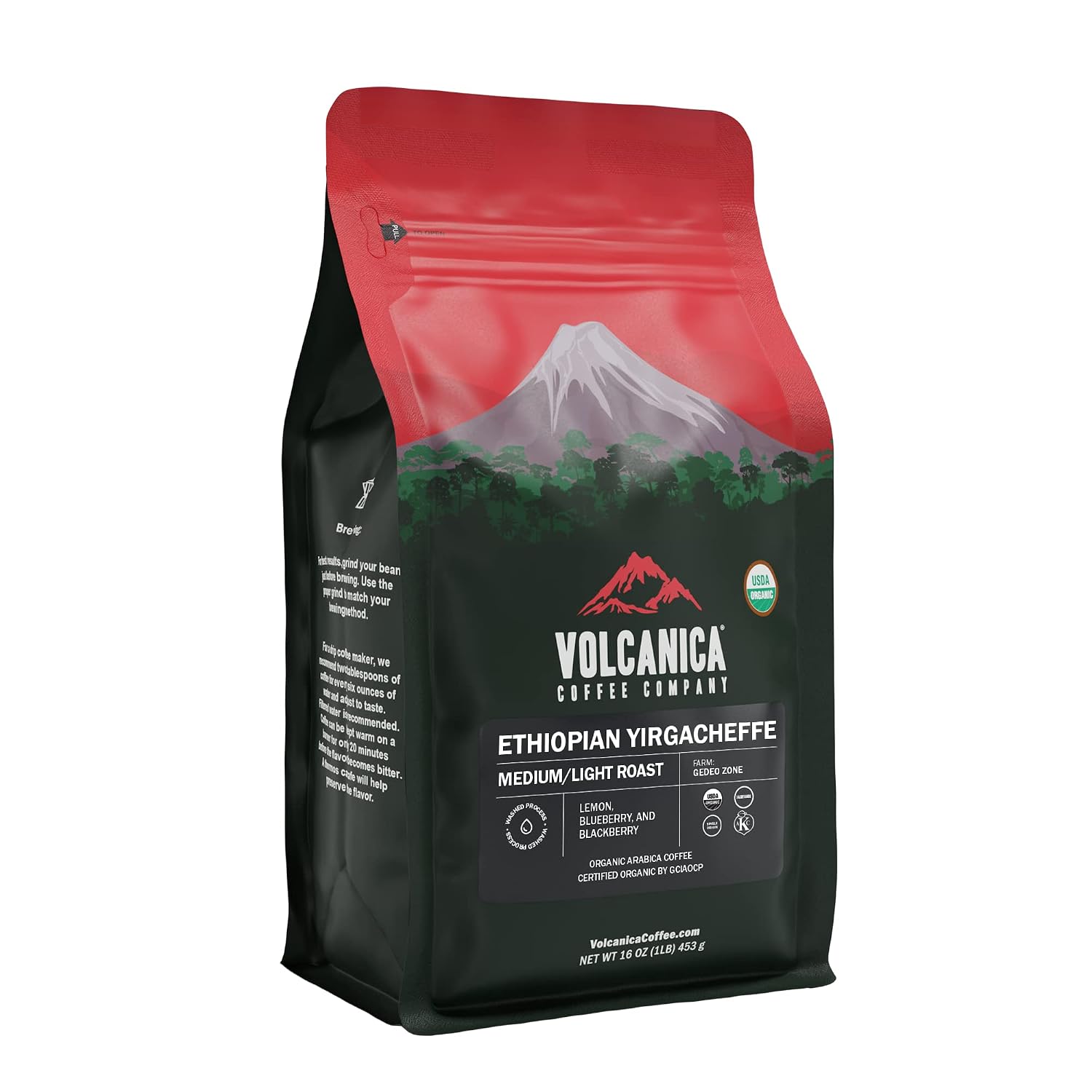
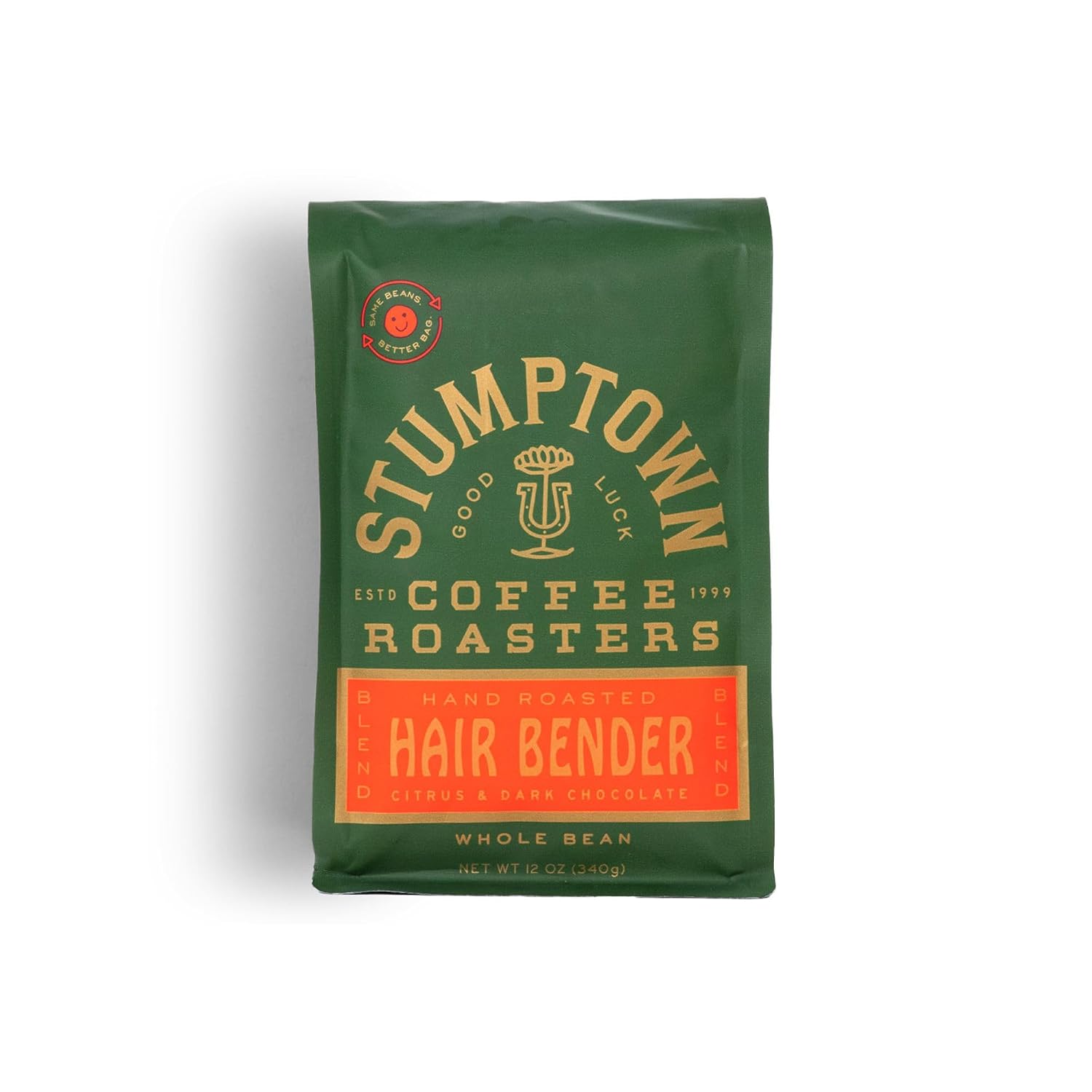
Category overview: what this coffee hub covers
This is the main coffee category page for Capitol City Coffee, built around practical coffee buying guides, side-by-side comparisons, and brew education for U.S. readers. In 2024, 67% of U.S. adults reported drinking coffee daily-a number that keeps climbing-and this hub exists to help that growing audience make better purchasing and brewing coffee decisions.
Coffee is far more than a morning beverage. The word coffee entered English in 1582 from the Dutch koffie, but drinking coffee as a tradition stretches back further: coffee drinking was established among Sufi communities in Yemen by the late 15th century, and the first coffeehouse opened in Istanbul in 1555. Coffeehouses have existed for over 500 years, starting in Constantinople, and coffee was introduced to Europe by the 16th century. It became popular in England by the 17th century through the British East India Company, with London coffeehouses becoming hubs of commerce and debate. Across Europe, from cafés in Ireland and the UK to Portugal’s strong espresso called bica-often served alongside pastel de nata-coffee culture developed its own local identity in every country it reached. Finnish people consume the most coffee per capita globally, while in Spanish-speaking countries across South America, coffee is woven into daily life. Coffee breaks themselves originated in the late 19th century in Wisconsin, making the ritual of pausing for a cup a distinctly American tradition as well.
Today, over 100 million people depend on coffee for income worldwide, and the beverage is valued not only for taste and aroma but because caffeine enhances alertness, energy levels, and cognitive function. Coffee also contains antioxidants and bioactive compounds that positively influence body systems. Research indicates coffee drinkers have lower risk of coronary heart disease and stroke, and moderate coffee consumption is associated with a lower risk of developing type 2 diabetes. Regular coffee drinking is associated with lower all-cause mortality, and habitual coffee drinkers have a significantly lower risk of neurodegenerative conditions. Coffee drinkers also have a significantly lower risk of chronic liver diseases, and regular drinkers have a lower risk of liver cirrhosis and lower rates of chronic hepatitis.
From this page, you can:
- Explore best coffee picks across categories
- Learn coffee basics from the coffee tree to the brewed cup
- Compare gear and brewing method options
- Browse guides organized by roast level, brew method, and drink style
Internal guides are organized into clusters-best coffee, coffee types, coffee roasts, coffee by brew method, and coffee by drink-reflecting the site’s navigation so you can find focused answers fast.
How to choose coffee (beans and gear, step by step)
This section gives you a quick decision framework for choosing coffee beans and essential gear without reading every guide first. Coffee comes in an incredible variety of preparations that highlight different aspects of the bean, so the goal is matching your preferences to practical purchase choices.
Flavor basics
- Species: Arabica beans are generally smoother and more complex than robusta. Robusta beans have a stronger and more bitter profile compared to arabica. Most specialty coffee is 100% arabica; robusta beans frequently appear in espresso blends and instant coffee for added body and crema.
- Roast level: Light roasts preserve origin character-fruit, flowers, bright acidity. Dark roasts emphasize chocolate, smoky sweetness, and fuller body. Medium sits between, often the best starting point.
- Origin: Brazil tends toward nutty, chocolate notes. Ethiopian coffees often deliver fruity, floral cups. Costa Rica and other Central American origins lean toward citrus and caramel. Some coffee drinks can taste like chocolate, berries, citrus, or flowers based on origin and roast. Much like wine, coffee rewards exploration of terroir.
Brew method drives your gear choices
Your brewing method should guide grind size, roast choice, and whether pre-ground coffee grounds are acceptable:
Brew Method | Grind Size | Roast Sweet Spot | Pre-Ground OK? |
|---|---|---|---|
Auto-drip | Medium | Medium | Generally yes |
Pour-over | Medium-fine | Light to medium | Better with whole bean |
French press | Coarse | Medium to dark | Better with whole bean |
Espresso | Fine | Medium-dark to dark | Not recommended |
Cold brew | Extra coarse | Medium to dark | Acceptable |
Price and value
Grocery-store blends typically run $9–10 per pound. Specialty coffee bags average around $20 in the U.S. market, with light roasts averaging roughly $20.95 and dark roasts closer to $18.70. Per-cup cost for brewed commodity coffee can fall under $0.20; specialty single-origin beans brewed at home may exceed $1.00 per cup. What you pay for at higher price points is freshness (roast date transparency), bean grade, traceability, and flavor complexity.
Usability and workflow
Auto-drip machines require minimal effort and cleaning. Manual methods like pour-over offer more control but demand attention each brew. Espresso setups involve the highest investment-machine, grinder, maintenance-but produce café-style drinks at home. Consider how much time you have each morning at breakfast before committing to a method.
Major subcategories: how we organize our coffee guides
The rest of the site breaks into practical subcategories so you can drill down based on how you actually drink coffee:
- Best coffee recommendations: Top picks across categories, updated for current availability and seasonal releases.
- Coffee types: Species, formats (whole bean, ground, pods), and quality tiers explained.
- Coffee origins: Country-by-country bean guides covering Ethiopia, Colombia, Guatemala, Kenya, and more.
- Coffee roasts: Light, medium, and dark roast guides with flavor expectations and best-use pairings.
- Coffee by brew method: Curated beans and gear guides organized by how you brew.
- Coffee by drink: Recommendations starting from your favorite drink style-latte, black coffee, cold brew, and more.
Each hub functions as a navigational starting point, not a single massive article. From there, focused buying guides and reviews go deeper on specific coffees and gear. Subcategories are refreshed regularly to reflect new releases, seasonal coffees, and evolving expert consensus.
Coffee types: from commodity blends to specialty coffee
This section outlines the main coffee types you’ll encounter across Capitol City Coffee guides, focusing on how they differ in quality, traceability, and best use cases.
Commodity vs. specialty coffee
Commodity coffee is sold in bulk, often without origin transparency, graded primarily for defect counts, and roasted for consistency over character. Specialty coffee scores 80 or above on the SCA 100-point scale, typically comes with traceable farm or lot information, and is roasted to highlight origin-specific flavors. The price gap reflects these differences in sourcing, quality control, and freshness.
Bean species
C. arabica is the most highly regarded coffee species, and about three-quarters of coffee cultivated worldwide is C. arabica. C. canephora, known as robusta, contains 40–50% more caffeine than arabica but tends to be more bitter and has less flavor nuance. Robusta is functional in blends-it adds body and crema to espresso-and is widely grown in Southeast Asia and other warmer climates where arabica struggles.
In 2020, world coffee production was 175,647,000 bags (175 million 60 kg bags). Brazil produced 39% of the world’s coffee that year, and coffee is 63% of Brazil’s exports. In 1711, the first exports of Indonesian coffee to the Netherlands occurred, and by 1852, Brazil became the largest coffee producer-a position it still holds. Coffee surpassed the global spice trade by the 17th century and remains one of the most traded commodities in the world.
Product formats
- Whole bean: Maximum freshness and grind flexibility. Best for anyone with a burr grinder.
- Pre-ground: Convenient for drip coffee, but flavor profile degrades quickly after grinding. Locks you into one grind size.
- Pods and capsules: Systems like Modo Mio and others offer speed and consistency at a higher per-cup cost, with trade-offs in freshness and environmental waste.
- Instant and ready-to-drink: Maximum convenience, minimal equipment, but generally the lowest flavor complexity.
For a deeper breakdown of each type and their best drink pairings, explore popular coffee types.
Coffee roasts: matching roast level to your taste
Roast level is one of the most visible choices you’ll make when buying coffee. Here’s what to expect from each category.
Coffee flavor can change dramatically based on roast level and processing method. The same bean roasted light and dark will taste like two different coffees:
Roast Level | Acidity | Body | Sweetness | Dominant Flavors |
|---|---|---|---|---|
Light | High | Light | Moderate | Floral, fruity, origin-driven |
Medium | Moderate | Medium | High | Balanced, caramel, nutty |
Medium-dark | Low-moderate | Full | Moderate | Chocolate, toasted sugar |
Dark | Low | Heavy | Low | Smoky, bold, roast-forward |
The caffeine myth
Despite common belief, caffeine content changes very little between roast levels when measured by weight. A gram of light roast beans contains roughly the same caffeine as a gram of dark roast beans. The misconception arises because dark roasted beans weigh less (moisture loss), so measuring by volume can skew results.
Roast and method pairing
Light roasts shine in filter and drip coffee, where origin character has space to express itself; when brewing coffee with different equipment and extraction styles, that pairing helps those nuances come through. Medium roasts are crowd-pleasers across methods. Darker roasts hold up in espresso and milk drinks where roast flavors need to punch through steamed milk and sugar.
Processing matters too: washed coffee processing yields clean and bright flavor notes, while natural coffee processing produces a fuller body and strong sweetness. These interact with roast level to create the final taste in your cup.
For specific roast-level recommendations, visit the coffee roasts hub.
Coffee by brew method: choosing for drip, espresso, and more
Coffee doesn’t perform the same way in every brewer. A bean that sings in a pour-over may taste flat in a French press. That’s why Capitol City Coffee groups recommendations by brewing method.
Major brew-method categories
- Drip coffee makers: Drip coffee is brewed using gravity through a filter. Medium grind, medium roast, minimal effort. The most popular home method in the U.S.
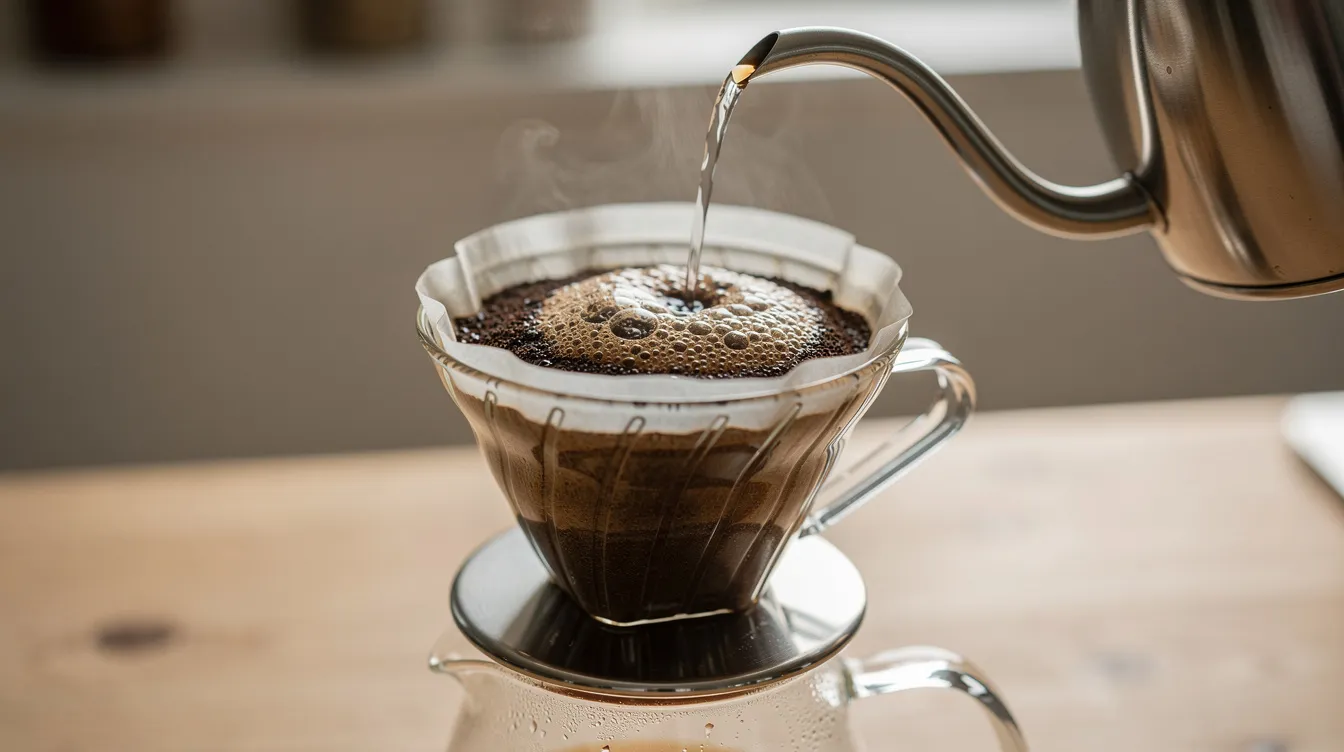
- Pour-over: Pour-over coffee involves hot water poured slowly over medium-ground coffee in a paper filter. Offers precise control over flow rate, water temperature, and brew time.
- French press: Coarse grind, full immersion, generally produces a heavier body. Seeds and fine particles can pass through the metal mesh, creating a richer but sometimes gritty cup.
- Espresso: Espresso is brewed under high pressure, typically 9 bar, through finely ground coffee. The foundation for milk drinks served in cafés worldwide.
- Cold brew: Cold brew coffee is steeped in cold water for several hours (12–24 hours typically), producing a smooth, low-acid concentrate.
- Moka pot and AeroPress: Versatile, portable, relatively affordable. Each creates a different extraction dynamic.
- Turkish coffee: Turkish coffee is boiled briefly in a pot called a cezve, producing an unfiltered, intensely flavored drink with a long tradition across countries in Europe and the Middle East.
Optimal coffee extraction occurs between 91 and 96 °C for most hot methods. Getting water temperature right matters more than most people realize.
Usability trade-offs
Auto-drip is the easiest to live with daily. Espresso gear demands the most investment, cleaning, and skill but creates the widest range of drinks. Manual pour-over is cheap to start but requires hands-on attention every brew. Cold brew needs planning ahead but almost no active effort.
For curated beans and gear matched to each approach, start at the coffee by brew method hub.
Coffee by drink style: lattes, black coffee, and beyond
Many readers think in terms of drinks rather than brew methods. “I want a latte” is a more natural starting point than “I need a 58mm portafilter.” This section connects drink preferences to the right beans and techniques.
Common drink families
- Espresso: A concentrated shot that forms the base of most café drinks. A macchiato is an espresso marked with a tiny dollop of foamed milk.
- Americano: An Americano is made by diluting a shot of espresso with hot water, creating a longer black drink with espresso character.
- Latte: A latte combines espresso with a large volume of steamed milk and a thin layer of foam. It’s one of the most frequently ordered drinks in the world.
- Cappuccino: Cappuccino consists of equal parts espresso, steamed milk, and airy milk foam-a classic food-pairing beverage at breakfast in Italy and beyond.
- Flat white: A flat white features espresso combined with microfoam poured evenly, creating a velvety texture without the thick foam cap.
- Mocha: A mocha includes chocolate syrup or cocoa powder blended with espresso and steamed milk-essentially a chocolate latte.
- Drip or filter black coffee: Brewed for a cleaner, lighter cup that lets origin flavors develop. Best with light to medium roasts.
- Cold brew and iced drinks: Smooth, low-acid, often served with milk or simple syrup. Animals like the trend too-cold brew concentrate has even found its way into pet-adjacent food products (though that’s firmly a human beverage).
- Irish coffee: A tradition combining hot brewed coffee with Irish whiskey and cream, popular in Ireland and well beyond.
Brighter light roasts suit nuanced black cups where you can detect floral and fruity notes. Slightly darker roasts with more body hold up better in milk-forward drinks. Strength and mouthfeel can be tuned through grind size and brew ratio.
For drink-by-drink guidance, visit the coffee by drink hub.
Featured coffee buying guides (editorial picks)
Capitol City Coffee may earn commissions from products recommended through affiliate links. Rankings are based on researched editorial analysis-not commission size. Affiliate links appear only inside useful recommendations, not as a link wall.
Example buying-guide types you’ll find across the site:
- Best coffees for drip coffee makers: Focused on medium-grind-friendly beans that balance flavor and convenience.
- Best budget specialty coffee subscriptions: Options under $15/bag that still deliver roast-date freshness and traceable origins.
- Best decaf coffees: Decaf options that retain flavor complexity without the jitters, evaluated for processing method and taste.
- Best espresso beans for home machines: Beans sold and optimized for high-pressure extraction and milk drinks.
- Best single-origin coffees for pour-over: Light to medium roasts from specific farms or lots, where origin character takes center stage.
Each guide weighs performance (flavor, consistency), quality (bean grade, roast dates), usability (brew-method fit), price, value, and availability, with transparent drawbacks noted. For a starting point, see our best coffee picks across categories.
Featured reviews and comparisons
Capitol City Coffee compares specific coffees and gear side by side so readers understand trade-offs rather than chasing a single “best” pick.
Typical comparison formats
- Beans vs. beans: Two popular medium roasts from different roasters, compared on flavor, freshness, and value.
- Brewers vs. brewers: Drip machine vs. pour-over for the same beans, showing how method changes the cup.
- Budget vs. premium: Whether spending more on a grinder or brewer delivers proportional improvement.
Evaluation criteria
Comparisons assess flavor profile, brew consistency, build quality and durability (for gear), ease of cleaning, usability, and total cost of ownership over time. These are researched editorial comparisons based on verified specs, reputable expert reviews, and broader consumer consensus. Unless a specific article explicitly describes hands-on testing, readers should assume the analysis is desk-researched.
Use comparisons to match purchases with your habits-choosing between a simple auto-drip and a feature-rich machine matters more when you understand what each does differently with the same beans.
Featured brewing and educational guides
Not every visitor is ready to buy. Some just want to brew better with what they already have.
Key educational topics
- Coffee basics: from the coffee tree’s branches to roasted beans in your grinder
- How grind size affects extraction and why consistency matters
- Brew ratios, water temperature, and avoiding bitter or sour cups
- Step-by-step guides to brewing coffee with drip coffee, pour-over, French press, and cold brew
Sustainability
Guides also cover reusing coffee grounds for gardening and odor absorption, understanding certifications (Fair Trade, Rainforest Alliance, Organic), and weighing environmental trade-offs of pods vs. whole bean. Portuguese researchers, for example, have explored repurposing spent coffee grounds into functional materials-a reminder that even waste from your morning cup has potential.
All educational content stays practical and myth-busting, relying on verifiable facts rather than unproven health claims or unnecessary jargon.
From seed to cup: coffee tree, processing, and coffee grounds
Understanding what happens before coffee reaches your kitchen helps explain why some bags cost $12 and others $35.
The coffee tree
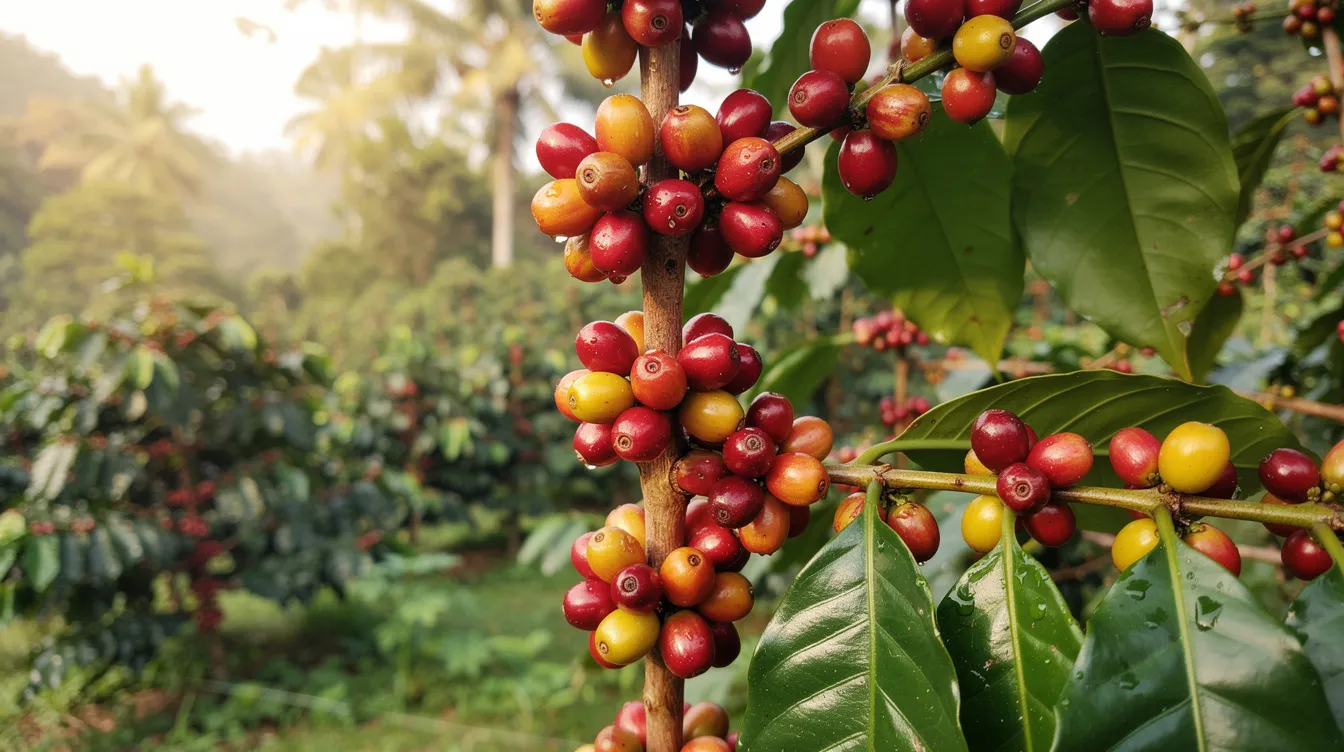
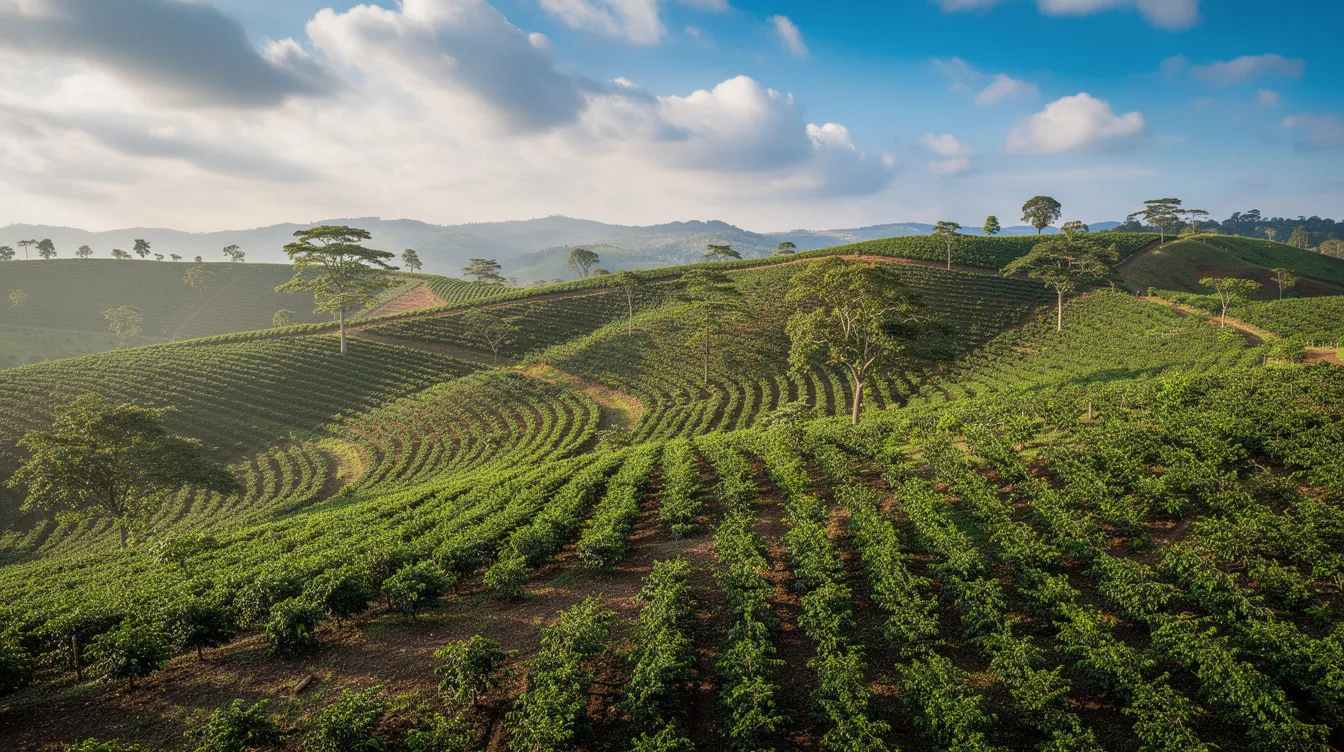
Coffee plants grow between the tropics of Cancer and Capricorn, in a band called the coffee belt spanning countries across South America, Africa, and Southeast Asia. Coffee trees are evergreen plants with dark green leaves that produce fruit along their branches. The cherries-technically coffee cherries containing seeds we call coffee beans-can ripen to red or yellow depending on the varietal. Arabica coffee berries ripen in six to eight months, while robusta coffee berries take nine to eleven months to ripen. Locals in producing regions often harvest selectively by hand, picking only ripe cherries for the best quality.
Processing
After harvest, cherries must be processed quickly:
- Washed (wet): Pulp removed, mucilage fermented off. Produces clean, bright cups.
- Natural (dry): Whole cherries dried on raised beds. Yields heavier body, fruity sweetness, but risk of off-flavors.
- Honey/pulped natural: Some mucilage left on during drying. Balances clarity with fruitiness.
Roasting, grinding, and freshness
Green (unroasted) beans are stable for months. Once roasted, beans begin degassing and are at their best for roughly two to four weeks. After grinding, coffee grounds lose volatile aromatics rapidly-within hours to days. Grinding just before brewing coffee at home helps preserve those aromatics in the cup. A good roaster will print roast dates, not just “best by” dates, giving you the information to judge freshness before you pay.
Waste and reuse
Spent coffee grounds can go into compost, garden soil, or odor-absorbing containers. Some brands participate in larger-scale upcycling initiatives, turning grounds into biofuel or cosmetic ingredients.
Price, value, and availability: what to expect
Common price bands (U.S. market, 2026)
Category | Typical Price | What Improves |
|---|---|---|
Grocery-store blends | $9–10/lb | Convenience, baseline flavor |
Entry specialty coffee | $14–18/bag | Roast-date freshness, origin info |
Premium single origins | $18–25/bag | Traceability, flavor nuance |
Limited micro-lots | $30–50+/bag | Rarity, exceptional cup quality |
When cheaper is fine
For heavy milk-and-sugar drinking coffee or a quick breakfast cup, a well-roasted medium blend at $12–14 delivers nearly all the satisfaction most drinkers need. Specialty single origins are most noticeable in lighter roast, filter brewing, or by experienced drinkers who can detect subtle differences in the cup.
Availability factors
Harvest seasons, climate challenges affecting major producers, and shipping constraints mean some recommended coffees rotate or sell out. Seasonal micro-lots from countries like Panama or Ethiopia may appear briefly. Coffee can improve day-to-day functioning, like energy and focus, due to caffeine-but the specific beans that deliver your preferred flavor profile may not always be on the shelf week to week.
For gear, spending more generally improves build quality, temperature stability, and usability. But budget brewers often deliver strong value for casual drinkers who don’t need professional-grade equipment.
How Capitol City Coffee researches recommendations
Capitol City Coffee operates as an independent coffee editorial and affiliate publication. We do not sell beans or equipment.
Our research process:
- Gather verified product facts – roast dates, origin info, processing method, price, and availability from the seller and roaster directly.
- Consult reputable expert sources – coffee professionals, established publications, and chemical and sensory analyses for species and roast comparisons.
- Analyze broader user consensus – reviews, community feedback, and purchase data to identify patterns in satisfaction and common complaints.
Unless a specific article explicitly describes hands-on testing or tasting, readers should assume guides are based on researched editorial analysis. Performance, quality, usability, price, value, and meaningful drawbacks are all weighed, with attention to how different products suit different brew methods and drink preferences.
Affiliate commissions do not influence rankings. Editorial integrity, clarity, and usefulness for readers guide every recommendation and update.
How to use this hub: next steps for readers
You’ve now seen the full scope of what Capitol City Coffee covers. Here’s how to move forward based on where you are:
- New to specialty coffee? Start with the educational guides on coffee basics and brew-method primers. Understanding grind size and roast before buying prevents wasted money.
- Know your brew method? Dive into the coffee by brew method hub and find curated beans and gear for drip, espresso, cold brew, or whatever you use.
- Budget-focused? Prioritize guides that explicitly discuss price brackets and value picks, balancing performance with affordability.
- Exploring drinks? Visit the coffee by drink hub to go from “what I like at the café” to “how I make that reliably at home.”
The site is designed for exploration. Move between hubs on coffee types, roasts, brew methods, and drinks to refine your choices over time. Every guide is built to help you spend less time guessing and more time enjoying your cup.
FAQs about coffee buying guides and brewing
These questions address common concerns not fully covered in the sections above.
How long do coffee beans stay fresh after roasting?
Most whole-bean coffee is at its best for roughly two to four weeks after roasting when stored properly, though it remains drinkable beyond that with gradual flavor loss. Many specialty roasters print roast dates rather than vague “best by” dates, and beans are often most flavorful starting a few days post-roast once they finish degassing. Buy in quantities you can finish within a month, and favor sellers who clearly label roast dates.
Is it worth buying whole beans instead of pre-ground coffee?
Whole beans generally deliver better flavor and aroma because coffee grounds stale quickly once exposed to air. Pre-ground coffee can still be practical and good value for busy adults, especially for drip coffee, but it locks you into one grind size. Anyone investing in specialty coffee or experimenting with multiple brew methods will benefit from a basic burr grinder and whole beans-the improvement in the cup is noticeable from the first brew.
How should I store coffee at home for best quality?
Store coffee in an airtight, opaque container at room temperature, away from heat, moisture, light, and strong odors. Freezing whole beans is acceptable if done in well-sealed, single-use portions that aren’t repeatedly opened-but refrigeration is usually not recommended because condensation introduces moisture. Avoid clear jars on the counter or leaving large bags open; both accelerate staling.
How much caffeine is in a typical cup of coffee?
An eight-ounce cup of brewed coffee often contains around 80–120 mg of caffeine, while a single espresso shot (roughly 1–1.5 oz) delivers about 60–80 mg in a much more concentrated form. Caffeine varies by bean type, roast, and brew method, with robusta-containing blends delivering noticeably more caffeine than pure arabica. Caffeine can improve alertness and may support aspects of brain health, but adults sensitive to it should consider smaller servings, decaf options, or moderating total daily intake.
What’s the easiest way to improve my daily drip coffee?
Start with freshly roasted beans matched to drip coffee, ground just before brewing with a burr grinder set to a medium grind. Use the right coffee-to-water ratio-about 1:15 to 1:17 by weight-with clean, hot water, and keep the brewer descaled and components washed each week. Small adjustments to grind size and brew ratio can significantly change strength and balance. Detailed drip coffee guides on the site walk through each step with troubleshooting tips.