

Key Takeaways
- Single origin coffee comes from one specific location and highlights unique terroir characteristics; coffee blends combine beans from multiple origins for consistency and a balanced cup.
- Neither style is universally better: single origins win on distinct flavor and traceability, while blends win on ease of brewing, milk drink performance, and price.
- A specialty single origin bag averages about $23.64 compared to $19.97 for a blend, a gap of roughly $3.50 to $4 per bag.
- For pour overs and black coffee, single origins tend to shine; for espresso drinks, cold brew, and cups with milk or sugar, blends often deliver better results.
- Most beginners get a more reliable first sip from a well-made blend, then branch into single origins as their palate and gear evolve.
Capitol City Coffee is an independent editorial and comparison site, not a roaster or seller. All recommendations below are based on researched editorial analysis of expert and consumer consensus, not proprietary testing.
This guide compares performance, taste, usability, cost, and best use cases so you can decide which style fits your daily routine. Quick recommendations by use case appear in the next section.
At a glance
Quick Verdict: Single Origin vs Blend Coffee
If you want a short answer before the details, here it is.
- Pick single origin if you drink coffee black, enjoy exploring flavor notes like berry, citrus, floral, or origin-specific chocolate, and you don’t mind seasonal variation between bags.
- Pick a blend if you want a reliable, crowd-pleasing cup every morning, use milk or flavored creamers, and prefer chocolatey, nutty, or caramel tones over bright acidity.
- For espresso and cold brew, blends often have the edge because they are formulated for body, sweetness, and crema. For pour overs and manual brewers, single origins often produce more interesting cups.
- For beginners, a well-reviewed coffee blend is the safest starting point. It forgives imprecise grinding and brewing while still tasting great.
Single-Origin vs Blend Coffee: Key Differences at a Glance
The table below summarizes the core differences between single origin coffee and coffee blends across six factors that matter most to everyday buyers.
Factor | Single-Origin Coffee | Coffee Blends |
|---|---|---|
Origin & traceability | Traceable to a specific farm, cooperative, or region within a single country; some bags are a single source tied to one farm, cooperative, or region | Combines beans from two or more origins; traceability is often country-level or less detailed |
Flavor profile | Distinct, terroir-driven flavor notes; can feature bright acidity, floral, or fruity tones | Balanced, crowd-pleasing cup with chocolate, nut, and caramel flavors |
Consistency & seasonality | Flavor varies with harvest year; lots rotate and may disappear between seasons | Stable, year-round flavor; roasters swap components to maintain a signature profile |
Brew-method fit | Excels in pour over, manual drip, AeroPress; can be intense in espresso | Engineered for espresso, milk drinks, auto drip, and cold brew |
Price & value | Typically $16 to $30 per pound; higher green-coffee costs and smaller lots | Typically $12 to $22 per pound; more affordable for daily use |
Usability / workflow | More sensitive to grind size, dose, and water temperature | More forgiving; produces a delicious cup with modest equipment and less precision |
Option A: Single Origin Coffee
Single origin coffee comes from one specific location: one farm or region, a single country, cooperative, or even a single farm and microlot. This traceability lets roasters and drinkers connect a cup’s flavor directly to the soil, altitude, climate, and processing method that shaped it. Coffee traceability includes detailed information on cultivation and processing, giving buyers a clearer picture of what they are drinking.
On U.S. shelves, common labels read “Ethiopia Yirgacheffe,” “Colombia Huila,” or “Guatemala Huehuetenango.” These names identify a specific place and often list elevation, varietal, and processing method. Compare that to a generic “House Blend” label, and the difference in transparency is obvious.
Single origins became central to the third-wave coffee movement starting in the early 2000s, when roasters and customers began valuing the link between farm, roaster, and cup.
Performance and Flavor of Single Origins
Single origin coffee often features bright and complex tasting notes tied to its region. Ethiopian single origins often showcase floral and citrusy notes. Colombian coffee typically leans toward chocolate and balanced sweetness. Kenyan coffees are known for berry-forward acidity, and Sumatran beans bring earthy, spicy body. A 2021 GC-MS volatile compound study confirmed that single origin beans exhibit aroma signatures strongly associated with their growing region, supporting the idea that terroir is measurable, not just marketing.
Single origin coffee is often best prepared as pour over. Brewing methods like the V60, Chemex, or Kalita Wave highlight complexity and origin nuances. AeroPress and French press can bring out body and sweetness while still showing origin character. Espresso with single origins can be intense and characterful, but sharp acidity may appear if extraction is not dialed in precisely.
Single origin coffee is often roasted lighter to preserve flavor nuances. Lighter roasts emphasize fruit, floral, and citrusy notes. Medium roasts shift toward chocolate, caramel, and nutty profiles. Because single origins reflect specific harvests, flavor can shift with crop year, which appeals to enthusiasts but may surprise casual drinkers expecting the same taste every bag.
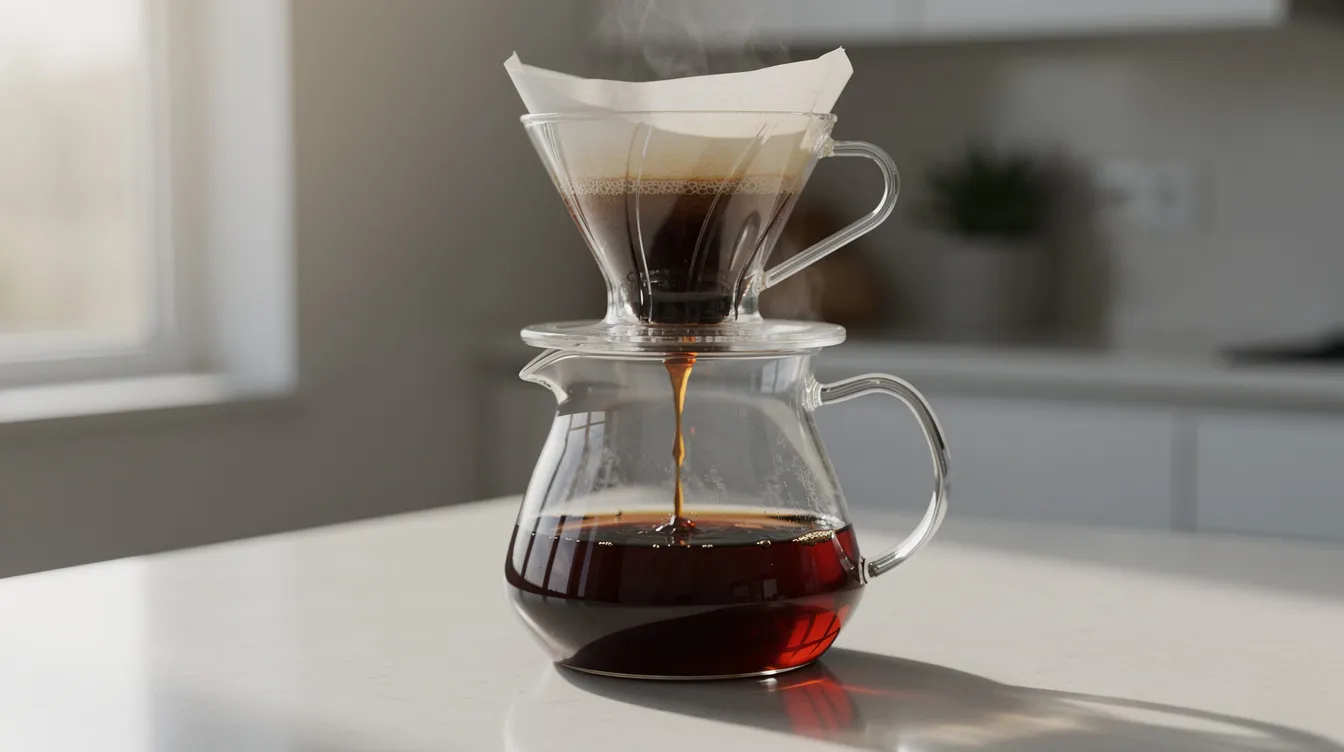
Benefits of Single-Origin Coffee
Single origin coffee can be traced back to specific farms or lots. This traceability promotes equitability and sustainability in coffee sourcing by directing buyer attention (and dollars) toward named producers. Single origin coffee offers a connection to the specific farm or cooperative it comes from, which many consumers value for ethical and environmental reasons.
Beyond ethics, single origins let drinkers “travel” through the cup. Comparing an Ethiopian natural to a Guatemalan coffee washed at high altitude teaches you how origin, altitude, and processing affect taste. Specialty single origin coffee beans are often graded higher on cupping scales, signaling careful harvesting and sorting. That scoring, combined with limited availability, makes high-quality single origins appealing as gifts for coffee lovers.
Limitations and Trade-Offs of Single Origins
Single origin coffee can be less forgiving. If grind size, water temperature, or brew time are off, unique flavors may tilt sour or bitter more obviously than with a blend. Single origin coffees can vary in flavor from year to year because each harvest reflects that season’s weather and soil conditions, so a favorite lot may taste different next year or disappear for months.
Cost is another factor. Single origin coffee beans often command higher prices due to smaller lots and higher green bean costs. Mid-2026 data from a 5,978-bag specialty dataset shows single origins averaging $23.64 per bag versus $19.97 for blends. That premium can be great value for enthusiasts tasting black coffee, but it becomes harder to justify when cream, sugar, or syrups obscure the delicate flavor notes you paid extra for.
Very bright or complex single origins can also feel thin or oddly tangy in lattes and cappuccinos, where milk and sweetness overpower the acidity. Beginners trying to dial in single-origin espresso may waste several shots before finding the right grind and dose.
Option B: Coffee Blends
A coffee blend combines beans from at least two or more origins (different countries, regions, or farms) to create a specific flavor profile, texture, and aroma. Blends are designed for a specific taste profile, with experienced roasters choosing bean combinations that complement each other. The process can involve pre roast blending (mixing green beans before roasting) or post roast blending (roasting each origin separately, then combining), depending on the roaster’s goals.
On packaging, consumers see names like “Breakfast Blend,” “Downtown Blend,” or “Mocha Java” rather than specific farm details. Creating blends is a core craft for coffee roasters: they design a stable flavor, then adjust underlying components as harvests and availability change. House blends dominate U.S. grocery aisles and cafes, making blend coffee many people’s first experience of specialty coffee.
Performance and Flavor of Coffee Blends
Blended coffee tends to have a smoother and balanced flavor profile. Common flavor goals include medium body, moderate acidity, and comfortable notes like chocolate, caramel, toasted nuts, and mild fruit. Blends are designed for a specific flavor profile that appeals to a wide audience, smoothing out the extremes that individual origins might contribute.
Blended coffee is often designed to work well in milk-based drinks. Roasters and guides consistently note that blends tend to perform reliably across espresso drinks (especially lattes and cappuccinos), automatic drip coffee machines, and cold brew setups. Chocolatey, nutty blends produce rich, low acidity concentrates in cold brew. Some roasters create blends optimized for espresso and separate ones for filter, adjusting crema, body, and sweetness accordingly.
That consistency is a performance advantage. You don’t need to keep tweaking your grinder or recipe every time you open a new bag.
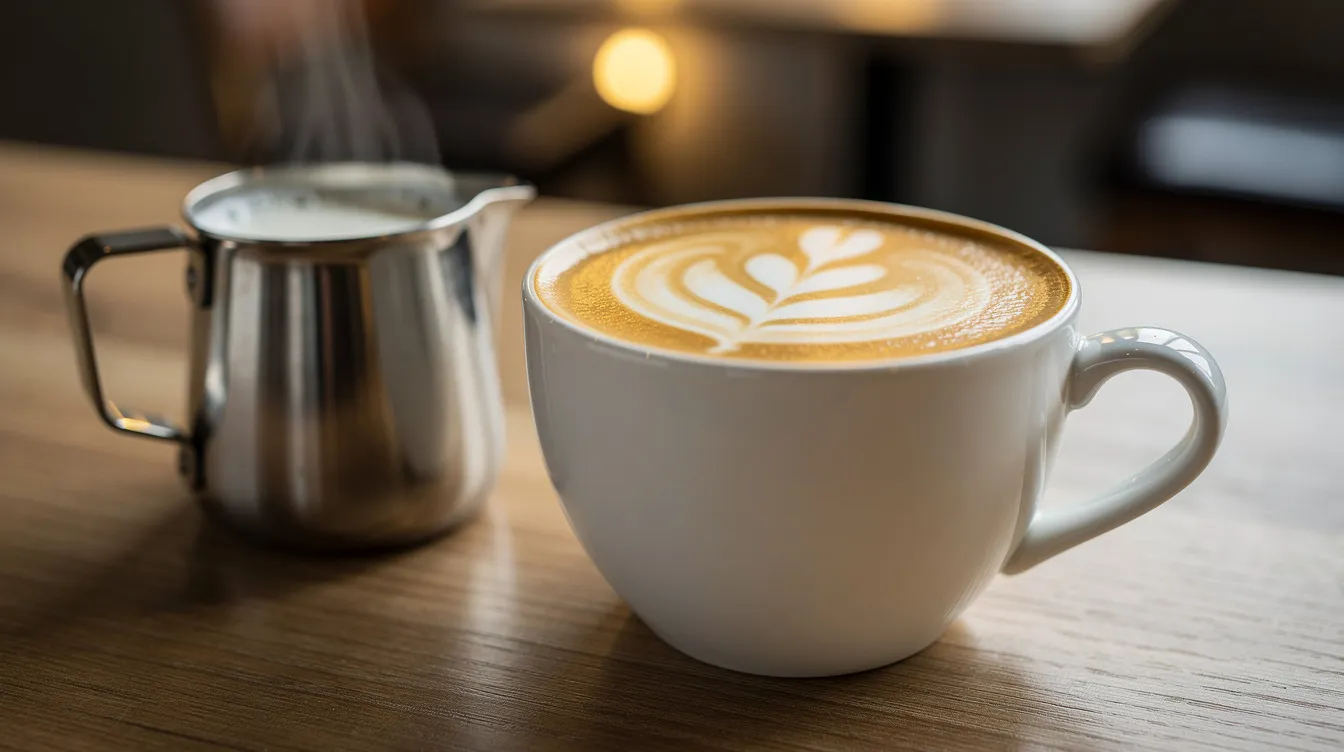
Benefits of Coffee Blends
Blends maintain a signature profile year-round because roasters can swap in similar origins when one harvest ends. If a Brazilian component runs out, a comparable lot from a different region keeps the taste on target. This means a household where multiple people share a pot gets the same balanced cup every morning.
Blends often pair well with milk and sugar. They also handle flavored syrups and milk alternatives without clashing. Blends are crafted for daily drinkability and crowd-pleasing flavors, which is why cafes build their menus around them. From a value standpoint, roasters can combine premium components with more affordable origins, keeping the retail price lower without sacrificing a delicious cup. Typical blend pricing lands between $12 and $22 per pound, compared to $16 to $30 for single origins.
Blends tend to be more forgiving of grind and recipe variations. Even a basic blade grinder and an older drip machine can produce a good-enough cup with a well-formulated blend.
Limitations and Trade-Offs of Coffee Blends
The main trade-off is less origin-specific character. Individual terroir notes are intentionally smoothed out in favor of harmony, which means less novelty for people chasing rare tasting notes or Papua New Guinea microlots.
Blends often lack specific traceability information about their origins. Packaging may reference “Latin America” or “Africa/Indonesia” without naming farms or cooperatives, which some buyers care about for transparency or ethical sourcing reasons.
Poor-quality blends that use different beans of low grade or mismatched profiles can taste muddy or flat. Not all blends are equal; the skill of experienced roasters is what separates a forgettable house blend from a well-crafted one.
Winner by Use Case: When Single Origin vs Blend Works Best
There is no single winner. The better choice depends on your brewing method, taste preference, and budget.
- Daily drip coffee for a household: Blend wins. Consistency, versatility, and forgiving brewing make it the practical default.
- Weekend pour over tasting ritual: Single origin wins. Nuance, exploration, and distinct tasting notes reward the extra attention.
- Espresso with milk: Blend wins. Body, sweetness, and balanced acidity cut through milk for a crowd-pleasing cup.
- Straight espresso shots: Either works. Blends offer reliability; single origins reward adventurous palates willing to dial in.
- Cold brew and iced coffee: Blends with chocolatey, nutty profiles tend to perform best. Single origins with fruit-forward notes offer interesting alternatives.
- Gifts for coffee lovers: High-quality single origins or curated boxes mixing both styles make compelling gifts.
Buying whole bean rather than pre-ground preserves flavor in both categories. Beginners don’t need to choose permanently; many people enjoy blends on busy mornings and single origins when they have more time.
Cost, Price, and Value: Single Origin vs Blend
Price differences stem from green coffee costs, batch size, and positioning. A limited-release, high-scoring single origin from a specific farm costs more to source than a rotating blend built from larger commodity lots.
In the U.S. specialty market, single origin bags average $23.64 versus $19.97 for blends. Per pound, the ranges are roughly $16 to $30 for single origins and $12 to $22 for blends. For someone drinking one pound per week, choosing a blend at $18 per pound instead of a single origin at $25 per pound saves about $364 per year.
Perceived value matters too. For someone adding milk and sugar, a crafted blend may deliver better value because the subtle origin notes of an expensive single origin get buried. For someone drinking black coffee and curious about flavor, the extra cost of single origin can be justified by the experience. Dialing in also affects value: single origins that need more tuning for espresso or pour overs can mean more wasted shots during the learning process, while blends reduce waste because they taste great with less fuss.
Both options are often available on subscription or in bulk, which can shift the value equation.
Which Should You Choose: Single Origin or Blend?
The right pick depends on how you drink, what gear you use, and how much attention you want to give your morning cup.
- Curious taster who drinks black coffee and wants to notice flavor notes like berry, floral, or chocolate from different regions: start with single origin.
- Busy household using an automatic drip maker with various creamers: choose a reliable medium-roast blend.
- Aspiring home barista dialing in espresso on a new machine: begin with a well-reviewed espresso blend, then branch into single origins once your workflow is consistent.
- Sensitive stomach looking for low acidity: consider medium or darker blends with chocolate and nut notes, or carefully roasted single origins known for lower brightness (Brazilian or Sumatran beans, for example).
Preferences change over time. Many coffee lovers evolve from all blends to mixing blends and single origins, or the reverse. Experiment with small bags. Keep a forgiving blend for weekdays and rotate a single origin for weekends. Two cups brewed side by side on a Saturday morning will teach you more about your taste than any article.
Alternatives and Related Choices
Origin vs blend is one decision among several that shape your cup.
- Roast level (light, medium, dark) can shift taste more than origin type. A dark-roasted single origin may taste closer to a medium-roast blend than to a light-roasted single origin from the same country.
- Flavored coffees (vanilla, hazelnut, seasonal flavors) overshadow origin differences entirely but appeal to drinkers who want dessert-like cups.
- Decaf and half-caff options exist in both single origin and blend formats, so caffeine sensitivity does not force you into one category.
- Whole bean vs ground is a separate but important decision for flavor and freshness. Grinding just before brewing preserves volatile compounds in both single origins and blends.
- Brewing gear (French press, pour over, single-serve pods, espresso machines) influences how much benefit you get from choosing single origin vs blend. A pod machine, for instance, limits your control regardless of bean type.
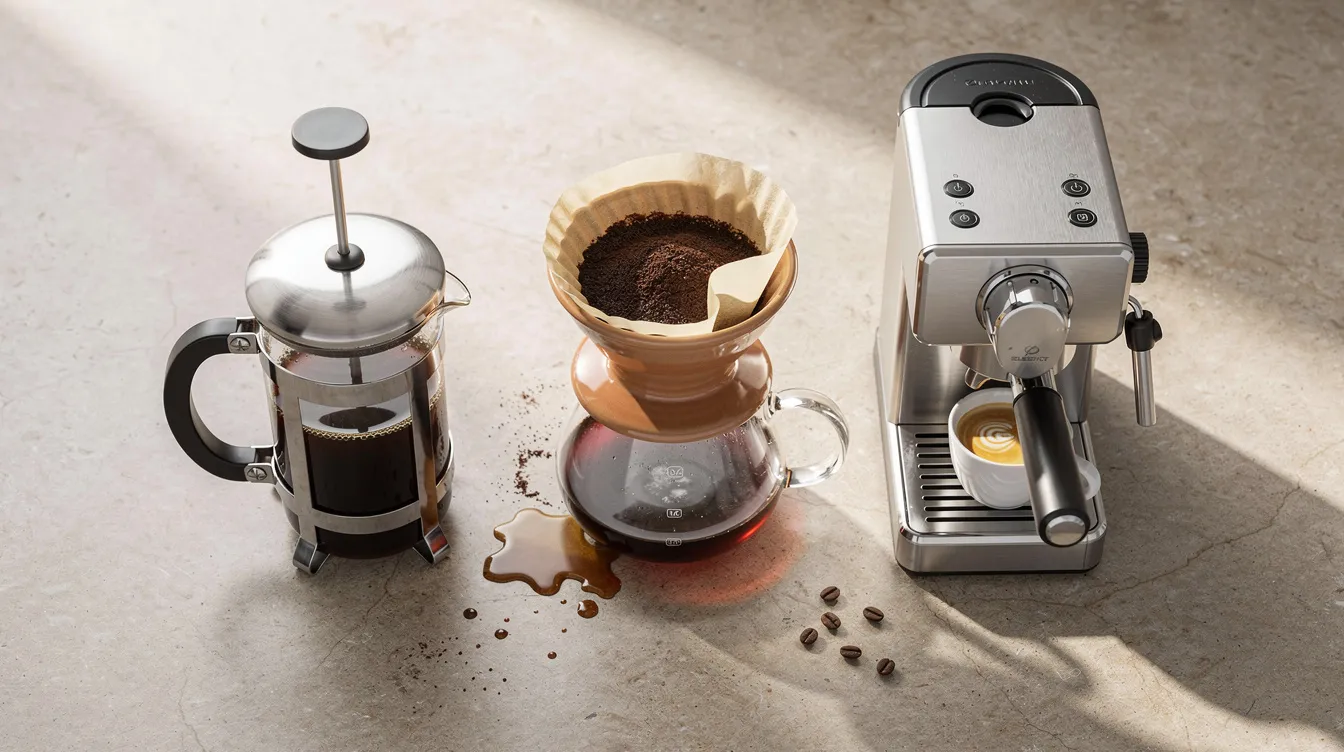
Our Single-Origin and Blend Picks
We matched one single-origin bag and one blend below. Tap the image or the coffee name. Research-rated, not yet brewed by our team.
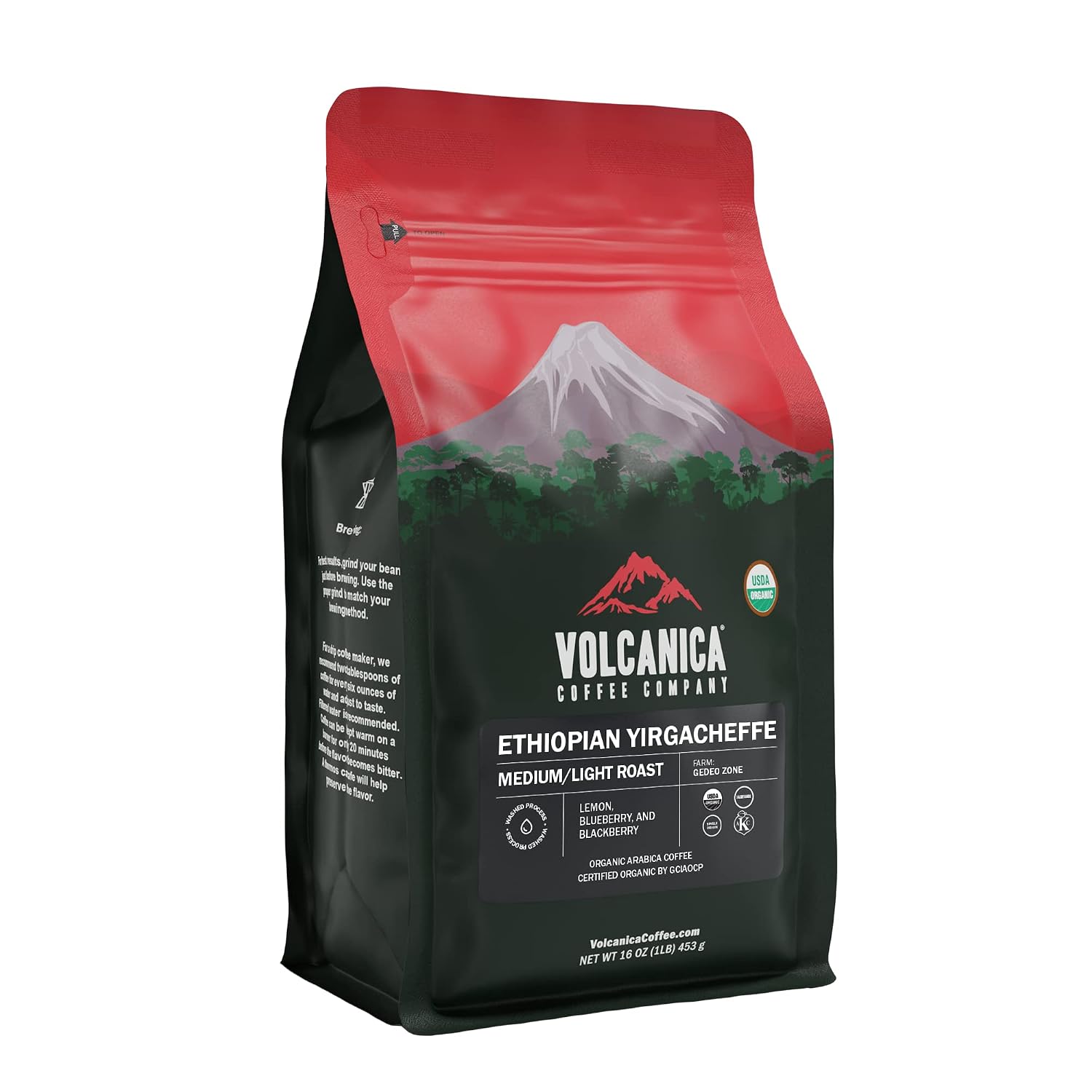
Feeling origin: a Yirgacheffe
Our pick: Volcanica Coffee Ethiopian Yirgacheffe, light roast, USDA Organic, whole bean. A single-origin cup that shows terroir the way this comparison describes. Research-rated, not yet brewed by our team.
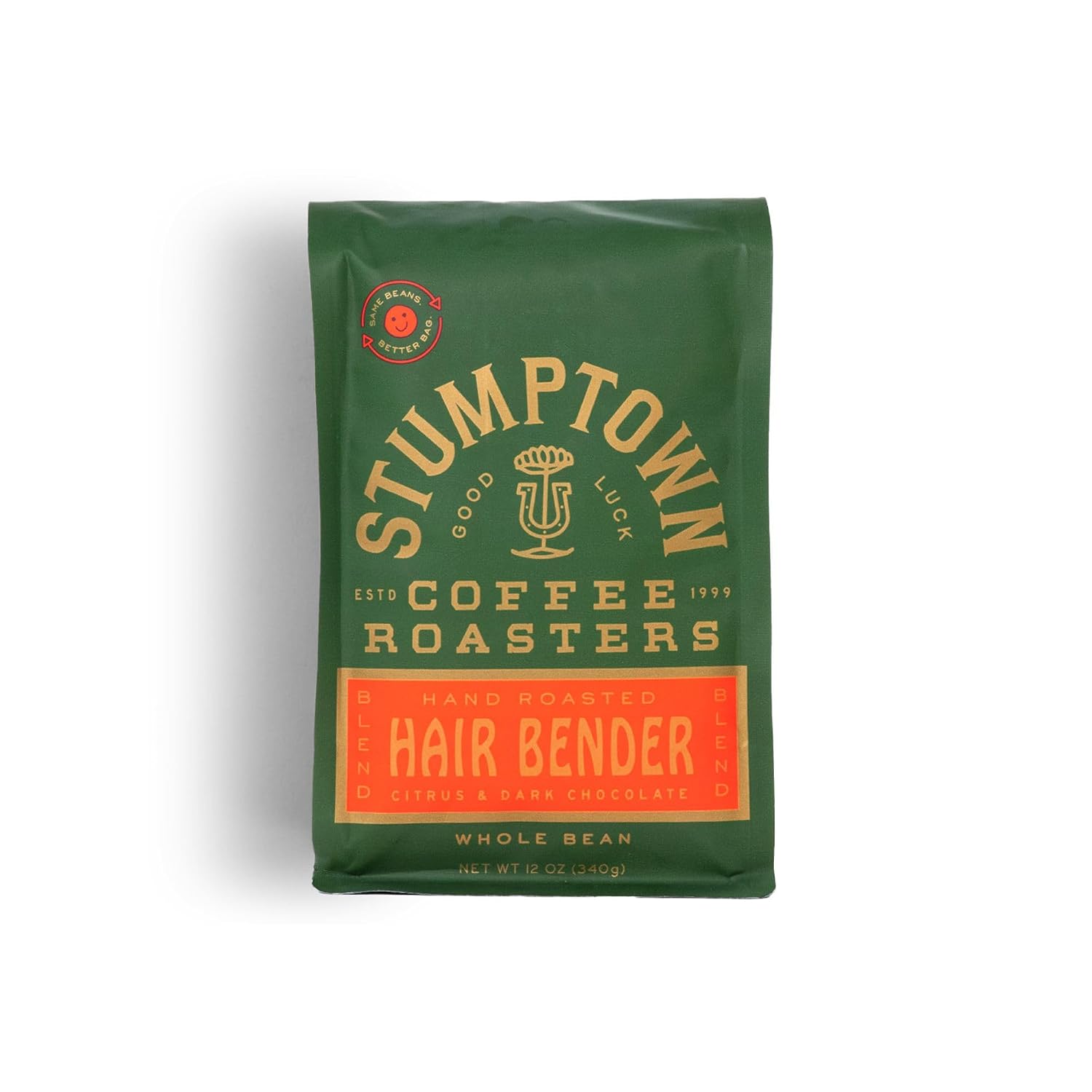
Feeling blend: a house espresso mix
Our pick: Stumptown Hair Bender, whole bean. A multi-origin blend for the consistent, balanced side of this comparison. Research-rated, not yet brewed by our team.
FAQs: Single-Origin vs Blend Coffee
These FAQs cover practical questions not fully addressed above.
Is single origin coffee always higher quality than blends?
No. Quality depends on how coffee beans were grown, processed, and roasted, not just whether the bag is single origin or blend. A carefully formulated blend using high-scoring components from different countries can match or exceed the cupping score of a mediocre single origin. Look at roast date, roaster reputation, and reviews rather than assuming one category is inherently superior.
Can I use single origin coffee in my automatic drip machine?
Yes. Single origins work well in drip coffee makers, though they may show more flavor variation from bag to bag. Starting with a medium roast single origin reduces the risk of sharp acidity or thin body in drip. If your machine has a flat-bottom basket, a medium grind and a 1:16 coffee-to-water ratio is a reasonable starting point.
How should I store single origin and blend coffee beans for best freshness?
Storage advice is the same for both: keep beans in an airtight, opaque container at room temperature. Avoid the refrigerator or freezer once the bag is opened, because moisture and odor absorption degrade flavor. Aim to use all the beans within two to four weeks of roast date. Coffee is an agricultural product; freshness matters more than origin type for day-to-day quality.
Will I notice a big difference between single origin and blends if I add cream and sugar?
Heavy additions mask subtle origin flavors. Many people perceive fewer differences between single origin and blend coffee when drinking with cream, flavored creamers, or sugar. Blends often give better value for heavily dressed cups because their balanced, smooth profiles hold up well under milk and sweeteners. Single origins shine most when drunk black or lightly sweetened, where unique flavors and tasting notes can come through.
Is it a good idea to keep both a single origin and a blend at home?
This is one of the most practical approaches. Use a forgiving blend for busy weekday mornings and milk drinks, and explore single origins on days when you want to slow down and taste more carefully. Buying smaller bags of each prevents staleness and gives you the variety to learn what you prefer without committing to a full pound of something you might not love.