As an Amazon Associate I earn from qualifying purchases. This page contains affiliate links; we may earn a commission if you buy through them.
The best Jamaican Blue Mountain coffee on this Amazon page starts with Volcanica Clifton Mount Estate. Authentic JBM is rare, certified, and mild with low bitterness. Finding an authentic bag that lives up to the prestige requires knowing which estates deliver real quality and which labels are just riding the name. This guide breaks down the best options available to U.S. buyers, with honest notes on flavor, value, and what to watch out for.
Best certified estate pick
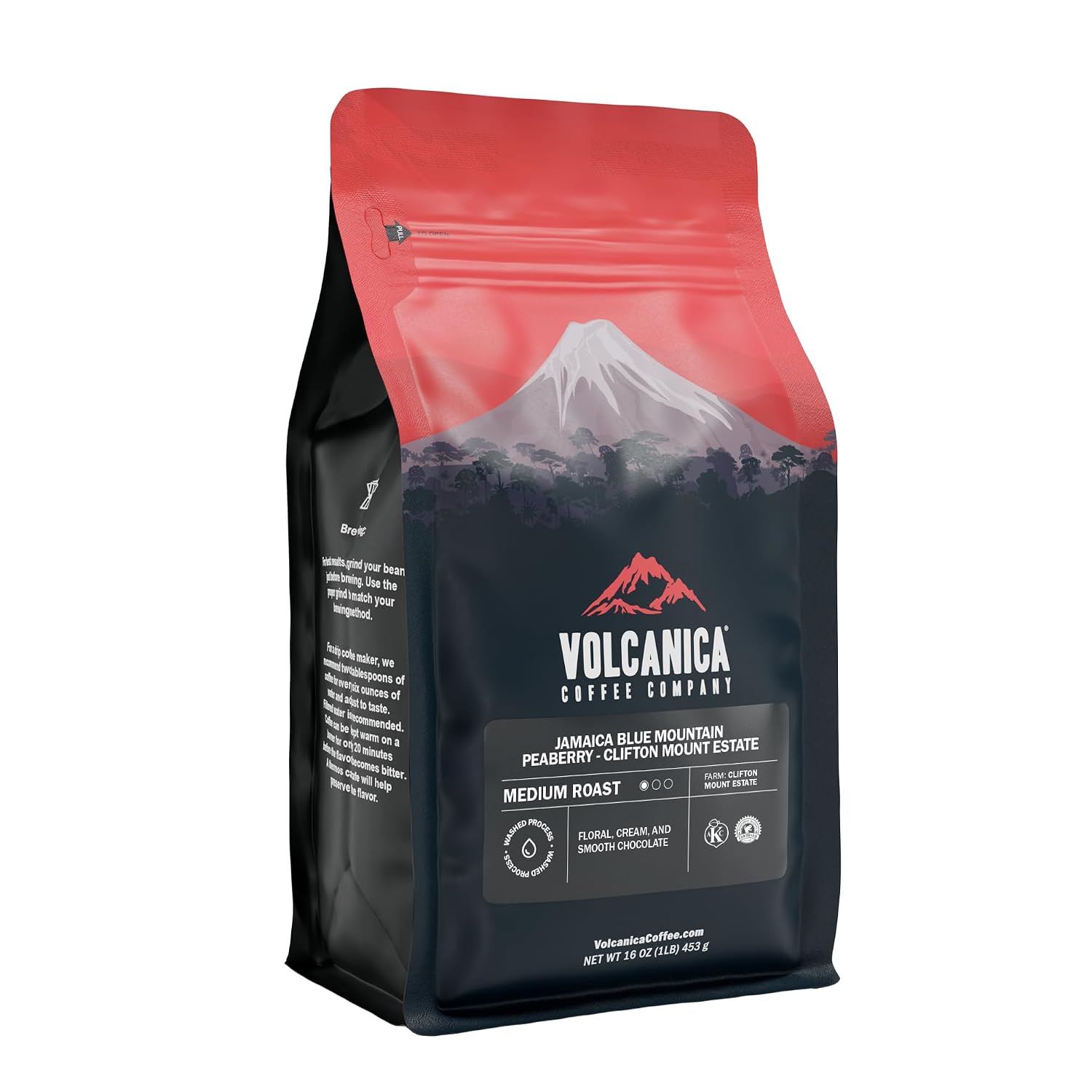
For this roundup, Volcanica Clifton Mount Estate is the certified estate we recommend first—the same pick at the top of our At-a-glance cards below.
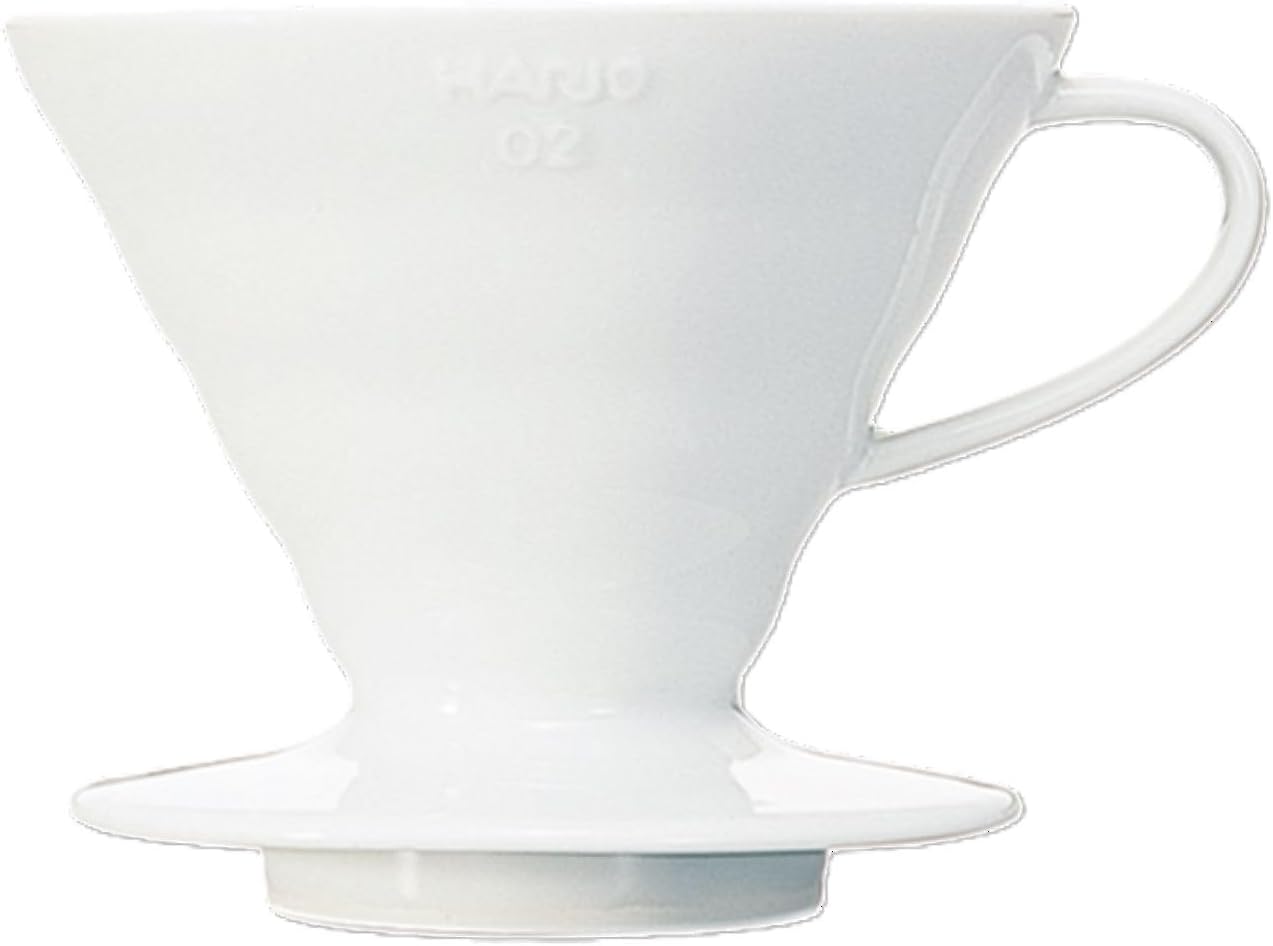
Origin bags are the main pick. If that bag is waiting, a canister and a cheap V60 still help the beans you already have—without swapping in grocery beans that undercut the origin.
Storage
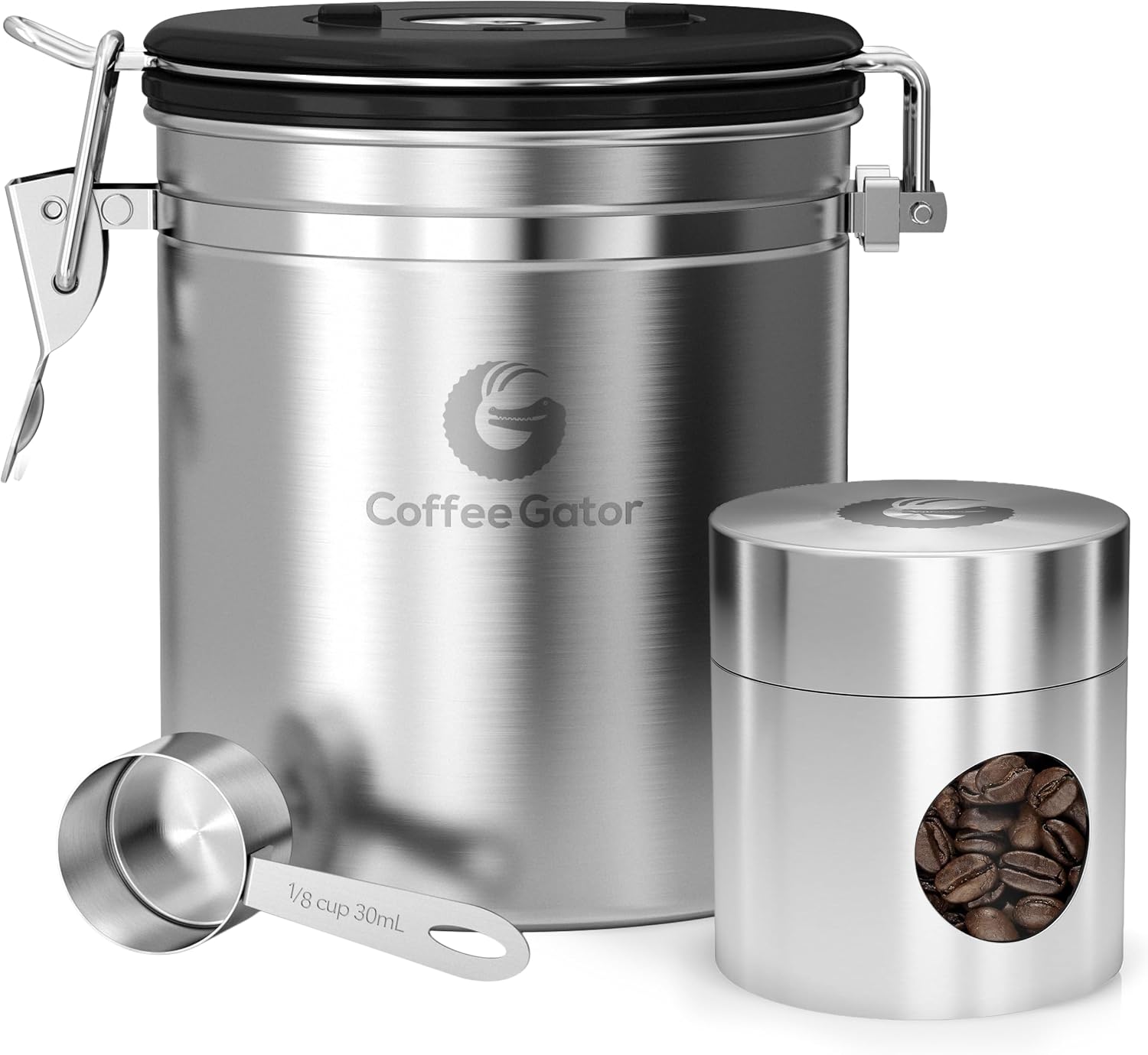
Coffee Gator canister
Keeps the origin bag fresh after you open it. Cheaper than waiting on another bag.
The best Jamaican Blue Mountain coffee for most beginners is a 100% Jamaica Blue Mountain medium roast from an established estate like Clifton Mount Estate, Clydesdale Estate, or Wallenford. These recommendations are based on researched editorial analysis, not hands-on tasting.
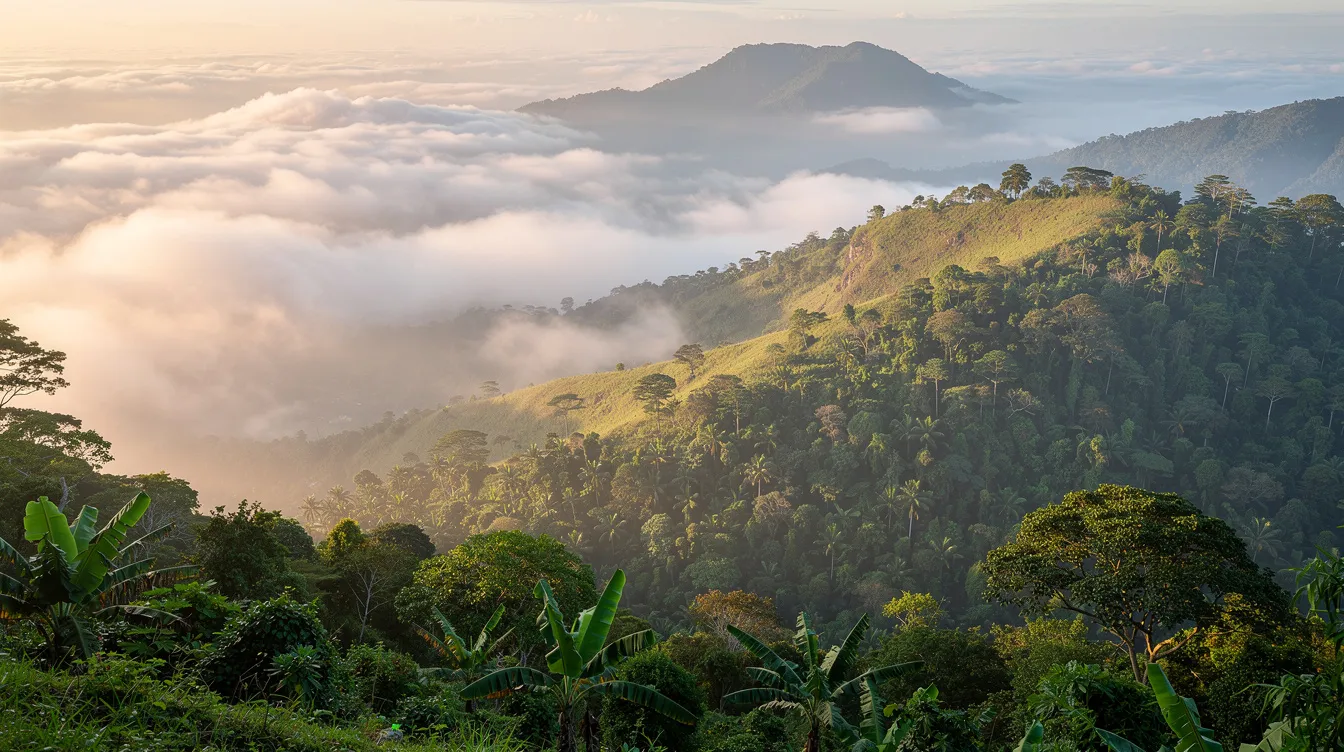
Authentic Jamaica Blue Mountain coffee must be certified by Jamaica’s Coffee Industry Board (now under JACRA) and grown exclusively in a protected mountainous zone spanning parishes like St. Andrew, Portland, St. Thomas, and St. Mary at 900–1,500 meters above sea level.
The best options share common traits: 100% Jamaica Blue Mountain certification, recent roast dates, medium roast profiles, and exceptional quality suited to pour-over and drip brewing.
Expect to pay $40–$80 per pound for genuine beans. The price of genuine Jamaican Blue Mountain coffee reflects its rarity and limited production, so this guide compares value, flavor, authenticity, and availability for U.S. shoppers.
Below you will find quick top picks, a comparison table, selection methodology, brewing tips, and FAQs for people new to Blue Mountain coffee.
Quick Answer: Our Top Jamaican Blue Mountain Coffee Picks
For most U.S. beginners, the best overall pick is a 100% Jamaica Blue Mountain medium roast whole bean from Clifton Mount Estate. It consistently delivers a smooth, mild flavor with a delicate balance of acidity and sweetness, backed by strong certifications and reliable import channels. This recommendation is based on researched editorial analysis of flavor profiles, estate credentials, and value.
Affiliate disclosure: For each pick below, we linked one matching coffee on Amazon. Tap the image or the coffee name to see it. As an Amazon Associate we earn from qualifying purchases. Rankings are editorially independent, and commissions do not influence our recommendations.
Best Overall: 100% Jamaica Blue Mountain Clifton Mount Estate (Medium Roast, Whole Bean) – balanced bright acidity, floral and cocoa aroma, brown sugar sweetness; ideal for pour-over and drip.
Best Historic Estate Profile: Clydesdale Estate 100% Jamaica Blue Mountain (Medium Roast) – classic refined cup with velvety body and mellow finish; great for drip and French press.
Best for Tasting Variety: 100% Jamaica Blue Mountain Sample Gift Pack (Classic & Peaberry) – explore flat bean vs. peaberry differences; works across pour-over, drip, and AeroPress.
Best Everyday Option: Jamaican Blue Mountain Blend (10–30% Blue Mountain) – mild chocolate and caramel notes at a friendlier price; fits drip machines and French press.
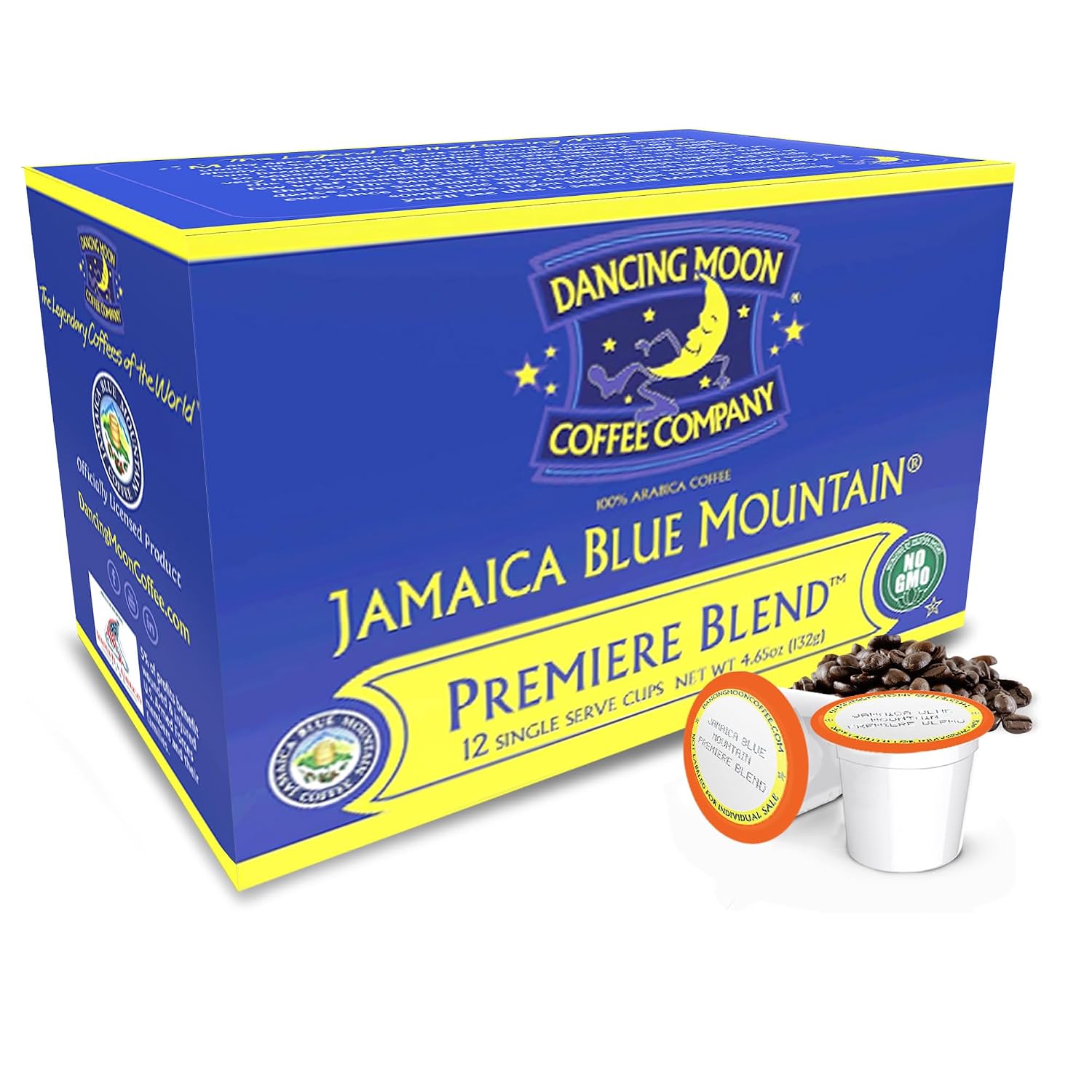
Best for Convenience: Jamaican Blue Mountain K-Cups (certified-sourced blend) – smooth and low-bitter pod coffee for Keurig brewers; a practical introduction.
At-a-Glance comparison
Tap a photo or the Amazon button to check that bag or box. These are Amazon listing photos. Research-rated from each brand’s published details, not yet brewed by our team.
This table gives a quick side-by-side comparison of our top picks, focusing on origin, certification, roast, flavor, and approximate U.S. pricing. Use it to narrow down your shortlist before reading the detailed reviews.
Picks marked “100% JBM” carry the official certification. The sample pack includes peaberry beans, which are sold separately and command a premium. Look for roast dates and one-way valve bags across all options; whole bean always preserves freshness best.
How We Chose the Best Jamaican Blue Mountain Coffee
These picks are based on researched editorial analysis – not lab testing or personal tasting. We evaluated estate data, JACRA certification records, importer documentation, and expert consensus to build this list.
Authenticity: Must be grown in the official Jamaica Blue Mountain region at 900–1,500 meters elevation. For “100% Jamaica Blue Mountain,” we required Coffee Industry Board or JACRA certification. The Jamaican Coffee Industry Board was established in 1953, and in the 1950s Jamaican farmers formed a licensing agreement for coffee production that remains the backbone of quality control today. Jamaica was the first country to define a coffee geographical location, and the coffee is subject to strict regulations and is considered a high-end product. Authentic Jamaican Blue Mountain coffee must be certified and hand-picked.
Transparency: Preference for coffees clearly stating estate name, altitude, variety (usually Typica), and processing method (washed). Grade 1 beans are the largest coffee beans from Blue Mountain farms, with a screen size of 17 to 19, and represent the top export tier regulated by the Coffee Industry Board.
Roast quality: Recent, small- to medium-batch roasting focused on medium roast profiles that preserve sweetness, aroma, and the low bitterness typical of this region.
Flavor profile: Documented notes of balanced acidity, gentle body, floral or nutty aroma, hints of cocoa or brown sugar sweetness, and virtually no bitterness. The unique microclimate of the Blue Mountain region – spanning over 20 miles across Jamaica’s eastern parishes – contributes directly to this distinct flavor.
Freshness and packaging: Whole bean in valve bags with accessible roast dates, not generic “best by” stamps.
Value: Price per ounce versus estate reputation and authenticity, acknowledging the $40–$80/lb reality.
U.S. availability: Reliable shipping without excessive delays that would degrade the delicate aroma.
Rankings are not influenced by affiliate commission rates. Some well-known brands may be omitted where data on authenticity or freshness was insufficient.
Detailed Reviews: Best Jamaican Blue Mountain Coffee Picks
Each recommendation below includes a “best for” label, flavor expectations, strengths, and honest trade-offs. All impressions are synthesized from roaster descriptions, expert reviews, and broad customer consensus – not first-person tasting.
Best Overall: 100% Jamaica Blue Mountain Clifton Mount Estate (Medium Roast, Whole Bean)
Clifton Mount Estate sits on the eastern slope of Catherine’s Peak near Newcastle, at roughly 4,300 feet. The Sharp family has owned and operated it since 1977, making it one of the most established single-estate producers in the Blue Mountains. Its exceptional quality comes from controlling every step – seedling selection, wet and dry processing, grading, and export.
Origin: Clifton Mount Estate, St. Andrew parish, Jamaica Blue Mountains. Altitude around 1,200–1,300 m (4,000–4,300 ft). Typica variety, fully washed, dried under controlled conditions. Because coffee cherries take much longer to mature at high altitudes due to cooler temperatures, the beans develop more complexity and sweetness.
Flavor: Medium roast with balanced bright acidity, gentle body, and a sweet aroma carrying floral and cocoa notes. Tasting notes include brown sugar, star anise, and cocoa, with a mellow sweet aftertaste. Authentic beans typically have distinct notes of milk chocolate, nuts, and floral undertones.
Brew methods: Drip and pour-over for clarity; AeroPress for a concentrated cup. Use a slightly finer grind and a fresh burr grinder to preserve aroma.
Value: Typically $50–$70 per 12 oz to 1 lb depending on importer and roast date. Best treated as a special-occasion or gift coffee rather than an everyday drink.
Limitations: Very expensive per cup compared with Brazilian, Colombian, or other coffees. The subtle sweetness and gentle body may feel underwhelming to friends who expect bold, punchy flavors, though others fell for that refined style right away.
Authenticity check: Look for packaging stating “100% Jamaica Blue Mountain” with the official JACRA seal. Avoid anything that just says “Blue Mountain style.”
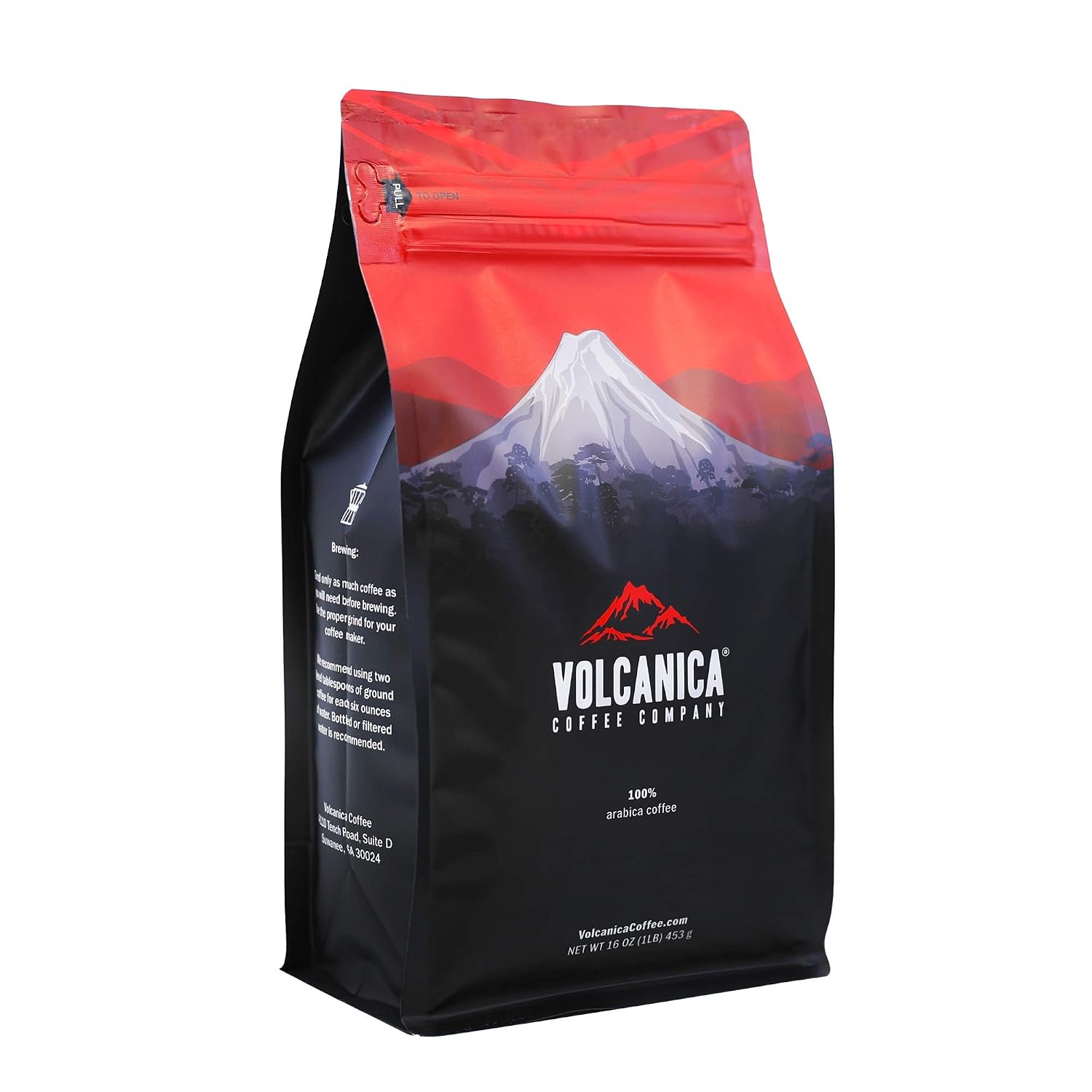
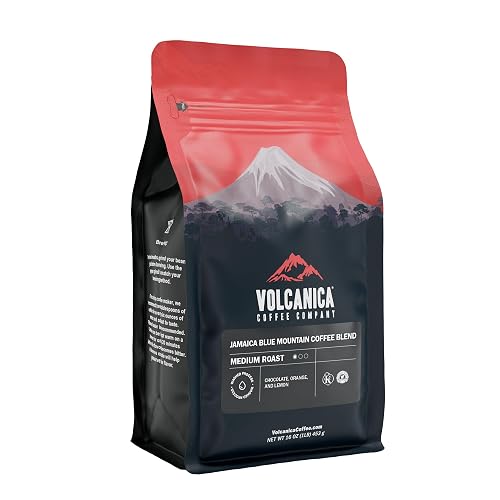
Our pick:Volcanica Coffee Jamaica Blue Mountain, Clifton Mount Estate, 100% certified, medium roast, whole bean, 16 oz. Volcanica lists it as single-estate Clifton Mount coffee certified by the Jamaica Agricultural Department and Rainforest Alliance Certified, which lines up with the authenticity check above. One honest note: it is priced well above the $50-$70 range mentioned here, so compare the price and roast date before you buy. We matched it using the criteria in our coffee rating system. Research-rated, not yet brewed by our team.
Best Historic Estate Profile: 100% Jamaica Blue Mountain Clydesdale Estate (Medium Roast)
Clydesdale Estate was founded in the late 1700s, not long after coffee was introduced to Jamaica in the 18th century. It holds National Heritage status in Jamaica, and its beginnings trace back to some of the earliest coffee production on the island.
Origin: Southern slopes of the Blue Mountains, traditional Clydesdale growing area at roughly 1,000 m (~3,300 ft). While the original central works is no longer active, local farmers in the region produce Typica variety coffee under the Clydesdale brand, maintaining the estate’s tradition and pride.
Flavor: Medium roast with a delicate balance of bright acidity and velvety body. Floral and cocoa notes sit alongside a smooth, rich sweetness and a mellow finish. It features a refined, classic Blue Mountain cup.
Who it suits: Drinkers who appreciate heritage estates, nuanced and tea-like coffees, and a smooth experience without heavy bitterness. A joy for anyone who values the story behind their cup.
Pricing: Premium pricing similar to Clifton Mount, roughly $45–$65 per pound through reputable U.S. importers.
Trade-offs: Limited availability in some U.S. regions. Marketing can lean heavily on history, so verify the roast date and certification – not just the brand name.
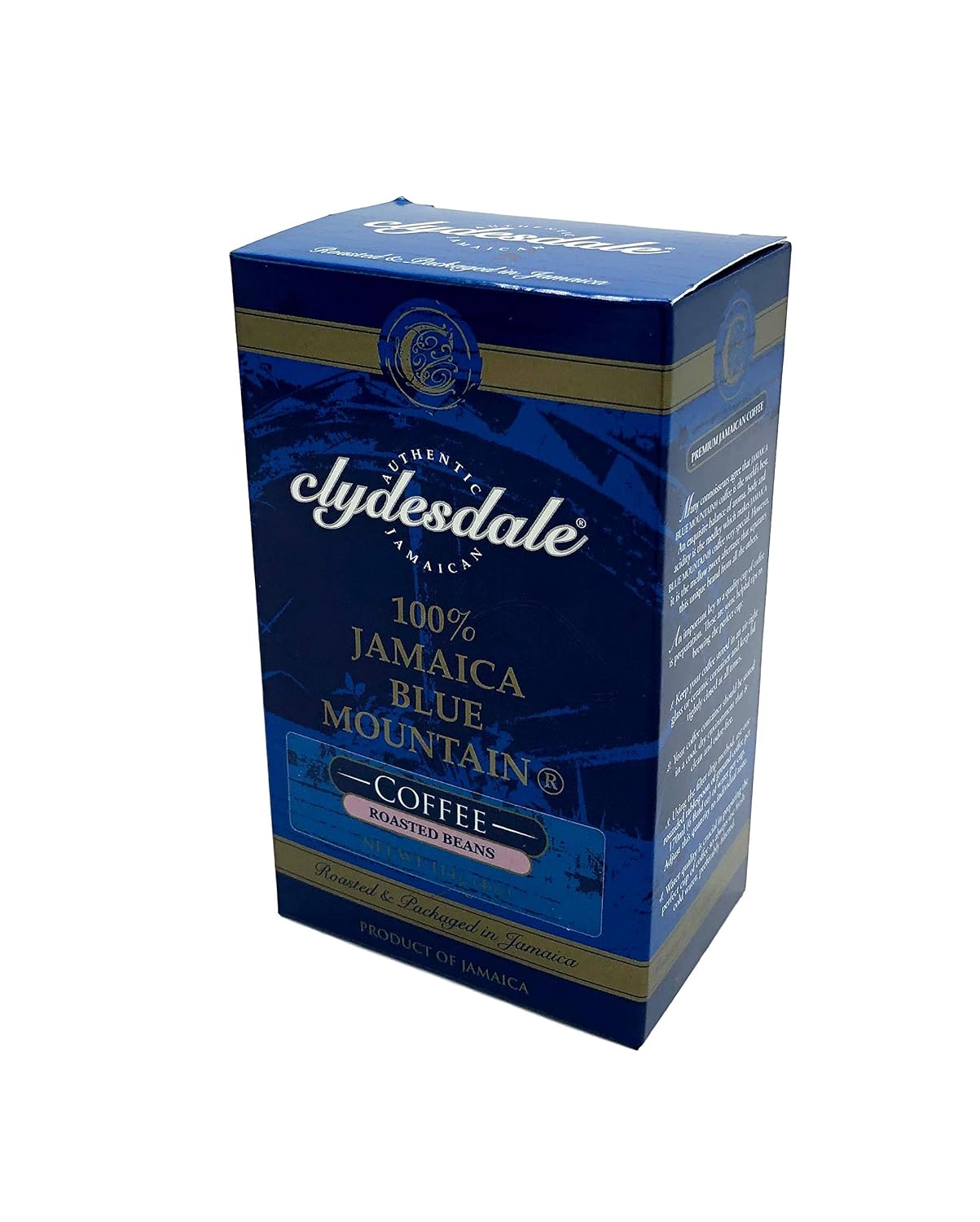
Our pick:Clydesdale by Coffee Traders 100% Jamaica Blue Mountain, medium roast, whole bean, 4 oz. It is 100% Jamaica Blue Mountain sold under the Clydesdale name, and the small bag is a lower-cost way to try the heritage profile before committing to a full pound. One honest note: its Amazon reviews are mixed and the listing gives few details, so check the certification and roast date when it arrives. We matched it using the criteria in our coffee rating system. Research-rated, not yet brewed by our team.
Best for Tasting Variety: 100% Jamaica Blue Mountain Sample Gift Pack (Classic & Peaberry)
A sample pack containing classic flat beans and peaberry beans from multiple Blue Mountain estates is the most efficient way for beginners to explore the difference between bean types without committing to a single large purchase.
What’s inside: Typically 18 oz total across estates like Clydesdale, Arthur McGowan, and the Small Farmer Collection. Includes both classic and peaberry lots, roasted to medium to showcase sweetness and mild acidity.
Flavor expectations: Classic beans emphasize balanced smoothness, while peaberry beans – which make up roughly 5–10% of any harvest – show heightened sweetness and concentrated flavor with more complex floral hints.
Best uses: Ideal as a gift for friends who are excited about specialty coffee, a first-time exploration of Jamaican Blue, or a side-by-side tasting flight. Comparing flat bean vs. peaberry in the same session is the fastest way to understand how bean type affects the cup.
Practical notes: Whole bean is recommended for maximum freshness. Smaller sample sizes go stale faster if not stored well, so use airtight containers and brew within a few weeks of opening.
Limitations: Per-ounce cost is often higher than buying a single large bag. You are paying for variety over volume.
Our pick:Volcanica Coffee Jamaica Blue Mountain Gift Box, whole bean, medium roast. The listing title names Peaberry, Clydesdale, Clifton Mount, and Wallenford in 16 oz bags, so you can compare peaberry against classic flat beans side by side, as described above. One honest note: these are full 1 lb bags rather than small samples, so the total cost is far higher than a typical sample pack, and the listing text mentions three coffees while the title lists four, so confirm the contents before you order. We matched it using the criteria in our coffee rating system. Research-rated, not yet brewed by our team.
Best Everyday Option: Jamaican Blue Mountain Blends (Not 100% Blue Mountain)
Many coffees sold as “Jamaican Blue Mountain Blend” combine a smaller percentage of authentic beans with other origins like Colombian or Brazilian to bring the price down. Blends labeled as “Blue Mountain Blend” can contain as little as 10% actual Blue Mountain beans.
Typical profile: Medium roast, smoother and less acidic than many ordinary supermarket blends, usually with mild chocolate, nutty, or caramel notes and a hint of the floral sweetness associated with mountain coffee.
Who it’s for: Drinkers who want some Blue Mountain character without paying $50+ per pound, and those seeking a familiar, balanced drip coffee for daily life.
Label checks: Look for the exact percentage of Jamaica Blue Mountain content, clarity on the rest of the blend’s origin, and whether the Blue Mountain portion is certified. Be cautious of vague packaging that leverages the “Jamaican Blue” name without substance.
Pricing: Often $15–$30 per pound, making it more comparable to other specialty coffees and easier to purchase regularly.
Trade-offs: Not the same as 100% Jamaica Blue Mountain. The unique subtlety of single-estate coffees will be muted. Some blends prioritize branding over quality, so stick with roasters who guarantee transparent sourcing.
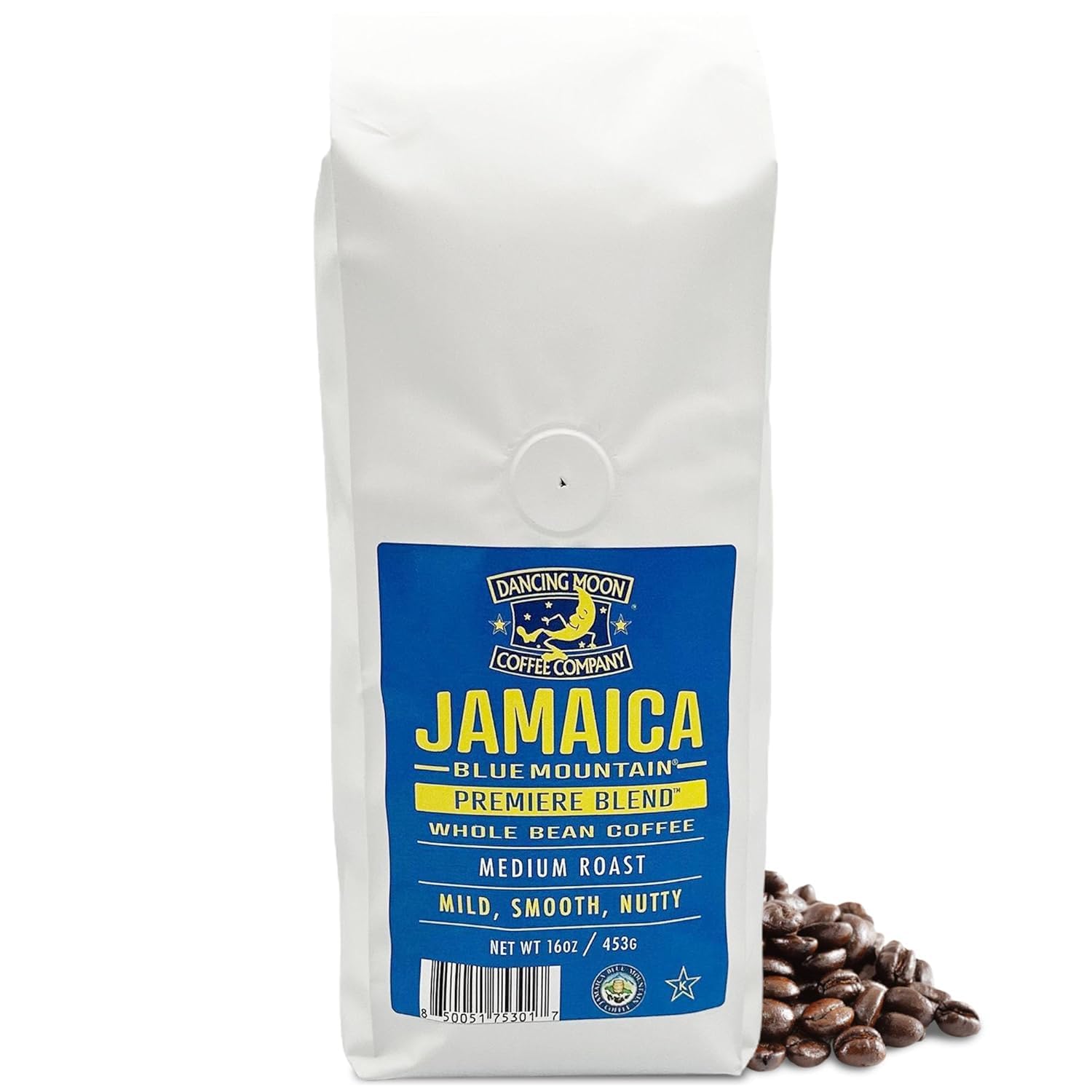
Our pick:Dancing Moon Premiere Blend Jamaica Blue Mountain, medium roast, whole bean, 16 oz. Dancing Moon says the blend exceeds JACRA’s 30% Jamaica Blue Mountain minimum and pairs it with Central and South American Arabicas, describing a mild, smooth, nutty cup with low acidity. A stated minimum percentage is exactly the label check we recommend above. One honest note: the listing says it surpasses 30% without giving the exact figure. We matched it using the criteria in our coffee rating system. Research-rated, not yet brewed by our team.
Best for Convenience: Jamaican Blue Mountain K-Cups
K cups and similar single-serve pods featuring Jamaican Blue Mountain blends exist for people who prioritize convenience and consistent dosing over maximum freshness.
Composition: Often a blend using a smaller proportion of Blue Mountain coffee with a medium roast profile suited to automatic pod brewers.
Flavor: Smoother and less bitter than many supermarket pod coffees, but generally less aromatic and less complex than freshly ground whole beans from Clifton Mount or Clydesdale. Pre-ground coffee loses aroma quickly.
Who they suit: Office drinkers, casual fans, or those with Keurig machines who want a taste of Jamaican coffee without buying a grinder or manual brewer.
Limitations: Pods tend toward medium-dark flavors that can flatten the delicate origin character. Cost per cup can be high relative to quality. Serious flavor exploration is better with whole-bean options.
Recommendation: Use K cups as an introduction or convenience backup, and consider upgrading to whole-bean 100% Jamaica Blue Mountain for those moments when you want the full experience.
Our pick:Dancing Moon Premiere Blend Jamaica Blue Mountain K-Cup Pods, medium roast, 12 count. Dancing Moon describes a blend of JACRA-certified Jamaica Blue Mountain and select Arabicas with soft nutty notes and minimal bitterness, made for Keurig and other K-Cup brewers, which fits the convenience role above. One honest note: like any pod blend, it will not match freshly ground 100% Blue Mountain beans. We matched it using the criteria in our coffee rating system. Research-rated, not yet brewed by our team.
Worth Knowing: Other Notable Jamaican Blue Mountain Estates & Brands
Several other producers are widely discussed in expert circles and committed to quality:
Wallenford Estate is historically the largest cultivator and a line many U.S. buyers encounter first. They also produce ground and pod formats.
Twyman’s Old Tavern Estate, located near Hardwar Gap at around 4,000 ft, is a small artisan operation run by the Twyman family. The owner Dorothy Twyman and son David are known for hand-processed, sun-dried lots with multiple roast options.
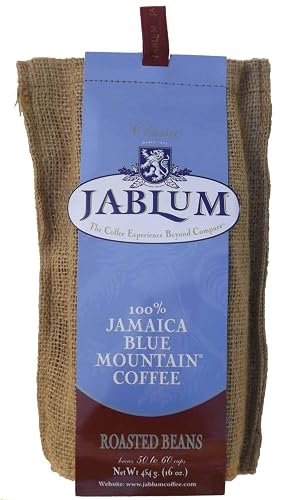
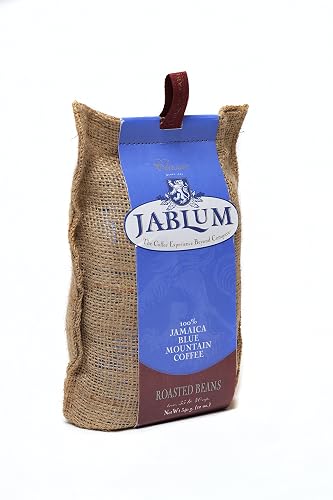
JABLUM and Craighton Estate are popular Jamaican Blue Mountain brands frequently sold through specialty importers.
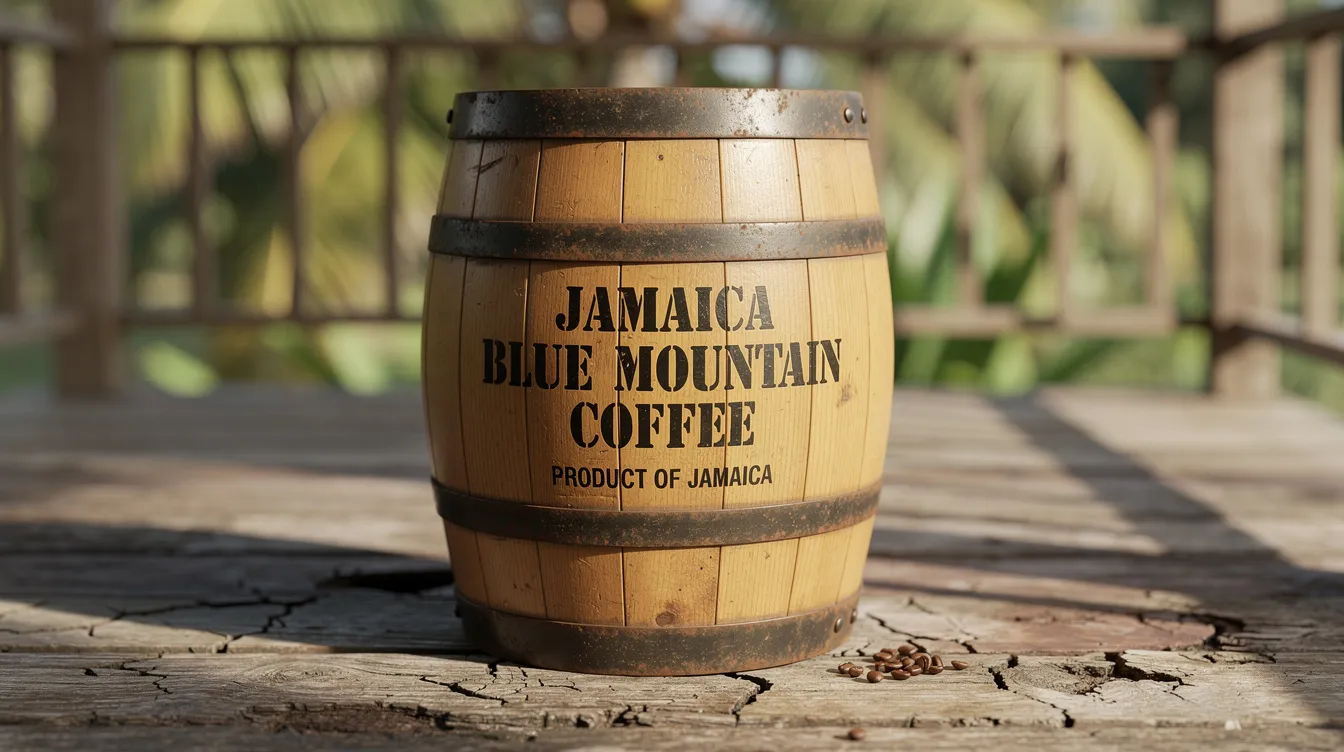
The coffee is typically exported in handcrafted wooden barrels instead of jute sacks, a tradition unique to Jamaica that helps preserve bean quality during transit.
When evaluating any of these, look for 100% Jamaica Blue Mountain labeling, estate name, the CIB/JACRA seal, and recent roast dates. Medium roast whole bean remains the safest choice for showcasing the region’s characteristic profile.
How to Choose the Best Jamaican Blue Mountain Coffee for You
While many Jamaican Blue Mountain coffees share a smooth, mild character, the right pick depends on what you value most. Here is how to narrow it down:
Authenticity vs. budget: A 100% Jamaica Blue Mountain estate coffee and a “Jamaican Blue” blend are vastly different products at different price points. Decide whether you are buying for curiosity, a gift for friends, or daily drinking, and set your budget accordingly.
Roast level: Most Blue Mountain coffees are roasted to medium to protect the delicate floral and cocoa notes. Darker roasts can flatten the origin’s character. Very light roasts may feel underdeveloped for some palates.
Whole bean vs. ground: Whole bean preserves freshness and the nuanced aroma that justifies the premium price. Pre-ground is more convenient but sacrifices what makes this coffee prestigious.
Flavor preferences: Jamaican Blue Mountain is known for its remarkably smooth body and low bitterness. High-quality beans have virtually no bitterness and low acidity with a mellow sweet aftertaste. This is ideal if you enjoy a sweet, balanced cup. Less ideal if you chase very bright, fruit-forward profiles like Ethiopia Yirgacheffe.
Brew method fit: Drip machines and pour-over are the best beginner methods for these beans. French press adds more body. Espresso works only if the roaster explicitly recommends it – the gentle profile can taste muted under pressure.
Freshness and storage: Check roast dates and choose roasts within 2–6 weeks when possible. Store beans in a cool, dark place in an airtight container and use within 2–4 weeks of opening.
Expectations: Much of Blue Mountain’s prestige is tied to scarcity and economics. Jamaican Blue Mountain coffee accounts for less than 1% of global coffee production. Expect a refined, balanced cup – not necessarily the most intense or complex coffee you have ever tasted.
Brewing & Freshness Guide for Jamaican Blue Mountain Coffee
Because Jamaican Blue Mountain coffee is expensive and subtle, brewing and storage matter more than usual. Getting these details right is the difference between a memorable cup and an ordinary one.
Grind size: Medium grind for drip and pour-over; slightly coarser for French press. Use a burr grinder for consistency and to preserve the delicate aroma.
Brew ratios: Start around 1:15–1:17 coffee-to-water ratio by weight (e.g., 20 g coffee to 300–340 g water). Adjust strength to taste.
Water quality and temperature: Use filtered water at roughly 195–205°F (90–96°C). Overly hot water can dull the sweetness and flatten the complex aroma.
Method-specific tips:
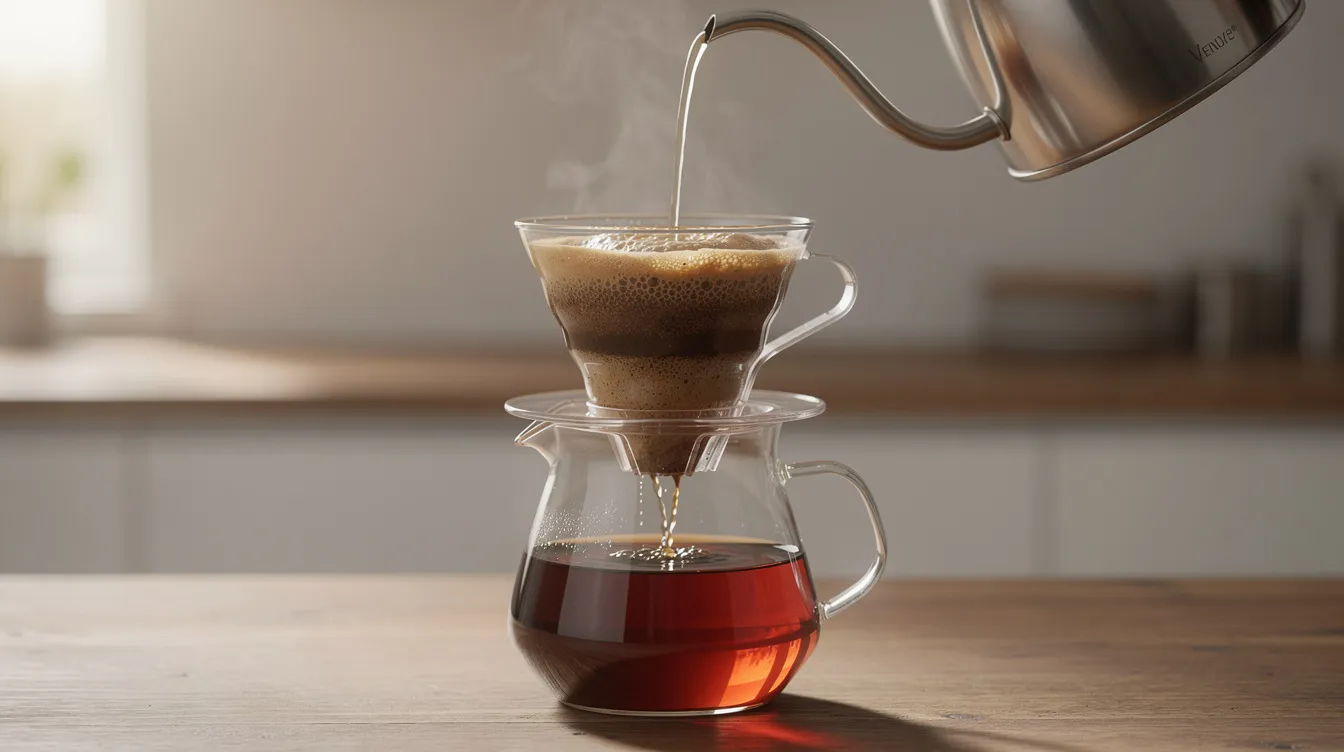
Pour-over: Slower pours and even saturation highlight clarity and floral notes. Bloom for 30–45 seconds to let fresh beans off-gas CO₂ before the main pour.
Drip machines: Choose machines that reach proper temperatures with even showerheads. Freshly ground Blue Mountain works well in high-quality drip brewers for simple, repeatable cups.
French press: This will increase body and emphasize cocoa and brown sugar notes while slightly muting floral aromas. Steep 4–5 minutes with gentle plunging.
Freshness and storage:
Buying cadence: Purchase smaller bags (8–12 oz) more frequently instead of stockpiling. The premium flavor fades quickly.
Packaging: One-way valve bags and airtight containers are essential. Do not freeze and thaw repeatedly – condensation damages beans.
Roast date vs. “best by”: Prioritize roasters who print roast dates. A “best by” stamp tells you almost nothing about when the coffee was actually roasted.
Minor adjustments to grind size and dose can meaningfully change how this coffee tastes. Adjust slowly and note what works best with your equipment.
FAQs about Jamaican Blue Mountain Coffee
These FAQs address common questions not fully covered above, especially around authenticity, value, and comparisons to other well-known coffees.
How can I tell if my Jamaican Blue Mountain coffee is authentic?
Authentic Jamaica Blue Mountain coffee must be grown within the legally defined Blue Mountain region – parishes like St. Andrew, St. Thomas, Portland, and St. Mary – at altitudes of 900–1,500 meters above sea level. Official certification from JACRA is necessary for authentic Jamaican Blue Mountain coffee. Look for:
“100% Jamaica Blue Mountain” wording on the package.
The official Coffee Industry Board/JACRA seal or certification mark.
Clear estate or exporter information (e.g., Clifton Mount Estate, Wallenford, Clydesdale) with Jamaica listed as the country of origin.
Vague labels like “Jamaican Blue” or “Blue Mountain style,” especially at very low prices, almost always indicate blends or non-authentic beans.
Why is Jamaican Blue Mountain coffee so expensive?
Supply is extremely limited. The certified Blue Mountain area is small, yields from the Typica variety are modest, and roughly 80% of Jamaican Blue Mountain coffee is exported to Japan under long-standing contracts, leaving less for U.S. buyers. Hand-picking, strict quality control, and the slow maturation of cherries at high altitude all drive up production costs. Branding and prestige also play a role – Jamaican Blue Mountain has been marketed as a luxury product for decades, and the price reflects that positioning.
Is Jamaican Blue Mountain coffee low acid and gentle on the stomach?
Jamaican Blue Mountain coffee is low in acidity and often described as having lower perceived bitterness compared with many Latin American or African coffees, which many people experience as “gentle” or “smooth.” However, individual digestion and sensitivity vary. No coffee can be guaranteed stomach-safe. If you want the mildest experience, choose a medium roast 100% Jamaica Blue Mountain and avoid brewing overly strong or with extremely hot water, which can increase bitterness.
How does Jamaican Blue Mountain compare to other famous coffees like Kona or Ethiopia Yirgacheffe?
Jamaican Blue Mountain and 100% Kona both tend toward smooth, balanced, low-bitter profiles, but Blue Mountain is often milder and less nutty, with more floral and cocoa hints. Ethiopia Yirgacheffe and Kenya coffees are typically brighter, more acidic, and fruit-forward, offering a more intense flavor experience that some experts find more complex. “Best” is subjective: Blue Mountain is ideal if you value subtlety and smoothness. Other origins might suit you better if you prefer vivid fruit or bold chocolate flavors.
Is Jamaican Blue Mountain coffee worth the price for beginners?
For many beginners, a single bag or sample pack of 100% Jamaica Blue Mountain can be a fun special-occasion purchase or gift, but it is rarely the best value for everyday drinking. Start with a small bag or curated sample to understand the style, then decide whether to enjoy more Blue Mountain or explore other high-quality regions like Brazil Cerrado, Guatemala Huehuetenango, or Colombia. Treat Jamaican Blue Mountain as a reference point – a smooth, classic profile to compare against bolder or more complex coffees as you develop your palate.
How Capitol City Coffee Rates Coffee and Coffee Machines
Every coffee and coffee machine we recommend is scored on the same 100-point scale, so a recommendation on one page means the same thing as a recommendation on any other. Each pick is also labeled with how we reached its score.
Research-ratedScored from the roaster or manufacturer’s published specifications, independent results such as Coffee Review blind cuppings and SCA brewer certification, and patterns across verified buyer reviews. Most of our current picks are research-rated.
Hands-on testedThe Capitol City Coffee team has brewed the coffee or used the machine ourselves, following the testing steps below. We only use this label when that testing actually happened, and we show the date we tested.
Coffee beans: 100-point scale
What we score
Points
What we look at
Origin and sourcing transparency
20
Country, region, farm or cooperative, altitude, bean variety, and processing method are clearly disclosed.
Flavor evidence
25
Independent cupping scores, how closely the tasting notes match what the origin is known for, and our own cupping notes when hands-on tested.
Roast and freshness
15
Roast level stated, roast-date practices, whole-bean availability, and packaging with a one-way valve or resealable bag.
Brew versatility
15
How well the roast suits pour-over, drip, French press, cold brew, and espresso.
Value
15
Price per ounce compared with similar single-origin coffees or blends.
Buyer feedback
10
Volume and consistency of verified reviews, and recurring complaints about staleness, bitterness, or shipping.
Coffee machines and gear: 100-point scale
What we score
Points
What we look at
Brewing performance
25
Water temperature in the 195–205°F range, even extraction, and SCA certification or published test data.
Build quality and reliability
20
Materials, known failure points, and long-term owner reports.
Ease of use and cleaning
15
Setup, the daily routine, descaling, and dishwasher-safe parts.
Fit for your kitchen
10
Capacity, counter footprint, and noise.
Useful features
10
Programming, grind and temperature control, and carafe type. Features that improve the cup count more than extras that do not.
Value
10
Price compared with machines that perform similarly.
Warranty and support
10
Warranty length, parts availability, and how the brand handles repairs.
What the grades mean
Score
Grade
What it means
90–100
A
Exceptional. Our first recommendation for the feeling and setting described.
80–89
B
Strong. Excellent, with minor trade-offs we explain.
70–79
C
Good. Worth it for specific needs, with clear compromises.
Below 70
—
Not recommended. We do not feature these as picks.
How we test hands-on
When a pick carries the Hands-on tested label, this is the method behind it, and we note the date we tested.
Coffee: brewed fresh from whole beans following Specialty Coffee Association guidelines (water between 195 and 205°F, about 1 gram of coffee to every 15 to 18 grams of water) in the brew methods the roast suits best, such as pour-over, French press, or espresso. We taste it black first, then with milk if that is how most people drink it, and each taster scores it on their own before we compare notes.
Machines: used in our everyday routine rather than a single demo. We brew both full and small batches, check the brewing temperature and brew time, and run the cleaning or descaling steps the manual calls for.
How we choose the feeling and setting
We match each coffee to a mood and a moment based on its flavor profile and roast. Bright, citrusy light roasts suit energizing mornings. Chocolatey, full-bodied medium roasts suit slow or social moments. Richer roasts suit espresso and milk drinks. Each pick explains which facts led us to that match.
Our scores stay independent
Every score comes only from the criteria above. No brand can pay for a pick or a higher grade. We re-check ratings when a roast, listing, or model changes, and update or remove picks that no longer earn their grade.
Some links on this page are affiliate links. As an Amazon Associate, Capitol City Coffee earns from qualifying purchases, at no extra cost to you.
Questions about a rating? Reach the Capitol City Coffee team through our contact page.
Capitol City Coffee
Stay in the coffee loop
Get brewing guides, origin stories, and new recipes. A few emails, no spam.