
Best drip coffee maker for daily cups

Best drip coffee maker for daily cups
Best drip coffee makers, by job
Best overall drip
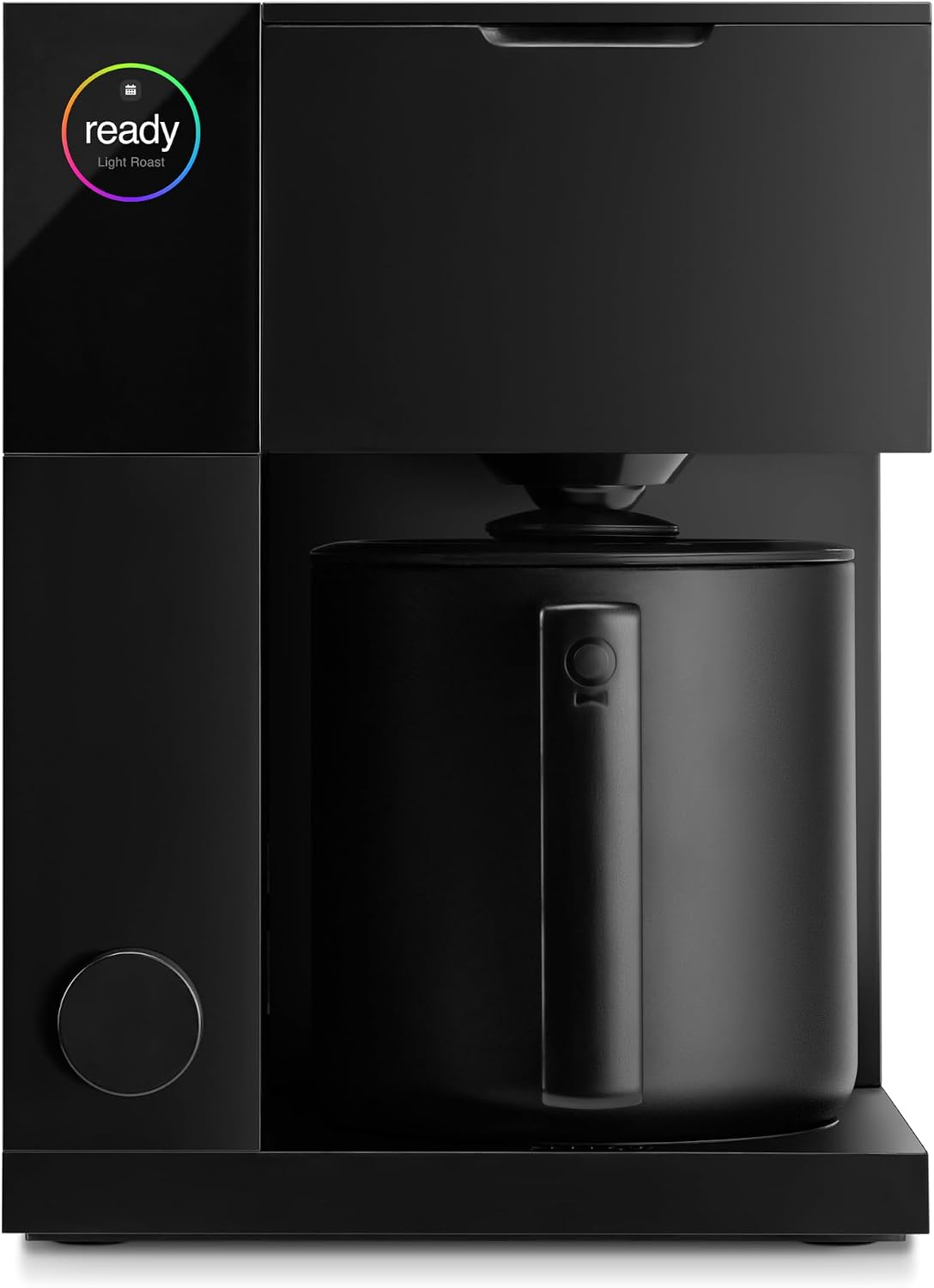
Fellow Aiden
Bloom, pulse, and temperature profiles that get close to pour-over without the kettle ritual.
Check Fellow Aiden on AmazonPrecision batch brew
Breville Luxe Brewer
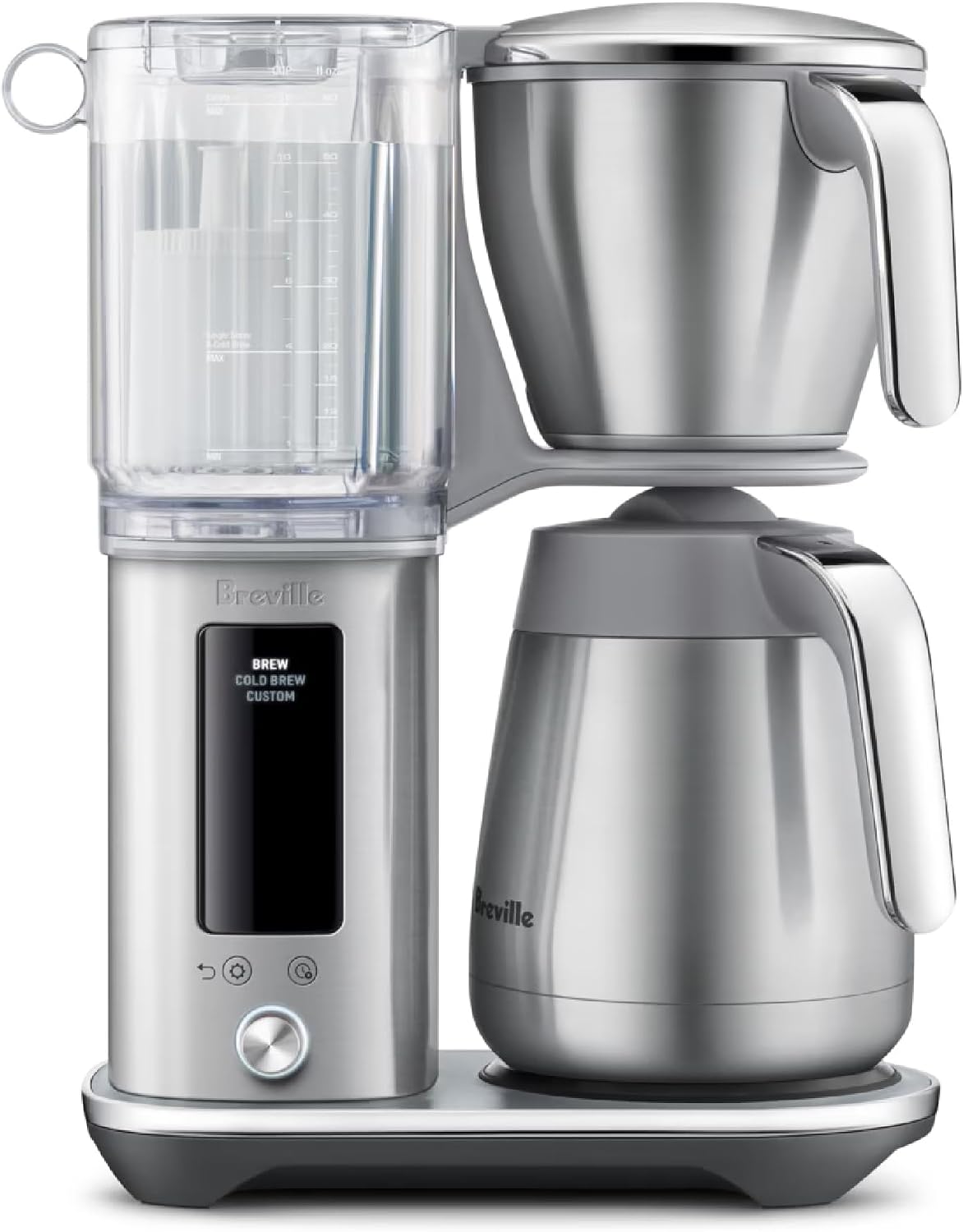
More brew control than a basic 12-cup, for households that drink drip every morning.
Check Breville Luxe Brewer on AmazonFamily thermal carafe
OXO Brew 12-Cup
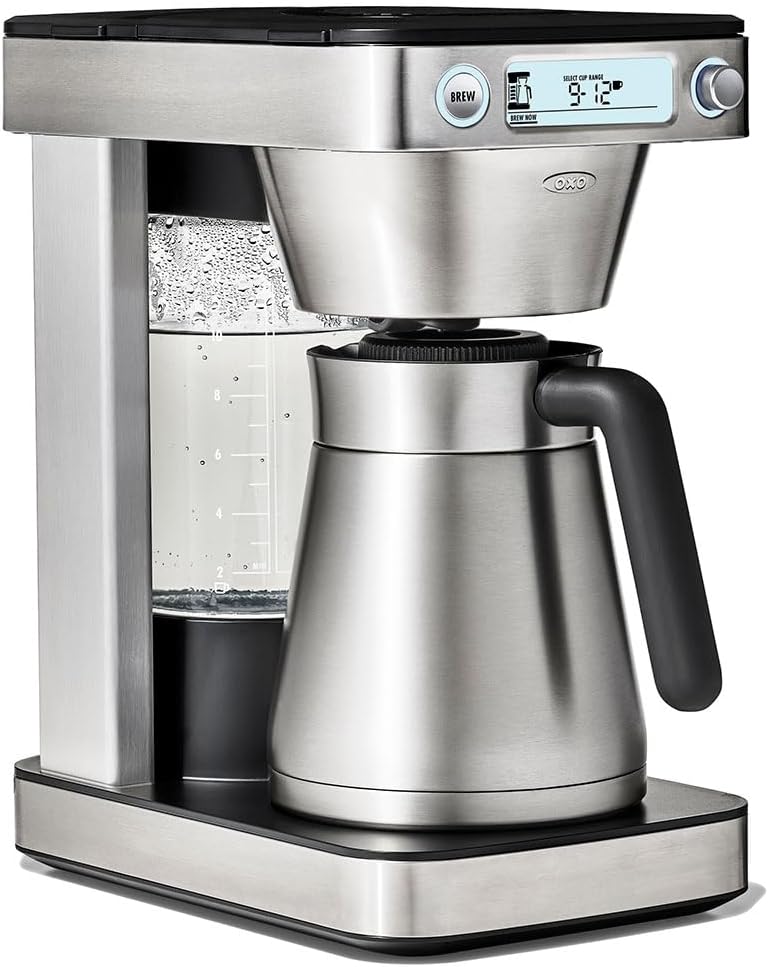
Even saturation and a thermal carafe so the second cup is not cooked on a hot plate.
Check OXO 12-Cup on AmazonBest under $100
Braun BrewSense 12-Cup
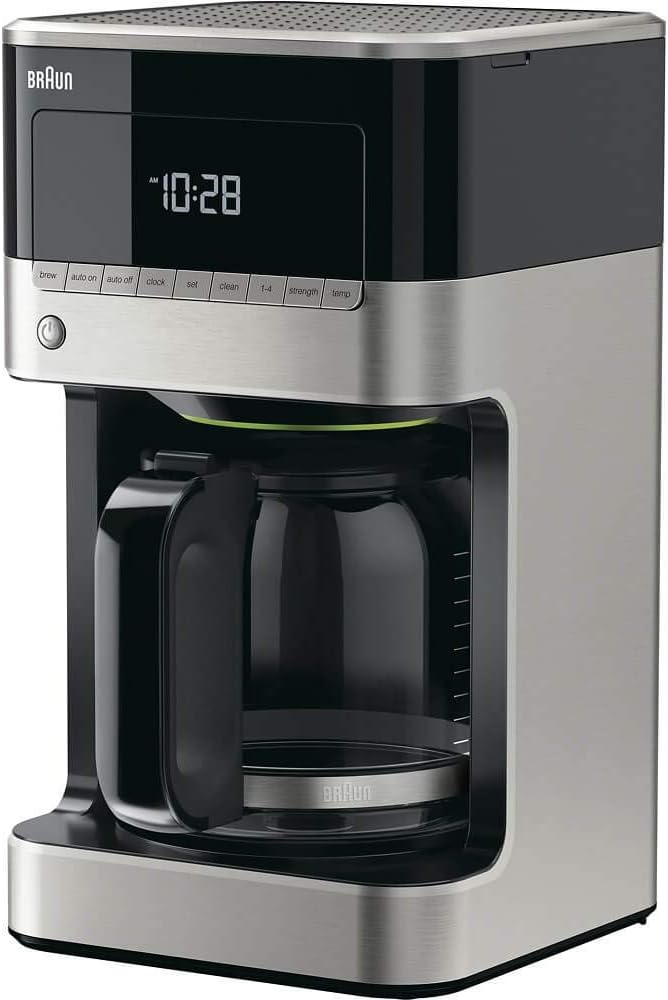
Programmable drip, 1–4 cup mode, and a 24-hour timer without a premium price.
Check Braun BrewSense on AmazonSmall counter
Zojirushi Zutto
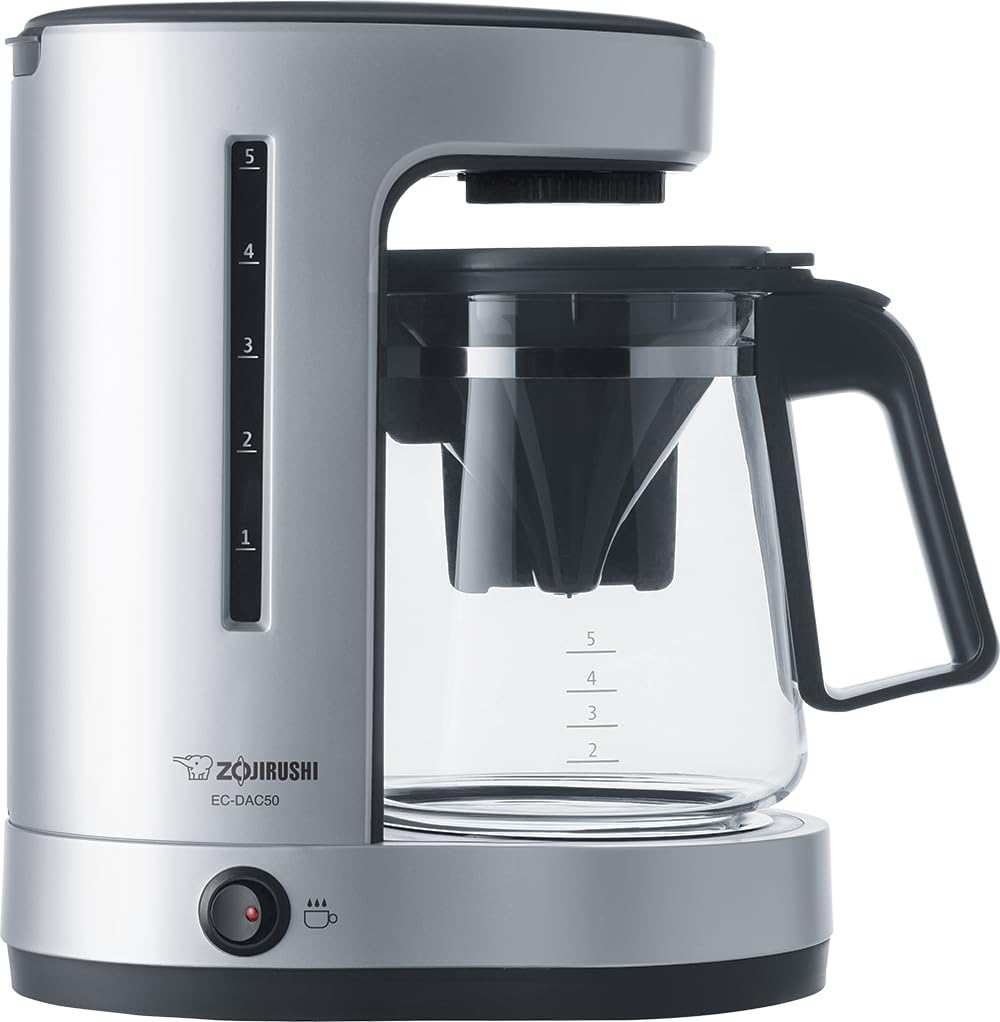
Compact drip when a 12-cup machine is too much carafe and too much width.
Check Zojirushi Zutto on AmazonEvery recommendation uses the same 100-point scale. These drip picks are research-rated. Hands-on tested is used only when our team used the machine and we show the date.
Some links on this page are affiliate links. As an Amazon Associate, Capitol City Coffee earns from qualifying purchases, at no extra cost to you.
The long drip-coffee brief continues below.
The best drip coffee maker for most people in 2026 is one that consistently hits the right brewing temperature, distributes water evenly across the coffee bed, and finishes a brew cycle in the sweet spot of 4 to 8 minutes. Whether you spend $80 or $400, those fundamentals determine whether you get great tasting coffee or a mediocre pot. Below, we break down the top picks across every budget and use case, with honest trade-offs so you can find the right machine for your kitchen.
Start smaller: beans and storage
Drip makers like the Fellow Aiden are the expensive click. If a new machine is waiting, a $20 bag and a canister still upgrade the pot you have.
Whole beans (~$15–$25)
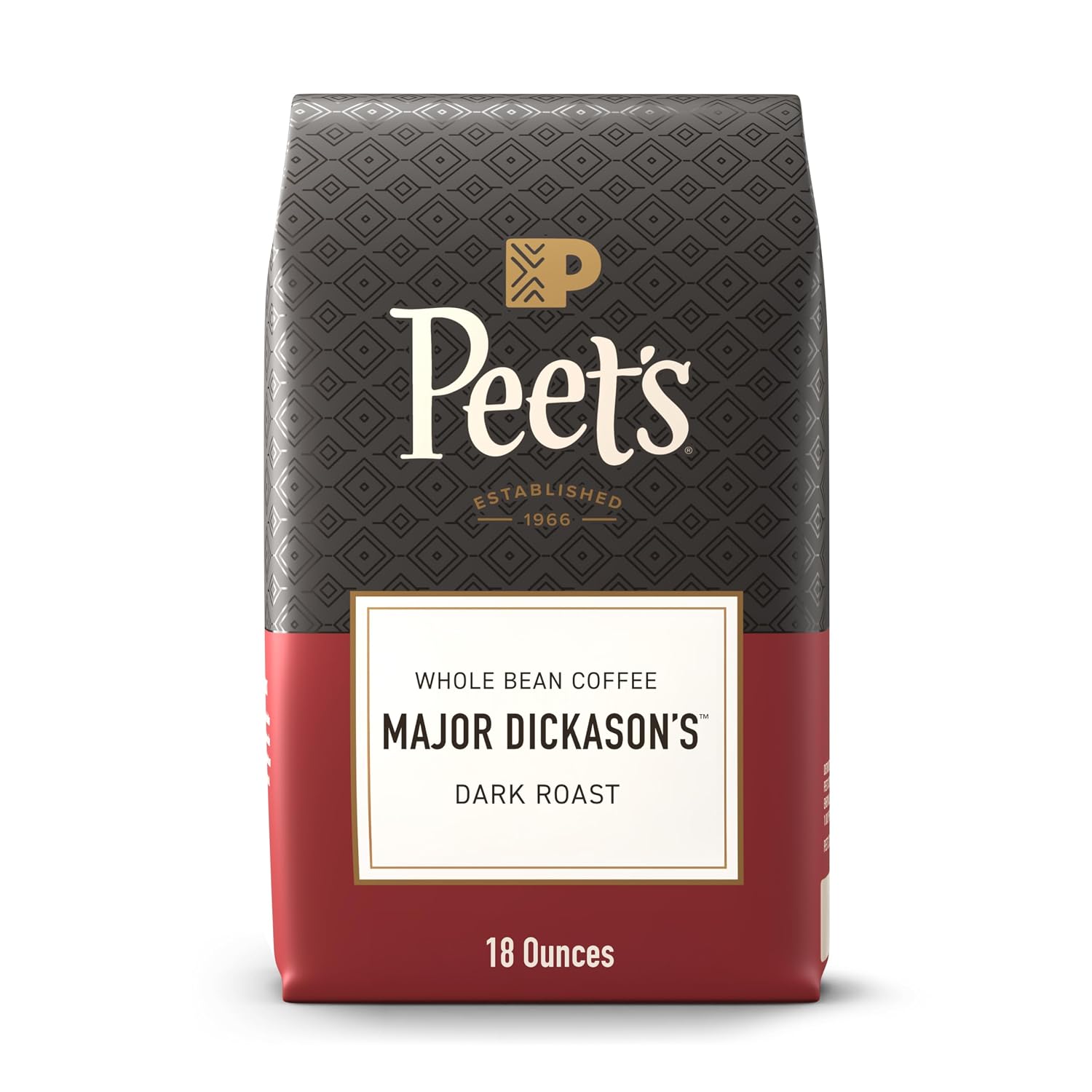
Peet’s Major Dickason’s
A forgiving dark blend for the Aiden, OXO, and other drip makers on this page.
Check Major Dickason’s on Amazon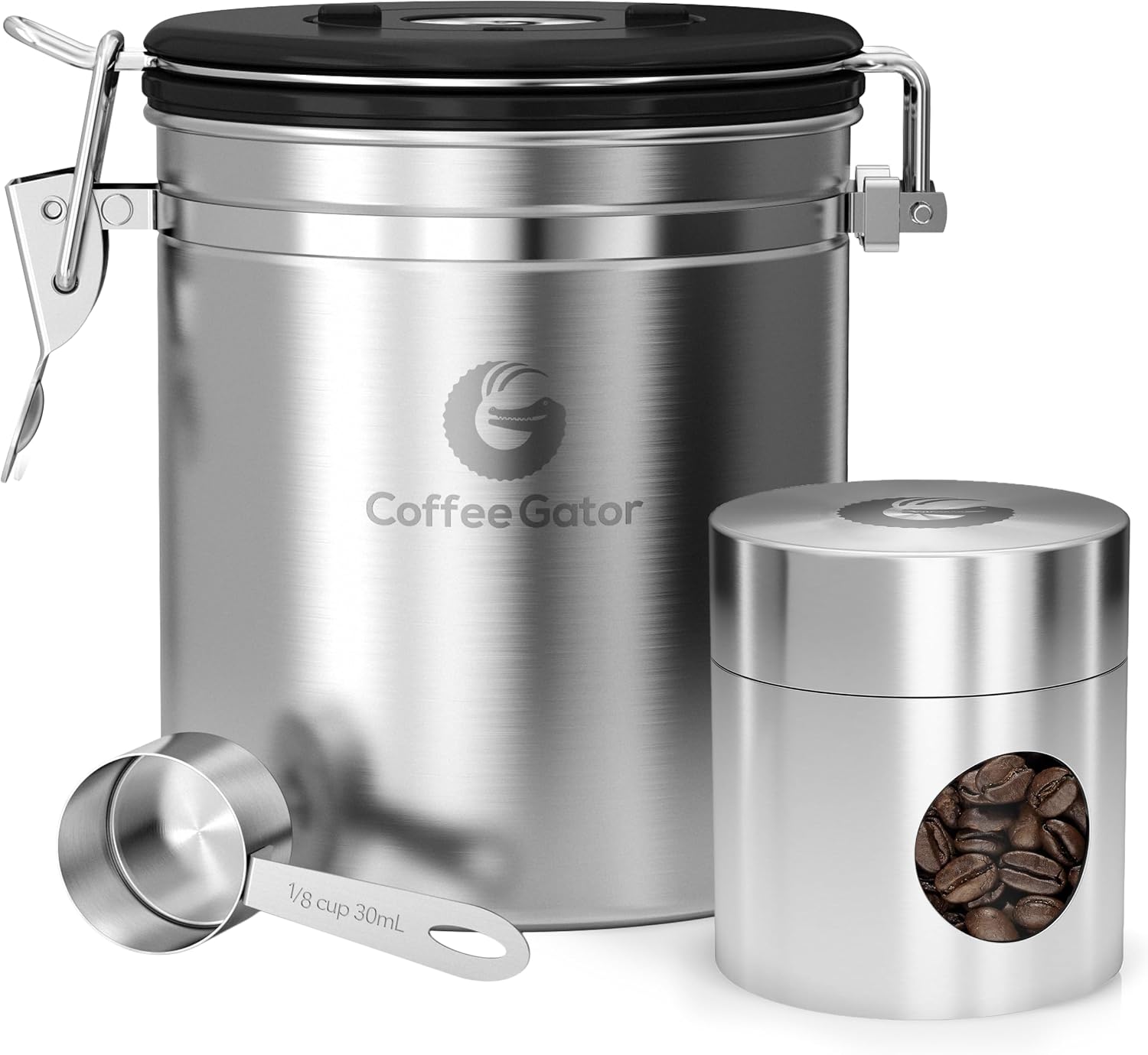
Storage (~$20–$30)
Coffee Gator canister
Keeps the cheaper bag fresh while a new drip machine sits in the cart.
Check Coffee Gator on Amazon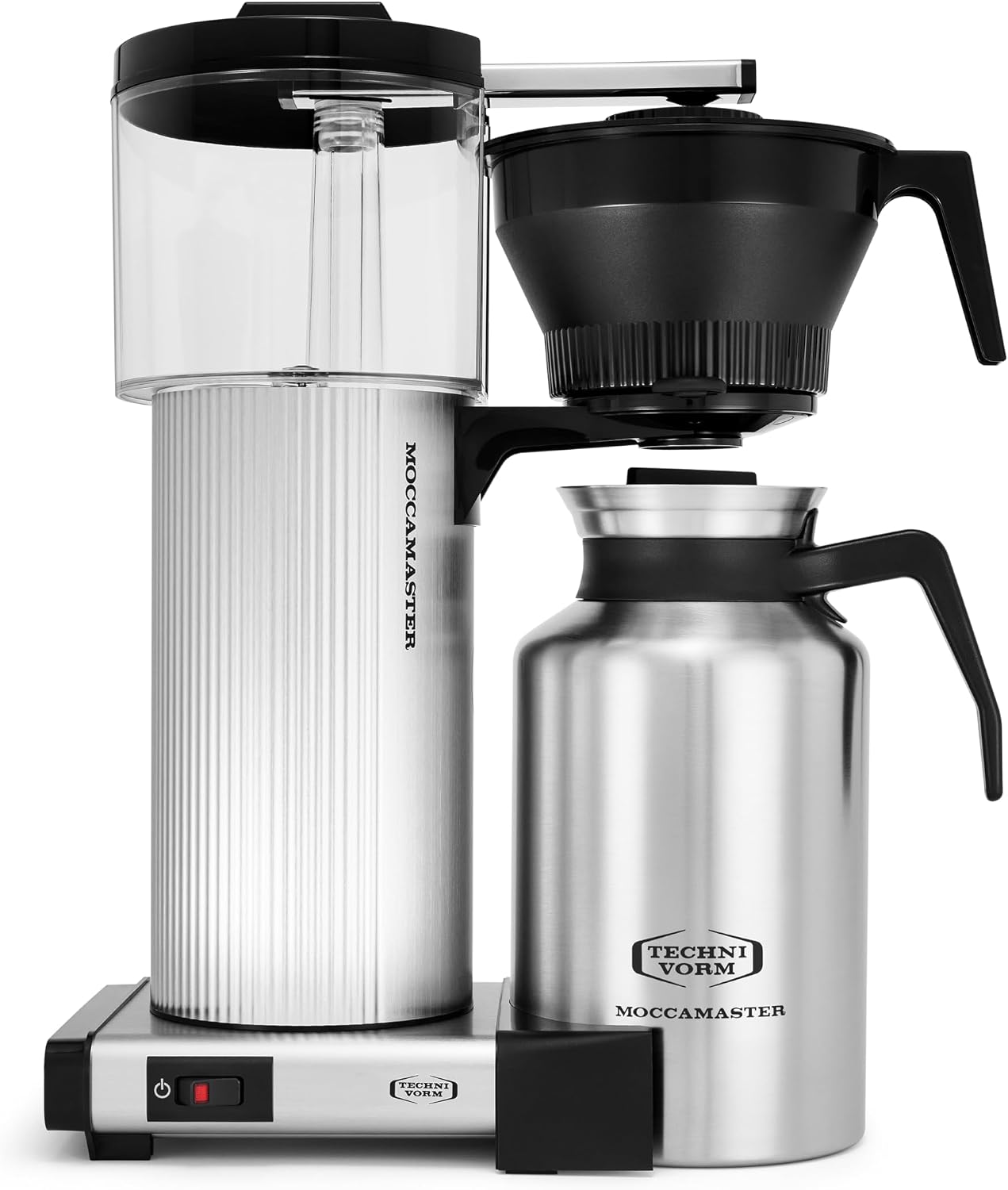
Capitol City Coffee is an independent coffee editorial and affiliate publication. We do not manufacture, sell, or resell coffee makers. Some links on this page may earn a commission at no extra cost to you, but rankings are determined by brewing performance, value, usability, and durability-not by payout rates or brand relationships. No brands paid for placement in this guide, and all analysis is grounded in product specifications, expert reviews, and aggregated customer data.
The Fellow Aiden Precision Coffee Maker earns the top spot for most home users in 2026. It meets SCA Golden Cup standards, delivers a stable brewing temperature adjustable between 122°F and 210°F, and automates bloom, pulse, and flow-features that help deliver some of the best tasting coffee in this category with near-pour-over extraction quality without the manual work. Its thermal carafe keeps coffee hot for over two hours, and the Fellow Aiden has a programmable 24-hour timer so you can wake up to freshly brewed coffee. At around $400, it is a serious investment, but the cup quality justifies the price for anyone who notices the difference between good coffee and excellent coffee.
If you want something simpler and nearly indestructible, the Technivorm Moccamaster remains the gold standard for set-and-forget drip brewing, with rock-solid temperature control and a legendary warranty. And if budget is the priority, the Braun BrewSense can brew 12 cups for around $80 with a programmable timer and adjustable hot plate temperature-a meaningful upgrade from most cheap drip machines.
Read on for the full top picks, the comparison table, and detailed analysis of each brewer.
The machines below represent the strongest options across different priorities. Each pick earns its category based on verified specs, expert consensus, and real-world owner feedback. Fuller details appear in the individual sections that follow.
Auto pour-over
Fellow Aiden
Auto pour-over
Breville Luxe Brewer
Standard drip
Moccamaster KBGV
Standard drip
OXO Brew 9-Cup
Standard drip
Ninja CE251
Compact drip
Zojirushi Zutto
Auto pour-over
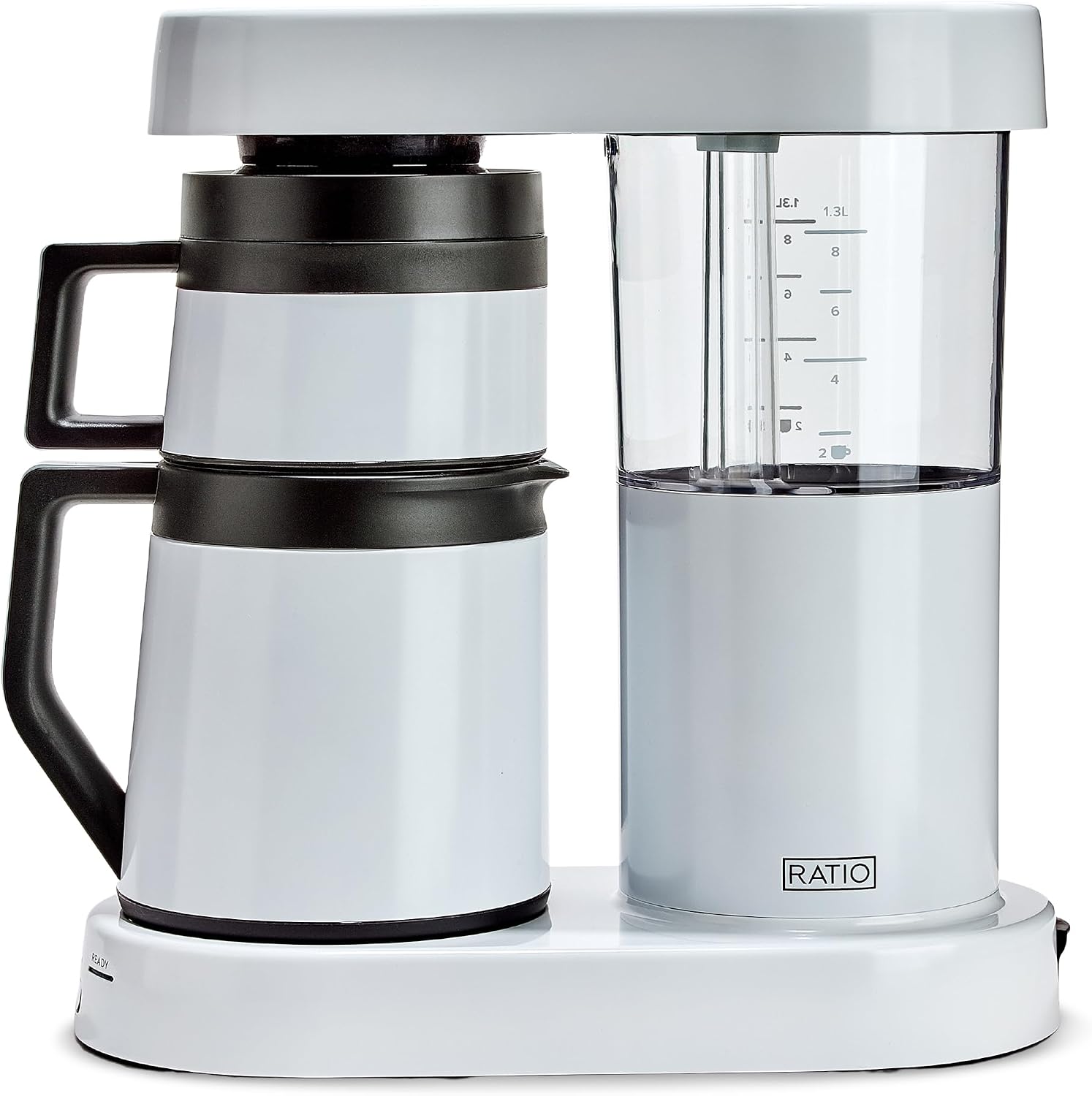
Ratio Six
Standard drip
OXO 12-Cup
Standard drip
Braun BrewSense
The table below compares the top drip coffee makers side by side. Use it to quickly scan capacity, carafe type, brew temperature, features, and price before diving into detailed reviews.
Model | Type | Capacity | Carafe | Brew Temp Range | Programmability | Special Modes | Approx. Dimensions | Warranty | Price (USD) | SCA Certified |
|---|---|---|---|---|---|---|---|---|---|---|
Auto pour-over | 50 oz / ~10 cups | Thermal | 122–210°F | Timer, temp, bloom, flow, strength | Cold brew, iced | ~10 × 7 × 15 in | 3 yr | ~$400 | Yes | |
Auto pour-over | 60 oz / ~12 cups | Thermal or glass | 195–205°F (PID) | Timer, temp, bloom, flow, strength | Cold brew, iced coffee, fast | ~12 × 7 × 16 in | 2 yr | ~$350 | Yes | |
Standard drip | 40 oz / ~10 cups | Glass or thermal | 196–205°F | None (manual switch) | – | ~13 × 7 × 14 in | 5 yr | ~$310 | Yes | |
Standard drip | 9 cups / ~45 oz | Thermal | 197–205°F | Timer, cup dial | Auto pre-infusion | ~17.5 × 8 × 10.5 in | 2 yr | ~$250 | Yes | |
Standard drip | 60 oz / ~12 cups | Glass | ~190–198°F | 24-hr timer, strength | Small batch (1–4 cup) | ~14.6 × 10.5 × 9.9 in | 1 yr | ~$85 | No | |
Compact drip | 23 oz / ~5 cups | Glass | ~185–195°F | None | – | ~6 × 8.9 × 10.6 in | 1 yr | ~$90 | No | |
Auto pour-over | 40 oz / ~8 cups | Thermal | ~195–205°F | One-button (preset bloom/pulse) | – | ~12 × 7 × 14 in | 5 yr | ~$365 | SCA Gold Cup capable | |
Standard drip | 12 cups / ~60 oz | Thermal | ~197–205°F | Timer, cup count | – | ~15 × 8 × 17 in | 2 yr | ~$220 | No | |
Standard drip | 12 cups / ~60 oz | Glass | ~195–200°F | Timer, strength, hot plate temp | – | ~14 × 8 × 12 in | 1 yr | ~$80 | No |
Where to buy: Seattle Coffee Gear · 1st in Coffee · Amazon (affiliate links). Check current price and availability before you buy.
Machines with the most features packed into the smallest footprint includethe Fellow Aiden and Ratio Six. The Technivorm Moccamaster and Ratio Six stand out for offering a 5-year warranty, which is uncommon in this category.
This is a researched editorial analysis, not a hands-on lab test conducted by Capitol City Coffee. Our editorial team synthesized data from manufacturer specifications, SCA Certified Home Brewers lists, reputable review labs (including those from Consumer Reports, Bon Appétit, and Wired), and long-term owner feedback aggregated across major retail platforms.
Key evaluation criteria included:
SCA certification, when present, is treated as a strong positive indicator-it means the machine has been independently verified to maintain a brew temperature of 195°F to 205°F and achieve proper extraction. SCA certification ensures even extraction of soluble compounds from coffee grounds. However, certification is not the sole factor. We also screened out machines with persistent reports of poor durability, plastic taste, or inconsistent brewing performance.
The Fellow Aiden is the best overall drip coffee maker for discerning home users who want near-pour-over extraction quality without standing over a kettle every morning. It produces coffee that rivals manual methods because it automates the variables that matter most: temperature, bloom, pulse, and flow rate.
The Fellow Aiden Precision Coffee Maker meets SCA Golden Cup standards. It brews at temperatures between 122°F and 210°F-a wider range than nearly any other drip brewer-which means it handles everything from standard hot coffee to cold brew style recipes. The brew cycle includes a programmable bloom phase (blooming is a pre-infusion technique that enhances flavor extraction by releasing CO2 from the grounds), followed by pulse pours that mimic careful hand pouring. High-end coffee makers like this offer customizable brewing settings that let you store profiles for different beans.
Usability is strong: a clear color display, guided recipes, and automatic pour-style profiles make it approachable even for non-enthusiasts. The double-wall thermal carafe keeps coffee warm for hours without a warming plate. And the Fellow Aiden has a programmable 24-hour timer, so programmable coffee makers like this can brew coffee automatically before you wake up.
Trade-offs exist at this price point (~$400). The build includes more plastic than you might expect at this premium, the app connectivity can occasionally be finicky, and some owners report needing to stir the carafe after brewing for perfectly even strength. The learning curve for custom profiles is real, though default settings still produce excellent coffee out of the box.
Best for: Coffee enthusiasts who want better coffee without the daily ritual of making pour over coffee manually, and who are willing to invest in advanced temperature control and flow tuning.
The Breville Precision Brewer set the standard for fully programmable drip machines when it launched, and the Breville Luxe Brewer-its refined successor from around 2025-carries the same engine with a more polished interface. Both are SCA certified and remain among the most versatile drip coffee makers available.
Brewing performance is exceptional. PID-controlled brewing temperature stays locked in the 195–205°F range. Users can adjust flow rates, program bloom and brew time, and choose from multiple presets: Gold (SCA standard), Strong, Over Ice, Cold Brew, and Fast. This makes the same machine capable of producing a flavorful pot of hot drip coffee in the morning and better iced coffee in the afternoon-without buying a separate cold brew coffee maker.
Capacity is generous at roughly 60 oz (12 cups), with support for both flat-bottom and cone filter baskets. The Breville Luxe Brewer handles small batches well too, making it practical for households with varying daily needs.
Limitations are worth noting. The footprint is large-comparable to a compact espresso machine-so check your counter space before buying. The control panel has a steeper learning curve than simpler drip coffee makers. And if you opt for the glass carafe version, replacement carafes can be expensive and harder to source in some regions.
Best for: Families or small offices that brew multiple full carafes, want iced coffee and cold brew modes from one appliance, and enjoy fine-tuning brew parameters for different ground coffee.
The Technivorm Moccamaster was the first to receive SCA certification, and it has earned its reputation as the drip brewer you buy once. No apps, no touchscreens, no firmware updates. Just reliable, excellent coffee every morning.
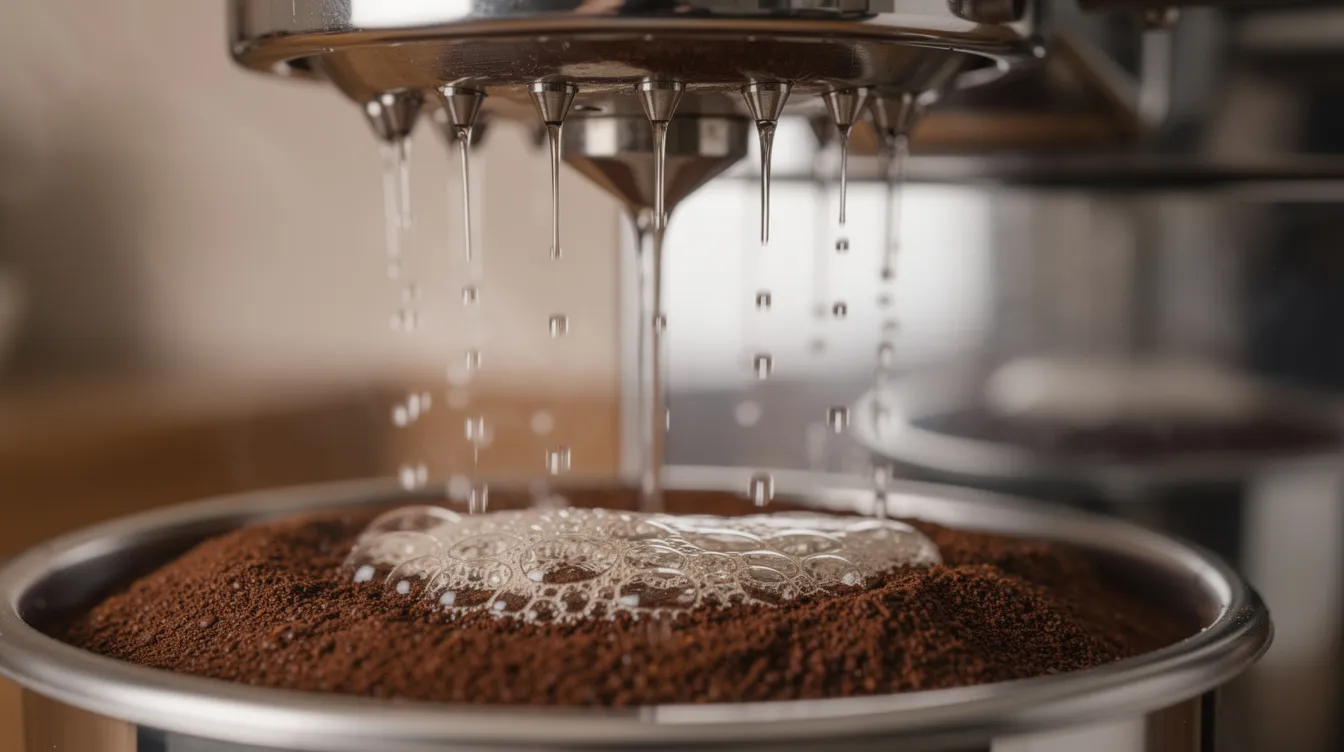
The core strength is brewing performance built around a copper boiling element that helps maintain precise water temperatures. The Technivorm Moccamaster brews coffee at 196°F to 205°F, with a spray arm that distributes hot water evenly across the grounds basket. A full brew cycle completes in about 4 to 6 minutes-right in the sweet spot where coffee should brew for full flavor extraction.
Design details matter here: modular construction means nearly every part (spray arm, carafe lid, brew basket) can be replaced. You can choose between a glass carafe with hot plate or a thermal carafe model. The machine is handmade in the Netherlands and comes with a 5-year warranty. Owners regularly report 8–10+ years of daily use.
Trade-offs are straightforward. There is no programmable timer on most models-no auto-start, no strength adjustment, no iced mode. The price (~$310) is high for a basic machine with no digital features. And if you often brew small batches (1–3 cups), extraction consistency can suffer slightly compared to a full pot.
Best for: Users who prioritize longevity, repairability, and consistent drip coffee over apps or cold brew programs, and who typically brew a full pot at a time.
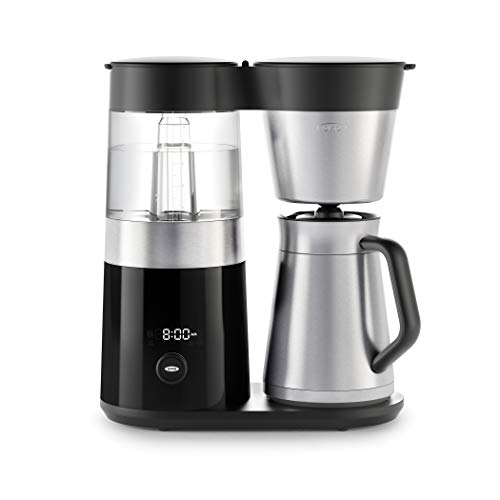
The OXO Brew 9-Cup hits a sweet spot between smart programmability and straightforward daily use. It is SCA certified, produces consistently good cup after good cup, and manages to automate the tricky parts of brewing without burying you in menus.
The OXO Brew 9-Cup Coffee Maker has an automatic pre-infusion cycle-a built-in bloom phase that saturates the grounds before the main brew, improving extraction quality. Brew temperature stays in the 197–205°F range. A rainmaker-style shower head ensures even water distribution across the entire coffee bed, preventing the channeling that creates weak or over-extracted spots.
Key features include an intuitive dial for setting cup count, a programmable start time, and a well-insulated thermal carafe that prevents the cooked taste you get from glass carafes left on a hot plate. At around $250, it delivers SCA-level brewing performance for meaningfully less than the Fellow Aiden or Breville Luxe Brewer.
Minor drawbacks: the body is tall (~17.5 inches), which can create clearance issues under low cabinets. The carafe opening is relatively narrow, making cleaning a bit of a chore-you will want a bottle brush. The water tank is also fixed rather than removable on some versions.
Best for: People who want very good, largely automated brewed coffee every morning with the ability to set a timer, but who do not need deep manual control over every variable.
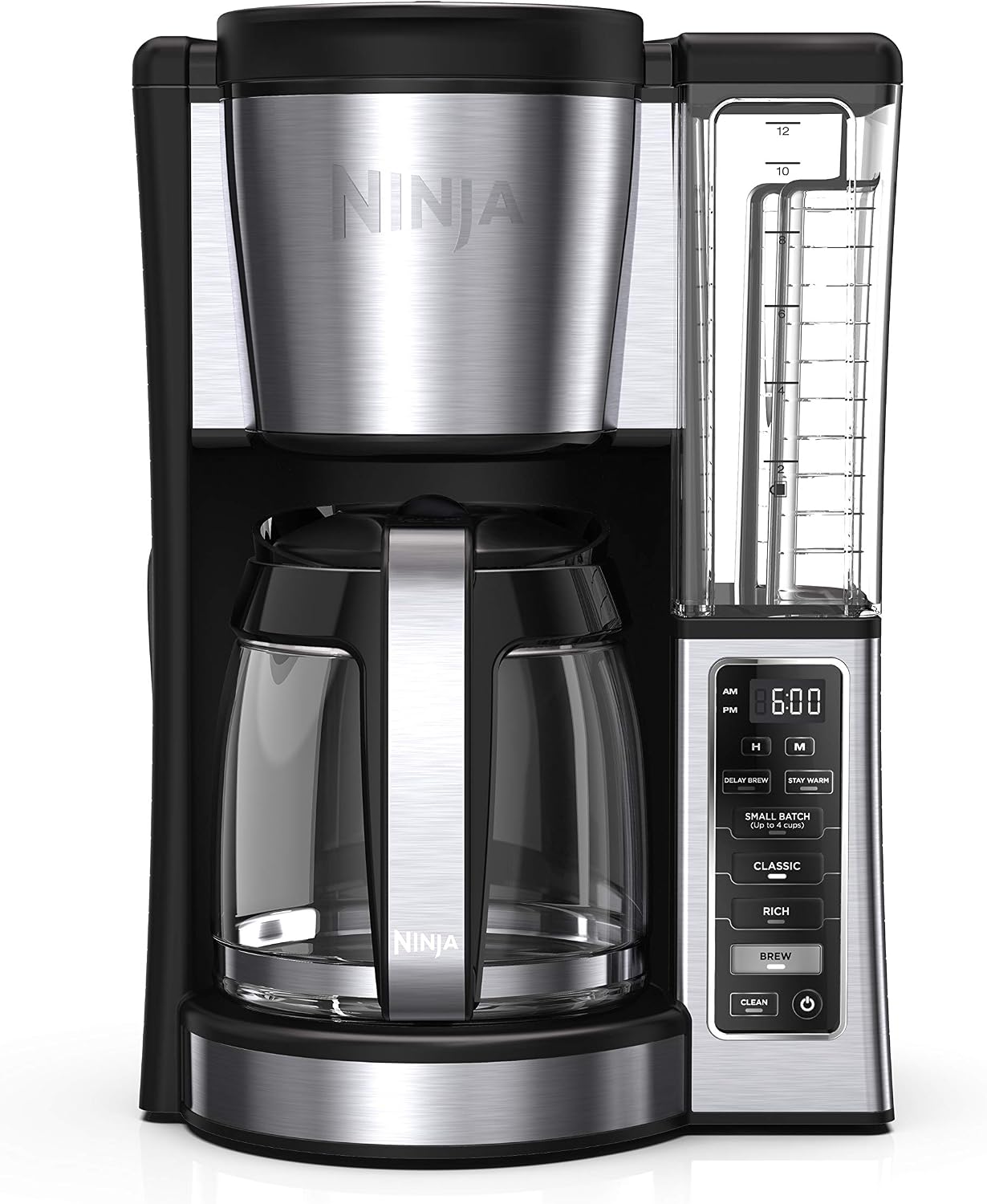
Ninja’s 12-Cup Programmable Coffee Maker is under $100 and delivers more capability than most machines in its price class. It is not going to match an SCA certified drip brewer in extraction quality, but it represents a significant step up from the cheapest drip machines on the shelf.
Brewing performance is respectable for the price. Water temperature approaches the lower end of the ideal range-budget coffee makers often struggle with temperature consistency, and many budget models fail to heat water above 195°F, but the Ninja runs closer to that threshold than most sub-$100 competitors. Brew time runs around 8–9 minutes for a full 12-cup glass carafe, which is slightly longer than optimal but still produces coffee with reasonable body and balance, especially with medium roasts.
Its convenient features include a 24-hour programmable delay brew, “Classic” and “Rich” strength options, a mid-brew pause, and a removable water tank that simplifies filling and cleaning. The 1–4 cup small-batch mode adjusts the brew cycle for mornings when you only need a few cups.
The compromises are expected at this price. The glass carafe sits on a warming plate, and glass carafes can lead to burnt coffee if left on hot plates for extended periods. Build quality is predominantly plastic. Flavor lacks the nuance of premium brewers-you are getting perfectly drinkable coffee, not third-wave clarity. Budget coffee makers typically lack advanced features like bloom control, and this one is no exception.
Best for: Budget-conscious households upgrading from a very basic machine, who value capacity, delay brew, and everyday convenience over cutting-edge extraction.
The Zojirushi Zutto is an excellent small-footprint cup coffee maker for 1–2 coffee drinkers who just need a simple, reliable morning brew. Maximum capacity is about 5 cups (~23 oz), which is plenty for a solo drinker or a couple.
The design is clever: the brew cone sits inside the glass carafe, keeping the slurry close to the shower head for better temperature retention during small-volume brews. A removable water tank with clear markings makes filling easy, and a built-in charcoal water filter improves tap water taste before it ever touches the grounds. Best entry-level models like this focus on simplicity and reliable brewing, and the Zutto delivers exactly that.
Limitations are real. There is no advanced programmability-no timer, no strength control, no bloom phase. Capacity is too small for households with more than two regular coffee drinkers. The warming plate keeps coffee warm but can degrade flavor if you leave the pot sitting for more than about an hour. An ideal drip coffee maker should prioritize brew temperature and water distribution, and the Zutto is adequate but not exceptional on those fronts.
Best for: Apartment dwellers, students, and solo coffee drinkers who prioritize space-saving design and straightforward use over advanced features.
The Ratio Six automates a manual pour-over pattern with a bloom phase and carefully controlled pulse pours, producing better extraction than many standard drip coffee makers with virtually zero user input. If you love the idea of making pour over coffee but do not want the daily ritual, this machine bridges the gap.
Brewing characteristics are strong: the Ratio Six is SCA Gold Cup capable, with good control of brew temperature and flow through a staged process that mimics deliberate kettle pouring. The result is more even extraction and a cleaner, more complex cup than what a basic machine with a simple drip mechanism can achieve.
The user experience is refreshingly simple-one-button operation. The build is visually striking with premium materials, and the insulated thermal carafe keeps coffee hot for a couple of hours without a hot plate. The Ratio Six coffee maker has a 5-year warranty, which is excellent for this category.
Trade-offs include a higher price (~$365) for what is ultimately a one-button machine-you are paying for build quality and brew engineering, not for menus or apps. The fixed water tank can be slightly awkward to fill under low cabinets, and the carafe opening is narrow enough that a bottle brush is helpful for thorough cleaning.
Best for: Drinkers who want better coffee than a basic drip brewer, value aesthetics and build quality, but do not care about complex menus or smartphone control.
The OXO 12-Cup Coffee Maker has a capacity of 12 cups and is built for families, shared homes, or small offices that need to brew a full pot without sacrificing too much coffee quality. The OXO 12-Cup Coffee Maker features a programmable timer, so it is ready when you need it.
Brewing performance is supported by a large-capacity brew basket and a rainmaker shower head designed for even saturation across a wide coffee bed. The thermal carafe maintains temperature for hours-well past that first round of morning cups. A well-designed showerhead distributes water evenly over coffee grounds, and the OXO’s version does this reliably at full batch size.
The interface is clear: digital controls, an adjustable timer, and straightforward programming that does not require a manual to figure out. Removable shower head components simplify cleaning.
Limitations include a sizable countertop footprint (this is a tall machine), a fixed water tank that is slightly less convenient than removable alternatives, and marginally less flavor nuance compared to smaller, precision-focused brewers. When you scale up batch size, some extraction clarity is traded for volume.
Best for: Multi-person households and hosts who brew multiple full carafes and care more about reliable, large-batch output than the last 5% of flavor clarity.
Several other drip coffee makers deserve mention for readers with specific priorities, even if they did not top the main categories above.
If budget is your main filter, see our roundups on coffee makers under $100 and coffee makers under $200. If you want an integrated grinder, check our guide to the best coffee makers with grinders.
Not every spec on the box translates to better coffee. These are the variables that consistently impact flavor and consistency across other drip coffee makers and every model in this roundup.
Brew temperature. Water temperature control is crucial for coffee extraction accuracy. Brewing temperature should be between 195°F and 205°F-the range where water dissolves the right balance of acids, sugars, and bitter compounds from ground coffee. Cheaper machines frequently fall short of this range, which is why budget coffee makers often struggle with temperature consistency and produce flat, under-extracted cups.
Brew time. Coffee should brew for 4 to 6 minutes for full flavor extraction, depending on batch size. Too short, and you get thin, sour coffee. Too long, and bitterness dominates. A good drip machine controls this through flow rate and water delivery timing.
Extraction consistency. Even water distribution prevents weak and over-extracted coffee in the same brew. This comes down to shower head design (how water is spread across the coffee bed), bloom or pre-infusion cycles, and bed depth. Blooming releases CO2 from coffee grounds for better extraction-bloom time should be around 30 seconds for optimal flavor extraction.
Capacity and carafe. Small vs. large batch design changes the water path and affects temperature stability. Thermal carafes prevent the cooked taste of coffee you get from glass versions left on a warming plate.
Programmability and automatic pour profiles. Features like delay timers, strength presets, and adjustable flow help multiple users get repeatable results day to day.
Understanding why these variables matter helps you make a smarter buying decision, even if you never adjust a single setting manually.
Brewing at 180°F versus 200°F produces dramatically different cups. At lower temperatures, lighter roasts will taste sour and thin because the water cannot dissolve enough of the flavor compounds locked inside the grounds. Darker roasts fare slightly better at lower temps but still lose body and sweetness. At 200°F, the full spectrum of acidity, sweetness, and balanced bitterness emerges-which is exactly why SCA certification requires maintaining a brew temperature of 195°F to 205°F.
The interplay between grind size, brew time, and flow rate is what a good drip coffee maker automates for you. Coarser grinds need longer contact time; finer grinds extract faster but risk bitterness. Machines like the Breville Luxe Brewer and Fellow Aiden let users fine-tune bloom length and flow profiles to adapt to different coffees-light Ethiopian naturals versus dark Sumatras, for example.
The practical takeaway: for most people, choosing a drip brewer that reliably hits proper temperature and brew time is a far bigger upgrade than chasing ultra-advanced features. A copper boiling element helps maintain precise water temperatures, which is why Moccamasters have produced great coffee for decades with nothing more than a switch.
Even the best drip coffee makers will frustrate you if they do not fit your space or brew too much or too little for your daily habits.
Capacity. A typical 10–12 cup coffee maker produces roughly 50–60 oz per batch (remember that a standard “cup” in coffee maker terms is only about 5–6 oz, not a full mug). Solo drinkers will waste coffee and grounds with a 12-cup machine. Multi-cup drinkers or households of 3+ people should look at 8-cup minimum capacity to avoid brewing twice every morning.
Carafe type. Thermal carafes keep coffee hot for over two hours without external heat, and thermal carafes can maintain coffee temperature for hours-meaning you can shut the machine off right after brewing. Glass carafes can lead to burnt coffee if left on hot plates, and the longer you leave a glass carafe on a hot plate, the more the coffee develops that stale, bitter edge. However, glass carafes are often easier to clean than thermal ones, and they cost less to replace. Choose thermal if you routinely keep coffee warm for more than 30–45 minutes; glass is fine for immediate serving.
Footprint. Height matters as much as width-machines like the OXO 9-Cup sit tall (~17.5 inches) and may not fit under standard upper cabinets. Depth also varies, especially for machines that load water from the top versus the front. Measure before you buy.
Large, feature-rich machines like the Breville Luxe Brewer or OXO 12-Cup may replace multiple devices (a drip brewer plus a separate cold brew maker) and can be worth the space trade-off.
Programmability in a drip machine ranges from a simple start-time timer to fully custom temperature settings and smartphone apps. Knowing what level of complexity actually serves your routine is the key to avoiding buyer’s remorse.
Core programmable features to look for:
Automatic pour-over features like bloom pre-infusion and pulsed water delivery are the biggest recent upgrade in the drip machine category. These features improve extraction consistency without requiring barista-level skills. The automatic pour pattern on machines like the Fellow Aiden and Ratio Six saturates grounds more evenly than a simple continuous drip.
Smart features-app control, Wi-Fi, Bluetooth, voice assistant integration-offer genuine convenience (remote start, saved recipes for different beans) but add complexity and potential software bugs. Programmable coffee makers can brew coffee automatically before you wake up, but you do not need a smartphone app to do that-a basic timer achieves the same result.
Pick the lowest level of complexity that supports your daily routine. Overbuying on smart features you never use often reduces satisfaction rather than increasing it.
A coffee maker you dread cleaning will end up unused, no matter how good the brewed coffee tastes.
Usability elements: Look for clearly labeled buttons or a simple dial, intuitive icons, easy filter basket loading, and a removable water tank with visible fill lines. Machines like the OXO 9-Cup and Ninja CE251 score well here; the Breville Luxe Brewer is capable but has a denser control panel.
Cleaning: Removable filter baskets, drip trays, and showerheads make a meaningful difference in daily maintenance. Some components are dishwasher safe; others require hand washing. Carafe shape matters-narrow-mouth thermal carafes (like those on the OXO and Ratio Six) often require a bottle brush for thorough scrubbing.
Basic maintenance schedule:
Some machines include cleaning or descale reminders with built-in routines, reducing guesswork and helping maintain consistent brewing performance over months and years.
A drip coffee maker is a multi-year appliance. Long-term value matters as much as the sticker price.
Typical warranty ranges span 1 to 5 years. The Technivorm Moccamaster and Ratio Six stand out with 5-year coverage. Breville and OXO typically offer 2 years; Ninja and Zojirushi usually provide 1 year. Longer warranties generally correlate with better build quality and available replacement parts.
Build quality signals: Metal vs. thin plastic housing, modular parts that can be individually replaced, and continued availability of carafes and lids. Moccamaster owners regularly report 8–10+ years of daily use. Budget machines from Ninja or Hamilton Beach tend to cycle out after 3–5 years.
Value beyond ticket price: Consider cost per year of use. A $310 Moccamaster that lasts 10 years costs $31/year. A $70 drip brewer replaced every 3 years costs ~$23/year but produces noticeably worse coffee and generates more waste. Thermal carafes can reduce energy use by eliminating long hot-plate sessions. Paper filter costs (~$0.05–0.10 per brew) add up over years; a reusable filter eliminates that but lets more oils and sediment through, which changes the flavor profile.
For daily coffee drinkers, spending moderately more on a reliable, repairable drip brewer often yields better coffee and lower long-run cost than cycling through cheap machines.
Before comparing spec sheets, identify your top two priorities and the kind of machine that will make coffee the way you actually like to drink it. Everything else becomes secondary.
Here is what each price tier typically delivers:
Align budget with how much you notice taste differences and how many years you expect to use the machine.
Standard hot drip coffee poured over ice is not the same as true cold brew. Hot-brewed iced coffee tends to be brighter and more acidic; cold brew (extended room-temperature or cold water extraction over 12–24 hours) produces a smoother, lower-acid concentrate. Some machines aim to handle both.
The Breville Luxe Brewer explicitly includes Over Ice and Cold Brew modes-dedicated brewing modes that adjust flow, temperature, and batch size for each style. Certain Ninja Hot & Cold systems also target this multi-mode functionality. The Fellow Aiden can produce cold-style recipes through its wide temperature range.
Pros of built-in cold brew modes: convenience, one drip machine handling everything. Cons: batch sizes are limited, and a dedicated cold brew coffee maker (like a simple immersion brewer) often produces a more nuanced concentrate.
If cold brew is a daily staple, a dedicated device may still be worthwhile. If it is an occasional treat, a capable multi-mode brew coffee maker saves counter space and money.
Some machines also offer concentrate settings for lattes or iced lattes, which can be attractive for households that mix drinks beyond black hot coffee.
Ownership costs extend beyond the purchase price. Filters, descaling solution, electricity for warming plates, and potential replacement parts all add up over the life of the machine.
Routine cleaning frequency:
Filter choices: Unbleached paper filters produce a cleaner cup by trapping oils and fine sediment, but cost roughly $0.05–0.10 per brew. Permanent mesh or reusable filter options eliminate that ongoing cost but allow more oils through, resulting in a heavier-bodied cup with slightly more sediment-a matter of preference, not quality.
5-year cost-of-ownership estimates:
Budget
About $85 to buy
Mid-range
About $250 to buy
Premium
About $400 to buy
Category | Budget (~$85) | Mid-Range (~$250) | Premium (~$400) |
|---|---|---|---|
Purchase price | $85 | $250 | $400 |
Filters (paper, ~$20/yr) | $100 | $100 | $100 |
Descaling (~$15/yr) | $75 | $75 | $75 |
Replacement carafe (est.) | $25 | $40 | $50 |
5-Year Total | ~$285 | ~$465 | ~$625 |
Thermal carafes reduce energy costs by eliminating long warming-plate sessions. Premium machines tend to need fewer replacements because of better build quality. The cost gap narrows when you factor in that a budget drip brewer may need to be replaced entirely within that 5-year window.
Even the best drip coffee makers can only brew as well as the beans and grind they are given. A few small adjustments here make a bigger difference than spending an extra $100 on a fancier machine.
Freshly ground, properly dosed coffee brewed with filtered water is the single biggest upgrade most people can make-regardless of which drip brewer they own.
This page is part of our broader gear and coffee maker coverage, which includes focused roundups on budget coffee makers, grind-and-brew machines, single serve coffee makers, espresso gear, and more. If you are building a complete at-home coffee setup-including grinders, kettles, a french press, or cold brew devices-explore our adjacent guides once you have shortlisted a drip coffee maker. You will also find our overall gear index helpful for browsing across categories.
The following questions address common concerns not fully covered in the main sections above.
SCA certification means the machine has been independently verified to brew within 195–205°F and achieve a beverage strength of 1.15% to 1.35%-standards that consistently produce well-extracted, balanced coffee. It is a strong positive indicator, but not an absolute requirement for a good cup. Many non-certified brewers (like the Braun BrewSense or higher-end Ninja models) still perform respectably. SCA certification is most valuable as a shortcut if you do not want to research detailed temperature and extraction specs yourself.
Budget drip coffee makers typically last 3–5 years with daily use. Premium, repairable models like the Technivorm Moccamaster can last 7–10 years or more when properly maintained. The biggest factors influencing longevity are build quality, water hardness (hard water accelerates scale buildup), descaling frequency, and whether replacement parts like carafes and brew baskets remain available from the manufacturer.
Not always-it depends on how you drink your coffee. Thermal carafes preserve flavor and keep coffee hot without cooking it, making them the better choice if you routinely leave coffee on the counter for more than about 30–45 minutes. Glass carafes are lighter, often cheaper, and let you see the brew level at a glance, but a heating element underneath can degrade flavor within about an hour. If you serve and drink your coffee immediately after brewing, a glass carafe is perfectly fine-and easier to clean.
True cold brew requires long steep times (12–24 hours) in cold or room-temperature water-a process that cannot be replicated by simply pouring hot water over ice in a standard automatic brewer. Some advanced machines like the Breville Luxe Brewer and Fellow Aiden include specific cold brew or cold bloom modes that approximate the process with extended, low-temperature extraction cycles. If cold brew is an everyday drink for you, a dedicated cold brew coffee maker still tends to produce a more nuanced result.
Before buying a new machine, try these zero-cost or low-cost fixes: switch to properly dosed, fresh whole beans ground with a burr grinder; verify your coffee to water ratio (start at about 1:16 by weight); use filtered water if your tap water is very hard or heavily chlorinated; and stop leaving brewed coffee sitting on a hot plate for extended periods. If taste issues persist after dialing in those variables, upgrading to a drip brewer with proper brew temperature control and a well-designed shower head is usually the single biggest improvement you can make.
The best next step: narrow your shortlist to two or three machines based on your budget and priorities, then check current pricing. If you are still deciding how much to spend, our guides to coffee makers under $100 and coffee makers under $200 can help you zero in.
Every coffee and coffee machine we recommend is scored on the same 100-point scale, so a recommendation on one page means the same thing as a recommendation on any other. Each pick is also labeled with how we reached its score.
| What we score | Points | What we look at |
|---|---|---|
| Origin and sourcing transparency | 20 | Country, region, farm or cooperative, altitude, bean variety, and processing method are clearly disclosed. |
| Flavor evidence | 25 | Independent cupping scores, how closely the tasting notes match what the origin is known for, and our own cupping notes when hands-on tested. |
| Roast and freshness | 15 | Roast level stated, roast-date practices, whole-bean availability, and packaging with a one-way valve or resealable bag. |
| Brew versatility | 15 | How well the roast suits pour-over, drip, French press, cold brew, and espresso. |
| Value | 15 | Price per ounce compared with similar single-origin coffees or blends. |
| Buyer feedback | 10 | Volume and consistency of verified reviews, and recurring complaints about staleness, bitterness, or shipping. |
| What we score | Points | What we look at |
|---|---|---|
| Brewing performance | 25 | Water temperature in the 195–205°F range, even extraction, and SCA certification or published test data. |
| Build quality and reliability | 20 | Materials, known failure points, and long-term owner reports. |
| Ease of use and cleaning | 15 | Setup, the daily routine, descaling, and dishwasher-safe parts. |
| Fit for your kitchen | 10 | Capacity, counter footprint, and noise. |
| Useful features | 10 | Programming, grind and temperature control, and carafe type. Features that improve the cup count more than extras that do not. |
| Value | 10 | Price compared with machines that perform similarly. |
| Warranty and support | 10 | Warranty length, parts availability, and how the brand handles repairs. |
| Score | Grade | What it means |
|---|---|---|
| 90–100 | A | Exceptional. Our first recommendation for the feeling and setting described. |
| 80–89 | B | Strong. Excellent, with minor trade-offs we explain. |
| 70–79 | C | Good. Worth it for specific needs, with clear compromises. |
| Below 70 | — | Not recommended. We do not feature these as picks. |
When a pick carries the Hands-on tested label, this is the method behind it, and we note the date we tested.
We match each coffee to a mood and a moment based on its flavor profile and roast. Bright, citrusy light roasts suit energizing mornings. Chocolatey, full-bodied medium roasts suit slow or social moments. Richer roasts suit espresso and milk drinks. Each pick explains which facts led us to that match.
Every score comes only from the criteria above. No brand can pay for a pick or a higher grade. We re-check ratings when a roast, listing, or model changes, and update or remove picks that no longer earn their grade.
Some links on this page are affiliate links. As an Amazon Associate, Capitol City Coffee earns from qualifying purchases, at no extra cost to you.
Questions about a rating? Reach the Capitol City Coffee team through our contact page.