

As an Amazon Associate I earn from qualifying purchases. This page contains affiliate links; we may earn a commission if you buy through them.
There is a major variety of famous coffee drinks out there. With a universal love of coffee diversity, coffee shops worldwide offer both classic and modern coffee drink varieties. Each coffee drink has its own origin and preparation. Every coffee drinker has a style preference! The rich and diverse profile of coffee flavors from Colombia’s regions showcases the unique characteristics of each area. From the high-altitude plantations in the Sierra Nevada to the lush valleys of Caldas, every cup tells a story. Exploring these regional profiles allows coffee enthusiasts to appreciate the intricate nuances found in Colombian coffee. The best coffee beans from Colombia are often considered a benchmark for quality. Many coffee aficionados seek out these beans due to their rich flavor and aroma. By choosing Colombian coffee, you are not just enjoying a beverage but also experiencing a piece of the country’s vibrant culture and dedication to coffee crafting.
From cappuccino to cold brew, coffee drinks ingrained themselves in languages across the globe. There is coffee for any sort of occasion. There are coffees fit for the coldest days and even the hottest days. Coffee’s versatility allows for it to maintain its popularity in a variety of fashions. What is your favorite coffee drink? Let’s see if it is among the most famous coffee drinks and see where it comes from. As an Amazon Associate we earn from qualifying purchases.
Just Hot Coffee:
Espresso
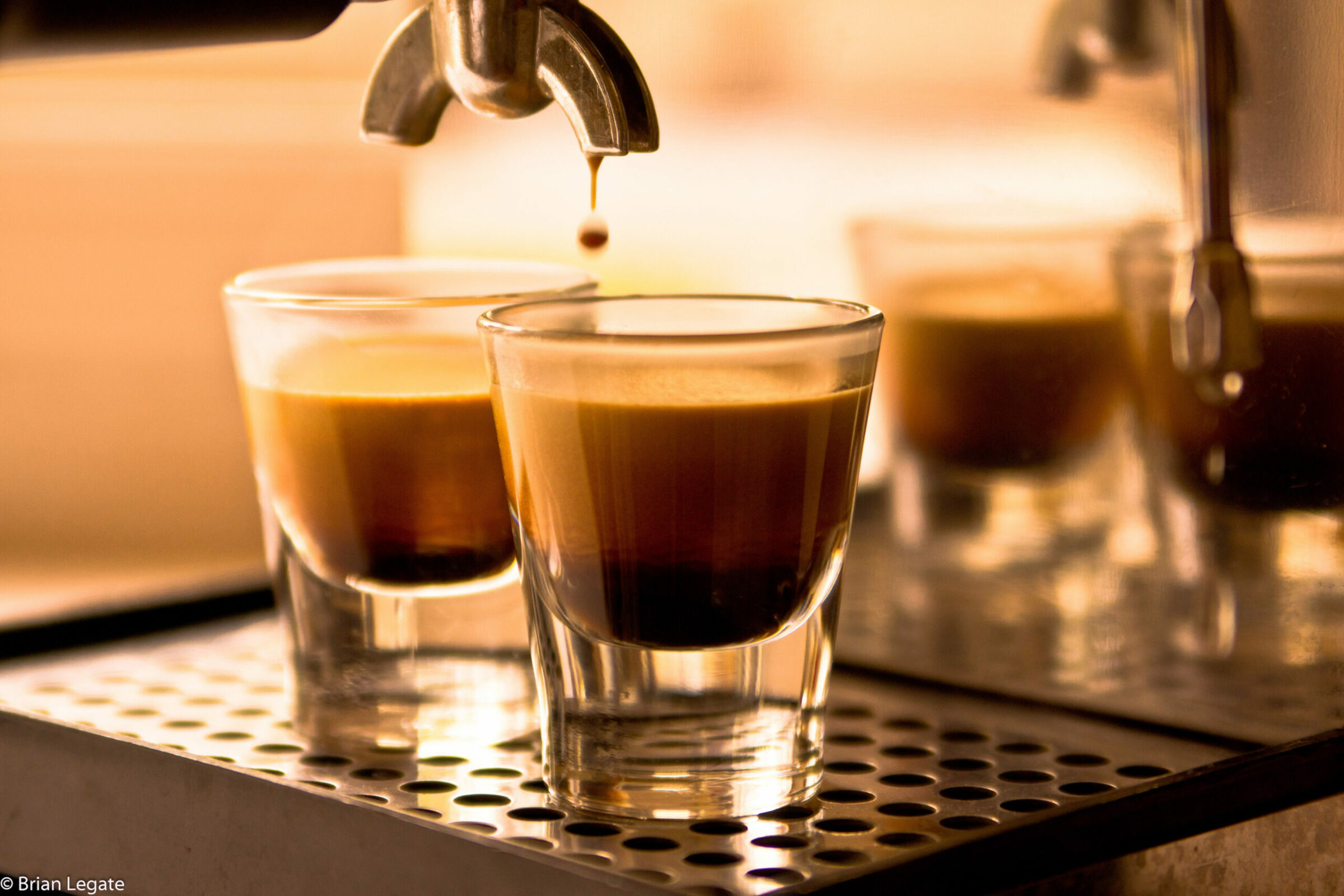
This delicious Italian creation comprises the base of several coffee drinks. The high-pressure system of the espresso machines creates a uniquely concentrated shot of caffeine. This is what birthed the name ‘espresso.’ Meaning ‘express,’ the machine releases a hot beverage at a rapid speed. Espresso’s unrivaled and intense flavor is iconic. Its small size makes it possibly the quickest energy boost. Currently, most coffee shops only pull a double shot or doppio espresso. These two shots are roughly equivalent to the caffeine quantity of 12 ounces black coffee.
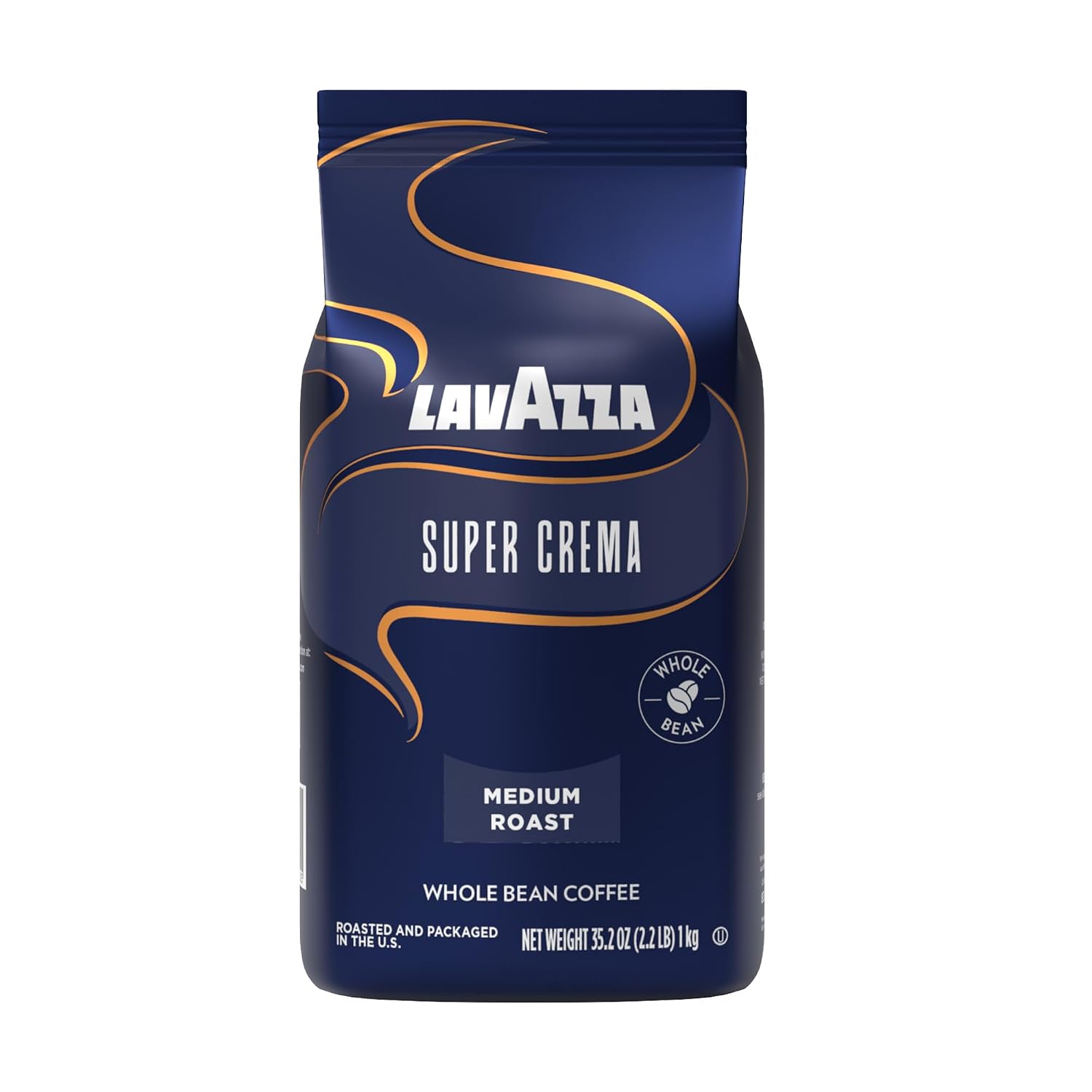
Our pick: Lavazza Super Crema, Whole Bean, 2.2 lb. A full-bodied espresso roast for the shots this section describes. Research-rated, not yet brewed by our team.
Americano
This is the Italian answer to ‘American coffee.’ Hot water dilutes the classic espresso shot in order to fill up an entire cup. The americano is pretty historical. It finds its origins in World War II, as American soldiers occupying parts of Italy were unfamiliar with the small intense espresso. The addition of hot water was an easy alternative and a reminder of home. The name americano can definitely be a little misleading and a bit of a culture shock when visiting Italy. Many American tourists often order an americano expecting drip coffee. However, for the most part, the americano is now a ubiquitous staple on coffee shop menus worldwide.
Red eye
This major caffeine jolt is the real deal. A red eye involves one or two shots of espresso added to black coffee. It is an energy rush known to cure even the worst red eyes. Yes, this refers to the infamous red eye plane rides that require a long and taxing overnight journey. This influenced the coffee’s name, as the drink possesses much more caffeine than most coffee options. This red eye is now an everyday beverage that helps us push through an incredibly tiresome day.
Drip
Drip coffee is the staple American cup of joe. It is a brewed coffee that involves the slow introduction of hot water to ground coffee beans. It became exceptionally popular in the 1950s and 1960s with the debut of the electric coffee maker. This made hot coffee fast and readily available. Drip coffee is usually made with an automatic machine. This makes it one of the most convenient options, as the coffee can brew in necessary volume while you go about your morning routine. It remains the most popular coffee option in America, as 63 percent of American coffee drinkers regularly consume black coffee.
Pour over
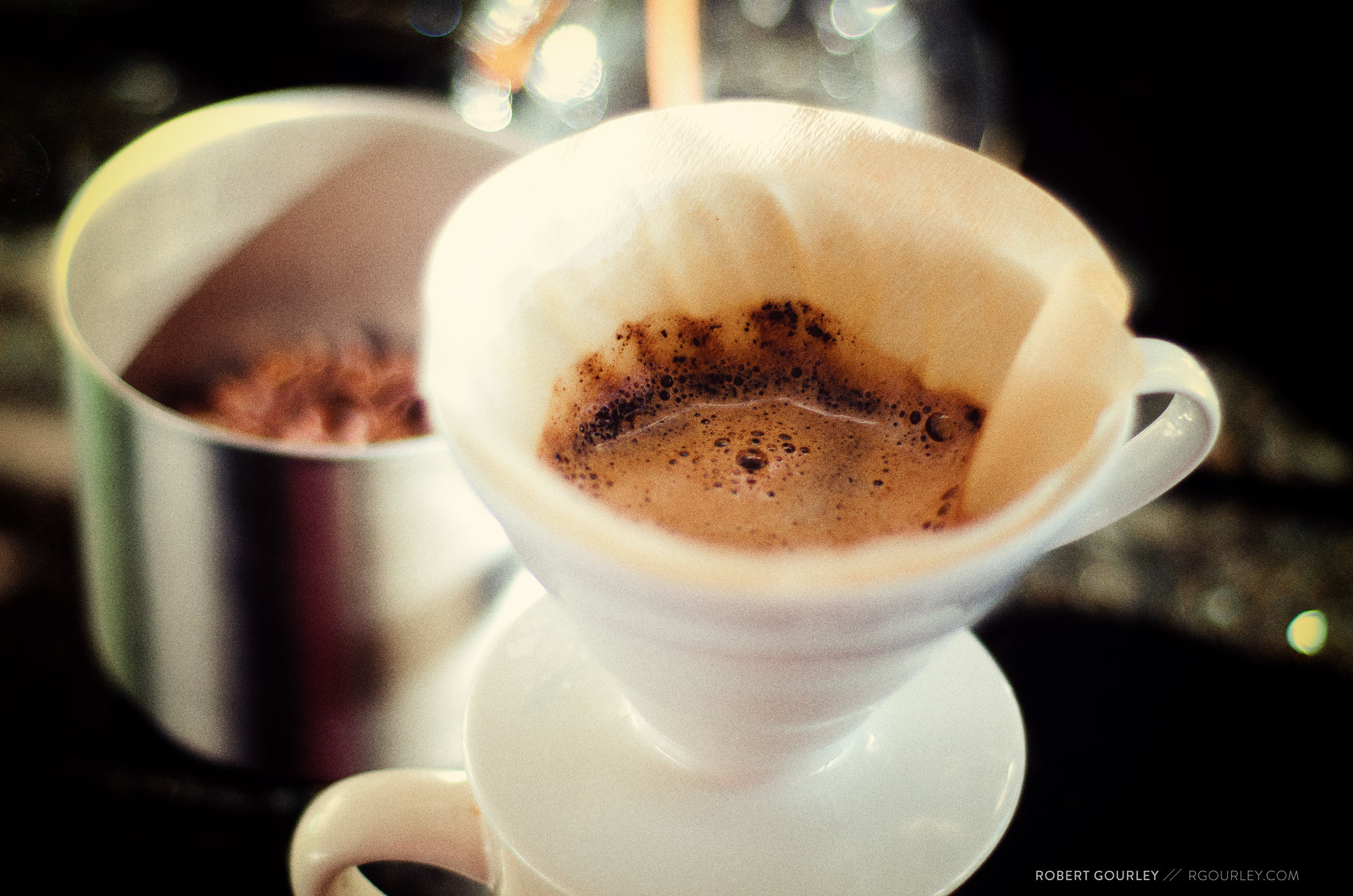
This coffee brewing method is known to best expose a coffee’s flavor profile. This is the manual version of drip coffee. The pour-over is a single cup brewing method. It essentially customizes a cup of black coffee. The pour-over requires a kettle, coffee filter, and special carafe. The entire process takes less than 10 minutes. The pour-over is now one of the most popular across independent coffee shops worldwide. Most importantly, the method allows for a barista to purely express the quality and character of a coffee.
With Milk:
Macchiato
This espresso drink grew in popularity over the years. It is the less intimidating sibling of the espresso. The macchiato is a very simple drink. It involves a quick dash of hot foam, which loosens the intensity of the espresso shot. This also explains its name; macchiato means ‘marked’ or ‘stained’ in Italian. A macchiato is a perfect option for when you are craving an espresso but want to curb the espresso’s forward and bitter character. It makes for a great boost at any time of day. For instance, Italians often order it after in the morning or after a filling meal.
Cortado
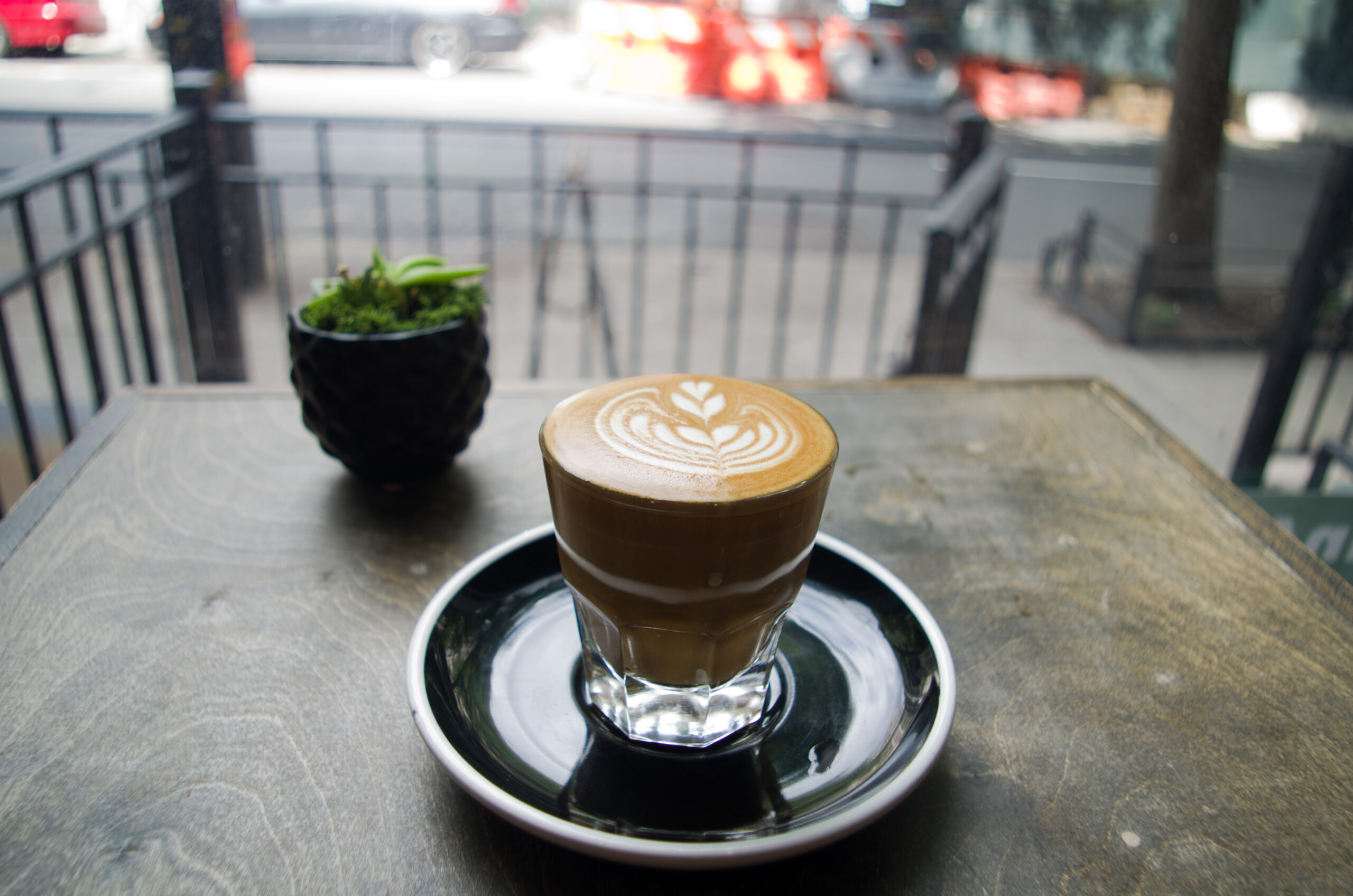
Unlike its other Italian espresso companions, this drink is Spanish! The cortado is equal parts steamed milk and espresso. Currently, a double espresso shot is about 2 ounces, making a cortado roughly a 4-ounce drink. This makes it an ideal middleman between a macchiato and cappuccino. The cortado derives its name from the Spanish verb meaning ‘to cut.’ Similar to the macchiato, the milk was a way to cut or smooth out the bitterness of the espresso. In contrast, the cortado is made only with steamed milk. This means that it lacks the foamy layer found in traditional Italian espresso drinks.
In Cuba, the cortadito is very popular. This variation of the cortado is slightly smaller and commonly sweetened with condensed milk. Nonetheless, a cortado is a lovely beverage to start your morning with, or for a quick break in the afternoon.
Cappuccino
This is one of the most adored drinks worldwide. The combination of equal parts espresso, milk, and foam makes the cappuccino deliciously balanced. In Italy, it is the classic morning beverage of choice. A cappuccino is just large enough to enjoy with something sweet, but small enough for a quick coffee break. Traditionally, there is only one size of cappuccino. It can range from 5-8 ounces, globally speaking. With the Italian preparation of a single 1-ounce espresso shot, a cappuccino fills a 6-ounce cup. Today, cappuccinos are made with a variety of milk options. You can enjoy it with oat or even almond milk!
Flat White
This is a newcomer to the milky espresso drink game. Coming from down under, the flat white originated in New Zealand or Australia. There is actually a bit of a feud as to who developed it first. Nonetheless, this drink might confuse some with its resemblance to a latte. Yet, the flat white is less voluminous and contains a thin layer of microfoam at the top. This lends it the name ‘flat white,’ as there is a smooth layer of foam covering the drink.
Cafe au lait
This is most French of the famous coffees. Meaning ‘coffee with milk,’ this French coffee beverage is simply brewed drip coffee and hot milk. Espresso can also be the base. In New Orleans, a cafe au lait is prepared with drip coffee, scalded milk, and chicory. This age-old tradition began during the Civil War when coffee availability was scarce. The bitterness of chicory alleviated the shortage. Altogether, from France to New Orleans, many enjoy cafe au lait with sweet pastries. Many are now seeking natural alternatives to refined sugar to sweeten their cafe au lait. These options not only provide a healthier choice but also complement the rich flavors of coffee and milk. Honey, maple syrup, or even coconut sugar can enhance the traditional taste while adding unique notes to the drink.
Latte
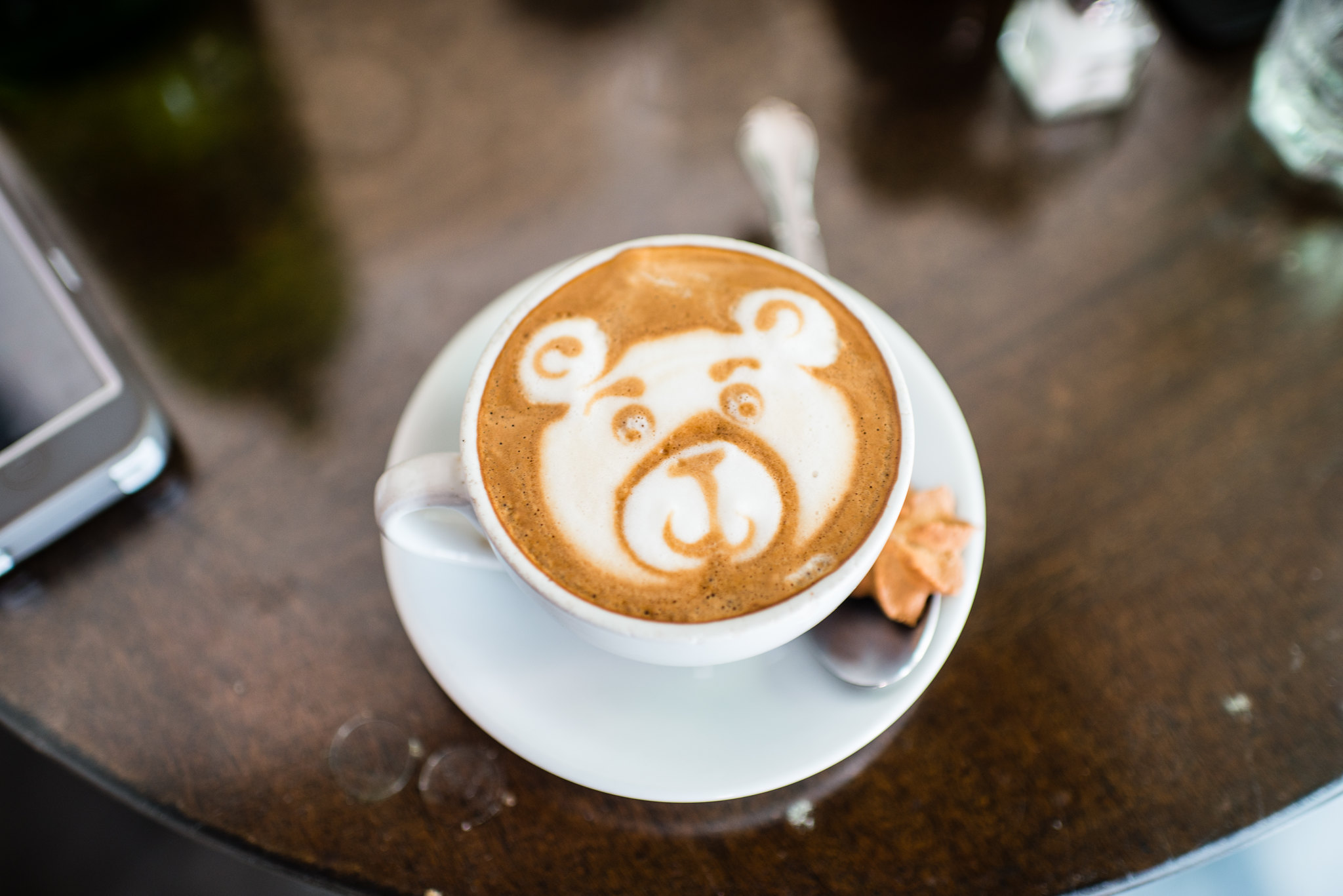
This is possibly the most popular espresso drink. A latte contains espresso and steamed milk. It is larger than a cappuccino, usually around 12 ounces. A latte can is sometimes available in more than one size. It became especially popular when many cafes began to specialize in latte art. From the simple heart like shapes to even celebrity faces, some baristas mastered decorating cups in all sorts of ways. Additionally, lattes are also commonly jazzed up with various flavors, like vanilla and the notorious pumpkin spice. Check out some fabulous latte recipes to make at home HERE.
Chilled Coffee:
Iced Coffee
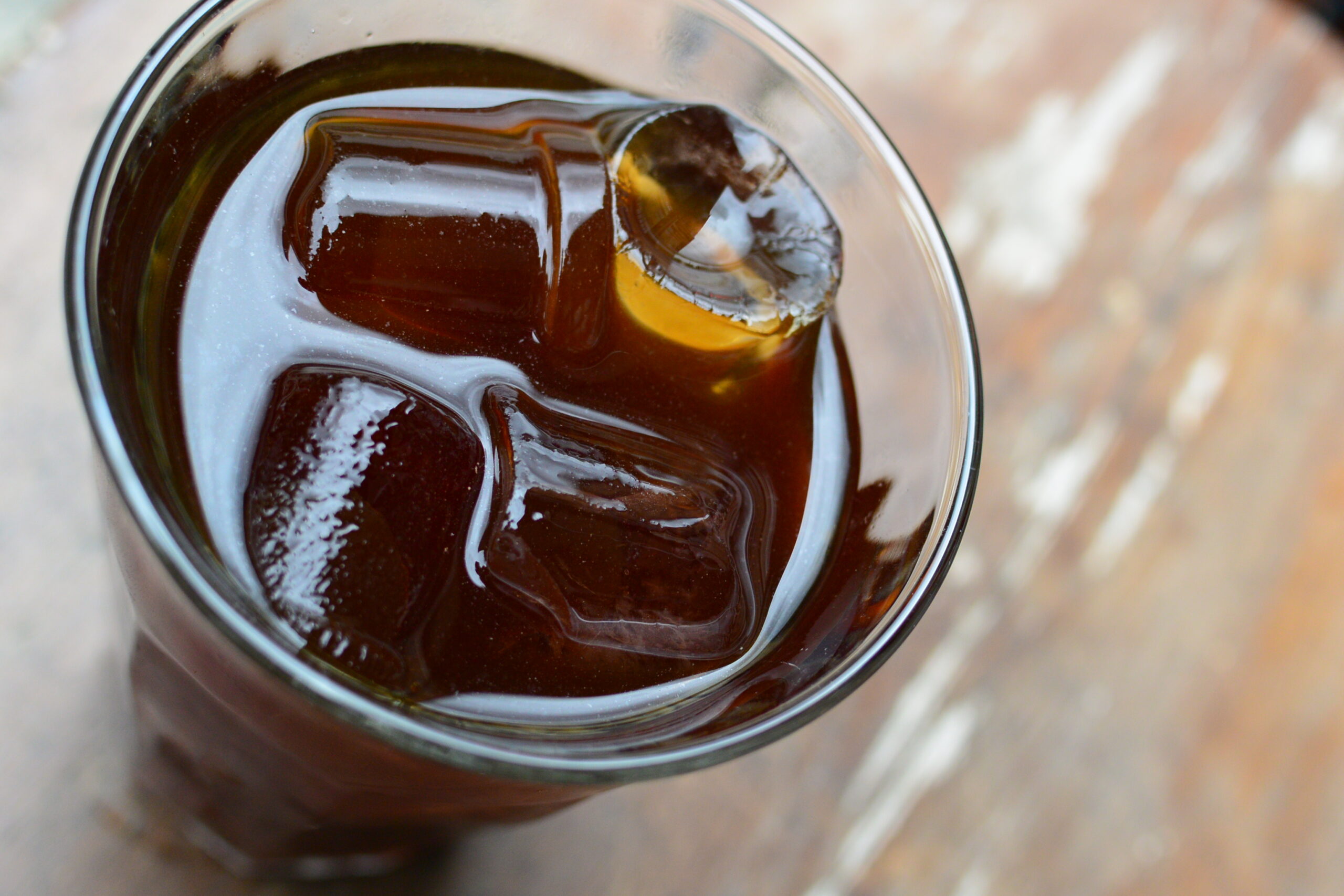
This is the easiest summer coffee refresher. Iced coffee is as straightforward as it gets. This refreshing and chilled cup of coffee is easy to make. It calls for cooled drip coffee and ice! It is frequently enjoyed with the addition of milk and even various flavors. Vanilla, mocha, and even coconut flavor are of the most prevalent syrup flavors mixed into iced coffee. It makes for an easy on the go drink on hot summer days!
Cold brew
This chilled coffee is unique in its brewing method. Coffee grounds steep in cool water rather than brewed like regular drip coffee. The coffee also has a longer extraction period, usually lasting from 12-24 hours. This allows for the coffee’s natural flavors and aromas to release. It also keeps for almost a week if made in a large batch. This makes cold brew both a special and sustainable treat!
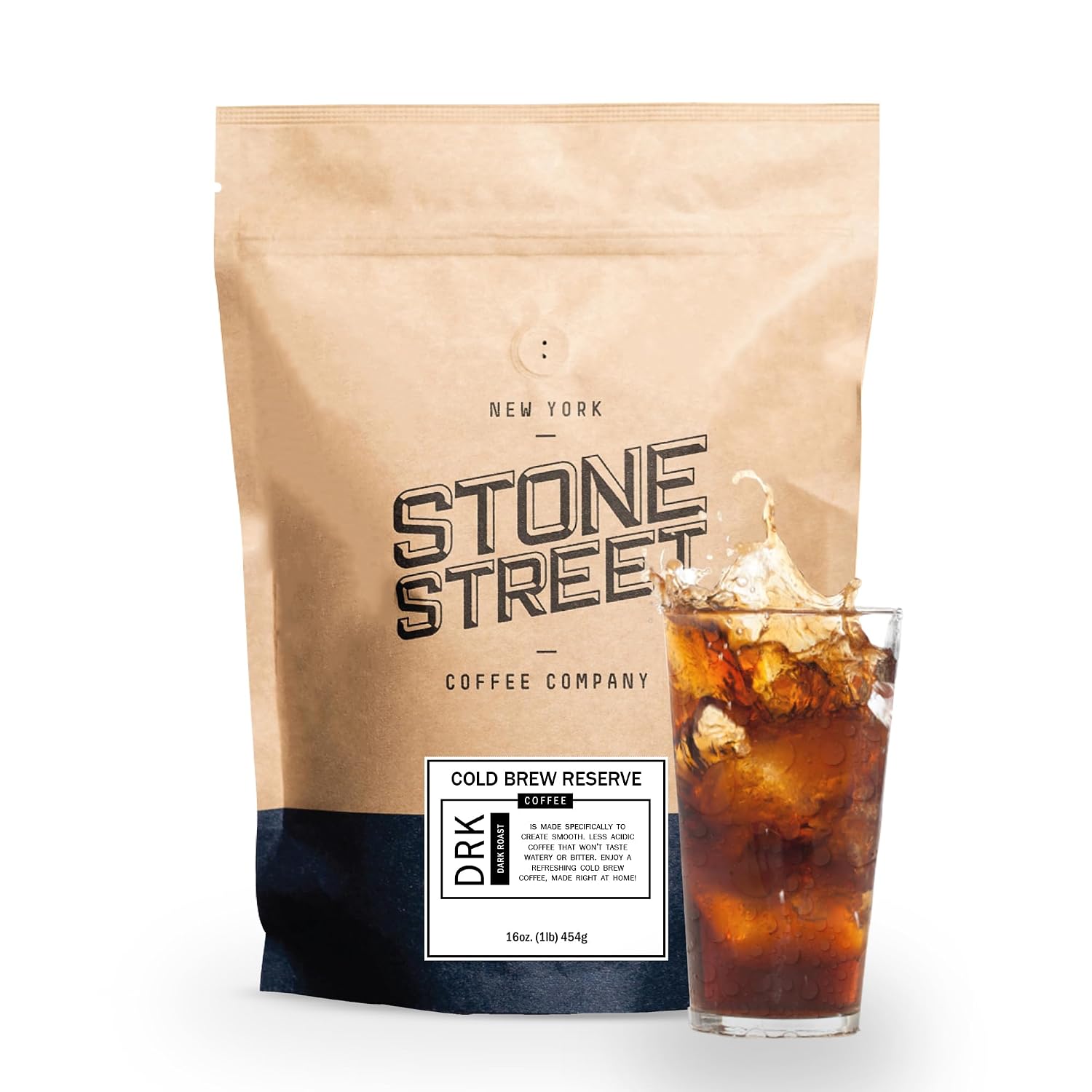
Our pick: Stone Street Colombian Cold Brew Coffee, Dark Roast, Coarse Ground, 1 lb. Coarse-ground Colombian made for 12-24 hour steeping. Research-rated, not yet brewed by our team.
Like Dessert:
Affogato
The marriage of espresso and gelato is brilliant. This Italian creation literally means ‘drowned.’ A nice scoop of gelato or ice cream is ‘drowned’ in hot espresso. This drink a lovely dessert or afternoon pick me up for all occasions. It is also very acceptable for breakfast if you feel you need any extra morning sugar kick. Try one with delicious vegan coffee gelato, recipe found HERE.
Frappè
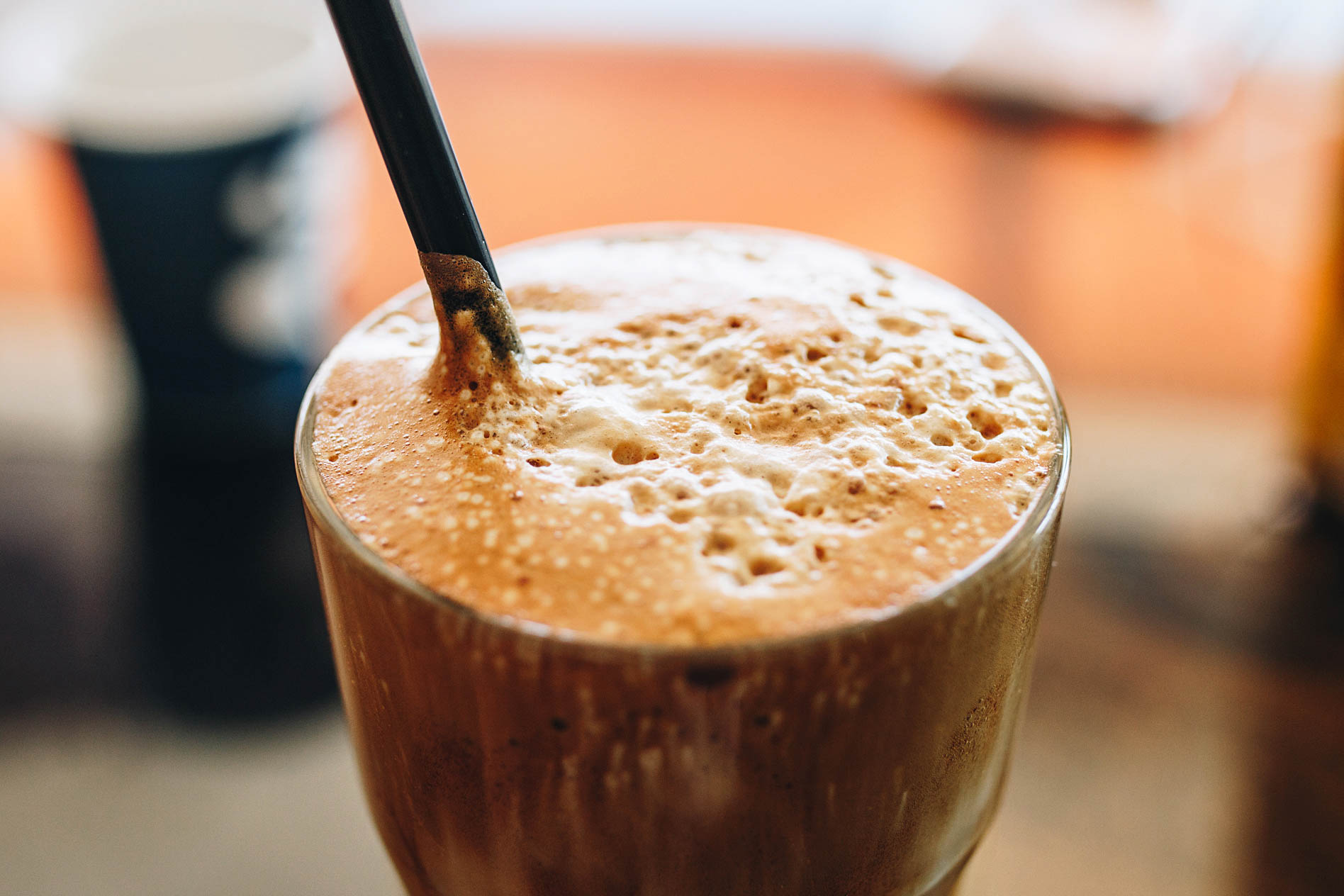
This is the milkshake of all coffee drinks. Despite its French name, the frappè actually is Greek in origin. The original preparation consists of instant coffee, sugar, milk, and water. However, many cafes today blend in fresh espresso or black coffee. This varies on the type of frappè and the coffee shop. It is popular to customize a frappè with flavors. Many places are very creative, creating delicious drinks with flavorful syrups, like hazelnut or caramel. Frappès are an ideal treat for a scorching summer day.