As an Amazon Associate I earn from qualifying purchases. This page contains affiliate links; we may earn a commission if you buy through them.
The best coffee beans for most US buyers right now are medium roast blends that balance chocolate sweetness with enough origin character to keep each cup interesting. After researching roaster reputations, aggregated Coffee Review scores, competition results, and verified buyer feedback, a handful of Amazon bags with matching product photos stand out: Volcanica Ethiopian Yirgacheffe (best light origin), Volcanica Colombian Supremo (best daily origin), Stumptown Hair Bender (best versatile blend), Coffee Bros Espresso Roast (best overall espresso bag), and Lavazza Gran Crema or Death Wish Organic Espresso Roast when you want more crema or a bolder dark roast.
“Best” depends on what you enjoy in the cup-chocolatey and cozy or fruity and bright-how you brew it, and whether you’re buying fresh beans with a clear roast date. This guide breaks down the top picks, explains how to choose between them, and covers origin, roast level, processing techniques, flavor notes, body, acidity, brew-method fit, price per ounce, and US availability so you can land on the right bag with confidence.
Best light origin pick
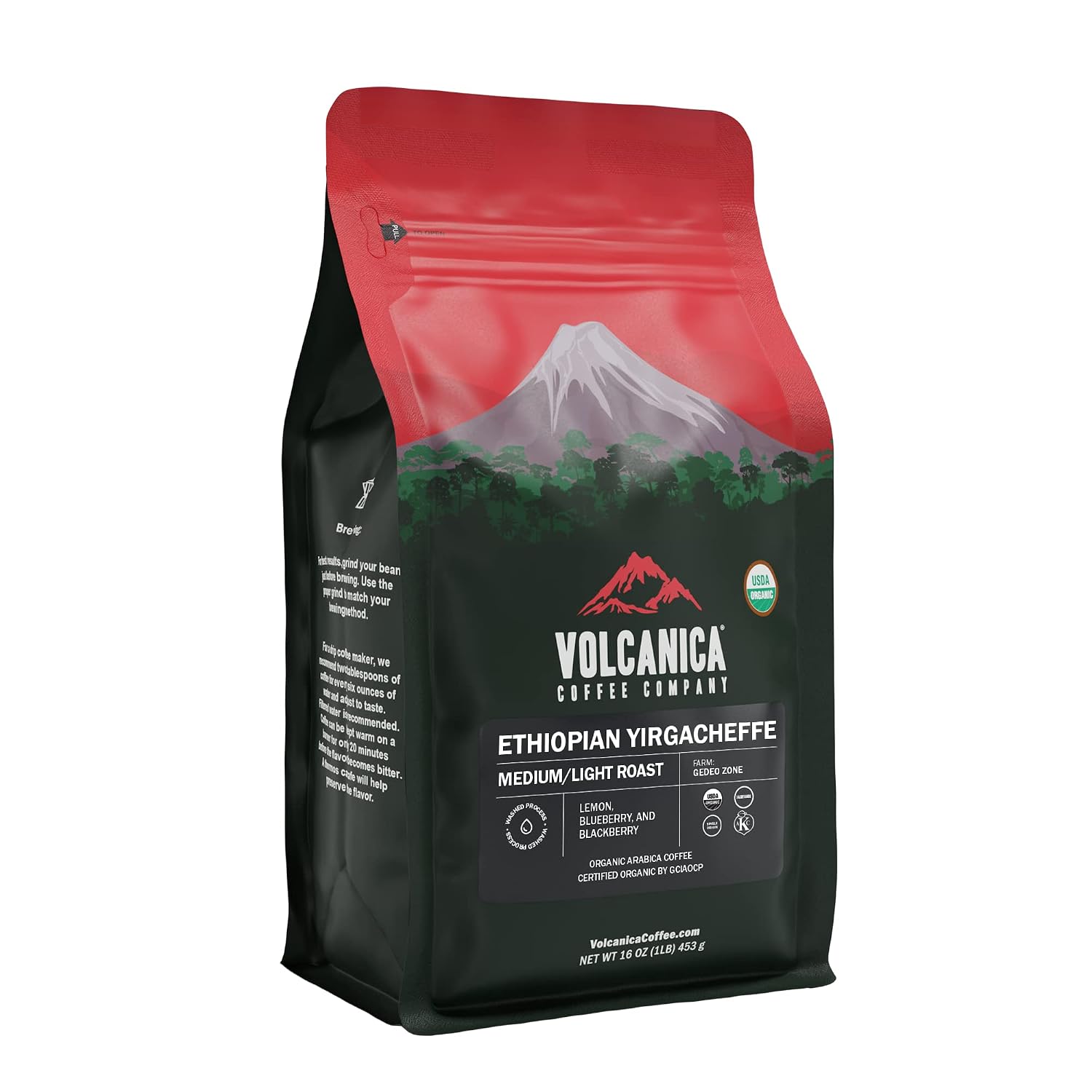
For this roundup, Volcanica Yirgacheffe is the light origin we recommend first—the same pick at the top of our At-a-glance cards below.
The best coffee beans balance flavor, freshness, and brew-method fit. A recent roast date and whole bean format matter more than brand recognition or price alone.
Medium roast blends are the safest starting point for most coffee drinkers, delivering chocolate, caramel, and mild fruit that work across espresso, drip, and French press.
Single origin beans reward adventurous palates with distinct terroir-driven flavors-floral Ethiopian, juicy Colombian, earthy Indonesian-but they’re less forgiving of imprecise brewing.
Rankings in this guide are based on researched editorial analysis, drawing on Coffee Review scores, competition results, and broad customer consensus-not commissions or personal tastings.
Buying only what you’ll use in 3–4 weeks (or portioning and freezing bulk bags) is the single easiest way to improve your daily cup without spending more money.
Affiliate & Editorial Disclosure
Capitol City Coffee is an independent coffee editorial and affiliate publication-not a roaster or retailer. Some links in this guide may earn a small commission at no extra cost to you; however, rankings are never pay-to-play, and commission size does not influence placement. As an Amazon Associate we earn from qualifying purchases.
Unless otherwise noted, the coffees below have not been personally cupped by our editors. Selections rely on researched editorial analysis, reputable expert sources such as Coffee Review, competition placements, and aggregated verified-buyer feedback.
Best Coffee Beans: Quick Answer & Top Picks
These are the standout whole bean options for US buyers in 2026, spanning espresso, drip, pour-over, and everyday brewing. Each pick earned its spot through a combination of consistently high ratings, roast consistency, transparent sourcing, and real-world availability.
Volcanica Ethiopian Yirgacheffe – Light origin. Best Single Origin. Floral, citrus, berry; matching Amazon photo.
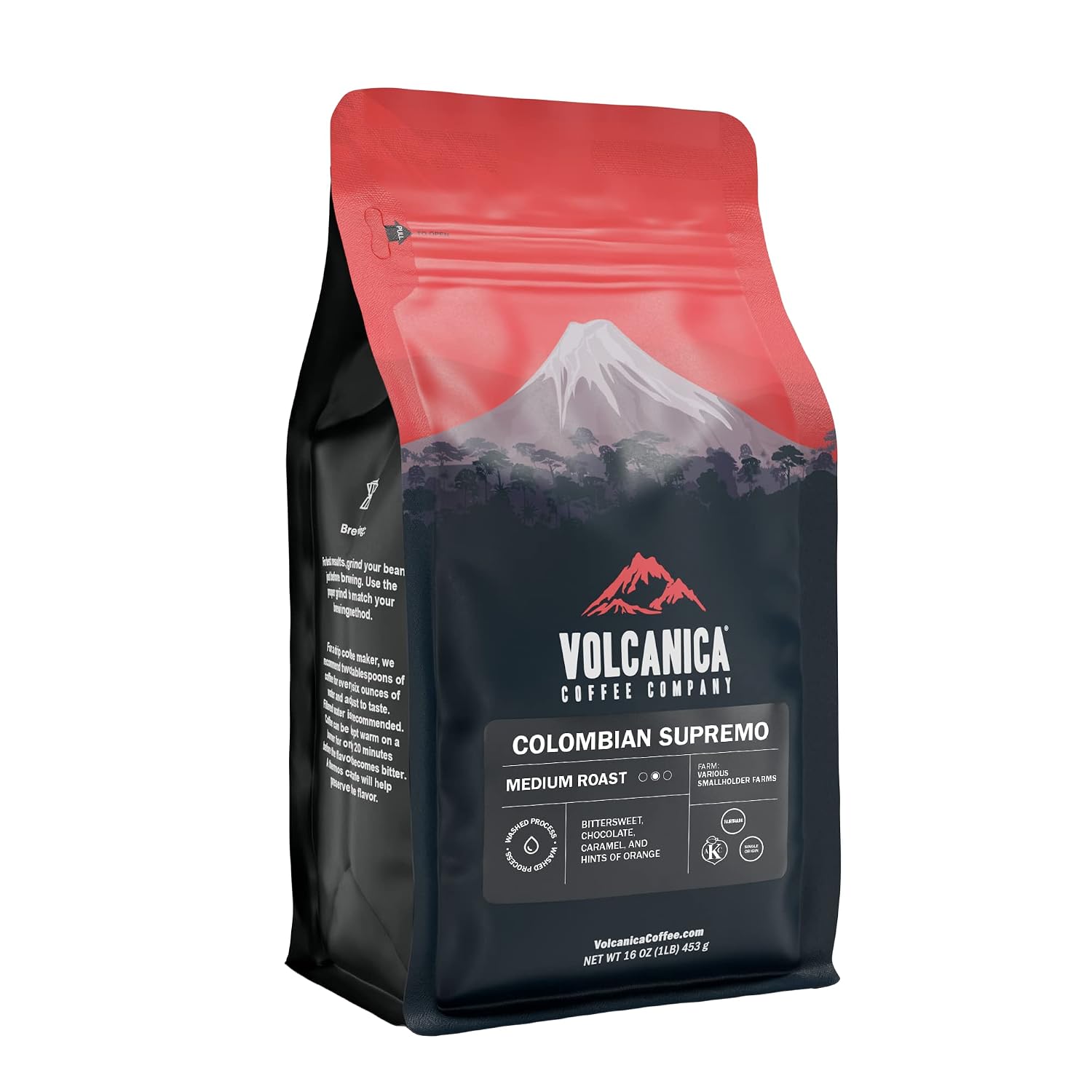
Volcanica Colombian Supremo – Medium origin. Best Daily Origin. Chocolate and nut; matching Amazon photo.
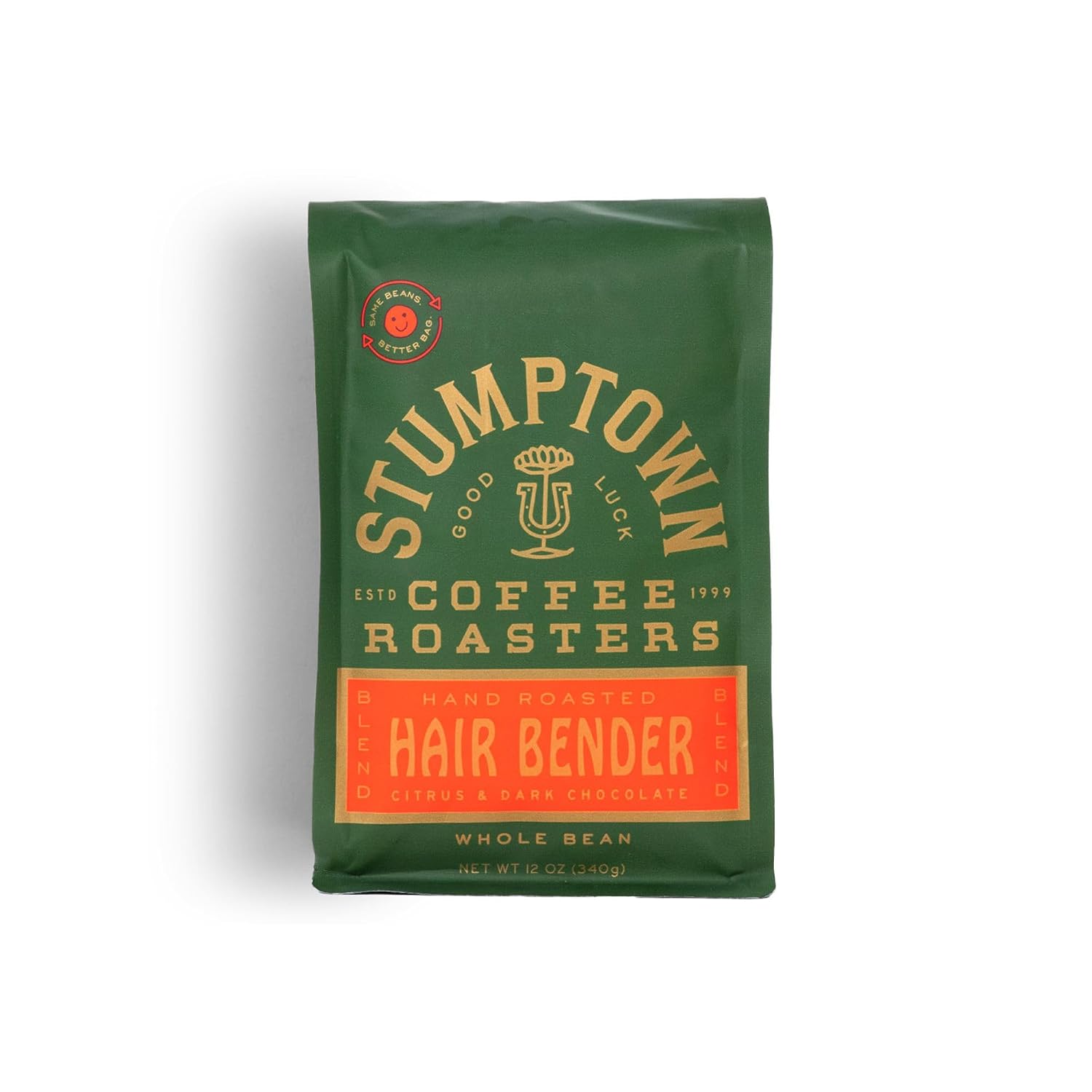
Stumptown Hair Bender – Medium blend. Best for Drip and Everyday. Dark chocolate, citrus, raisin; widely available.
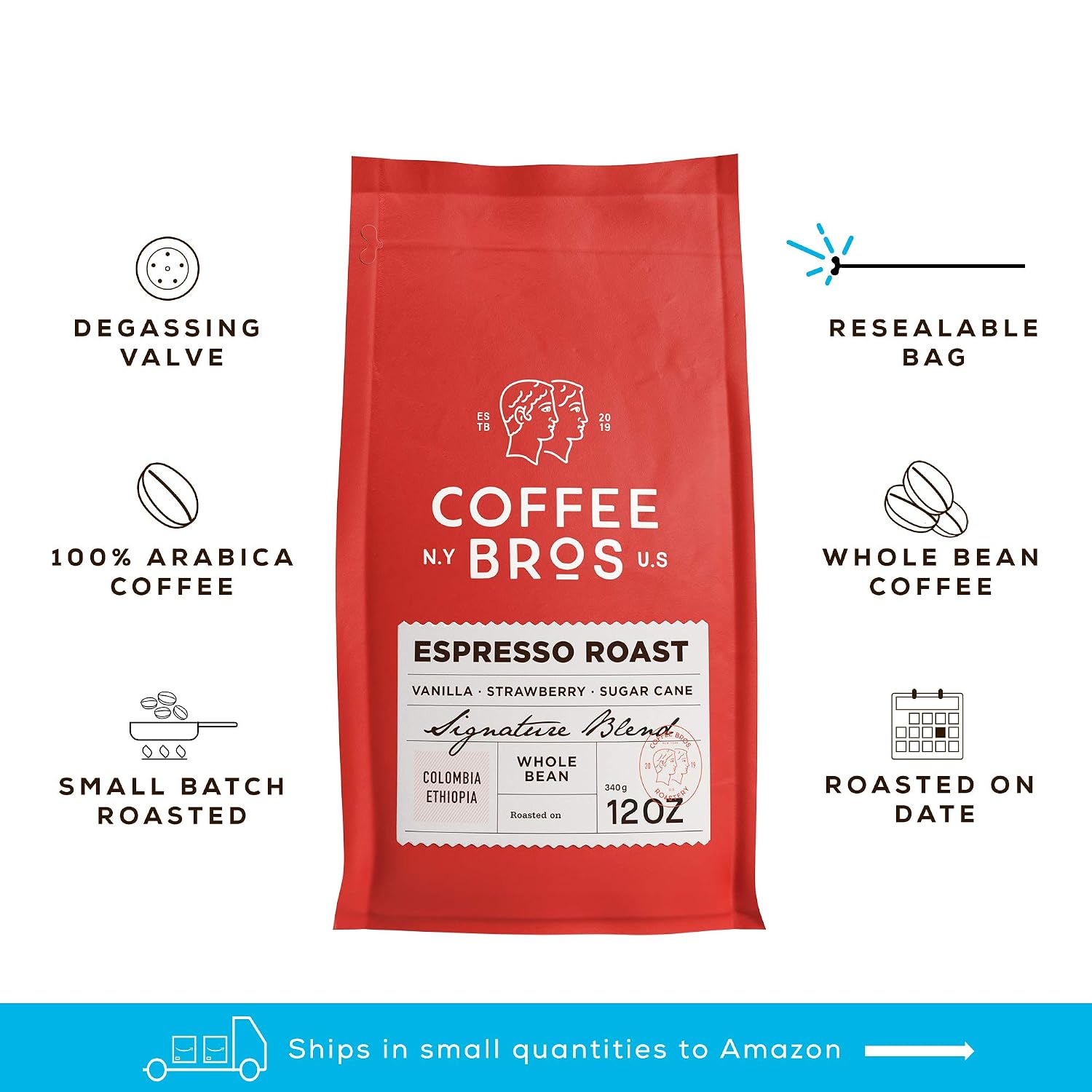
Coffee Bros Espresso Roast – Medium roast, Colombia + Ethiopia. Best Overall Espresso Bag. Matching Amazon photo.
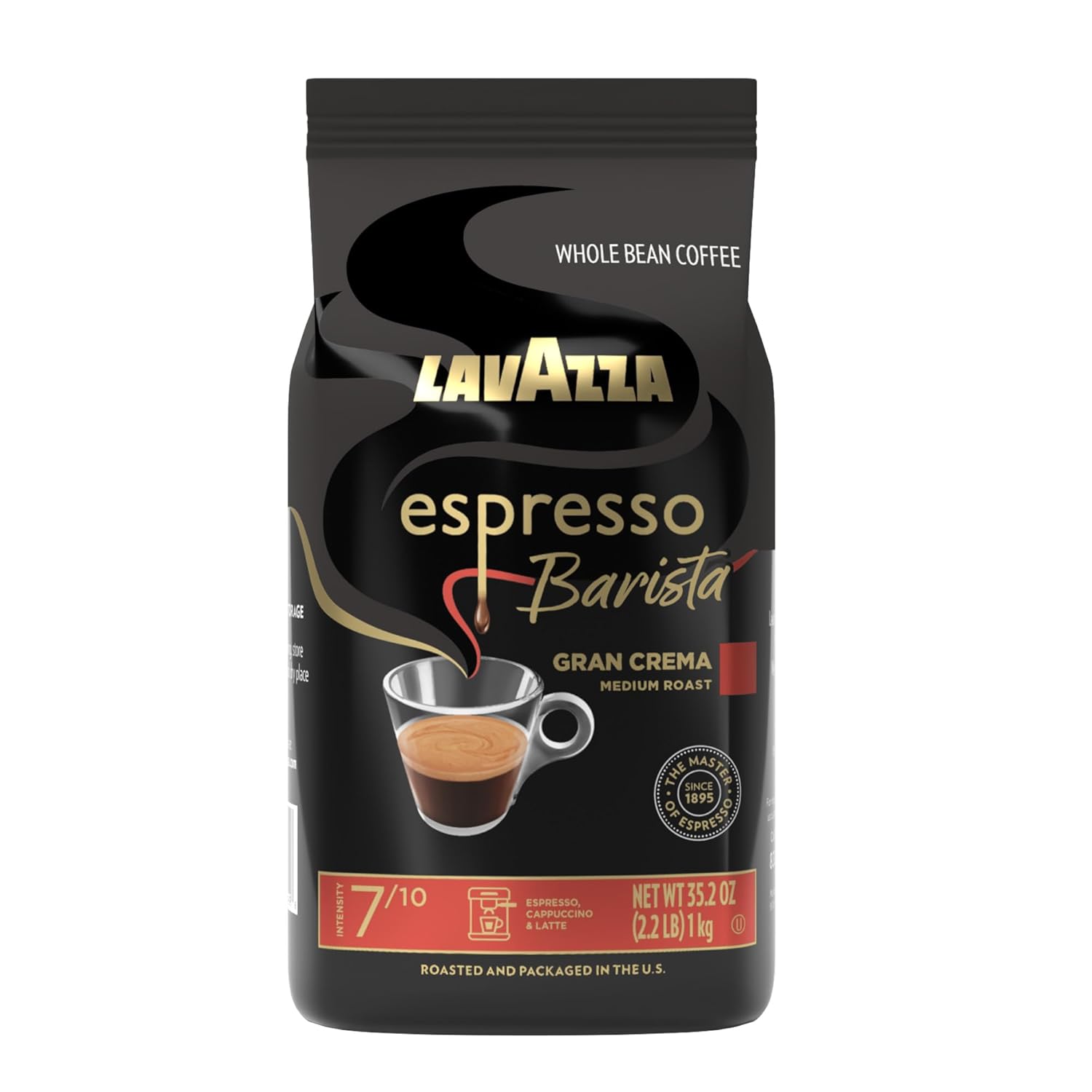
Lavazza Gran Crema – Medium espresso blend. Best Value Crema. Large bag, matching photo.
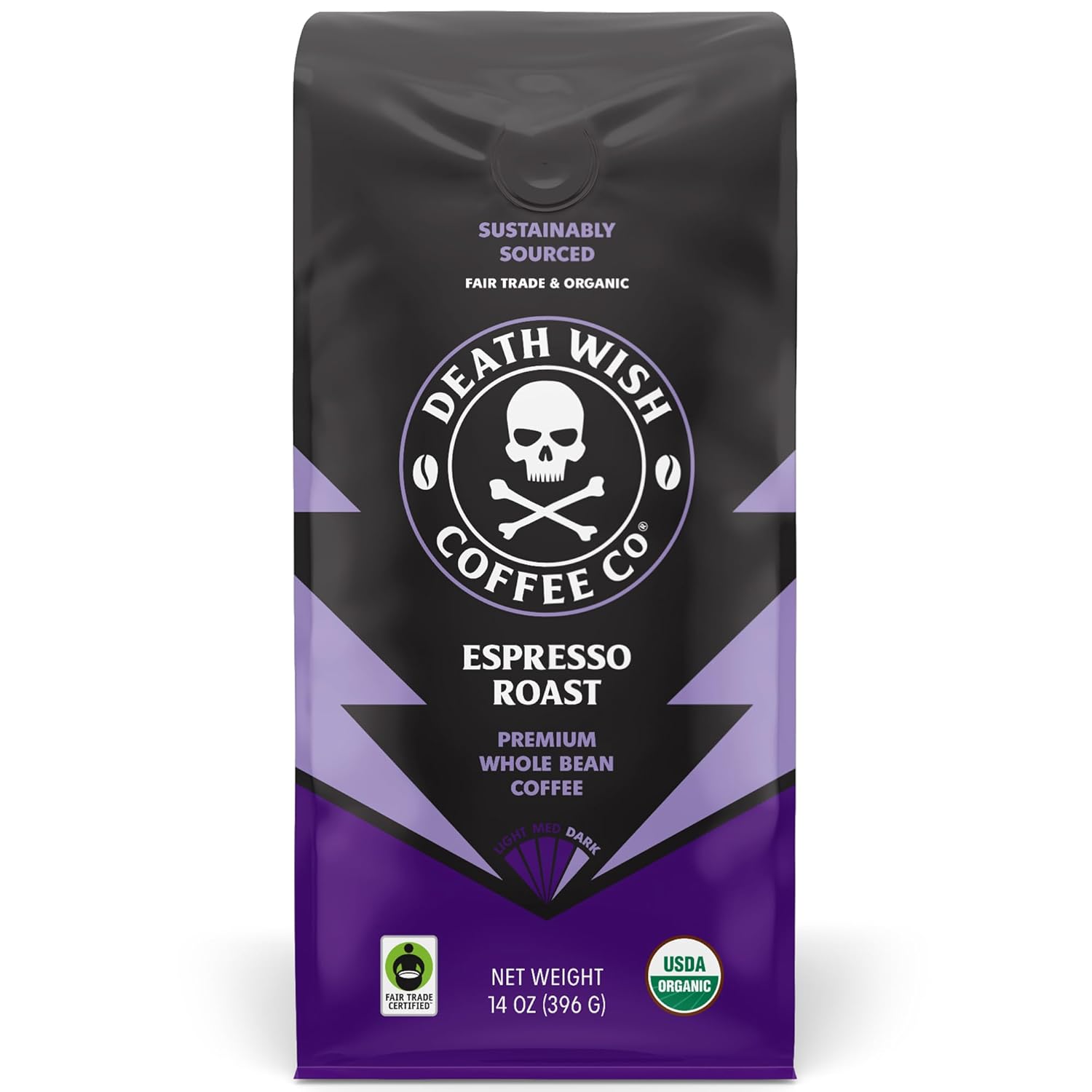
Death Wish Organic Espresso Roast – Dark roast. Best Bold Dark Roast. USDA Organic listing with matching photo.
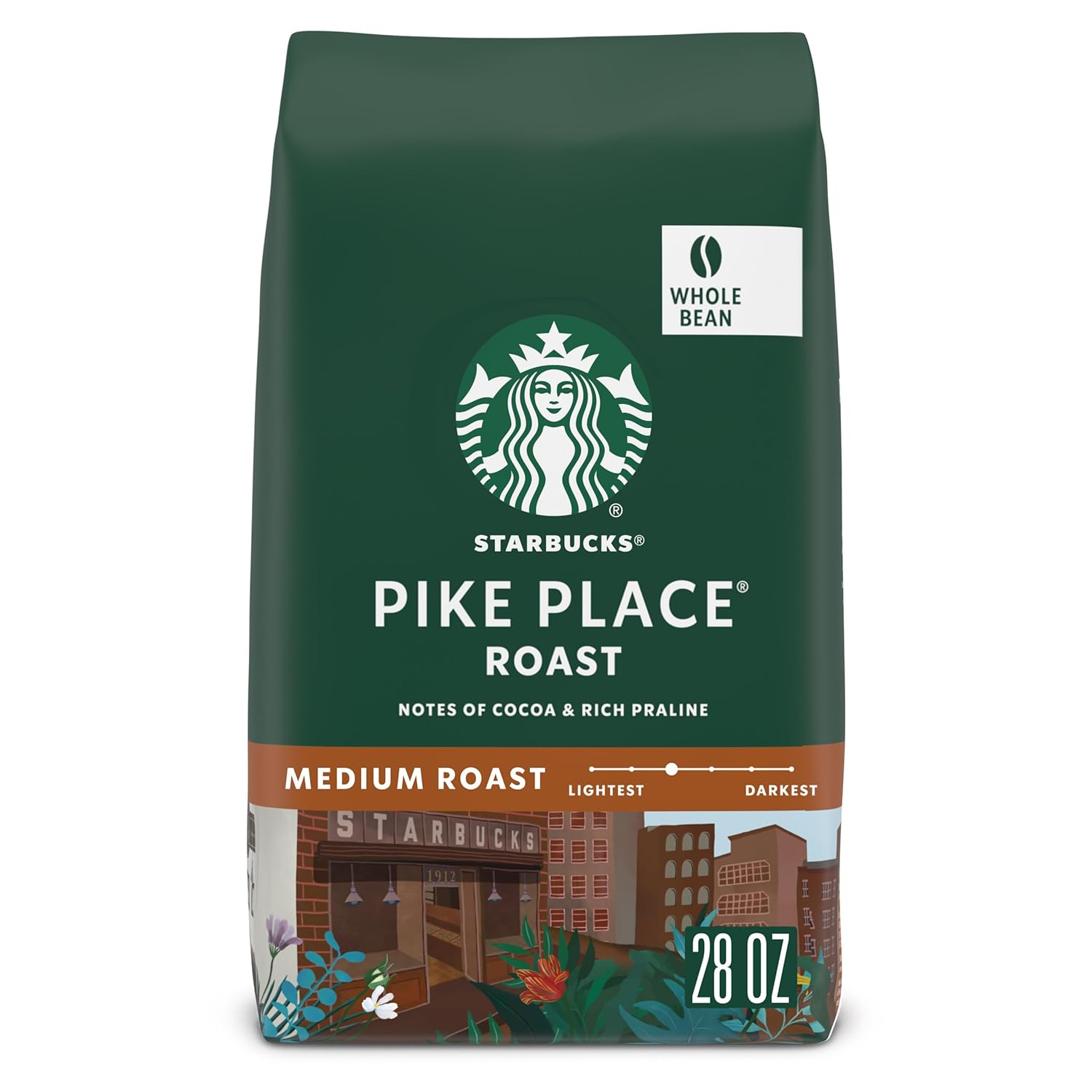
Starbucks Pike Place Roast – Medium blend. Best Grocery Bulk Bag. Matching Amazon photo.
At a glance
Compare Amazon-available bags on a phone first: listing photo, roast notes, and a Check on Amazon button. Research-rated, not yet brewed by our team.
Every ranking in this guide is based on researched editorial analysis rather than personal cupping sessions. We cross-referenced public scores from Coffee Review, competition placements (including World Barista Championship supplier lists), and aggregated customer feedback across major US retail channels.
Key criteria included:
Freshness and roast date policies – Roasters that print a clear roast date on every bag were prioritized; “best by” dates alone were treated as a yellow flag.
Sourcing transparency – Origin details, producer relationships, and traceability information signal quality control and ethical purchasing.
Roast consistency – Brands with documented batch-to-batch reliability scored higher than one-off seasonal lots.
Flavor clarity – Coffees with well-defined sweetness, acidity, body, and balance, rather than muddled or overly smoky profiles.
Price per ounce and value – We compared direct-from-roaster pricing, subscription discounts, and retail shelf prices.
US availability – Coffees that ship nationwide or are stocked at major retailers were favored over limited microlots.
Coffees earning 90+ Coffee Review scores or maintaining 4.5+ star averages across hundreds of verified reviews received extra weight. We aimed for a balanced lineup: blends and single origin options, lighter roasts through dark, and beans that perform across espresso, drip, pour-over, French press, and cold brew.
Best Overall Coffee Beans for Most People
Coffee Bros Signature Espresso Blend earns the top spot for versatility and value. It’s a medium roast blend of 100% Arabica (its current Amazon listing names Colombia and Ethiopia as origins), designed to work well whether you’re pulling an espresso shot or brewing a pot of drip coffee.
The flavor profile leans toward chocolate and vanilla with a gentle strawberry sweetness that rounds out each sip. Body is medium, smooth without feeling thin, and acidity stays mild enough to please coffee drinkers who dislike sharp brightness.
Flavor notes: Milk chocolate, vanilla, strawberry, brown sugar
Sweetness/acidity balance: Approachable sweetness, low-medium acidity; crowd-pleasing rather than challenging
Body: Medium, creamy mouthfeel that holds up in milk drinks like a latte or flat white
Espresso vs drip: Pulls a balanced espresso shot with decent crema; equally smooth brewed in a standard drip maker
Freshness: Coffee Bros prints roast dates and ships shortly after roasting; subscription options help maintain optimal freshness
Price: Approximately $1.50–$1.80 per ounce for a 12 oz bag; subscription pricing shaves a few dollars off
Availability: Direct online, Amazon, and through the roaster’s subscription program
Limitation: Not the pick for drinkers who crave tea-like, high-acidity, lighter roasts or intensely smoky dark roast coffees; its strength is balance, not extremes
Our pick:Coffee Bros Espresso Roast Whole Bean, 12 oz, 100% Arabica. It is the same versatile blend described above, built to pull a balanced shot and still brew smoothly in a drip maker. One honest note: the current listing names Colombia and Ethiopia as origins and sells it as an espresso roast, so expect a little more depth than a pure medium drip blend. We matched it using the criteria in our coffee rating system. Research-rated, not yet brewed by our team.
Best Coffee Beans for Espresso Machines
If you own a home espresso machine-whether a Breville Barista Express, a De’Longhi, or a super-automatic-you want beans that produce consistent extraction, good crema, and enough body to stand up to milk. Espresso typically uses medium to medium-dark roasted beans for exactly these reasons. Here are three standout options across different flavor profiles.
Lavazza Espresso Barista Gran Crema
Roast level: Medium
Flavor notes: Oaky and refreshing flavors with a balanced finish; Lavazza Gran Crema has an intensity rating of seven out of ten
Body and crema: Generous crema, medium body, smooth
Milk drinks: A reliable base for cappuccinos; widely used in Italian-style cafés
Price: ~$0.80–$1.10/oz at grocery retailers; great value for a reputable brand
Why it stands out: Lavazza is a reputable coffee company known for quality, and this blend delivers café-style espresso at a fraction of specialty pricing
Our pick:Lavazza Espresso Barista Gran Crema Whole Bean, 2.2 lb bag. The large bag keeps the per-ounce cost in the value range described above and delivers the generous crema this section calls for in cappuccinos. One honest note: it is an Arabica and Robusta blend, and the listing’s roast field says dark while the title says medium, so expect a fuller, more roasty shot than a light specialty espresso. We matched it using the criteria in our coffee rating system. Research-rated, not yet brewed by our team.
Other brands worth considering for espresso include Coffee Bros Espresso Roast and Lavazza Gran Crema, which hold up in milk drinks and have matching product photos.
One clarification for beginners: “espresso beans” are not a separate species. They’re whole bean coffee optimized through roast level and blend composition for espresso extraction. Any coffee can technically be brewed as espresso, but beans labeled for espresso are roasted to develop the body and sweetness that short, pressurized extraction demands.
Best Dark Roast Coffee Beans
Dark roast means the beans have been roasted longer, developing an oilier surface, deeper caramelization, and more pronounced chocolate and roast-driven flavors. Perceived acidity drops significantly. If you gravitate toward bold, smoky, full-bodied cups-or you prefer your coffee with plenty of milk and sugar-dark roast is your lane.
Death Wish Coffee Co. Espresso Roast
Origin: Blend (multiple regions)
Flavor notes: Bold, dark flavors with heavy chocolate, smoke, and a lingering bitterness
Body: Very full, thick mouthfeel
Best brew methods: French press, drip, cold brew, moka pot
Price: ~$1.20–$1.50/oz; widely available online and in grocery stores
Death Wish Coffee Co. is marketed as the world’s strongest coffee, and while caffeine content alone doesn’t define quality, this blend delivers unapologetic intensity that many dark roast fans find worth buying
Our pick:Death Wish Coffee Organic Espresso Roast Whole Bean, 14 oz. The listing is USDA Organic and Fair Trade certified, which answers this section’s point about sourcing dark roasts from transparent roasters. One honest note: Death Wish lists about 170 mg of caffeine per 6 oz cup, well above a typical cup, so caffeine-sensitive drinkers should look at the Peet’s option instead. We matched it using the criteria in our coffee rating system. Research-rated, not yet brewed by our team.
Peet’s Coffee Major Dickason’s Blend
Origin: Blend (multi-origin)
Flavor notes: Rich, earthy flavors with dark chocolate, wood, and subtle spice
Body: Full and heavy
Best brew methods: Drip, French press, espresso
Price: ~$0.90–$1.20/oz at grocery retailers
Peet’s Coffee is recognized for its rich, earthy flavors, and Major Dickason’s remains one of the most consistently rated dark roast coffees available in US supermarkets
Important note on dark roast quality: Not all dark roasts are created equal. Some supermarket brands roast cheap commodity beans extremely dark to mask defects, producing an overly oily surface that can gum up grinders and leave a burnt, ashy taste. Sourcing from reputable coffee roasters with transparent origin information is the only reason you need to spend an extra dollar or two per bag. The flavor difference is significant.
Dark roast coffees generally sit between $0.70 and $1.50 per ounce, making them among the most affordable options per cup for heavy drinkers.
Best Single Origin Coffee Beans
Single origin means the coffee comes from one country, region, or even a specific farm. This matters because terroir-altitude, soil, climate, and local processing traditions-imprints distinct flavor characteristics that blends intentionally smooth out. Many coffee enthusiasts prefer single origin for pour-over and filter brewing, where origin character can fully express itself. Single-origin Arabica is often prized for bright, nuanced flavor with intricate notes that reward careful attention.
Ethiopian Yirgacheffe (Washed)
Processing: Washed
Roast: Light to medium
Flavor notes: Jasmine, lemon zest, blueberry, black cherry
Acidity: High and bright; clean finish
Body: Light to medium
Best brew methods: V60 pour-over, Chemex, AeroPress
Available from Amazon bags on this page such as Hair Bender, plus Volcanica origin bags
Colombian (Huila or Nariño)
Processing: Washed or honey
Roast: Medium
Flavor notes: Red apple, panela (unrefined brown sugar), mild citrus
Acidity: Medium-bright, juicy
Body: Medium
Best brew methods: Pour-over, drip, light espresso
Brazilian (Sul de Minas or Cerrado)
Processing: Natural or pulped natural
Roast: Medium
Flavor notes: Milk chocolate, hazelnut, graham cracker, low fruit
Acidity: Low
Body: Medium-full, creamy
Best brew methods: Drip, French press, espresso
Single origin beans are generally less forgiving than blends-small changes in grind size or water temperature can shift the cup dramatically. But for readers who enjoy tracking tasting notes and dialing in recipes, the reward is a more expressive, transparent drinking experience.
Our pick:Volcanica Ethiopian Yirgacheffe Whole Bean, a washed light-to-medium roast. It is the Amazon-available match for the Ethiopian Yirgacheffe profile above, with the bright, floral and citrus character that shines in a V60, Chemex, or AeroPress. One honest note: like most single origins it is less forgiving than a blend, so dial in grind and water temperature before judging it. We matched it using the criteria in our coffee rating system. Research-rated, not yet brewed by our team.
Best Coffee Beans for Drip Coffee Makers & Everyday Brewing
Most US households brew with an automatic drip coffee maker, and the ideal beans for this setup are medium roasts that taste smooth and balanced without requiring a barista-level grind calibration.
Stumptown Hair Bender
Origin: Latin America, East Africa, and Indonesia
Roast: Medium
Flavor notes: Dark chocolate, citrus, raisin
Body: Medium, syrupy
Tolerance: Forgiving across slight grind variations; consistently great coffee in a standard drip machine
Price: ~$1.50–$1.70/oz for a 12 oz bag; available at grocery chains and online
Stumptown prints roast dates on every bag and maintains strong producer relationships, which translates to batch-to-batch reliability
Bulletproof Coffee Original Medium Roast scored highest in a taste test among popular medium roasts and delivers a clean, smooth cup with low bitterness-a solid everyday option for drinkers who want consistency without complexity overload.
Volcanica Colombian Supremo is the Amazon origin bag on this page for a daily Colombian cup. Warehouse-club tins without a matching photo are not the cards here.
For drip brewing, a medium grind works best. Whole bean plus even a basic burr grinder will noticeably improve aroma and flavor over pre-ground coffee, which begins losing volatile compounds within minutes of grinding.
Our pick:Stumptown Hair Bender Whole Bean, 12 oz. It is the forgiving medium blend named above, with the citrus, dark chocolate, and raisin notes that stay consistent in an everyday drip machine. One honest note: buy whole bean and grind it medium right before brewing, as this section recommends, rather than relying on pre-ground. We matched it using the criteria in our coffee rating system. Research-rated, not yet brewed by our team.
Best Budget & Bulk Coffee Beans
Many coffee drinkers want the best coffee beans they can reasonably afford, not necessarily the rarest or most expensive. Buying in bulk and freezing properly can bring your cost per cup down to well under $0.50 while still delivering enjoyable flavor.
Kirkland Signature whole bean varieties – skip; the Amazon Colombian bag on this page is Volcanica Colombian Supremo.
Red Bird Espresso (or similar bulk specialty) – Some specialty roasters sell 2–5 lb bags at $1.00–$1.30/oz, closing the gap between grocery and premium pricing.
Starbucks Pike Place or French Roast – Available everywhere at ~$0.90–$1.10/oz; reliable baseline dark and medium options with chocolate notes, though freshness varies by store turnover.
How to freeze beans for bulk buys: Divide one bag into weekly portions using airtight, opaque bags or mason jars. Push out as much air as possible, seal tightly, and freeze. When ready to use, move a portion to your counter and let it reach room temperature before opening. Avoid refreezing thawed beans-moisture cycling destroys flavor.
The trade-off with budget beans is nuance. You’ll get a pleasant, drinkable cup, but the layered complexity of a $2.00/oz specialty single origin won’t be there. That said, fresh budget beans brewed well will always beat an expensive bag that’s been sitting open on a shelf for two months.
Our pick:Starbucks Pike Place Roast Whole Bean, 28 oz bag. It is the Pike Place option named above, a medium-bodied blend of Latin American coffees with cocoa and praline notes, and the larger bag suits the portion-and-freeze approach this section describes. One honest note: we chose it over Kirkland because Kirkland is mostly sold on Amazon through third-party multipacks, while Pike Place ships as a single large bag. We matched it using the criteria in our coffee rating system. Research-rated, not yet brewed by our team.
Best Coffee Subscription & Discovery Boxes
Subscriptions solve the freshness problem and expose you to coffees you’d never find on a grocery shelf. For readers still defining their preferences, a rotating subscription is one of the fastest ways to discover which origins, roast styles, and processing methods suit your palate.
Subscriptions are also a low-effort way to sample coffees from multiple coffee roasters without committing to a full bag from each. Most services offer easy cancellation and gift options, directly addressing transactional needs.
Origin: How Country and Region Shape Flavor
Coffee flavor profiles vary by origin, processing method, and roast level-but origin is where the story begins. The same Arabica variety grown in Ethiopia and Brazil will taste dramatically different because of altitude, soil composition, rainfall, and local processing traditions.
Ethiopia – Floral, citrus, berries; higher acidity. Washed lots lean toward jasmine and lemon; naturals bring blueberry and strawberry. Arabica coffee grows best at higher altitudes in cooler climates, and Ethiopia’s highland farms exemplify this.
Kenya – Blackcurrant, grapefruit-like brightness; bold and juicy.
Colombia – Balanced apple, caramel, panela; medium acidity. Among the most approachable origins for new specialty drinkers.
Brazil – Nutty, chocolatey, lower acidity; often used as a base in espresso blends. Arabica has a flavor profile that is smooth and complex with notes of fruit and sugar, and Brazilian lots lean heavily into the sweeter, nuttier end of that spectrum.
Indonesia (Sumatra, Java, Sulawesi) – Earthy, spicy, full body, very low acidity. Suits dark roast and French press lovers.
Central America (Guatemala, Costa Rica) – Balanced chocolate, stone fruit, mild citrus; medium body.
The four primary types of coffee beans are Arabica, Robusta, Liberica, and Excelsa. Arabica accounts for roughly 60–70% of global coffee production, while Robusta accounts for about 30–40%. Robusta has a strong flavor profile that is harsh, bitter, and earthy, which limits its role in specialty coffee but makes it useful for Italian-style espresso blends where body and crema matter. Liberica beans are notably large and asymmetrical and represent a tiny fraction of the global market. Excelsa has a flavor profile that is tart and fruity, combining light and dark roast characteristics-unusual and hard to find, but interesting for adventurous drinkers.
These are general tendencies. Processing and roasting can accentuate or completely mute origin characteristics. A dark-roasted Ethiopian will taste far more like “roast” than “Ethiopia.”
Roast Level: Light, Medium, Dark & What They Mean in the Cup
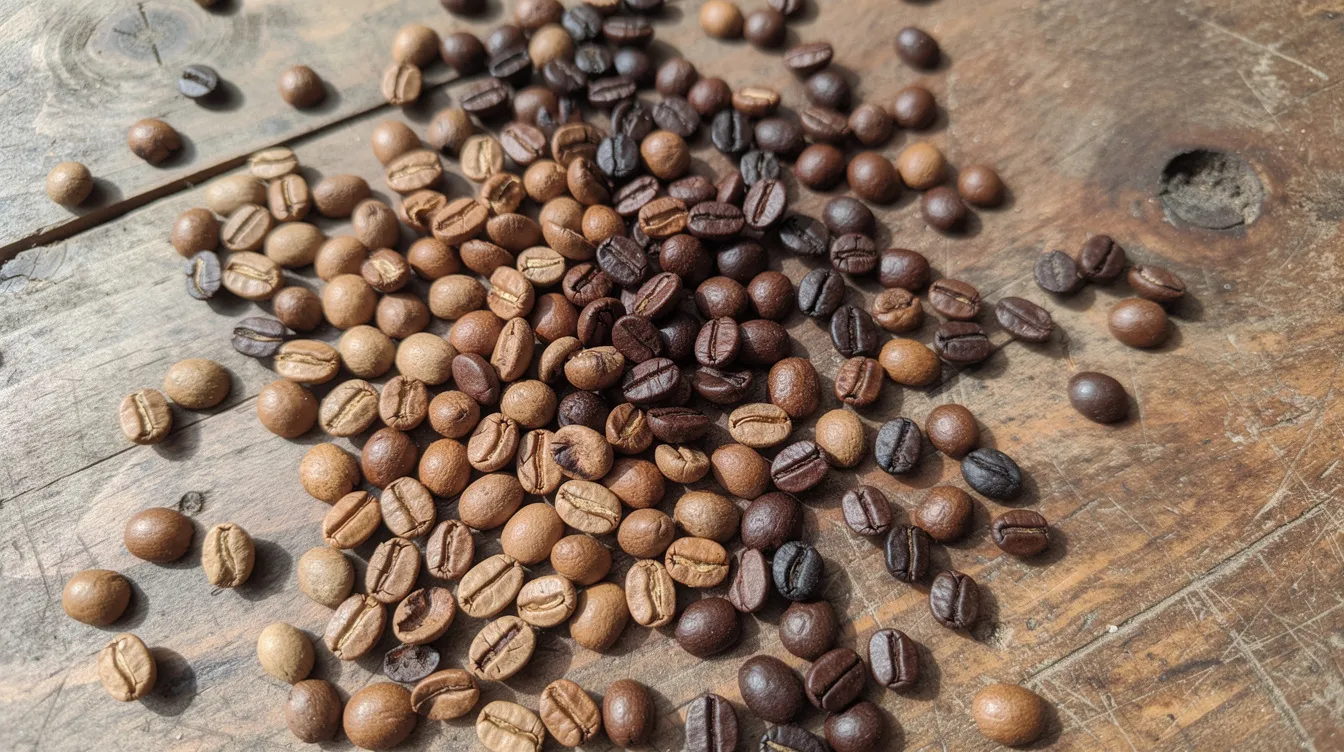
Roast level is arguably the biggest single lever controlling what your coffee tastes like. Coffee roast types include light, medium, and dark roasts, and each moves the flavor needle in predictable directions.
Light roast: Lighter body, higher acidity, brighter and fruitier flavors. Light roasts highlight fruity and floral notes; best for pour-over and filter brewing where delicate aromatics can shine. Chemically, more chlorogenic acids survive, contributing to that bright, tangy character.
Medium roast: Medium roasts balance bright notes with chocolaty depth. This is the most versatile roast range, delivering familiar “coffee” flavor with enough sweetness and mild acidity to work across drip, espresso, and press. Medium roasts balance bright and rich flavors-the reason most “house blend” coffees live here.
Dark roast: Dark roasts produce heavier chocolatey flavors with bitterness. Body is full, acidity is low, and roast-derived compounds like melanoidins dominate. Smoky, woody, and caramelized sugar notes are common. Best for French press, moka pot, and milk-heavy espresso drinks.
If you’re new to espresso at home, start with medium to medium-dark blends rather than ultra-light Nordic-style roasts. Lighter roasts are harder to extract evenly on consumer machines and can produce sour, thin shots without precise grind and temperature control.
Switching between roast styles also means adjusting your brew recipe. A dose and grind setting dialed in for a medium blend will likely under-extract a light roast (sour) and over-extract a dark roast (bitter). Small tweaks to grind size and brew time make a big difference.
Processing is how coffee cherries become green coffee beans, and it has an outsized impact on flavor-sometimes as much as origin itself.
Washed (fully washed): Fruit is removed before drying. Result: clean, bright, higher acidity, with clear origin character. Most Ethiopian Yirgacheffe and Central American lots are washed. If you prefer clarity and “classic” profiles, look for washed processing.
Natural (dry process): Cherries dry with fruit intact around the seed. Result: heavy berry and jammy sweetness, sometimes winey or ferment-forward. Great for fruit-bomb lovers; can be polarizing if fermentation notes are strong.
Honey (pulped natural): Some fruit mucilage remains during drying. Result: a middle ground-sweetness and body from the residual sugars, but more clarity than a full natural.
Experimental (anaerobic, carbonic maceration): These push flavor boundaries with controlled fermentation environments. Expect intense, sometimes wild profiles-tropical fruit, boozy sweetness, candy-like acidity. Worth trying if you’re an adventurous coffee drinker, but not where most people should start.
Match processing to your taste preference: washed for clean and predictable, natural for fruity and bold, honey for a balanced sweet spot.
Tasting notes like “blueberry,” “graham cracker,” or “brown sugar” on a coffee bag are descriptors, not ingredients. They describe the aromatic and flavor compounds naturally present in the bean after roasting. You don’t need a trained palate to benefit from them-just use them as signposts pointing toward the general flavor direction.
Flavor notes: Derived from volatile compounds created during roasting. Chocolate notes, fruity notes, and floral notes are the broadest categories. A coffee described as “red apple, caramel, milk chocolate” will taste very different from one labeled “jasmine, black cherry, citrus.”
Acidity: Not sourness-think brightness. It’s the lively, juicy quality that makes some coffees feel vibrant on your tongue. A meta-analysis of over 7,500 acid measurements found that four organic acids-citric, quinic, malic, and acetic-make up over 88% of organic acid mass in roasted Arabica. Acidity decreases as roast level increases.
Sweetness: The perception of natural sugars. Lighter and medium roasts tend to preserve more sweetness; over-roasting can destroy it.
Body: The weight and texture of coffee in your mouth. A French press coffee will feel heavier than a pour-over from the same beans because the brewing method allows more oils and fine particles through.
Simple pairing advice: chocolate and nut profiles for cozy everyday drinking, fruit and floral notes for adventurous pour-over sessions, caramel and brown sugar for crowd-pleasing espresso. Track which notes you enjoy across different bags-it’s the fastest way to refine your preferences.
Whole Bean vs Ground: Why Freshness Matters
Once coffee is ground, oxidation accelerates dramatically. Volatile aromatic compounds-the ones responsible for that rich, complex aroma when you open a fresh bag-start dissipating within minutes. Pre-ground coffee is essentially trading convenience for flavor.
Whole bean: Longer shelf life, better flavor retention, allows you to adjust grind size for different brew methods. Requires a grinder (even a $40 burr grinder makes a noticeable difference).
Pre-ground: Convenient and fine for camping or travel, but locks you into one grind size and stales faster. If buying pre-ground, use it within a week of opening.
Roast date vs “best by” date: Always look for a printed roast date. Aim to buy beans roasted within the past 2–4 weeks. “Best by” dates, often set 6–12 months out, tell you almost nothing about freshness. This matters especially when shopping on Amazon or at supermarkets where shelf turnover is unpredictable.
Storage: Keep beans in an airtight, opaque container in a cool, dark place. Avoid the fridge-humidity and food odors are enemies of fresh beans. For bulk buys, portion into small airtight bags and freeze; remove only what you’ll use in a week.
Matching Coffee Beans to Your Brew Method
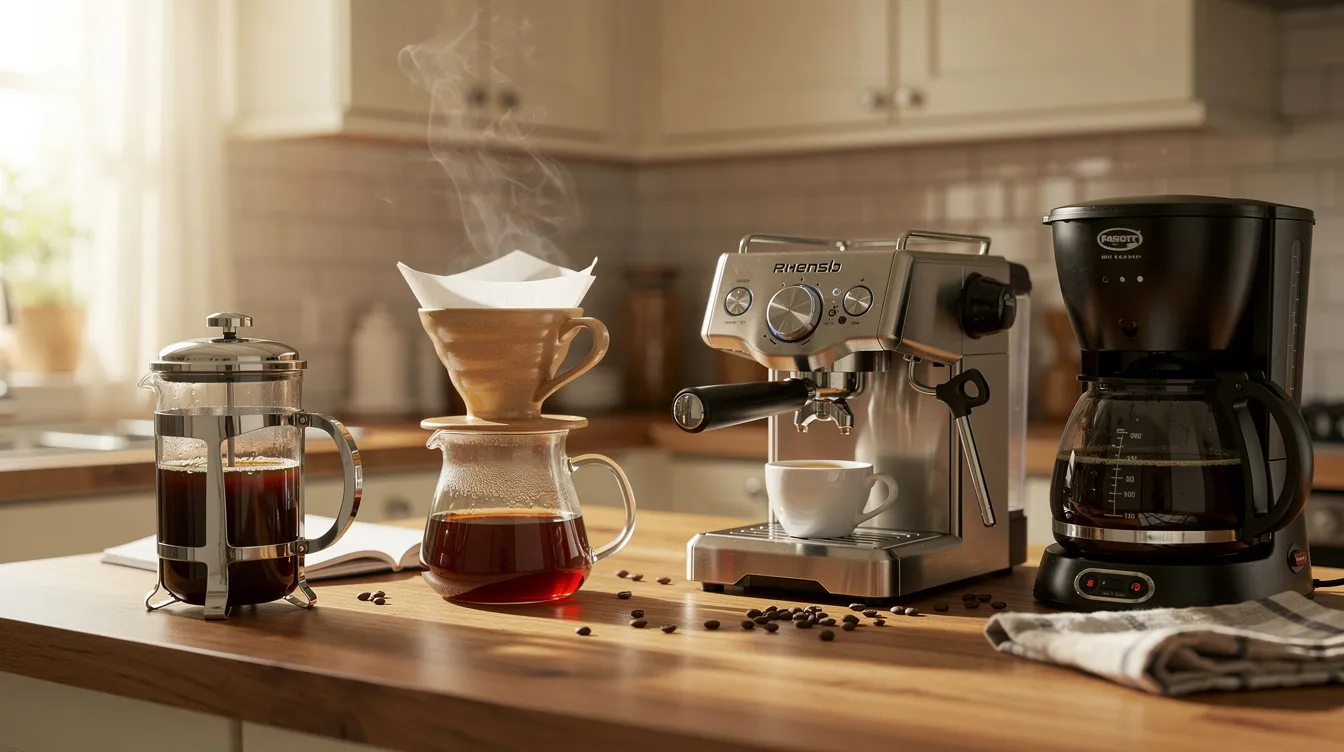
The best coffee beans are only as good as how you brew them. A stunning single origin light roast can taste sour and thin in a French press, while a dark espresso blend may taste flat and muddy in a Chemex. Matching roast profile to brew method is one of the simplest upgrades you can make.
Espresso: Medium to medium-dark blends with good body and sweetness. Fine grind. Forgiving bags like Coffee Bros Espresso Roast or Lavazza Gran Crema work well on home machines.
Drip coffee maker: Medium roasts, medium grind. Blends like Stumptown Hair Bender or Volcanica Colombian Supremo deliver balanced cups without fussy calibration.
Pour-over (V60, Chemex, Kalita): Light to medium single origins, medium-fine grind. Washed Ethiopians and Colombians shine here.
French press: Medium-dark to dark, coarse grind. Full body and low acidity are ideal; look for chocolate-forward blends or Indonesian origins.
Cold brew: Medium-dark, chocolatey, lower acidity beans, coarse grind, long steep. Research comparing cold and hot brew found cold brews tend to be more floral and lower in perceived bitterness than the same coffee brewed hot.
Moka pot: Medium-dark to dark, fine-medium grind. Italian-style blends perform well here.
Pre-ground “one size fits all” coffee underperforms across all these methods because the grind is typically optimized for drip and nothing else. If you brew multiple ways, whole bean plus a grinder is essential.
Freshness, Roast Date & Storage: Getting the Best from Your Beans
Coffee is a perishable food product. After roasting, beans hit their flavor peak somewhere around days 7–14 (light and medium roasts often need a few days to degas) and then gradually lose aromatics over the following weeks. By week five or six, even well-stored beans will taste noticeably flatter.
Ideal use window: Days 3–30 after roast for most beans. Darker roasts may hold up a bit longer-their heavier caramelization masks some staling-but the principle is the same.
Roast dates vs “best by” labels: A roast date tells you exactly how fresh the coffee is. A “best by” date, often stamped 12 months out, is nearly useless for flavor assessment. Prioritize roasters and retailers that show roast dates.
Reorder frequency: For a couple drinking two cups daily, roughly 12 oz per week is a reasonable estimate. Buying one bag (12 oz) weekly or a slightly larger bag biweekly keeps you in the freshness window.
Storage: Airtight, opaque containers at room temperature. Keep away from heat, light, and moisture. Opening the container less frequently helps too.
When to freeze: Bulk purchases (2–5 lb bags) benefit from immediate portioning into weekly amounts in airtight bags. Freeze the portions you won’t use within two weeks. Thaw at room temperature before opening to avoid condensation.
Price, Value & Availability in the US
Coffee pricing in the US spans a wide range. Understanding where your money goes helps you make smarter choices.
Supermarket/commodity: $0.50–$1.10/oz. Brands like Folgers, Maxwell House, and Starbucks grocery bags fall here. Decent for casual drinking; freshness varies.
Mid-tier specialty: $1.20–$1.80/oz. Bags like Coffee Bros, Stumptown Hair Bender, and Volcanica Colombian Supremo in this range offer real flavor complexity, printed roast dates, and transparent sourcing.
Premium/competition-level: $1.80–$3.00+/oz. Direct-from-roaster microlots sit at the upper end-exceptional but not a daily-driver price for most budgets.
Cost per cup at home: Even at $2.00/oz for specialty beans, a 12 oz brewed cup costs roughly $0.70–$1.20. Compare that to $5–$7 for a café latte.
For optimal freshness and best selection, buying direct from coffee roasters or through curated online marketplaces typically outperforms grocery shopping. However, stores with high turnover (busy Whole Foods, Costco) can be reliable if you check roast dates. Factor shipping costs and subscription discounts into your real-world per-ounce math-free shipping on a subscription can save $3–$5 per order.
Common Mistakes When Buying Coffee Beans
Avoiding a few common missteps will get you significantly more flavor from every dollar you spend on coffee.
Choosing by brand familiarity alone. Household names aren’t always the best coffee for your taste or brew method. Explore smaller coffee brands and roasters with strong reputations in the coffee industry.
Ignoring the roast date. A beautiful bag without a roast date printed on it is a gamble. Look for dates within the past month.
Buying pre-ground for espresso. Espresso extraction is extremely sensitive to grind size. Pre-ground coffee, locked into one particle size, will rarely produce a good espresso shot.
Mismatching roast and brew method. A delicate light roast in a French press, or an ultra-dark roast in a Chemex, usually disappoints. Match the roast to how you brew.
Storing beans in the fridge or a clear counter jar. Fridges introduce moisture and odors; clear glass lets light degrade the beans. Use opaque, airtight containers in a cupboard.
Buying too much at once. Unless you’re portioning and freezing, limit purchases to what you’ll use within 3–4 weeks.
Each of these mistakes is easy to fix and costs nothing-just a small shift in how you shop and store.
Frequently Asked Questions
These FAQs address common questions not fully covered above, focused on real-world buying and brewing concerns. Answers are kept in plain English.
What country has the best coffee beans?
No single country universally produces the best coffee beans. Quality farms exist across Ethiopia, Colombia, Kenya, Brazil, Costa Rica, Guatemala, and many other origins. What matters more than a country ranking is matching origin characteristics to your personal taste.
Start here: Ethiopia or Kenya for floral and citrus-driven cups, Colombia for balanced apple and caramel sweetness, Brazil for nutty chocolate, and Indonesia for earthy, spicy, full-bodied profiles. Robusta beans contain nearly double the caffeine of Arabica beans, but most specialty coffee from these origins is Arabica, which dominates the high-quality market.
Are dark roast coffee beans stronger than light roast?
Dark roast usually tastes stronger and more bitter because roast-derived compounds like melanoidins dominate the flavor. However, light roasts often retain slightly more caffeine by weight because the roasting process hasn’t burned off as much.
“Strength” in the cup depends more on your brew ratio-how much coffee you use relative to water-and extraction time than on roast level alone. Choose roast based on flavor preference: smooth dark chocolate and smoke versus bright fruit and floral acidity. Then adjust your dose and grind to control the intensity of each cup.
How much coffee beans should I buy at once?
Most home drinkers should buy only as much whole bean coffee as they’ll use within 3–4 weeks. That’s the window for optimal freshness after roasting.
A rough guide: a couple drinking two 10–12 oz cups daily will go through approximately 10–12 oz of beans per week. A 12 oz bag per week or a 2 lb bag biweekly keeps you within the freshness zone.
Larger 2–5 lb bags make sense for big households or offices, or for anyone comfortable dividing beans into smaller airtight portions and freezing. Just avoid buying in bulk and leaving an open bag on the counter for weeks.
Can I use the same beans for espresso and drip coffee?
Yes. Many blends-especially medium roasts-work well for both espresso and drip as long as you adjust grind size and brew ratio. A blend like Coffee Bros Signature Espresso or Stumptown Hair Bender transitions smoothly between methods.
That said, very light, high-acidity single origins may taste sharp and sour as espresso but can shine in pour-over. Conversely, very dark roasts might feel flat in drip but become rich and satisfying in milk-based espresso drinks. If you want one bag for everything, choose a house or signature blend specifically labeled as suitable for multiple brew methods.
Are expensive specialty coffee beans worth it?
Pricier beans often reflect better compensation for coffee farmers, more careful processing techniques, and more distinctive flavor-but that doesn’t guarantee every expensive bag will match your personal taste.
Newcomers should start in the mid-range, roughly $15–$25 for 10–12 oz at current US prices, to experience real specialty quality before spending on ultra-premium lots. Good brewing technique and freshness often make a bigger difference in daily cups than moving from “very good” to “luxury” coffee. The diminishing returns curve is real: a $20 bag brewed well can outperform a $40 bag brewed carelessly.
Related Guides & Next Steps
Now that you know how to evaluate origin, roast level, processing, and freshness, the next step is simple: pick one coffee from this guide that matches your primary brew method and flavor preferences, order a bag, and take notes on what you enjoy. Those impressions will sharpen every future purchase.
To go deeper, explore our guide to the best espresso beans for machine-specific picks, our coffee buying guides for grinder and gear recommendations, and our coffee origins explainer to learn more about the regions behind your favorite cups. Great coffee is a journey-and every sip teaches you something about what you like.
How Capitol City Coffee Rates Coffee and Coffee Machines
Every coffee and coffee machine we recommend is scored on the same 100-point scale, so a recommendation on one page means the same thing as a recommendation on any other. Each pick is also labeled with how we reached its score.
Research-ratedScored from the roaster or manufacturer’s published specifications, independent results such as Coffee Review blind cuppings and SCA brewer certification, and patterns across verified buyer reviews. Most of our current picks are research-rated.
Hands-on testedThe Capitol City Coffee team has brewed the coffee or used the machine ourselves, following the testing steps below. We only use this label when that testing actually happened, and we show the date we tested.
Coffee beans: 100-point scale
What we score
Points
What we look at
Origin and sourcing transparency
20
Country, region, farm or cooperative, altitude, bean variety, and processing method are clearly disclosed.
Flavor evidence
25
Independent cupping scores, how closely the tasting notes match what the origin is known for, and our own cupping notes when hands-on tested.
Roast and freshness
15
Roast level stated, roast-date practices, whole-bean availability, and packaging with a one-way valve or resealable bag.
Brew versatility
15
How well the roast suits pour-over, drip, French press, cold brew, and espresso.
Value
15
Price per ounce compared with similar single-origin coffees or blends.
Buyer feedback
10
Volume and consistency of verified reviews, and recurring complaints about staleness, bitterness, or shipping.
Coffee machines and gear: 100-point scale
What we score
Points
What we look at
Brewing performance
25
Water temperature in the 195–205°F range, even extraction, and SCA certification or published test data.
Build quality and reliability
20
Materials, known failure points, and long-term owner reports.
Ease of use and cleaning
15
Setup, the daily routine, descaling, and dishwasher-safe parts.
Fit for your kitchen
10
Capacity, counter footprint, and noise.
Useful features
10
Programming, grind and temperature control, and carafe type. Features that improve the cup count more than extras that do not.
Value
10
Price compared with machines that perform similarly.
Warranty and support
10
Warranty length, parts availability, and how the brand handles repairs.
What the grades mean
Score
Grade
What it means
90–100
A
Exceptional. Our first recommendation for the feeling and setting described.
80–89
B
Strong. Excellent, with minor trade-offs we explain.
70–79
C
Good. Worth it for specific needs, with clear compromises.
Below 70
—
Not recommended. We do not feature these as picks.
How we test hands-on
When a pick carries the Hands-on tested label, this is the method behind it, and we note the date we tested.
Coffee: brewed fresh from whole beans following Specialty Coffee Association guidelines (water between 195 and 205°F, about 1 gram of coffee to every 15 to 18 grams of water) in the brew methods the roast suits best, such as pour-over, French press, or espresso. We taste it black first, then with milk if that is how most people drink it, and each taster scores it on their own before we compare notes.
Machines: used in our everyday routine rather than a single demo. We brew both full and small batches, check the brewing temperature and brew time, and run the cleaning or descaling steps the manual calls for.
How we choose the feeling and setting
We match each coffee to a mood and a moment based on its flavor profile and roast. Bright, citrusy light roasts suit energizing mornings. Chocolatey, full-bodied medium roasts suit slow or social moments. Richer roasts suit espresso and milk drinks. Each pick explains which facts led us to that match.
Our scores stay independent
Every score comes only from the criteria above. No brand can pay for a pick or a higher grade. We re-check ratings when a roast, listing, or model changes, and update or remove picks that no longer earn their grade.
Some links on this page are affiliate links. As an Amazon Associate, Capitol City Coffee earns from qualifying purchases, at no extra cost to you.
Questions about a rating? Reach the Capitol City Coffee team through our contact page.
Capitol City Coffee
Stay in the coffee loop
Get brewing guides, origin stories, and new recipes. A few emails, no spam.