If you want great coffee without a premium price tag, you have more options today than ever. After analyzing third-party lab tests, expert roundups, and owner feedback across dozens of models, the Ninja CE251 12-Cup Programmable stands out as the best coffee maker under $100 for most households. For a dead-simple budget pick, the Krups Simply Brew or a comparable no-frills drip delivers hot coffee with zero learning curve. And if you only need one cup at a time, the Keurig K-Classic remains a reliable single-serve choice. This guide is based on researched editorial analysis, not our own hands-on testing.
Best programmable drip pick
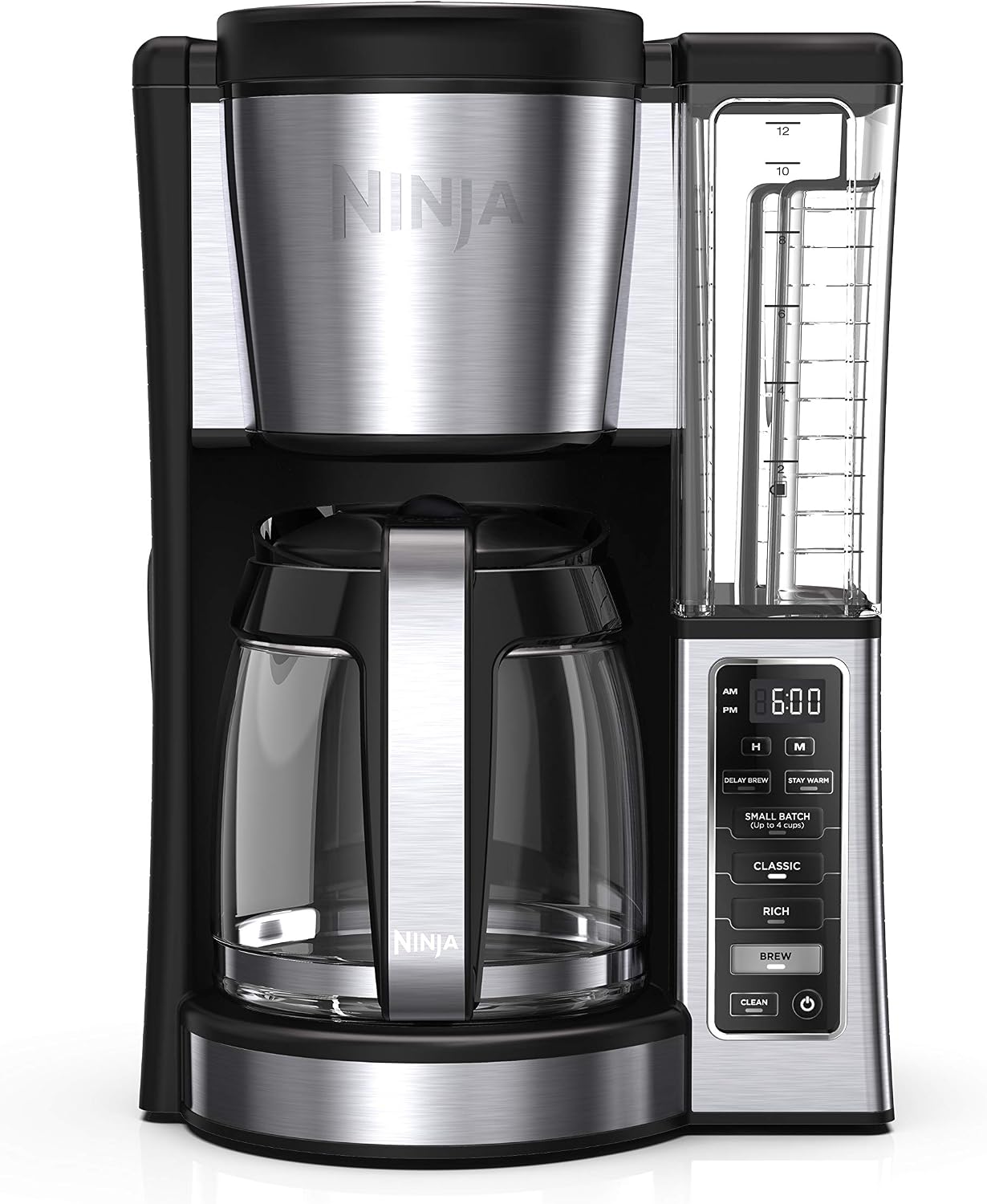
For this roundup, Ninja CE251 is the programmable drip we recommend first—the same pick at the top of our At-a-glance cards below.
Most cheap coffee makers cost $100 or less and can still brew very good coffee when they hit a reasonable brewing temperature (195–205°F) and maintain decent extraction consistency. Updated testing shows improvements in budget coffee makers under $100 over the past two years, with more models reaching that critical temperature range.
Trade-offs at this price typically involve build quality, durability, and premium materials. Under $100 machines may lack premium materials and advanced features found in pricier models, but reliable coffee makers are available for under $100 if you know what to look for.
Drip coffee makers dominate this price band, though strong picks exist in single-serve pod machines, French press, and basic espresso-style brewers. Budget coffee makers often prioritize value over advanced features, but that doesn’t mean you have to settle for bland results.
What matters most: brewing temperature, brew time, capacity (a 12 cup coffee maker versus a compact 5-cup), ease of cleaning, and warranty.
This guide focuses on United States availability and pricing under $100 at typical large retailers (Amazon, Target, Walmart) as of 2026. Prices fluctuate with sales and seasonal promotions.
Affiliate Disclosure
Capitol City Coffee is an independent coffee editorial and affiliate publication. We may earn a commission if you purchase through outgoing links, at no extra cost to you. Commissions do not influence rankings or coverage-recommendations are based on researched editorial analysis and third-party testing where available.
Quick Answer: The Best Coffee Maker Under $100 Right Now
For most people, the Ninja CE251 12-Cup Programmable is the best overall coffee maker under $100, combining solid brew quality, programmability, and a reasonable price. But the right machine depends on how you drink your coffee. Users can choose between drip coffee makers and single-serve pod machines, or go manual with a French press or pour-over. Here are our top picks:
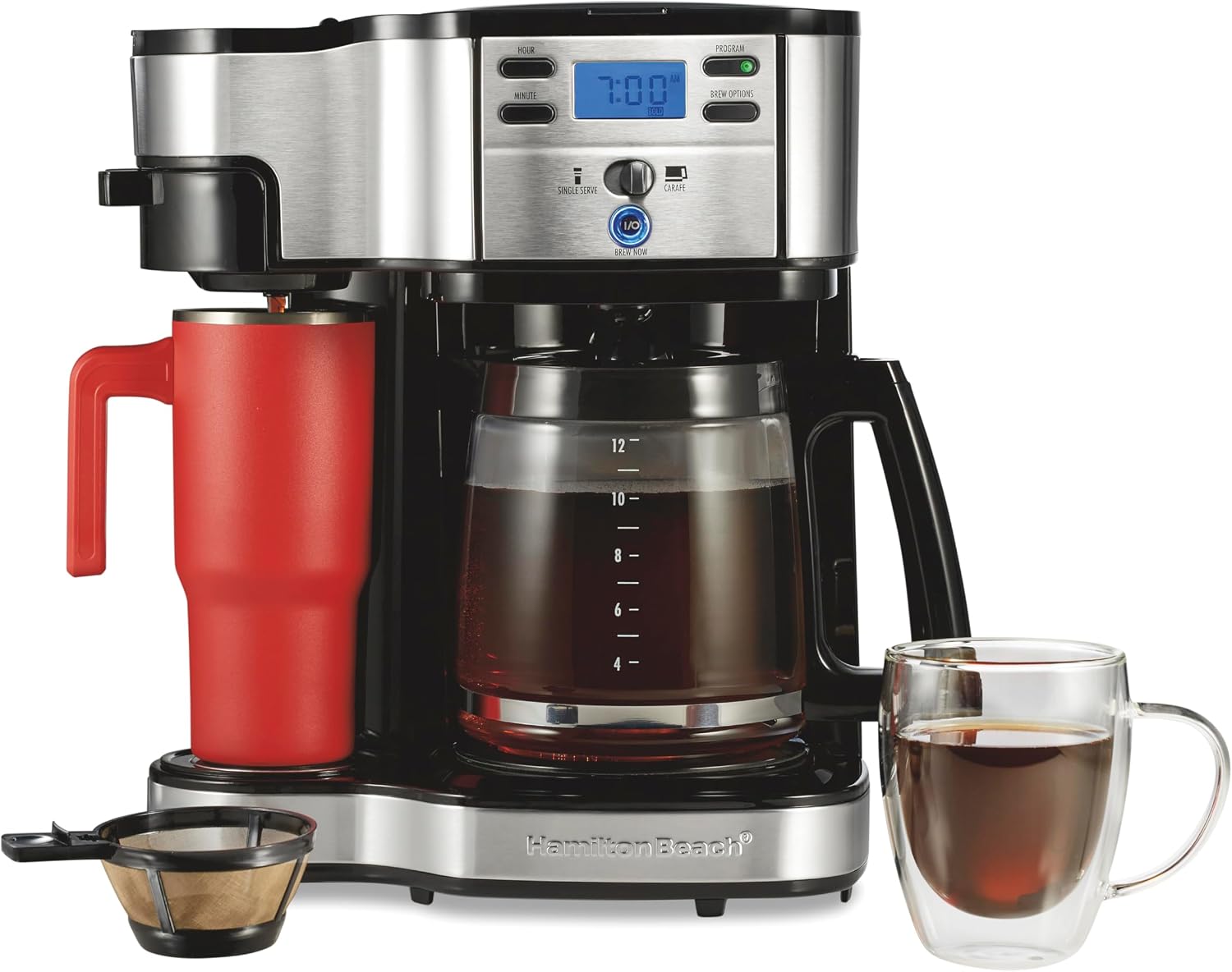
Hamilton Beach 2-Way Brewer – Drip + single-serve combo, ~$60–$80, flexibility for mixed households
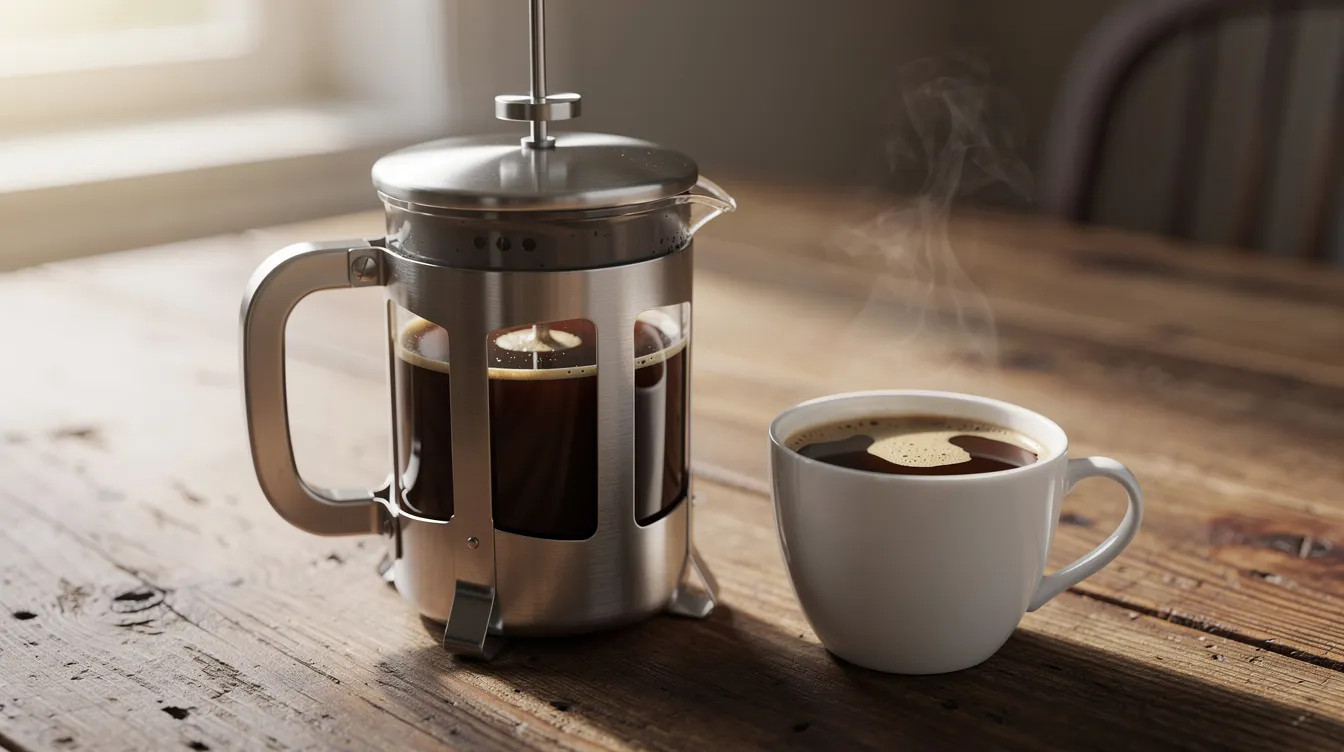
Bodum Chambord French Press – Manual immersion, ~$25–$40, full-bodied flavor, no electricity needed
Coffee makers under $100 can include programmability and brew-strength settings that rival pricier machines. Ninja and Keurig models are frequently recommended for under $100 across expert roundups, and Braun PureFlavor is often mentioned as a contender for the best cheap coffee maker. Scroll to the comparison table below for a side-by-side look, or jump to the detailed picks for the full breakdown.
At-a-Glance Comparison Table
This table compares the top inexpensive coffee makers in our roundup, helping you scan capacity, type, and key trade-offs before reading each detailed review.
Specifications like brew temperature ranges and brew time are taken from manufacturer data and expert testing sources.
Pricing varies by retailer and sales events; all models listed are routinely available under $100 at major US retailers.
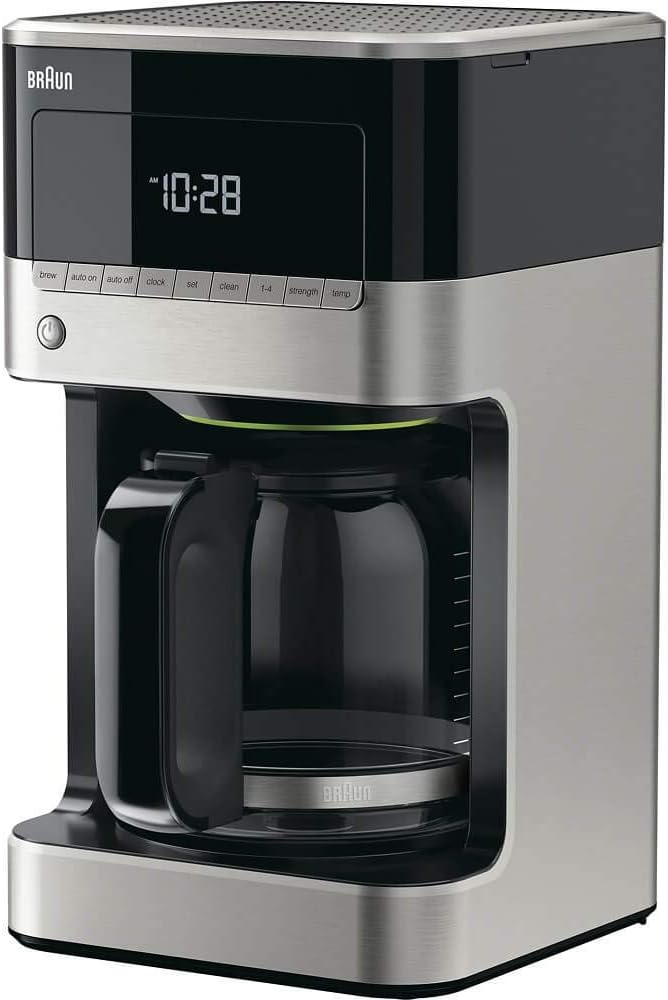
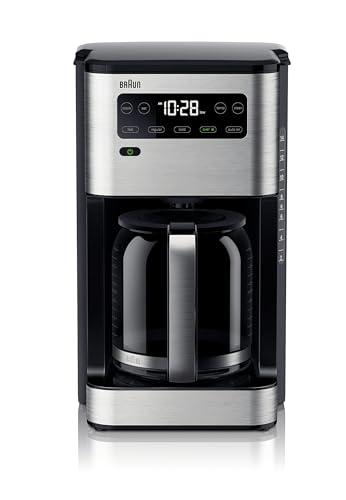
The Braun PureFlavor 14-Cup coffee maker is highly rated for flavor across multiple expert panels, including Good Housekeeping, which named it a “Best Value” pick.
How We Chose These Coffee Makers Under $100
This roundup is researched editorial analysis rather than in-house lab testing. We relied on manufacturer specs, professional lab reviews from outlets like Consumer Reports and TechGearLab, and broad owner feedback across retail platforms.
Key criteria used to filter products:
Verified brewing temperature in or near the ideal 195–205°F range when third-party data was available. Coffee makers should brew between 195°F and 205°F for optimal extraction, which means the machine must get the water hot enough and evenly saturate coffee grounds across the entire brew basket.
Reasonable brew time for a full pot-brewing time for a 12-cup pot should be 11 to 13 minutes for proper extraction without rushing or dragging.
Consistent extraction, favoring machines with shower head water distribution or bloom features over single-spout designs. SCA-certified machines maintain better temperature stability, giving them an edge even among other machines in the same price range.
Durability, warranty coverage (1–3 years), ease of cleaning (removable filter baskets, decalcify cycles), and usability (clear markings, simple controls) were weighted as heavily as raw coffee quality.
Only models widely available in the United States and routinely priced under $100 were included. Very small-batch or boutique brewers were excluded.
If you’re willing to spend more for improved brew temperature stability and programmability, our guide to coffee makers under $200 with upgraded performance covers that territory.
Best Overall Drip Coffee Maker Under $100: Ninja CE251
The Ninja CE251 is the best coffee maker under $100 for most people who want a full-size drip coffee maker. It balances brew quality, capacity, programmability, and value better than anything else in this price range. The Ninja 12-Cup Programmable Coffee Maker brews at 195°F, placing it right at the bottom of the SCA’s recommended range-a meaningful achievement for a machine that costs $70–$90.
12 cup coffee maker capacity (approximately 60 oz), glass carafe with adjustable hot plate
Programmable 24-hour delay brew timer
Classic and Rich brew strength selector for regular or bolder coffee
Removable water reservoir for easy filling
Price: approximately $70–$90 in 2026
In TechGearLab’s testing, the Ninja CE251 averaged around 191.6°F at the grounds with peaks reaching higher, and completed 6 cups in about 7 minutes 48 seconds. The Ninja 12-Cup brewer reached 195°F during brewing, putting it ahead of many other machines in this price band. Its shower head water distribution and “Flavor Straw” technology help keep the brewing process consistent from the first cup to the last, while the adjustable hot plate helps keep coffee hot through the serving window when you’re not drinking the whole pot at once.
The footprint is manageable for most kitchens, and the removable water tank makes filling simple. The control panel is straightforward, though the build is plastic-heavy. Warranty is 1 year.
Who it’s best for: Families or households with multiple coffee drinkers who brew a big pot daily and want programmable machines that allow brewing to be scheduled in advance-without spending more than $100. If you’re after higher-end drip options, our roundup of the best drip coffee makers covers premium territory.
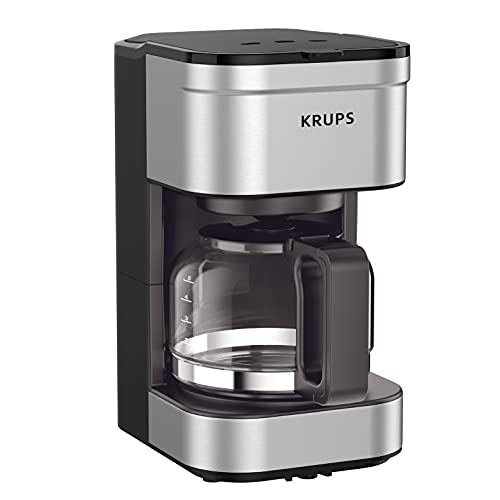
Best Simple Drip Coffee Maker Under $100: Krups Simply Brew or Similar
Some coffee drinkers don’t want a control panel with six buttons and a digital clock. They want to add ground coffee, add water, press one button, and walk away. That’s the appeal of a cheap coffee maker with zero learning curve-and it’s a valid choice for anyone who values simplicity over special features.
10–12 cup capacity, glass carafe with warming plate
One-button operation, no timer or strength control
Reusable filter included (no ongoing paper filter cost)
Approximate price: $40–$60
Expert testing shows these basic machines brew at varying temperatures. Some run hot enough for a balanced cup; others fall short. The trade-off is clear: you get an extremely easy-to-use, inexpensive coffee maker with minimal parts to break, but less control over brewing temperature or extraction consistency than more advanced drip coffee makers.
The build is basic plastic, the warranty is typically 1 year, and programmability is nonexistent. But cleaning is dead simple, and the value proposition is hard to argue with for offices, dorms, or vacation homes.
Best for: Casual coffee drinkers who want a cheap drip coffee maker that brews hot coffee quickly and don’t care about specialty-level precision. If making coffee is just part of your autopilot morning, this gets the job done.
Best Compact 4–5 Cup Drip Coffee Maker
A 4–5 cup drip coffee maker appeals to people in small spaces-studio apartments, RVs, or households where one or two people drink coffee. Brewing smaller amounts at a time also means fresher coffee in your mug, since you’re not reheating or discarding half a big pot.
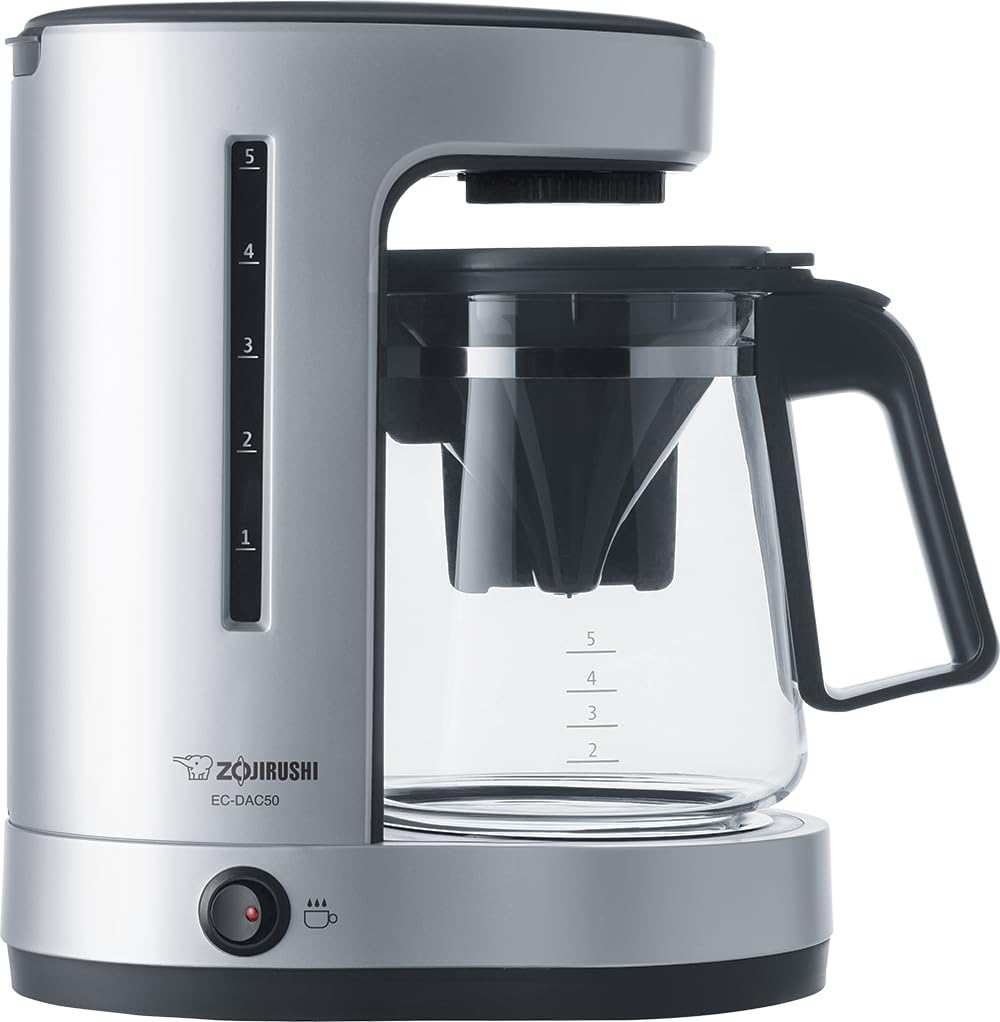
The Zojirushi Zutto 5-Cup Coffee Maker costs around $80 and is a standout in this category. Praised by Bon Appétit for its precise brewing and smooth flavor, it packs a compact footprint with a removable water tank for easy filling.
Capacity: approximately 25 oz (5 cups at standard 5 oz serving size)
Glass carafe with adjustable warming plate
Simple on/off controls, integrated cone filter
Brew time: about 5–7 minutes
Small enough to fit under most cabinets
The Zojirushi delivers more consistent extraction for small batches than you’d get by scaling down a 12 cup coffee maker to a half-pot. It’s quicker to clean and takes up such a small amount of counter space that it practically disappears.
Limitations: Not ideal for entertaining or large families. Limited programmability. If you need coffee for several people, you’ll be running multiple batches.
Best Single-Serve Pod Coffee Maker Under $100
Single-serve pod machines sit at the opposite end of the spectrum from a big pot drip setup. Maximum convenience, minimal cleanup, and consistent cup-to-cup flavor. The trade-off is a higher per-cup cost compared to drip coffee makers using ground coffee. Single-serve machines are suitable for those who drink one cup of coffee at a time and want it fast.
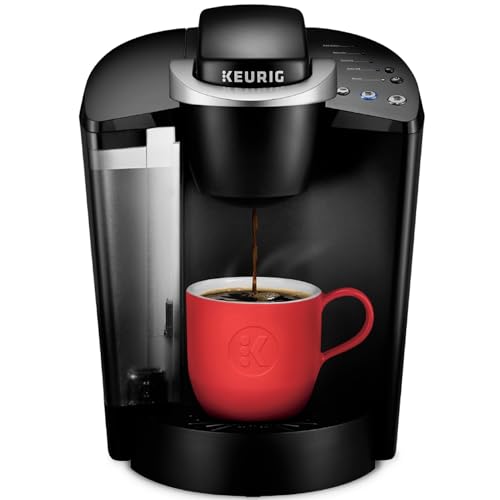
The Keurig K-Classic (approximately $70–$80) remains the most popular pick in this segment.
Brew sizes: 6, 8, or 10 oz per cup
48 oz removable water reservoir
Brew time: about 1–2 minutes per cup
Auto shut off after 2 hours of inactivity
No advanced brewing temperature controls
Workflow is simple: insert a pod, select your size, press brew. Descaling is straightforward, and the machine prompts you when it’s time. The coffee machine doesn’t offer brew strength options, but the pod variety is enormous.
Best for: Single coffee drinkers, offices, or households already invested in K-Cups. Note the ongoing cost: pods run roughly $0.40–$0.70 per cup versus $0.10–$0.20 for ground coffee in a drip machine. If you want better flavor per dollar, manual or drip options outperform pods.
Best Single-Serve Non-Pod Brewer Under $100
Non-pod single-serve brewers like the AeroPress or pour-over drippers deliver better-tasting coffee with lower waste while staying well under $100. These are manual tools, not coffee machines, and that’s their advantage-you control every variable.
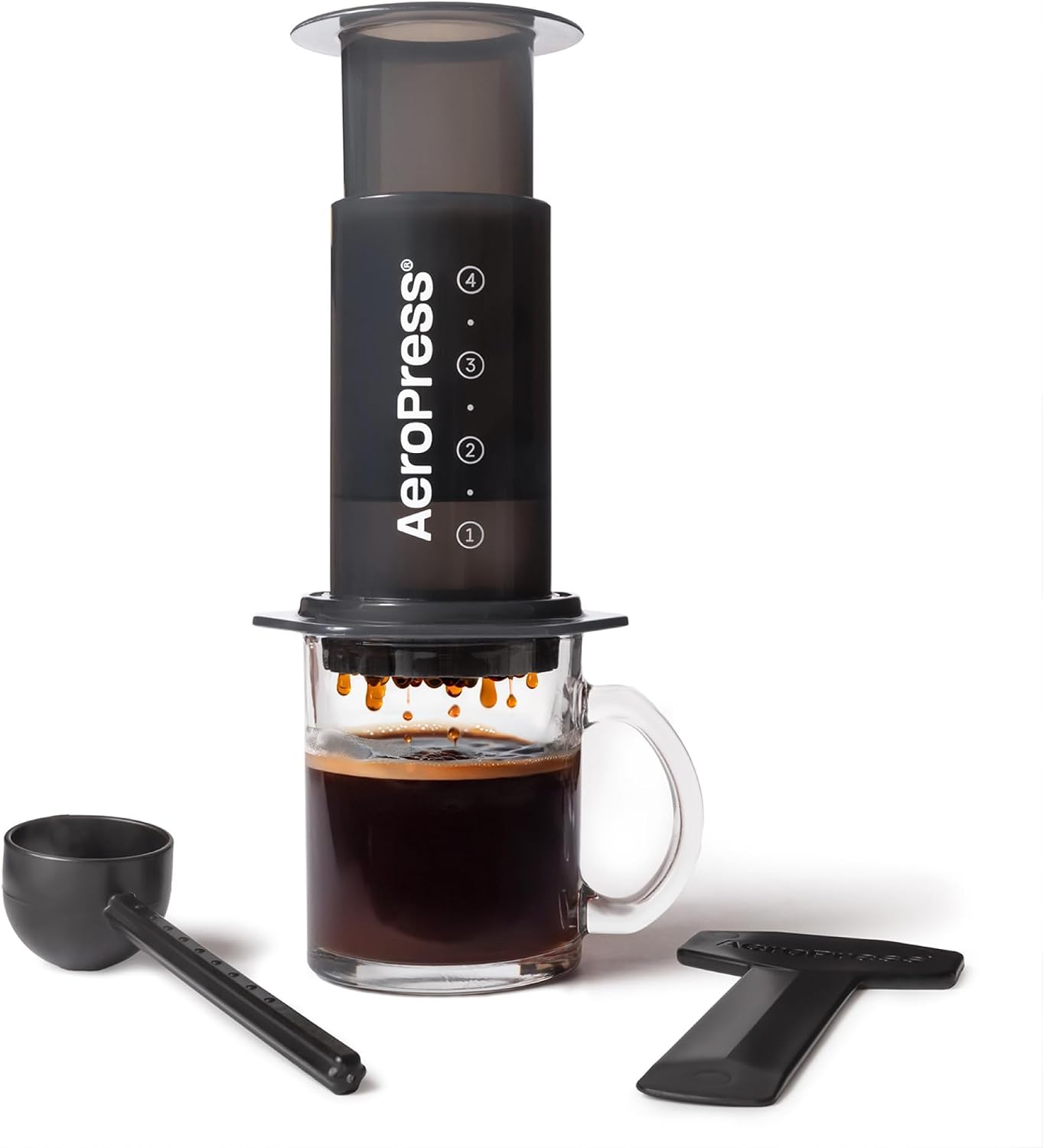
The AeroPress (Classic or Clear edition, ~$35–$40) is the standout. It uses immersion brewing with a micro-filter to produce a clean, flavorful cup in about 1–2 minutes. It’s also travel-friendly and nearly indestructible.
For a pure pour-over experience, a Kalita Wave 185 dripper (~$25–$35) offers excellent extraction consistency and, when your technique is dialed in, is one of the strongest paths to the best tasting coffee.
Trade-offs: You need a separate kettle for hot water and ideally a burr grinder. There’s a learning curve. But the flavor ceiling is higher than any automatic drip coffee maker under $100, and the long-term cost per cup is the lowest of any method.
Best for: Specialty coffee fans on a budget who value control and taste more than automation. If you’re the type who cares about the origin of your whole bean coffee and wants a balanced cup every time, this is your lane.
Best Inexpensive 2-in-1 Drip + Single-Serve Coffee Maker
Hybrid brewers that combine a full-pot drip side with a single-cup side appeal to mixed households-one person wants a quick one cup, another wants a full pot. The Hamilton Beach 2-Way Brewer variants (approximately $60–$80) solve this without requiring two small appliances on your counter.
12-cup glass carafe on the drip side, single-cup brew basket on the other
Works with ground coffee on both sides (some models accept pods too)
Overall footprint is wider than a standard drip machine but eliminates the need for two separate units
Brew time for a full pot runs about 10–12 minutes; a single cup takes roughly 3 minutes. The two sides typically share a single water tank, which simplifies filling but means you need to manage water levels if switching between modes frequently.
Strengths: Flexibility, reasonable value, and fewer machines to store.
Weaknesses: More complicated control panel, more components to clean, and sometimes weaker extraction or lower brewing temperature than dedicated drip coffee makers in the same price band. Consider the brew size and carafe type when selecting a 2-in-1 to make sure it fits your routine.
Best Thermal-Carafe Drip Coffee Maker Under $100
A thermal carafe keeps brewed coffee warm for hours without a hot plate. The difference matters: coffee sitting on a warming plate slowly cooks, losing aroma and developing bitter, stale notes. A thermal carafe locks in heat and flavor. Thermal carafes retain heat without burning but are less common under $100, which makes the models that do exist worth highlighting.
Look for models like the Black+Decker 12-Cup Thermal or the Bonavita BV1900TS (which occasionally dips below $100 during sales). The Bonavita is one of the few SCA-certified machines in this price range, consistently hitting ~200°F in third-party tests.
8–12 cup capacity, stainless steel insulated carafe
Brew time: approximately 8–12 minutes for a full pot
Simple controls (Bonavita uses a single button with pre-infusion bloom)
Warranty: often 2 years on Bonavita models
Pros: Better taste retention, fewer temperature swings, and no risk of forgetting to turn off the hot plate. The stainless steel carafe is more durable than glass.
Cons: Heavier carafe, trickier pouring and cleaning, and a slightly higher price than comparable glass-carafe models. Still an inexpensive coffee maker option if you regularly drink coffee over several hours.
Best French Press Under $100
A French press is one of the best inexpensive coffee makers for full-bodied, rich, flavorful coffee. No electricity, no paper filter, no complicated brew settings. Just coffee grounds, hot water, and about four minutes of patience.
Representative models under $100:
Bodum Chambord (~$25–$40): Classic borosilicate glass carafe, stainless steel frame, 34 oz capacity. The standard against which other presses are measured.
Stanley Classic Pour Over/Press (~$35–$45): Built for outdoors, heavy-duty, 48 oz capacity for groups.
French press differs from drip coffee makers fundamentally: immersion brewing extracts more oils and body, producing a heavier mouthfeel. There’s no paper filter to absorb those oils, which means more flavor but also some fine sediment in the cup.
Usability and cleaning: Disassemble the plunger screen, rinse, and wash. Most parts are dishwasher-safe. Stainless steel carafes are nearly unbreakable; glass can chip or crack if dropped.
Best for: Budget-minded coffee lovers who want a robust, café-style good cup at home and don’t mind a little sediment. Long-term, a French press is the cheapest way to make great coffee-the brewer itself may outlast three or four electric machines.
Best Budget Espresso-Style Machine Under $100
Let’s be honest: a true espresso machine under $100 is a stretch. Machines in this range typically use pressurized baskets and lack the temperature stability and pressure consistency of even a $300 unit. But if you want espresso-style drinks for lattes and cappuccinos at home, these entry-level machines can get you in the ballpark.
Options like the De’Longhi EC155 or similar compact pump espresso machines regularly sit below $100.
Water tank capacity: approximately 35–50 oz
Manual Panarello steam wand for frothing milk
Compatible with pre ground coffee and ESE pods (no built in grinder)
Compact countertop footprint
Strengths: Concentrated shots strong enough for milk drinks, a small space footprint, and straightforward controls. It’s a gateway into home espresso for casual drinkers.
Limitations: Inconsistent brew temperature and pressure, reliance on pre-ground coffee or an inexpensive grinder, limited durability, and short warranties (often 1 year). This is not competition-level espresso. Higher-priced coffee makers typically produce more consistent flavor in the espresso category.
Best for: Latte and cappuccino fans on a strict budget who understand they’re getting espresso-style drinks, not true café shots. If convenience and price matter more than perfect extraction, it’s a reasonable starting point.
Key Features That Matter Under $100
Think of this as your buyer’s checklist for any drip coffee maker or coffee machine in this price range. Focus on brew quality and daily usability, not luxury finishes.
Brewing temperature and extraction:
Coffee makers should brew between 195°F and 205°F. Machines brewing above 195°F yield more flavorful coffee with better sweetness and complexity. Cheap coffee makers often brew below 195°F, which leads to under-extraction, especially with lighter roasts. The Cuisinart DCC-1200 brews coffee at an average temperature of 176°F, for example-well below the SCA’s recommended range. Models such as the cuisinart brew central are popular for features, but verified brew-temperature performance matters more than brand familiarity.
Inexpensive coffee makers often lack consistent water distribution. Look for models with a shower head design or pre-infusion bloom to ensure even saturation of coffee grounds.
Brew time and strength:
For a full 12-cup pot, aim for 11–13 minutes of total brew time for proper extraction. Too fast and coffee tastes thin; too slow and it over-extracts.
Brew strength options are increasingly common in affordable coffee makers. A brew strength selector lets you toggle between regular and bold without changing your grind or dose.
Capacity and carafe:
Cups in coffee makers are typically smaller than standard mugs-usually 5–6 oz. A “12-cup” machine holds about 60 oz, not twelve 12 oz mugs.
Most budget-friendly coffee makers offer glass carafes with hot plates. A glass carafe is lighter and cheaper but loses heat over time. A thermal carafe costs more but keeps coffee warm without the flavor degradation of a warming plate or adjustable hot plate.
Usability and convenience:
Many budget coffee makers have removable water reservoirs for easier filling. Removable water tanks simplify filling and cleaning significantly.
Dedicated small-batch settings prevent wasted coffee in small brews-a useful feature if you sometimes brew just one cup instead of a full pot.
Many coffee makers under $100 include auto shutoff features for safety, turning off the hot plate after a set time (typically 1–2 hours).
High-quality coffee makers under $100 can achieve desirable brewing temperatures when properly designed, so don’t assume you need to spend $200 for good results.
Durability and warranty:
A 1-year warranty is standard; 2–3 years signals higher confidence from the manufacturer. Typical lifespans of inexpensive coffee makers run 2–3 years with daily use. Check whether replacement parts (carafes, filter baskets, brew basket lids) are readily available before buying.
How to Choose the Best Coffee Maker Under $100 for You
Matching your coffee maker to your habits, kitchen, and budget is more important than chasing the “best” label. Here’s a quick decision framework:
Daily multi-mug drinkers or families: A 10–12 cup drip coffee maker with a timer and strength control (like the Ninja CE251 or Braun PureFlavor) keeps a big pot ready each morning.
Solo drinkers or couples: A compact 4–5 cup drip or a single-serve machine avoids brewing such a small amount in an oversized carafe. Less waste, fresher coffee.
Iced coffee fans: Look for models with an over ice feature or a small-batch mode that brews a stronger concentrate. Even without a dedicated setting, you can brew double-strength drip coffee over ice.
Milk-drink lovers: A basic espresso machine or a strong drip paired with a standalone milk frother gives you lattes without a $500 investment.
Upfront vs. ongoing cost:
Pods cost $0.40–$0.70 per cup; pre ground coffee in a drip machine runs $0.10–$0.20. Whole beans ground fresh cost about the same but deliver noticeably better flavor.
Paper filter costs add up-roughly $15–$20 per year. A reusable filter eliminates that.
Counter space: If you live in a small space, a compact brew coffee maker or a manual brewer like the AeroPress takes up almost no room. Measure your under-cabinet clearance before buying a taller 12-cup machine.
For readers curious about machines with a built in grinder or willing to stretch the budget, our guide to the best coffee makers with grinders covers integrated options, and our broader gear hub has more category-specific roundups.
Brewing Tips to Get the Most from a Cheap Coffee Maker
Technique often matters more than the exact model when you’re using an inexpensive coffee maker, and a simple taste test between two brewers can reveal how much technique affects the cup. A few small adjustments can dramatically improve your cup.
Use freshly ground coffee beans. Freshly ground coffee beans yield better flavor than pre ground coffee that’s been sitting in a bag for weeks. Even an entry-level burr grinder (~$30–$50) paired with whole bean coffee makes a noticeable difference.
Grind correctly. Use a medium-coarse grind for drip coffee-about the texture of coarse sand. Too fine clogs the brew basket and over-extracts; too coarse under-extracts.
Measure your ratio. A 1:16 coffee to water ratio is recommended for brewing. That’s roughly 60–65 grams of coffee for a full 12-cup pot. Use a kitchen scale if you have one; eyeballing leads to inconsistency.
Use filtered water. Use filtered water for better tasting coffee. If your tap water tastes off-chlorinated, minerally, or flat-it will come through in the cup. Simple pitcher filters work fine.
Mind the temperature. Brewing with tepid water results in bitter and bland coffee. If your machine runs cool, try brewing slightly smaller batches, which help the heating element maintain a higher water temperature. Coffee should finish brewing at least 180°F for optimal flavor.
Don’t let it sit. Avoid leaving brewed coffee on a hot plate for hours. The longer coffee sitting on a warming plate, the more volatile aromas burn off and bitterness concentrates. Pour into a thermal mug or insulated carafe instead.
Preheat your carafe. Rinsing your glass carafe or mug with hot water before brewing reduces heat loss, keeping your freshly brewed coffee hotter for longer.
Those who outgrow the limitations of their cheap coffee maker can explore machines with improved brew temperature stability and programmability by stepping up to the $100–$200 range.
Maintenance and Cost of Ownership
Regular cleaning and descaling are crucial to keep inexpensive coffee makers brewing properly and to protect their limited lifespans. Cleaning easiness should be considered in budget coffee makers, because machines that are hard to clean get neglected-and neglected machines make bad coffee.
Routine tasks:
Daily: Rinse carafe and filter basket after each use. Discard coffee grounds immediately.
Weekly: Wash removable parts (brew basket, carafe lid, removable water reservoir) with warm water and mild detergent.
Monthly/quarterly: Descale with white vinegar (50/50 with water) or a citric acid solution, depending on water hardness. Run two rinse cycles afterward.
Recurring costs:
Paper filters: ~$15–$20/year for standard drip machines. A reusable filter eliminates this cost and reduces waste.
Replacement carafes: Glass breaks. Budget $10–$20 for a replacement if needed.
Descaling agents: A few dollars per year if you use vinegar from your pantry.
Coffee itself: Pre ground coffee runs about $8–$12/lb; whole beans from a local roaster might be $14–$18/lb. Pods cost significantly more per serving.
Longevity:
Many cheap drip coffee makers last 2–3 years with daily use before heating elements or switches fail.
French presses and manual brewers can last a decade or more-there are almost no parts to break.
When feasible, replace individual components (like a cracked carafe or worn brew basket) rather than the whole coffee machine. It’s cheaper and more sustainable.
Frequently Asked Questions
These answers cover common questions about cheap coffee makers and sub-$100 options not fully addressed above.
Is a more expensive coffee maker always better than one under $100?
Not necessarily. Higher prices often buy better temperature stability, build quality, and advanced programmability. But coffee quality is heavily influenced by beans, grind size, and water quality. For casual coffee drinkers, upgrading those inputs may bring more benefit than jumping from a $70 to a $200 brewer. That said, higher-priced coffee makers typically produce more consistent flavor over time because they maintain tighter brewing temperature control and use better materials.
Can I brew iced coffee with a cheap drip coffee maker?
Yes. Even if a drip coffee maker doesn’t have a dedicated iced coffee setting, you can brew a stronger concentrate-use roughly 1.5 to 2 times the normal amount of coffee grounds-directly over ice in a heat-safe vessel. Some sub-$100 brewers like the Braun PureFlavor include an over ice feature or small-batch mode that adjusts brew time and extraction specifically for iced coffee, which makes the process easier.
What brewing temperature should I look for in an inexpensive coffee maker?
The Specialty Coffee Association recommends a brewing temperature between 195°F and 205°F for drip coffee. Coffee brewed above 195°F yields the most flavorful coffee with proper sweetness and balance. Many cheap coffee makers underperform here, so look for third-party testing data if manufacturers don’t list actual brew temperatures. Models like the Ninja CE251 and Bonavita BV1900TS have verified data showing they reach or approach this range.
How big of a coffee maker do I really need?
A 4–5 cup coffee maker is typically enough for one or two people, while a 10–12 cup coffee maker suits families or frequent hosts. Remember that stated “cups” are 5–6 oz servings, not large café mugs. If you only drink a single mug a day, a single-serve or smaller drip coffee maker avoids waste and keeps drip coffee tasting fresher. There’s no point heating a full pot if half of it sits until it’s stale.
Should I get a coffee maker with a built-in grinder under $100?
Some inexpensive coffee makers include built-in blade or basic burr grinders, but they often compromise on grind consistency and durability at this price point. The grinder is usually the weakest link. You’ll generally get better results pairing a simple, good drip coffee maker with a separate entry-level burr grinder. If integrated grind-and-brew appeals to you, our guide to the best coffee makers with grinders covers options at higher budgets where the grinder quality actually delivers.
Next Steps
The right coffee maker under $100 is the one that matches your morning routine, your counter space, and your taste preferences. Even inexpensive coffee makers can brew satisfying, great quality coffee when paired with good coffee beans, filtered water, and a medium-coarse grind. Start there, and your budget brewer will handle the rest.
If you’re still comparing options or considering stepping up to premium features, explore our broader gear coverage and related coffee maker roundups for more category-specific guidance.
How Capitol City Coffee Rates Coffee and Coffee Machines
Every coffee and coffee machine we recommend is scored on the same 100-point scale, so a recommendation on one page means the same thing as a recommendation on any other. Each pick is also labeled with how we reached its score.
Research-ratedScored from the roaster or manufacturer’s published specifications, independent results such as Coffee Review blind cuppings and SCA brewer certification, and patterns across verified buyer reviews. Most of our current picks are research-rated.
Hands-on testedThe Capitol City Coffee team has brewed the coffee or used the machine ourselves, following the testing steps below. We only use this label when that testing actually happened, and we show the date we tested.
Coffee beans: 100-point scale
What we score
Points
What we look at
Origin and sourcing transparency
20
Country, region, farm or cooperative, altitude, bean variety, and processing method are clearly disclosed.
Flavor evidence
25
Independent cupping scores, how closely the tasting notes match what the origin is known for, and our own cupping notes when hands-on tested.
Roast and freshness
15
Roast level stated, roast-date practices, whole-bean availability, and packaging with a one-way valve or resealable bag.
Brew versatility
15
How well the roast suits pour-over, drip, French press, cold brew, and espresso.
Value
15
Price per ounce compared with similar single-origin coffees or blends.
Buyer feedback
10
Volume and consistency of verified reviews, and recurring complaints about staleness, bitterness, or shipping.
Coffee machines and gear: 100-point scale
What we score
Points
What we look at
Brewing performance
25
Water temperature in the 195–205°F range, even extraction, and SCA certification or published test data.
Build quality and reliability
20
Materials, known failure points, and long-term owner reports.
Ease of use and cleaning
15
Setup, the daily routine, descaling, and dishwasher-safe parts.
Fit for your kitchen
10
Capacity, counter footprint, and noise.
Useful features
10
Programming, grind and temperature control, and carafe type. Features that improve the cup count more than extras that do not.
Value
10
Price compared with machines that perform similarly.
Warranty and support
10
Warranty length, parts availability, and how the brand handles repairs.
What the grades mean
Score
Grade
What it means
90–100
A
Exceptional. Our first recommendation for the feeling and setting described.
80–89
B
Strong. Excellent, with minor trade-offs we explain.
70–79
C
Good. Worth it for specific needs, with clear compromises.
Below 70
—
Not recommended. We do not feature these as picks.
How we test hands-on
When a pick carries the Hands-on tested label, this is the method behind it, and we note the date we tested.
Coffee: brewed fresh from whole beans following Specialty Coffee Association guidelines (water between 195 and 205°F, about 1 gram of coffee to every 15 to 18 grams of water) in the brew methods the roast suits best, such as pour-over, French press, or espresso. We taste it black first, then with milk if that is how most people drink it, and each taster scores it on their own before we compare notes.
Machines: used in our everyday routine rather than a single demo. We brew both full and small batches, check the brewing temperature and brew time, and run the cleaning or descaling steps the manual calls for.
How we choose the feeling and setting
We match each coffee to a mood and a moment based on its flavor profile and roast. Bright, citrusy light roasts suit energizing mornings. Chocolatey, full-bodied medium roasts suit slow or social moments. Richer roasts suit espresso and milk drinks. Each pick explains which facts led us to that match.
Our scores stay independent
Every score comes only from the criteria above. No brand can pay for a pick or a higher grade. We re-check ratings when a roast, listing, or model changes, and update or remove picks that no longer earn their grade.
Some links on this page are affiliate links. As an Amazon Associate, Capitol City Coffee earns from qualifying purchases, at no extra cost to you.
Questions about a rating? Reach the Capitol City Coffee team through our contact page.