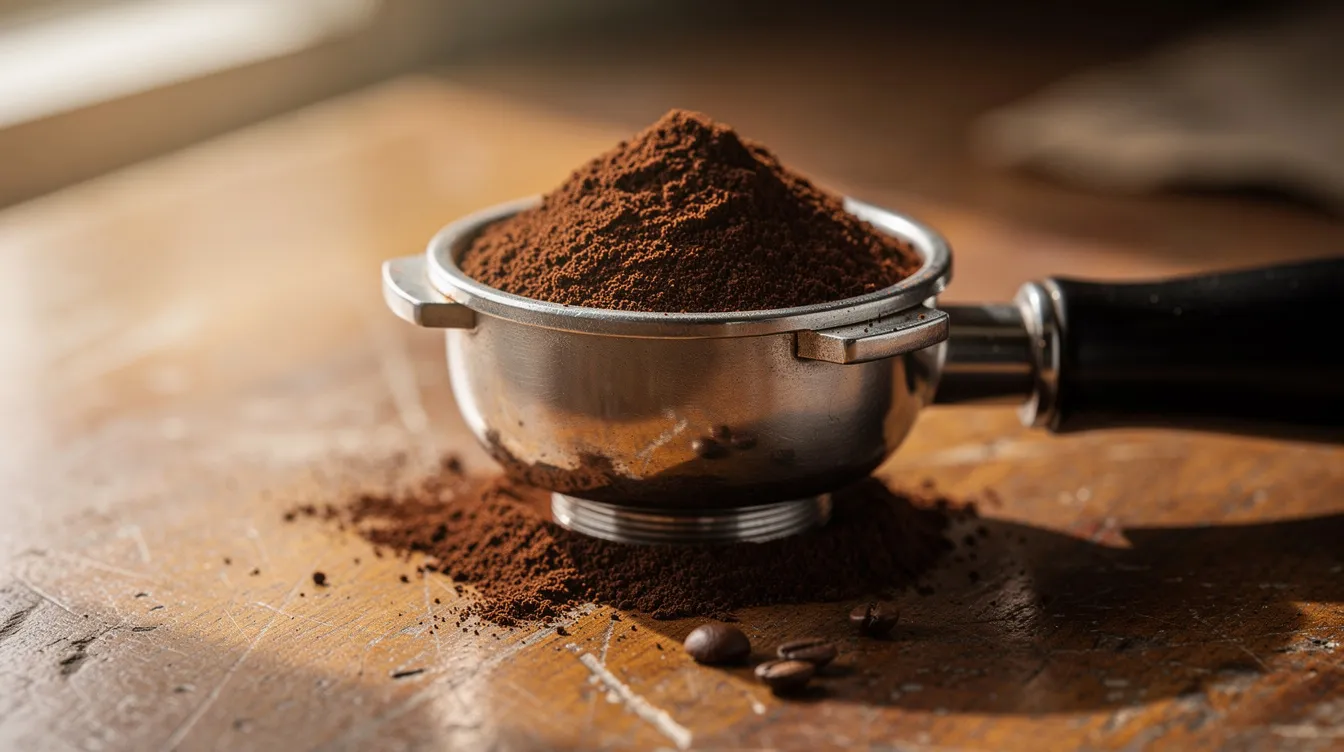
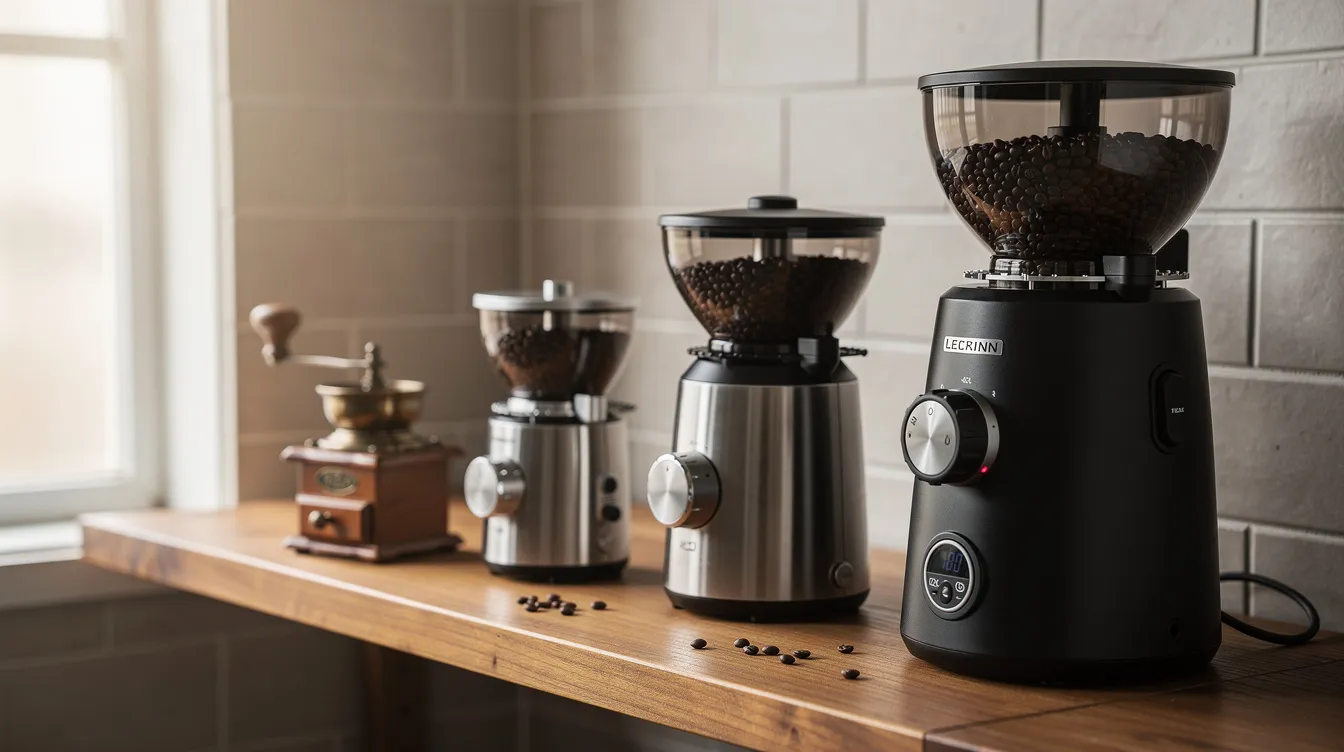
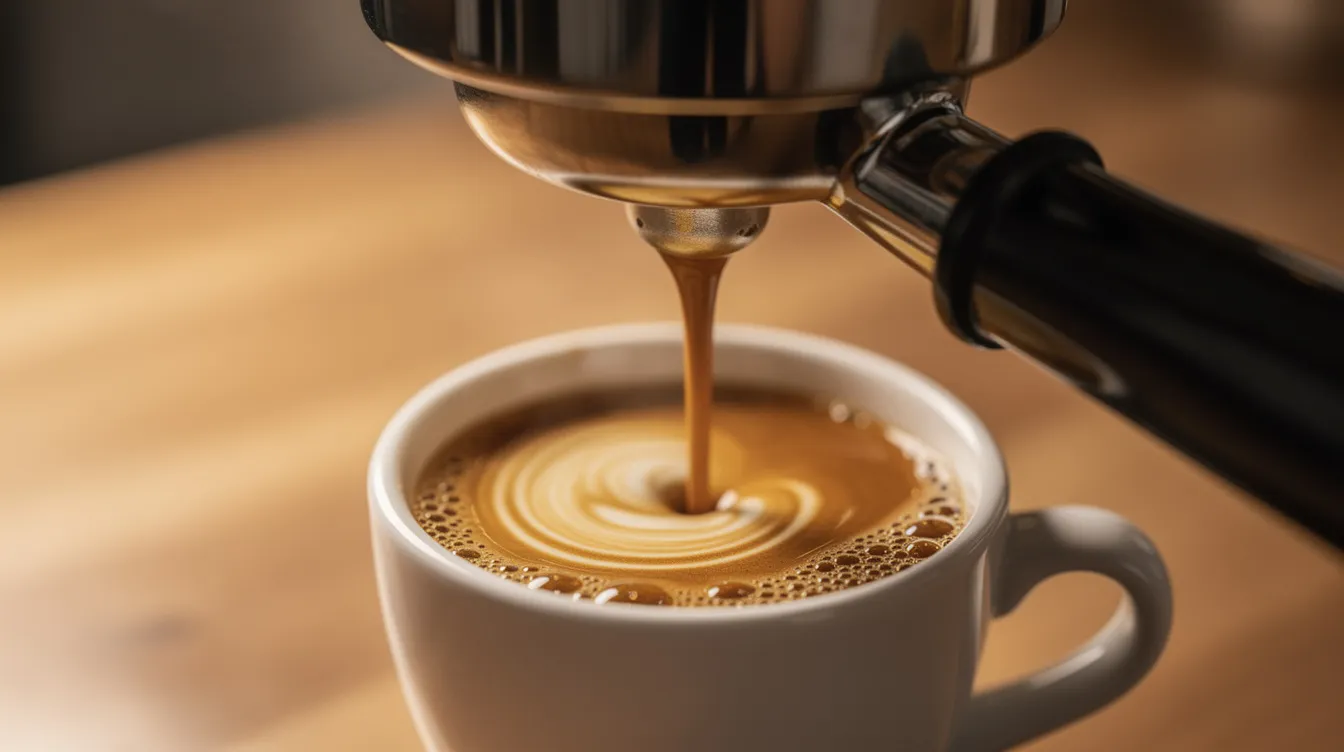
If you’re researching which coffee grinder to buy, here’s the short answer: a burr grinder is the right starting point for most U.S. home brewers. Burr grinders produce uniform coffee grounds that extract more evenly, which translates directly into better-tasting coffee. Espresso-focused models need finer control and lower retention, while filter and drip brewers can prioritize ease of use and a wider grind range. The sections below walk you through every decision factor, from burr types and grind consistency to budget tiers and featured coffee grinder comparisons by brew method.
Best starter burr pick
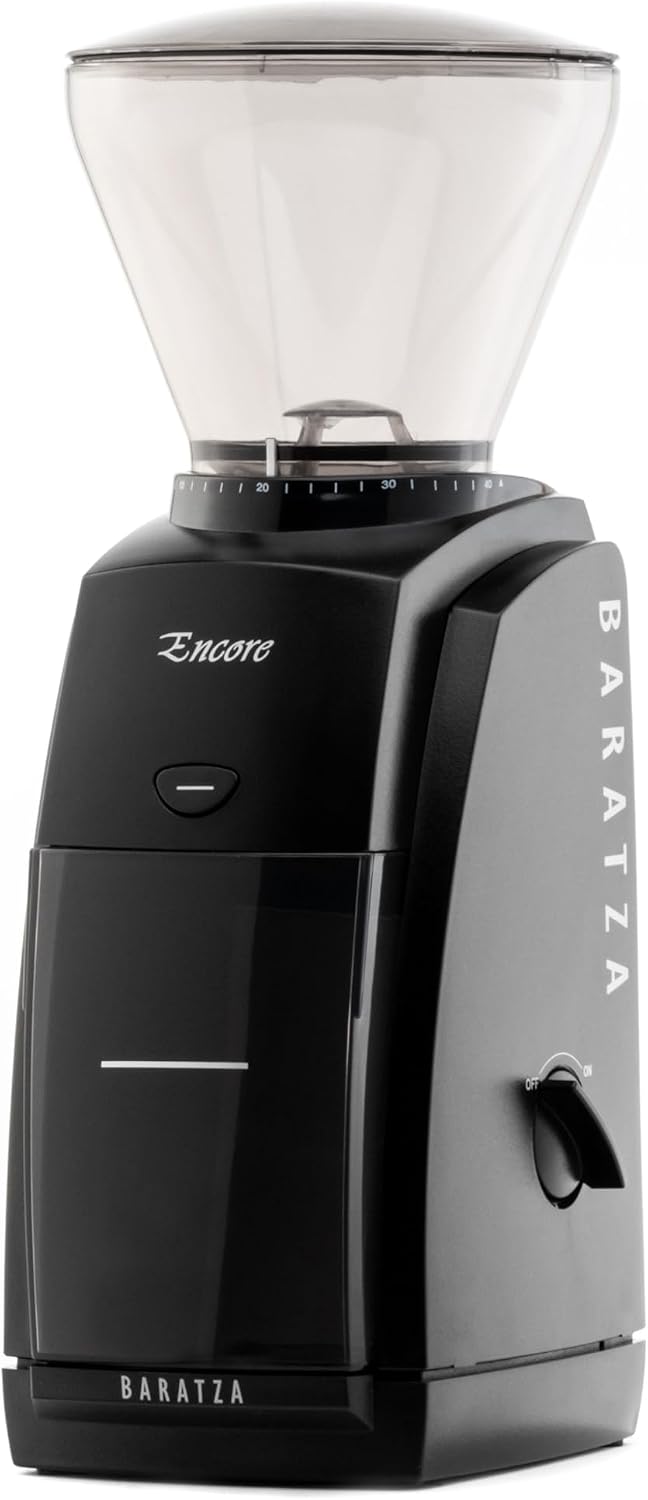
For this roundup, Baratza Encore is the starter burr we recommend first—the same pick at the top of our At-a-glance cards below.
Coffee grinders differ in cost, speed, convenience, and physical effort required. Before diving into specific models, keep these fundamentals in mind:
A burr coffee grinder is nearly always a better investment than a blade grinder. Burr grinders produce uniform coffee particle sizes, while blade grinders create uneven coffee particles that cause sour and bitter notes in the same cup. If you’re spending any money on whole bean coffee, a burr grinder unlocks most of its potential.
Espresso grinders have different demands than general burr coffee grinders. A dedicated espresso grinder needs stepless grind adjustment (or very fine stepped increments), low retention, and consistent output in a narrow particle-size window. All-rounders like the Breville Smart Grinder Pro or the Baratza Encore can handle both espresso and drip coffee, but may not satisfy the most demanding espresso enthusiasts.
Manual grinders offer surprisingly high grind quality at a lower price than electric burr grinders, though they require physical effort. A Cuisinart coffee grinder or basic electric burr model trades that effort for convenience. Serious coffee geeks who want the best of both worlds sometimes keep a separate grinder for travel and one for daily home use.
This is an independent editorial comparison page from Capitol City Coffee. Our recommendations are based on researched editorial analysis and third-party expert consensus, not our own hands-on testing.
Coffee lovers on a tight budget may accept a cheap blade grinder as a stopgap, but upgrading to even the most affordable entry level burr grinders delivers a noticeable flavor improvement. Prioritize a good burr coffee grinder first; an espresso machine or fancy brewer comes second.
Deeper sections below unpack grinder types, key decision factors, and featured coffee grinder comparisons organized by budget, brew method, and experience level.
Capitol City Coffee is an independent coffee editorial and affiliate publication. We are not a retailer, roaster, or manufacturer. Some outbound links across our broader /gear/ and /reviews/ network may be affiliate links that could earn a small commission at no extra cost to you. Commissions never influence our rankings or recommendations.
Recommendations on this page are based on researched editorial analysis, verified product specifications, and clearly attributed third-party expert testing from reputable review outlets and lab-style evaluations. We do not claim hands-on testing, ownership, or first-person experience with any product unless documented testing notes are supplied.
You can always double-check availability and current pricing on manufacturer sites or trusted retailers. We do not invent or fabricate specific merchant URLs.
Category Overview: Coffee Grinder Comparison Hub
This page serves as the grinder-focused comparison sub-hub under /comparisons/, designed for U.S. readers researching a coffee grinder comparison on desktop. Whether you’re upgrading from pre ground coffee, trying to understand why your espresso tastes off, or simply narrowing a shortlist, this is the place to start.
The hub compares coffee grinders across the major dividing lines: burr vs blade, conical vs flat burr, manual grinder vs electric grinder, and espresso grinders vs filter-focused models. Each comparison is framed around practical differences you’ll actually notice in your morning cup – not marketing jargon.
This hub is built for three types of readers:
Beginners upgrading from a blade grinder or from pre ground coffee and looking for their first good grinder.
Espresso fans deciding whether they need a separate grinder, a more capable espresso grinder, or an all-rounder that handles drip coffee too.
Serious coffee geeks chasing low retention, workflow improvements, and the grind quality that a single dose grinder or premium flat burr grinder can deliver.
For more in-depth, model-specific information, explore our broader gear hub at /gear/, the grinder-focused gear category at /gear/grinders/, and detailed breakdowns at /reviews/grinders/.
You can jump straight to “Featured Grinder Comparisons” for model-level guidance, or start with “Key Decision Factors” if you’re still learning the basics.
How to Compare Coffee Grinders (At a Glance)
Most coffee grinder comparisons boil down to five pillars. Understanding them upfront saves you from chasing specs that don’t matter for your brew method.
Grind consistency: How uniform are the particles? A consistent grind means even extraction and balanced flavor. Poor grind consistency – common in blade grinders and cheaper grinders – produces cups that taste simultaneously sour and bitter.
Grind range: Can the grinder cover espresso through French press? Some models, like the Breville Smart Grinder Pro, aim for the full spectrum. Others, like filter-only flat burr grinders, skip the espresso range entirely. The best grinders offer a wide range of grind sizes to match whatever you brew.
Workflow: How easy is the grinder to live with day-to-day? This includes adjustment dials, dosing timers, noise, speed, portafilter cradles, and how quickly you can switch grind settings between brew methods.
Durability: A grinder’s build quality affects its durability and performance over years of daily use. Metal housings, stainless steel burrs, available replacement parts, and accessible cleaning all factor in.
Budget: A basic Cuisinart coffee grinder costs far less than a premium single dose grinder. What matters is getting the best performance within your chosen price band rather than stretching across wildly different tiers.
Espresso grinders have extra demands: micro-adjustment in the fine range, low clumping, and shot-to-shot repeatability. General burr coffee grinders designed for drip or pour-over can be more forgiving of small inconsistencies.
Start here: Decide your primary brew method (espresso, drip, pour-over, French press, or a mix) and the maximum you’re comfortable spending. Then use the deeper sections below to build your own comparison checklist before buying.
Key Decision Factors: What Makes a Great Coffee Grinder?
Think of this section as a structured checklist. Every honest coffee grinder comparison should evaluate the following factors. Below, each gets its own focused breakdown with concrete grinder examples and real-world data points.
Factors covered:
Grind consistency and particle size distribution
Grind range from espresso through coarse
Burr type and material (conical vs flat, steel vs ceramic)
Retention, static, and mess
Noise, speed, and daily workflow
Cleaning, maintenance, and long-term durability
Where possible, we reference specific grinder families – Baratza Encore, Breville Smart Grinder Pro, Eureka Mignon Specialità – as concrete illustrations. These are used as anchors based on third-party expert consensus, not our own testing.
Decision Factor 1: Burr vs Blade Grinders
This is the foundational comparison most shoppers need to understand. The difference between a burr coffee grinder and a blade grinder isn’t subtle – it fundamentally changes what ends up in your cup.
How burr grinders work: A burr grinder crushes coffee beans between two abrasive surfaces (either flat discs or conical rings). High-quality burr grinders have precision-cutting teeth that produce uniform grounds at a target size. Because most particles are close to the same dimension, water extracts flavor evenly. The result is a balanced cup with clearer, more defined flavors. Burr grinders produce more uniform grounds than blade grinders across every grind setting.
How blade grinders work: Blade grinders use a spinning metal blade to chop coffee beans into smaller pieces. There’s no mechanism controlling how small the particles get – some beans get pulverized while others barely crack. Research confirms that blade grinders create broad, irregular distributions of particle sizes, with studies showing as much as 40% of the output falling outside the target range. The practical result: large particles under-extract (sourness) while tiny fines over-extract (bitterness), and you taste both in the same sip. Blade grinders are also often noisy and messy to use compared to well-designed burr models.
Real-world tradeoff: A cheap blade grinder might cost $15–$30, while an entry burr grinder like the OXO Brew grinder is available for about $98.99. That price gap buys you dramatically better grind quality, adjustable grind size, and repeatable results. Lab testing from Home Essentials Lab found that quality burr grinders place most of their output mass in the target size range, while blade grinders routinely scatter up to 40% into fines and boulders.
Bottom line: Anyone serious about espresso, pour-over, or great coffee in general should avoid blade grinders. They may serve as an ultra-budget stopgap for casual drip coffee drinkers, but even modest burr grinders deliver a noticeable leap in flavor and consistency.
Decision Factor 2: Conical vs Flat Burr
Both conical and flat burr designs can produce excellent coffee. Implementation quality, burr sharpness, and grinder engineering matter more than raw shape. That said, there are genuine differences worth understanding.
Conical burrs: Conical burr grinders crush beans between a cone-shaped inner burr and a matching outer ring burr. Because particles can travel different paths through the grind zone, conicals tend to produce a slightly wider spread of particle sizes. This creates more perceived body, a syrupier mouthfeel, and sweetness – qualities many coffee drinkers prefer in darker roasts, milk-based drinks, and traditional espresso. Conical burr grinders also provide a uniform grind size for better taste with less heat buildup, since their geometry allows slower, less aggressive cutting. Many popular home models – including the Baratza Encore line, the Breville Smart Grinder Pro, and most manual coffee grinder designs – use conical burrs.
Flat burrs: Flat burr grinders use two horizontal ring-shaped discs to grind beans uniformly. Particles pass through gaps of similar width, producing a narrower size distribution. Flat burr grinders are popular among specialty coffee enthusiasts for their precision and consistency. They deliver excellent particle consistency and highlight subtle flavors – fruit notes, floral aromatics, bright acidity – that can get muddled in wider distributions. If you drink lighter roasts or prize flavor clarity, a flat burr grinder has an edge. Models like the Eureka Mignon Specialità and DF64-style single-dose platforms use flat burrs.
Which should you choose? The flavor differences between conical and flat burrs are real but subtle compared to roast choice and brew technique. Beginners should focus on usability, grind range, and budget first. Advanced readers can weigh burr geometry when they’re ready to fine-tune flavor profiles or consider upgrade paths.
Decision Factor 3: Grind Consistency & Range (Espresso to French Press)
Grind consistency and flavor are influenced by the type of grinder used, but also by how wide a range that grinder can cover. These two variables – how even and how adjustable – are critical when comparing models side by side.
Why consistency matters most for espresso: Finely ground coffee has more surface area for extraction, which means tiny variations in particle size translate into big flavor swings. Ideal grind sizes are roughly 1,000 microns for French press and 300–400 microns for espresso. At the espresso end, even a few tens of microns of deviation can shift a shot from balanced to sour or bitter. Inconsistent grind sizes lead to uneven extraction and flavor – channeling, under-extraction in spots, over-extraction in others. Burr grinders allow for precise grind size adjustments that blade grinders simply cannot match.
Forgiving vs demanding methods: Immersion methods like French press and cold brew tolerate wider particle distributions because grounds steep in water for extended periods. Pour-over sits in the middle: grind size affects flow rate in brewing methods like pour-over, so moderate consistency still matters. Espresso is the least forgiving.
Measurable differences: In one lab study by GearLab, the Breville Smart Grinder Pro placed 43% of its output in an “ideal” size range on pour-over settings, with only 14% extremes. Budget grinders may be consistent only in a narrow band (e.g., medium-coarse), while mid-tier espresso grinders are tuned specifically around the fine range. The Fellow Ode grinder is designed for pour-over and filter coffee and deliberately skips true espresso fineness – it excels in its intended range rather than trying to do everything.
Range examples: The Breville Smart Grinder Pro has 60 grind settings for espresso and drip coffee, aiming to cover espresso through cold brew. The Baratza Virtuoso+ offers 40 grind settings for various brewing methods. A narrower-range filter grinder like the Fellow Ode won’t grind fine enough for a non-pressurized espresso basket, while a dedicated espresso grinder may produce mediocre coarse output.
Decision Factor 4: Retention, Static & Mess
Retention is the grams of ground coffee that remain trapped inside the grinding chamber, chutes, or dosing systems after you finish grinding. It matters because old, stale grounds mix into your next fresh dose, dulling flavor and reducing repeatability.
How much retention is typical?
Grinder Type
Typical Retention
Single dose grinder (premium)
0.1–0.3 g
Mid-range espresso grinder (hopper)
0.8–1.5 g
Entry level burr grinders
1.5–3.0 g
Source: CompleteHomeBarista retention guide.
For an 18 g espresso dose, even 2 g of stale retained grounds can noticeably alter acidity, sweetness, and clarity. Single dose grinders – designed without large bean hoppers and with minimal internal volume – are prized by coffee enthusiasts who switch beans frequently or want exact dose consistency.
Static and mess: Static causes coffee grounds to cling to plastic parts, scatter across counters, or clump inside the portafilter. Some grinders are notorious for this. Mitigation strategies include anti-static chutes, metal grounds containers (like a magnetic catch cup), lower-speed motors, and the RDT technique (adding a tiny drop of water to beans before grinding to reduce static charge). A simple tip: let coffee grounds sit for 30–45 seconds after grinding to reduce static before emptying the catch container.
Who should prioritize low retention? Home users who switch coffees often, single-dose espresso fans, and anyone who wants exact dose consistency should compare retention figures carefully. If you grind the same blend every day from a hopper, moderate retention is less of an issue.
Decision Factor 5: Workflow, Controls & Daily Use
Two grinders with similar grind quality can feel very different to live with. Workflow and controls shape whether you enjoy using your grinder every morning or dread the routine.
Stepped vs stepless adjustment: Stepped dials click into fixed positions – simple and repeatable, but you may land between ideal settings, especially in the espresso range. Stepless grind adjustment allows infinite fine-tuning, which is critical for espresso enthusiasts dialing in shots on non-pressurized baskets. Most entry level burr grinders use stepped dials. Dedicated espresso grinders and prosumer models typically offer stepless control.
Control schemes: Basic on/off switches are the simplest. Timed dosing lets you set how long the motorized grinder runs, aiming for a consistent dose weight. Grind-by-weight systems are the most precise but also the most expensive. The Breville Smart Grinder Pro costs approximately $199.95 and features a digital timer with 60 grind settings – a user-friendly interface for beginners who want versatility. Baratza models like the Sette 270 add precise timed dosing tuned for espresso workflow.
Espresso-specific workflow: Espresso grinders typically have multiple settings for fine-tuning shots. Portafilter cradles, dosing cups, and single-dose hoppers are workflow choices that matter in an espresso grinder comparison. A bean hopper holds a full bag for convenience, while a single dose grinder lets you weigh exact doses of different beans without purging.
Practical details to compare: Noise level, speed to grind a double shot (18–20 g), ease of switching from espresso to pour-over settings, and whether the grinder clumps or sprays during the grinding process. These daily-use factors often determine long-term satisfaction more than peak grind quality alone.
Grinders touch coffee oils and fine dust every day. Over time, residue builds up, goes rancid, and taints fresh coffee. Cleaning access and build quality should be part of any coffee grinder comparison.
Cleaning basics:
Clean your burr grinder regularly to avoid residue buildup. A quick brush-out after each session and a deeper clean weekly keeps things fresh.
Use cleaning granules like Urnex Grindz for maintenance – they absorb oils and push out stuck particles without disassembly.
Disassemble the grinder for thorough cleaning every few weeks. Removable burr carriers, accessible chutes, and an included cleaning brush make this dramatically easier.
Avoid moisture when cleaning to prevent mold growth. Wipe burrs and chambers dry; never run water through a grinder mechanism.
Materials and longevity: Stainless steel burrs are common and durable. Ceramic burrs hold sharpness longer but are more brittle. Coated alloy burrs are a newer option that balances both. Housing materials matter too – metal bodies resist warping and fatigue better than plastic over years of use. A grinder’s build quality affects its durability and performance over the long haul.
Parts support: Reputable espresso grinder brands like Baratza, Eureka, and Niche sell replacement burrs, bearings, and adjustment parts. This means a quality grinder can serve you for five to ten years with periodic maintenance, while a budget grinder with no available parts may become disposable after a couple of years. When comparing, factor in the likely lifespan of a budget electric grinder versus a well-supported burr coffee grinder from a recognized manufacturer.
Budget Tiers: How Much Should You Spend on a Grinder?
Budget is one of the most practical comparison lenses. Here’s what to realistically expect across U.S. price bands:
Price Tier
What You Get
Examples
Under ~$50
Blade grinders or basic “false burr” units. Very poor grind consistency, high retention, no real espresso capability. Mostly plastic build.
Generic blade grinders
~$100–$200
Entry level burr grinders with decent filter performance. Some espresso capability, but often borderline for non-pressurized baskets. Retention around 1.5–3 g.
OXO Brew grinder (~$98.99), Cuisinart coffee grinder models, Baratza Encore (~$199), Breville Smart Grinder Pro (~$199.95)
~$200–$500
Mid-range all-rounders and capable espresso grinders. Better burrs, lower retention (<1.5 g), smoother adjustment, possibly timed or weight-based dosing.
Baratza Encore ESP, Baratza Sette 270, Eureka Mignon Specialità
$500+
Premium single dose grinders and prosumer flat burr machines. Very low retention (0.1–0.5 g), stainless steel construction, stepless adjustment, high build quality.
The Baratza Encore is priced around $199 and represents a strong entry into the burr grinder world. The Breville Smart Grinder Pro costs approximately $199.95 and adds digital controls with 60 settings. The OXO Brew grinder is available for about $98.99, making it a best budget coffee grinder contender for filter-only drinkers. The DF54 grinder offers near-professional performance at a budget price relative to full prosumer machines.
Many experts advise allocating a substantial portion of an espresso setup budget to the grinder. Grind quality often impacts taste more than differences between espresso machines in the same price bracket. Compare within your chosen band rather than across wildly different budgets.
Choosing a Grinder by Brew Method
Different brew methods have different grind demands. Here’s a matchmaking overview:
Espresso: Requires very fine, precise, and repeatable grinds. Burr grinders are preferred for espresso due to grind consistency – even small deviations shift flavor. A dedicated espresso grinder or a capable all-rounder with fine-range adjustability is essential.
Moka pot: Similar to espresso but slightly coarser. A good espresso grinder handles this easily; most mid-range burr grinders can too.
Drip coffee: Medium grind. Most burr grinders – even entry models – perform well here. A consistent grind in the medium range is all you need for great drip coffee.
Pour-over: Medium to medium-fine. Grind size affects flow rate in pour-over brewing, so consistency matters more than with drip. A good grinder with predictable output, like the Breville Smart Grinder or the Baratza Virtuoso+, works well.
AeroPress: Flexible – works with medium-fine to fine grinds depending on recipe. Most burr grinders cover this comfortably.
French press and cold brew: Coarse grind. Very forgiving of particle-size variation, so even a budget coffee grinder handles this adequately. If you only drink French press and drip, you don’t need a premium espresso grinder – an entry or mid-tier burr grinder focused on medium-coarse will be more cost-effective.
Multi-purpose grinders: The Breville Smart Grinder Pro and Baratza Encore ESP are designed to span espresso and manual brew methods. They work well for households that brew multiple ways but may not satisfy the most demanding espresso geeks who want the absolute tightest particle distribution. The Fellow Ode grinder is designed for pour-over and filter coffee specifically, skipping espresso entirely. The DF54 grinder excels at both espresso and filter coffee, bridging both worlds at a mid-tier price.
Simple guidance: A typical U.S. drip brewer making coffee each morning can thrive with an entry burr grinder under $200. A home barista pulling daily espresso shots and occasionally making pour-over should consider a mid-range espresso-capable model in the $200–$500 range. Coffee enthusiasts who want maximum control and flavor nuance across methods may eventually invest in a premium single dose grinder.
Manual vs Electric Coffee Grinders
The manual vs electric debate is less about which is “better” and more about which fits your routine.
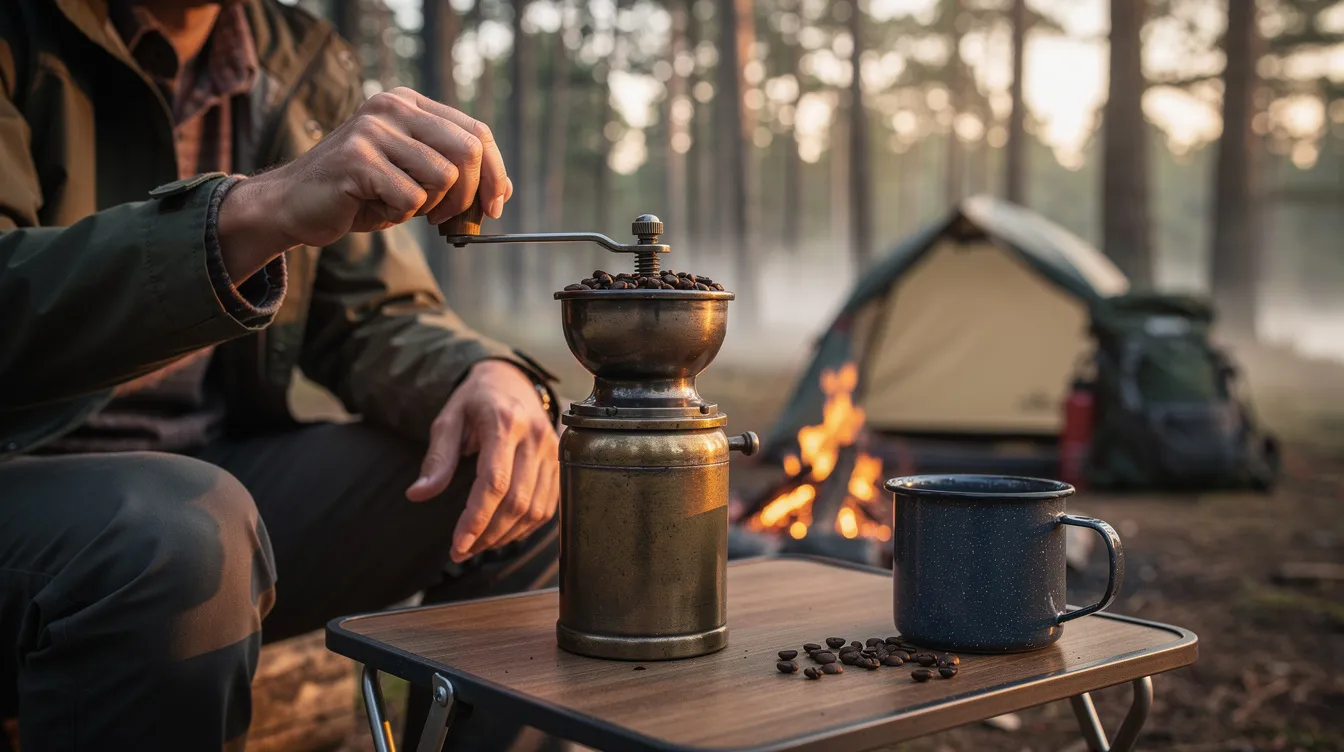
Manual grinder advantages: Manual grinders are more portable and quieter than electric grinders but require physical effort. They use a hand crank to turn burrs that crush beans, giving you direct tactile feedback and zero dependence on electricity. Manual grinders generally provide higher grind consistency for a lower price compared to electric grinders – a well-regarded hand grinder under $100 can rival the consistency of electric models costing two to three times as much. Manual grinders like the Timemore C2 are budget-friendly options that deliver surprisingly good output for pour-over and AeroPress brewing.
Electric grinder advantages: Electric grinders utilize a motorized system to crush beans rapidly. Electric grinders generally offer faster operation and convenience compared to manual grinders, which matters if you’re grinding for multiple cups or pulling double espresso shots every morning. A motorized grinder handles the work in seconds rather than minutes. Electric conical burr grinders are often preferred for home users due to their balance of quality and convenience.
When to choose manual: Travel, camping, office setups, or as a separate grinder for decaf or single-origin tasting sessions. A hand grinder is also an excellent entry point for coffee lovers who want great coffee without a large countertop footprint. Some serious coffee geeks keep a manual grinder specifically for pour-over and a dedicated electric espresso grinder for daily shots.
When to choose electric: Daily home use, espresso workflows (where repeatability and speed matter), larger households, or anyone who doesn’t want to hand-crank 18 g of bean coffee every morning. Electric espresso grinders are generally preferred for daily espresso due to the sheer convenience and reduced effort.
Very serious coffee geeks sometimes own both: a workflow-friendly electric espresso grinder and a portable manual coffee grinder as a separate grinder for trips or alternate brews.
Espresso Grinders vs General Burr Coffee Grinders
This is a crucial comparison for anyone wondering whether they need a separate grinder dedicated to espresso – or whether one grinder can do it all.
What defines an espresso grinder: A dedicated espresso grinder offers fine adjustment steps (or stepless control) in the espresso range, low clumping, and good repeatability shot to shot. Espresso grinders typically have multiple settings for fine-tuning shots, often with micro-adjustment dials or rings. Low retention is also important because espresso doses are small (typically 18–20 g), so even a gram of stale exchange grounds alters the cup noticeably.
General burr coffee grinders: These are designed primarily for drip coffee and pour-over, with grind settings that may cover medium-coarse through medium-fine effectively but struggle at the very fine end. A general burr coffee grinder may not grind fine or consistent enough for non-pressurized espresso baskets, where the puck itself – not a pressurized valve – controls flow rate.
Hybrid models: The Baratza Encore ESP is optimized for espresso with fine-tuned adjustments while retaining enough range for filter coffee. Versatile conical burr designs can bridge both worlds, but results at the extremes may leave demanding users wanting more precision. These are “good at everything, great at nothing” propositions.
Clear guidance: Casual latte drinkers using pressurized baskets can get by with a capable all-rounder – it’s just a grinder that does the job. Traditional espresso fans pulling shots on non-pressurized baskets will be happier with a true espresso grinder as a separate grinder. If you find yourself constantly tweaking and never quite dialing in, the grinder – not the espresso machine – is usually the limiting factor.
Featured Grinder Comparisons: By Experience Level
This section compares representative grinder categories by user profile. Names like Breville Smart Grinder Pro, Eureka Mignon Specialità, and Niche Zero are used as anchors based on third-party expert consensus and widely reported specifications, not Capitol City Coffee’s own testing.
Grinders for Beginners
Beginners typically need user-friendly controls, clear grind markings, and reliable grinding performance for drip coffee or simple espresso setups. The good news: many beginners see a major flavor upgrade just by moving from a blade grinder – or from pre ground coffee – to any competent burr coffee grinder under about $200.
What to look for:
Stepped grind settings with clear labels (e.g., numbered dials or printed brew-method references)
A grind range wide enough for drip and pour-over at minimum; light espresso capability is a bonus
Easy-to-clean design with removable parts
Reasonable noise and mess levels
Example models and what they deliver:
The Baratza Encore (~$199) is a home coffee grinder staple with conical burrs, 40 stepped settings, and a reputation for reliability. It handles drip coffee and pour-over well but struggles with true espresso fineness on its standard burr set.
The Breville Smart Grinder Pro (~$199.95) adds a digital timer and 60 grind settings, covering a wider range including a usable espresso range. It’s a great coffee grinder for beginners who want one device for multiple brew methods.
Basic Cuisinart coffee grinder models and the OXO Brew grinder enter the conversation as even more affordable options, though they may sacrifice some grind consistency and durability compared to the Baratza or Breville.
For most new home brewers, grind consistency in the medium range and ease of cleaning matter more than advanced features like stepless adjustment. A right coffee grinder at this level is the one that gets you off blade grinders or pre ground coffee without overwhelming you with complexity.
Grinders for Advanced Espresso Fans
This group dials in non-pressurized espresso baskets, often pulling multiple shots a day and experimenting with lighter roasts, different origins, and varying dose sizes. They need a good espresso grinder that offers fine, repeatable control.
What to look for:
Stepless or very fine stepped adjustment in the espresso range
Low retention for single-dosing workflows
Accurate timers or integrated scales
Speed: how fast can it produce an 18–20 g double shot dose?
Relatively quiet operation for morning use
Example models:
Eureka Mignon Specialità-class grinders: flat burrs, stepless adjustment, quiet motors, consistent espresso-range output. A right grinder for daily espresso with occasional pour-over.
Baratza Sette 270-class grinders: conical burrs with macro/micro adjustment, very fast grinding, low retention for their price class. Tom’s Guide reported the Encore ESP variant achieving approximately 1.55% retention by weight with strong uniformity in fine grind ranges.
DF54-class grinders: near-professional flat burr performance at a more accessible price point, excelling at both espresso and filter coffee.
These espresso grinders may still work for pour-over in a pinch, but their burr geometry and design are optimized primarily around the espresso range. Advanced users who brew filter daily may eventually want a second grinder tuned for that purpose.
Grinders for Professionals & Serious Coffee Geeks
This tier includes premium single dose espresso grinders and prosumer flat burr machines – comparable in concept to DF64-style platforms with upgraded burrs or Rocket Giannino-level grinders.
What these users prioritize:
Ultra-low retention (0.1–0.3 g per dose)
High build quality with stainless steel housings and precision machining
Repeatable micrometric adjustments
The ability to swap burr sets or tune RPM for different flavor profiles
Support for both high-end espresso and meticulous filter coffee
These grinders represent the pinnacle for home use, but diminishing returns apply. The leap from a decent mid-range espresso grinder to a prosumer model is about refinement, workflow pleasure, and flavor nuance – not “drinkable vs undrinkable.” A great grinder at this level lets you taste the difference between Ethiopian naturals and washed Colombians with crystalline clarity.
A quality grinder in this tier can easily outlast a decade of daily use with proper maintenance, making the per-year cost surprisingly reasonable.
Featured Grinder Comparisons: By Price Tier
Here’s a dollar-based framework to cross-reference with the earlier Budget Tiers section:
Under $100:
Mostly blade grinders and basic electric burr grinders with limited grind range. The OXO Brew grinder (~$98.99) sits at the top of this range and offers a reasonable entry into burr grinding for filter coffee. Don’t expect espresso capability. Manual grinders like the Timemore C2 also fall here and can outperform electric models at this price in grind consistency.
$100–$250:
The sweet spot for beginners. The Baratza Encore and Breville Smart Grinder Pro anchor this range with reliable performance across drip coffee, pour-over, and basic espresso. You’ll find conical burrs, stepped adjustments, and digital controls. Grind quality at this level is a dramatic upgrade from any blade grinder.
$250–$600:
Mid-range espresso grinders and capable all-rounders. The Baratza Encore ESP, Sette 270, and Eureka Mignon Specialità live here. Expect stepless or fine-stepped adjustment, lower retention, better build materials, and a grind range that covers true espresso through filter. The DF54 also competes in this band, offering near-professional flat burr performance.
$600+:
Premium single dose grinders and prosumer machines. Niche Zero, DF64-style platforms with aftermarket burrs, and Rocket Giannino-class grinders. Very low retention, premium materials, and the kind of grind quality that lets lighter roasts and delicate origins truly shine. Recommended for espresso enthusiasts and serious coffee geeks who have already invested in a capable espresso machine.
Choose the highest tier you’re comfortable with for your primary brew method rather than stretching across categories and compromising grind quality.
Featured Grinder Comparisons: By Grinder Type
Here’s a head-to-head comparison across four major grinder categories:
Blade grinders:
Pros: Cheapest option, widely available, can also pulverize coffee beans for spice use
Cons: Very poor grind consistency, uneven particles, high heat generation, noisy, messy
Best for: Ultra-tight budgets only; a temporary stopgap until upgrading to a burr model
Cons: Expensive, may be overkill for drip-only drinkers, sometimes manual workflow (weighing each dose)
Best for: Serious coffee geeks, multi-method enthusiasts, lighter roasts and single-origin exploration
Example: DF64-style platforms, Niche Zero
There’s no universally best coffee grinder – only the best match for your brew methods, expectations, and budget.
Related Grinder & Gear Comparison Links
Capitol City Coffee treats grinders as one part of a complete coffee setup. Other comparison hubs can help with brewers, machines, and accessories.
Compare more coffee grinders by category at /gear/grinders/ for spec sheets and feature breakdowns.
Browse the broader gear hub at /gear/ for espresso machines, kettles, scales, and accessories that pair with your grinder choice.
Explore the main comparisons directory at /comparisons/ for espresso machines, manual brewers, and other side-by-side guides.
Read detailed grinder reviews and breakdowns at /reviews/grinders/ for model-specific analysis beyond what this comparison hub covers.
If you already own a grinder and are looking for complementary gear, start with /comparisons/ to see what else Capitol City Coffee covers.
How Capitol City Coffee Builds Grinder Comparisons
Capitol City Coffee is an independent coffee editorial voice, not a manufacturer or retailer. Our focus is clarity for U.S. home brewers navigating a crowded market.
Our methodology for this grinder comparison hub:
We rely on documented product specs, manufacturer disclosures, and consensus from reputable expert review outlets – established coffee publications, lab-style tests, and verified reviewer data – rather than our own lab testing.
Where performance claims appear (grind consistency percentages, noise levels, retention figures), the article attributes them to their sources or to widely agreed-upon expert consensus.
We do not invent testing claims, exaggerate health benefits, copy merchant descriptions, or rank products based on affiliate commission size.
Recommendations are revisited periodically as new espresso grinders, manual grinders, and budget burr coffee grinders enter the U.S. market.
Our editorial standards exist so that when you read “low retention” or “consistent grind,” those claims trace back to verifiable data – not marketing copy.
Putting It All Together: Choosing the Right Coffee Grinder
You’ve covered the journey from basic concepts (burr vs blade) through advanced considerations (conical vs flat burr, retention, workflow) into practical buying decisions. Here’s how it all comes together for three common reader profiles:
Profile 1: U.S. drip-only drinker on a budget You brew drip coffee or French press most mornings and want better flavor without spending a fortune. Start with an entry level burr grinder like the OXO Brew grinder or a basic Baratza Encore. Revisit “Budget Tiers” and “Choosing a Grinder by Brew Method” above. You don’t need stepless adjustment or low retention – you need a consistent grind in the medium range and easy cleanup.
Profile 2: Home espresso beginner who also makes pour-overs You recently bought an espresso machine and want one grinder that handles both espresso and pour-over. Look at versatile models in the $150–$300 range like the Breville Smart Grinder Pro or the Baratza Encore ESP. Revisit “Espresso Grinders vs General Burr Coffee Grinders” and “Decision Factor 5: Workflow” to understand the compromises. You may eventually outgrow an all-rounder, but it’s the right coffee grinder for learning.
Profile 3: Serious coffee geek building a single-dose espresso bar You pull multiple shots daily, experiment with lighter roasts, and want precise control over every variable. Consider a mid-range to premium espresso grinder with stepless adjustment and low retention – the Eureka Mignon Specialità, a DF54/DF64-style platform, or the Niche Zero. Revisit “Grinders for Advanced Espresso Fans” and “Featured Comparisons: By Price Tier” for specifics. For filter coffee, consider adding a separate grinder tuned for that purpose.
Treat this hub as your starting point. Once you know your must-have features and budget range, explore the detailed grinder reviews at /reviews/grinders/ for model-level deep dives and updated pricing.
The right grinder is the one that matches your daily routine – not the most expensive one on the shelf.
Our Grinder Comparison Picks
Two grinders that match the main jobs on this page. Tap the image or the product name. Research-rated, not yet used in our kitchen.
Feeling daily: a starter burr grinder
Our pick:Baratza Encore. The entry burr most home brewers compare first on this hub. Research-rated, not yet used in our kitchen.
Feeling pour-over: a flat-burr upgrade
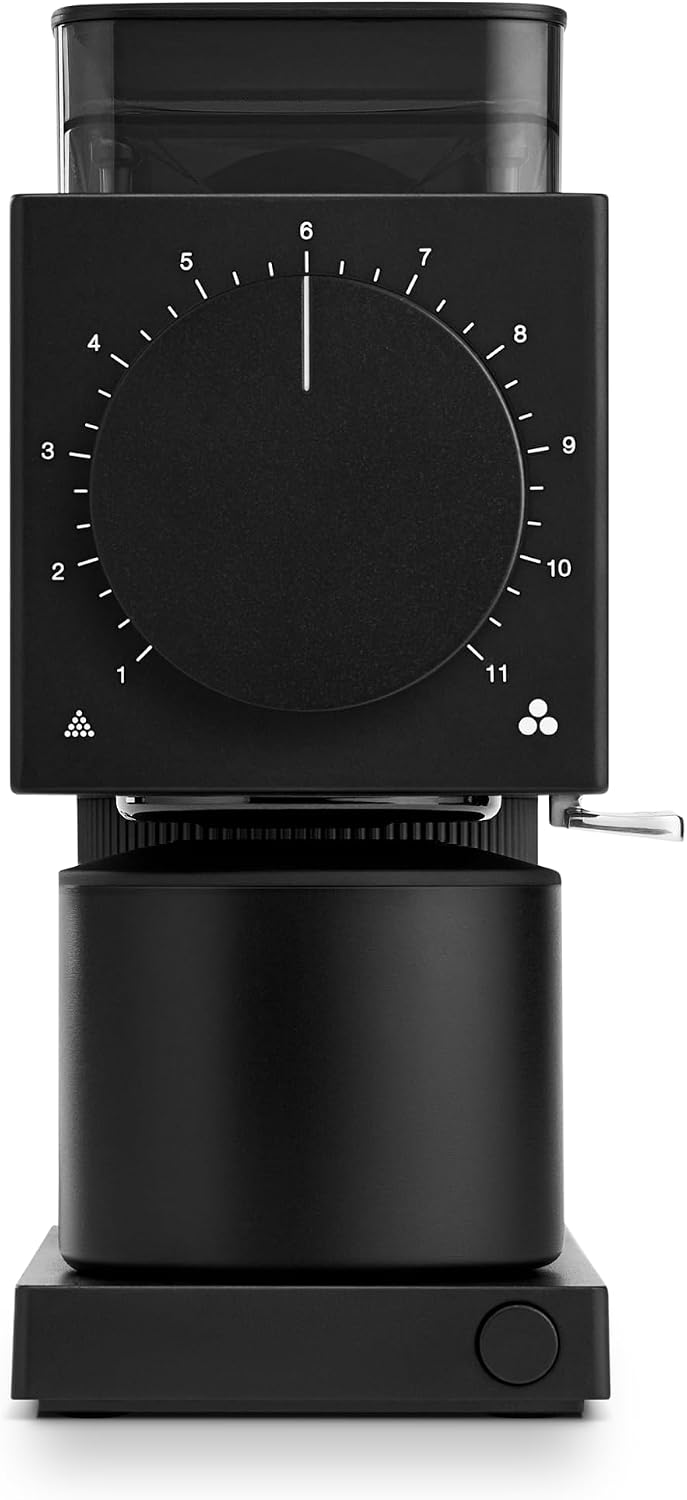
Our pick:Fellow Ode Gen 2. A brew-focused upgrade when this comparison is about filter coffee, not espresso. Research-rated, not yet used in our kitchen.
FAQs: Coffee Grinder Comparisons
These FAQs cover practical comparison questions not fully addressed above, aimed at clearing up lingering doubts for U.S. home brewers researching their next grinder.
Do I really need to upgrade from a blade grinder to a burr coffee grinder?
While blade grinders are inexpensive and a step above instant coffee, upgrading to almost any true burr coffee grinder delivers a noticeable improvement in flavor consistency. Blade grinders chop beans randomly, producing a wide spread of particle sizes that extract unevenly – you end up tasting both sourness and bitterness in the same cup. A burr grinder produces more uniform grounds, which means fewer flavor surprises from cup to cup. For anyone brewing pour-over, AeroPress, or especially espresso, a burr grinder is the recommended baseline. Even an entry-level model around $100 changes the experience dramatically compared to the best blade grinder on the market.
Is it worth buying a separate grinder just for espresso?
If you use a traditional, non-pressurized espresso basket and care about dialing in shots precisely, a dedicated espresso grinder – or a very capable espresso-ready all-rounder – can be a worthwhile investment as a separate grinder. Espresso demands fine, repeatable particle sizes in a narrow window, and switching grind settings back and forth between espresso and drip coffee introduces inconsistency. Casual espresso drinkers using pressurized baskets can often share one versatile grinder between espresso and filter. Serious coffee geeks frequently prefer a stand-alone espresso grinder plus a second grinder (often a manual coffee grinder) tuned for filter or pour-over.
How long should a good coffee grinder last?
Lifespan depends on build quality, usage volume, and maintenance. Many well-built burr coffee grinders – per manufacturer guidance and expert consensus – are expected to last several years or more under normal home use, often exceeding five to seven years with basic care. Steel burrs wear gradually over tens of thousands of grams ground; ceramic burrs hold sharpness longer but can chip if a stone or foreign object enters the grinding chamber. Prioritize grinders from brands that offer replacement burrs and parts support (Baratza, Eureka, and Niche are notable examples). Replacement burrs can extend a grinder’s functional life significantly, while disposable budget models with no parts availability may need full replacement after two to three years.
Why do some grinders make such a mess with static, and can I avoid it?
Static is a normal side effect of grinding dry coffee beans at high speed. It causes grounds to cling to plastic parts, scatter from the container, or clump unevenly inside a portafilter. Design features that help reduce static include metal grounds containers, anti-static chutes, and lower-speed motors. A magnetic catch cup can help contain grounds better than a loose plastic bin. Simple techniques also work: briefly letting grounds rest before transferring them, or lightly misting beans with a single drop of water (the RDT method) before grinding. Just be sure to follow manufacturer guidance to avoid introducing moisture into the grinder mechanism, and always avoid moisture when cleaning to prevent mold growth.
Can one grinder really handle both espresso and French press well?
Some conical burr grinders and a few hybrid designs provide a usable grind range from fine espresso to coarse immersion settings. Models like the Breville Smart Grinder Pro with its 60 settings or the Baratza Virtuoso+ with its 40 settings aim for this versatility. However, there are compromises at the extremes, especially on lower-budget models: espresso output may lack the precision of a dedicated espresso grinder, while coarse output may include more fines than a filter-optimized grinder would produce. Users who regularly brew both dense, traditional espresso and coarse French press or cold brew might accept a “good at everything, perfect at nothing” all-rounder. For maximum control, eventually adding a second grinder tuned to your secondary brew method is the approach most serious coffee geeks settle on.
How Capitol City Coffee Rates Coffee and Coffee Machines
Every coffee and coffee machine we recommend is scored on the same 100-point scale, so a recommendation on one page means the same thing as a recommendation on any other. Each pick is also labeled with how we reached its score.
Research-ratedScored from the roaster or manufacturer’s published specifications, independent results such as Coffee Review blind cuppings and SCA brewer certification, and patterns across verified buyer reviews. Most of our current picks are research-rated.
Hands-on testedThe Capitol City Coffee team has brewed the coffee or used the machine ourselves, following the testing steps below. We only use this label when that testing actually happened, and we show the date we tested.
Coffee beans: 100-point scale
What we score
Points
What we look at
Origin and sourcing transparency
20
Country, region, farm or cooperative, altitude, bean variety, and processing method are clearly disclosed.
Flavor evidence
25
Independent cupping scores, how closely the tasting notes match what the origin is known for, and our own cupping notes when hands-on tested.
Roast and freshness
15
Roast level stated, roast-date practices, whole-bean availability, and packaging with a one-way valve or resealable bag.
Brew versatility
15
How well the roast suits pour-over, drip, French press, cold brew, and espresso.
Value
15
Price per ounce compared with similar single-origin coffees or blends.
Buyer feedback
10
Volume and consistency of verified reviews, and recurring complaints about staleness, bitterness, or shipping.
Coffee machines and gear: 100-point scale
What we score
Points
What we look at
Brewing performance
25
Water temperature in the 195–205°F range, even extraction, and SCA certification or published test data.
Build quality and reliability
20
Materials, known failure points, and long-term owner reports.
Ease of use and cleaning
15
Setup, the daily routine, descaling, and dishwasher-safe parts.
Fit for your kitchen
10
Capacity, counter footprint, and noise.
Useful features
10
Programming, grind and temperature control, and carafe type. Features that improve the cup count more than extras that do not.
Value
10
Price compared with machines that perform similarly.
Warranty and support
10
Warranty length, parts availability, and how the brand handles repairs.
What the grades mean
Score
Grade
What it means
90–100
A
Exceptional. Our first recommendation for the feeling and setting described.
80–89
B
Strong. Excellent, with minor trade-offs we explain.
70–79
C
Good. Worth it for specific needs, with clear compromises.
Below 70
—
Not recommended. We do not feature these as picks.
How we test hands-on
When a pick carries the Hands-on tested label, this is the method behind it, and we note the date we tested.
Coffee: brewed fresh from whole beans following Specialty Coffee Association guidelines (water between 195 and 205°F, about 1 gram of coffee to every 15 to 18 grams of water) in the brew methods the roast suits best, such as pour-over, French press, or espresso. We taste it black first, then with milk if that is how most people drink it, and each taster scores it on their own before we compare notes.
Machines: used in our everyday routine rather than a single demo. We brew both full and small batches, check the brewing temperature and brew time, and run the cleaning or descaling steps the manual calls for.
How we choose the feeling and setting
We match each coffee to a mood and a moment based on its flavor profile and roast. Bright, citrusy light roasts suit energizing mornings. Chocolatey, full-bodied medium roasts suit slow or social moments. Richer roasts suit espresso and milk drinks. Each pick explains which facts led us to that match.
Our scores stay independent
Every score comes only from the criteria above. No brand can pay for a pick or a higher grade. We re-check ratings when a roast, listing, or model changes, and update or remove picks that no longer earn their grade.
Some links on this page are affiliate links. As an Amazon Associate, Capitol City Coffee earns from qualifying purchases, at no extra cost to you.
Questions about a rating? Reach the Capitol City Coffee team through our contact page.