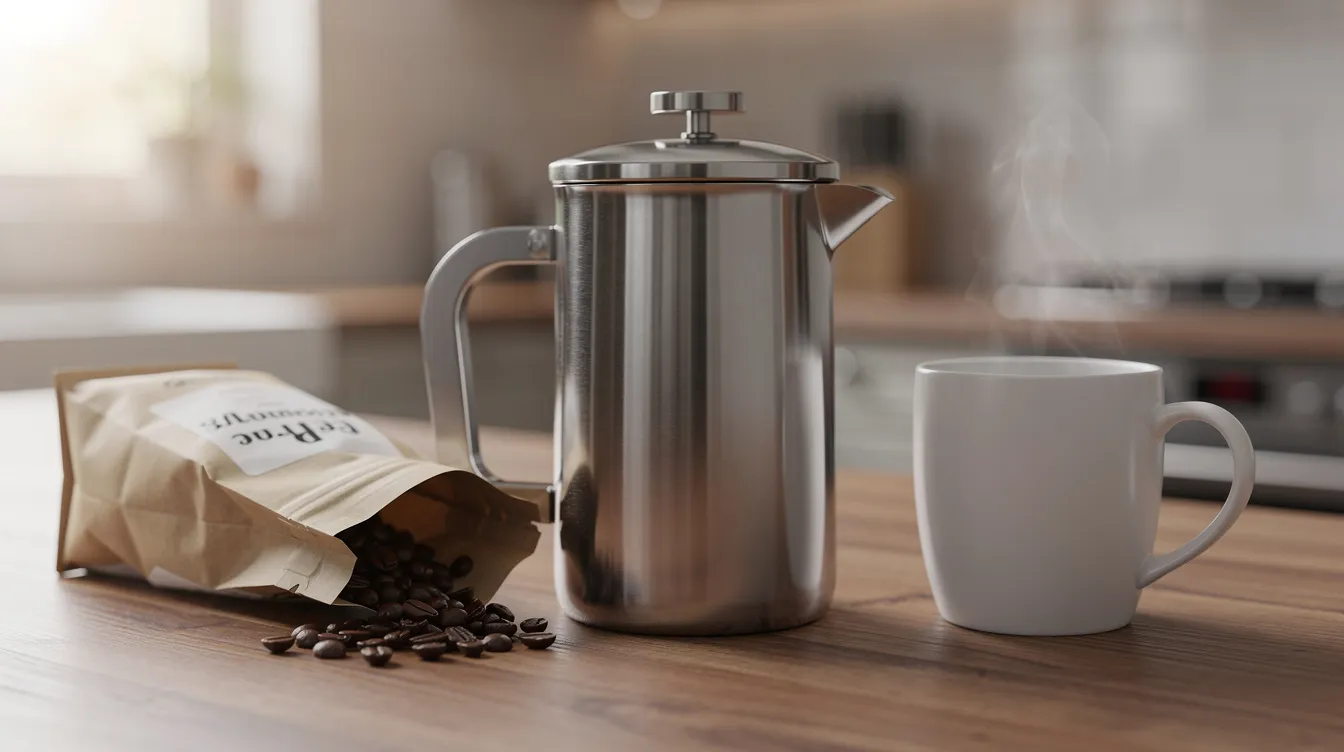
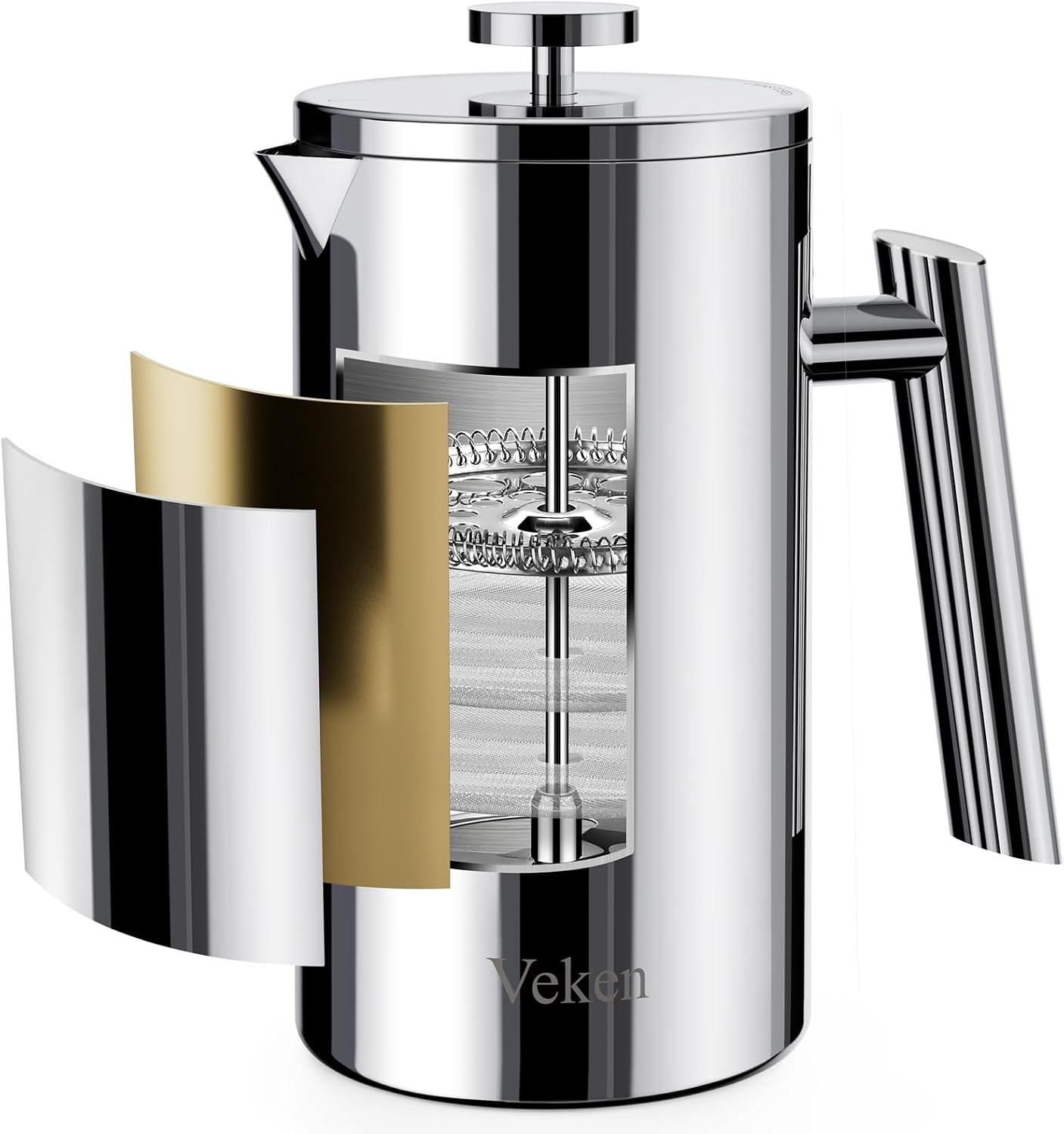
For most people, the best French press is a double-walled stainless steel model like the Secura 1-liter press, which balances strong heat retention, solid build quality, and a fair price around $40. If you want the cleanest cup possible, the Espro P7 with its dual micro-filter system is the upgrade worth considering, though it costs around $100. Classic glass options like the Bodum Chambord remain excellent for traditionalists who brew and drink quickly. These picks are based on researched editorial analysis, not hands-on testing by Capitol City Coffee.
The Secura stainless steel French press is the best overall pick for most households, offering better heat retention than glass at a reasonable price.
The Coffee Gator is the standout budget pick for buyers wanting insulation and dual-screen filtration under $40.
For the cleanest, most grit-free coffee, advanced dual-filter designs like the Espro P7 dramatically reduce sediment.
The Bodum Chambord remains the best glass French press for anyone who values visual brewing and a lightweight, iconic design.
French press coffee makers are simple, durable manual brewers, but factors like capacity, filter design, and insulation make a real difference to flavor and daily use.
Capitol City Coffee is an independent coffee editorial and affiliate publication. This guide covers quick top picks, a comparison table, research methodology, detailed reviews, how to choose, and FAQs.
Affiliate Disclosure
Capitol City Coffee is an independent editorial site. We may earn a commission when you purchase through outbound links on this page, at no extra cost to you. Commissions do not influence our rankings or recommendations – picks are based on researched editorial analysis, verified specs, and broad third-party expert consensus. Unless otherwise noted, recommendations in this guide are not based on our own hands-on testing but on careful review of reliable external testing data and manufacturer specifications.
Quick Answer and Top Picks
The best French press for most US home brewers is a mid-priced double-walled stainless steel model with a reliable dual-screen filter. It keeps coffee hot long enough for second and third cups, produces full-bodied coffee with manageable sediment, and lasts for years without the breakage risk of glass. Here are the top picks worth your attention:
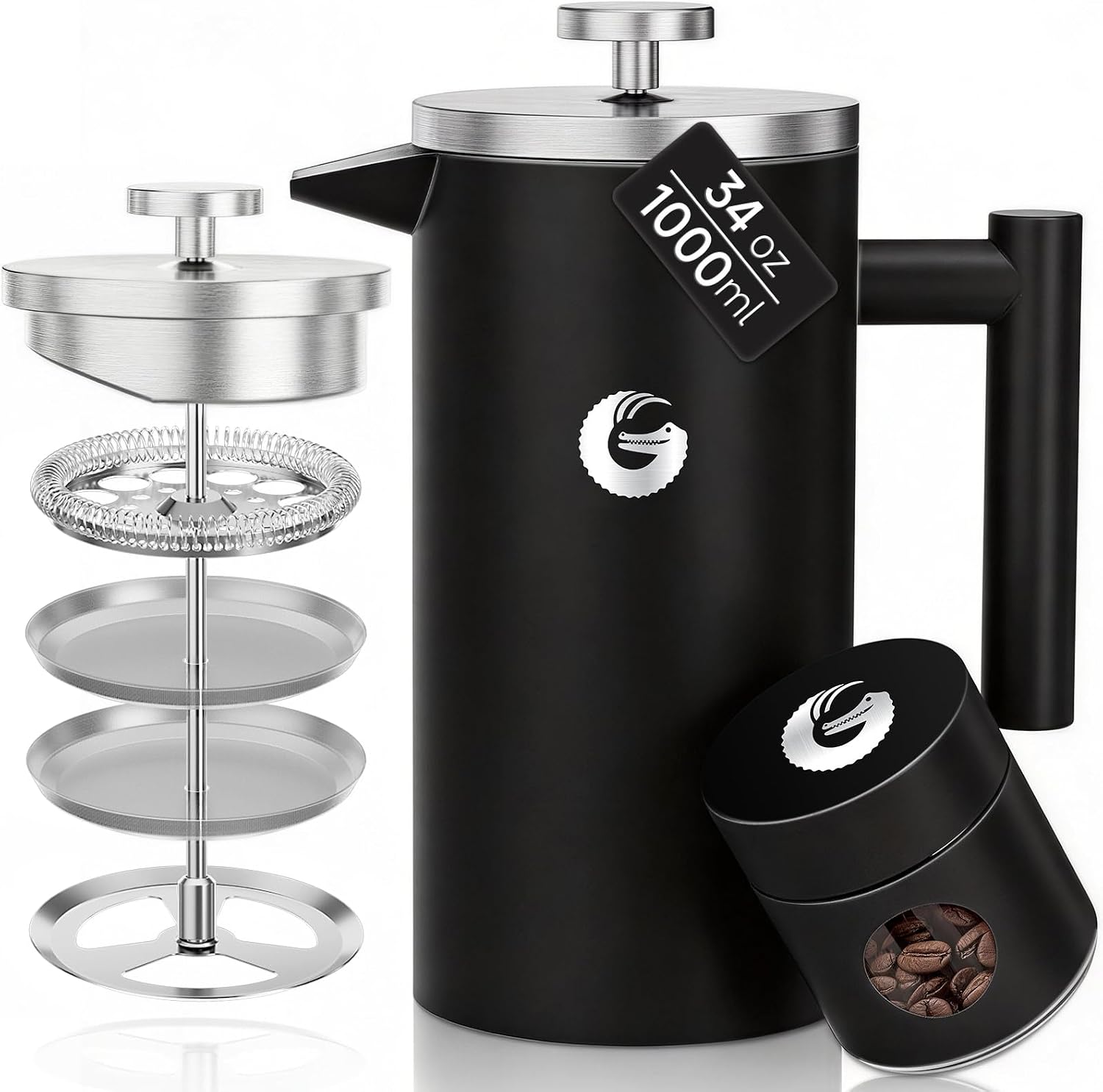
Secura Double-Wall Stainless Steel (34 oz) – Best overall French press. Great heat retention, sturdy build, and a street price around $40. Ideal for households brewing 2–3 mugs at a time.
Coffee Gator Stainless Steel (34 oz) – Best budget pick with insulation. Double-walled construction and a dual-screen filter at a competitive price. Good for families wanting value without sacrificing durability.
Bodum Chambord (34 oz) – Best glass French press. The iconic café-style press for people who love watching the bloom and prefer a lighter coffee maker.
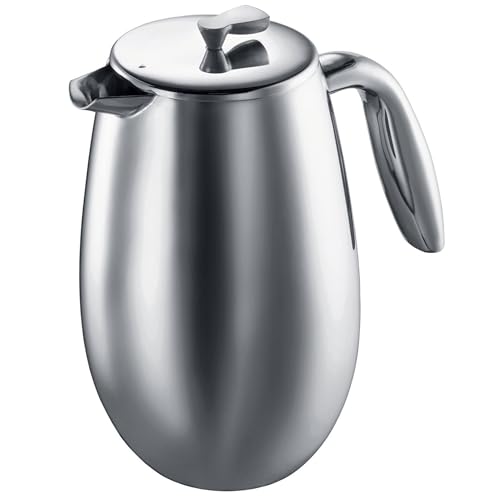
Bodum Columbia (34 oz) – Best thermal/insulated carafe. Sleek double-walled stainless steel body that keeps coffee warm far longer than glass presses. Great for slow sippers.
Espro P7 (18 or 32 oz) – Best for the cleanest cup. Dual micro-filters and a silicone gasket seal produce remarkably low-sediment, smooth coffee. For pour-over fans who want immersion convenience.
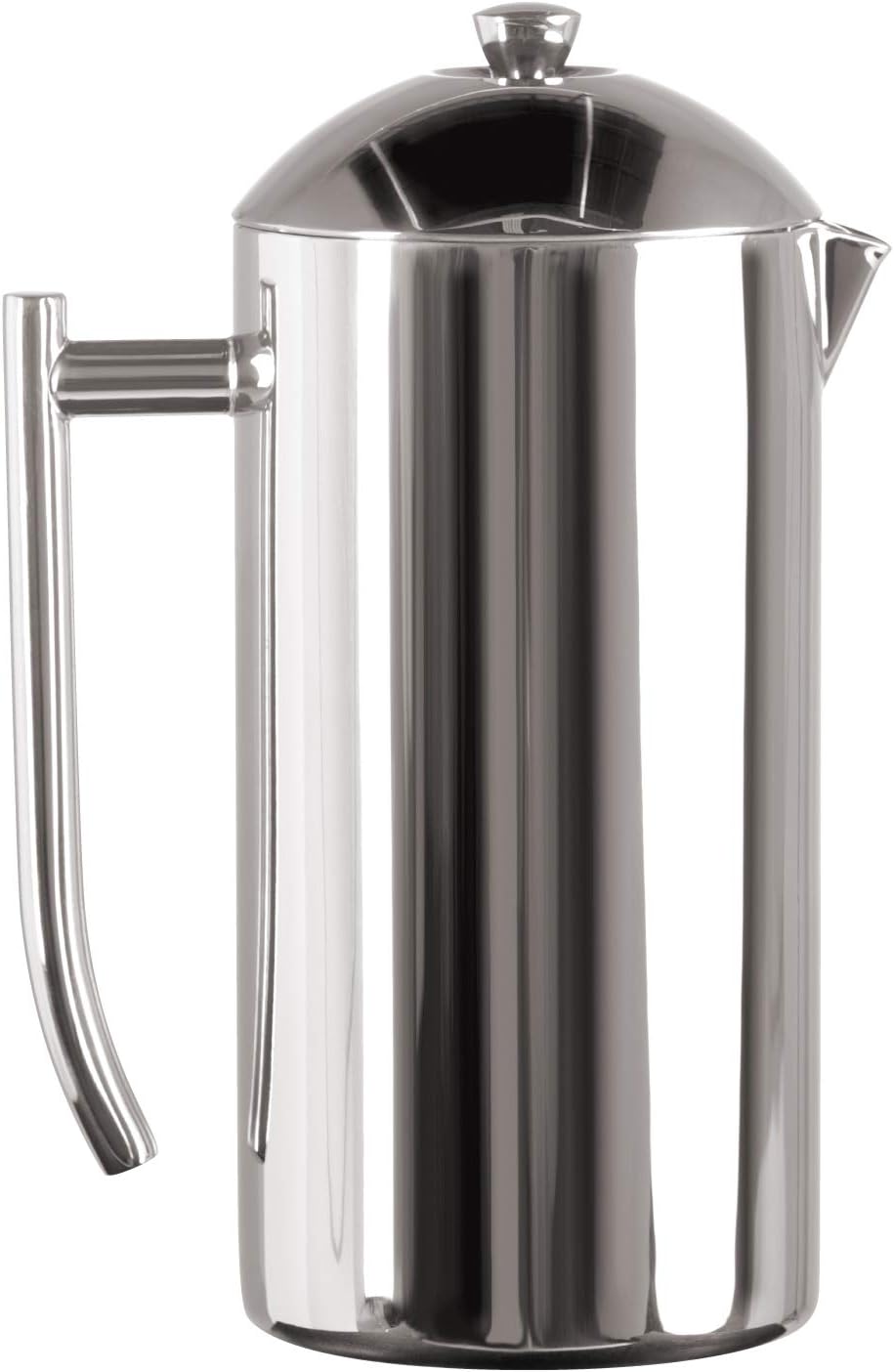
Frieling Stainless Steel (36 or 44 oz) – Best large-capacity French press. Professional-grade build, excellent insulation, and sizes big enough for families or offices.
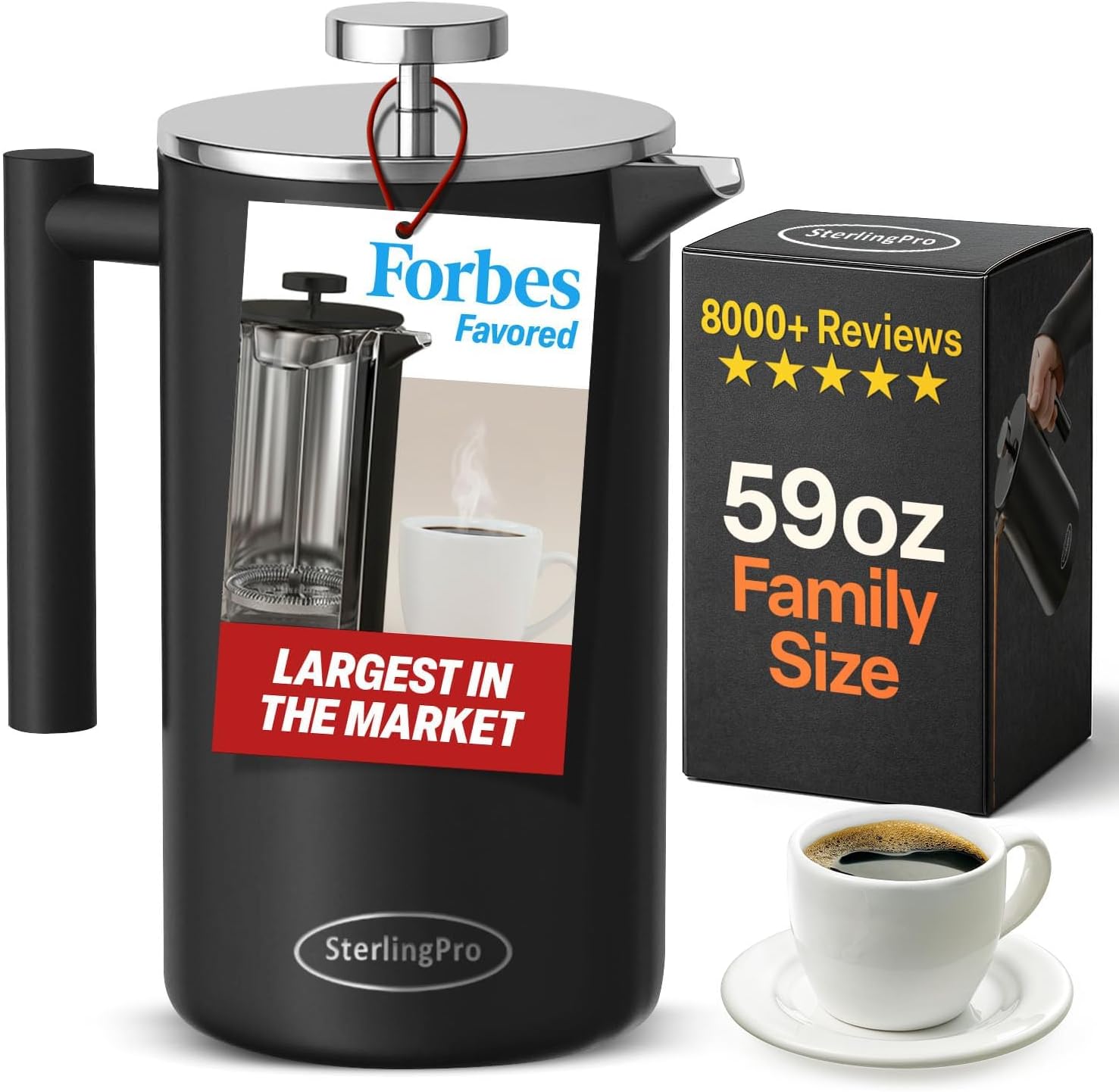
SterlingPro Double-Wall (1.75 L) – Notable mid-range dual-filter option. Strong heat retention and a large capacity at a price between budget and premium tiers.
At-a-Glance Comparison Table
The table below summarizes the recommended French press coffee makers side by side for quick scanning. Where heat retention and sediment data come from independent testing, figures are attributed to third-party reviews.
Capitol City Coffee did not run a dedicated lab test for every product in this guide. This is a researched editorial analysis built on verified specs, independent tests by reputable outlets, and long-term user consensus from thousands of reviews.
Here is how we evaluate French press coffee makers:
Third-party performance data. We review published tests that measure brew temperature drop over time, sediment weight per cup, and filtration effectiveness. Sources include Tom’s Guide, Homegrounds, and similar independent reviewers.
User review analysis. We scan for recurring issues across hundreds of verified buyer reviews – broken glass carafes, loose plungers, poor filter seals, rusting steel, and difficulty cleaning, because repeated complaints help surface common pain points.
Technical comparison. We compare double-wall versus single-wall construction, dual-screen versus single-filter designs, and stated capacity versus usable volume after accounting for filter hardware.
Key performance factors we weigh:
Brew temperature stability and brew time consistency for proper extraction
Filtration quality and extraction consistency – how much grit ends up in the cup and whether coffee over-extracts when left in the carafe
Usability, footprint, and ergonomics
Cleaning effort and dishwasher compatibility
Durability, material quality, and warranty coverage
Value relative to what you actually get in the cup
Best Overall French Press Coffee Maker
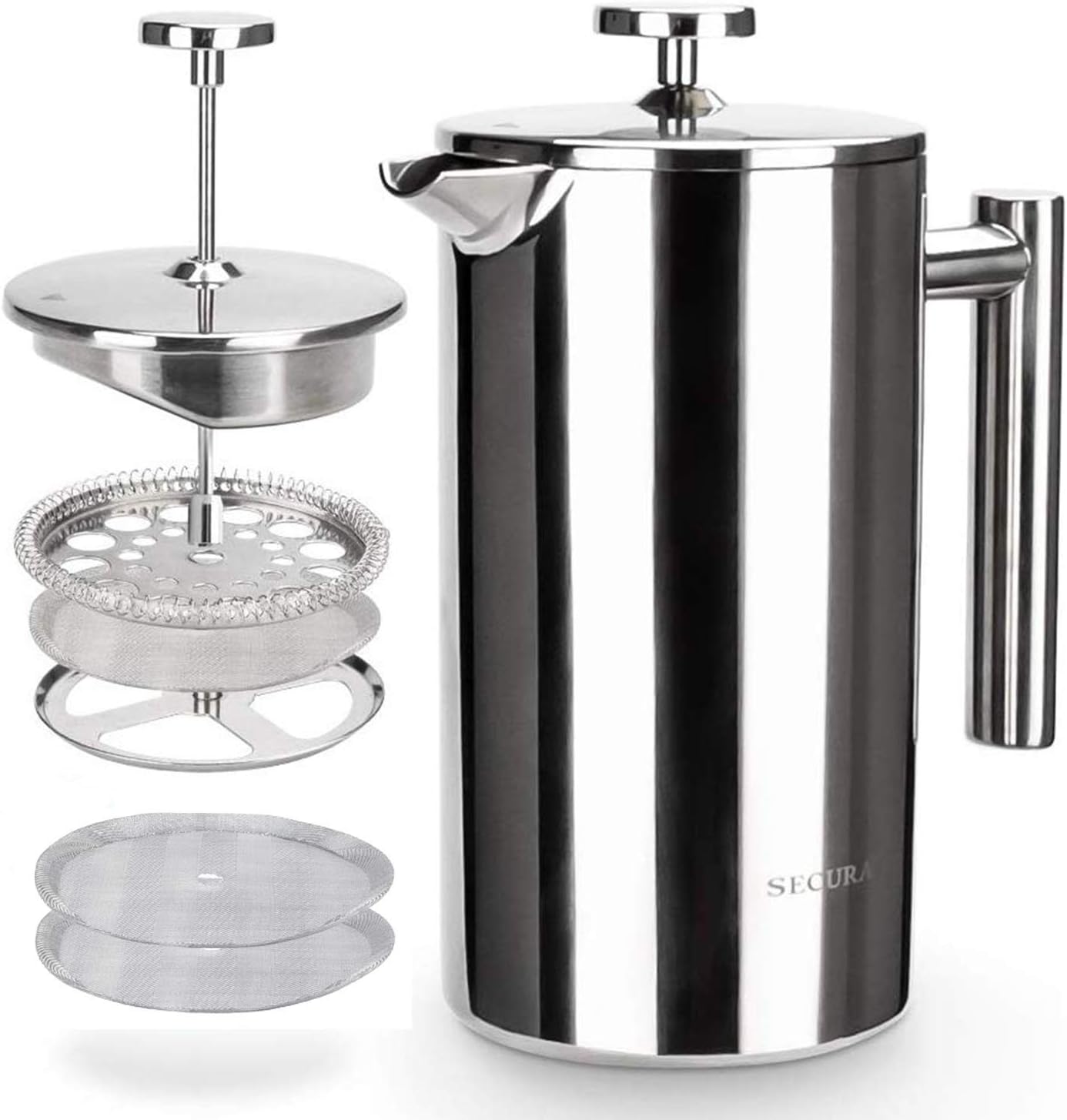
Secura Double-Wall Stainless Steel French Press (34 oz) – ~$40
The Secura earns the best overall spot because it hits the sweet spot most home brewers care about: solid heat retention, decent sediment control, wide availability on major retailers, and a price that feels fair. The Secura French press is priced at about $40 for 1 liter, making it accessible without feeling cheap.
Coffee quality. It brews rich, full-bodied coffee with the natural oils you expect from the French press method. The dual-screen filter catches more grounds than a simple glass French press with a single mesh, though you will still find a trace of fine silt at the bottom of your mug – normal for any press without a micro-filter system.
Heat retention. The Secura French press drops just 13°F after 20 minutes, which is outstanding for its price class. That means your second cup poured cleanly from the carafe is still genuinely hot coffee, not lukewarm.
Build and design. Double-walled stainless steel body with a cool-touch handle and a sturdy plunger. The brushed stainless steel finish resists fingerprints and looks good on the counter. No glass to shatter.
Usability. Easy to dose, pour, and plunge. The spout pours cleanly with minimal dripping. Footprint is compact enough for most kitchen counters.
Cleaning. The plunger disassembles into a few parts for rinsing. Not all components are dishwasher safe, so hand-washing the carafe is the safer routine.
Durability. Stainless steel construction means no worries about thermal shock or dropped carafes. Expected to last years with basic care.
Ideal user. Households brewing coffee for 2–3 people who want low-maintenance, long-lasting hardware without paying premium prices.
Drawbacks. Heavier than glass presses. You cannot see the brew level or bloom through the stainless steel body. Not the absolute cleanest cup compared with Espro P7-style micro-filter options.
Best Budget French Press (Budget Pick)
Coffee Gator Stainless Steel French Press (34 oz) – ~$30–$35
The Coffee Gator is the budget pick for anyone who wants insulation and a double filter without spending more than $35. It competes well above its price.
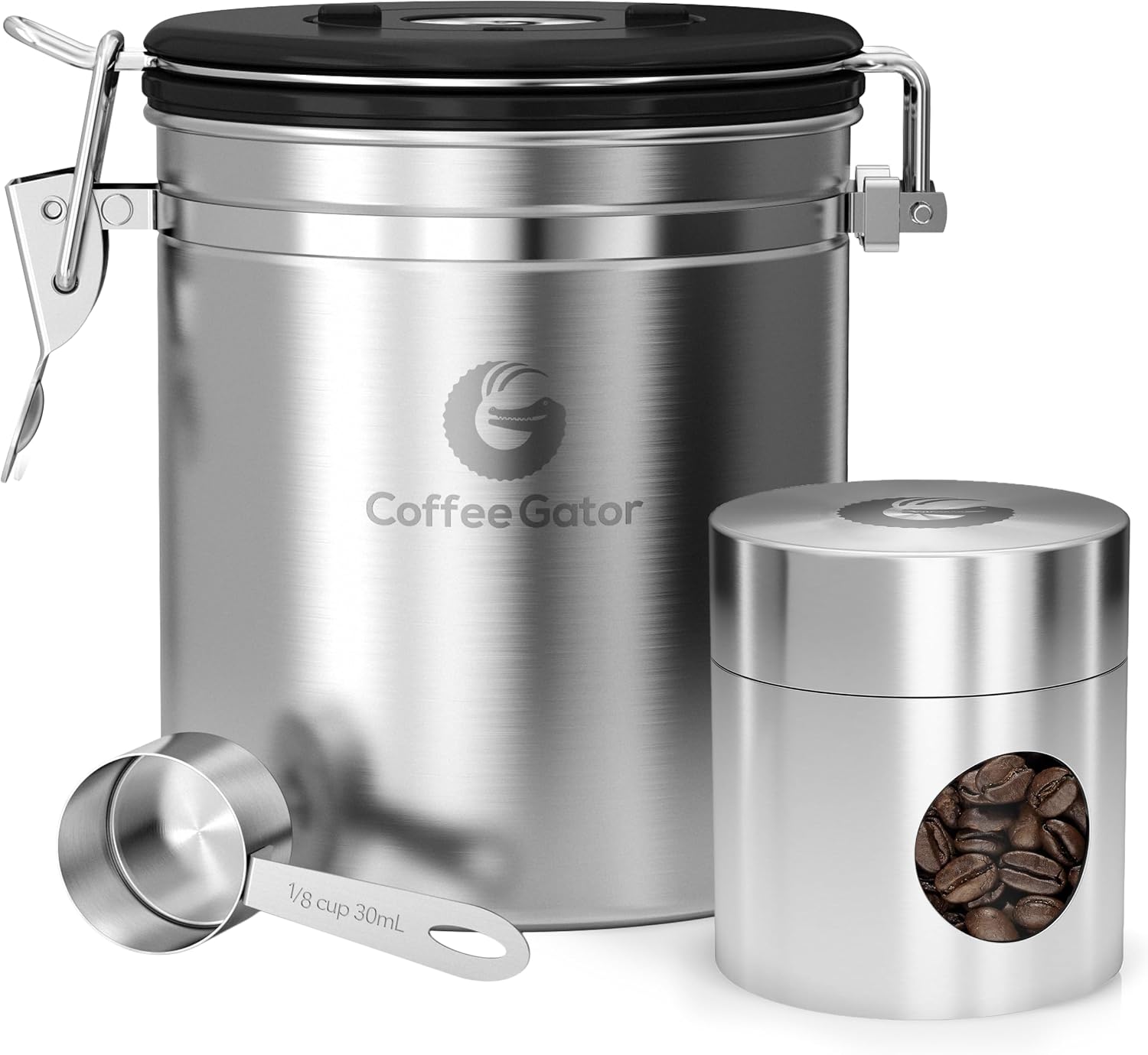
Price and value. Street price typically falls between $30 and $35. Some packages include extra filter screens and a small travel canister – bonus points for daily use.
Performance. The Coffee Gator keeps coffee hot for about 60 minutes in typical kitchen conditions, according to The Coffee Guru’s review. It brews flavorful coffee with a smooth profile when you use a proper coarse grind. Expect slightly more sediment than expensive models with micro-filters, but noticeably less than a simple glass French press.
Materials. Double-walled stainless steel construction for better insulation and durability. The spring-loaded dual-screen filter presses firmly against the carafe walls, limiting bypass.
Ease of use. Comfortable handle, intuitive plunger, and clear capacity indicators. Pouring a full 34 oz carafe takes a bit of muscle – the press is hefty when loaded.
Cleaning and maintenance. Not dishwasher safe. The filter stack disassembles for hand-washing, which is necessary to prevent coffee oils from building up. Replacement screens are available from the manufacturer.
Who should choose this. First-time French press buyers, students, or casual weekend brewers who want something better than a plastic-frame glass press. If you want the cleanest possible cup or truly great heat retention over 90+ minutes, step up to the Espro P7 or Bodum Columbia.
Best Glass French Press: Classic Café Style
Bodum Chambord (34 oz) – ~$25–$40
The Bodum Chambord is the archetypal glass French press coffee maker, a classic pick for anyone who values the visual brewing ritual over an insulated french press. It has been a kitchen staple for decades, and for good reason.
Aesthetics and experience. The clear glass beaker lets you watch the bloom unfold and monitor brew level – something no stainless steel French press can offer. The chrome or matte black frame gives it an unmistakable café look.
Coffee quality. Typical French press mouthfeel: rich oils, noticeable body, and some sediment settling at the bottom of the cup. Glass French presses typically allow more sediment in the cup than dual-screen stainless models. Works especially well with medium-to-dark roasts where you want to taste those oils.
Practical trade-offs. Glass beakers are prone to breaking compared to stainless steel. Glass French presses lose heat faster than stainless steel – you will notice the brew cooling significantly within 15–20 minutes. Replacement beakers are widely available and affordable, which takes some sting out of breakage.
Capacity and fit. The standard 34 oz size makes about two large mugs or four small European-style cups. Light enough to lift easily even when full.
Cleaning. The single mesh screen filter and fully separable parts make cleanup straightforward. Most components qualify as dishwasher safe models, though hand-washing the glass carafe extends its life.
Who it suits. Traditionalists who love watching French press coffee bloom. People who don’t need long heat retention and prefer a lighter, less bulky coffee maker on the counter.
Best Insulated / Thermal French Press
Bodum Columbia (34 oz) – ~$50–$70
The Bodum Columbia is a double-walled stainless steel French press built specifically for people who want their coffee to stay warm well past the first pour, and its double-walled build helps hold heat over time.
Why thermal insulation matters: maintaining brew temperature improves extraction consistency during steeping, and the double-wall construction keeps coffee warm for second and third cups without reheating. For slow sippers and brunch households, this is the single most important feature after filter quality.
Construction. Double-walled stainless steel carafe with a polished or brushed finish. No glass, no plastic frame – just steel. The insulated carafe holds heat far longer than any glass press.
Heat retention. Third-party reviewers consistently report the Bodum Columbia staying hot enough for enjoyable drinking for 60–90 minutes. That is better insulation than many French presses at this price. However, the Bodum Columbia lets through 0.85 grams of solids in coffee per cup, which is more sediment than micro-filter designs.
Filter and plunger. Uses a standard single mesh screen rather than a dual-screen or micro-filter. This keeps the plunger simple and easy to clean but means you will get some fine particles in your cup. Decanting into a separate vessel is wise if you want to avoid over-extraction when the coffee inside sits on the grounds.
Ergonomics. The handle is comfortable and the pour is controlled. At 34 oz full, it is heavier than glass presses but manageable. The footprint is slightly wider than a Chambord.
Ideal user. Slow coffee sippers, brunch households, or anyone who wants a thermal carafe without a powered coffee maker. Also a solid office desk option where you brew once and sip for an hour.
Limitations. Higher price than basic glass. No visibility into the carafe. The single-screen filter does not match dual-screen models for sediment control. Not ideal for travelers due to weight.
Best for the Cleanest Cup: Advanced Dual-Filter Designs
Espro P7 (18 oz or 32 oz) – ~$100–$130
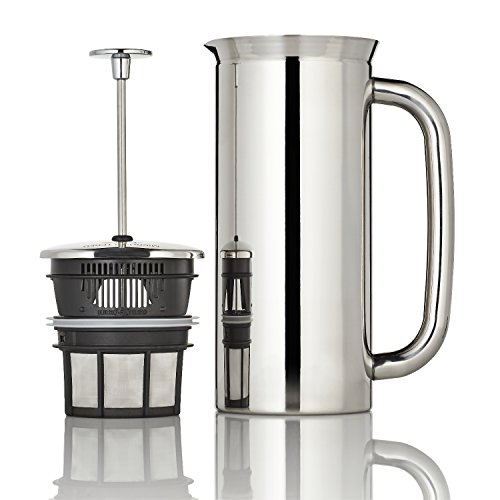
If your biggest complaint about French press coffee is the grit at the bottom of the cup, the Espro P7 exists to solve that problem. It uses a patented dual micro-filter basket with a silicone gasket seal that stops grounds from escaping into the brew – producing remarkably clean, smooth coffee.
Regular French press has some silt by design. The Espro P7 aims to give you something closer to pour-over clarity while keeping the richer body of immersion brewing.
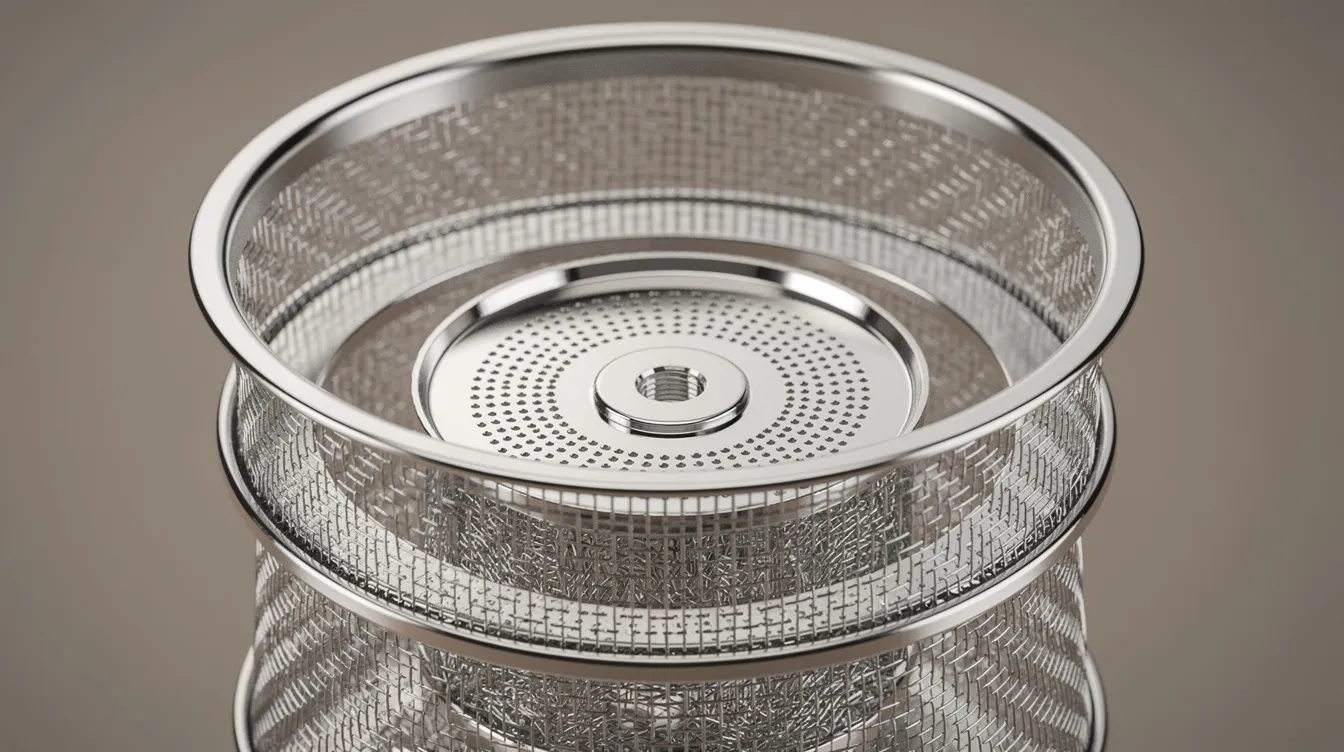
Filter technology. The dual basket holds two layers of fine microfilter mesh. Filters that fit flush against the carafe walls limit sediment in your cup. After plunging, the basket physically separates grounds from liquid, slowing further extraction. You can also add optional paper filters between the layers for even more clarity, though most users find the micro-mesh alone sufficient.
Sediment performance. The Espro P7 leaves only 0.40 grams of sediment in coffee per cup, according to independent testing – dramatically less than the Veken French press, which leaves 0.70 grams of sediment in coffee, or the Bodum Columbia at 0.85 grams. In a second test with more careful pouring, the final cup still showed only minimal residual grit. A multi-filter system minimizes grit in brewed coffee to a degree that no single mesh screen can match.
Coffee profile. Expect a cleaner, brighter cup with less muddiness. Body is lighter than a classic French press brew but still noticeably richer than paper-filtered drip. Superior filtration makes it a strong pick for light and medium roasts where clarity matters.
Build. Double-walled stainless steel body with vacuum insulation. The 32 oz model measured around 160°F at one hour and 136°F at two hours in Tom’s Guide testing. Premium feel and weight throughout.
Usability. The Espro P7’s filter rinses clean without unscrewing, which saves time during daily use. Assembly is slightly more involved than a basic press, but not difficult once you do it a few times. Partial dishwasher compatibility for the lid and plunger.
Capacity caveat. Some of the carafe’s stated volume is taken up by the filter basket, reducing usable brewed volume. The 32 oz model yields closer to 28 oz of pourable coffee.
Best audience. Coffee drinkers who dislike grit, fans of pour-over clarity, and those willing to pay more for a refined cup. The Espro P7 costs around $100 but offers superior filtration that justifies the price for sediment-sensitive drinkers.
Key trade-offs. Premium pricing. Smaller usable capacity relative to other presses of similar advertised size. Heavier than glass. You cannot see the bloom through the stainless steel body.
Best Large-Capacity French Press
Frieling Stainless Steel French Press (36 oz / 44 oz) – ~$90–$140
For households or offices that need to brew multiple mugs at once, the Frieling is the large-capacity pick that does not compromise on build quality or insulation.
Capacity and use case. The 44 oz version pours roughly four generous mugs – enough for a family breakfast or a small office kitchen. Frieling also makes a 36 oz version for slightly smaller gatherings.
Construction. Fully 18/10 stainless steel, double-walled, and vacuum insulated. No plastic external parts. The Frieling French press drops only 17°F in 20 minutes, which puts it among the best for heat retention in its size class. That great heat retention means your last mug is still hot coffee.
Performance. The three-piece dual-screen filter system catches most fines. According to Homegrounds, many users report no visible grounds or sediment at the bottom of the cup. Rich, full-bodied coffee with the characteristic oils of immersion brewing.
Cleaning. The larger size means it takes up more sink space. Hand-wash only is recommended. Filter disassembly is straightforward but the carafe’s depth can make scrubbing the interior a minor chore.
Who it’s for. Heavy coffee drinkers, shared office kitchens, or campers wanting a batch brewer without electricity. Also a solid choice for brunch hosts who want to brew once and serve the table.
Caution about over-brewing. In big presses, leaving coffee sitting with grounds too long causes bitterness. Coffee continues to extract while it sits with the grounds after brewing. Decant into a separate thermal carafe for the best taste if you won’t finish it within 10–15 minutes.
Other Notable French Press Coffee Makers
Not every strong option lands in a top-pick slot. These are competent French press coffee makers that suit specific buyers:
Bodum Brazil (~$15–$20). A very low-priced starter press with a plastic lid and frame. Brews decent coffee for the price, but the plastic frame feels less durable, heat retention is weak, and the single mesh screen lets through more sediment. Fine for dorm rooms or a first French press.
SterlingPro Double-Wall Stainless Steel (~$40–$50). Large capacity (up to 1.75 L), dual-screen filter, and impressive insulation – one test showed water dropping to around 120°F after three hours. The finish and refinement are a step below premium brands, but the value per ounce is excellent. A good pick for large households on a budget.
Mueller French Press (~$30–$45). Features four filtration layers and some dishwasher safe components. Good if filtration layering is your priority, though build quality varies between batches.
Veken French Press (~$20–$25). Borosilicate glass with a plastic frame. The Veken French press leaves 0.70 grams of sediment in coffee, which is mid-pack. Affordable but not remarkable – overshadowed by Coffee Gator and SterlingPro at similar or slightly higher prices.
Yeti French Press. Some outdoor enthusiasts ask about a Yeti French press or similar rugged stainless models designed for camping. These prioritize durability and thermal performance over filtration finesse. Heavy and expensive, but essentially unbreakable.
These are all still competent presses; they are simply overshadowed by better value or performance elsewhere in this guide.
French Press Coffee 101: How a French Press Works
A French press is an immersion coffee maker. You steep coarse coffee grounds in hot water, then push a plunger with a metal mesh screen down to separate the grounds from the brewed coffee. It is one of the simplest and most portable ways of brewing coffee.
Basic steps. Add coarse grounds to the carafe. Pour hot water at 195° to 200°F. Stir gently. Steep for about four minutes. Press the plunger slowly and pour.
Brew time and extraction. French press coffee brews in about four minutes. Shorter times produce lighter, more sour cups; longer times risk bitterness from over-extraction.
Why it tastes different. The metal mesh screen allows natural oils and fine particles through – unlike paper filters that trap them. This is why French press coffee includes natural oils from the beans, creating a fuller body than drip coffee. It is also why some drinkers notice more texture or sediment.
Carafe material matters. Glass, stainless steel, or ceramic all influence how quickly the brew temperature drops during steeping. Double-wall stainless steel presses retain heat better than glass, which means more consistent extraction from the first second to the last.
A French press can produce multiple servings at once – a 34 oz press makes two generous mugs, and larger models handle four or more.
Drink it promptly. French press coffee is generally best served soon after brewing. Coffee left sitting on the grounds will continue extracting, turning bitter.
Key Features That Matter in a French Press
Not all French press coffee makers are equal. These are the specs worth comparing before you spend money.
Capacity. Common sizes run from 12 oz (single serve) through 17 oz, 32–34 oz, and up to 48–64 oz. Capacity for French presses is often measured in small European sizes – a “4-cup” press usually means four 4-oz demitasse servings, not four full mugs. Always check ounces.
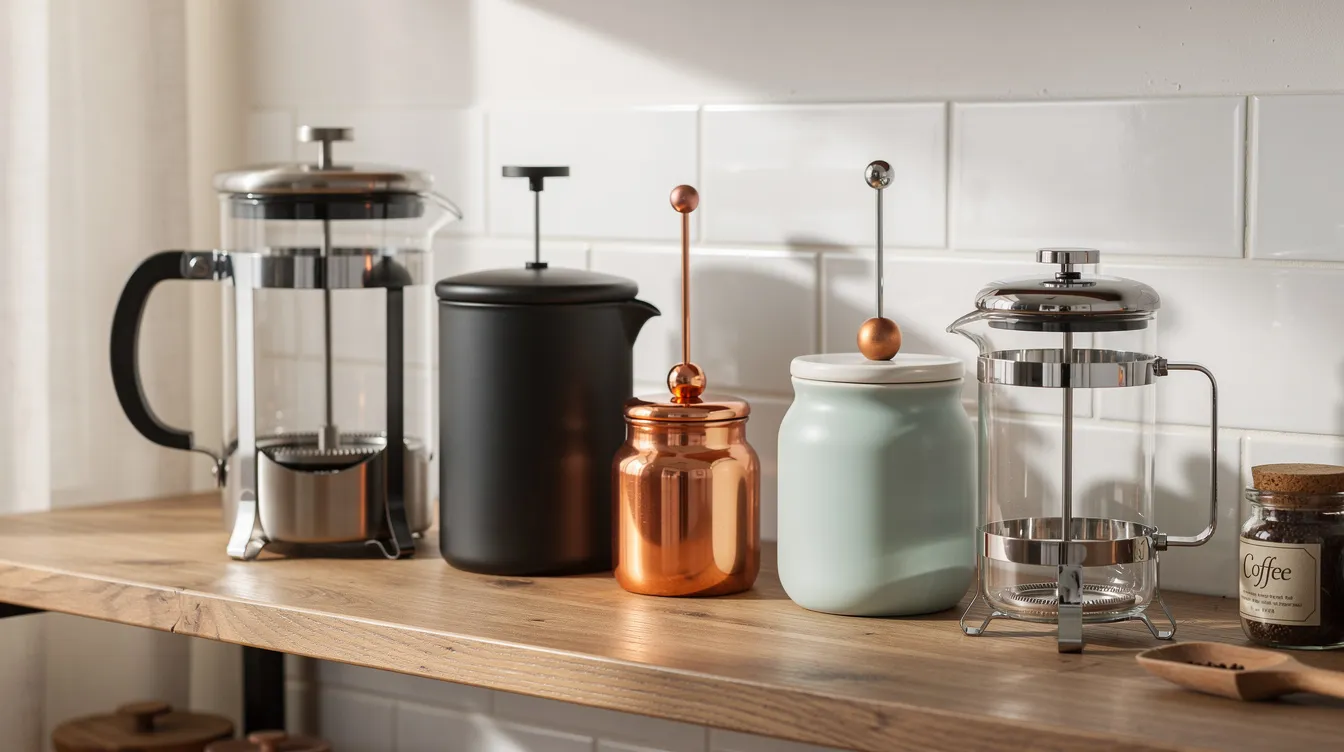
Carafe material. French presses are typically made of glass, stainless steel, or ceramic. Glass is lightweight, lets you see the brew, and is flavor-neutral, but fragile and poor at holding heat. Stainless steel (especially double-walled) is durable, offers better insulation than glass, but hides the brew and adds weight. Ceramic is attractive but heavy and rare.
Filter design. A single mesh screen is the simplest and easiest to clean. A dual-screen or micro-filter system captures far more fines but adds complexity. A good filter seal is critical for a quality brew in many French presses – filters that fit flush against the carafe walls limit sediment in your cup. Some filters require more attention to clean than others.
Insulation and heat retention. Double-wall stainless steel presses retain heat better than glass – significantly so. A tight-fitting lid also matters. Models must prioritize features that affect coffee quality and durability, and heat retention is near the top of that list.
Usability and footprint. Handle comfort, spout shape for clean pour control, lid fit, and how much counter or cabinet space the press occupies. A press that pours cleanly on the first pour saves you from drips and messes.
Cleaning. Ease of cleaning is important in French press design. Simple plunger assemblies that come apart quickly are a plus. Many French presses lack dishwasher-safe components, so expect to hand-wash.
Durability and warranty. Glass carafes need protective frames. Stainless steel resists drops and thermal shock. Look for brands offering replacement parts – screens, plungers, and beakers – and check warranty terms.
Value. A good French press can cost around $40. Premium French presses can exceed $100. Weigh price against lifespan, replacement part costs, and what you actually gain in the cup.
How to Choose the Best French Press for You
Choosing the right French press starts with understanding your own habits. Here is a practical walkthrough to match your routine to the right press.
Serving needs. Solo drinkers can get by with a 12–17 oz press. Couples do well with 32–34 oz. Families or offices should look at 48–64 oz. Choose French press size based on typical drink consumption – oversizing means more weight and wasted coffee if you don’t finish it.
Heat priorities. If you drink your cup within 10 minutes of brewing, glass works fine. If you sip over 30–90 minutes, invest in a double-walled stainless steel press. Higher-priced models justify costs with better heat retention and build quality.
Tolerance for grit. Some drinkers genuinely don’t mind a touch of sediment – they should save money with a basic single-screen press. Others find it unpleasant and should invest in a dual-screen or Espro-style micro-filter design for grit-free coffee.
Kitchen reality. Stainless models are heavier and take up more visual space. Glass presses are lighter and look elegant on the counter. Consider whether you store your press in a cabinet (weight matters less) or leave it displayed.
Budget bands. Under $30 gets you a simple glass French press or a basic stainless press. Between $30 and $70, you can find insulated double-wall models with dual screens – the good stuff for most buyers. At $70 and above, you enter premium territory with micro-filters, vacuum insulation, and refined build quality. Think Coffee Gator at the low end, Bodum Chambord and Bodum Columbia in the middle, and Espro P7 at the top.
Special cases. Travel or camping? Go rugged stainless with no glass. Office use? Prioritize quiet plunging and easy cleanup. Gifting? Classic designs like the Bodum Chambord or a matte black stainless press feel more “giftable” than utilitarian options.
The biggest upgrade. Pair your new French press with a burr grinder and fresh whole-bean coffee. That combination matters more than any single piece of gear for better coffee in your cup.
Brew Technique: Getting the Best From Your French Press
Even the best French press will disappoint if brew temperature, grind size, and brew time are off. Here is a simple baseline recipe.
Grind size. Use a coarse grind – particles roughly the size of coarse sea salt. Too fine leads to sludge, hard plunging, and over-extraction. Too coarse produces thin, sour coffee.
Brew ratio. Start with 1:15 to 1:16 coffee-to-water by weight. For one large mug, that is roughly 30 grams of coffee to 450–480 grams of hot water.
Brew temperature. Brewing requires steeping coffee grounds in water at 195° to 200°F. If you do not have a thermometer, let boiling water sit for 30–60 seconds before pouring. Double-walled carafes help maintain temperature during steeping.
Brew time. Steep for 4–5 minutes. At the 1-minute mark, give a gentle stir to ensure even saturation. At 4 minutes, optionally skim the foam, then press the plunger slowly and steadily. Pour immediately.
Extraction consistency. Use a timer, a consistent grind, and stable water temperature to get repeatable results. Inconsistency in any of these variables is the most common reason people think their press makes bad coffee.
Troubleshooting. If your coffee tastes sour or thin (under-extracted), grind slightly finer or extend brew time by 30 seconds. If it tastes bitter or harsh (over-extraction), grind coarser or shorten the steep.
Maintenance and Cost of Ownership
French presses have low ongoing costs compared with pod machines or paper-filter drip setups, but parts and cleaning still matter for great coffee over time.
Daily cleaning routine. After each brew, scoop or tap spent grounds into a compost bin or trash – avoid rinsing them down the drain, which can clog pipes. Rinse the carafe quickly after use. Disassemble the plunger and filter for thorough cleaning at least every few uses.
Deep cleaning. Coffee oils can build up over time if not cleaned, turning rancid and tainting future brews. Soak metal filters occasionally in warm water with a drop of mild dish soap or a dedicated coffee equipment cleaner.
Dishwasher vs hand-wash. Many French presses lack dishwasher-safe components. Glass beakers from Bodum-style presses are generally dishwasher safe, but repeated high-heat cycles can degrade gaskets or finishes on stainless models over time. When in doubt, hand-wash.
Glass replacement. If you use a glass French press, budget for the occasional replacement beaker. They typically cost $8–$15, and Bodum sells them widely. Glass beakers are prone to breaking – thermal shock from pouring boiling water into a cold carafe is a common culprit. Preheating helps.
Stainless care. Higher-grade stainless steel in presses like the Espro P7 and Bodum Columbia resists staining and corrosion. Avoid abrasive scrubbers on brushed stainless steel finishes. Rinse and dry promptly to prevent water spots.
Long-term cost. A $25 glass press that breaks every 18 months costs roughly the same over five years as a $60 double-walled stainless press that lasts indefinitely. The stainless models also deliver better coffee along the way, thanks to consistent heat retention.
Replacement parts. Before buying, check whether the brand sells replacement screens, plungers, and beakers. Availability of spare parts extends a press’s useful life by years.
How French Presses Compare to Other Manual Brewers
Many buyers weighing a French press are also considering other manual brewing methods. Here is how they stack up.
Versus pour over. French press is immersion-based: full-bodied, rich oils, more texture. Pour over highlights acidity and nuanced single-origin flavors but requires more hands-on pouring technique and uses paper filters that trap oils. If you crave clarity, pour over wins; if you want body, press wins.
Versus cold brew. Cold brew is smooth, low-acid, and refreshing but requires 12–24 hours of steeping. French press coffee is hot, rich, and ready in four minutes. Different drinks for different moods.
Versus moka pots. Moka pots brew strong, espresso-like stovetop coffee with more pressure and concentration. French press is gentler, less intense, and simpler to use. Moka pots suit espresso-style drinks; French presses suit large, full-bodied mugs.
When a programmable machine might be better. If you need coffee ready when your alarm goes off and do not want to boil water manually, a programmable drip coffee maker with a timer is more practical – but you sacrifice the hands-on control and fuller flavor of the brewing process.
Frequently Asked Questions
These FAQs address common questions not fully covered above, especially around health, beans, and practical usage details.
Is French Press Coffee Bad for You?
Unfiltered coffee like French press retains more oils – specifically cafestol and kahweol – that may modestly raise LDL cholesterol levels in some people over time. This is based on published nutritional research, not speculation. For most healthy adults, moderate French press coffee consumption is considered acceptable. If you have cholesterol concerns, consult your doctor. Using an Espro-style micro-filter or adding paper filters between mesh layers can reduce oil content somewhat.
Can I Use Pre-Ground Coffee in a French Press?
Pre-ground coffee will work, but supermarket pre-ground is typically ground for drip machines – too fine for ideal French press use. This produces a sludgier cup with more sediment. For the best flavor and less grit, buy whole beans and use a burr grinder on a coarse or medium-coarse setting. If pre-ground is all you have, shorten brew time slightly to around 3–3.5 minutes and pour gently to minimize grit.
What Size French Press Should I Buy?
Remember that “cups” on packaging are usually 4-oz servings, not full mugs. A 34-oz press typically makes about two large 12–14 oz mugs, not eight real cups of coffee. Simple rules of thumb: solo drinkers can use 12–17 oz, couples do well with 32–34 oz, and families or offices should consider 48–64 oz. Larger presses are heavier and bulkier, and coffee should be decanted to avoid over-extraction if not served right away.
Do I Need a Special Kettle for French Press Coffee?
No. A basic electric or stovetop kettle is perfectly fine. Gooseneck kettles are more important for pour-over precision than for immersion methods like French press. A kettle with temperature control can help you consistently hit the 195°–205°F range, but it is not mandatory. Simple tip: let boiling water sit for 30–60 seconds before pouring if you do not have temperature control.
How Long Can Coffee Sit in a French Press?
Coffee starts over-extracting and turning bitter if left sitting on the grounds for more than about 10–15 minutes – even after plunging, because some liquid remains in contact with the grounds. Decant finished coffee into a thermal carafe or mug if you will not drink it immediately. Flavor remains enjoyable for about 30 minutes in most insulated presses, but true coffee enthusiasts prefer to drink sooner for the best aroma and sweetness.
How Capitol City Coffee Rates Coffee and Coffee Machines
Every coffee and coffee machine we recommend is scored on the same 100-point scale, so a recommendation on one page means the same thing as a recommendation on any other. Each pick is also labeled with how we reached its score.
Research-ratedScored from the roaster or manufacturer’s published specifications, independent results such as Coffee Review blind cuppings and SCA brewer certification, and patterns across verified buyer reviews. Most of our current picks are research-rated.
Hands-on testedThe Capitol City Coffee team has brewed the coffee or used the machine ourselves, following the testing steps below. We only use this label when that testing actually happened, and we show the date we tested.
Coffee beans: 100-point scale
What we score
Points
What we look at
Origin and sourcing transparency
20
Country, region, farm or cooperative, altitude, bean variety, and processing method are clearly disclosed.
Flavor evidence
25
Independent cupping scores, how closely the tasting notes match what the origin is known for, and our own cupping notes when hands-on tested.
Roast and freshness
15
Roast level stated, roast-date practices, whole-bean availability, and packaging with a one-way valve or resealable bag.
Brew versatility
15
How well the roast suits pour-over, drip, French press, cold brew, and espresso.
Value
15
Price per ounce compared with similar single-origin coffees or blends.
Buyer feedback
10
Volume and consistency of verified reviews, and recurring complaints about staleness, bitterness, or shipping.
Coffee machines and gear: 100-point scale
What we score
Points
What we look at
Brewing performance
25
Water temperature in the 195–205°F range, even extraction, and SCA certification or published test data.
Build quality and reliability
20
Materials, known failure points, and long-term owner reports.
Ease of use and cleaning
15
Setup, the daily routine, descaling, and dishwasher-safe parts.
Fit for your kitchen
10
Capacity, counter footprint, and noise.
Useful features
10
Programming, grind and temperature control, and carafe type. Features that improve the cup count more than extras that do not.
Value
10
Price compared with machines that perform similarly.
Warranty and support
10
Warranty length, parts availability, and how the brand handles repairs.
What the grades mean
Score
Grade
What it means
90–100
A
Exceptional. Our first recommendation for the feeling and setting described.
80–89
B
Strong. Excellent, with minor trade-offs we explain.
70–79
C
Good. Worth it for specific needs, with clear compromises.
Below 70
—
Not recommended. We do not feature these as picks.
How we test hands-on
When a pick carries the Hands-on tested label, this is the method behind it, and we note the date we tested.
Coffee: brewed fresh from whole beans following Specialty Coffee Association guidelines (water between 195 and 205°F, about 1 gram of coffee to every 15 to 18 grams of water) in the brew methods the roast suits best, such as pour-over, French press, or espresso. We taste it black first, then with milk if that is how most people drink it, and each taster scores it on their own before we compare notes.
Machines: used in our everyday routine rather than a single demo. We brew both full and small batches, check the brewing temperature and brew time, and run the cleaning or descaling steps the manual calls for.
How we choose the feeling and setting
We match each coffee to a mood and a moment based on its flavor profile and roast. Bright, citrusy light roasts suit energizing mornings. Chocolatey, full-bodied medium roasts suit slow or social moments. Richer roasts suit espresso and milk drinks. Each pick explains which facts led us to that match.
Our scores stay independent
Every score comes only from the criteria above. No brand can pay for a pick or a higher grade. We re-check ratings when a roast, listing, or model changes, and update or remove picks that no longer earn their grade.
Some links on this page are affiliate links. As an Amazon Associate, Capitol City Coffee earns from qualifying purchases, at no extra cost to you.
Questions about a rating? Reach the Capitol City Coffee team through our contact page.