
If you brew coffee at home most mornings, the bag of beans you choose matters more than almost any upgrade you can make to your setup. The right coffee turns a standard automatic drip coffee maker into a source of consistently good coffee – no barista skills required. This guide breaks down the best coffee for drip coffee makers in 2026, covering bags worth buying across roast levels, budgets, and flavor preferences.
Key Takeaways
- Medium to medium-dark roast, specialty-grade whole beans roasted for filter coffee and bought fresh will suit most drip coffee makers in 2026. Medium to medium-dark roast Arabica beans provide balanced flavor in drip coffee.
- Freshness, grind size, and matching roast to your drip machine matter more than any single “magic” bag of beans. Freshly ground whole beans typically enhance the flavor of brewed coffee.
- This guide is a researched editorial roundup for U.S. coffee drinkers, focusing on widely available 2026 bags that work especially well in automatic drip brewers.
- Recommendations are based on third-party consensus and verified product data, not hands-on testing. Taste is ultimately personal.
- Below you will find quick top picks, a comparison table, how to choose beans for drip, and brewing tips for a better cup at home.
Affiliate Disclosure
Quick Answer: The Best Coffee for Drip Coffee Makers in 2026
For most people making coffee with a standard drip coffee maker – whether it uses a glass carafe or a thermal carafe – a medium to medium-dark roast blend with chocolate and caramel notes is the safest starting point. It extracts well across a range of brew temperatures and brew times, forgives minor grind inconsistencies, and tastes great black or with milk. Drip coffee makers excel at extracting balanced sugars and acids from medium roasts, which is why this roast range dominates our picks.
Here are the quick picks:
- Best overall everyday drip: Counter Culture Big Trouble – a medium-dark blend with caramel, nuts, and chocolate that performs reliably in virtually any automatic drip coffee maker.
- Best budget supermarket upgrade: San Francisco Bay Fog Chaser – a medium-dark blend with semi-sweet chocolate and toffee notes, available in large bags at a low per-ounce price.
- Best light roast for a high-end drip coffee maker: Look for an East African single-origin (light-medium roast) with citrus and florals – best suited to SCA-certified machines that maintain proper brewing temperature.
- Best dark roast for strong coffee drinkers: Peet’s Major Dickason’s Blend – dark chocolate, molasses, heavy body, extremely forgiving in drip machines.
- Best pre-ground option if you lack a coffee grinder: Any of the above blends in a “drip grind” format, bought in smaller bags to preserve freshness.
Top Picks: Best Coffee Bags for Drip Coffee Makers in 2026
This is the main curated list of whole-bean and select pre-ground coffees tailored to drip coffee makers. All picks are specialty-grade or high-quality, chosen for flavor, freshness indicators, and how they perform in automatic drip brewers. Specialty coffee blends are crafted to maintain clarity and taste in automated drip brewers, and every bag here reflects that standard.
- Best overall: Counter Culture Big Trouble – medium-dark blend, Central/South America, caramel, nuts, chocolate. Whole bean.
- Best budget: San Francisco Bay Fog Chaser – medium-dark blend, Central/South America, semi-sweet chocolate, toffee. Whole bean and pre-ground. Especially friendly to standard home drip machines.
- Best dark roast: Peet’s Major Dickason’s Blend – dark roast blend (Latin America, East Africa, Indonesia), dark chocolate, molasses, smoky finish. Whole bean.
- Best light roast single-origin: A light-medium washed Ethiopian or Kenyan from a roaster with roast dates printed on the bag – citrus, florals, berries. Whole bean only. Best in premium machines.
- Best single-origin for drip: Look for a washed Colombian or Guatemalan with chocolate and red fruit notes, medium roast, widely available online. Whole bean.
- Best decaf: A Swiss Water Process decaf from a specialty roaster (medium roast, chocolate and caramel notes). Whole bean and pre-ground.
- Best for drip + cold brew: A medium roast Central American blend with chocolate, caramel, and subtle fruit – versatile across hot and cold extraction.
- Best subscription: A roast-to-order subscription service offering grind customization for drip, shipping within days of roast.
- Best organic: An organic-certified medium roast blend with nutty, chocolatey flavor, available at major retailers. Whole bean.
- Best for beginner coffee drinkers: A smooth, low-acidity medium blend – forgiving, approachable, no sharp edges.
At a glance
Compare Amazon-available drip bags on a phone first: listing photo, roast notes, and a Check on Amazon button. Research-rated, not yet brewed by our team.
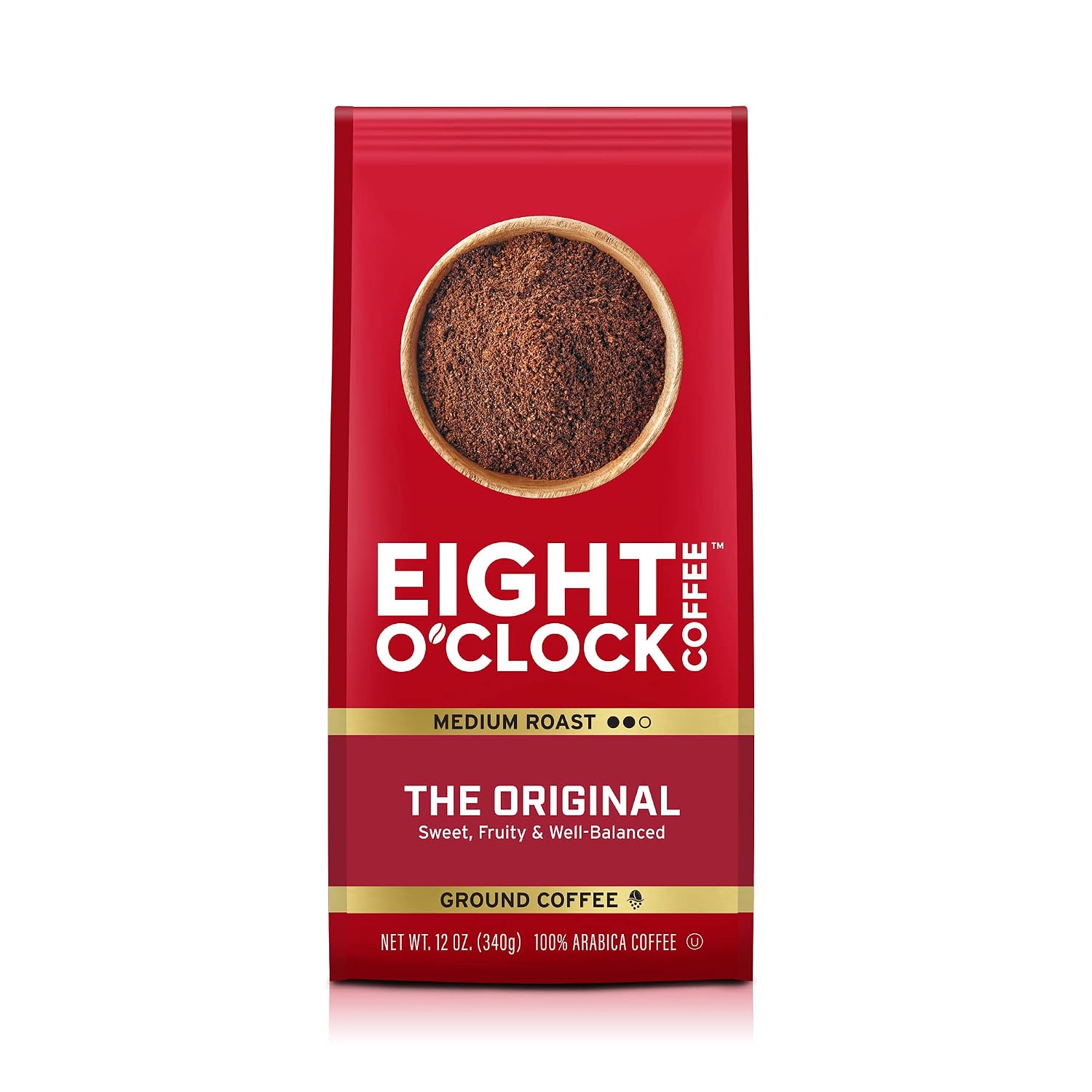
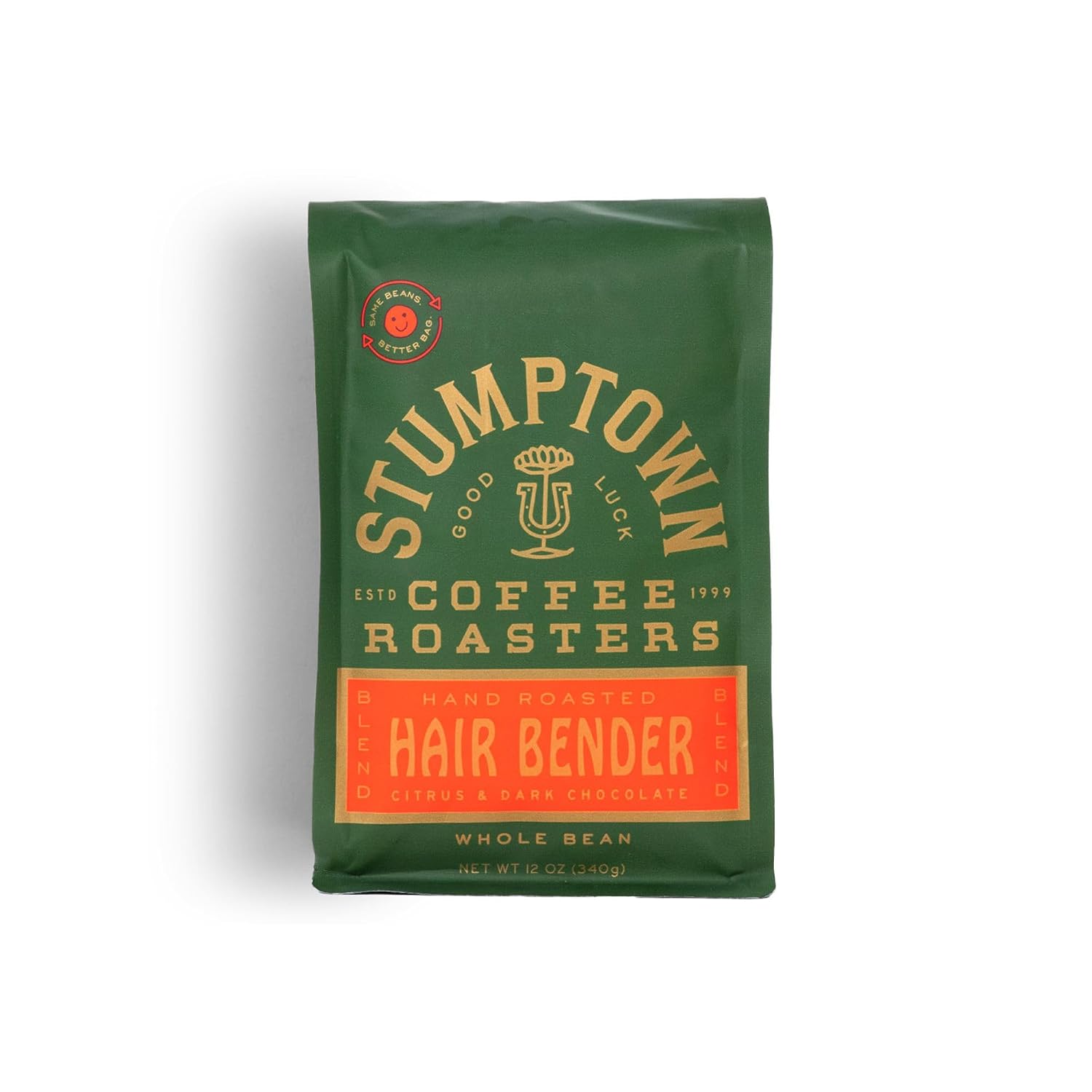
Best specialty drip
Stumptown Hair Bender
- RoastMedium
- Best forAuto drip and pour-over
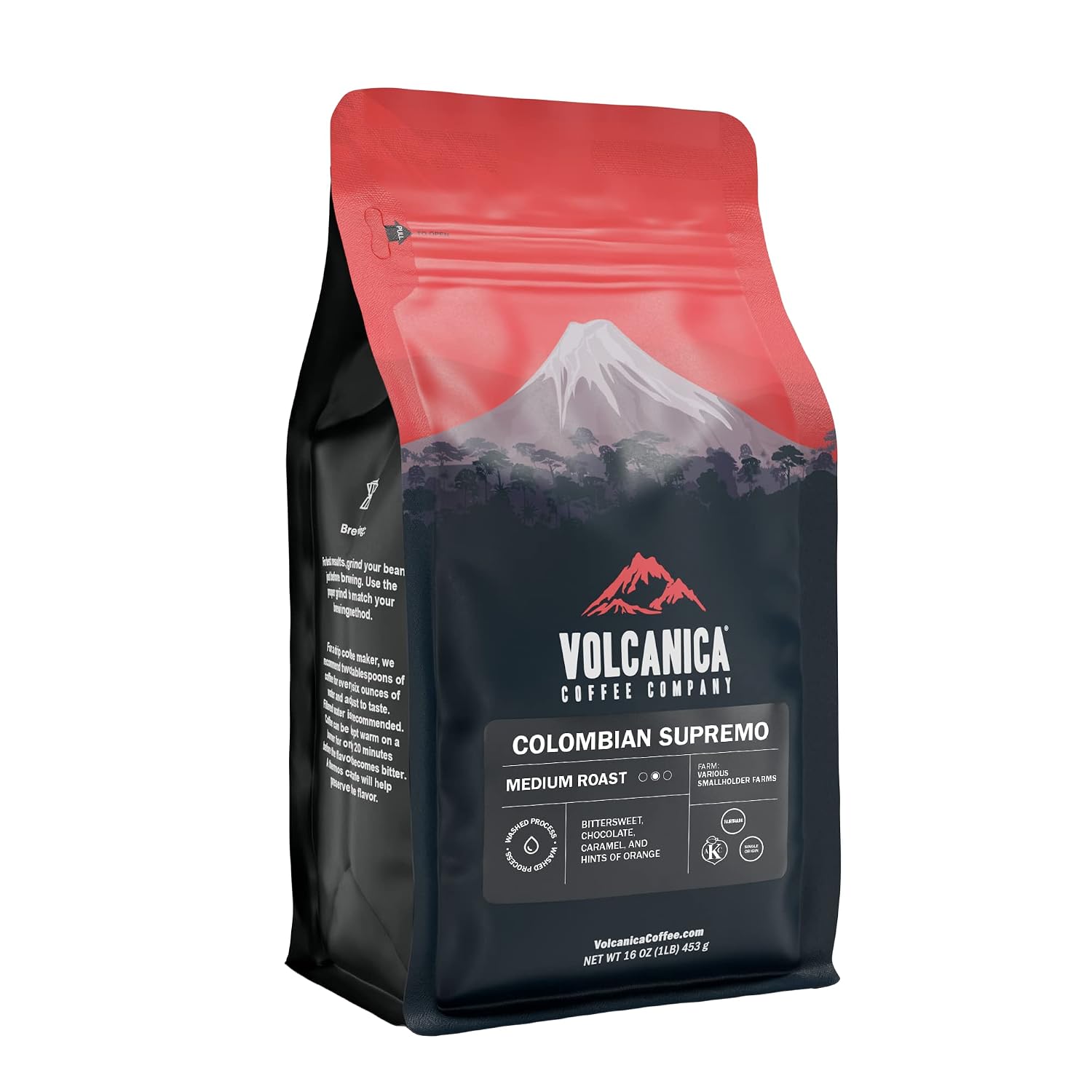
Best daily drip
Volcanica Colombian Supremo
- RoastMedium
- Best forCarafe brewers
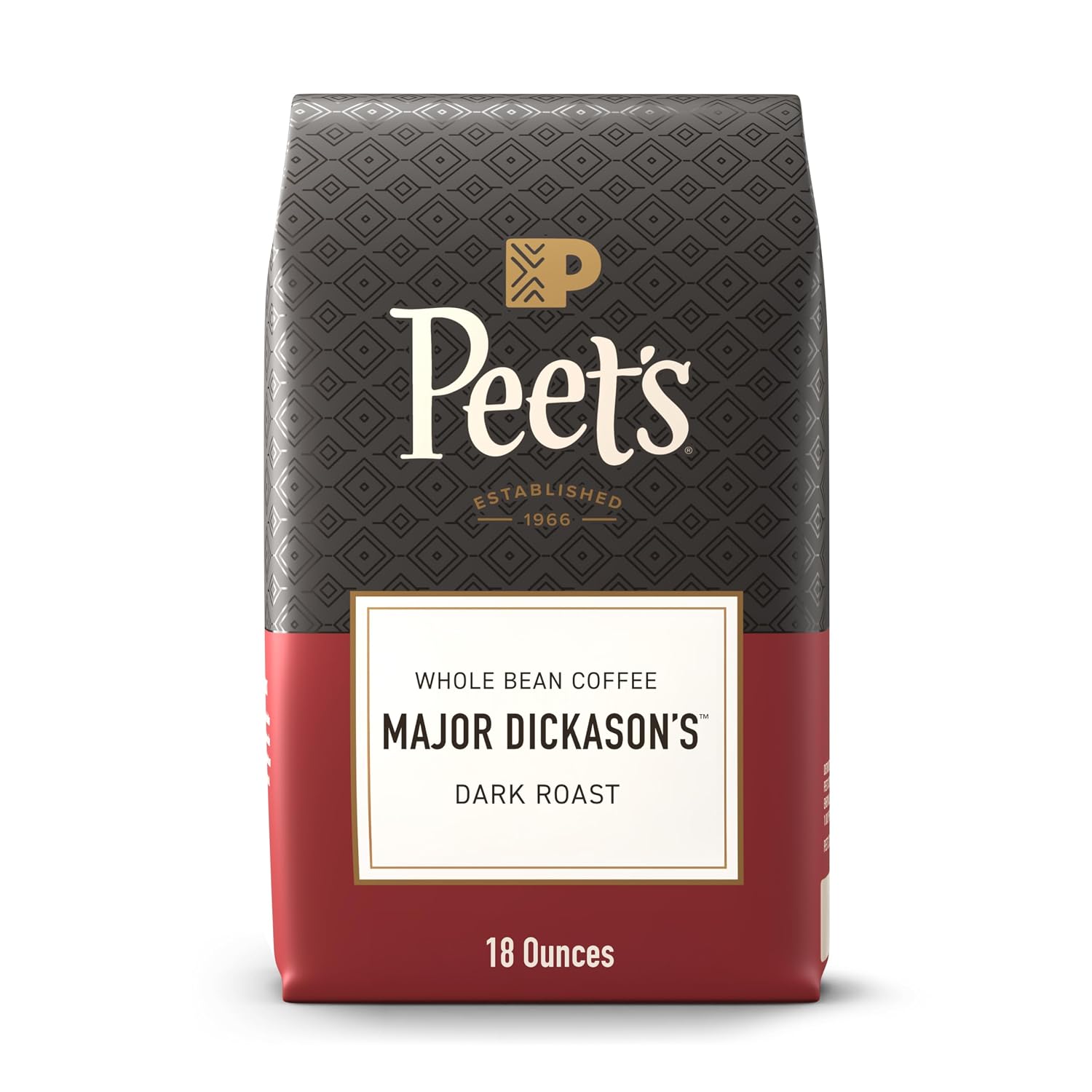
Best darker drip
Peet’s Major Dickason’s
- RoastDark
- Best forBold morning pot
Coffee | Roast Level | Type | Flavor Profile | Best For | Grind Options | Price Range | Notable Drawback |
|---|---|---|---|---|---|---|---|
Counter Culture Big Trouble | Medium-dark | Blend | Caramel, nuts, chocolate | Standard drip, pour over | Whole bean | ~$19 / 12 oz | Higher cost per ounce |
SF Bay Fog Chaser | Medium-dark | Blend | Chocolate, toffee | Budget drip, daily use | Whole bean, pre-ground | ~$19 / 32 oz | Less complexity |
Peet’s Major Dickason’s | Dark | Blend | Dark chocolate, molasses | Strong coffee, milk drinkers | Whole bean | ~$22 / 16 oz | Masks origin flavors |
Light Ethiopian (various) | Light-medium | Single-origin | Citrus, florals, berries | High-end drip, pour over | Whole bean | ~$18–22 / 12 oz | Sour in basic machines |
Washed Colombian (various) | Medium | Single-origin | Chocolate, red fruit | Weekend drip treat | Whole bean | ~$16–20 / 12 oz | Seasonal availability |
Swiss Water Decaf (various) | Medium | Blend/SO | Chocolate, caramel | Evening drip, mixed households | Whole bean, pre-ground | ~$18–24 / 12 oz | Slightly higher price |
Medium blend (drip + cold brew) | Medium | Blend | Chocolate, caramel, fruit | Drip and cold brew maker | Whole bean | ~$16–20 / 12 oz | Not best at either alone |
Subscription (various roasters) | Varies | Varies | Varies | Freshness, convenience | Whole bean, custom grind | ~$15–22 / 12 oz | Recurring cost |
How We Selected and Evaluated These Coffees
This is researched editorial analysis, not a hands-on tasting panel. We did not claim direct testing, measurements, or ownership of these coffees.
Selection criteria included:
- Quality: Specialty-grade or equivalent (80+ SCA cupping score), 100% Arabica.
- Roast style: Light-medium to medium-dark – the range where most drip machines perform best.
- Freshness: Roast date transparency. Bags that print “roasted on” dates or ship within days of roasting scored higher.
- Availability: Accessible to U.S. buyers in 2026, whether online or in grocery retail.
- Flavor clarity: Clear tasting notes from the roaster, corroborated by third-party reviews and reputable coffee publications.
We also factored in value, batch-to-batch consistency, and how well each coffee performs in typical home drip machines – including the best coffee makers with programmability, thermal or glass carafes, and varying temperature stability. No recommendation was influenced by affiliate potential or hype.
Best Overall Coffee for Drip: Counter Culture Big Trouble
For most drip coffee drinkers, Counter Culture Big Trouble is the safest bet for a great cup every morning. It was recognized as one of the best coffee beans of 2026 by multiple editorial sources, and its blend profile is specifically designed to be versatile across drip, pour over, and milk-based drinks.
- Origin: Central and South American blend
- Processing: Washed
- Roast level: Medium-dark, developed for filter coffee
- Flavor profile: Caramel, nuts, and chocolate with low acidity – a crowd-pleasing cup that doesn’t sacrifice complexity
In a standard 8–12 cup drip machine at typical brew temperature (195–205°F) and a brew time of 4–6 minutes, Big Trouble extracts evenly and produces a balanced, full-bodied cup of coffee. It is forgiving with grind size and extraction consistency, meaning even a slightly coarser or finer grind won’t ruin the batch.
Value and availability: Around $19 for 12 oz (~$25 per pound), available from Counter Culture’s site and many online retailers. Subscription options exist. Whole bean only – no pre-ground.
Drawbacks: The price per ounce is higher than grocery blends. If you want bright, fruity acidity or a lighter body, this blend may feel too muted. It is not optimized for espresso machines.
Best Budget Coffee for Drip Coffee Makers
San Francisco Bay Fog Chaser is a clear upgrade over typical grocery-store ground coffee while staying affordable for daily brewing. At roughly $0.59 per ounce in the 32-ounce bag, it delivers flavor that competes with bags costing twice as much.
- Roast level: Medium-dark
- Flavor profile: Semi-sweet chocolate, toffee, with a smooth finish and creamy milk chocolate aroma
- Origin: Central and South American blend
Fog Chaser performs well in basic, non-premium coffee maker models – including older machines with simple on/off switches and a glass carafe. Its roast level and sweetness make it approachable for broad coffee drinker tastes, and it holds up well with cream or sugar.
Trade-offs: Less uniqueness or complexity compared to higher-end specialty bags. Flavor can flatten if beans sit too long after opening – finish the bag within three weeks for best results. Available at major retailers like Target, which makes it easy to find but limits the “fresh from the roaster” factor.
Best Light Roast for High-End Drip Coffee Makers
This pick targets readers who own an SCA-certified or premium machine like the Technivorm Moccamaster KBT, the Ratio Six, or the OXO Brewer – machines that nail brew temperature and extraction consistency.
A light or light-medium washed Ethiopian single-origin is the archetype here. Look for tasting notes of citrus, florals, and berries from a roaster that prints roast dates on every bag.
- Why it works in premium machines: The Ratio Six brews coffee at around 200°F for optimal flavor. The Technivorm Moccamaster KBT brews a full pot in about 7 minutes with stable temperature throughout, and it comes with a five-year warranty that protects your investment. These machines maintain the precise brewing temperature that light roasts demand.
- Grind sensitivity: You will need a good burr coffee grinder and proper brew time to avoid sourness. Light roasts may taste sour in drip coffee if the brewing temperature is not precise, which is why many budget models struggle to reach optimal brewing temperatures and can’t do justice to lighter beans.
Not suited for: Cheap drip machines, coffee drinkers who prefer heavy body and dark chocolate flavors, or anyone who wants a “set and forget” experience without dialing in grind size.
Best Medium-Dark or Dark Roast for Strong Drip Coffee
Peet’s Major Dickason’s Blend is a legacy pick that brews a rich, strong cup in drip machines without tipping into burnt or ashy territory.
- Roast level: Dark (past second crack, with visible oil)
- Flavor profile: Dark chocolate, molasses, roasted finish, thick body, very low acidity
- Origin: Latin America, East Africa, Indonesia blend
This roast level tolerates hotter plates on glass carafe machines and slightly longer brew times without going overly bitter. It pairs well with programmable drip brewers that offer a “strong” setting or a small batch setting for concentrated flavor.
Who it suits: Coffee drinkers who add cream or sugar, anyone who wants that diner-style bold morning coffee, and people who want a bag that checks all the boxes for a forgiving, full-bodied drip brew.
Limitations: Origin clarity is almost entirely lost. If you enjoy bright, fruity, or floral notes, this is the wrong pick. Dark roasts can result in harsh flavors when brewed in drip machines with slow extraction, so aim for medium grind and standard brew time. Price is around $22 per pound – fair value for a daily driver, though you can find similar boldness for less.
Best Single-Origin Coffee for Drip
A washed Colombian or Guatemalan in a medium roast is the sweet spot for single-origin drip coffee. These origins deliver chocolate, red fruit, and nutty complexity while remaining reliable in automatic drip coffee makers when grind and brew time are dialed correctly.
- Processing: Washed – clean, transparent flavor
- Roast level: Medium (light-medium works too in better machines)
- Flavor profile: Red fruit, cocoa, nuts, mild florals
Who appreciates this: Curious tasters transitioning from blends, people wanting a weekend “treat” coffee, and anyone building their palate.
Drawbacks: Higher price per bag than blends (~$16–22 for 12 oz), seasonal availability for specific lots, and narrower appeal for those who want simple, chocolatey cups without much variability.
Best Decaf Coffee for Drip Coffee Makers
A Swiss Water Process decaf from a specialty roaster – medium roast, with chocolate and caramel notes – avoids the flat, papery taste of older decaf processing methods. Sugarcane (EA) process decafs are another solid choice.
- Roast level: Medium
- Flavor profile: Chocolate, caramel, mild sweetness, clean finish
- Best for: Evening drinkers, households with mixed caffeine needs, and anyone sensitive to caffeine who still wants a great tasting coffee rather than instant coffee
This pick works in both standard drip and single serve coffee makers that accept grounds in a filter basket.
Trade-offs: Slightly higher price than mass-market decaf (expect $18–24 per 12 oz). Some decaf options come only in whole bean format, so check availability if you need pre-ground.
Best Coffee for Both Drip and Cold Brew
A medium roast Central American blend with chocolate, caramel, and subtle fruit notes holds up across hot and cold extraction. Using the same bag for your drip coffee maker and your cold brew maker offers value and simplicity – one bag, two methods.
- For drip: Grind medium, brew at standard temperature and time
- For cold brew: Grind coarse, steep 12–18 hours in cold water
The flavor profile shifts: drip brings out brightness and sweetness; cold brew emphasizes chocolate and body. Extraction consistency differs between the two methods, but a well-balanced medium roast handles both gracefully. For a deeper dive on cold extraction, see our guide to the best coffee for cold brew.
Compromise: This bag won’t be the absolute best tasting coffee for either method alone. It is a strong all-rounder for households making both hot coffee and cold brew regularly.
Best Subscription Coffee for Drip Coffee Makers
A roast-to-order subscription solves the biggest quality killer: staleness. Services like Trade Coffee, Atlas Coffee Club, or individual roaster subscriptions ship beans within days of the roast date, ensuring you start brewing at peak freshness.
Look for subscriptions that let you customize:
- Roast level (light, medium, dark)
- Grind (whole bean vs. pre-ground for drip)
- Frequency (weekly, biweekly, monthly)
- Bag size
This is not a Capitol City Coffee product – CCC remains an independent editorial recommending third-party services.
Who this suits: Busy professionals and families with daily drip brewing habits who want freshly brewed coffee without hunting for new bags constantly.
Drawbacks: Recurring cost can add up, and choice overload can be a real issue. Some subscriptions lock you into a cadence that doesn’t match consumption speed.
How to Choose the Best Coffee for Your Drip Coffee Maker
The right bag depends on your specific coffee machine, preferences, and budget. Automatic coffee makers are convenient and hands-off, and automatic coffee makers can be programmed for convenience – but they vary widely in how well they handle different roast levels. Budget coffee makers often lack advanced features like programmability, which limits your ability to fine-tune brew strength.
Key considerations:
- Roast level and taste preference: Like bold, chocolatey, low-acid? Go medium-dark to dark. Want brightness and fruit? Go light-medium – but only if your brewer hits proper temperature.
- Bean type: 100% Arabica delivers the most flavor range. Blends with Robusta add body and bitterness but sacrifice nuance.
- Whole bean vs. pre-ground: Whole bean is almost always better, but pre-ground labeled for drip can be a reasonable trade-off for convenience when bought in small bags.
- Household size and capacity: If you brew a full pot daily, a 2-lb bag makes sense. If you make one or two cups, buy 12 oz or less to avoid staleness.
- Your machine’s strengths: A $100 coffee maker brews better coffee than a $40 model. If you are using a basic machine, stick to forgiving medium and medium-dark roasts.
Matching Coffee Beans to Your Drip Coffee Maker Type
Different drip machines respond differently to roast and grind. Here is how to match them:
Basic drip machines (glass carafe, hot plate, simple on/off): Medium-dark and dark roasts perform best here. The hot plate keeps coffee warm but can scorch lighter roasts. These machines often brew at lower, less stable temperatures.
High-end SCA-certified brewers (Moccamaster, Ratio Six, OXO): These handle light and medium roasts beautifully. The OXO Brew 9 Cup brews coffee in under 7 minutes with stable temperature. The OXO Brew 8-Cup is an affordable high-end coffee maker that brings cafe quality drinks within reach for home brewers.
Programmable machines: The Ninja 12-Cup Programmable Coffee Maker costs under $100 and has a 60-ounce capacity – ideal for large households. Programmability pairs well with forgiving, medium roasts that remain stable even if coffee sits briefly before you pour.
Glass carafe vs. thermal carafe: If your machine uses a glass carafe with a hot plate, stick to darker, more resilient roasts. Thermal carafe machines preserve flavor without extra heat, opening the door to lighter roasts.
Grind-and-brew machines with a built in grinder: These offer convenience but often produce less uniform grinds than a dedicated burr grinder. Use medium to medium-dark roasts to compensate for grind inconsistency.
For espresso machines, moka pots, and pour over coffee setups, slightly different roast profiles apply. See our brew-method guides for specific recommendations.
Grind Size, Coffee Grinders, and Extraction in Drip Brewing
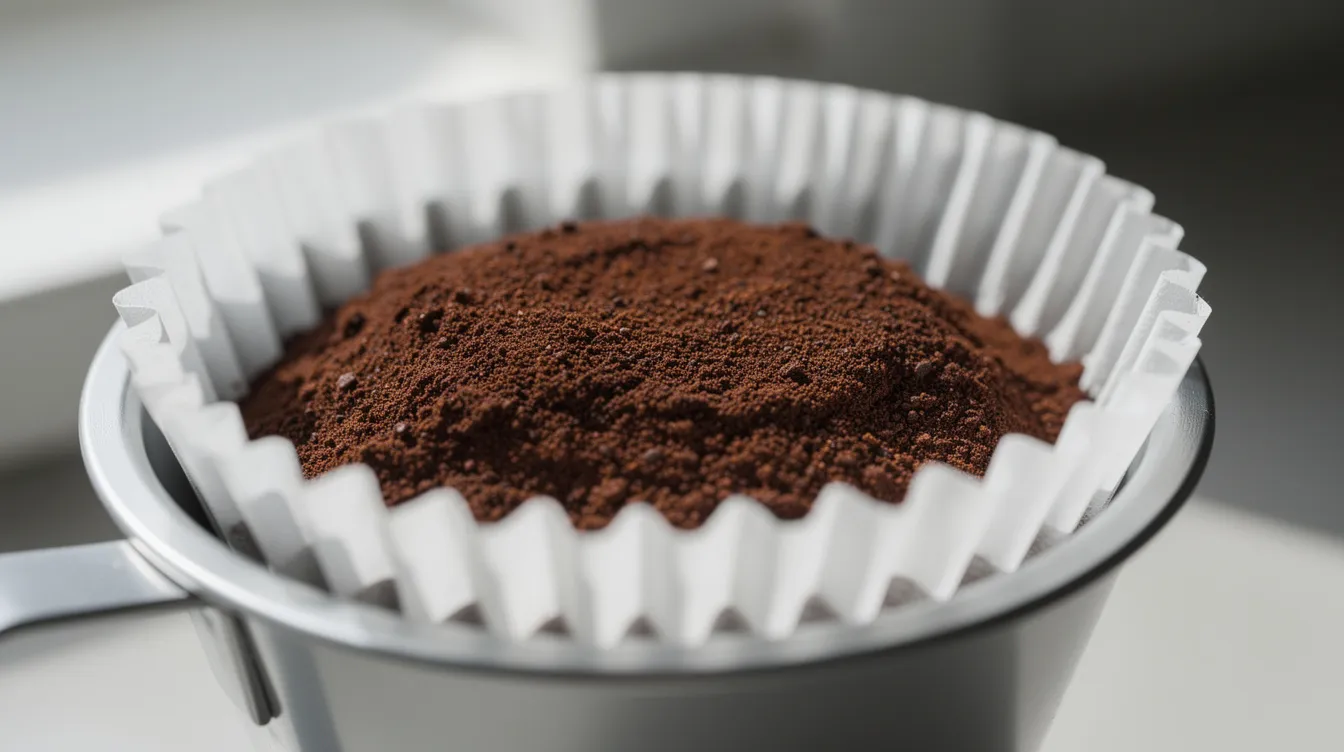
Even with the best coffee beans, grind size makes or breaks your cup. Aim for a medium grind size to prevent clogging and bitterness in drip coffee – something resembling coarse sea salt.
Burr vs. blade grinders: Burr grinders deliver a more uniform grind than blade grinders, which chop beans unevenly and create dust alongside large chunks. That inconsistency leads to a mix of over- and under-extraction in the same brew.
Recommended grinders:
- The Baratza Encore Coffee Grinder has 40 grind settings, covering everything from drip to pour over drippers and French press. It is the most commonly recommended entry-level burr grinder for home drip brewing.
- The Comandante C40 Grinder is known for its precision and is a top choice for manual brewing enthusiasts who want total control, whether using a gooseneck kettle for pour over or grinding for a standard drip machine.
- For espresso-focused households, the Baratza Sette 30 produces fine espresso grinds accurately – but its range is too fine for most drip applications, so it is better paired with a separate grinder if you brew drip regularly.
Freshly ground coffee retains more flavor and aroma than pre-ground alternatives. If you buy pre-ground coffee grounds labeled for drip, choose smaller bags and store them airtight.
Adjusting for taste: If your drip coffee tastes sour and thin, grind finer. If it tastes bitter and harsh, grind coarser. Small adjustments – a single notch on your grinder – can transform a mediocre cup into a perfect cup.
Brewing Variables: Brew Temperature, Time, and Ratio
The recommended brew temperature range for drip is about 195–205°F (90–96°C). Most best drip coffee maker models aim for this automatically, but automatic machines often struggle with optimal brewing temperature – especially cheaper units that do not preheat water adequately.
Brew time: Standard home drip machines take roughly 4–8 minutes depending on capacity. Smaller batches finish faster; a full pot of 10–12 cups takes longer. Brew time interacts with grind size and roast: darker roasts with coarser grinds tolerate longer contact time; lighter roasts need tighter control.
Brew ratio: A recommended brew ratio is 1:16 for drip coffee (1 gram of coffee per 16 grams of water). A kitchen scale takes the guesswork out and helps you get a consistent cup every time. If you prefer stronger coffee, try 1:15. For a lighter cup, go 1:17.
Water quality: Use filtered water to improve the quality of drip coffee. Tap water with heavy chlorine or mineral content dulls flavors and accelerates scale buildup. Extremely soft or distilled water can flatten extraction and is not ideal either.
Most coffee drinkers do not need to obsess over every variable. But dialing in ratio and grind size – even roughly – makes a noticeable difference. An electric kettle is more relevant for manual pour over than for automatic drip, but it is helpful for preheating a thermal carafe or rinsing paper filters before brewing.
Freshness, Storage, and Getting Better Coffee from Any Bag
Freshness is often the biggest differentiator between average and great coffee from any drip coffee maker. Coffee freshness is best measured by the “roasted on” date instead of the “best by” date – the former tells you exactly how old the beans are.
Buying windows:
- Use beans within a month of roast date.
- The sweet spot for drip brewing is roughly days 4–21 after roasting. During this window, CO₂ has mostly degassed but volatile aromatics remain intact.
- Pre-ground coffee loses freshness even faster. If you must buy pre-ground, aim for the smallest bag you can finish within two weeks.
Storage:
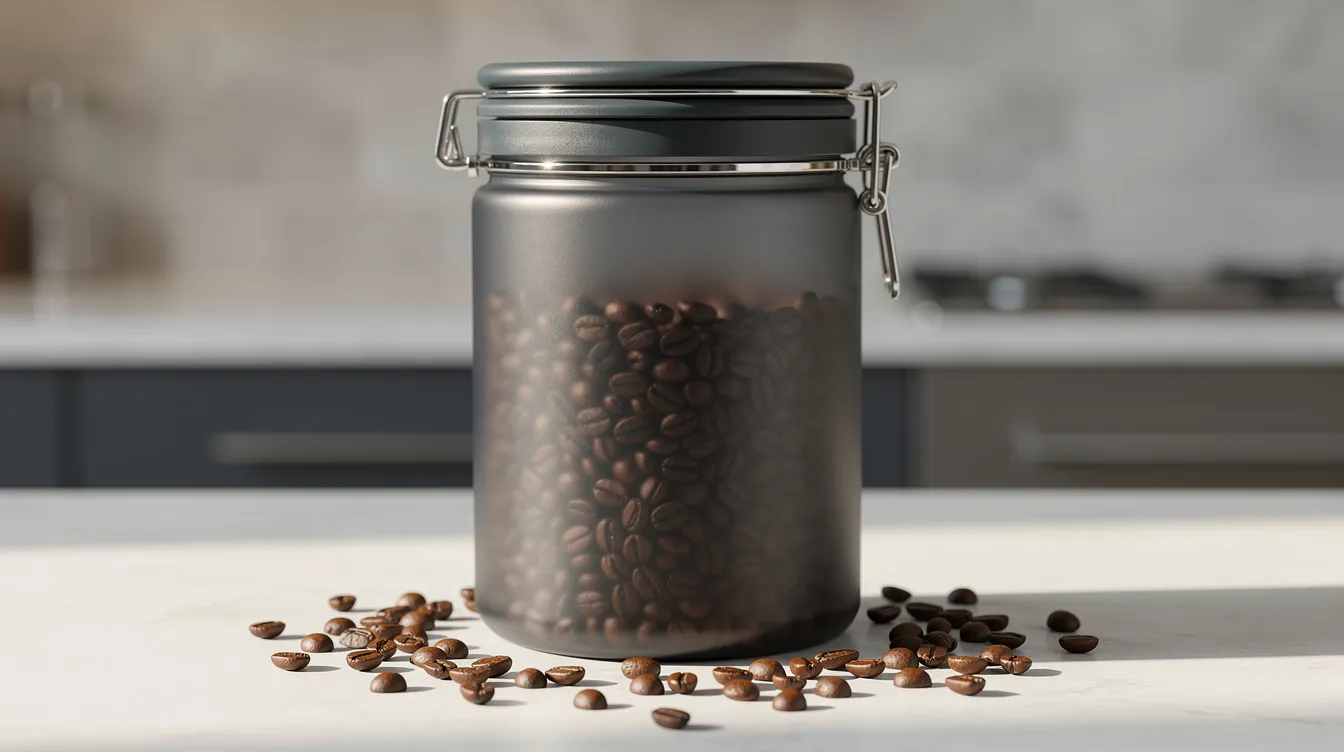
- Keep beans in an opaque, airtight container at room temperature, away from light and heat.
- Avoid the fridge. Freezing works only if beans are sealed airtight and you do not repeatedly cycle them between frozen and room temperature.
Simple steps to improve any bag’s performance:
- Grind just before you start brewing.
- Dial in your grind size (medium for drip, adjust from there).
- Clean the coffee machine regularly – old oils and residue affect every cup.
- Do not leave brewed coffee on a hot plate longer than necessary.
Experiment within a few recommended brands rather than chasing hype. Building a personal sense of what tastes good to you matters more than finding the “objectively best” bag.
Cleaning, Maintenance, and How They Affect Taste
Oil buildup and limescale inside a coffee maker can dull flavors and introduce off-notes, even when you are using the best coffee beans available.
Basic cleaning routine:
- Daily: Rinse the filter basket, carafe’s lid, carafe, and drip tray after each brew.
- Weekly: Wash the basket and carafe with mild detergent and warm water. Wipe down the hot water spout.
- Monthly: Descale the machine with a descaling solution or a vinegar-water mix, depending on your water hardness and the manufacturer’s instructions.
A clean brewer reveals the actual differences between coffees. If you are spending $18–22 per bag, a dirty machine wastes that investment. Following manufacturer guidance also protects durability and warranty of your drip machine.
This guide focuses on beans. For coffee maker buying advice, gear reviews, and machine comparisons, see other Capitol City Coffee roundups.
How Drip Coffee Compares to Other Brew Methods
Drip coffee sits in a sweet spot between convenience and quality. Here is a high-level comparison:
Method | Body | Clarity | Convenience | Grind Control Needed |
|---|---|---|---|---|
Drip coffee | Medium | Good | High | Moderate |
Pour over coffee | Medium-light | Excellent | Low (manual) | High |
French press | Heavy | Lower | Moderate | Low |
Espresso | Very heavy | Varies | Low-moderate | Very high |
Cold brew | Heavy, smooth | Low | Moderate (time) | Low |
Manual coffee makers allow total control over brewing variables, and manual brewing can yield better flavor with skilled hands – but drip is unmatched for consistency with minimal effort. Many of the best coffees for drip also work in manual brewers like pour over drippers, but grind and brew time need adjustment.
You do not need the best coffee maker on the market to enjoy good drip coffee if you choose beans and grind well. For method-specific bean recommendations, see:
- Best coffee beans for espresso
- Best coffee for French press
- Best coffee for cold brew
Value, Availability, and Buying Strategies in 2026
Here is what you can realistically expect at different price tiers for high-quality drip coffee in 2026:
- $10–14 per 12 oz: Decent grocery blends. Adequate for daily use but limited in complexity. Pre-ground options dominate.
- $15–19 per 12 oz: The sweet spot. Specialty-grade blends and accessible single-origins. Most flavor for the money.
- $20–25+ per 12 oz: Premium single-origins, micro-lots, or rare processing methods. Best for weekend brewing or special occasions.
Where to buy: Directly from roasters online often guarantees the freshest coffee. Curated marketplaces like Trade Coffee aggregate multiple roasters. Local specialty shops offer the advantage of conversation and recommendations. Supermarket shelves carry solid options like Fog Chaser and Major Dickason’s, but check dates carefully.
Buying strategies:
- Buy bag sizes you can finish while still fresh – usually within 3–4 weeks.
- Watch for free shipping thresholds from online roasters (often $35–50).
- Use subscriptions to lock in freshness and sometimes save 10–15% per bag.
“Best” for many people means something they can afford to drink daily without it feeling like a splurge. A $19 bag of Fog Chaser that you enjoy every morning beats a $25 bag of a single-origin you save for special occasions and let go stale.
Related Coffee Guides from Capitol City Coffee
If you brew with more than one method at home, these guides follow the same independent editorial approach:
- All coffee and roasting guides – the full hub for bean recommendations, roast education, and brewing fundamentals.
- Coffee by brew method – an index of guides organized by how you brew.
- Best coffee beans for espresso – for making espresso at home with an espresso machine or Nespresso machines.
- Best coffee for cold brew – for the best cold brew maker setups and steep-friendly beans.
- Best coffee for French press – for the best French press immersion brewing.
Bookmark the ones relevant to your setup, or explore if you are considering branching out from drip.
Our Drip Coffee Picks
We matched one coffee to each drip mood below. Tap the image or the coffee name. Research-rated, not yet brewed by our team.
Feeling weekday: a house blend that forgives
Our pick: Stumptown Hair Bender, whole bean. A medium roast blend in the chocolate-caramel range this guide recommends for drip makers. Counter Culture Big Trouble is often sold direct; this is a widely available Amazon bag in the same style. Research-rated, not yet brewed by our team.
Feeling carafe: a Colombian everyday bag
Our pick: Volcanica Coffee Colombian Supremo, medium roast, Fair Trade, whole bean, 16 oz. Grind medium for a glass or thermal carafe. Research-rated, not yet brewed by our team.
FAQs: Best Coffee for Drip Coffee Makers
These FAQs cover common questions not fully addressed above, in concise Q&A form.
What roast level is best for a standard home drip coffee maker?
Medium to medium-dark roasts tend to be the most forgiving and broadly appealing in typical drip coffee makers. They extract evenly at moderate temperatures and produce a balanced, full-bodied cup. Light roasts can shine in high-quality brewers with stable temperature control, but may taste sour or underdeveloped in cheaper machines with coarse grind settings.
Can I use espresso beans in my drip coffee maker?
“Espresso beans” are usually just darker-roasted coffee beans. You can absolutely use them in a drip coffee maker if you grind them to a medium grind rather than the fine grind used for making espresso. Expect more bitterness and smokiness with less acidity and nuance – some coffee drinkers prefer exactly that. If you want to explore espresso-specific recommendations, see our espresso bean guide. Note that the Keurig coffee maker and similar single serve coffee makers using pods are a different category – they use pre-portioned coffee and don’t benefit from custom grind in the same way. For tested espresso machines, an espresso machine with a drip tray, steam wand, removable water reservoir, removable water tank, and temperature settings typically needs fine-ground coffee.
Is pre-ground coffee okay for drip, or do I really need a grinder?
Pre-ground coffee labeled for drip is convenient and can be decent if it is relatively fresh and stored airtight. However, a good burr coffee grinder with whole beans will almost always produce a better cup over time. Ground coffee loses volatile aromatics quickly after grinding – within minutes, not days. If a grinder credit or sale makes a burr grinder accessible, it is one of the best investments for improving your morning coffee. Even a basic single cup of freshly ground drip coffee will extract most flavor compared to a pre-ground equivalent.
How long can brewed drip coffee sit on the hot plate?
Drink coffee within 30–60 minutes if it is sitting in a glass carafe on a hot plate. Beyond that, chemical changes produce burnt, stale flavors that no amount of cream can fix. Thermal carafes keep freshly brewed coffee tasting better for a couple of hours without additional heat, which is why many taste tests and expert recommendations favor thermal carafe machines for households that don’t drink a full pot immediately.
Do I need filtered water to get the best taste from my drip coffee maker?
Using clean, moderately mineralized filtered water usually improves flavor and protects the machine from scale buildup. Tap water heavy in chlorine, sediment, or minerals creates off-flavors and accelerates limescale. On the other end, extreme softening or distilled water can flatten taste and may not extract optimally – some mineral content actually helps pull flavor from coffee grounds. A simple carbon filter (like a Brita pitcher) is enough for most households to notice a difference in their hot coffee.