

With NO Additional cost to you, as an Amazon Associate, I earn from qualifying purchases. This page contains affiliate links; we may earn a commission if you buy through them.
Coffee comparisons help you cut through the noise and figure out which beans, gear, and brew methods actually match the way you drink coffee at home. This page is your navigation hub: instead of declaring one “best coffee,” Capitol City Coffee organizes side-by-side guides across beans, grinders, brewers, espresso machines, and subscriptions so you can weigh trade-offs and pick what fits your taste buds, budget, and morning routine.
Key Takeaways
- Capitol City Coffee’s coffee comparisons are structured, side-by-side guides covering beans, brewing gear, and methods for U.S. home coffee drinkers – not a single ranked list.
- This hub is organized by category (beans, grinders, brewers, machines, subscriptions) so you can jump directly to the comparison that matters to you.
- Every comparison explains trade-offs in flavor, roast, price, workflow, brew-method fit, and ethical sourcing like Fair Trade rather than pushing one winner.
- Recommendations are based on researched editorial analysis from verified sources – including Coffee Review, roaster data, and expert consensus – not hands-on testing unless an individual guide explicitly says otherwise.
- You can browse comparison guides for coffee beans, grinders, brewers, espresso machines, and subscriptions under the /comparisons/ section of Capitol City Coffee.
At a glance
Category Overview: What “Coffee Comparisons” Means at Capitol City Coffee
Coffee comparisons, as we define them, are structured side-by-side breakdowns of coffee beans, coffee roasters, brewing gear, and brew methods aimed at everyday U.S. home users. Each comparison isolates what matters – flavor profile, price per ounce, roast level, workflow fit, and ethical sourcing – so you can see where one option wins and where it gives ground to another. This is not about crowning a champion; it is about surfacing the right choice for how you actually make and drink coffee.
This Capitol City Coffee hub collects all comparison-style guides in one place. Whether you want to compare dark roast espresso beans, weigh a manual grinder against an electric one, or decide between a cold brew maker and a classic drip machine, you will find a guide organized under its own category rather than buried in a single mega-list.
Typical questions this hub helps answer: “Dark roast vs medium roast for cold brew?” “Whole bean vs pre-ground for my drip machine?” “Single origin coffees vs blends for my morning coffee?” “Manual brewer vs automatic machine for a busy weekday?” “Which setup gives me the best cup of coffee for my budget?”
Popular comparison themes include dark roast vs light roast, specialty roasters vs grocery stores, cold brew vs hot brew, Fair Trade and ethical sourcing, and whole bean vs pod systems. The page sits alongside /coffee/, /gear/, and /reviews/ as a central editorial resource for coffee comparisons.
How to Use These Coffee Comparisons
Think of this hub as a guided map. You can browse by what you want to buy – beans, grinders, brewers, machines, subscriptions – or by how you like drinking your coffee: espresso, drip coffee, cold brew, or even the strong milky style popularized by England coffee culture.
Here is how each comparison guide is structured:
- Criteria section – the specific factors being compared (origin, roast, grind, price, certifications).
- Side-by-side pros and cons – what each option does well and where it falls short.
- Pricing ranges – concrete per-bag or per-unit costs in U.S. dollars.
- Who each option suits – from budget-conscious beginners to flavor-obsessed enthusiasts.
- Brew-method fit – which option works best in espresso, drip, French press, cold brew, or other methods.
If you are new to coffee comparisons, start with the roast-level and brew-method guides (light vs medium vs dark, espresso vs drip vs cold brew). Once you understand your preferences, move into specific buying comparisons for beans, grinders, or brewers. Descriptive links throughout the hub – like “compare dark roast coffee beans” or “see our single origin vs blend guide” – point to deeper sub-hubs rather than generic “click here” dead ends.
Each guide is designed to be skimmable through sub-headings and bullet lists, but detailed enough to explain why one option might be a better value, smoother workflow, or richer flavor in a specific context.
Affiliate Disclosure
Some comparison guides and recommendations on Capitol City Coffee link to retailers through affiliate links. If you purchase through those links, we may earn a small commission at no extra cost to you.
Commissions never determine rankings or inclusion in any guide. Our editorial team prioritizes value, verified performance, and fit for different types of coffee drinkers. Most recommendations are based on researched editorial analysis from reputable sources, not hands-on testing, unless an individual guide explicitly states that tests were performed.
Prices, availability, and product details are accurate to the best of our knowledge at time of publication but can change. Always check current listings before making a purchase.
How We Compare Coffee Beans
Bean comparisons are the foundation of every “best coffee” decision. The beans you choose shape flavor, aroma, and brew-method compatibility far more than any single piece of gear.
Here are the core criteria used in our bean-focused coffee comparisons:
- Origin – country, region, sometimes farm level. Coffee characteristics are influenced by climate, rainfall, and geography. High-altitude regions enhance the acidity and complexity of coffee flavors, while soil composition significantly affects the acidity and texture of the finished cup.
- Variety – different coffee varieties produce distinct flavor tendencies. Arabica coffee beans are known for their complex acidity and sweeter profile, while Robusta coffee is more bitter and has higher caffeine content than Arabica.
- Processing method – washed, natural, or honey processing methods affect coffee’s flavor profile, shifting sweetness, fruit character, and clarity in the cup.
- Roast level – light roast, medium roast, dark roast, and everything between.
- Freshness – fresh coffee beans maintain better flavor and aroma than stale ones. We always note whether a roaster lists a roast date or only a vague “best by.”
- Format – whole bean vs ground coffee vs pods.
- Single origin coffees vs blends – flavor uniqueness vs consistency.
- Ethics – Fair Trade, direct trade, certifications, transparency.
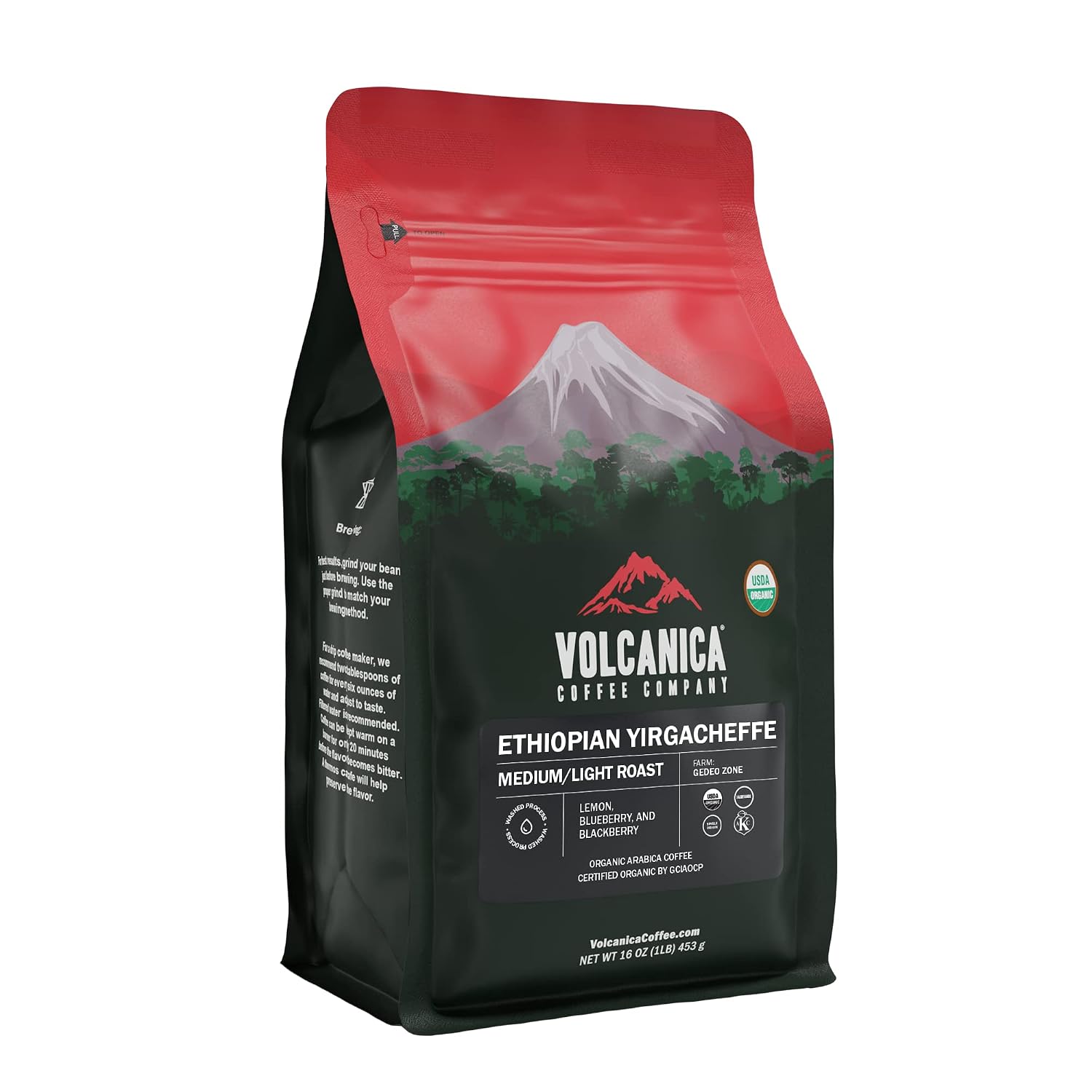
Price per ounce, availability in U.S. grocery stores or online, and storage windows are always discussed so you can find good value – not just the most expensive bag on the shelf. Guides often reference respected sources such as Coffee Review scores, roaster cupping notes, and community consensus when comparing brands like Stumptown Coffee Roasters to more accessible options like New England Coffee.
Bean comparisons are organized under /comparisons/coffee/ and grouped by style: grocery-store staples vs specialty roasters, espresso beans vs filter, cold brew beans vs everyday drip, and flavored vs unflavored.
Roast Level Comparisons: Light vs Medium vs Dark
One of the most common coffee comparisons readers search for is the difference between roast levels. Whether you reach for a light roast, a medium roast, or a dark roast, that single variable changes perceived sweetness, bitterness, body, and how much of the bean’s origin character you actually taste in the cup. Roast level can mask or enhance regional flavor characteristics in coffee, which is why it deserves its own dedicated set of guides.
How roast levels compare side by side:
Factor | Light Roast | Medium Roast | Dark Roast |
|---|---|---|---|
Flavor | Bright, floral, fruity | Balanced, chocolate, nutty | Smoky, bold, bittersweet |
Acidity | High | Moderate | Low |
Body | Thinner | Medium | Full |
Origin character | Prominent | Partially visible | Often masked |
Ideal brew methods | Pour-over, drip | Drip, cold brew, all-rounder | Espresso, moka pot, milk drinks |
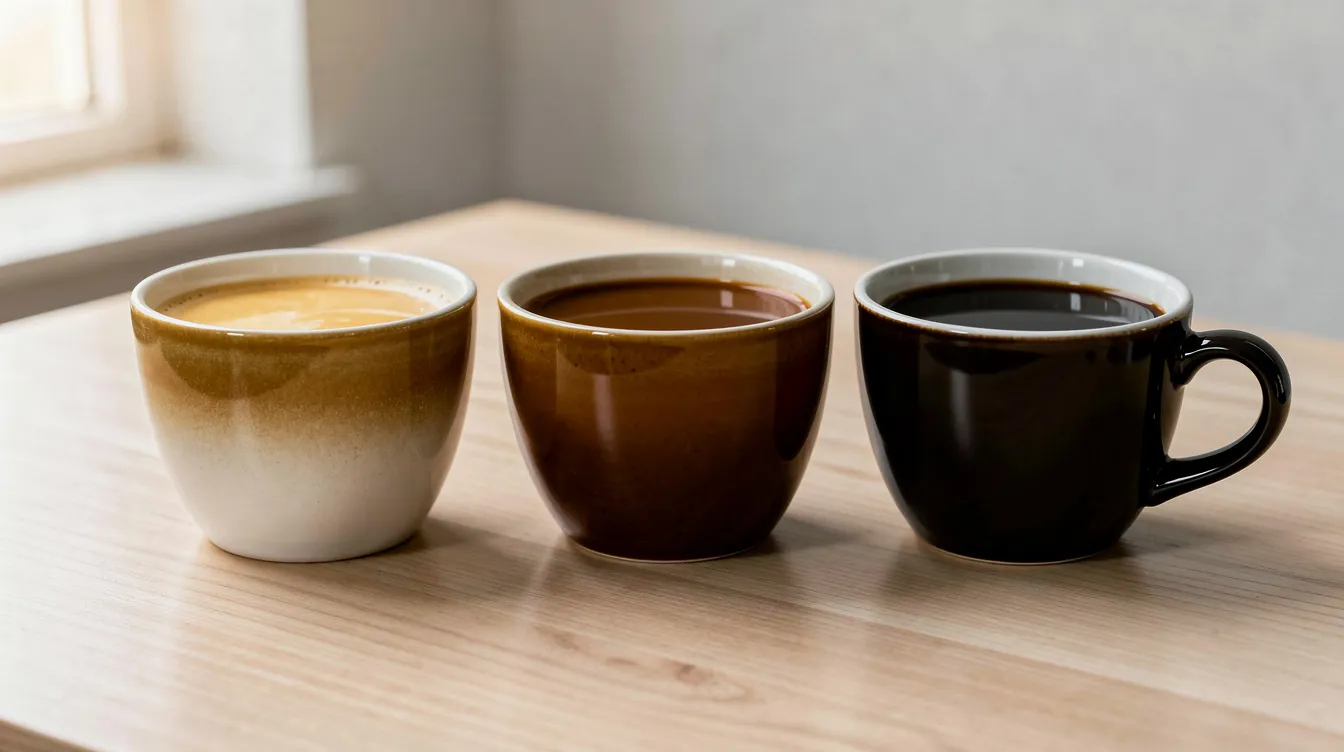
Medium roasts balance bright fruity notes and rich chocolate depth, making them a reliable choice for households where multiple people share the same bag. Light roast can be revealing – exceptional coffees taste amazing, but weaker beans can come across as thin and sour. Dark roast masks origin character but rewards fans of intense, rich flavor, especially when paired with milk or sugar.
A practical example: compare a light Ethiopian single origin (floral, berry, citrus) to a medium house blend (chocolate, caramel sweetness) to a dark French roast (smoky, heavy body). Brew all three in a standard drip machine and the differences in your cup are dramatic, even before you adjust grind or water temperature.
Research from ACS Food Science & Technology confirms that as roast darkens, chlorogenic acids and trigonelline decrease significantly while Maillard reaction products and bitter compounds increase. Caffeine, contrary to popular belief, remains relatively stable across roast levels when measured by weight.
Light roast demands finer grind and hotter water to unlock its flavors. Dark roast is more forgiving – coarser grind, slightly lower temperature, shorter contact time.
For shared households, a medium roast often makes the best compromise. For the adventurous, alternating between light and dark across different brew methods is where coffee comparisons get genuinely fun.
Single Origin Coffees vs Blends
Many readers encounter “single origin coffees” on specialty bags and wonder how they differ from blends marketed as “house,” “breakfast,” or “donut shop” coffees.
Single origin means the beans come from one country, region, or even a single farm. Flavor tends to highlight unique terroir, varietal, and processing. Blends are intentional mixes of multiple origins designed for consistency, balance, or a flavor profile that no single source could achieve alone.
Here is who each style suits:
- Single origin – for drinkers who enjoy exploring distinct tasting notes. East African coffees are known for floral and fruity notes, while Asian coffees, such as from Sumatra, tend to have earthy and heavy profiles. Latin American coffee typically features milk chocolate and caramel notes.
- Blends – for drinkers who value consistency, versatility, and often lower price. A well balanced breakfast blend from a mainstream brand can deliver reliable chocolate and nut sweetness cup after cup, with lower acidity and more compatibility with milk.
Comparing a single origin Ethiopia Guji (floral, berry-forward) to a balanced breakfast blend (smooth, nutty, dark chocolate undertones) reveals big differences in acidity, sweetness, and how each behaves when you add milk. The single origin shines as black coffee in a pour-over; the blend holds up better in a large batch drip pot with cream.
Roast level interacts heavily with origin. A light Ethiopian will showcase berry and citrus; a dark Sumatran will lean into earthy, pipe-tobacco richness. Capitol City Coffee’s comparison guides help readers choose between them based on brewing method and budget, so your favorite roast and your preferred origin work together rather than fighting each other.
Grocery Coffee vs Specialty Roasters
The classic comparison: mass-market grocery brands versus specialty roasters selling freshly roasted coffee online or through local shops. The gap between these two worlds is real, but so are the legitimate reasons to stay on either side.
What separates them:
- Freshness – specialty roasters list a roast date and often ship within days of roasting. Grocery brands typically show only a “best by” date, which can mean the beans were roasted months ago.
- Format – specialty coffee usually ships as whole bean; grocery shelves lean heavily toward ground coffee and canned options.
- Flavor – specialty roasters source beans scoring 80 or above on the SCA cupping scale, aiming for complex, transparent flavor. Grocery brands optimize for mild, inoffensive consistency.
- Sourcing – Fair Trade, direct trade, and detailed origin transparency are far more common among specialty roasters.
Grocery-level pricing and flavor snapshots:
- Folger’s House Blend is $6.20 per pound – familiar, smooth, no surprises.
- Café Bustelo is priced at $6.38 per pound and is the cheapest option among many tested brands. It is known for its robust, motor oil-like flavor profile that works well in espresso-style brewing.
- Eight O’Clock Coffee costs $7.29 for 12 ounces and has pronounced cocoa flavor with nutty undertones.
- Trader Joe’s Wake-Up Blend costs $8.99 for 14 ounces, with tasting notes of strawberries, tart cherries, and hazelnuts – surprisingly complex for grocery-aisle pricing.
- New England Coffee is priced at $9.99 for 12 ounces. The New England Coffee Breakfast Blend reheats well and tastes good, a practical win for busy mornings.
- Maxwell House is widely considered the best flavor among canned coffees – a solid cup if convenience and cost are your top priorities.
Specialty roasters like Stumptown Coffee Roasters typically charge $14–$20+ per 12-ounce bag but deliver dramatically more flavor complexity and transparency.
The trade-off is straightforward: grocery coffee offers convenience and low cost; specialty roasters provide more nuanced flavor and ethical sourcing but require ordering ahead and usually a higher per-bag price. Capitol City Coffee’s comparison guides in /comparisons/coffee/ help you decide when upgrading to specialty roasters is worth the investment and when a good grocery option still makes sense – big office pots, tight budgets, or households with less-picky drinkers.
Whole Bean vs Pre-Ground vs Pods
Beyond choosing beans, home brewers must decide on format: whole bean, pre-ground, or capsule/pod systems. Each format changes freshness, flavor control, and daily workflow.
Factor | Whole Bean | Pre-Ground | Pods |
|---|---|---|---|
Freshness | Best – aromatics locked in until ground | Degrades faster after grinding | Sealed, but limited freshness window |
Grind flexibility | Full control for any method | Fixed grind, often a compromise | No control – designed for one machine |
Convenience | Requires a grinder | Ready to brew | Fastest, minimal cleanup |
Cost per cup | Lowest (when not wasted) | Moderate | Highest |
Waste/packaging | Minimal | Moderate | Highest (single-use capsules) |
Grind size should match brewing time to optimize flavor extraction. Whole bean lets you dial in the grind for espresso, drip, French press, or cold brew. Pre ground coffees lock you into one grind size, which may not be ideal for every brewer. The pre ground stuff works fine for households that brew drip only, but anyone switching between methods will hit a wall fast.
Pods deliver maximum convenience – pop one in, press a button, sip – but you sacrifice customization and pay a premium per cup. If you are considering a move from pre-ground or pods to whole bean, grinder comparisons under /comparisons/grinders/ and brewer guides under /comparisons/brewers/ can help you plan the transition for a noticeable quality jump.
Cold Brew vs Hot Brew Methods
Cold brew has moved from café novelty to mainstream staple, and that creates a natural comparison: which method fits which drinker, climate, and daily routine?
Cold brew coffee is steeped in cold water for 12 to 24 hours, producing a smooth, mellow concentrate with lower perceived acidity. Hot methods – drip, pour-over, French press – use heated water for shorter extraction times, with the finished coffee typically poured into a cup right after brewing or poured over ice for an iced preparation, yielding brighter acidity, more flavor clarity, and often more aromatic complexity.
Roast and origin matter here. Medium roast Latin American beans often shine in cold brew, contributing chocolate, caramel, and nut flavors that become velvety-smooth when steeped overnight. Light roast African coffees tend to be better appreciated in hot pour-over, where their floral and stone-fruit notes come through with clarity.
Research published in the Journal of Food Science found that roast degree and brew temperature interact to affect pH, acidity, browning compounds, and antioxidant capacity – confirming that bean choice and brew method are not independent decisions.
Workflow considerations:
- Cold brew demands advance planning (12–24 hours), larger batch sizes, fridge space, and cleaning large steeping vessels.
- Hot brew gives you a cup in minutes. Drip machines can be set on a timer for your morning coffee.
- Cost-wise, making cold brew at home saves significantly compared to buying daily café cold brews at $5+ each.
Brewer comparison guides under /comparisons/brewers/ cover specific cold brew makers alongside traditional drip and pour-over devices, so you can match your gear to your preferred style.
Manual Brewers vs Automatic Machines
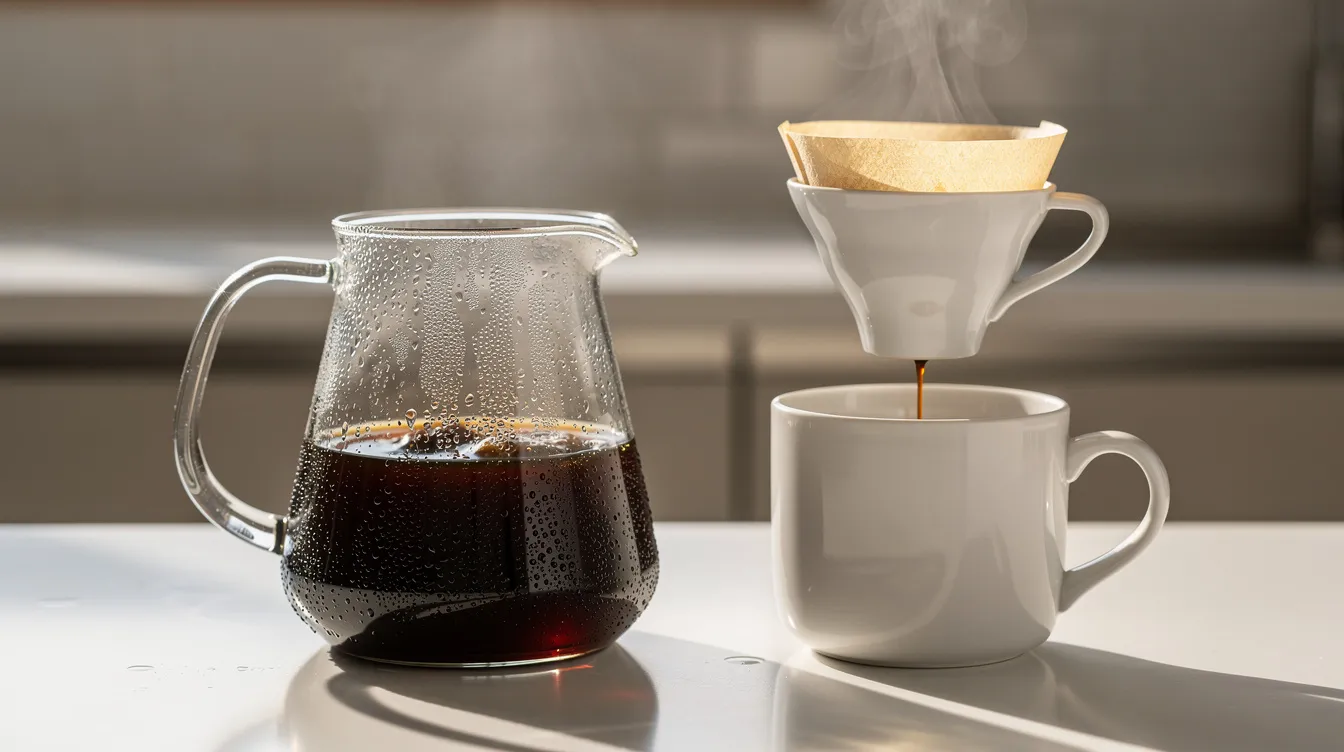
The contrast between hands-on manual brewers (pour-over drippers, French presses, AeroPress-style devices) and automatic drip machines or super-automatic espresso machines comes down to control versus convenience.
- Manual brewers give you flexibility to adjust grind, pour rate, water temperature, and contact time for each cup. They pair best with fresh whole bean coffee and a burr grinder. The learning curve is steeper, but the reward is a cup dialed in to your exact preferences.
- Automatic machines deliver consistency with minimal attention. Press a button, walk away, pour. They can be more forgiving of technique, but still benefit from quality beans.
Cleaning and maintenance differ sharply. A French press rinses clean in seconds. A super-automatic espresso machine requires regular descaling, group-head cleaning, grinder calibration, and milk system flushing.
Cost over time is another comparison worth making. A manual pour-over dripper might cost $30, but you will likely want a $150+ burr grinder alongside it. An automatic drip machine runs $50–$200 with no grinder required if you buy pre-ground. A prosumer espresso machine can range from $1,500 to $3,000 or more, plus the grinder investment. Factor in the daily savings versus café visits and every home setup – manual or automatic – pays for itself within months.
Deeper machine-level guides live under /comparisons/machines/, while brewer-level guides are organized under /comparisons/brewers/.
Espresso vs Drip vs Immersion (French Press, etc.)
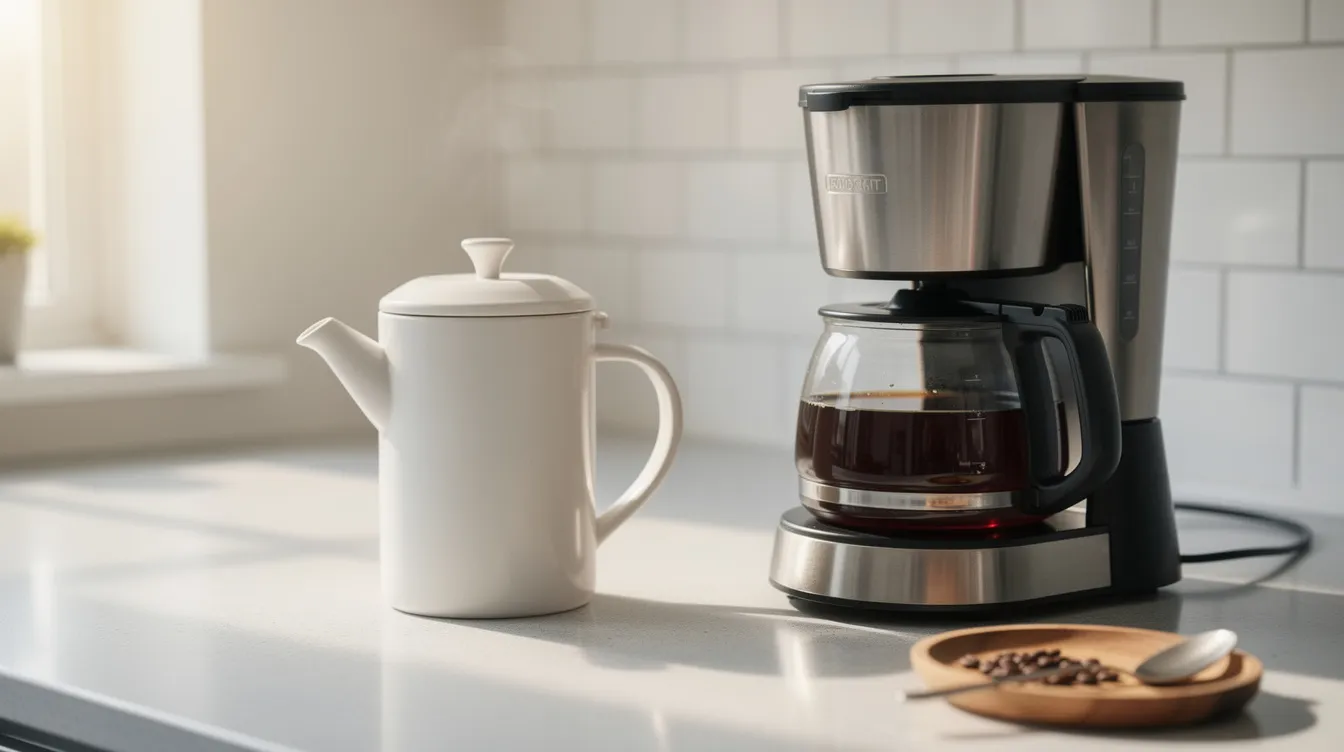
When someone is thinking about new coffee gear, they are usually deciding between three broad brew families: pressure-based espresso, percolation-based drip, and immersion methods.
How each method treats beans differently:
- Espresso is brewed using high-pressure extraction methods – typically around 9 bars of pressure through a fine grind for 20–30 seconds. The result is concentrated, intense, heavy-bodied. Moka pot brewing uses stovetop steam pressure to brew coffee in a similar family, producing a strong but slightly less pressurized extraction.
- Drip coffee is characterized by gravity filtration with medium-ground coffee. Water flows through the bed at a controlled rate for roughly 2–4 minutes. Pour over coffee involves manual gravity filtration over medium-fine grounds, offering more precision than automated drip. Both yield a cleaner, brighter cup that highlights origin and acidity.
- French press coffee uses full immersion steeping for about 4 minutes with a coarser grind. Body is fuller, oils and fine sediment pass through the metal mesh filter, and flavor tends toward rich and textured rather than crisp.
Taste and workflow at a glance:
Factor | Espresso | Drip / Pour-Over | French Press |
|---|---|---|---|
Body | Heavy, syrupy | Clean, medium | Full, oily |
Flavor clarity | Compressed, intense | High, origin-forward | Moderate, textured |
Gear cost | High ($400–$3,000+) | Low to moderate ($20–$200) | Low ($20–$60) |
Skill needed | High | Low to moderate | Low |
Cleanup | Moderate to high | Easy | Easy to moderate |
Darker roasts are often preferred for classic espresso, especially in milk drinks where bold roast character cuts through. Medium roast single origin coffees can excel in pour-over or immersion for nuanced, black-coffee drinking. Once you know which brew family appeals to you, brewer and machine comparisons under /comparisons/brewers/ and /comparisons/machines/ offer product-level guidance.
Price & Value: Budget vs Premium Coffee Setups
Many coffee comparisons are really budget questions in disguise: what is the smartest way to spend limited money for the biggest upgrade in the cup?
Bean price tiers in the U.S.:
- Budget grocery: Folger’s at $6.20/lb, Café Bustelo at $6.38/lb
- Mid-range grocery: Eight O’Clock Coffee costs $7.69 for a 12-ounce bag, Green Mountain Coffee costs $9.99 for a 12-ounce bag
- Mainstream premium: Starbucks House Blend costs $13.59 per pound
- Specialty roasters: typically $14–$20+ per 12-ounce bag for freshly roasted whole bean
Gear price bands:
- Entry-level drip brewer or manual brewer: $20–$60
- Mid-range burr grinder: $100–$300
- Entry espresso machine: $400–$1,000
- Prosumer espresso: $1,500–$3,000+
The single most impactful upgrade for most home brewers is not a fancier machine – it is moving from pre-ground grocery beans to fresh whole bean coffee paired with a decent burr grinder.
This combination often delivers a larger perceived improvement in overall quality than spending the same amount on a premium brewer without upgrading beans. Performance and workflow fit matter more than brand prestige.
Subscriptions can reduce per-bag cost for specialty beans and introduce variety, with comparisons grouped under /comparisons/subscriptions/. Recent supply-chain pressures – including weather disruptions and tariff changes – have pushed green coffee prices up, making value-focused comparisons more important than ever.
Browse Coffee Bean Comparison Guides
The /comparisons/coffee/ section organizes bean-focused guides so you can find exactly the comparison you need without scrolling through unrelated content.
Key comparison themes include:
- Dark roast vs medium roast buying guides – which beans hold up in espresso, which ones shine in drip, and which deliver the smoothest cold brew.
- Specialty roasters vs grocery aisle beans – objective breakdowns by price, flavor, and freshness.
- Single origin vs blend guides – for readers choosing between exploration and consistency.
- Notable roaster comparisons – guides comparing Stumptown Coffee Roasters against other coffees from specialty roasters by style and value.
Each guide features clear criteria: origin, roast profile, flavor notes, brew-method fit, Fair Trade or other certifications, and price per ounce. Guides identify who each option suits – milk-drink lovers, black-coffee drinkers seeking a good cup, or fans of rich, bold morning coffee.
Award-winning and highly rated roasters frequently appear in these guides. Coffee Bros. sources coffees scoring 86 to 90+ points. Independent US roasters regularly place in Good Food Awards and Coffee Review scores in the 86 to 90+ range. These accolades are cited as data points, not endorsements – the guides explain what each roaster does well and where trade-offs exist.
Coffee Review scores, roaster tasting notes, and other third-party assessments are integrated into these comparisons to provide benchmarks beyond subjective opinion.
Browse Coffee Grinder Comparison Guides
Grind consistency often matters as much as bean quality. A $300 grinder paired with good beans can outperform a $1,500 espresso machine fed by a blade grinder. That is why grinders have their own comparison section at /comparisons/grinders/.
Comparison types include:
- Entry-level burr grinders vs premium burr grinders
- Manual grinders vs electric
- Espresso-capable grinders vs brew-only models
Key criteria: grind range (espresso to cold brew coarseness), consistency, retention and waste, speed, noise, ease of cleaning, durability, and U.S. price and availability. Workflow matters too – how often you brew, whether you switch between methods, and how much counter or travel space you have all influence which grinder style fits.
All grinder comparisons are transparent about methodology: using manufacturer specs, lab tests from reputable third-party reviewers, and aggregated expert consensus rather than unverified performance claims.
Browse Brewer Comparison Guides
The /comparisons/brewers/ section compares specific brewing devices: pour-over drippers, French presses, immersion brewers, cold brew systems, and classic automatic drip machines.
Brewer comparisons focus on:
- Brew-method fit – what style of brewed coffee they make best
- Batch size – single cup vs multi-cup
- Ease of use and cleaning
- How forgiving each brewer is of imperfect grind or technique
Common guide types include pour-over drippers compared side by side, French press vs other immersion brewers, entry-level drip makers vs SCA-certified brewers, and home cold brew makers vs DIY methods.
These guides connect brewer choices back to bean recommendations. A beginner drip machine pairs well with medium roast whole bean coffees. A pour-over dripper showcases lighter single origin coffees with greater clarity. The goal is helping readers build coherent setups – beans plus grinder plus brewer – rather than buying isolated gear that does not match their taste or workflow.
Browse Espresso Machine & High-End Gear Comparison Guides
Espresso machines and premium gear deserve their own comparison category at /comparisons/machines/ because stakes – and prices – are higher.
Comparison themes include:
- Entry-level espresso machines vs mid-range prosumer models
- Manual lever vs semi-automatic vs super-automatic machines
- Integrated-grinder machines vs separate grinder setups
Key criteria: boiler design and temperature stability, pressure control, milk steaming performance, workflow (warm-up times, shot prep complexity), cleaning and maintenance demands, durability, and reliability reports from respected reviewers.
Capitol City Coffee relies on third-party testing data, lab measurements, and broad expert consensus when comparing machines, and avoids overclaiming performance without documented testing. Machine choices tie back to bean style and roast – a dark roast espresso blend behaves differently in a pressurized portafilter than a lighter single origin espresso – and to grinder comparisons when helping readers assemble balanced espresso setups.
Browse Coffee Subscription & Delivery Comparison Guides
Coffee subscriptions and recurring delivery services have grown rapidly, and they merit their own comparisons under /comparisons/subscriptions/. Fresh beans showing up on a schedule can simplify your routine while expanding your palate.
Subscription comparisons evaluate:
- Roast range – light to dark roast coverage
- Availability of single origin coffees and blends
- Customization options – frequency, grind, whole bean
- Price per shipment and shipping policies in the U.S.
- Transparency on sourcing and certifications like Fair Trade
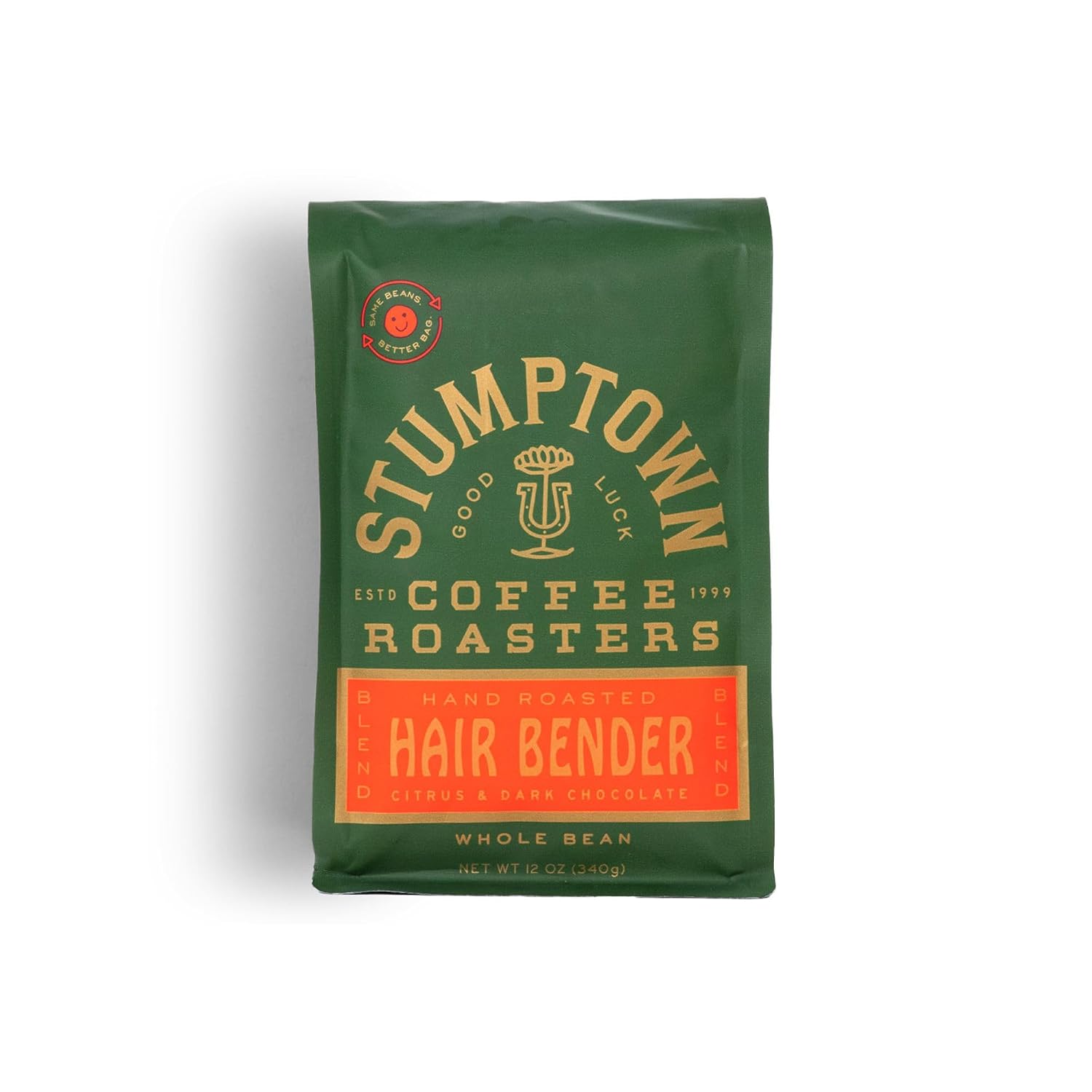
Comparison styles include single-roaster plans vs multi-roaster “coffee club” boxes, curated picks vs algorithm-based personalization, and subscriptions focused on specific regions. Stumptown Hair Bender, for instance, is the Amazon whole-bean bag already photographed on this site.
These guides detail who each subscription suits: adventurous tasters seeking new specialty roasters, budget-conscious drinkers wanting stable blends delivered, or offices needing bulk auto-ship. Subscriptions can complement local bean buying rather than fully replace it, and Capitol City Coffee’s editorial approach weighs value, variety, and quality over sign-up incentives.
Featured Buying Guides and Coffee Reviews
Beyond category-wide comparisons, Capitol City Coffee publishes focused buying guides and coffee review articles that dive into specific styles – “best medium roast whole bean for drip,” “dark roast options for cold brew,” or “standout single origin coffees by region.”
These are research-driven editorial pieces that synthesize roaster information, third-party expert reviews, Coffee Review scores where applicable, and clearly attributed community consensus. We do not claim hands-on tasting unless explicitly noted in a given guide.
Example guide types the site features:
- Medium roast comparisons for everyday drip – highlighting well balanced options with chocolate and caramel sweetness.
- Dark roast comparisons for espresso fans – focusing on body, dark chocolate notes, and milk compatibility.
- Cold brew-specific bean guides – pairing roast and origin to the smooth, low-acid cold brew style.
- Grocery aisle taste test roundups – such as comparing Trader Joe’s Wake-Up Blend (featuring strawberries, tart cherries, and hazelnuts), Seattle’s Best Coffee House Blend (with hints of caramel and citrus), and Bulletproof Coffee Original Medium Roast (well-balanced and complex, with notes of citrus, warm spices, and dark chocolate).
Each review balances pros and cons: flavor profile (acidity, sweetness, body, bitter aftertaste potential), roast level, freshness and shipping timelines, brew-method fit, and drawbacks like limited bag size options or polarizing flavors. Internal navigation guides readers toward the /reviews/ area for full-length articles, while this hub section shows how those reviews support broader comparisons.
How Capitol City Coffee Researches Recommendations
Capitol City Coffee operates as an independent editorial and affiliate publication, not as a coffee seller. Most recommendations are based on researched editorial analysis rather than in-house lab testing.
The research pipeline includes:
- Monitoring respected sources – Coffee Review, established coffee magazines, SCA resources, and peer-reviewed food science studies.
- Analyzing roaster documentation – origin details, roast profiles, processing techniques, certifications.
- Studying long-term user and expert feedback from reputable platforms and community forums.
Comparison guides are reviewed periodically: prices and availability are updated, new specialty roasters and seasonal coffees are rotated in, and recommendations are retired when quality or consistency appears to drop. All methodology descriptions avoid implying direct, hands-on tasting or equipment ownership by Capitol City Coffee unless specific testing notes exist.
Editorial independence is maintained by keeping affiliate revenue separate from rankings. Criteria are performance, value, ethical sourcing, and suitability for distinct types of coffee drinkers – not commission rates.
Frequently Asked Questions
These FAQs address common reader questions not fully covered above, especially around using coffee comparisons to make practical, real-world decisions.
How do I know which comparison guide to start with?
If you are new to exploring other coffees beyond your usual bag, start with the roast-level comparison – light vs medium vs dark – to understand how roast shapes flavor. From there, look at brew-method comparisons (espresso vs drip vs cold brew) to figure out which style you enjoy most. Once you know your taste and workflow, move to /comparisons/coffee/ for specific bean choices and /comparisons/grinders/ or /comparisons/brewers/ for gear that matches. Starting with beans and method, not machines, saves you from buying expensive equipment that does not fit how you actually like your first sip of morning coffee.
How much should I spend on coffee beans compared with gear?
A balanced approach usually works best. Moving from pre-ground grocery beans to fresh whole bean specialty coffee and a basic burr grinder in the $100–$150 range often produces a bigger quality jump than immediately investing in a premium espresso machine. At the bean level, spending $12–$18 per 12-ounce bag of specialty coffee instead of $6–$8 on grocery brands raises your cost by roughly $0.10–$0.15 per cup – a small price for exceptional coffees with real flavor depth. Think of the grinder and beans as the engine; the brewer is the chassis. Upgrade the engine first.
Can I still use these comparisons if I prefer pre-ground coffee?
Yes. Many comparison guides include high-quality pre ground coffees in /comparisons/coffee/, and brewer guides in /comparisons/brewers/ and /comparisons/machines/ highlight devices that are forgiving of pre-ground – standard drip machines, for example, work just fine. The guides also leave room for upgrading later if you decide to try whole bean, so your current workflow is respected, not dismissed.
How reliable are third-party scores like Coffee Review when comparing coffees?
Coffee Review and similar expert sources provide useful benchmarks, especially for single origin coffees and specialty roasters. Their scoring system evaluates aroma, acidity, body, flavor, and aftertaste on a 100-point scale, with 80+ considered specialty grade. But Capitol City Coffee encourages readers to treat scores as one data point alongside flavor notes, roast level, price, and personal brew method. A coffee rated 92 might taste bright and acidic in a way that does not suit someone who prefers a dark, smooth cup. Scores illuminate quality; personal preference determines fit.
How often should I revisit coffee comparisons before buying?
Check back when you change brew methods, upgrade your grinder or machine, notice your taste preferences shifting (say, moving from dark roast to medium roast), or when seasonal coffees appear from your favorite coffee farmers and family farms. Availability, pricing, and roast lots evolve throughout the year, and airplane coffee on a trip might remind you it is time to upgrade what you brew at home. Revisiting comparisons once a season keeps your setup aligned with what is fresh, fairly priced, and suited to your evolving palate. Your next solid cup of coffee starts with knowing what to compare – and this hub is designed to make that easy. Pick a category, start reading, and let the trade-offs guide you to a smarter purchase.