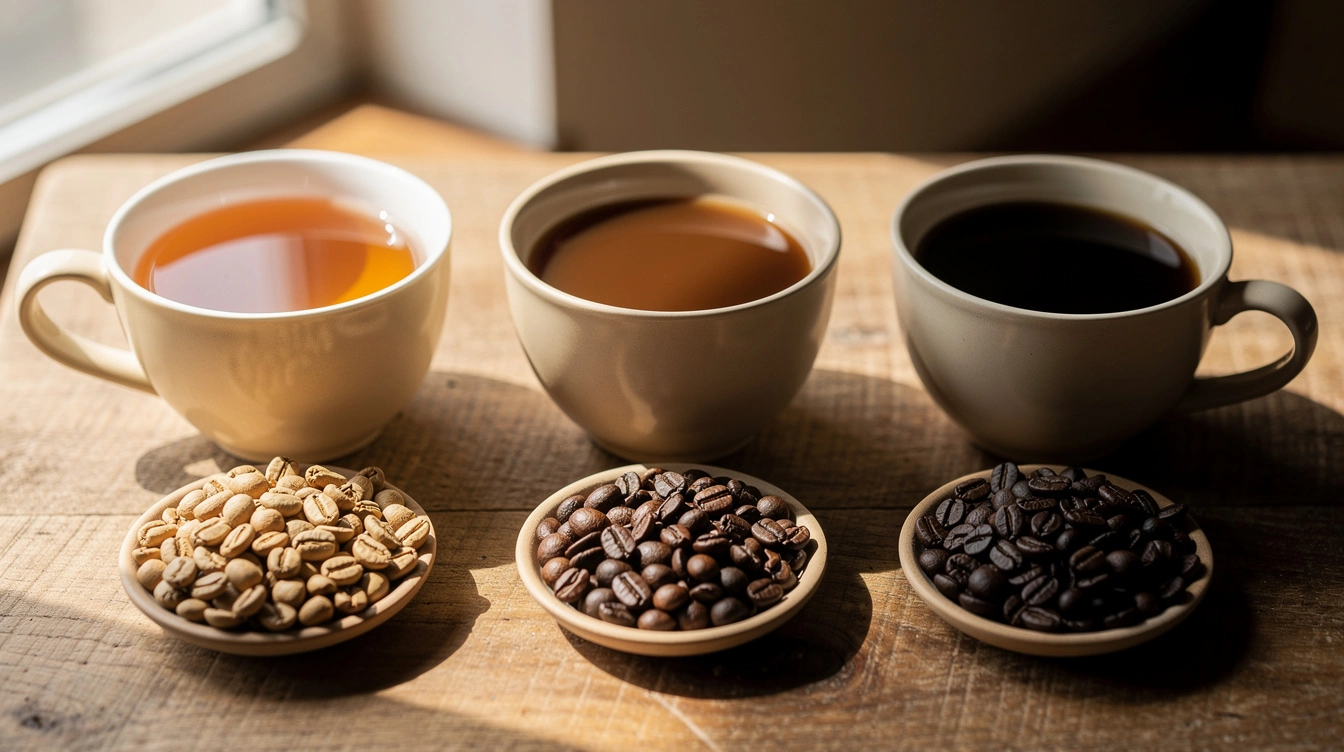
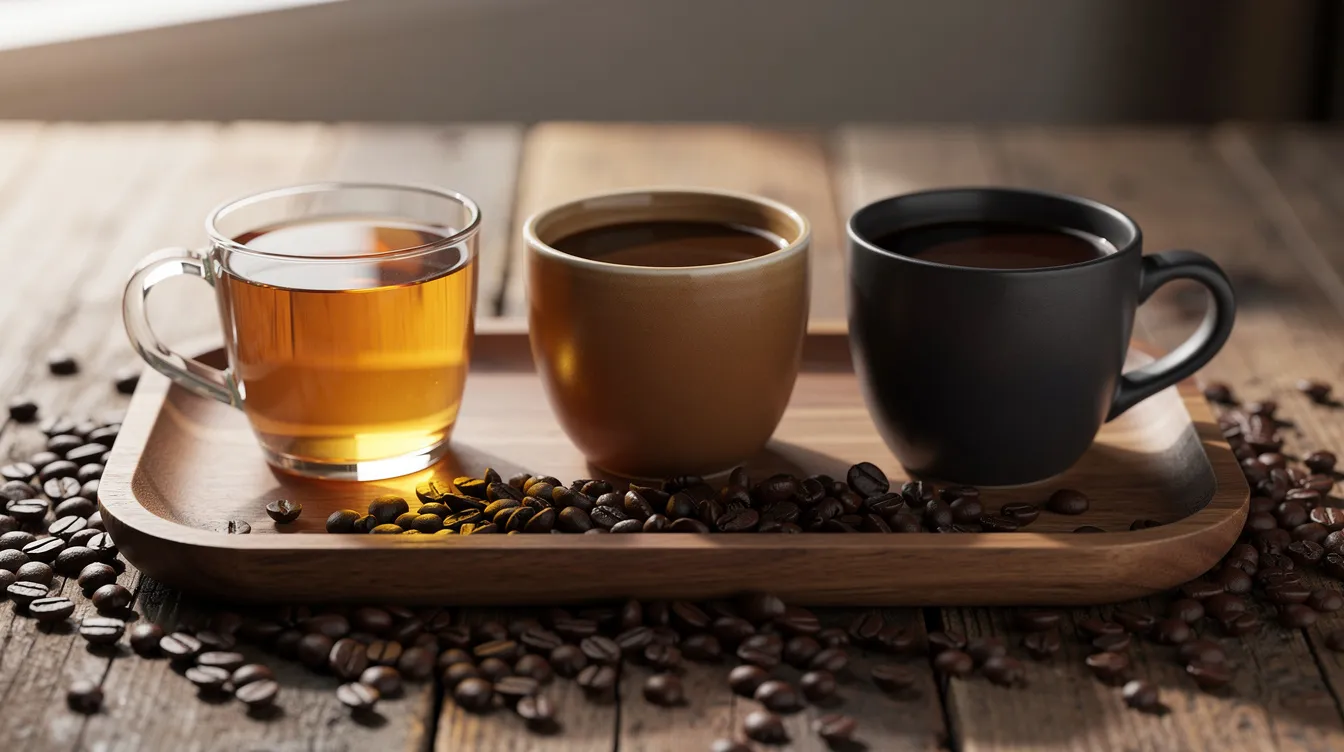
There is no single “best” roast. Light roast coffee highlights the bean’s natural character with bright acidity and fruity or floral notes. Medium roast coffee balances sweetness with moderate acidity and body, making it the most versatile pick for everyday brewing. Dark roast coffee maximizes boldness and low acidity with smoky, chocolatey depth. The real difference between them comes down to flavor profile, body, and perceived intensity rather than caffeine content, which stays surprisingly similar across all three roast levels by weight.
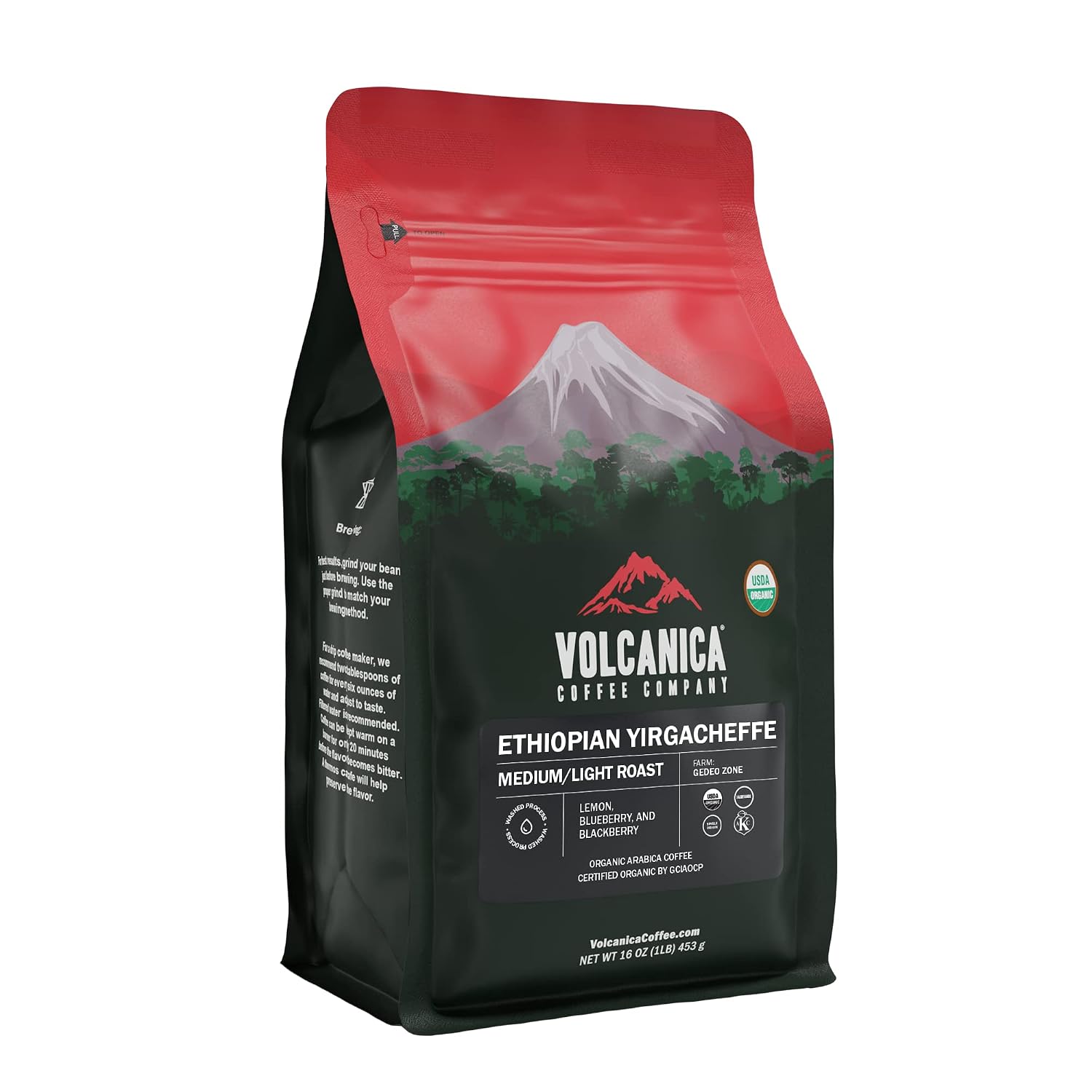
Best light roast pick
For this roundup, Volcanica Ethiopian Yirgacheffe is the light roast we recommend first—the same pick at the top of our At-a-glance cards below.
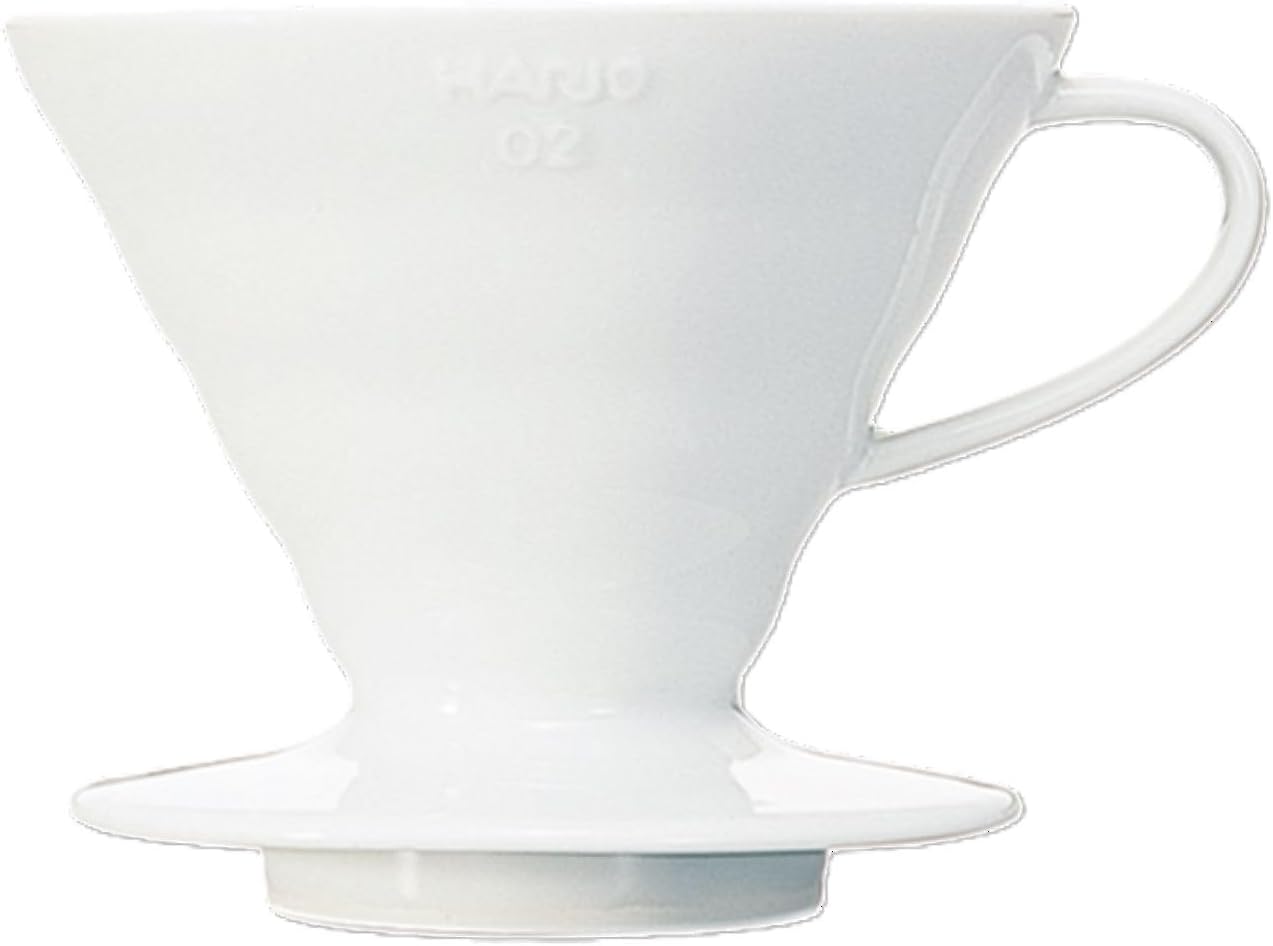
The origin or roast bag is the main pick. If that bag is waiting, a canister and a cheap V60 still help the beans you already have—without swapping in grocery beans that undercut the picks above.
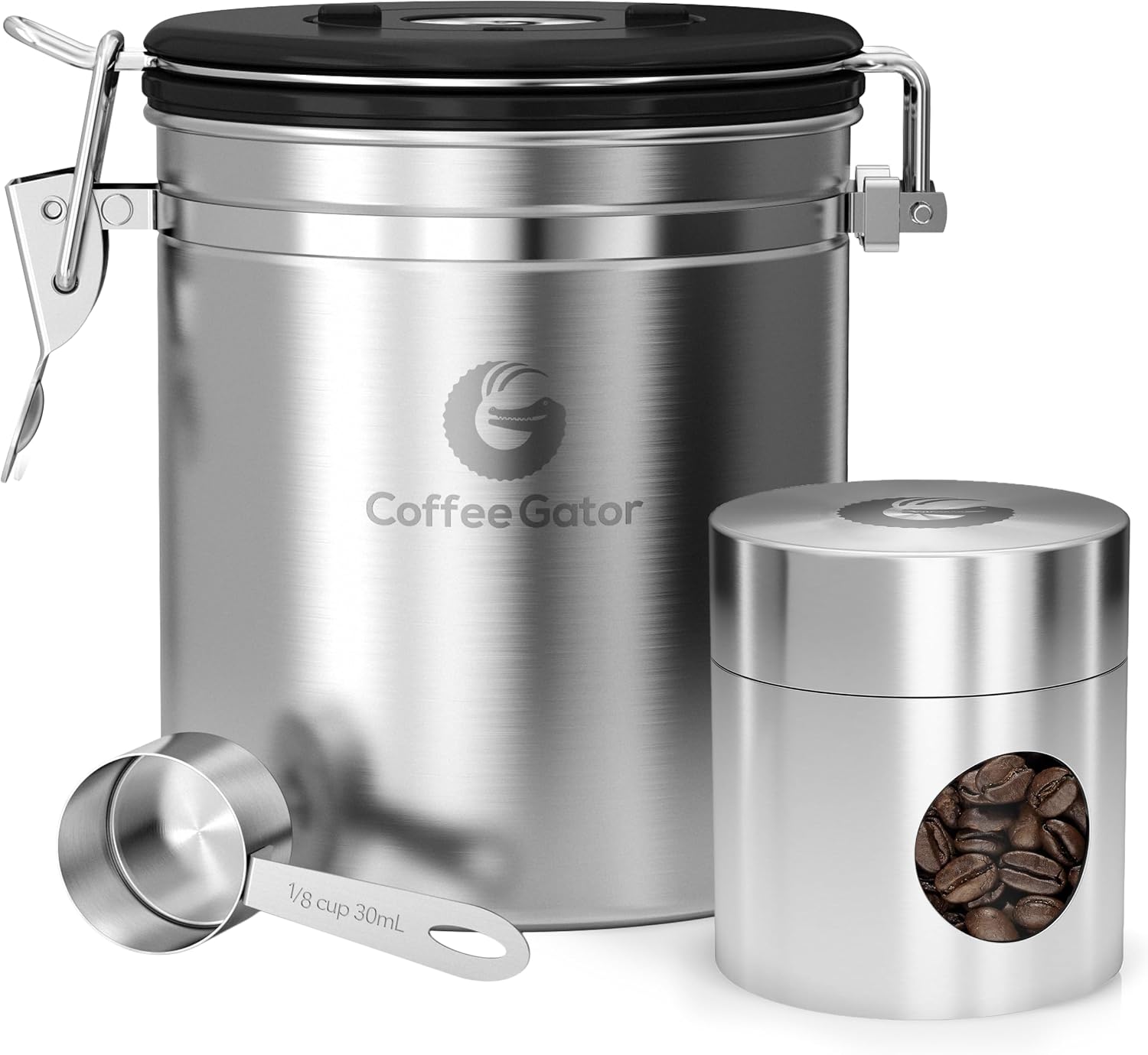
Storage (~$20–$35)
Coffee Gator canister
Keeps the roast bag fresh after you open it. Cheaper than waiting on another bag.
Light roast preserves origin nuance and complex flavors; medium roast delivers a balanced, crowd-pleasing cup; dark roast brings rich, bold taste with minimal acidity.
Caffeine content is nearly the same when measured by weight across light, medium, and dark roasts. The idea that dark roast is stronger in caffeine is mostly a myth.
Medium roast coffee is the safest starting point for U.S. home brewing, especially drip coffee, because it is forgiving and versatile.
Choosing a roast depends on personal taste and brewing method, not on a universal “better” or “worse” ranking.
This guide is researched editorial analysis from Capitol City Coffee, an independent coffee editor and affiliate publisher, not a roaster or seller. Links may earn affiliate commissions without affecting rankings.
Scroll ahead for the key differences table, best use cases by roast, cost and value comparisons, and FAQs if you prefer to skim rather than read the full coffee journey.
Quick Verdict: Which Roast Level Fits Most People?
For most U.S. home brewers using automatic drip coffee makers, a quality medium roast coffee is the safest, most forgiving starting point for daily drinking. It works across nearly every brewing method and pleases the widest range of palates.
Lean light roast if you love bright, fruity flavor, own a good grinder, and brew with a pour-over or high-end drip machine.
Choose medium roast if you want balanced flavor, flexible brewing, and an easy daily driver that works in drip coffee, French press, or cold brew.
Prefer dark roast if you like bold, low-acid cups, frequently add milk or cream, or mainly make espresso and cold brew.
Is dark roast stronger? Dark roast coffee tastes stronger and more bitter, but it usually does not have dramatically more caffeine than light or medium roast by weight. Later sections cover performance, flavor profile, brewing methods, and value so you can match roast level to your budget, gear, and taste.
Affiliate & Independence Disclosure
Capitol City Coffee is an independent coffee editorial and comparison site, not a coffee roaster or retailer. Some recommended beans and gear link to affiliates, which may earn a small commission; commissions do not determine rankings or recommendations. All recommendations below are researched editorial analysis based on third-party expert consensus and verified product facts, not hands-on tasting.
How Coffee Roasting Changes Flavor, Body & Caffeine
The roasting process alters the chemical composition and flavor profile of coffee beans, transforming green, grassy seeds into the aromatic brown beans you grind each morning. Roast level, the degree to which beans are developed inside the roaster, largely defines what ends up in your finished cup.
Here is what happens along the spectrum:
Sweetness peaks in the medium range as sugars caramelize via the Maillard reaction and caramelization, then declines in darker roasts as those sugars break down further.
Acidity is highest in light roasts, where citric, malic, and chlorogenic acids remain largely intact. As internal temperature climbs, key acids degrade and perceived acidity drops.
Bitterness increases with roast level. Pyrolysis reactions at higher temperatures produce smoky, bitter, sometimes ashy compounds that dominate dark roast flavor.
Body thickens from light to dark as more soluble material, oils, and caramelized sugars dissolve into the brew.
Aroma shifts from floral and fruity (light) to caramel and toasted nuts (medium) to smoky and bittersweet chocolate (dark).
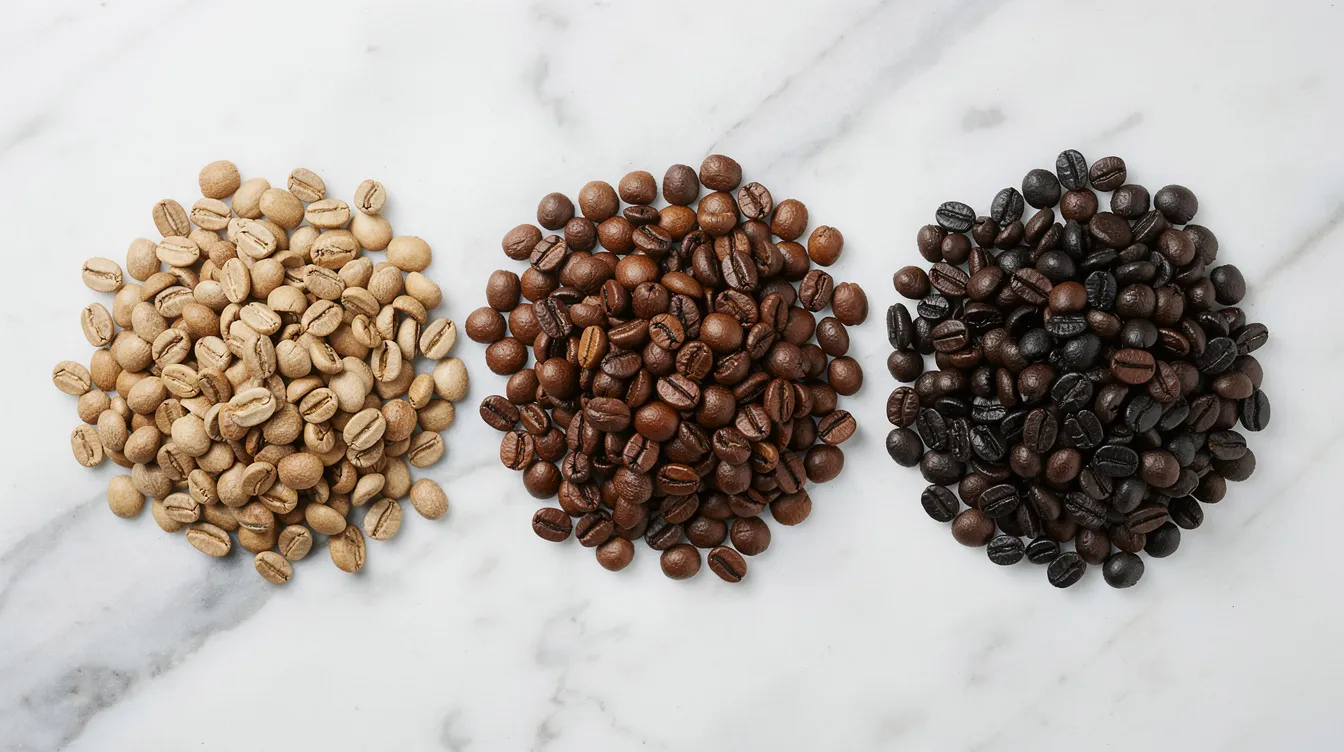
Appearance moves from matte, pale brown beans with no surface oil (light) to glossy, nearly black beans coated in oil (dark).
Light roast coffee is roasted at 385–410°F, ending shortly after first crack. Medium roast coffee is roasted at 410–430°F, developing into the “City” or “Full City” range. Dark roast coffee is roasted at 430–450°F, approaching or passing second crack with a longer roasting time.
On caffeine: Light roast and medium roast coffees have very similar caffeine by weight. Dark roast beans are slightly less dense, so per scoop they may deliver a bit less caffeine even though the taste is bolder. A clinical study measuring 300 mL servings found caffeine intake of roughly 217–238 mg across light, medium, and dark roasts with no significant difference.
Light roasts highlight the original flavors of the coffee bean more than darker roasts because less roast development means more of the coffee’s origin character survives. Medium roast retains more of the bean’s original flavors while adding roast sweetness. Dark roast emphasizes roaster influence over origin character.
Key Differences Table: Light vs Medium vs Dark Roast
Use this table for a quick scan of performance, flavor, usability, and ideal brewing method across the three main roast levels.
Attribute
Light Roast
Medium Roast
Dark Roast
Flavor profile
Citrus, berry, floral, honey
Caramel, milk chocolate, toasted nuts, soft fruit
Dark chocolate, molasses, smoky, bold
Acidity
High; bright acidity
Moderate; balanced
Low acidity; muted brightness
Bitterness
Low
Moderate
Pronounced
Body
Light, tea-like
Medium, rounded
Heavy, syrupy
Aroma
Fruity, floral
Sweet, nutty
Smoky, roasty
Bean appearance
Dry, matte, light brown
Medium brown, slight sheen
Dark brown to black, oily surface
Caffeine (by weight)
Slightly higher
Similar to light
Slightly lower
Caffeine (by scoop)
Higher (denser beans)
Moderate
Lower (less dense)
Brewing forgiveness
Low
High
High
Best brewing methods
Pour-over, AeroPress, quality drip
Drip coffee, French press, pour-over, moka pot
Espresso, cold brew, French press, drip
U.S. availability
Specialty roasters, online
Widely available
Widely available
Option A: Light Roast Coffee – Performance, Benefits, and Limitations
Light roast coffee features light brown, dry-surfaced beans roasted to roughly the end of first crack, preserving the bean’s natural character. Light roast coffee retains high acidity and distinct floral or fruity notes, making it the roast that most clearly reflects a coffee’s origin.
In the cup: Expect crisp, bright acidity, lighter body, and layered aromatics. Flavor notes include citrus, berry, stone fruit, floral, honey, and herbal tea qualities. Light roast coffee generally carries less overt bitterness and more “sparkle” than medium and dark roasts, and it showcases terroir and processing details, particularly in single-origin coffee beans from Ethiopia, Kenya, or Central America.
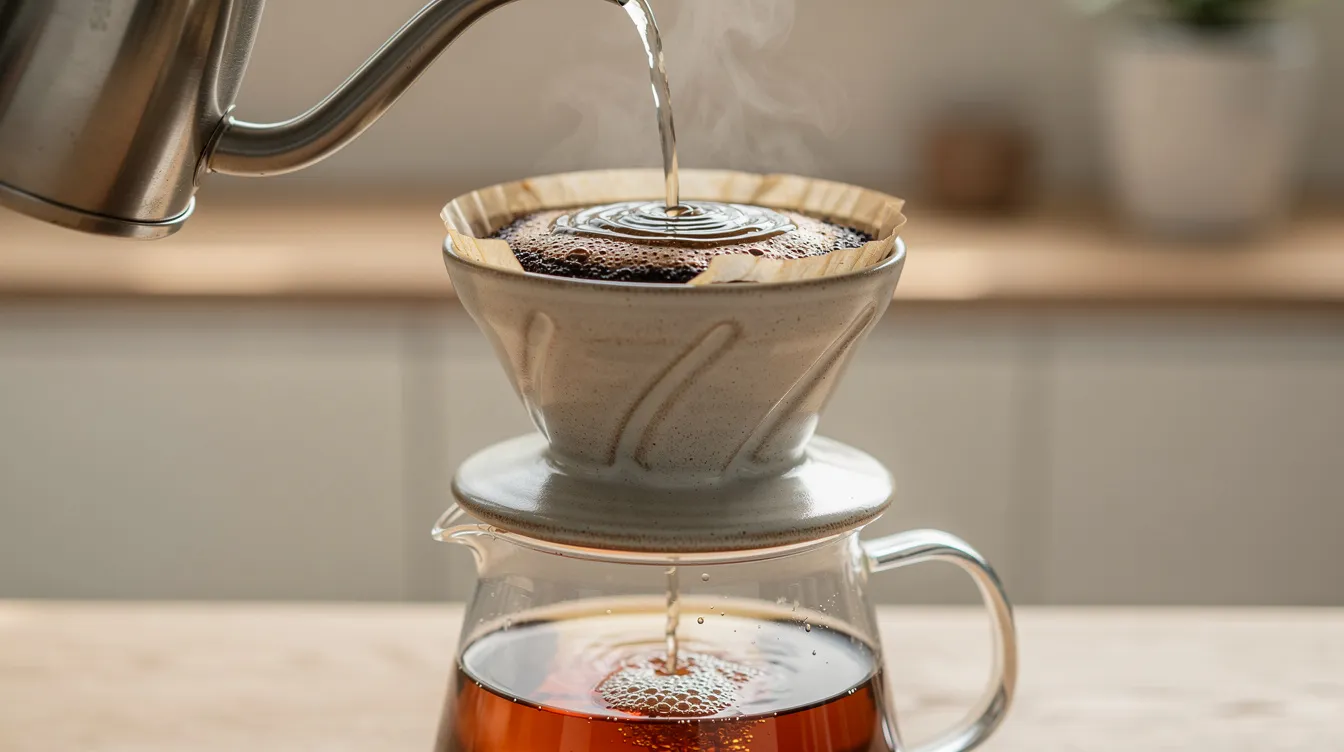
Best brewing methods: Pour-over devices (V60, Chemex), AeroPress, and quality drip coffee makers that reach proper temperature (around 200–205°F). These methods let you control water temperature and grind size precisely, which light roast demands.
Usability: Light roast coffee is the least forgiving. It needs hotter water, often a finer grind, and consistent technique. In cheaper home drip machines that brew too cool, light roast can taste sour or thin rather than vibrant. Flavor variations become obvious with even small changes in brewing.
Caffeine: Light roast beans contain slightly more caffeine than dark roast beans by weight, but the practical difference per cup is minimal for most drinkers.
Trade-offs: More demanding brewing, less suited to heavy cream and sugar, and can feel too bright for those accustomed to diner-style dark roast coffee. Premium origin beans and careful roasting can also push prices higher.
Editorial suggestions: A washed Ethiopian light roast delivers floral, tea-like cups ideal for pour-over. A Central American light roast offers more approachable citrus and nutty notes for drip coffee drinkers easing into lighter roasts.
Option B: Medium Roast Coffee – Performance, Benefits, and Limitations
Medium roast coffee beans are roasted beyond first crack but usually before second crack. They appear milk-chocolate brown, dry or slightly sheened, and balance origin flavors with roast-derived sweetness and body.
Flavor profile: Medium roast coffee is often characterized by caramel and nutty notes, with milk chocolate, brown sugar, and softer fruit rounding things out. Medium roasts have balanced flavors with noticeable sweetness. Acidity is present but smoother than in light roasts, and bitterness stays moderate, offering a genuinely balanced cup.
Performance: Medium roast is well-suited to drip coffee machines, pour-over, French press, and moka pot. It is the most versatile of the coffee roasts for a single daily-driver bag. Medium roasts balance body, acidity, and sweetness in a way that works across brewing setups without requiring obsessive dialing-in.
Usability: More forgiving than light roast. Less likely to taste sour at slightly lower brewing temperatures, and relatively easy to work with on basic grinders and brewers. Medium roasts strike a sweet spot between complexity and convenience.
Caffeine: Caffeine content of medium roast vs dark roast is very similar by weight. Choice should be driven by flavor profile and brewing method rather than caffeine myths.
Trade-offs: Can feel less “exciting” than expressive light roasts and less intensely rich than dark roast coffee. For some enthusiasts, medium roasts sit in the middle rather than excelling at any extreme.
Best use cases: Everyday drinkers wanting crowd-pleasing coffee, office drip coffee, cold brew with balanced sweetness, and gift coffees for people whose preferences you do not fully know.
Editorial suggestions: A Latin American medium roast delivers classic chocolate and nut notes for drip and French press. A medium roast blend designed for automatic drip machines is a reliable daily cup that avoids both the sourness risk of light roasts and the bitterness of dark.
Medium roasts are also ideal for pour-over brewing methods when you want clarity without the demanding precision light roast requires.
Option C: Dark Roast Coffee – Performance, Benefits, and Limitations
Dark roast coffee features deeper brown to nearly black beans, often with a visible oily surface, roasted close to or past second crack to emphasize roast-derived flavors. Dark roast coffee is often perceived as bold and roasty with chocolatey notes, and it represents the opposite end of the spectrum from light roast.
Flavor profile: Dark roasts have low acidity and bold, smoky flavors. Expect heavy body, pronounced bitterness, and notes of dark chocolate, molasses, toasted nuts, baking spices, and sometimes an ashtray edge if taken too far. Dark roasts are bold with smoky and toasted flavors, and origin flavor is muted compared with light roast coffee. Dark roasts emphasize roast-derived flavors over origin characteristics.
Performance: Dark roast coffee extracts quickly and reliably, tastes consistent across brewing methods, and pairs especially well with milk, cream, and sugar without losing its character. Dark roasts have lower acidity compared to medium roasts, which many drinkers find easier on the palate.
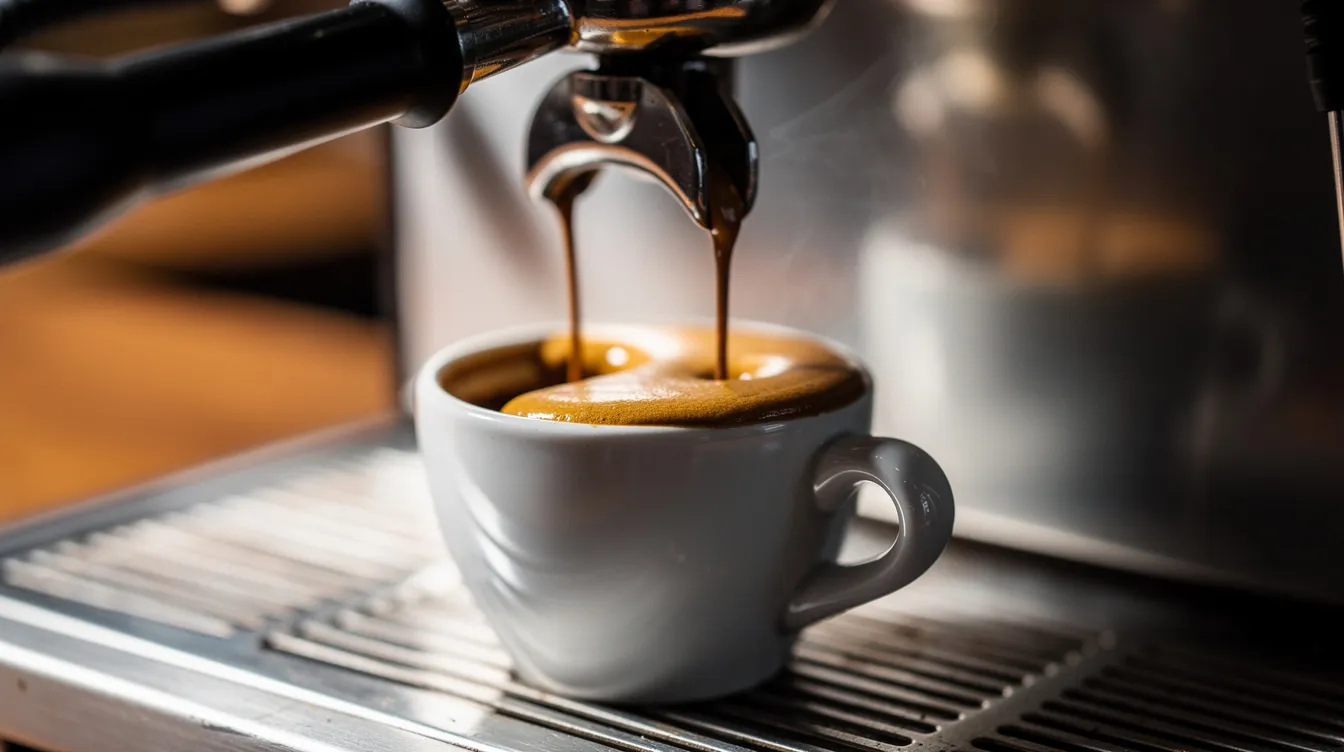
Best brewing methods: Espresso and espresso-style brews (including moka pot), French press, cold brew, and classic drip coffee for those who want a rich, diner-style cup.
Is dark roast stronger? Dark roast coffee tastes stronger and more intense, but in most lab analyses it has slightly less caffeine per gram than light roast coffee. Dark roasts are less dense, appearing less caffeinated by scoop. The bold taste and heavier body create a perception of strength that outpaces the actual caffeine difference.
Usability: Very forgiving in brewing. Dark roast tolerates cooler water and coarser grinds, making it a common choice for offices, batch brewers, and anyone who wants a consistent, bold cup with minimal fuss.
Trade-offs: A longer roasting time can hide lower-quality coffee beans. Very dark roasts may taste burnt or ashy, and oily dark roast beans can go stale faster and may not play well with some grinders and superautomatic espresso machines.
Editorial suggestions: A medium-dark roast delivers rich chocolate and caramel without excessive smokiness, ideal for French press and drip. A full dark roast coffee suits French roast or Italian-style espresso fans who want maximum intensity.
Winner by Use Case: Matching Roast Level to How You Brew
No single roast wins overall. The right roast depends on your brewing method, how you drink your coffee, and your sensitivity to acidity. Different brewing methods can enhance specific flavors associated with each roast level.
Drip coffee (typical U.S. home machine): Medium roast as the default for balance and forgiveness. Dark roast if you prefer rich, low-acid coffee. Light roast only if your machine reaches proper brew temperature.
Pour-over (V60, Kalita, Chemex): Light roast and medium roast for clarity and nuanced flavor. Dark roast works but highlights roast vs origin notes.
French press: Medium and medium-dark roasts for full body. Dark roast for a bold, classic cup. Light roast only for enthusiasts who enjoy bright, tea-like immersion brews.
Espresso and moka pot: Medium-dark to dark roast for syrupy, crema-rich shots. Medium roast for more complex, fruit-forward espresso if you are comfortable dialing in.
Cold brew and iced coffee: Dark roast for chocolatey, smooth, low-acid cold brew. Medium roast for sweeter, softer cold brew. Light roast for bright, sparkling iced coffee when brewed carefully.
Those who experience acid reflux may prefer medium to dark roast coffee, though medical advice should always come from a doctor.
Experimenting with side-by-side tastings of the same origin at different roast levels is one of the best ways to understand how coffee roasting changes your coffee journey over time.
Cost & Value: Price, Quality, and Availability
Roast level alone rarely sets price. Origin, processing, and quality grade usually drive cost more than whether the beans are light, medium, or dark.
U.S. availability: Supermarket shelves focus on medium and dark roast coffee, especially blends. Specialty roasters and online retailers offer wider light roast and single-origin options.
Perceived value: Dark roast can feel like more bang for your buck because it tastes stronger even at slightly lower doses. Light roast may carry a higher price due to premium origins and careful roasting.
Performance vs price: Cheaper dark roast beans may taste flat or burnt. Mid-priced medium roast coffees often deliver strong value for everyday drip coffee. Higher-end light roast coffees are best appreciated with good brewing gear and fresh grinding.
Whole bean vs ground: Whole-bean coffee at any roast usually offers better freshness and flavor performance over time. Grinding right before brewing preserves the complex flavors and aroma that staling degrades.
Capitol City Coffee’s role is to help readers turn budget and taste into smart choices through researched editorial analysis, not by promoting any one roaster.
Which Roast Should You Choose Overall?
Choose based on flavor preference, brewing method, tolerance for acidity, and how much hands-on control you want over brewing.
Love bright, fruity, complex coffee and are comfortable tweaking variables? Start with light roast coffee.
Want a smooth, balanced cup that works in most brewers and pleases diverse palates? Pick medium roast coffee.
Prefer rich, chocolatey, bold coffee, often add milk, or mainly make espresso and cold brew? Go with dark roast coffee.
Try at least two roast levels with the same brewing method to discover your own flavor profile preferences. This is an ongoing coffee journey, not a one-time decision.
Alternatives and Adjacent Choices
Beyond the simple light vs medium vs dark roast categories, intermediate styles like “medium-light,” “medium-dark,” “Full City,” “French roast,” and “Italian roast” fine-tune flavor between the main levels.
Blend vs single-origin: Blends (often medium to dark) aim for consistency. Single-origin coffees (often light to medium) highlight specific regions.
Low-acid blends: Often medium to dark roast, formulated for sensitive stomachs.
Decaf: Available at all three roast levels for those avoiding caffeine but wanting a similar flavor profile and body.
Our Roast-Level Coffee Picks
We matched one coffee to a light mood and one to a dark mood below. Tap the image or the coffee name. Research-rated, not yet brewed by our team.
Feeling bright: a light Ethiopian
Our pick:Volcanica Coffee Ethiopian Yirgacheffe, light roast, USDA Organic, whole bean. Shows the fruit and floral side of light roasting this comparison describes. Research-rated, not yet brewed by our team.
Feeling roast-forward: a dark Canadian bag
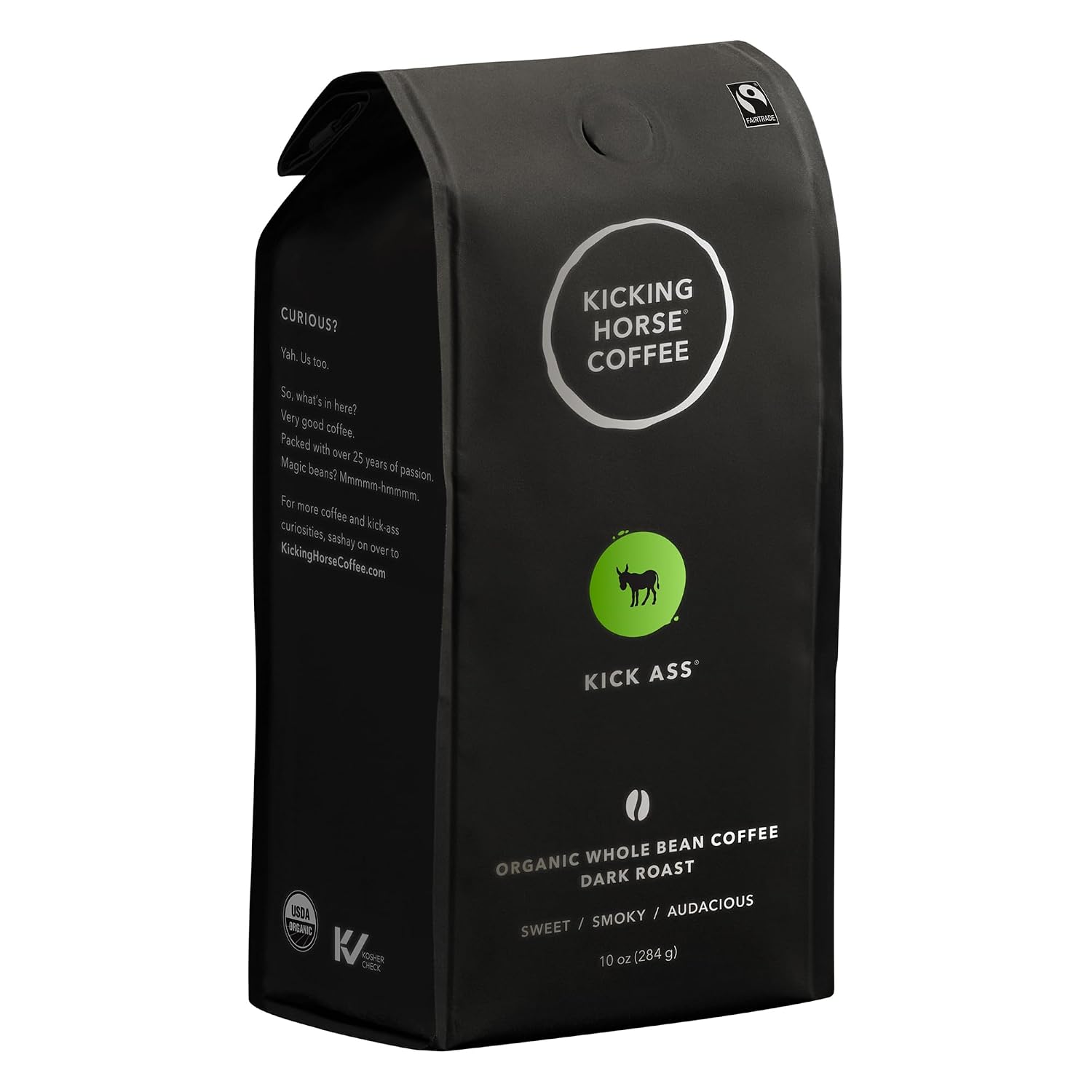
Our pick:Kicking Horse Kick Ass, dark roast, whole bean. A roast-forward cup for the dark-roast side of this comparison. Research-rated, not yet brewed by our team.
FAQs: Light vs Medium vs Dark Roast Coffee
These FAQs address common questions not fully covered above, focused on practical concerns about strength, health, and brewing.
Is dark roast coffee stronger than light or medium roast?
“Stronger” usually refers to flavor. Dark roast coffee tastes bolder, smokier, and more bitter. By caffeine content per gram, differences between light, medium, and dark roast beans are small. Light roast contains slightly more caffeine by weight, and dark roast is less dense by volume, so a scoop of dark roast may actually deliver less caffeine than the same scoop of light roast. Caffeine levels are nearly the same when measured by weight.
Which roast level is easiest on the stomach?
Many people find medium to dark roast coffee smoother and less sharp in perceived acidity, so these can feel gentler, especially as cold brew. True medical concerns about acid reflux or sensitivity should be discussed with a healthcare professional. No roast level is a guaranteed comfortable option for everyone.
What roast is best for beginners who don’t know what they like yet?
A well-reviewed medium roast is the best starting point because of its balanced flavor, compatible performance with drip coffee and French press, and broad appeal. Then sample one light roast and one dark roast to understand the ends of the spectrum and where your taste falls.
Do oily dark roast beans mean the coffee is bad?
Some surface oil on dark roast beans is normal because roasting pushes internal oils outward. Very shiny, greasy beans can go stale more quickly and may indicate a very dark roast that tastes smoky or burnt. Store dark roast coffee in an airtight, opaque container and buy in smaller amounts to preserve freshness.
Can I use the same grind size for light, medium, and dark roasts?
Grind size often needs adjustment. Dark roast coffee extracts faster due to its more porous structure and may need a slightly coarser grind to avoid over-extraction and bitterness. Light roast coffee benefits from a slightly finer grind and hotter water to avoid sour, under-extracted cups. Medium roast tends to work well with standard grind settings for drip coffee and pour-over, which is part of why it is so forgiving.
Continue Your Coffee Journey
Choosing between light, medium, and dark roast coffee is an ongoing exploration. Dialing in roast level plus brewing method is how you find your ideal flavor profile, and your preferences will likely shift over time as your palate develops.
A practical next step: pick one medium roast for daily drip coffee and one contrasting light or dark roast for weekend experiments. Brew them side by side, taste the difference in acidity, sweetness, and body, and let your own cup tell you which direction to explore next.
How Capitol City Coffee Rates Coffee and Coffee Machines
Every coffee and coffee machine we recommend is scored on the same 100-point scale, so a recommendation on one page means the same thing as a recommendation on any other. Each pick is also labeled with how we reached its score.
Research-ratedScored from the roaster or manufacturer’s published specifications, independent results such as Coffee Review blind cuppings and SCA brewer certification, and patterns across verified buyer reviews. Most of our current picks are research-rated.
Hands-on testedThe Capitol City Coffee team has brewed the coffee or used the machine ourselves, following the testing steps below. We only use this label when that testing actually happened, and we show the date we tested.
Coffee beans: 100-point scale
What we score
Points
What we look at
Origin and sourcing transparency
20
Country, region, farm or cooperative, altitude, bean variety, and processing method are clearly disclosed.
Flavor evidence
25
Independent cupping scores, how closely the tasting notes match what the origin is known for, and our own cupping notes when hands-on tested.
Roast and freshness
15
Roast level stated, roast-date practices, whole-bean availability, and packaging with a one-way valve or resealable bag.
Brew versatility
15
How well the roast suits pour-over, drip, French press, cold brew, and espresso.
Value
15
Price per ounce compared with similar single-origin coffees or blends.
Buyer feedback
10
Volume and consistency of verified reviews, and recurring complaints about staleness, bitterness, or shipping.
Coffee machines and gear: 100-point scale
What we score
Points
What we look at
Brewing performance
25
Water temperature in the 195–205°F range, even extraction, and SCA certification or published test data.
Build quality and reliability
20
Materials, known failure points, and long-term owner reports.
Ease of use and cleaning
15
Setup, the daily routine, descaling, and dishwasher-safe parts.
Fit for your kitchen
10
Capacity, counter footprint, and noise.
Useful features
10
Programming, grind and temperature control, and carafe type. Features that improve the cup count more than extras that do not.
Value
10
Price compared with machines that perform similarly.
Warranty and support
10
Warranty length, parts availability, and how the brand handles repairs.
What the grades mean
Score
Grade
What it means
90–100
A
Exceptional. Our first recommendation for the feeling and setting described.
80–89
B
Strong. Excellent, with minor trade-offs we explain.
70–79
C
Good. Worth it for specific needs, with clear compromises.
Below 70
—
Not recommended. We do not feature these as picks.
How we test hands-on
When a pick carries the Hands-on tested label, this is the method behind it, and we note the date we tested.
Coffee: brewed fresh from whole beans following Specialty Coffee Association guidelines (water between 195 and 205°F, about 1 gram of coffee to every 15 to 18 grams of water) in the brew methods the roast suits best, such as pour-over, French press, or espresso. We taste it black first, then with milk if that is how most people drink it, and each taster scores it on their own before we compare notes.
Machines: used in our everyday routine rather than a single demo. We brew both full and small batches, check the brewing temperature and brew time, and run the cleaning or descaling steps the manual calls for.
How we choose the feeling and setting
We match each coffee to a mood and a moment based on its flavor profile and roast. Bright, citrusy light roasts suit energizing mornings. Chocolatey, full-bodied medium roasts suit slow or social moments. Richer roasts suit espresso and milk drinks. Each pick explains which facts led us to that match.
Our scores stay independent
Every score comes only from the criteria above. No brand can pay for a pick or a higher grade. We re-check ratings when a roast, listing, or model changes, and update or remove picks that no longer earn their grade.
Some links on this page are affiliate links. As an Amazon Associate, Capitol City Coffee earns from qualifying purchases, at no extra cost to you.
Questions about a rating? Reach the Capitol City Coffee team through our contact page.