With NO Additional cost to you, as an Amazon Associate, I earn from qualifying purchases. This page contains affiliate links; we may earn a commission if you buy through them.
The best luxury coffee brands in 2026 combine rare beans, transparent sourcing, and careful roasting, not just a high price. Amazon luxury-style bags on this page include Stumptown Hair Bender and Volcanica Yirgacheffe. The best luxury coffee brands in 2026 combine high-scoring arabica beans, transparent sourcing, precise roast execution, and a cup experience that genuinely justifies the premium. Whether you want a daily drinker that outclasses supermarket options or an occasional splurge on a competition-level microlot, this researched editorial guide breaks down which brands deliver real value and which ones lean more on marketing than merit.
Below, you’ll find at-a-glance comparisons, detailed brand profiles with best-for labels, honest trade-offs, and practical advice on choosing, storing, and brewing luxury beans at home.
Best specialty luxury blend pick
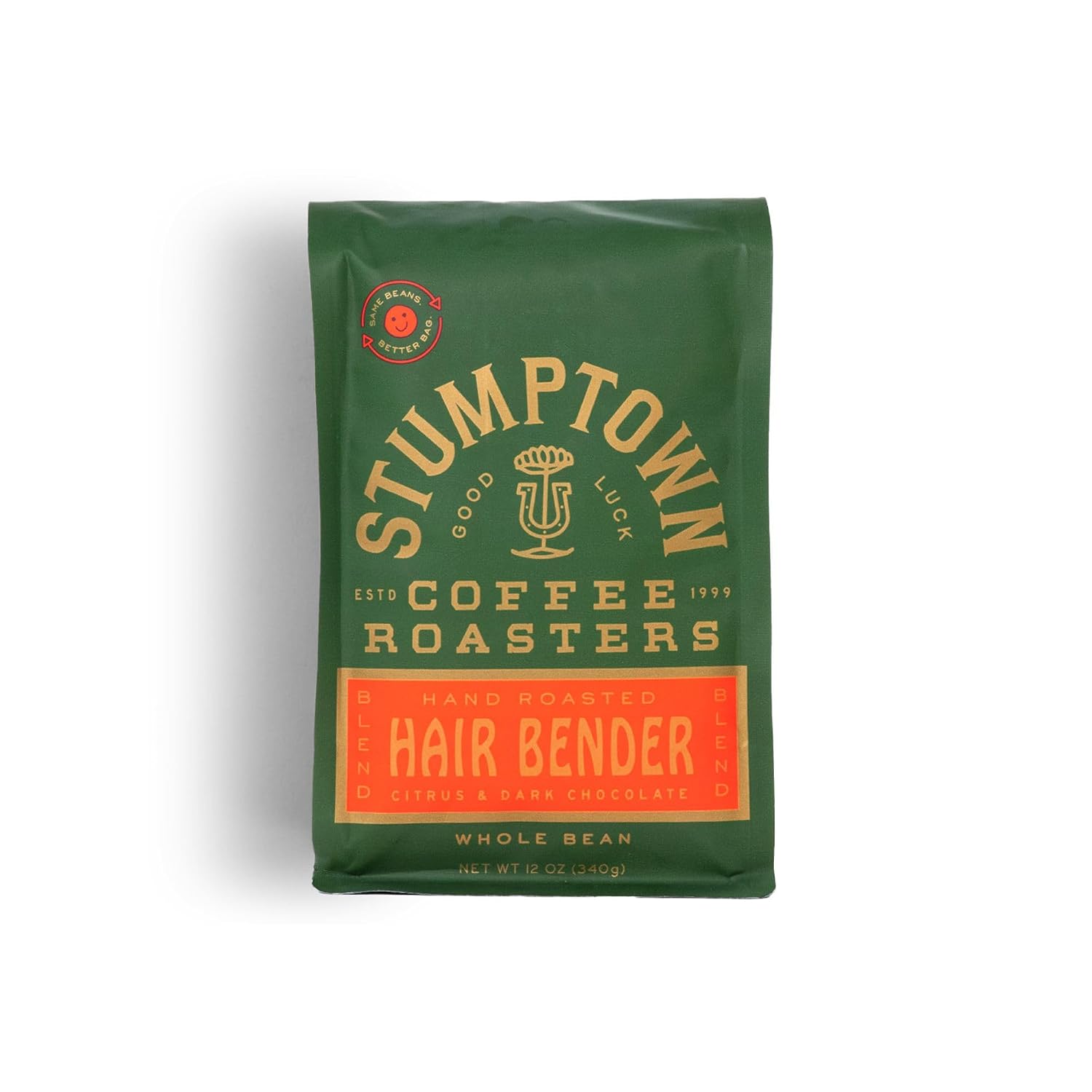
For this roundup, Stumptown Hair Bender is the specialty luxury blend we recommend first—the same pick at the top of our At-a-glance cards below.
Within the specialty coffee world, the best luxury coffee brands pair rare or high-scoring beans with transparent sourcing, careful roasting, and a memorable unboxing and brewing ritual.
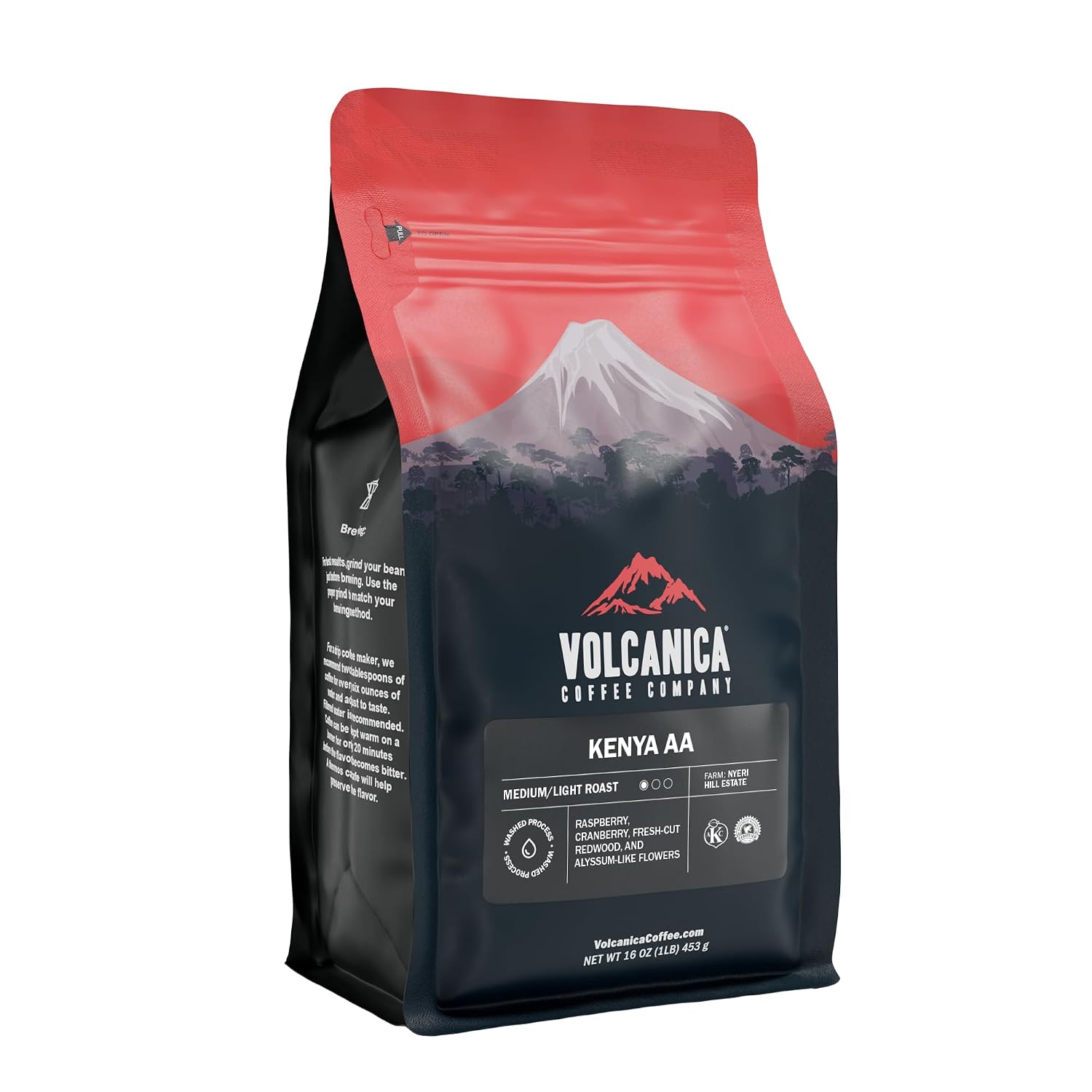
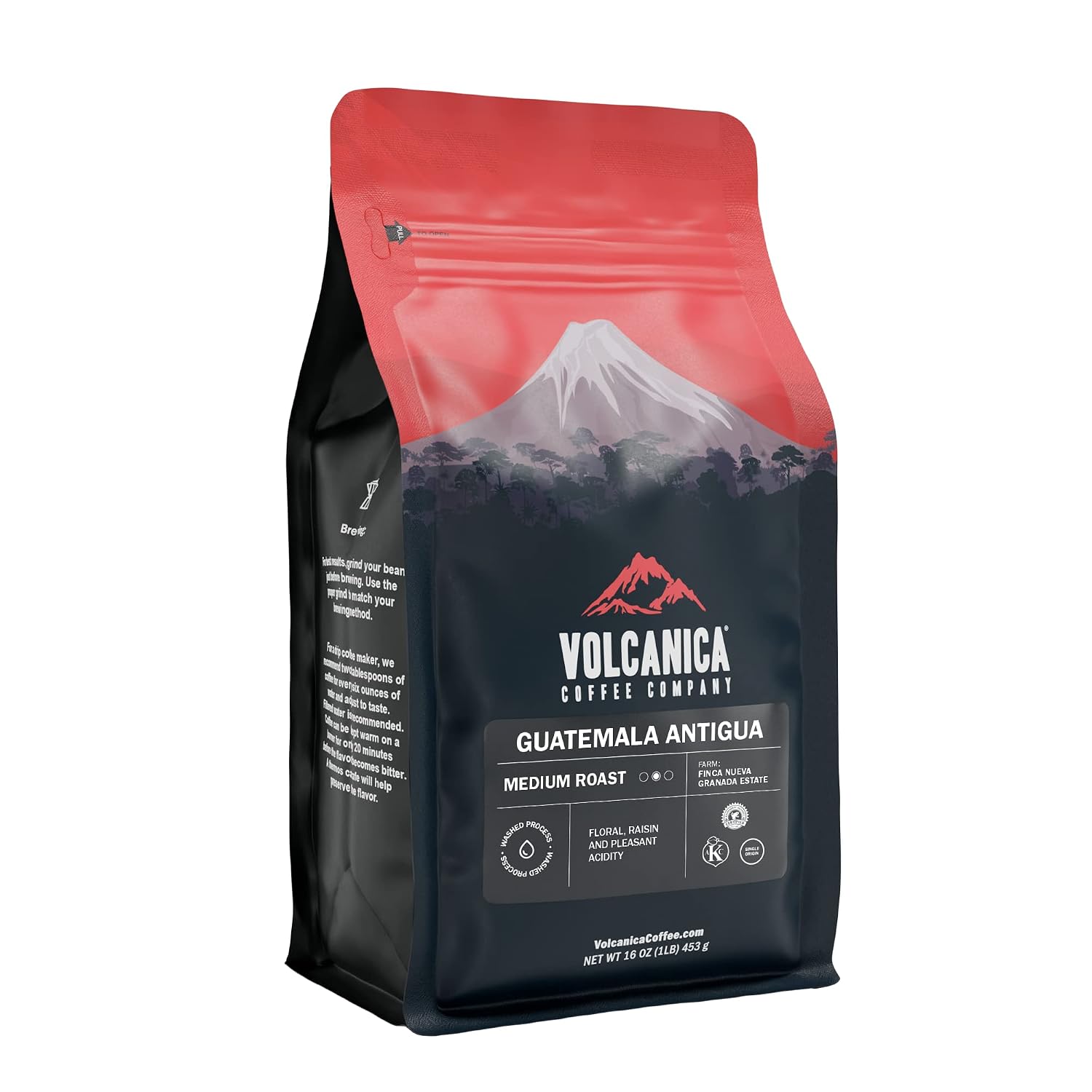
Amazon luxury-style bags on this page include Stumptown Hair Bender, Volcanica Yirgacheffe, Kenya AA, Guatemala Antigua, Coffee Bros Espresso Roast, Counter Culture Fast Forward, Lavazza Super Crema, and Volcanica Jamaica Blue Mountain. Amazon bags on this page are Hair Bender, Fast Forward, Super Crema, Coffee Bros, and Volcanica Jamaica Blue Mountain. D2C names are not buy buttons here.
Luxury doesn’t always mean ultra-dark roasts or gimmicky rarity; many of the best coffee brands today lean toward light roast, traceable single origin coffees with fruit, floral, or layered chocolate profiles.
Choosing the right luxury coffee means matching roast level, brew method, and price to your habits-whether you want a daily drinker or an occasional splurge, there are researched editorial recommendations here for each use case.
Buying fresh, whole bean coffee directly from specialty roasters or reputable multi-roaster marketplaces-and storing and brewing it correctly-matters as much as the brand name on the bag.
Quick Answer: What Are the Best Luxury Coffee Brands in 2026?
Based on researched editorial analysis of expert reviews, competition results, cupping scores, transparency reports, and aggregated customer feedback, these are the standout luxury coffee brands for US buyers right now. These picks were not selected through hands-on tasting by this publication; they reflect verified product facts and third-party consensus from reputable sources across the coffee industry.
Here are the top luxury coffee brands for 2026, each with a specific strength:
Stumptown Hair Bender – Best Amazon specialty luxury blend (hero and glance pick, matching product photo)
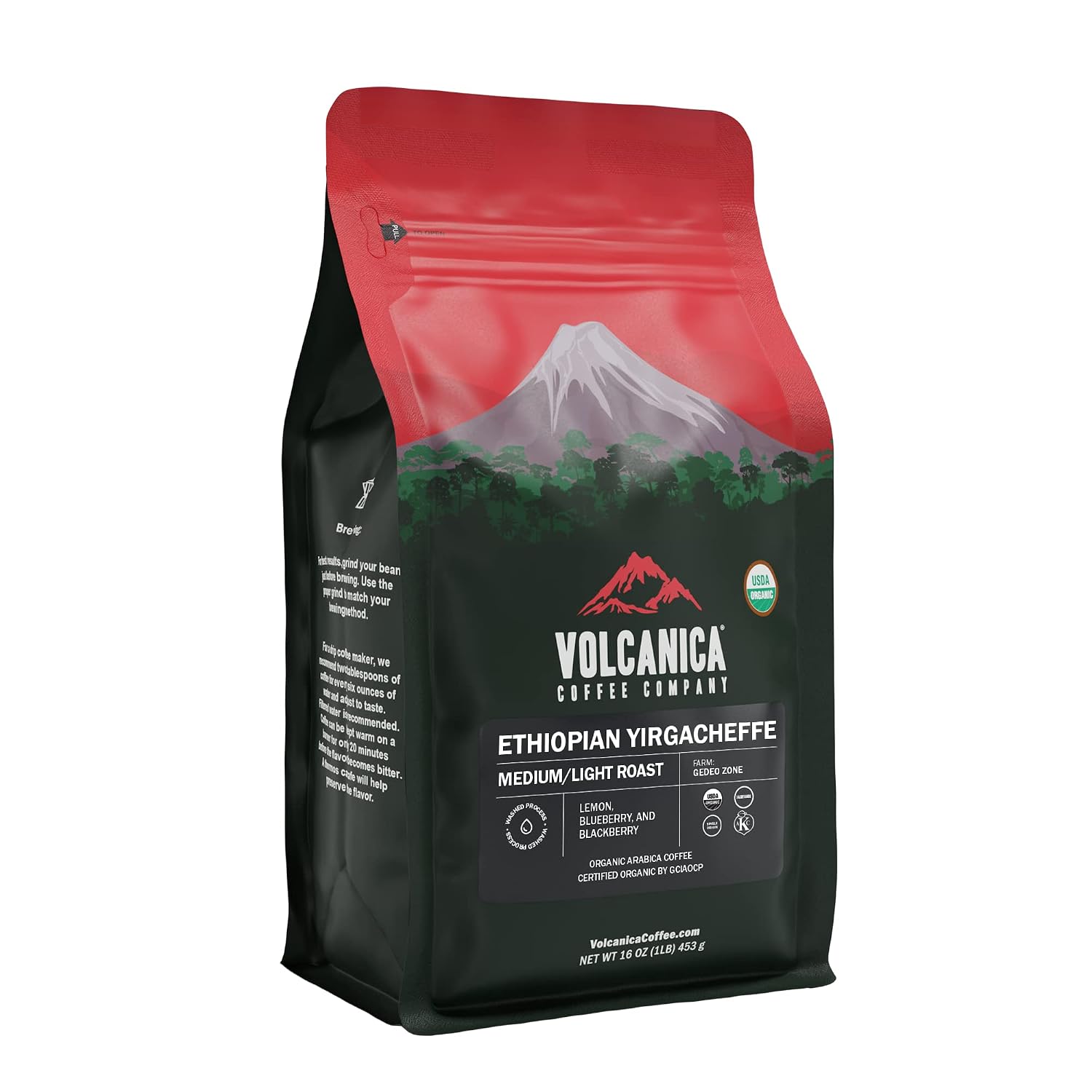
Volcanica Yirgacheffe – Best luxury-style floral origin bag on this page
Volcanica Kenya AA – Best high-grown berry-forward origin bag
Volcanica Guatemala Antigua – Best estate-style daily drinker on Amazon
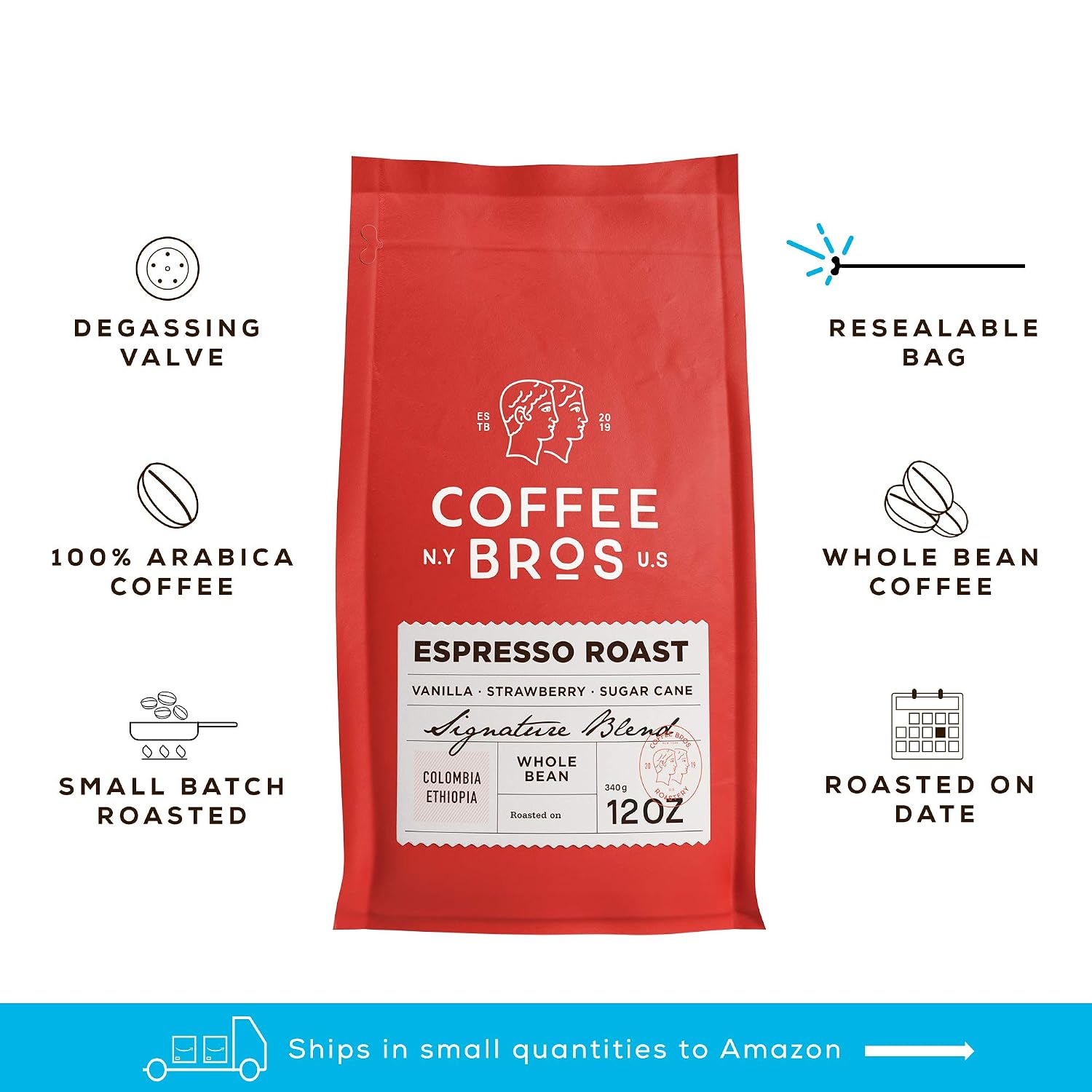
Coffee Bros Espresso Roast – Best value Amazon espresso bag with a matching photo
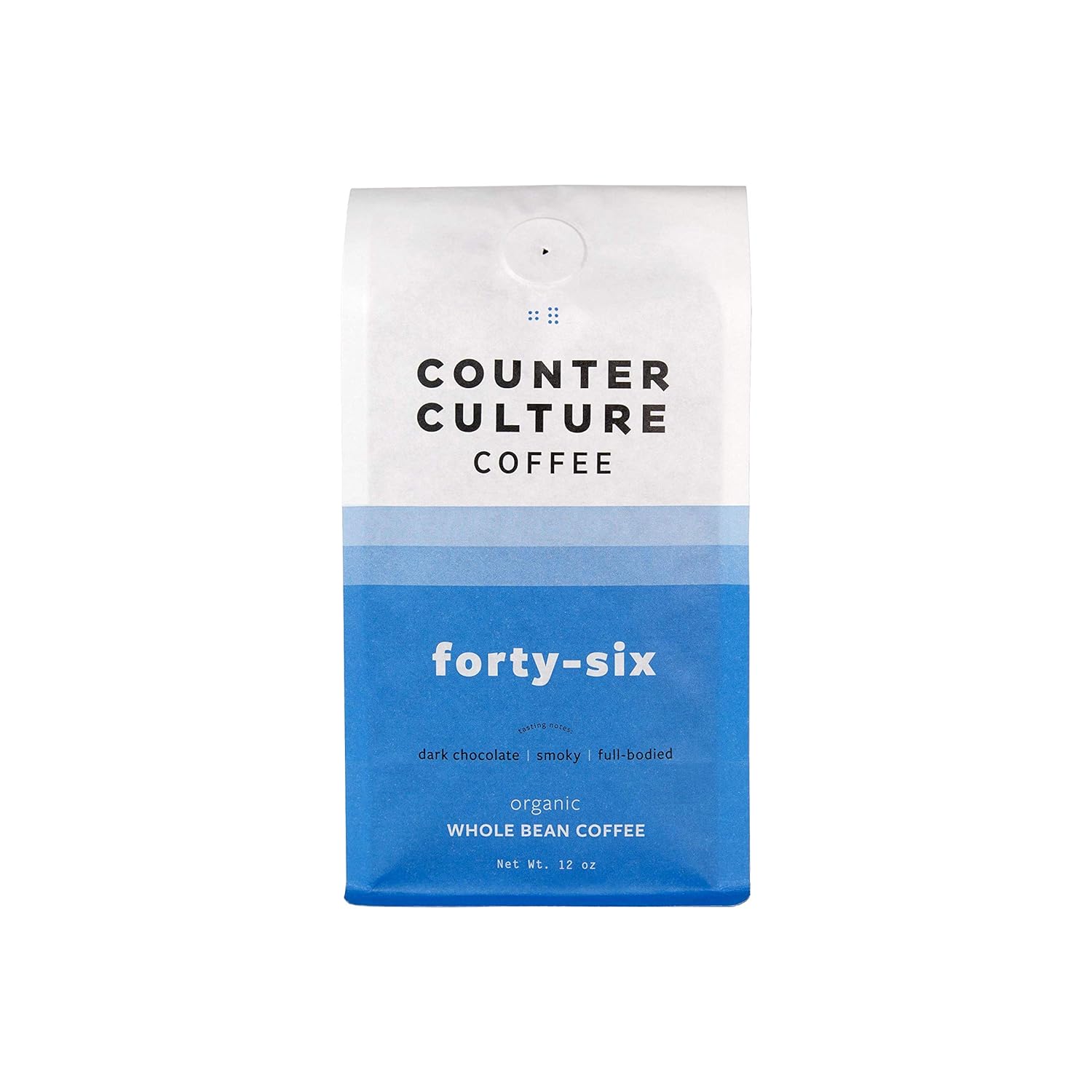
Counter Culture Fast Forward – Best Counter Culture bag we can show with a matching photo
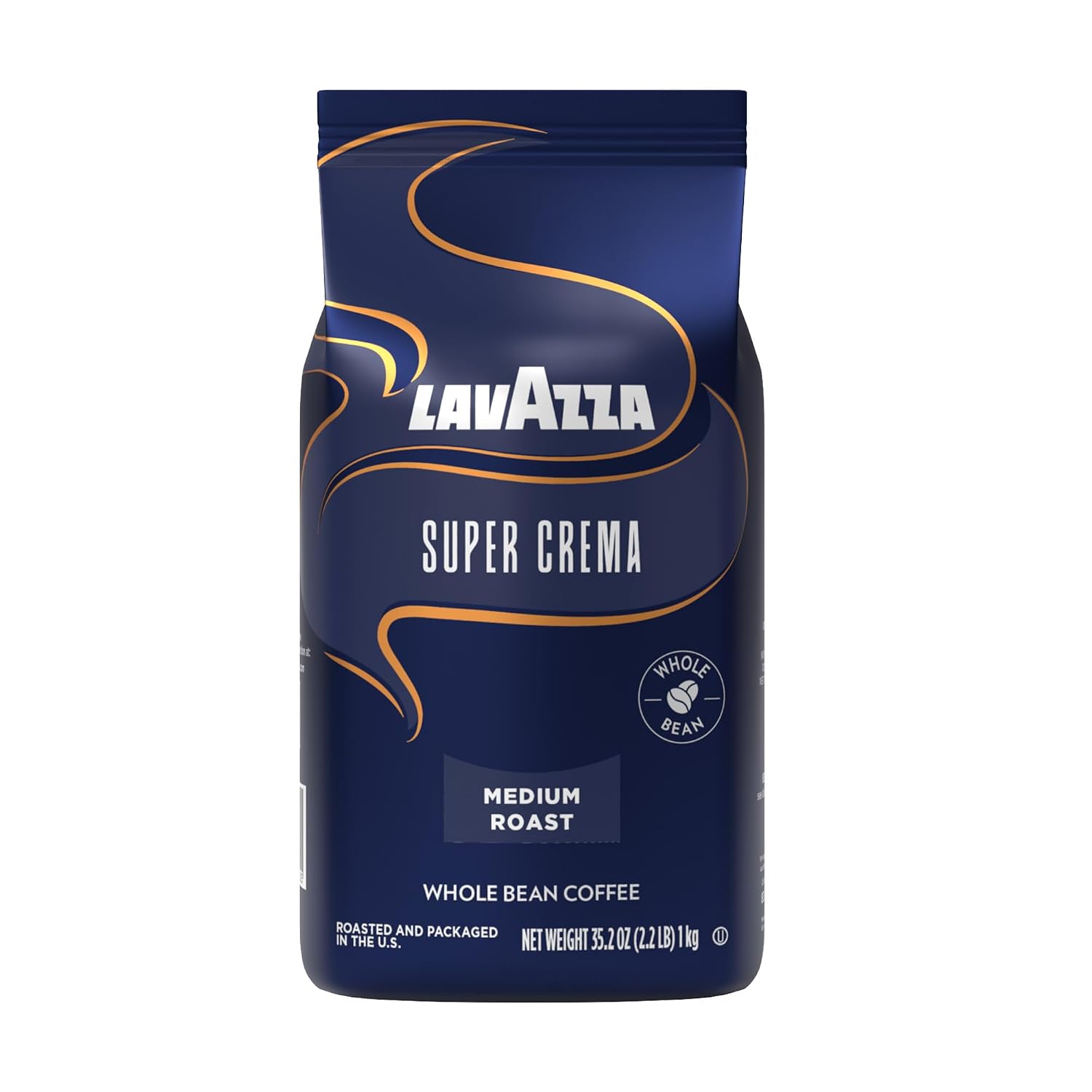
Lavazza Super Crema – Best widely available espresso staple on Amazon
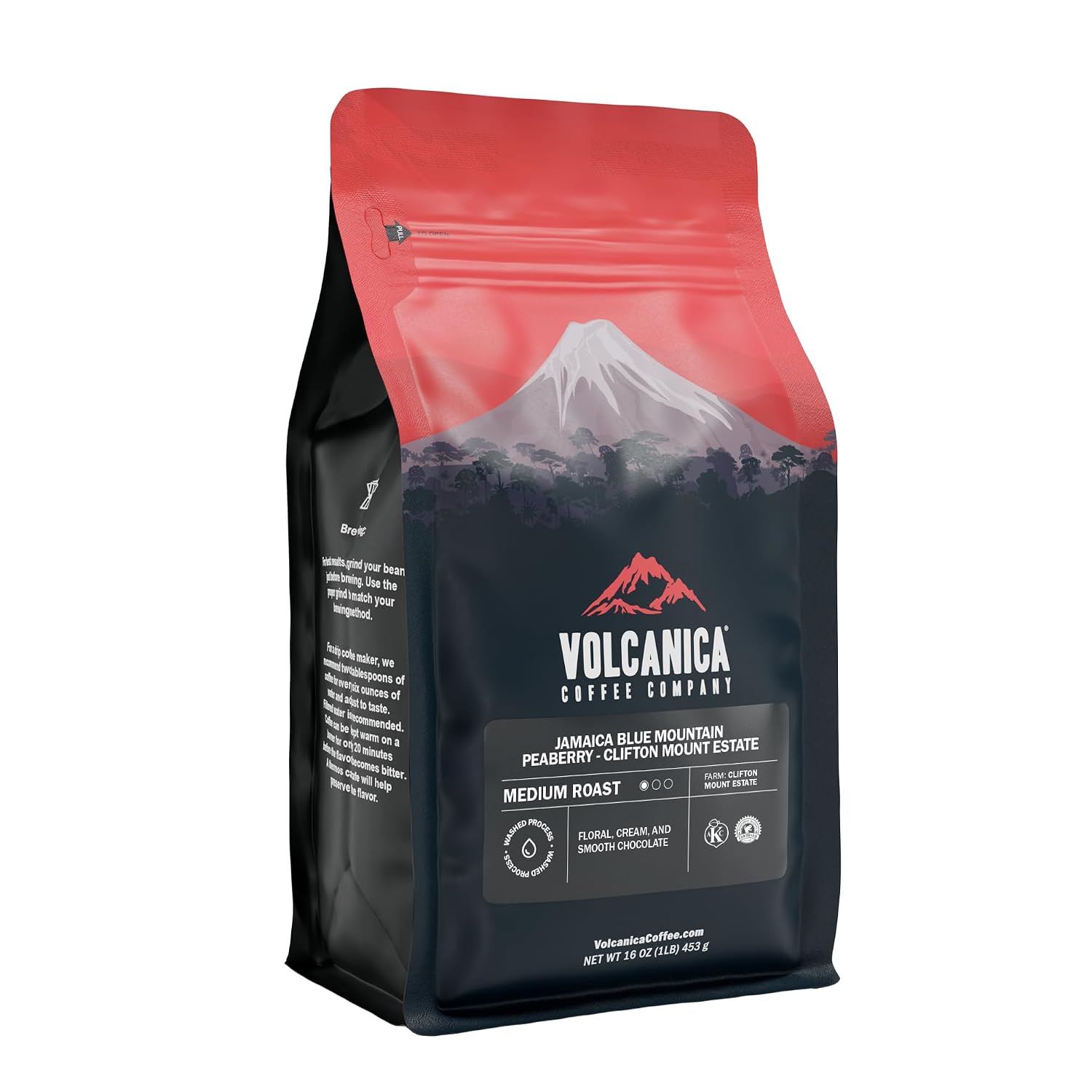
Volcanica Jamaica Blue Mountain – Best traditional luxury origin listing on this page
“Luxury” here means performance in the cup-flavor, consistency, roast quality-combined with ethics, story, and overall experience, not just price. The at-a-glance comparison table below makes it easier to scan the differences quickly.
Affiliate Disclosure
Capitol City Coffee is an independent coffee editorial and affiliate publication. Some of the brands recommended in this guide may pay a small commission if you purchase through outbound links. Commissions never influence rankings or editorial judgment-picks are based entirely on researched product facts, reputable expert sources, and third-party consensus. There are no sponsored placements or paid “best” labels anywhere in this guide. As an Amazon Associate we earn from qualifying purchases.
At a glance
Compare Amazon-available specialty bags on a phone first: listing photo, roast notes, and a Check on Amazon button. D2C luxury names stay in the write-up. Research-rated, not yet brewed by our team.
The Amazon luxury bag in this comparison is Stumptown Hair Bender, a daily-driver medium roast with a matching listing photo. Direct-from-roaster lots can still be worth a look if you want rotating microlots, but they are not in this table without a matching Amazon packshot.
How We Selected These Luxury Coffee Brands
These recommendations are researched editorial analysis, not hands-on lab testing. No first-person tasting claims are made in this guide. Instead, selections draw on the following criteria for identifying high quality coffee:
Bean quality: Cupping scores from organizations like the Specialty Coffee Association and third-party review platforms; reputation within the specialty coffee world for consistent high-grade offerings.
Roast execution: Evidence of careful profiling-luxury roasters invest in meticulous, innovative processing methods and small-batch or to-order roasting for freshness. Luxury brands focus exclusively on high-grade arabica varietals grown in specific high-altitude microclimates.
Sourcing transparency: Published trade data, farm-level traceability, and fair pricing to coffee producers.
Ethics: Direct-trade relationships, published transparency reports, sustainability commitments.
Price and value: Whether what’s in the bag justifies the price relative to competitors.
Availability: Accessibility for US buyers via direct online orders or national retail.
Customer and expert feedback: Aggregated reviews, competition results (US Barista Championship, Good Food Awards, Coffee Review scores), and specialty community consensus.
Many luxury offerings come from single-origin micro-lots or award-winning competition batches. Single-origin coffees often perform better than blends in tastings because they showcase a farm’s distinct terroir without compromise, and freshness plus precise roast execution strongly shape coffee’s flavor. Packaging and service can also enhance the luxury coffee experience-roast dates on bags, origin storytelling, and design-forward presentations all contribute.
Stumptown Hair Bender – Best Overall Luxury Amazon Bag for Most Drinkers
Onyx Coffee Lab, founded in 2012 in Northwest Arkansas, has become one of the most visible names in US specialty coffee. The roaster is a certified B-Corp, has won multiple US Barista Championship and US Brewers Cup titles, and publishes detailed sourcing data for every coffee it sells-including FOB prices, producer names, and cupping scores. Their cafes function as full brand experiences with chocolate, wine, design, and education elements.
Flagship offerings: Southern Weather is a balanced light roast blend with tasting notes of milk chocolate, plum, citrus, and candied walnut. Onyx Coffee Lab’s Southern Weather scored 93 in coffee reviews, placing it among the highest-rated blends from any US roaster. Seasonal single origin coffees rotate frequently and often feature rare varieties like Gesha and Pink Bourbon.
Performance and quality: Consistent light to medium roasts with excellent clarity. Southern Weather works well for both espresso and pour over brewing. Single origins reward careful manual brewing but aren’t punishingly difficult to extract at home.
Price and value: Typical US pricing runs $18–$25 for 10–12oz, with ultra-limited releases climbing higher. The combination of transparent trade data, competition pedigree, and reliable flavor makes this a luxury brand that’s still attainable for regular purchases.
Trade-offs: Profiles lean lighter and brighter-not ideal for dark roast fans seeking smoky, heavy-bodied cups. Popular lots sell out quickly. Shipping costs add up for buyers outside the continental US.
Best for: Daily premium brews, gifting to coffee enthusiasts, and anyone stepping up from grocery-tier “premium” beans to genuine specialty coffee.
Volcanica Jamaica Blue Mountain – Best High-End Origin Bag on This Page
Proud Mary Coffee originated in Melbourne, Australia, and expanded to the US with locations in Portland and Austin. The brand is known for sourcing rare, competition-level single origin coffees-including Panama Gesha releases and unusual processing methods-that push the boundaries of what coffee can taste like.
Flavor profiles: Juicy tropical fruit, complex acidity, layered sweetness, and sometimes perfume-like florals. These coffees are often best as filter or light espresso, where delicate flavors come through without being overwhelmed by milk.
Performance and usability: Extremely high flavor potential, but these coffees require more precise brewing-grind size, water temperature, and brew time all matter more than with a forgiving medium blend. V60 or similar pour-over methods tend to deliver the most rewarding results.
Pricing: Often $25–$60+ per bag, with some special lots exceeding $80. In Proud Mary’s cafes, deluxe pour-overs of rare origins can cost $35–$40 per cup. This firmly places the brand in the ultra-luxury tier.
Trade-offs: Polarizing for drinkers used to chocolatey, roast-forward blends. Availability is limited and coffees rotate frequently. Not a good fit if you want one consistent “house blend” year-round.
Best for: Experienced coffee lovers who want to explore the extreme upper end of specialty roasts. This is a splurge brand, not a first luxury purchase.
Counter Culture Fast Forward – Best Light-Roast Amazon Luxury Blend
Sey Coffee is a Brooklyn-based roaster recognized across the specialty coffee world for extremely light roast profiles that prioritize origin character above all else. Every bag features single-farm lots with full traceability-farm name, process, altitude, and varietal.
Tasting experience: Floral, tea-like, citrus, stone fruit, and high clarity. These are coffees where you can genuinely taste the altitude and soil of the farm. They reward slow, mindful pour-over sessions.
Performance: Outstanding for those who enjoy delicate, transparent cups. Less suitable for dark, syrupy espresso or heavy milk drinks. Community feedback on Reddit indicates that dialing in Sey’s ultra-light roasts for espresso can be challenging-expect to experiment with grind and extraction.
Pricing and value: Typical ranges of $22–$35 per 10–12oz bag, with rare microlots higher. The transparent sourcing and farm-level information are a genuine part of the luxury value proposition.
Trade-offs: Narrow appeal for coffee drinkers who prefer bold, roast-forward character. Brewing requires more precision than most medium roasts. Availability is mainly through direct online orders.
Best for: Specialty roasters fans who want to taste distinct terroir and enjoy contemplative, slow-brewing rituals rather than quick, sweet lattes.
Coffee Bros – Best Value Luxury Coffee Brand for Everyday Drinking
Coffee Bros is a New York specialty roaster run by two brothers, earning a strong reputation in the specialty coffee world for accessible but high-quality blends and single origin coffees. Their Espresso Roast scored 90 in coffee reviews and carries a 4.4/5 overall rating from independent review platforms. Amazon sells it as Espresso Roast, 12 oz whole bean.
Flagship offering: The Espresso Roast is a medium roast (Agtron ~62–69), 100% Arabica, with tasting notes of strawberry, sugar cane, and vanilla. Origins are Ethiopia (East Guji) and Colombia (Huila, Nariño) with heirloom, Castillo, and Caturra varietals grown at 1,860–2,300 meters elevation.
Performance: Versatile across espresso, flat whites, and manual pour-over. More forgiving than ultra-light roasts, making it a strong entry point into specialty roasters for anyone used to darker commercial blends. They roast twice per week and ship within five days of the roast date, ensuring freshly roasted coffee arrives at your door.
Price and value: Roughly $18–$22 per 12oz bag, which is competitive for premium whole bean coffee. Single origins run $10–$13.40 per bag, with subscriptions and free shipping over certain order sizes.
Trade-offs: Not as rare or experimental as microlot luxury brands. Packaging and branding lean modern but lack the collectible feel of ultra-lux lines.
Best for: Coffee drinkers wanting an approachable step into the best coffee brands category, with reliable shipping and consistent flavor that makes great coffee an everyday affair.
Counter Culture Coffee – Best Transparent Luxury Brand for Ethically Minded Buyers
Counter Culture Coffee was founded in 1995 in North Carolina and stands out among coffee companies for one of the strongest long-term reputations for ethics and quality in the coffee industry. They’ve published annual transparency reports since 2009-longer than almost any other US roaster.
Standout coffees: Fast Forward is the Counter Culture bag we wrap on this page, with a matching product photo. Their catalog also includes darker blends and fruit-forward Colombian and Ethiopian lots.
Flavor and usability: Blends work well as drip or espresso. Single origins offer clear origin character while remaining versatile across different brew methods. This makes Counter Culture a practical choice for households with mixed brewing preferences.
Pricing: Typically mid-to-high teens to low twenties per 12oz, balancing supermarket accessibility with specialty-grade quality.
Transparency: Their 2025 transparency report shows an average FOB price of ~$5.04/lb for single-origin limited releases-significantly above Fair Trade minimums and commodity benchmarks. The weighted average quality score across their offerings is 86, with some coffees reaching 90+. Counter Culture Coffee publishes annual transparency reports since 2009, setting an industry standard.
Trade-offs: Widely distributed, so they feel less “exclusive” than small boutique specialty roasters. Some bags use compostable packaging that may shorten peak freshness windows.
Best for: Ethically minded buyers who want verifiable data on farmer payments and environmental impact alongside great tasting coffee.
Stumptown Coffee Roasters – Best Classic Luxury Brand with Widely Available Blends
Stumptown Coffee Roasters helped define the third wave coffee movement in the US and remains one of the most recognizable specialty coffee brands nationally. Their blends are available in grocery stores, coffee shops, and online across the country.
Flagship blend: Hair Bender features tasting notes of citrus, dark chocolate, raisin, and fudge. It’s designed to be flexible across espresso, drip, and even cold brew applications.
Performance: Dependable, crowd-pleasing profiles that suit a wide range of coffee drinkers. When local micro-roasters aren’t available, Stumptown delivers a consistent step above generic grocery brands.
Price and value: Often in the $14–$20 range for a 12oz bag, making it one of the most affordable “gateway luxury” experiences on this list.
Trade-offs: Freshness can vary depending on retailer turnover and distribution logistics. Purists may prefer roasters with more detailed farm-level transparency and published trade data.
Best for: Beginners moving up from generic grocery brands and households needing a dependable, flavorful daily brewed coffee.
La Colombe Workshop Reserve – Best Luxury Line from a Mainstream Brand
La Colombe Coffee Roasters was founded in 1994 in Philadelphia and has grown into a nationally recognized coffee brand. Their Workshop Reserve is a higher-end sub-line featuring microlot coffees from acclaimed farms, distinct from the brand’s standard blends and ready-to-drink products.
Our pick:Lavazza Super Crema, Whole Bean. The Amazon espresso staple on this page, with a matching product photo. Research-rated, not yet brewed by our team.
Flavor profiles: Lush, fruit-forward, complex acidity with clear origin notes such as stone fruit, florals, or cocoa-toned sweetness. Luxury brands use unique processing methods to build these complex flavor profiles, and Workshop Reserve lots often highlight those methods prominently on their packaging.
Performance: Best experienced as pour-over or other manual filter methods. Some lots work well for modern, light espresso when dialed in carefully, but these are filter-first coffees.
Pricing: Approximately $30–$75 per bag for Workshop Reserve releases, depending on rarity and bag size. This clearly positions the line in the luxury tier.
Trade-offs: Availability can be limited and rotate quickly. May feel less artisanal to readers who prefer independent-only brands. Not budget-friendly for daily use.
Best for: Gift-givers and coffee enthusiasts who want a recognizable name plus upgraded quality and storytelling behind each cup.
Jamaican Blue Mountain Producers – Best Traditional Luxury Coffee Icon
Jamaican Blue Mountain is one of the most historically famous luxury coffee origins in the world-a name that carries instant recognition among both coffee lovers and casual drinkers alike. Luxury beans from this region are grown in specific high-altitude microclimates in Jamaica’s Blue Mountains.
Flavor: Creamy body, subtle chocolate and nut notes, gentle sweetness. This is less about intensity or fruit-forward acidity and more about softness, balance, and a balanced cup that’s universally approachable.
Performance: Accessible to a wide range of coffee drinkers and forgiving across drip, pour-over, and French press. Not usually a fruit-forward or experimental experience.
Pricing: Often $40–$80+ per pound, with certified producers and numbered tins at the higher end.
Trade-offs: Cost relative to complexity is the main concern. Many modern specialty single origin coffees offer more distinct flavor at lower prices. Risk of counterfeits is real if not purchased from reputable sellers with proper Jamaica Coffee Industry Board certification.
Best for: Traditionalists, gift-givers who want a name the recipient will recognize, and those who prefer gentle flavor over acidity or fruit intensity.
Other Notable Luxury Coffee Roasters Worth Considering
Several additional specialty roasters deserve mention for readers exploring beyond the core picks above:
Black & White Coffee Roasters – Known for experimental and co-fermented lots with intense fruit and wine-like complexity. Best for adventurous pour-over drinkers. Mid-to-high $20s per bag.
Devoción – Colombian-focused roaster emphasizing freshness through direct delivery from farms. Light to medium roasts with floral and fruity notes. Strong for daily drinkers who value origin proximity.
Blue Bottle Coffee – Their “Exceedingly Rare” line features limited single origin coffees with detailed origin stories. Blue Bottle offers broader accessibility through nationwide shipping and cafes.
Intelligentsia Coffee – Established in Chicago in 1995, Intelligentsia pays farmers a minimum of $3 per pound for top-quality coffee and helped pioneer the direct-trade model. Their seasonal blends and single origins are consistently strong.
Peet’s Coffee – Founded in 1966 in Berkeley, California, Peet’s Coffee has detailed information on sustainability goals on its corporate site and remains a bridge between mainstream and specialty for many coffee drinkers.
Heart Coffee and Passenger Coffee – Both appear regularly in expert roundups for their clean, origin-expressive roasting.
Balance Coffee – Their Stability Blend scored 97 in coffee reviews, one of the highest scores recorded for a blend from any roaster.
Equator Coffee – Known for award-winning coffees with strong sustainability commitments and seasonal blends that rotate with harvest availability.
Atomic Coffee Roasters – Focused on small-batch roasting with an emphasis on accessibility and flavor education.
For subscriptions, several services expand discovery beyond individual brands: Trade offers a multi-roaster coffee subscription service curating from dozens of specialty roasters. Podium Coffee Club sends award-winning coffees monthly. Bean Box offers over 600 different coffee brews for explorers who want maximum variety. MistoBox tailors coffee selections based on user preferences, making it one of the best coffee subscriptions for personalized discovery.
These brands might not have made the core list for reasons like limited US availability, narrower appeal, or fewer verified expert scores, but they all qualify as luxury choices. If any of these roasters are local to you, buying direct often improves freshness and supports the specialty ecosystem.
How to Choose the Right Luxury Coffee Brand for You
The “best” luxury coffee depends entirely on your taste, brew method, budget, and appetite for experimentation. Rather than chasing hype or the highest price tag, consider roast level, flavor profile, origin story, ethics, and price together. The sections below break this into a practical decision framework that points back to the specific brands profiled above.
Match Flavor Profile and Roast Level to Your Palate
Roast levels affect the flavor profile and acidity of coffee more than almost any other variable. Here’s how the spectrum works in practice:
Light roast: Preserves original coffee characteristics and flavors-expect citrus, florals, berries, tea-like clarity, and high acidity. Light roasts preserve original coffee characteristics and flavors, which is why luxury roasters use light or medium-roast beans to highlight origin-specific notes.
Medium roast: Balances sweetness, body, and acidity well. You’ll taste chocolate notes alongside fruit, caramel, and brown sugar.
Dark roasts: Create heavier chocolatey flavors with more bitterness-smoke, cocoa, and roast-forward character dominate. Less origin clarity, more body.
Luxury coffee features flavor complexity rather than bitter uniformity. High-quality specialty coffee can have recognizable flavors like blueberry or jasmine that would be destroyed by over-roasting.
Practical guidance:
If you like coffees similar to Southern Weather or Sey’s single origins, you’ll gravitate toward lighter roast styles with brighter acidity.
If you lean toward blends like Hair Bender or classic espresso, medium to medium-dark roasts will satisfy.
Various origins also affect flavor nuances: Ethiopian and Kenyan coffees tend toward fruit and florals; Brazilian and Guatemalan coffees lean toward nuts, cocoa, and spice.
Start with blends for dependable everyday drinking coffee, then branch into single origin beans for exploration once you know your preferences. White coffee roasters and ultra-light-roast specialists offer niche experiences that aren’t for everyone but can reward adventurous tasters with completely unexpected cups.
Choose a Brand That Fits Your Brew Method
Coffee enthusiasts prefer brewing methods that highlight coffee nuances, such as pour-over, but the right brew method depends on what you’re drinking and how you like it.
Brew Method
Best Roast Level
Best Brand Fits
Espresso
Medium to medium-dark
Super Crema, Coffee Bros
Pour-over (V60, Chemex)
Light to medium
Yirgacheffe, Kenya AA
Automatic drip
Medium
Hair Bender, Fast Forward, Coffee Bros
French press
Medium to dark
Jamaica Blue Mountain, Hair Bender
Cold brew
Medium to dark
Stumptown Hair Bender, dark roast blends
Many luxury brands design specific blends for espresso and separate offerings optimized for filter brewing. Luxury coffees are often prepared using methods that emphasize their complexity. Balanced medium blends from top specialty roasters can cross between brew methods reasonably well and make good “house coffee” for households with mixed preferences.
Check roaster recommendations on each bag-most specialty coffee brands now include detailed brewing instructions or at least suggest a primary brew method.
Evaluate Price, Value, and Trade-Offs
A high price does not automatically guarantee the best coffee experience. Here’s how to think about value:
A $20 bag of 12oz whole bean coffee yields roughly 20–24 cups, putting cost per cup under $1-cheaper than any café visit.
Ultra-luxury coffees (rare Panama Gesha, Workshop Reserve microlots) cost significantly more per cup but are best treated as occasional experiences, not daily drivers.
Mid-priced specialty roasters like Coffee Bros or Counter Culture deliver high value for daily drinking coffee. A $22 bag consumed daily over two weeks is roughly $1.50/day for delicious coffee that outclasses anything from a grocery aisle.
Key trade-offs to weigh:
Subscription discounts vs. one-off purchases (most roasters offer 10–15% off subscriptions)
Shipping costs on imported bags versus Amazon Prime domestic bags
The risk of paying more for marketing, packaging, or limited-edition hype than actual cup quality
A practical strategy: budget for one “steady” premium blend for everyday use, then add occasional single origin coffees or microlots as tasting coffee treats.
Ethics, Transparency, and the Story Behind the Cup
Luxury coffee emphasizes direct trade with fair pay for growers, and the best luxury coffee brands back up that claim with data. Many specialty roasters pay above Fair Trade minimums for green coffee, but the degree of transparency varies.
Standout examples:
Counter Culture publishes exact prices paid to producers in their annual transparency reports.
Onyx Coffee Lab publishes FOB prices, producer names, and cupping scores for individual lots.
Intelligentsia pays farmers a minimum of $3 per pound for top-quality coffee, well above commodity benchmarks.
Peet’s Coffee has detailed information on sustainability goals on its corporate site, reflecting decades of engagement with coffee producers.
Look for clear origin information, processing method, elevation, and roast date on packaging as a sign of specialty-grade seriousness. Some “luxury” labels focus on rarity or design-forward packaging and say little about farmers or environmental impact-weigh that when deciding what “luxury” means to you.
Supporting specialty roasters with transparent practices helps sustain quality and equity across the supply chain, benefitting producers and coffee drinkers alike.
Freshness and Storage: Getting Luxury-Level Performance at Home
Luxury brands roast coffee in small batches or strictly to order for freshness-but once that bag reaches your door, storage becomes your responsibility. Freshly roasted coffee typically tastes best within about 4–6 weeks of the roast date for most styles, with some espresso blends remaining usable a bit beyond that window.
Storage essentials:
Buy whole bean coffee and grind just before brewing to preserve aromatics, especially with high-end single origin coffees. Fresh roasted beans lose flavor compounds rapidly once ground.
Use an opaque, airtight container in a cool, dry place away from direct light and heat.
Avoid repeated freezing and thawing unless done carefully in individually portioned, airtight bags.
Some large brands use nitrogen flushing to extend shelf life, which can help, but checking the roast date is still the most reliable freshness indicator.
Even the best luxury coffee brands underperform when brewed from stale beans or stored carelessly. Treat storage as part of the luxury ritual-it’s where the freshest coffee experience either holds or falls apart.
Brewing Tips to Get the Most from Luxury Coffee
You don’t need professional barista equipment to extract amazing coffee from luxury beans. A few fundamentals go a long way:
Starting ratios: Use approximately 1:15 to 1:17 coffee-to-water for pour-over and 1:2 brew ratio for espresso as a baseline.
Water temperature: Light roast and single origin coffees often benefit from slightly higher water temperatures (around 200–205°F) and longer extraction. Darker roasts may need cooler water (195–200°F) or shorter contact time to avoid bitterness.
Grind adjustment: Adjust grind size one variable at a time. Finer for espresso, medium for drip, coarser for French press. Luxury beans reward small tweaks with noticeable flavor changes.
Water quality: Using filtered water with balanced mineral content significantly improves clarity and perceived sweetness compared to unfiltered tap water. This is one of the cheapest upgrades you can make.
Use roaster guides: Many specialty coffee brands provide brew guides on their websites or packaging, especially for complex light roasts. Start there and adjust to your taste.
Instant coffee and ground coffee from supermarket shelves can’t deliver the flavor complexity these brands are designed to showcase. The investment in a decent burr grinder and careful attention to brew variables will unlock the full potential of any luxury bag.
Alternatives if These Luxury Coffee Brands Aren’t Available
Not everyone can access the listed brands due to shipping constraints or budget. Here are practical alternatives:
Local specialty coffee roasters: Look for roast dates on bags, clear origin info, seasonal single origin coffees, and staff who can discuss roast styles. Many excellent local roasters rival famous names when brewed thoughtfully.
Regional multi-roaster cafes: These often stock multiple specialty brands, letting you sample before committing.
Curated online marketplaces: Services like Trade and MistoBox aggregate offerings from dozens of quality roasters in one place.
Mass-market limited releases: Starbucks, which has over 29,000 retail stores worldwide, occasionally offers Reserve single origins that serve as a stepping stone toward higher-end coffee. Whole Foods Market’s coffee program began in 1997 with Allegro, and Whole Foods Market requires coffees to score 86 or higher on CQI’s Q scale-a meaningful quality floor.
Luxury in coffee is as much about care, freshness, and ritual as brand names. A well-chosen local roast, purchased fresh and brewed thoughtfully, can rival more famous coffees any day.
Related Capitol City Coffee Guides
For readers looking to go deeper, these Capitol City Coffee resources connect directly to the topics covered in this guide:
Best coffee subscription services – A roundup of top subscription options for readers interested in rotating deliveries from specialty roasters.
Best coffee roasters in the USA – A comparative guide covering a wider range of US specialty roasters beyond luxury branding.
How to brew better pour-over coffee at home – A foundational technique guide for readers looking to improve extraction and flavor clarity with luxury beans.
Each guide is designed to help you make more informed choices as an independent coffee drinker, not to push any single brand or product.
Frequently Asked Questions (FAQs)
These FAQs address common practical questions about luxury coffee brands not fully covered above. Answers are based on researched editorial analysis and third-party expert consensus.
Are luxury coffee brands really worth the higher price?
The premium typically reflects higher-quality green coffee sourced from high-altitude farms, more labor-intensive processing, smaller lots, and better pay for farmers. Flavor improvements are most noticeable when coffee is brewed fresh and correctly-brewing stale beans carelessly will erase any advantage, regardless of price. For daily use, mid-range options like Coffee Bros, Counter Culture, or Stumptown offer strong compromises between price and luxury. Reserve ultra-expensive microlots for occasional tasting sessions where you can give them full attention.
Can I use luxury coffee beans in an automatic drip machine?
Most luxury beans work fine in well-maintained automatic drip brewers, especially balanced medium roasts from brands like Counter Culture or Stumptown. Use a quality burr grinder and follow manufacturer-recommended ratios to preserve flavor complexity. Ultra-light, delicate coffees from brands like Sey or Nordic specialty roasters show their full character more clearly in manual pour-over than in basic drip machines, but they’ll still taste notably better than grocery-shelf alternatives even in an auto-drip setup.
How often should I order luxury coffee to keep it fresh?
Buy amounts you’ll consume within 3–4 weeks of the roast date for optimal freshness, or up to about 6 weeks for most blends. Frequent smaller orders-every 2–4 weeks via a coffee subscription or direct purchase-keep beans closer to peak flavor than infrequent bulk buying. Many roasters include roast dates and suggested “best by” windows on bags; follow those when planning your order cadence.
Is there a difference between luxury coffee brands and regular specialty roasters?
Luxury brands are typically a subset of specialty roasters, with additional emphasis on rare lots, design-forward packaging, high-profile awards, or premium-tier pricing. Many small specialty coffee brands without “luxury” branding produce coffee equal in quality-or better-than mass-known names. Focus on transparency, roast consistency, and flavor preference over labels when making your final choice. A bag from a lesser-known local roaster with a fresh roast date and clear origin story can outperform a famous luxury brand sitting on a shelf for weeks.
What’s the best luxury coffee brand for someone new to specialty coffee?
Start with approachable Amazon bags on this page: Stumptown Hair Bender or Volcanica Yirgacheffe. Direct-from-roaster names such as Onyx stay in the brand sections as D2C options, not Amazon table bags. These coffees offer clear flavor improvements over supermarket beans while remaining forgiving across various home brew methods. Begin with a medium roast blend, get comfortable with the difference quality and freshness make, then explore lighter single origin coffees or high-priced microlots as your palate develops. The goal is to find what you genuinely enjoy drinking coffee, not to chase the most expensive bag on the shelf.
How Capitol City Coffee Rates Coffee and Coffee Machines
Every coffee and coffee machine we recommend is scored on the same 100-point scale, so a recommendation on one page means the same thing as a recommendation on any other. Each pick is also labeled with how we reached its score.
Research-ratedScored from the roaster or manufacturer’s published specifications, independent results such as Coffee Review blind cuppings and SCA brewer certification, and patterns across verified buyer reviews. Most of our current picks are research-rated.
Hands-on testedThe Capitol City Coffee team has brewed the coffee or used the machine ourselves, following the testing steps below. We only use this label when that testing actually happened, and we show the date we tested.
Coffee beans: 100-point scale
What we score
Points
What we look at
Origin and sourcing transparency
20
Country, region, farm or cooperative, altitude, bean variety, and processing method are clearly disclosed.
Flavor evidence
25
Independent cupping scores, how closely the tasting notes match what the origin is known for, and our own cupping notes when hands-on tested.
Roast and freshness
15
Roast level stated, roast-date practices, whole-bean availability, and packaging with a one-way valve or resealable bag.
Brew versatility
15
How well the roast suits pour-over, drip, French press, cold brew, and espresso.
Value
15
Price per ounce compared with similar single-origin coffees or blends.
Buyer feedback
10
Volume and consistency of verified reviews, and recurring complaints about staleness, bitterness, or shipping.
Coffee machines and gear: 100-point scale
What we score
Points
What we look at
Brewing performance
25
Water temperature in the 195–205°F range, even extraction, and SCA certification or published test data.
Build quality and reliability
20
Materials, known failure points, and long-term owner reports.
Ease of use and cleaning
15
Setup, the daily routine, descaling, and dishwasher-safe parts.
Fit for your kitchen
10
Capacity, counter footprint, and noise.
Useful features
10
Programming, grind and temperature control, and carafe type. Features that improve the cup count more than extras that do not.
Value
10
Price compared with machines that perform similarly.
Warranty and support
10
Warranty length, parts availability, and how the brand handles repairs.
What the grades mean
Score
Grade
What it means
90–100
A
Exceptional. Our first recommendation for the feeling and setting described.
80–89
B
Strong. Excellent, with minor trade-offs we explain.
70–79
C
Good. Worth it for specific needs, with clear compromises.
Below 70
—
Not recommended. We do not feature these as picks.
How we test hands-on
When a pick carries the Hands-on tested label, this is the method behind it, and we note the date we tested.
Coffee: brewed fresh from whole beans following Specialty Coffee Association guidelines (water between 195 and 205°F, about 1 gram of coffee to every 15 to 18 grams of water) in the brew methods the roast suits best, such as pour-over, French press, or espresso. We taste it black first, then with milk if that is how most people drink it, and each taster scores it on their own before we compare notes.
Machines: used in our everyday routine rather than a single demo. We brew both full and small batches, check the brewing temperature and brew time, and run the cleaning or descaling steps the manual calls for.
How we choose the feeling and setting
We match each coffee to a mood and a moment based on its flavor profile and roast. Bright, citrusy light roasts suit energizing mornings. Chocolatey, full-bodied medium roasts suit slow or social moments. Richer roasts suit espresso and milk drinks. Each pick explains which facts led us to that match.
Our scores stay independent
Every score comes only from the criteria above. No brand can pay for a pick or a higher grade. We re-check ratings when a roast, listing, or model changes, and update or remove picks that no longer earn their grade.
Some links on this page are affiliate links. As an Amazon Associate, Capitol City Coffee earns from qualifying purchases, at no extra cost to you.
Questions about a rating? Reach the Capitol City Coffee team through our contact page.
Capitol City Coffee
Stay in the coffee loop
Get brewing guides, origin stories, and new recipes. A few emails, no spam.