With NO Additional cost to you, as an Amazon Associate, I earn from qualifying purchases. This page contains affiliate links; we may earn a commission if you buy through them.
The best place to buy coffee online for most US shoppers who want a specialty bag today is Amazon, starting with Stumptown Hair Bender on this page. To buy specialty coffee beans online in the USA with a roast date, also compare roaster sites in the guide below.
Best buy specialty on amazon pick
For this roundup, Stumptown Hair Bender is the buy specialty on amazon we recommend first—the same pick at the top of our At-a-glance cards below.
the best places to buy coffee online for most US buyers start with Amazon bags that already have matching photos on this site, such as Stumptown Hair Bender. Direct-to-consumer shops can still be a fit if you want rotating microlots, but they are not the Amazon cards here.
Buying coffee online offers a wider selection of beans than any local coffee shop or grocery aisle, with most specialty retailers shipping freshly roasted coffee within days of roasting.
Expect to pay roughly $1.50–$2.50 per ounce for quality specialty coffee online, with median bag prices around $18–$22 for a 12-ounce bag – competitive with café purchases and often fresher.
“Best” depends entirely on your taste preferences, brew method, budget, and appetite for discovery; the guide below breaks down which option fits which coffee drinker.
Practical sections on choosing beans, keeping coffee fresh, and avoiding common online buying mistakes follow the main picks.
Quick Answer: The Best Places to Buy Coffee Online Right Now
If you want the short version: the best places to buy coffee online right now span three categories – multi-roaster subscription marketplaces, single-roaster direct shops, and big-box or marketplace retailers. Online coffee shopping can feature curated marketplaces and direct-to-consumer options, and the right choice depends on what you value most.
Trade is the top pick for personalized multi-roaster coffee subscriptions that learn your taste preferences over time. Bean Box stands out for coffee lovers who want to discover coffees from a catalog of 600-plus options and never drink the same bag twice. Amazon bags such as Stumptown Hair Bender on this page are the practical pick for most US buyers who want a matching listing photo and Prime shipping. Direct-to-consumer shops can still ship rotating origins if you want a coffee-tour box. For flagship Amazon origin bags with matching photos on this site, start with Volcanica Ethiopian Yirgacheffe. Amazon and warehouse clubs like Costco remain strong choices for convenience-first buyers or those who go through more coffee than their budget allows at specialty prices.
Many online retailers offer subscription services for coffee, but one-off bag purchases are widely available too. These recommendations are based on researched editorial analysis of third-party expert reviews, verifiable product data, and industry pricing reports – not hands-on tasting by Capitol City Coffee. All pricing and availability references reflect the US market as of 2026. Deeper tasting notes, flavor profiles, and trade-offs for each recommendation appear in the sections below.
Affiliate & Independence Disclosure
Some links in this guide are affiliate links and may earn a commission at no extra cost to you. Capitol City Coffee is an independent coffee editorial and affiliate publication, not a coffee seller. Commissions do not influence rankings or what gets recommended. All picks are based on editorial judgment, verified facts, and third-party consensus from credible sources. As an Amazon Associate we earn from qualifying purchases.
Best Places to Buy Coffee Online: Top Picks for Different Coffee Lovers
Scan the list below for your situation, then read the detailed sections that follow for full context on each pick.
Trade – Best overall multi-roaster marketplace for most US coffee drinkers. A coffee subscription service connecting you with 450-plus independent roasters, strong personalization quiz, and flexible delivery. Typical price: $15–$22 per 12-oz bag.
Bean Box – Best for never drinking the same coffee twice. Over 600 specialty coffees, curated sampler boxes, and strong flavor notes for each selection. Great for adventurous coffee lovers who want variety above all.
Stumptown Hair Bender – Best Amazon whole-bean bag for most US buyers. Matching listing photo on this site. Direct-to-consumer shops can still ship rotating origins, but they are not the Amazon cards here.
Volcanica Ethiopian Yirgacheffe – Best Amazon origin bag for a named farm-style cup. Matching listing photo on this site. Direct-to-consumer experimental lots still exist, but they are not the Amazon cards here.
Stumptown Hair Bender – Best Amazon whole-bean bag for ethically labeled everyday roasting. Matching listing photo on this site. Direct B-Corp shops still exist, but they are not the Amazon cards here.
Amazon / Costco – Best for everyday convenience and bulk value. Fast shipping, familiar brands, and lower per-ounce costs, with trade-offs in freshness and origin transparency.
Full details on each option, including limitations and value considerations, appear in the sections that follow.
At a glance
Amazon is the buy path we keep on-site. Compare listing photos and Check on Amazon buttons for bags you can open today. Research-rated, not yet brewed by our team.
Stumptown Hair Bender is an ethically labeled Amazon bag on this page. Direct B-Corp shops still exist, but they are not the Amazon cards here.
Single-roaster direct
$14–$20
Ethical sourcing, clean flavors
Single-origin, blends, decaf
Limited variety vs. marketplaces
Podium Coffee Club
Award-winning subscription
$22–$35+
Competition-winning coffees
Rare single-origin, whole beans
Premium pricing
Amazon / Costco
Big-box marketplace
$10–$18
Convenience, bulk value
Blends, single-origin, pods, ground
Freshness and transparency gaps
According to the American Specialty Coffee Price Index 2026, the median bag price across 70,434 specialty listings is about $18, with an average around $20. Most specialty bags cluster between $15 and $25.
How We Chose and Researched the Best Places to Buy Coffee Online
This list is based on researched editorial analysis, not Capitol City Coffee’s hands-on cupping or tasting. We did not roast, brew, or taste these coffees ourselves, and we label all recommendations accordingly.
Main evaluation factors included:
Coffee quality: specialty-grade versus commodity, freshness guarantees, and whether roast dates are printed on the bag. Specialty coffee supplier practices should encompass roast date transparency and detailed origin information.
Variety: range of single origin coffees, coffee blends, decaf, flavored, and coffee pods available.
Transparency: how clearly each roaster or marketplace communicates origin, processing, and sourcing ethics.
Subscription flexibility: ability to pause, skip, adjust frequency, and switch between whole beans and ground coffee.
Price and value: cost per ounce relative to industry benchmarks, shipping policies, and bundle discounts.
Usability: website navigation, filtering tools, tasting notes, and customer support quality.
Sources include roaster specifications, Bon Appétit’s 2026 subscription review, WIRED’s 2026 guide, aggregate customer reviews, and industry pricing data. The article will be updated periodically as new roasters, coffee subscriptions, and marketplaces emerge.
Best Multi-Roaster Marketplaces and Coffee Subscription Services
Multi-roaster marketplaces are platforms that partner with many independent coffee roasters and ship freshly roasted beans on their behalf. Many specialty coffee purchasers use multi-roaster marketplaces for variety – instead of hunting down each roaster’s site individually, you browse one platform, take a quiz, and let the system match you with new beans.
These are often the best places to buy coffee online for curious coffee lovers because they help people access the best beans from many roasters while combining personalization, breadth of selection, and the convenience of a single checkout. Online coffee orders from these services are often freshly roasted and shipped quickly, typically within 24 to 72 hours of roasting. Subscription services typically allow adjustments for delivery frequency and roast preferences, so you are never locked into a rigid schedule.
Trade: Personalized Coffee from Dozens of Specialty Coffee Roasters
Trade is a major US multi-roaster coffee subscription connecting subscribers with independent roasters nationwide. Trade offers a multi-roaster subscription for specialty coffee, partnering with over 450 roasters to deliver a curated bag to your door.
How it works: you take a quiz covering taste preferences, brew method (drip coffee maker, French press, espresso, cold brew), and grind size. Trade’s algorithm guides the whole process by matching you with coffee beans that fit your profile – say, a medium roast with chocolate and nut flavor notes – and then refining recommendations over time based on your ratings.
Typical pricing runs $15–$22 per 12-oz bag with flexible delivery every one to four weeks. You can pause, skip, or cancel without penalty. The breadth of offerings is strong: single-origin coffees, coffee blends, decaf options, mostly whole beans with some ground options. It suits drip coffee, espresso, pour-over, and other brewing methods equally well.
Limitations: The subscription model might be overkill for occasional drinkers who only want a bag every couple of months. Some rare, competition-level specific coffees may not appear here compared with niche specialty clubs like Podium Coffee Club, which sends award-winning coffees from international competitions. But for most coffee drinkers seeking a steady stream of great coffee without decision fatigue, Trade makes sense.
Bean Box: Best for Never Drinking the Same Coffee Twice
Bean Box is a coffee online marketplace offering a large catalog of specialty coffee from small-batch coffee roasters across the US, plus curated coffee subscription boxes. Bean Box features over 600 different specialty coffees, making it arguably the widest multi-roaster selection available.
Key strengths include a focus on discovery and variety, ethically sourced coffee beans, and options ranging from sampler boxes (great for gifts) to recurring shipments. Roast coverage spans light roast to dark roast, classic blends to more adventurous profiles, and the lineup includes decaf. Each listing comes with detailed origin info and tasting notes so you know what to expect before your coffee arrives.
Trade-offs: The sheer volume of choice can overwhelm beginners who just want someone to tell them what to buy. Shipping costs from multiple roasters can add up compared with mass retailers. Our recommendation is based on consensus reviews and product data, not firsthand Capitol City Coffee tasting.
MistoBox and Similar “Taste-Learning” Coffee Subscriptions
MistoBox is a coffee subscription service that uses quizzes and ongoing feedback to learn a customer’s tastes, offering a large network of coffee roasters and coffees. MistoBox customizes coffee selections based on user preferences, assigning a personal “coffee curator” who tweaks selections based on your feedback after each bag.
Standout features include the ability to adjust roast levels and frequency, wide coverage of brew methods from espresso to cold brew, and a strong selection of both single origin beans and blends. Cost per shipment typically falls in the $15–$22 range, comparable to Trade and Bean Box for US buyers.
Best use cases: Coffee enthusiasts who want guided discovery rather than picking beans themselves, and those ready to explore beyond the grocery aisle. MistoBox is a strong entry point for someone who wants to discover coffees they would never find at their local coffee shop.
Limitations: Subscription complexity may frustrate casual drinkers who just want to buy coffee once in a while. Because roasters ship from their own locations, shipping time and roaster distance can affect perceived freshness compared with hyper-local options.
Best Single-Roaster Sites to Buy Coffee Beans Online
Buying directly from a single coffee roaster’s online store means ordering from one roastery’s ecommerce shop, often for their signature coffee blends and single-origin offerings. The benefits are clear: maximum freshness (many roast to order), strong brand identity, and deeper information about origin, processing method, and roast philosophy.
Online coffee purchases can support independent roasters and farmers when you buy direct – more of your money goes to the people who grow and roast your bean coffee. The trade-off versus multi-roaster marketplaces is less variety overall and the need to order from multiple sites if you like many roasters, but you often get better freshness and more detailed coffee origin info.
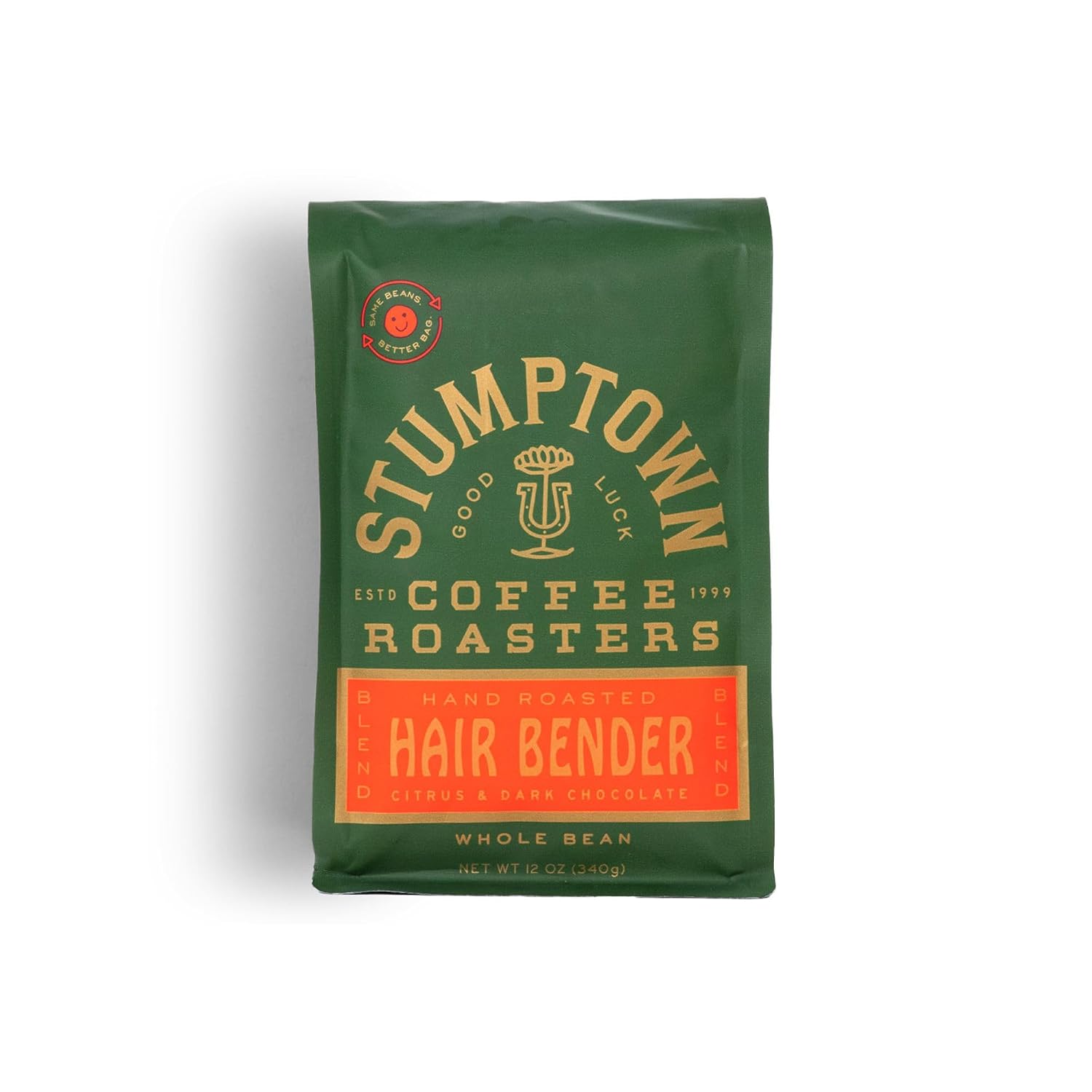
Stumptown Hair Bender: Amazon Whole Bean for Most US Buyers
Stumptown Hair Bender is the Amazon whole-bean bag on this page. It is an everyday roast with a matching listing photo, not a postcard subscription box.
Hair Bender is an everyday Amazon blend on this page, with a matching listing photo. It suits drip, pour-over, and French press without a rotating origin lottery.
Pricing runs $14–$20 per bag depending on size, with subscription options for bag size, frequency, roast level, and whole bean versus ground coffee.
Trade-offs: Amazon bags are convenient, but they are not a rotating farm lottery. If you want to order a specific microlot from a particular farm, a direct-to-consumer roaster is still the fit. Hair Bender on this page is the everyday Amazon bag with a matching photo.
Other Notable Single Roaster Options (Ethical, Funky, and Classic)
Several other single roasters deserve mention for their online purchasing experience:
Stumptown Hair Bender is the Amazon whole-bean bag on this page. Direct B-Corp shops still exist, but they are not the Amazon cards here.
le starting around $14–$18 per bag. A strong option for mission-minded buyers who want a delicious coffee that aligns with their values.
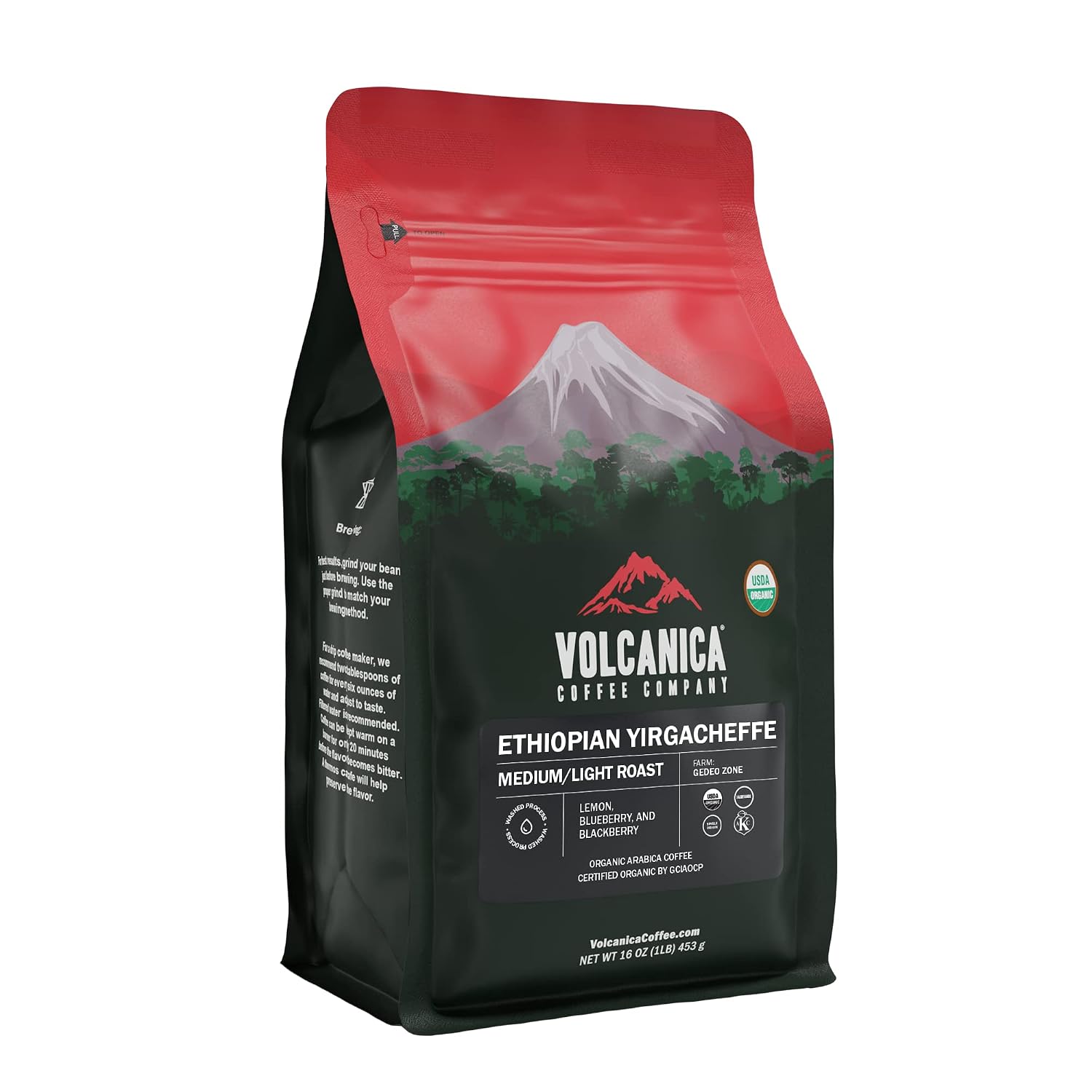
Volcanica Ethiopian Yirgacheffe is the Amazon origin bag on this page, with a matching listing photo. Direct-to-consumer experimental lots still exist, but they are not the Amazon cards here.
Stumptown Hair Bender is the widely appealing Amazon specialty bag on this page, with chocolate and citrus that suit drip drinkers.
Both ship fresh roasted beans nationwide, offer subscriptions, and price most bags in the $15–$20 range. A good fit for someone who wants their perfect cup without chasing experimental processing methods.
Buying Coffee Online from Marketplaces and Big-Box Retailers
Not everyone wants a subscription or a niche roaster. Buying coffee online from Amazon, warehouse clubs, and grocery chains is a realistic option that serves millions of coffee drinkers.
Advantages: Convenience, fast or free shipping (especially with Prime), bulk pricing, and easy returns. If you go through a lot of coffee and prioritize price over nuance, these platforms can deliver. Buying coffee online can provide better prices and value when you buy in bulk from warehouse clubs.
Drawbacks: Less control over roast date, frequent reliance on big industrial brands, and lower transparency about origin or ethical sourcing. Kiplinger’s reporting on coffee freshness warns that bags without roast dates or with vague “best by” labels often mask stale inventory. Most online coffee retailers on Amazon list “best by” dates rather than roast dates, making it harder to gauge freshness.
Practical tips: Filter for whole beans to preserve freshness, check packaging for “roasted on” dates, and look for roaster-direct listings rather than third-party resellers. Some specialty brands like Lavazza or Peet’s sell through Amazon with decent freshness, but they are the exception in a sea of commodity options.
These may not deliver the absolute best coffee in a specialty sense, but they are still legitimate options for buyers prioritizing convenience and price.
Best Options for Specific Needs: Decaf, Coffee Pods, and Flavored Coffee
The best place to buy coffee online shifts depending on whether you drink decaf, rely on coffee pods, or prefer flavored coffee blends.
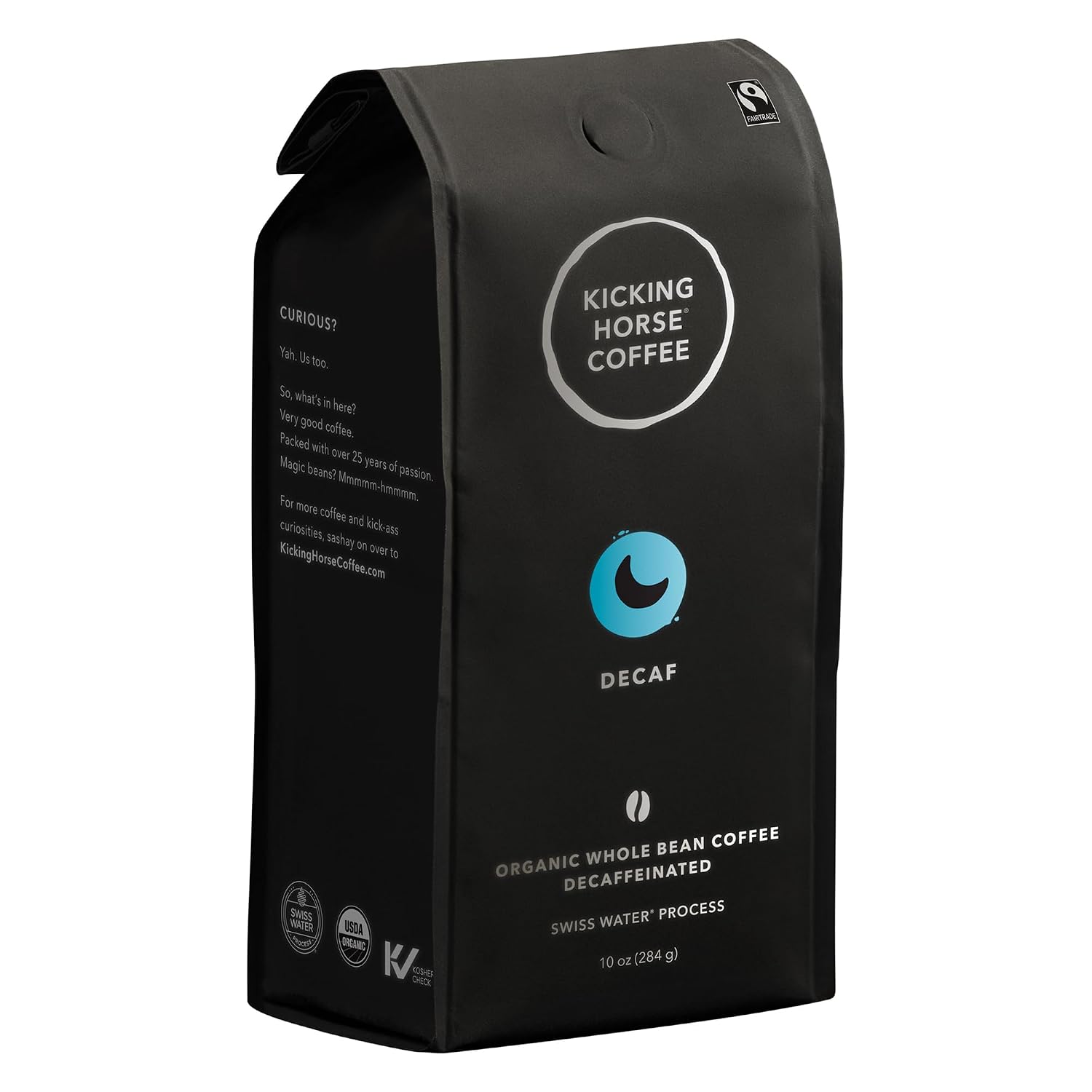
Decaf: Look for retailers offering Swiss Water Process decaf, which uses a chemical-free process to remove caffeine while preserving flavor. Swiss Water offers a selection of decaf coffees using this method, and Amazon bags such as Kicking Horse Decaf carry Swiss Water options. Decaf makes up roughly 9% of specialty listings, with a median price of $1.72 per ounce – slightly less than regular specialty at $1.81 per ounce.
Coffee pods: Single serve pods offer ultimate convenience but generally sacrifice freshness and flavor complexity compared with freshly roasted beans. Cometeer takes a different approach, flash-freezing brewed coffee from third-wave roasters into capsules. If you rely on pods, look for compostable options from specialty-grade roasters that disclose bean type and roast date.
Flavored coffee: Responsibly flavored coffees can be enjoyable, but flavoring often masks the bean’s natural character. Choose brands that disclose the base bean, origin, and roasting process. That’s Coffee, for example, offers daily small-batch roasts including flavored options alongside single origins and decaf, with free shipping over a threshold.
Common trade-offs: Decaf can lack the vibrancy of its caffeinated counterpart. Pods cost more per cup and generate waste. Flavoring additives can hide mediocre beans. Read labels carefully in all three categories.
Our Buying-Online Picks
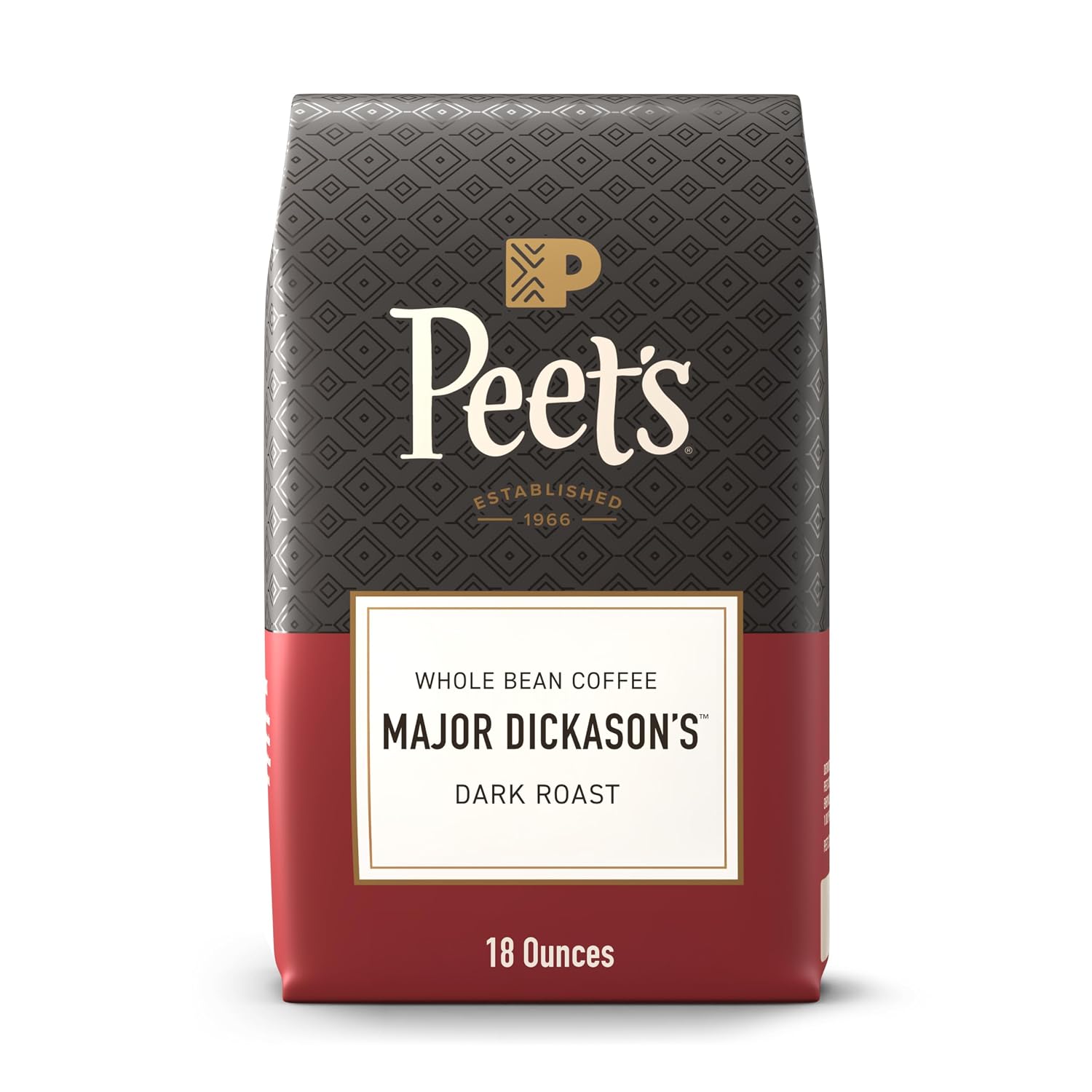
If you would rather order from a marketplace than a subscription, these are two bags that fit the advice above. Tap the image or the coffee name to see it on Amazon. We chose these from each roaster’s published details rather than from brewing them ourselves yet, so both are labeled research-rated. As an Amazon Associate we earn from qualifying purchases.
Feeling practical: an everyday bag delivered to your door
Why we recommend it: The marketplace section above names Peet’s as one of the specialty brands that sells through Amazon with decent freshness, and it recommends choosing whole beans from a known roaster. Major Dickason’s is Peet’s signature full-bodied dark blend, a safe everyday bag for drip or French press. One honest note: marketplace listings do not always show a roast date, so check the bag when it arrives and store it airtight.
How we reached this: We checked Peet’s published roast and blend details against this guide’s marketplace tips (whole bean, known roaster, roast-date check), using the criteria in our coffee rating system. Research-rated, not yet brewed by our team.
Why we recommend it: This section recommends Swiss Water Process decaf because it removes caffeine without chemical solvents. Kicking Horse’s decaf uses that process and is listed as certified organic and Fairtrade, which answers the sourcing questions raised above. One honest note: as the trade-offs paragraph says, decaf can lack some of the vibrancy of a caffeinated roast.
How we reached this: We checked Kicking Horse’s published decaf process and certifications against this guide’s decaf advice, using the criteria in our coffee rating system. Research-rated, not yet brewed by our team.
What to Look For When You Buy Coffee Online
Understanding a few bean details helps you choose the true best coffee for your morning cup – or any cup.
Origin: Reputable suppliers provide detailed information about the coffee origin. Coffee from Central and South America is mildest, typically offering chocolate, caramel, and nut profiles. African coffee is more acidic with fruity notes – think blueberry, citrus, or floral tones. Coffee from South and Southeast Asia has earthy flavors, sometimes with spice or tobacco undertones.
Single-origin vs. blends: Single-origin coffee reflects the distinct flavor of a specific place – one farm, region, or cooperative. Coffee blends combine beans from different origins to achieve balance and consistency. Neither is inherently better; it depends on whether you want terroir clarity or a reliable medium bodied brew.
Species: Arabica coffee accounts for over half of global coffee production and dominates specialty offerings. Robusta coffee is generally more bitter and higher in caffeine, used more in instant coffee and some espresso blends.
Roast level: Light roast coffee shows more acidity and fruitiness. Dark roast coffee has toasted, earthy flavors. The darker the roast, the more moisture is removed from beans, which also means dark roast requires less coffee grounds for brewing. Medium roast balances acidity and body in coffee, making it the most versatile starting point for new beans.
Whole beans vs. ground: High-quality suppliers often sell whole bean coffee for better freshness. Different grind sizes affect coffee flavor extraction – fine grind is ideal for espresso brewing, while coarse grind suits French press and cold brew methods. Buying ground coffee is not recommended if you own a grinder, because freshly ground retains better flavor.
Price, Value, and Performance: How Much Should Good Coffee Cost Online?
Here is what US buyers can expect across different tiers:
Supermarket/commodity level: $8–$14 per 12-oz bag. Brands like Folgers and Maxwell House. Low cost, but freshness and origin transparency suffer.
Entry-level specialty: $14–$20 per bag. Most Amazon specialty bags on this site land here. Good flavor, clear origins, freshly roasted beans.
Higher-end single-origin: $20–$30 per bag. Rare origins, experimental processing, small batches. Amazon origin bags such as Volcanica Yirgacheffe and Volcanica Kenya AA.
Rare microlots: $30–$80+ per bag. Panama Geisha-type lots or competition coffees. A Panama specialty listing can run around $7.05 per ounce on median.
The Specialty Coffee Retail Price Index for Q2 2025 showed average roasted specialty coffee retailing between $22.49 and $46.92 per pound depending on tier, with overall prices up roughly 14% year-over-year.
Performance in consumer terms means consistent flavor, ease of dialing in grind and brew, and suitability across brewing methods. A $17 bag from Trade that you enjoy every morning delivers more real value than a $35 microlot that sits unopened because you bought too much.
Spotting good deals: Look for first-bag discounts on coffee subscriptions, free-shipping thresholds, and bundle offers. But never let discounts override your actual taste preferences or ethical considerations.
Buying Coffee Beans vs. Coffee Subscriptions vs. Coffee Pods
Three ways to buy coffee online, each with clear trade-offs:
One-off bean purchases give you maximum control. You pick your coffee roaster, origin, roast, and quantity. No commitment, no recurring charges. Ideal for drinkers who like to experiment at their own pace or who have a favorite coffee they reorder manually.
Coffee subscriptions offer convenience, discovery, and personalization for regular coffee lovers who want consistent deliveries of new beans. Most let you adjust frequency, quantity, and roast profile. The trade-off is commitment and the need to manage preferences – if the algorithm misses, you may accumulate bags you do not enjoy.
Coffee pods deliver ultimate convenience and compatibility with popular single-serve machines. But they generally cannot match the complexity of a flavorful cup from freshly ground coffee beans. Per-cup costs run higher, and environmental impact is a concern unless you choose compostable options.
Choose based on your daily routine, interest level in coffee, equipment, and tolerance for managing inventory – not just on initial price or marketing hype.
How to Keep Online-Ordered Coffee Fresh and Tasting Its Best
Even excellent coffee can taste flat if stored or brewed poorly. Here is how to protect your investment.
Buy the right amount: Coffee is best consumed 1 to 4 weeks after its roast date for optimal flavor. Order quantities you will finish within that window. Specialty suppliers should print a roast date on the bag – look for it.
Store properly: Use an airtight container in a cool, dark place. Avoid the fridge or freezer for daily-use bags (moisture and odor absorption are the enemies). Keep coffee beans away from strong-smelling foods.
Grind fresh: Grinding coffee just before brewing preserves freshness and gives you a noticeably better cup. Burr grinders allow for adjustable grind texture, so you can dial in for your specific brewer. Customers are encouraged to buy whole beans and grind before brewing to preserve flavor.
Match grind to brew method: Fine grind is ideal for espresso. Coarse grind suits French press and cold brew. Medium grind works well for most drip coffee makers and pour-overs. Getting the grind wrong is one of the fastest ways to ruin an otherwise delicious coffee.
Common Mistakes When You Buy Coffee Online (and How to Avoid Them)
A quick checklist of pitfalls to watch for:
Ignoring roast dates. A bag without a roast date is a red flag. “Best by” dates tell you almost nothing about freshness. Always look for “roasted on.”
Defaulting to the darkest roast. Dark roast has its place, but many buyers miss out on the brighter coffee flavors of light and medium roasts. Try at least one new coffee in a lighter roast before deciding.
Buying too much at once. Even the freshest coffee beans go stale. Order in quantities you will drink within two to four weeks.
Choosing the wrong grind size. A fine espresso grind in a French press will produce bitter, over-extracted sludge. Match your grind to your brewer.
Chasing hype over taste. Limited-edition drops and “rare lot” marketing are exciting, but a $40 bag you do not enjoy is worse value than a $16 bag you love. Start small, take notes on what you enjoy, and gradually refine your online coffee buying choices.
The best approach: order a single bag or sampler, note what you like and dislike, and use that information to guide your next purchase. Over time, you will build a reliable rotation of roasters and origins.
Related Coffee Guides from Capitol City Coffee
Looking for more depth on specific topics? These guides can help you make smarter choices:
Our guide to choosing coffee beans and coffee blends walks through origin, processing, and roast level in more detail – useful if you want to go deeper on the flavor science behind your favorite coffee.
The coffee origins deep dive explores how geography, altitude, and processing shape the taste of single origin beans from major growing regions.
Our roundup of the best coffee for specific brew methods matches bean profiles to drip coffee, espresso, pour-over, French press, and cold brew setups.
Capitol City Coffee is an independent editorial resource, not a retailer. These guides are designed to help you buy better coffee, not to sell you anything.
Frequently Asked Questions About Buying Coffee Online
These questions address common concerns not fully covered above.
Is it cheaper to buy coffee online or at the grocery store?
Commodity grocery coffee typically runs $0.50–$0.90 per ounce, while entry-level specialty coffee online averages around $1.50–$1.80 per ounce. So grocery coffee is cheaper in absolute terms. However, many coffee lovers find that the improved flavor and freshness of specialty coffee online – where beans are often roasted within days of shipping – justify the modest increase. To judge true value, calculate price per ounce, factor in shipping costs and any subscription discounts, and consider how much of the bag you actually enjoy drinking versus letting go stale.
How long will my coffee stay fresh after it’s shipped?
Whole coffee beans stay at their best within two to four weeks of the roast date if stored properly in an airtight container. Pre-ground coffee loses flavor more quickly – often within a week or two of grinding. Many online coffee roasters ship within one to three days of roasting, so delivery dates typically fall well inside that freshness window for US customers. Look for the roast date on each bag and plan to finish it within a month for peak flavor. Adjust your coffee subscription frequency accordingly so new beans arrive just as you finish the last bag.
Can I buy good espresso coffee beans online?
Absolutely. Many of the best places to buy coffee online offer beans marketed specifically for espresso, including medium and dark roast blends designed for high-pressure extraction. Choose coffee beans with tasting notes that match your espresso preference – chocolatey and nutty for classic shots, or fruity and bright for more modern espresso styles. Buy whole beans so you can dial in grind size at home with a burr grinder, and look for roasters that describe how a specific coffee performs as espresso on its product page. Amazon bags on this site, such as Stumptown Hair Bender, include roast and brew notes on the listing.
What’s the safest way to try a new coffee subscription?
Start with a small, flexible coffee subscription plan that allows pausing, skipping shipments, or switching coffees after each delivery. Many services – Trade, Bean Box, MistoBox – offer sampler boxes or trial shipments at reduced cost. Read cancellation terms and shipping policies before signing up, and pay attention to customer reviews that mention freshness and support responsiveness. Take notes on each bag’s flavor and use any rating tools the service offers so it can refine future recommendations toward your ideal taste. There is no reason to commit to a six-month plan before you know whether the service’s curation matches your palate.
Are flavored coffees and coffee pods always lower quality?
Not always, but the floor is lower. Some specialty roasters offer carefully crafted flavored beans using quality base coffees and natural flavorings, and compostable pods from companies like Cometeer use beans from respected third-wave roasters. The problem is that added flavorings can mask the bean’s natural character, and pods generally cannot match the complexity of freshly ground coffee beans brewed manually. If choosing flavored coffee or pods, look for brands that disclose bean type, roast date, and sourcing details. Avoid overly vague marketing claims like “premium blend” with no origin or roasting process information behind them.
How Capitol City Coffee Rates Coffee and Coffee Machines
Every coffee and coffee machine we recommend is scored on the same 100-point scale, so a recommendation on one page means the same thing as a recommendation on any other. Each pick is also labeled with how we reached its score.
Research-ratedScored from the roaster or manufacturer’s published specifications, independent results such as Coffee Review blind cuppings and SCA brewer certification, and patterns across verified buyer reviews. Most of our current picks are research-rated.
Hands-on testedThe Capitol City Coffee team has brewed the coffee or used the machine ourselves, following the testing steps below. We only use this label when that testing actually happened, and we show the date we tested.
Coffee beans: 100-point scale
What we score
Points
What we look at
Origin and sourcing transparency
20
Country, region, farm or cooperative, altitude, bean variety, and processing method are clearly disclosed.
Flavor evidence
25
Independent cupping scores, how closely the tasting notes match what the origin is known for, and our own cupping notes when hands-on tested.
Roast and freshness
15
Roast level stated, roast-date practices, whole-bean availability, and packaging with a one-way valve or resealable bag.
Brew versatility
15
How well the roast suits pour-over, drip, French press, cold brew, and espresso.
Value
15
Price per ounce compared with similar single-origin coffees or blends.
Buyer feedback
10
Volume and consistency of verified reviews, and recurring complaints about staleness, bitterness, or shipping.
Coffee machines and gear: 100-point scale
What we score
Points
What we look at
Brewing performance
25
Water temperature in the 195–205°F range, even extraction, and SCA certification or published test data.
Build quality and reliability
20
Materials, known failure points, and long-term owner reports.
Ease of use and cleaning
15
Setup, the daily routine, descaling, and dishwasher-safe parts.
Fit for your kitchen
10
Capacity, counter footprint, and noise.
Useful features
10
Programming, grind and temperature control, and carafe type. Features that improve the cup count more than extras that do not.
Value
10
Price compared with machines that perform similarly.
Warranty and support
10
Warranty length, parts availability, and how the brand handles repairs.
What the grades mean
Score
Grade
What it means
90–100
A
Exceptional. Our first recommendation for the feeling and setting described.
80–89
B
Strong. Excellent, with minor trade-offs we explain.
70–79
C
Good. Worth it for specific needs, with clear compromises.
Below 70
—
Not recommended. We do not feature these as picks.
How we test hands-on
When a pick carries the Hands-on tested label, this is the method behind it, and we note the date we tested.
Coffee: brewed fresh from whole beans following Specialty Coffee Association guidelines (water between 195 and 205°F, about 1 gram of coffee to every 15 to 18 grams of water) in the brew methods the roast suits best, such as pour-over, French press, or espresso. We taste it black first, then with milk if that is how most people drink it, and each taster scores it on their own before we compare notes.
Machines: used in our everyday routine rather than a single demo. We brew both full and small batches, check the brewing temperature and brew time, and run the cleaning or descaling steps the manual calls for.
How we choose the feeling and setting
We match each coffee to a mood and a moment based on its flavor profile and roast. Bright, citrusy light roasts suit energizing mornings. Chocolatey, full-bodied medium roasts suit slow or social moments. Richer roasts suit espresso and milk drinks. Each pick explains which facts led us to that match.
Our scores stay independent
Every score comes only from the criteria above. No brand can pay for a pick or a higher grade. We re-check ratings when a roast, listing, or model changes, and update or remove picks that no longer earn their grade.
Some links on this page are affiliate links. As an Amazon Associate, Capitol City Coffee earns from qualifying purchases, at no extra cost to you.
Questions about a rating? Reach the Capitol City Coffee team through our contact page.
Capitol City Coffee
Stay in the coffee loop
Get brewing guides, origin stories, and new recipes. A few emails, no spam.