
Key Takeaways
- This page is Capitol City Coffee’s independent hub for coffee brand reviews in 2026, covering grocery staples, café-linked lines, ethical roasters, and specialty-focused brands across the US market.
- We do not sell coffee. Every recommendation here is researched editorial analysis based on verified product facts, reputable expert sources, and broad consumer consensus, not hands-on tasting unless explicitly documented in a specific review.
- You will find guidance on choosing between whole beans and ground coffee, matching brands to brew methods (drip, espresso, bean to cup machines, French press, pour over), and understanding why roast level, freshness, and sourcing matter more than packaging claims.
- Internal links throughout point to deeper individual reviews, including our in-depth Volcanica Coffee review and comprehensive Lifeboost Coffee review, plus the full reviews index.
- We refresh this hub at least annually to keep pricing, availability, and featured recommendations current.
At a glance
Category Overview: What Our Coffee Brand Reviews Cover
This page serves as the central index for coffee brand reviews on Capitol City Coffee. It is built for US-based coffee drinkers who want straightforward, research-backed guidance on brands ranging from supermarket shelves to online specialty roasters, though some readers also compare our recommendations against coffee beans UK lists when weighing regional availability and roaster style. Coffee brands vary widely in flavor profiles and quality, and our goal is to help you sort through them without wading through hype or merchant copy.
Coverage spans four dimensions: performance in the cup (flavor, aroma, body), overall quality (freshness, roast consistency, speciality grade where applicable), usability (how forgiving the coffee is across different brew methods), and value (price versus what you actually get). The page acts as a collection: it summarizes key brands, links to full-length individual reviews under /reviews/, and helps you decide which deeper guide to read next.
Representative brands include grocery names like Maxwell House, Eight O’Clock Coffee, and New England Coffee; large café-linked brands such as Peet’s Coffee and Starbucks Coffee; and online specialty-focused roasters including Volcanica Coffee and Lifeboost Coffee. We consider dark roast coffees, medium roasts, and lighter speciality grade options so that every reader can find something aligned with their taste and brewing setup.
How to Use This Coffee Brand Reviews Guide
- Scan the structure first. Start with “Key Concepts” to understand how we evaluate brands, then move to category sections (grocery, café-linked, specialty), then jump to featured recommendations.
- Beginners: Read the roast level and brew method sections before diving into brand profiles. These two factors shape your experience more than any logo on the bag.
- Experienced coffee drinkers: Skip directly to brand comparisons or featured picks.
- Keep your own priorities in mind. Think about your budget, flavor preferences (chocolatey and dark chocolate notes vs fruity and stone fruit acidity), and brew method (drip, espresso machine, bean to cup machines, French press, pour over) as you read. Each brand mention includes at least a note on best use case, common trade-offs, and current US availability.
Key Concepts: How We Assess Coffee Brands
Across all coffee brand reviews, Capitol City Coffee evaluates on five dimensions:
- Flavor performance. Clarity, balance, and flavour complexity in the cup. Does the coffee deliver distinct, enjoyable notes, or is it flat and one-dimensional?
- Quality. Freshness (roast date transparency), green coffee bean grade, roast consistency, and whether the brand meets speciality grade standards where claimed.
- Usability. How forgiving the coffee is across brew methods. A bag that makes great coffee but only works with a $2,000 espresso setup has limited appeal; a blend that tastes fine in a drip machine and a French press earns higher marks for usability.
- Price and value. Cost per ounce relative to the experience and convenience it delivers.
- Trade-offs. Every brand makes them. Commodity coffee keeps costs down but sacrifices complexity. Specialty roasters charge more but often demand careful brewing to shine.
Flavor consistency in coffee can vary by product line and roasting batch, so we also note whether a brand is known for stable quality or frequent variation. We look at sourcing transparency, certifications, and packaging, but these factors do not override cup quality and value for most readers. Unless a specific brand review states otherwise, our assessments synthesize reputable third-party cupping scores, expert reviews, and broad consumer feedback.
Understanding Quality Coffee: Specialty vs Mainstream
Quality coffee, in its simplest form, means coffee that tastes good, is free from major defects, and delivers on whatever promise the bag makes. In the specialty segment, that promise is quantified: specialty coffee scores 80 or above on the SCA (Specialty Coffee Association) cupping scale, with categories running from “Very Good” (80-84.99) through “Excellent” (85-89.99) to “Outstanding” (90-100). Only 3% of coffee grown worldwide reaches speciality grade. To illustrate what that looks like in practice, Owens Organic’s Jabulani Rwanda carries an SCA cupping score of 84, placing it in the “Very Good” tier.
Specialty-focused coffee roasters typically buy higher-grade green coffee beans, roast in smaller batches, and print clear roast dates. The result is freshly roasted coffee with complex flavours, including notes of stone fruit, dark chocolate, caramel, and floral tones that reflect origin and processing rather than just roast character. Specialty coffee is often grown using organic methods without synthetic fertilizers, and it tends to deliver complex flavor profiles without the chemical aftertaste that can accompany commodity coffee. Commodity coffee, by contrast, often contains residues from pesticides used in conventional large-scale farming.
Mass-market brands like Maxwell House, Folgers, and New England Coffee prioritize consistency, long shelf life, and low price. That approach works for millions of coffee consumers, but it comes at the cost of flavor nuance and sourcing transparency. Speciality grade does not automatically mean better for every drinker, though. Some coffee drinkers genuinely prefer the darker, simpler profiles of familiar grocery brands, and that preference is valid.
Roast Level & Flavor: Light, Medium, and Dark Roast Coffees
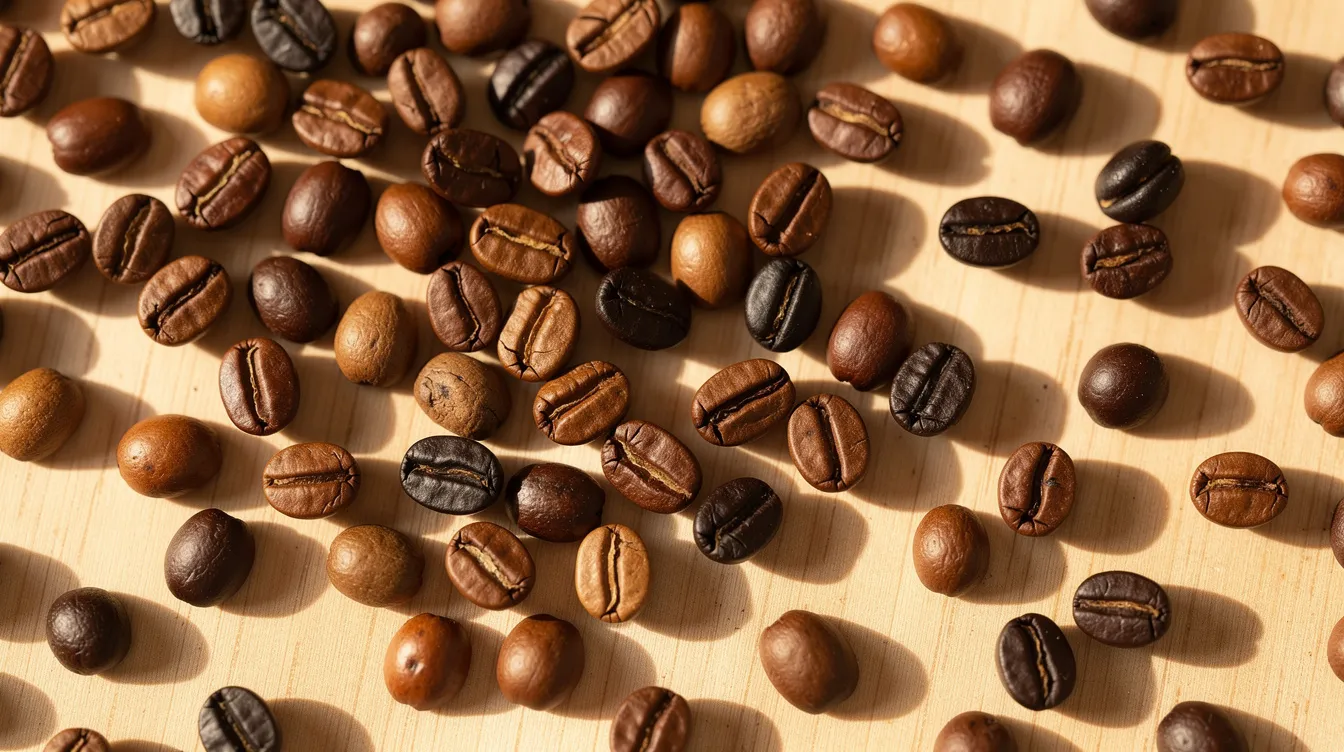
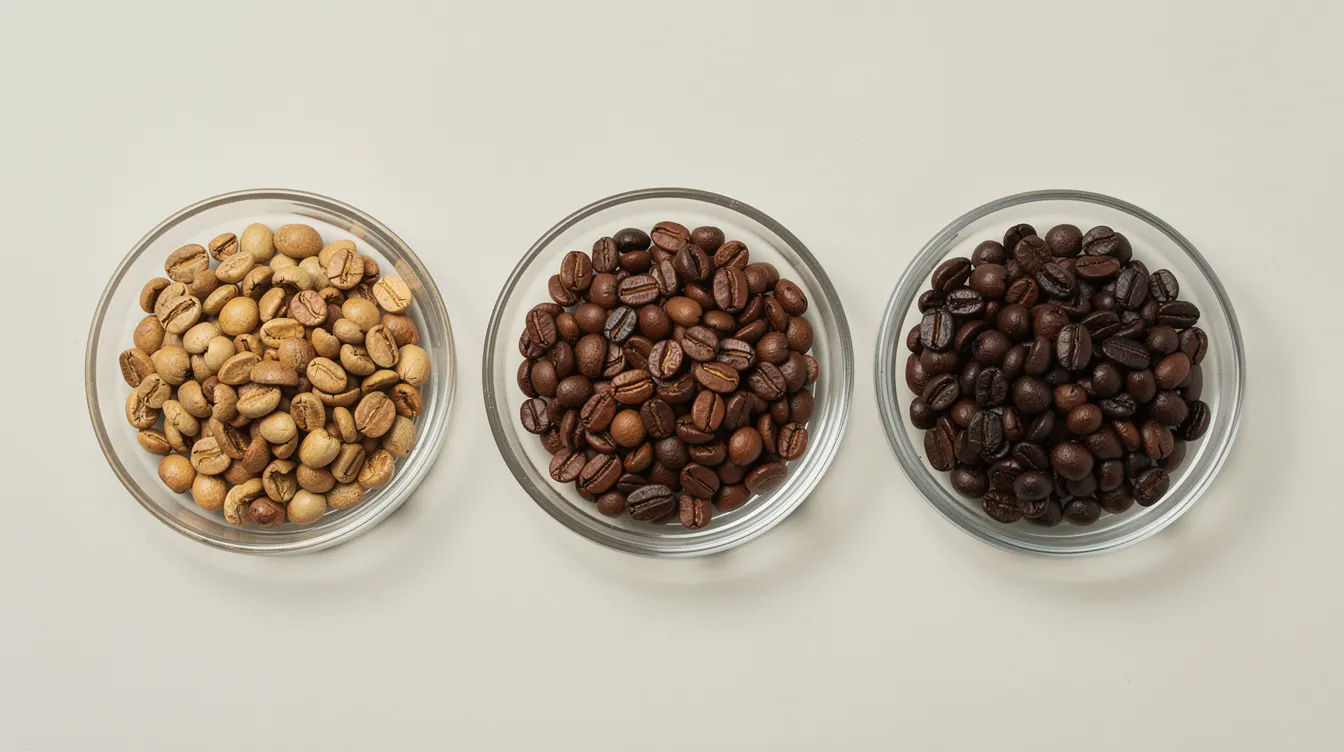
Roast level is one of the strongest predictors of what you will taste, regardless of brand. The roasting process triggers Maillard reactions and caramelization of sugars; the longer beans roast, the more origin character gives way to roast-derived flavors.
Light roast coffee retains origin character: varietal and terroir flavors come through as brighter acidity, fruit-forward aromatics, and a lighter body. Many modern specialty coffee roasters default to light roasts for single origin coffees. These require careful brewing and tighter control of grind size, water temperature, and brew time to avoid sour or vegetal notes.
Medium roast is the workhorse of the US coffee market. A house blend, breakfast blends, and many grocery lines sit here, reflecting the balanced, everyday style many brands design for versatile home brewing. Expect balanced sweetness, moderate body, caramel notes, and approachable acidity. Medium roasts are forgiving across drip machines, bean to cup machines, and French press setups.
Dark roast coffees push into smoky, bittersweet, heavy-bodied territory. Milk chocolate notes and dark chocolate tones appear, while acidity drops. Classic supermarket blends and Italian-style espressos live here. The risk: over-roasted beans taste flat or harsh. Flavor profiles can differ greatly between brands and roasts, so a well-crafted dark roast from a careful roaster tastes nothing like a burned bargain-bin canister.
Whole Beans vs Pre-Ground: What Brand Type Fits You?
Whole beans produce better, fresher cups because grinding right before brewing preserves volatile aroma compounds. Most speciality roasters and online-focused brands encourage whole-bean purchases for this reason. If you own an espresso machine or bean to cup machine, whole beans are the default format.
Pre-ground coffee still makes sense for:
- Office or break-room use where speed matters more than nuance
- Casual coffee drinkers without grinders
- Mainstream grocery brands like New England Coffee or Eight O’Clock Coffee, commonly sold ground in sizes that match weekly drip consumption
Some bean to cup machines require whole beans, while drip machines and single-serve pod setups are designed around pre-ground formats. Check brand packaging carefully; some “whole bean” labels on store shelves actually contain coarse-ground blends.
Matching Coffee Brand to Brew Method
Choosing the right brand is half the equation. Matching it to your brew method closes the gap.
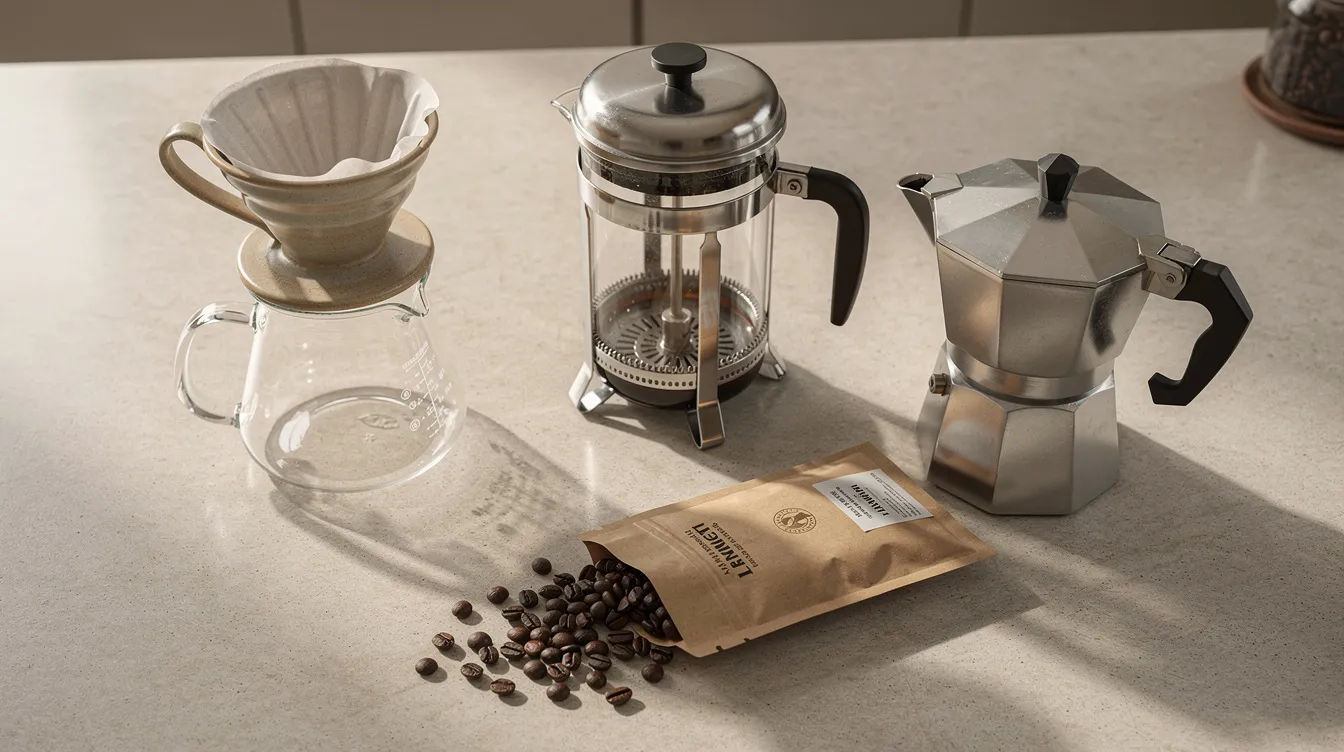
Brew Method | Best Roast Range | Brand Segment That Fits |
|---|---|---|
Drip / auto brewer | Medium to medium-dark | Grocery blends, café-linked lines |
Pour over | Light to medium | Specialty single origins, lighter blends |
Espresso machine | Medium to dark | Espresso-labeled blends, specialty espresso lines |
Moka pot | Medium-dark to dark | Bold blends, Italian-style roasts |
French press | Medium-dark | Forgiving blends, house blends |
AeroPress | Any roast level | Versatile; works with various roast levels |
Bean to cup machines | Medium to medium-dark | All-purpose or espresso blends |
Medium to dark roasts suit espresso machines and moka pots because their lower acidity and heavier body stand up to pressurized extraction and steamed milk. Light roasts are best for pour over and AeroPress methods, where slower extraction highlights origin nuance. The French press works well with medium-dark beans, which produce a full bodied cup without excessive bitterness. Espresso requires a fine grind for optimal extraction, regardless of brand. The AeroPress is versatile and works with various roast levels, making it a good tool for testing new brands.
Look for brand-level guidance on packaging or websites (“best for espresso,” “great for French press”) and cross-check those claims against independent consensus in our reviews.
Supermarket & Grocery Coffee Brands: Convenience First
Grocery-shelf brands offer three things reliably: wide availability, low per-cup price, and predictable flavor. Freshness and origin transparency are where they fall short. Most canned or bagged grocery coffees carry a “best by” date rather than a roast date, and the roasted beans inside may have been packaged weeks or months before reaching the shelf.
Maxwell House and Folgers are the archetypes of budget ground coffee. Their typical flavor profile is straightforward, dark-leaning, and sometimes bitter when cooled. Best use case: large office pots, no-frills morning cup caffeine. Maxwell House retails at roughly $0.57 to $0.69 per ounce at major retailers like Target, making it one of the cheapest per-cup options in the market.
New England Coffee and Eight O’Clock Coffee sit a tier above. Many coffee drinkers find them more balanced and less harsh, with donut-shop style blends and flavored lines that add variety. Eight O’Clock Coffee’s whole bean and ground options list at around $13.79 for typical sizes, and the brand has earned best-value accolades in grocery-brand taste comparisons. Café Bustelo is known for its strong flavor and affordability, particularly among drinkers who enjoy Latin-style espresso-strength coffee brewed in a moka pot or drip machine.
These brands rarely publish speciality grade scores or farm-level sourcing, but they remain popular because regular coffee that costs under $10 a pound and tastes fine in a drip machine meets the needs of a huge number of households.
Big Café-Linked Brands: Starbucks, Dunkin’, Peet’s & More
Café-originated brands now fill entire grocery aisles. Their advantage: brand recognition and a flavor profile many consumers already know from shop visits.
Starbucks Coffee bagged blends skew dark. Core grocery offerings carry heavy roast character that divides opinion; Reserve single origins and limited releases tend to score better among expert tasters. Dunkin’ positions itself as a milder, more approachable alternative with flavored and breakfast-style blends that many drip coffee drinkers enjoy daily. La Colombe bridges the gap between accessibility and craft quality, offering both grocery-available blends and more experimental small-batch releases.
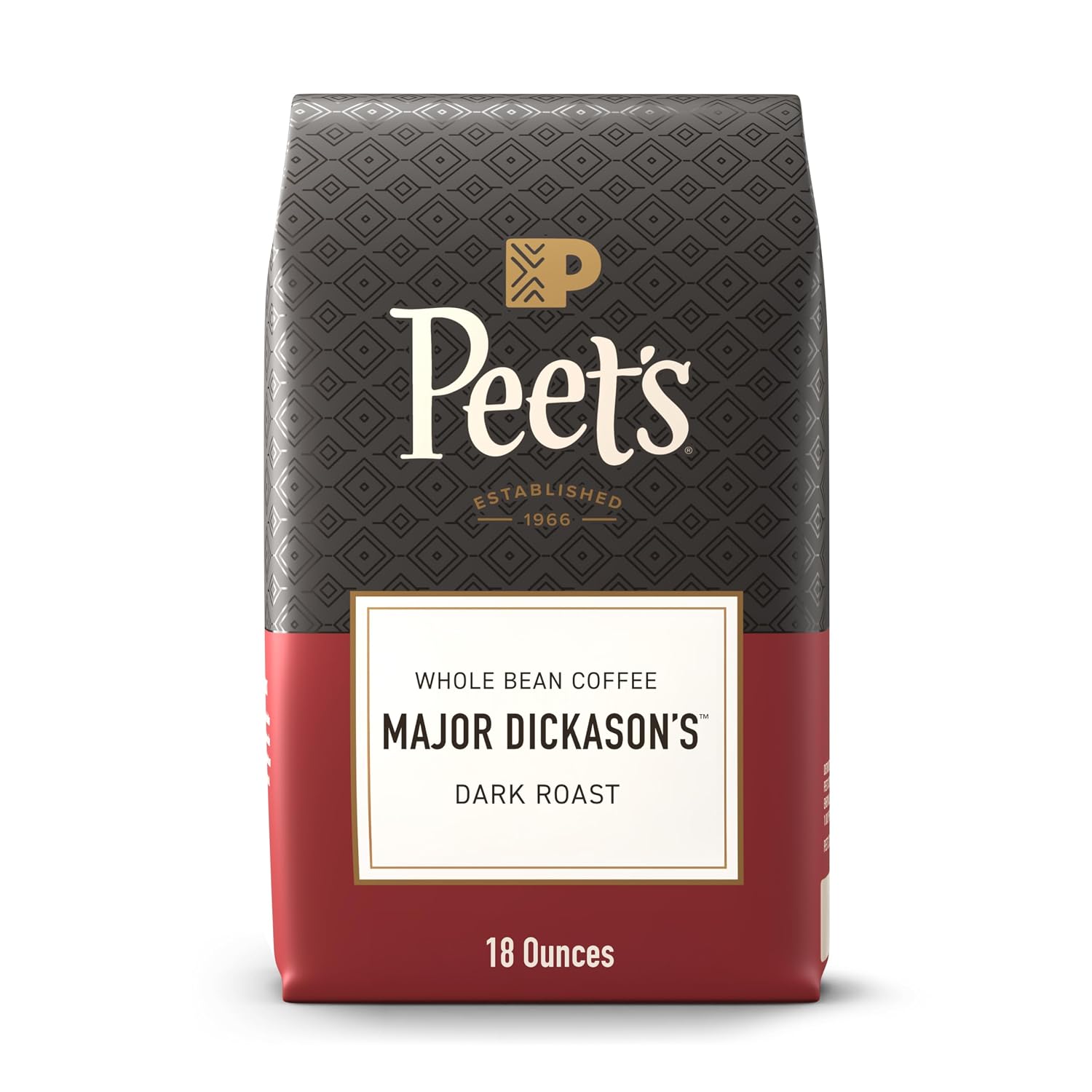
Peet’s Coffee is known for its bold and heavy-bodied dark roasts, often favored by drinkers who like intense, full bodied cups with a distinctive flavour profile. Peet’s has a longer history in specialty-influenced roasting than most grocery competitors, having predated the third-wave coffee culture movement.
All of these brands offer whole beans, ground coffee, and K-Cup or pod options. Freshness still depends on roast date and storage, not just the name on the bag.
Ethical & Mission-Driven Coffee Brands
Some coffee brands emphasize fair trade, environmental sustainability, or social missions alongside flavor. Our reviews treat these as meaningful but secondary to cup quality and value.
A few concrete examples of what ethical commitments look like in practice:
- Origin Coffee pays 116% above the Fairtrade minimum for its beans and was voted Europe’s best speciality coffee roaster in both 2023 and 2024.
- Clumsy Goat Coffee is 100% Fairtrade-certified, ensuring fair prices for farmers across its entire lineup.
- Volcano Coffee Works uses 100% renewable energy in their roastery, reducing the carbon footprint of every bag.
- Assembly Coffee sources beans from organic farmlands in El Salvador, with Assembly Coffee’s house espresso blend reflecting that sourcing commitment.
- Balance Coffee publishes independent lab results for mycotoxins and pesticides. Balance Coffee tests for mycotoxins and pesticides independently, and the Stability Blend from Balance Coffee is lab-tested for both. Mycotoxins are toxic compounds produced by mould on coffee beans, and testing coffee for mould and chemicals costs over £400, which is why few brands do it voluntarily.
Organic certification confirms no synthetic pesticides or fertilizers were used in growing coffee, but certifications alone do not guarantee great taste or speciality grade quality. Weigh mission, flavor, and price together using our brand overviews to understand where trade-offs exist.
Independent Specialty Coffee Roasters
Independent specialty coffee roasters are the primary source of high-scoring, speciality grade beans with distinctive regional flavor profiles. These coffee roasters typically operate with smaller batch sizes, clearer roast dates, rotating seasonal offerings, and greater transparency about origin, region, farm, and processing method.
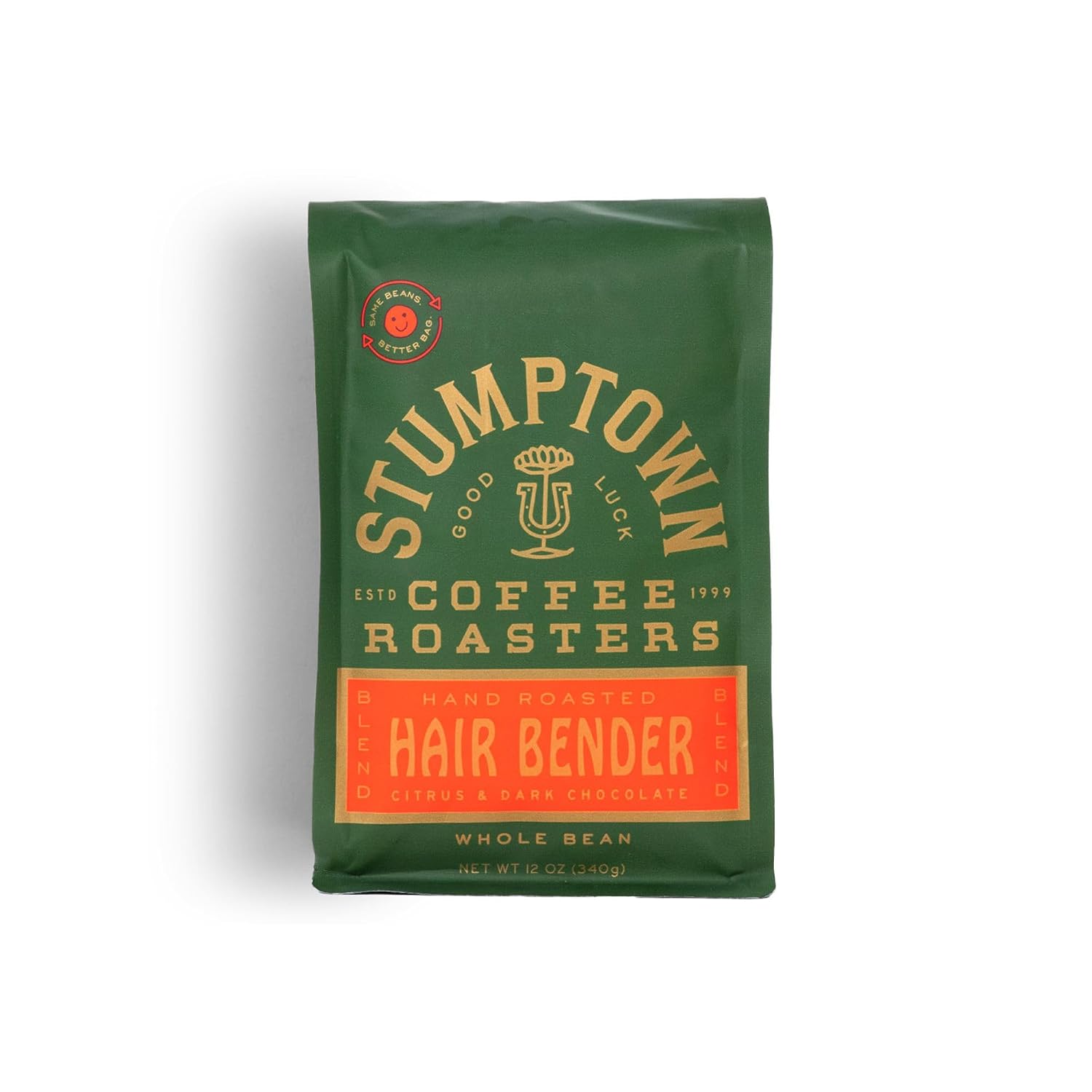
US-based examples include Stumptown, which focuses on direct-trade sourcing and meticulous roasting; Counter Culture Coffee, recognized for strong sourcing transparency; and Intelligentsia Coffee, which emphasizes nuanced flavors and direct-trade sourcing. In the UK, roasters like Rave Coffee and Pact Coffee have built followings for freshly roasted, traceable beans shipped direct. England Coffee culture has grown rapidly, and many UK roasters now ship internationally.
These exceptional coffees reward careful brewing methods: pour over coffee, well-dialed espresso, and precision bean to cup machines. If you buy high quality coffee beans from a specialty roaster and brew them in a basic drip machine with tap water, you may not taste the difference you paid for. The investment is in both the beans and the brewing.
Brand Comparisons by Use Case
Rather than a ranked list, here is comparative guidance based on how you actually prepare and drink coffee:
- Budget-conscious daily drinkers: Mainstream grocery brands like Maxwell House, Eight O’Clock Coffee, or Café Bustelo deliver adequate flavor at the lowest cost per cup. Best for drip machines and large-batch brewing.
- Flavor-focused home baristas: Independent specialty roasters (Stumptown, Counter Culture, Intelligentsia) and online brands (Volcanica, Lifeboost) offer the best coffee for exploring origin and processing complexity. Pour over, AeroPress, and dialed-in espresso reward the effort.
- Convenience-and-quality balance: Café-linked brands (Peet’s, Starbucks, Dunkin’) and mid-tier grocery options (Eight O’Clock, New England Coffee) sit in between, offering decent quality in widely available formats.
Dark roast coffees and robust blends combine beans and roast character in ways that cut through milk, cream, or syrups. Lighter speciality grade coffees shine when enjoyed black or with minimal steamed milk. Treat our featured recommendations as starting points; adjust based on your own experience after a few bags.
Browse Guides: Coffee Brand Review Collections
Our reviews page houses deeper, more specific guides organized by brand and brewing category. You will find dedicated brand profiles for notable specialty-focused companies, each with detailed flavor breakdowns, brew method tips, and value analysis.
Thematic collections include best dark roast coffees for drip, best coffee beans for espresso machines, and best grocery-store brands for value. We add new brand and category guides as the market evolves, particularly when new coffee roasters or blends gain traction among US coffee consumers.
Browse Guides: Spotlight on Volcanica Coffee
Volcanica Coffee is a specialty-oriented brand known for extensive origin variety and a focus on beans grown at higher altitudes, often in volcanic soils. The lineup spans a wide range of single origin coffees and signature blend offerings, frequently roasted to medium and light profiles that appeal to coffee lovers who enjoy exploring different regions and processing styles.
Our dedicated Volcanica Coffee review covers performance across brew methods, relative value, and standout dark roast or decaf options. That coverage is researched editorial analysis drawing from reputable expert reviews and consumer consensus.
Browse Guides: Spotlight on Lifeboost Coffee
Lifeboost Coffee positions itself around organic, low-acid, and health-conscious marketing, with beans typically sourced from high-altitude farms and roasted to medium or dark profiles. The core appeal is smoother, less acidic cups that are claimed to be gentler on the stomach, plus an emphasis on pesticide-free and mycotoxin-conscious sourcing where documented.
Our full Lifeboost Coffee review outlines flavor performance, price premium, best use cases, and comparison to alternatives. That evaluation is based on labeled claims, third-party data, and broad user feedback rather than our own laboratory testing.
Featured Recommendations (Affiliate-Supported)
Disclosure: Some recommended brands below may provide Capitol City Coffee with affiliate commissions at no extra cost to you. Rankings reflect editorial judgment and are not influenced by commission rates.
Best for Everyday Drip: Eight O’Clock Coffee Original A medium roast blend that delivers clean, uncomplicated flavor with a creamy body and mild caramel notes. Works well in drip machines and bean to cup machines. Priced around $13.79 per bag at most US grocery and online retailers. Drawback: limited roast date transparency on packaging.
Best for Specialty Exploration: Volcanica Coffee (Single Origins) Rotating single origin coffees with detailed tasting notes on every bag. Light to medium roasts highlight origin-specific flavors, from berry-forward Ethiopians to nutty Colombians. Best for pour over coffee and AeroPress. Higher cost per ounce than grocery options, and most varieties are only available online.
Best Low-Acid Option: Lifeboost Coffee Medium Roast Marketed for low acidity and organic sourcing. Smooth, mild flavor profile suited to drinkers with sensitive stomachs. Works across drip, French press, and espresso. The price premium is notable; this is one of the more expensive brands per bag. Limited to online purchasing.
Best Mission-Driven: Origin Coffee Pays 116% above Fairtrade minimum prices and has earned recognition as Europe’s best speciality coffee roaster in consecutive years. Top quality coffee with strong ethical sourcing. Availability in the US is primarily online, and shipping costs can add to per-bag pricing.
Best Bold Grocery Option: Café Bustelo Espresso Finely ground, strong, affordable, and widely stocked in US supermarkets. Ideal for moka pot and strong drip brewing. Not a speciality grade product, but it delivers intense flavor at a budget-friendly price. Can taste harsh to drinkers who prefer subtlety.
How Capitol City Coffee Researches Recommendations
Capitol City Coffee is an independent coffee editorial and affiliate publication, not a roaster or retailer. We do not claim hands-on testing unless documented for specific products in individual reviews.
Our research process aggregates data from reputable expert tastings, input from industry professionals, SCA cupping scores, industry reports (including NCA and SCA publications), verified customer reviews, and publicly available brand information covering roast profiles, origin details, certifications, pricing, and current availability. We prioritize verified product facts and third-party consensus. Health-related claims are limited to what credible sources support; we avoid exaggerated benefits.
We revisit and refresh brand write-ups at least annually, and sooner when major formula changes, discontinuations, or price shifts like the 41% average retail increase reported in recent years affect the market.
Price, Value & Availability Across Coffee Brands
Coffee pricing in the US falls into rough tiers. Budget canned blends from Maxwell House or Folgers run $4.50 to $8.50 per 12-ounce bag at grocery. Mid-range brands like Eight O’Clock Coffee and New England Coffee sit between $8.50 and $13. Specialty and health-marketed brands (Volcanica, Lifeboost, small-batch roasters) typically start at $13 and can exceed $18 per 12 ounces.
Availability differs too. Some brands dominate US supermarket and warehouse club store shelves; others sell exclusively online via subscriptions or direct-to-consumer sites. Green Mountain, for example, is widely available in K-Cup format at grocery and club stores, while many independent roasters ship only from their own websites.
When assessing value, factor in shipping costs, subscription discounts, and waste. A $7 bag of stale ground coffee that sits half-used for six weeks costs more per good cup than a $14 bag of freshly roasted beans consumed within three weeks.
Choosing the Right Brand for Your Taste & Routine
Rather than repeating brand details, here are four quick profiles:
- Budget daily drip drinker: Maxwell House, Folgers, or Café Bustelo. Buy the largest size that fits your weekly consumption. Prioritize price.
- Weekend pour over enthusiast: A specialty roaster like Stumptown or Volcanica. Buy whole beans in small quantities. Prioritize freshness and origin character.
- Espresso-focused home barista: Peet’s Coffee, a specialty espresso blend, or balance coffee from a roaster that labels beans for espresso use. Medium to dark roasts. Prioritize grind consistency and roast suitability.
- Office buyer: New England Coffee or Eight O’Clock Coffee in pre-ground format. Medium roast for broad appeal. Prioritize affordability and shelf stability.
Personal preference around roast level, sweetness vs bitterness, and complexity matters more than any recommendation. Trying two or three brands from different segments will clarify your taste faster than reading every review on the internet. Use our linked individual reviews and category guides as next steps once you know which profile fits.
Staying Fresh: Storage, Roast Dates & Oxygen Exposure
Freshness is important in coffee purchasing and brewing. Even the best coffee brand will taste dull if stored poorly or used long past peak freshness.
Roast date transparency matters more than “best by” dates. Specialty roasters print the exact roast date; mainstream brands rarely do. Nitrogen flushing and vacuum sealing extend shelf life for larger brands, but once a bag is opened, the clock starts ticking.
Actionable storage advice:
- Keep coffee in a cool, dark place, sealed from oxygen and moisture.
- Avoid long-term freezer storage of opened bags.
- Buy only the amount you will use in three to four weeks.
- If you notice oil on the surface of roasted beans, use them sooner; oily beans stale faster.
Dark roast coffees show staling as flattened, papery flavor, while lighter roasts develop sharper bitterness. Both are equally affected by time and oxygen.
Frequently Asked Questions
How do I decide between a grocery brand like Maxwell House and a specialty roaster?
Grocery brands excel on price and convenience, making sense for large households, offices, or drinkers who want straightforward, strong coffee without fuss. A 12-ounce bag of Maxwell House costs roughly half what a comparable specialty bag runs.
Specialty roasters usually offer fresher, more complex cups with greater flavour complexity. They suit people who enjoy exploring flavor notes, brewing with care, and are willing to pay more per bag. Start with a reliable grocery option, then try one specialty brand side by side. The flavor difference will either justify the extra cost for your routine or confirm that the grocery option is enough.
Are dark roast coffees always lower quality than light roasts?
Roast level is not a quality rating. High quality coffee beans can be roasted dark or light, and many respected brands offer carefully developed dark roasts with sweetness, balance, and milk chocolate notes rather than just heavy bitterness.
The “low quality” reputation comes from mass-market dark roasts that use aggressive roasting to mask defects in lower-grade green coffee. If you enjoy bold, chocolatey profiles, seek out dark roast coffees from reputable roasters (Peet’s, specialty espresso blends) that emphasize a creamy body and clean finish.
What coffee brands work best with bean to cup machines?
Medium or medium-dark whole beans from brands that roast for espresso or “all-purpose” use tend to perform best. Ultra-light speciality roasts can be harder to dial in on fully automatic grinders. Brands like Eight O’Clock Coffee (whole bean lines), certain New England Coffee options, and many specialty espresso blends all work well in bean to cup machines.
Avoid very oily ultra-dark beans; they can clog internal grinders over time. Adjust grind settings gradually as you switch brands. Assembly Coffee’s house espresso and similar blends designed for consistent extraction are solid starting points.
Is paying extra for organic or “clean” coffee brands worth it?
Organic and “clean” coffees may appeal to drinkers concerned about synthetic pesticides or contaminants. Organic certification confirms no synthetic pesticides or fertilizers were used, but labels and marketing claims vary in how much they guarantee beyond that.
Look for clear certifications and, where possible, independent testing. Balance Coffee, for example, publishes independent lab results for mycotoxins and pesticides. Testing at this level costs over £400, which is why few brands provide it. Taste, freshness, and brewing technique still determine most of what you experience in the cup, so balance health priorities with flavor and budget.
How often will Capitol City Coffee update these coffee brand reviews?
This hub page is reviewed at least once per year to reflect new brands, discontinued products, and shifts in pricing or availability. Individual brand reviews under /reviews/ are refreshed more frequently when important changes occur, such as reformulated blends, major roasting changes, or new expert consensus on coffee quality. Check back periodically for new guides and updated featured recommendations as the growing coffee market evolves.