

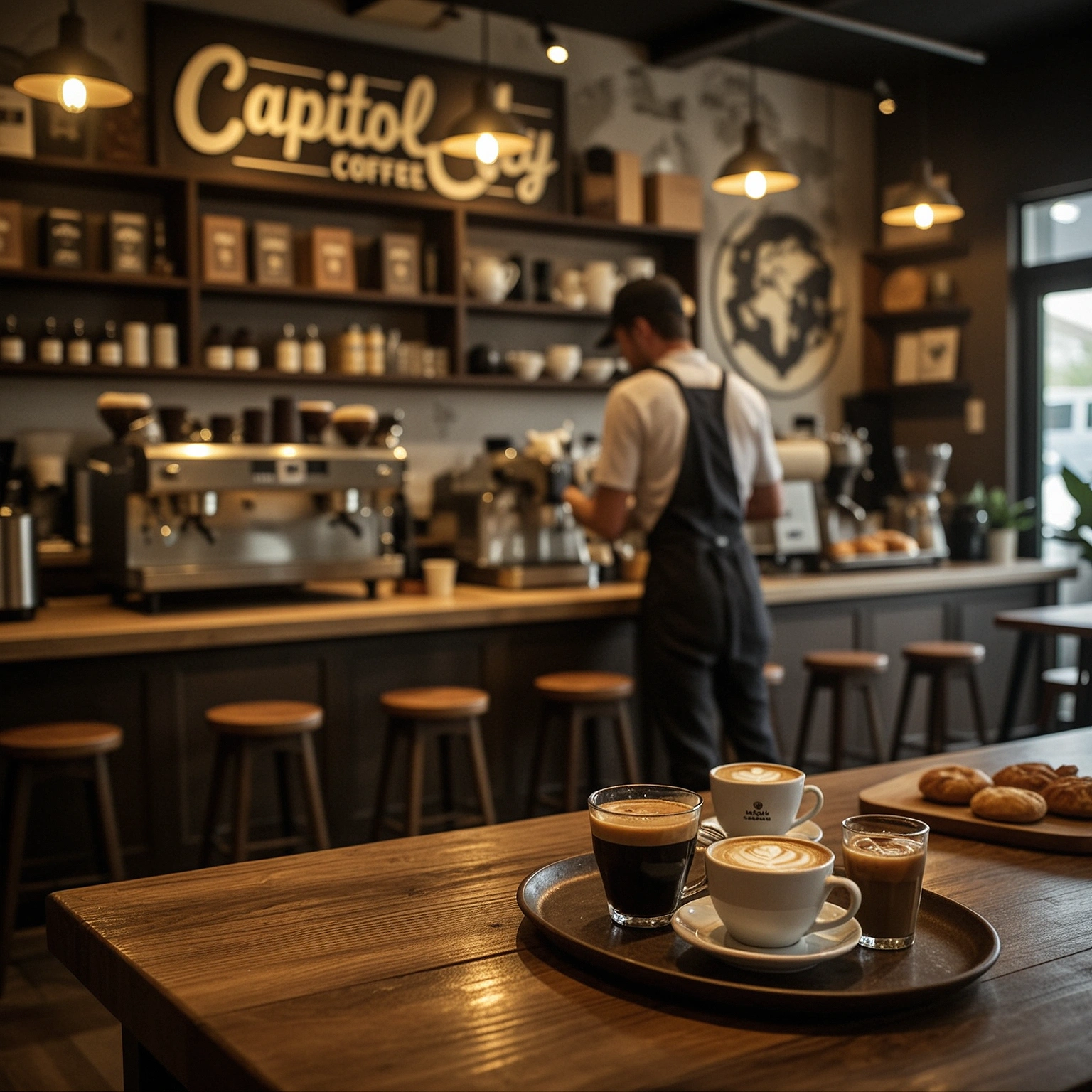
The best coffee for drinks like iced lattes, cappuccinos, and other espresso drinks depends on three things: roast level, bean blend, and brew method. Iced drinks need bolder, chocolatey beans that hold up against cold milk and ice. Cappuccinos reward balanced medium to medium-dark espresso blends that cut through foam. Black coffee and brewed coffee shine with lighter roasts that showcase origin character. This page breaks down what works for each drink and why, so you can stop guessing and start buying smarter.
Key Takeaways
- Iced latte, iced coffee, and cold brew drinks perform best with medium-dark to dark roast blends that deliver chocolate, caramel, and nut flavors through cold milk and ice.
- A traditional cappuccino and caffè latte favor balanced medium to medium-dark espresso blends with low acidity, enough sweetness, and good body to complement steamed milk and milk foam.
- This page is an independent, research-based guide from Capitol City Coffee. We help coffee lovers pick beans and gear by drink type – we do not sell coffee directly.
- For deeper picks, explore our guides to the best coffee for iced coffee, best coffee for lattes, and best coffee for cappuccino.
- Every recommendation on this page weighs flavor, quality, usability, price, and real-world trade-offs. An affiliate disclosure appears before the first specific product suggestion.
At a glance
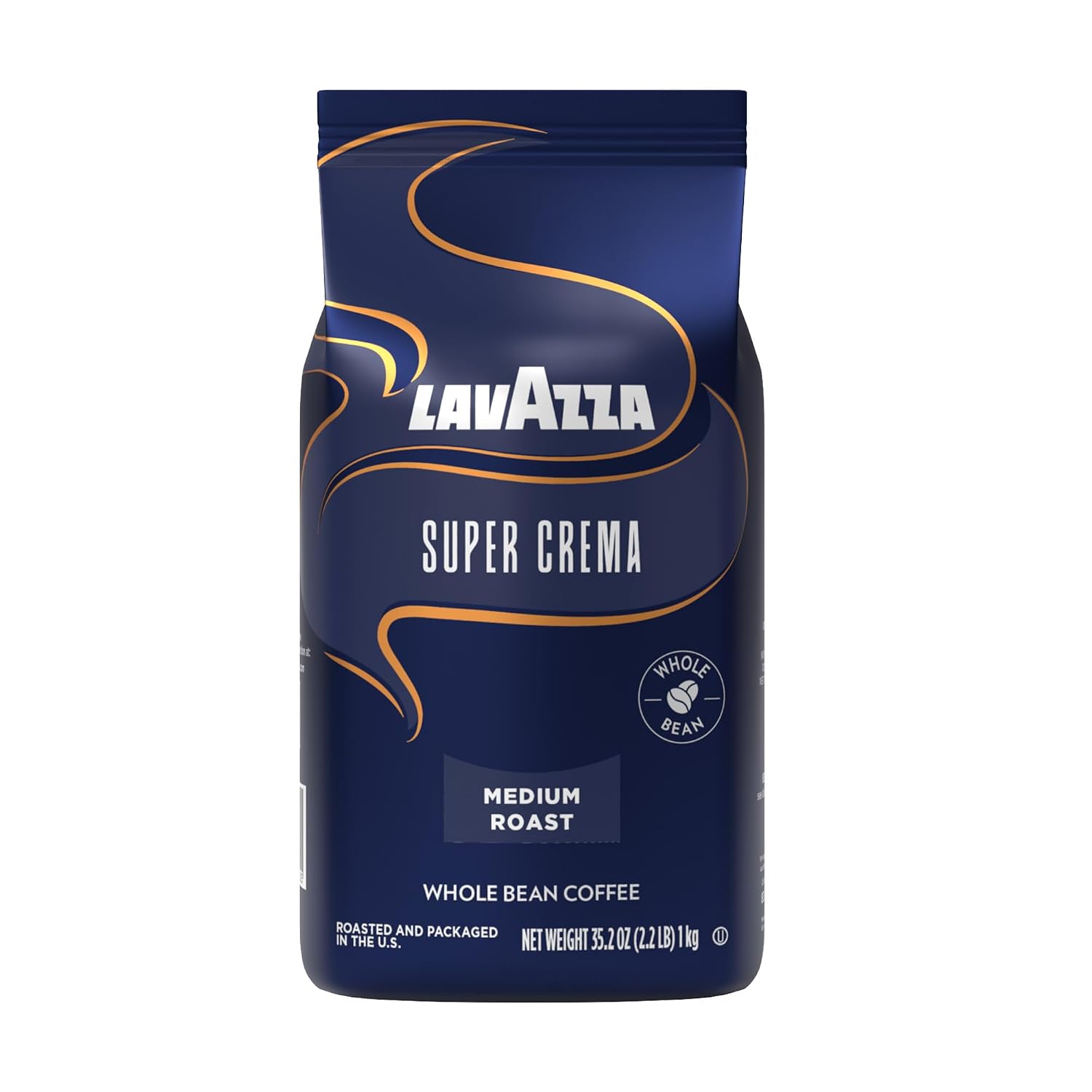
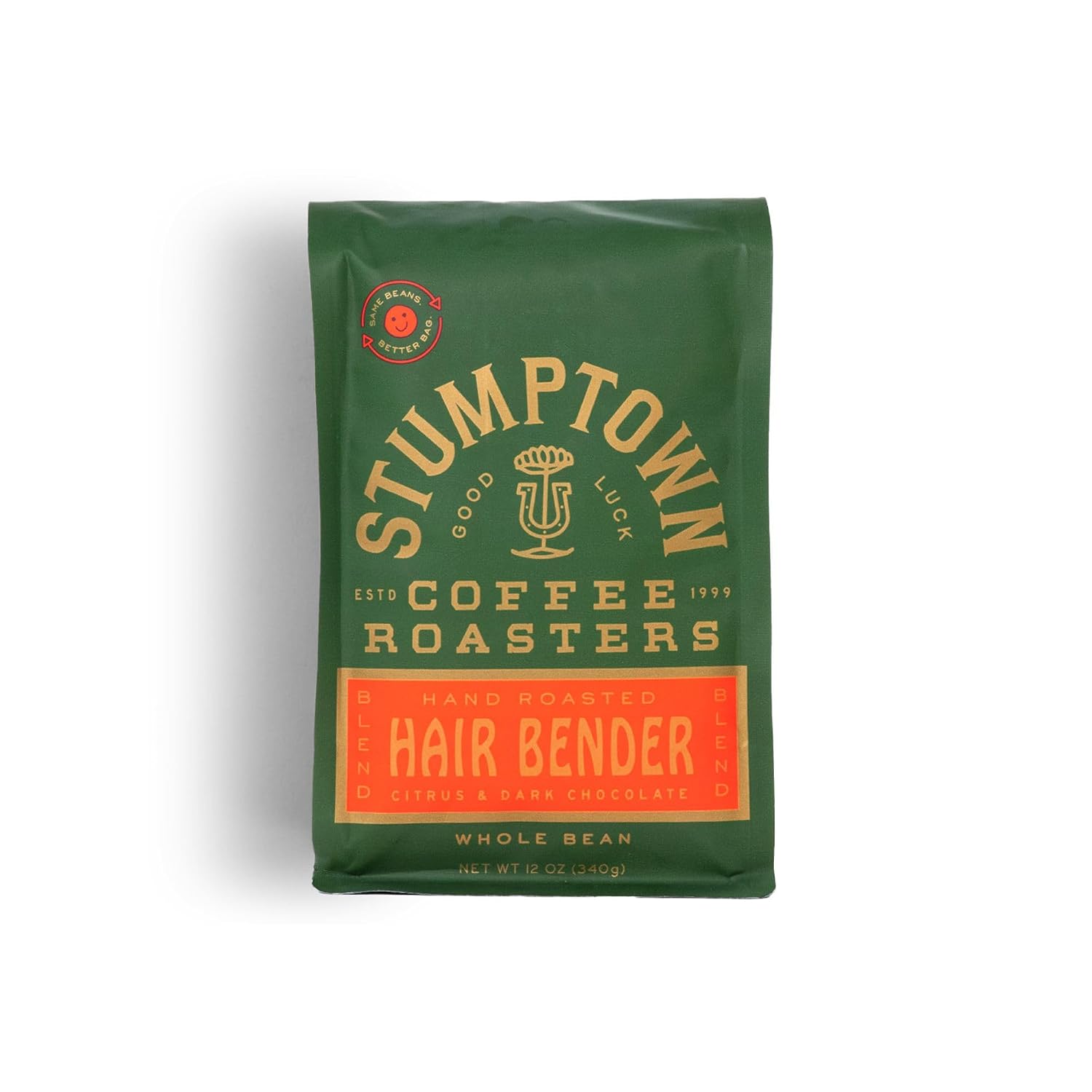
Category Overview: Coffee by Drink
This Coffee by Drink hub exists to solve a common problem: most coffee guides organize beans by roast or origin, but what you really need to know is which coffee works best in the drink you actually make every morning. Whether that drink is an iced latte from your kitchen counter, a cappuccino pulled on an espresso machine, or cold brew steeped overnight in a jar, the right bean choice is different for each one.
The best coffee for drinks like iced lattes and cappuccinos is usually a medium to medium-dark espresso blend with enough sweetness and body to cut through milk and ice, while lighter roasts excel in brewed coffee and black coffee. Medium-dark roasts can deliver flavors of chocolate, caramel, and nuts – exactly the profile that holds up across most milk-based drinks and iced espresso drinks while maintaining a creamy taste.
This page is structured to get you to the right answer fast: key concepts first, then drink-by-drink browse guides, featured researched recommendations, gear notes, and FAQs. Capitol City Coffee is an independent editorial and affiliate publication. Rankings are based on researched editorial analysis, not commission size.
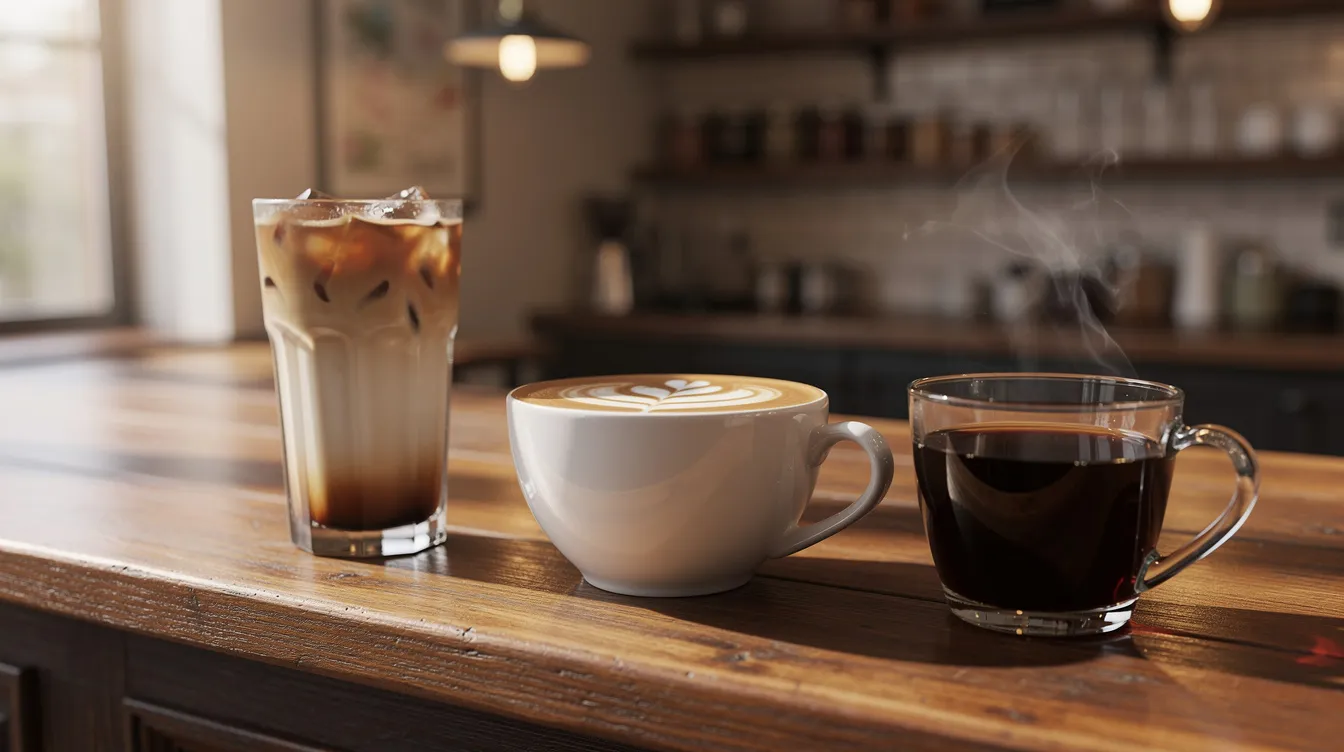
Key Concepts: How Different Drinks Change the “Best Coffee”
The same coffee beans taste different in a straight espresso shot, an iced latte, a cappuccino, or cold brew. Temperature, dilution, and milk all reshape what you perceive in the cup.
Here is how the main variables interact:
- Iced latte and other iced coffee drinks need slightly bolder flavors – chocolatey, nutty notes that stay present over ice and cold milk. Light roasts can taste watery or sour when mixed with milk, which is why medium-dark and dark roast coffee blends offer the rich chocolate and nut flavors that work here.
- Hot milk drinks like caffè latte and cappuccino reward balanced sweetness and a smooth finish. Strong espresso blends perform better in milk-based drinks against dilution.
- Espresso is made by forcing hot water through finely ground coffee under roughly 9 bars of pressure, producing a concentrated coffee with thick body and crema. Brewed coffee (drip, pour-over, French press) is lower in concentration, and flavor brightness and acidity are more prominent.
- Bean type matters: Arabica beans provide sweetness and complexity, while Robusta can contribute dense crema and heavier body. Roast level controls acidity (lighter = more, darker = less). Grind size must match brew method.
- Trade-offs are real: darker blends deliver strong flavor in milk drinks but may taste flat as black coffee. Lighter roasts excel in pour-over but can feel sharp or thin in cold milk drinks. Avoid very light and dark coffees for iced lattes and cappuccinos – the middle range is your safest bet.
Browse Guides by Drink Type
Use these links to jump straight to the drink you care about most:
- Iced coffee and cold brew: See our in-depth guide to the best coffee for iced coffee for cold brew and classic iced coffee recommendations.
- Lattes: Explore the best coffee for lattes for beans that shine in creamy caffè latte and other milk-forward espresso drinks.
- Cappuccino: If you love a foamy, espresso-forward cup, visit our best coffee for cappuccino guide to find blends that cut through milk foam.
Other common espresso drinks and what typically suits them: a flat white works well with medium-dark espresso blends (less milk than a latte, so coffee flavor comes forward). Macchiato wants a punchy shot – medium roast single origin can work. Mocha pairs with chocolatey dark blends since you are already adding chocolate syrup. An Americano dilutes espresso with hot water, so avoid overly dark roasts that turn bitter. A frappé is made with instant coffee, ice, and sugar – bean selection matters less here since the base is pre-ground coffee.
Choosing Beans for Iced Lattes and Other Iced Espresso Drinks
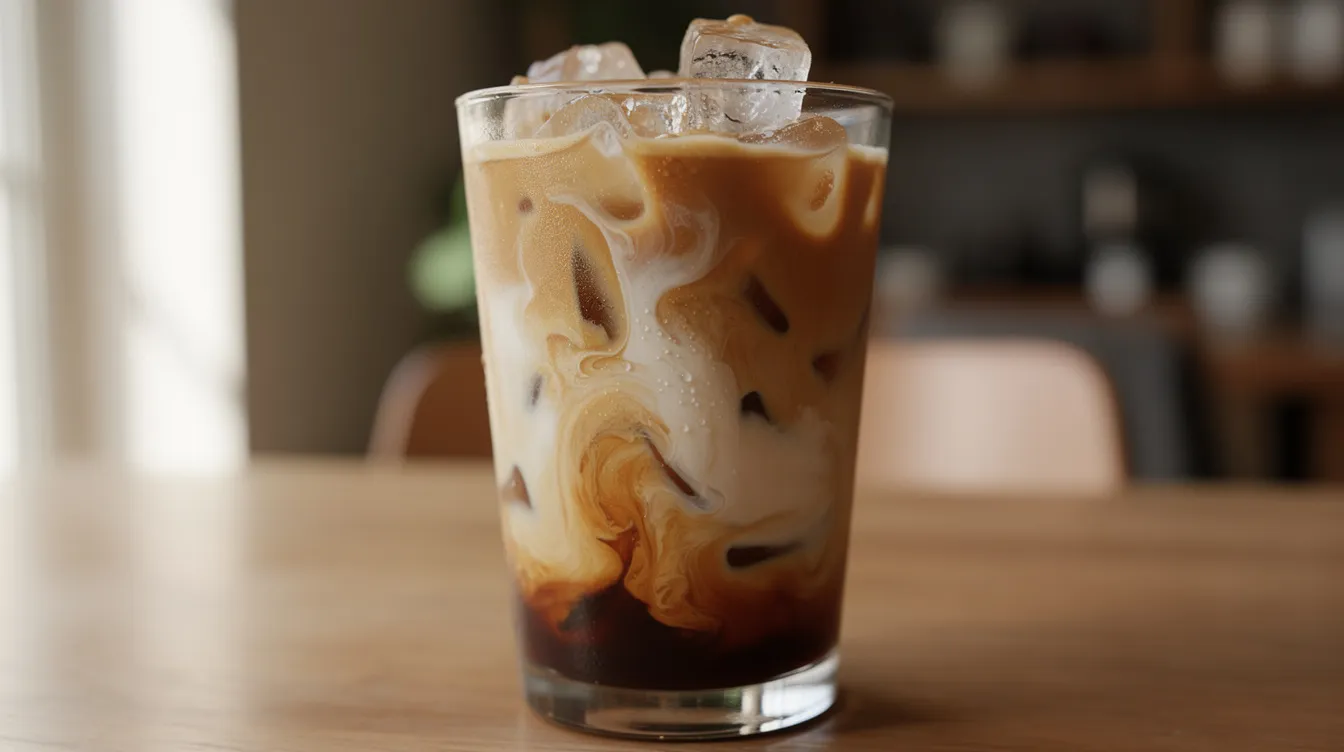
An iced latte combines espresso with cold milk and ice, typically served cold in a tall glass. It is one of the most popular coffee drink orders in U.S. specialty coffee shops and drive-throughs, often customized with flavored syrup or whipped cream.
Cold temperatures mute coffee flavor. Ice melts and dilutes further. That is why coffee lovers should favor medium-dark espresso blends with chocolate, caramel, or nutty notes and enough body to shine through cold milk and ice. Low-acidity coffee beans from Brazil and Colombia complement milk naturally and avoid the sharpness that brighter origins can introduce over ice.
For roast level, stick to medium or medium-dark. Origin patterns that work well: Latin American blends for chocolate and nuts, some Indonesian coffees for heavier body. Blends tend to outperform single-origin beans in iced drinks because roasters can calibrate sweetness and body across multiple sources.
On price and value: buying a 12-ounce or 1-pound bag of espresso beans for home use with an espresso machine or a strong moka pot can be more cost-effective than daily iced latte orders at a coffee shop, though you are trading convenience for a gear investment. A chocolatey medium-dark Latin American blend from a widely available U.S. roaster is a reliable starting point. Specific ranked picks are covered in our dedicated iced coffee guide.
Best Coffee Style for Cappuccino and Foam-Heavy Espresso Drinks
A cappuccino consists of equal parts espresso, steamed milk, and foam – typically served in a small cup around six ounces. Cappuccinos are often served in smaller cups than lattes, which means the espresso presence is stronger and every flaw in the shot is more obvious.
Cappuccino-friendly coffees should produce syrupy, concentrated espresso with a sweet aftertaste. Medium to medium-dark blends with natural sweetness and low harshness work best. Look for roast profiles that stay between first and second crack – roughly 410–428°F – where origin character and roast-developed caramel notes coexist.
Some roasters add a small percentage of high-quality Robusta to espresso blends. Espresso blends with Robusta create thicker crema and higher body, which helps coffee read through the milk foam in a traditional cappuccino. Arabica beans provide sweetness while a touch of Robusta adds to body and crema. The trade-off: poorly sourced Robusta or percentages above 20% can introduce harsh, rubbery notes. A 10–15% blend is the consensus sweet spot.
A well-pulled double shot of espresso from an espresso machine with consistent pressure will show layered flavors through foam, while over-roasted beans may taste ashy and one-note under milk foam. If you also drink black coffee occasionally, choose a blend that stays pleasant as straight espresso or Americano – a versatile house espresso blend saves you from buying two bags.
Coffee for Classic Caffè Latte and Milk-Forward Espresso Drinks
A caffè latte is a milk-heavy espresso drink: a latte typically uses a 1 to 3 ratio of espresso to steamed milk, with a latte typically using about six ounces of milk. A latte contains more steamed milk than a cappuccino and has a thin layer of foam on top, resulting in a creamier drink with a velvety texture that emphasizes milk sweetness.
Selecting espresso blends with low acidity enhances coffee’s performance in lattes. The best coffee is often a medium roast espresso blend with gentle acidity and notes like milk chocolate, caramel, or light fruit that will not clash with dairy or oat milk. Low-acidity coffee beans from Brazil and Colombia are a natural fit here.
How different styles behave in a latte:
Style | Flavor in Latte | As Black Coffee | Value |
|---|---|---|---|
Classic house espresso blend | Chocolatey, smooth, reliable | Decent but may lack complexity | Good – widely available |
“Blonde” / lighter-roast espresso | Brighter, slight fruit | More interesting black | Can taste thin in milk |
Dark roast blend | Bold, smoky, bolder flavors | Can taste bitter or flat | Often cheaper per pound |
Grocery-store espresso blends under $12–$15 per pound work fine for everyday lattes. Specialty roaster offerings at $18–$25 per pound can offer more complex flavor, but that subtlety gets lost in large, milky drinks. For specific latte-bean picks, visit our best coffee for lattes guide.
Coffee for Cold Brew, Iced Coffee, and Other Cold Coffee Drinks
Iced coffee is brewed coffee poured over ice – hot-brewed, then chilled. Cold brew coffee is steeped for 12 to 24 hours in cold water, producing a smoother, less bitter concentrate. Both are popular summer coffee drinks, but they have very different textures and perceived acidity. Research shows their actual pH is similar (~4.85–5.13), but cold brew tastes less sour because its titratable acidity is lower.
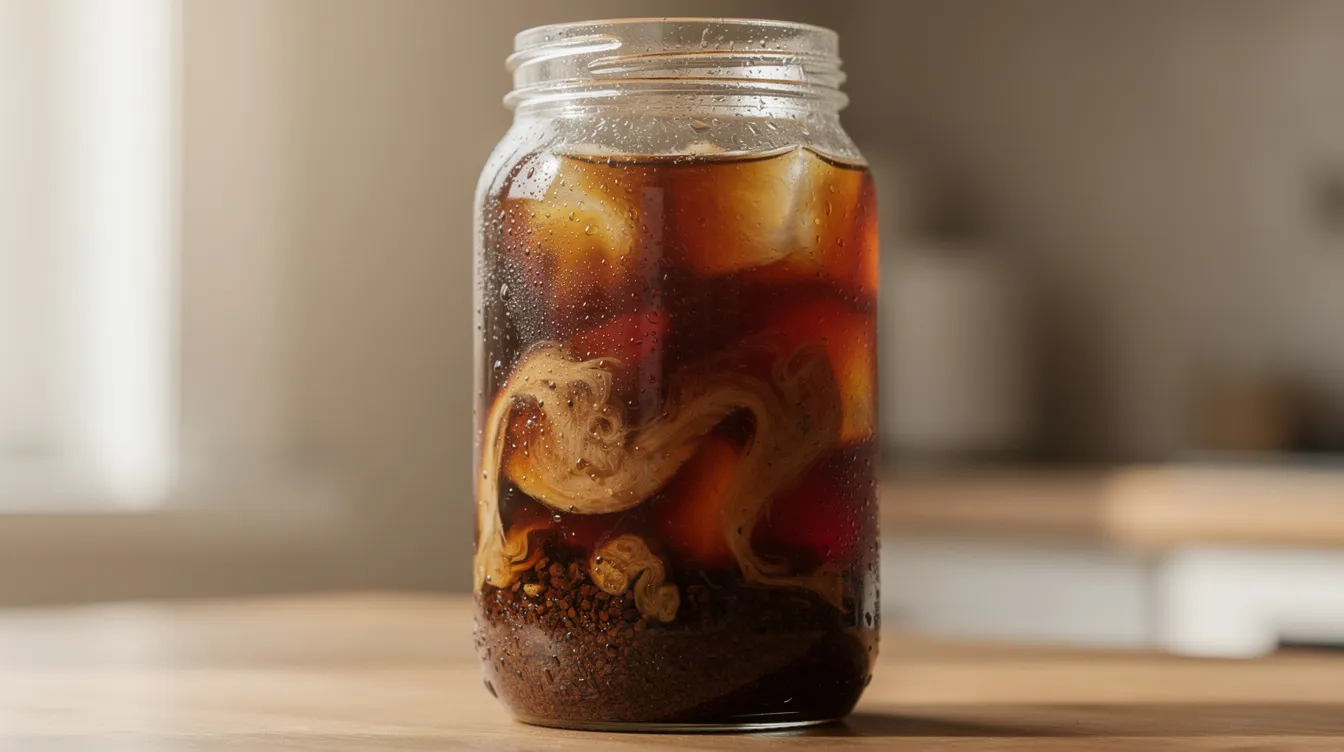
For cold brew, coarse-ground coffee, medium-dark to dark roasts with chocolate and caramel notes, steeped for 12 to 24 hours, yields a smooth concentrated coffee that holds up over ice and dilution. Cold brew coffee requires steeping grounds in cold water – simple gear like a French press or a large jar with a filter handles the job.
For iced coffee, medium roasts preserve balanced flavor that will not taste too sour when cooled. Brew slightly stronger than standard hot coffee to account for melting ice.
Nitro cold brew is infused with nitrogen for creaminess, giving it a naturally sweet, creamy texture without added sugar. It favors low-acid, chocolatey bean profiles. French press coffee steeps grounds in hot water for 3 to 4 minutes and can also be used to make iced coffee by brewing a double-strength batch and pouring it over ice.
For detailed, drink-specific cold coffee recommendations, visit our iced coffee guide.
Coffee for Straight Espresso, Americanos, and Black Coffee
Coffee lovers who primarily drink straight espresso, Americano, or black coffee should choose differently than people focused on milk drinks. Without milk or ice to mask flaws, every note – good or bad – is exposed.
Straight-espresso drinkers should look for medium or medium-dark espresso blends with layered, complex flavor and low bitterness. A single or double shot pulled at proper extraction (25–30 seconds) from quality ground coffee will reveal origin characteristics more clearly than in milk-heavy coffee drinks, and some stronger café variations use two shots for a more intense cup.
Black coffee fans using drip coffee, pour-over, or French press might prefer single-origin beans and lighter to medium roasts that showcase acidity, florals, or fruit. But this style can taste too sharp in cold milk drinks or iced espresso drinks.
Drip-friendly coffees are more forgiving on grind size and brew time than espresso, making them ideal for everyday brewing without an espresso machine. The trade-off of buying one bag for both black coffee and espresso drinks often leads to compromise. Many coffee lovers keep a dedicated espresso blend plus a separate drip or cold brew coffee on hand – two drinks, two bags, best performance.
Featured Recommendations by Drink (Disclosure + Examples)
Chocolatey medium-dark espresso blend for iced lattes: Look for a blend roasted to full city or just past, featuring Latin American arabica (Brazil, Colombia) with notes of dark chocolate, caramel, and walnut. Freshly roasted whole beans retain better flavors and aromas – check the roast date and buy within four to six weeks. Ideal for espresso shots over ice with cold milk. Drawback: may taste one-dimensional as black coffee.
Value supermarket espresso blend for cappuccino: A widely available Italian-style medium-dark blend under $12 per pound, with a small Robusta percentage for crema. Performs reliably through milk foam in a traditional cappuccino and works adequately in a latte. Drawback: less nuanced than specialty options, and Robusta quality varies by brand.
Medium roast single origin for black coffee: A washed Ethiopian or Colombian medium roast with bright fruit, floral, and cocoa notes – best in pour-over or drip coffee, though a light dusting of cocoa powder can complement those chocolate tones in milk drinks like mocha or cappuccino as a finishing touch. Drawback: tends to taste sharp or thin in iced milk drinks.
Affordable dark roast for cold brew: A coarse-ground dark roast blend with smoky chocolate and warm milk character. Performs well steeped overnight in cold water. Drawback: can taste harsh in a hot espresso maker and lacks brightness for warm brewed coffee.
These are starting points. Fuller, drink-focused product lineups appear within each sub-guide linked above.
Coffee Gear: Espresso Machines, Espresso Makers, and Brew Tools by Drink
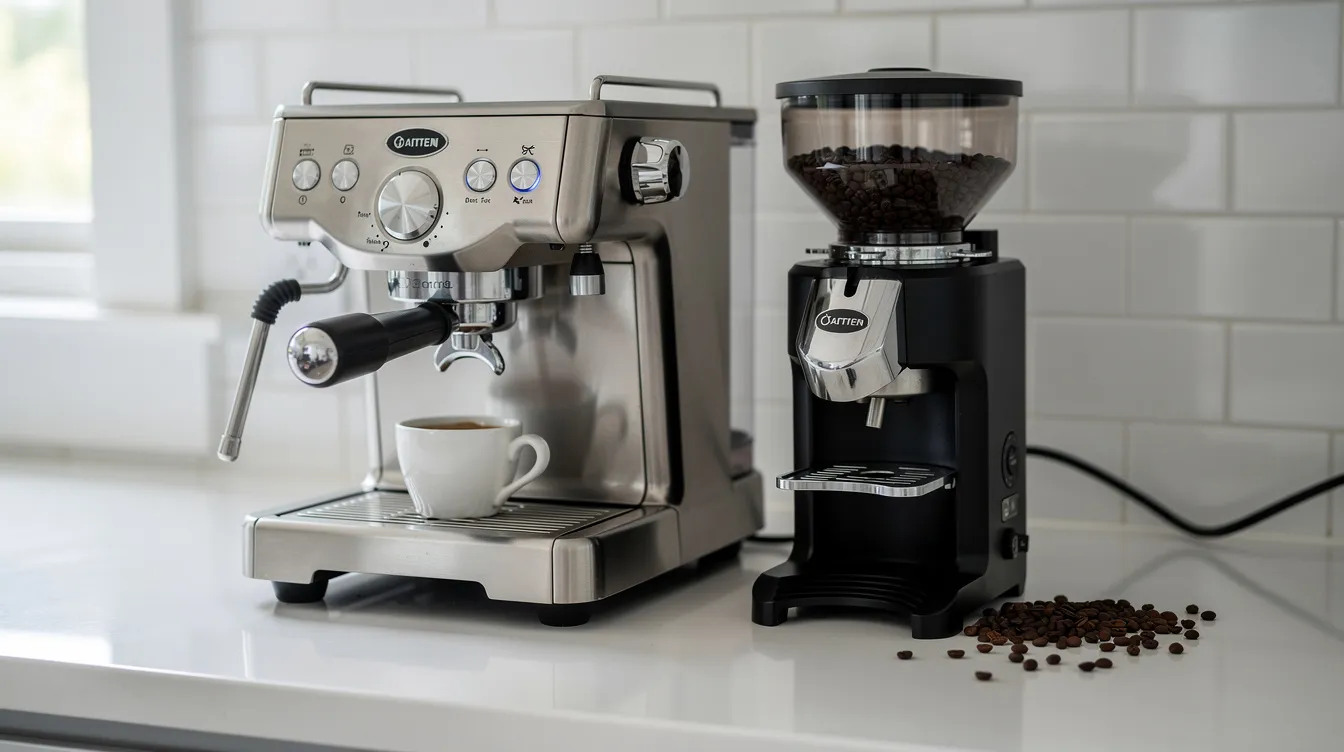
The best coffee for drinks is not just about beans. The usability and performance of your espresso machine, espresso maker, and grinder shape what ends up in the cup for every coffee drink.
For home cappuccino and latte, your main options:
- Entry-level pump espresso machines (e.g., Breville Bambino): fast heat-up, solid 54mm portafilter, capable steam wand for microfoam. Trade-off: still requires a separate grinder.
- Moka pot: Affordable, no electricity needed, produces concentrated coffee close to espresso strength. Trade-off: no crema, no steamed milk capability.
- Pod-based systems: Convenient, consistent, minimal cleanup. Trade-off: limited bean choice, higher per-cup cost, weaker crema.
A capable burr grinder often improves espresso drinks and brewed coffee more than upgrading beans alone. Consistent grind supports better extraction for both a double espresso and drip coffee.
For cold brew and iced coffee, simple immersion brewers, a French press, or a large jar with a cloth or mesh filter handle the job. Dedicated cold brew systems add convenience for large batches but are not essential.
Capitol City Coffee covers gear as an editorial, independent source. Gear picks are chosen for value and reliability, not brand sponsorship.
How Capitol City Coffee Researches Recommendations
Our process is research-forward: we aggregate data from reputable coffee publications, roaster tasting notes, barista forums, and verified buyer reviews to understand performance, quality, and common pain points for both coffee beans and gear. Unless testing notes are explicitly provided in a future update, we do not claim direct hands-on testing or ownership. All advice on this page is labeled as researched editorial analysis.
Recommendations are filtered by drink type (iced latte, cappuccino, cold brew, black coffee), brewing method (espresso machine, brewed coffee, cold brew), and context (home brewing versus coffee shop purchases). Commission rates from affiliate programs do not determine rankings. Content is periodically reviewed to reflect current U.S. market availability, with outdated or discontinued products removed or replaced.
FAQs: Best Coffee by Drink
These questions address practical edge cases not fully covered above, focused on quick decisions for everyday coffee lovers.
Can I use the same coffee beans for iced lattes, cappuccinos, and regular brewed coffee?
One versatile medium to medium-dark espresso blend can work decently across iced latte, cappuccino, and brewed coffee, especially if you enjoy chocolatey, nutty flavors. The trade-off is that you will not maximize flavor for each drink style – milk drinks may want more body, while black coffee may want more brightness. If budget or storage space is tight, a balanced blend labeled for both espresso and drip is a practical compromise. More serious coffee lovers often keep separate beans for espresso drinks and black brewed coffee.
What coffee should I buy if I always add flavored syrup or sweet cream?
Pick affordable, crowd-pleasing medium-dark blends with simple chocolate or caramel notes. Complex fruit or floral flavors get buried under syrups, whipped cream, and white chocolate additions anyway. For high-sugar coffee drinks, value and availability matter more than subtlety, so well-reviewed supermarket blends are a smart choice for everyday iced lattes or mochas with half and half or whole milk.
Is espresso coffee different from regular coffee beans?
“Espresso” on a bag usually means the beans are roasted and blended to taste best when brewed under pressure in an espresso machine – often a bit darker and more soluble than typical drip coffee beans. You can brew espresso-labeled beans as regular brewed coffee and vice versa, but performance for specific drinks (cappuccino vs. black coffee) may not be ideal compared with beans chosen for that method. A shot of espresso from an espresso-labeled bag and drip coffee from the same bag will taste quite different.
What is the most budget-friendly way to make iced coffee drinks at home?
Start with a coarse-ground medium-dark supermarket coffee for cold brew or strong brewed coffee over ice, plus simple milk and sugar. This is the lowest-cost route without buying an espresso machine. Upgrading later to an entry-level espresso maker and burr grinder will open up more authentic iced latte and cappuccino options, but the upfront price is higher than basic cold brew gear.
How do I order better coffee drinks at a coffee shop if I know what beans I like at home?
Ask the barista what espresso blend or brewed coffee is on bar and whether it leans chocolatey, nutty, or fruity. Then order drinks that match how you enjoy those flavors at home – combining espresso with steamed milk in a cappuccino if the blend is chocolatey, or drinking it as black coffee or an Americano if the roast is brighter. Request an extra shot in large milk drinks, or ask for less flavored syrup, to keep coffee flavor present. Most specialty coffee shops are happy to walk you through what is on their bar. Iced espresso drinks served cold can taste weak if heavily diluted, so a double espresso over ice with less milk is a good starting point at any coffee shop.