

A coffee maker is one of those appliances that earns its counter space every single morning. Whether you wake up craving a full pot of drip coffee or prefer a smooth cold brew concentrate waiting in the fridge, the right machine turns ground coffee and water into something worth getting out of bed for. This page is your starting point for choosing a coffee maker by type, budget, and features – without the noise.
Key Takeaways
- Automatic drip coffee makers remain the most versatile option for daily home brewing, offering programmability, batch flexibility, and a clean, balanced flavor profile that suits most coffee drinkers.
- The most important specs to evaluate are brew temperature stability (ideally 195°F–205°F), capacity, carafe type, and how easy the machine is to clean – not flashy marketing features.
- Capitol City Coffee is an independent editorial and affiliate publication, not a retailer. All recommendations on this page are based on researched editorial analysis from expert consensus, verified specs, and credible third-party sources.
- Jump to the “Browse Guides” section below for direct links to focused roundups covering the best drip coffee makers, budget picks under $100 and under $200, and grind-and-brew machines.
- Later sections break down key technical concepts like brew time, extraction consistency, and brewing temperatures, plus a coffee maker FAQs section for fast, practical answers.
Category Overview: What We Mean by “Coffee Makers”
This hub at /gear/coffee-makers/ focuses on electric drip and automatic coffee maker machines designed for home use. That includes everything from the classic 12 cup coffee pot your parents had on the counter to modern programmable machines with digital displays and thermal carafes. Automatic drip coffee makers are popular for daily use because they handle the process start to finish – fill the reservoir, add coffee grounds, press a button, and walk away.
The major types of coffee makers include drip machines, espresso machines, French presses, pour-over setups, and single-serve pod brewers. Within the drip category specifically, you will find standard drip coffee makers, programmable coffee machines with timers and brew strength controls, brew coffee makers with built-in grinders for freshly ground coffee, and dedicated cold brew coffee makers that use immersion rather than hot water. Coffee makers vary mainly by how they extract flavor through filtering, steeping, or pressure.
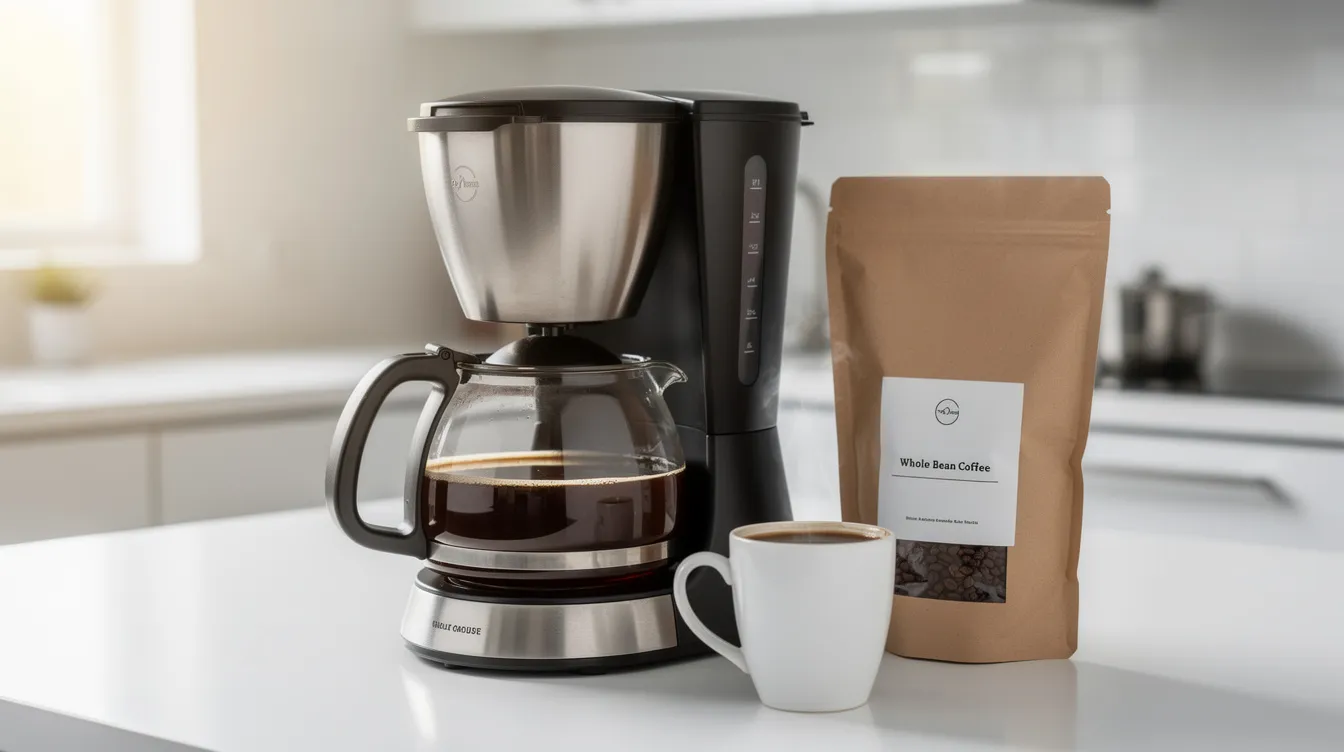
Espresso machines, French press brewers, moka pots, and manual pour-over setups are covered in other gear pages. The typical use case here is everyday morning coffee – brewing a pot for the household with set-and-forget convenience on busy weekdays. Many readers arrive comparing the “best coffee maker” in general terms against other coffee makers that may better fit a specific need, like a smaller footprint, a tighter price range, or cold brew capability. This hub helps you choose the right path rather than listing every model on the market.
Key Concepts: How Coffee Makers Actually Brew Coffee
Before comparing machines, it helps to understand what actually happens inside them. Every automatic coffee maker turns water and coffee grounds into a drinkable pot through a handful of variables that you can evaluate before buying. Coffee flavor depends on grind size, water quality, temperature, and brew time – and the machine’s job is to manage most of those for you.
Brew temperature is arguably the single most important spec. The Specialty Coffee Association (SCA) endorses an ideal range of 195°F–205°F for drip brewing. Water below about 190°F under-extracts, leaving you with sour, thin coffee. Water above 208°F over-extracts, pulling harsh and bitter compounds. SCA certification ensures coffee makers meet strict brewing standards, including optimal temperatures and times. Inexpensive drip machines often only reach 185°F–190°F, which means they under-extract almost by design. SCA certification is provided by the Specialty Coffee Association, and the SCA Gold Cup Standard represents the highest barista standard for brewed coffee.
Brew time for a full coffee pot typically falls between 4 and 8 minutes. Faster “jet” brew cycles can taste weak unless the machine compensates with finer grind compatibility or a well-engineered showerhead. Super-quick brewing sounds appealing until the cup tastes watered down.
Extraction consistency depends on how evenly hot water saturates the coffee grounds. Machines with well-designed showerheads distribute water across the entire filter bed, preventing patches that are sour (under-extracted) or bitter (over-extracted). Some models include a bloom or pre-infusion phase that wets grounds briefly before full flow, letting CO₂ escape and improving uniformity.
Brew strength settings labeled “bold” or “rich” on many coffee machines usually slow water flow or extend contact time rather than simply telling you to add more grounds. This mimics the effect of higher extraction without changing your dose.
For cold brew, a cold brew coffee maker uses room-temperature or cold water and steeps coarse grounds for 12–24 hours, producing a low-acidity concentrate you can dilute with water, milk, or ice. This is a fundamentally different process from hot drip brewing and yields a distinctly smoother flavor.
Understanding these basics helps you cut through marketing specs and identify which machines actually deliver a better cup.
Choosing Capacity, Carafe Type, and Footprint
Capacity and carafe style are the first practical decisions most buyers face. Get these wrong and the machine either wastes coffee or crowds you out of your own kitchen.
Common capacities:
Size | Best For | Notes |
|---|---|---|
Single serve / one cup | Solo drinkers, travel mugs | Compact footprint, limited batch flexibility |
4–6 cup | Couples, light drinkers | Good for small spaces, quick brewing |
10–12 cup | Families, offices, entertaining | Most popular size – roughly 64% of non-single-serve drip units sold are 12 cup models |
If you routinely brew a whole pot for multiple people, a 12 cup coffee machine is the standard. If you only drink individual cups, a compact unit or single serve coffee maker avoids waste.
Glass carafe vs thermal carafe: A glass carafe paired with a hot plate keeps coffee warm but can scorch it over extended holding – a UC Davis sensory study found measurable flavor degradation within 1–3 hours regardless of carafe type, though thermal carafes showed slower decline. Thermal carafes are heavier, usually cost more, and can be harder to clean, but they hold temperature without a warming plate. A Consumer Reports comparison found thermal carafes lose about 4°F in an hour while glass on a hot plate cycles within ±2.5°F.
Footprint and height matter more than most people expect. Taller machines can conflict with low kitchen cabinets, and wide bases crowd counters in apartments or studio kitchens. Removable water reservoirs improve ease of filling, especially in tight spaces where you cannot slide the machine under the faucet.
Tie capacity and footprint back to how much coffee your household actually drinks. Brewing a full pot daily when you only drink two cups wastes beans and counter space.
Features That Matter: Programmability, Usability, and Cleaning
After capacity, the most meaningful differences between coffee makers come down to daily usability and how much attention they demand before you have had your first cup.
Programmability in the drip coffee maker world usually means an auto-start timer so you can wake to a fresh pot, adjustable brew strength settings, and auto-off safety. More advanced machines add temperature settings, multi-profile memory, or even Wi-Fi connectivity. A reliable timer is one of the biggest workflow benefits for early risers.
Controls and interface range from simple toggle switches to LCD screens and touch panels. Expert reviews consistently note that intuitive displays or physical knobs outperform complex button sequences – especially before coffee in the morning. If you prefer straightforward operation, skip the machines that require a manual to adjust basic settings.
Filling and pouring details matter: reservoir opening size, visibility of volume markings, a drip-free carafe spout, and whether the basket accommodates standard filters. These details determine whether the machine feels smooth to use or frustrating over months of daily service.
Cleaning and maintenance separate machines that last from machines that degrade. Look for removable filter baskets, dishwasher safe parts, and accessible designs without hidden crevices that trap coffee oils and residue. Machines with clean or descale indicator lights help you stay on schedule. Neglecting cleaning is the fastest path to stale, off-tasting coffee.
Durability and warranty: Check build materials – stainless steel components generally outlast plastic – and look for warranty coverage in the 1- to 3-year range. Availability of replacement carafes and parts is worth checking before purchase. A sturdy machine that lasts four or five years delivers far more value than a cheap one replaced every 18 months.
Drip Coffee Makers vs Other Coffee Machines
If you are unsure whether a classic drip coffee maker is right for you, here is how the main machine types compare.
Drip vs single-serve pod machines: Pod-based single serve coffee makers offer convenience and minimal cleanup, but single-serve pod coffee tends to be milder and less nuanced than freshly ground beans. Pre-measured plastic capsules limit your control over grind settings and brew strength, and cost per cup is significantly higher. Drip coffee makers brew large quantities and are often programmable, making them better for households with multiple coffee drinkers.
Drip vs espresso: Espresso machines use high pressure (around 9 bar) to extract concentrated coffee flavor, producing intense shots usually with a thick layer of crema. Espresso machines can produce high-quality espresso shots and cappuccinos, but they carry a higher price and steeper learning curve. Some include a milk frother for lattes. If you mainly drink a standard mug of coffee rather than concentrated shots, a drip machine is more practical.
Drip vs manual methods: Pour-over setups require manual control over water pouring for precise coffee extraction, and pour-over coffee is bright, nuanced, and highlights distinct tasting notes of specialty beans. French press coffee makers produce rich, full-bodied coffee – heavy-bodied, rich, and textured due to immersion brewing, where grounds steep directly in water using a mesh filter. Moka pots brew strong, complex coffee on the stovetop. Pour-over coffee makers allow precise control over brewing, but none of these manual methods offer the programmability or batch convenience of an automatic brew coffee maker.
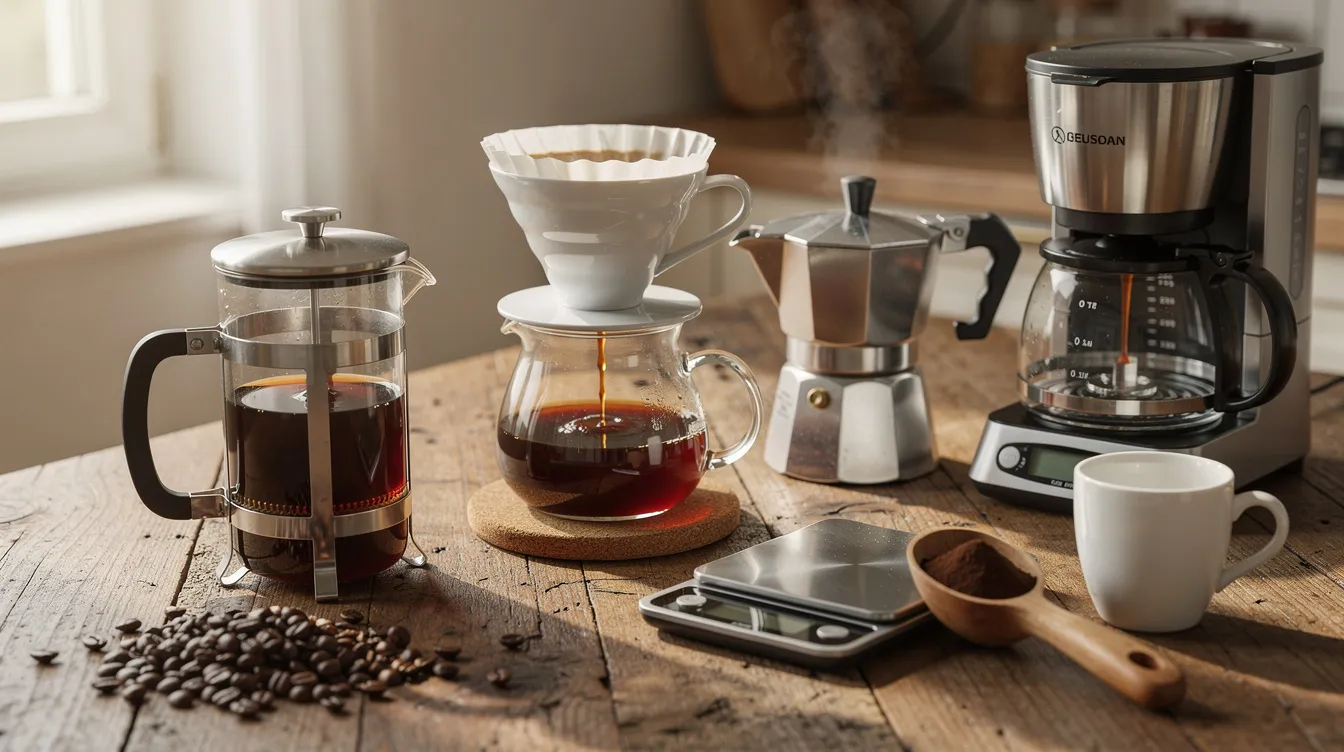
The flavor profile of drip coffee is typically clean, smooth, and balanced – which is exactly why it remains the default for most American kitchens. If you want a reliable pot of coffee with minimal fuss, an automatic drip coffee machine is still the most versatile starting point. Readers who mainly drink iced coffee or cold brew may want either a versatile drip machine with an over-ice mode or a separate cold brew coffee maker.
Browse Guides: Find the Right Coffee Maker Path
The guides below focus on specific budgets and needs so you can skip straight to what matters most:
- Best drip coffee makers – our guide to the best drip coffee makers covers top-performing machines across price tiers, evaluated for brew temperature stability, usability, and value.
- Best coffee makers under $100 – this guide focuses on value picks that still brew solid coffee without cutting corners on the basics.
- Best coffee makers under $200 – the midrange bracket where you start seeing stronger build quality, thermal carafes, and more advanced programmability.
- Best coffee makers with grinders – grind-and-brew machines that combine a burr grinder and drip brewer in one footprint, delivering freshly ground coffee without a separate appliance.
- In-depth coffee maker reviews – individual product write-ups for readers comparing specific models side by side.
- Coffee makers hub – you are here. Bookmark this page as your central navigation point for all coffee maker coverage.
Affiliate Disclosure and How We Use Links
Capitol City Coffee may earn a commission if you purchase through outgoing retailer links on this page or in linked guides. This comes at no extra cost to you. Affiliate relationships do not influence which coffee makers are included, how they are ranked, or how products are described. This page is an editorial navigation hub, not a store – links lead to third-party retailers where applicable. The section below explains how we research recommendations.
At a glance
Featured Recommendations: Coffee Maker Types Worth a Look
Feeling a better weekday pot
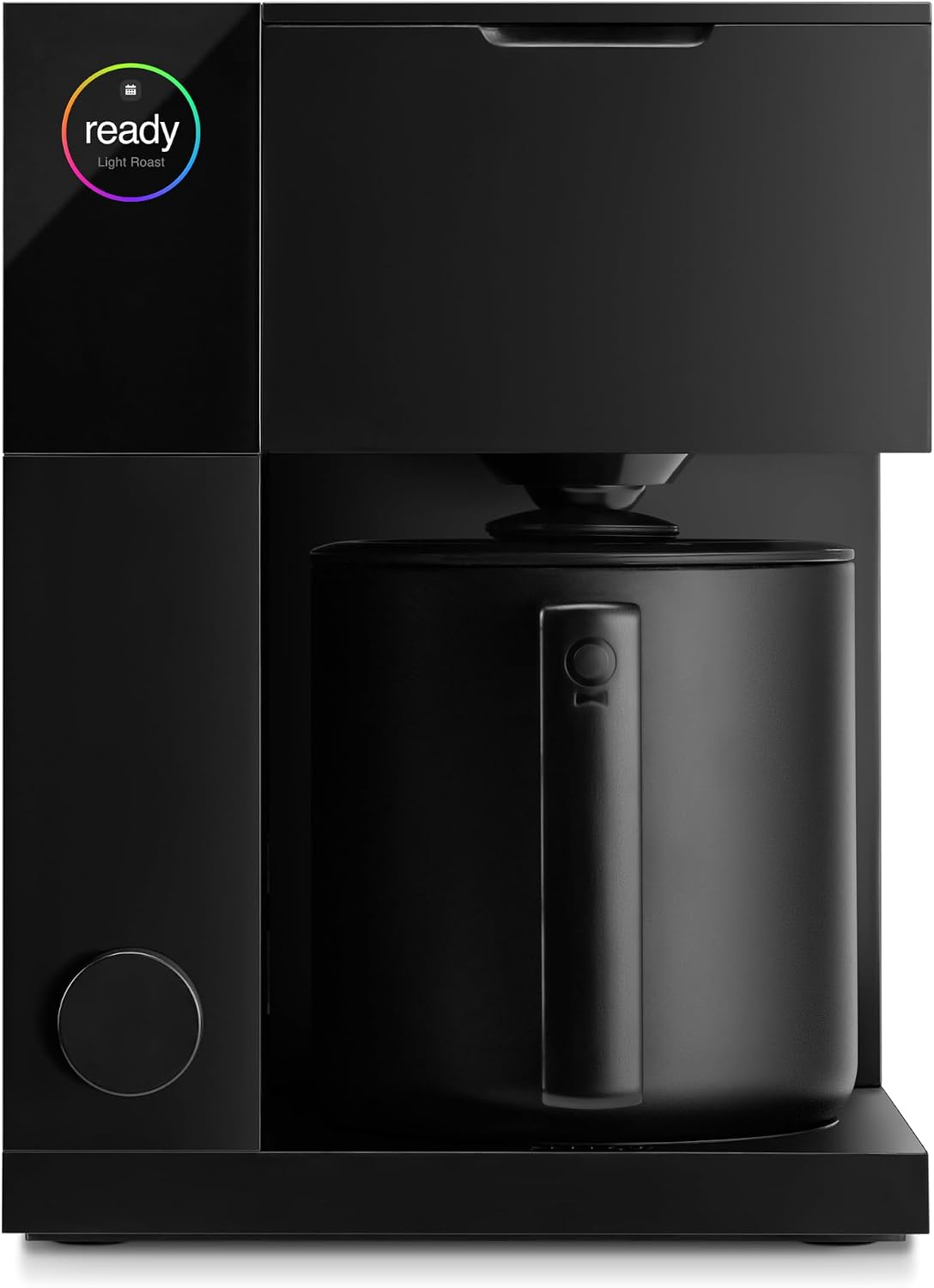
Our pick: Fellow Aiden. A home drip maker that matches this hub’s automatic-brewer path. Research-rated, not yet used in our kitchen.
Feeling SCA-style drip at home
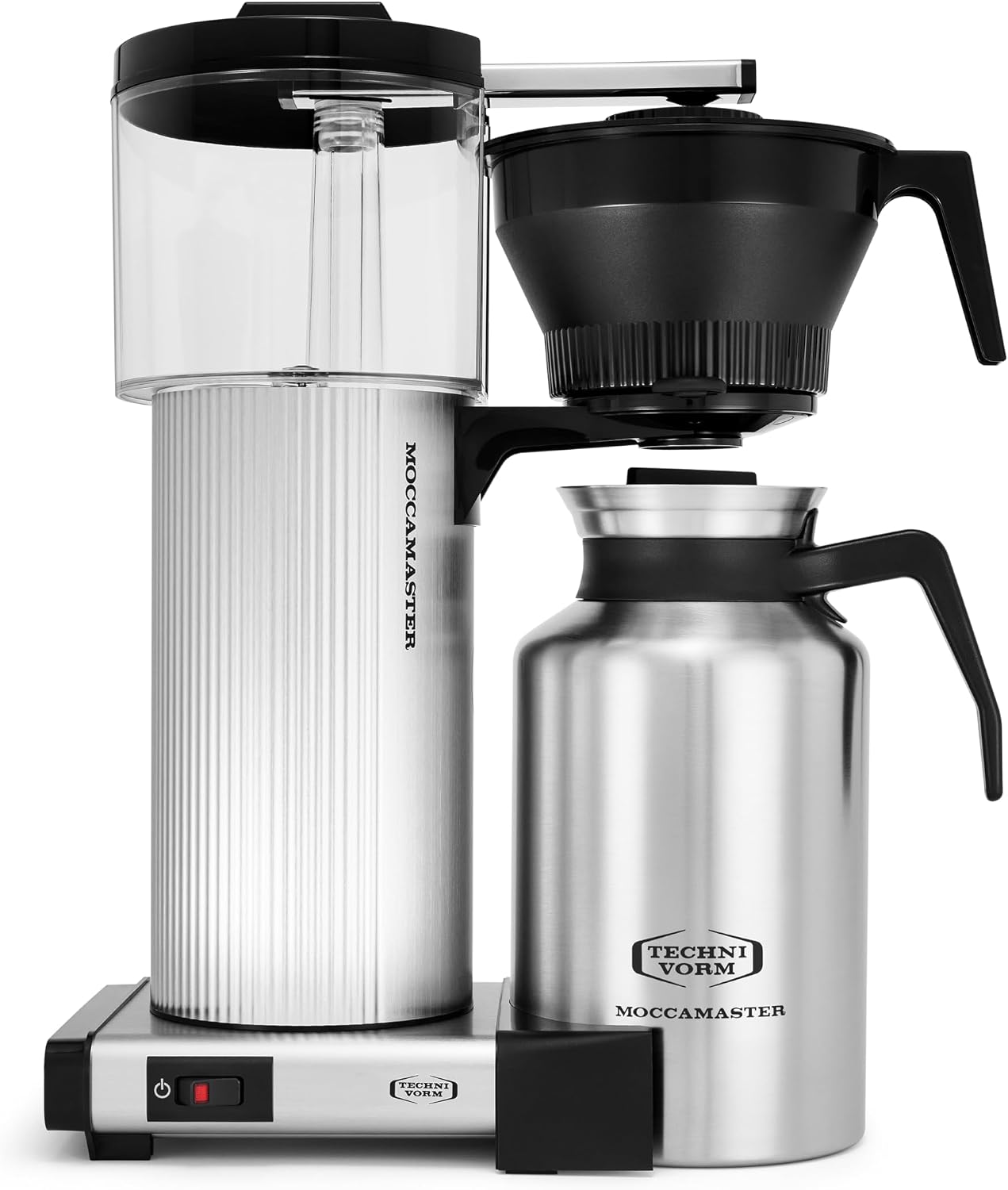
Our pick: Technivorm Moccamaster CDT Grand. A thermal-carafe drip brewer for cup quality over gadget features. Research-rated, not yet used in our kitchen.
This section highlights categories and example models as researched editorial analysis based on expert consensus and verified specs – not hands-on testing claims.
- SCA-certified drip brewers: The OXO Brew 8-Cup Coffee Maker is SCA certified for quality, meaning it meets the Association’s strict standards for brew temperature and extraction. The Café Specialty Drip Coffee Maker is SCA Gold Cup certified and features voice command brewing for hands-free operation. SCA certified coffee makers brew at optimal temperatures and times, making them a strong pick for anyone who prioritizes a perfect cup. If you want a stylish coffee maker that also performs at a high level, these are worth examining.
- Programmable 12 cup workhorses: The Ninja 12-Cup Programmable Coffee Brewer costs less than $70 and allows scheduling brews up to 24 hours ahead – serious value for families or small offices that collect around the coffee pot each morning. Expect simple controls, a glass carafe, and reliable day-to-day convenience.
- Flexible single-serve plus carafe combos: The Ninja AutoBarista offers 10 one-touch drink options, letting you brew either a single cup travel mug or a full pot depending on the moment. This flexibility matters in households where one person wants a quick pour while another wants a whole pot.
- Speed-focused machines: The Breville Luxe Brewer is the second fastest coffee maker tested in recent evaluations, appealing to anyone who values quick brewing without sacrificing extraction quality. Breville’s reputation for build quality adds confidence for buyers who measure value partly by longevity.
- Thermal carafe endurance: The Technivorm Moccamaster brews coffee that stays hot for up to 6 hours, a standout for people who drink throughout the morning or into the afternoon pick me up window. It is a premium-priced machine, but its durability and thermal performance justify the price for many buyers.
- Cold brew coffee makers: Dedicated immersion brewers with fine mesh or metal filters let you steep coarse grounds overnight and store concentrate in the fridge. Ideal for daily cold brew drinkers who prefer a smooth, low-acid drink without heating up the kitchen.
- Grind-and-brew machines: These combine a burr grinder and drip brewer so you can go from whole beans to a fresh pot without a separate grinder on the counter. The trade-off is more moving parts and a slightly larger footprint to maintain and clean.
Detailed model picks and specs live in the linked guides above. This section is meant to orient you, not replace a full roundup.
How Capitol City Coffee Researches Coffee Maker Recommendations
Capitol City Coffee is an independent coffee editorial and affiliate publication. The focus is on clear, practical buying advice – not hype and not merchant copy.
When hands-on testing notes are not provided, recommendations are framed as researched editorial analysis drawing on manufacturer specifications, Specialty Coffee Association resources, and credible third-party expert reviews. We do not claim ownership, tasting, or measurements unless documented testing notes are supplied.
Key performance criteria we collect and evaluate:
- Brew temperature stability through the full cycle, not just peak temperature at the heating element
- Brew time for a full coffee pot relative to capacity
- Extraction consistency across the filter bed, informed by showerhead design and pre-infusion capability
- Heat retention in the carafe over 1–3 hours
Workflow and usability weigh heavily: setup process, controls, how easy it is to fill reservoirs, load coffee grounds, and brew coffee half-asleep. Cleaning accessibility, descaling processes, and whether a design encourages regular upkeep are evaluated. Long-term factors include durability, user-reported failure patterns, warranty coverage, and availability of replacement parts.
Price and value are considered relative to what a coffee maker delivers in flavor, features, and expected lifespan. Commission size from retailers is absolutely not a ranking factor.
When a Cold Brew Coffee Maker Belongs in Your Setup
Interest in cold brew continues to grow across the U.S., and some readers will benefit from both a hot drip coffee machine and a dedicated cold brew coffee maker.
Cold brew means steeping coarse coffee grounds in cold or room-temperature water for 12–24 hours, yielding a concentrate you can dilute with water, milk, or ice. The advantages are real: lower perceived acidity, a smoother taste, ready-to-pour concentrate you can store in the fridge, and the ability to brew coffee in large batches ahead of time.
Typical cold brew coffee maker designs include immersion brewers with fine mesh filters, glass or plastic carafes with removable brew baskets, and larger volume pitchers for heavy drinkers. If you only want the occasional iced coffee, a hot drip machine with an “over ice” mode may be sufficient. But if you drink cold brew daily or prefer to keep a big batch in the refrigerator, a dedicated brewer makes more sense.
Start with a solid everyday drip coffee maker for hot coffee, then expand into cold brew if cold coffee becomes a regular part of your routine.
Value, Longevity, and When to Upgrade Your Coffee Maker
Think of a coffee maker as a multi-year appliance purchase where value extends well beyond the sticker price.
Signs it is time to replace your machine:
- Chronically weak or bitter coffee despite proper dose and grind
- Visibly uneven water distribution over the grounds
- Malfunctioning warming plate or carafe seal
- Repeated leaks despite descaling and cleaning
Regular descaling and cleaning extend the life of any coffee machine and preserve brew strength and flavor – especially in areas with hard water. Replace water filters as recommended by the manufacturer to protect both flavor and internal components.
As you move from budget coffee makers under $100 into the under-$200 bracket and beyond, you typically gain better temperature control, sturdier stainless steel components, longer warranties, and improved carafes. But the most expensive machine is not automatically the best coffee maker for every kitchen. Factor in ongoing costs: paper filters, water filters, cleaning tablets, and your preferred ground coffee or beans.
If you are unsure about spending levels, compare the budget guide and the midrange guide side by side to see realistic trade-offs. Money saved on the machine sometimes goes further spent on better beans.
Coffee Maker FAQs
These FAQs cover practical questions not fully addressed above, especially around troubleshooting and day-to-day use.
How often should I clean and descale my coffee maker?
Wipe down and rinse removable parts – the filter basket, coffee pot, and lid – after each use to keep coffee oils from building up. Clean the exterior of the coffee maker regularly. A deeper cleaning with mild detergent weekly is smart for daily brewers, including the carafe and any reusable filter components.
Descale coffee makers every 3–6 months depending on water hardness and usage. Use a vinegar-water solution for descaling unless the manual warns against it, in which case use the manufacturer’s approved descaling product. Run plain water through the machine after descaling to flush any residual taste. Many modern coffee machines include “clean” or “descale” indicator lights – ignoring them can shorten the machine’s lifespan and weaken brew strength.
Can I use tap water, or do I need filtered water for my coffee maker?
Most coffee makers handle typical municipal tap water just fine, but flavor and mineral content vary by location. Filtered or moderately hard water tends to produce the best results. Very hard water accelerates scale buildup, while very soft or distilled water can produce flat-tasting coffee. If you notice white scale deposits in the reservoir or odd flavors, switching to filtered water and descaling more often is a practical first step.
Is there a difference between “cup” measurements on coffee makers and real cups?
Most drip coffee makers define one “cup” as about 5–6 fluid ounces – not the 8-ounce standard measuring cup. A 12 cup coffee maker typically brews around 60–72 ounces, which fills roughly six to eight standard mugs depending on size. Check the carafe markings and adjust your coffee grounds ratio based on your actual mug volume.
Can I brew less than a full pot without ruining the flavor?
Most modern machines handle half-pots or smaller batches, but you should still maintain the correct coffee-to-water ratio. Some machines include a “small batch” setting that slows water flow to improve extraction consistency when brewing only a few cups. Consult the user manual for minimum batch sizes and consider adjusting grind and dose if you consistently brew small amounts.
Do I need a separate cold brew coffee maker if my drip machine has an iced setting?
An “over ice” or iced setting on a drip coffee machine usually brews a stronger hot concentrate directly over ice – that is different from true cold brew, which steeps cold for 12–24 hours. Occasional iced coffee drinkers may be well served by a drip machine with an iced mode, avoiding extra equipment on the counter. A dedicated cold brew coffee maker makes more sense if you drink cold brew daily, prefer its lower acidity, or like keeping a large batch of concentrate in the refrigerator.
Your next coffee maker should match how you actually drink, not how a spec sheet reads. Start with the guide that fits your budget or brewing style – whether that is the best drip coffee makers, a budget-friendly option under $100, or a grind-and-brew all-in-one – and narrow from there. The right machine is the one that earns its place on your counter every morning.