
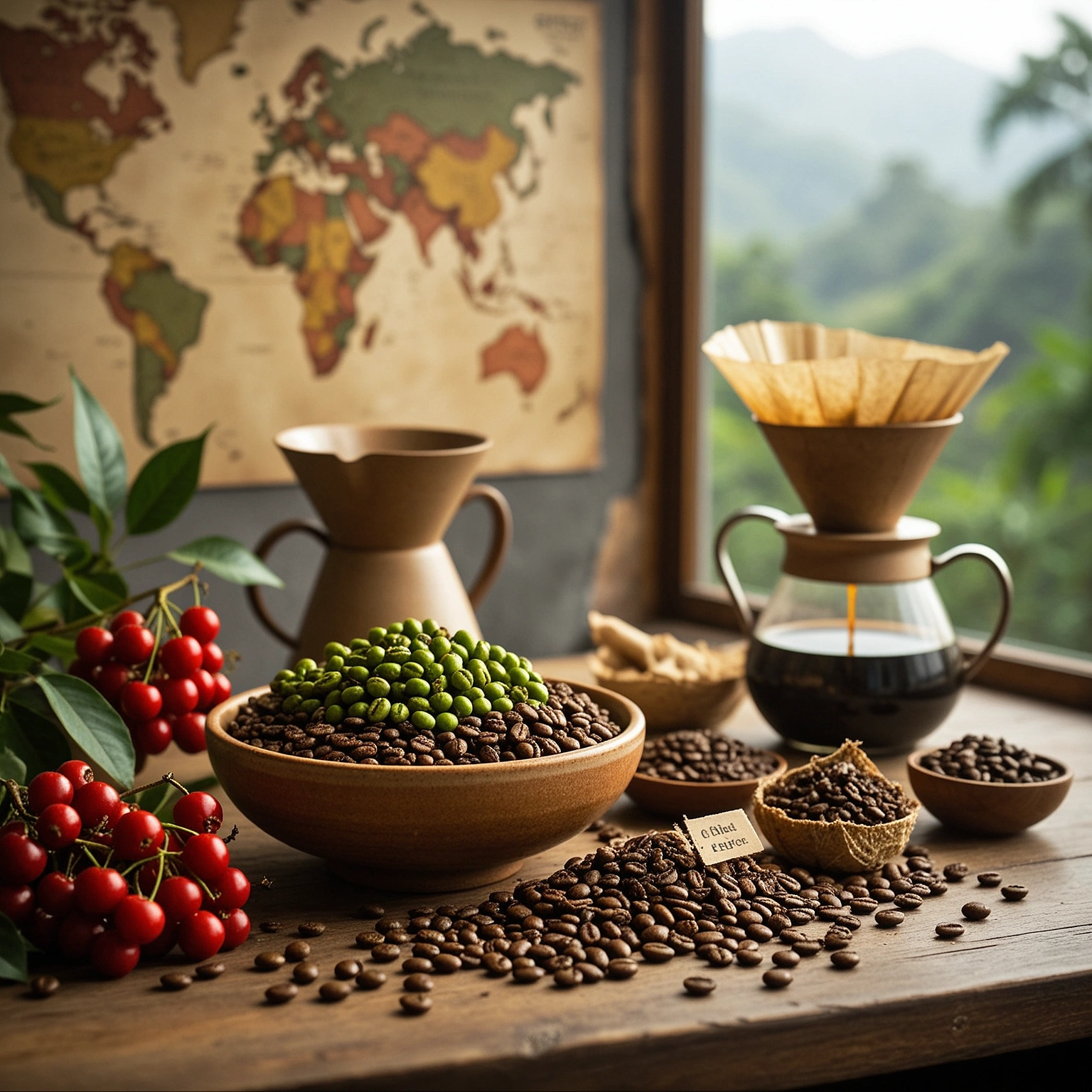
The best light roast coffee in 2026 delivers origin-driven flavor, bright acidity, and natural sweetness that darker roasts simply can’t match. After researching expert reviews, roaster disclosures, and third-party consensus, this roundup identifies the bags worth buying right now-whether you brew pour-over at home, pull espresso, or just want a better cup from your drip machine. Top recommended light roast coffee options feature single-origin and blended beans alike, from independent specialty roasters to widely available grocery brands.
Key Takeaways
- The best light roast coffee beans in 2026 include Heart Coffee Stereo (best overall), Caribou Daybreak Blend (best everyday/budget), Blue Bottle single-origin Kenyas and Ethiopians (best for pour-over), and subscription picks from Trade Coffee and Mistobox for ongoing freshness.
- Light roast coffee is roasted between 356°F and 401°F, preserving origin character, acidity, and sweetness. It works best as whole bean coffee, freshly ground just before brewing with pour-over and drip coffee makers.
- Value depends on price per ounce, freshness indicated by roast dates, and how well different beans match your brew method and personal taste.
- The U.S. specialty coffee scene in 2026 offers strong options from both independent coffee roasters and larger brands, with easy online ordering, coffee subscription services, and transparent sourcing making great light roast coffee more accessible than ever.
Quick Picks: Best Light Roast Coffee Beans in 2026
If you want the short version, here are the standout bags across categories. Each pick below is explained in detail further in the guide.
- Overall best light roast coffee: Heart Coffee Roasters Stereo Seasonal Blend – fruit-forward, bright, rotating seasonal origins with exceptional roast transparency. Best for pour over and drip.
- Best everyday light roast / best grocery-available: Caribou Coffee Daybreak Blend – approachable caramel sweetness and mild fruit, Rainforest Alliance Certified, available in whole bean, ground, and K Cups at most grocery stores.
- Best light roast from a major specialty brand: Blue Bottle Coffee single-origin washed Kenya or Ethiopia (Level 1) – floral notes, black cherry, and high acidity. Ideal for manual brewing.
- Best light roast for espresso: Black & White Coffee Roasters The Original – washed Ethiopian from Aricha at 1,900–2,200 m elevation, with citrus and berry notes that shine in a well-dialed shot.
- Best light roast for cold brew: Kaffico Fruity Bloom – rated 4.5 by reviewers, with pronounced fruit notes and sweetness that translate well to cold steep.
- Best coffee subscription for light roasts: Trade Coffee – five roast levels including light roast, with personalized matching and freshly roasted beans shipped within days.
At a glance
Compare Amazon-available light roast bags on a phone first: listing photo, roast notes, and a Check on Amazon button. Heart Stereo, Blue Bottle Kenya, Black & White, Wonderstate, and Kaffico stay in the write-up as specialty names; the cards are bags you can open on Amazon today. Research-rated, not yet brewed by our team.
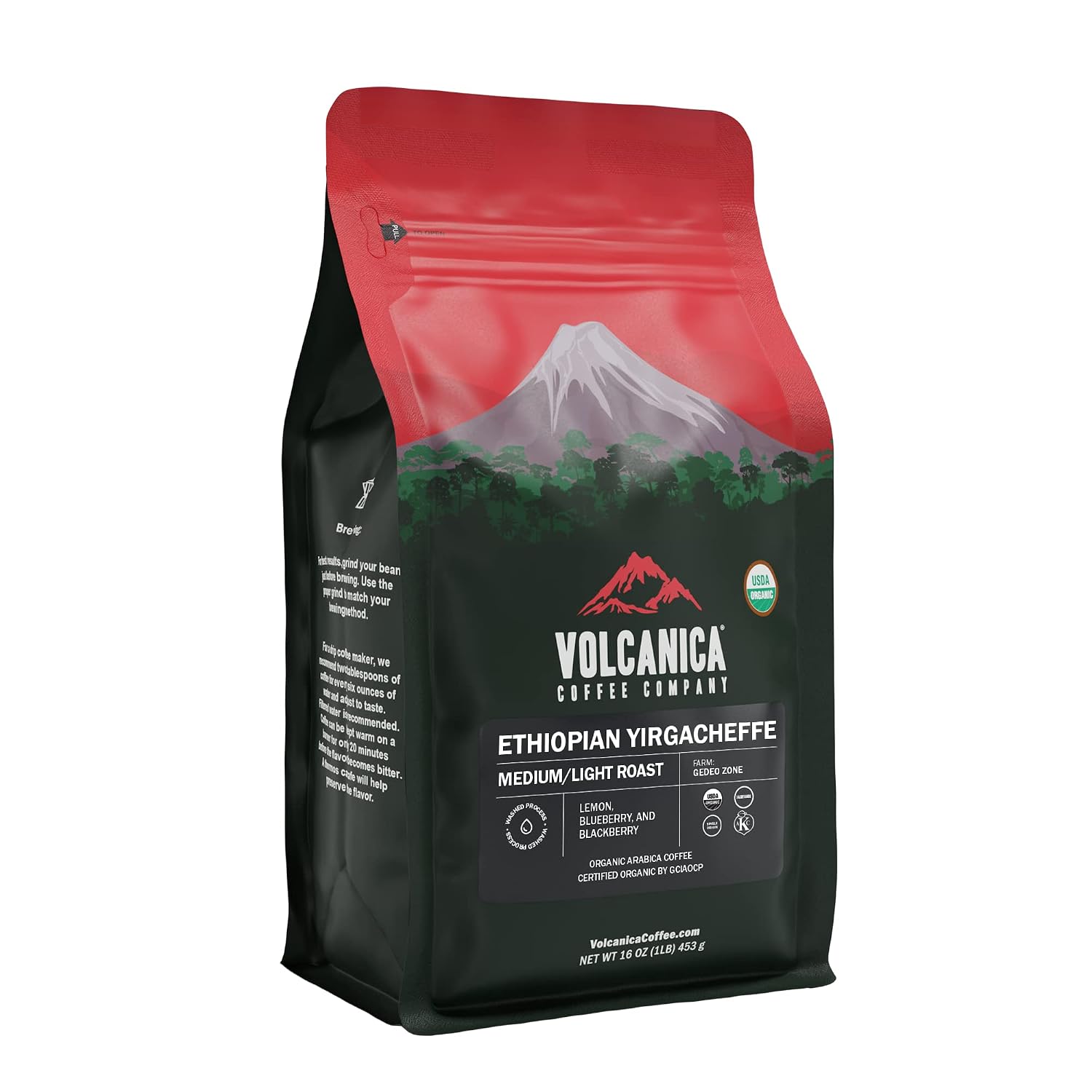
Best overall light
Volcanica Ethiopian Yirgacheffe
- RoastLight / medium-light
- OriginEthiopia, washed
- FlavorFloral, citrus, bergamot
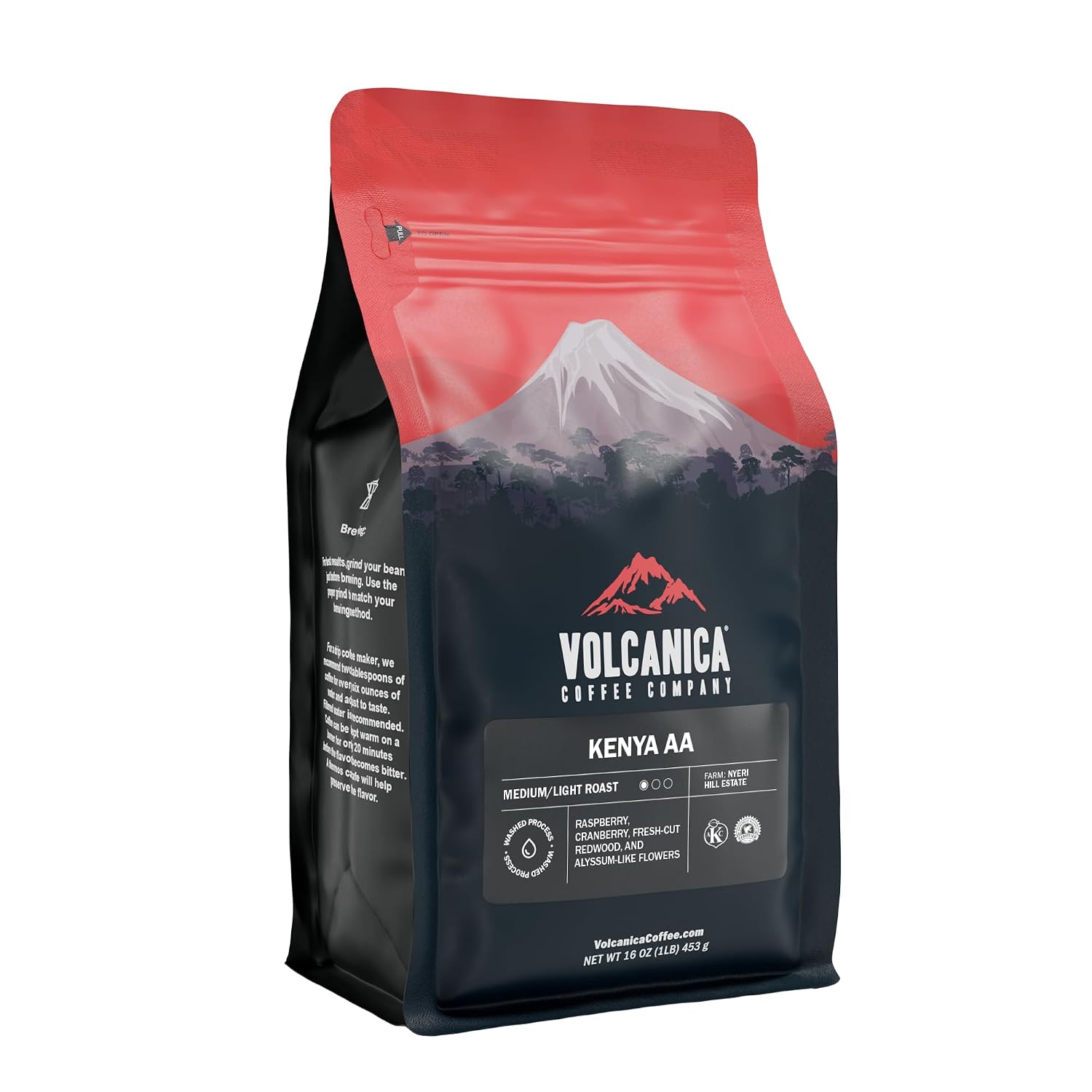
Best pour-over Kenya
Volcanica Kenya AA
- RoastMedium-light
- OriginKenya, washed
- FlavorBerry, cranberry, floral
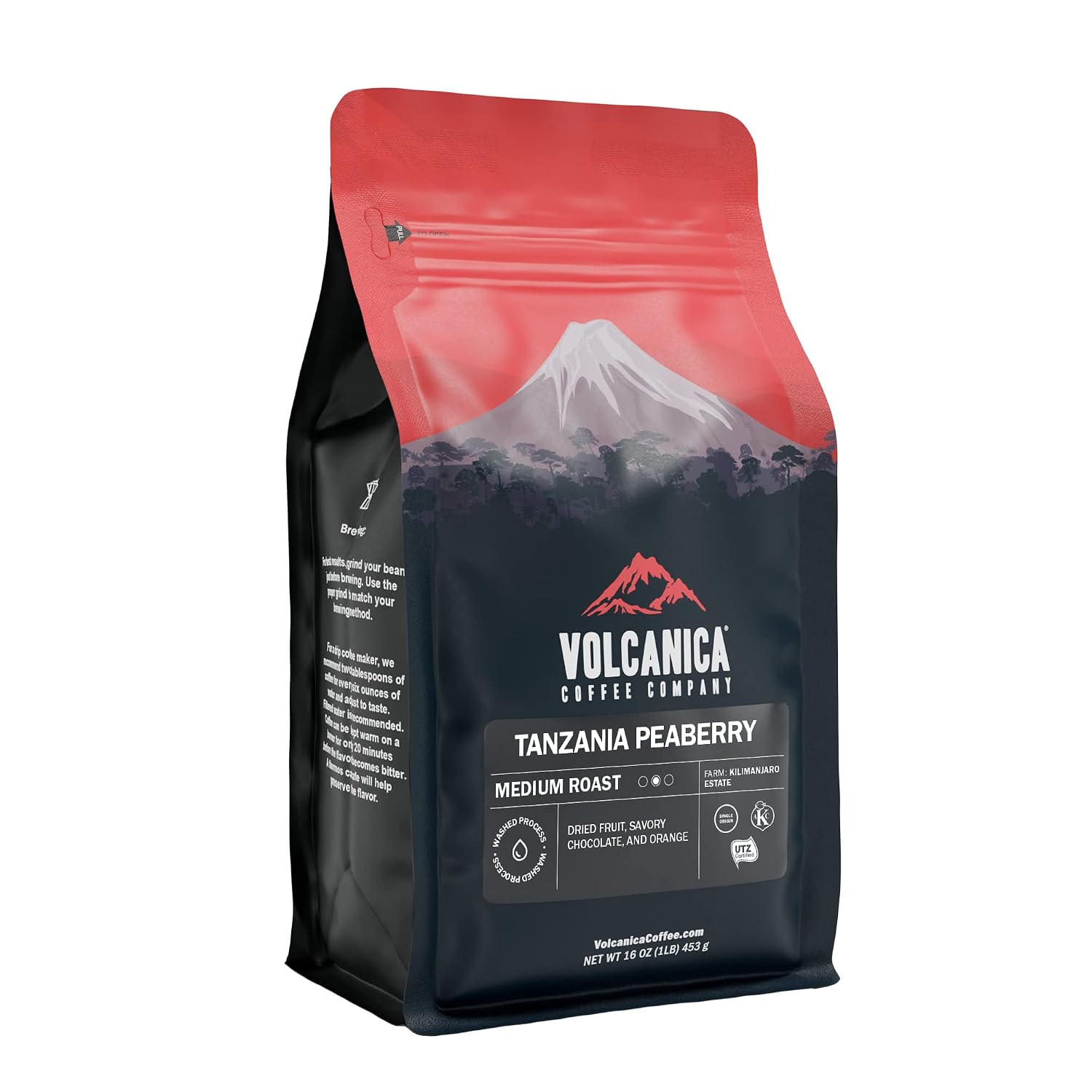
Best distinctive cup
Volcanica Tanzania Peaberry
- RoastMedium-light
- OriginKilimanjaro, peaberry
- FlavorCitrus, fruit, cocoa
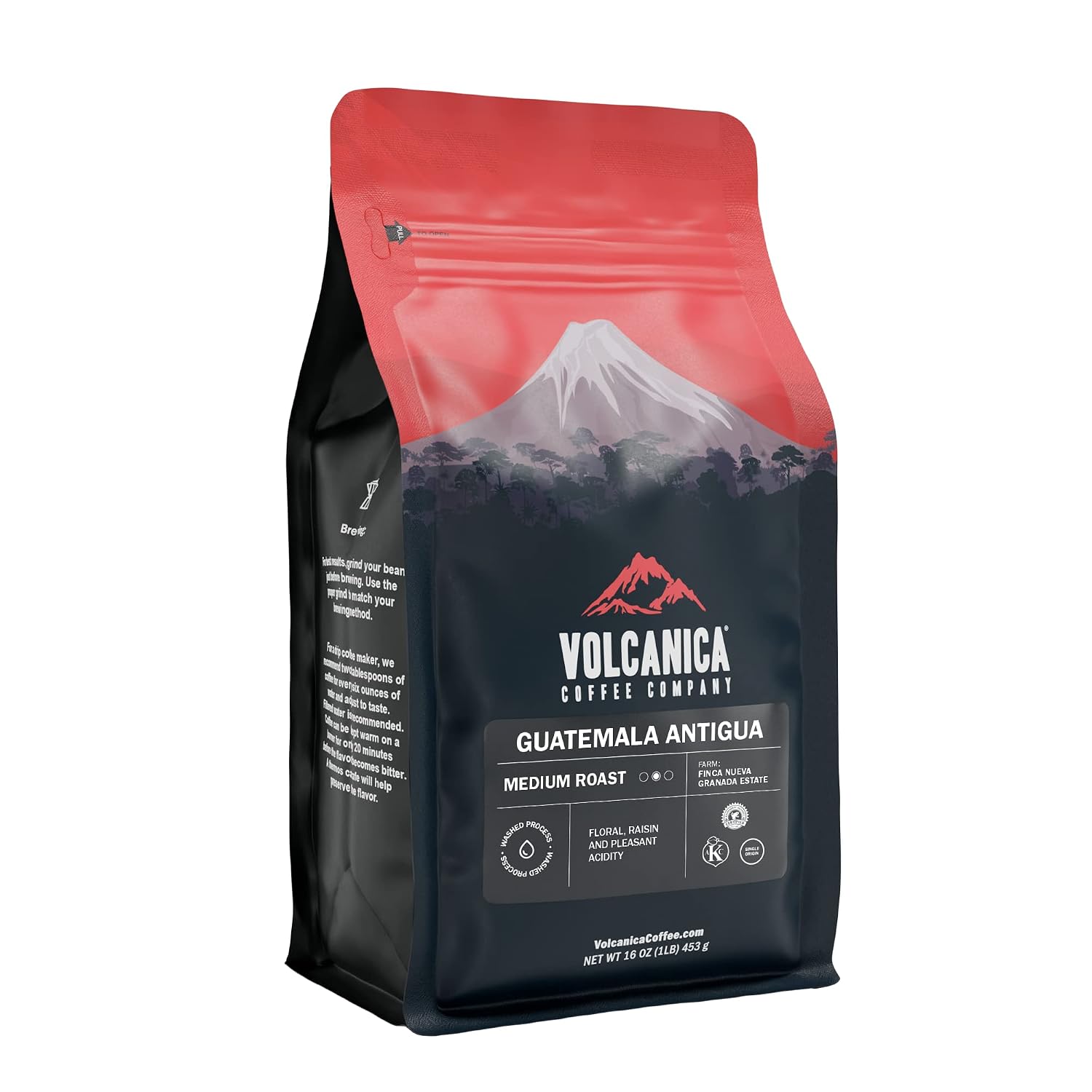
Best everyday bag
Volcanica Guatemala Antigua
- RoastMedium / daily
- OriginAntigua, washed
- FlavorHoney, apple, brown sugar
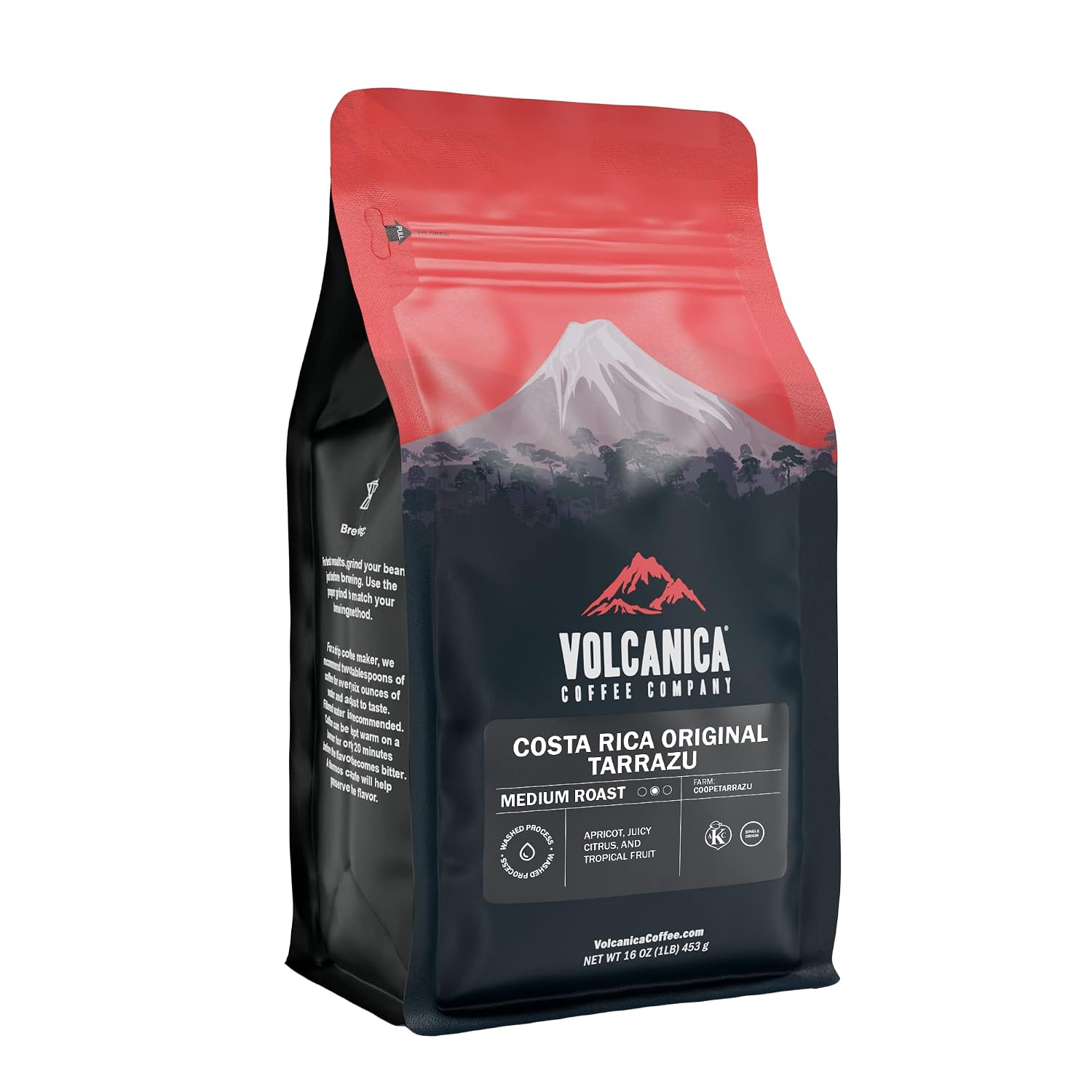
Best Central America
Volcanica Costa Rica
- RoastLight-leaning
- OriginCosta Rica, washed
- FlavorCitrus, honey, clean
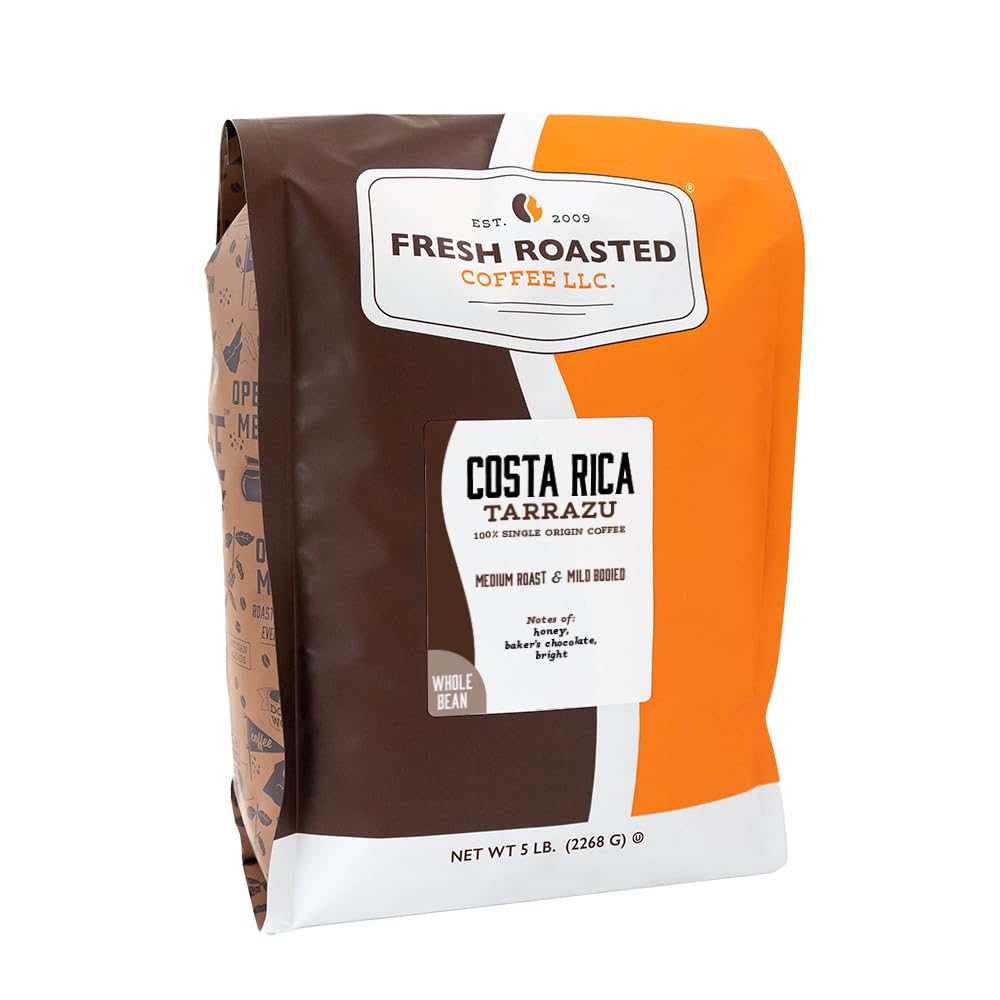
Best grocery-style light
Fresh Roasted Coffee Tarrazu
- RoastLight
- OriginCosta Rica Tarrazu
- FlavorBright, citrus, sweet
Coffee & Roaster | Roast Level | Origin | Processing | Flavor Notes | Bag Size & Price/oz | Best For | Availability |
|---|---|---|---|---|---|---|---|
Heart Coffee Stereo | Light | Seasonal blend (Central America + East Africa) | Varies by lot | Berry, citrus, bright acidity, light body | 12 oz / ~$1.50/oz | Pour over, drip | Online (direct) |
Caribou Daybreak Blend | Light | Americas + East Africa blend | Washed blend | Caramel sweetness, mild cherry, nutty | 16 oz / ~$0.50/oz | Drip, cold brew, K Cups | Grocery store, online |
Blue Bottle Washed Kenya (Level 1) | Light | Kenya, single origin | Washed | Blackcurrant, citrus, floral, high acidity | 12 oz / ~$1.50/oz | Pour over, manual drip | Online, select cafés |
Black & White The Original | Light | Ethiopia (Aricha, 1,900–2,200 m) | Washed | Citrus, berry, tea-like body | 12 oz / ~$1.25/oz | Espresso, pour over | Online (direct) |
Wonderstate Heartstrings | Light-medium | Ethiopia (Worka Chelbessa) | Washed + natural | Plum, dried fruit, dark chocolate | 10.5 oz / ~$1.90/oz | Drip, espresso | Online (direct) |
Kaffico Lemon Glaze | Light | Single origin | Varies | Lemon, sweet notes, bright acidity | Varies / ~$1.20/oz | Pour over, drip | Online |
Kaffico Fruity Bloom | Light | Single origin | Varies | Berry, fruit notes, medium sweetness | Varies / ~$1.10/oz | Cold brew, drip | Online |
How We Chose the Best Light Roast Coffee (2026 Methodology)
This is a researched editorial roundup. We did not conduct hands-on tasting or lab-style testing for this guide. Instead, selections are based on:
- Roast level: True light or light-medium, confirmed by roaster disclosures. Coffee roasted between 356°F and 401°F, pulled at or just after first crack.
- Origin transparency: Clear farm, region, elevation, and varietal information, plus certifications some buyers look for alongside origin details and organic claims, such as Fair Trade.
- Roast date freshness: Preference for roasters who print roast dates and batch numbers on every bag.
- Professional scores and expert consensus: Including scores from Coffee Review where available (e.g., Wonderstate’s Heartstrings Blend scored 93 points from Coffee Review), editorial roundups from Bean Box and other specialty sources, and large-sample customer reviews.
- Value: Price per ounce relative to quality, with picks spanning premium specialty and budget-friendly options.
- Brew-method fit: How well each coffee performs across pour over, drip, espresso, and cold brew based on reported tasting notes and processing method.
Decaf and flavored coffees are not the primary focus here, though we note when a roaster offers strong decaf light roast options.
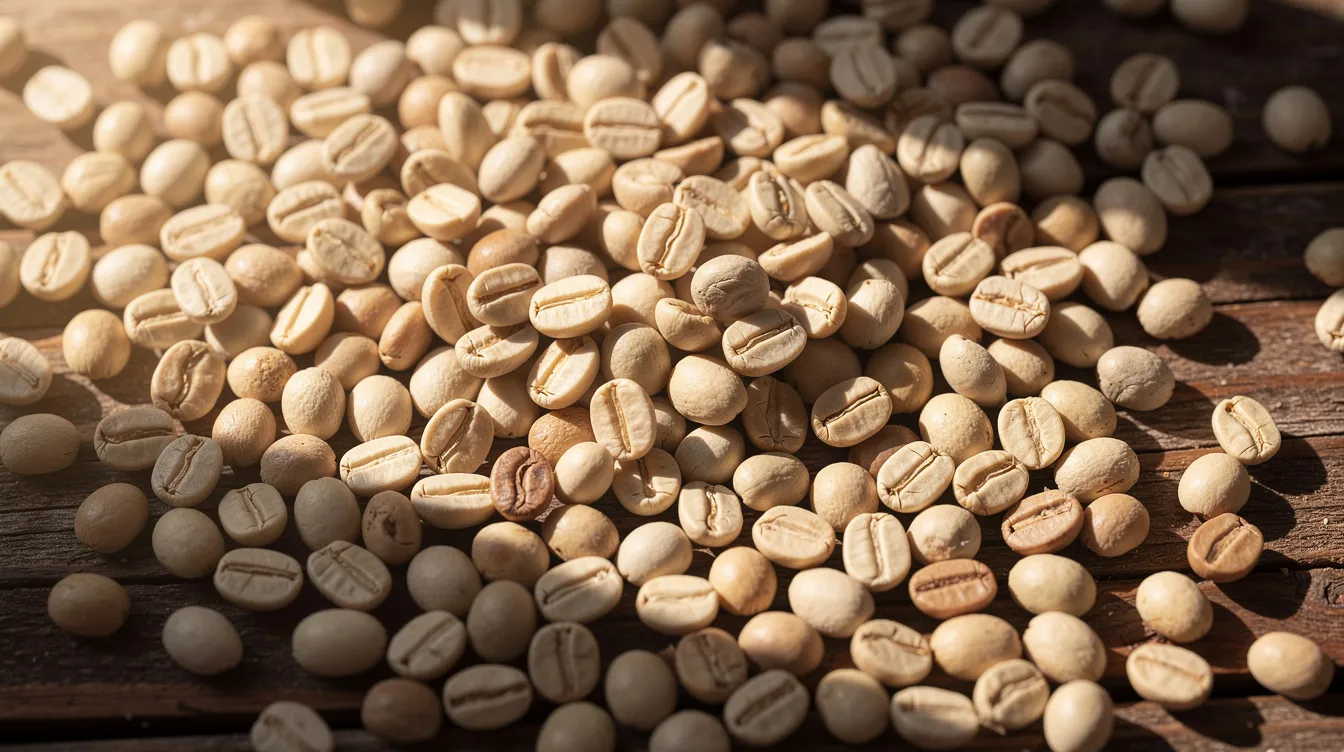
Best Overall Light Roast Coffee: Heart Coffee Roasters Stereo Seasonal Blend
Heart Coffee Roasters in Portland has built a reputation for precision and transparency. Rather than slapping a generic “light” label on bags, Heart profiles each batch for clarity, sweetness, and provenance, printing roast date and batch number on every bag. Their Stereo blend, a rotating seasonal offering, consistently earns praise from specialty reviewers and baristas.
What’s in the bag: Stereo typically combines Central American coffees (often Honduras or Colombia) with East African lots from Kenya or Ethiopia. The specific origins rotate seasonally, which keeps the blend fresh and interesting but means exact tasting notes shift.
Flavor profile: Expect a bright, fruit-forward cup with berry and citrus notes, high acidity, light body, and pronounced sweetness. The roasting process emphasizes origin clarity without underdevelopment-no grassy or vegetal off-flavors.
Best brew methods: Stereo shines in pour over (V60, Chemex) and performs well in quality automatic drip coffee makers. Experienced home baristas can pull it as espresso, though the bright acidity and light body demand careful dialing.
Value and availability: Typically sold in 10–12 oz bags at roughly $1.40–$1.60 per ounce, shipped direct from Heart’s website across the U.S. The seasonal rotation means one bag may not taste identical to the next, which is a feature for adventurous drinkers but a limitation if you want identical flavor month over month.
Limitations: Too bright for fans of darker roasts. Requires a decent burr grinder and attentive brewing to avoid under-extraction, which can make light roast beans taste sour rather than fruity.
Best Light Roast Coffee for Everyday Drinking: Caribou Coffee Daybreak Blend
Not everyone wants a $20 bag of micro-lot Ethiopian. Caribou’s Daybreak Blend is the light roast you can grab at a grocery store and drink coffee happily every morning without overthinking your technique.
Origin and sourcing: A blend of coffees from the Americas and East Africa, 100% Rainforest Alliance Certified, small-batch roasted in Minnesota.
Flavor profile: Sweet caramel, mild cherry fruit, and nutty tones. The perceived acidity is lower than many specialty light roast beans, making it smooth and easy to drink black if you prefer your coffee black. No extreme fruitiness or floral notes-this is a daily ritual coffee, not a sensory adventure.
Formats: Available in whole bean, pre-ground, and K Cups, making it compatible with nearly every setup from French press to single-serve coffee makers.
Who it suits: Grocery shoppers wanting a step toward lighter roasts without diving into intense acidity. It works as a bridge coffee for anyone transitioning from medium roast or dark roast habits.
Limitations: Less transparency on specific farms and the processing method behind each component. Flavor complexity falls below top-tier specialty roasters. Freshness depends on store turnover-look for bags with visible roast dates or “best by” dates and buy from high-traffic locations.
Best Budget Light Roast Coffee: Value Picks Under $0.90 per Ounce
Great coffee doesn’t require a premium price tag. If you drink coffee daily and go through one bag a week or more, price per ounce matters as much as flavor.
Budget strategies that work:
- Larger bags: Buying 2 lb bags from roasters like Caribou (Daybreak runs about $0.50 per ounce in 16 oz bags) cuts cost significantly versus 10–12 oz specialty bags.
- Subscription discounts: Many roasters offer 10–15% off when you set up a coffee subscription, plus free shipping. This can bring mid-range specialty roasters under the $0.90 threshold.
- Store brands with light roast options: Some regional grocery chains and warehouse clubs carry surprisingly decent light roast whole bean coffee at competitive prices. Look for bags that list country of origin and roast level clearly.
Trade-offs at this price point: Expect less detailed origin info, fewer experimental processing methods like anaerobic fermentation, and slightly less aromatic complexity compared to premium single origin coffees. The overall flavor still benefits from basic best practices-grind fresh, use filtered water, and brew at proper temperature.
Getting the most from budget beans: A simple burr grinder (even a hand grinder) and filtered water will do more for a $9 bag of light roast beans than any $22 bag brewed with stale grounds and tap water.
Best Light Roast Coffee for Pour-Over and Manual Brewing
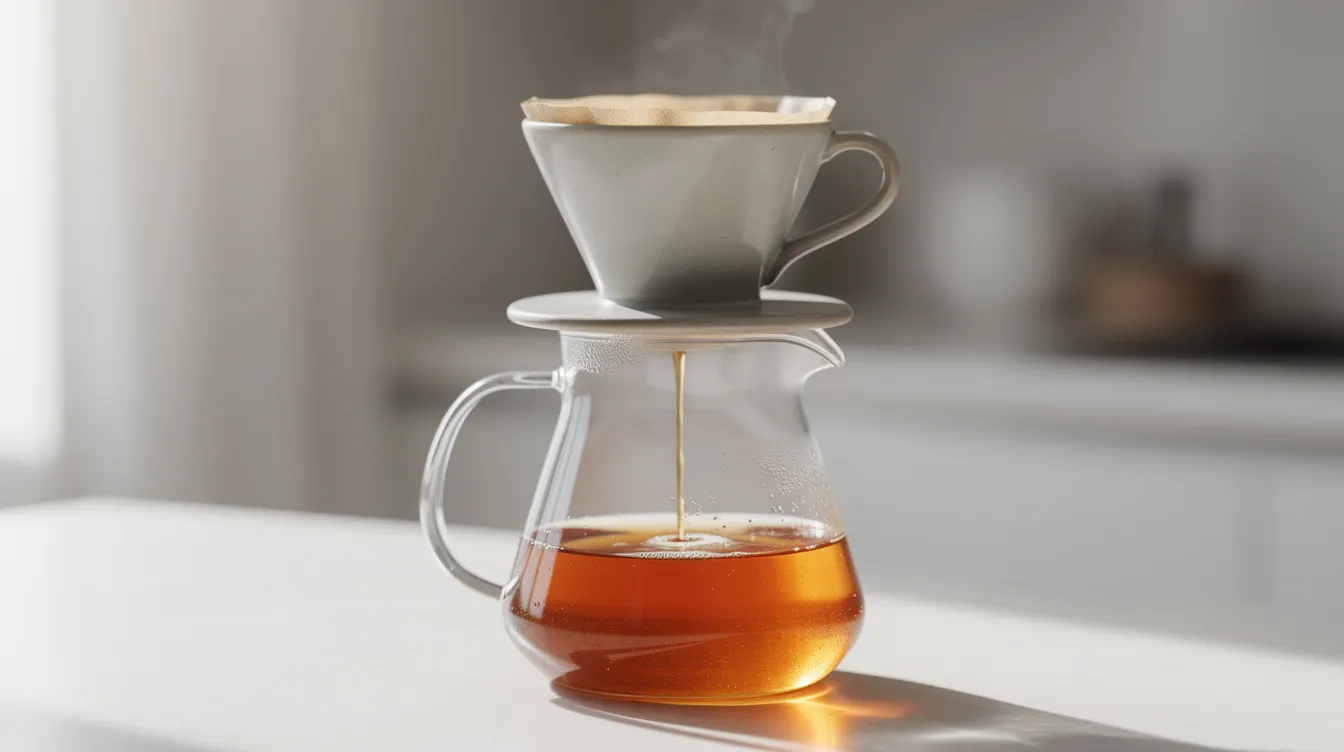
Pour over and manual drip methods are the ideal stage for light roast clarity. Ideal brewing methods for light roasts include filter methods like V60 or Chemex, which highlight acidity, sweetness, and delicate aromatics that other methods can obscure.
Top picks for pour-over:
- Blue Bottle single-origin washed Kenya (Level 1): Kenyan beans often exhibit blackcurrant and wine-like complexity, and Blue Bottle’s Level 1 roast preserves this with high acidity and floral notes. Their single-origin portfolio emphasizes lavender, black cherry, and jasmine depending on the lot.
- Kaffico Lemon Glaze: With a rating of 4.9 across 109 reviews, this single origin light roast delivers lemon-forward brightness and sweet notes that sing in a V60 or Chemex. A standout for anyone chasing citrus clarity.
- Goshen Ethiopia Biruhi: Highlighted in Bean Box’s 2026 picks, this washed Ethiopian offers a clean floral lift with mango and lime tones-exactly the kind of flavor profile manual brewing was designed to showcase.
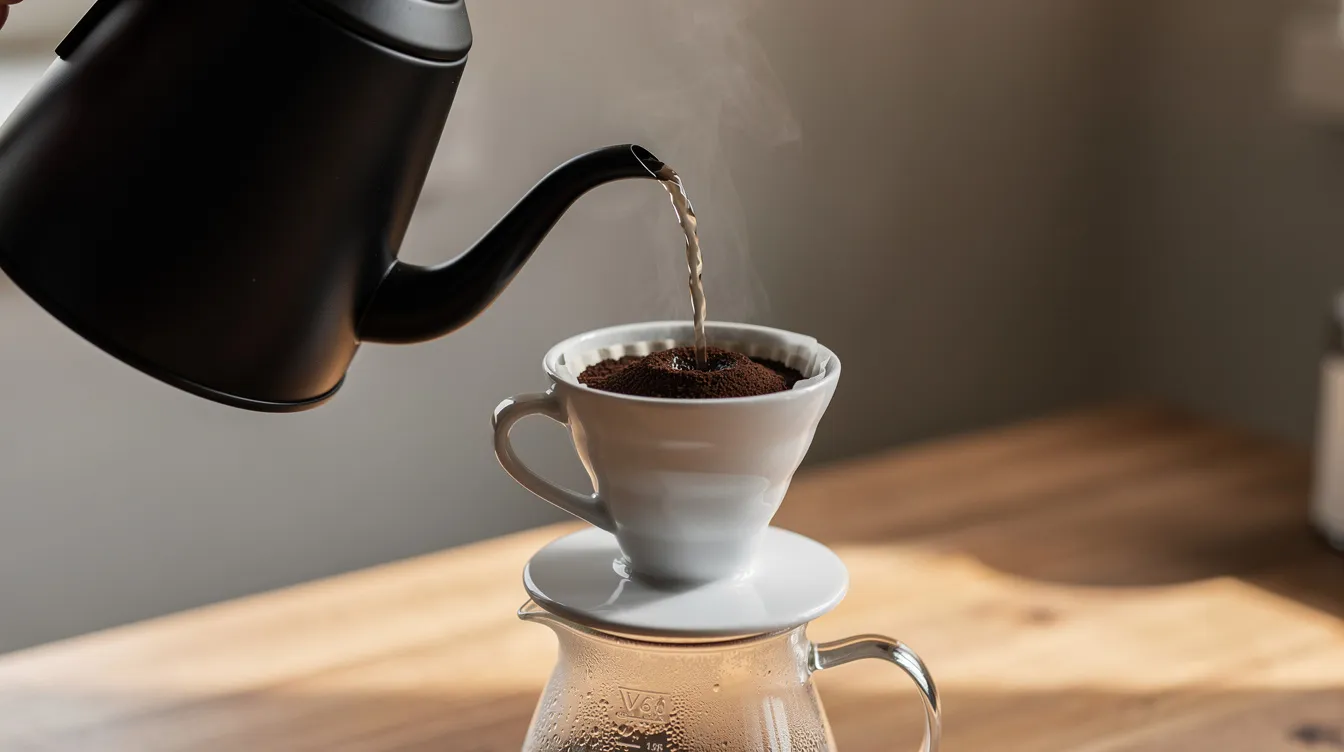
Quick pour-over brewing tips: Use a grind size slightly finer than for medium roasts, water temperature around 200–205°F, and a careful 30–45 second bloom. Washed single origin beans from East Africa tend to reward precision here, while natural processed lots may need a slightly coarser grind to avoid over-extracting fermented flavors.
Limitations: Pour-over workflow is slower and less convenient than automatic drip coffee makers. You’ll need a gooseneck kettle and some patience-but the cup quality makes it worthwhile for most light roast enthusiasts.
Best Light Roast Coffee for Espresso
Espresso is traditionally associated with darker roasts, but many modern coffee shops and home baristas now pull light roast beans for complex, fruit-forward shots that taste nothing like the bitter, smoky norm.
Top pick: Black & White Coffee Roasters The Original. This washed Ethiopian from Aricha (1,900–2,200 m elevation) delivers citrus and berry tasting notes with a tea-like body. As espresso, it produces a bright, juicy shot with noticeable sweetness when dialed correctly.
Why light roast espresso is different: Light roast coffee beans are denser and require longer extraction times. Plan on a finer grind, slightly higher brew temperatures (94–96°C), and longer shot times (28–35 seconds) compared to medium or dark roast espresso. A quality burr espresso grinder is essential-blade grinders won’t produce the consistency needed.
General tips:
- Dose slightly higher (e.g., 19–20g in a standard double basket) to add body and balance intense acidity.
- Expect less crema than with darker roasts. That’s normal-focus on taste, not appearance.
- Milk drinks with light roast espresso can produce surprising fruit and floral notes alongside steamed milk.
Who this suits: Adventurous drinkers who enjoy bright, complex espresso. If you want chocolate and caramel sweetness in your shot, a light-medium roast or medium roast will serve you better.
Best Light Roast Coffee for Cold Brew and Iced Coffee
Most cold brew is made with dark roast, leaning on chocolate and low acidity. Light roast cold brew flips the script: sweeter, fruitier, and more refreshing.
Top pick: Kaffico Fruity Bloom Coffee, rated 4.5 by reviewers. Its pronounced berry and fruit notes hold up well through a long cold steep, delivering a clean, sweet cup without the bitterness that darker roasts can introduce.
Flavor expectations: Light roast cold brew emphasizes sweetness and reduced bitterness, with refreshing acidity that works especially well over ice. Look for beans with clear sweetness and fruit rather than ultra-subtle floral profiles, which can get muted in cold brew’s extended extraction.
Brewing guidance:
- Cold brew: Coarse grind, 12–18 hour steep in cold water, then filter. Use a slightly higher coffee-to-water ratio (1:12 to 1:14) since light roast beans extract differently than dark.
- Flash brew (Japanese iced coffee): Brew a concentrated hot pour-over directly over ice. This preserves brighter acidity and floral aromatics that long steeping tends to flatten.
Limitations: Very delicate floral notes-the kind you’d taste in a hot V60-often disappear in cold brew. Choose origin beans with bold fruit character (Ethiopian naturals, for example) rather than subtle washed lots.
Best Coffee Subscription for Light Roast Fans
A coffee subscription is one of the easiest ways to keep freshly roasted coffee on hand without reordering manually. Coffee subscriptions deliver freshly roasted coffee within days of roasting, and the best services let you filter by roast level, origin, and flavor preferences.
Top picks for light roast subscriptions:
- Trade Coffee offers five roast levels including light roast, with a matching algorithm that pairs you with roasters based on your flavor preferences. They work with dozens of independent specialty roasters, giving you access to different beans from across the country. Frequency options range from every week to every month.
- Mistobox offers over 600 coffee options with customizable delivery frequency. You can specify light roast, single origin, and even preferred flavor profiles (fruity, floral, chocolatey). Their curators hand-select bags, and you can swap or skip shipments.
- Atlas Coffee Club sends coffee from different regions each month, which is ideal if you want to explore growing regions and origins systematically. Their light roast selections rotate geographically.
Coffee subscriptions often provide access to exclusive blends not available in stores, which is a real advantage for light roast fans chasing seasonal lots and limited releases.
How subscriptions compare to buying one bag at a time: Among favorite coffee subscriptions, the main advantages are guaranteed freshness (roasted beans shipped close to roast date), variety, and convenience. The trade-off is less control over exactly which coffee arrives: some drinkers want a rotating mix, while others would rather keep getting the same one bean, though most services let you rate and refine recommendations over time.
What Makes a Great Light Roast Coffee?
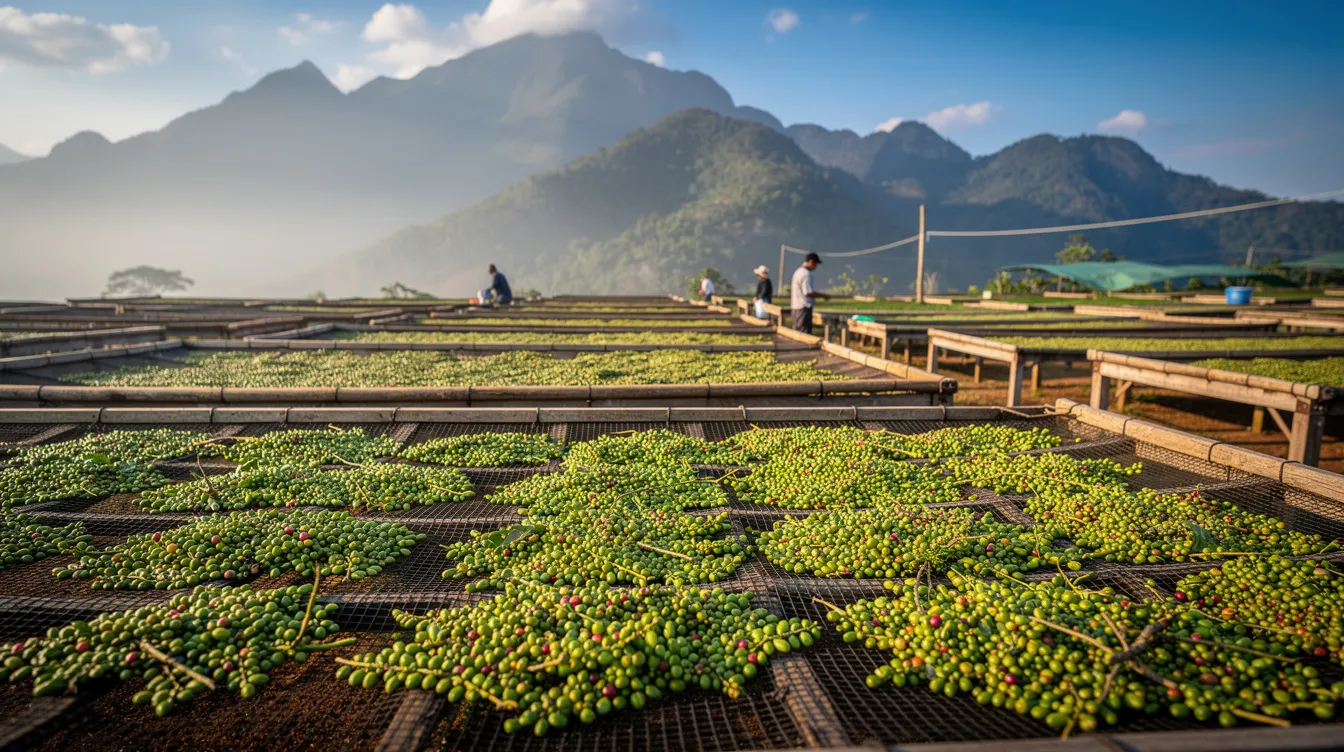
Great light roast coffee balances origin expression, sweetness, acidity, and freshness. It starts with high-quality Arabica coffee beans grown at higher elevations (often 1,500–2,500 m), where slower cherry maturation develops more complex sugars and acids.
Specialty light roasts are notable for their clarity in flavor profiles. Because light roast coffee is roasted between 356°F and 401°F-pulled at or just after first crack-it preserves the bean’s natural character rather than replacing it with roast-driven flavors like smoke or char. Light roasts preserve origin flavors better than dark roasts, which is why terroir, varietal, and processing matter so much at this roast level.
Light roast coffee beans are dry with no surface oil, unlike the shiny, oily surface of dark roast beans. This isn’t a quality indicator in itself, but it’s a visual cue that tells you the roasting process stayed in the right range.
In 2026, the best specialty roasters provide detailed notes on variety, farm name, processing method, and roast date on every bag. These are good signs of quality and transparency-if a roaster hides this information, that’s a reason to look elsewhere.
Origin, Processing, and Roast Level: How They Shape Light Roast Coffee
Origin, processing method, and roast level all interact to produce the final flavor profile of any light roast. Choosing high-quality single origins is recommended for vibrant flavors in light roasts, and single origin light roasts are increasingly popular among specialty coffee drinkers for good reason-they let you taste a specific place.
Common origins for great light roast coffee:
- East Africa (Ethiopia, Kenya): East African beans are best for distinct berry, floral, and bright citrus notes. Kenyan light roasts often exhibit blackcurrant and wine-like complexity. Ethiopian lots-particularly from Yirgacheffe, Sidama, or Guji-deliver jasmine, stone fruit, and blueberry.
- Central America (Guatemala, Honduras, Costa Rica): Balanced cups with citrus, mild chocolate, and clean finishes. Good middle ground for drinkers who want brightness without overwhelming florals.
- Colombia: Colombian light roasts provide stone fruit and chocolate sweetness with lower acidity-approachable and versatile.
- Latin America broadly: Latin American beans are ideal for gentle stone-fruit sweetness or a cleaner finish, making them strong candidates for blends.
Processing methods and their impact:
- Washed: Clean, citrus-forward cups with high clarity. The standard for most light roast single origin coffees.
- Natural (dry): Jammy, berry-heavy, sometimes wine-like. Adds body and sweetness but can introduce ferment-forward flavors if not carefully processed.
- Honey: A middle ground-partial fruit influence with acidity control. Sweet, slightly syrupy.
- Anaerobic fermentation: An emerging method used by many specialty roasters to amplify tropical fruit, lychee, or floral notes. Increasingly common in 2026 competition-grade lots.
Roast level nuance: Light roasts preserve the bean’s origin flavors and acidity, while light-medium roasts add a touch more body and can introduce subtle dark chocolate or caramel sweetness. Many roasters now publish roast development data rather than relying solely on generic labels-look for this if you want precision.
Light Roast vs Dark Roast: Which Is Best for You?
This isn’t about one being better-it’s about what you want in your cup.
Flavor: Light roast coffee often tastes brighter and more acidic than dark roast, emphasizing fruit notes, florals, and origin nuances. Darker roasts focus on roast-driven flavors like chocolate, smoke, and spice with lower perceived acidity.
Body and mouthfeel: Light roast often has a lighter, tea-like body. Dark roasts have a heavier body and more bitterness than light roasts, with a syrupy or full mouthfeel.
Caffeine: By weight, caffeine content is similar between different roasts. The common myth that light roasts pack significantly more caffeine isn’t supported by the data-differences are marginal.
Visual cues: Light roast coffee beans are dry with no surface oil, while dark roast beans look shiny and oily.
If you’re exploring other roast levels, our guide to the best medium roast coffee covers the middle ground, and the best dark roast coffee roundup is worth reading if you prefer richer, roast-driven flavors.
How to Choose the Best Light Roast Coffee Beans for Your Taste
Matching beans to personal taste matters more than any single “best coffee” ranking. Here’s how to narrow your options:
- Identify your flavor preference spectrum. Do you want citrusy and floral (lean toward washed Ethiopian or Kenyan single origin beans) or chocolatey and nutty (try Colombian or Central American origins)? Your answer determines which growing regions to prioritize.
- Look for transparency. Choose roasters who list origin, processing, varietal, and flavor notes clearly. The more specific the information, the more likely you’re getting good quality roasted coffee.
- Check the roast date. Look for roast dates within two to four weeks for optimal freshness. Avoid bags that only show a “best by” date months out-this usually signals stale roasted beans.
- Compare price per ounce, not bag price. Bags range from 10 to 16 ounces. A $16 bag of 12 oz coffee costs $1.33/oz, while a $20 bag of 16 oz costs $1.25/oz. This changes how much coffee you’re actually getting for your money.
- Match to your brew method. If you primarily use a French press, look for light roast beans with more body (naturals, honey process). If you’re a pour-over enthusiast, washed single origins will reward you.
Whole Bean vs Ground: Freshness and Convenience
Freshness is crucial for light roast coffee, and whole bean is the preferred choice for most enthusiasts. Here’s why:
- Grinding just before brewing preserves volatile aromatics and clarity. Light roast flavor notes-especially delicate florals and citrus-degrade rapidly once beans are ground. Within 15–30 minutes of grinding, you’ve lost a meaningful percentage of those compounds.
- Pre-ground still has its place. If you don’t own a grinder, use office coffee makers, or simply value convenience, pre-ground from a reputable roaster brewed promptly is better than whole bean coffee sitting in a cabinet for months.
- Grinder guidance: A burr grinder (even an entry-level hand grinder around $30–50) dramatically outperforms a blade grinder for consistency. Approximate grind sizes: medium-fine for drip and pour over, fine for espresso, coarse for French press and cold brew.
Some subscription services and roasters can grind to order, but even freshly ground coffee ages faster than whole bean storage. If you’re serious about getting the most from freshly roasted beans, invest in a grinder before upgrading anything else.
Brewing Light Roast Coffee: Getting the Most from Your Beans
Even the best light roast beans can taste thin or sour if brewed poorly. Small tweaks make a dramatic difference. Brewing light roasts requires slightly different treatment than dark roasts due to density-light roasts are typically denser and require longer extraction times.
General brew parameters:
- Grind: Use a grind size slightly finer than for medium roasts. Light roast coffee requires a finer grind for optimal extraction because the denser bean structure resists water penetration.
- Water temperature: Light roast coffee is typically brewed at 200°F to 205°F. Use water just off a boil to ensure extraction of bright acids from light roast beans.
- Ratio: A coffee-to-water ratio of 1:15 enhances light roast flavors. For a standard mug, that’s roughly 15–17g of coffee to 250g of water.
- Brew time: Extend brew time to three to four minutes for light roasts. Shorter times often leave the cup underextracted and sour.
- Pre-infusion / bloom: Pre-infusion for 45 to 60 seconds ensures even extraction, especially for pour over and French press. Pour a small amount of hot water (about twice the weight of the coffee grounds), let it bloom, then continue your pour.
Quick troubleshooting:
- Sour or thin? Grind finer, increase water temperature, or extend brew time slightly.
- Bitter or harsh? Grind coarser, lower temperature a few degrees, or shorten brew time.
Precise gear like gooseneck kettles, digital scales, and quality paper filters help, but they’re not mandatory. A standard drip machine that reaches proper temperature can produce a great cup of freshly roasted coffee.
Storing Light Roast Beans for Maximum Freshness
Light roast beans are most vibrant within a few weeks of roast date. After that, the subtle aromatics that make light roast worth drinking start to fade.
Storage best practices:
- Keep beans in an opaque, airtight container away from heat, light, and moisture. A pantry cupboard beats a countertop or windowsill.
- Avoid refrigeration. Frequent temperature swings cause condensation, which accelerates staling. Freezing works only if you portion beans into tightly sealed, single-use bags and don’t refreeze.
- Use beans within two weeks of opening the bag for peak flavor. After two to four weeks total from the roast date, expect diminishing returns on those delicate fruit and floral aromatics.
Specialty coffee canisters with vacuum seals or one-way valves are useful upgrades but not essential. A clean mason jar stored in a dark cabinet works surprisingly well.
Related Guides from Capitol City Coffee
If you’re still exploring which roast level fits your preferences, these guides can help:
- Browse the full roast-level hub for comparisons and deeper dives into each roast category.
- Not sure light roast is for you? The best medium roast coffee guide covers options that balance sweetness and acidity without the intensity of a true light roast.
- Prefer richer, roast-driven flavors? Check the best dark roast coffee roundup for bags that emphasize chocolate, smoke, and body.
- Explore the broader coffee section for brew guides, gear roundups, and origin-focused articles.
Our Light Roast Coffee Pick
We matched one light roast to the floral filter cup this guide describes. Tap the image or the coffee name. Research-rated, not yet brewed by our team.
Feeling bright: a light Ethiopian
Our pick: Volcanica Coffee Ethiopian Yirgacheffe, USDA Organic, medium-light roast, whole bean, 16 oz. A light, floral filter roast. Research-rated, not yet brewed by our team.
FAQs: Best Light Roast Coffee in 2026
These FAQs address common questions not fully covered above.
Is light roast coffee better for health than dark roast?
Current evidence suggests both light and dark roast coffee can fit into a healthy diet for most adults, with broadly similar antioxidant profiles. Some research indicates light roasts retain higher levels of chlorogenic acids, while dark roasts may produce other beneficial compounds during the roasting process. The differences are real but modest, and no major health organization clearly favors one roast level over another. If you have specific medical conditions or caffeine sensitivity, consult a healthcare professional for personalized guidance.
How long after roast date is light roast coffee at its best?
Many specialty baristas recommend resting freshly roasted light roast beans for 4–7 days post-roast before brewing. This allows CO2 to degas and flavors to stabilize. After resting, use bags within about three to four weeks of the roast date for everyday brewing, keeping them tightly sealed between uses. Espresso with very light roasts may benefit from a slightly longer rest of one to two weeks to reduce harshness and improve shot consistency.
Can I use light roast coffee in an automatic drip coffee maker?
Absolutely. Light roast beans work well in standard drip coffee makers, especially models that reach proper water temperatures (around 200°F). Grind slightly finer than a typical medium roast drip setting, and consider using a bit more coffee per cup to avoid a weak or watery brewed result. If your machine has a “strong” or “bold” setting, try it-it usually extends brew time, which helps with denser light roast beans.
Is Blue Bottle Coffee a good choice for light roast fans?
Blue Bottle offers several light and light-medium roast options with clear origin and flavor notes, making it a strong choice for pour over and drip brewing, and many drinkers use established roasters from San Francisco as a reference point for balanced, modern light roasts. Their coffee subscription can be filtered for roast style and brew method, which is convenient for dedicated light roast drinkers. Pricing is on the premium side (typically $1.33–$1.83 per ounce for single origin lots), but the quality, consistency, and educational materials on their site appeal to many specialty coffee enthusiasts.
What’s the easiest light roast to start with if I’m used to darker coffee?
Start with an approachable light-to-light-medium roast blend that offers both gentle acidity and familiar chocolate or caramel notes. Caribou Daybreak is a strong example of a “bridge” coffee-it has the sweetness and smoothness of a medium roast with just enough brightness to introduce you to what light roast can offer. From there, try a Colombian or Central American single origin for stone fruit and chocolate without extreme acidity, then graduate to Ethiopian or Kenyan single origin beans once brighter, more floral cups feel comfortable. Adjust your grind and brew settings gradually as your taste evolves.
Start with one bag that matches your brew method and flavor preferences, then explore from there. The best light roast coffee is the one you look forward to brewing tomorrow morning.