Best maker with grinder pick

Best maker with grinder pick
Start smaller: beans and a pitcher
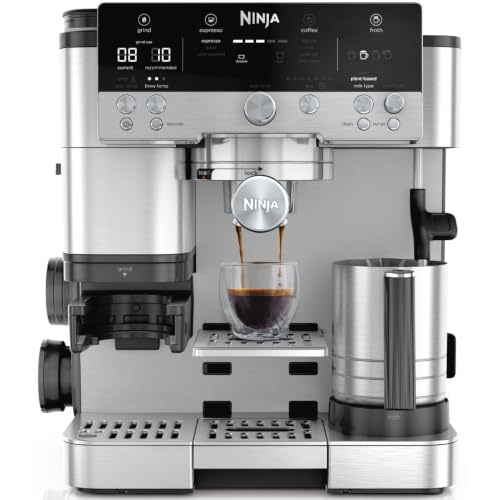
Combo makers with grinders are a big cart. If the Ninja Luxe (or another pick) is waiting, start with beans and a pitcher.
Espresso beans (~$20–$30)
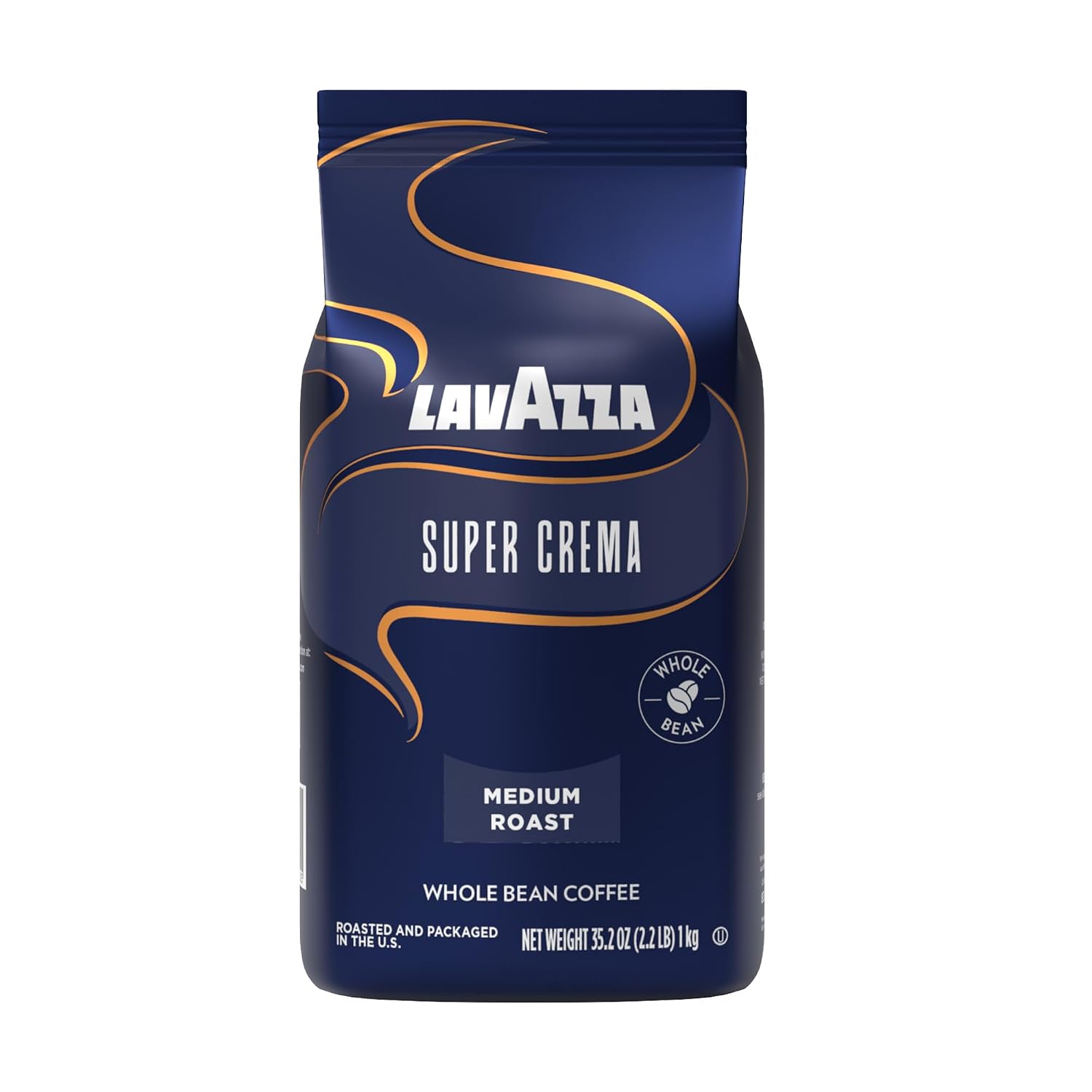
Lavazza Super Crema
For the espresso side of combo machines like the Ninja Luxe Café.
Check Super Crema on Amazon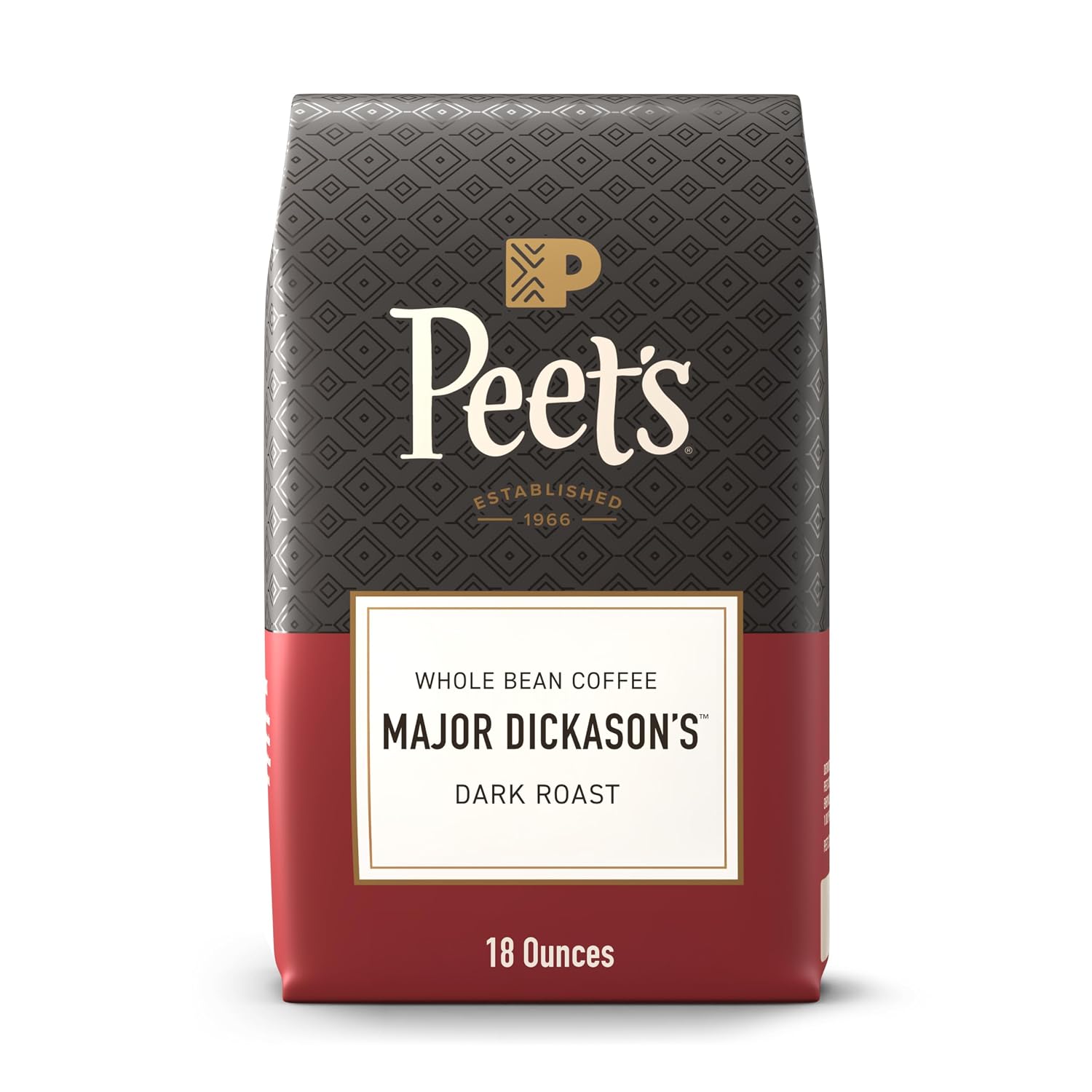
Whole beans (~$15–$25)
Peet’s Major Dickason’s
A forgiving dark blend for the drip/grounds side of combo makers.
Check Major Dickason’s on Amazon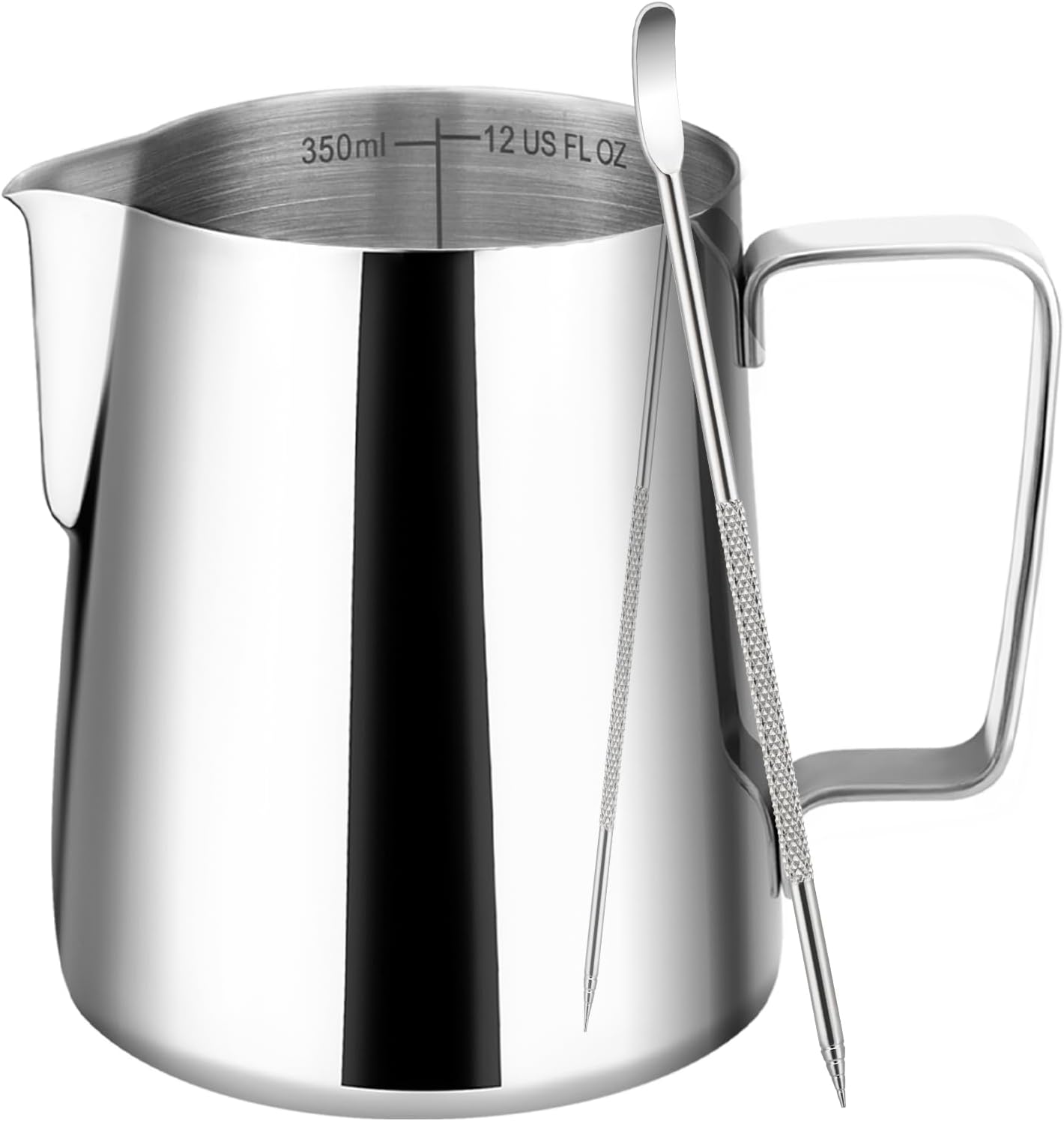
Milk pitcher (~$15–$25)
Milk frothing pitcher
For steam-wand combo machines. Cheaper than waiting on the maker itself.
Check milk pitcher on Amazon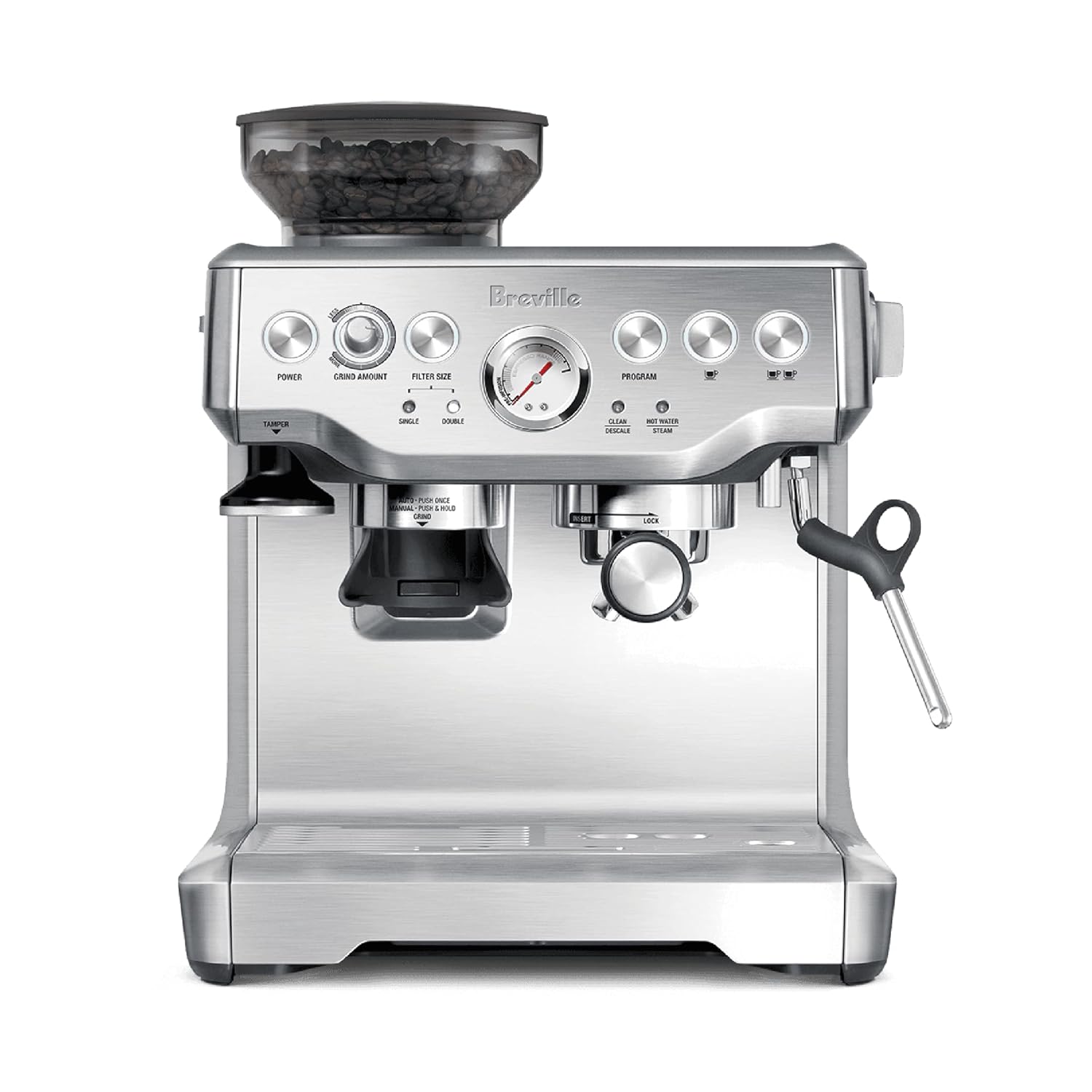
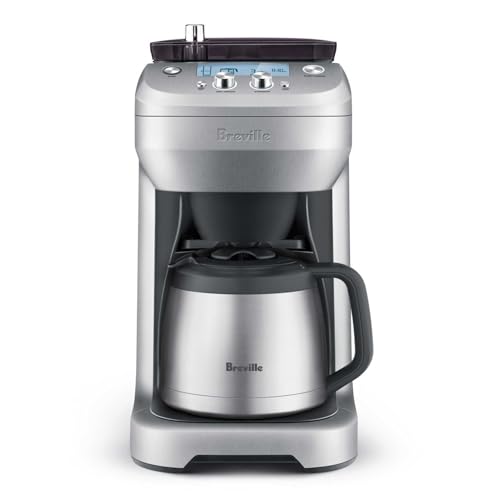
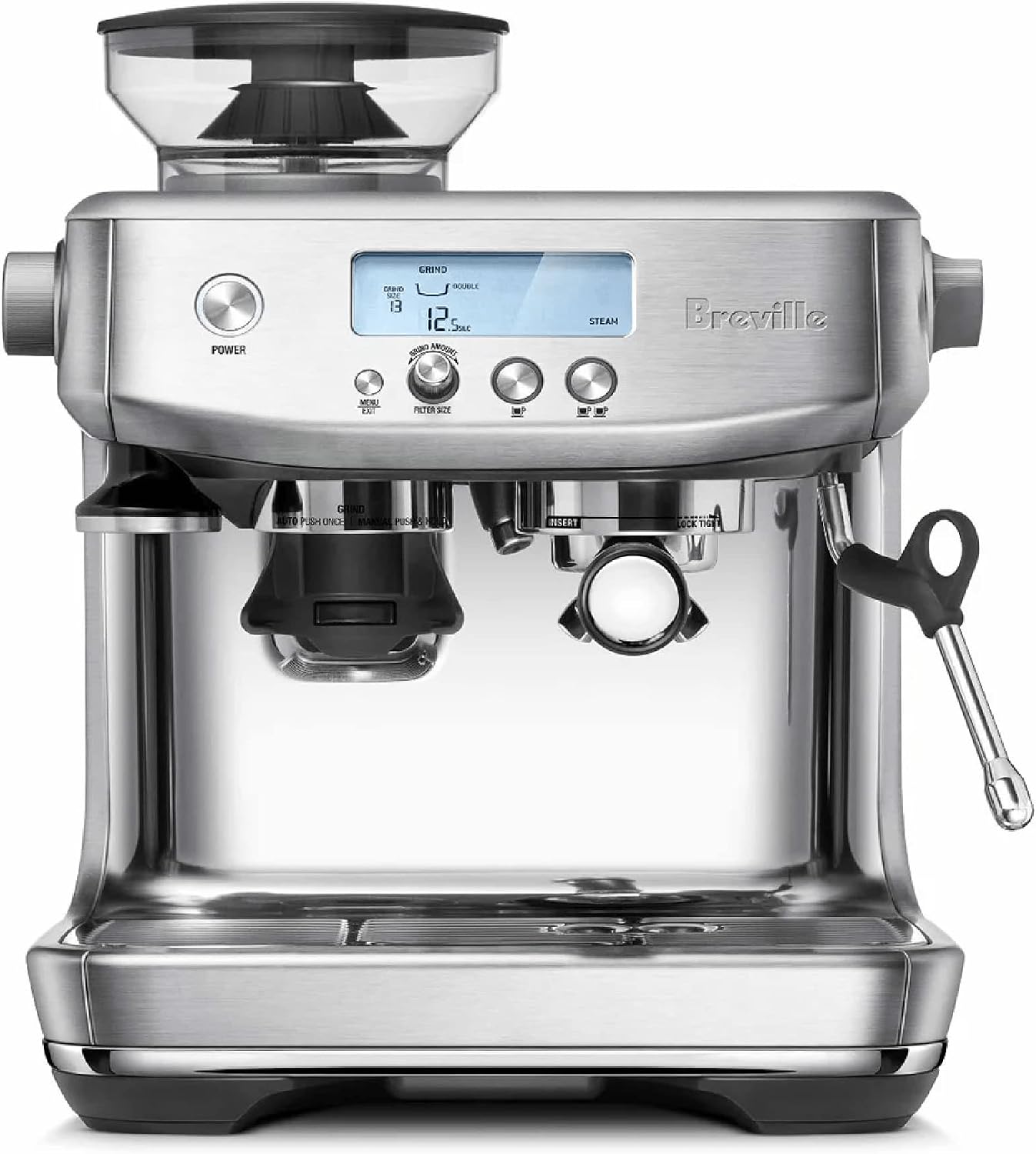
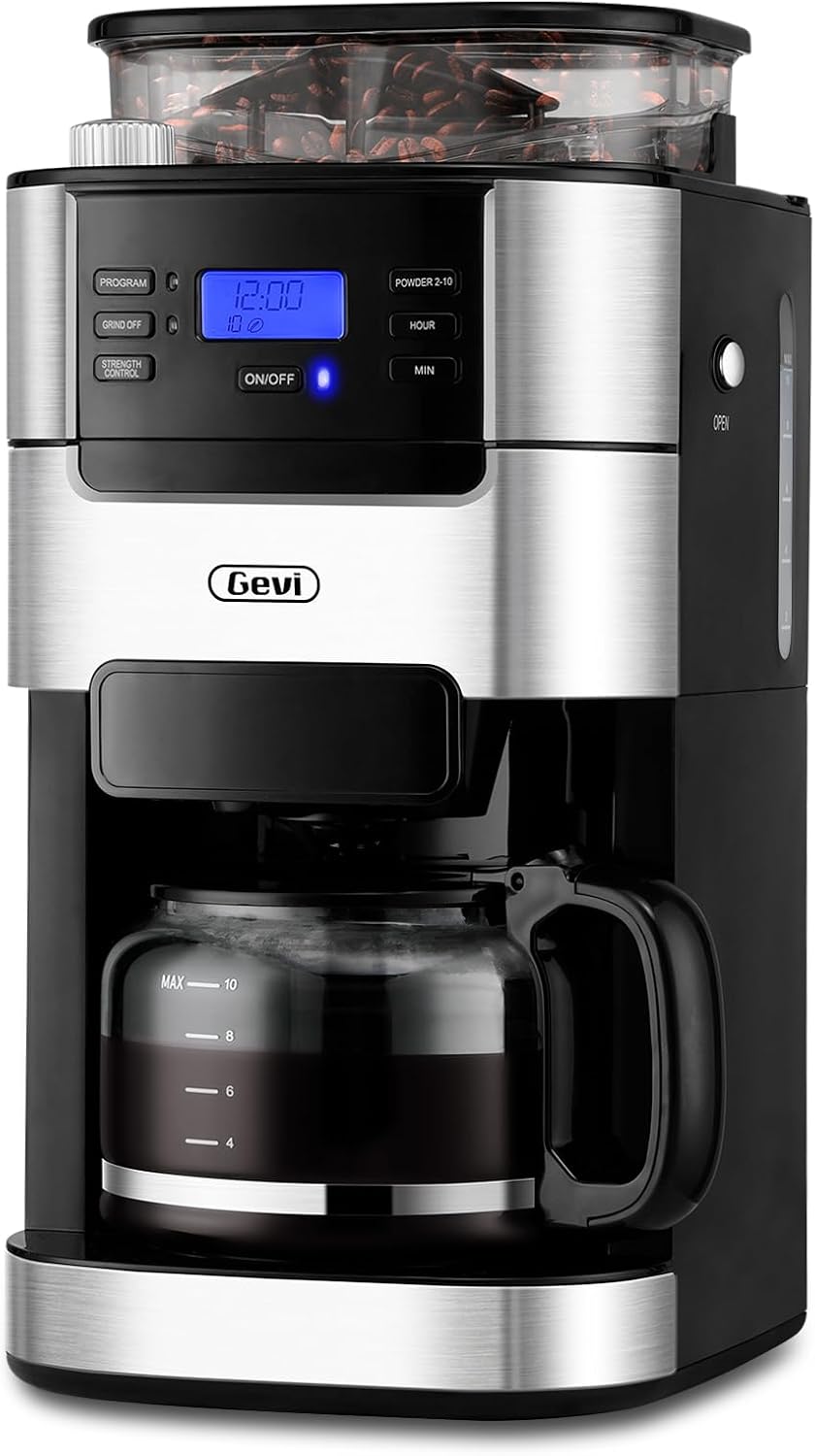
After researching dozens of grind-and-brew machines and cross-referencing expert reviews, manufacturer specs, and owner feedback, the best coffee maker with grinder for most U.S. households is the Breville Grind Control for drip coffee, the Breville Barista Pro for espresso, and the Gevi 10-Cup Grind and Brew for budget shoppers. These are researched editorial picks, not the result of hands-on testing by our team.
For most people who brew coffee at home, the Breville Grind Control delivers the best combination of grind quality, programmability, thermal carafe performance, and value in a drip machine. It’s the best coffee maker with grinder for households that go through a full pot of drip coffee daily.
Here’s the shortlist by use-case:
The table below compares key specs across our top picks, including grinder type, capacity, carafe style, programmability, and approximate U.S. street price. All figures are drawn from current manufacturer data and recent review sources.
Model | Brew Type | Grinder | Capacity | Carafe | Programmability | Price (USD) | Key Strength / Limitation |
|---|---|---|---|---|---|---|---|
Drip grind-and-brew | Stainless-steel conical burr, 6 settings | 12-cup, 1.8 L water tank | Thermal carafe | Auto-start, strength, grind size, bloom | ~$399–499 | Thermal retention, versatile / Bulky, oily-bean issues | |
Espresso (semi-auto) | Conical burr, ~30 settings | 250 g hopper, 2 L water tank | No carafe (portafilter) | PID temp, shot volume, pre-infusion | ~$850 | Fast heat, precise / Learning curve, espresso only | |
Drip grind-and-brew | Burr grinder, 8 settings | 10-cup, ~1.5 L water | Glass carafe | Timer, strength, grind size, grind-off | ~$180 | Great price, feature-rich / Plastic build, slow brew | |
Drip grind-and-brew | Burr grinder | 12-cup, ~1.8 L | Thermal carafe | 24-h timer, strength, grind-off | ~$200–250 | Thermal carafe at mid price / Fewer grind settings |
Disclosure: This page contains affiliate links. As an Amazon Associate I earn from qualifying purchases.
Where to buy: Seattle Coffee Gear · 1st in Coffee · Amazon (affiliate links). Check current price and availability before you buy.
Capitol City Coffee is an independent coffee editorial and affiliate publication. We may earn a commission from qualifying purchases made through links on this page, but this never affects our rankings or review integrity. Every pick is based on researched editorial analysis, verified specs, and broad expert and owner consensus-not paid placement or commission size.
These recommendations are based on researched editorial analysis. We evaluated machines using manufacturer data, third-party lab tests where available, expert reviews from publications like Tom’s Guide and Cafe & Crema, available taste tests from reputable third-party sources when judging flavor performance, and verified owner feedback. We did not conduct hands-on testing for this roundup.
Grind-and-brew coffee makers were evaluated as combined systems. A mediocre grinder paired with a great brewer-or vice versa-won’t produce great coffee. Here’s what we prioritized:
Extraction consistency and flavor potential. We looked at brew temperature ranges (targeting 195° to 205°F for drip), brew time, pre-infusion or bloom cycles, showerhead design for drip machines, and PID temperature control plus pressure stability for espresso. Good coffee makers have showerheads with many holes for even saturation across the coffee bed.
Grinder performance. Burr grinder vs blade grinder matters enormously. We favored machines with true burr grinders, then assessed grind settings count, retention, noise levels, and grind uniformity as reported by credible reviewers.
Capacity and carafe design. We considered typical U.S. household needs: single-serve up to 12-cup drip coffee makers, thermal vs glass carafe trade-offs, and warming plate behavior.
Programmability and usability. Auto-start timers, brew strength options, grind dose control, display clarity, and kitchen counter footprint all factor in. Programmable features in coffee machines enhance convenience for users, but only if they’re intuitive enough to actually use.
Cleaning and maintenance. Built-in grinders add cleaning complexity. We assessed how easily burrs and chutes can be accessed, whether parts are removable, and how automated the descaling and rinse cycles are.
Durability, warranty, and value. Warranty length, common failure points cited in reviews, and repair accessibility were weighed. Value was judged relative to performance and longevity, not just sticker price. Pricier coffee makers only earned recommendations when their benefits clearly justified the cost.
The Breville BDC650BSS Grind Control is the best coffee maker with grinder for most U.S. households wanting drip coffee. It offers balanced brew quality, flexible grind and strength options, and solid value compared with higher-end bean-to-cup machines. Breville is known for user-friendly coffee makers, and the Grind Control is a strong example.
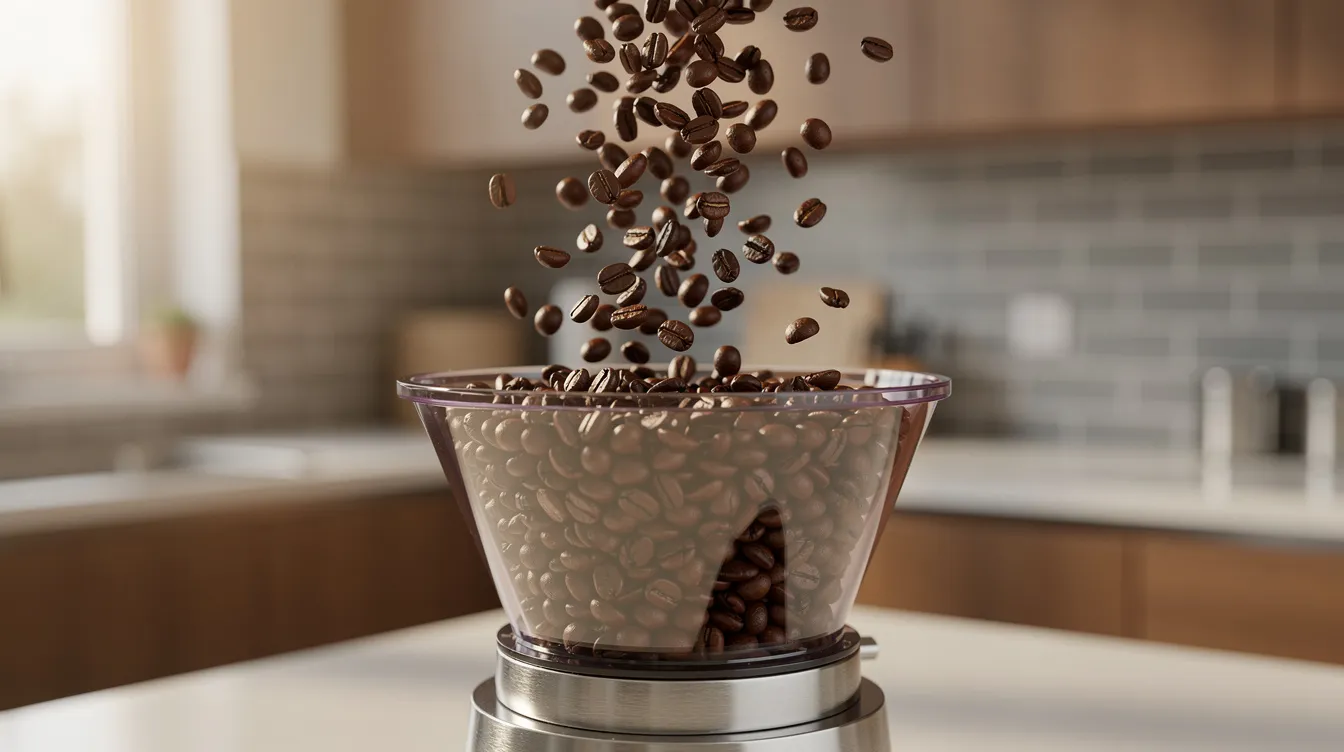
The Breville Grind Control has a built-in stainless steel conical burr grinder with six grind settings, adjusted across a range suited for drip coffee. It’s a true burr grinder, not a blade grinder, so coffee grounds come out more uniform and you get better even extraction in the cup. Eight strength settings control dose and bloom timing, and a “steep and release” pre-infusion cycle pre-wets the grounds before full brewing to improve extraction consistency.
The machine handles up to 12 cups via a double-wall thermal carafe that keeps drip coffee hot for hours without a hot plate. This avoids the flavor degradation that comes from sitting on a warming plate too long. Brew temperature targets near 200°F, within the 195° to 205°F range that specialty associations recommend. The LCD display shows grind size, strength, and cup count, and a 24-hour programmable auto-start lets you wake up to a fresh full pot.
You can also brew directly into a travel mug or a single cup-useful if you don’t always need a full carafe.
At roughly 8.5″ wide × 12.5″ deep × 16.3″ tall, it takes up moderate counter space. The top-loading bean hopper and side water tank are straightforward. The interface is clear enough that most people can set grind size, strength, and timer without consulting the manual after the first use.
Periodic cleaning of the grinder chute and conical burrs is necessary-especially if you use oily dark roasts, which can clog the chute. Grinder retention (old grounds stuck in the burrs) can affect flavor if you don’t clean regularly. The thermal carafe requires scrubbing but rewards you by keeping coffee warm without a hot plate. Warranty is a standard 1-year limited.
Ideal user: Households that brew multiple cups of drip coffee daily, value programmable strength and grind control, and prefer thermal retention. If you mostly want espresso or milk drinks, look at the Barista Pro or Jura D6 instead.
The Breville Barista Pro is a compact, prosumer-style espresso machine with a built in grinder. It’s designed for people who want café-style espresso at home without maintaining a separate grinder and machine setup-but who also enjoy the process of dialing in shots.
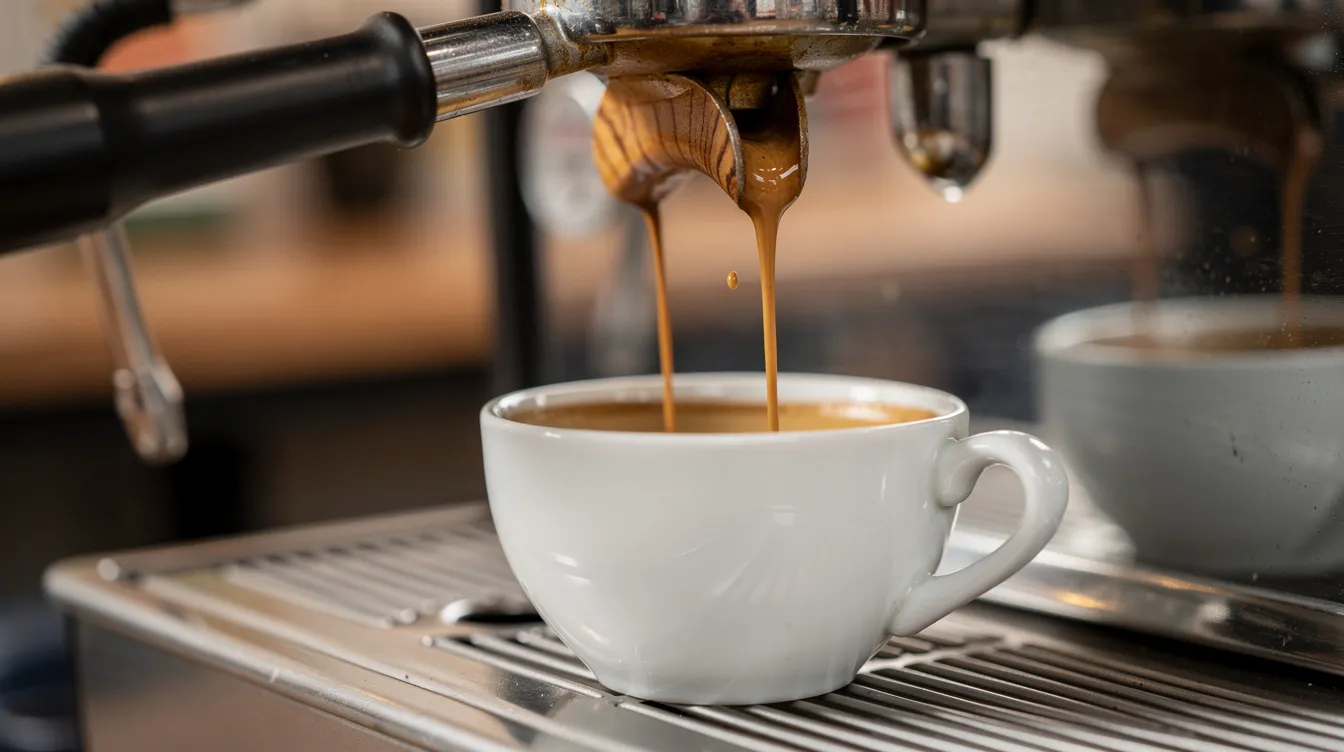
The Barista Pro has 30 grind settings tailored for espresso, using precision conical burrs (recent models feature Baratza-quality European burrs). The ThermoJet heating system reaches brewing temperature in roughly 3 seconds, and PID temperature control holds extraction stable around 200°F. Low-pressure pre-infusion followed by 9-bar extraction reduces channeling and produces flavorful shots with good crema.
Programmable shot volume with manual override gives you more control over dose and yield. In user-measured trials, dose repeatability across 10 shots was ±0.4 g-solid for an integrated grinder.
The front-facing LCD shows grind amount, shot timer, and machine status. A 54-mm stainless steel portafilter handles single and double shots. The steam wand is manual, capable of producing microfoam for lattes and cappuccinos, though steaming milk takes about 48–55 seconds for whole milk. Since this is a single-boiler machine, you can’t brew and steam simultaneously.
The footprint is compact relative to a separate grinder-plus-machine setup, fitting most kitchen counters.
Routine tasks include purging the steam wand after each use, backflushing, and emptying the removable drip tray. Periodic descaling and grinder burr cleaning keep performance consistent. The 2-year limited warranty is above average for this price tier. Common owner feedback: the grinder is tuned for espresso, not suitable for French press or drip grind sizes.
Best fit: Users who primarily drink espresso and milk drinks and are willing to invest time dialing in shots. If you want push-button simplicity, a bean-to-cup like the Jura D6 is easier.
The Gevi 10-Cup Grind and Brew is a strong value pick for shoppers who want fresh-ground drip coffee without spending over $200. At roughly $180, it delivers a surprising amount of functionality.
Despite the lower price, the Gevi uses a burr grinder rather than a blade grinder, with 8 grind settings spanning fine to coarse. Three brew strength options (mild, medium, strong) adjust dose and time. It also accepts pre ground coffee via a “Grind Off” bypass mode, which is handy for decaf or flavored beans without emptying the hopper.
The glass carafe holds up to 10 cups. A warming hot plate keeps coffee warm for about 2 hours before auto shutoff. Tom’s Guide testing found the Gevi reaches about 197°F peak brewing temperature, within acceptable range. However, a full pot can take 10–16 minutes depending on grind and strength settings. The mild setting tends toward weak; medium and strong are better for most drip coffee drinkers looking for a decent cup.
Controls are touchscreen-based with a programmable timer up to 24 hours. The grinder chute and brew basket are accessible but not dishwasher safe. Oily beans can cause static buildup and clogging-Gevi explicitly warns against frequent use of very oily dark roasts.
Build quality leans plastic-heavy, and the warranty is roughly 1 year. Grinder noise is noticeable, and grind uniformity at finer settings is inconsistent compared to pricier coffee makers. But for the price, it’s hard to find another grind-and-brew drip machine that checks this many boxes.
Ideal user: Budget-conscious households that want one appliance to grind and brew coffee and aren’t obsessing over extraction precision.
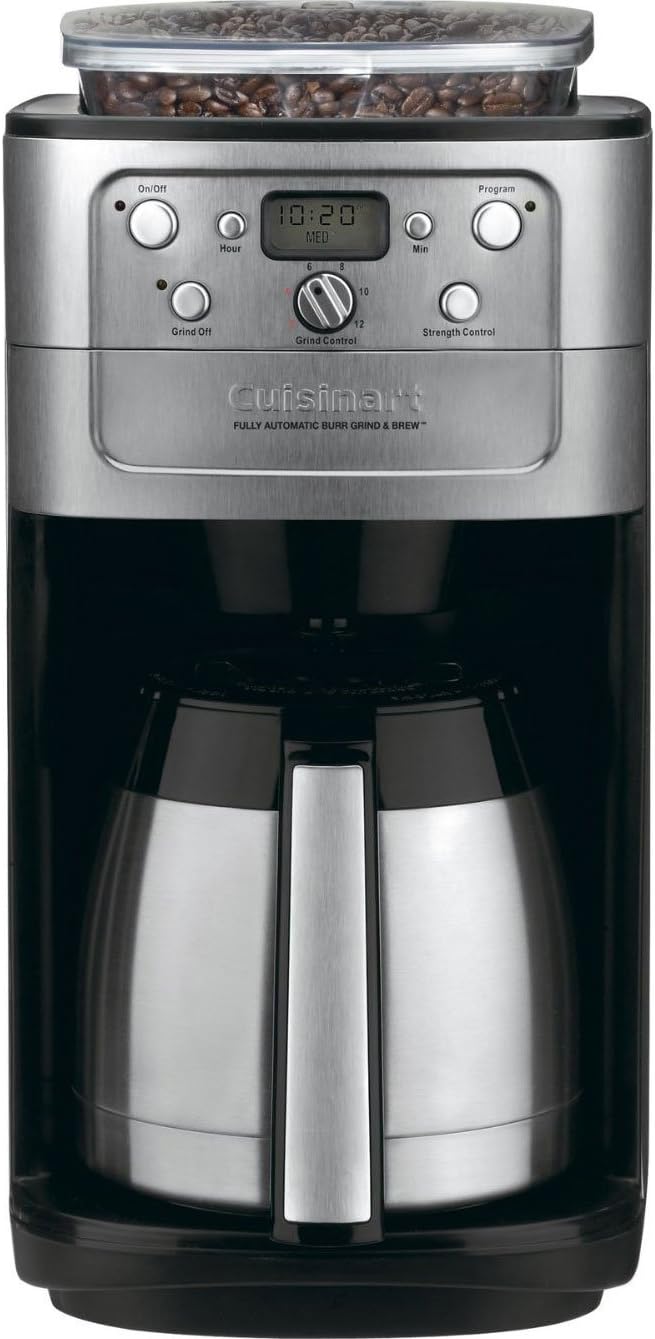
The Cuisinart DGB-900BC is a widely available, affordable grind-and-brew automatic drip coffee maker with a thermal carafe. Cuisinart offers affordable coffee makers with built-in grinders, and this model hits a sweet spot between the Gevi’s price and the Breville Grind Control’s feature set.
The built in burr grinder uses a medium grind profile tuned for drip coffee, with fewer stepwise adjustments than the Breville. The bean hopper holds about half a pound (~250 g). A grind-off mode lets you use pre ground coffee when you want it. Capacity is 12 cups-matching what most standard drip coffee makers offer-with a 24-hour programmable timer and brew-strength options (regular, bold).
Brewing temperature reaches acceptable drip levels, though it may not match top-tier specialty machines. Setting the clock, timer, and strength is straightforward, making it user friendly for non-enthusiasts who just want strong coffee waiting when they walk into the kitchen.
The stainless steel thermal carafe keeps coffee hot without a hot plate, preserving flavor during longer holding periods. Cleaning requires rinsing the grinder chute regularly and avoiding very oily beans to prevent clogging. The footprint is moderately large due to the side-mounted hopper and water reservoir.
Owner feedback highlights occasional grind chute blockages and the need for periodic deep cleaning. Warranty is a standard 1 year. At this price, it delivers solid daily performance with thermal retention-a feature usually found in pricier coffee makers.
Ideal user: Households that want mostly hands-off programmable drip coffee with fresh grinding and thermal retention, without needing advanced grind control.
The Jura D6 is a mid-tier bean-to-cup espresso machine aimed at users who value one-touch convenience for espresso and long coffee drinks over manual control. It grinds, doses, brews, and even cleans itself-making coffee requires almost no human intervention beyond pressing a button and filling the water tank.
The Aroma G2 conical burr grinder offers multiple grind settings optimized for espresso-based drinks. Jura’s Intelligent Pre-Brew Aroma System moistens grounds before full extraction, improving flavor consistency. Adjustable brew strength, brewing temperature zones, and cup sizes let you customize drinks.
One-touch options cover espresso, coffee, and cappuccino-style drinks via the built-in milk frother. The frother creates airy foam-adequate for cappuccinos but not barista-style microfoam for latte art. It’s consistent and convenient, not artistic.
Built-in automatic rinsing and cleaning alerts simplify daily maintenance. But Jura machines carry a premium cost of ownership: proprietary water filters, cleaning tablets, and expensive repairs if something fails out of warranty. Typical retail sits between $1,000–$1,500 or more.
Best for: Users who prioritize convenience and consistency over manual tinkering, with a budget for premium all-in-one home machines.
A few additional machines deserve mention for specific niches:
Marketing copy loves to highlight flashy extras, but a few core features genuinely shape brew quality and everyday usability. Here’s what to focus on.
A good grinder is arguably the most important piece of the equation. Burr grinders provide more consistent coffee grounds than blade grinders, which chop beans into uneven particle sizes that cause simultaneous over-extraction and under-extraction. Built-in grinders often allow for adjustable grind size and brew strength, though built-in grinders may lead to inconsistent grind sizes compared with dedicated standalone units. Some models offer multiple grind settings for customization-the more settings, the more precisely you can dial in for your preferred roast.
A sealed bean hopper prevents moisture from affecting the beans, prolonging freshness between brews. Automatic dosing systems in better machines ensure uniform grind size for even flavor extraction.
Mechanical controls in coffee makers can adjust brewing temperature and infusion time for optimal extraction. Coffee makers should brew between 195° and 205°F-below that and you get sour under-extraction; above it and bitterness dominates. Pre-infusion (bloom) cycles help saturate grounds evenly before full water contact, improving clarity and sweetness.
A thermal carafe retains heat without requiring a hot plate, preserving coffee flavor and reducing the burnt-tasting finish that long hot-plate sessions produce. A glass carafe is lighter and lets you see volume, but risks overheating if left on the hot plate too long.
Programmable coffee makers allow brewing on a timer for convenience-set it the night before and wake up to a perfect cup. Strength settings that adjust dose or contact time give you more control over how your drip coffee tastes without changing beans.
Built-in grinders add areas where coffee oils and fines accumulate. Machines with easy-access burr chambers and removable drip tray components are significantly easier to maintain long-term.
“Best” is subjective. The right coffee maker depends on whether you mostly drink drip coffee, espresso, or a mix-plus your kitchen space and budget.
What kind of coffee do you drink? If you brew black drip coffee most mornings, a grind-and-brew drip machine is the obvious choice. If you want lattes, cappuccinos, or straight espresso, an espresso machine with a built in grinder makes more sense.
How many people are you brewing for? A 12-cup drip coffee maker suits families, but first think about how much coffee you actually drink each day before choosing capacity. Solo drinkers or couples might prefer a single-serve or smaller-batch machine. Brewing more than you drink leads to stale, flat-tasting coffee.
Control vs. convenience. The Barista Pro demands learning; the Jura D6 demands a credit card. A programmable drip machine like the Grind Control sits in the middle-enough control to make delicious coffee, enough automation to fit your morning routine.
Budget ranges:
The term “coffee maker with grinder” spans two fundamentally different categories: drip machines and espresso machines.
Drip coffee makers with built in grinders brew larger batches into a carafe-typically 8 to 12 cups. They produce straightforward hot coffee, are simpler to maintain, and cost less over time. If your household drinks a full pot of drip coffee each morning, this is your lane.
Espresso machines with built in grinders pull concentrated shots at high pressure with precise grind requirements. They often include a steam wand or milk frother for steaming milk and making lattes. Performance depends heavily on grinder precision-the Barista Pro’s 30 settings exist because espresso demands that level of control.
For mixed households where some people want drip coffee and others want espresso, consider a drip grind-and-brew plus a separate manual espresso device, rather than trying to force one machine to do everything.
Grinder type is one of the most important factors in brew quality-arguably more important than the specific coffee maker brand. Burr grinders produce more even coffee grounds than blade grinders, and that uniformity is what delivers balanced, best tasting coffee.
Blade grinders use spinning blades to chop beans, creating a wide spread of particle sizes in the same batch. Small particles over-extract (bitter), large particles under-extract (sour), and you end up with a muddled cup of coffee that’s simultaneously harsh and thin.
Burr grinders use two grinding surfaces-conical burrs or flat burrs-to crush beans to a more uniform size. They offer adjustable grind settings so you can tune for drip coffee, pour over, or espresso. Every machine in our top picks uses a burr grinder.
If you care about flavor at all, avoid blade grinder combo machines. They may cost less, but the savings come at the expense of every cup of coffee you brew.
Capacity and carafe type matter for daily comfort as much as brewing temperature and grind quality.
Capacity: Most standard drip coffee makers have a 12-cup capacity, which suits families and coffee-forward households. Smaller 4–6 cup machines and single serve coffee makers work for individuals. Brewing a full pot when you only drink two cups means the rest sits getting stale.
Carafe type: A thermal carafe keeps hot coffee warm for hours without a hot plate, avoiding the burned taste of glass carafes left on warmers. A glass carafe is cheaper and lighter but can degrade flavor within 30 minutes on the plate. Espresso and bean-to-cup machines skip the carafe entirely, brewing one cup at a time.
Footprint: Built-in grinders and bean hoppers increase height compared to standard coffee makers. Measure your cabinet clearance-top-loading hoppers need room to open. Depth matters too; some machines extend 12–13 inches from front to back.
The best coffee maker is one you actually use. Daily usability and programmability determine whether a machine becomes part of your morning routine or collects dust.
Controls and workflow. Clear button layouts, readable screens, and intuitive menus for setting brew strength, grind amount, and timers all reduce friction. Loading hot water into the tank, refilling whole beans, and changing filters should be simple one-handed operations when possible.
Programmability. Timers and auto-start mean you can prep the night before and wake up to a fresh pot. Strength settings that adjust dose or contact time let you dial in strong coffee or a lighter brew. For espresso machines, programmable shot volumes, pre-infusion timing, and temperature profiles add more control for those who want it.
Accessibility. Not everyone in the household is a coffee geek. Machines with clear labels, audible prompts, and obvious feedback (lights, beeps) when a brew cycle finishes-or when something is wrong-earn points for user friendly design.
Cleaning and long-term maintenance are crucial to both coffee quality and machine life. Integrated machines can have a higher maintenance requirement due to coffee oils and grounds buildup in the grinder, chute, and brew chamber.
Coffee oils accumulate on burrs and in chutes. Over time, residue turns rancid and introduces off-flavors. Budget machines with enclosed grinder designs are harder to deep-clean. A charcoal water filter can help with mineral buildup but doesn’t address grinder oil.
Factor in replacement water filters, descaling solutions, and cleaning tablets. Thermal carafes save electricity versus running a hot plate for hours. Bean-to-cup machines like the Jura D6 carry the highest ongoing costs: proprietary filters, tablets, and potentially expensive repairs once the warranty expires. Simpler drip coffee makers are far cheaper to maintain over their lifespan.
For many people, coffee makers with built-in grinders offer a great blend of convenience, space savings, and flavor improvement over pre ground coffee. Coffee beans lose flavor within minutes of being ground, so fresh grinding before each brew makes a noticeable difference. But they’re not the right solution for everyone.
Worth it when:
A separate grinder may be better when:
Coffee makers with built-in grinders are often more expensive than buying separate units, and built-in grinders are often less precise than standalone grinders. But for mainstream daily use, the convenience trade-off is usually worth spending the extra money.
Even the best coffee maker with a grinder will underperform with stale or poorly matched beans.
Bean advice:
Grind guidance:
Some readers may be better off pairing a dedicated coffee grinder with a standalone coffee maker, especially if flexibility and maximum brew quality are priorities.
A common high-performing setup: An entry-level burr grinder (like a Baratza Encore or similar) paired with a reliable drip machine or pour over setup. This gives you the ability to grind for drip, French press, and pour over-all from one grinder.
Pros: Better grinder quality, wider grind range, independent upgrade path. If the brewer fails, the grinder still serves every other brew method.
Cons: More counter space, higher total up-front cost, extra steps in the brewing process each morning. You’re grinding separately, transferring coffee grounds, then starting the brew cycle.
This guide focuses specifically on combined coffee maker plus coffee grinder units. If you decide a built in grinder isn’t necessary, Capitol City Coffee’s broader gear coverage can help. The coffee makers hub covers all brewer types. The best drip coffee makers guide focuses on stand-alone drip brewers worth pairing with a separate grinder. And the under-$100 and under-$200 guides are useful if budget is the primary filter.
Capitol City Coffee’s recommendations are always independent and research-based, whether covering drip machines, espresso setups, or other coffee gear.
These questions address common concerns for first-time buyers of coffee makers with grinders, covering topics not fully explored above.
Grinding just before you brew coffee preserves aromatics and produces the best tasting coffee. Batch-grinding for several days will noticeably flatten flavor, especially with lighter roasts. If you have a coffee maker with a built in grinder, use it right before brewing-that’s the whole point of the machine.
Yes. Most grind-and-brew machines include a “grind off” mode or pre-ground coffee bypass chute that lets you skip the grinder entirely. Pre-ground coffee bypass chutes allow the use of pre ground coffee without emptying the hopper. This is useful for occasional decaf or flavored coffee. Check the manual to make sure you’re not double-dosing into the brew basket.
Built in grinders in drip coffee makers are usually tuned for medium grind ranges, not the coarse grind that French press requires or the specific profiles for pour over. You may be able to approximate a coarser setting, but results won’t match a standalone burr grinder. Serious French press or pour over fans should consider a separate grinder for maximum control.
With regular cleaning and descaling, mid-range grind-and-brew drip coffee makers often last 3–5 years. Higher-end espresso and bean-to-cup machines can last longer, but their more complex internals mean pricier repairs when something fails. Following the manufacturer’s maintenance schedule is the single most important thing you can do to extend lifespan and protect warranty coverage.
Very oily dark roasts can clog the chutes and burrs in many built in grinders, especially in enclosed grind-and-brew designs. Medium or medium-dark beans are safer for daily use. If you prefer dark roasts, clean the grinder more frequently and check the manufacturer’s guidance-several brands, including Gevi, specifically warn against frequent use of very oily beans.
PASS.
Every coffee and coffee machine we recommend is scored on the same 100-point scale, so a recommendation on one page means the same thing as a recommendation on any other. Each pick is also labeled with how we reached its score.
| What we score | Points | What we look at |
|---|---|---|
| Origin and sourcing transparency | 20 | Country, region, farm or cooperative, altitude, bean variety, and processing method are clearly disclosed. |
| Flavor evidence | 25 | Independent cupping scores, how closely the tasting notes match what the origin is known for, and our own cupping notes when hands-on tested. |
| Roast and freshness | 15 | Roast level stated, roast-date practices, whole-bean availability, and packaging with a one-way valve or resealable bag. |
| Brew versatility | 15 | How well the roast suits pour-over, drip, French press, cold brew, and espresso. |
| Value | 15 | Price per ounce compared with similar single-origin coffees or blends. |
| Buyer feedback | 10 | Volume and consistency of verified reviews, and recurring complaints about staleness, bitterness, or shipping. |
| What we score | Points | What we look at |
|---|---|---|
| Brewing performance | 25 | Water temperature in the 195–205°F range, even extraction, and SCA certification or published test data. |
| Build quality and reliability | 20 | Materials, known failure points, and long-term owner reports. |
| Ease of use and cleaning | 15 | Setup, the daily routine, descaling, and dishwasher-safe parts. |
| Fit for your kitchen | 10 | Capacity, counter footprint, and noise. |
| Useful features | 10 | Programming, grind and temperature control, and carafe type. Features that improve the cup count more than extras that do not. |
| Value | 10 | Price compared with machines that perform similarly. |
| Warranty and support | 10 | Warranty length, parts availability, and how the brand handles repairs. |
| Score | Grade | What it means |
|---|---|---|
| 90–100 | A | Exceptional. Our first recommendation for the feeling and setting described. |
| 80–89 | B | Strong. Excellent, with minor trade-offs we explain. |
| 70–79 | C | Good. Worth it for specific needs, with clear compromises. |
| Below 70 | — | Not recommended. We do not feature these as picks. |
When a pick carries the Hands-on tested label, this is the method behind it, and we note the date we tested.
We match each coffee to a mood and a moment based on its flavor profile and roast. Bright, citrusy light roasts suit energizing mornings. Chocolatey, full-bodied medium roasts suit slow or social moments. Richer roasts suit espresso and milk drinks. Each pick explains which facts led us to that match.
Every score comes only from the criteria above. No brand can pay for a pick or a higher grade. We re-check ratings when a roast, listing, or model changes, and update or remove picks that no longer earn their grade.
Some links on this page are affiliate links. As an Amazon Associate, Capitol City Coffee earns from qualifying purchases, at no extra cost to you.
Questions about a rating? Reach the Capitol City Coffee team through our contact page.