
With NO Additional cost to you, as an Amazon Associate, I earn from qualifying purchases. This page contains affiliate links; we may earn a commission if you buy through them.
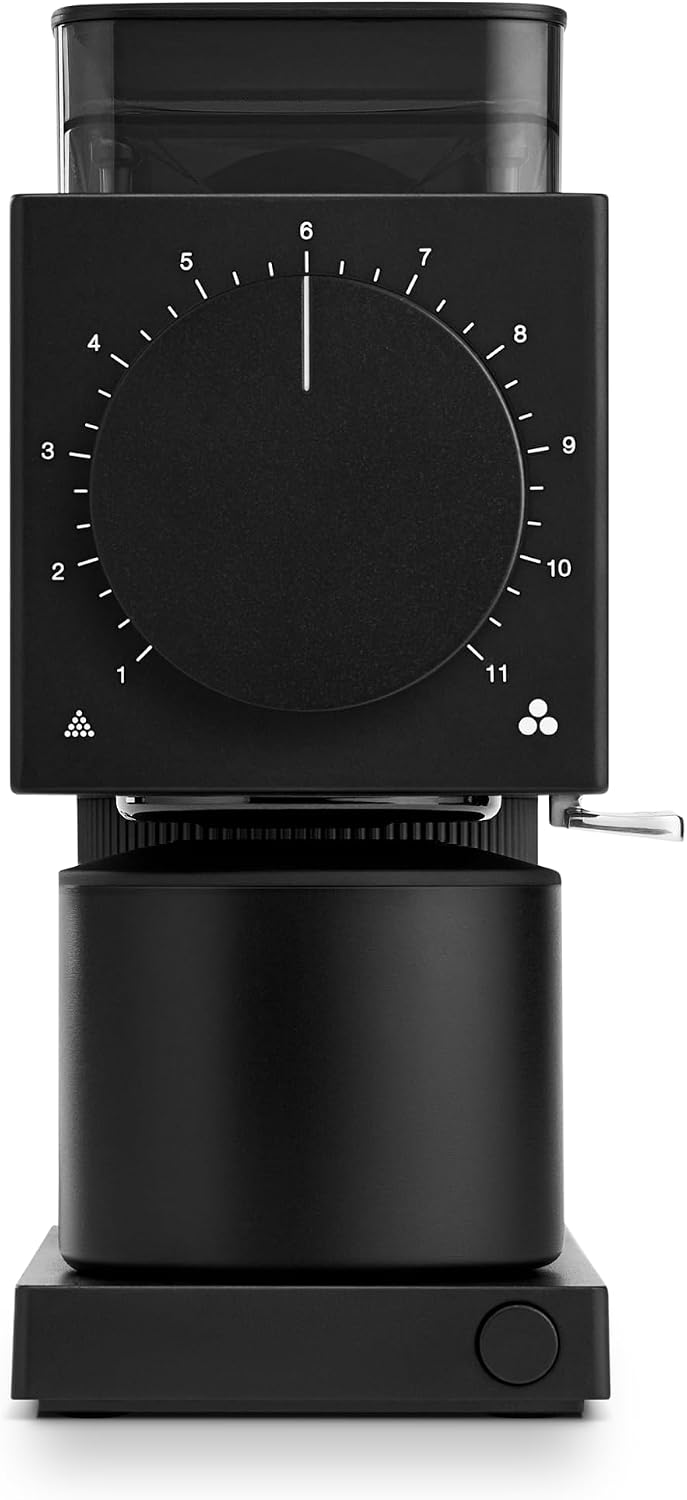
Best home coffee grinder overall


With NO Additional cost to you, as an Amazon Associate, I earn from qualifying purchases. This page contains affiliate links; we may earn a commission if you buy through them.
Best home coffee grinder overall
Best coffee grinders, by job
Everyday + beginner espresso
Baratza Encore ESP Pro
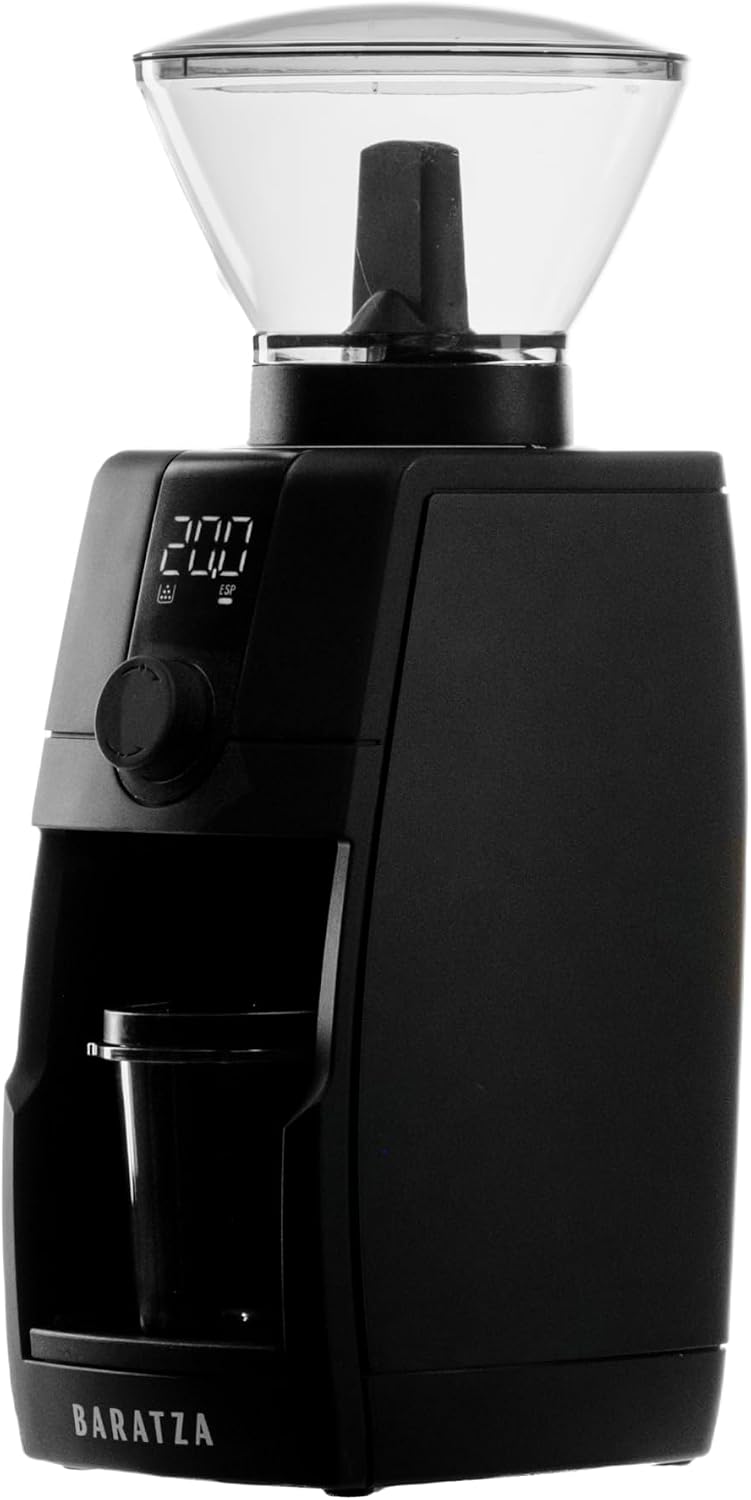
40 mm conical burrs with a split range for espresso and filter. Research-rated, not yet tested by our team.
Check Encore ESP Pro on AmazonCompact filter grinder
OXO Brew Compact
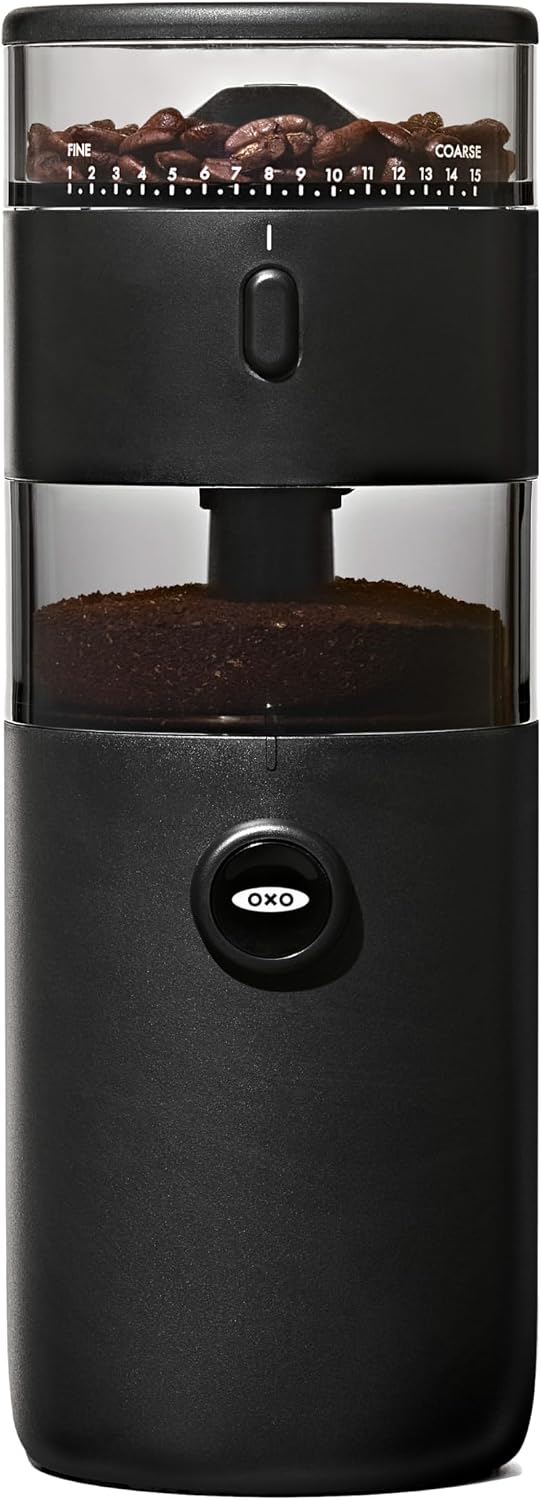
Small-footprint conical burrs for drip, French press, and cold brew. Not an espresso grinder.
Check OXO Compact on AmazonPour-over and batch brew
Fellow Ode Gen 2
64 mm flat burrs and a single-dose catch cup, tuned for filter coffee. Skip it for espresso.
Check Fellow Ode Gen 2 on AmazonValue espresso
Turin DF54
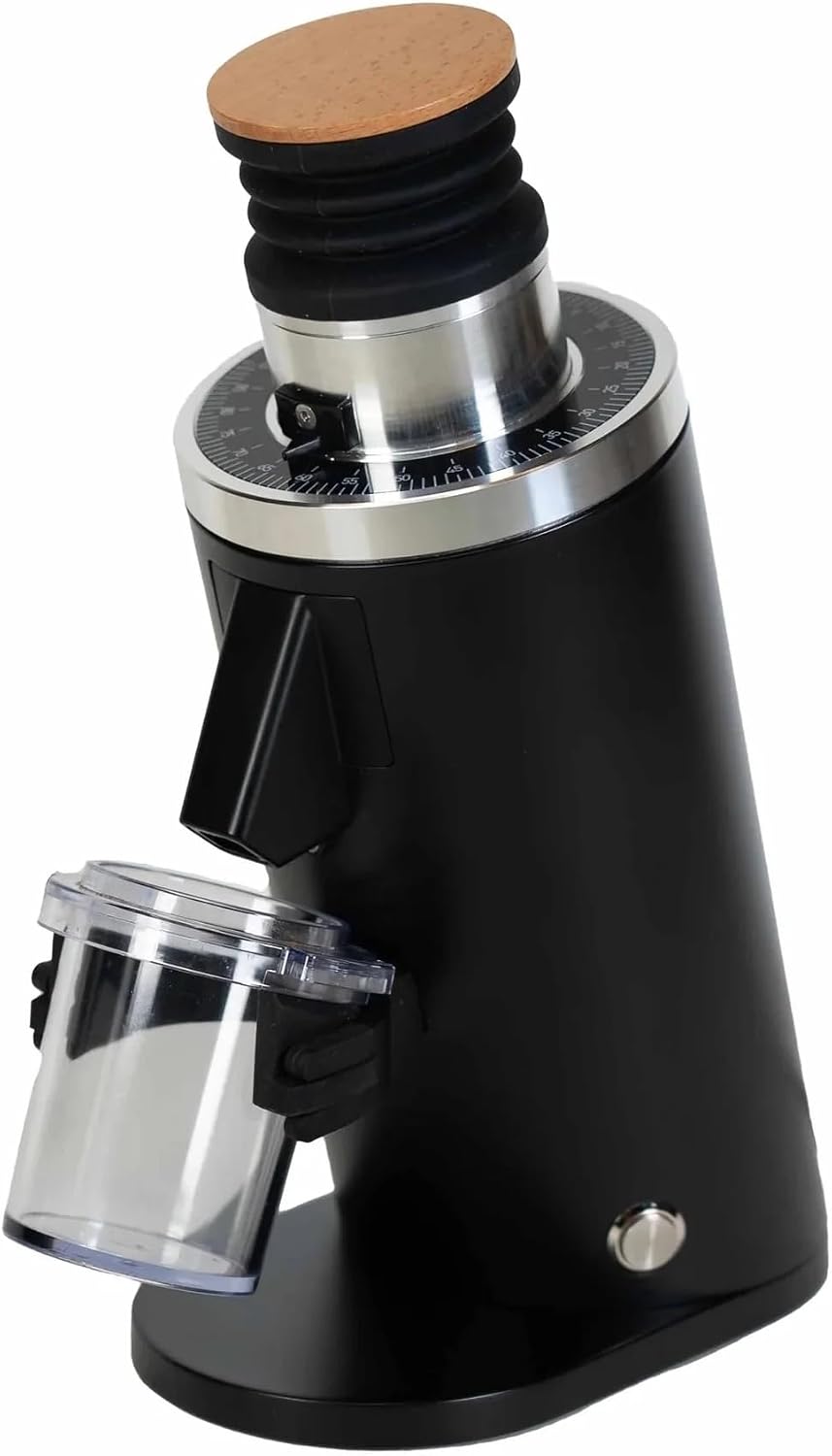
54 mm flat burrs, stepless adjustment, low-retention single-dose chute. Newer Amazon listing, fewer long-term reviews.
Check Turin DF54 on AmazonHybrid under $200
Fellow Opus
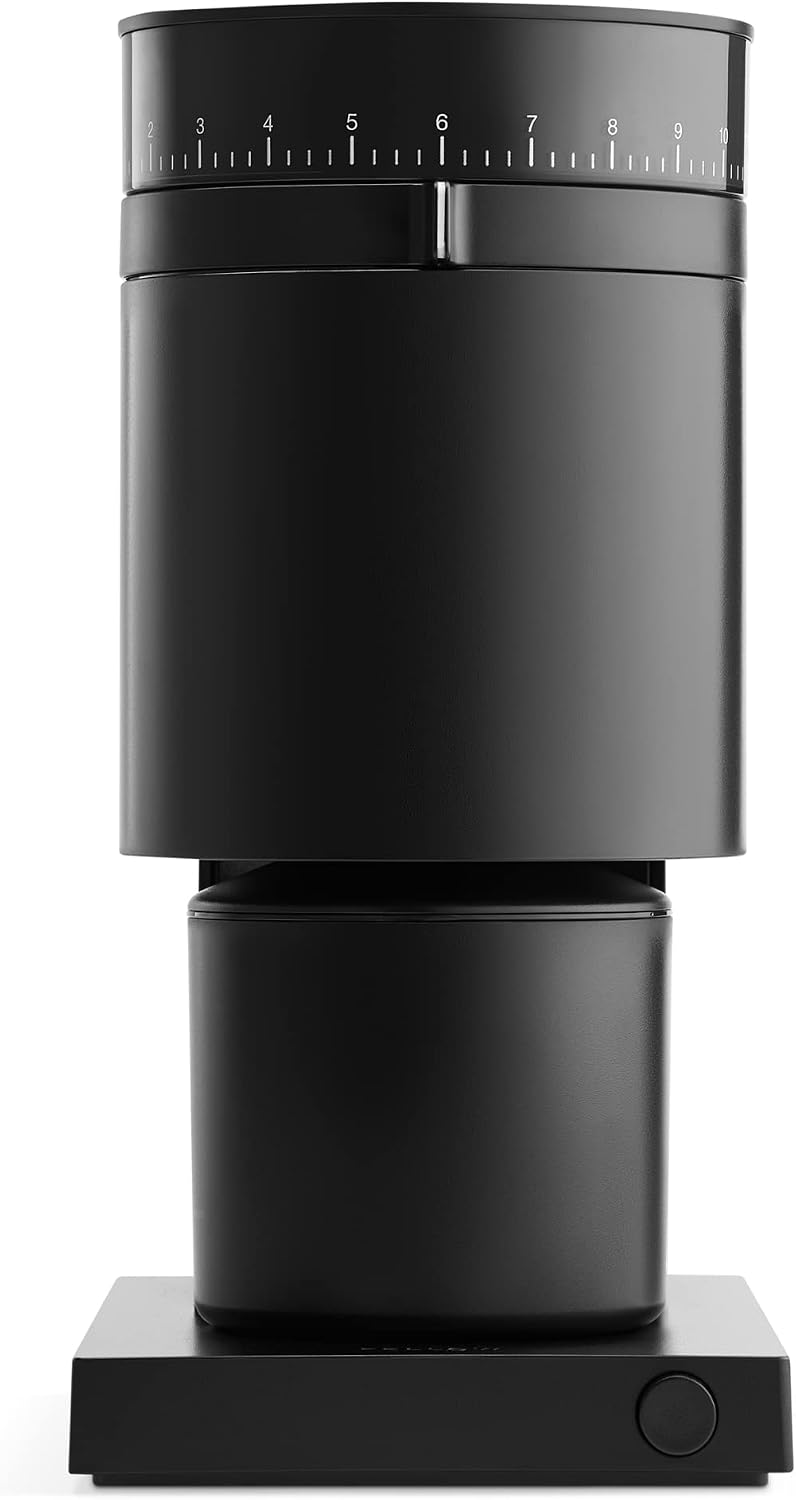
One conical burr range from espresso to cold brew. Less espresso fine-tuning than a dedicated espresso grinder.
Check Fellow Opus on AmazonSingle-dose espresso
Turin DF64 Gen 2
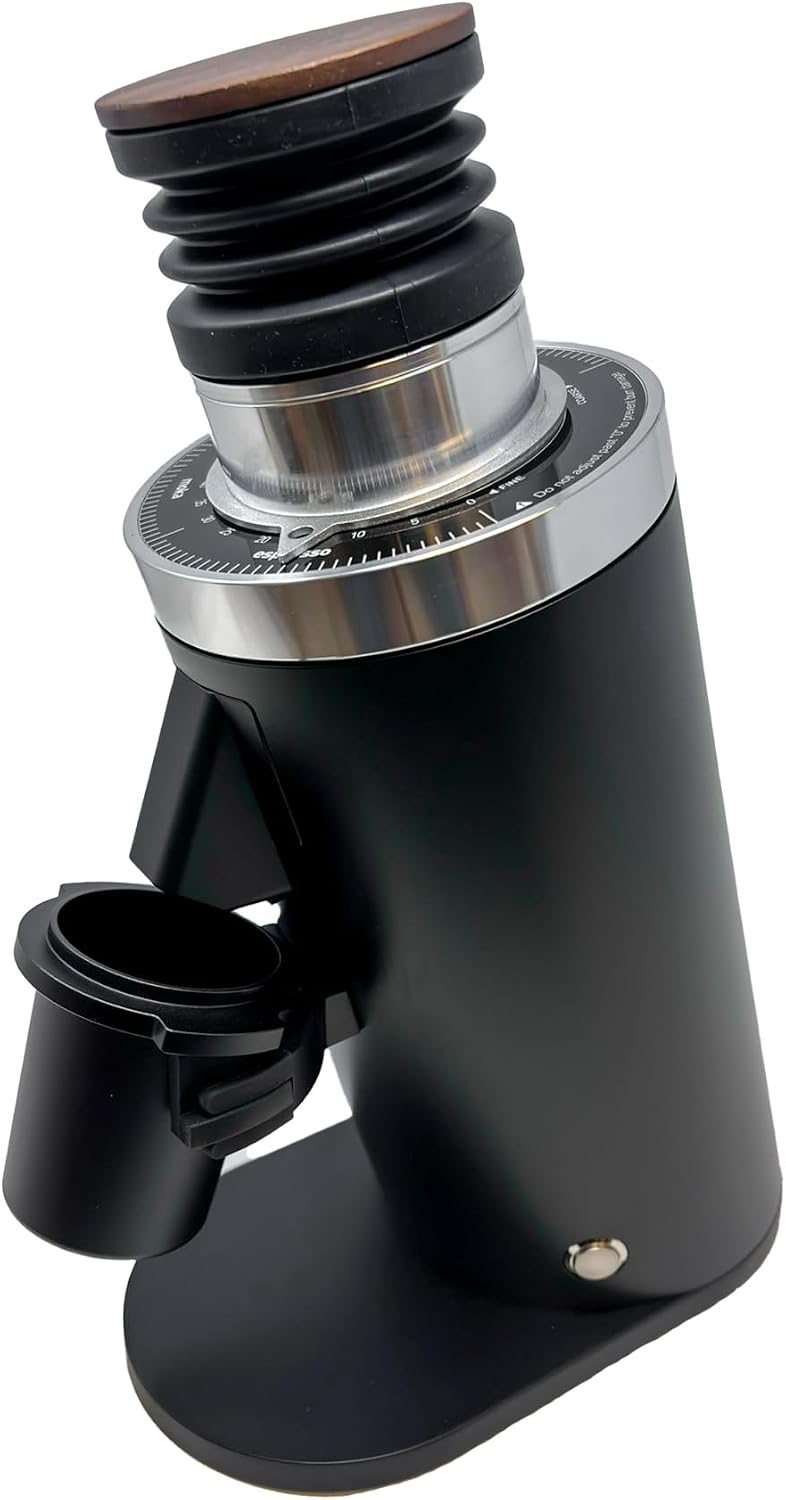
64 mm flat burrs, bellows, anti-static single-dose chute. Amazon listing may say Gen 2.5.
Check Turin DF64 on AmazonManual / travel
Timemore Chestnut C3S
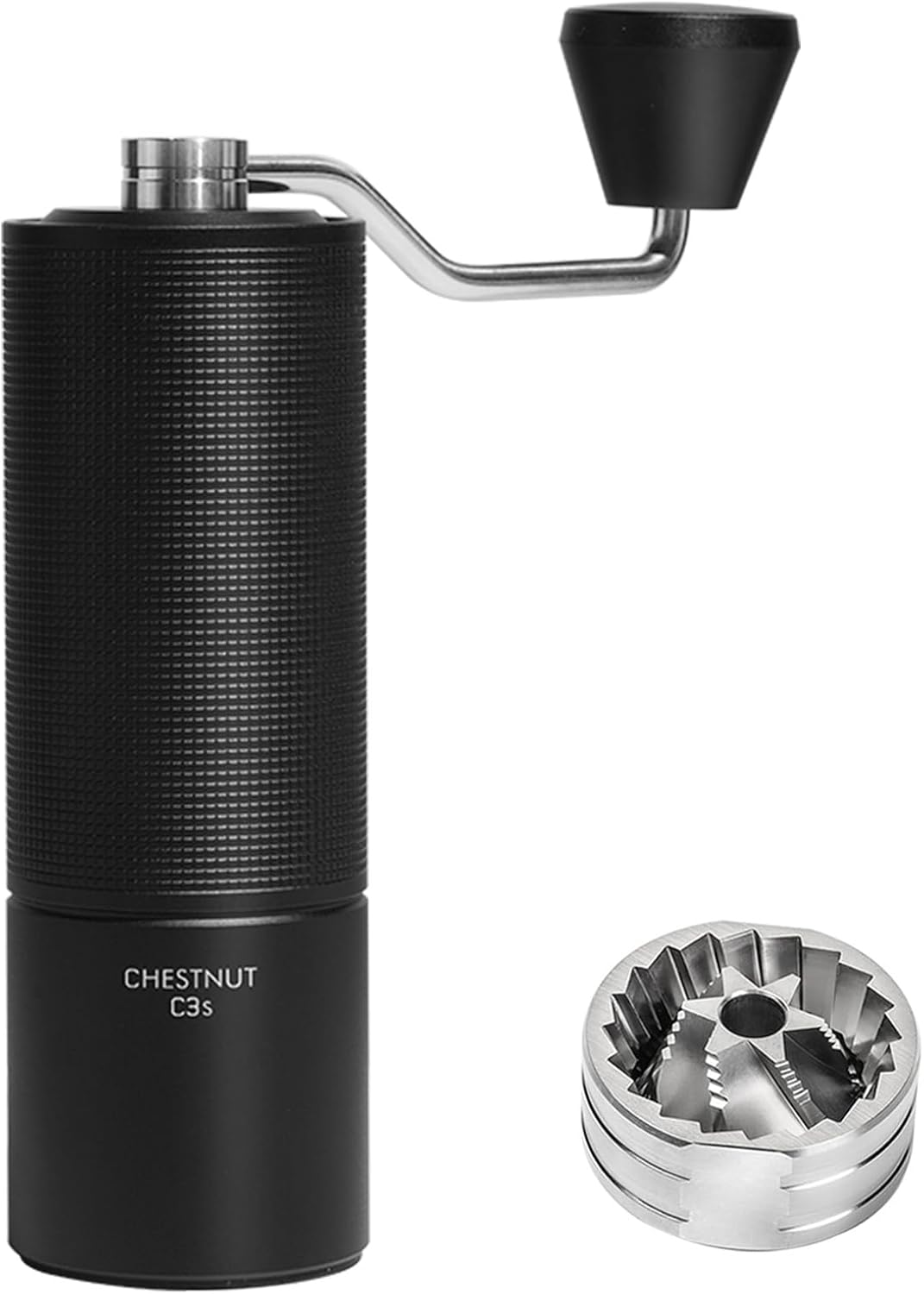
Stainless conical burrs and a folding crank. Best for pour-over and French press, not espresso.
Check Timemore C3S on AmazonCoarse and cold brew
Baratza Encore
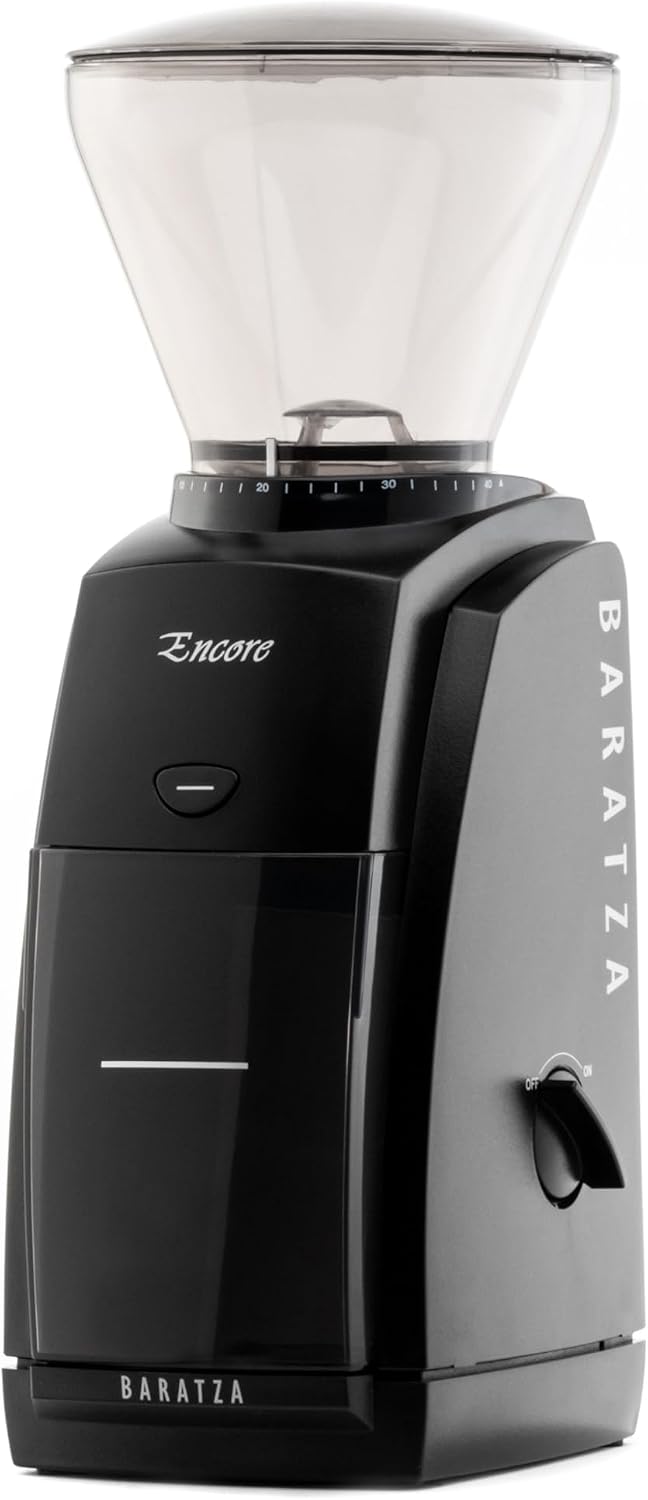
40 grind settings and a hopper that handles batch cold brew and French press at coarse settings.
Check Baratza Encore on AmazonQuiet espresso
Eureka Mignon Specialita
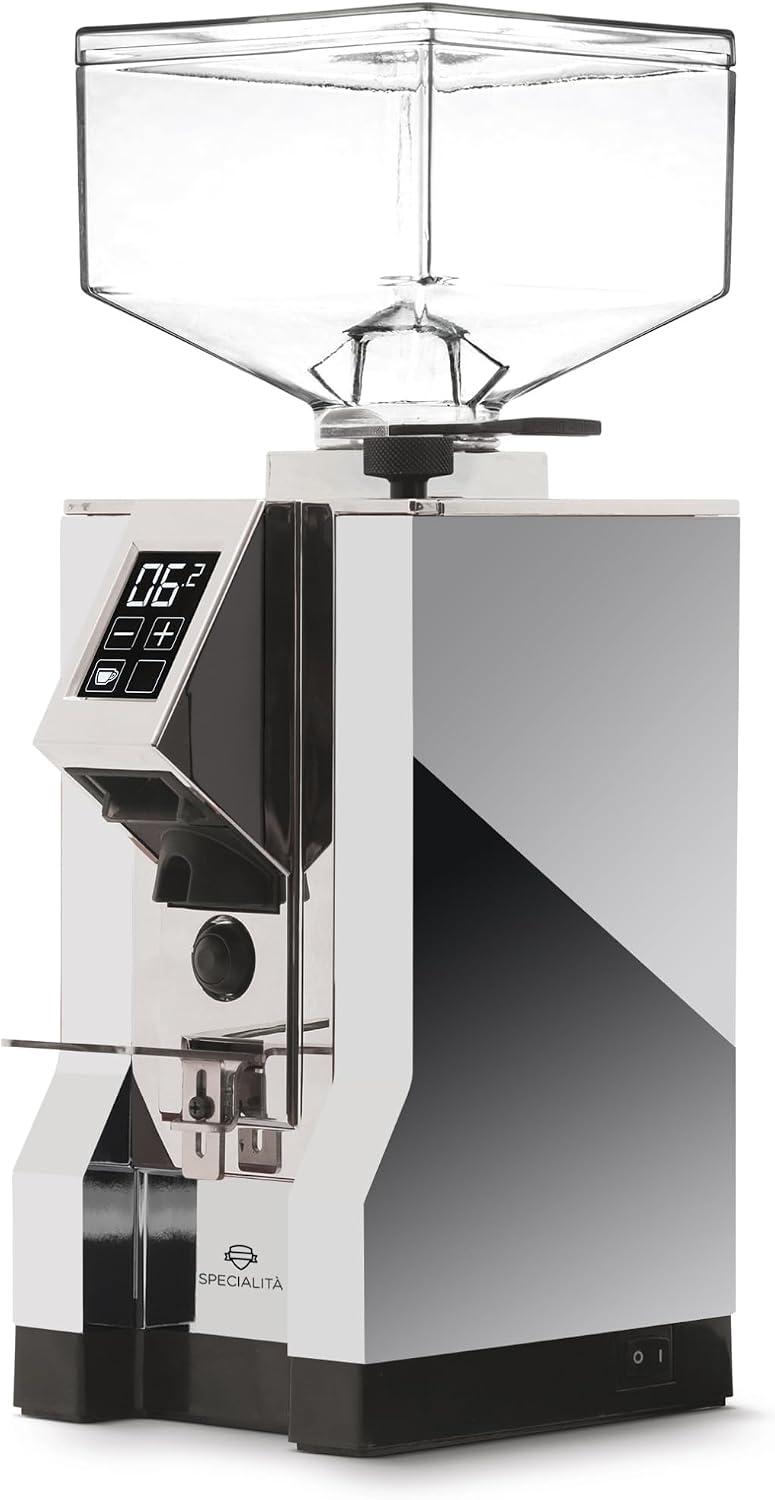
55 mm flat burrs, stepless adjustment, and a sound-dampened body for quieter morning shots.
Check Mignon Specialita on AmazonTimed daily brew
Baratza Virtuoso+
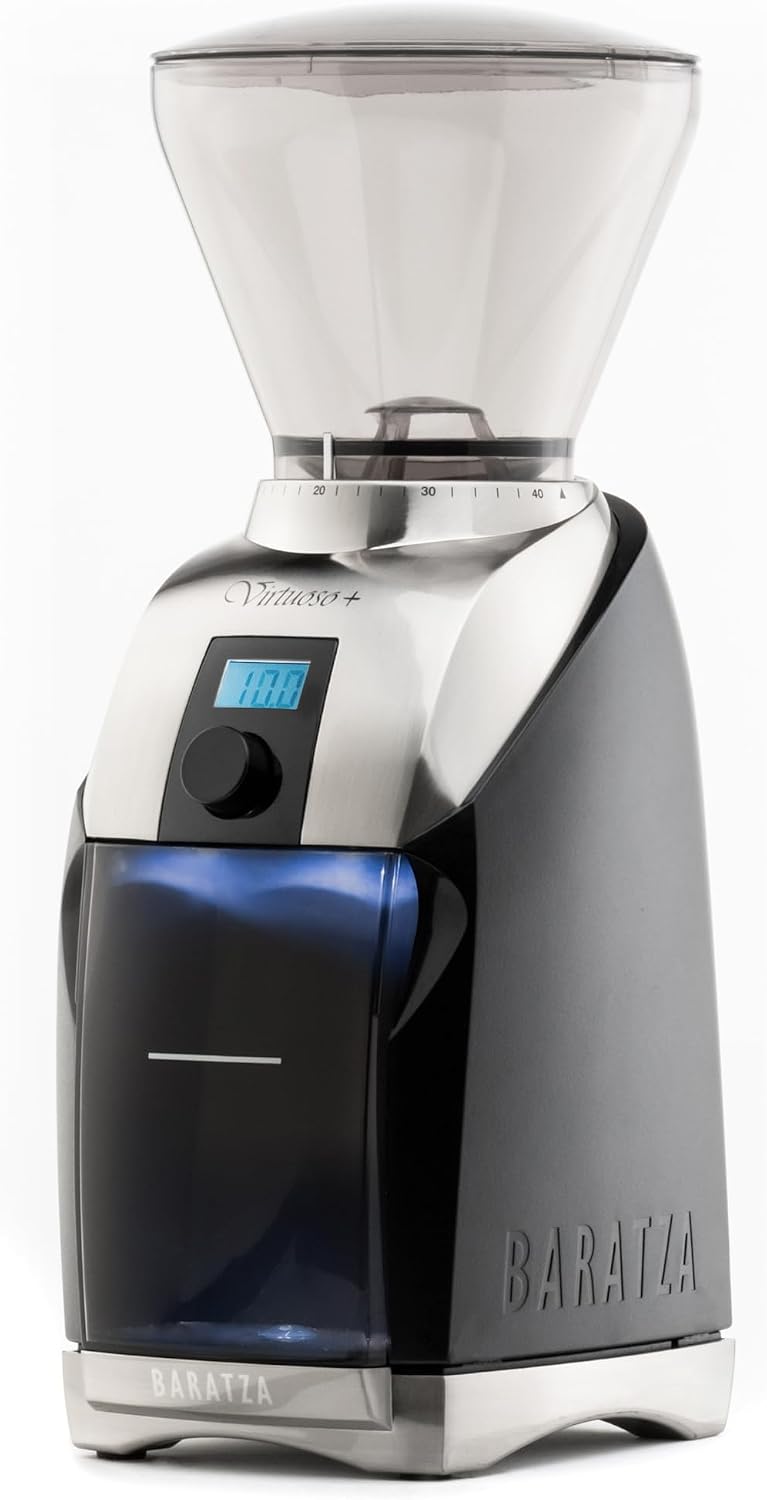
40 mm conical burrs with a digital timer. A step up from the Encore for repeatable daily doses. Research-rated, not yet tested by our team.
Check Virtuoso+ on AmazonBreville workflow
Breville Smart Grinder Pro
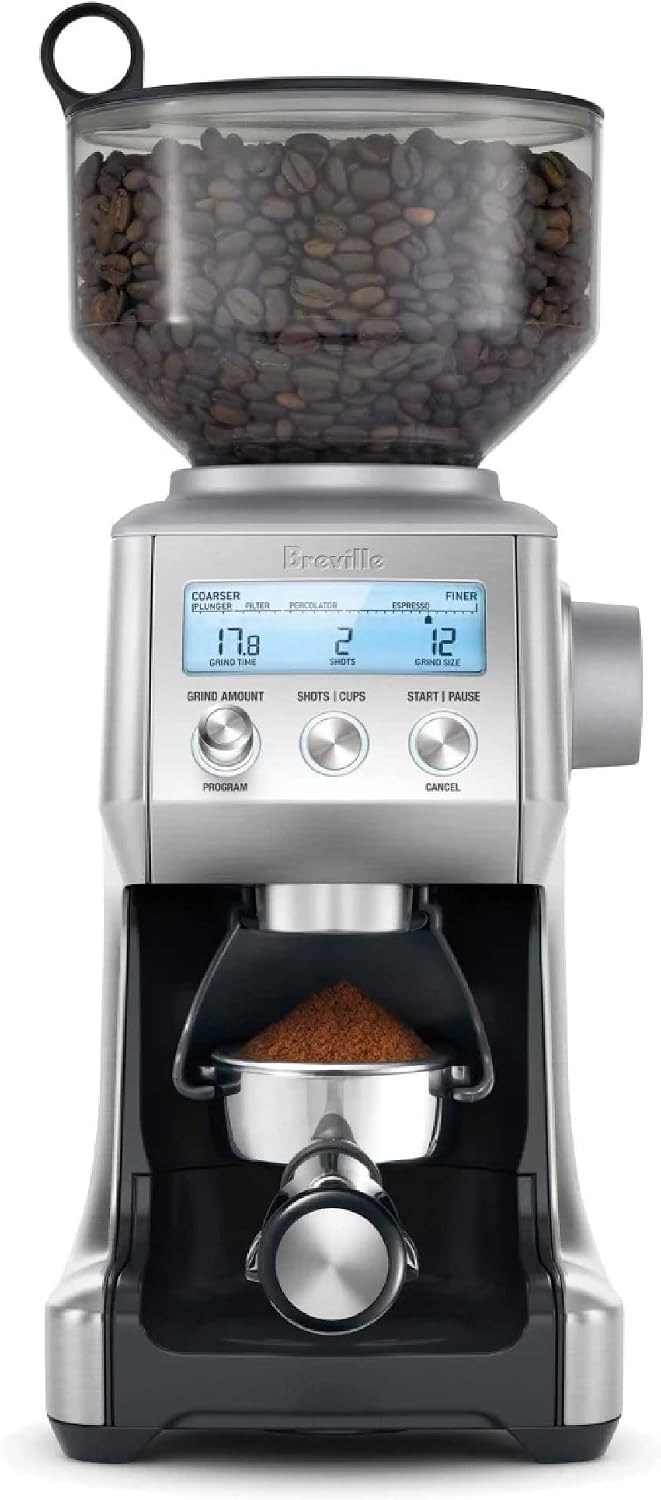
60 settings and a portafilter cradle. Pairs with Breville espresso machines. Research-rated, not yet tested by our team.
Check Smart Grinder Pro on AmazonBudget metal burr
Capresso Infinity
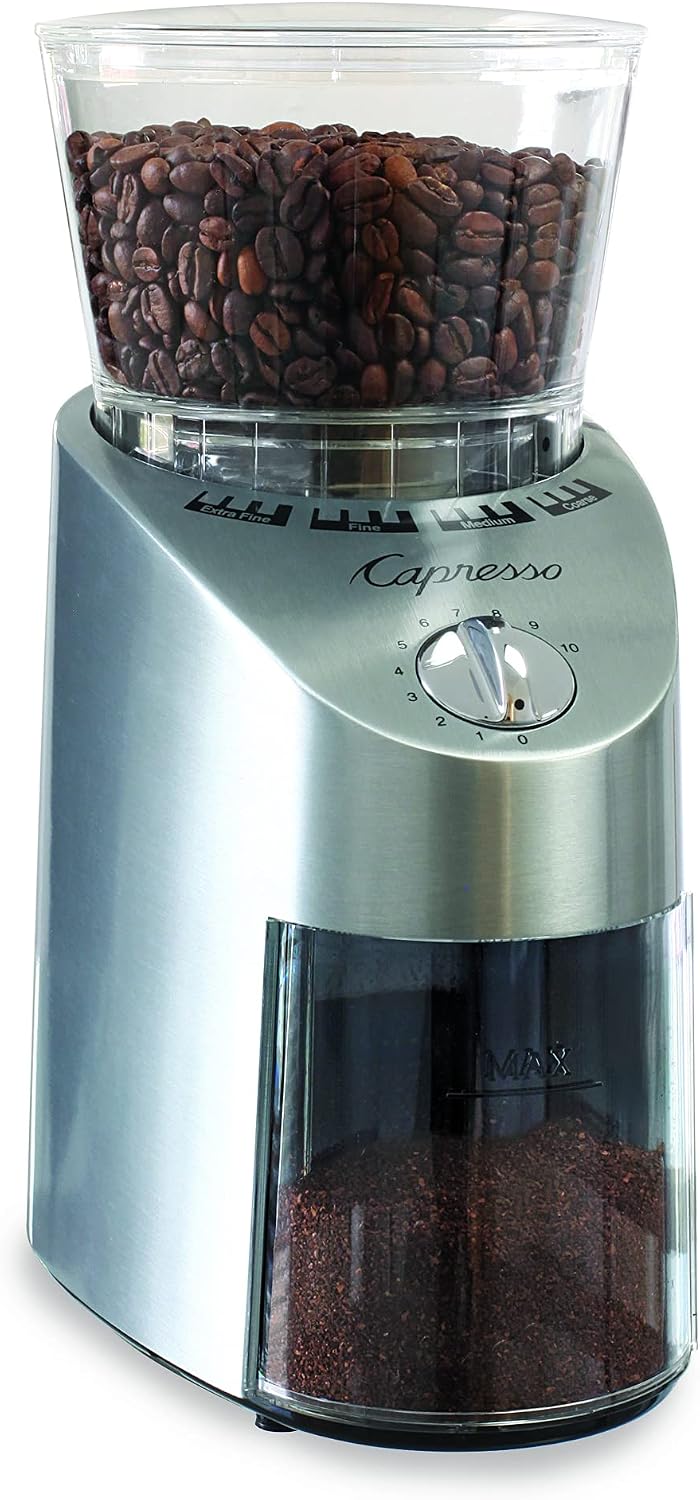
Slow conical burrs in a metal body. A cheap upgrade from a blade grinder for drip. Research-rated, not yet tested by our team.
Check Capresso Infinity on AmazonManual espresso
1Zpresso J-Max
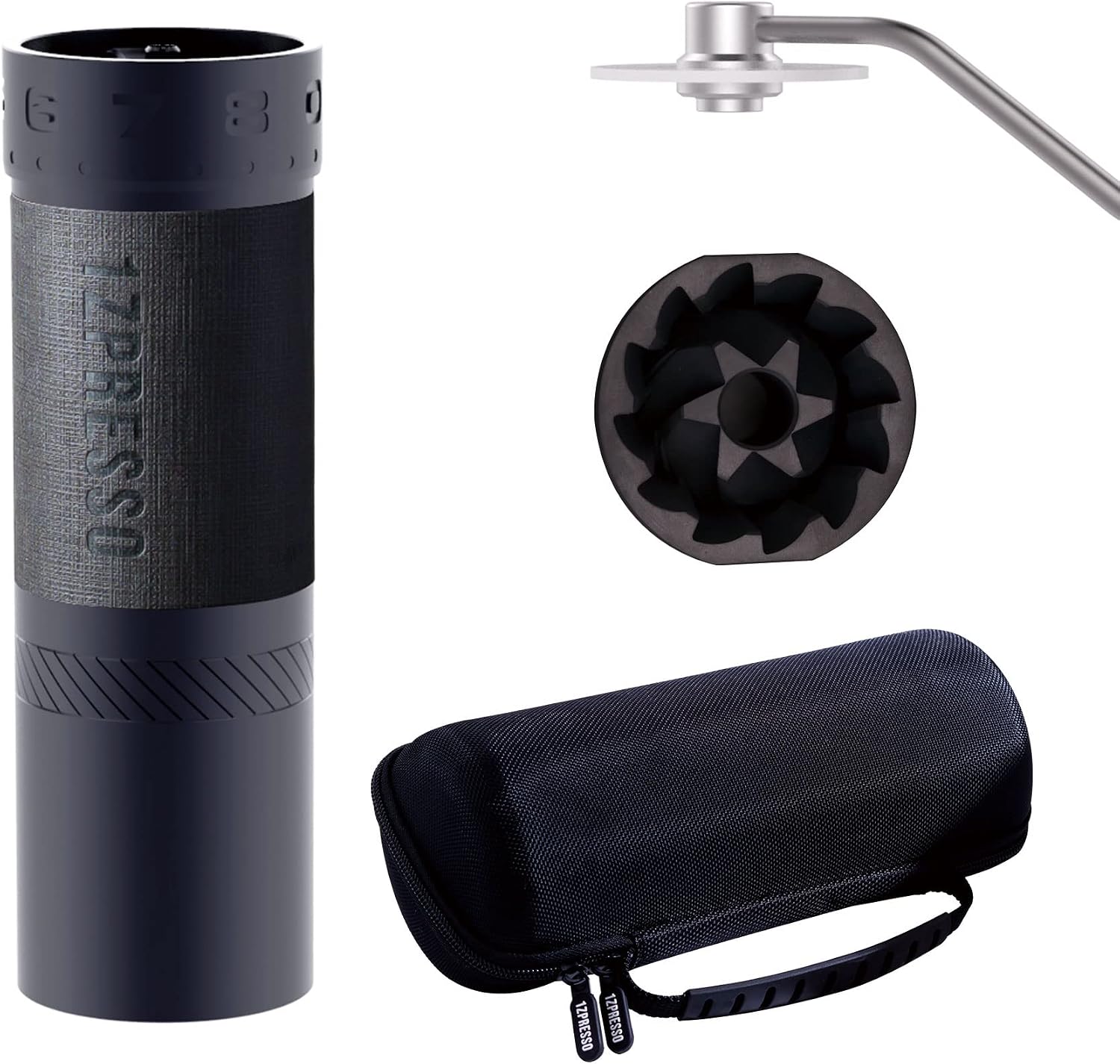
48 mm coated burrs and fine click adjustment for espresso without an electric motor. Research-rated, not yet tested by our team.
Check 1Zpresso J-Max on AmazonManual all-rounder
KINGrinder K6
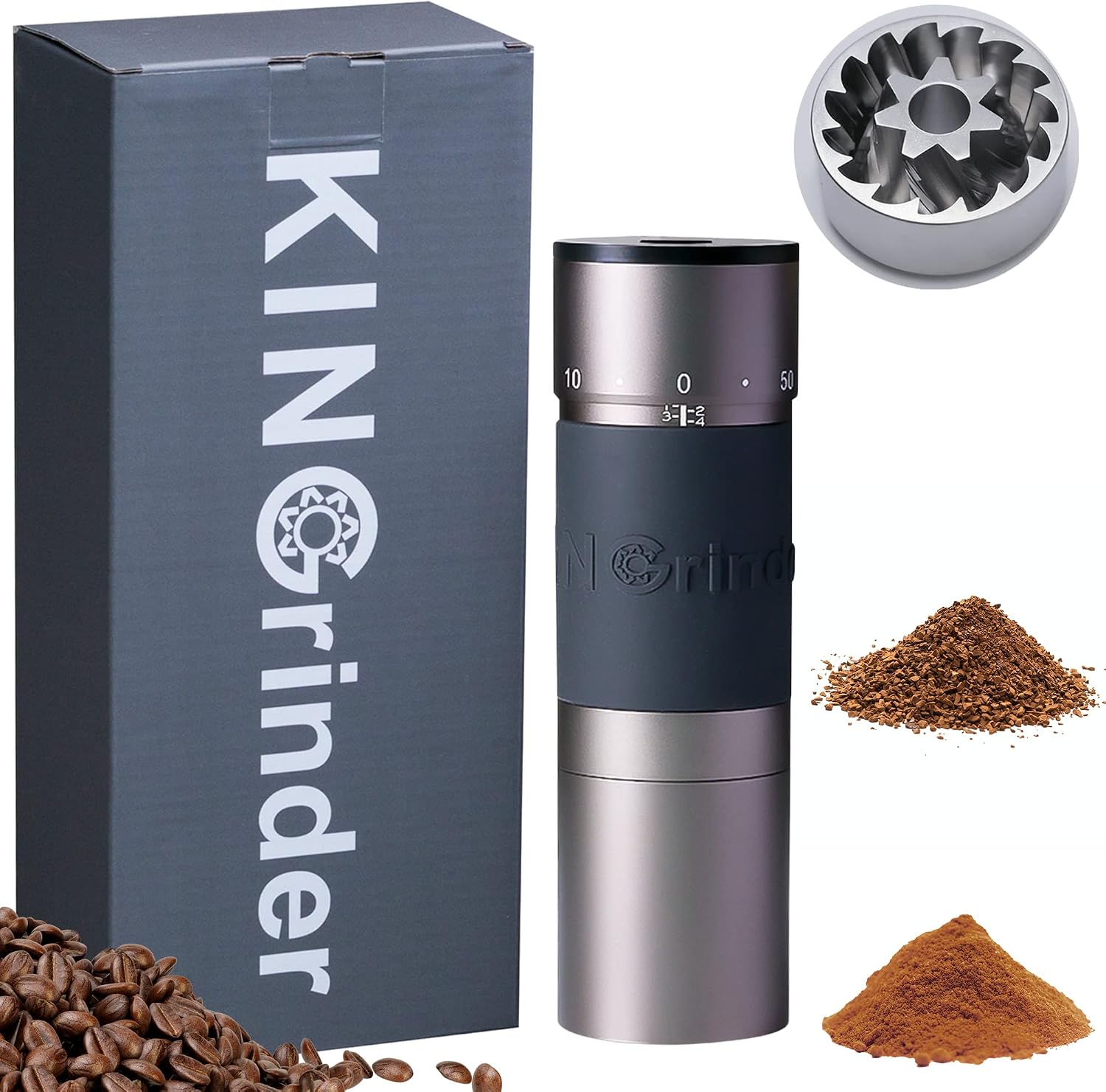
48 mm steel burrs for espresso through French press, under $100. Research-rated, not yet tested by our team.
Check KINGrinder K6 on AmazonFamily drip batches
OXO Brew Conical Burr
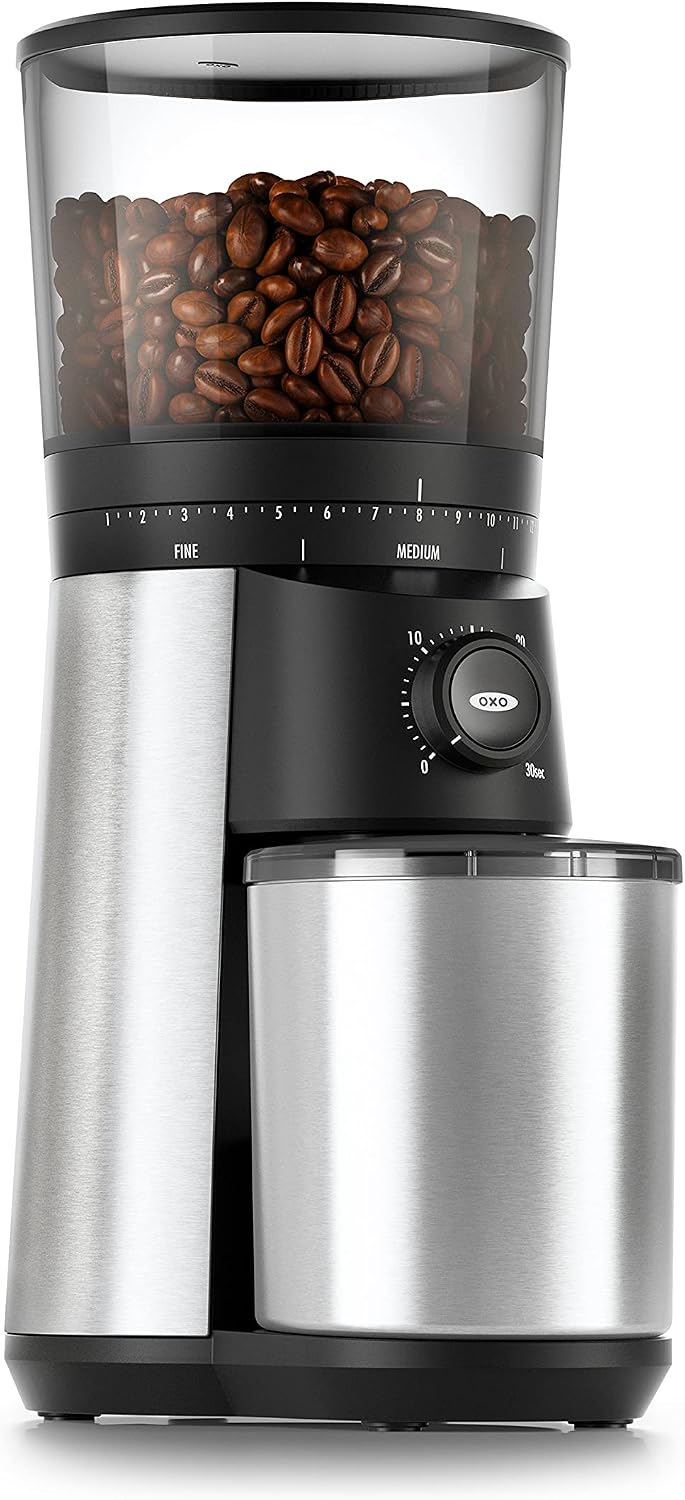
12 oz hopper and 15 settings for drip and French press. Bigger than the Compact. Research-rated, not yet tested by our team.
Check OXO Conical Burr on AmazonEvery coffee and coffee machine we recommend is scored on the same 100-point scale, so a recommendation on one page means the same thing as a recommendation on any other. Each pick is labeled with how we reached its score.
Grades: 90–100 A (first pick for that feeling), 80–89 B (strong, minor trade-offs), 70–79 C (good for a specific need), below 70 not featured. No brand can pay for a pick or a higher grade.
Some links on this page are affiliate links. As an Amazon Associate, Capitol City Coffee earns from qualifying purchases, at no extra cost to you.
Questions about a rating? Reach us through our contact page.
Want the long version? Comparison notes, who each grinder is for, and FAQs continue below.
Start smaller: beans and storage
Grinders like the Fellow Ode are the expensive click. If a new grinder is waiting, fresh beans and a canister still improve the cup.
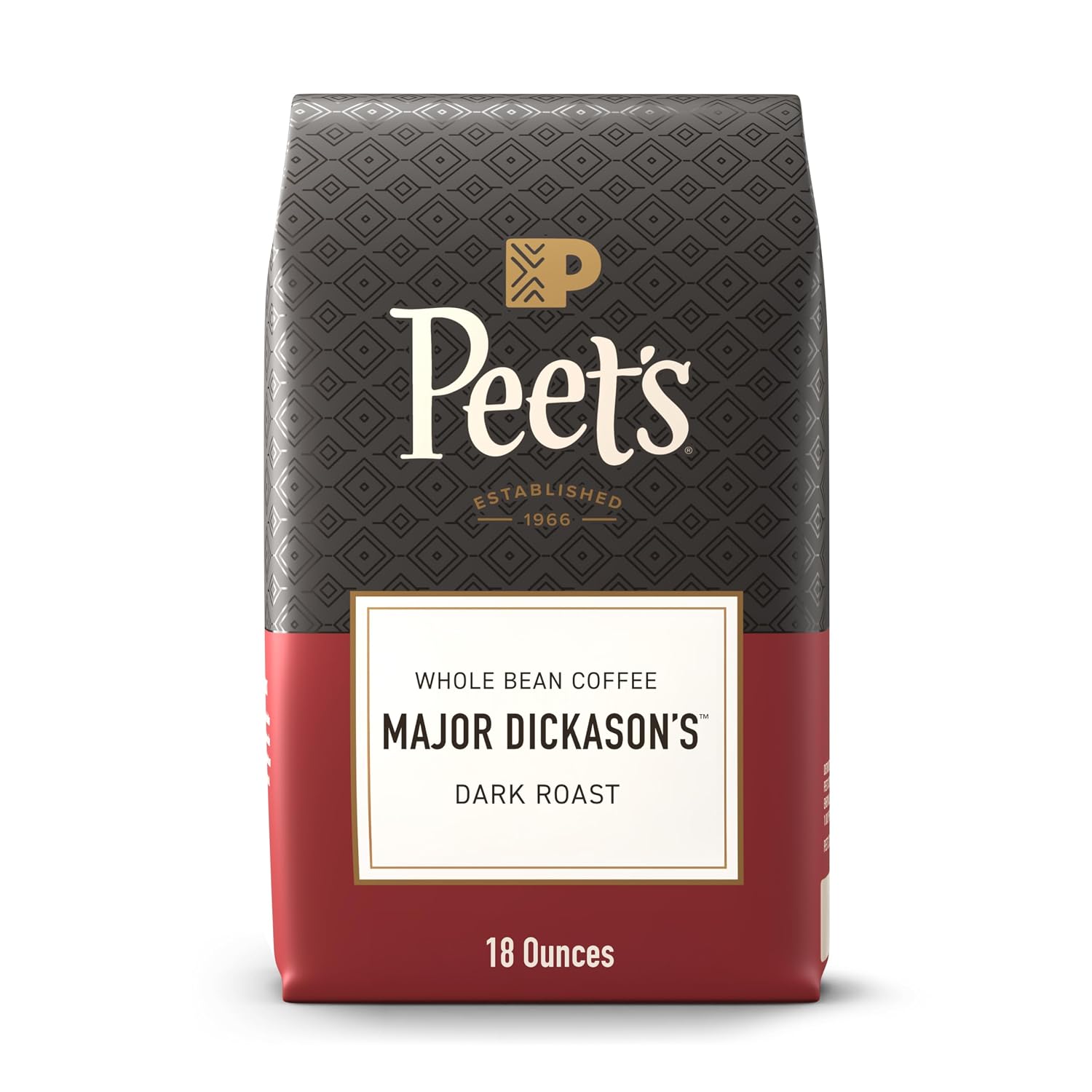
Whole beans
Peet’s Major Dickason’s
A forgiving dark blend to grind while the Ode (or another pick) is waiting.
Check Major Dickason’s on Amazon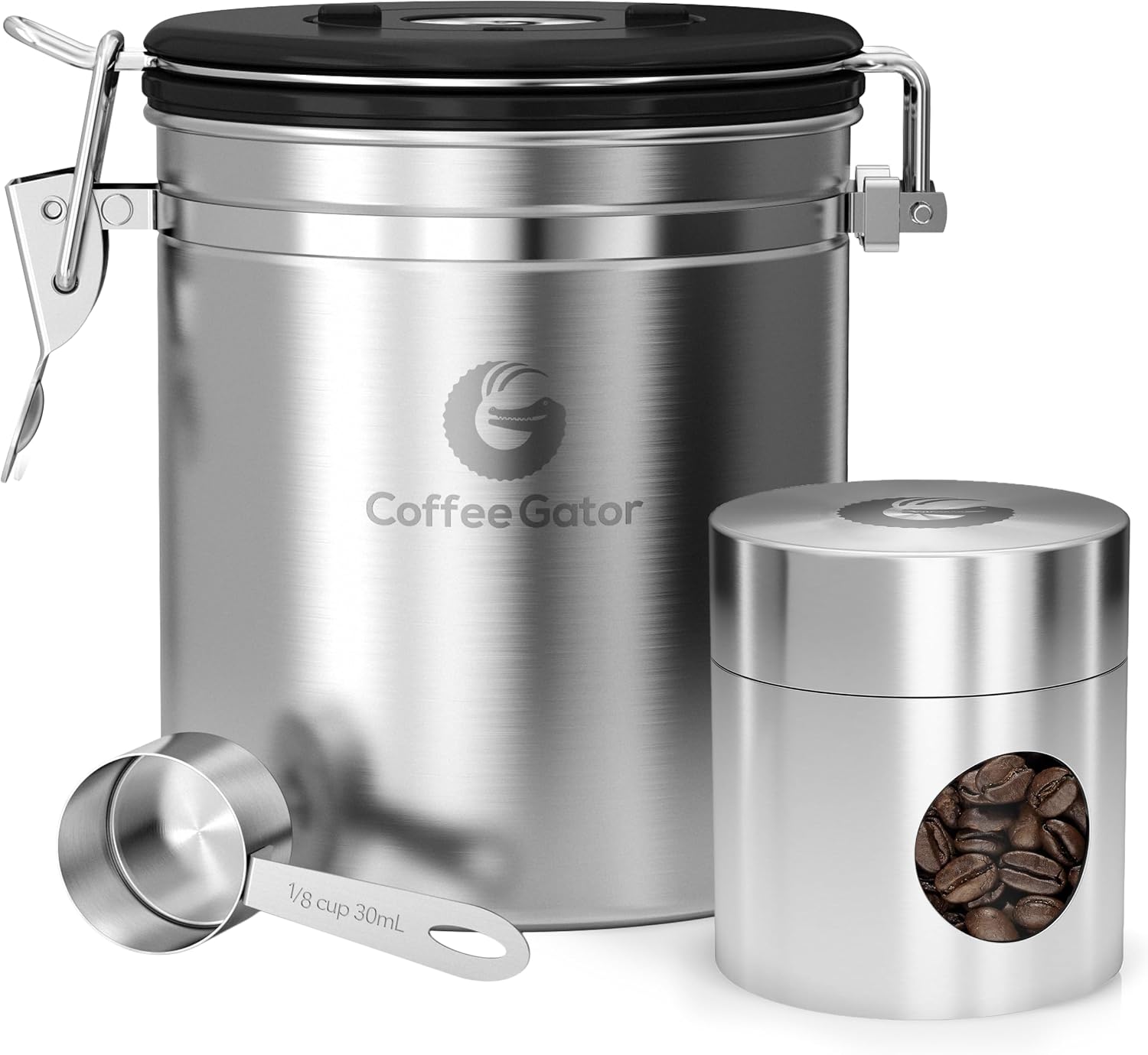
Storage
Coffee Gator canister
Fresh grind starts with beans that are not stale in the bag.
Check Coffee Gator on Amazon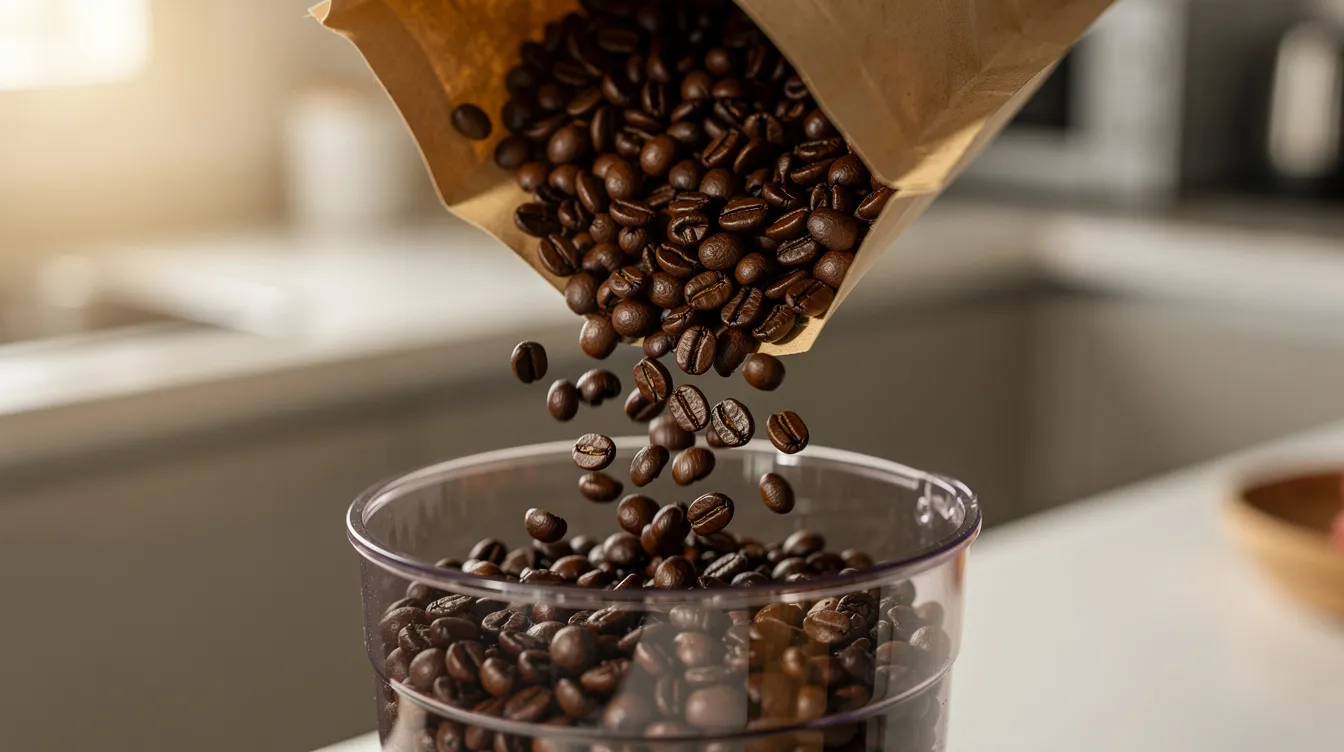
If you already know what you need and just want the short list, here are the nine coffee grinders we recommend after researching dozens of models, cross-referencing expert reviews, and weighing real-world user feedback.
Links on this page may earn Capitol City Coffee a commission. Rankings are fully independent.
The table below compares key specs for our top 9 picks so you can scan differences on one screen. All specs are drawn from manufacturer data and reputable third-party reviews.
Model | Burr Type & Size | Grind Range | Strengths | Drawbacks | Price (USD) | Category |
|---|---|---|---|---|---|---|
40 mm conical, steel | Espresso to French press | 119 settings, hybrid design, great support | Noisier, adequate (not elite) for espresso | ~$300 | Espresso + filter | |
Conical, steel | Drip to French press | Under $80, compact, easy to use | No espresso range, more static, plastic parts | <$80 | Filter only | |
64 mm flat, steel | Pour-over to cold brew | Excellent consistency, low retention, quiet | Cannot grind fine enough for espresso | ~$350 | Filter only | |
54 mm flat, steel | Espresso to pour-over | Stepless adjustment, great value flat burr | Smaller burrs, basic build | ~$230 | Espresso + filter | |
40 mm conical, steel | Drip to French press | 40 settings, reliable, excellent parts support | Not espresso-capable, some static | ~$159 | Filter only | |
Fellow Opus | 40 mm conical, steel | Espresso to cold brew | 31 settings, wide range, solid build | Moderate retention, basic espresso performance | ~$195 | Espresso + filter |
DF64 Gen 2 | 64 mm flat, steel | Espresso to cold brew | Near-zero retention, ionizer, swappable burrs | Steep learning curve, no timer, large footprint | ~$389 | Espresso + filter |
Conical, steel | Pour-over to French press | $79, portable, quiet, good burr quality | Manual effort, not espresso, small capacity | ~$79 | Filter only | |
Eureka Mignon Specialita | 55 mm flat, steel | Espresso to medium drip | Quiet for flat burrs, timed dosing, compact | Espresso-focused, limited coarse range | ~$350–$400 | Espresso-focused |
This is researched editorial analysis. We aggregated data from verified manufacturer specs, reputable expert reviewers, lab-style testing from sources like Good Housekeeping and WIRED, and large-sample user feedback across forums and retail platforms. Capitol City Coffee did not conduct its own instrumented testing for this guide.
Our evaluation criteria included:
We considered multiple user profiles: beginners upgrading from a blade grinder, espresso enthusiasts building a home bar, serious coffee geeks dialing in lighter roasts, and casual coffee drinkers who want “set and forget” performance.
Models with known reliability issues, poor post-sale support, or misleading “burr” designs (faux burrs that grind like blades) were excluded, even if they sell well on major retailers. Affiliate commissions did not determine rankings.
Baratza Encore ESP Pro – ~$300
The Baratza Encore ESP Pro is our default recommendation for most coffee drinkers in the United States. It covers drip coffee, pour-over coffee, French press, and basic espresso grinding in a single, well-supported package.
The core specs tell the story: a 40 mm conical burr set, the Baratza Encore ESP Pro has 119 grind settings for espresso and filter alike, splitting its range between coarser steps for filter coffee and finer micro adjustments for espresso shots. It grinds reasonably fast for a home unit and sits at a price point that undercuts most dedicated espresso grinders while offering far more versatility.
Performance across medium grind sizes is solid. Particle consistency for drip and pour-over is good enough to produce clean, flavorful cups without demanding any expertise. For basic espresso, it gets the job done – you can pull decent shots with medium to dark roasts, though it will not match the precision of a pricier grinder on very light roasts or demanding espresso machines.
Strengths:
Limitations:
If you are one of the most coffee drinkers who brew drip or pour-over daily and pull occasional espresso, this is a great coffee grinder to start with. Users should evaluate build quality and ease of repair when selecting a grinder, and Baratza excels on both counts.
Our pick: Baratza Encore ESP Pro Conical Burr Grinder. Baratza pairs 40 mm conical burrs with a split adjustment range, fine micro-steps for espresso and coarser steps for filter, and includes espresso dosing accessories. Prices move often, so check the current price before you buy. Research-rated, not yet tested by our team.
OXO Compact Conical Burr Grinder – Under $80
If you are stepping up from a blade grinder but watching your budget, OXO’s Compact Conical Burr Grinder is available for under $80 and delivers a genuine upgrade in grind quality without breaking the bank.
This is a conical burr grinder with steel burrs, a bean hopper for convenience, and enough grind settings to handle drip coffee, French press, and cold brew comfortably. It will not grind fine enough for espresso, and the coarser settings are not as uniform as you would get from a $200+ model, but it is worlds better than a blade grinder for everyday brewing.
Where it beats blade grinders is straightforward: more uniform coffee grounds, fewer fine grinds mixed with large chunks, and noticeably better flavor extraction. You will taste the difference in your first cup.
Real-world trade-offs:
Blade grinders can cost as little as $20, but the flavor gap between a $20 blade and a sub-$100 burr grinder is enormous. This is the best budget coffee grinder for anyone who brews drip or French press daily. If you mostly drink espresso or plan to within a year, save your money and jump to a mid-range option instead – cheaper grinders in this bracket simply cannot deliver fine grinds with the precision espresso demands.
Our pick: OXO Brew Compact Conical Burr Coffee Grinder. Stainless steel conical burrs in a small-footprint body, with a range that covers drip, French press, and cold brew. As this section says, it is a filter grinder, not an espresso grinder. Research-rated, not yet tested by our team.
Fellow Ode Brew Grinder Gen 2 – ~$350
For dedicated filter coffee drinkers who care about flavor clarity but have no need for espresso, the Fellow Ode Brew Grinder Gen 2 costs $350 and excels in grind consistency across pour-over, Chemex, batch brewers, and cold brew.
The Fellow Ode has a 64 mm flat burr for consistent grind quality – a burr size you typically only find in grinders costing far more. Flat burrs are favored for uniform grinds and flavor clarity, especially with lighter roasts and single-origin whole bean coffee, and the Ode takes full advantage. It operates as a single dose grinder with a magnetic catch cup, anti-static design, and low grind retention, making bean switching easy and cleanup minimal.
Particle consistency at medium to coarse settings is excellent. Pour-over cups are notably sweet and clean, with less muddiness than you get from cheaper grinders. For Chemex and cold brew, the Ode produces coarser grinds with fewer fines and boulders, which translates directly to smoother, less bitter results.
User-experience highlights:
The critical limitation: The Fellow Ode grinder is not suitable for espresso grinding. Its grind range bottoms out around 250–300 microns, which is too coarse for traditional 9-bar espresso. It can handle Aeropress and similar immersion methods at its finer settings, but do not buy this if you plan to pull espresso shots. For filter coffee and pour-over coffee, though, it is one of the best grinders available at any price.
Our pick: Fellow Ode Brew Grinder Gen 2, matte black. 64 mm flat burrs, single-dose loading, and an anti-static magnetic catch cup, tuned for pour-over, Chemex, batch brew, and cold brew. Skip it if espresso is on your list. Research-rated, not yet tested by our team.
DF54 (Turin DF54) – ~$230
A true espresso grinder is a different category from basic drip grinders. If you own home espresso machines and want micro-adjustable, repeatable fine grinds without spending $400+, the DF54 grinder is one of the cheapest high-quality flat burr grinders on the market.
The DF54 grinder is praised for its high quality and low price around $230. It features 54 mm flat steel burrs and a stepless grind adjustment for precision – meaning you can dial in infinitely between positions instead of clicking through preset notches. The DF54 grinder is designed for espresso and pour-over methods, covering the espresso range comfortably while still handling medium grinds for filter coffee.
For espresso grinding, what matters most is fine-grind consistency and the ability to make micro adjustments to control shot timing. The DF54 delivers both. It handles medium and dark roasts well and is capable with lighter roasts, though truly demanding light-roast espresso may push you toward the DF64 Gen 2 or higher-end models. Compared with cheaper grinders that claim “espresso capable,” the DF54 actually reduces channeling and the sour-bitter imbalance caused by poor grind consistency.
Workflow details:
Drawbacks:
Electric grinders are faster and easier to use than manual grinders, especially for espresso, and the DF54 makes a strong case as the entry point into serious espresso grinding for espresso enthusiasts who want a flat burr grinder without the flat burr price tag.
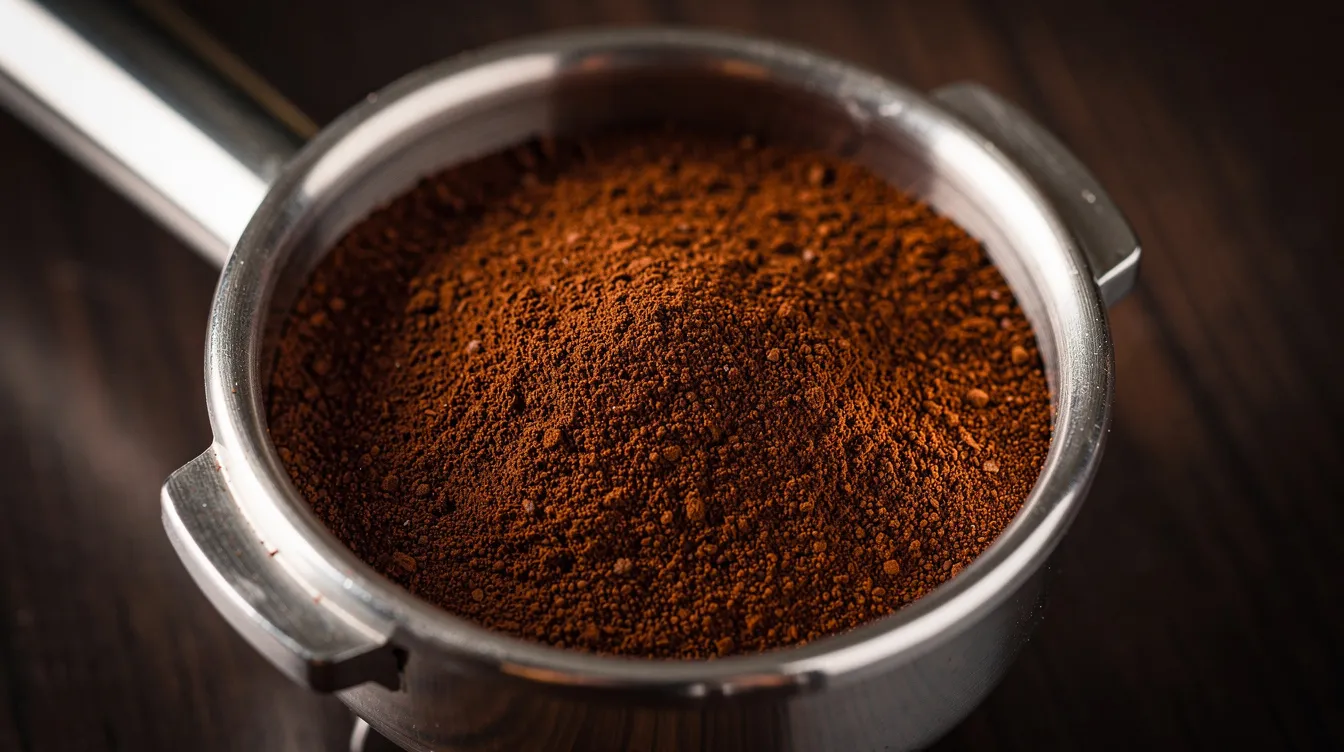
Our pick: Turin DF54 Flat Burr Coffee Grinder. 54 mm flat steel burrs, stepless adjustment, and a low-retention single-dose chute. One honest note: the Amazon listing has only a small number of reviews so far, so treat it as a strong-value pick rather than a long-proven favorite. Research-rated, not yet tested by our team.
Baratza Encore ESP Pro – ~$300 (also our Best Overall)
Some readers want one grinder to cover both daily drip coffee and serious espresso without buying two machines. The Baratza Encore ESP Pro is the strongest multi purpose grinder in this price range, offering a split adjustment scheme with coarse steps for filter coffee and finer micro steps for espresso.
The Baratza Encore ESP Pro has 119 grind settings for espresso and filter – far more than the standard Baratza Encore’s 40 settings. The additional granularity in the fine grind settings makes it genuinely useful for dialing in espresso shots, while the coarser settings handle French press, drip, and cold brew without fuss.
It shines for home baristas alternating between pour-over and shots, households with mixed preferences, and anyone in a small kitchen who cannot justify two grinders. The included espresso dosing accessories help streamline puck prep.
Where it falls short of specialist espresso grinders:
If you are an espresso beginner, have a modest budget, or value flexibility over edge-of-envelope performance, this is a great grinder for a mixed-method household.
Our pick (lower-cost hybrid): Fellow Opus Conical Burr Grinder. The quick-picks table above names it the best hybrid under $200: a 40 mm conical burr with a range that runs from espresso to cold brew. Expect less espresso fine-tuning than a dedicated espresso grinder. Research-rated, not yet tested by our team.
DF64 Gen 2 – ~$389
Single dose grinding means weighing each dose of coffee beans, grinding only what you need, and storing the rest in airtight containers. Low-retention grinders minimize old grounds mixing with fresh coffee, and single-dose grinders weigh each portion before grinding to maintain freshness. The DF64 Gen 2 is the value benchmark in this category.
It runs 64 mm flat steel burrs with stepless adjustment, an ionizer for static control, a bellows to purge retained grounds, and an all-metal build. BurrBench rates it approximately 4.6/5 for overall performance, with retention under 0.1 grams in most tests – meaning almost nothing is left behind when you switch beans.
Why serious coffee geeks love it:
Workflow features:
Trade-offs to know:
The DF64 Gen 2 is not a casual-drinker grinder. It is built for coffee lovers who cup multiple origins, switch between espresso and filter weekly, and want the flavor clarity that large flat burrs and near-zero retention deliver. If that sounds like you, this is the right grinder.
Our pick: Turin DF64 Gen 2 Flat Burr Grinder (the current Amazon listing is titled Gen 2.5). 64 mm flat burrs, stepless adjustment, a bellows, and an anti-static single-dose chute, matching the workflow described above. Research-rated, not yet tested by our team.
Timemore Chestnut C3S – ~$79
For travelers, apartment dwellers, or anyone who values quiet and portability, a manual coffee grinder delivers premium burr quality without electricity, noise, or bulk. The Timemore Chestnut C3S is priced at $79 and is great for travel – it fits in a backpack, makes almost no noise, and grinds with impressive consistency for a hand grinder at this price.
It runs conical steel burrs with a stepped adjustment mechanism (clicks), handles pour-over, Aeropress, drip, and French press comfortably, and holds roughly 20–25 grams per load. Build quality is solid aluminum and stainless steel.
What to expect:
Limitations compared with electric coffee grinders:
A manual grinder like this often delivers better burrs per dollar than an electric grinder at the same price. If you brew for one or two people and do not need espresso, this is an excellent entry point into specialty coffee.
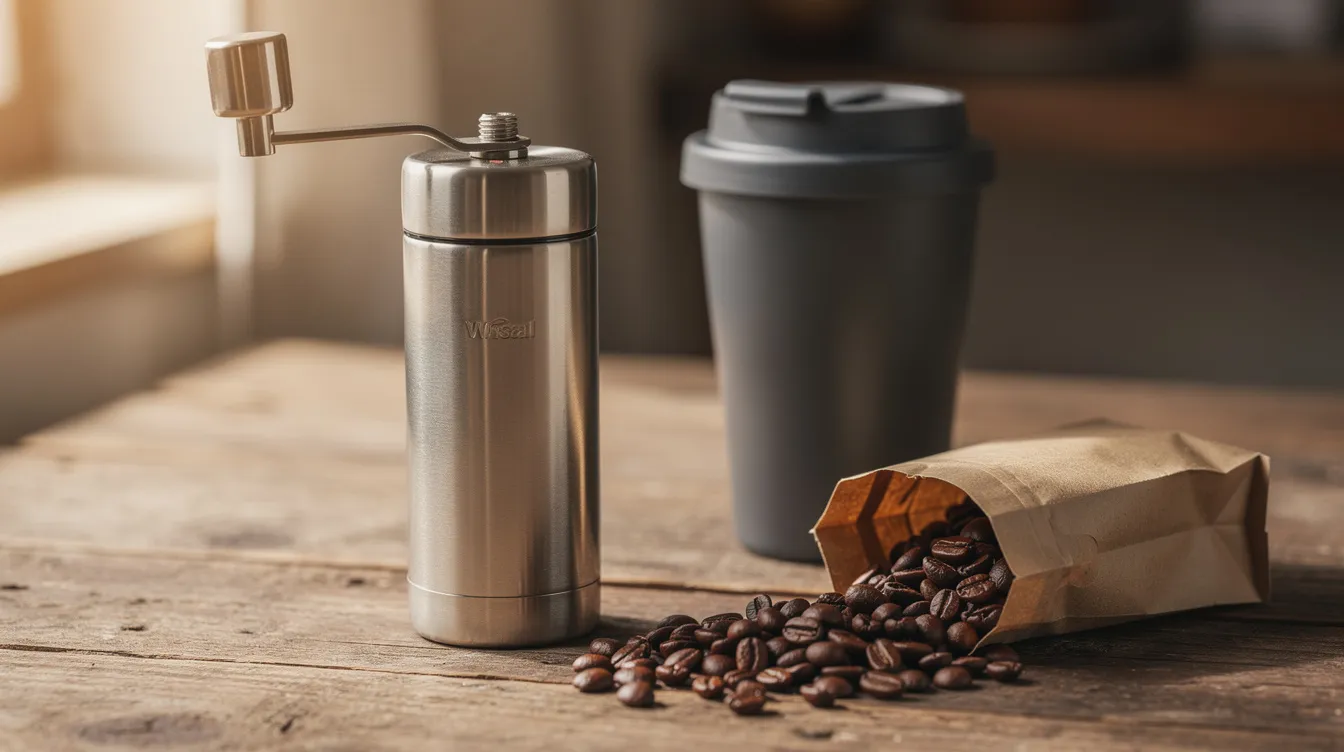
Our pick: Timemore Chestnut C3S Manual Coffee Grinder. The C3S is Timemore’s current version of the Chestnut C3. Stainless conical burrs, click adjustment, and an aluminum body; it is best for pour-over and French press rather than espresso. Research-rated, not yet tested by our team.
Baratza Encore – ~$159
Cold brew and French press both favor very coarse, uniform grinds with minimal fines to avoid sludge and bitterness. The Baratza Encore costs around $159 and is highly recommended for these methods specifically because its 40 mm conical burrs produce clean, consistent coarser grinds without the fine dust that plagues cheaper grinders.
The Baratza Encore has 40 grind settings for various brewing methods. At coarser settings, it controls fines and boulders well enough to make noticeably smoother cold brew and cleaner French press cups. The Baratza Encore is ideal for pour-over and drip brewing, and it handles the coarse end of the spectrum with equal confidence.
Batch-friendly features:
Some popular grinders – including several budget models – struggle at the coarsest settings, producing too many fines that turn cold brew bitter and leave sludge at the bottom of a French press. If you see user reviews mentioning “dusty” coarse grinds or “muddy” French press, that is a particle consistency problem. The Encore avoids this at its price point better than most.
Our pick: Baratza Encore Conical Burr Grinder (ZCG485BLK), black. 40 mm conical burrs and 40 grind settings, with a hopper large enough for batch cold brew and French press at coarse settings. Research-rated, not yet tested by our team.
Timemore Chestnut C3S (manual) or Fellow Ode Gen 2 (electric)
Some buyers prioritize low noise and compact size due to thin apartment walls, roommates, or early-morning schedules. Two options stand out here, depending on whether you want manual or electric.
The Timemore Chestnut C3S is effectively silent – no motor, no vibration – and takes up almost no counter space. For a single cup of pour-over or Aeropress, it is the quietest grinder you can use.
For those who want an electric grinder, the Fellow Ode Gen 2 runs notably quieter than most flat burr grinders thanks to good motor isolation and a lower operational profile. Its footprint is compact enough for small counters, and its clean design avoids the industrial look of larger single dose machines.
Performance vs noise trade-offs:
Additional noise-reduction tips:
Our pick (quiet espresso): Eureka Mignon Specialita Espresso Grinder, chrome (also sold in other finishes). 55 mm flat burrs, stepless adjustment, and a sound-dampened body make it the quieter espresso option mentioned above. For quiet filter coffee, the Timemore and Fellow Ode picks above still apply. Research-rated, not yet tested by our team.
Specs only matter if they affect what ends up in your cup and how much friction the grinding process adds to your morning. Marketing terms can be misleading – here is what actually counts.
Your ideal grinder depends on what you brew, how often, and how much you want to spend. Here is a quick decision map:
Budget guidance:
Avoid blade grinders and “faux burr” designs for anyone even mildly interested in better flavor. Blade grinders chop beans unevenly causing bitter flavors and inconsistent extraction – they exist mainly as ultra-budget kitchen tools, not as serious coffee equipment.
The core trade-off is convenience and speed (electric) versus cost, quiet operation, and portability (manual).
Electric grinder advantages:
Manual grinder advantages:
Who should pick which:
Manual grinders have fewer moving electrical parts and often outlast budget electric grinders, but may require occasional burr recalibration. Electric grinder motors can fail, though quality brands like Baratza offer repair paths that extend lifespan significantly.
Burr grinders – both flat and conical – are strongly preferred for great coffee. Blade grinders are best treated as last-resort tools or spice grinders.
How burr grinders work: Two abrasive surfaces (burrs) crush coffee beans to a target particle size. The gap between burrs determines grind size. This produces uniform coffee grounds with controlled fines and boulders, leading to even extraction and consistent flavor. Burr grinders produce uniform coffee grounds, and they are preferred for espresso and pour-over methods. Burr grinders minimize over-extraction and under-extraction issues, which is why they are essential for achieving consistent coffee flavor.
How blade grinders work: A spinning blade randomly chops beans, creating a wide mix of fine dust and large chunks in the same batch. The fine dust over-extracts (bitter), the large chunks under-extract (sour), and the result is a muddled cup. Blade grinders create uneven particle sizes regardless of how long you run them.
Cost reality: Blade grinders can cost as little as $20. Entry-level burr grinders typically start around $80–$100. The flavor improvement is not subtle – it is immediately noticeable, even to casual coffee drinkers.
If you are stuck with a blade grinder right now:
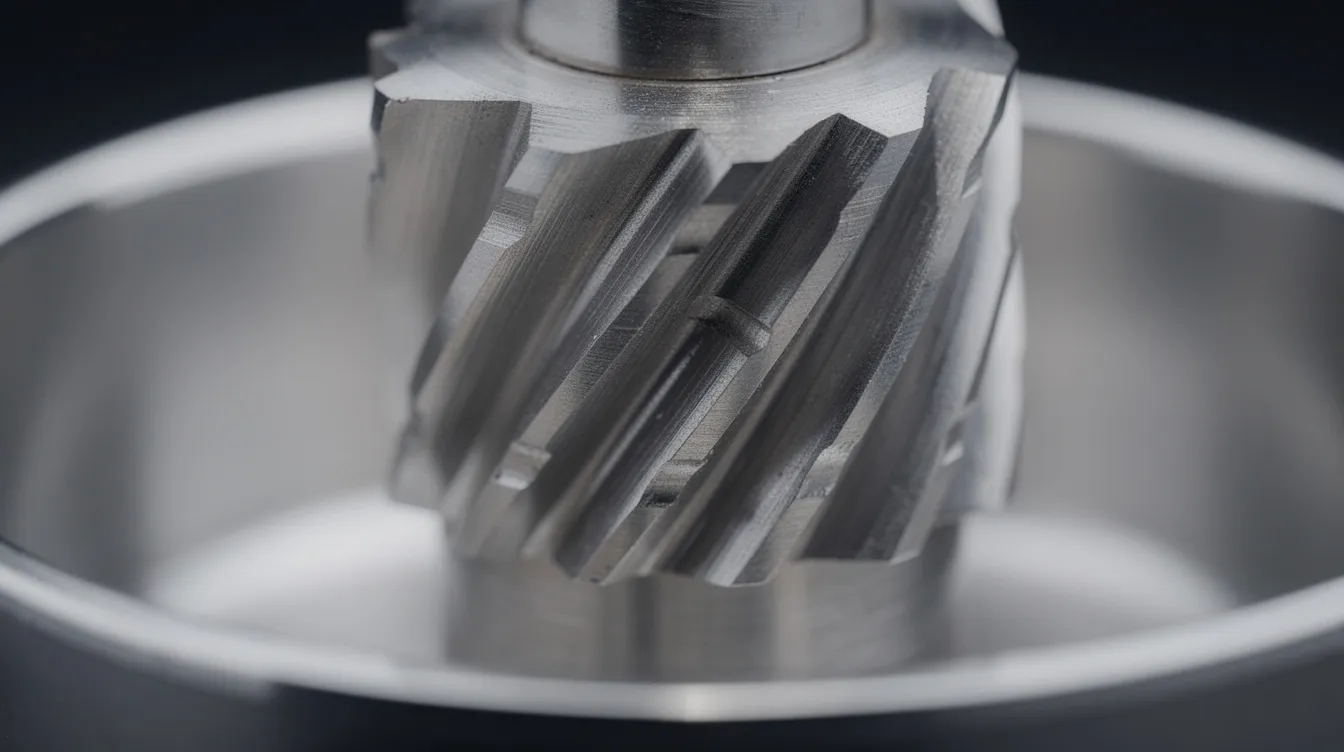
Burr type influences grind distribution and flavor emphasis, but implementation – alignment, motor quality, overall design – matters as much as shape alone.
Conical burrs are the most common design in popular home grinders like the Baratza Encore family. They are easier to align, often quieter, and work as good all-rounders. They tend to produce slightly more fines than flat burrs, which can add pleasant body to a cup but may reduce clarity with very delicate lighter roasts. For most coffee drinkers brewing drip, pour-over, or French press, conical burrs are more than sufficient.
Flat burrs appear in many professional grinders and premium home models like the Fellow Ode Gen 2 and DF64 Gen 2. They produce narrower particle distributions with fewer boulders, deliver excellent shot consistency for espresso, and offer clear flavor separation in filter coffee. A flat burr grinder is the go-to choice for anyone chasing flavor clarity with single-origin beans. The trade-off: flat burr designs often run at higher RPM, generate more heat, and may require more careful alignment.
Steel vs ceramic burrs: Steel is favored in virtually all modern grinders for sharpness, durability, and consistency. Ceramic burrs are more common in older or cheaper manual grinder designs. Ceramic can be quieter but is more fragile and generally less consistent at very fine grind settings. For most buyers, steel is the clear winner.
Practical guidance: Most U.S. buyers should prioritize overall grinder design, grind range, and verified reviews over obsessing about burr shape alone, unless you are among the serious coffee geeks chasing specific flavor profiles in light-roast espresso or competition-level pour-over.
Even the best coffee grinder will taste worse and wear out faster if not cleaned and maintained regularly. Routine maintenance can prolong the lifespan of a coffee grinder significantly.
Basic cleaning routines:
Common issues if you skip maintenance:
Long-term costs:
Moisture warning: Avoid using water to clean burrs to prevent corrosion. Most electric burr assemblies should never be rinsed. If static is a problem, a single drop of water on your coffee beans before grinding (the “Ross Droplet Technique”) can help without exposing burrs to moisture.
This section is for readers who want to understand why some grinders taste “cleaner” or “muddier” than others, especially for pour-over and espresso.
Particle consistency refers to how closely coffee grounds cluster around a target grind size. When most particles are near the same size, water extracts flavors evenly – you get clarity, sweetness, and balance. When the distribution is wide (lots of boulders and fine dust mixed together), some coffee particles over-extract while others under-extract, producing a muddled cup.
A consistent grind is the difference between a clean, bright pour-over and a dull, bitter one. It is also what separates a balanced espresso shot from one that channels and tastes simultaneously sour and bitter.
How burr design affects fines:
Retention is the amount of ground coffee that stays trapped inside the grinder after you finish grinding. For single dose users and anyone who switches beans frequently, high retention means stale old grounds contaminate your fresh dose. Design choices like declumpers, bellows, and anti-static chutes reduce retained coffee. The Mazzer Philos, for example, achieved near-zero retention in independent testing – a benchmark for premium single dose designs.
Simple at-home performance checks:
Living with a grinder day-to-day involves more than chasing specs. Your grinding process needs to fit your morning routine, not fight it.
Grind speed: Typical home grinders process a single espresso dose (18 g) in 5–15 seconds and a larger pour-over dose (25–30 g) in 8–20 seconds. Faster is not always better – higher RPM can mean more heat and noise, and excessive heat degrades volatile aroma compounds, especially in lighter roasts. For home use, balance matters more than raw speed.
Relative noise levels:
Workflow considerations:
Think about your own coffee routine: how many cups you brew, what time of day, and whether others in your household are sleeping when you grind. That practical context matters more than any spec sheet.
Grinder choice should match not only your taste goals but also the brewers and espresso machines you own or plan to buy.
Upgrading the grinder often yields more noticeable improvements than upgrading the brewer itself. Once your coffee maker handles basic brew temperature and flow correctly, grind quality becomes the primary lever for better-tasting coffee. A pricier grinder paired with a modest brewer will usually outperform a cheap grinder paired with an expensive machine.
A quick heads-up list to prevent expensive or frustrating missteps, especially for first-time buyers:
These FAQs address common questions not fully covered in the sections above, especially around use, maintenance, and upgrade decisions.
While dedicated espresso grinders give the most control and consistency for dialing in shots, many modern hybrids – like the Baratza Encore ESP Pro with its 119 fine grind settings – can serve both espresso and filter coffee if your expectations are realistic. Serious espresso enthusiasts pulling multiple shots daily, especially with lighter roasts and more demanding espresso machines, will benefit from a true espresso grinder with stepless adjustment and low retention. Casual espresso drinkers who mostly brew drip or pour-over can do well with a flexible grinder that has a finer adjustment range but may not match premium espresso-only models.
Light home users should brush out burrs every few weeks and clean monthly with cleaning pellets. Heavy espresso users grinding daily may want to clean weekly, especially when using oily dark roasts. Deep cleaning with burr removal or cleaning tablets a few times per year helps maintain flavor and reduce stuck fines – refer to your manufacturer’s manual before disassembly. Burrs may need replacing after several years of daily use, and brands like Baratza make this process easier and more affordable than most competitors.
Most decent burr grinders can serve multiple brewing methods, but frequent switching between espresso-fine and French press-coarse can be less convenient on some designs, especially hopper-based models that require purging old grounds after each adjustment. Households with diverse tastes may prefer grinders with clear, repeatable markings or dual-range adjustment – one area for espresso, another for filter coffee. Serious espresso geeks sometimes keep a separate grinder for filter coffee to avoid constant dial adjustments and simplify daily workflow.
Single dosing mainly benefits those who switch beans often or obsess over freshness and precision. For casual daily drip coffee drinkers, a traditional hopper grinder is usually more convenient, and flavor differences may be modest if beans are used within a few weeks of opening. Single dose grinders shine for hobbyists and espresso enthusiasts, while many households are better served by user-friendly hopper-based designs that let you grind coffee beans with minimal fuss each morning.
Rough targets: fine for espresso, medium-fine for pour-over, medium grind for most drip coffee makers, medium-coarse for Chemex, and coarse for French press and cold brew. Each grinder’s scale is different – grind setting numbers do not transfer between brands – so start from manufacturer or expert recommendations and adjust based on brew time and taste. Experiment in small steps: a few clicks finer or coarser on your grind setting can significantly change extraction and flavor, especially with espresso grinders where precision counts most.
Every coffee and coffee machine we recommend is scored on the same 100-point scale, so a recommendation on one page means the same thing as a recommendation on any other. Each pick is also labeled with how we reached its score.
| What we score | Points | What we look at |
|---|---|---|
| Origin and sourcing transparency | 20 | Country, region, farm or cooperative, altitude, bean variety, and processing method are clearly disclosed. |
| Flavor evidence | 25 | Independent cupping scores, how closely the tasting notes match what the origin is known for, and our own cupping notes when hands-on tested. |
| Roast and freshness | 15 | Roast level stated, roast-date practices, whole-bean availability, and packaging with a one-way valve or resealable bag. |
| Brew versatility | 15 | How well the roast suits pour-over, drip, French press, cold brew, and espresso. |
| Value | 15 | Price per ounce compared with similar single-origin coffees or blends. |
| Buyer feedback | 10 | Volume and consistency of verified reviews, and recurring complaints about staleness, bitterness, or shipping. |
| What we score | Points | What we look at |
|---|---|---|
| Brewing performance | 25 | Water temperature in the 195–205°F range, even extraction, and SCA certification or published test data. |
| Build quality and reliability | 20 | Materials, known failure points, and long-term owner reports. |
| Ease of use and cleaning | 15 | Setup, the daily routine, descaling, and dishwasher-safe parts. |
| Fit for your kitchen | 10 | Capacity, counter footprint, and noise. |
| Useful features | 10 | Programming, grind and temperature control, and carafe type. Features that improve the cup count more than extras that do not. |
| Value | 10 | Price compared with machines that perform similarly. |
| Warranty and support | 10 | Warranty length, parts availability, and how the brand handles repairs. |
| Score | Grade | What it means |
|---|---|---|
| 90–100 | A | Exceptional. Our first recommendation for the feeling and setting described. |
| 80–89 | B | Strong. Excellent, with minor trade-offs we explain. |
| 70–79 | C | Good. Worth it for specific needs, with clear compromises. |
| Below 70 | — | Not recommended. We do not feature these as picks. |
When a pick carries the Hands-on tested label, this is the method behind it, and we note the date we tested.
We match each coffee to a mood and a moment based on its flavor profile and roast. Bright, citrusy light roasts suit energizing mornings. Chocolatey, full-bodied medium roasts suit slow or social moments. Richer roasts suit espresso and milk drinks. Each pick explains which facts led us to that match.
Every score comes only from the criteria above. No brand can pay for a pick or a higher grade. We re-check ratings when a roast, listing, or model changes, and update or remove picks that no longer earn their grade.
Some links on this page are affiliate links. As an Amazon Associate, Capitol City Coffee earns from qualifying purchases, at no extra cost to you.
Questions about a rating? Reach the Capitol City Coffee team through our contact page.
Capitol City Coffee
Get brewing guides, origin stories, and new recipes. A few emails, no spam.
Unsubscribe anytime. We never share your email.