


Key Takeaways
- For most buyers, the best brazilian coffee is Café Orfeu Classic – a specialty-grade, medium-roast blend from Sul de Minas and Mogiana with chocolate, caramel, and floral notes. Volcanica Brazil Peaberry and Black Tucano Premium Blend are strong alternatives for intensity and value, respectively.
- All recommendations in this guide are based on researched editorial analysis of brazilian coffee beans, verified product data, and third-party expert consensus – not hands-on tasting by Capitol City Coffee. Picks prioritize flavor, consistency, and value over affiliate commissions.
- Brazilian coffee varieties are known for sweetness, chocolate, nuts, and caramel, and most top options come from the Minas Gerais region (especially Sul de Minas and Cerrado Mineiro) as medium roasts suited to drip, French press, and espresso.
- Beyond origin and brand, focus on roast date, grind form (whole beans vs ground coffee), and brew-method fit when making a purchase decision.
- Later sections compare single origin vs blends, break down regions like Sul de Minas and Mogiana, and provide clear brewing and freshness guidance.
Quick Answer: What Is the Best Brazilian Coffee Right Now?
For most people, Café Orfeu Classic is the best brazilian coffee available and one of the best coffee options for buyers seeking this origin. Sourced from estates in southern Minas Gerais and the Mogiana region, it delivers balanced sweetness, rich chocolate and caramel notes, and a smooth, medium body that works across drip, French press, and espresso. Café Orfeu is Brazil’s most awarded specialty coffee brand and a respected name in the coffee world, and this flagship blend consistently scores above 80 on the SCA specialty scale.
If you want more intensity, Volcanica Brazil Peaberry offers a bolder, nuttier cup with hazelnut and subtle raspberry from a washed peaberry lot. For a first foray into specialty brazilian beans, Black Tucano Premium Blend delivers cocoa, red fruit, and raw sugar at a friendlier price point. These are researched editorial picks built on verifiable roaster data, expert cupping notes, and aggregated consumer feedback. Detailed tasting notes, regional breakdowns, and brew-method recommendations follow in the sections below.
Affiliate & Editorial Disclosure
Capitol City Coffee may earn a small commission from qualifying purchases made through links in this guide, at no extra cost to you. Rankings are independent and based on researched editorial analysis, expert consensus, and verified product facts – not on commission size or paid placement. This guide is written as an independent coffee editorial publication, not as a coffee seller.
Top Picks: Best Brazilian Coffee (Beans & Blends)
Below are concise “best for” picks, each with origin, roast, and flavor highlights so you can jump straight to a match. Full reviews appear further down.
- Café Orfeu Classic – Best overall specialty brazilian coffee. Fazenda Sertãozinho, Sul de Minas and Mogiana, medium roast. Chocolate, caramel, floral sweetness. Ideal for drip, pour-over, espresso.
- Volcanica Brazil Peaberry – Best peaberry single origin. Southern Minas Gerais estates, medium roast, washed. Hazelnut, nutty base, subtle raspberry, rich body. Great for drip, espresso, cold brew.
- Black Tucano Premium Blend – Best entry-level specialty blend. Mantiqueira de Minas and Serra do Paredão, medium roast. Cocoa, red fruits, milk chocolate, raw sugar. Works well for drip, espresso-milk drinks.
- Daterra Estates Samba Pearl – Best traceable estate coffee. Cerrado Mineiro, medium roast, full-bodied profile with caramel sweetness and mild citrus. Suits pour-over and French press.
At-a-Glance comparison
Tap a photo or the Amazon button to check that bag. These are Amazon listing photos. Research-rated from each brand’s published details, not yet brewed by our team.
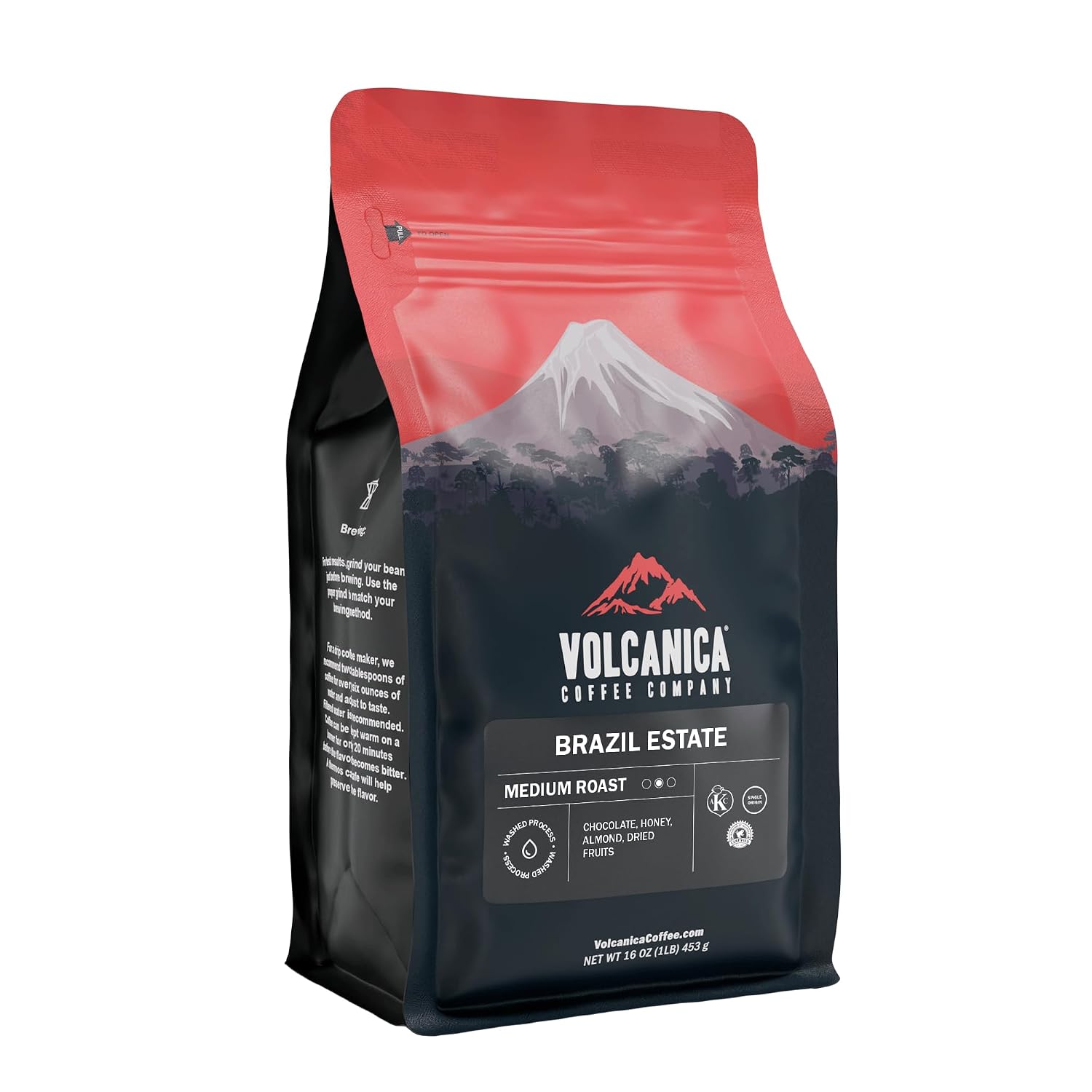
Weekday Brazil
Volcanica Brazil Bracosta
- RoastMedium
- FormatWhole bean
- NotesNutty chocolate
Here is a quick side-by-side look at the top brazilian coffees featured in this guide. Use it to compare region, processing, flavor, and brew-method fit before diving into full reviews.
Coffee | Type | Region | Altitude | Variety | Processing | Roast | Key Flavor Notes | Best Brew Methods | Price Range | Certifications |
|---|---|---|---|---|---|---|---|---|---|---|
Café Orfeu Classic | Blend (traceable estates) | Sul de Minas / Mogiana | 1,100–1,400 m | Bourbon Amarelo, Catuaí | Natural & Pulped Natural | Medium | Chocolate, caramel, floral, fruit | Drip, pour-over, espresso, French press | $$ | Categoria Especial, Cup of Excellence |
Volcanica Brazil Peaberry | Single origin (peaberry) | Southern Minas Gerais | ~800–1,200 m | Arabica Peaberry | Washed | Medium | Hazelnut, raspberry, rich body, low acidity | Drip, espresso, cold brew | $$–$$$ | Rainforest Alliance, Kosher |
Black Tucano Premium | Blend | Mantiqueira de Minas | 920–1,200 m | Yellow Catuaí, Mundo Novo | Natural + Fermented | Medium | Cocoa, red fruits, caramel, raw sugar, nuts | Drip, espresso-milk, pour-over | $$ | SCA ~86+ |
Daterra Samba Pearl | Single origin estate | Cerrado Mineiro | ~1,000–1,200 m | Mixed Arabica | Natural | Medium | Caramel, dark chocolate, mild citrus | Pour-over, French press | $$–$$$ | Multiple sustainability certs |
How We Selected and Evaluated These Brazilian Coffees
Every pick in this guide was chosen through researched editorial analysis rather than in-house cupping or lab testing. Here are the criteria we applied:
- Verified origin and traceability – preference for single origin brazilian coffee or clearly disclosed blends from regions like Minas Gerais and Mogiana.
- Roast dates and freshness practices – roasted to order where possible, smaller bag sizes, valve-sealed packaging.
- Third-party reviews and cupping scores – SCA scoring when available, awards like Cup of Excellence, and Rainforest Alliance recognition.
- Flavor profile alignment – smooth body, chocolate, nuts, caramel, and balanced acidity consistent with what makes brazil coffee distinctive.
- Value and U.S. availability – whole bean and sometimes ground coffee options accessible to American buyers.
No coffee was prioritized because of higher affiliate commissions. Details like altitude, processing methods, and varieties come from roaster and farm disclosures plus recognized specialty coffee research.
Detailed Reviews: Best Brazilian Coffee Beans & Blends
This section covers each recommended coffee in depth – strengths, trade-offs, and best use cases. Where noted, impressions rely on published tasting notes and broad expert consensus, not first-person tasting by Capitol City Coffee.
Best Overall: Café Orfeu Classic
Café Orfeu sources this flagship from Fazenda Sertãozinho and Fazenda Rainha in the Sul de Minas and Mogiana region across Minas Gerais and São Paulo. The blend uses Bourbon Amarelo and Catuaí varieties grown at 1,100–1,400 meters, processed as both natural and cereja despolpado (pulped natural), and medium roasted.
Expect floral and fruity aromatics up front, followed by chocolate, caramel notes, elevated sweetness, and a persistent finish. The body is smooth, acidity is balanced, and it performs well across drip, French press, and espresso. As a specialty coffee graded above 80 SCA points, it punches above many similarly priced options.
Limitations: This is a blended estate coffee rather than a microlot, so flavor extremes – bright fruit acidity, for instance – are smoothed out. Larger 1 kg bags may lose freshness faster without proper storage.
Best Peaberry: Volcanica Brazil Peaberry
This single origin peaberry lot comes from estates in southern Minas Gerais. Peaberry beans – where a single rounded seed develops instead of two flat-sided beans – tend to concentrate sugars and produce more intense flavor.
Washed and mechanically dried, then medium roasted, this coffee delivers a nutty, sweet hazelnut base with hints of raspberry, a rich full body, and low acidity (reported pH ~5.2). Certifications include Rainforest Alliance and Kosher.
Limitations: Washed processing may yield less natural sweetness and body compared to natural-processed brazilian coffee beans. Peaberry lots cost more per pound due to manual sorting. Those who prefer fruit-forward brightness from other origins may find this too mellow.
Best Entry-Level Specialty: Black Tucano Premium Blend
Black Tucano’s Premium Blend combines Yellow Catuaí and Mundo Novo beans from Mantiqueira de Minas and Serra do Paredão at 920–1,200 meters. Catuaí beans are known for their low acidity and sweetness, while Mundo Novo beans have a medium body and caramel notes – together they create a layered cup.
Processing blends natural and fermented methods, producing chocolate, red fruits, milk chocolate, apple pie, cocoa, raw sugar, and almond tones. Cupping scores hover around 86 SCA points. This is a strong everyday specialty coffee for drip and espresso-milk drinks.
Limitations: The blend format means less single-farm traceability. Not ideal if you want very bright, citrus-forward acidity.
Best Traceable Estate: Daterra Estates Samba Pearl
Daterra farms sit in the Cerrado region of Minas Gerais at roughly 1,000–1,200 meters. This estate is known for rigorous traceability and sustainability certifications. The Samba Pearl lot delivers a full-bodied profile with caramel sweetness, dark chocolate depth, and gentle citrus on the finish.
Medium roasted, it suits pour-over and French press especially well. The full body and low bitterness make it a solid espresso base, too.
Limitations: Availability in the U.S. can be inconsistent; pricing sits at the premium end of brazilian coffee brands.
What Makes Brazilian Coffee Taste the Way It Does?
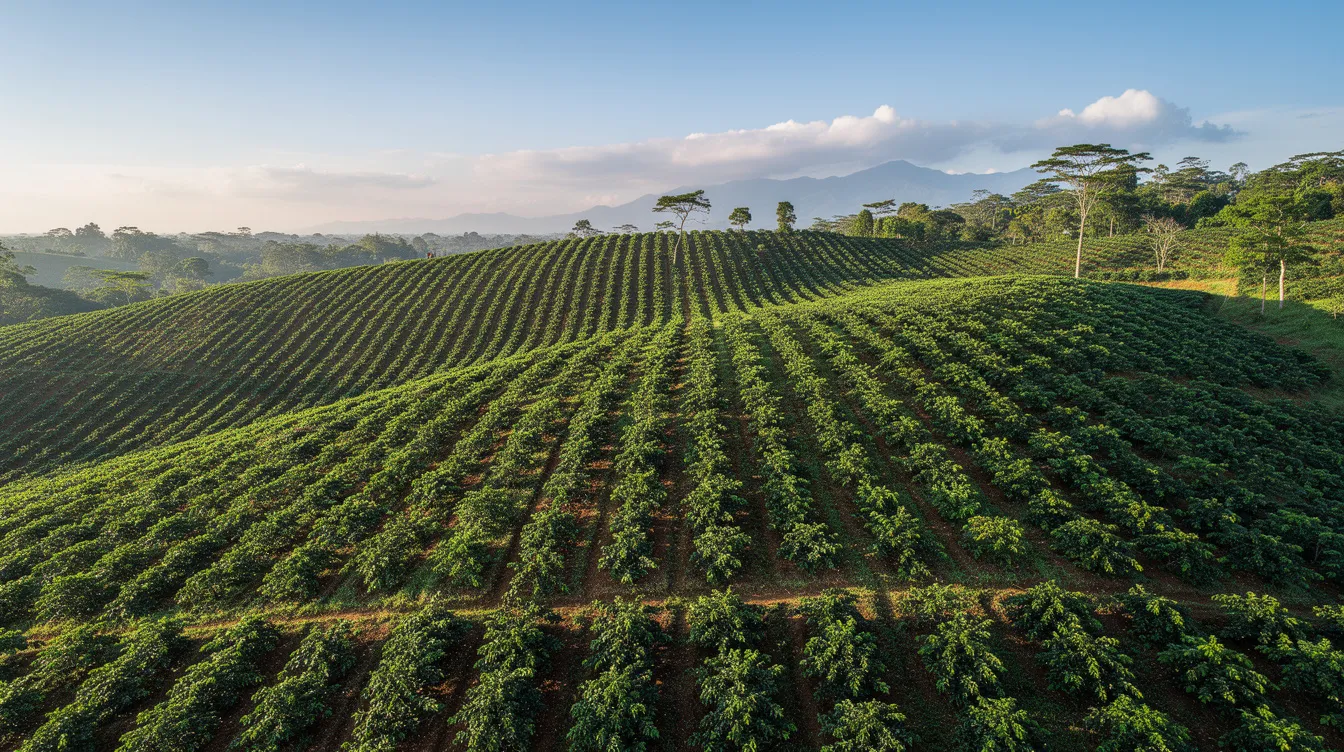
Brazilian coffee’s signature profile – smooth body, chocolate, nuts, lower acidity – traces directly to the country’s growing conditions and processing traditions. Brazil has been the world’s largest coffee producer since 1840, and coffee production was a key part of the country’s development, from infrastructure growth to the rise of regions such as São Paulo, Minas Gerais, and Rio de Janeiro in Brazil’s coffee story. Today, Brazil supplies nearly a third of the world’s coffee, giving it an outsized role in the global market, and coffee remains a cultural cornerstone in the country. Brazilians start their day with “café da manhã” coffee, and social gatherings in Brazil often revolve around coffee.
Altitude and terrain. Brazilian beans grow at lower altitudes compared to other coffee producing regions – typically 800–1,500 meters for specialty lots. Combined with flat terrain and ample sun exposure, Brazilian coffee develops distinct characteristics: heavier body, more sugar accumulation, and gentler acidity than high-altitude East African or Central American coffees.
Varieties. Brazil produces nearly 90% arabica coffee beans. Catuaí and Mundo Novo are common Brazilian arabica varieties, alongside Yellow Bourbon and Icatu hybrids. Brazilian coffee has a naturally sweet flavor profile centered around sugars, nuts, and chocolate, and typical flavor profiles include chocolate, caramel, and brown sugar.
Processing. Brazilian coffee is primarily processed using natural or honey methods. Natural processing adds body, sweetness, and complexity to coffee by drying the whole cherry around the bean. Honey processing leaves mucilage on beans, enhancing sweetness and body while producing a cleaner cup than full naturals. Brazilian coffee is often lower in acidity than washed coffees. The result: coffees from Brazil often deliver a smooth and comforting experience when brewed, with a heavy, creamy, and round body. Brazilian coffees are celebrated for their low to mild acidity, and low bitterness in Brazilian beans makes them favorable for espresso blends.
Key Brazilian Coffee Regions (Minas Gerais, Sul de Minas & Beyond)
Where in Brazil the coffee is grown is one of the strongest predictors of what ends up in your cup. High-quality Brazilian coffee often comes from regions like Minas Gerais and Cerrado Mineiro, but the country’s coffee map is broader than most buyers realize.
Minas Gerais is Brazil’s main coffee state. Minas Gerais produces around 60% of Brazil’s coffee, making it the single most important region for producing coffee in the country. Within it, Sul de Minas delivers the classic chocolatey, nutty, sweet profile with balanced acidity that defines what most people think of as “brazil coffee.” Cerrado Mineiro, a plateau region with a more defined dry season and high altitude growing conditions, produces clean, full-bodied cups with nutty and caramel sweetness. The Cerrado region has over 4,500 coffee growers.
São Paulo’s Mogiana region is known for sweet, chocolatey coffees layered with slightly brighter acidity and citrus or fruit notes – good territory for complex specialty coffee.
Bahia (particularly Chapada Diamantina) is an emerging specialty origin. Bahia coffee beans are known for their bright acidity and fruity flavors, offering profiles quite different from the Minas Gerais norm.
Espírito Santo is the country’s primary robusta coffee (Conilon) zone. Brazil is the world’s second-largest producer of Robusta coffee. These robusta beans are earthier, higher in caffeine, and mainly used in commercial espresso blends and instant coffees rather than the specialty-grade coffees featured here.
Paraná coffee features a slightly milder flavor profile and plays a smaller role in the specialty segment.
How to Choose the Best Brazilian Coffee for Your Taste
Picking the right coffee bean comes down to matching your brewing preferences with origin, processing, and roast choices.
Single origin vs blends. Single origin brazilian coffee from a specific estate or region – like Sul de Minas or Cerrado – showcases terroir and lets you taste place. Blends, often built on a brazilian base, aim for consistency and layered flavor. Many popular espresso blends use Brazilian arabica beans as their foundation.
Roast level. Medium roasts preserve origin clarity and let chocolate and fruit notes shine through. Medium-dark roasts push further into nuts, caramel, and darker chocolate – ideal for French press and espresso. Very light roasts can expose vegetal notes in lower-altitude beans.
Processing style. Natural processing yields heavier body and more sweetness. Honey processing splits the difference. Washed lots are crisper but less common in Brazilian specialty coffee.
Whole bean vs ground coffee. Whole beans stay fresh longer and let you adjust grind size for each brew method. Pre-ground suits buyers without a grinder but degrades faster.
Certifications and ethics. Brazilian coffee must meet strict sustainability standards. Rainforest Alliance certification reflects responsible farming practices. Over 70% of Brazil’s coffee is Arabica, often certified organic. Brazilian coffee farms are often certified by UTZ and FairTrade, and Brazil’s Ministry of Agriculture enforces strict labor regulations. These certifications address environmental and social standards rather than taste directly.
Price and value. Brazilian single origin can be a value-friendly entry into specialty coffee compared to other origins. Estimate your cost per cup and balance premium quality against everyday affordability.
Brewing & Freshness Tips for Brazilian Coffee
Brazilian coffee’s low to medium acidity and full body make it forgiving and versatile. Here is how to get the best cup from each method.
- Drip and pour-over: Use a medium or medium-fine grind size with water at 195–205°F (90–96°C). A slightly higher dose (e.g., 1:15 ratio) accentuates body and chocolate notes.
- French press: Go coarser on the grind, steep 4–5 minutes, and use medium roast beans to highlight nutty, cocoa flavors and thicker mouthfeel.
- Espresso and moka pot: Medium to medium-dark roasted brazilian coffee beans leverage their crema potential, sweetness, and low acidity. Adjust your grind finer and tamp evenly.
- Cold brew: Naturally processed Brazilian coffees work especially well here, producing smooth, chocolatey, low-acid iced coffee. Steep 12–18 hours at room temperature or in the fridge.
Freshness best practices:
- Buy whole bean and grind immediately before brewing.
- Use beans within 2–4 weeks of roast date for the best flavor. Check that your bag lists an actual roast date, not just a “best by” date.
- Store beans in an opaque, airtight container at room temperature, away from light, heat, and moisture. Skip the refrigerator.
- Chocolate-forward Brazilian coffees respond well to small brew recipe tweaks – adjusting dose or grind size by a few clicks can tame bitterness or add richness.
Is Brazilian Coffee Good for Daily Drinking and Health Concerns?
Brazilian coffee is generally well-suited for daily drinking among healthy adults. Its smooth body and lower perceived acidity make it gentler on the stomach than some higher-acid origins, though individual sensitivity varies. Most specialty Brazilian coffees are 100% arabica, often with natural or honey processing, which contributes to a mellower drink.
Widely accepted regulatory guidance from the FDA suggests that up to about 400 mg of caffeine per day is considered safe for most healthy adults. An 8 oz cup of brewed coffee typically contains around 80–100 mg of caffeine. Certifications such as Organic, Rainforest Alliance, and FairTrade focus on environmental and social standards rather than direct health benefits.
This is general information only, not medical advice. If you have health or caffeine concerns, consult a healthcare professional.
Related Guides to Explore Other Coffee Origins
If you enjoy Brazilian coffee, comparing it against other major origins can sharpen your palate and help you find your ideal daily cup.
- Browse all Capitol City Coffee guides at /coffee/.
- Compare coffee by origin at /coffee/origins/.
- Explore brighter, fruitier, high-acidity single origin coffee in our guide to the best Ethiopian coffee beans at /coffee/origins/best-ethiopian-coffee-beans/.
- Compare balanced, versatile Latin American coffees in our best Colombian coffee beans guide at /coffee/origins/best-colombian-coffee-beans/.
- Discover more complex, chocolate-and-citrus-forward profiles in our best Guatemalan coffee roundup at /coffee/origins/best-guatemalan-coffee/.
Our Brazilian Coffee Picks
We matched a Brazilian bag to the nutty, chocolate drip cup this guide describes. Tap the image or the coffee name. Research-rated, not yet brewed by our team. As an Amazon Associate we earn from qualifying purchases.
Feeling everyday: a Brazil drip bag
Our pick: Volcanica Coffee Brazil Bracosta, medium roast, whole bean. Nutty chocolate for weekday drip, matching this origin guide. Research-rated, not yet brewed by our team.
FAQs: Brazilian Coffee Beans & Brewing
What does typical Brazilian coffee taste like compared to Colombian or Ethiopian coffee?
Brazilian coffee is generally fuller-bodied, smoother, and lower in acidity, with dominant chocolate, nut (hazelnut, almond), and caramel notes. Colombian coffee tends toward balanced acidity with gentle fruit and citrus, while Ethiopian coffee is typically brighter, often floral and berry-forward. If you find Ethiopian too sharp or Colombian too middle-of-the-road, Brazilian beans may hit the sweet spot for you.
Are all Brazilian coffees low acid?
Not universally. While many Brazilian coffees are perceived as low to medium acidity – especially natural-processed and medium-roasted beans from regions like Sul de Minas – acidity still varies by region, variety, and roast level. Bahia coffees, for example, can show brighter acidity. If you are sensitive, seek medium roasts labeled as chocolate or nut-forward rather than citrus-forward lots.
Is Brazilian coffee always Arabica, or does it include Robusta?
Brazil grows both arabica and robusta coffee (often called Conilon). The specialty coffees in this guide are almost entirely 100% arabica. Robusta from states like Espírito Santo is more common in commercial blends and instant coffees, bringing more bitterness and caffeine but less nuanced flavor. Brazil is the world’s second-largest producer of Robusta coffee globally.
Can I use Brazilian coffee beans for espresso?
Absolutely. Brazilian coffee beans are among the most popular bases for espresso worldwide due to their sweetness, full body, and low to moderate acidity. Choose medium to medium-dark roasts and dial in your grind size and dose to extract thick crema and rich chocolate notes. The low bitterness of Brazilian arabica beans makes them a natural fit for both straight shots and milk-based espresso drinks.
How long do Brazilian coffee beans stay fresh after roasting?
Under good storage conditions, most Brazilian coffee beans taste best within about 2–4 weeks of roast date, with flavor slowly declining afterward. Darker roasts may peak sooner. Properly stored, valve-bagged whole beans can remain pleasant for several weeks beyond peak, even if some aromatics fade. Always check for an actual roast date on the bag rather than a vague “best by” stamp – that single detail is often the best predictor of how your cup will taste.